
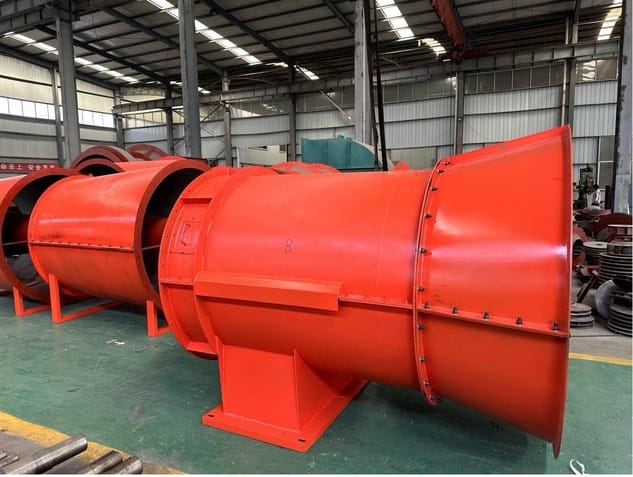
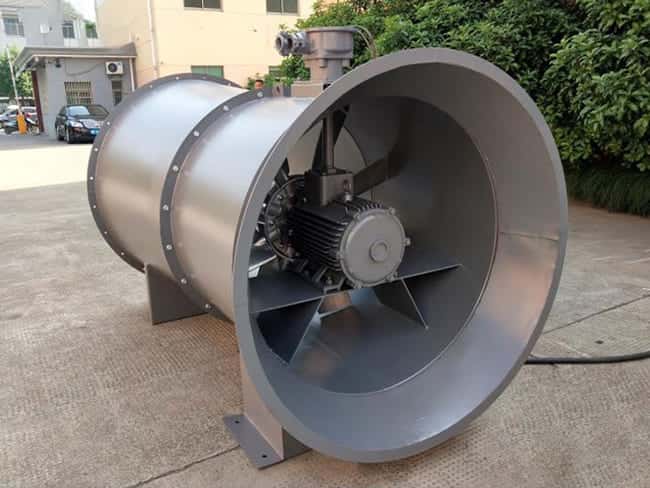
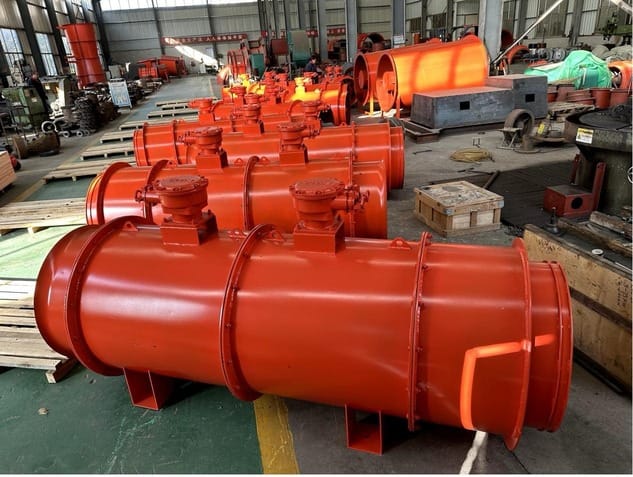
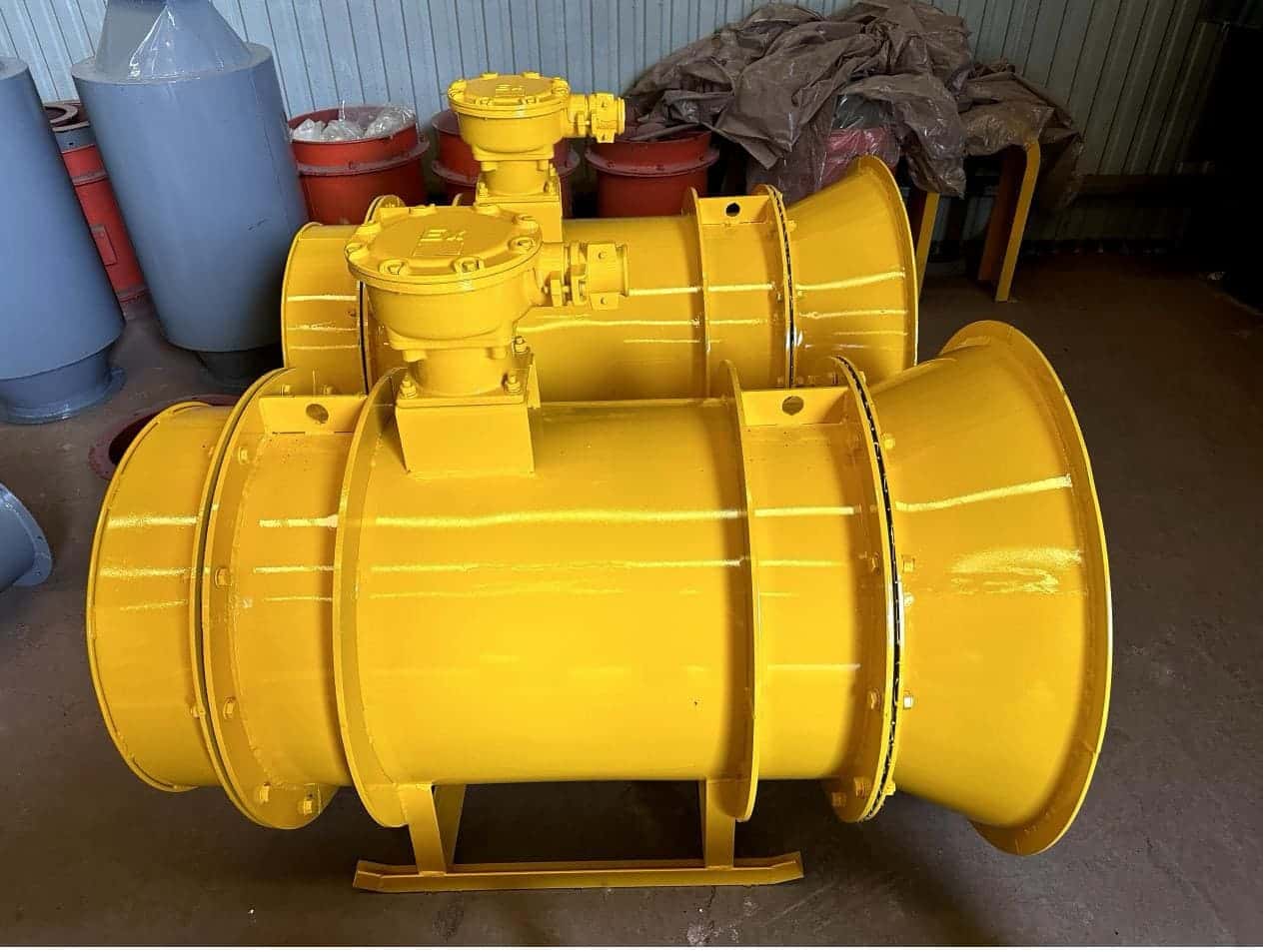


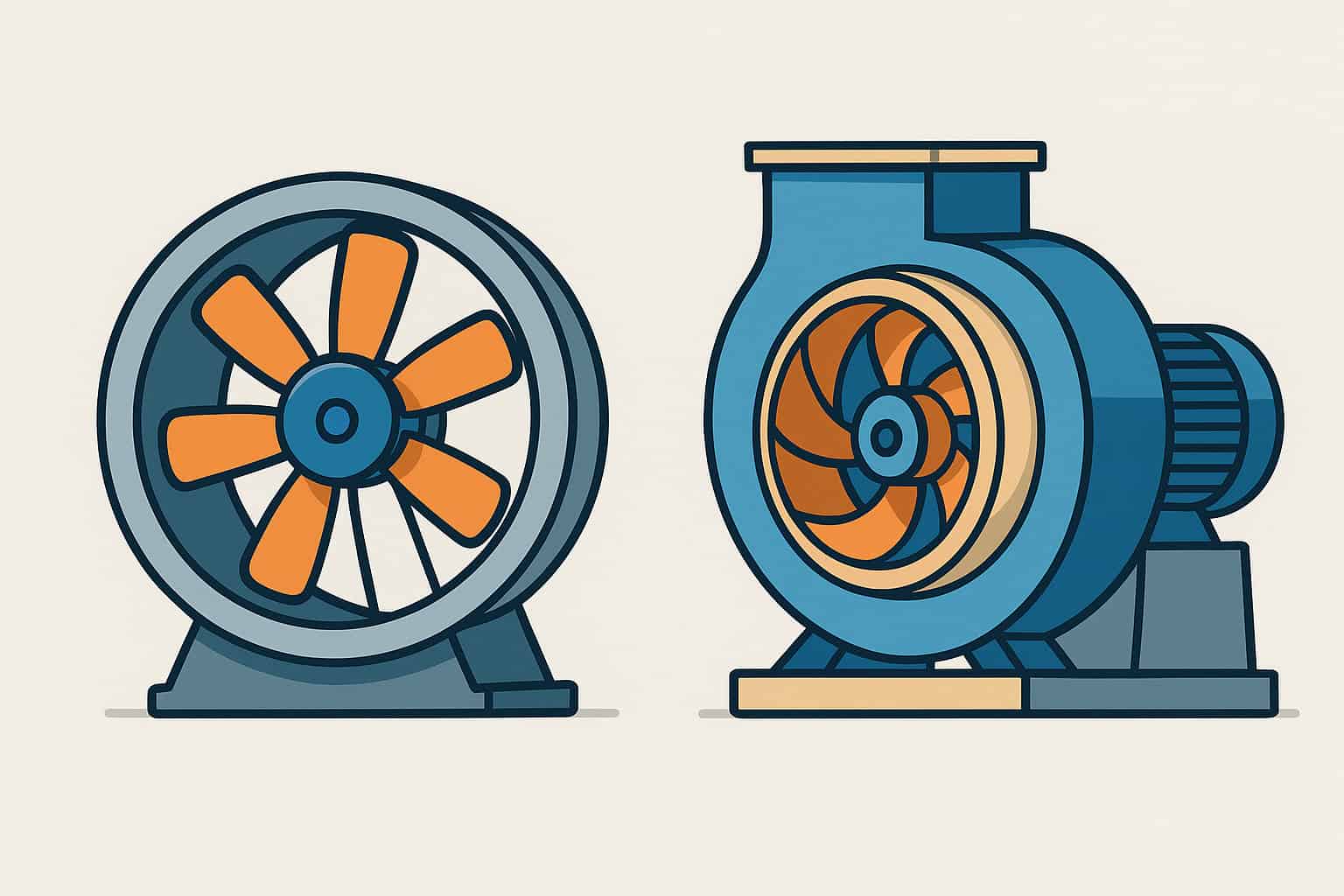
There is no single “good” RPM for all fans. The ideal speed is the one at which a specific fan, with a specific diameter and blade design, delivers the required airflow and pressure efficiently, quietly and within its mechanical limits.
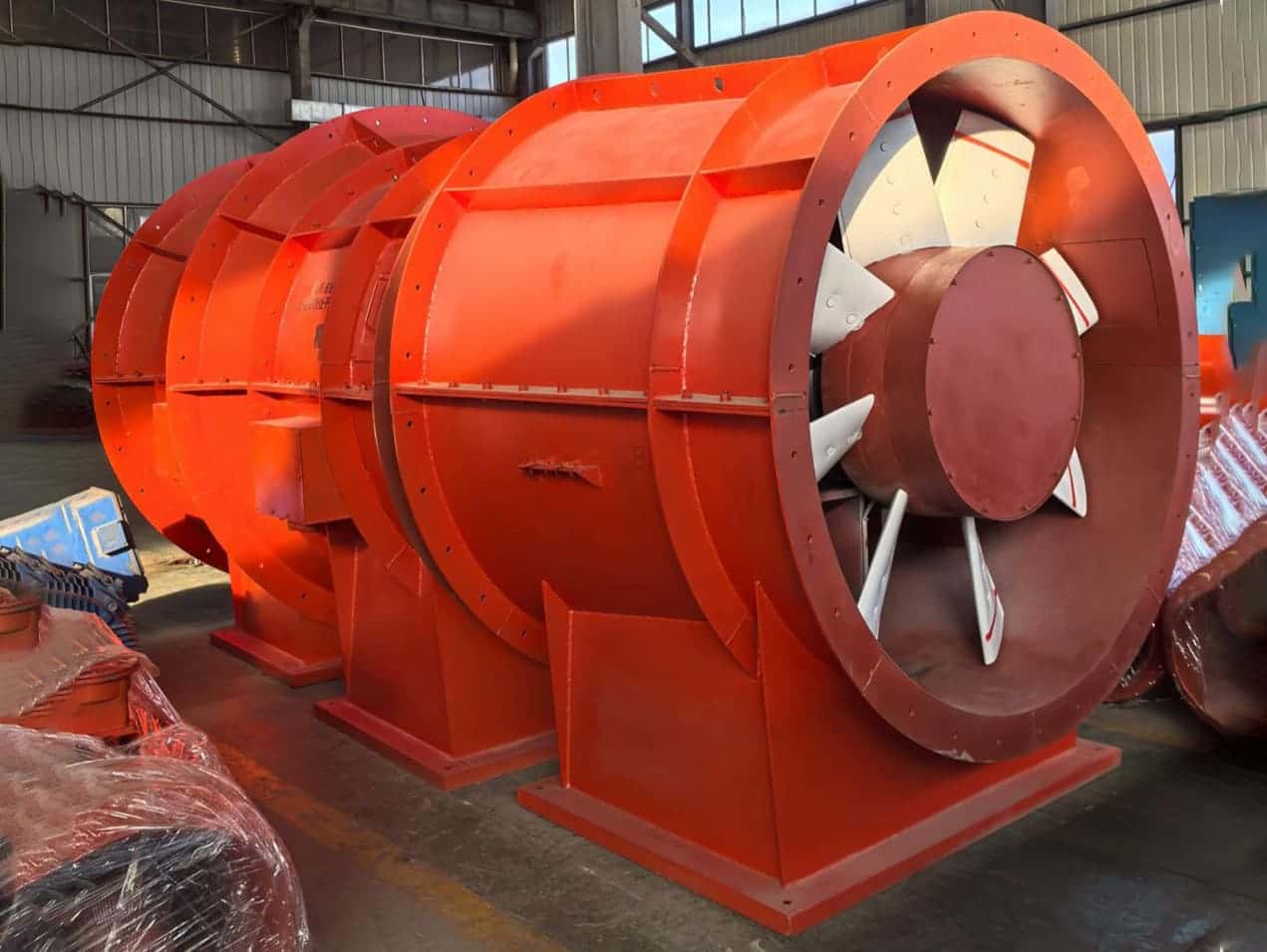
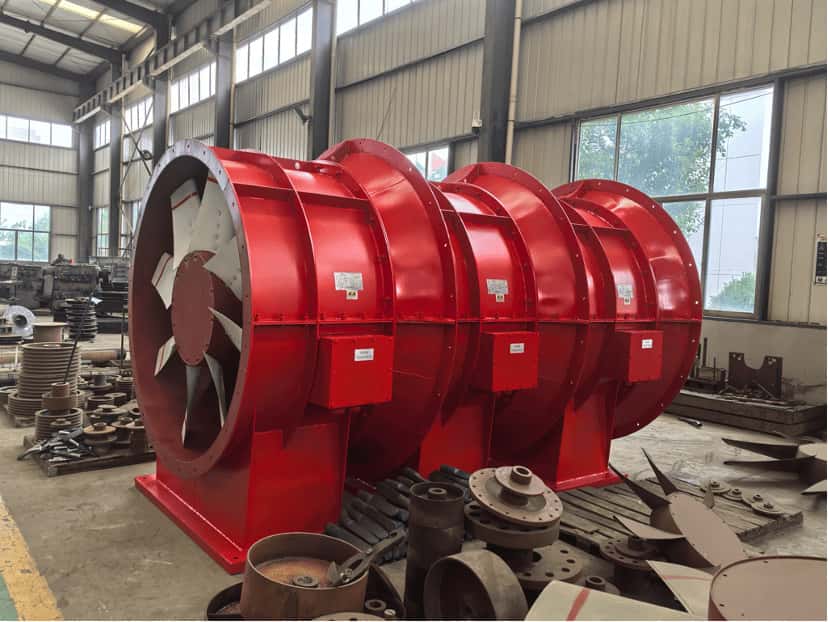
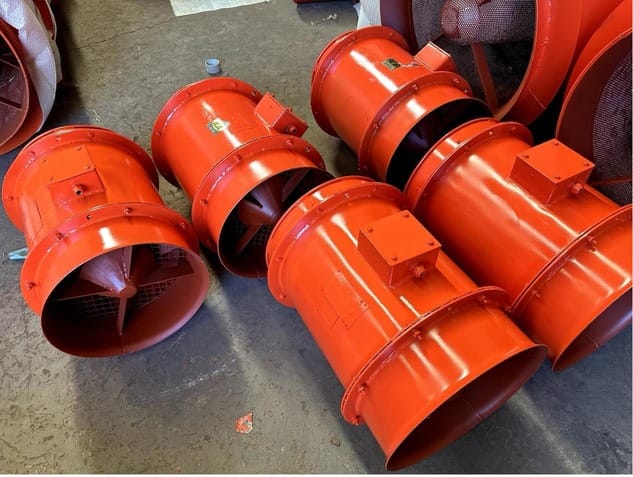
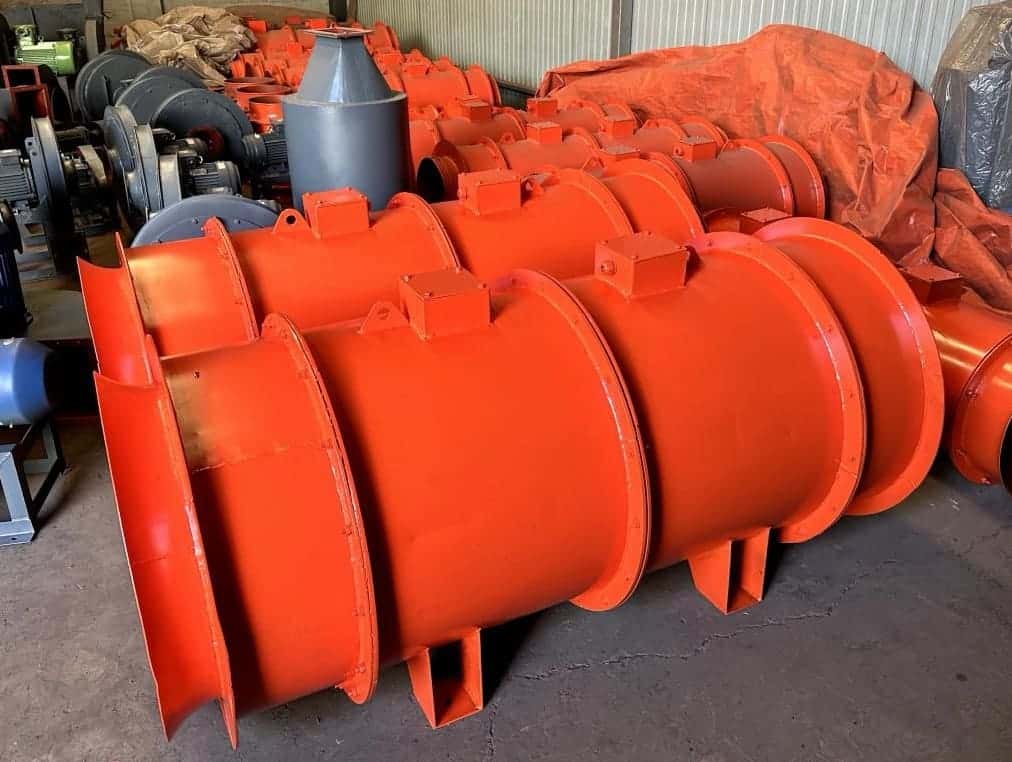
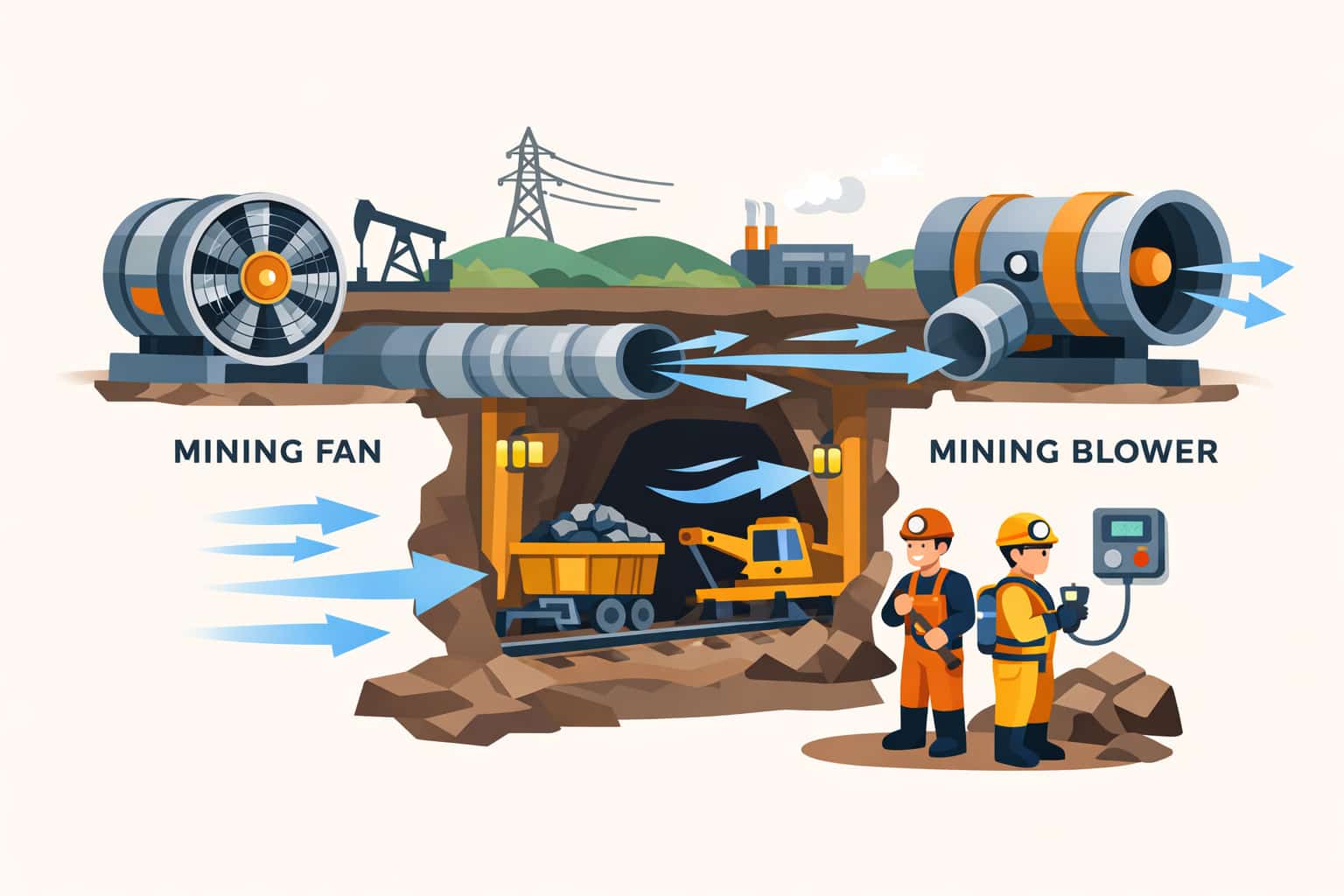
For a given duty, designers choose a combination of fan diameter and RPM. Larger fans can move the same airflow at lower RPM, while smaller fans must run faster. In industrial and mining ventilation, it is common to favour larger, slower fans where space allows, because they tend to be quieter and can be more efficient at high volumes. For example, a large mine main fan might operate at a few hundred to around one thousand RPM, depending on size and type, whereas a small inline duct fan could run at several thousand RPM.
Fan laws show that as RPM increases, airflow rises in proportion, pressure rises with the square of speed and power with the cube. This means that beyond a certain point, raising RPM brings diminishing returns in airflow relative to the extra noise and energy consumption. A “good” RPM is therefore one that lies within the high-efficiency region of the fan curve, not simply the highest speed the motor can achieve.
Mechanical limits also constrain what is acceptable. Higher RPM increases blade tip speed and centrifugal forces, which place greater stress on impellers, shafts and bearings. Fan manufacturers specify maximum safe speeds based on materials and construction, and these limits must never be exceeded. In mining ventilation, additional safety margins are applied because fans are critical for life support.
Noise is another factor. As RPM increases, aerodynamic noise typically rises. In occupied industrial areas, regulations and worker comfort may dictate lower speeds or additional silencers. In remote locations, noise may be less critical, but vibration and structural loading still must be controlled.
In practice, determining a good RPM for a fan involves calculating the required duty (flow and pressure), selecting a fan size and type, reviewing manufacturer performance data and choosing a speed at which the fan meets the duty near its best efficiency point. Variable-frequency drives then allow fine adjustment of RPM in service. In summary, a good RPM is application-specific and is defined by performance, efficiency, mechanical safety and noise constraints rather than by a single standard value.