
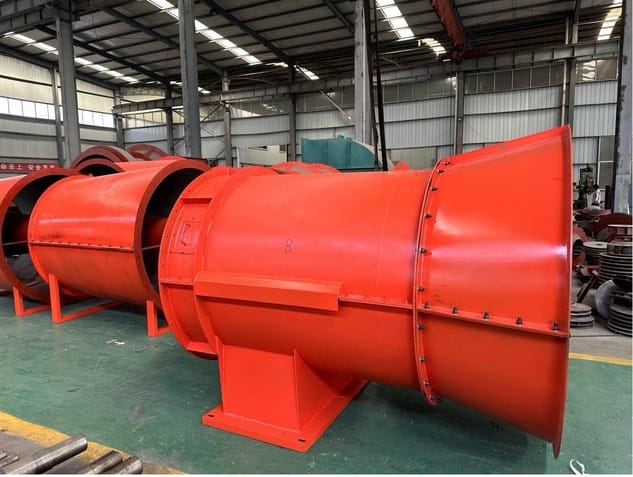
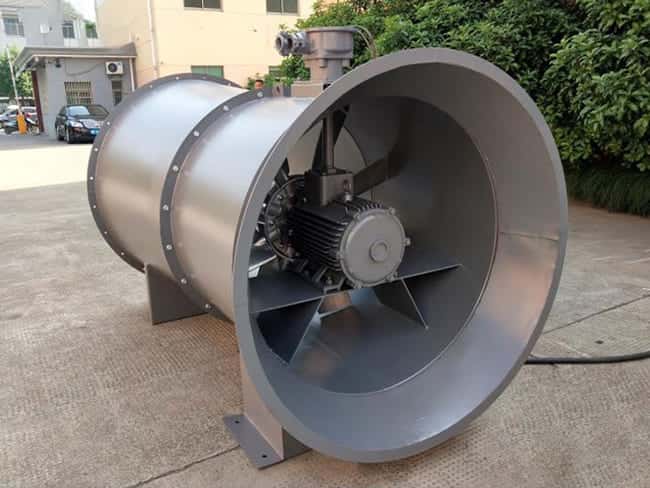
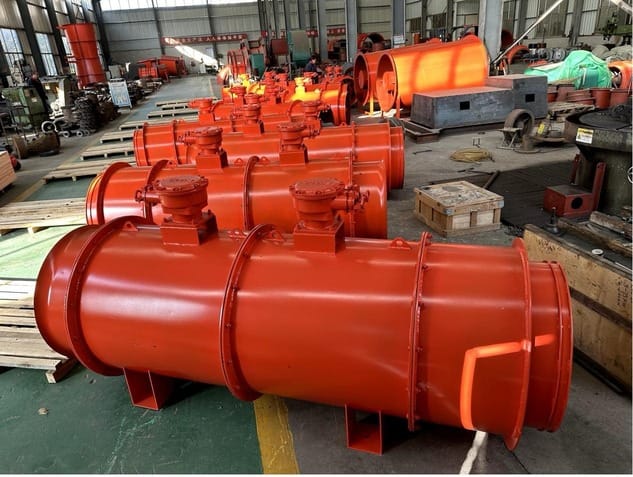
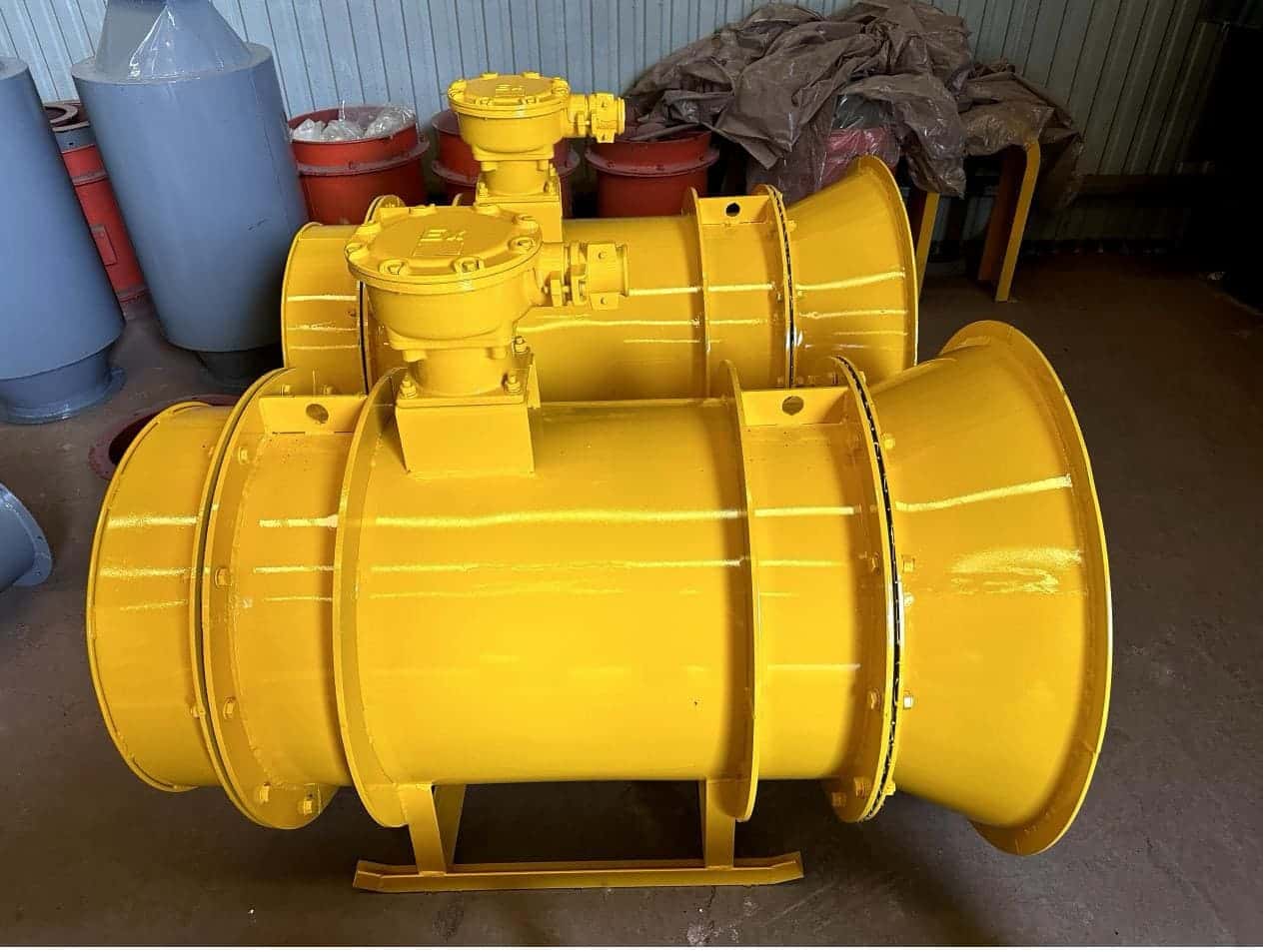
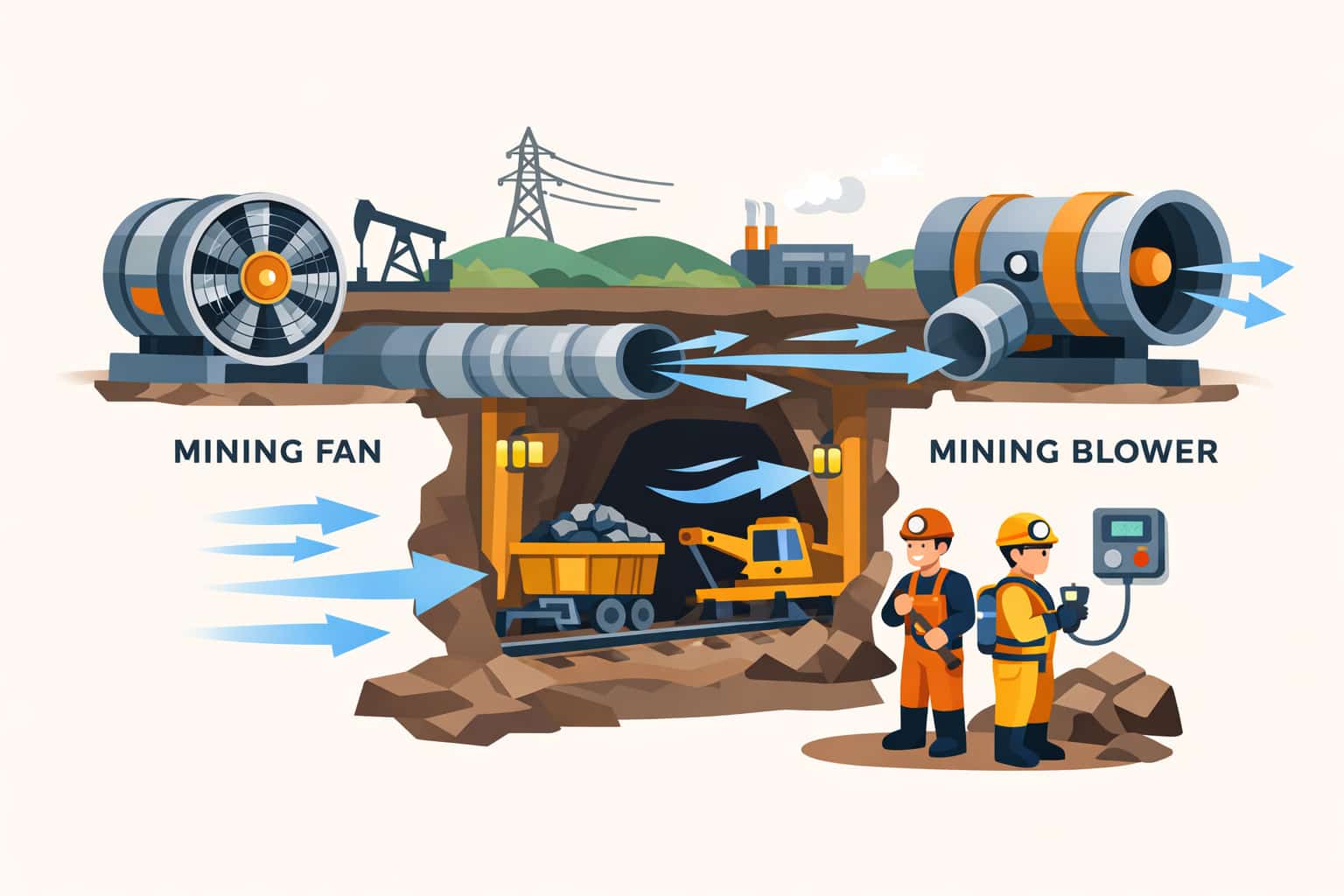
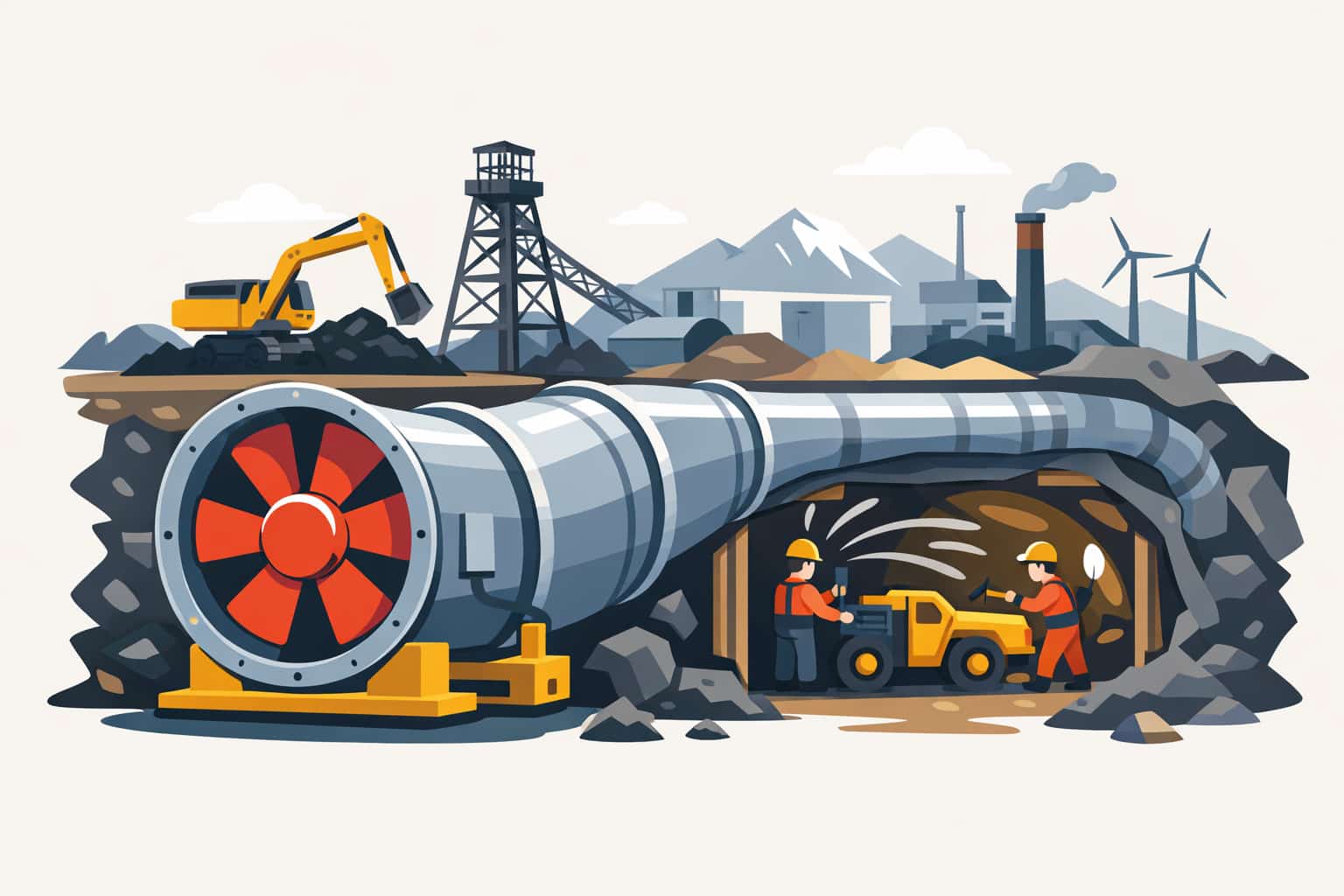

A mine vent is any opening, structure, or device in a mining operation that is used primarily for moving air into or out of the underground workings. While people often use the term informally, in practice a mine vent can mean a surface vent raise, a ventilation shaft, a portal used as an intake, or a dedicated exhaust opening connected to mine ventilation fans. Its main purpose is to support the mine ventilation system, not to hoist ore or personnel.
On the surface, a mine vent may appear as a vent raise collar, shaft headframe, or low-profile exhaust structure. These openings connect directly to intake or return airways underground. When they function as intake vents, fresh air from the atmosphere flows down through the vent and is distributed to the mine via drifts, ramps, and crosscuts. When they serve as exhaust vents, contaminated air from the mine is pulled up through the vent and discharged to a safe location away from offices, workshops, and nearby communities.
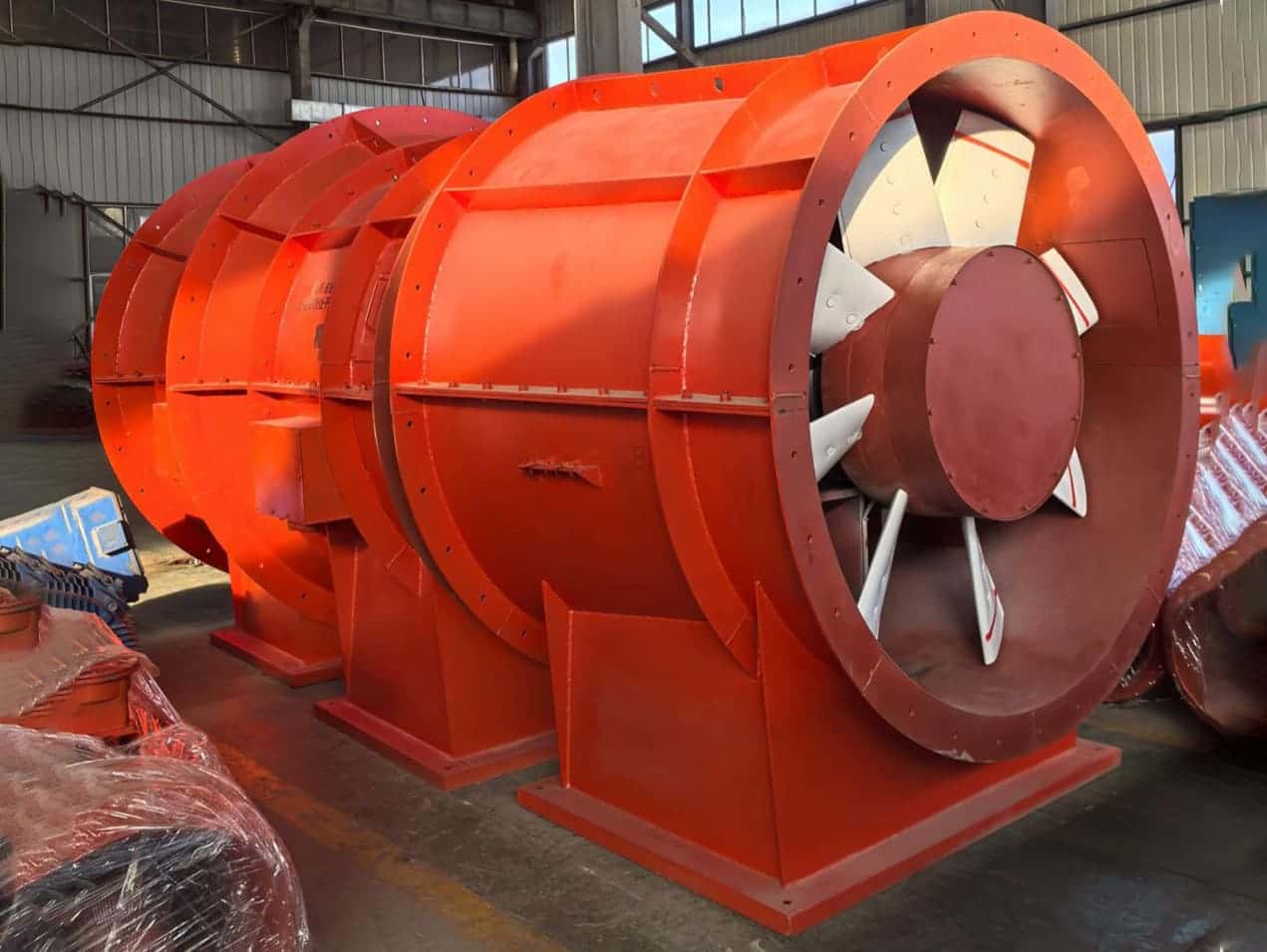
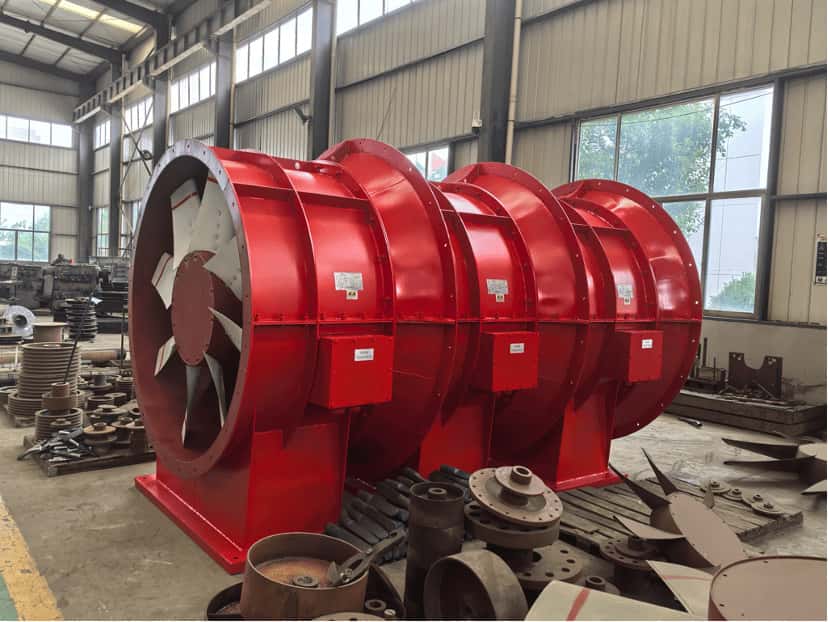
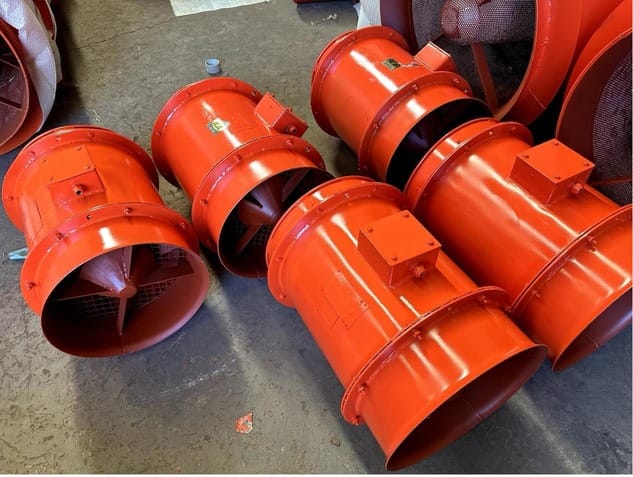
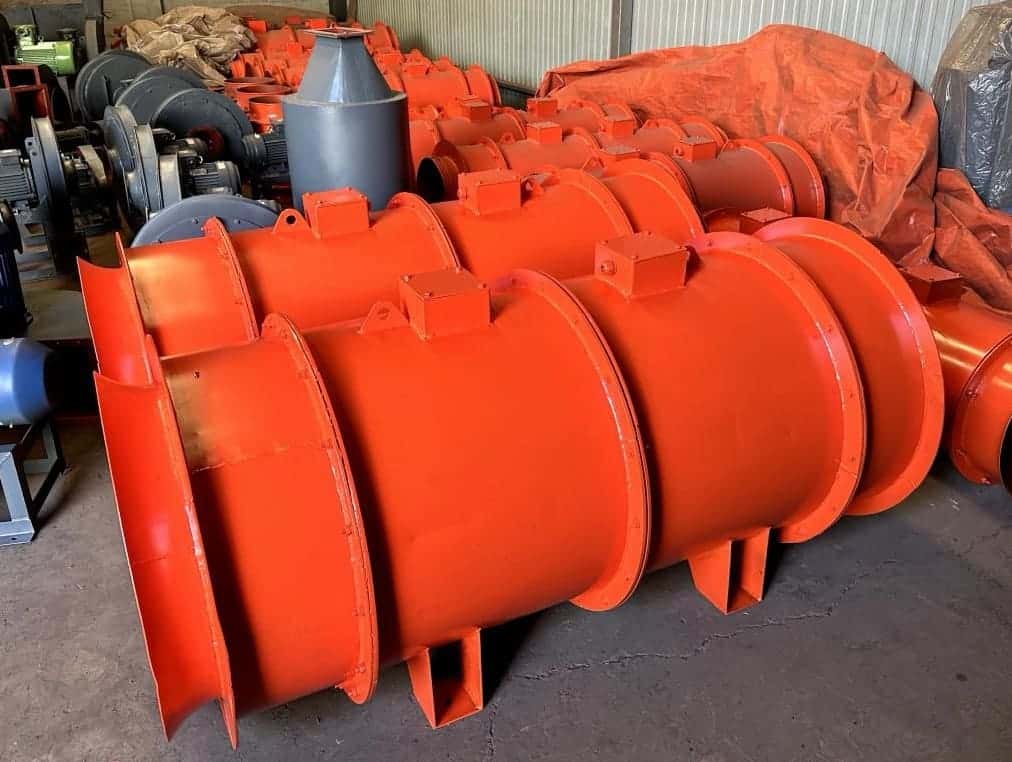
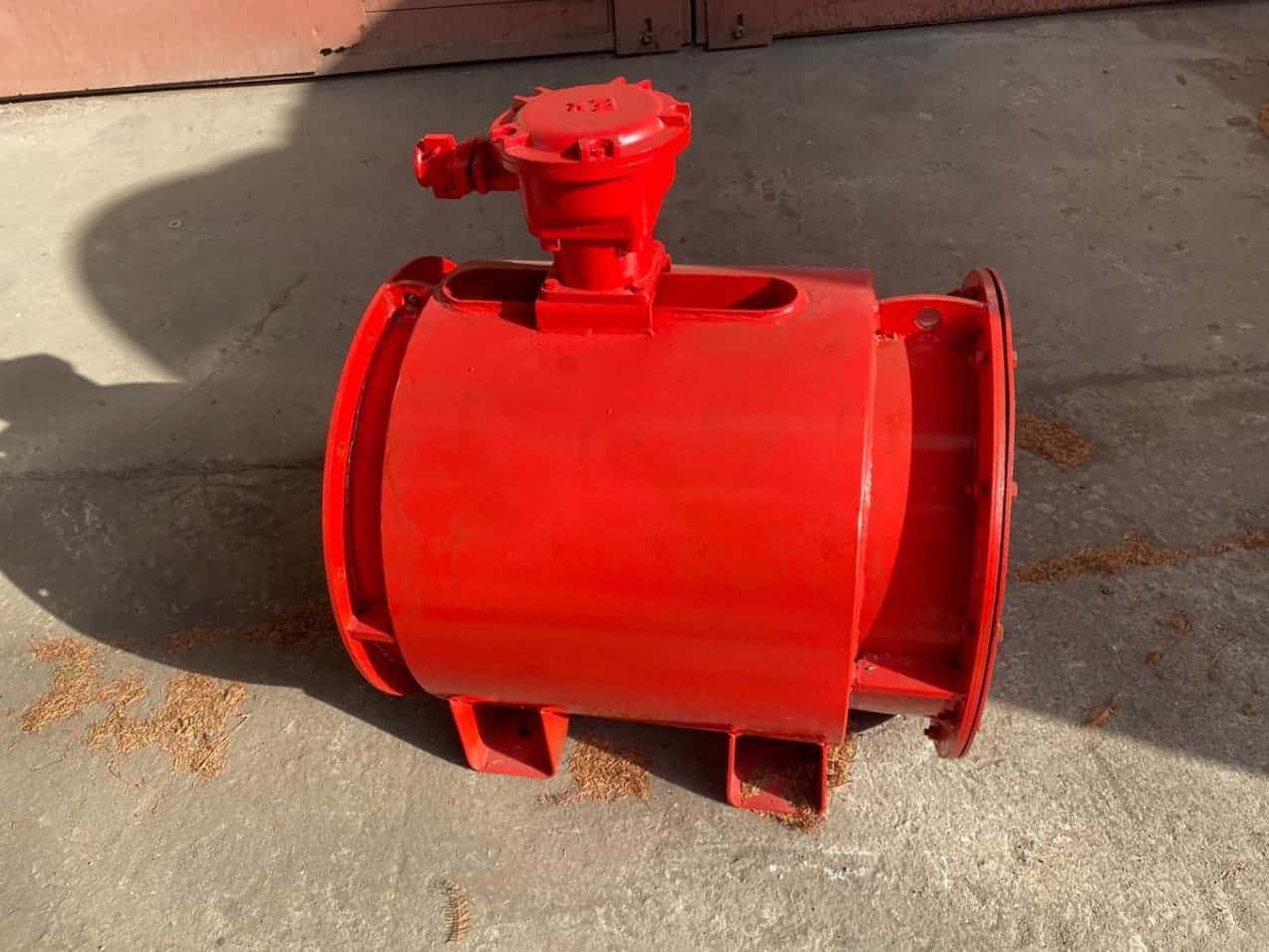
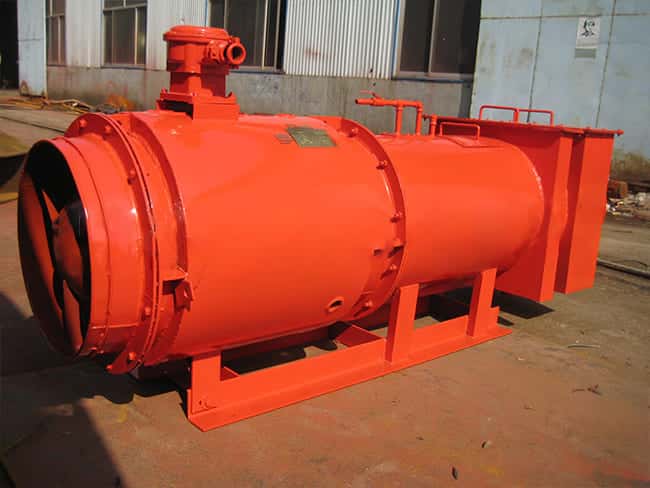
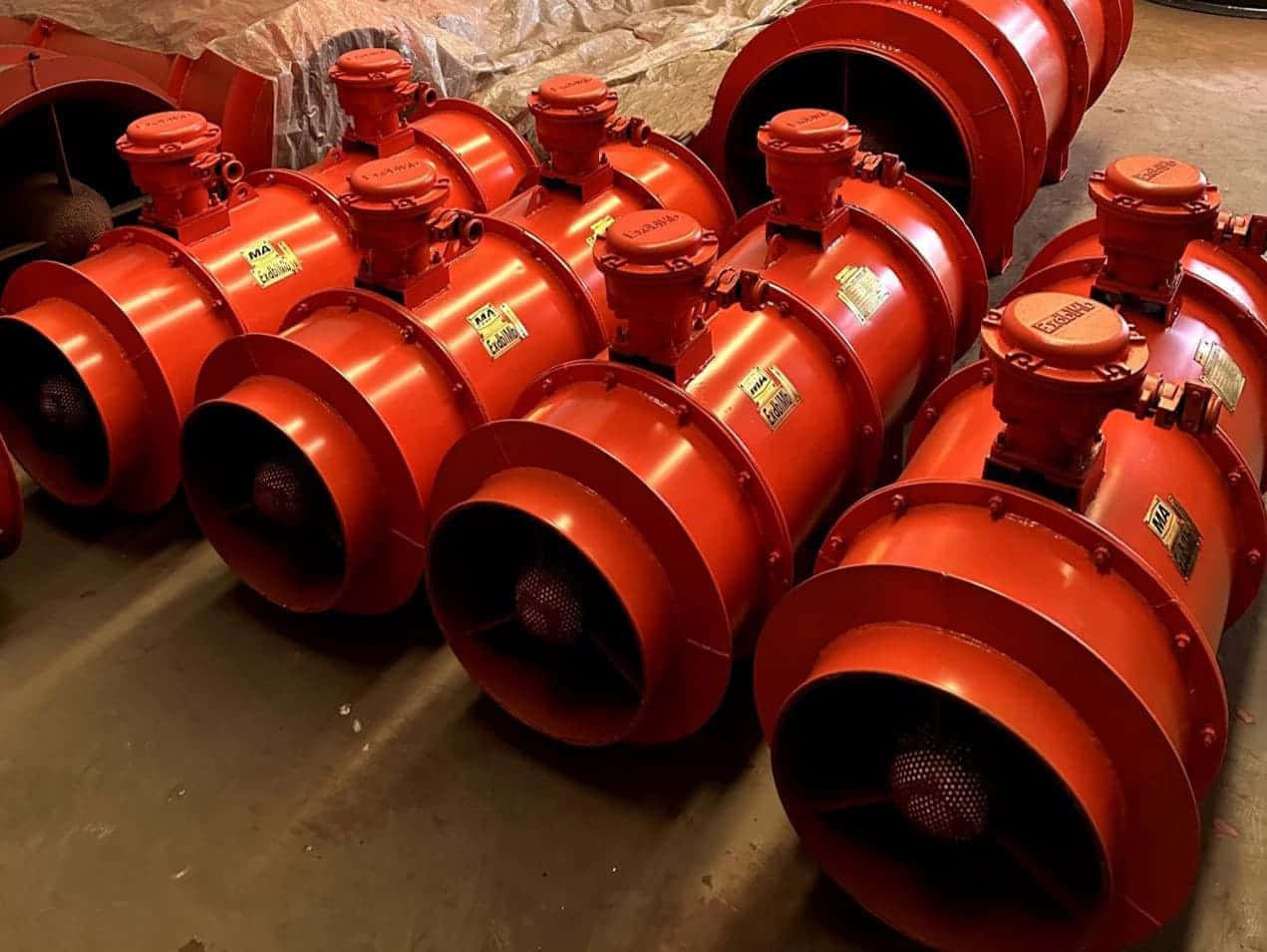
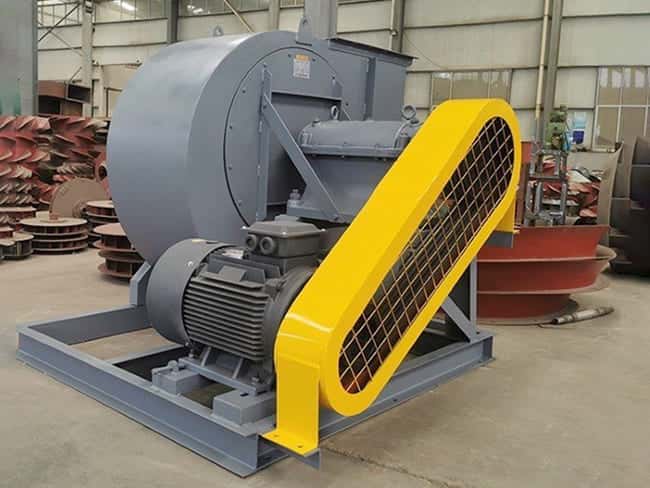
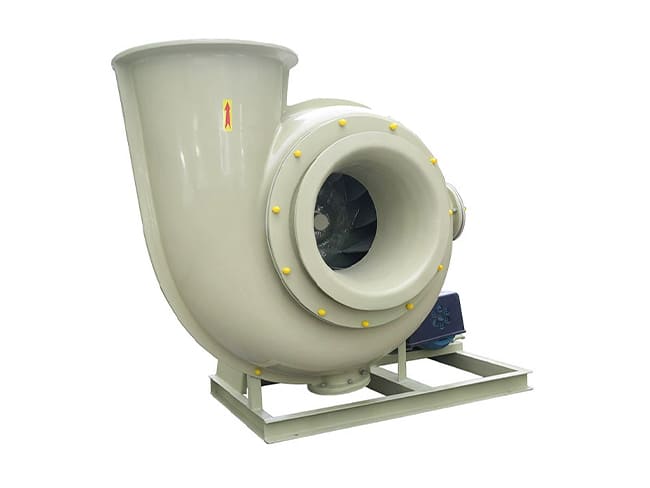
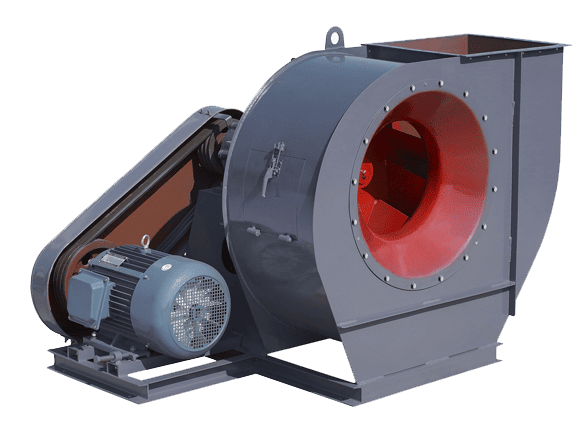
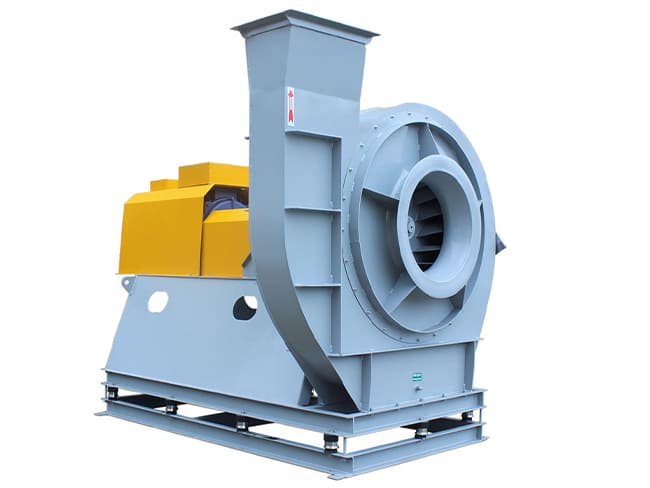
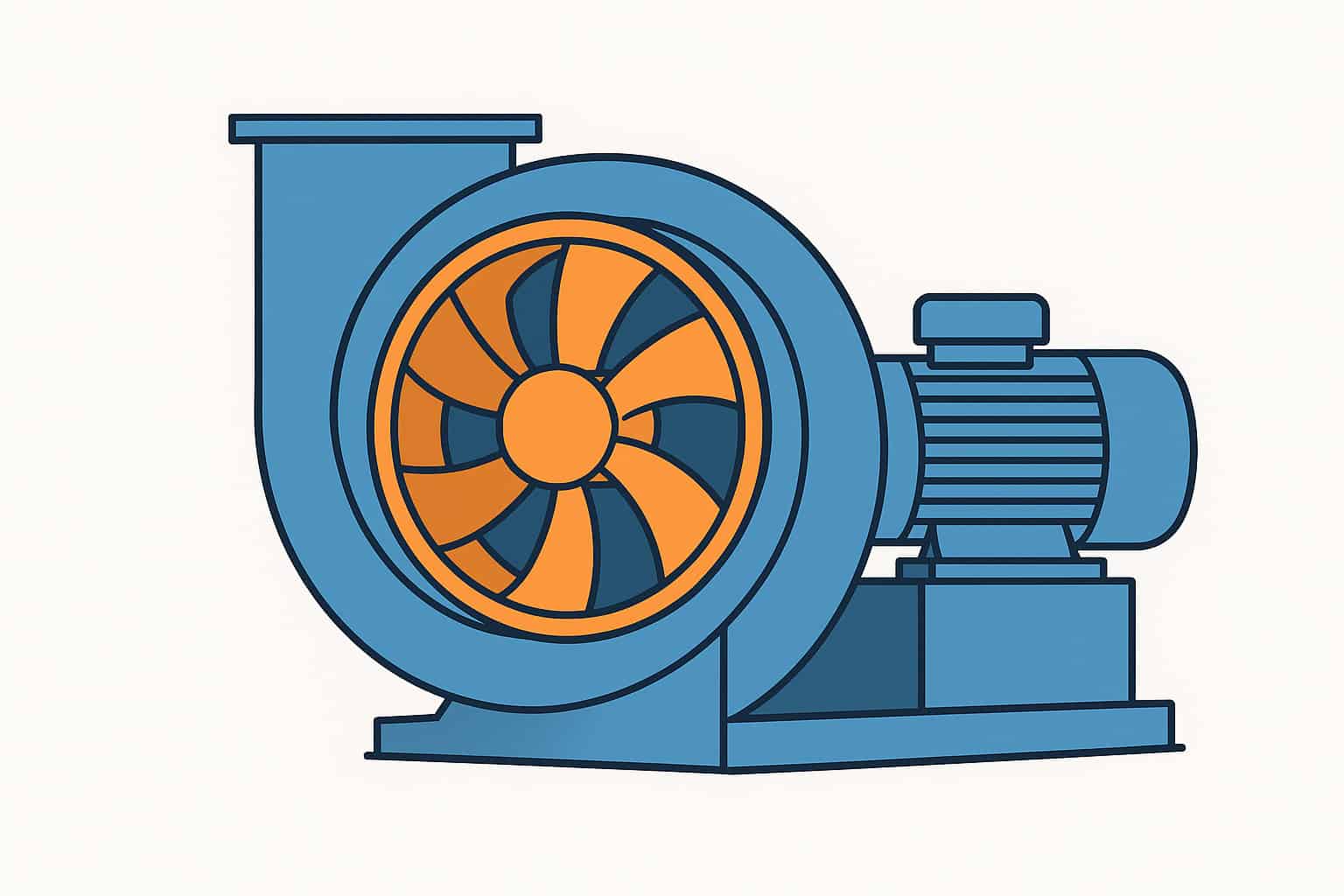
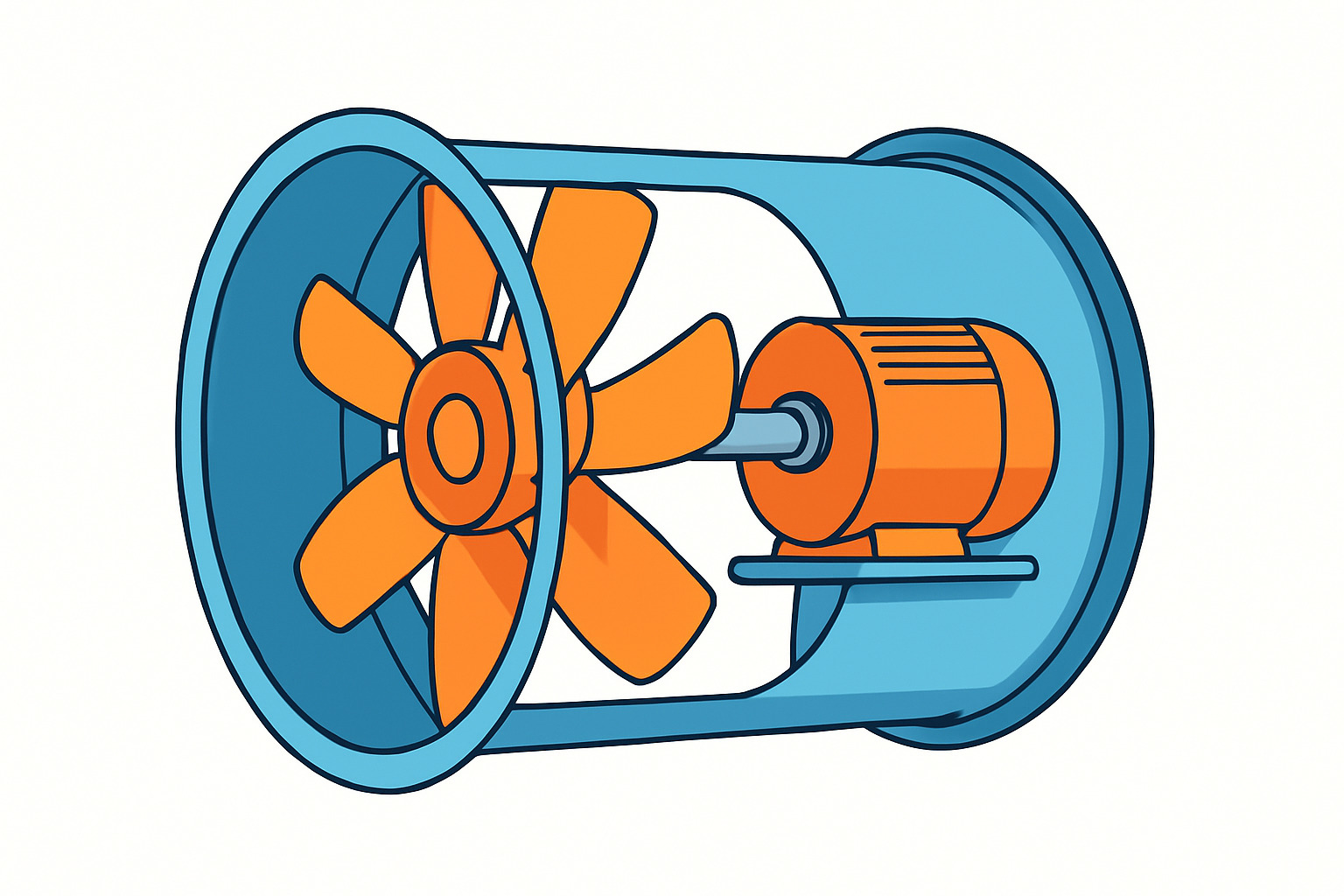
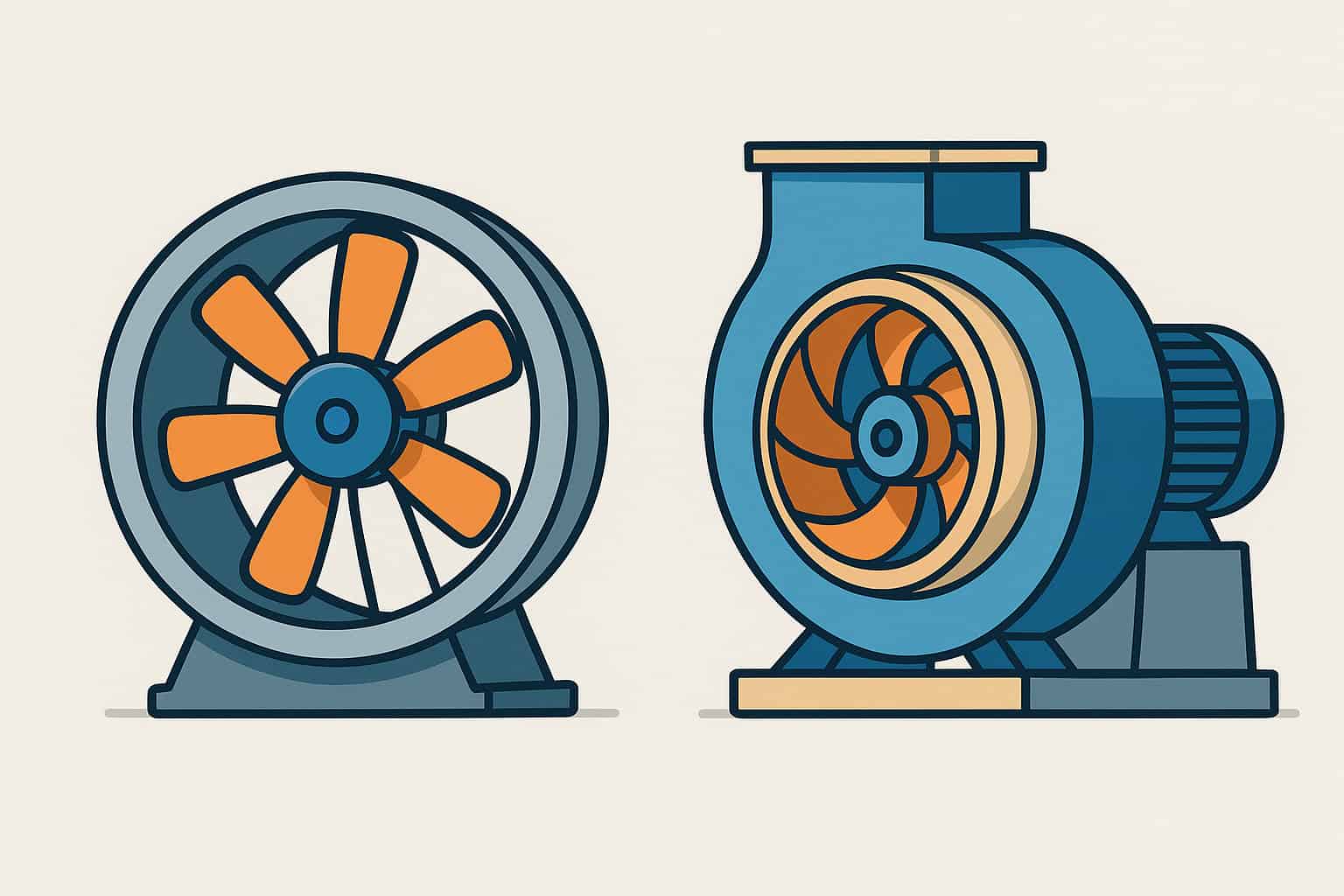
Most modern operations connect major mine vents to industrial ventilation fans. Large axial or centrifugal fans mounted at the vent create the pressure difference that drives airflow through the mine’s network of airways. At an exhaust vent, the fan pulls air from return routes and discharges it through a stack or diffuser. At an intake vent, a forcing fan can push air down into the mine. In both cases, silencers, diffusers, and sometimes filtration systems may be installed at the vent to control noise and emissions.
Underground, the term “mine vent” is sometimes used to describe ventilation raises or openings connecting levels. These vertical or inclined openings allow air to move between horizons, helping balance flows and providing additional routes for intake or return air. Vent raises may be equipped with bulkheads, regulators, or doors to control how much air passes through and in which direction it flows.
Mine vents also play an important role in emergency response and escape planning. Some vent raises may be designed as secondary egress routes, fitted with ladders, manways, or emergency hoists. The way air moves through vents during a fire or gas incident is carefully studied in the mine ventilation plan, because vent locations and fan modes influence where smoke and gases travel and which escape ways remain tenable.
From a design perspective, engineers treat each mine vent as a key node in the ventilation network. Its elevation, cross-sectional area, lining roughness, and connection to underground airways determine its resistance to airflow and its influence on the overall ventilation balance. Vent locations are chosen with regard to geology, ground stability, access, and environmental impact at surface, as well as the needs of the ventilation system itself.
In summary, a mine vent is a purpose-built ventilation opening or structure that allows air to enter or exit an underground mine. By working together with mine ventilation fans, vent raises and shafts form the backbone of the ventilation system, ensuring safe, reliable airflow between the surface and the underground workings.