
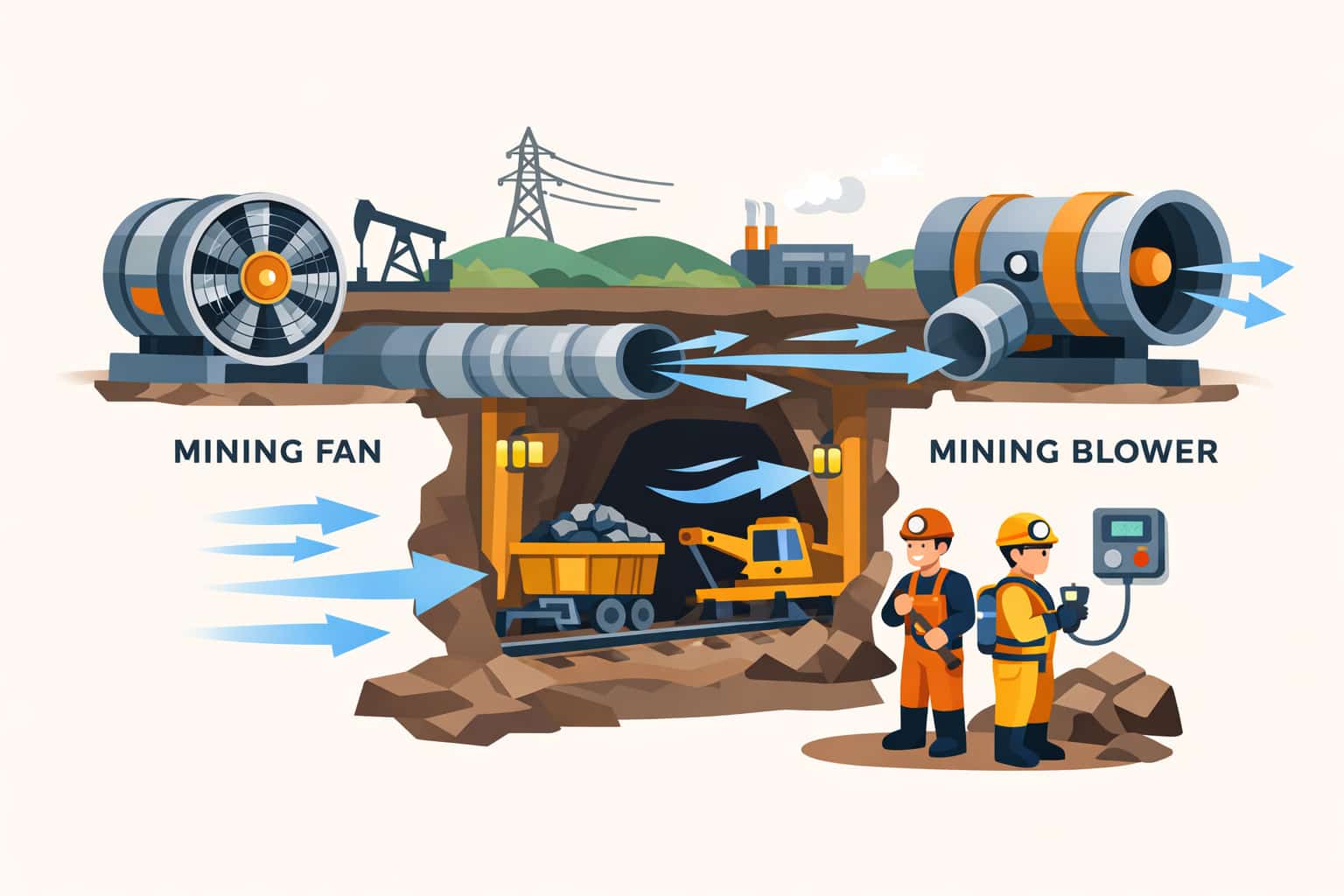


A mining air shaft, often called a ventilation shaft, is a vertical or steeply inclined opening driven from the surface into an underground mine primarily for the purpose of moving air. Unlike production shafts that focus on hoisting ore and personnel, an air shaft is designed to support the mine ventilation system by serving as a dedicated intake or exhaust route for large volumes of air.
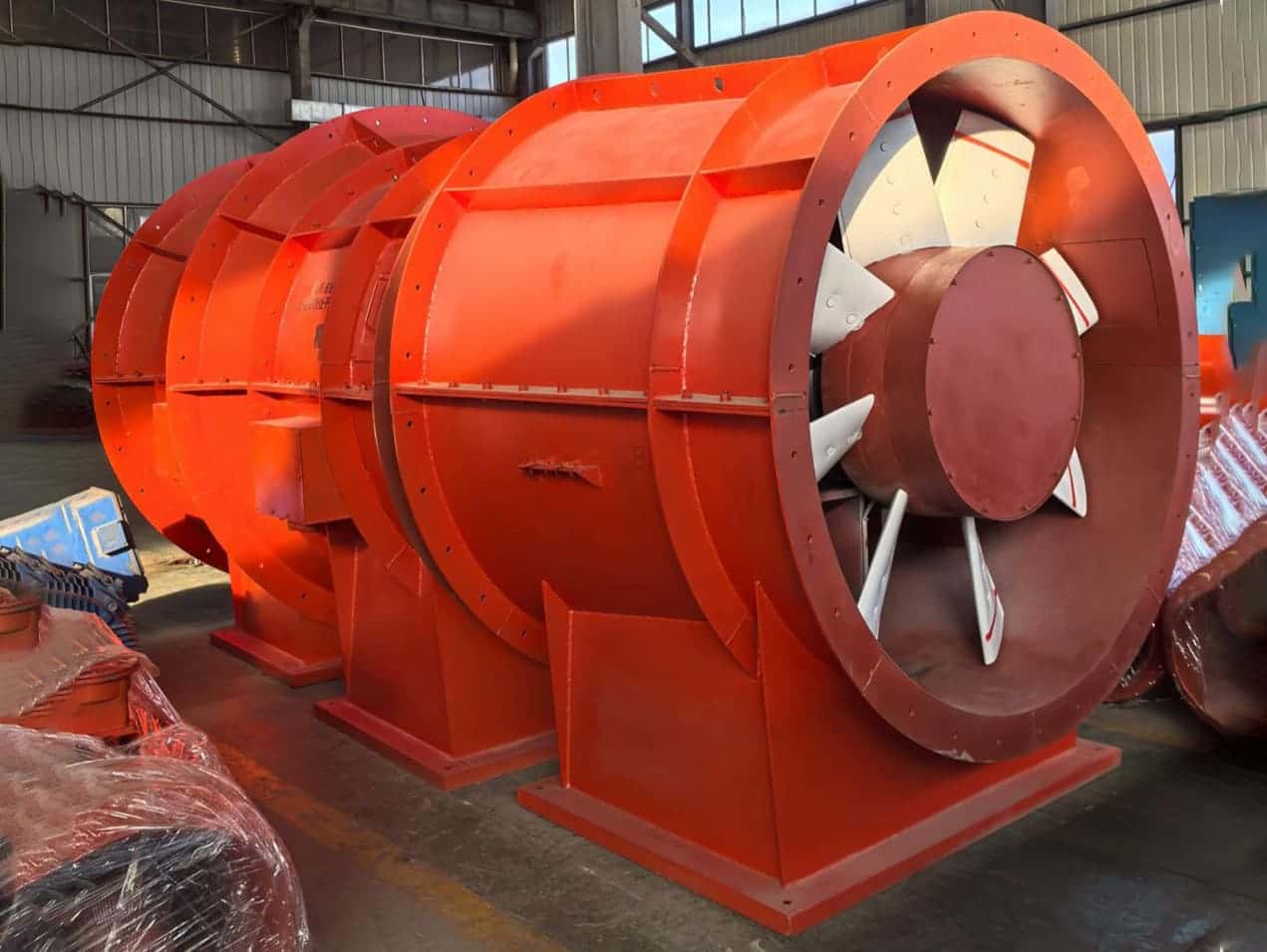
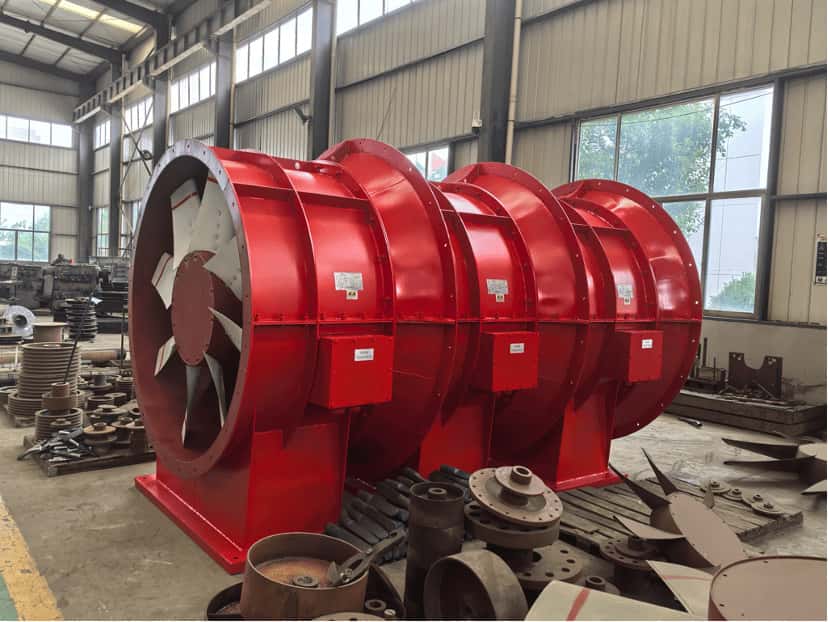
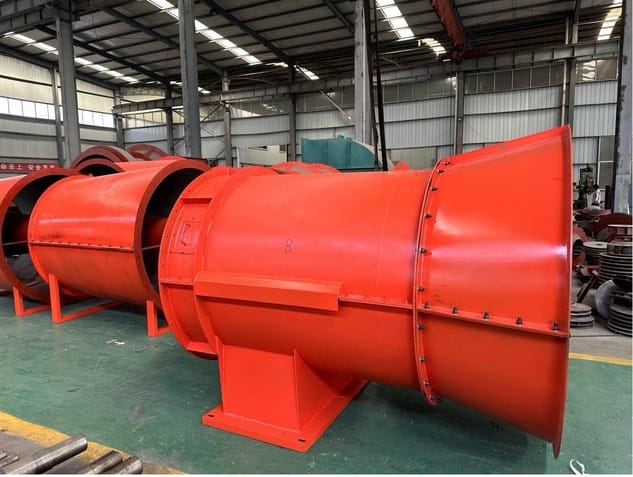
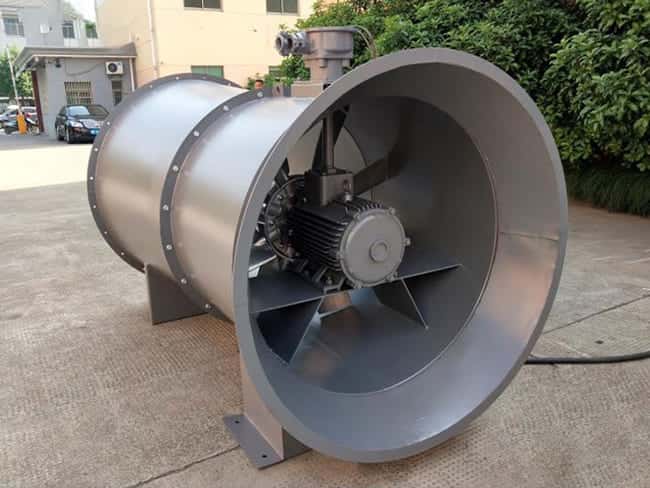
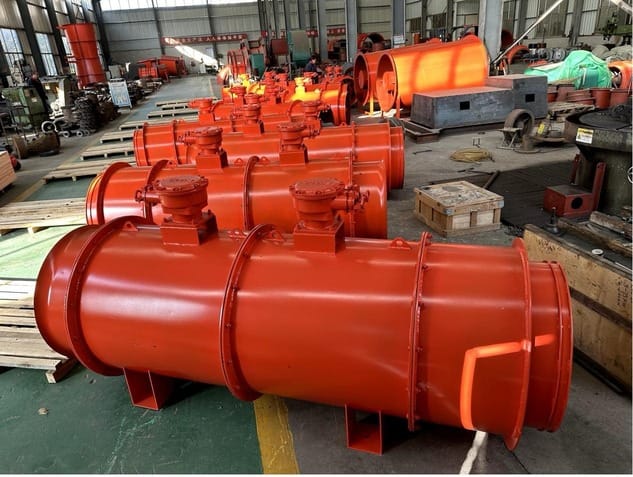
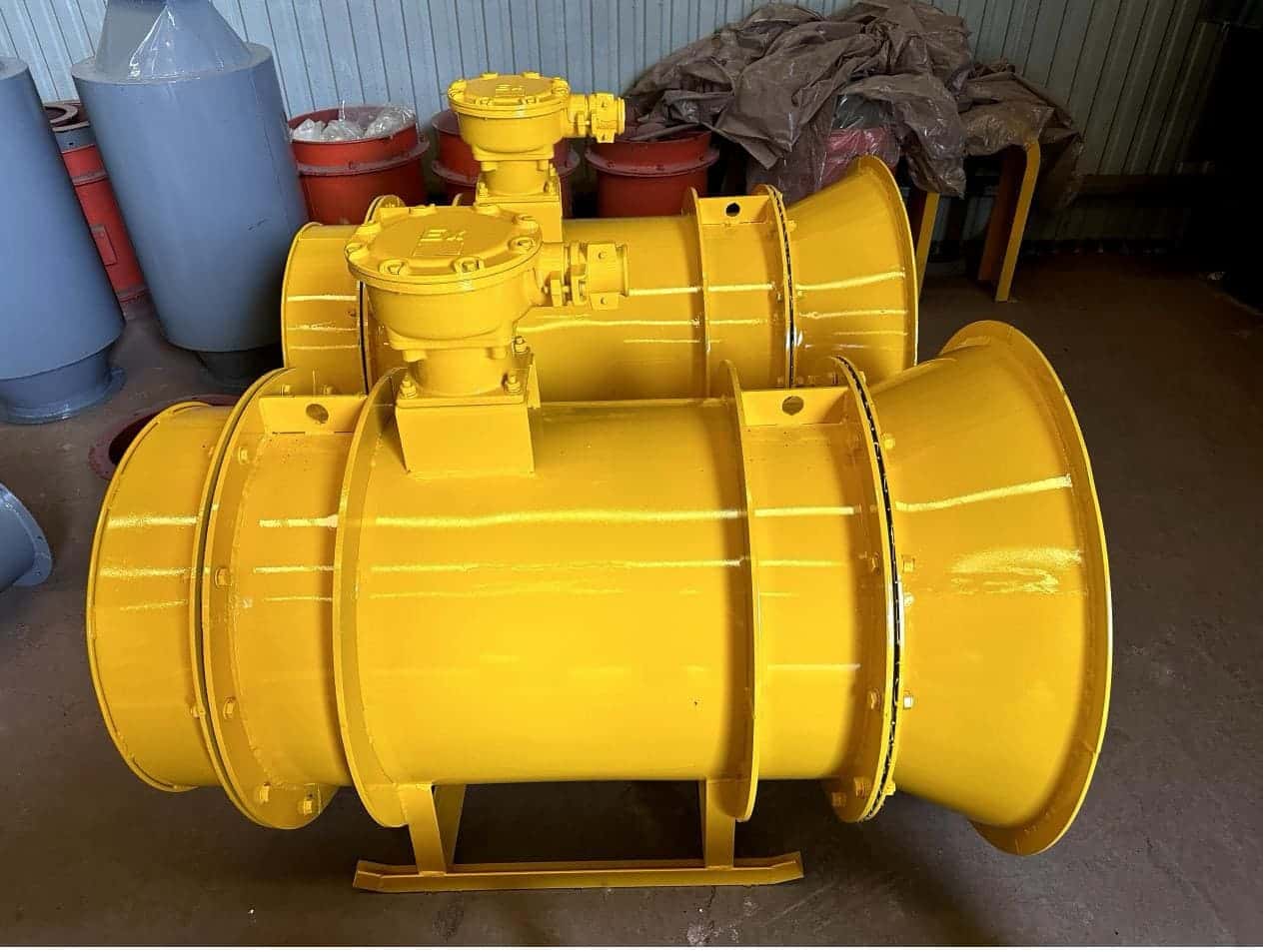
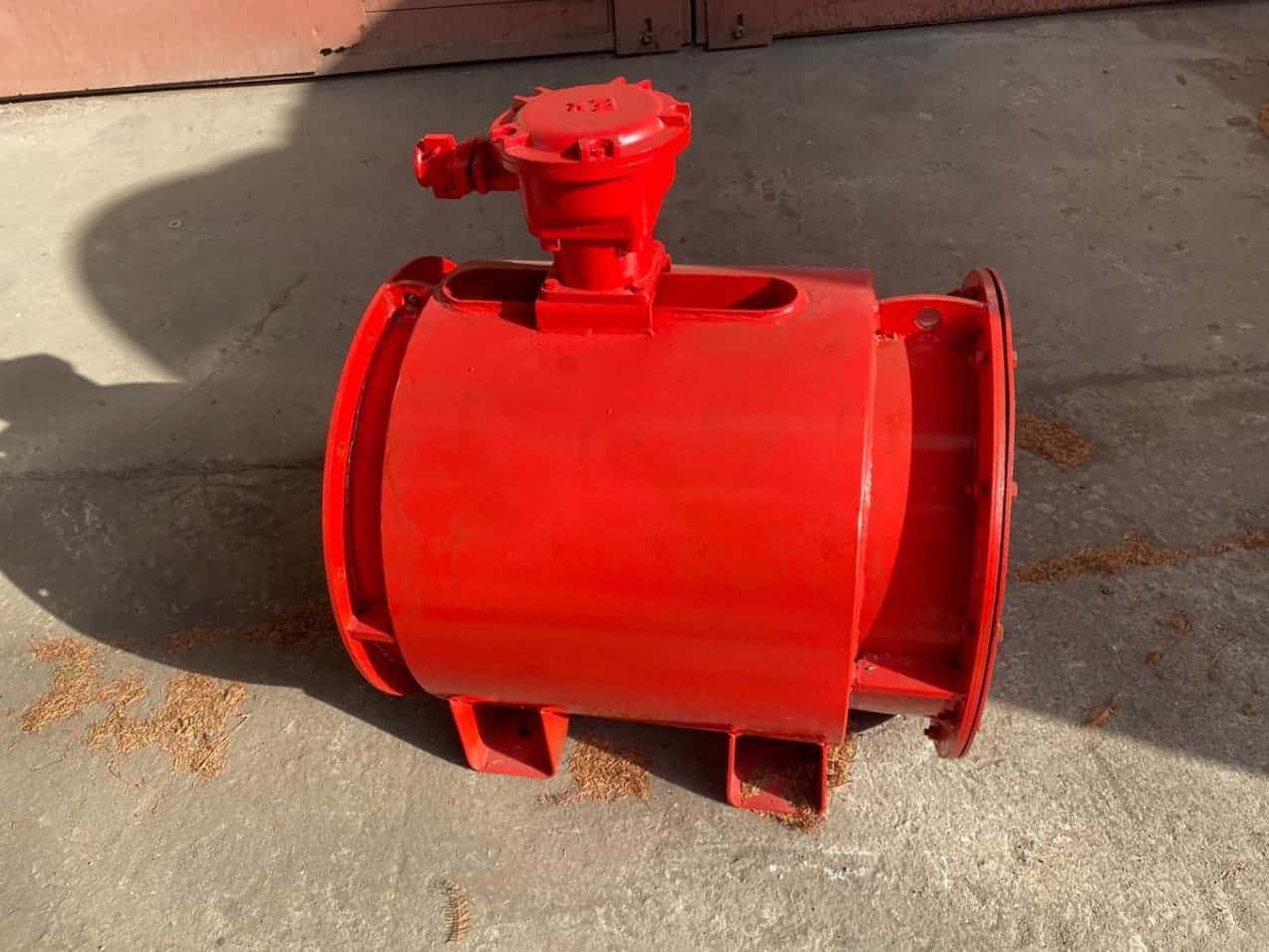
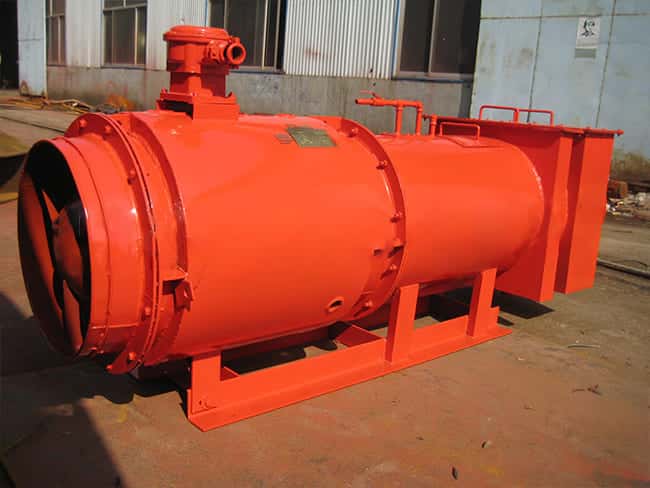
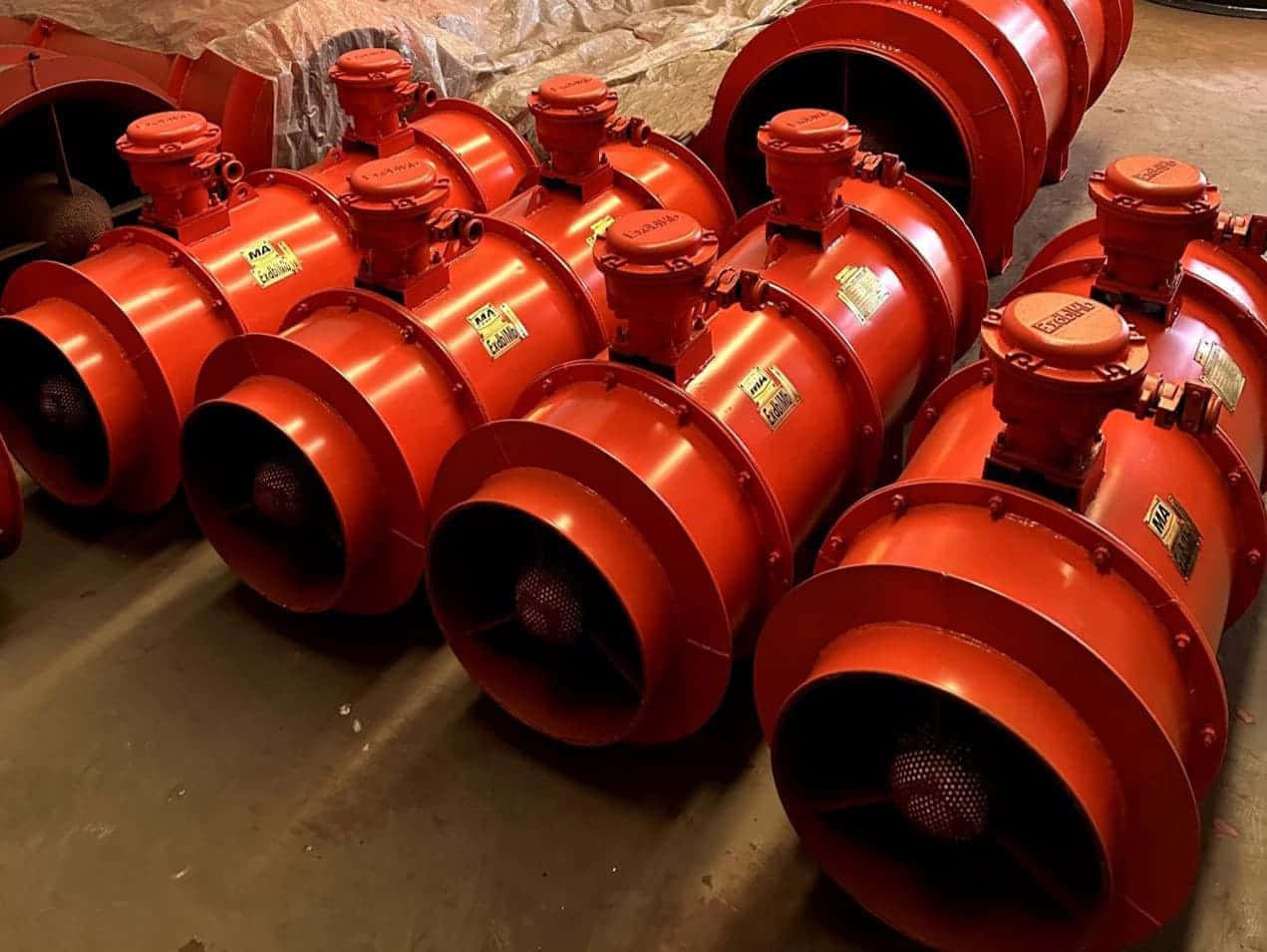
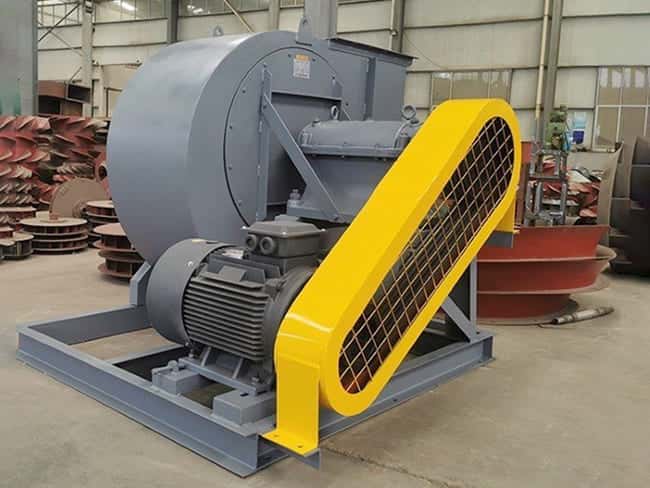
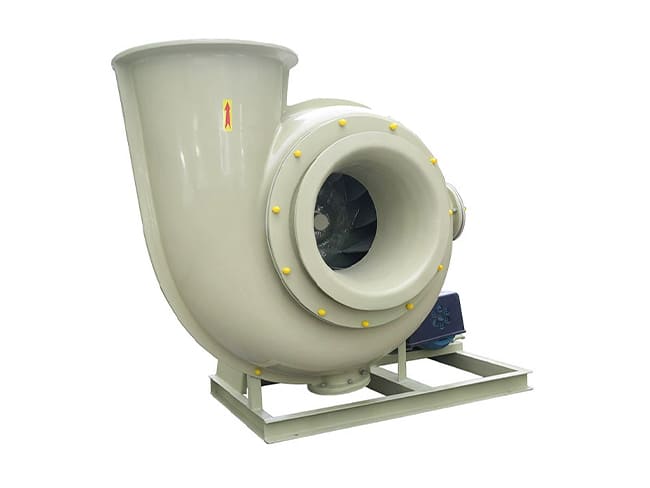
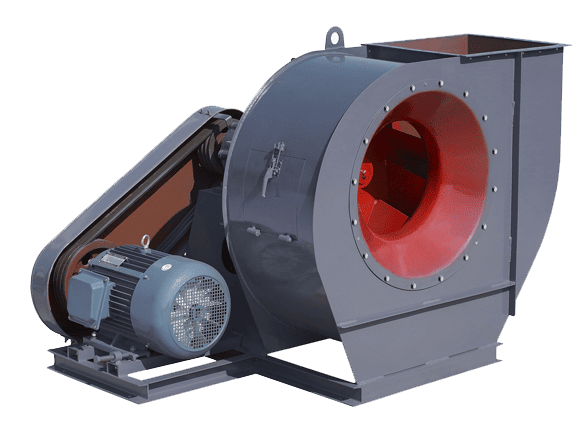
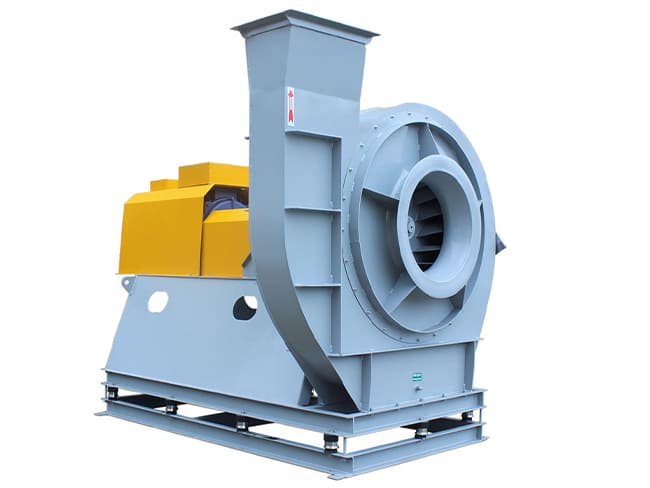
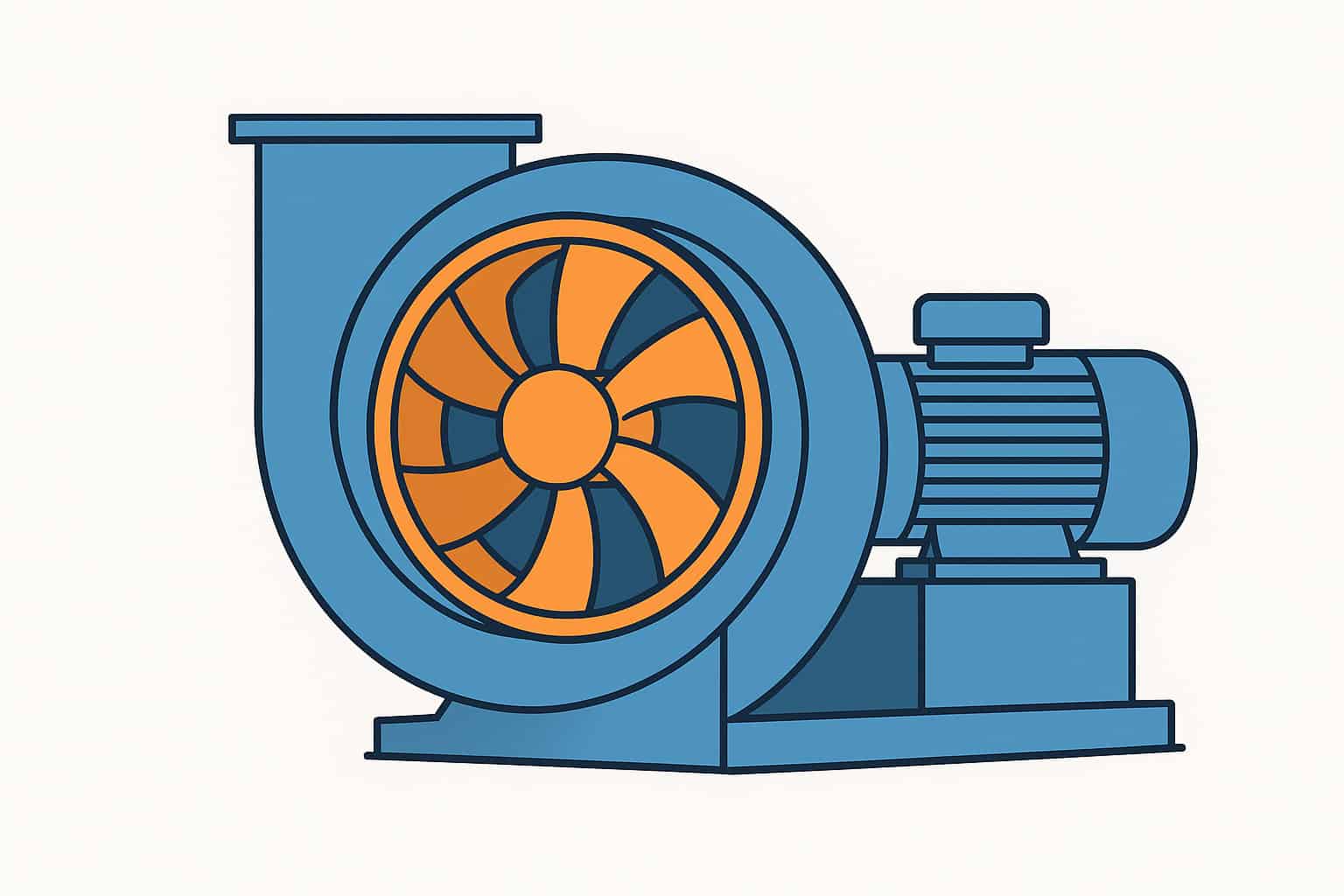
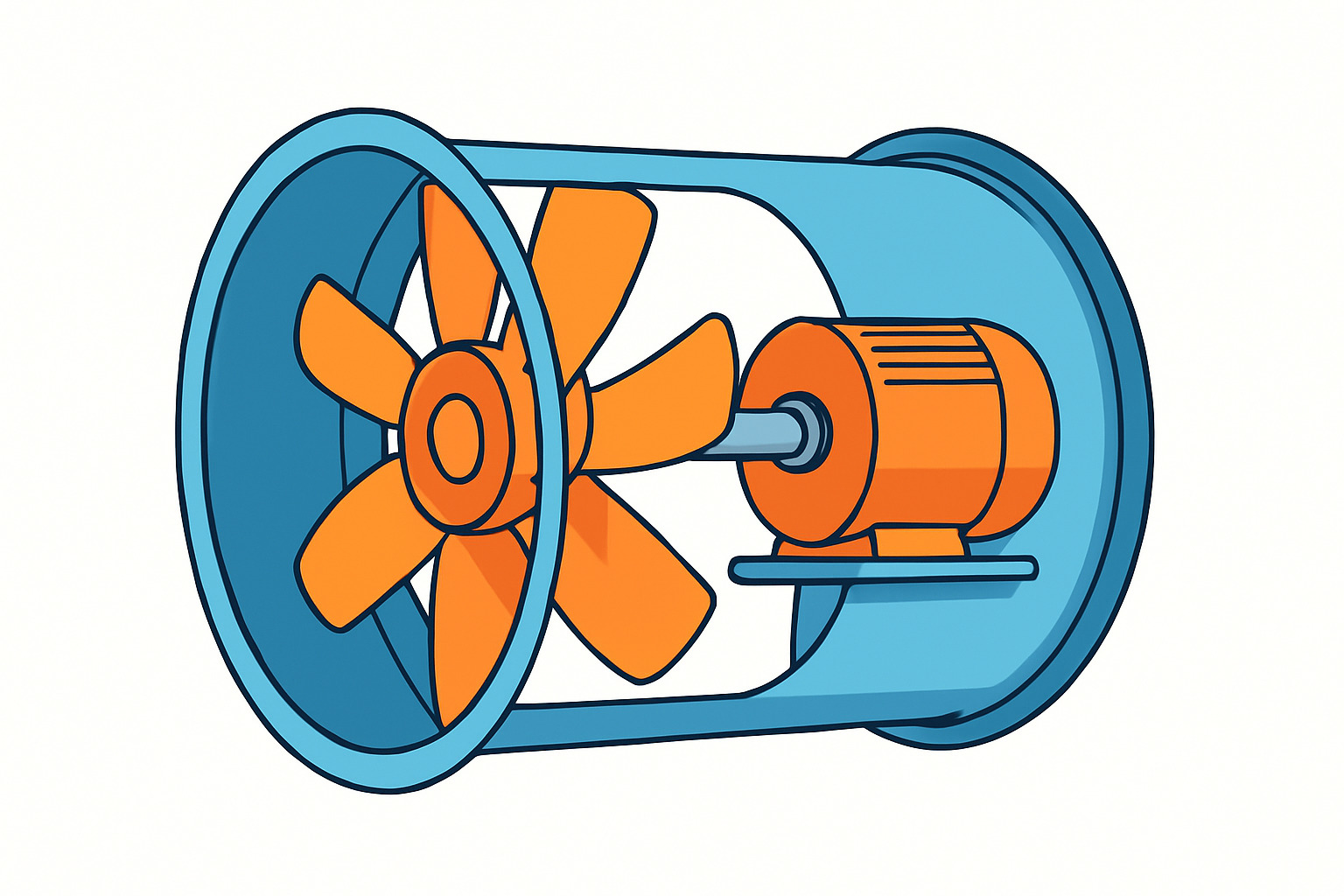
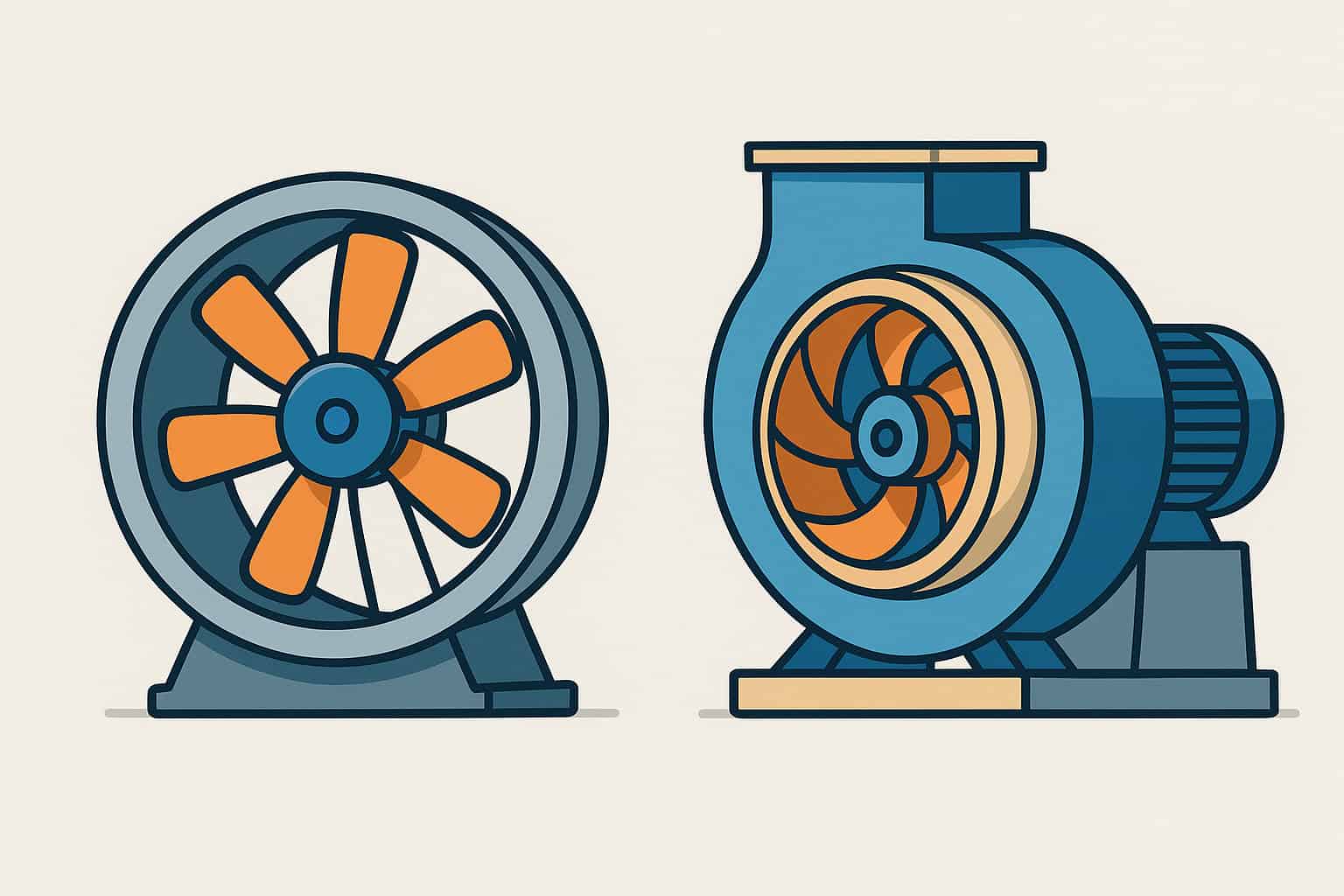
In many underground operations, a mining air shaft is designated as an intake (downcast) shaft. Fresh air from the surface flows down the shaft and into the main intake airways, where it is distributed across levels and districts. In other cases, the air shaft is an exhaust (upcast) shaft, carrying used air laden with dust, gases, and heat from the mine back to the surface. Large axial or centrifugal mine ventilation fans are typically connected to exhaust air shafts to provide the pressure needed to move air through the entire network.
Structurally, a mining air shaft includes lining, ground support, and access platforms that must withstand long-term airflow, moisture, and rock pressure. Steel or concrete linings protect against rock falls and groundwater inflow. Inside the shaft, airflow may share space with services such as pipes and cables, or it may occupy a dedicated compartment separated from other utilities by brattices or concrete walls. This makes it possible to control airflow direction and prevent short circuits between intake and return routes.
From a ventilation perspective, the air shaft acts as a major pressure boundary between surface and underground. Its size, shape, and roughness influence the overall resistance of the ventilation circuit and help determine the duty of main fans. Engineers calculate pressure losses in the air shaft along with losses in drifts, ramps, and stopes to select fans that can achieve the required airflow at a reasonable energy cost.
Mining air shafts also serve important roles in emergency planning. They can provide additional escape routes for personnel and may host emergency egress ladders, refuge stations, or communications infrastructure. In the event of a fire or gas incident, the way airflow passes through the air shaft is critical in controlling smoke movement and maintaining safe conditions in escape ways and refuges.
Because a mining air shaft is so central to the ventilation system, it must be inspected and maintained regularly. Changes in shaft condition, such as blockage by ice, rock falls, or corrosion of support steel, can alter resistance and reduce airflow. Periodic surveys, airflow measurements, and structural inspections ensure that the shaft continues to perform as intended throughout the life of the mine.
In short, a mining air shaft is a purpose-built opening that allows large volumes of air to move between the surface and the underground mine. It is a key element of the ventilation system, supporting safe, efficient mining by delivering fresh air and removing contaminated air from the workings.
