
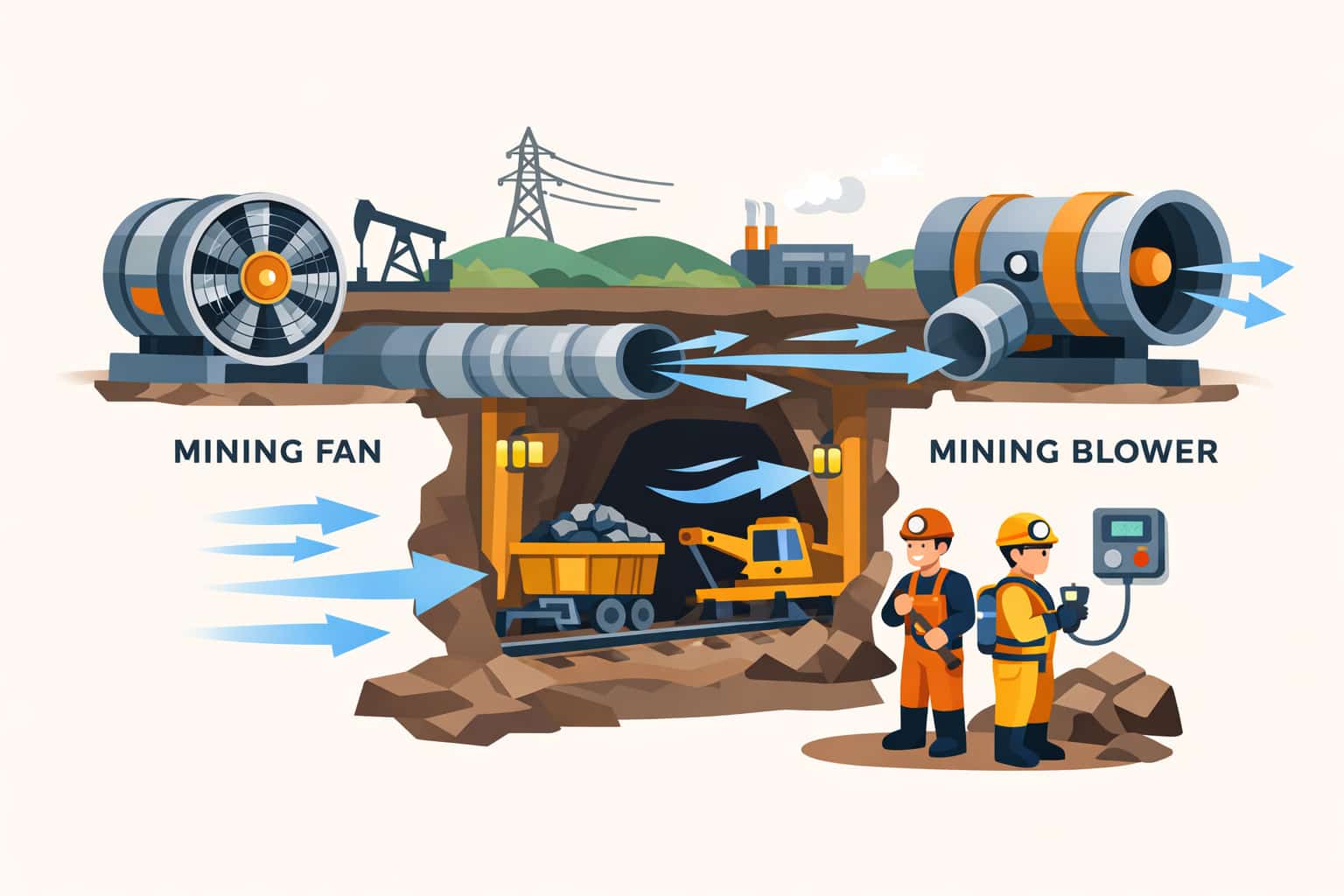
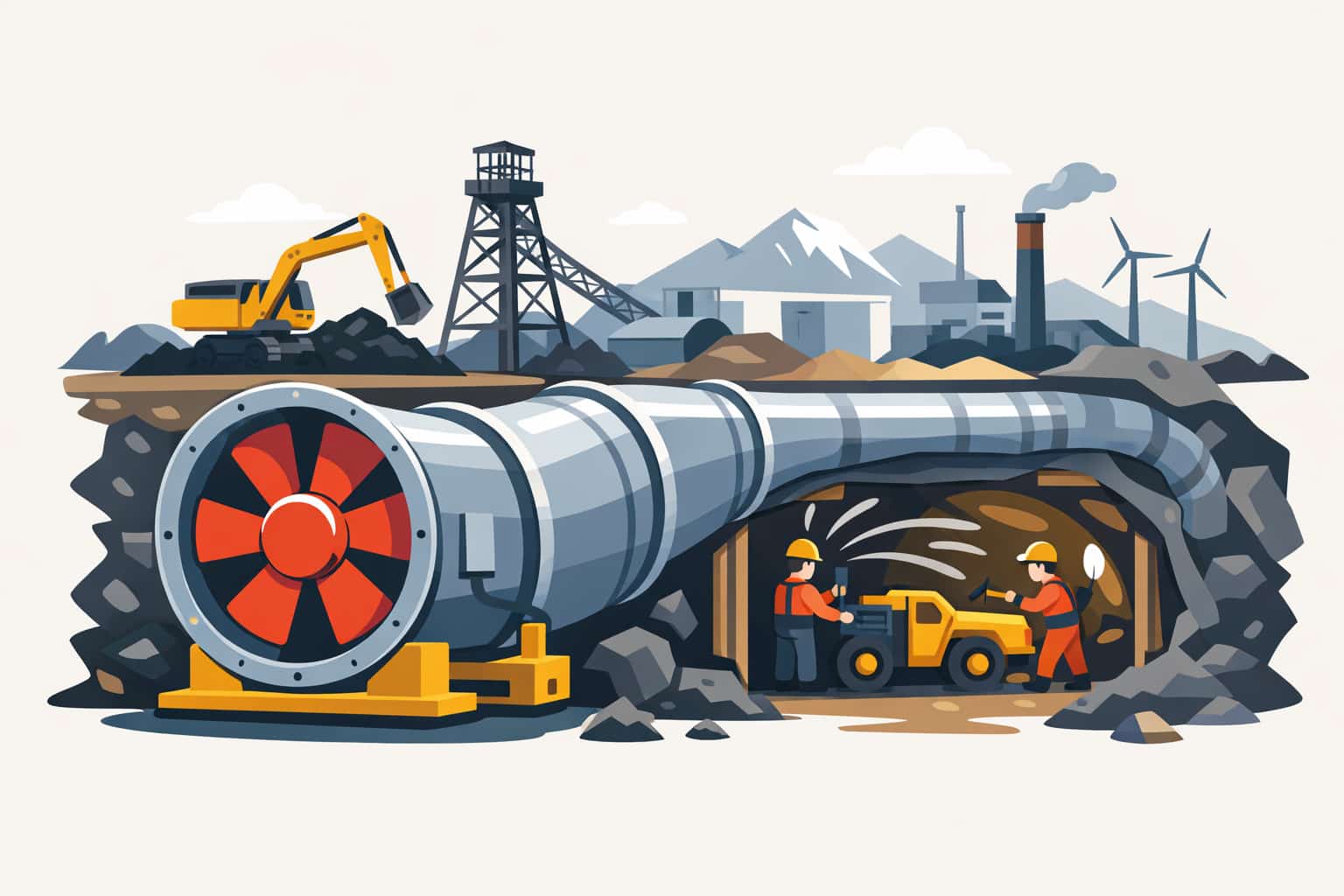

A tunnel ventilation system is the complete combination of equipment and controls used to manage airflow, air quality and smoke in road, rail, metro and mining tunnels. It includes main supply and exhaust fans, jet fans, ventilation shafts, ducts, dampers, sensors and automation systems. Together, these components ensure that exhaust gases and dust are kept below limits during normal operation and that smoke is controlled during fire emergencies.
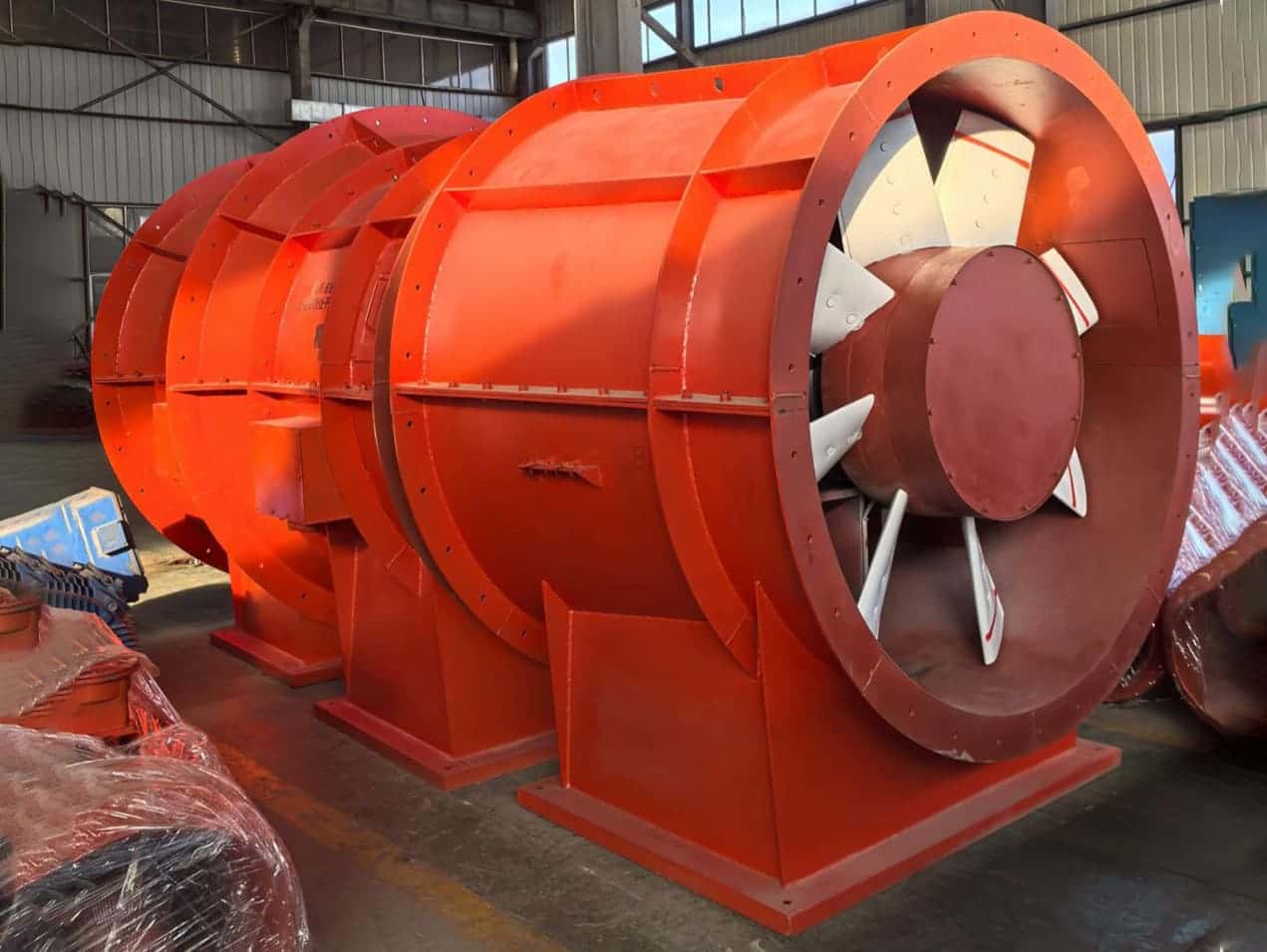
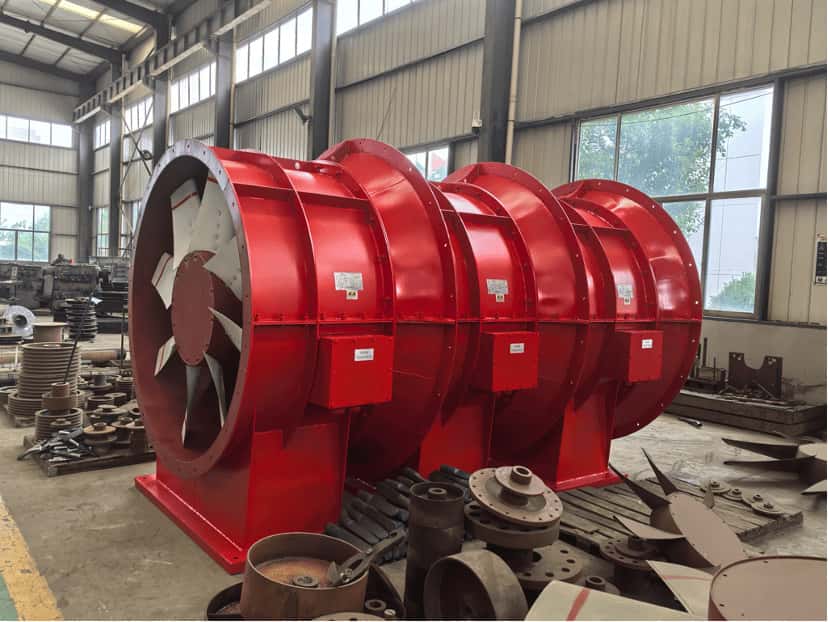
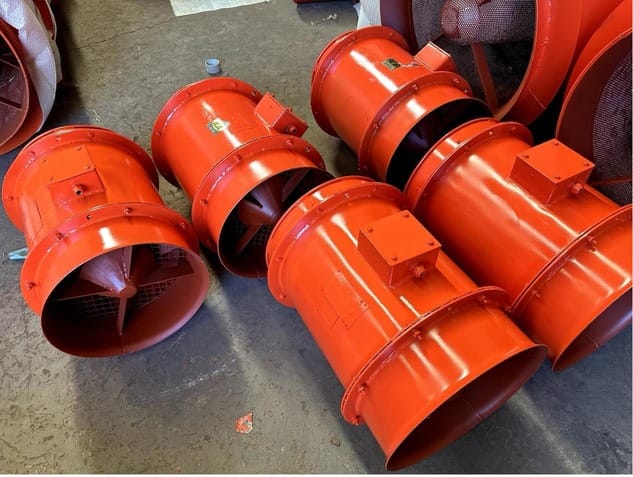
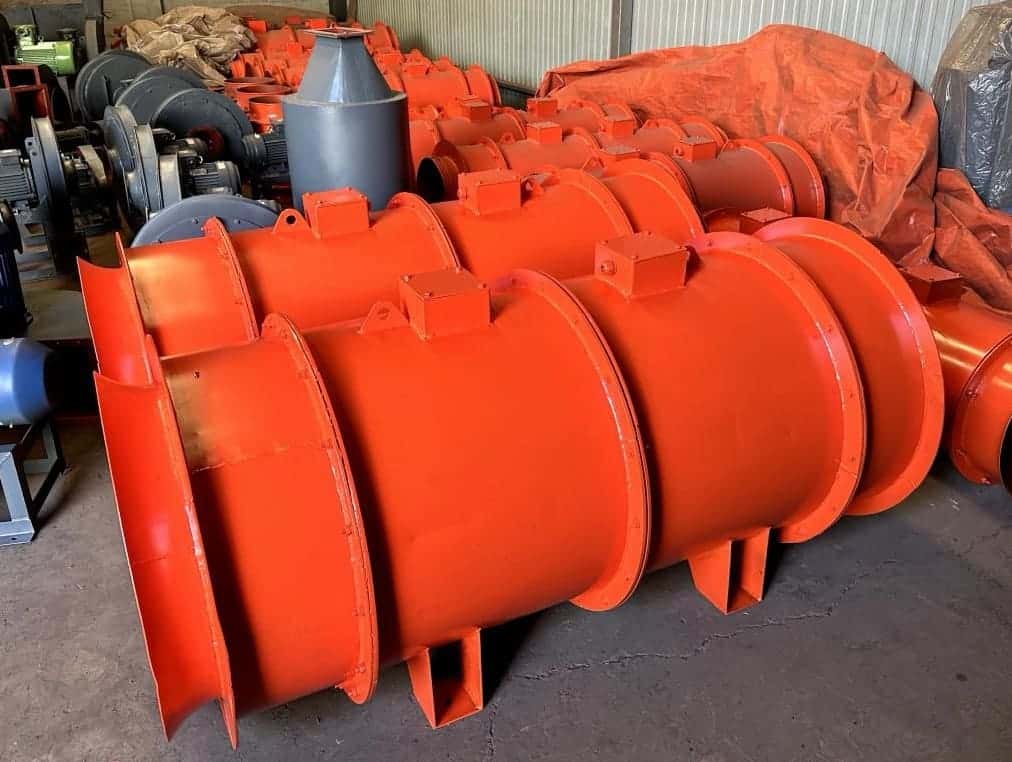
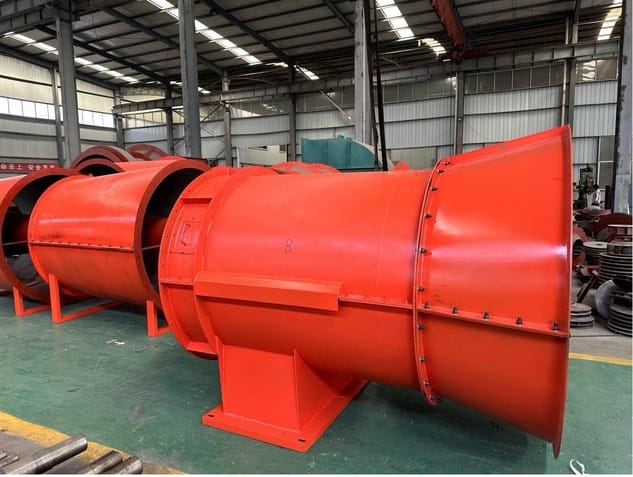
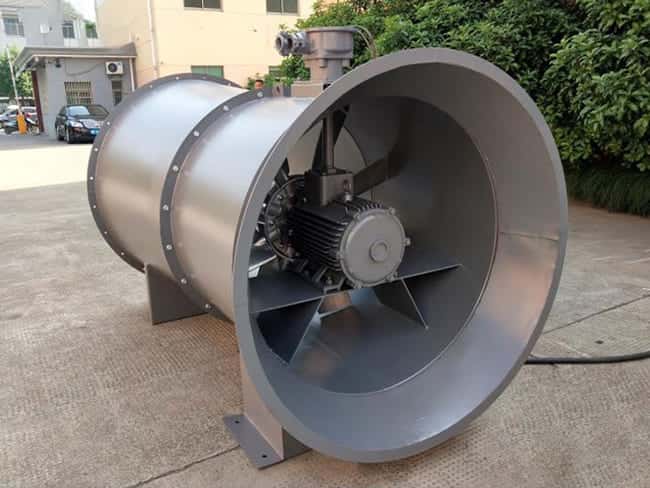
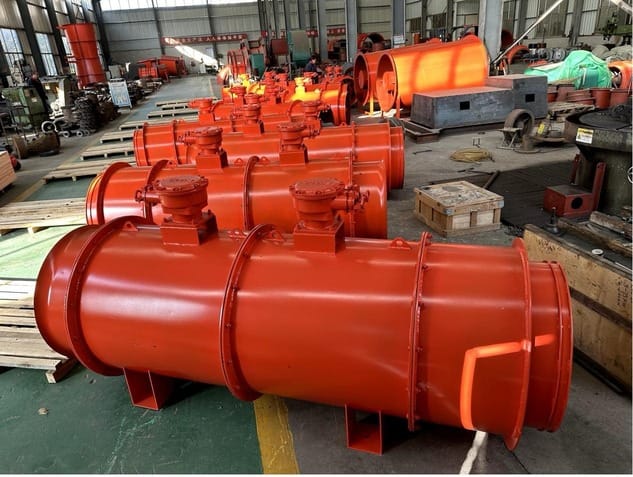
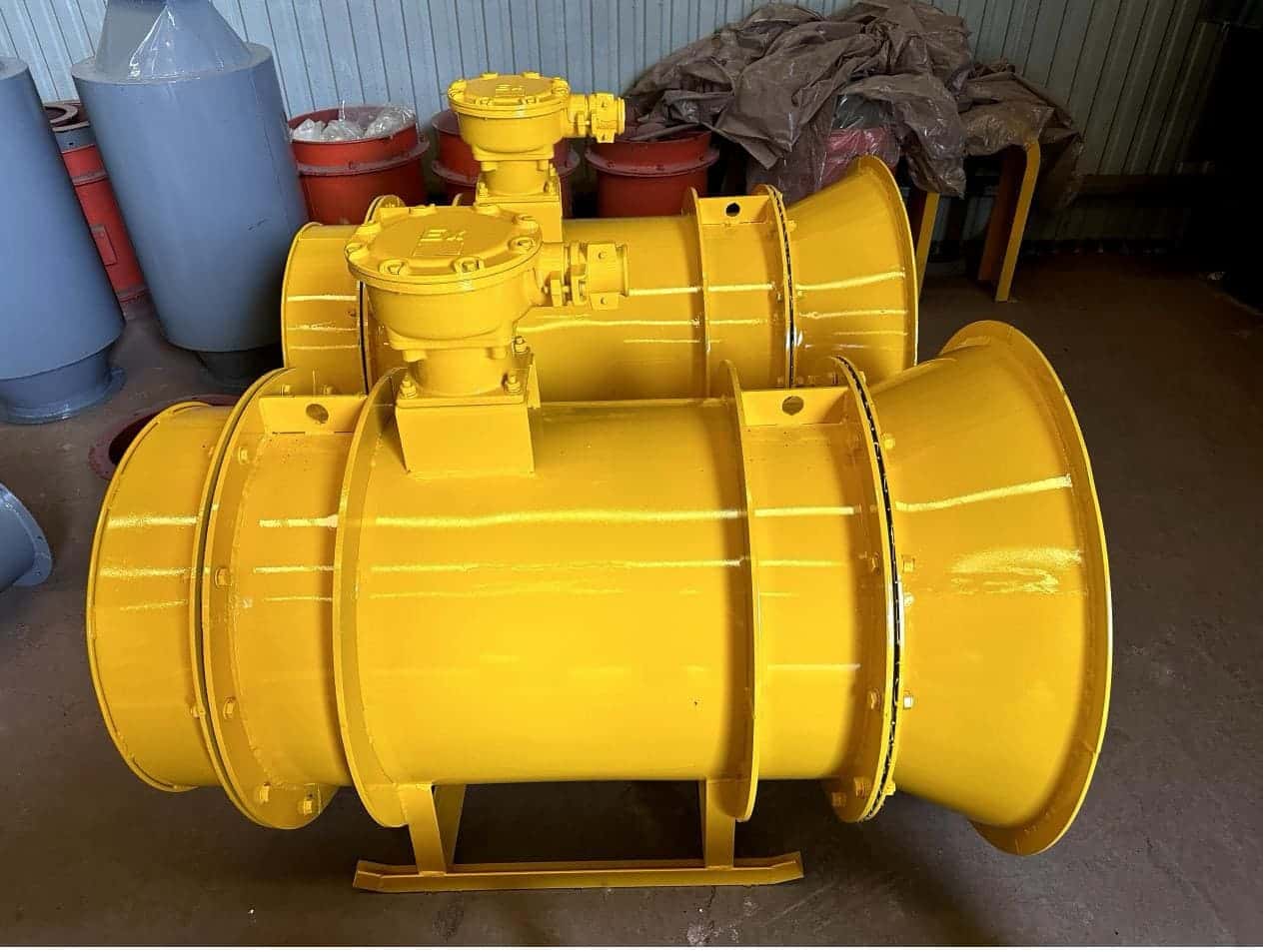
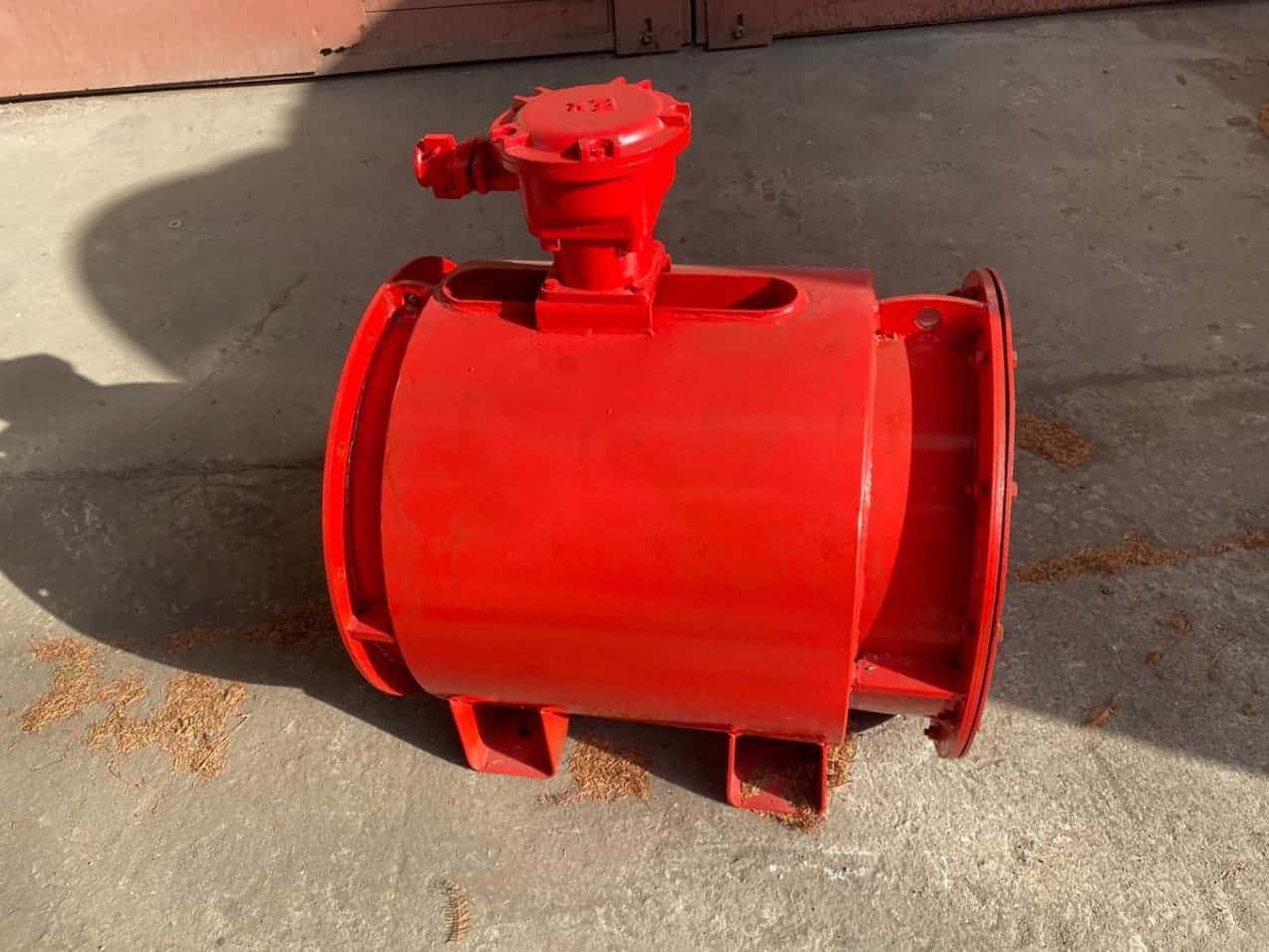
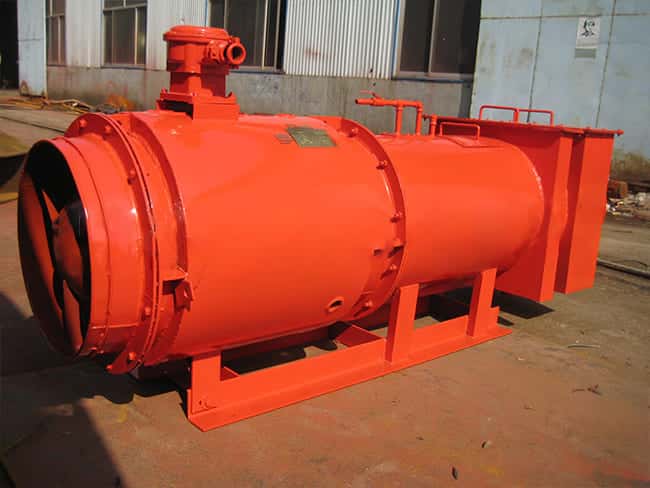
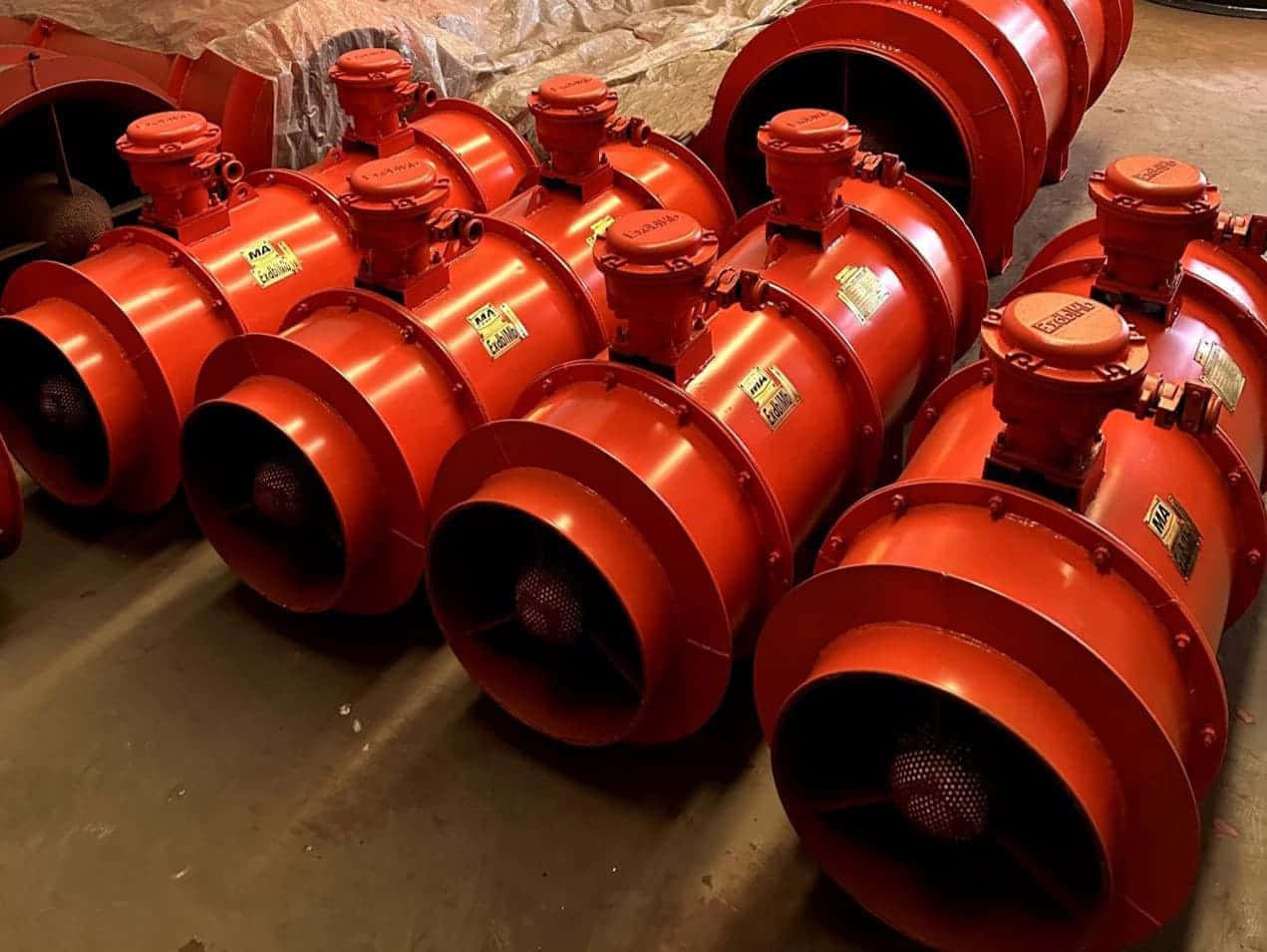
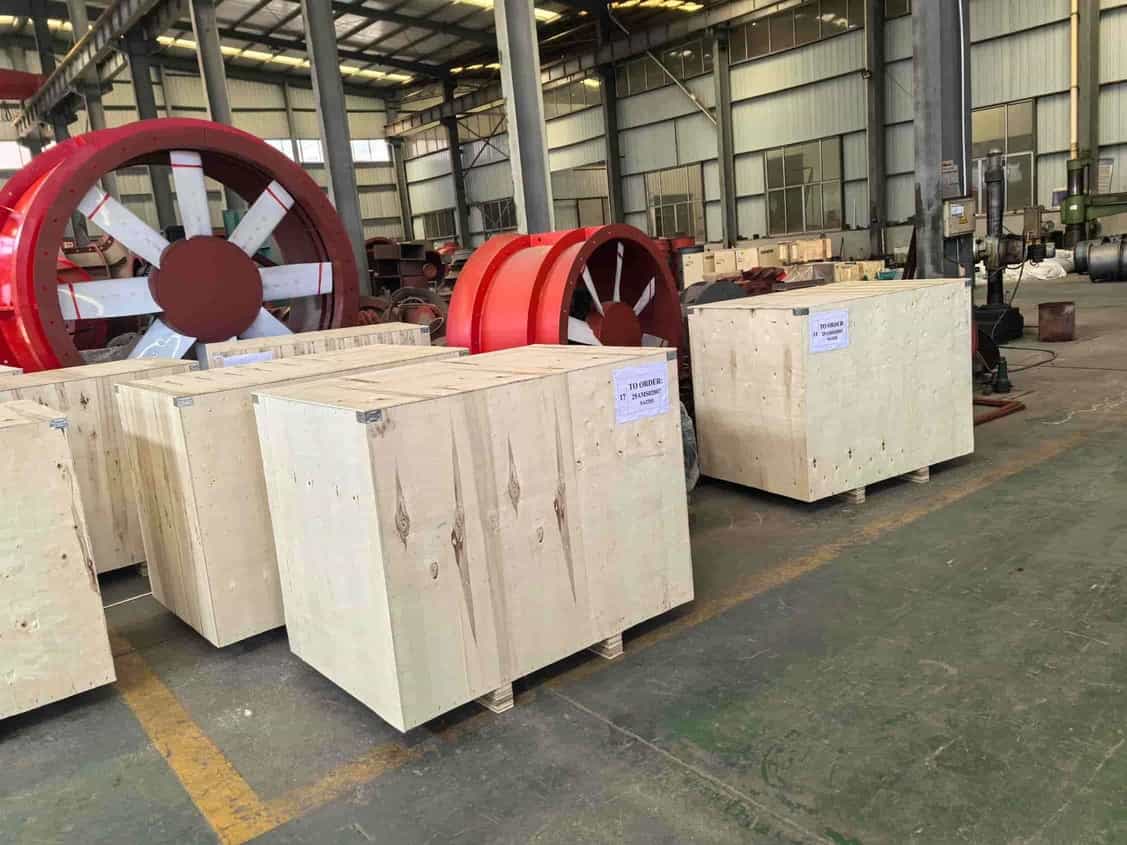
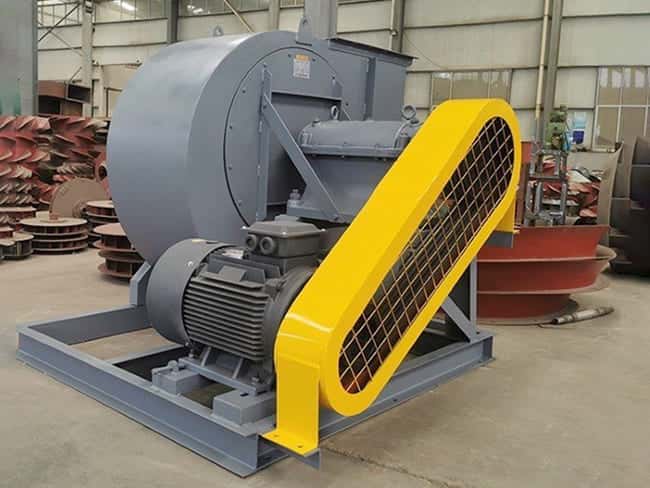
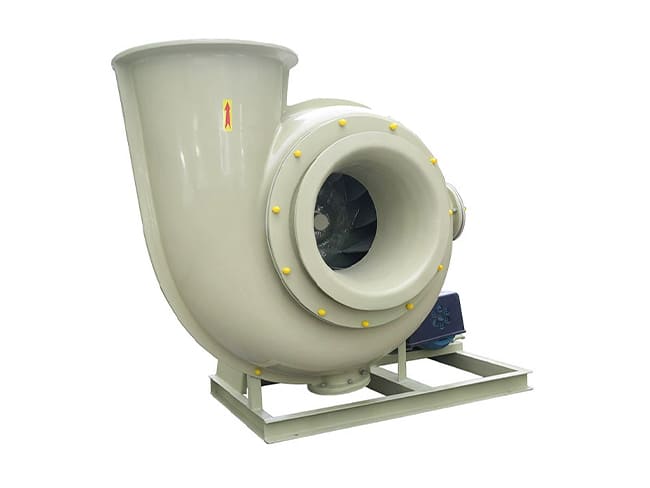
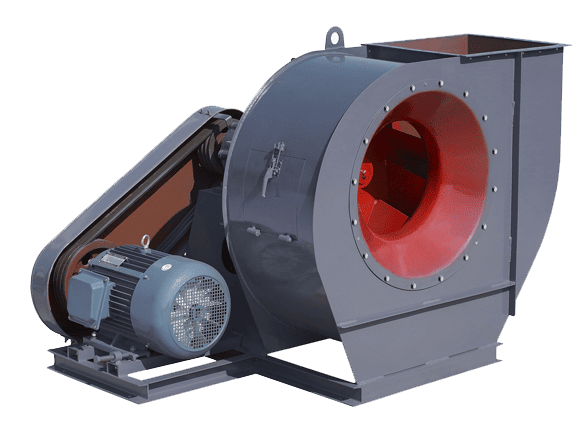
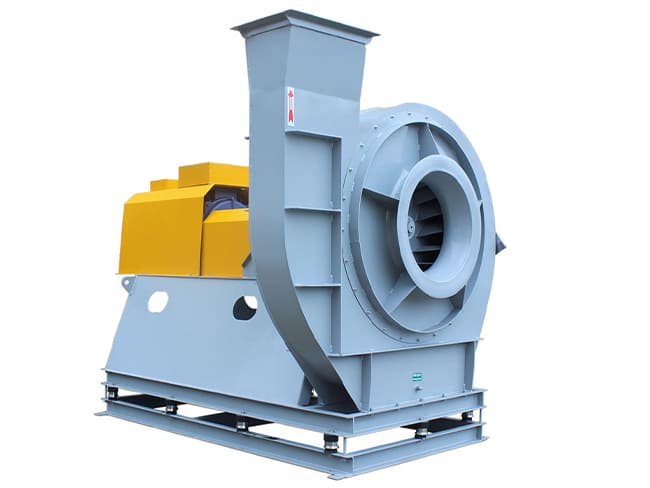
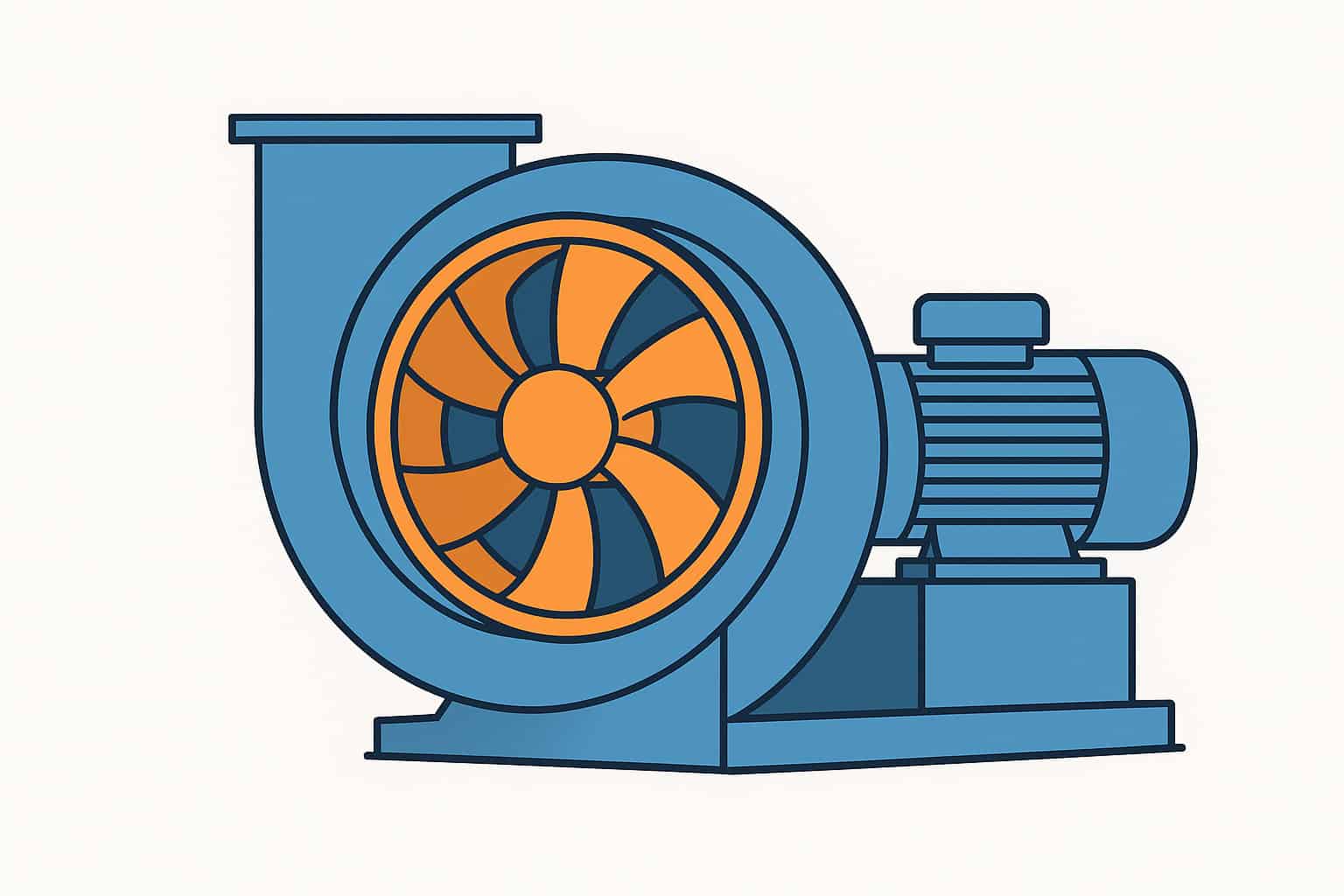
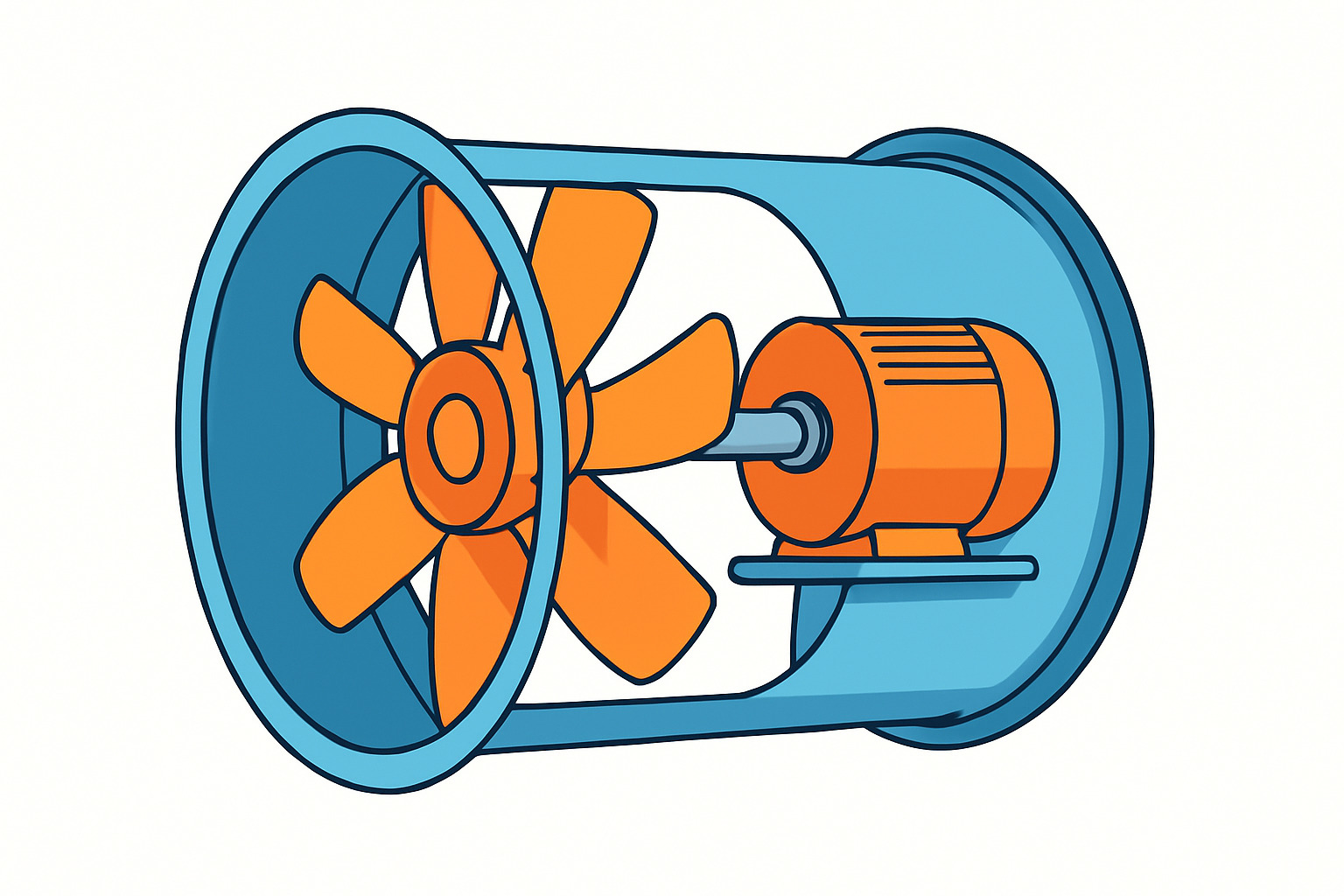
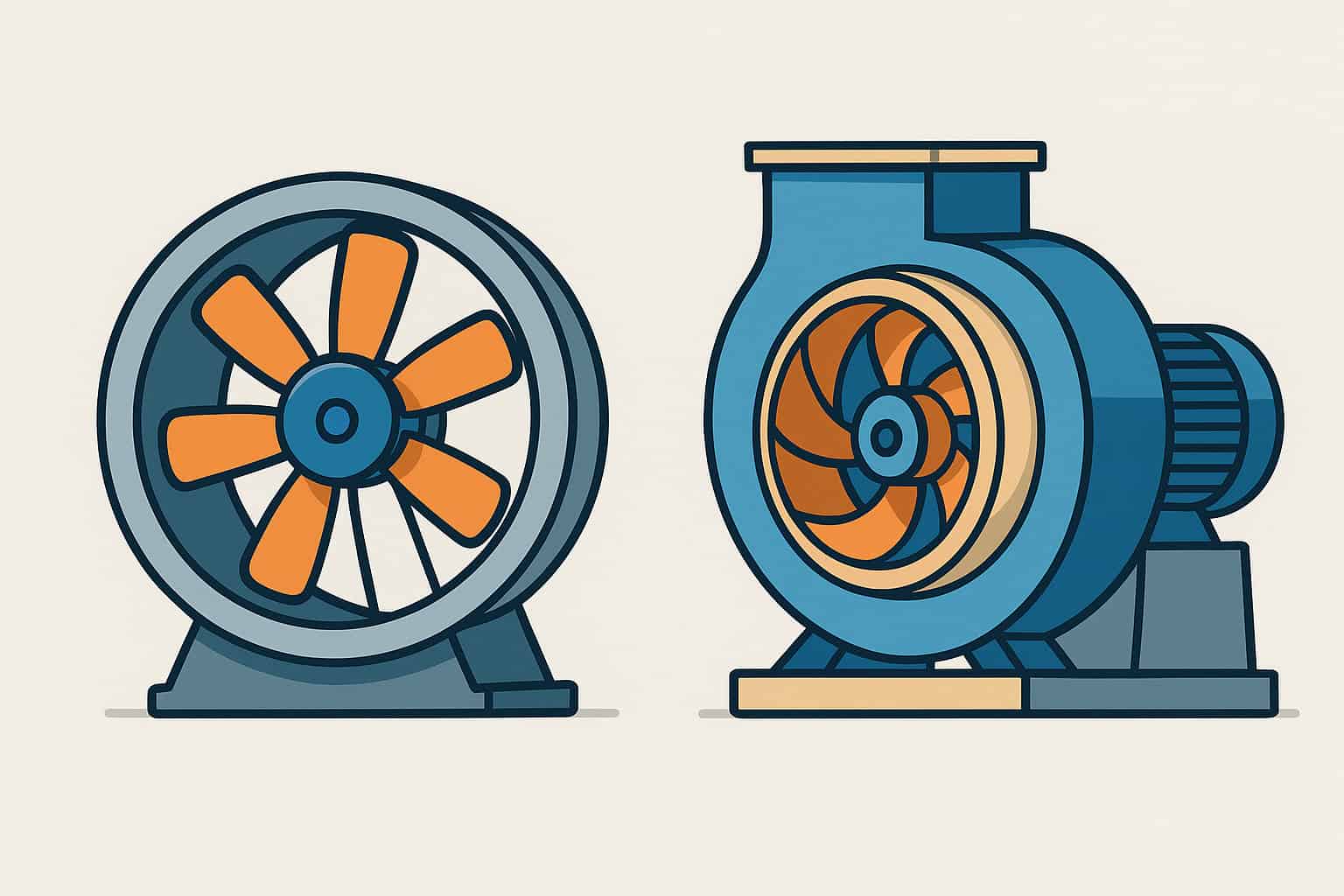
The core of a tunnel ventilation system is the set of ventilation fans. Large axial or centrifugal fans are typically installed at tunnel portals or at the top or bottom of ventilation shafts. They supply fresh air, extract polluted air or do both, depending on the chosen ventilation concept. Inside the tunnel, jet fans mounted in the crown create longitudinal airflow by imparting momentum to the air stream. Fan size, number and arrangement are selected based on tunnel length, traffic volume, gradient and regulatory requirements.
Ventilation shafts and ducts are another key part of the system. Ventilation shafts connect the tunnel to the surface and allow supply or exhaust at intermediate points. Ducts are used for transverse or semi-transverse systems, where air is supplied or extracted through slots or vents along the tunnel. Dampers and louvers installed in shafts and ducts control which flow paths are open and how much air passes through each route.
A modern tunnel ventilation system also relies heavily on sensors and control equipment. Gas detectors (for carbon monoxide, nitrogen oxides or other pollutants), visibility meters, temperature sensors and airflow instruments are installed at strategic locations. Their signals are sent to a central control system, which adjusts fan speeds, starts or stops fan groups and changes damper settings. This allows the system to respond to changing traffic conditions and maintain air quality while minimizing energy consumption.
Fire and smoke management functions are integrated into the tunnel ventilation system from the design stage. The system must support emergency operating modes in which fans and dampers are configured to direct smoke in a controlled direction, protect escape routes and facilitate firefighting. High-temperature-rated fans, fire-resistant dampers and redundant power supplies are common features. Detailed fire and smoke simulations are used to verify that the ventilation system can meet regulatory requirements for evacuation and rescue.
From a lifecycle perspective, the tunnel ventilation system is designed for reliability, maintainability and energy efficiency. Fans and dampers are arranged so that maintenance can be performed on individual components while the tunnel remains in service. Variable speed drives, optimized tunnel cross-sections and low-resistance flow paths reduce power consumption. Regular inspections, testing and system updates ensure that the ventilation system continues to meet performance targets over decades of operation.
In summary, a tunnel ventilation system is the integrated arrangement of fans, shafts, ducts, dampers, sensors and controls that manages airflow in tunnels. It provides clean air during normal use and reliable smoke control during fires, making it one of the most critical safety systems in any tunnel project.