
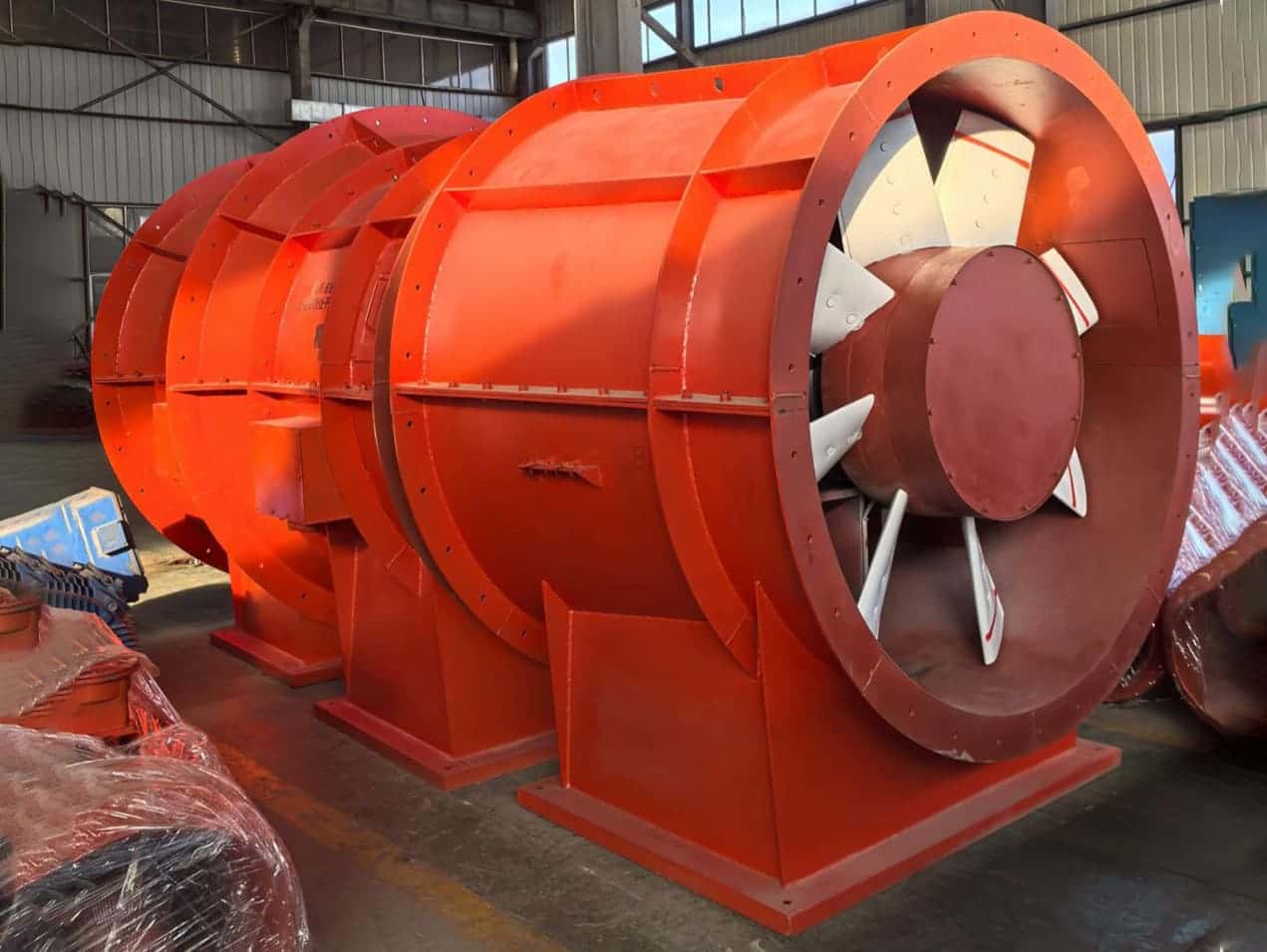
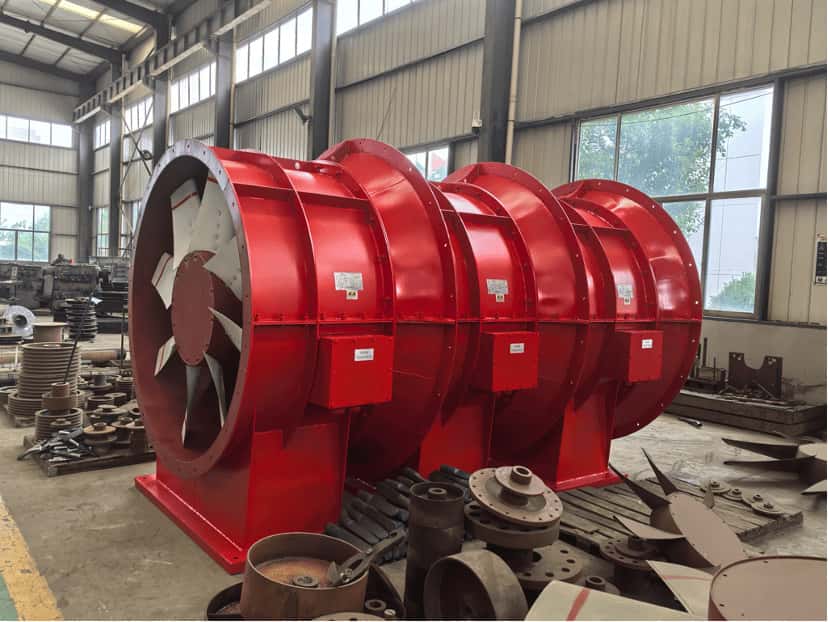
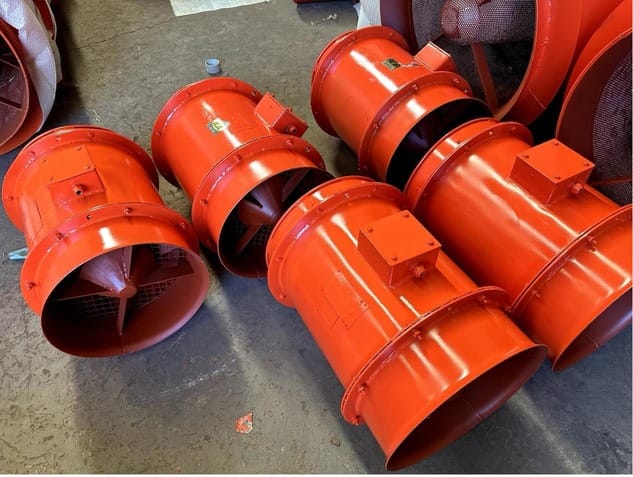
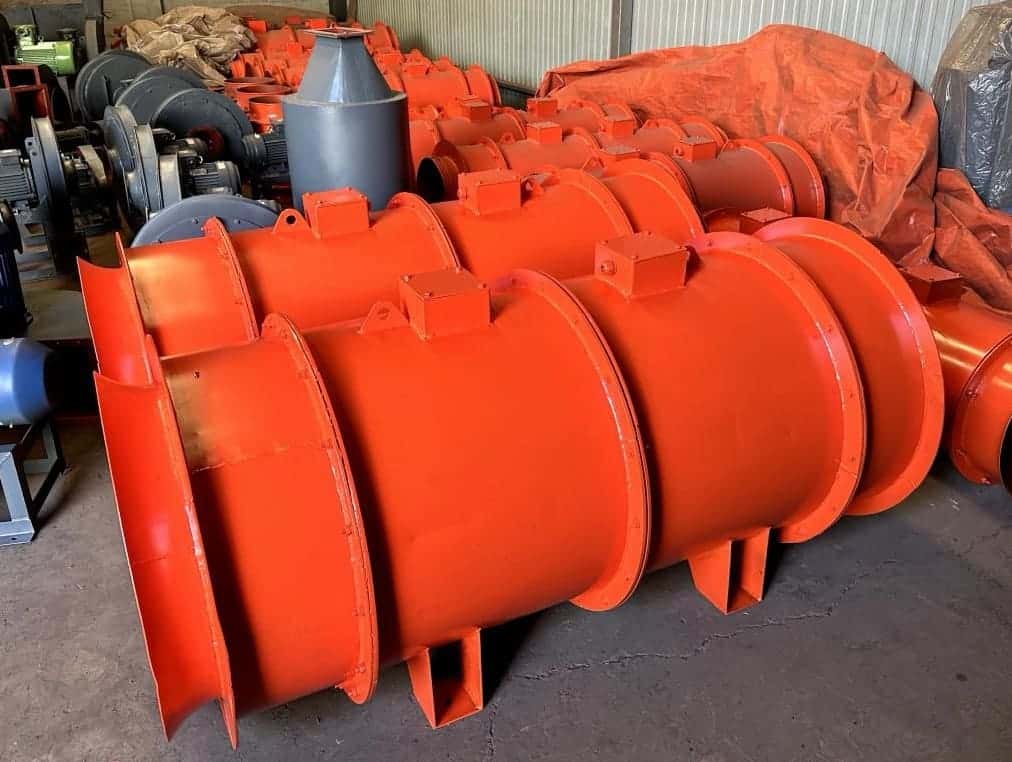
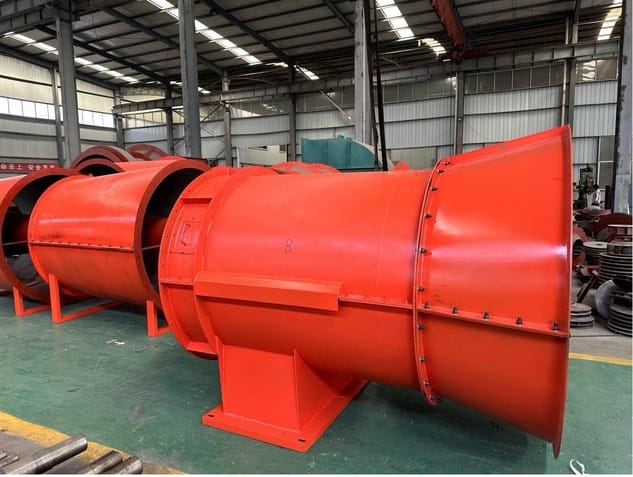
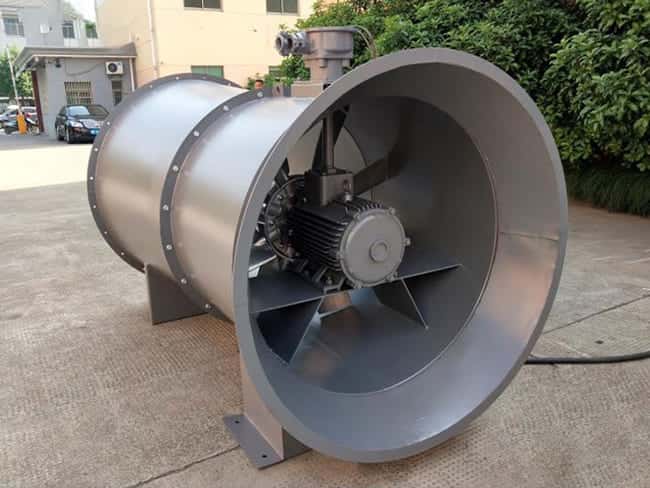
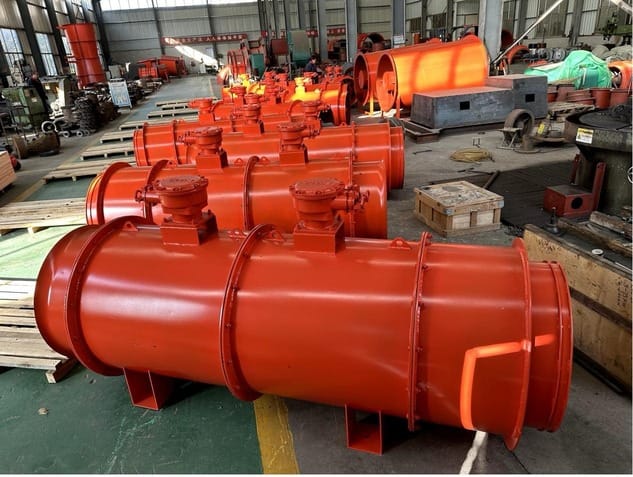
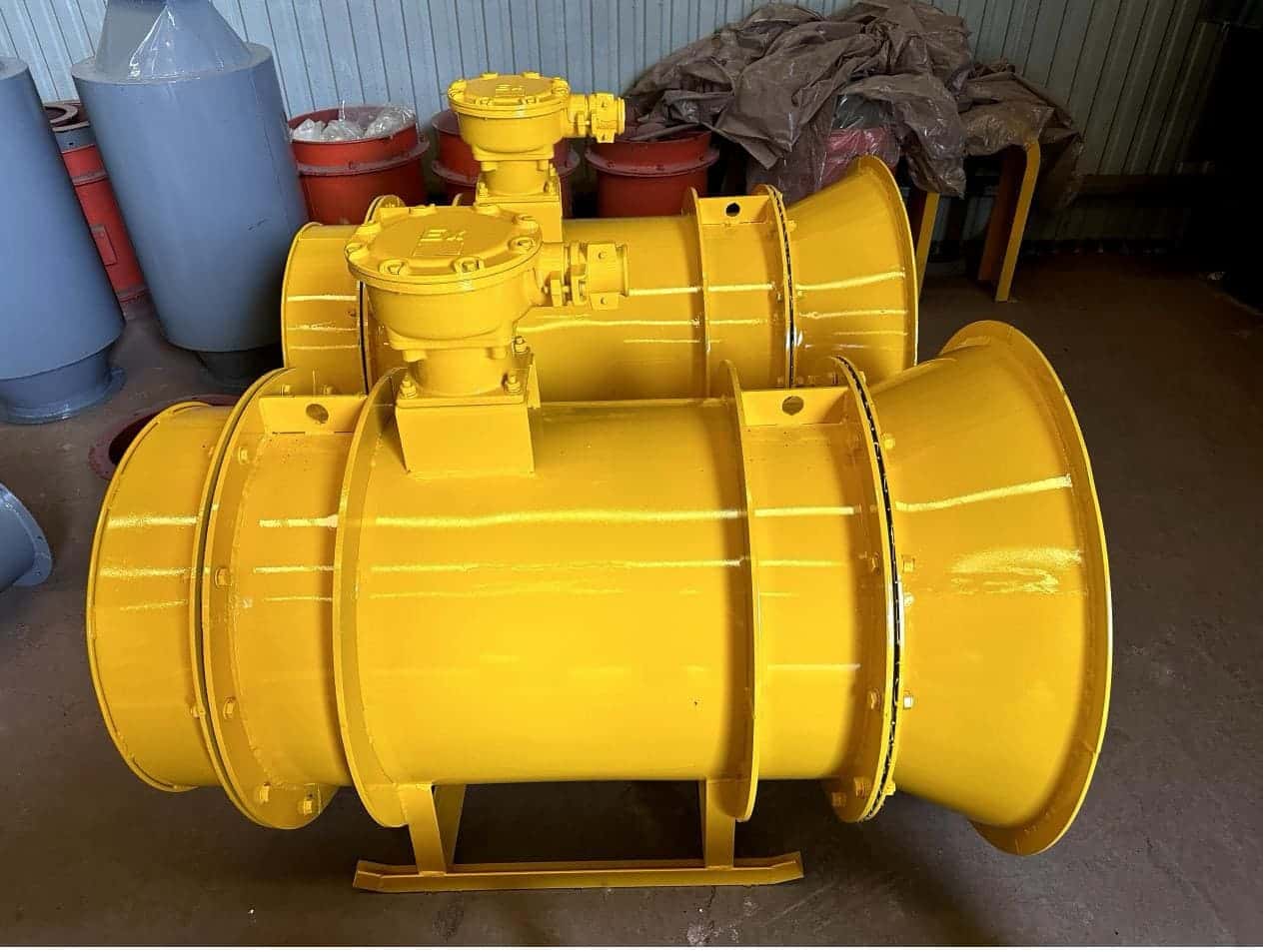

A ventilation duct is an enclosed passage that carries air from one point of a ventilation system to another. Instead of letting air wander freely, ducts provide a controlled path between fans, air-handling units, rooms, hoods and outdoor openings. They are a core element of HVAC systems in buildings, process ventilation in factories and auxiliary ventilation in underground mines.
Ventilation ducts come in many shapes and materials, but their function is the same: to convey air safely and efficiently. Common materials include galvanized sheet metal, stainless steel, plastic, fabric and flexible hose. Rectangular ducts are often used in commercial buildings where space constraints and coordination with other services are important. Circular or spiral ducts provide good airflow characteristics and are popular in industrial plants. In mining, rigid steel ducts and lightweight flexible ducts are widely used to deliver fresh air from auxiliary fans to development headings.
Inside a building, ventilation ducts connect supply and return vents to centralized equipment. Supply ducts distribute conditioned air to rooms via diffusers, while return ducts carry used air back. Branch ducts and fittings (elbows, tees, transitions, dampers) shape the airflow network so that the correct amount of air reaches each space. Good duct design keeps pressure drop and noise low, avoiding unnecessary fan power and ensuring comfort.
In industrial ventilation, ducts connect local exhaust hoods at sources of dust, fumes or heat to filters and exhaust fans. For example, a welding hood is connected by ductwork to a dust collector and fan that discharge cleaned air to the atmosphere. The duct size, length and layout are carefully chosen so that capture velocities at the hood are sufficient and dust does not settle inside the duct.
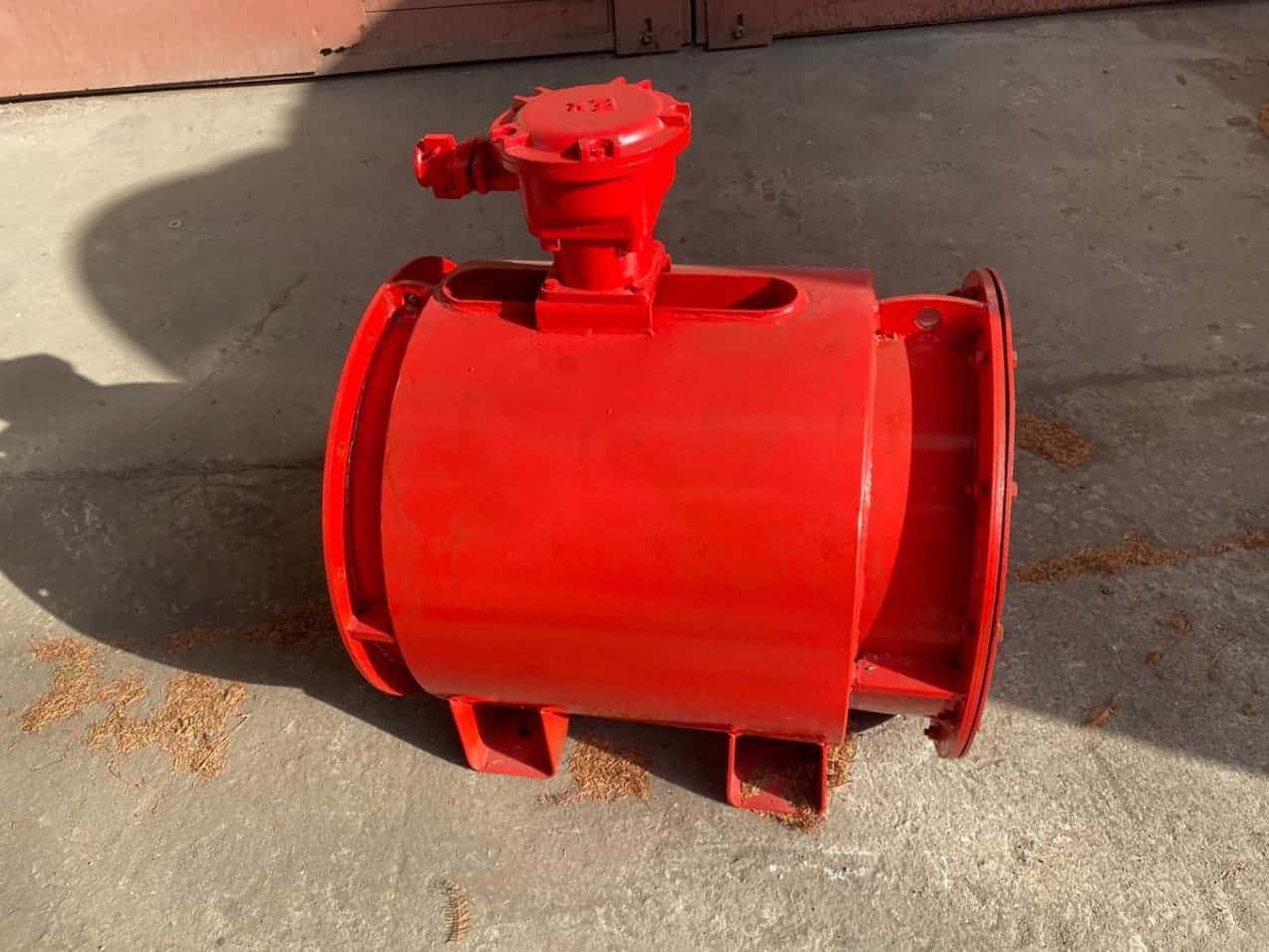
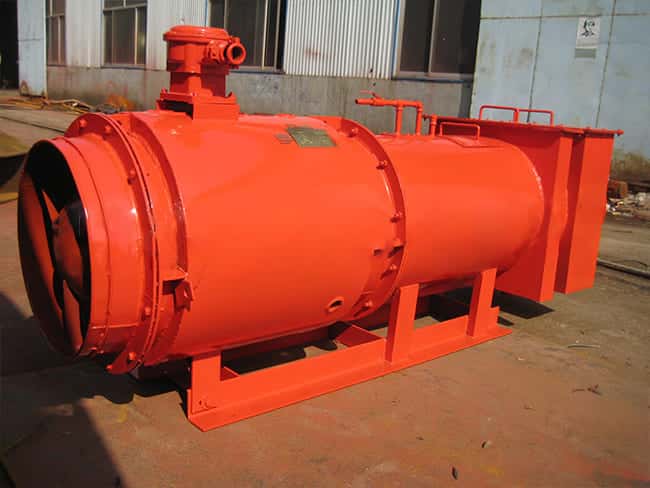
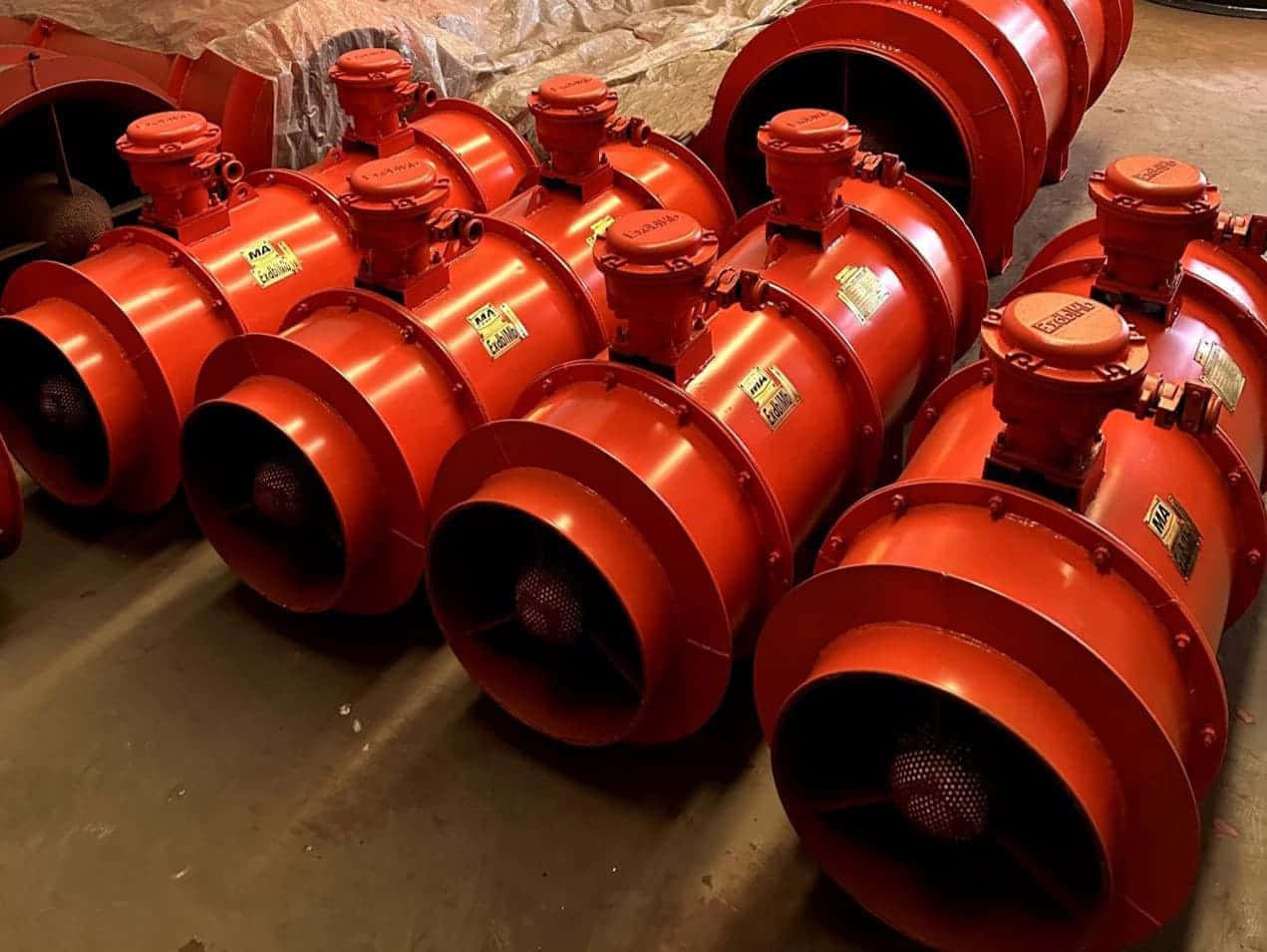
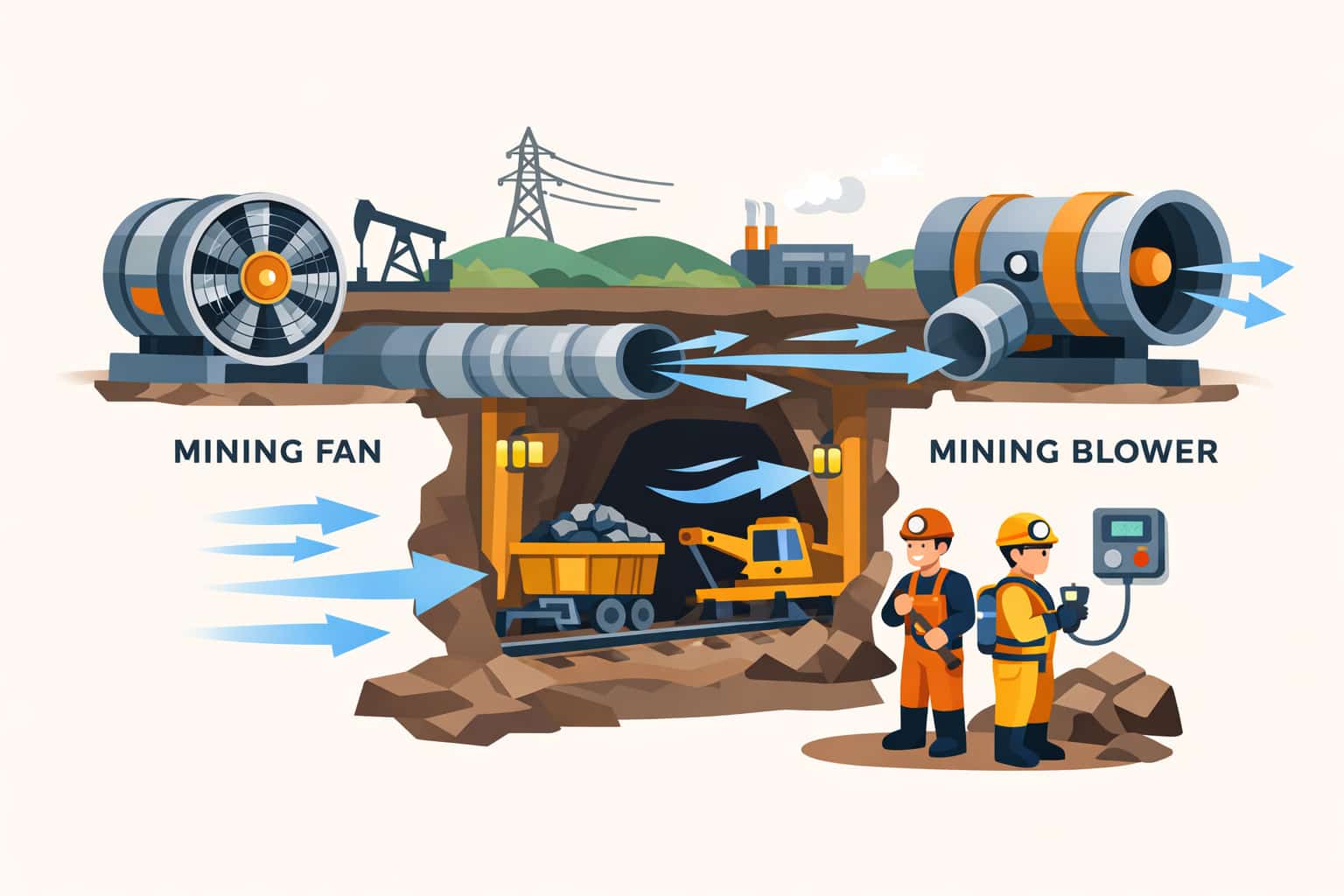
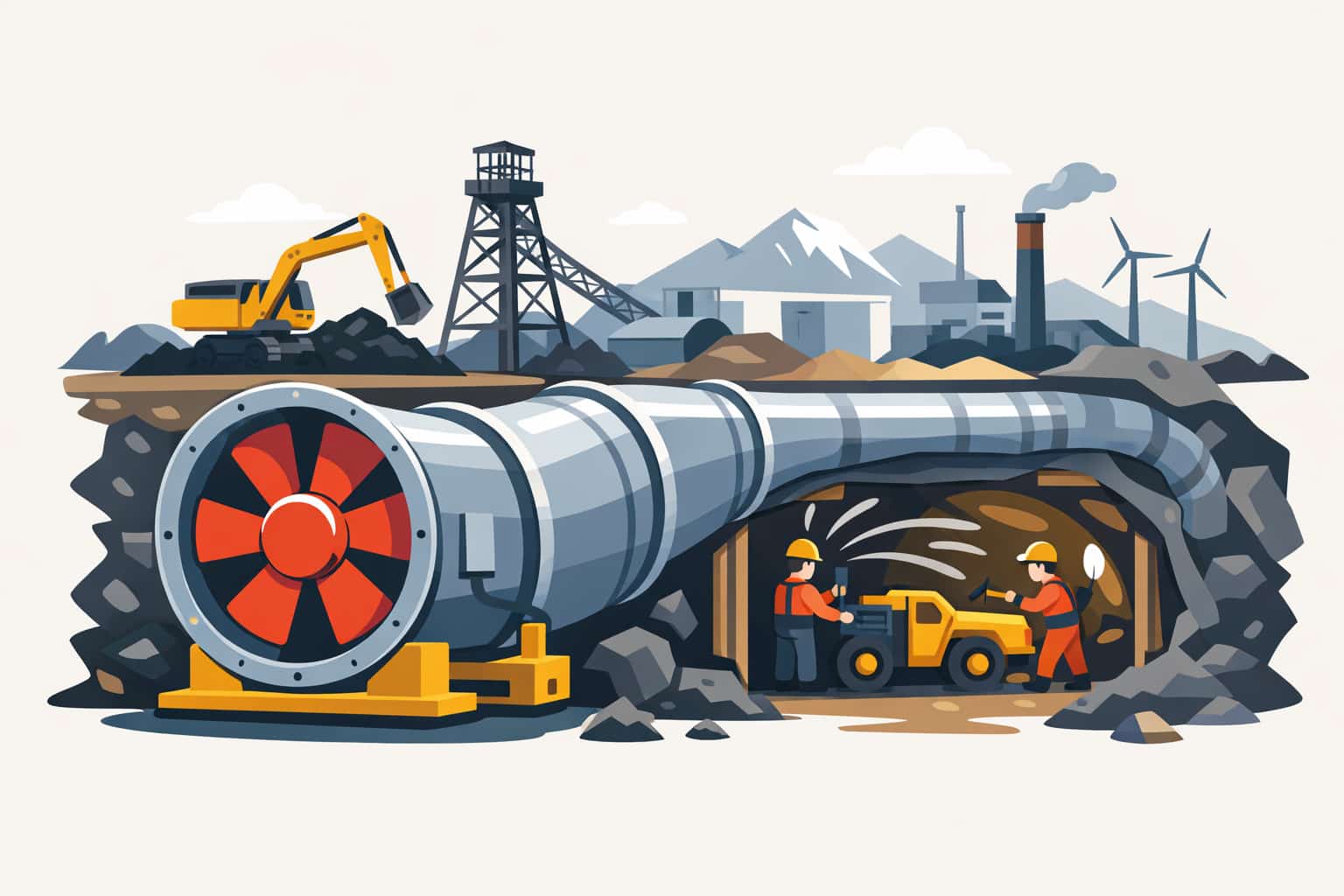
In underground mines, ventilation ducts play an essential role in auxiliary ventilation. An auxiliary fan pushes air into ducts that run along the heading, with the open end positioned near the face. This arrangement brings fresh air to workers and dilutes diesel and blasting gases. As the tunnel advances, the duct is extended and sometimes repaired or replaced to maintain airflow and minimise leakage.
Because ventilation ducts carry air that may be hot, cold, dusty or contaminated, they often require insulation, corrosion protection and regular maintenance. Leaks, blockages and damaged sections can seriously reduce system performance, increasing energy consumption and compromising air quality. Proper design, installation and inspection of ventilation ducts are therefore critical in mining and industrial ventilation projects.