
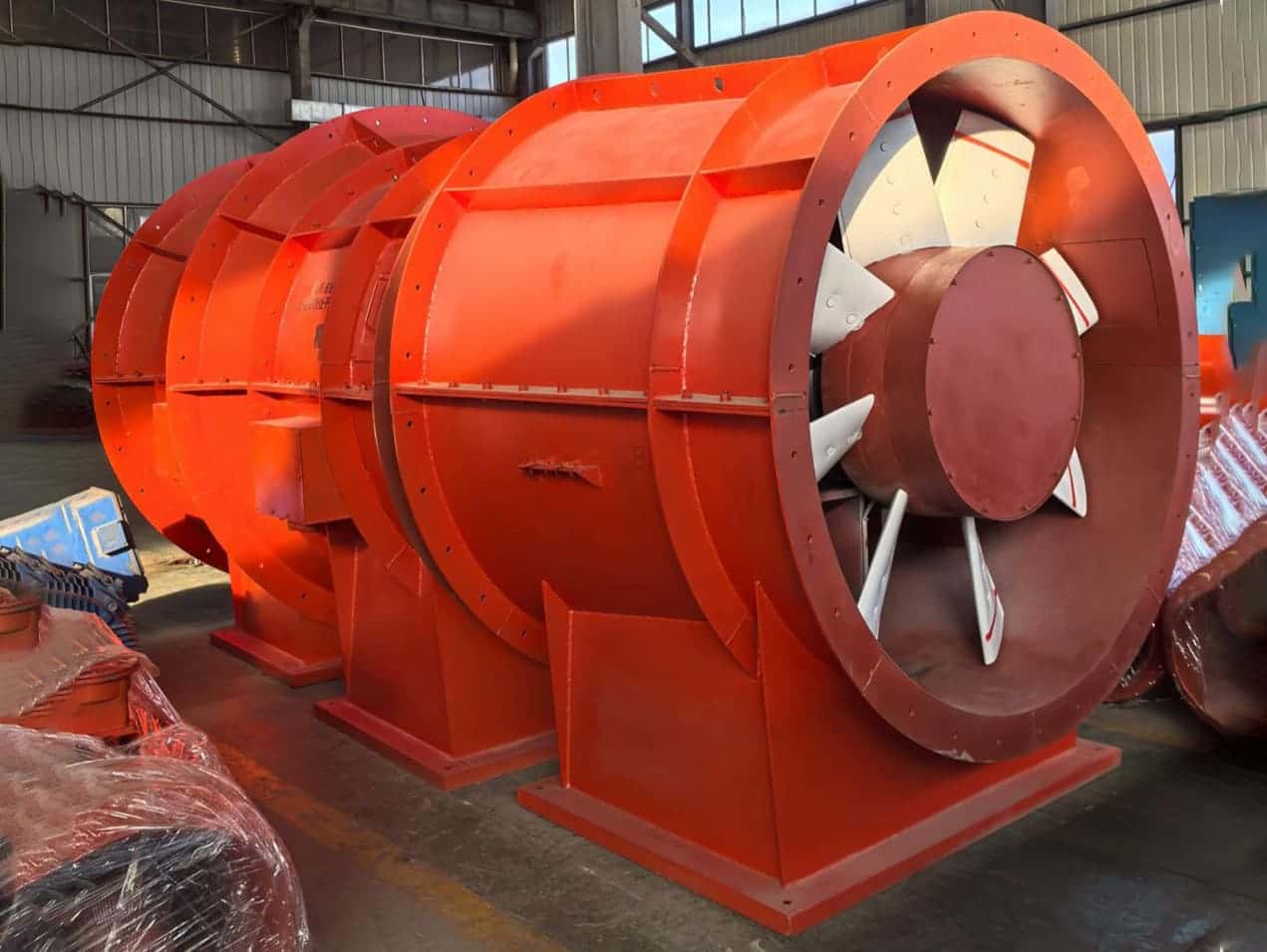
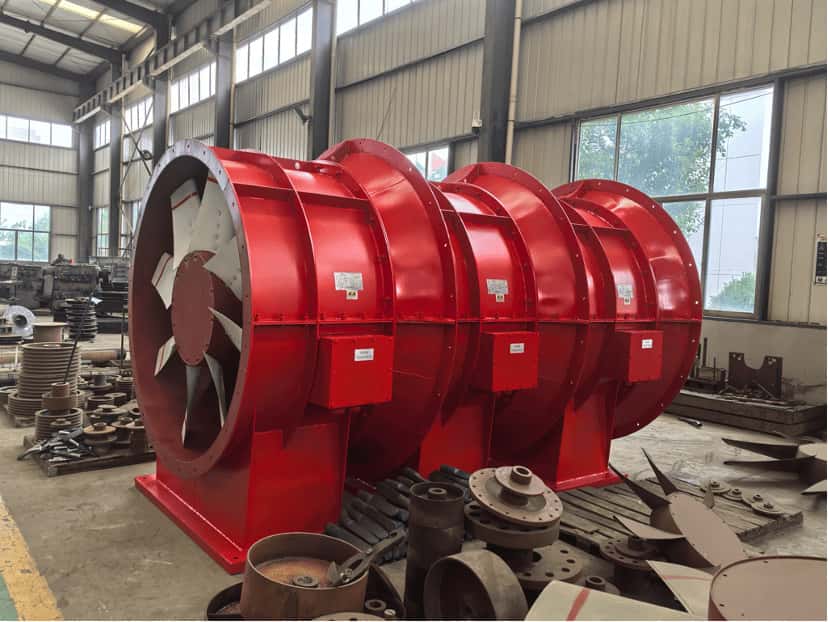
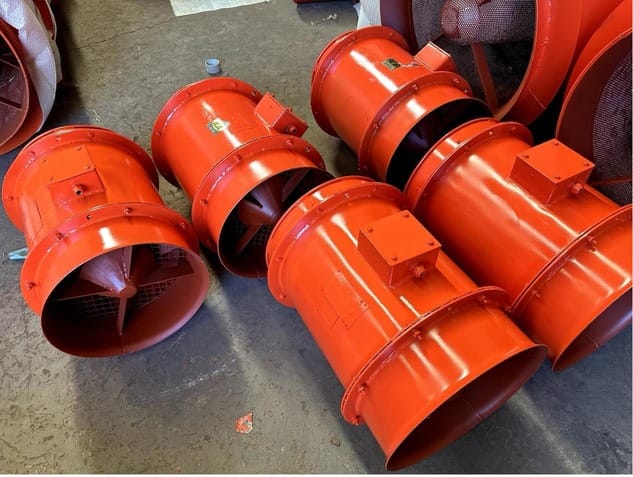
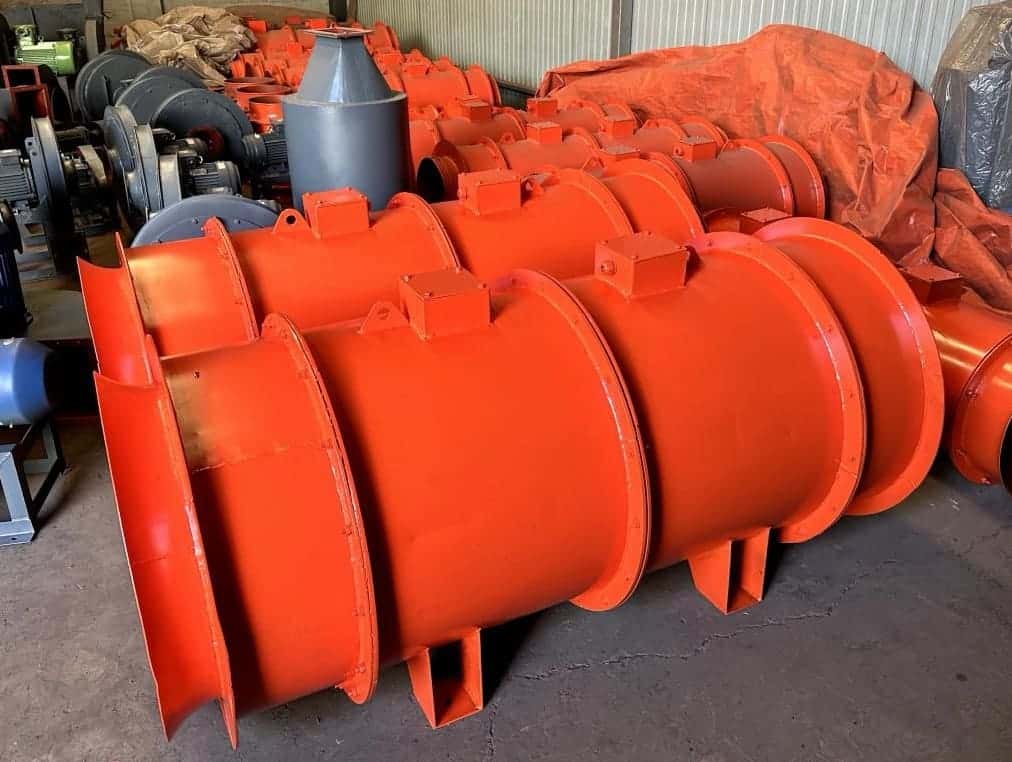
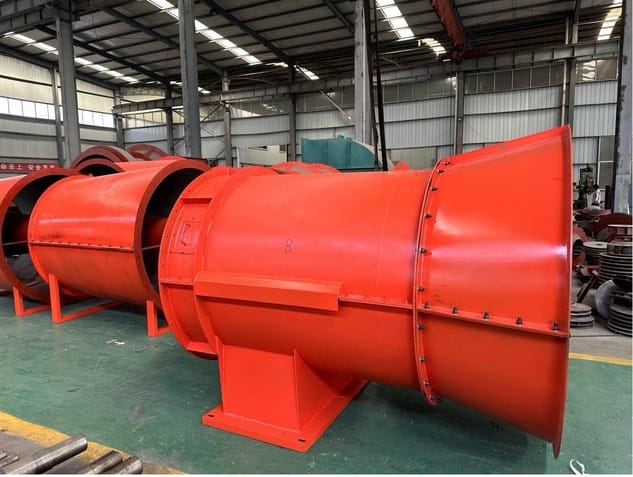
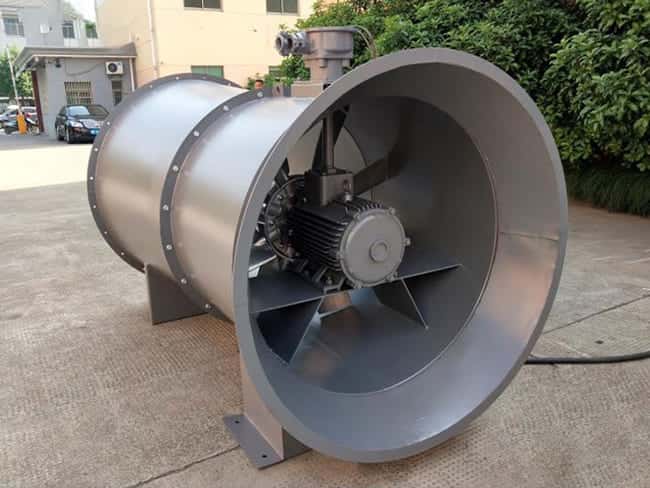
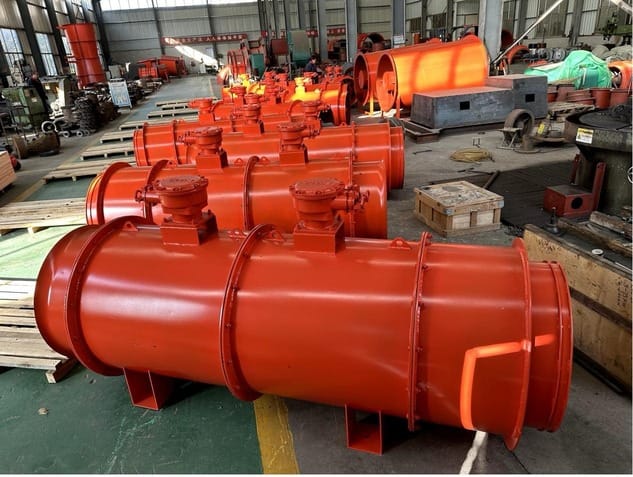
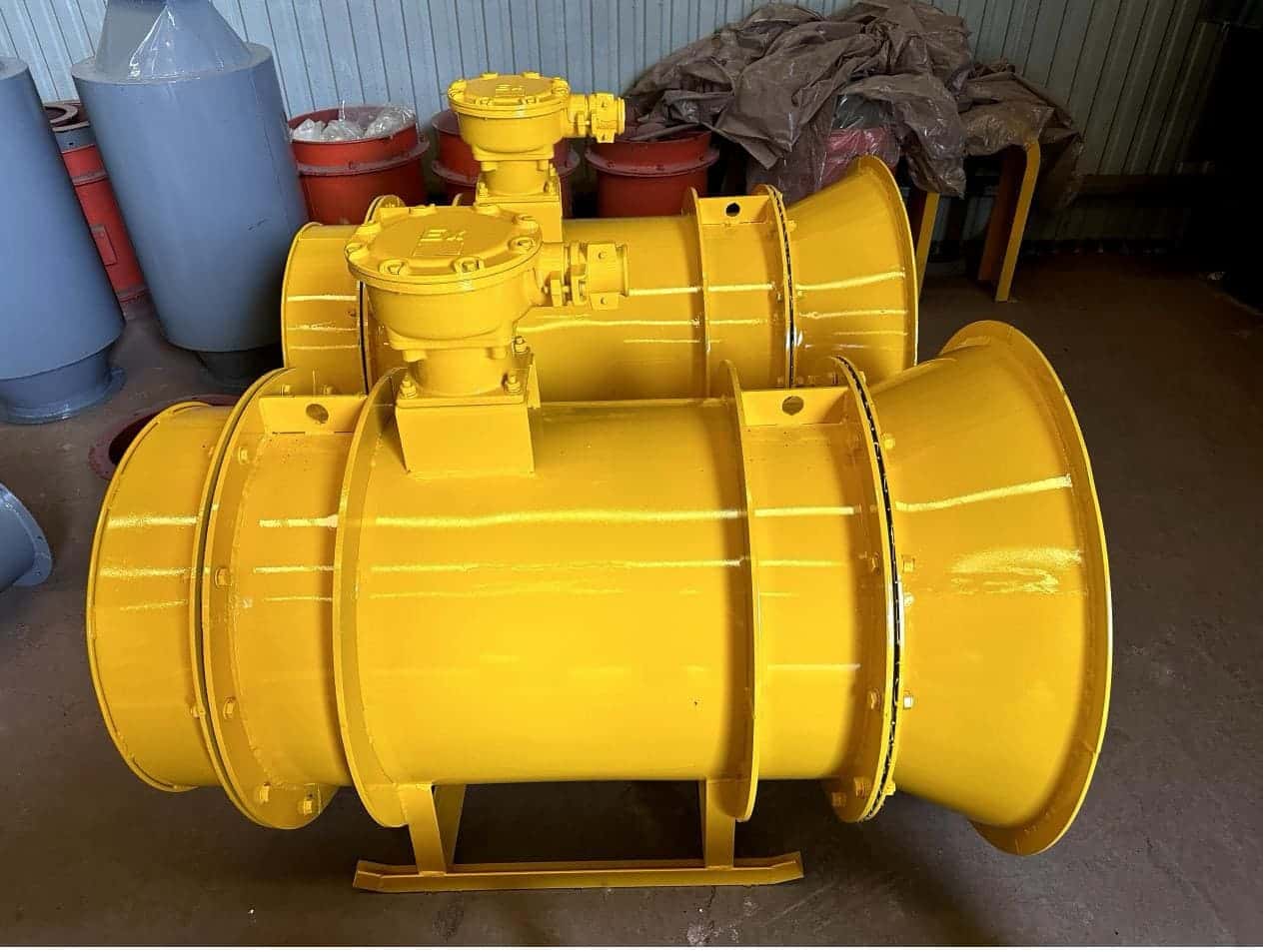
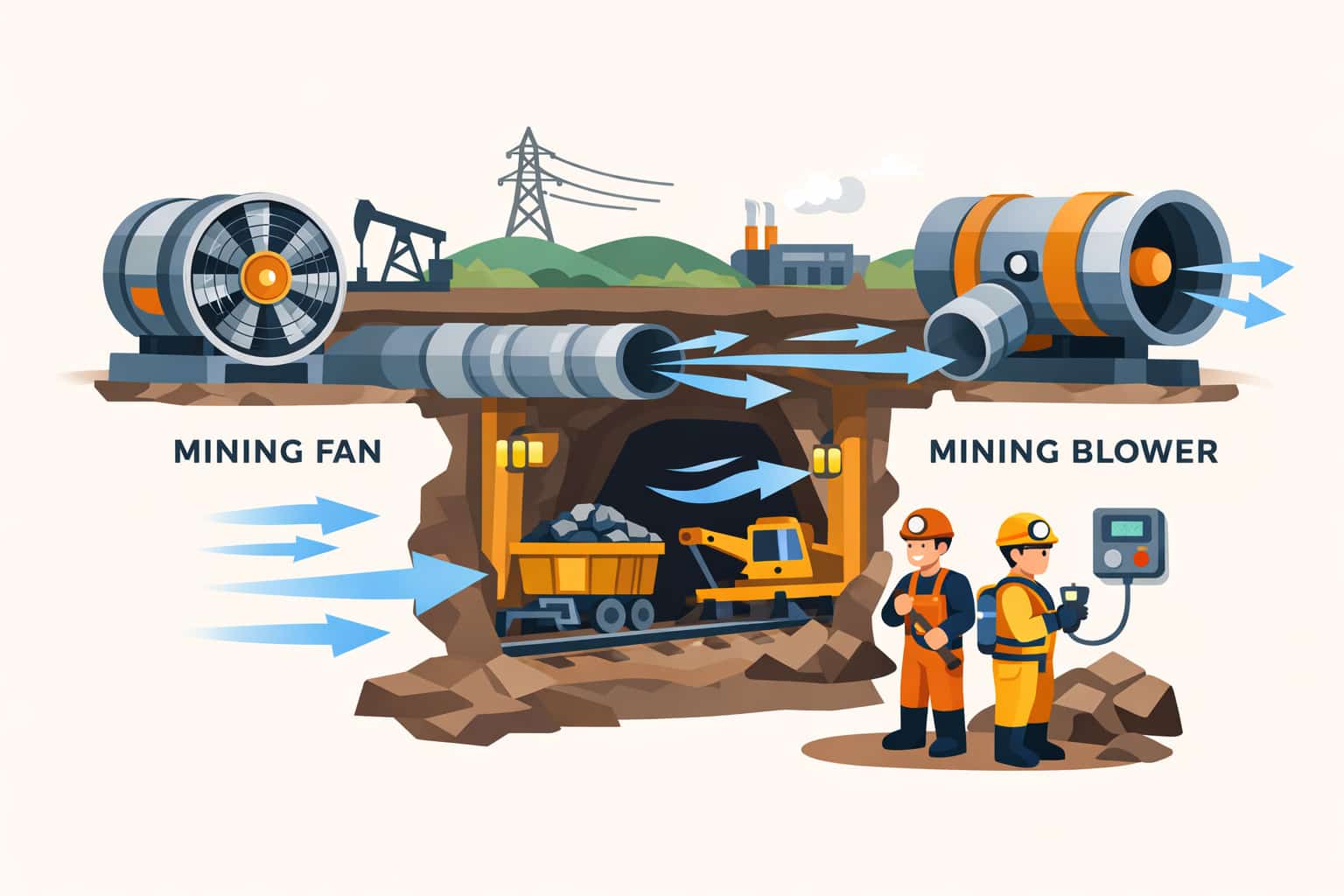
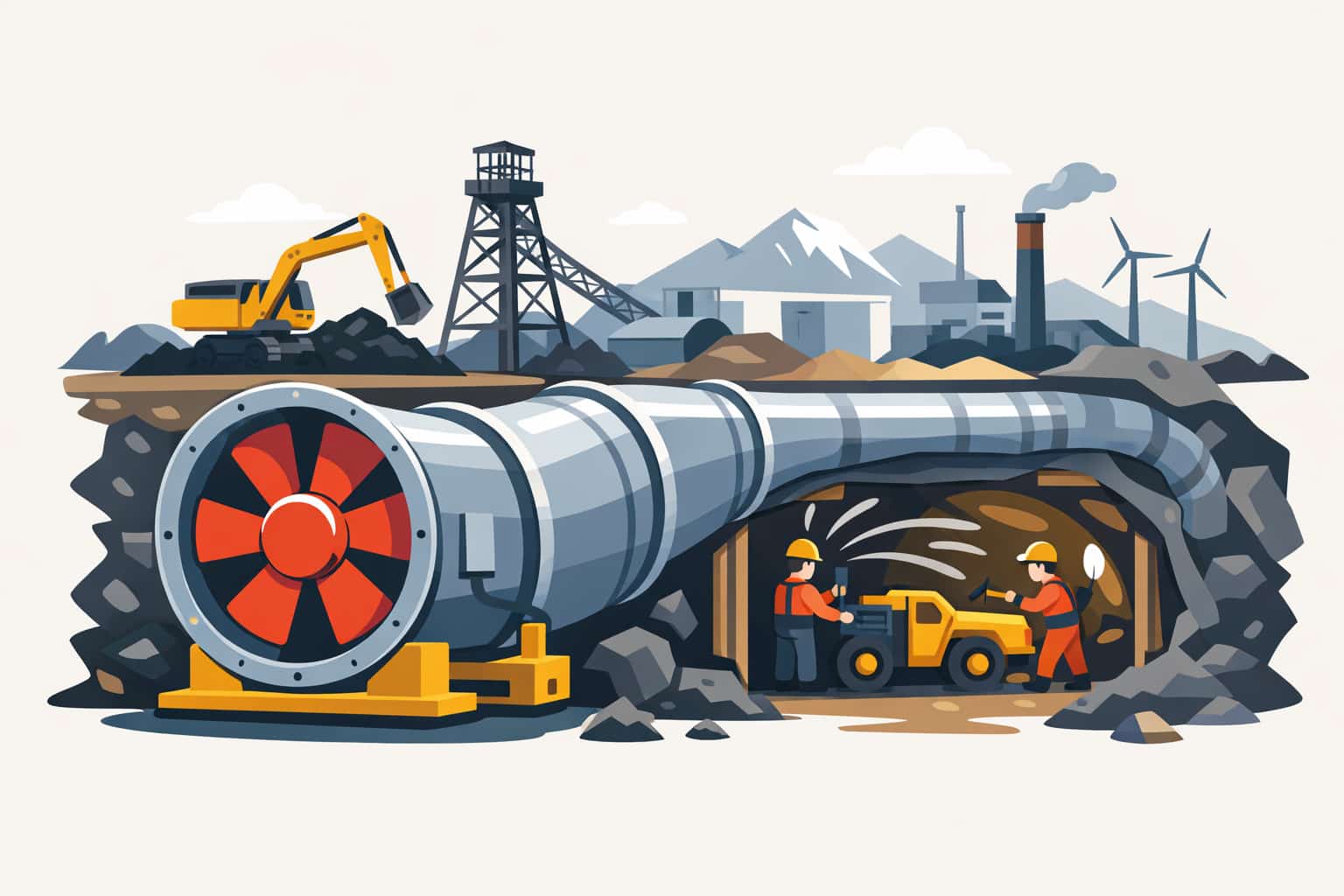
In underground mining, a ventilation duct or air pipe is the pipe, tube or flexible hose used to carry air between a fan and the working area. While main mine ventilation relies on large airways and shafts, local headings, blind drives and stopes often need a direct connection to a fan. Ventilation ducts and air pipes form that connection, allowing auxiliary fans to push fresh air to the face or pull contaminated air away.
There are several common types of ventilation duct used in mines. Rigid steel or plastic ducts are durable and maintain their shape under pressure, making them suitable for longer runs and higher airflow. They are usually manufactured in circular or rectangular sections that can be bolted or clamped together, with flanged joints and gaskets to minimize leakage. Steel duct is robust and fire-resistant but heavier to handle; plastic duct is lighter but requires care in gassy or high-temperature environments.
Another widely used option is flexible ventilation duct, sometimes called flex duct or layflat duct. These ducts are made from fabric or reinforced plastic materials and can be rolled up for transport. They are commonly used with auxiliary axial fans in development headings, where the duct must be moved frequently as the heading advances. Flexible ducts are quick to install and adjust, but they can be more prone to damage and leakage if not properly supported and maintained.
Ventilation ducts can be arranged in forcing or exhaust configurations. In a forcing system, the auxiliary fan blows fresh air into the duct, which discharges near the face, pushing clean air deep into the heading and driving contaminated air back out along the return path. In an exhaust system, the duct inlet is placed near the face and the fan pulls contaminated air through the duct to a return airway, allowing fresh air to flow in naturally from the intake. Choice of system depends on gases, dust, temperature and local regulations.
Correct installation of ventilation ducts and air pipes is essential for efficient auxiliary ventilation. Ducts should be hung or supported to avoid sharp bends, crushing and unnecessary leakage. Joints must be sealed, and purge times should be calculated so that fresh air reaches the face before workers return after blasting. The selection of duct diameter and length must match the auxiliary fan’s performance, taking into account friction losses and allowable noise levels.
In summary, a ventilation duct or air pipe in underground mining is the essential link between auxiliary fans and the working area. Whether made from steel, plastic or flexible fabric, these ducts carry fresh air to faces and headings or remove contaminated air from confined spaces, forming a key part of the overall mine ventilation system.