
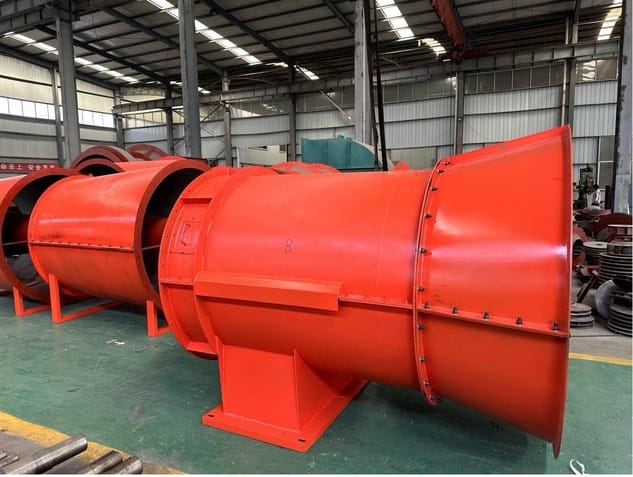
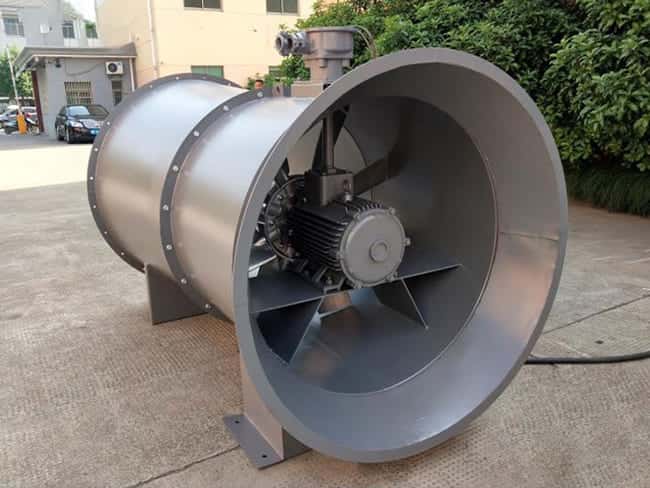
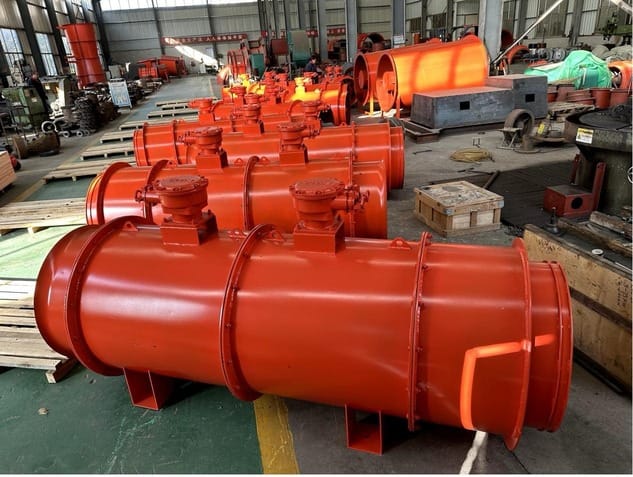
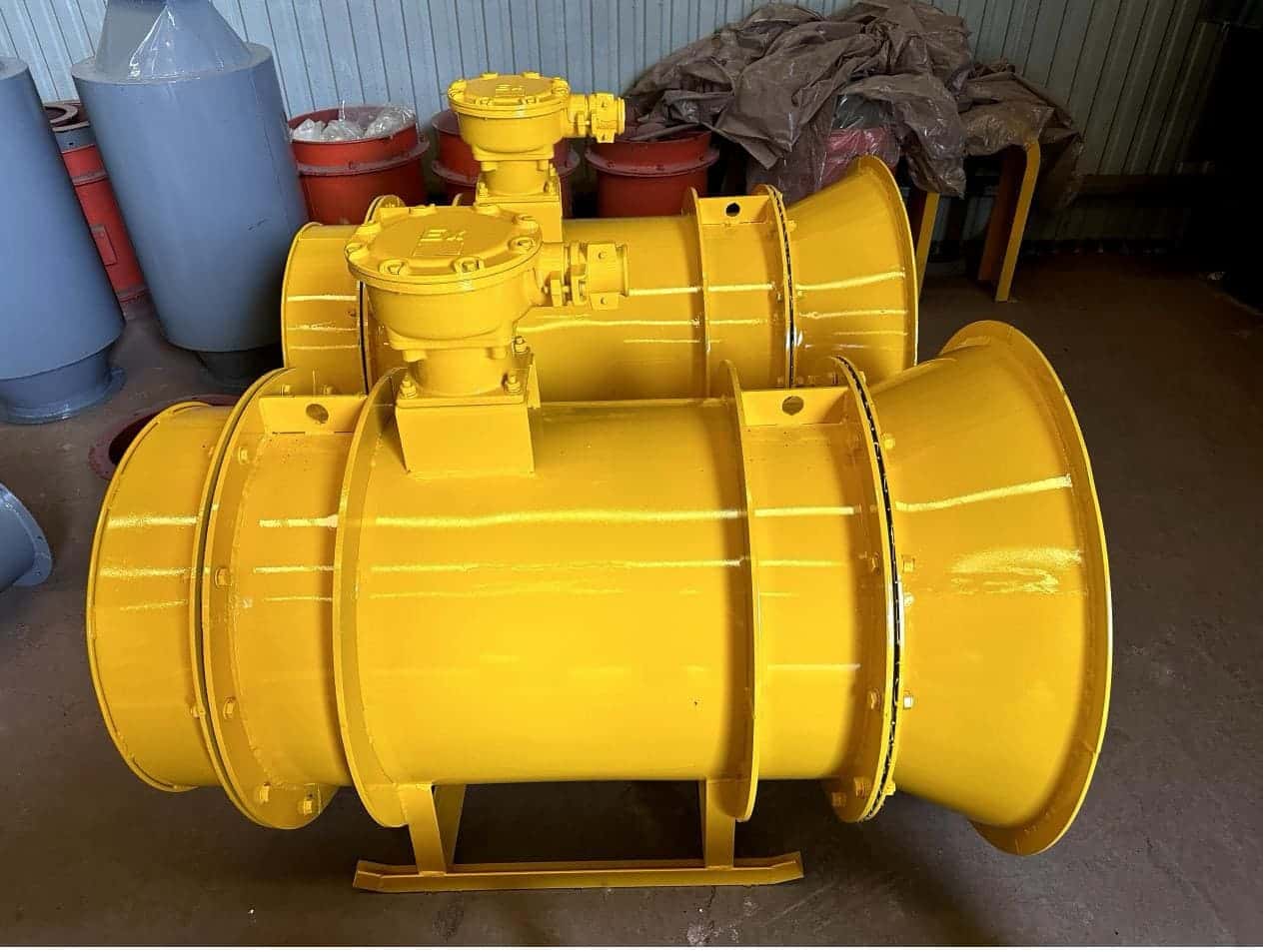
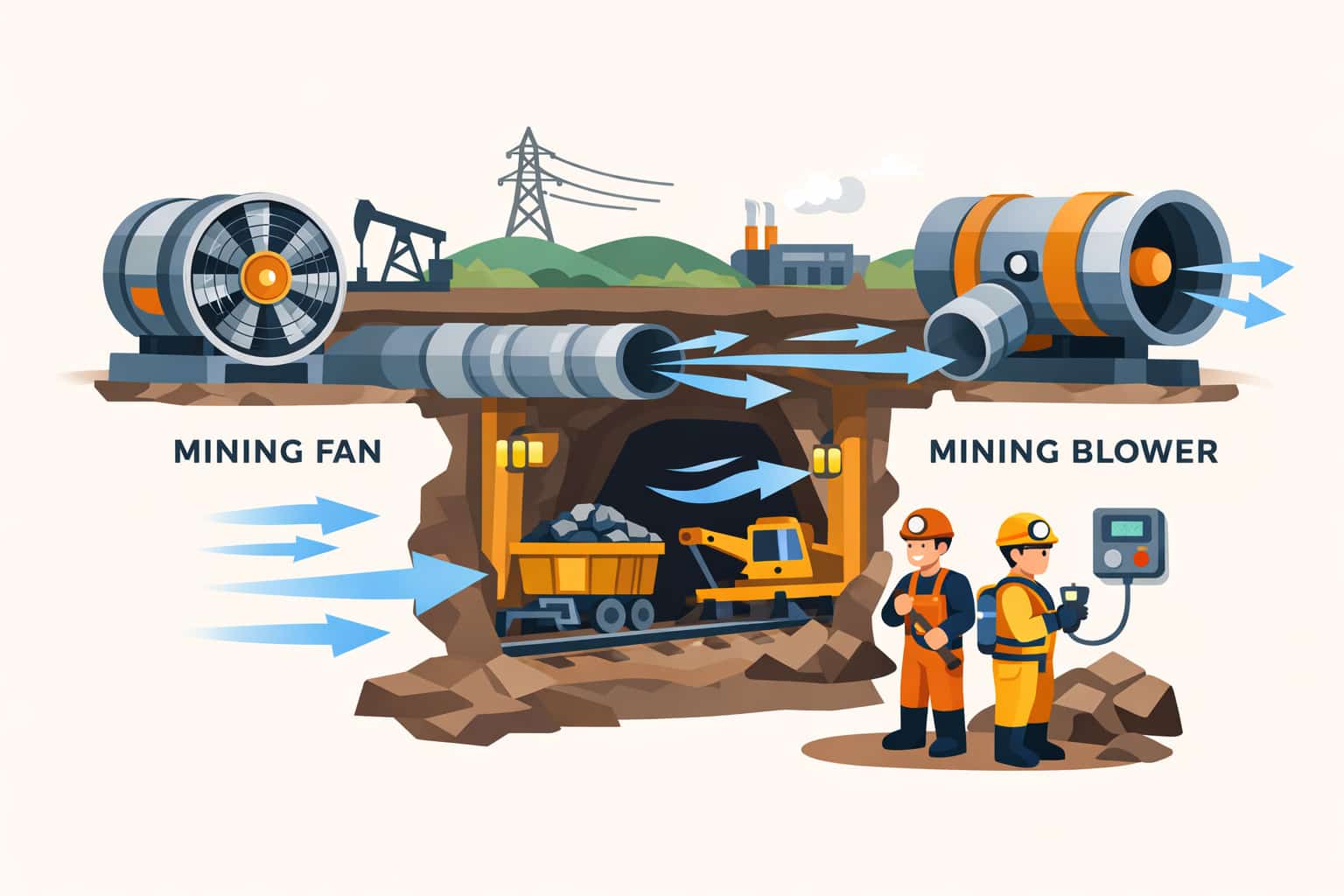
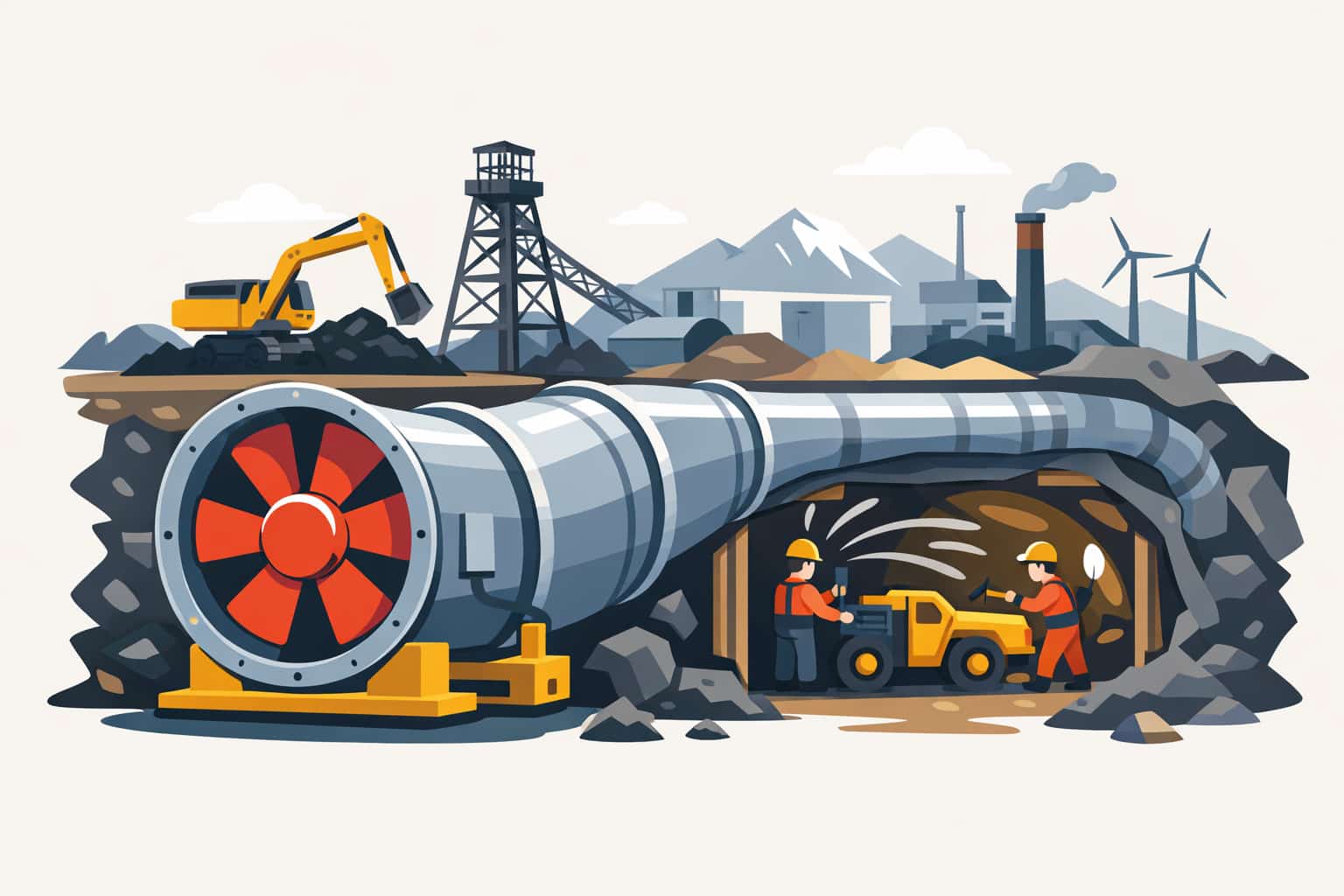

A ventilation shaft for a tunnel is a vertical or steeply inclined opening that connects the tunnel to the surface and is used mainly for moving air rather than vehicles or people. It forms an essential part of the tunnel ventilation system by allowing fresh air to be supplied or polluted air to be exhausted at locations other than the portal. Ventilation shafts are used in long road and rail tunnels, metro systems, and some mining tunnels where air quality and smoke control cannot be managed from the portals alone.
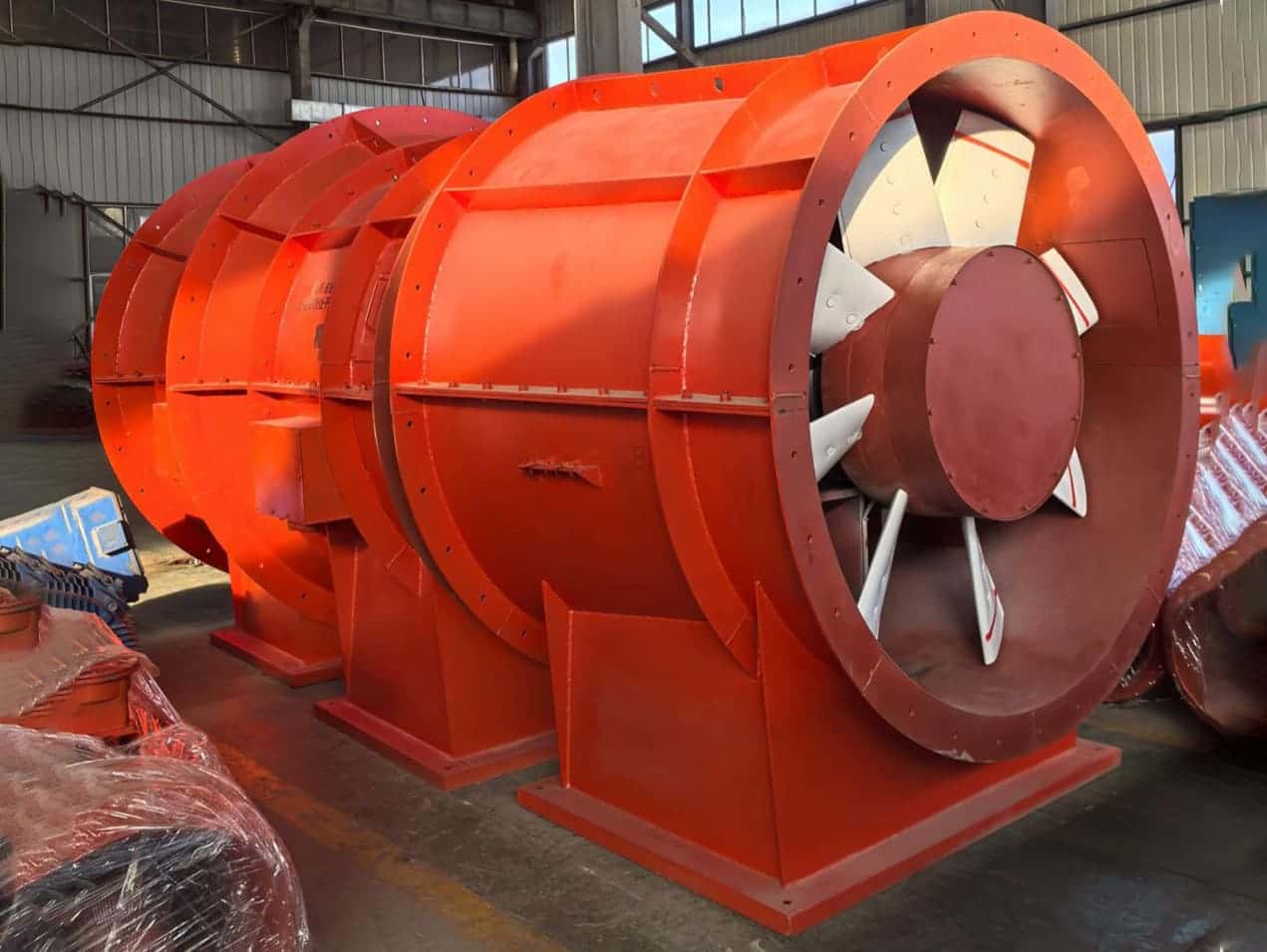
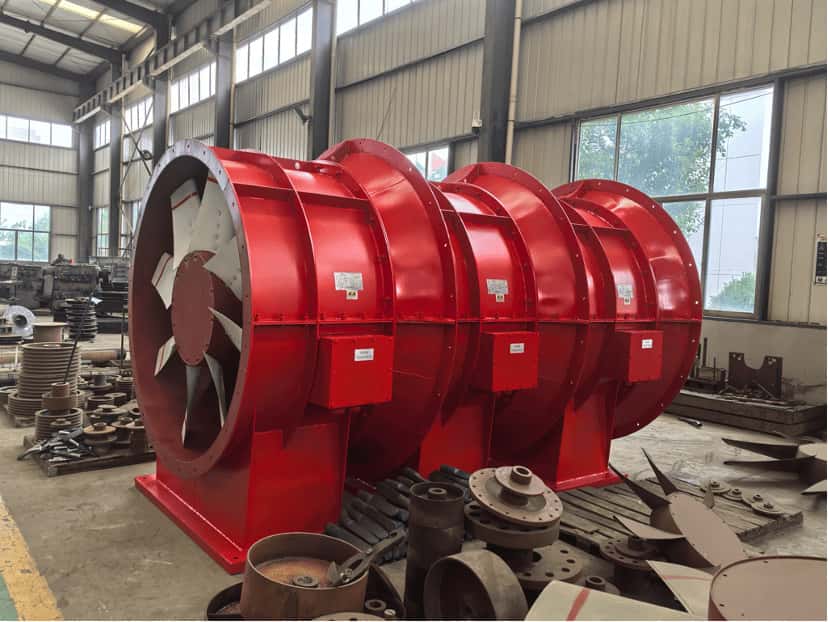
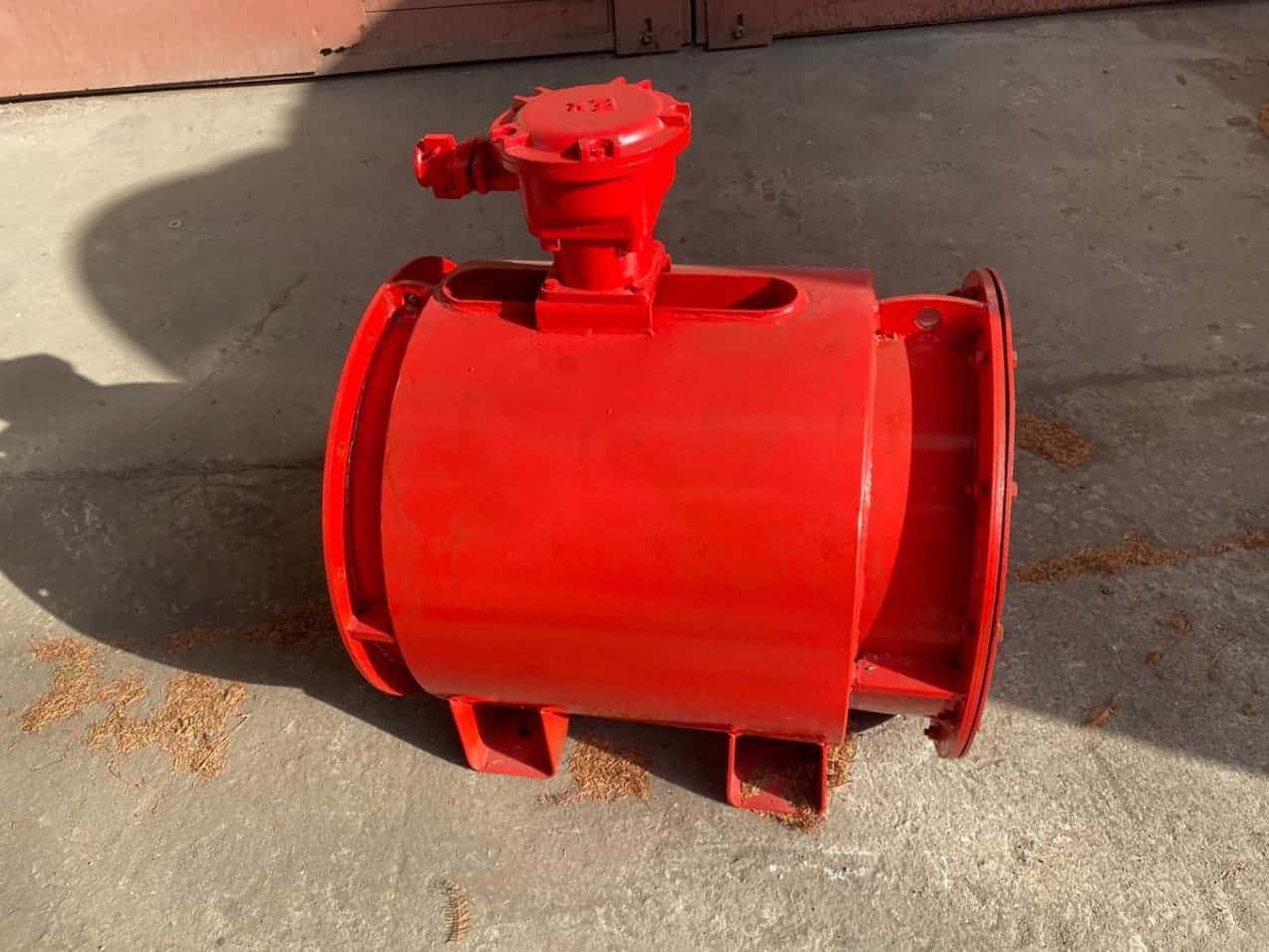
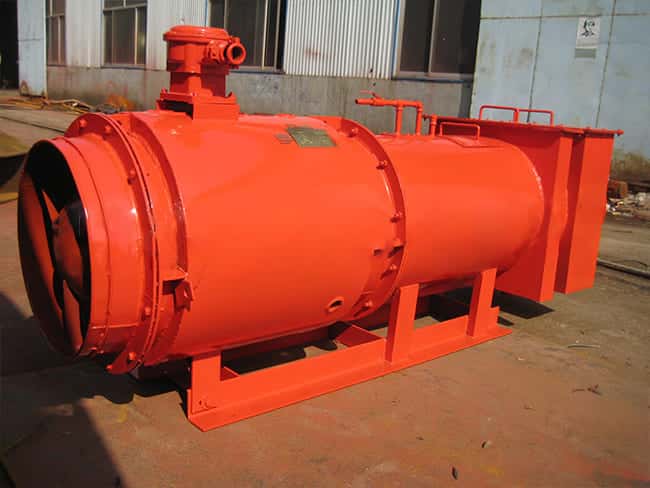
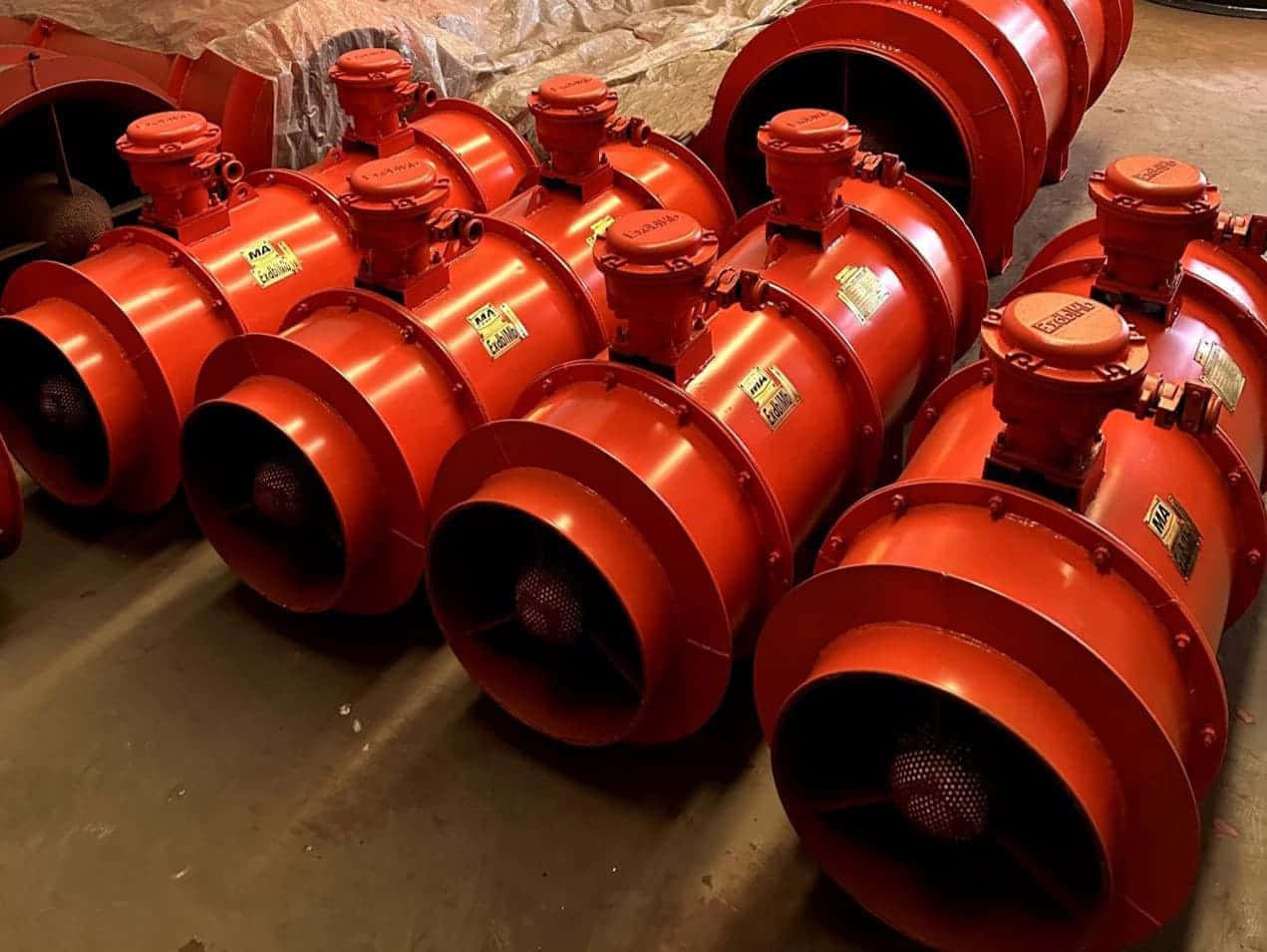
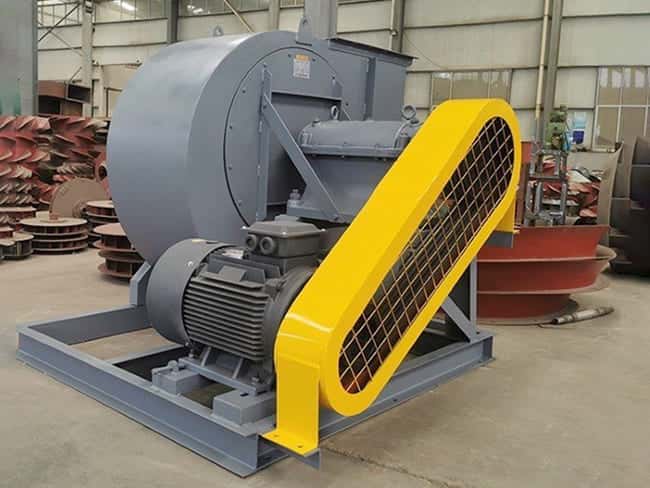
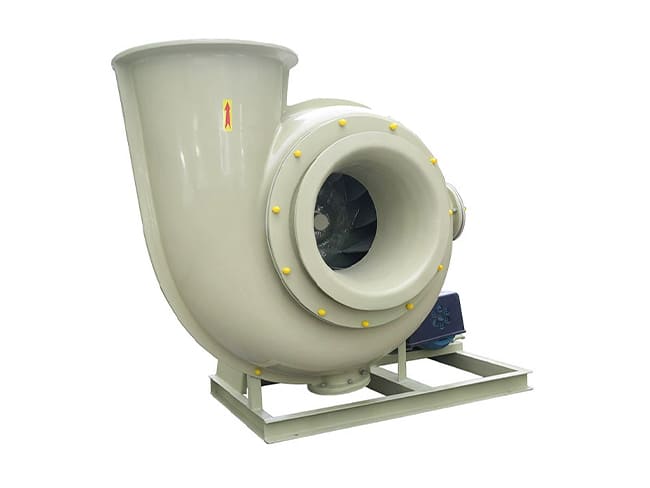
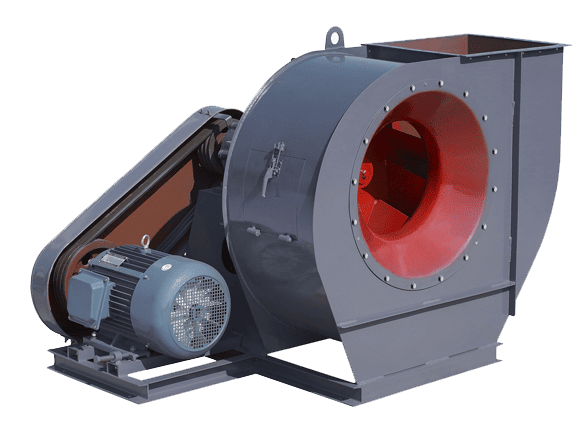
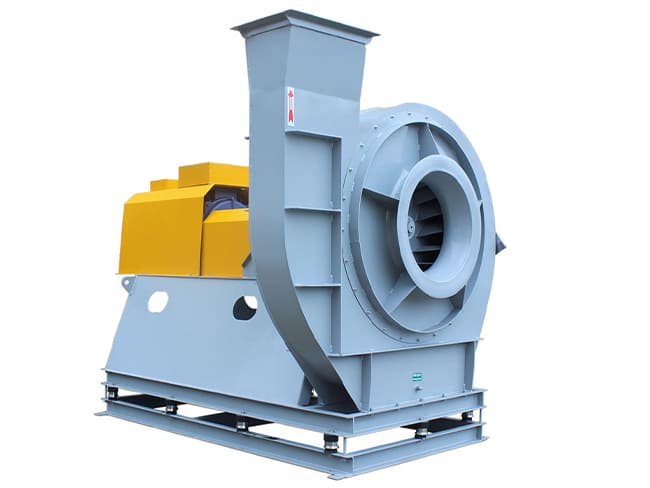
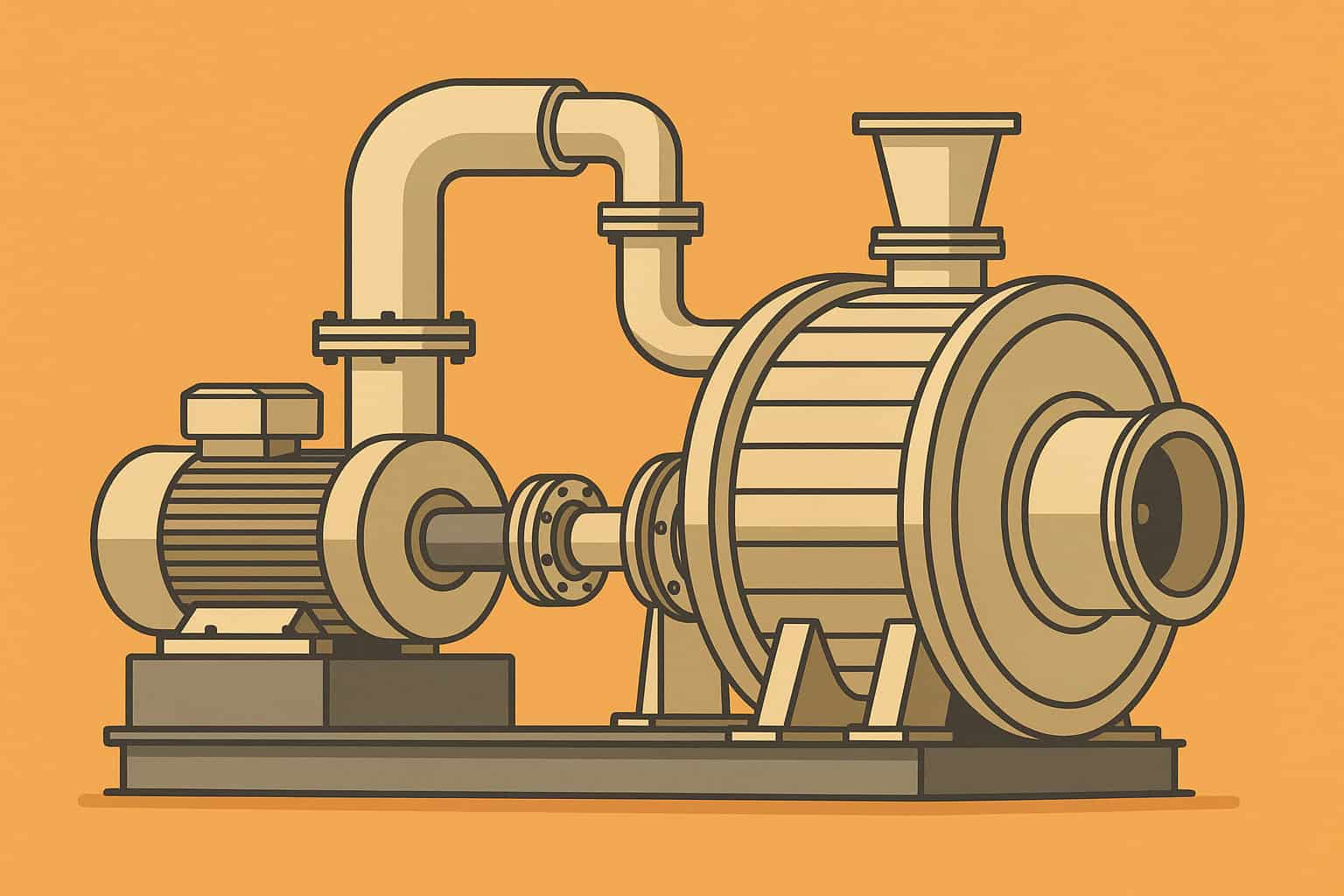
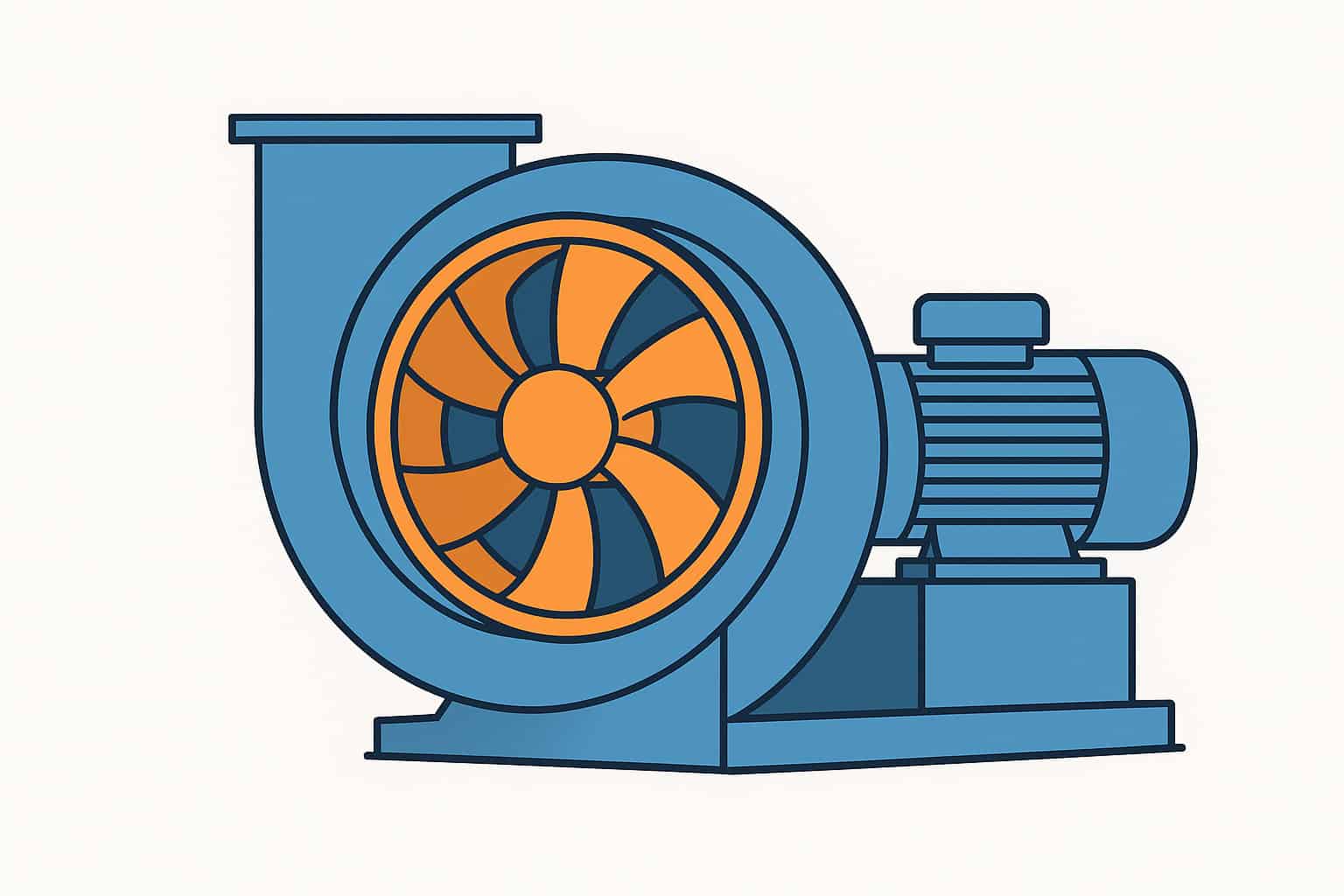
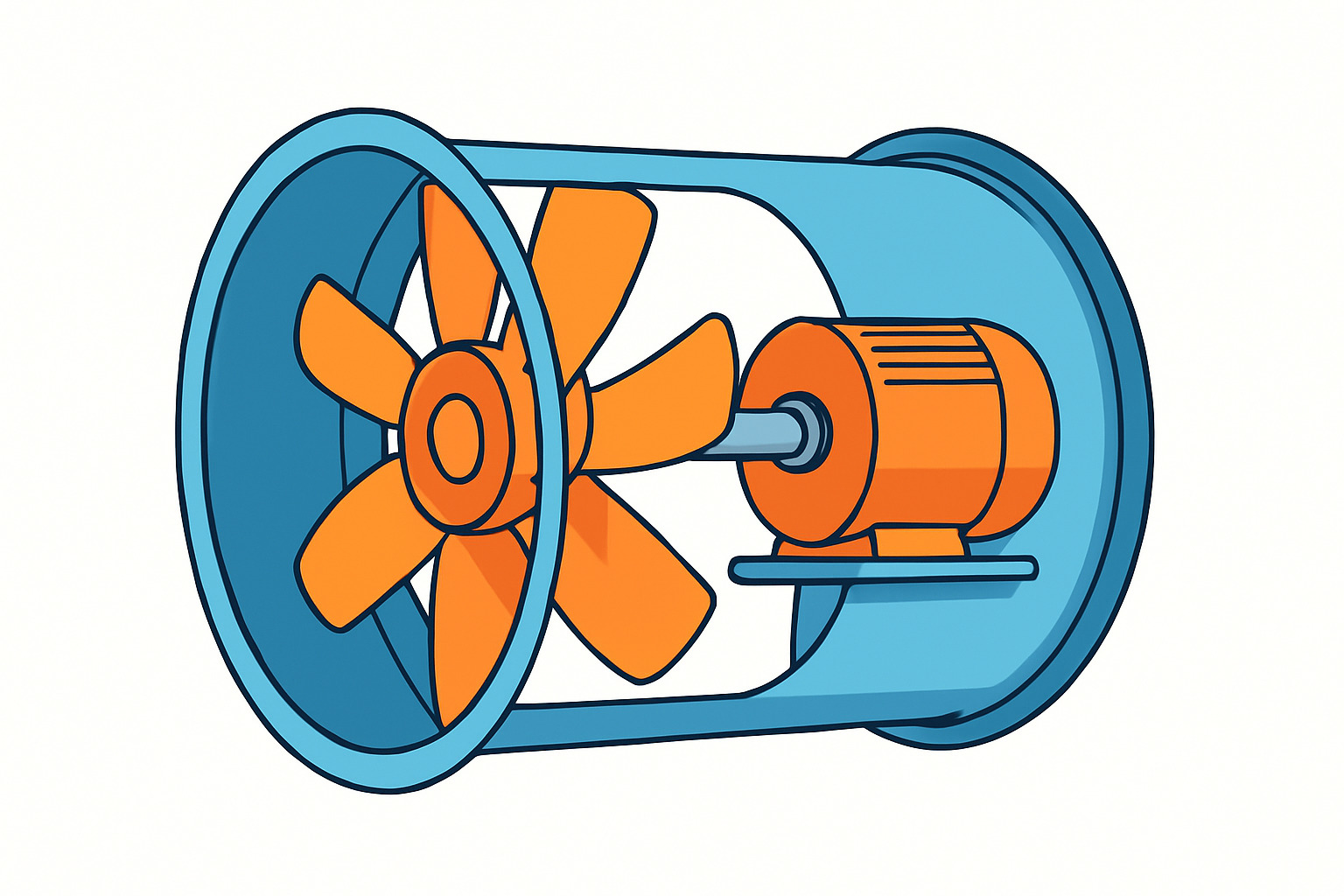
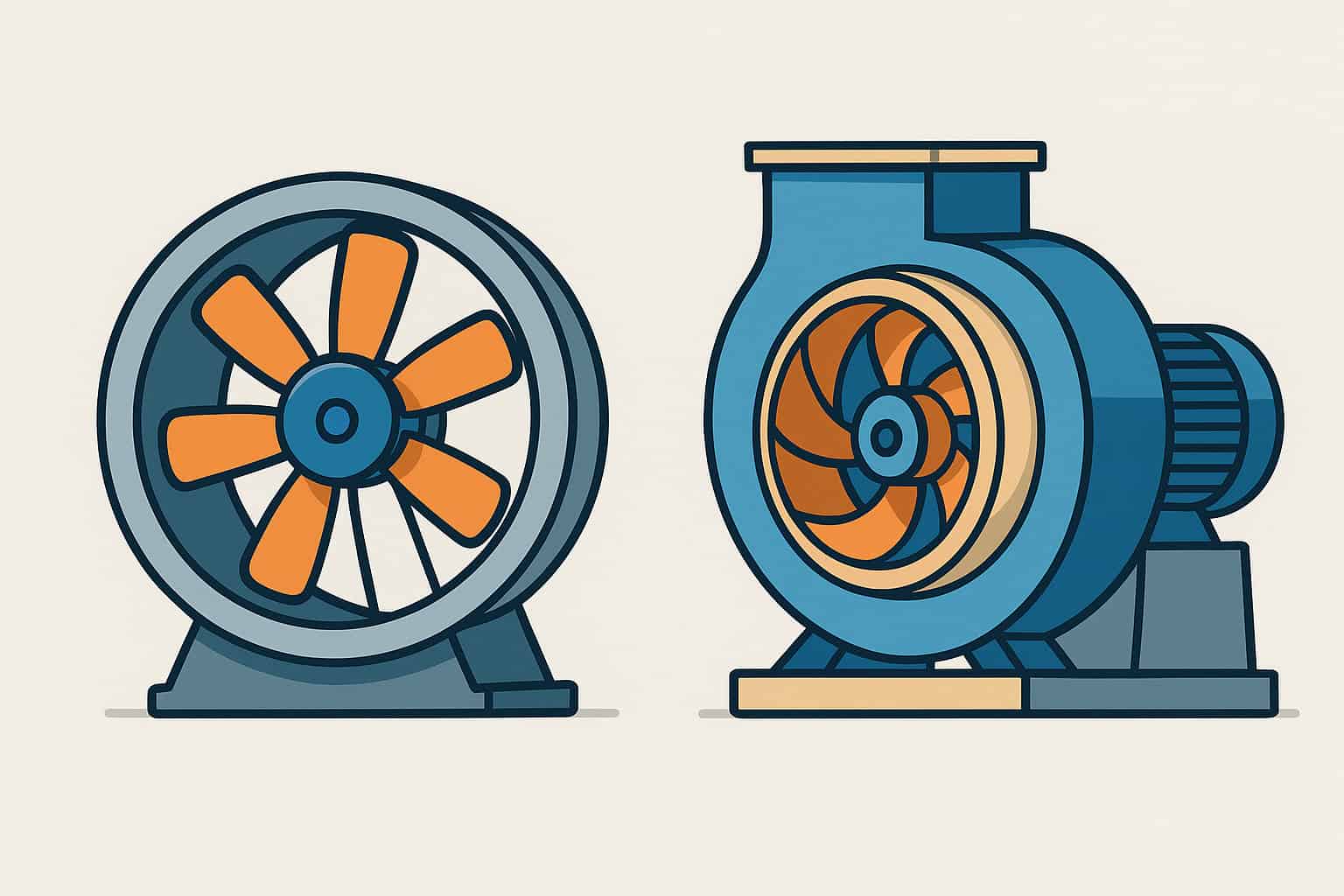
Depending on the ventilation concept, a tunnel ventilation shaft may function as an intake shaft, bringing fresh outside air down into the tunnel, or as an exhaust shaft, carrying air out of the tunnel to the atmosphere. Large axial or centrifugal tunnel ventilation fans are commonly installed at the top or bottom of the shaft. These fans drive airflow through the shaft and tunnel, helping to control carbon monoxide, nitrogen oxides, particulates, and heat generated by traffic and equipment.
Ventilation shafts are closely linked to the chosen tunnel ventilation system. In longitudinally ventilated tunnels, shafts with exhaust fans may be located near the middle or at specific points so that jet fans inside the tunnel can push polluted air toward them. In transverse or semi-transverse systems, shafts connect to supply and exhaust ducts that distribute air uniformly along the tunnel length. By adjusting fan operation and dampers at the shaft, operators can tailor airflow patterns for normal traffic and for emergency smoke control.
From a structural perspective, a ventilation shaft must be designed to withstand rock pressure, groundwater, and high-speed airflow. Lining materials, ground support, and internal structures such as partitions and platforms are selected for long-term durability in a humid, sometimes corrosive environment. Noise and vibration from fans must be managed to protect nearby communities, often using silencers and carefully designed outlet diffusers at the shaft collar.
Ventilation shafts also play a major role in fire and smoke management. During a tunnel fire, high-temperature exhaust fans at the shaft can be used to extract smoke and hot gases, helping to maintain tenable conditions near escape routes and emergency exits. Dampers and louvers connected to the shaft allow operators to change airflow direction as part of predefined fire scenarios, for example by isolating certain tunnel sections or clearing smoke from evacuation paths.
In summary, a ventilation shaft for a tunnel is a purpose-built opening that enables effective tunnel ventilation by providing intermediate intake or exhaust points. It works together with tunnel fans, jet fans, ducts, and dampers to control air quality, temperature, and smoke throughout the tunnel’s life.
