
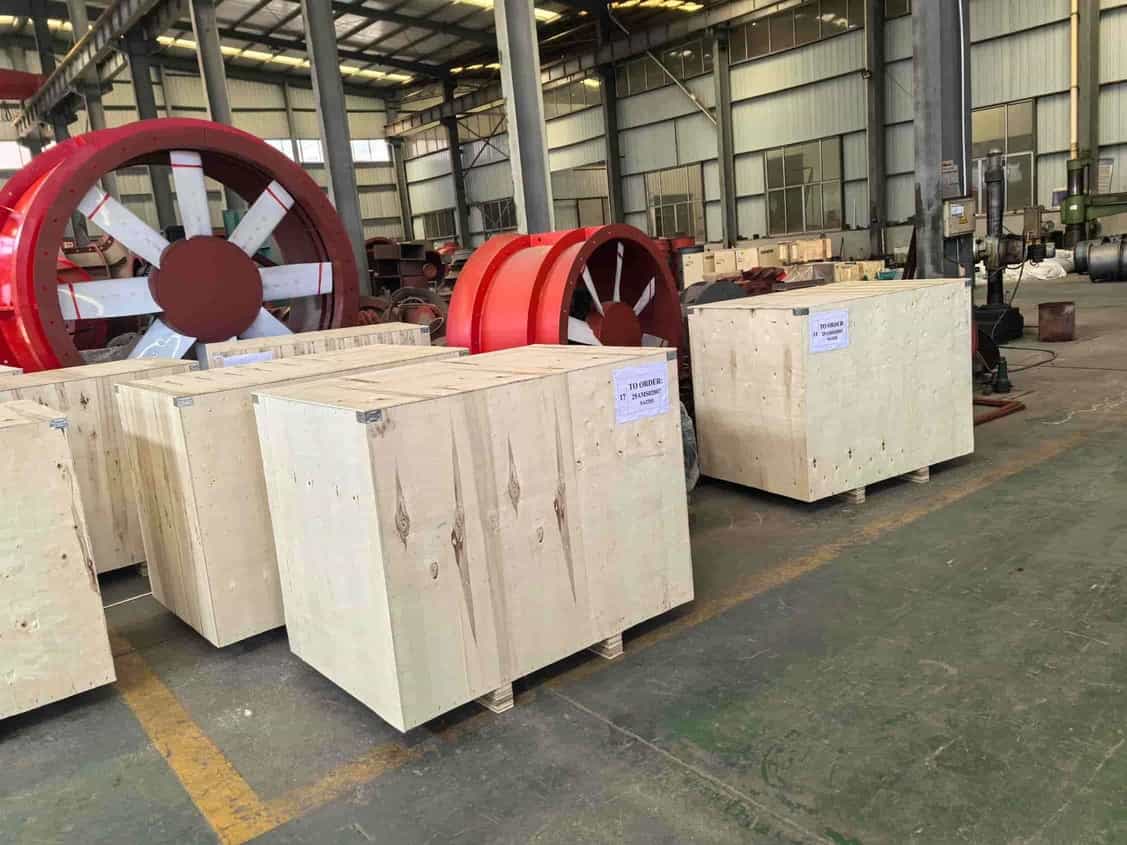
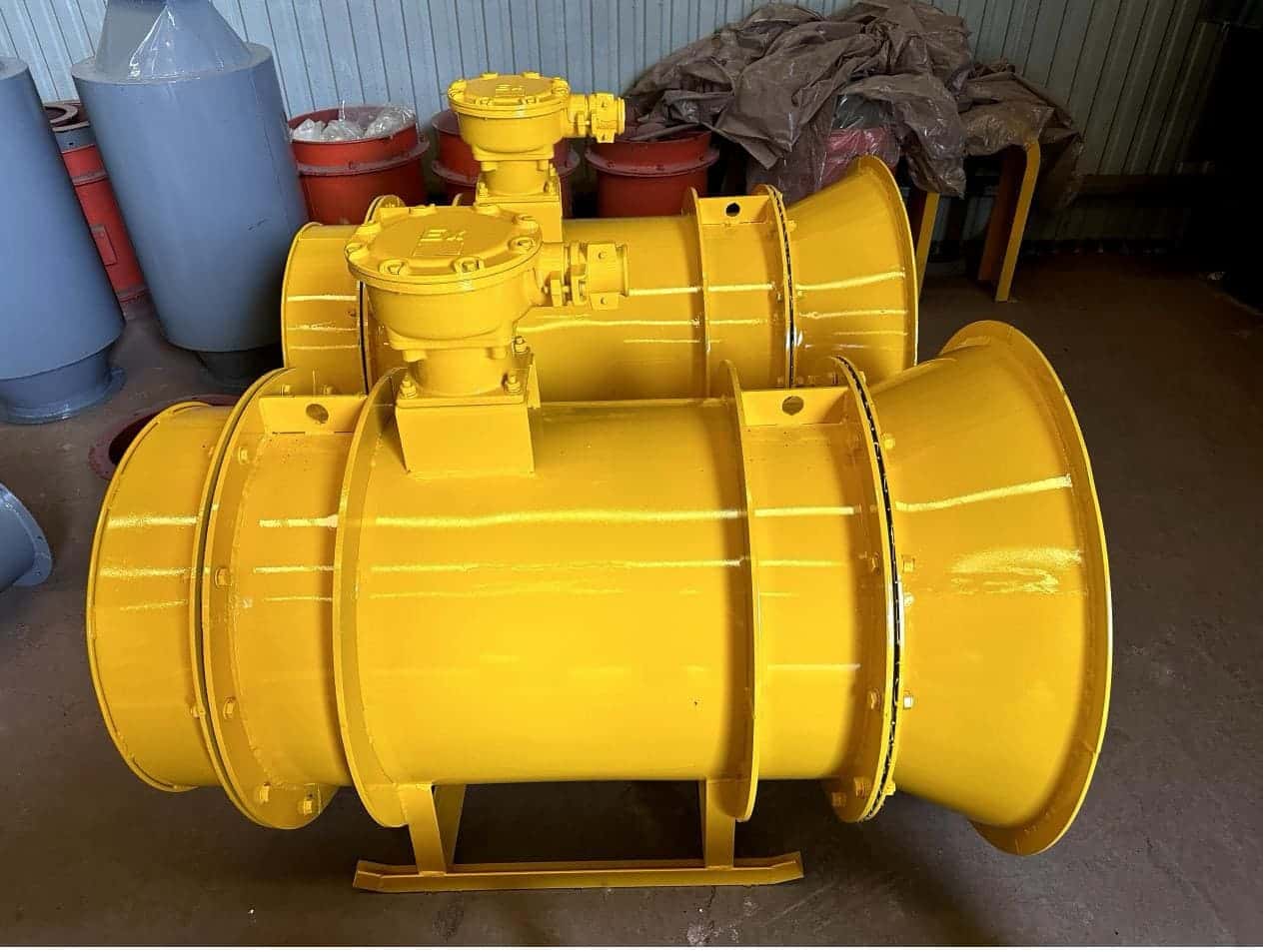
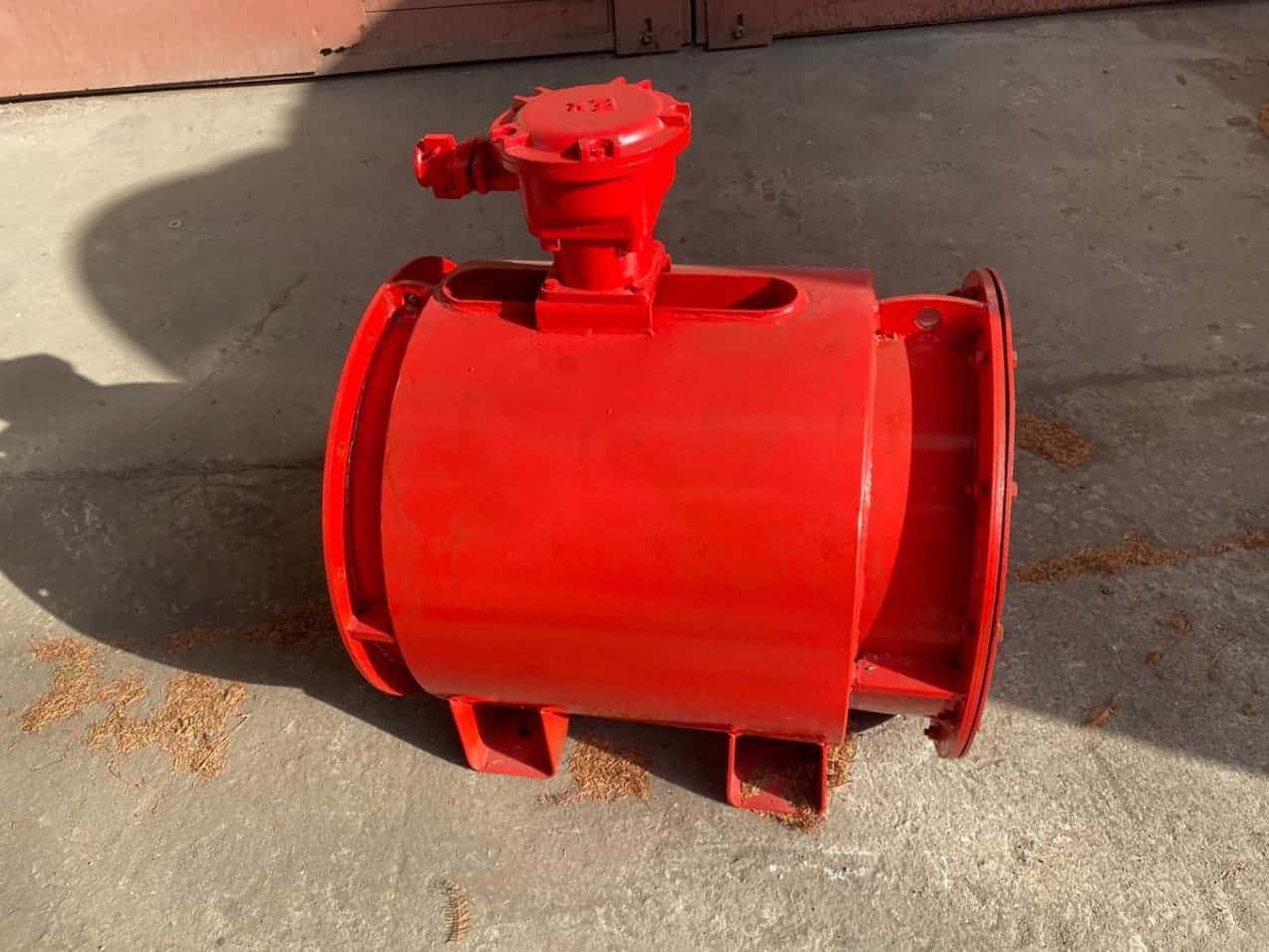
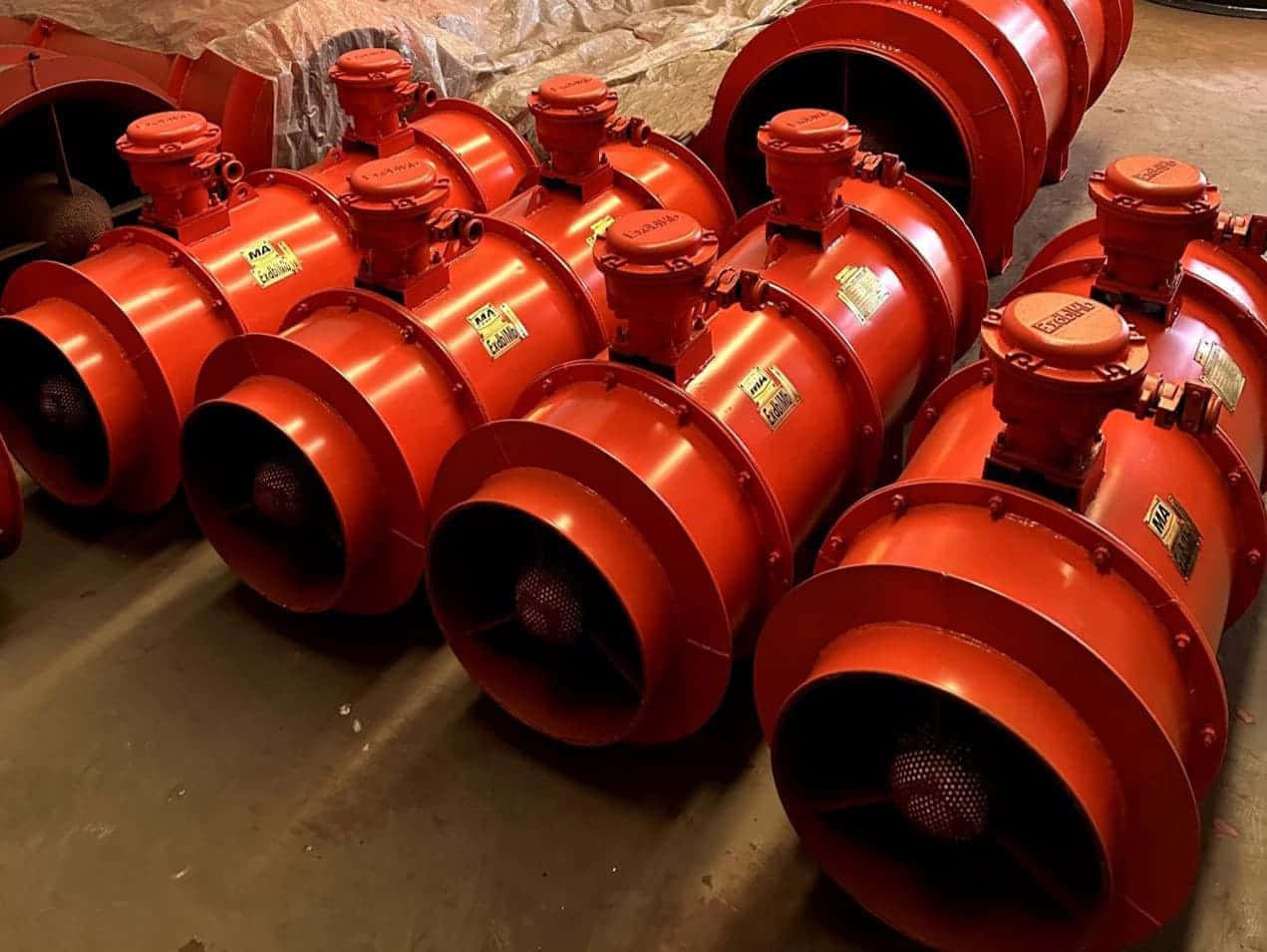
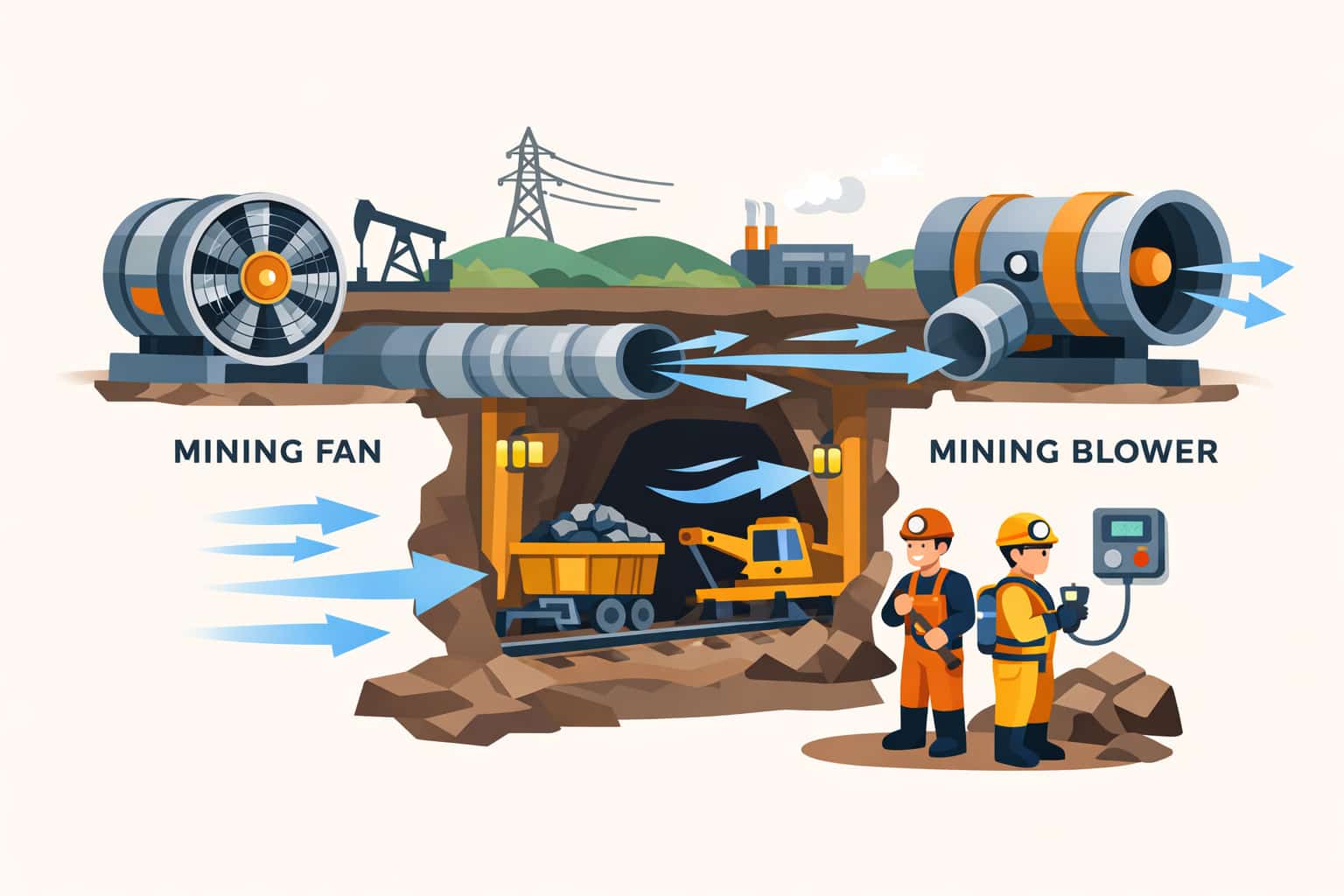
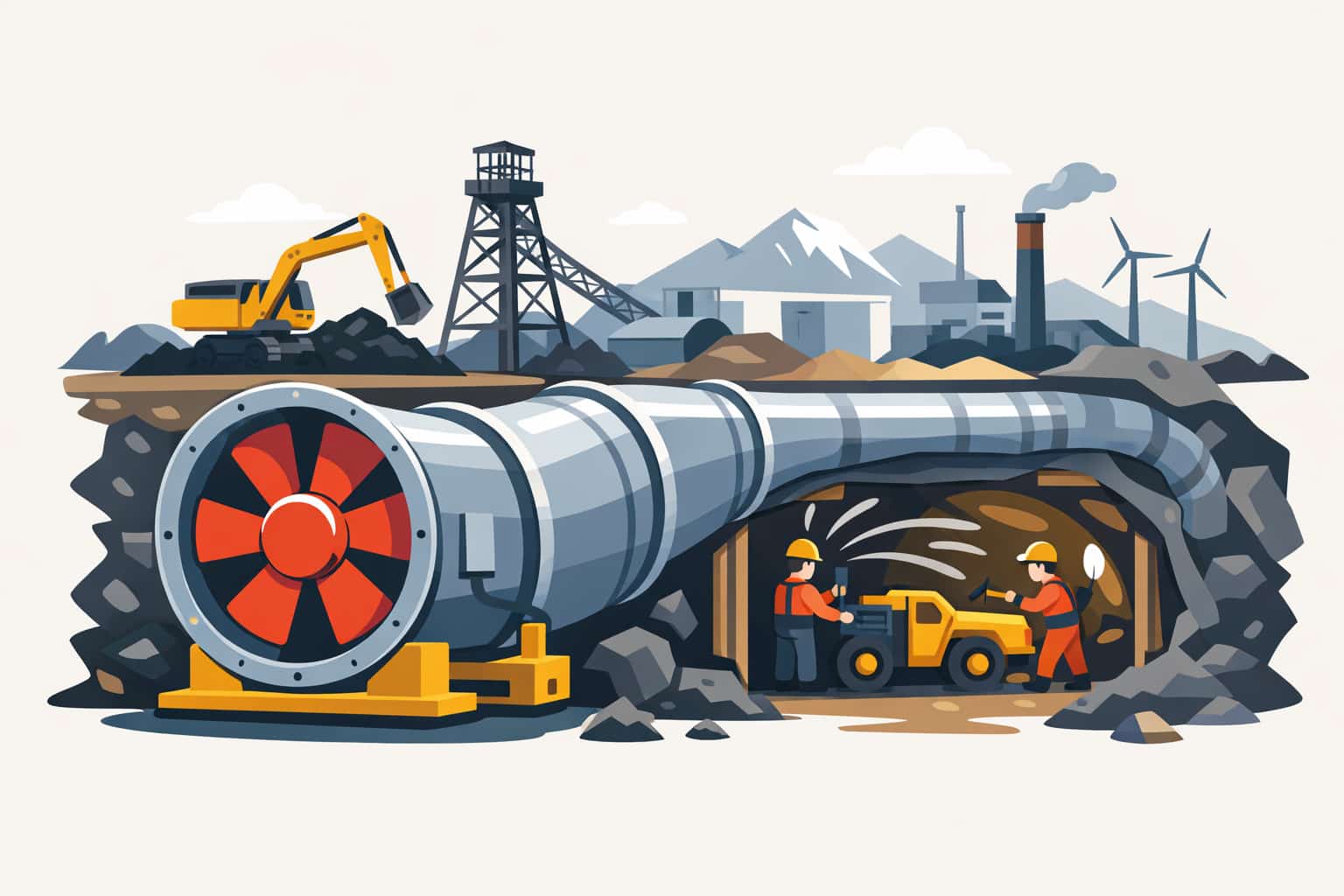

A ventilation shaft in underground mining is a vertical or steeply inclined opening constructed primarily to move air between the surface and the underground workings. It is one of the main structural elements of a mine’s ventilation system, providing a dedicated path for large airflow volumes driven by mine ventilation fans. Unlike hoisting shafts that focus on ore and personnel transport, a ventilation shaft is optimized for safe, efficient air movement.
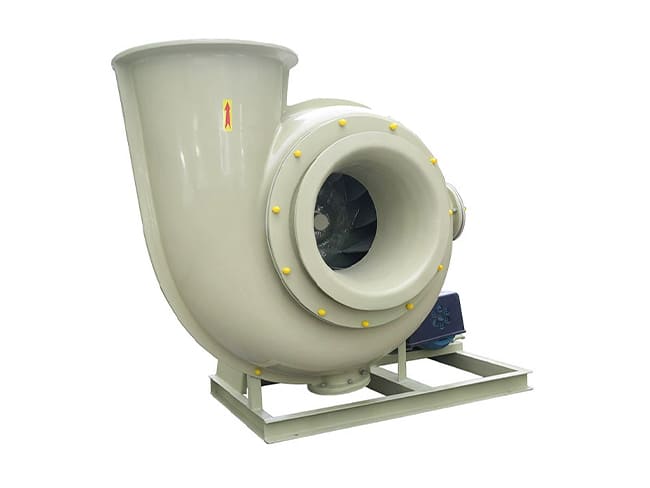
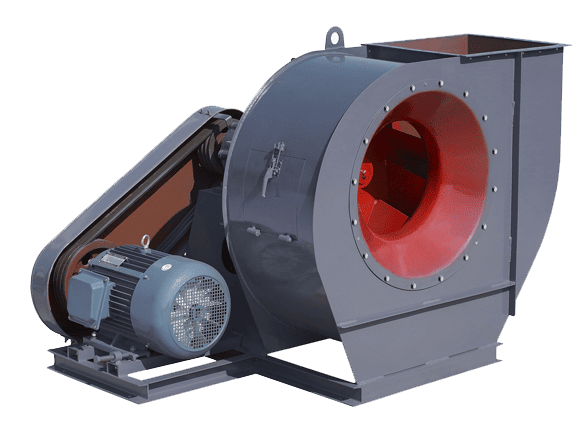
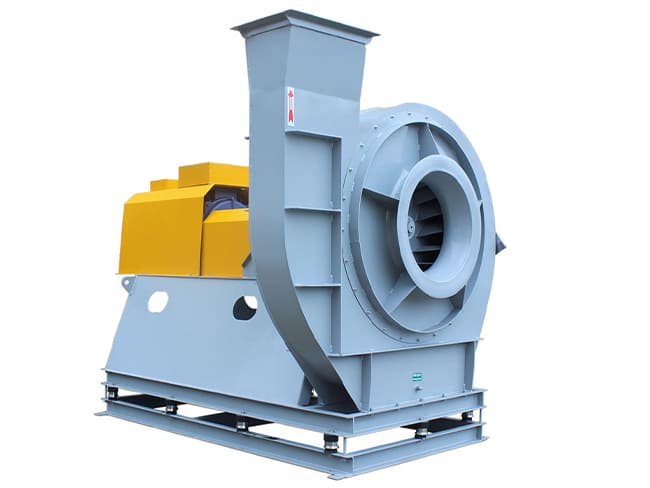
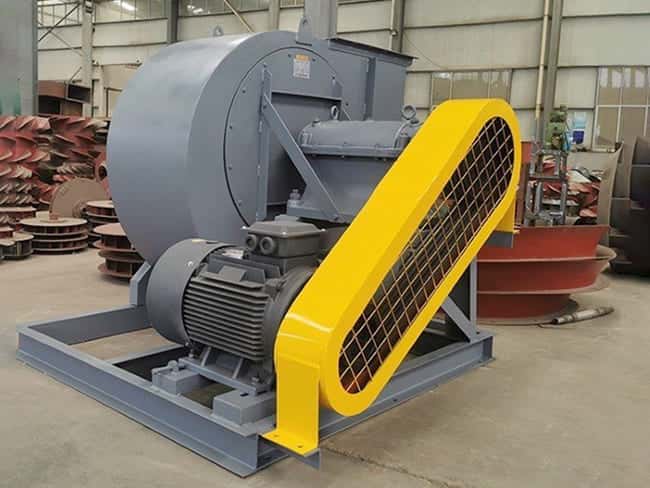
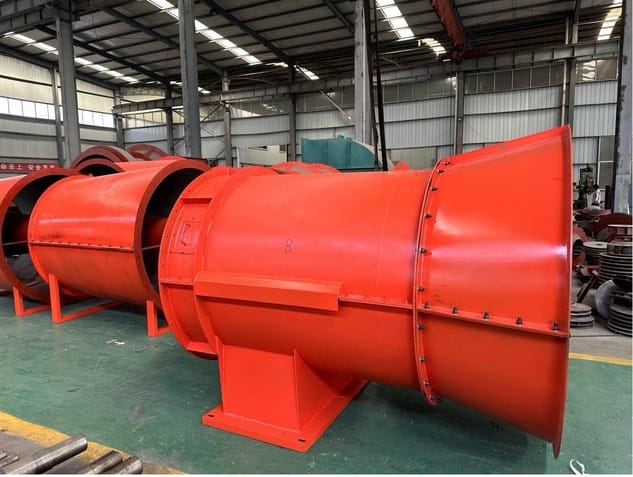
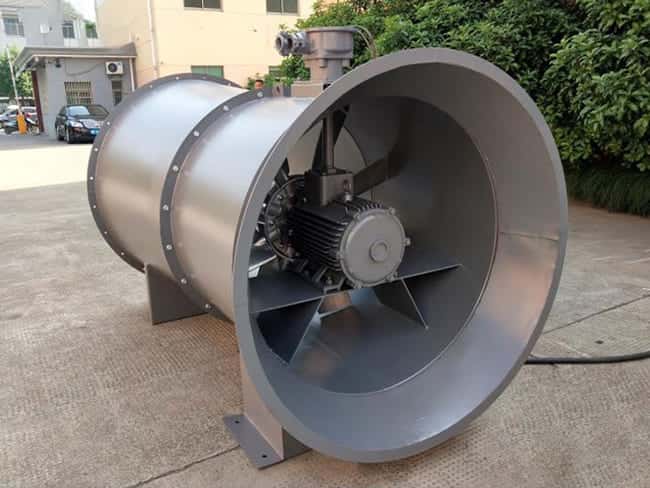
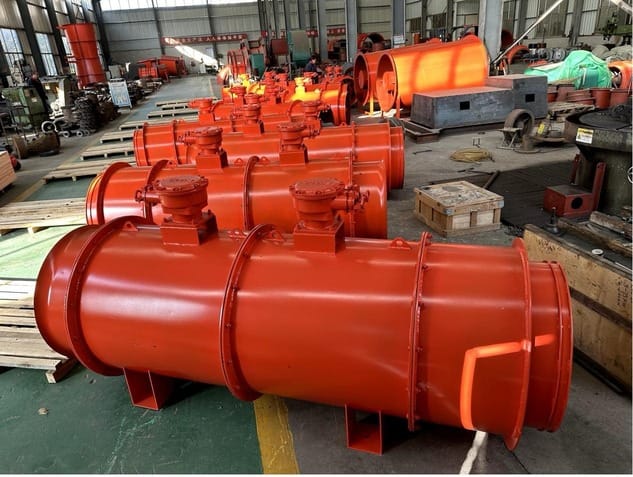
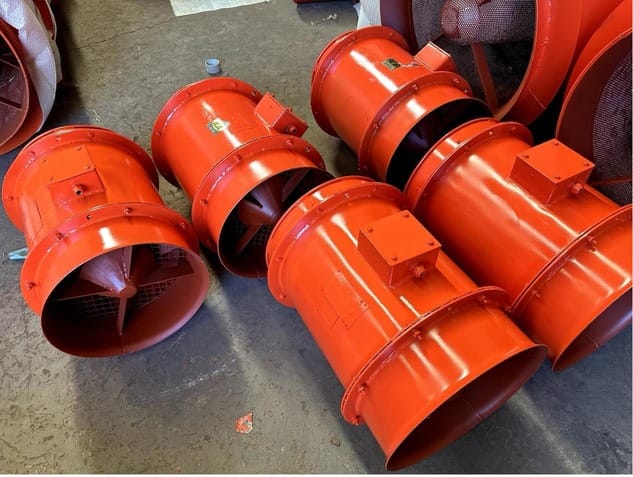
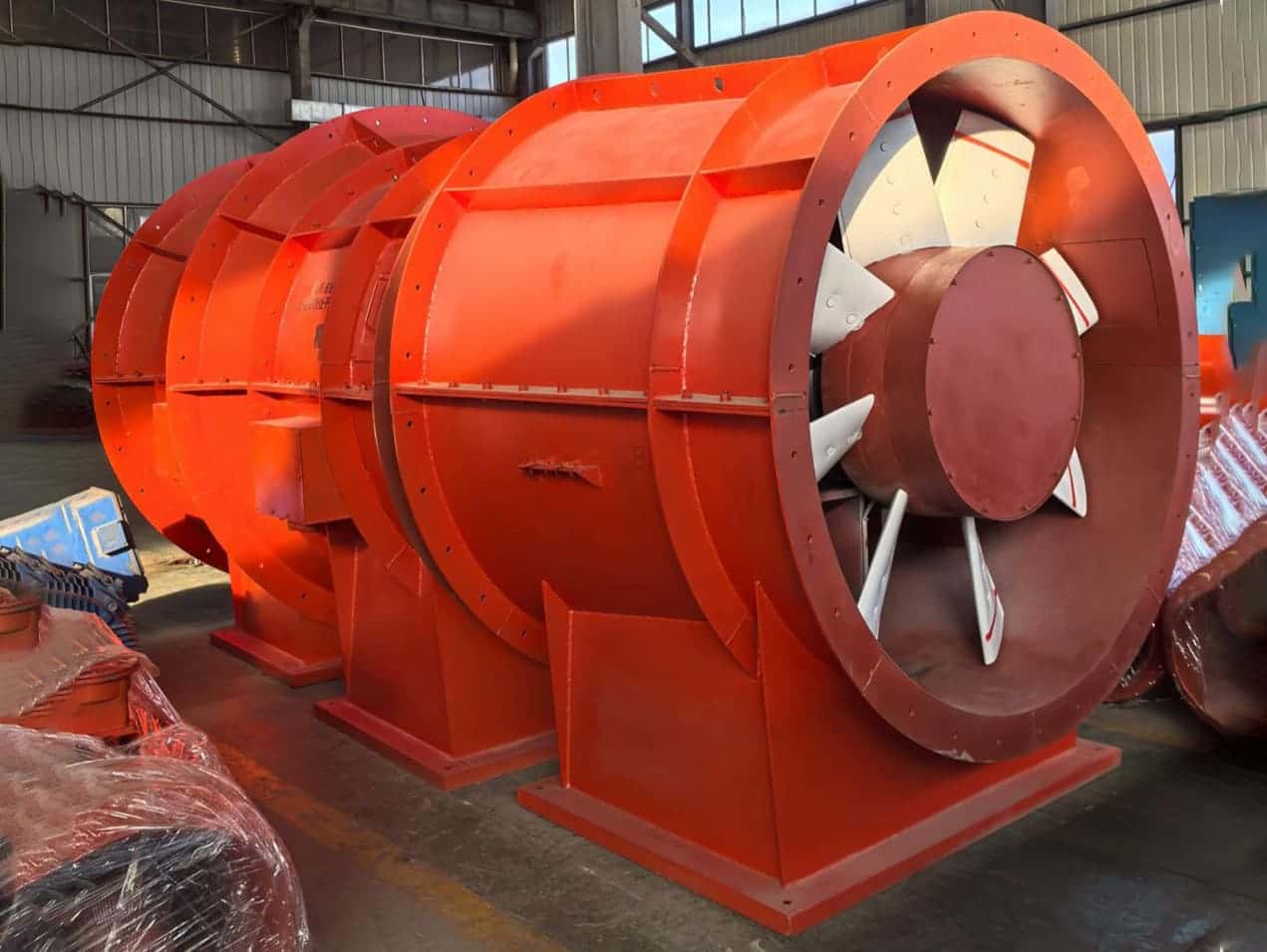
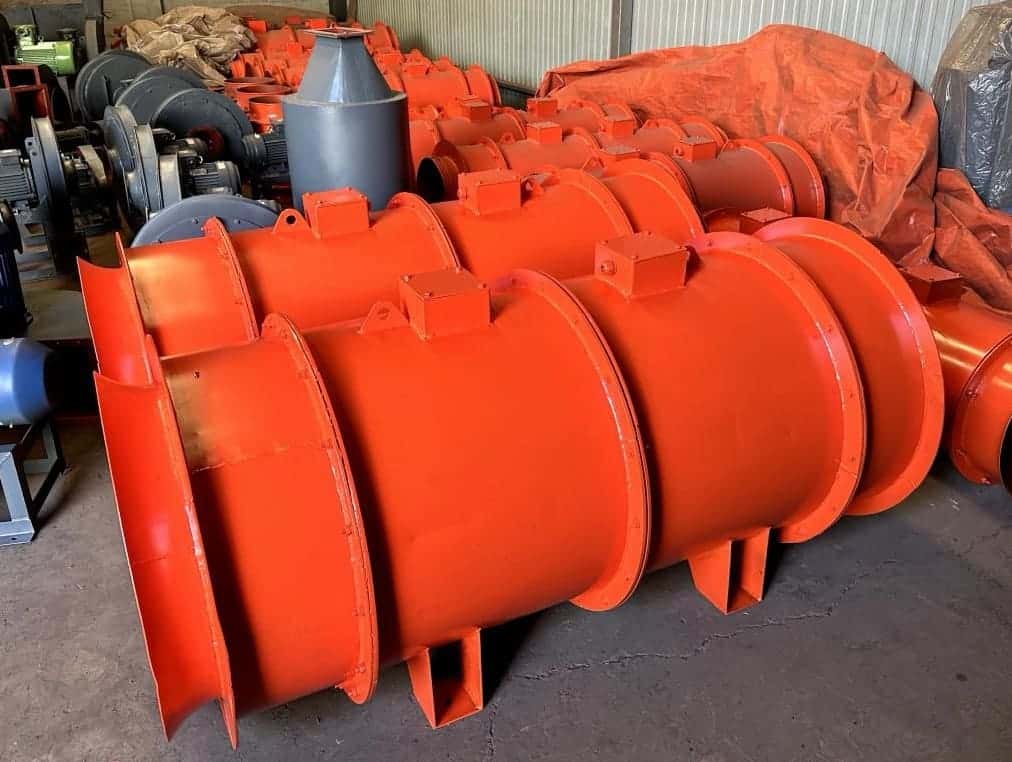
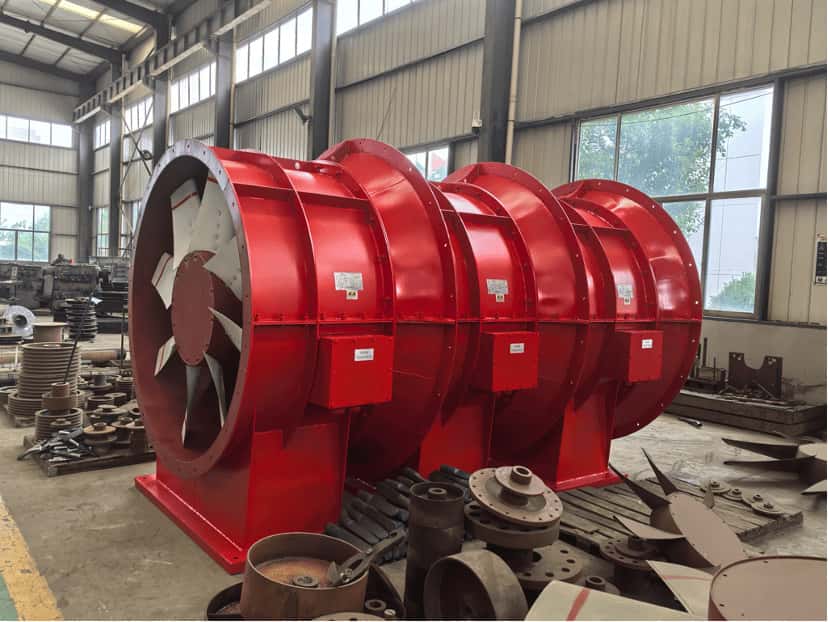
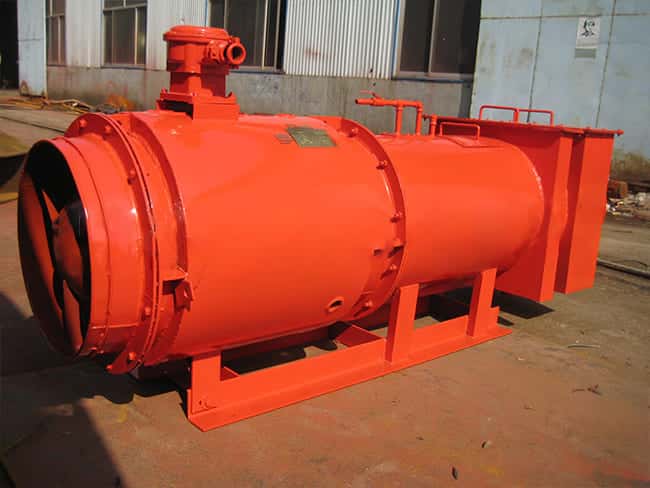
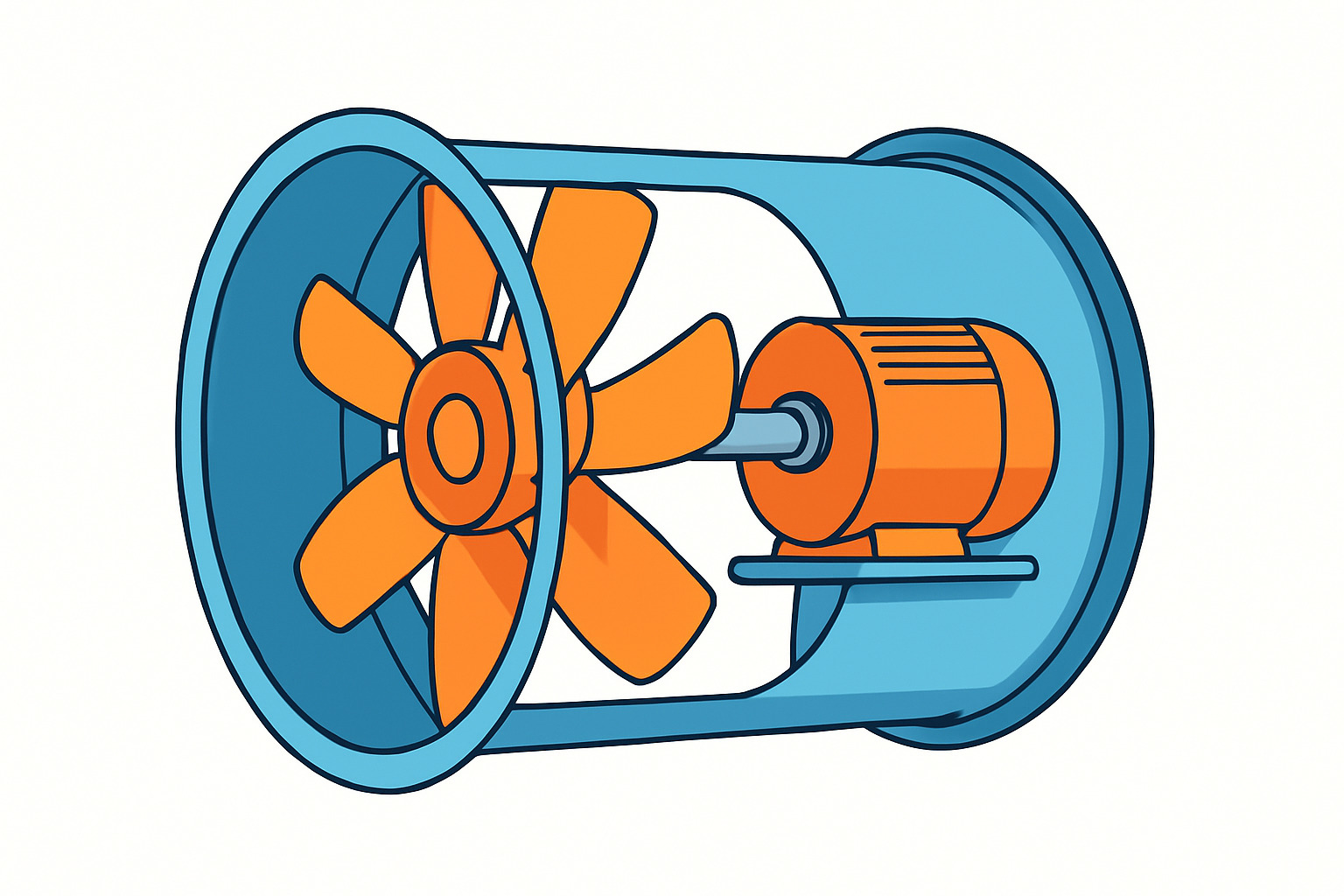
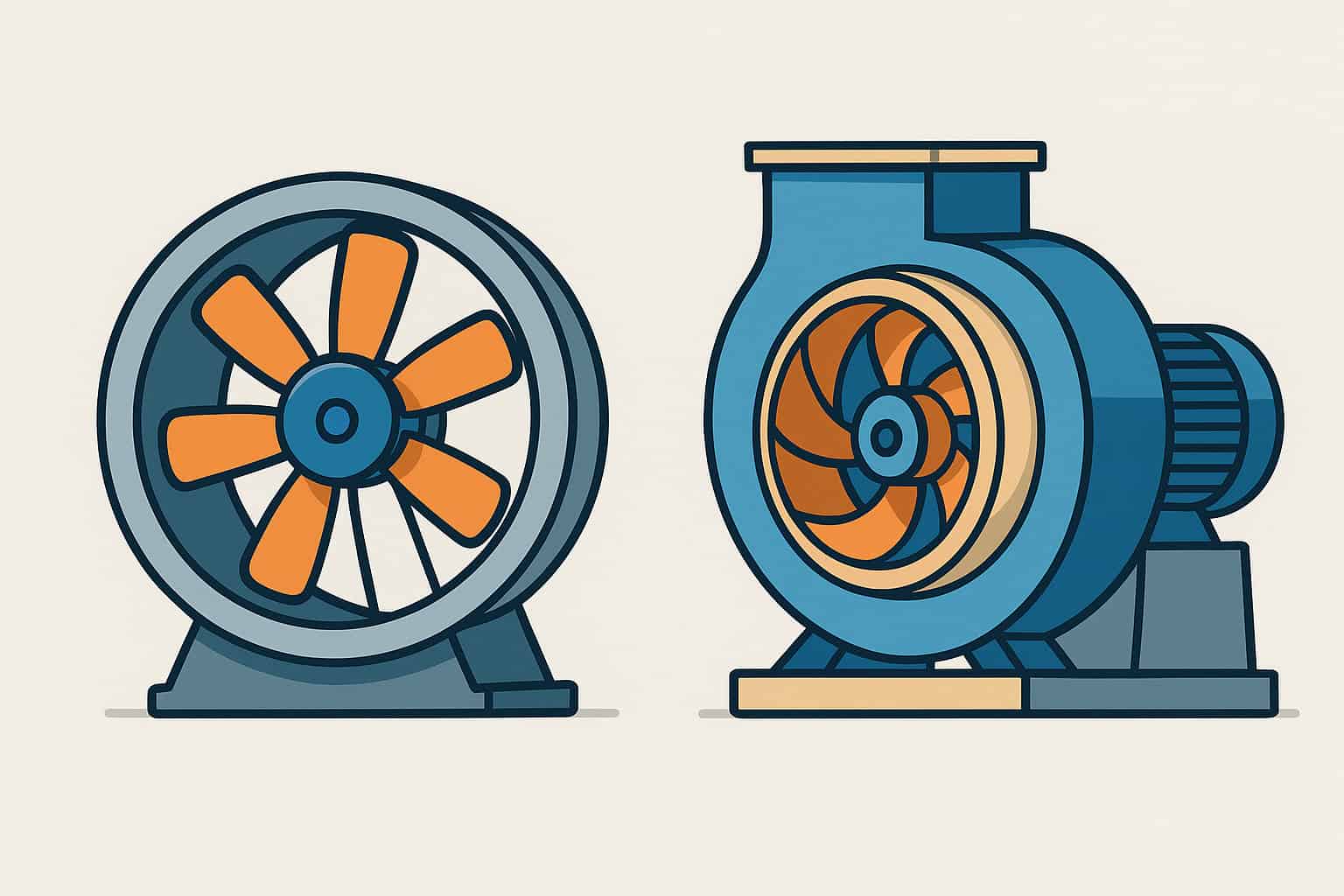
Ventilation shafts are usually classified as either downcast (intake) shafts or upcast (exhaust) shafts. A downcast ventilation shaft delivers fresh surface air into the mine. Air flows down the shaft and into intake airways, where it is distributed across levels and working faces. An upcast ventilation shaft, by contrast, carries used air back to the surface. Mine ventilation fans, typically axial fans installed at the collar or on a connected drift, pull air through the underground network and discharge it through the upcast shaft into the atmosphere.
From an engineering standpoint, a ventilation shaft must be carefully designed and supported. The lining, ground support, and shaft cross-section must withstand rock pressure, water inflow, and the dynamic forces of high-speed airflow. Internal structures such as brattices, concrete walls, or steel partitions may be installed to separate intake and return compartments within the same shaft or to isolate services like pipes and cables from the main airflow.
Ventilation shafts play a crucial role in controlling airflow patterns and pressure throughout the mine. Their size and resistance affect the duty point of main fans and the distribution of air between districts. When combined with regulators, doors, and stoppings underground, ventilation shafts help ensure that air reaches critical areas such as production stopes, development headings, pump rooms, and refuge stations while preventing short circuits and unwanted recirculation.
In many mines, ventilation shafts also support emergency functions. They may house ladders or emergency hoists for secondary egress, provide locations for gas monitoring equipment, or serve as key elements in fire and smoke management strategies. During an incident, controlling the airflow through the ventilation shaft can help direct smoke away from escape routes and maintain tenable conditions for evacuation.
Because of their importance, ventilation shafts require routine inspection and maintenance. Changes in shaft condition, such as scaling, blockage, or corrosion of steelwork, can increase resistance and reduce airflow. Regular surveys, airflow measurements, and structural checks allow ventilation engineers to detect problems early and keep the system operating at the required performance level.
In summary, a ventilation shaft in underground mining is a purpose-built opening dedicated to the movement of air. It works together with mine ventilation fans and underground airways to deliver fresh air, remove contaminants, and maintain safe, controlled airflow throughout the mine.
