
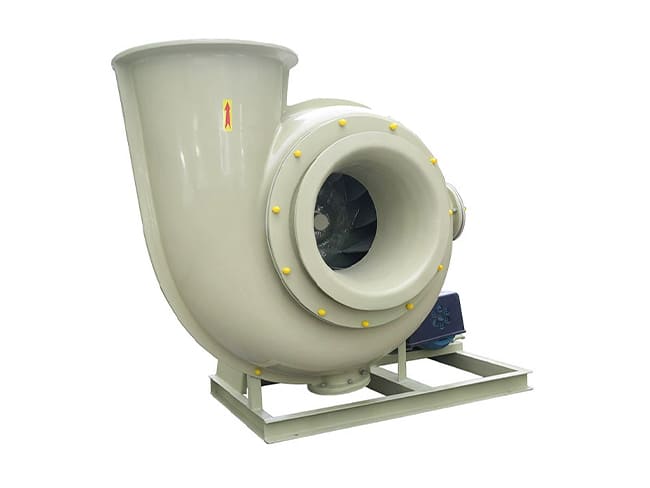
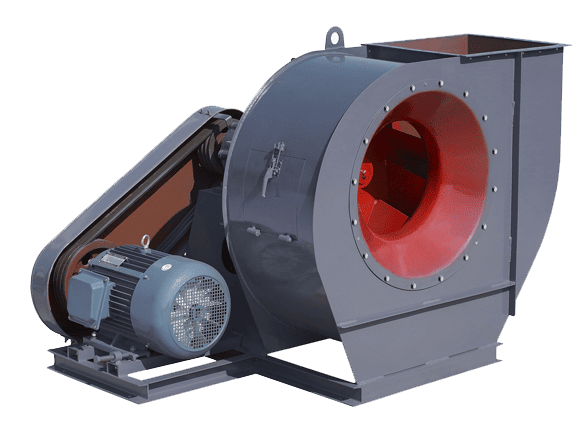
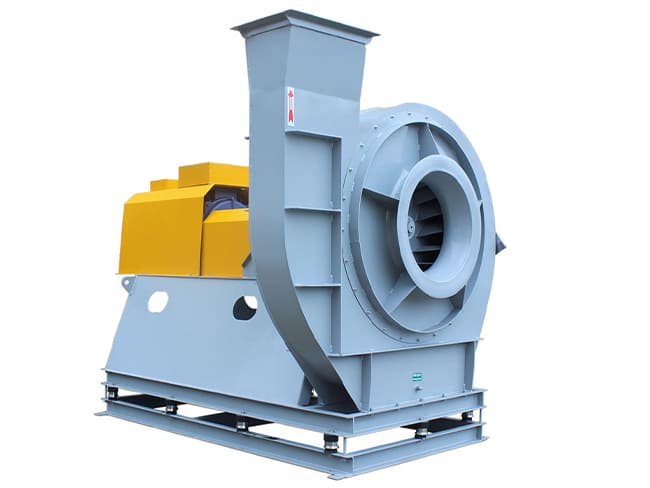
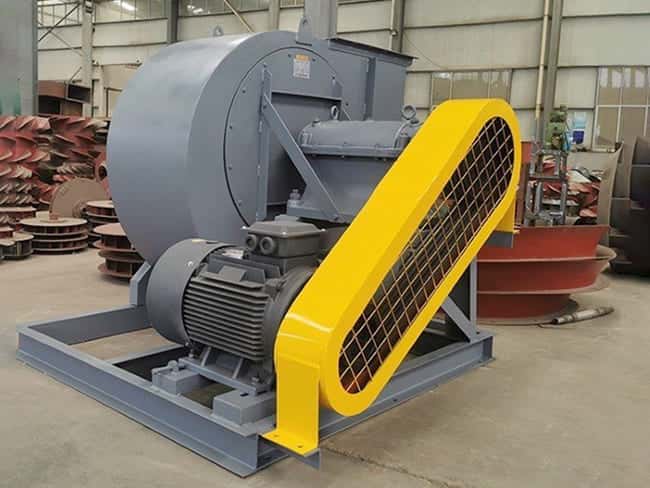
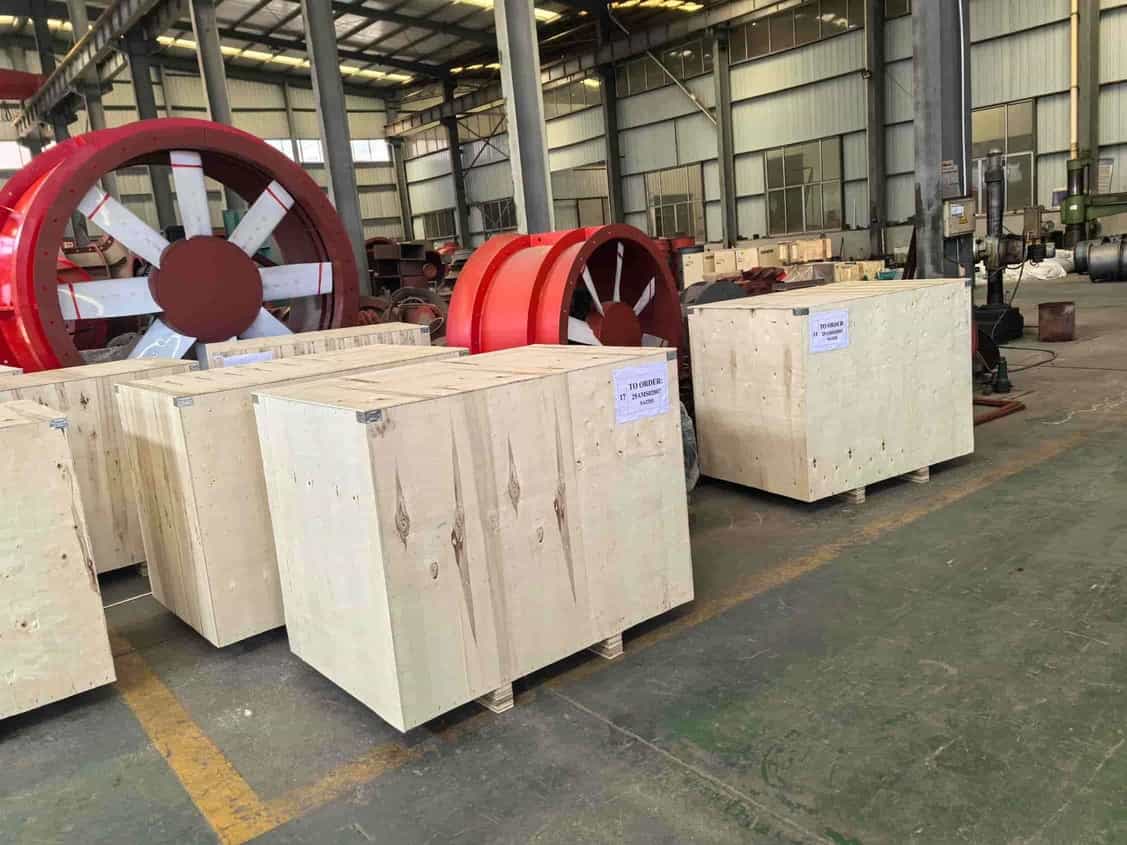
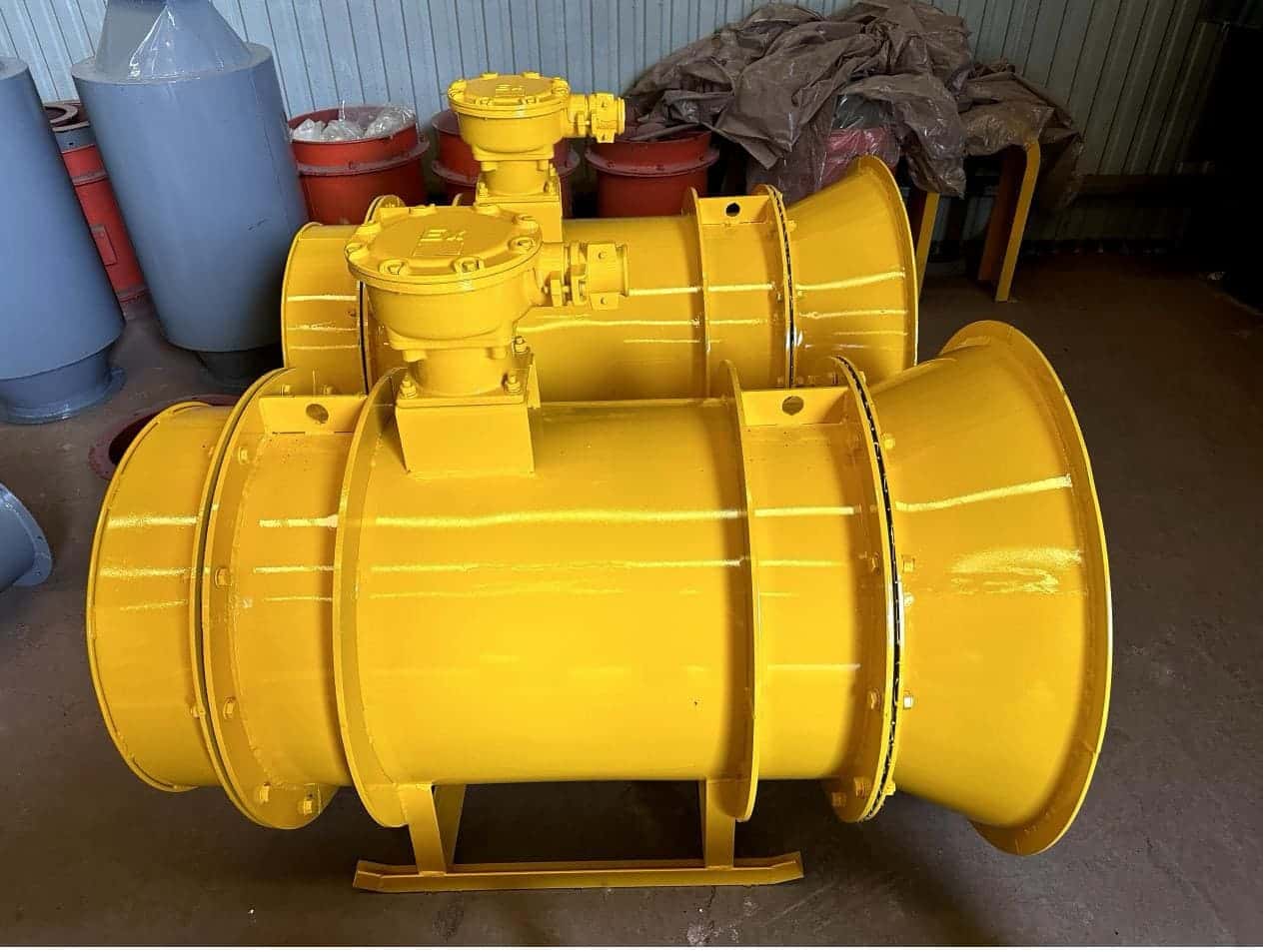
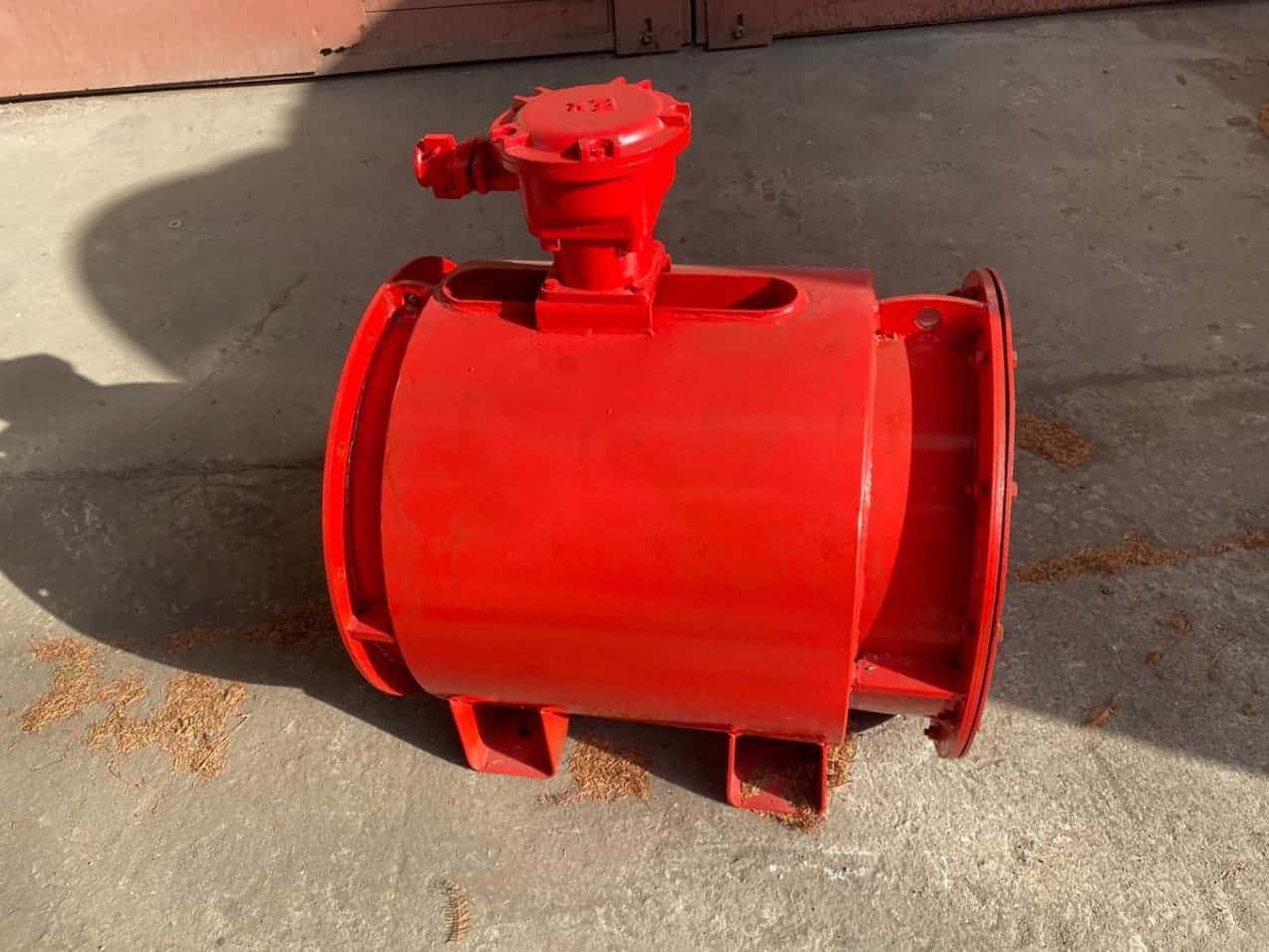
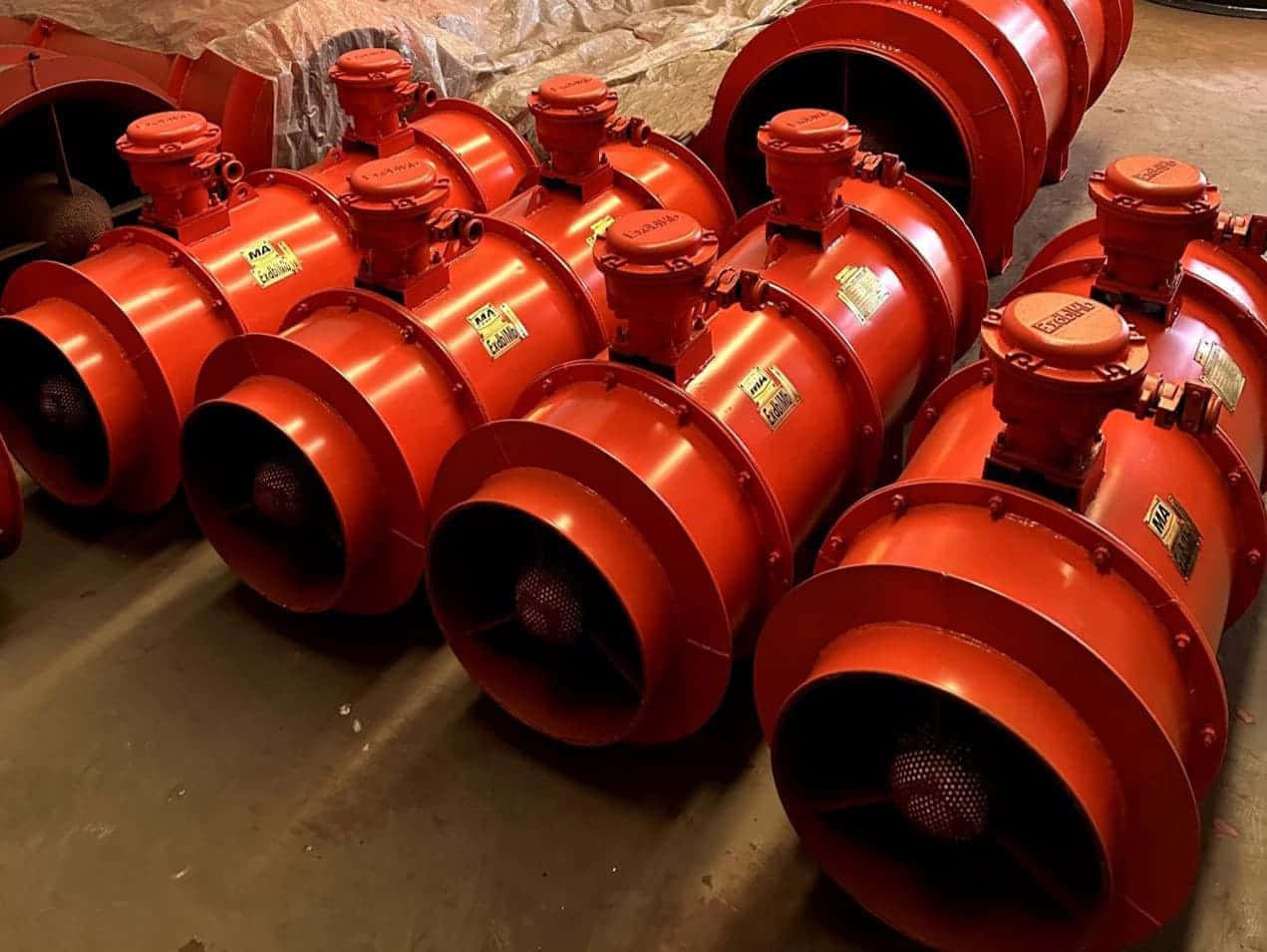
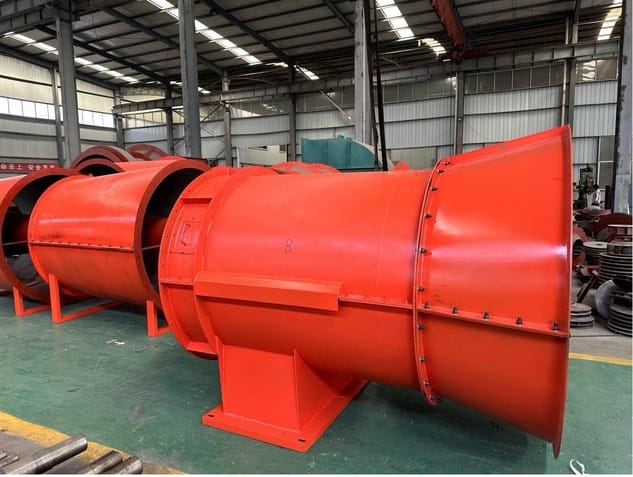
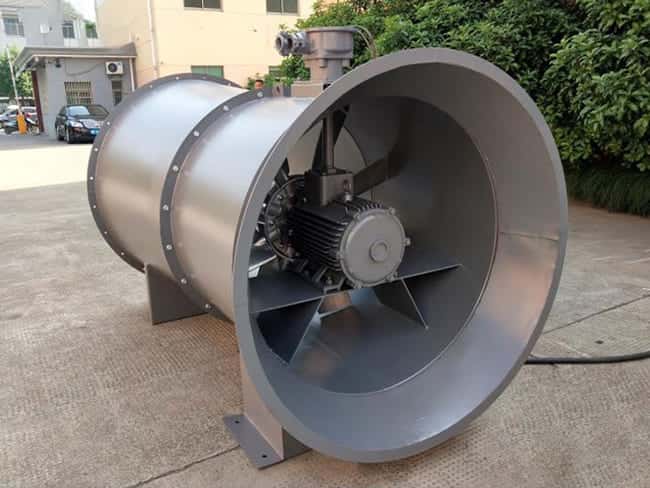
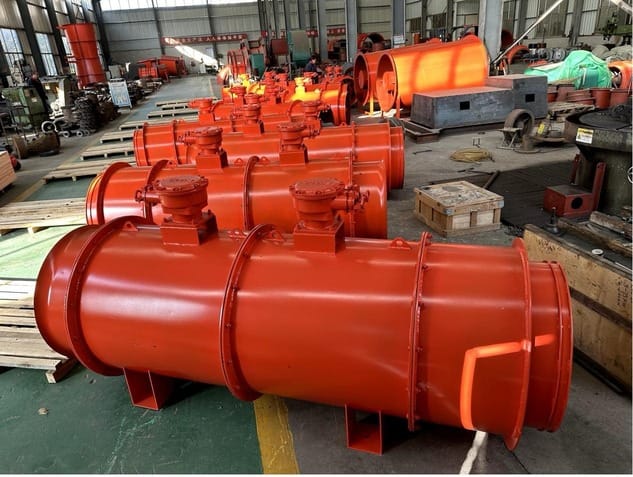
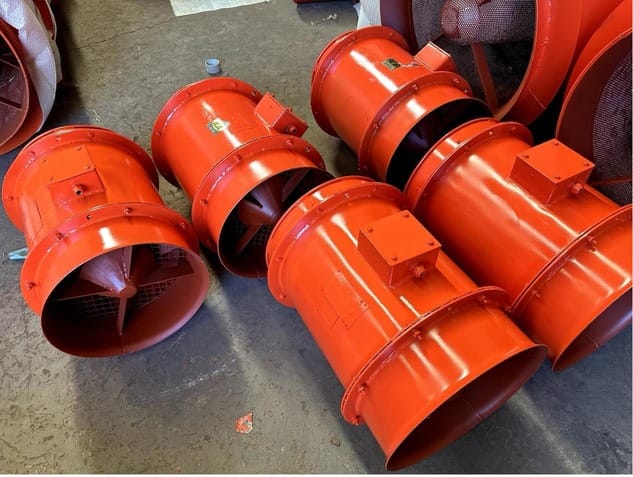
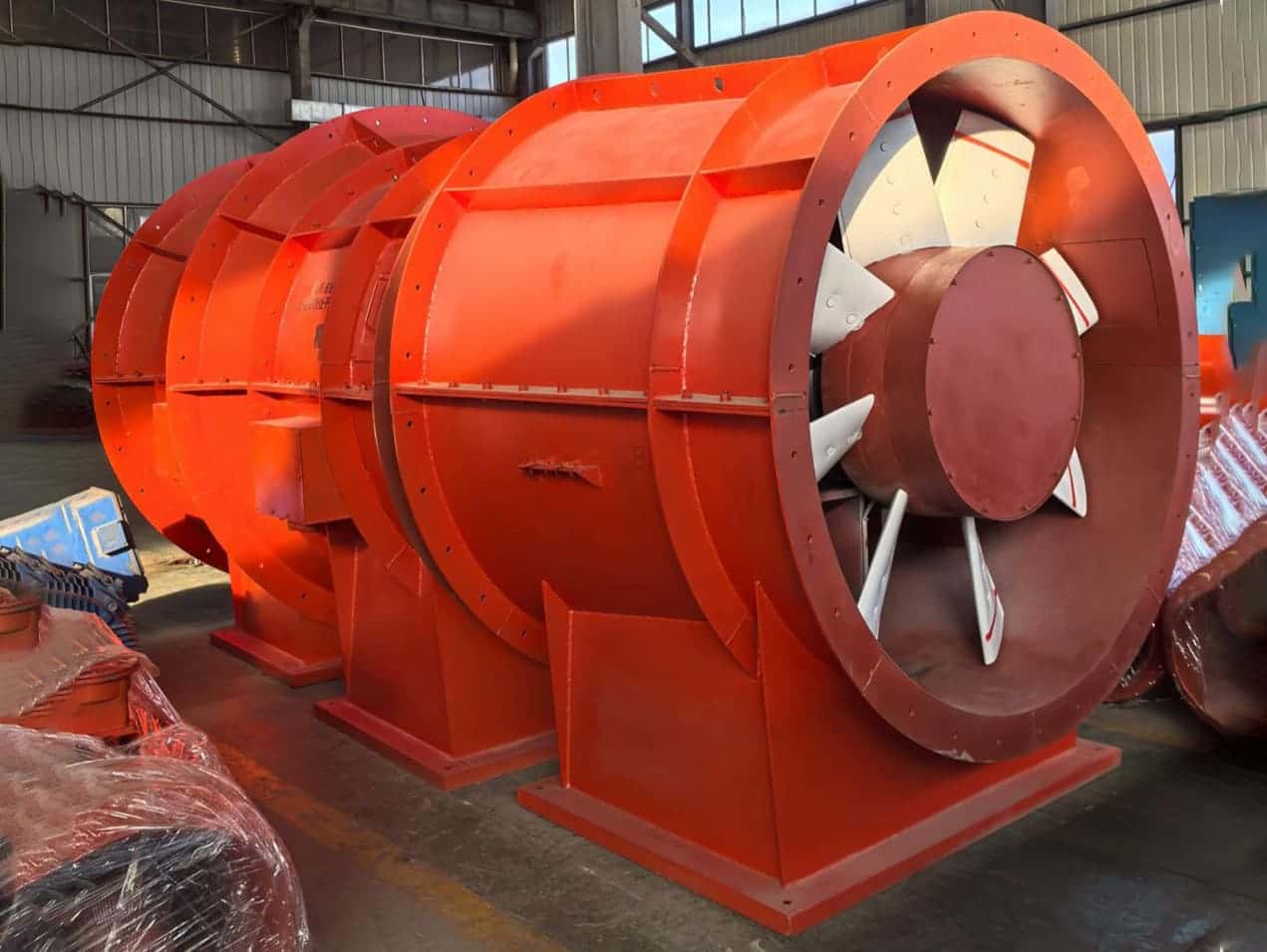
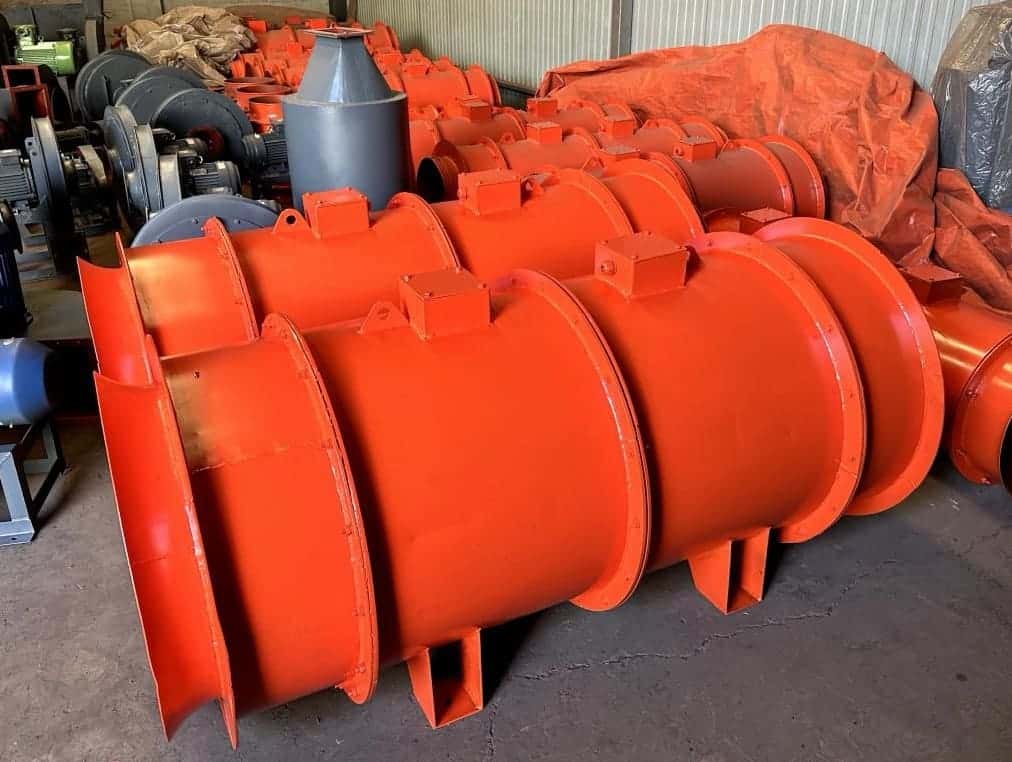
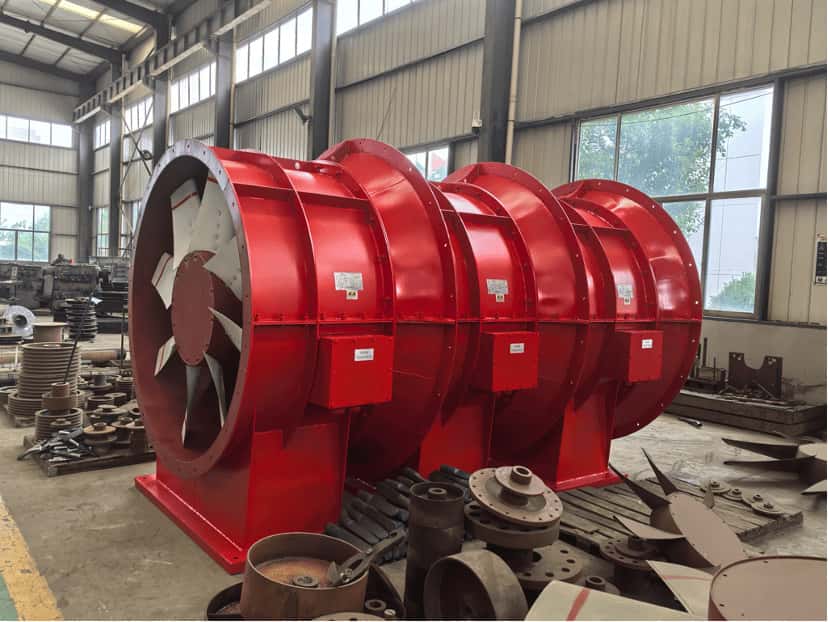
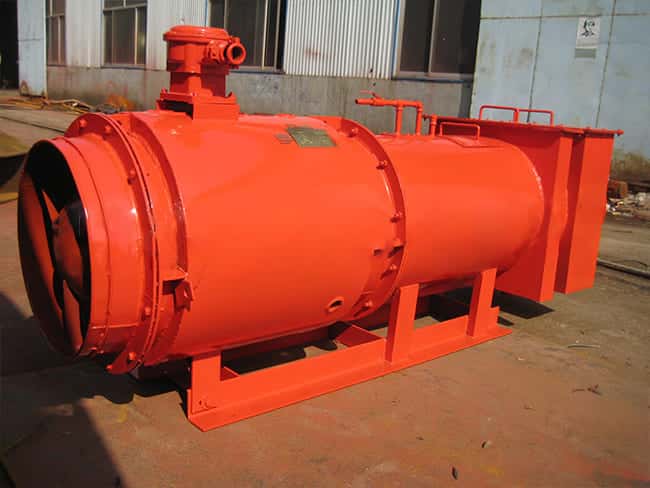
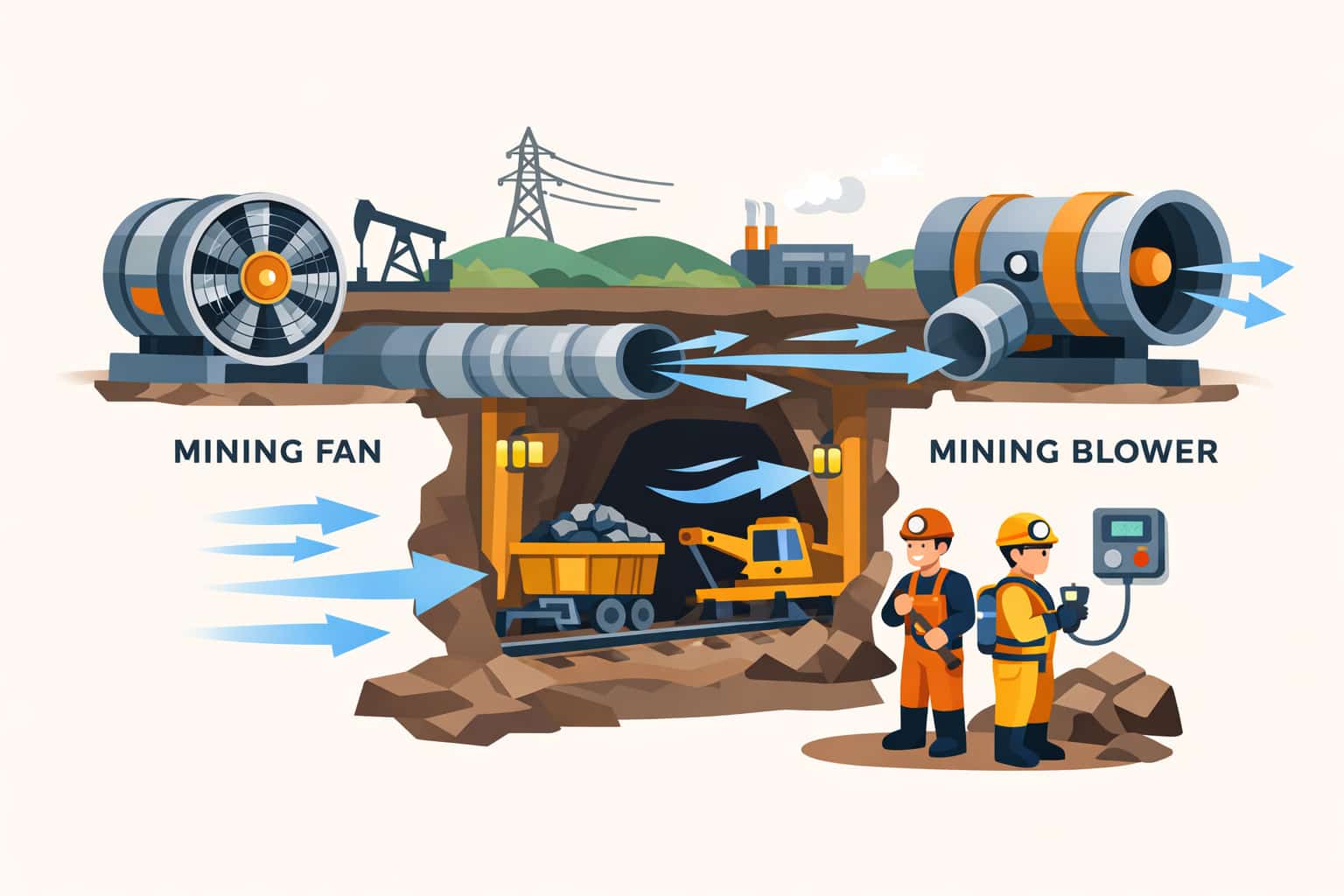
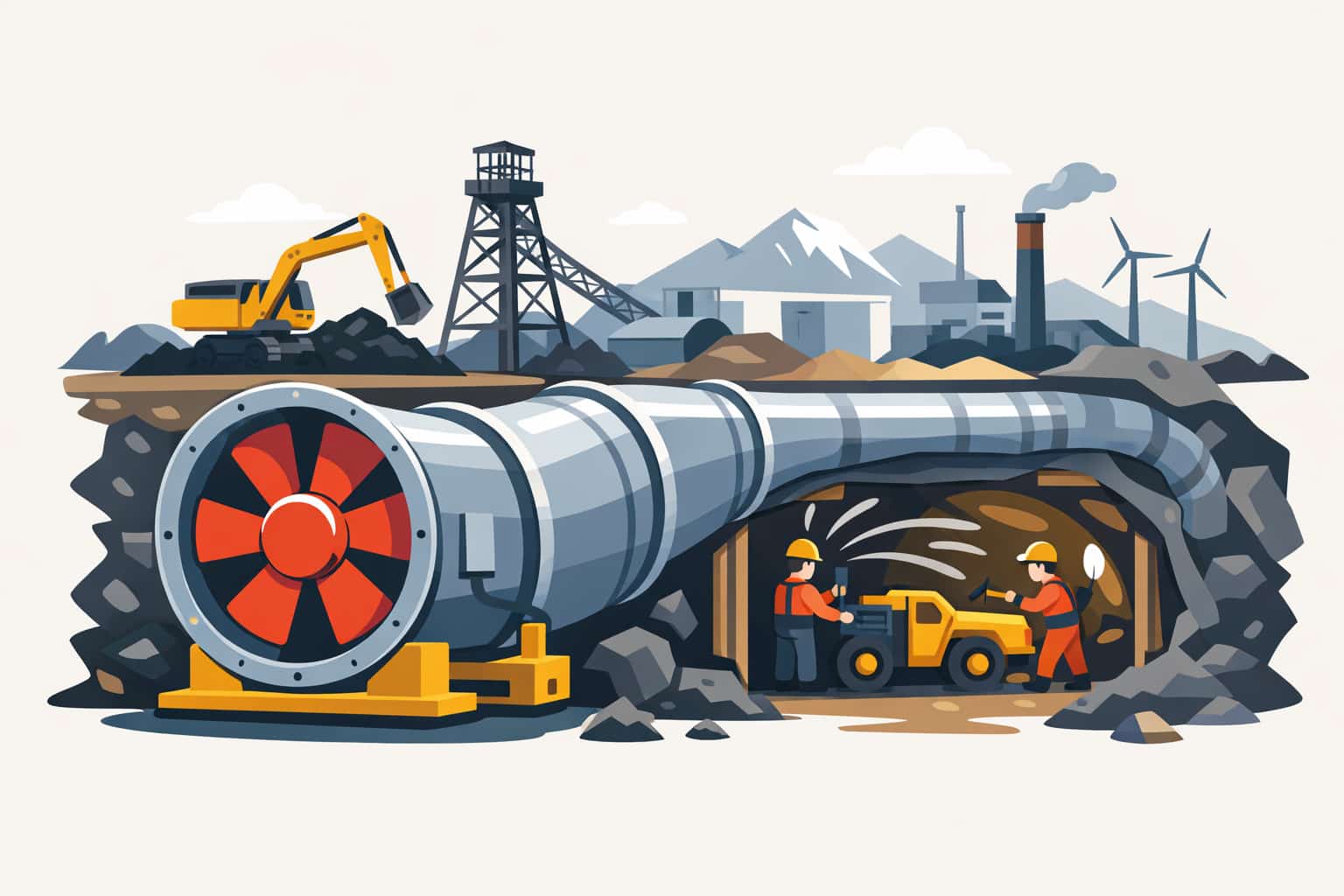
An auxiliary fan in mining is a local ventilation fan used to deliver (or extract) air in specific underground areas where the main ventilation circuit cannot provide enough airflow, especially at advancing headings such as development drifts, raises, and blind ends. Unlike a main fan that drives the overall mine ventilation network, an auxiliary fan is installed closer to the work area and is typically connected to ventilation ducting to direct air precisely where it is needed.
Need Auxiliary Mine Ventilation Fans?
Explore our auxiliary fan series for local ventilation in underground mines and tunnels.
The core purpose is to provide sufficient airflow for health, safety, and productivity. In underground mines, work zones can accumulate heat, dust, diesel exhaust, blasting fumes, and potentially hazardous gases. By pushing fresh air to the face or pulling contaminated air away (depending on the chosen system), auxiliary ventilation helps dilute contaminants, maintain acceptable air quality, and control temperature and humidity.
Auxiliary fans are commonly used in two basic arrangements:
Forcing (blowing) ventilation: the fan pushes fresh air through ducting to the face. This is widely used for development headings because it delivers a clear stream of fresh air to the working area.
Exhaust (extracting) ventilation: the fan draws contaminated air from the face through ducting and discharges it into the return airway. This can reduce recirculation of fumes in some layouts but requires careful leakage control.
In practice, auxiliary fan performance is not only about airflow (volume) but also about pressure. Long duct runs, bends, damaged ducting, and leakage increase resistance, so the fan must provide enough static pressure to maintain the required airflow at the face. That is why auxiliary fans are often selected by matching the required air quantity and duct resistance to the fan’s performance curve, then verifying the duty point.
Key design and operational considerations include:
Correct fan-to-duct matching: choose fan type and size that can handle expected resistance and future duct extensions.
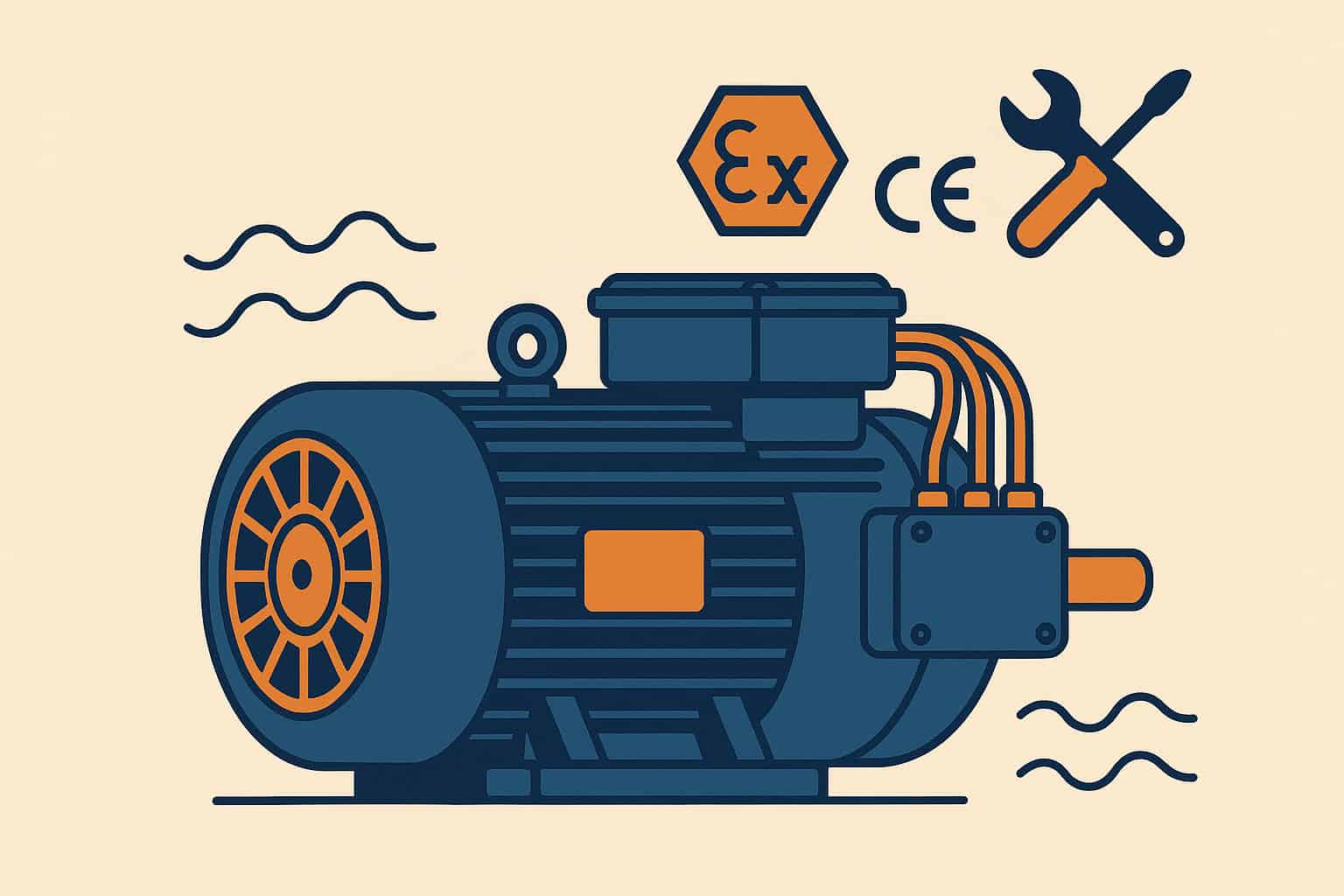
Safe installation: stable mounting, guards, appropriate electrical protection, and suitable explosion-proof rating where required.
Duct integrity: minimize leakage, keep duct joints tight, and repair tears quickly to prevent loss of airflow.
Airflow management: avoid short-circuiting (fresh air going directly to return without reaching the face) and ensure good distribution near the working zone.
In short, an auxiliary fan is a targeted ventilation tool that supports the main mine ventilation system by providing controlled, local airflow to active underground workplaces. Proper selection, ducting quality, and layout discipline are what make auxiliary ventilation effective and energy-efficient.