
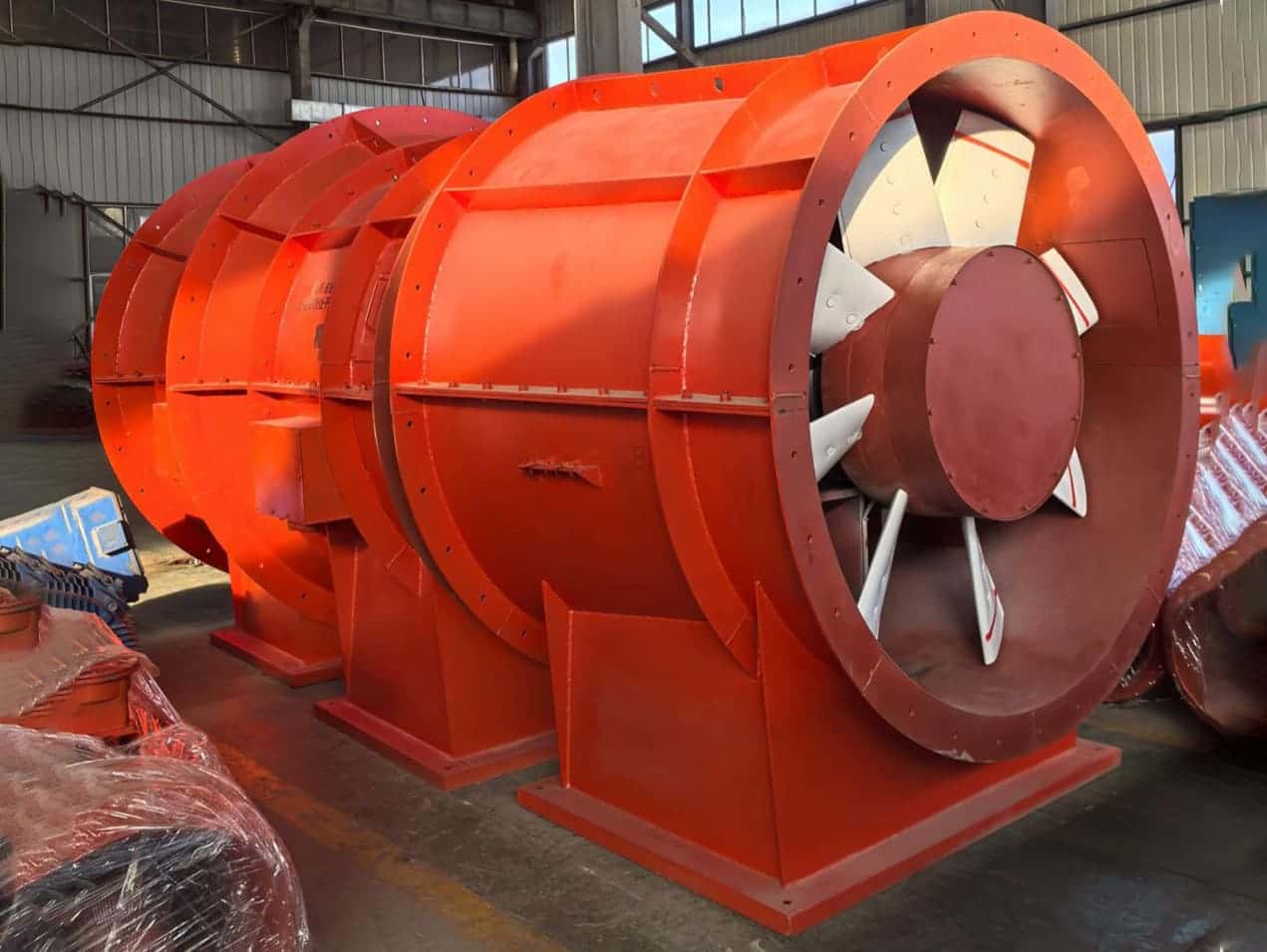
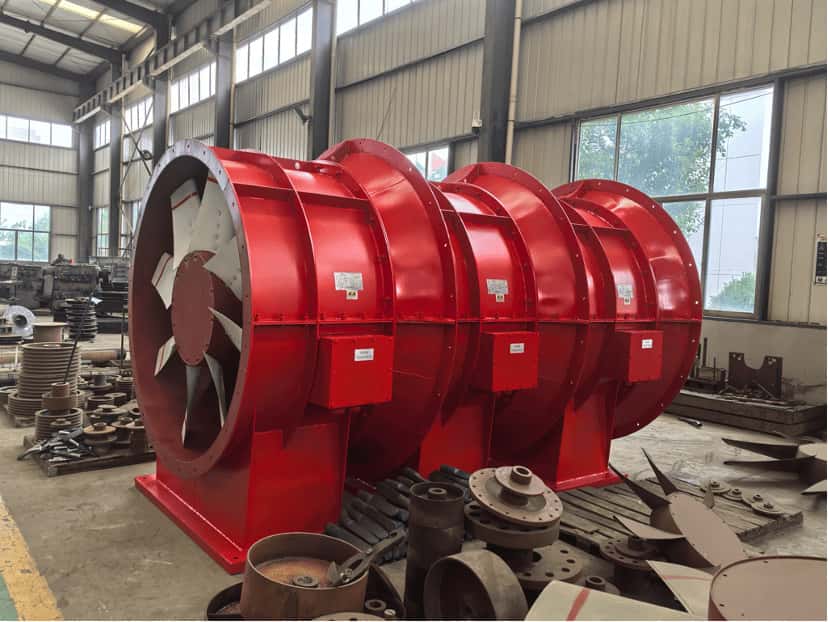
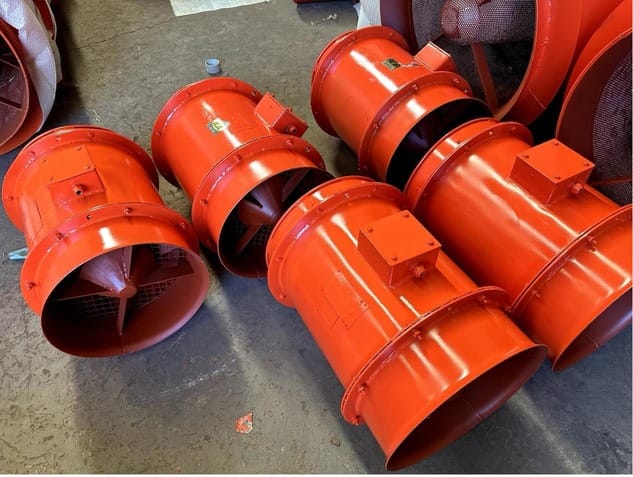
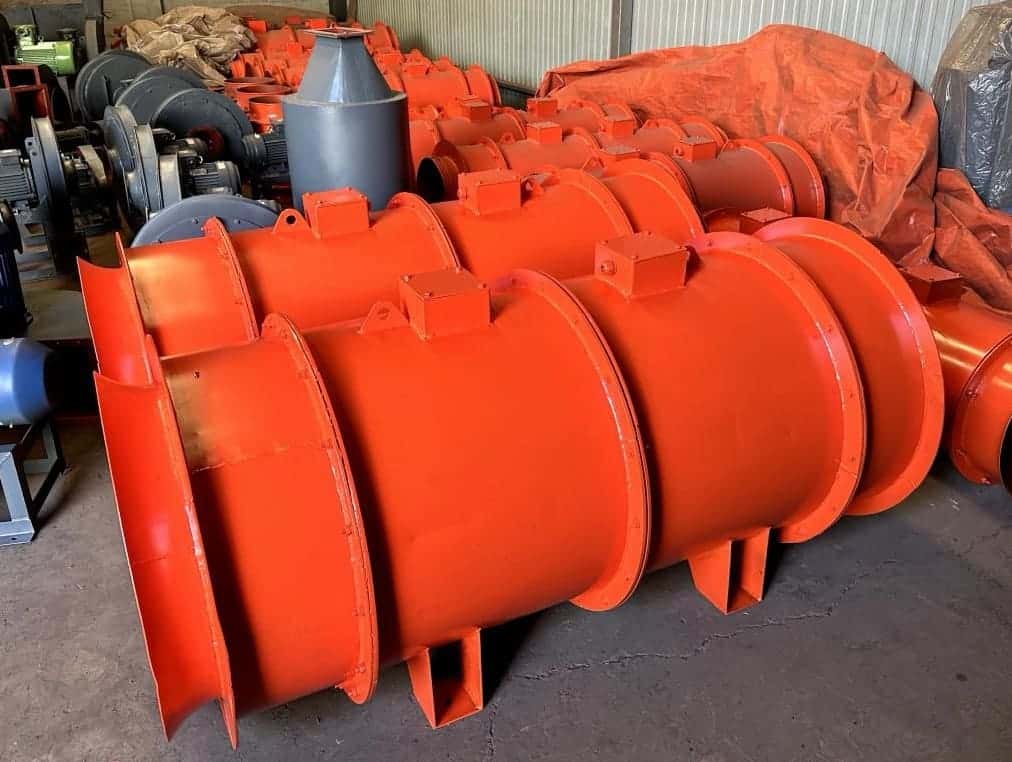
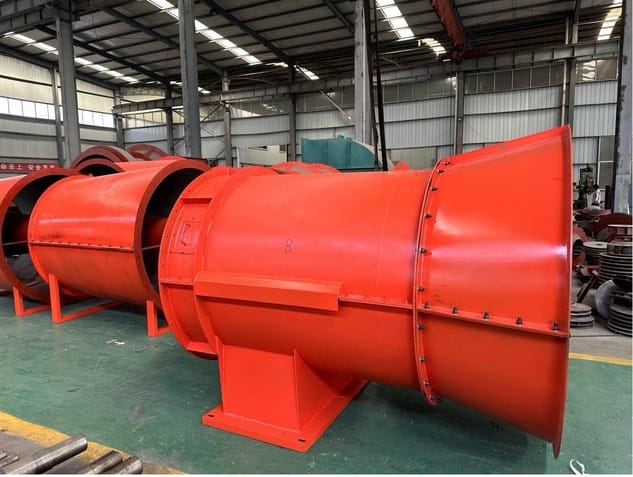
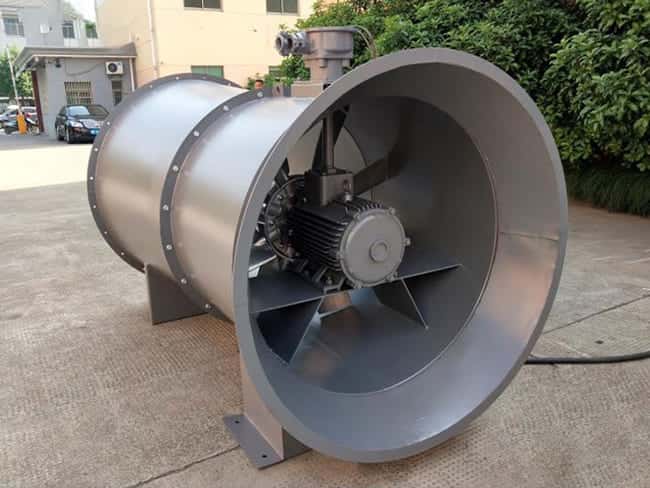
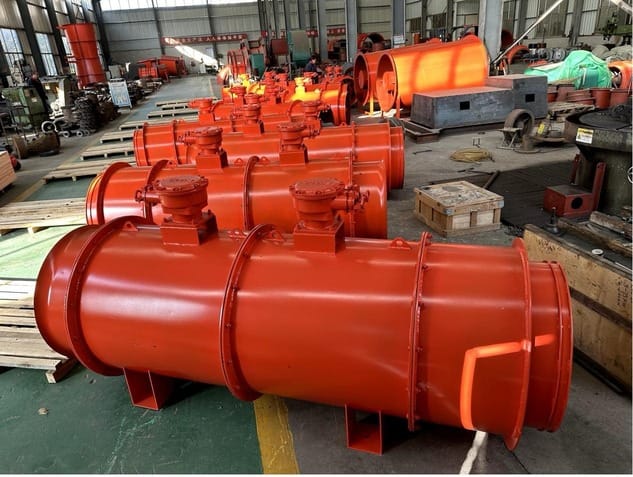
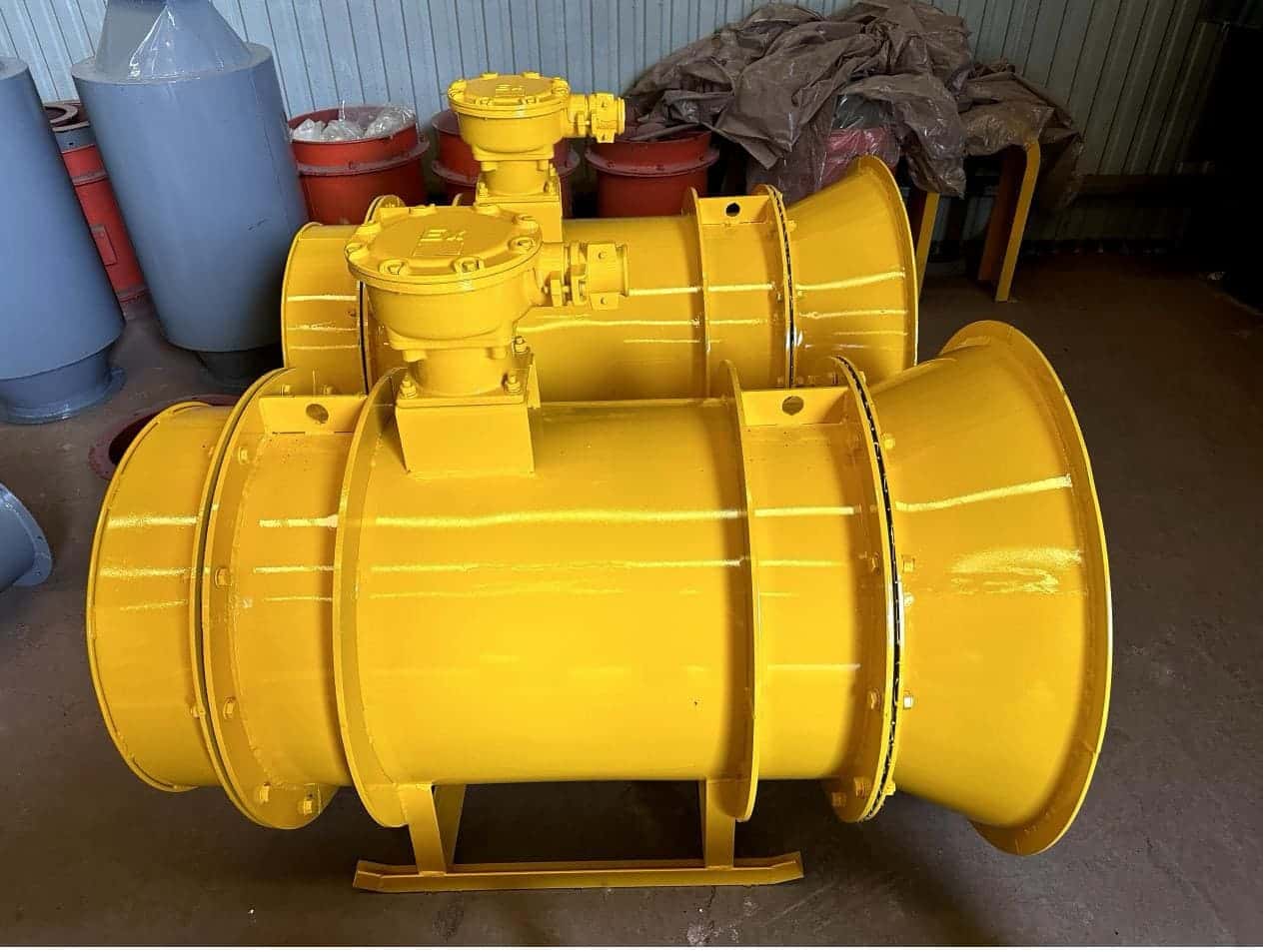
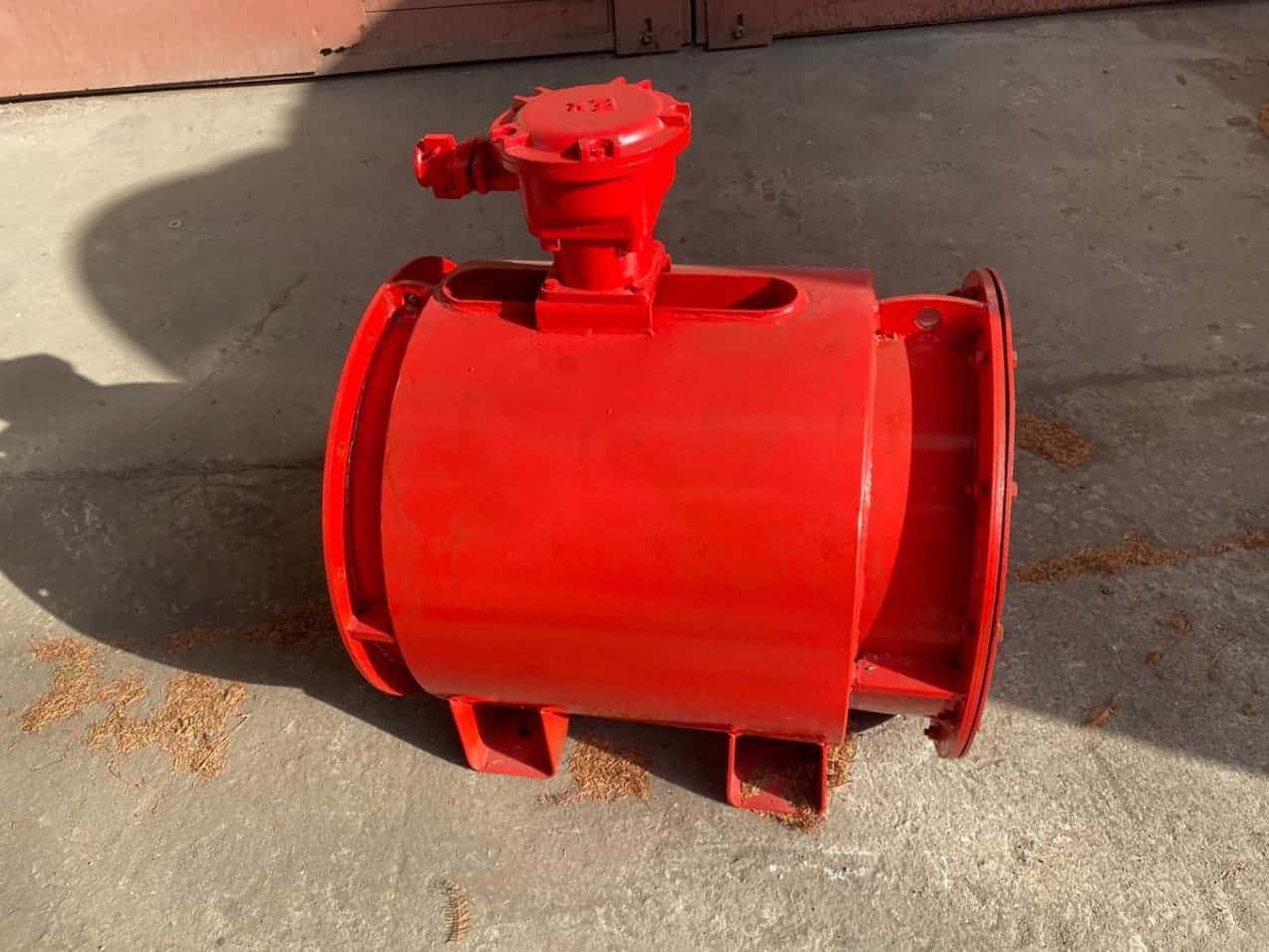
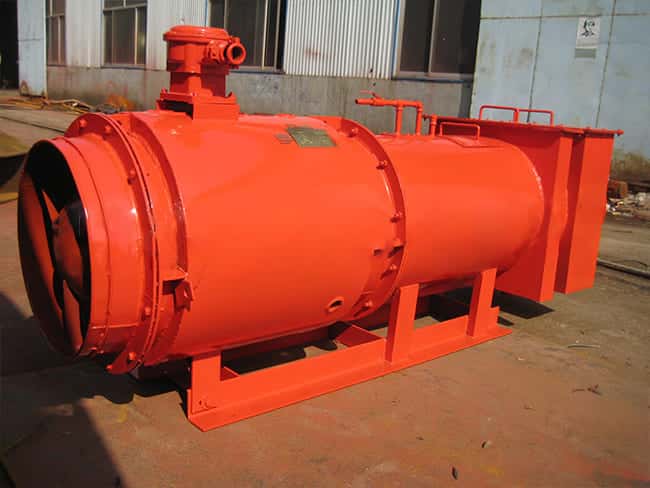
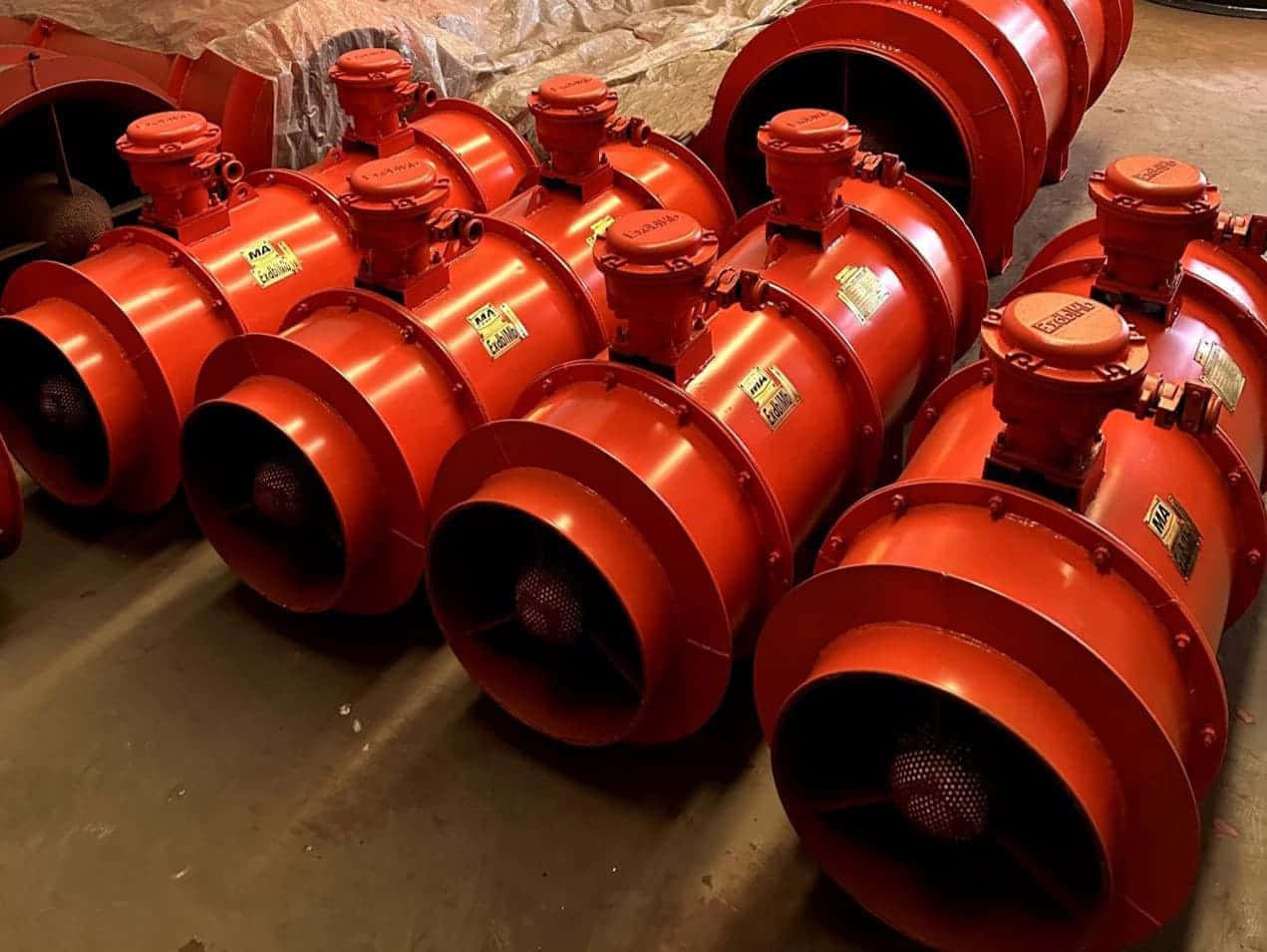
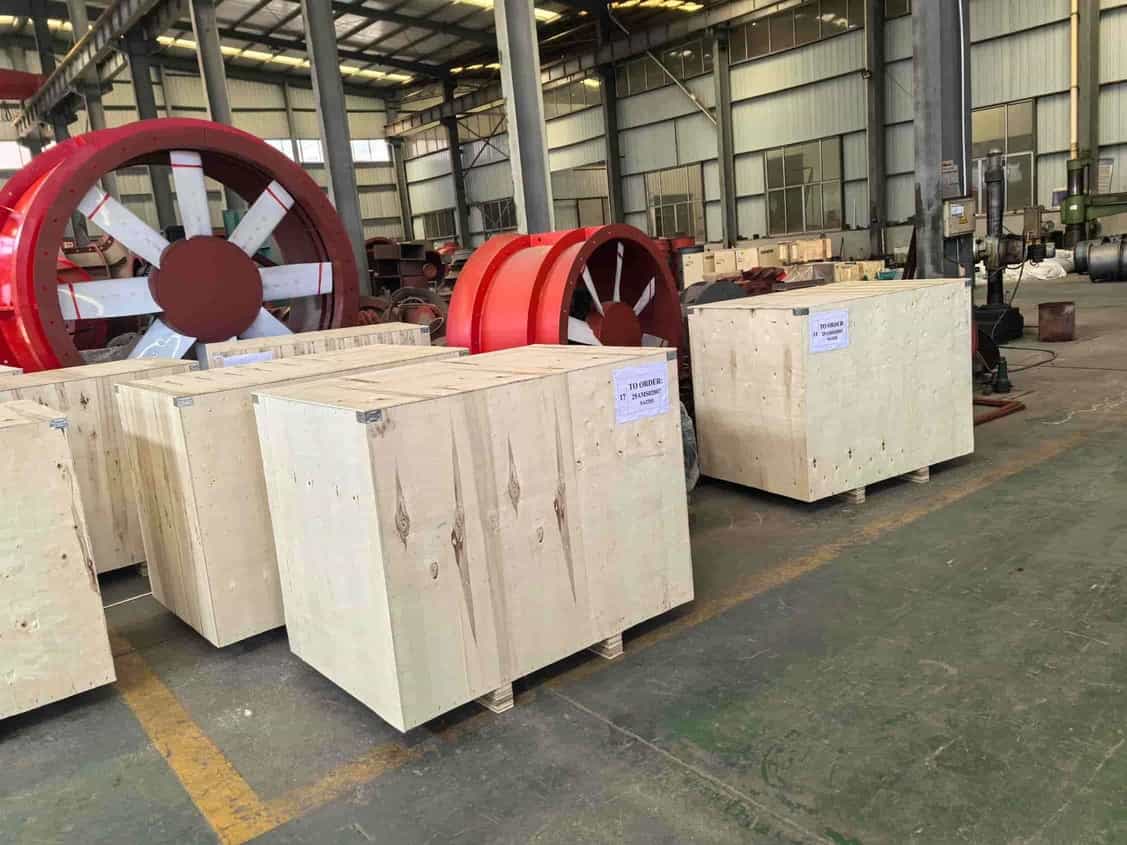
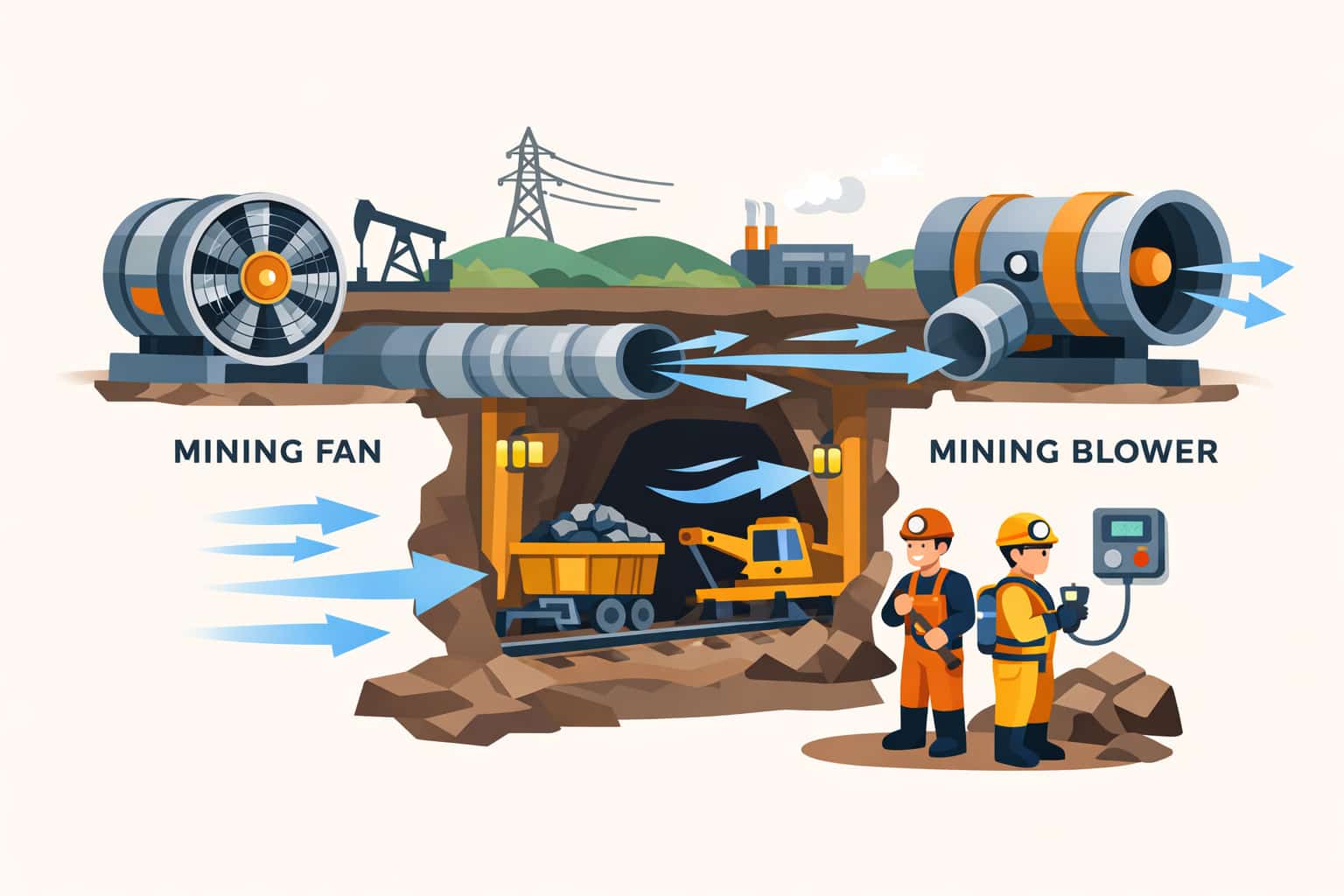


An auxiliary fan is a secondary ventilation fan used to provide local airflow in specific areas where the main fan cannot deliver enough fresh air on its own. It does not replace the main ventilation system, but supplements it to meet safety and comfort requirements at remote or high-resistance locations.
Auxiliary fans are most widely associated with underground mining. Main mine fans create the overall intake and return airflow through the primary airways, but development headings, dead ends, sublevels and other remote workings often sit far from these main flows. Without additional help, air velocity and quality in these areas can drop below regulatory standards, leading to poor dilution of gases and dust. An auxiliary fan, usually connected to flexible ducting, pushes or pulls fresh intake air from the main airway to the working face.
In this role, the auxiliary fan is responsible for diluting diesel exhaust, blasting fumes, dust and heat at the face. It ensures that workers receive enough oxygen and that contaminants are carried back into the return air system. Regulations in many countries specify minimum airflow and velocity in headings, so correctly sized auxiliary fans are critical for compliance and safety. Their installation, duct routing and maintenance are part of the mine’s formal ventilation plan.
Auxiliary fans are also used in industrial plants and tunnels wherever a main ventilation system leaves pockets of stagnant or poorly ventilated air. For example, a long process tunnel, a remote workshop attached to a large factory, or a confined plant room may need a dedicated auxiliary fan to improve airflow. In these cases, the fan may be mounted on a wall, ceiling or in a branch duct and configured as either a supply or exhaust device, depending on whether fresh air must be brought in or polluted air removed.
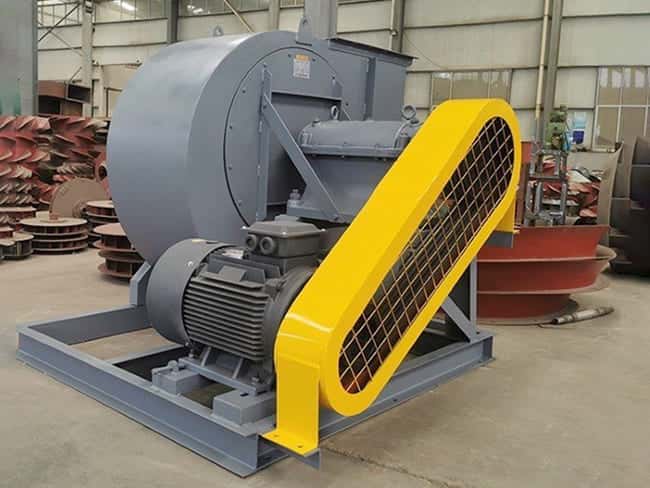
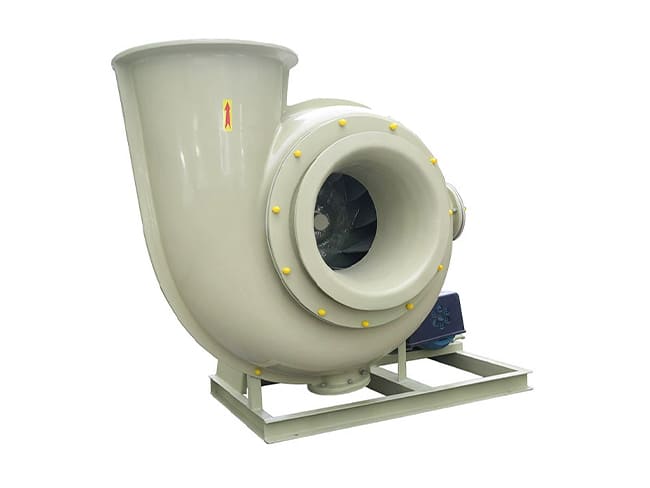
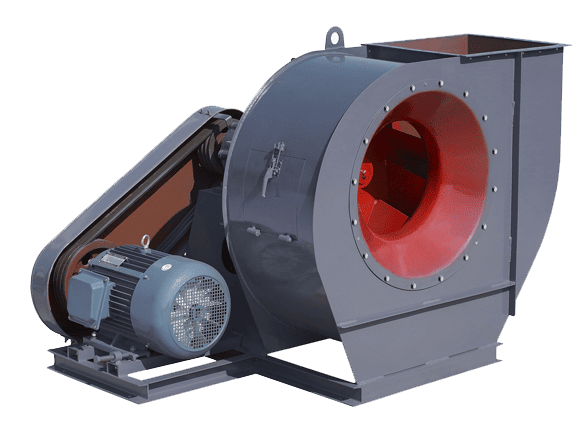
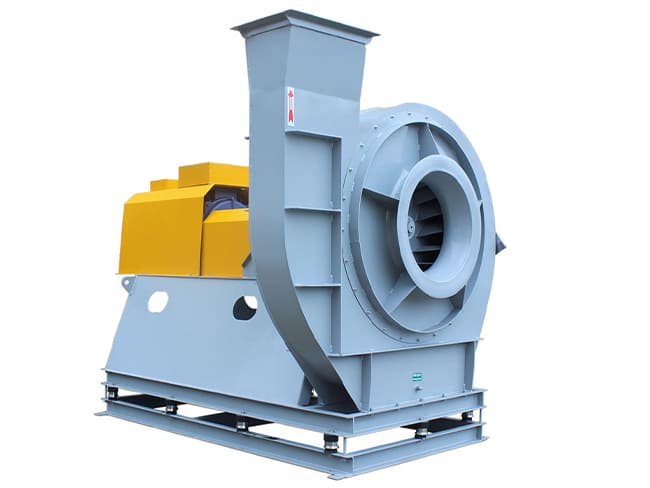
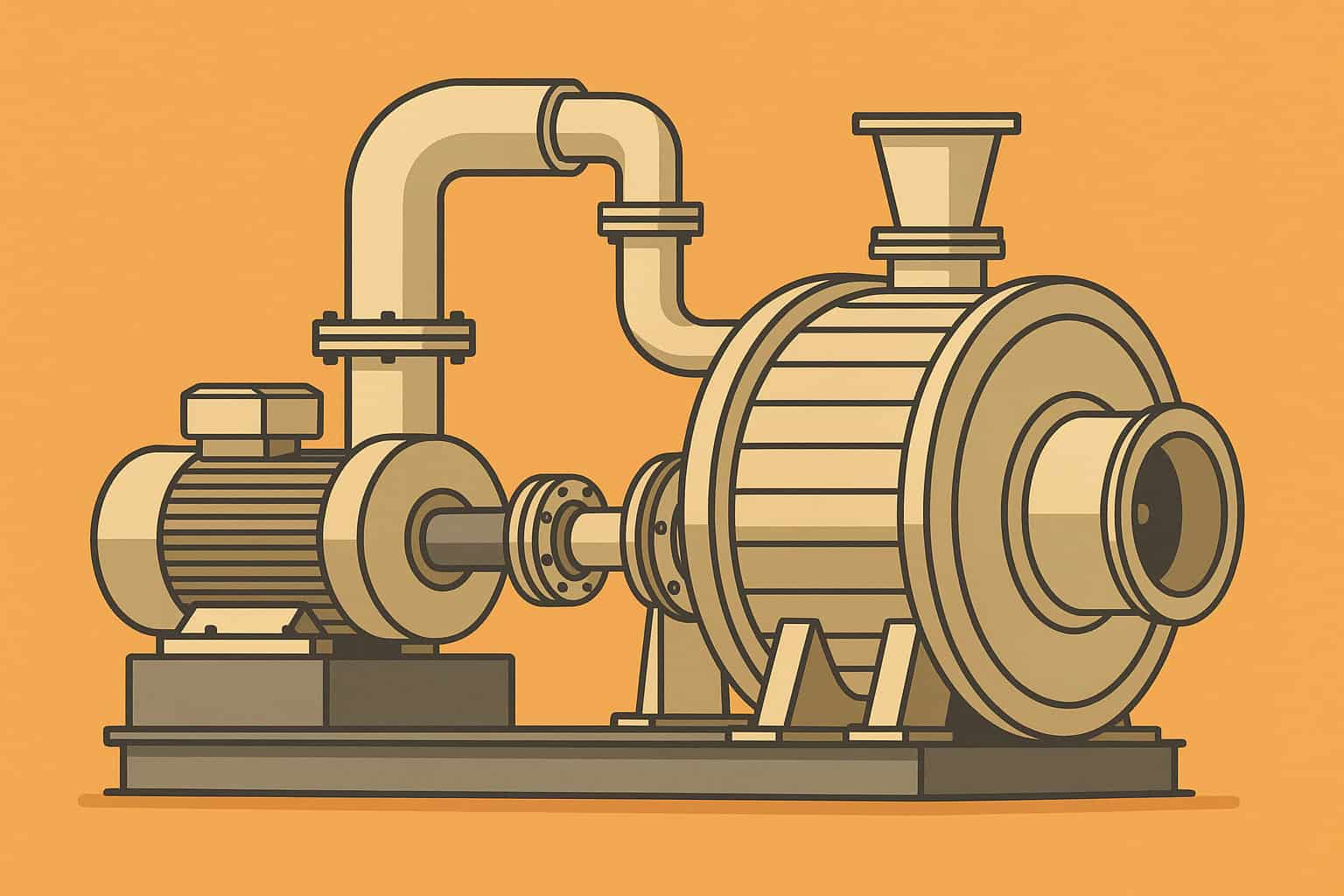
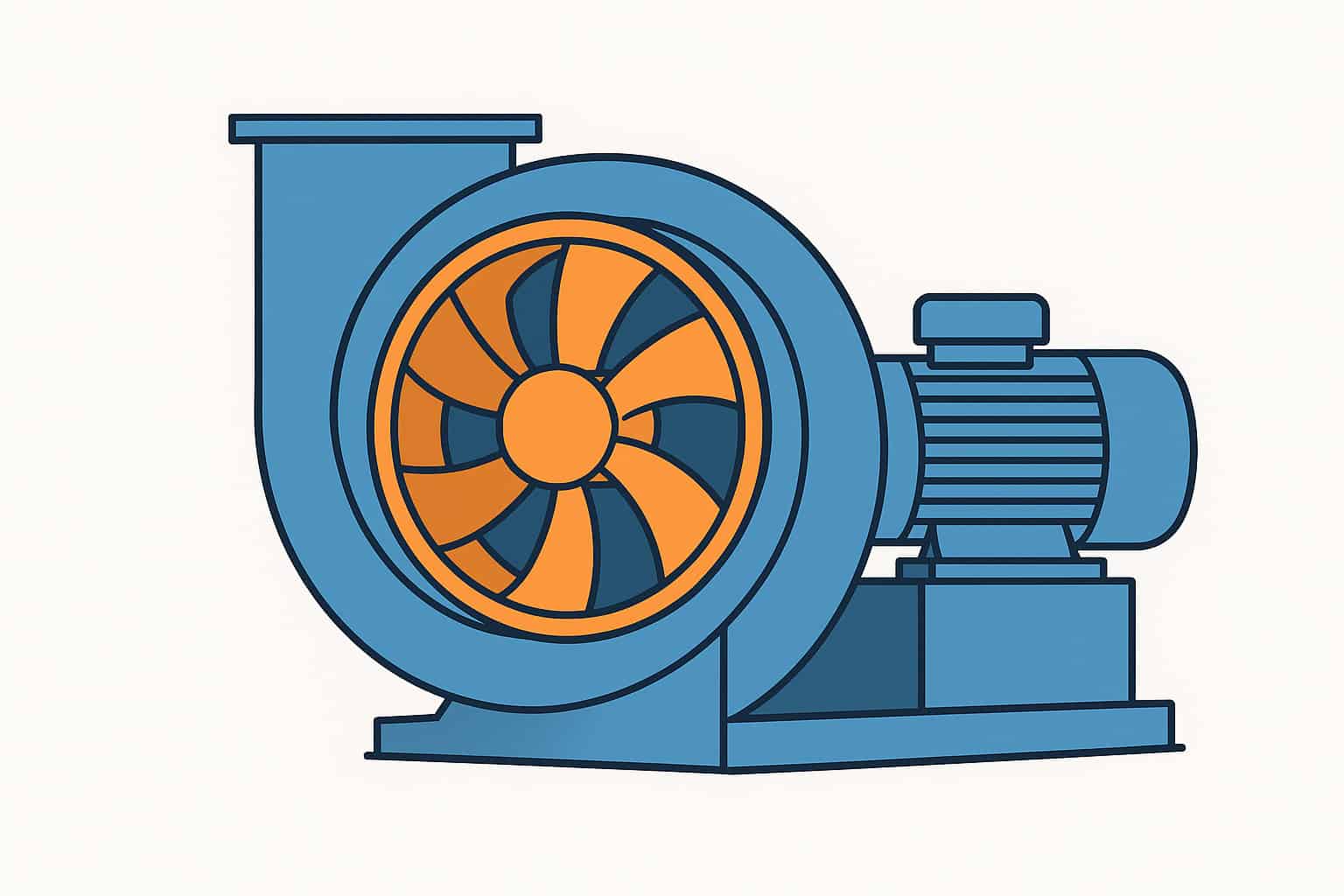
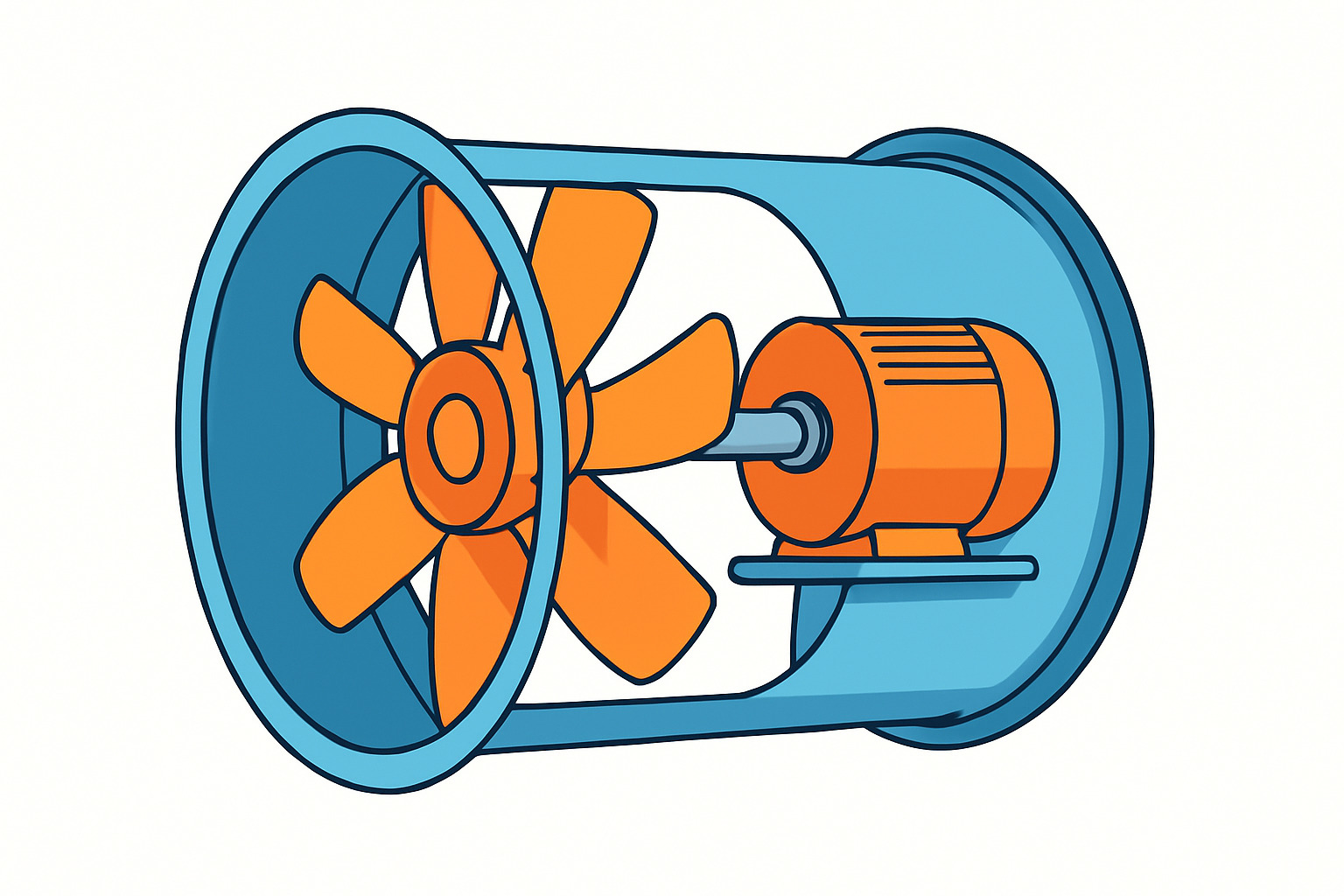
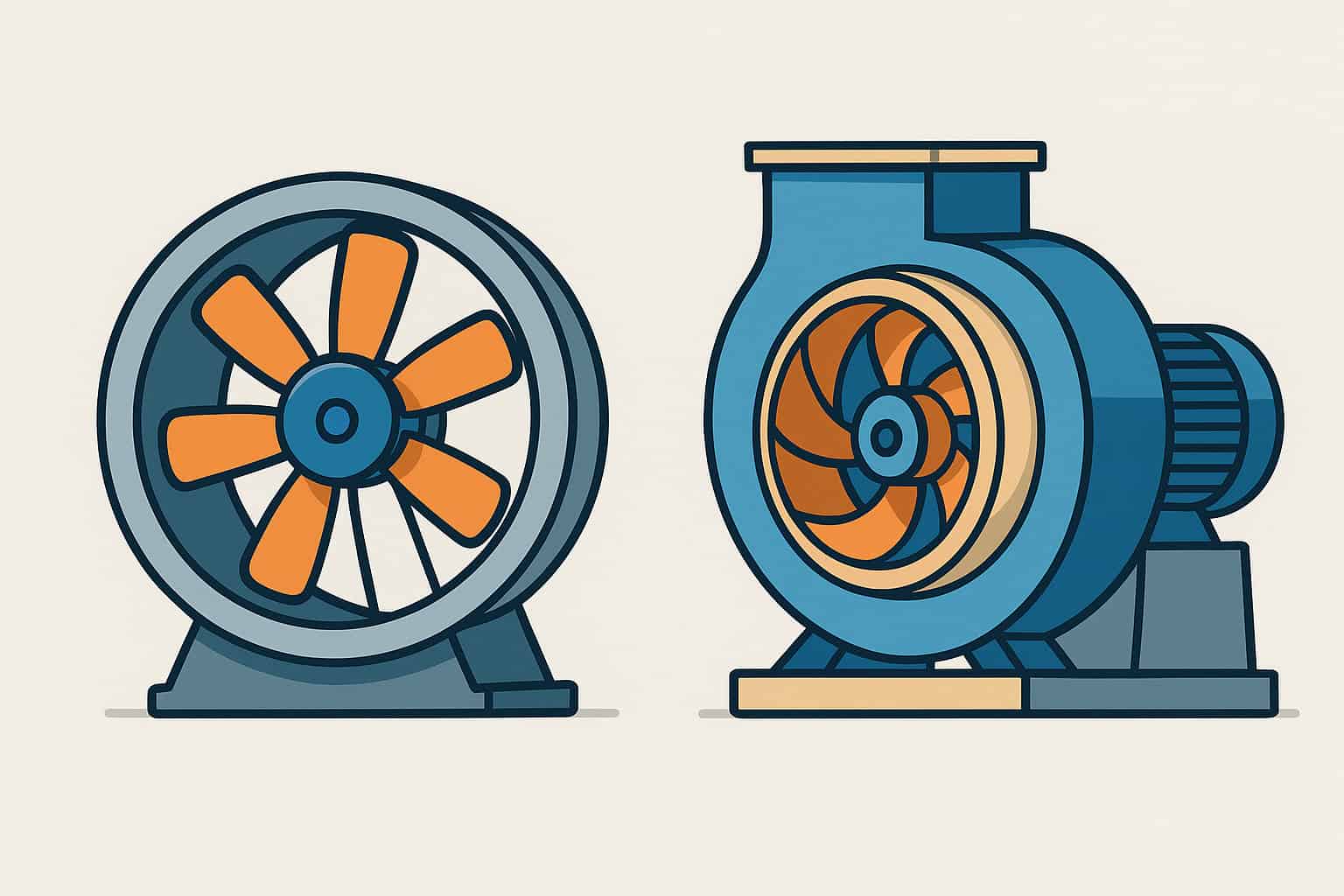
From a design perspective, auxiliary fans are often axial flow fans because they are compact and efficient for moving large volumes of air through flexible ducts or narrow openings. However, in dusty or high-resistance installations, small centrifugal fans may be used instead. Noise levels, explosion protection, power supply and ease of relocation are important considerations, especially in mobile mining applications.
In summary, an auxiliary fan is used to provide targeted ventilation where the main system cannot reach effectively, most notably in underground development headings and remote industrial spaces. It supports the main fans by delivering fresh air and removing contaminants in critical local zones.
