
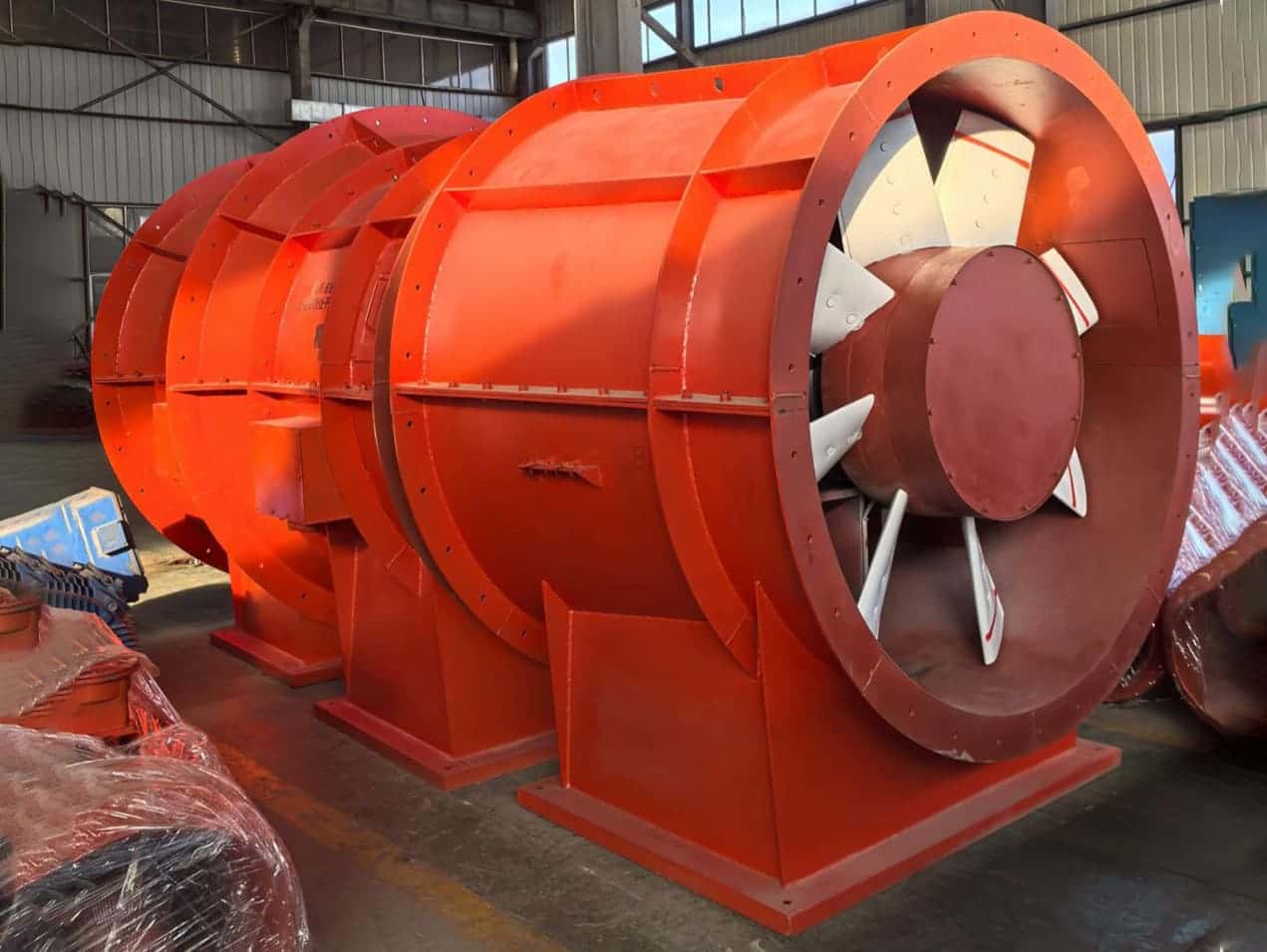
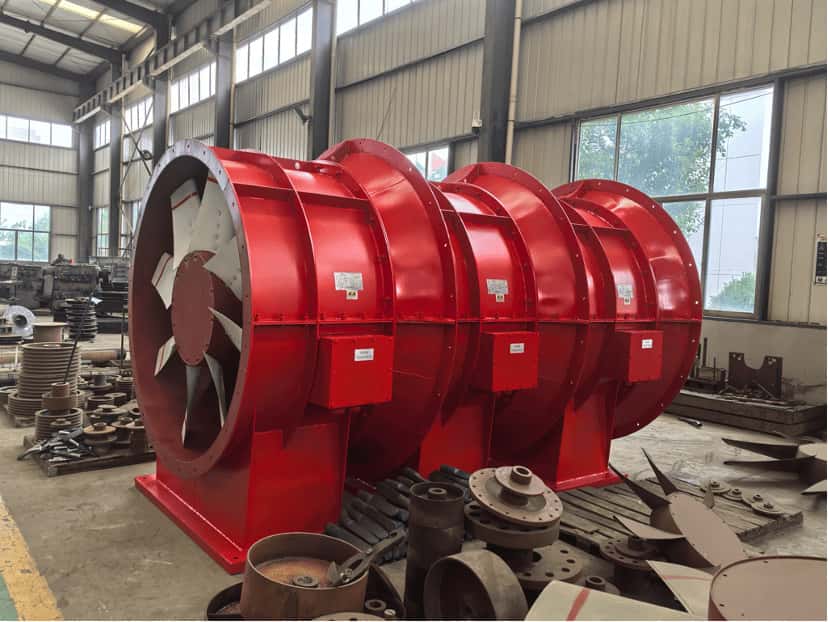
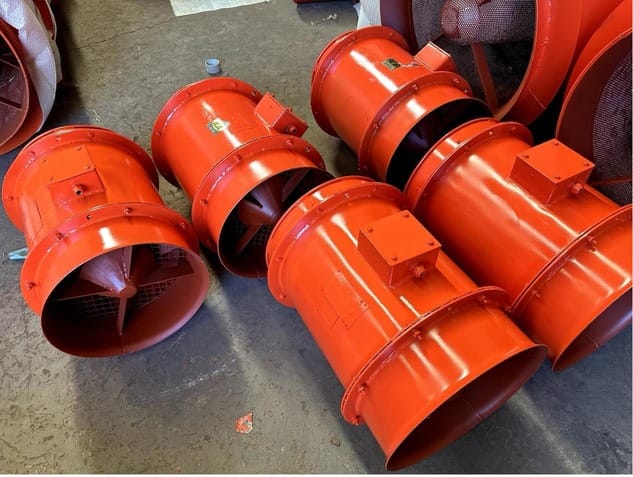
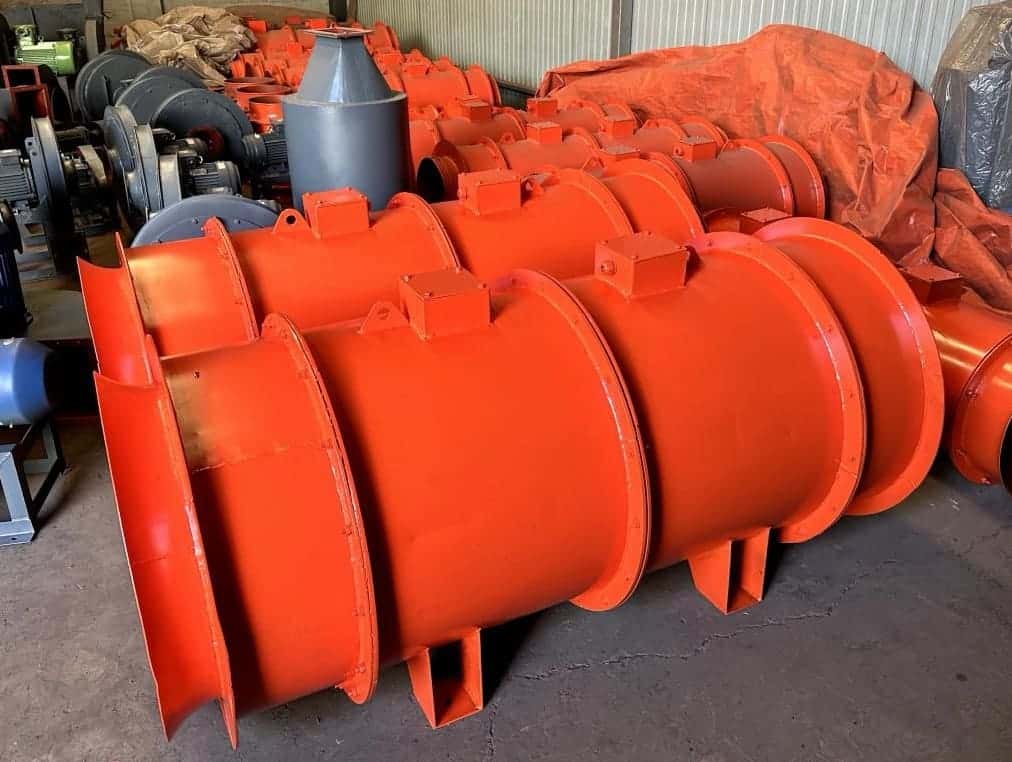
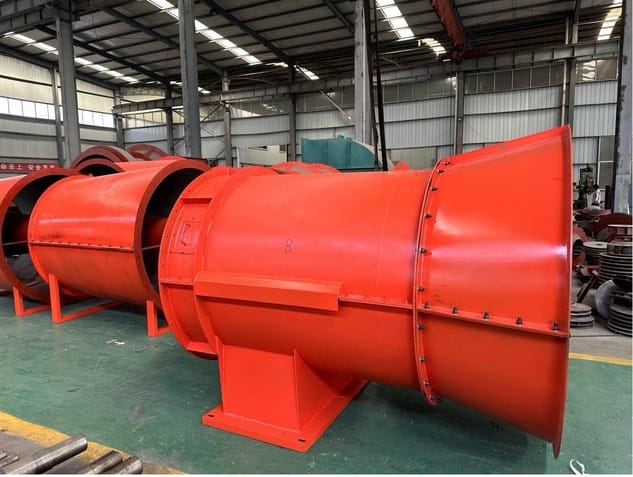
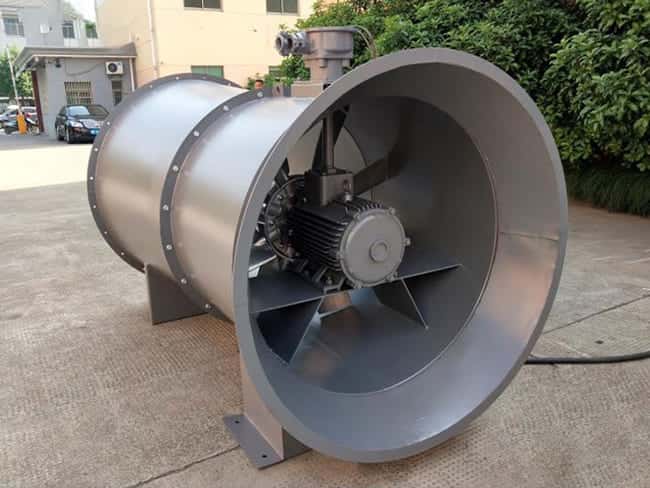
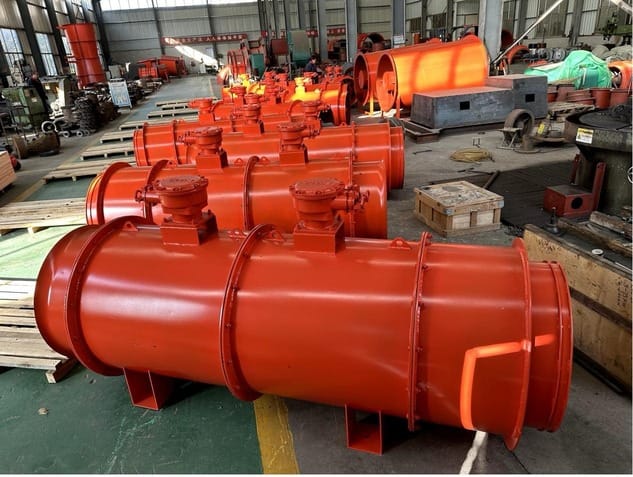
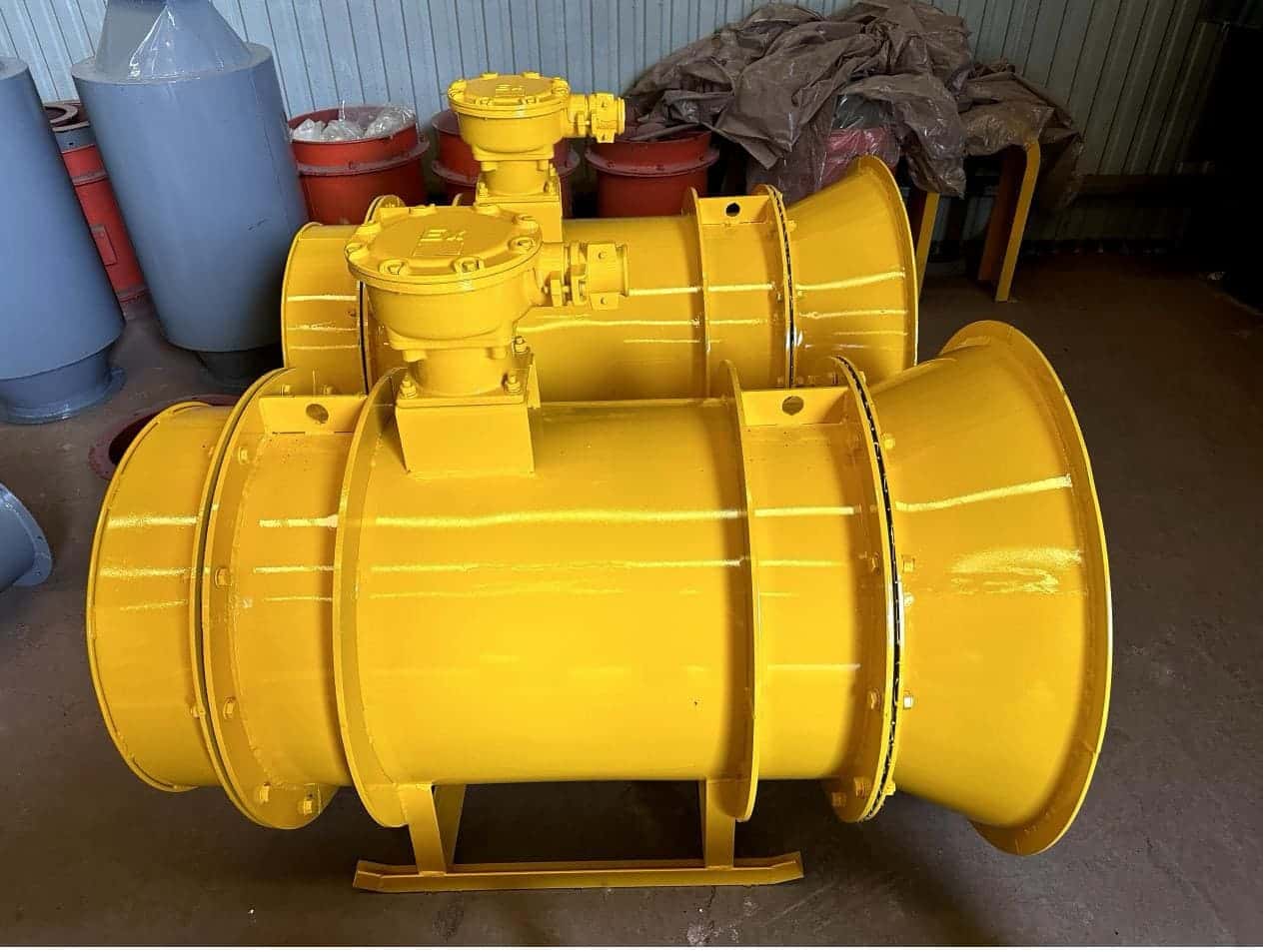
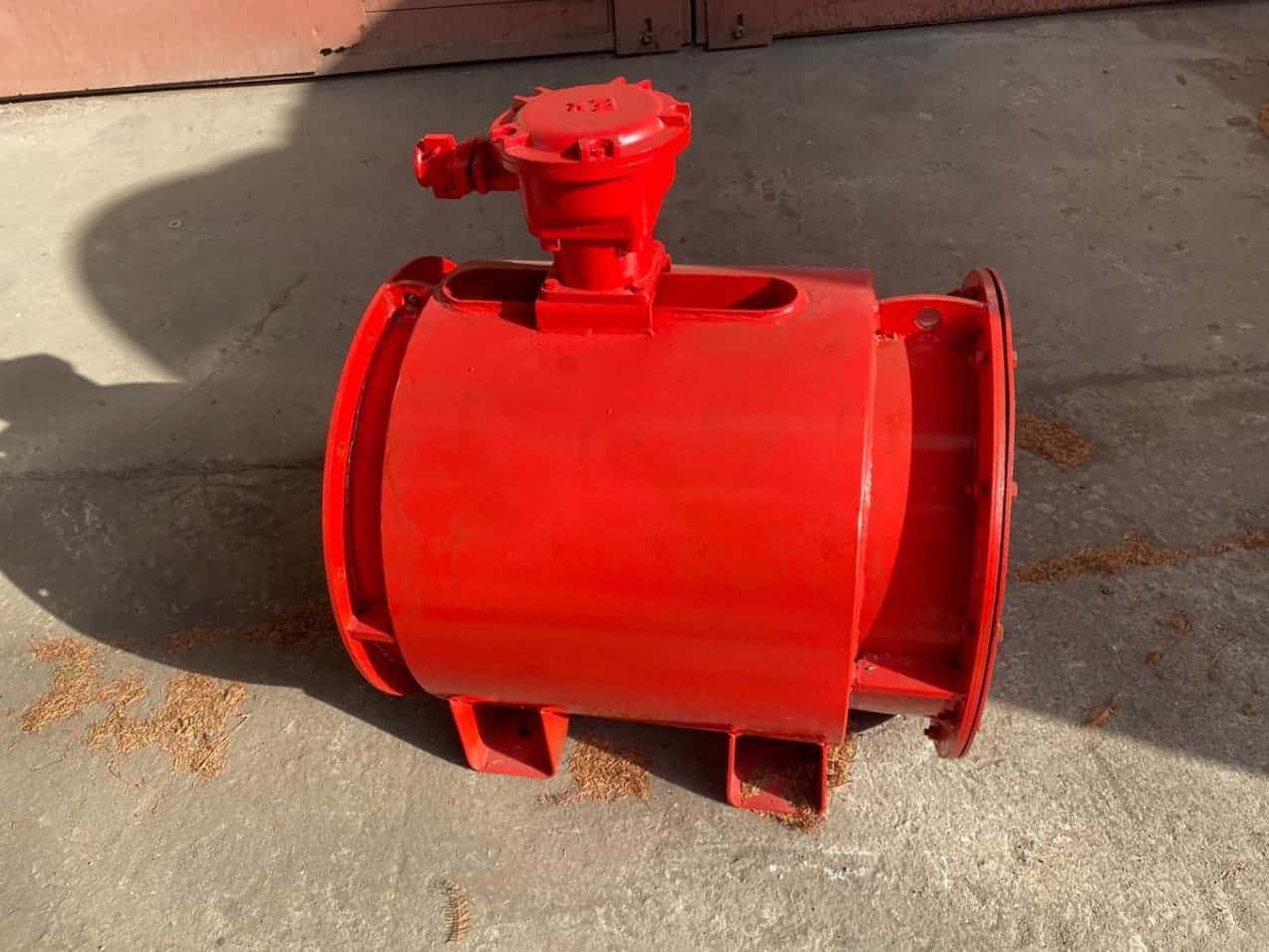
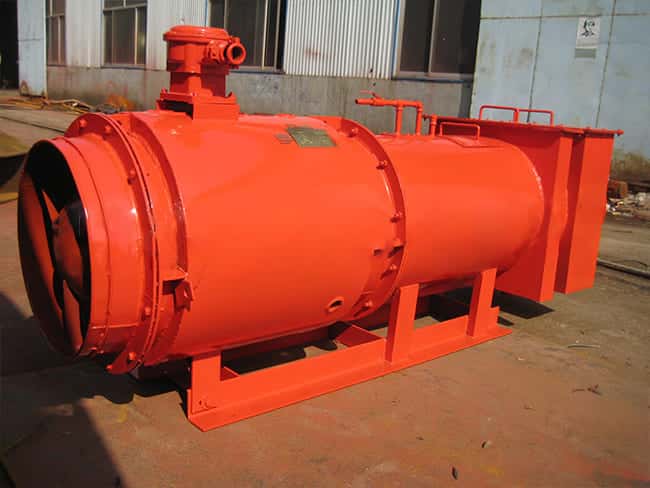
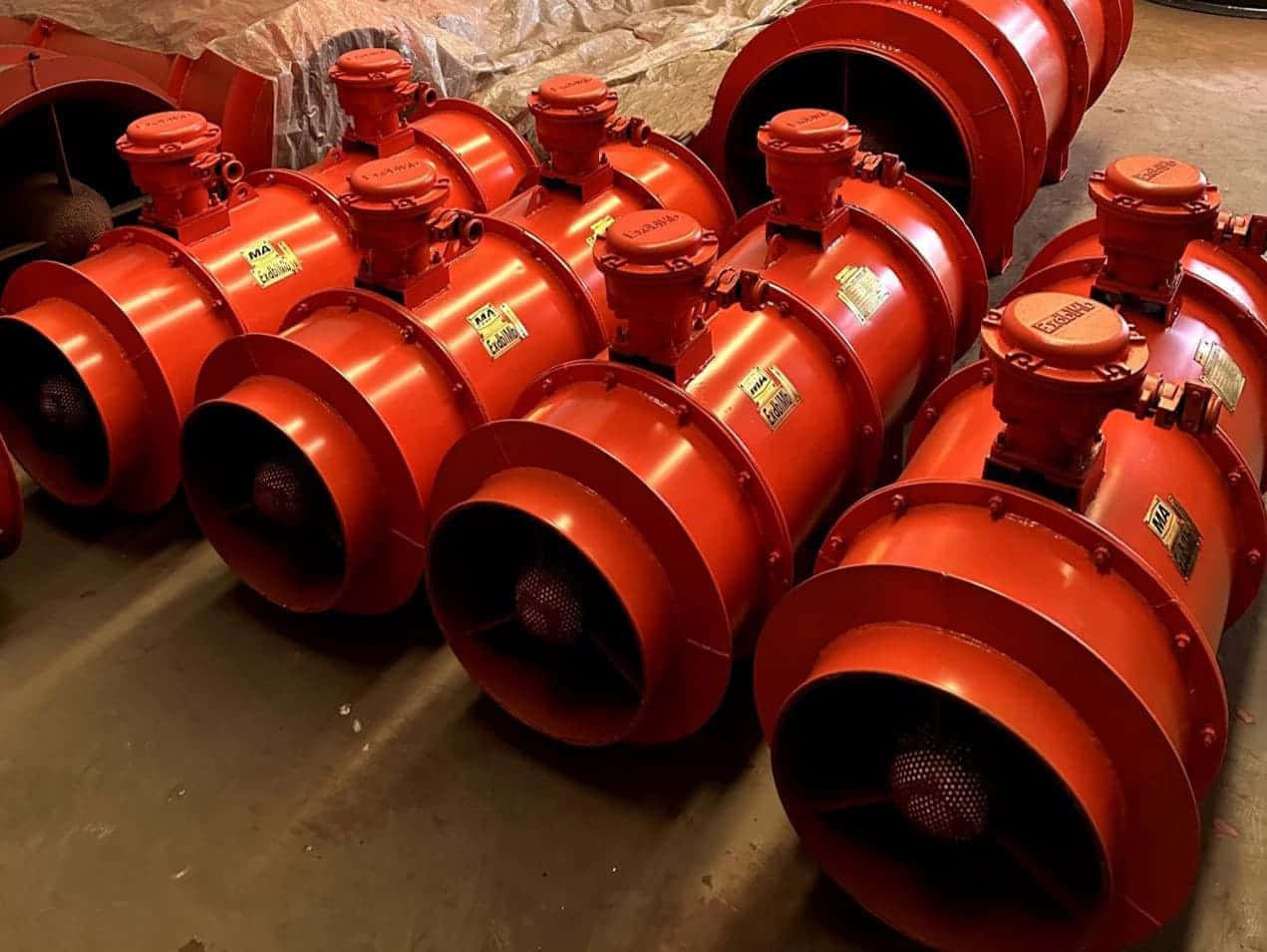
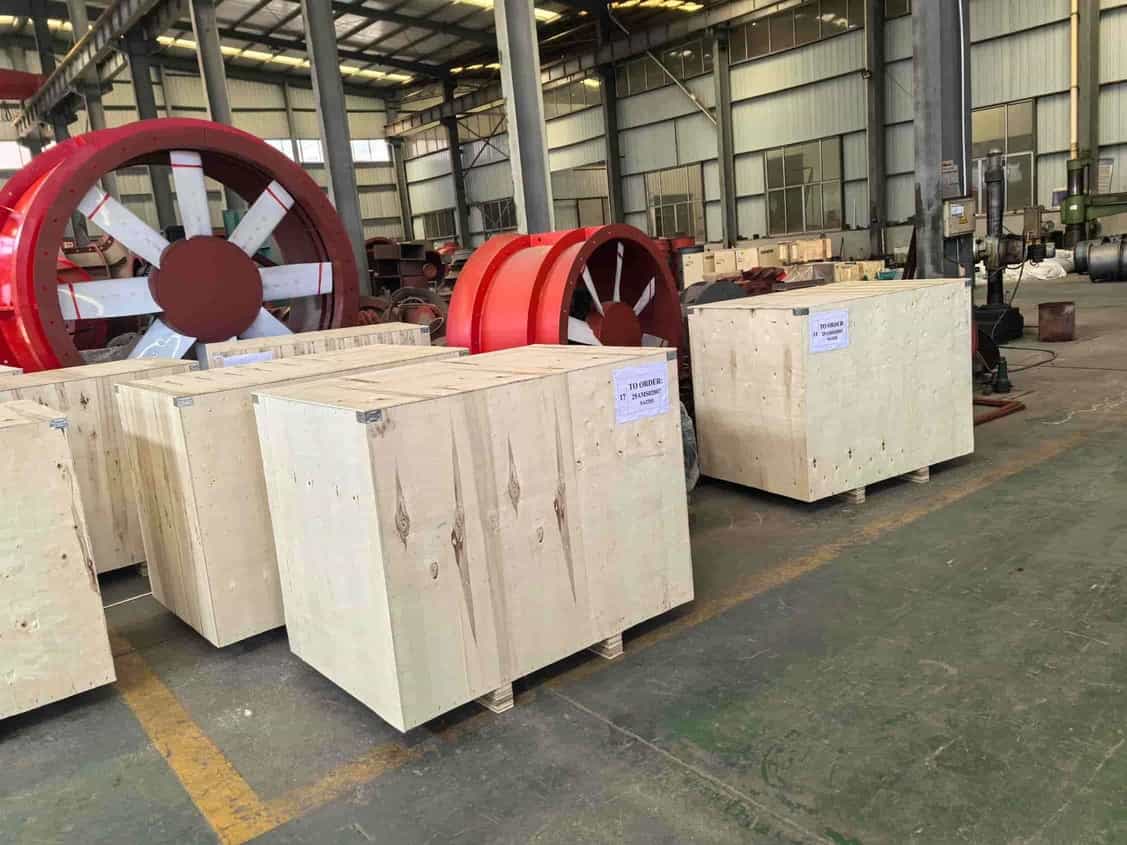
An axial fan motor is the electric drive that turns the blades of an axial-flow fan, producing the airflow needed for ventilation, cooling or exhaust. In an axial fan, air moves roughly parallel to the shaft, like a propeller. The motor provides the mechanical power that keeps the impeller rotating at the correct speed so that the fan can deliver its rated volume and pressure.
In small ceiling or wall fans, the axial fan motor is usually a compact single-phase induction motor or a modern electronically commutated (EC) motor. The rotor and stator are integrated with the fan hub, and the assembly is designed for quiet operation and low power. These motors are optimised for comfort ventilation and light-duty use, running at modest speeds and power levels.
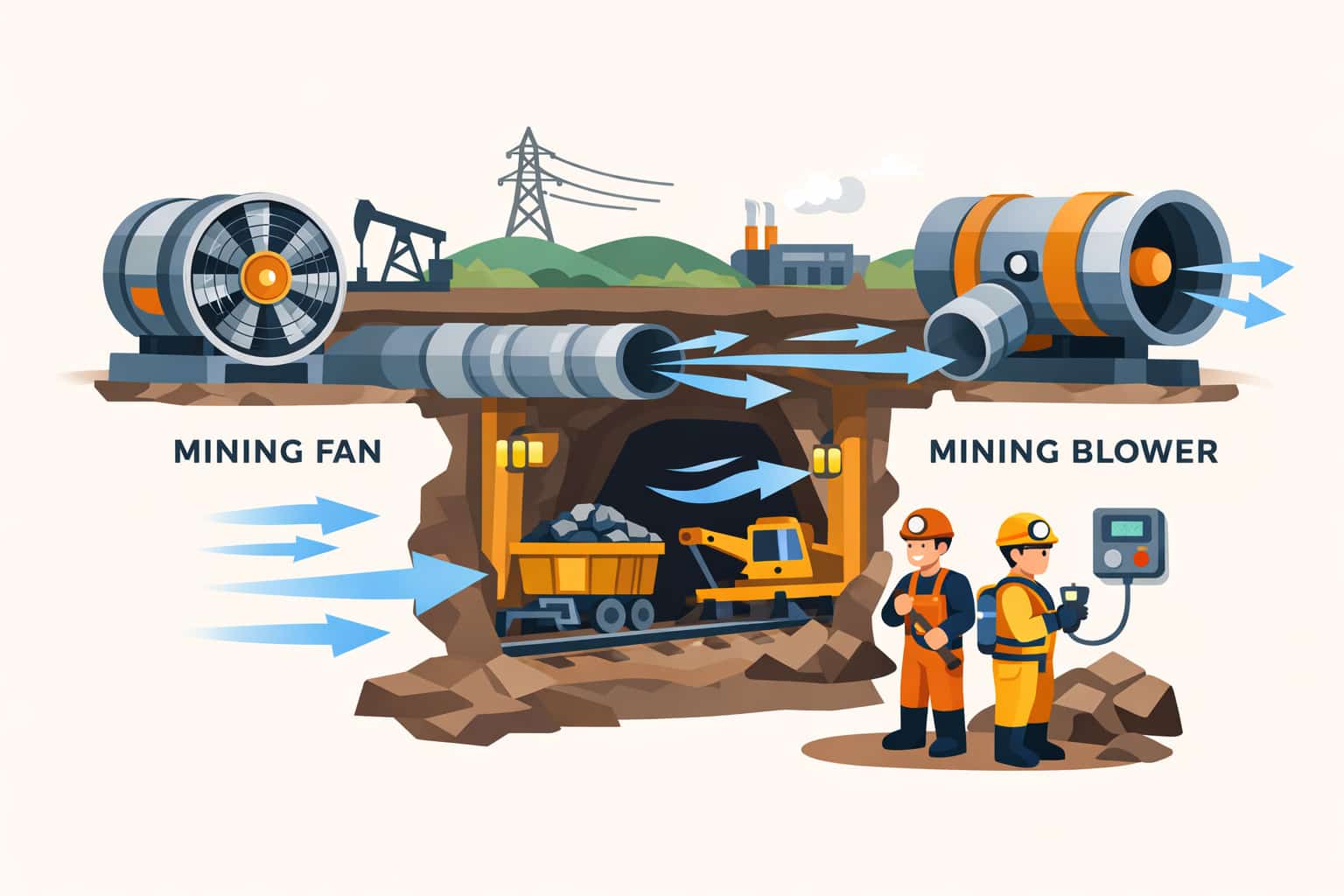
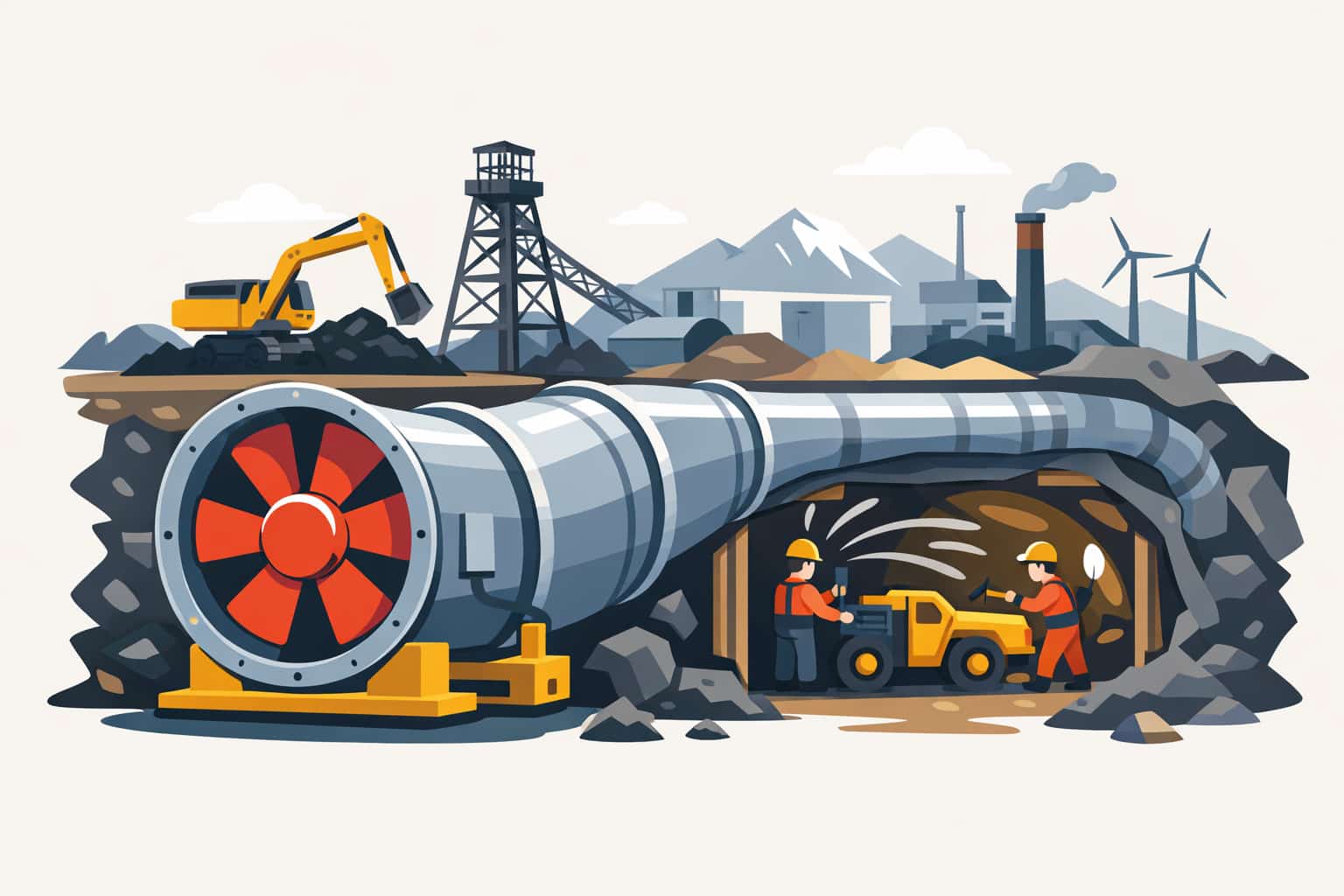
In industrial and mining ventilation, axial fan motors are much more robust. Large axial fans used as main mine fans, tunnel fans or big industrial exhaust fans are almost always driven by three-phase induction motors. These motors are built in standard frame sizes, with heavy-duty bearings and insulation classes suitable for continuous operation. Depending on the power and site requirements, the motor may be low voltage or medium voltage and may be controlled by a variable-frequency drive to adjust speed and airflow.
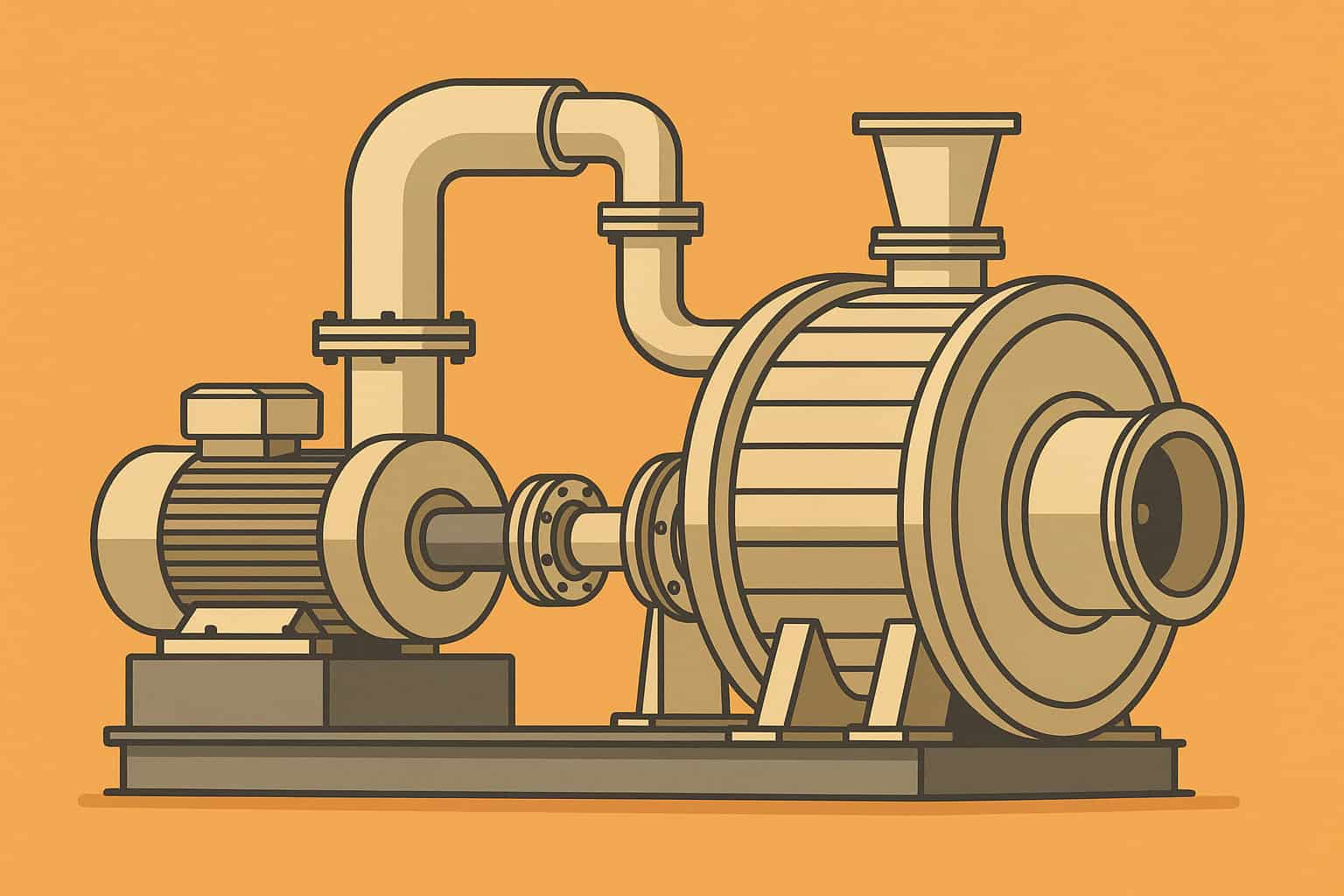
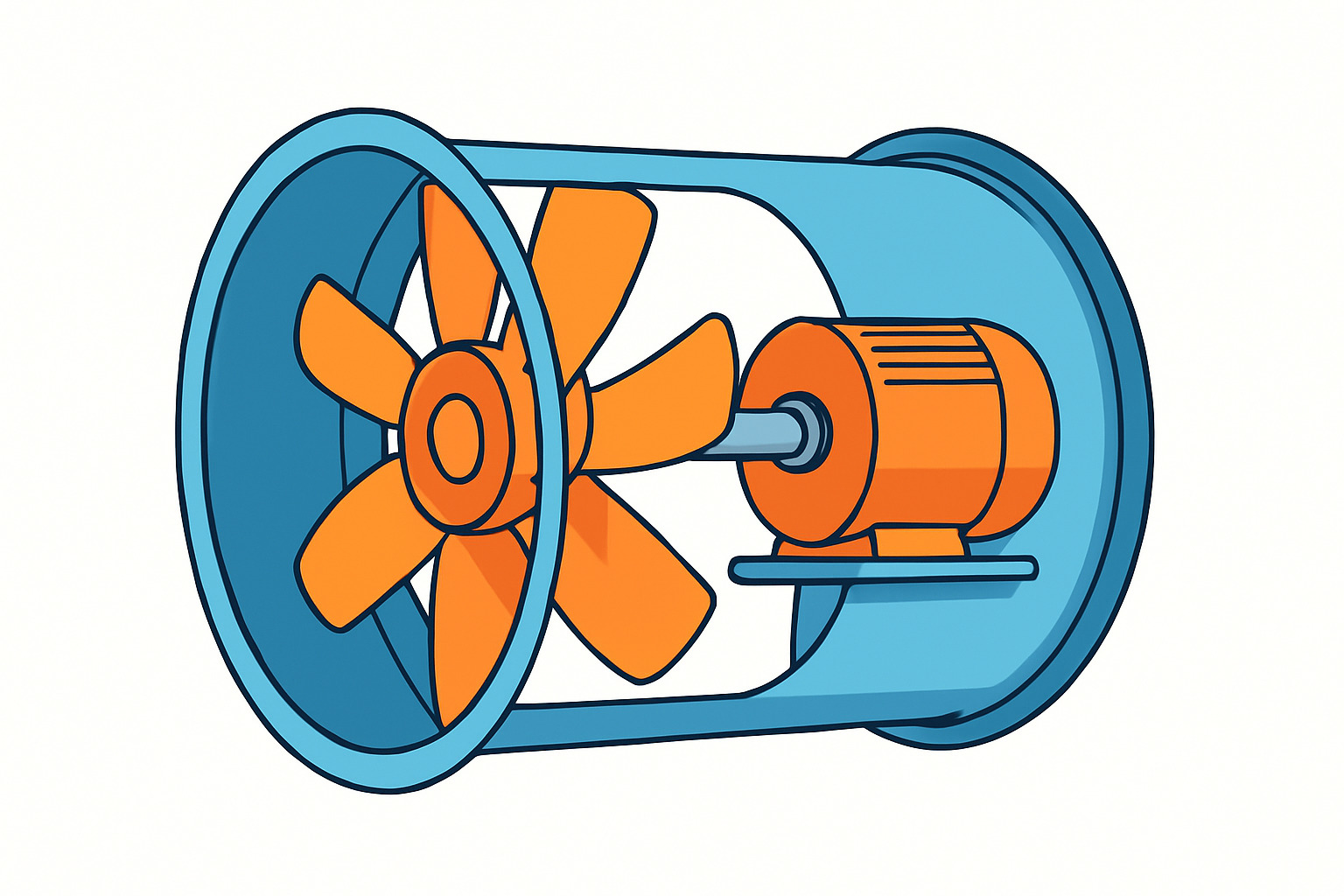
The way the motor is mounted depends on the fan design. In direct-drive axial fans, the motor shaft is directly coupled to the fan hub, resulting in high reliability and no belt losses. The motor may be in the airstream (air-over cooling) or outside the main flow in a separate housing. In belt-driven axial fans, the motor is mounted outside the duct and power is transmitted to the fan shaft through belts and pulleys, which can simplify maintenance and isolate the motor from hot or dirty air, but adds mechanical complexity.
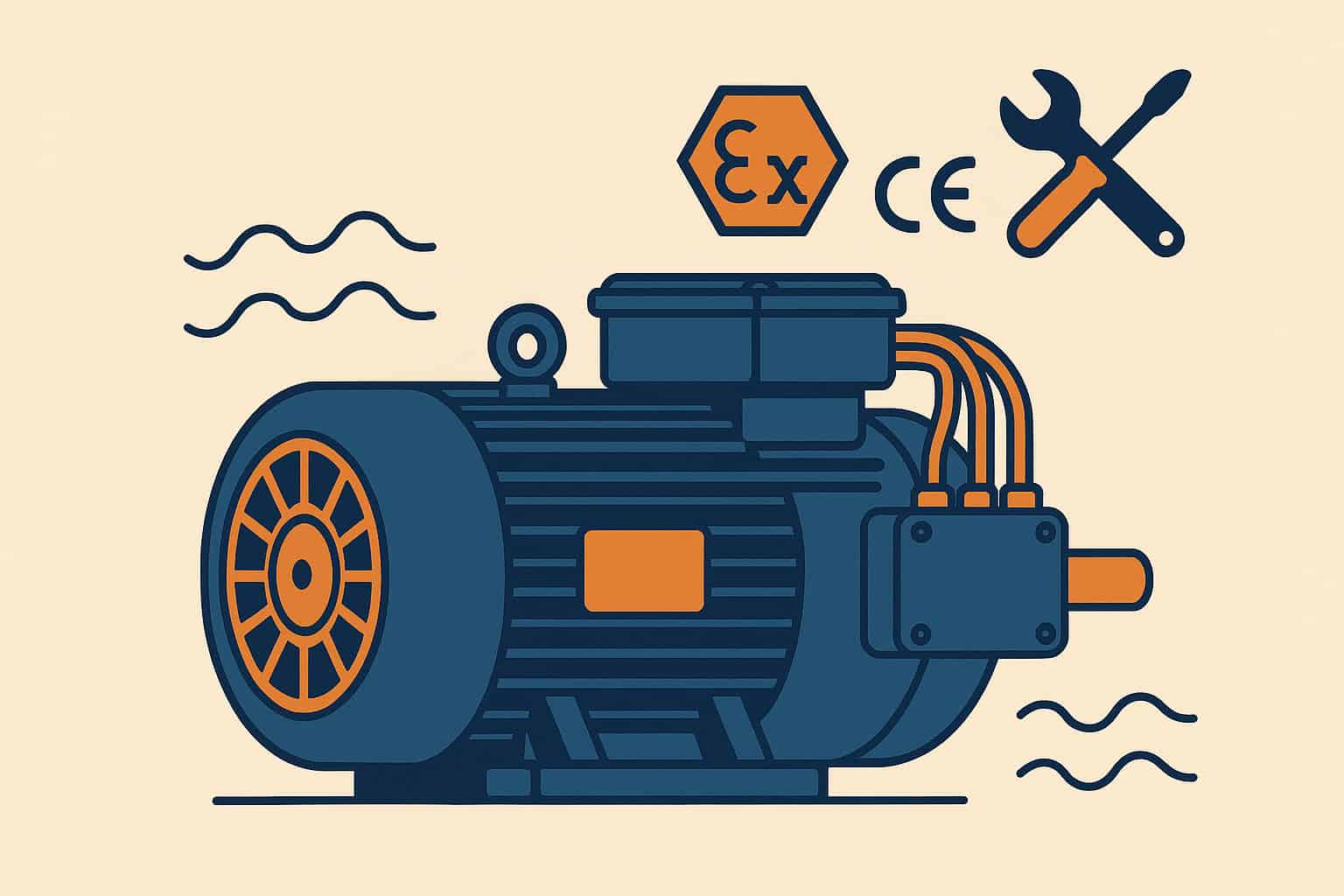
When engineers specify an axial fan motor, they consider more than just power rating. The required speed, starting torque, efficiency, enclosure type (such as TEAO, TEFC or explosion-proof), ambient temperature and presence of dust or gas all influence the choice. In mines and other hazardous areas, the motor must meet strict safety standards and may have flameproof construction and certified surface temperature limits.
In summary, an axial fan motor is the dedicated electric motor that drives an axial ventilation fan. In small fans it is a compact unit integrated with the impeller, while in industrial and mining fans it is a separate, heavy-duty three-phase motor selected to deliver reliable power, efficiency and safety over long periods of continuous operation.