
A simple and clear example of cross ventilation is a room with one window on the east wall and another on the west wall. When both windows are open and there is a breeze outside, air enters through the windward window, flows across the room and exits through the leeward window. This creates a continuous stream of air that sweeps heat, odours and stale air out of the space and replaces it with fresh air from outside.
In an industrial building, cross ventilation can be seen in a long workshop or factory hall. Imagine a hall with a row of intake louvers or doors along one side and a row of exhaust louvers or roof vents along the opposite side. When the wind blows or when large fans assist the flow, air enters through the intake side, travels across the hall and leaves through the exhaust side. Workers standing anywhere between the two sides feel a general movement of air, not just near the doors. This is a practical example of cross ventilation on a larger scale.
Another good example comes from warehouse design. A warehouse may have roller doors or ventilated panels along one external wall and high-level louvers or ventilators on the opposite wall or roof. When these openings are arranged opposite each other and kept unobstructed inside, air can cross the entire storage area. This helps control temperature stratification, removes fumes from forklifts and improves comfort without relying exclusively on mechanical cooling.
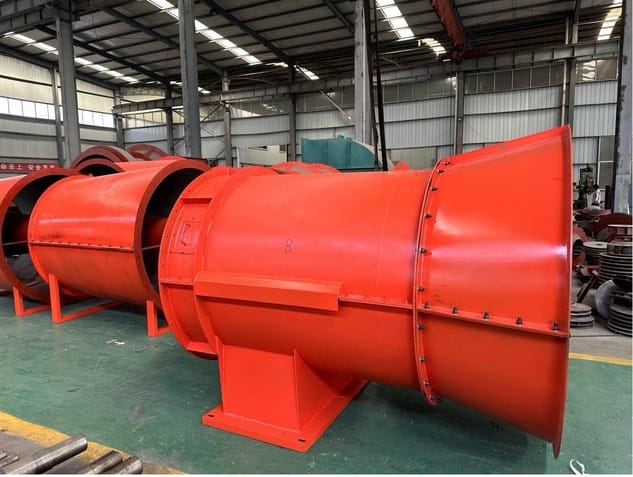
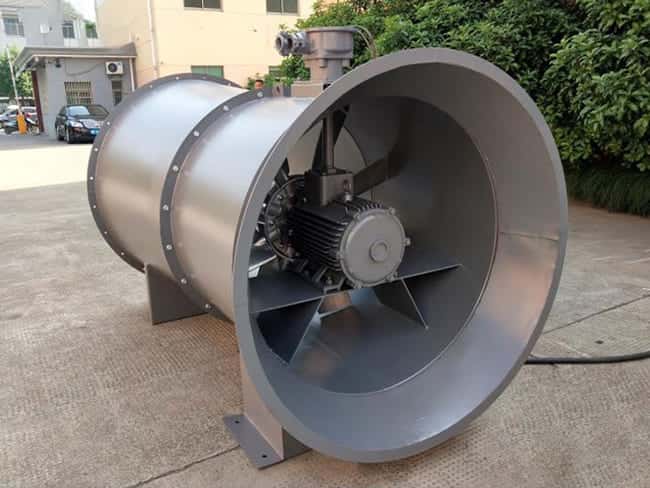
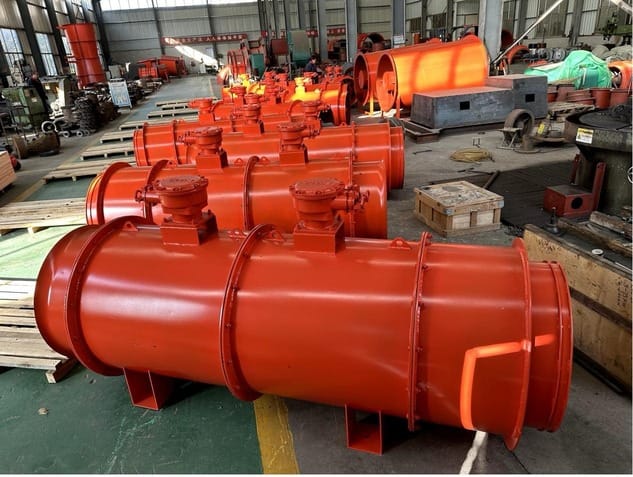
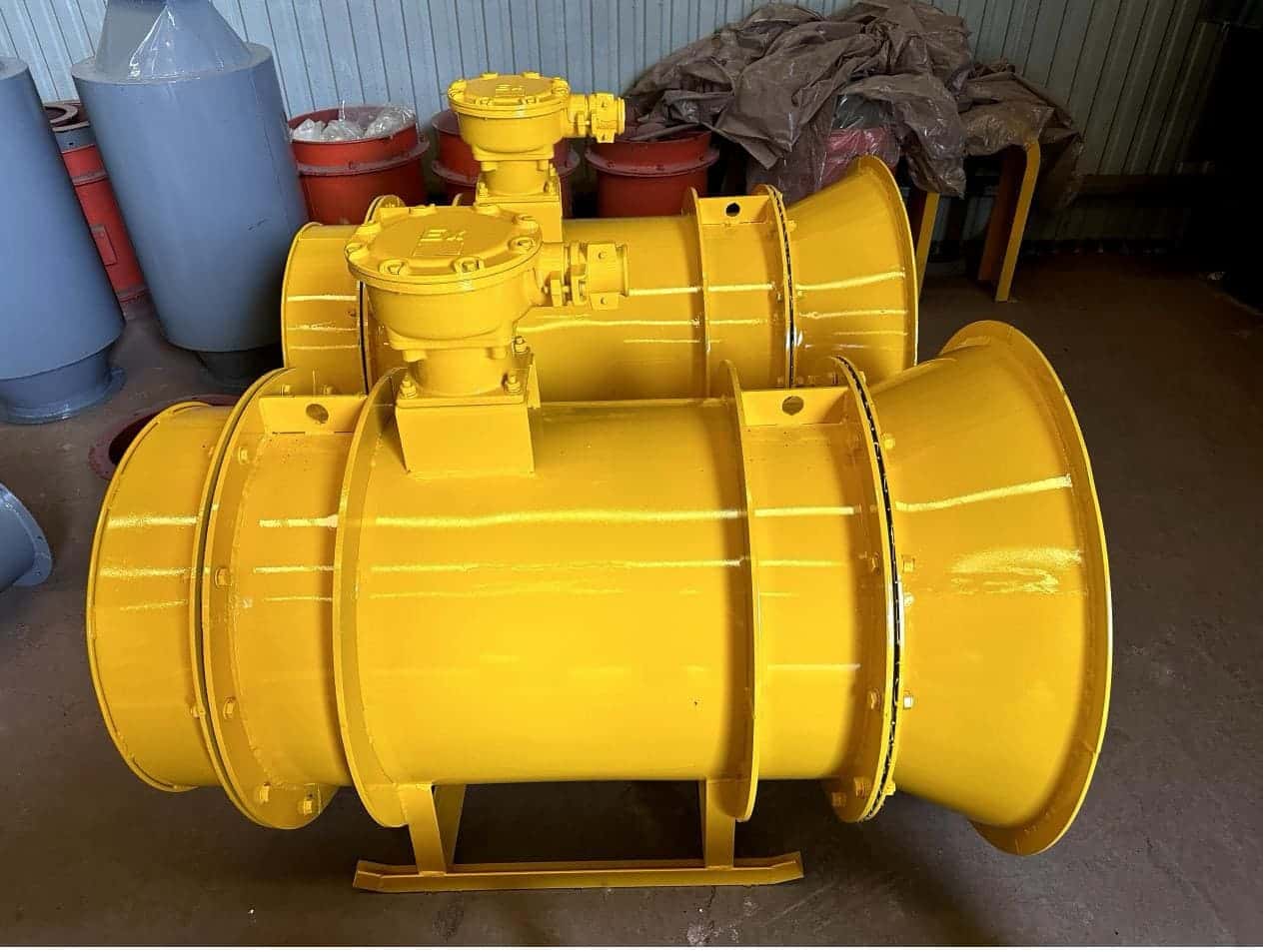
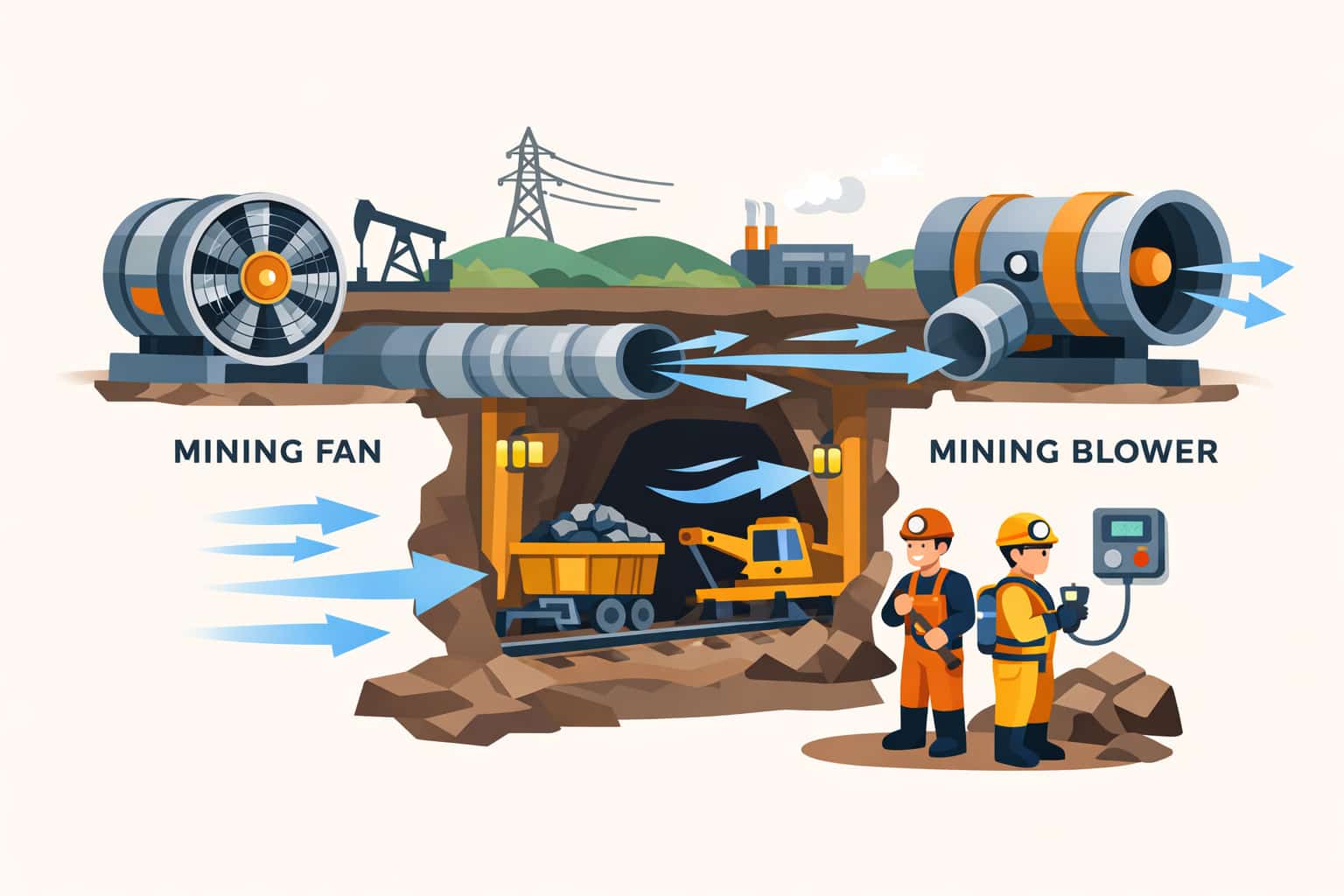
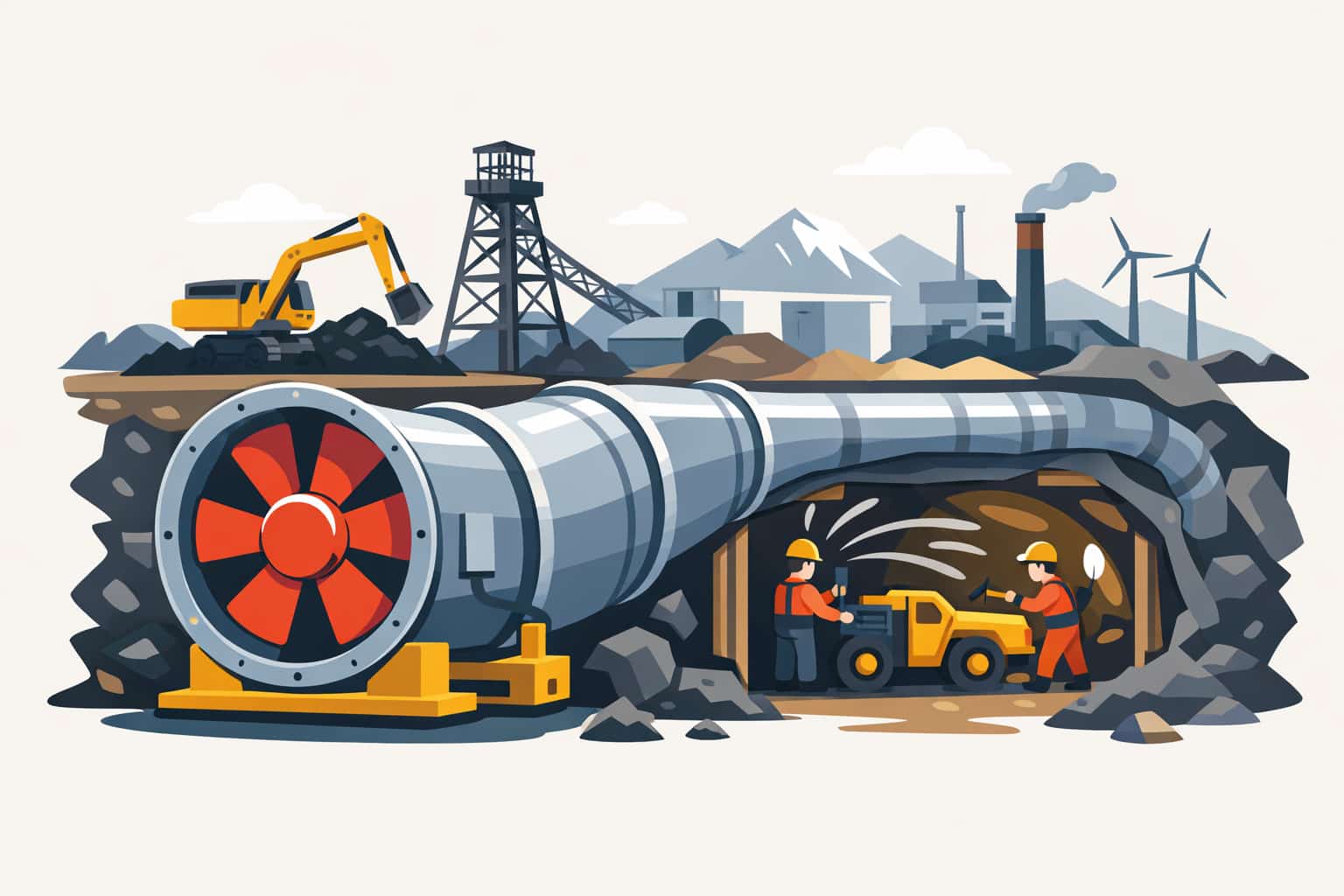
In underground mining, cross ventilation occurs where air flows from an intake drive across a crosscut and into a return airway. For instance, intake air may come down a fresh-air shaft, travel along an intake drift and then cross through an intersection into a return drift that is connected to an exhaust shaft. The opening between the intake and return acts as the cross-ventilated section, with air entering from one side and leaving from the other. Regulators, stoppings and auxiliary fans are used to control how much air passes through this cross connection.
Cross ventilation can also be created in smaller enclosures, such as equipment rooms or containers. If a containerised fan station has a louver on one end and a louver or exhaust fan on the opposite end, and internal equipment is arranged so that air can flow through, the container is cross ventilated. This helps remove heat from motors, drives and transformers.
In all of these examples, the key feature of cross ventilation is the same: air enters on one side, flows through the occupied or working zone and exits on the opposite side. The openings are positioned to take advantage of wind, pressure differences or fans, and the path between them is kept relatively unobstructed so that air movement is effective.