
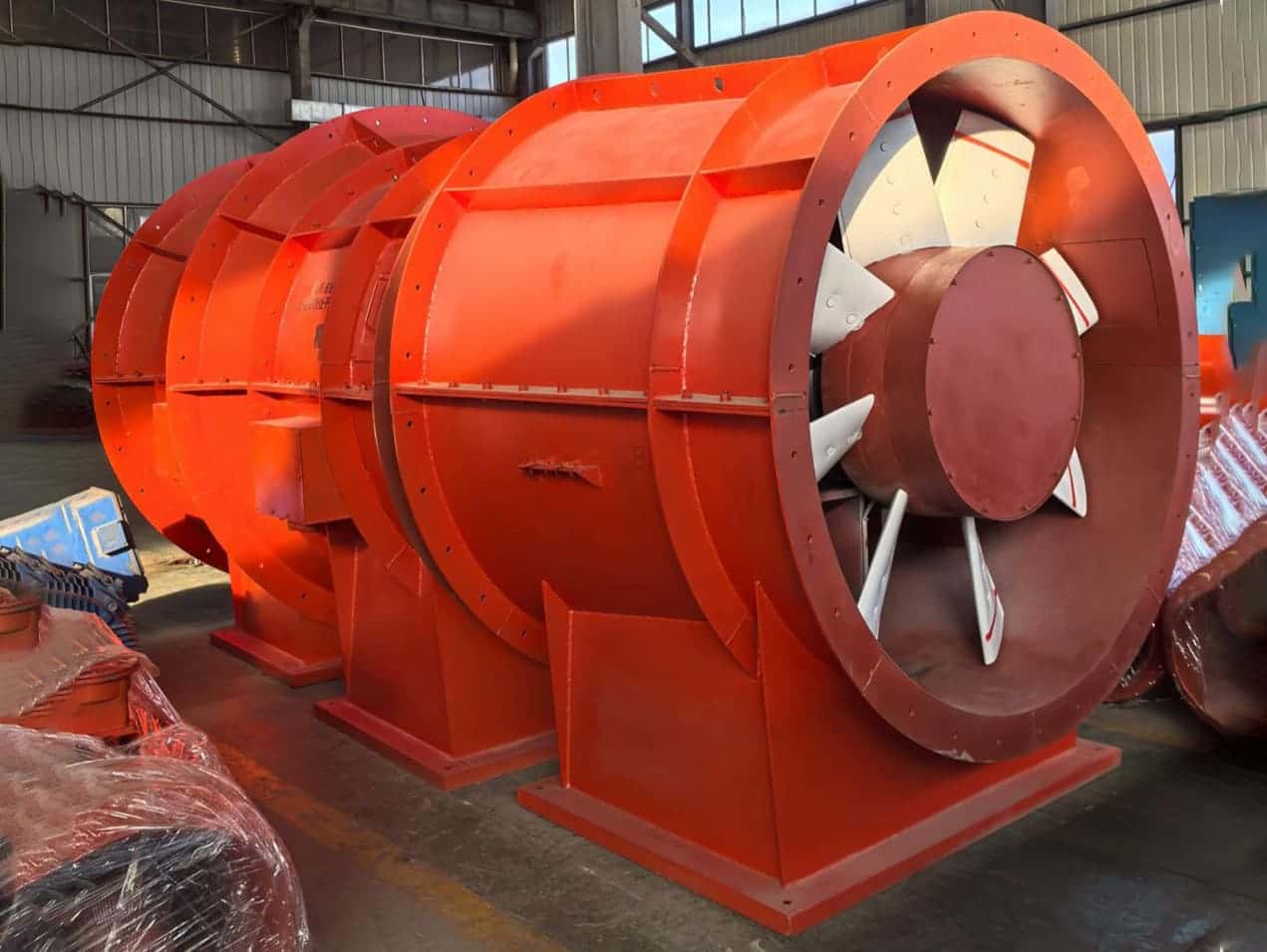
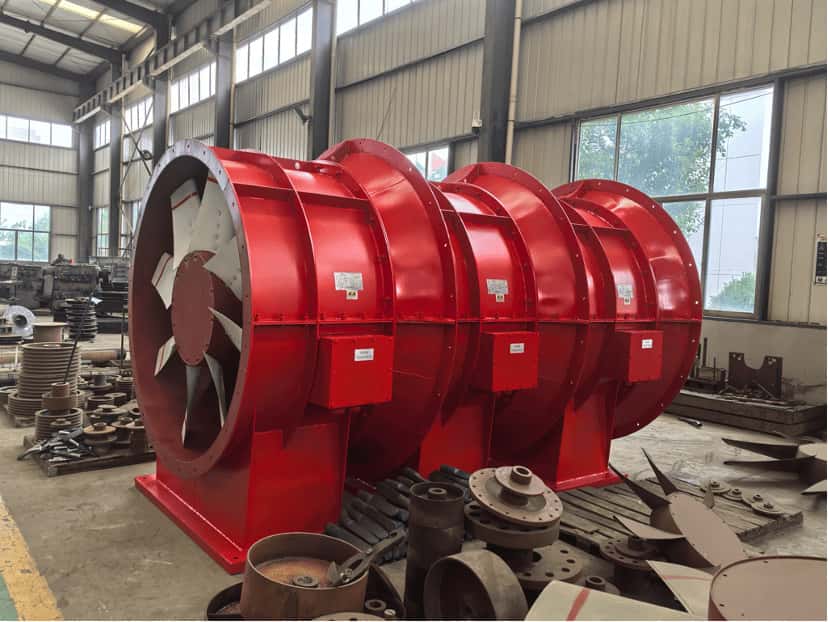
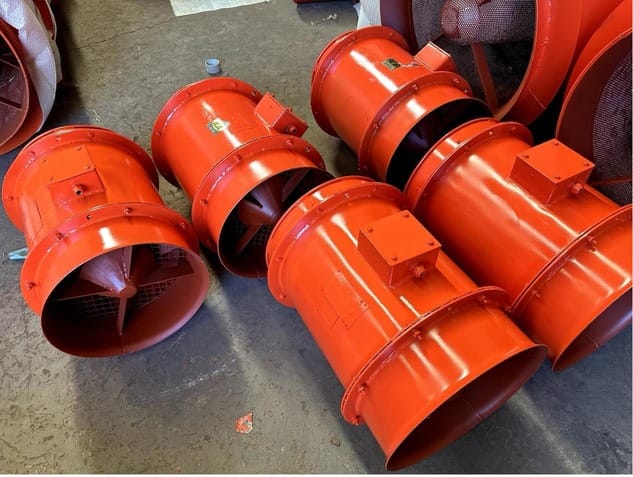
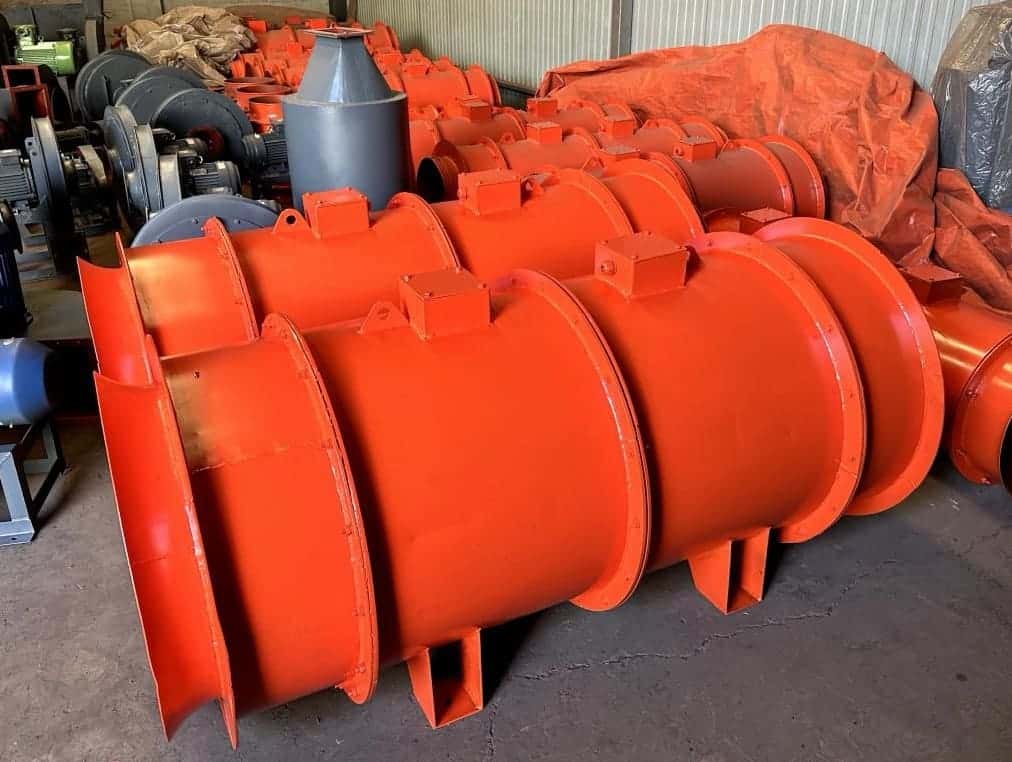
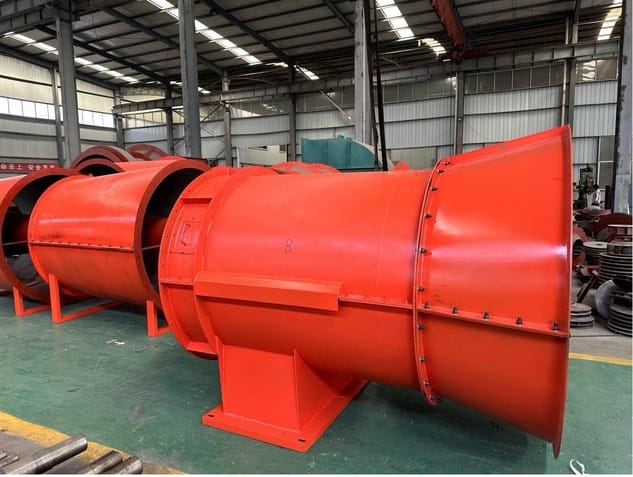
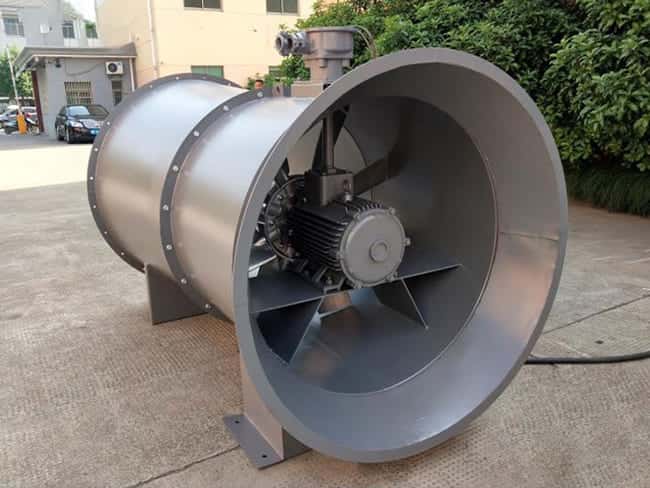
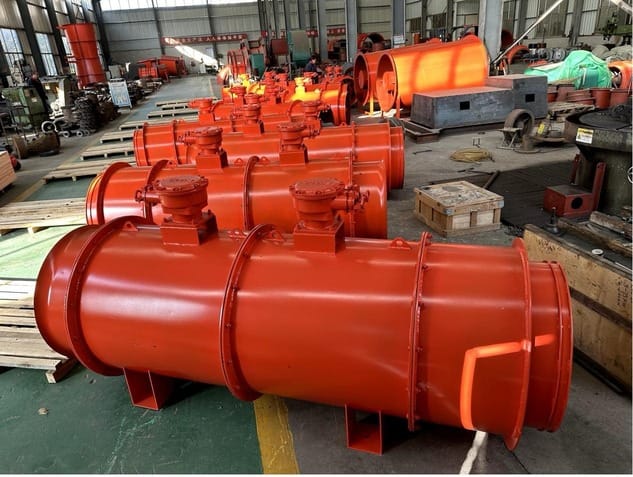
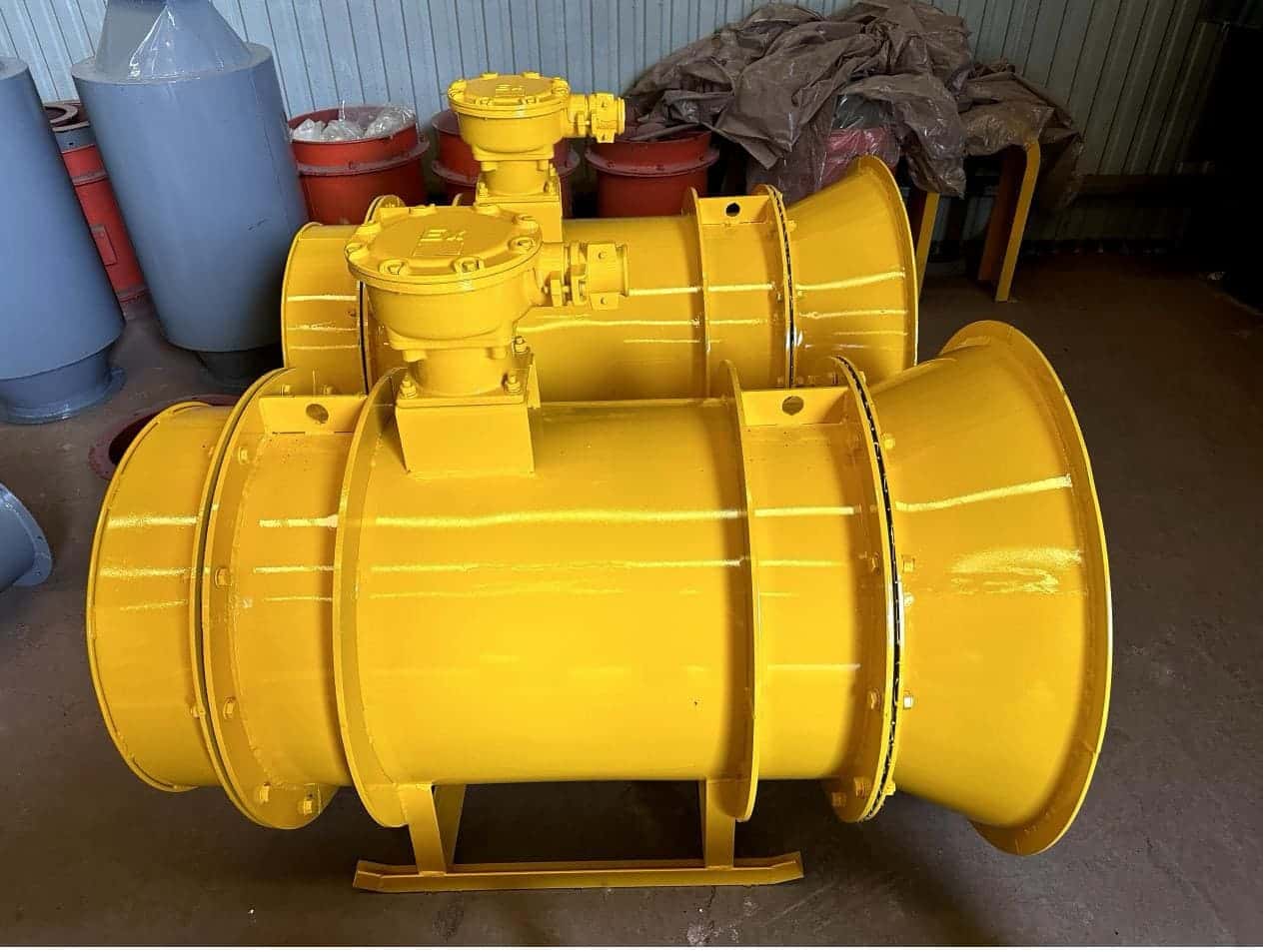
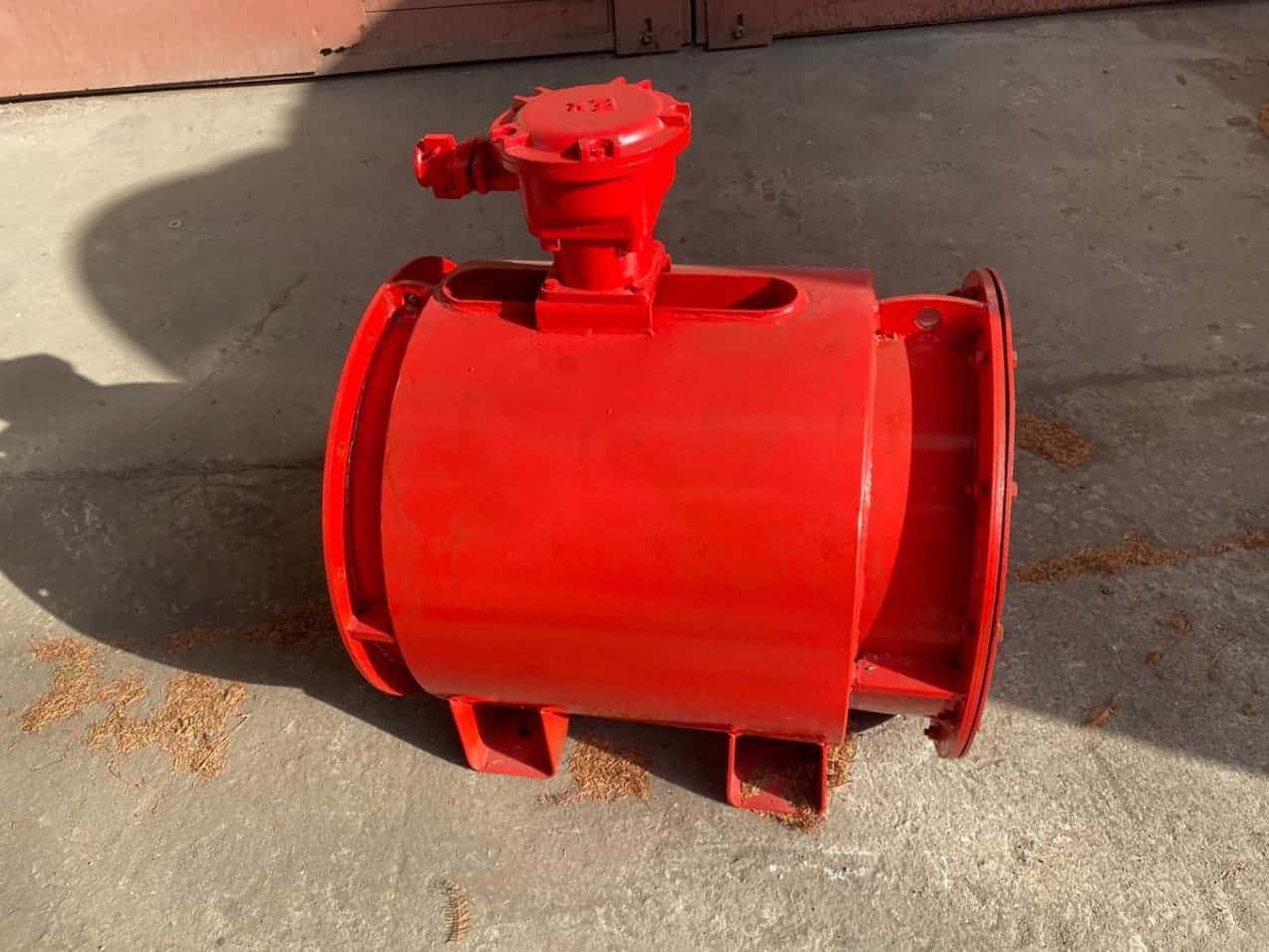
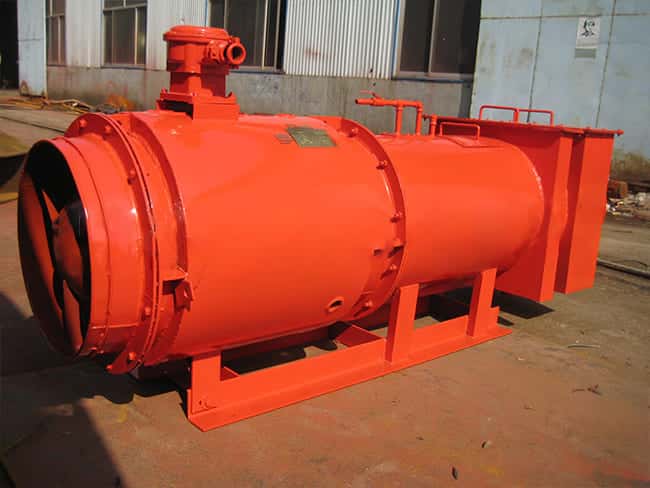
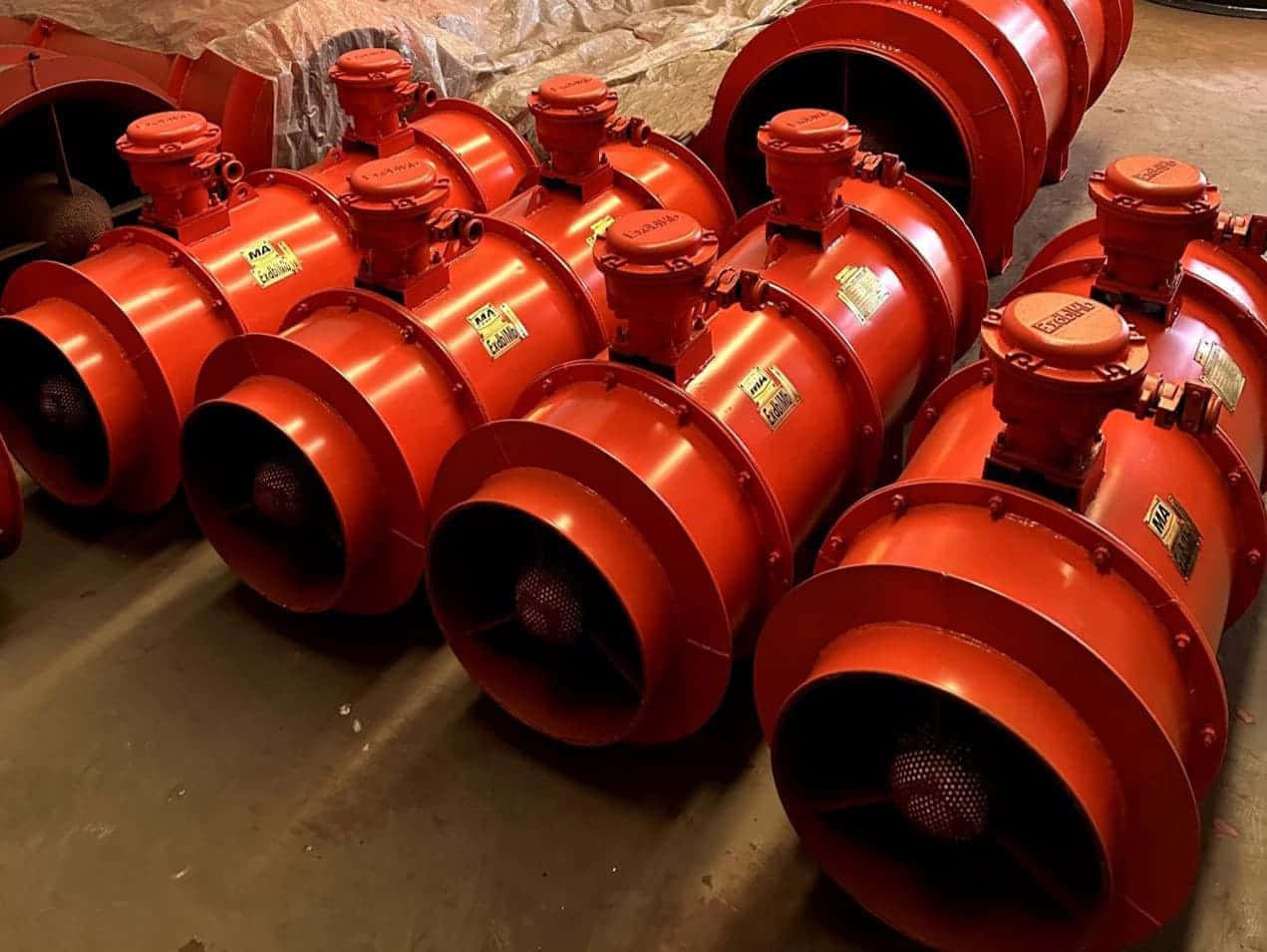
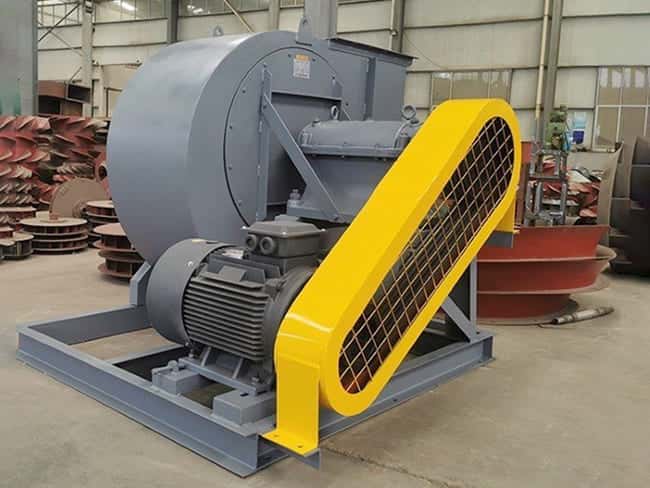
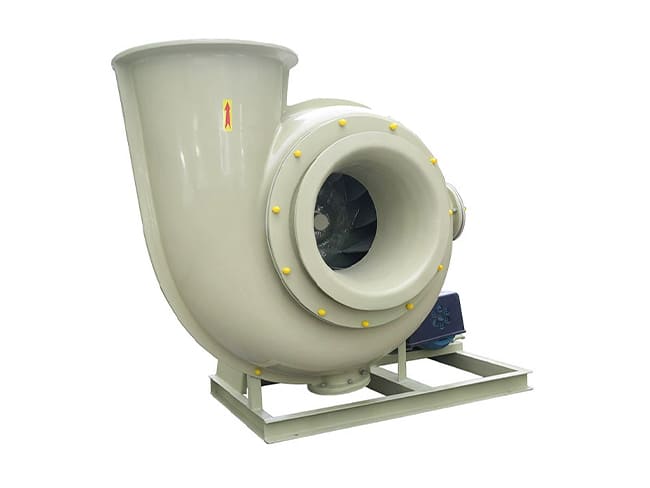
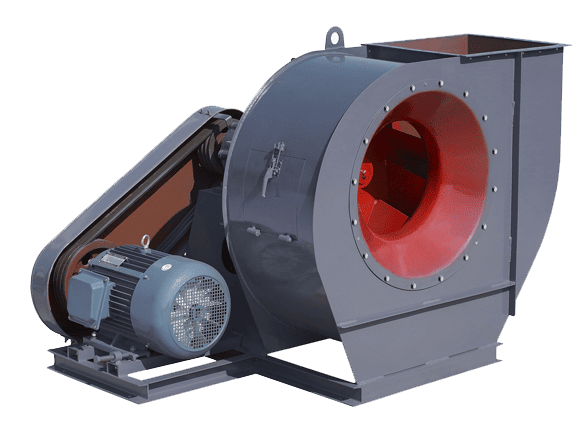
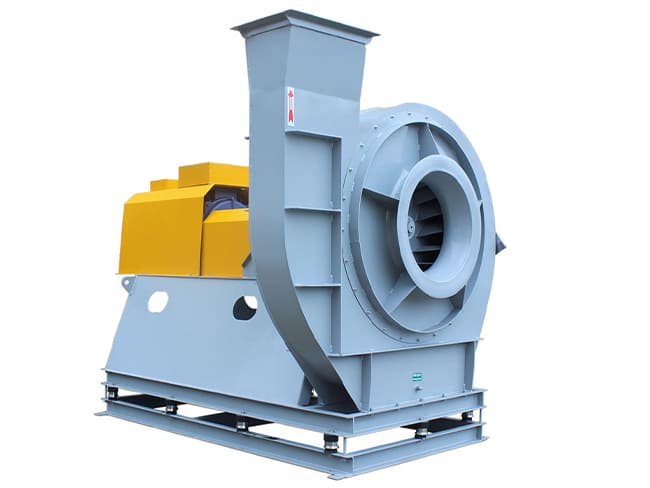
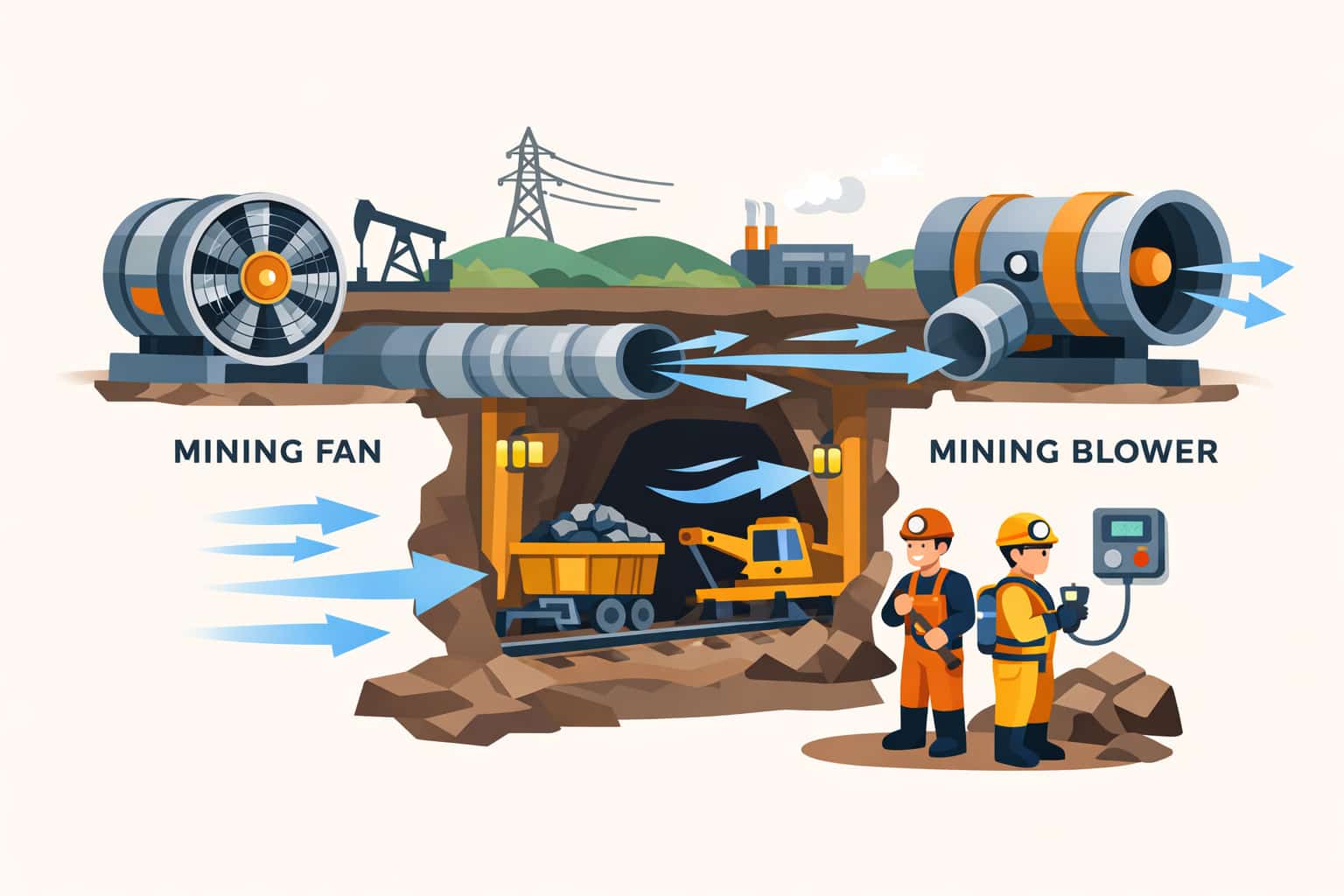
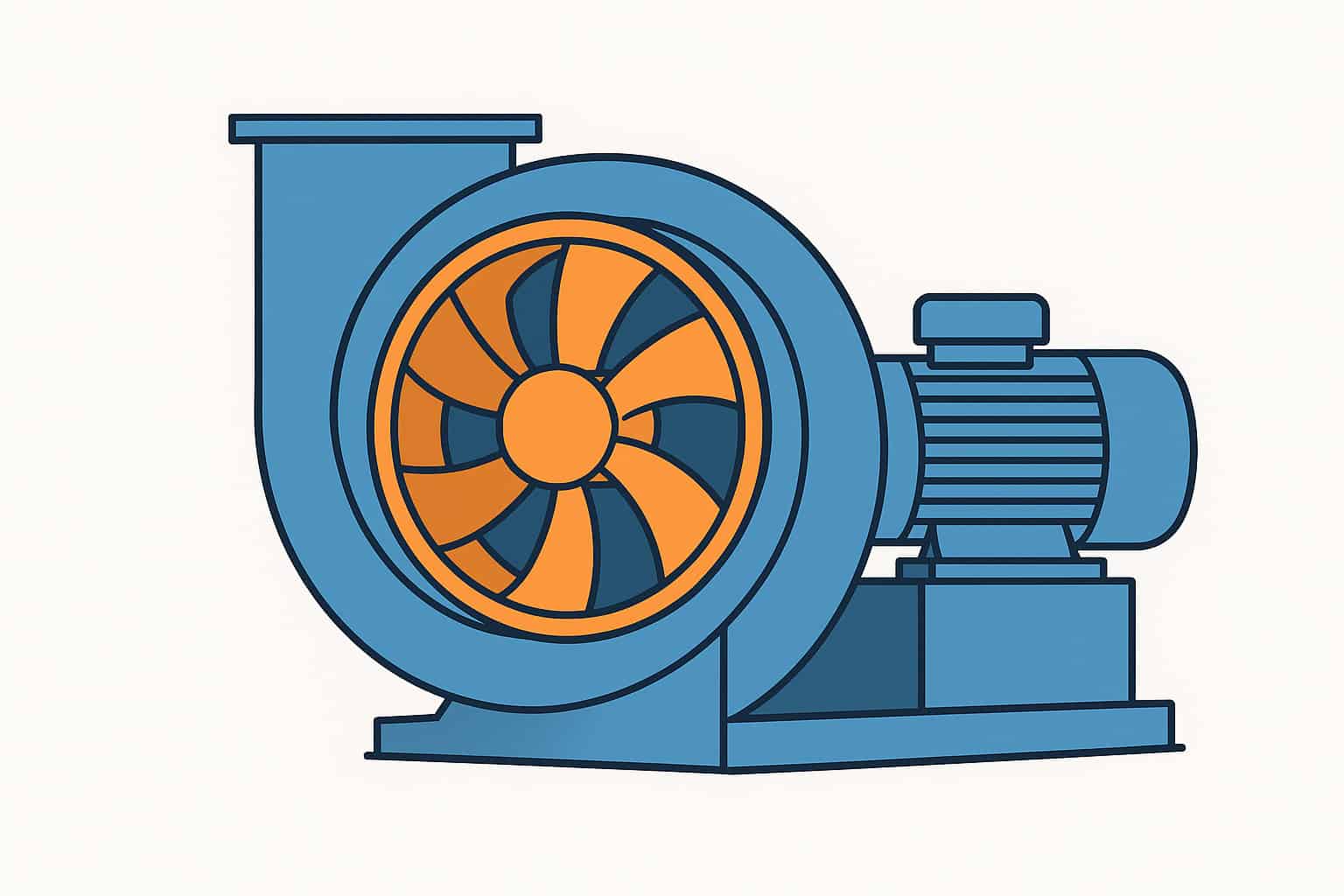
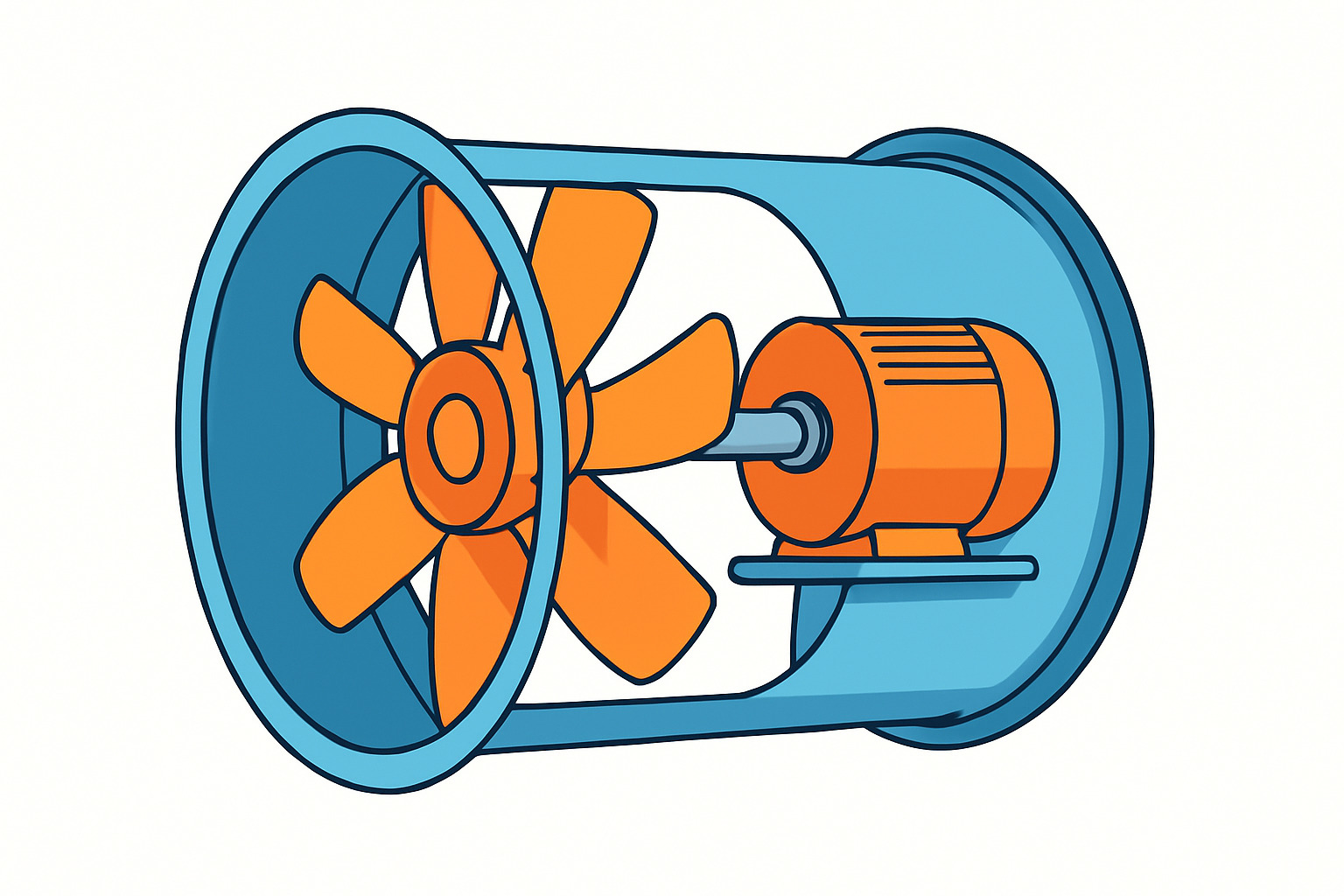
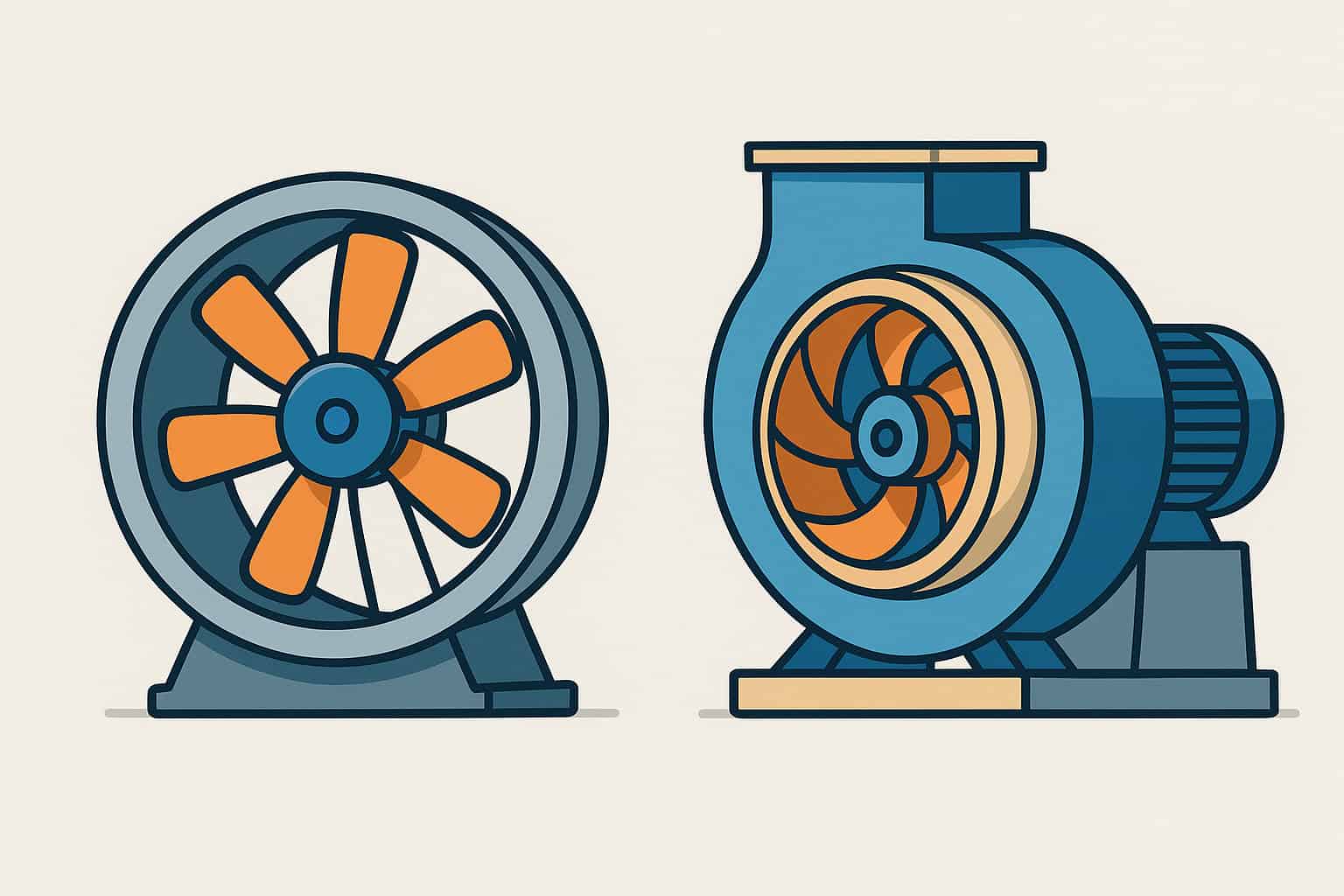
An industrial blower is a mechanical device that moves air or gas at higher pressure and velocity than a standard ventilation fan, specifically for use in industrial plants, processing facilities and mines. While both fans and blowers move air, an industrial blower is designed to overcome greater system resistance, push air through confined passages and deliver stable, controllable airflow to critical processes.
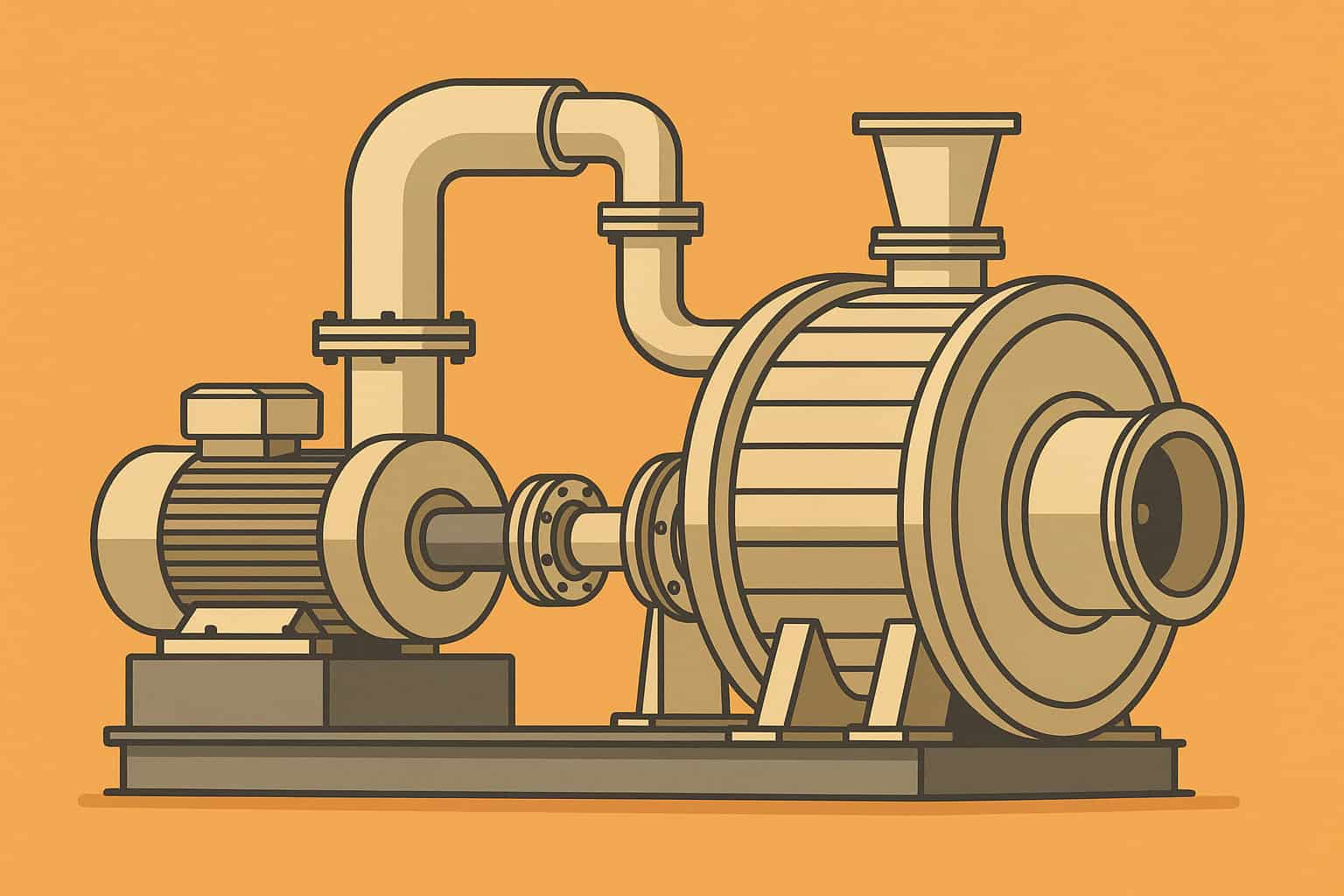
Most industrial blowers are based on centrifugal or positive-displacement principles. In a centrifugal blower, air enters near the centre of a rotating impeller and is flung outward into a scroll-shaped casing by centrifugal force. The casing converts velocity into static pressure, producing a stream of air that can pass through narrow ducts, burners or process equipment. Positive-displacement blowers, such as Roots or screw blowers, move fixed volumes of air by trapping and carrying them from inlet to outlet, generating higher pressures and nearly constant flow over a wider range of conditions.
An industrial blower differs from a general ventilation fan mainly in its pressure range and duty. Fans are used to ventilate spaces, dilute contaminants and move bulk air through low to medium resistance systems like tunnels, workshops and plant buildings. Industrial blowers, on the other hand, are used for more demanding tasks such as supplying combustion air to boilers and kilns, feeding air to oxidation and drying processes, providing aeration in wastewater treatment, generating air for pneumatic conveying, or supplying purge air to electrical enclosures.
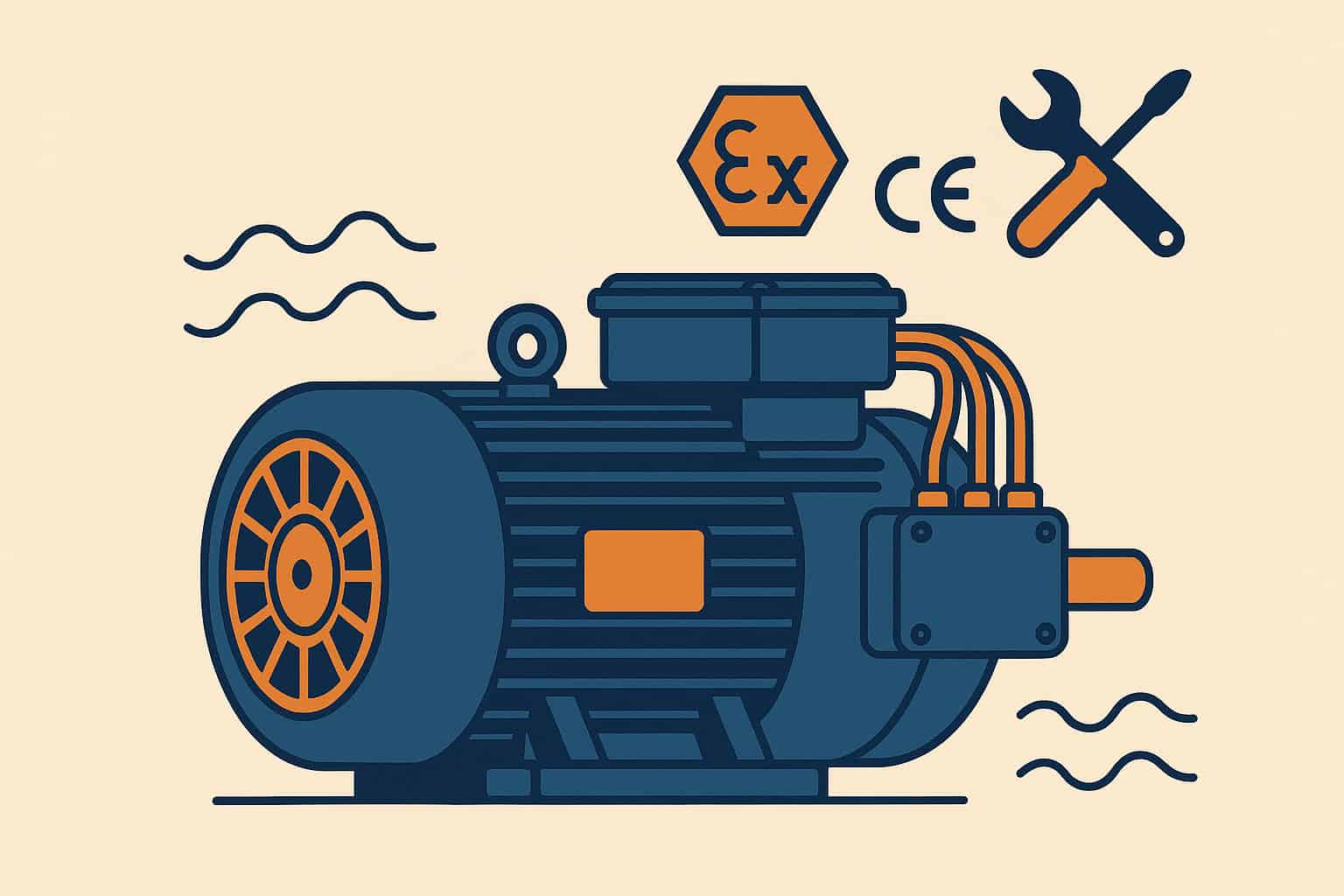
Because blowers work at higher pressures, they require stronger casings, accurately machined impellers and carefully selected motors. Materials must withstand continuous operation, possible temperature extremes and any contaminants in the air stream. Noise control, vibration isolation and proper foundation design are also important, since the higher velocities and pressures can create more acoustic and mechanical energy than low-pressure fans.
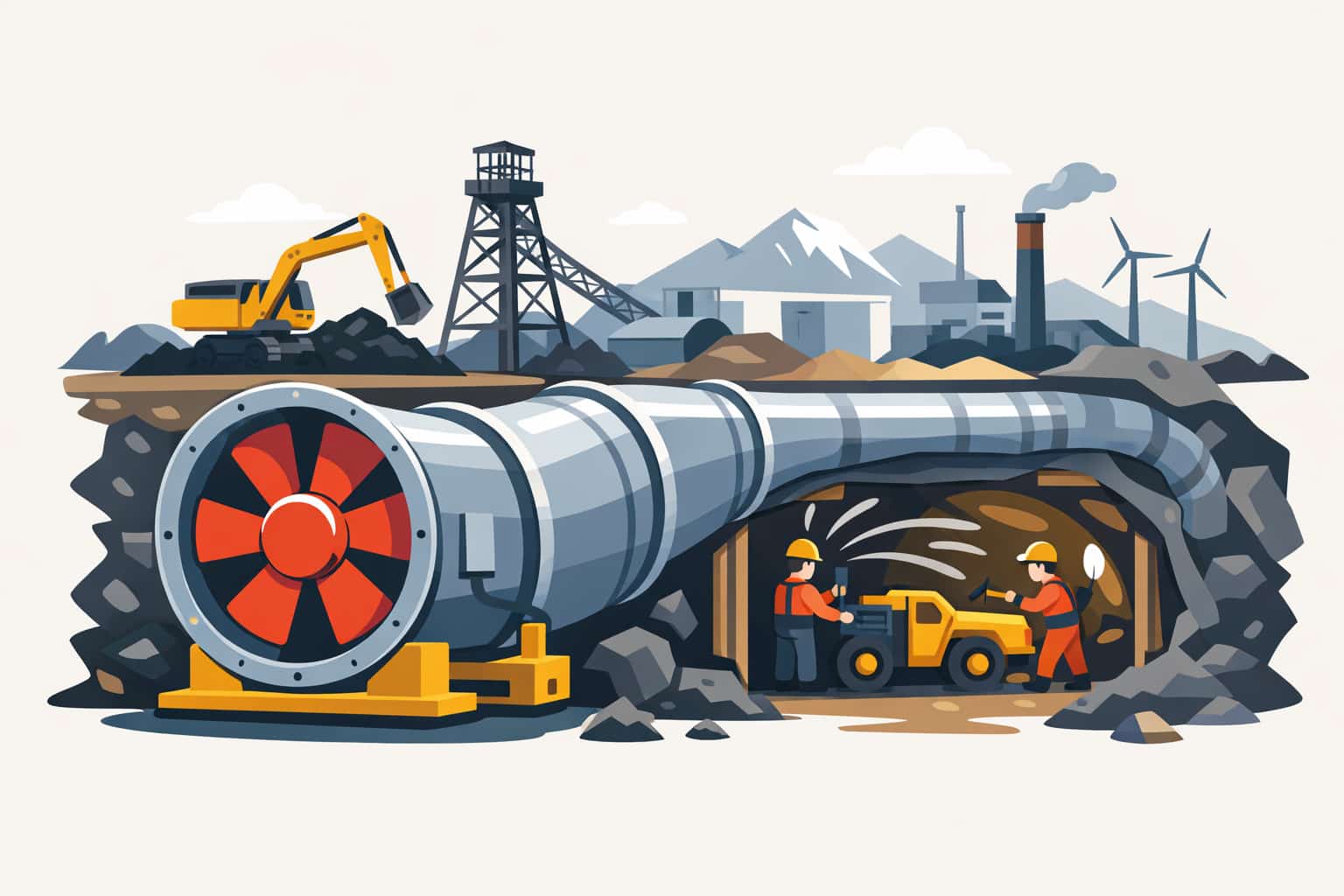
In mining and heavy industry, industrial blowers play a support role alongside main ventilation fans. They may supply high-pressure air to dust collection systems, feed burner air to dryers or furnaces, provide aeration for water treatment plants associated with the mine, or power pneumatic conveying systems for fine materials. They are integrated into process lines and controlled through variable speed drives, dampers or bypass arrangements to maintain stable process conditions.
In summary, an industrial blower is a specialised air-moving machine designed to deliver air or gas at higher pressure and velocity for process, combustion, conveying and local ventilation duties. It complements, rather than replaces, large mining and industrial fans that handle bulk ventilation of tunnels, shafts and buildings.