












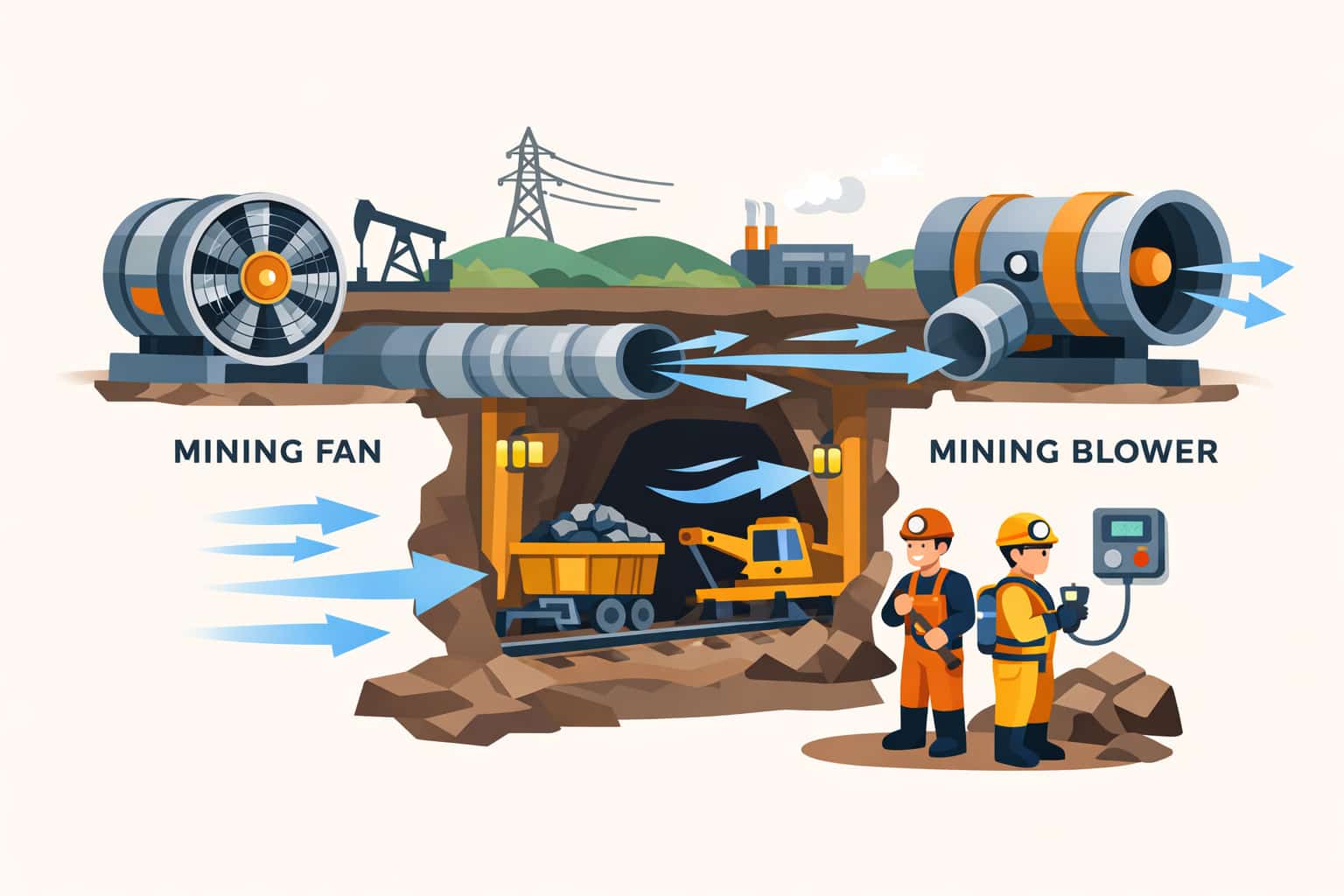


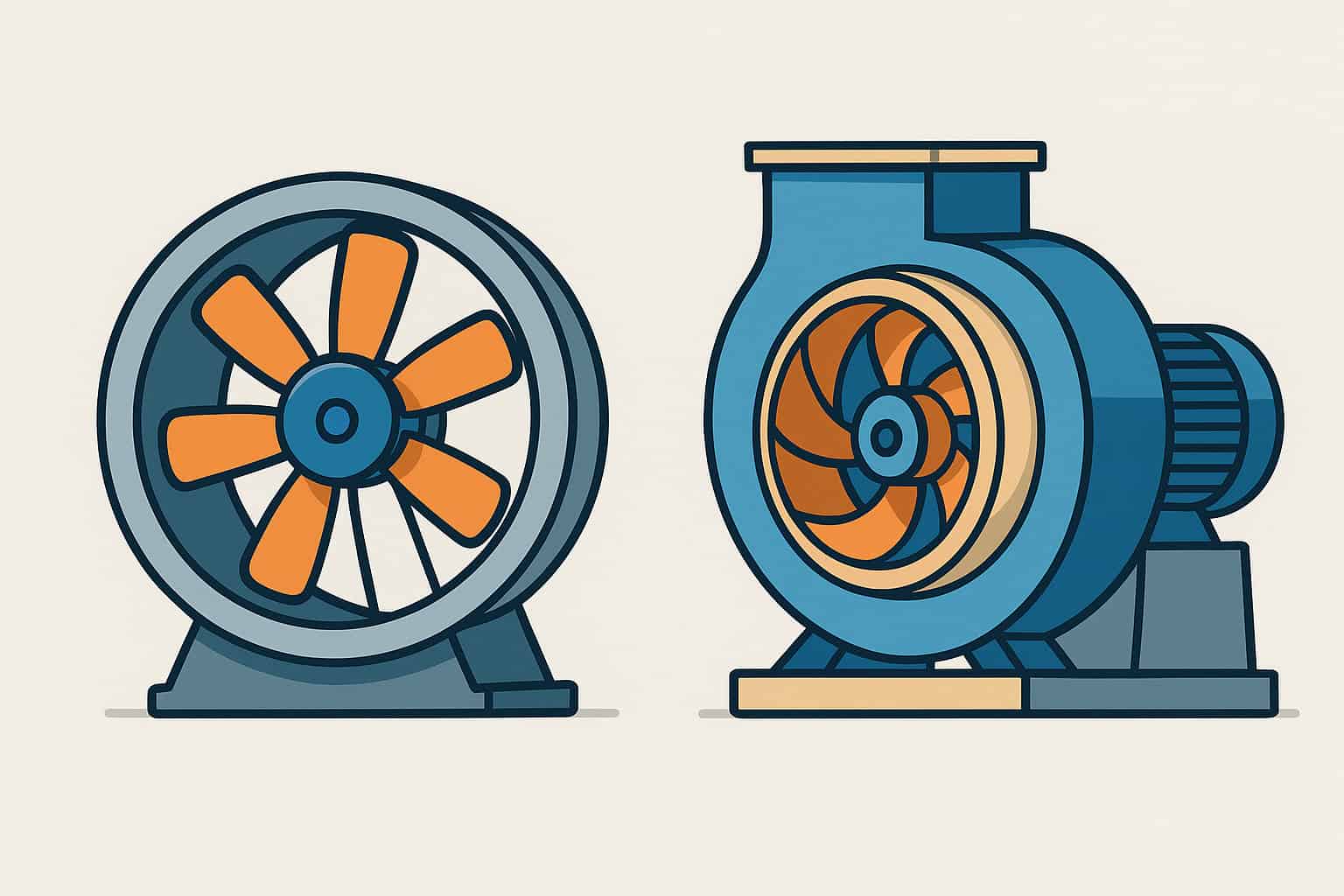
A high velocity fan is generally understood to be a fan that produces a concentrated air stream with a relatively high outlet speed, rather than a gentle, broadly distributed flow. Instead of just moving air quietly across a room, high velocity fans create a strong jet of air that can be felt at a distance. In industrial and mining environments, this type of fan is used for spot cooling, jet ventilation, fume control and driving airflow along tunnels or ducts.
There is no single universal cut-off speed, but in comfort cooling applications, typical household fans may deliver outlet velocities of only a few metres per second. By contrast, high velocity fans often produce local air speeds in the range of 5–15 m/s or more at the outlet or in the immediate jet. In tunnel and mining jet fans, the exhaust velocity can be even higher, because the purpose is to generate strong thrust to move large volumes of air over long distances.
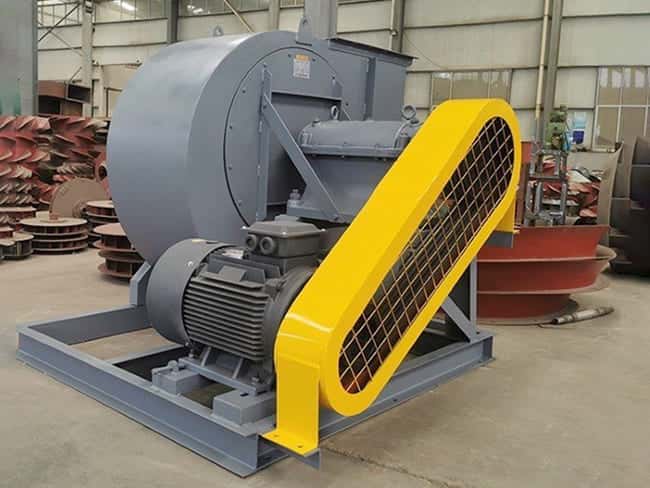
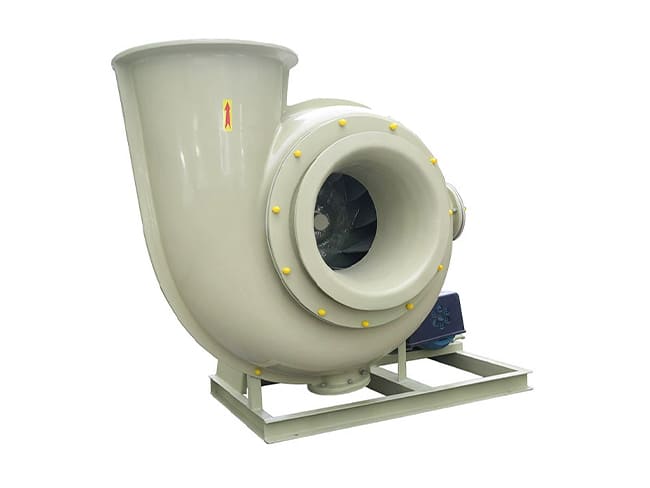
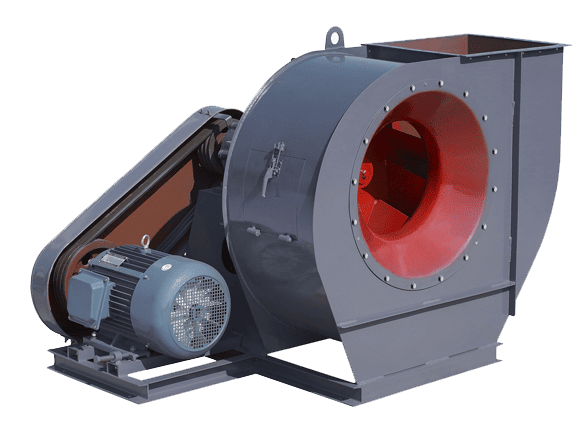
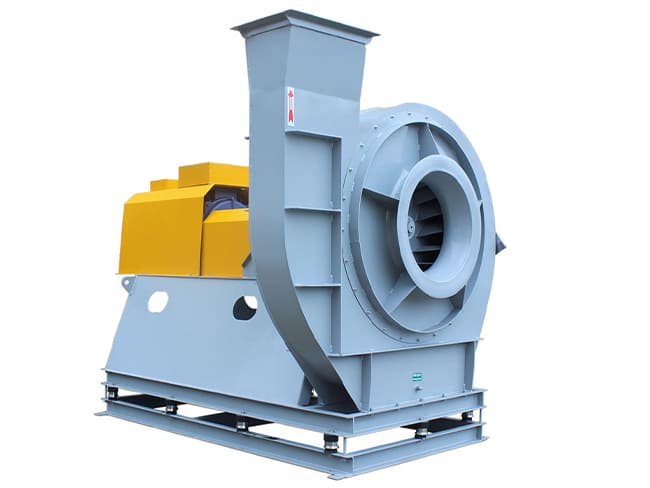
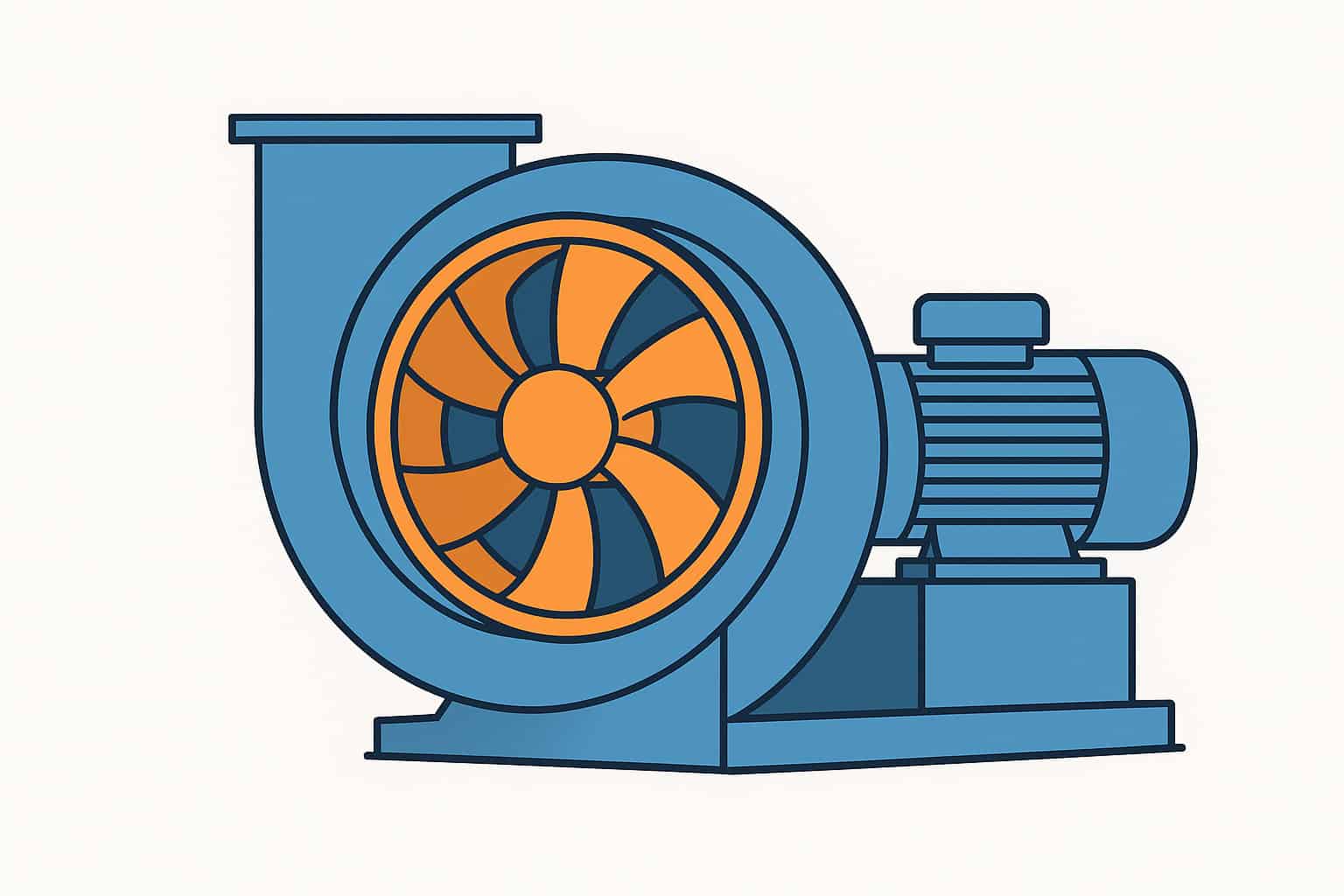
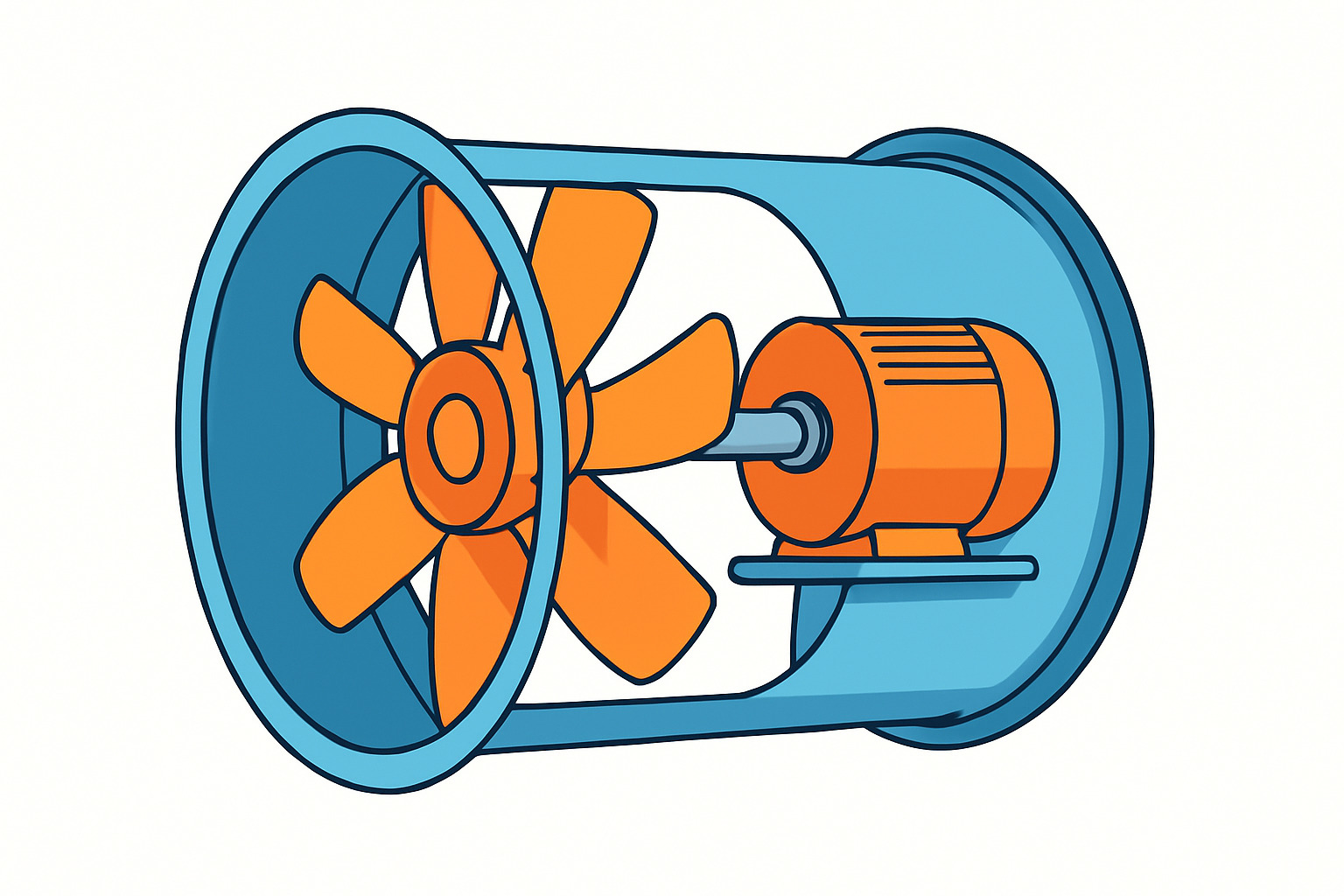
High velocity fans are usually axial designs with tight outlet areas, such as tube axial fans, jet fans, drum fans or high-speed pedestal units with narrow grills. The geometry of the outlet and blades is chosen to focus the air stream. In some cases, high velocity centrifugal blowers are used, especially where air needs to be pushed through small ducts or directed at specific process equipment.
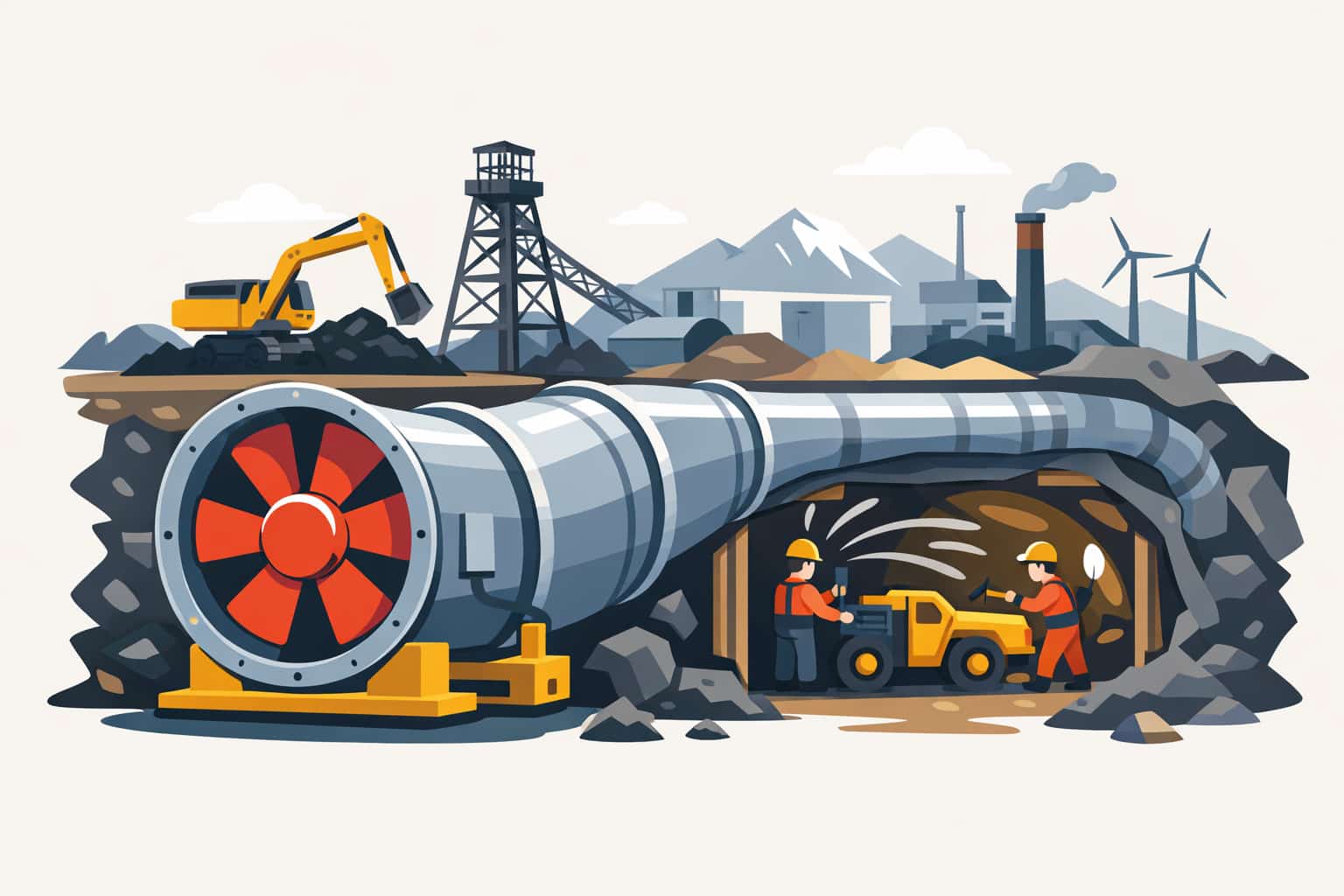
Because of their strong jet, high velocity fans are particularly useful for spot cooling and local ventilation. In workshops, they can be pointed at hot workstations, welding bays or machinery to improve comfort and disperse fumes. In underground mines and tunnels, jet fans mounted along the roof create longitudinal airflow, pushing fumes and smoke towards exhaust portals.
However, the same characteristics that make a fan “high velocity” also bring trade-offs. Noise levels are typically higher, because high outlet speeds generate more turbulence. The concentrated jet can create drafts and may be uncomfortable or dusty if pointed directly at people. In some cases, additional guarding or positioning is needed to avoid blowing dust and debris into sensitive areas.
In summary, a high velocity fan is one that produces a focused air jet at significantly higher speed than ordinary comfort fans. It is used where strong, directional airflow is required for cooling, ventilation or contaminant control in industrial plants, workshops, tunnels and underground mines.
