
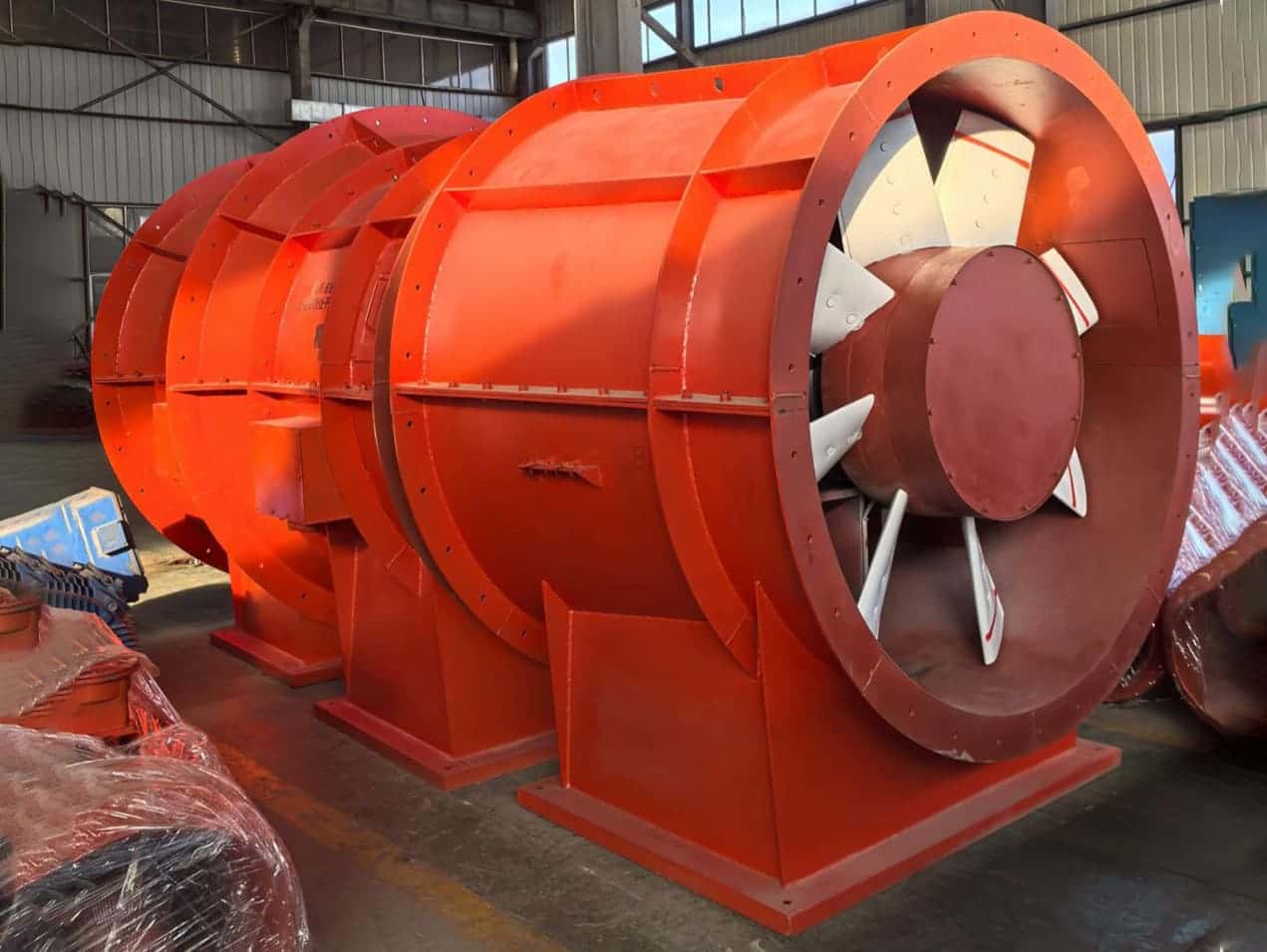
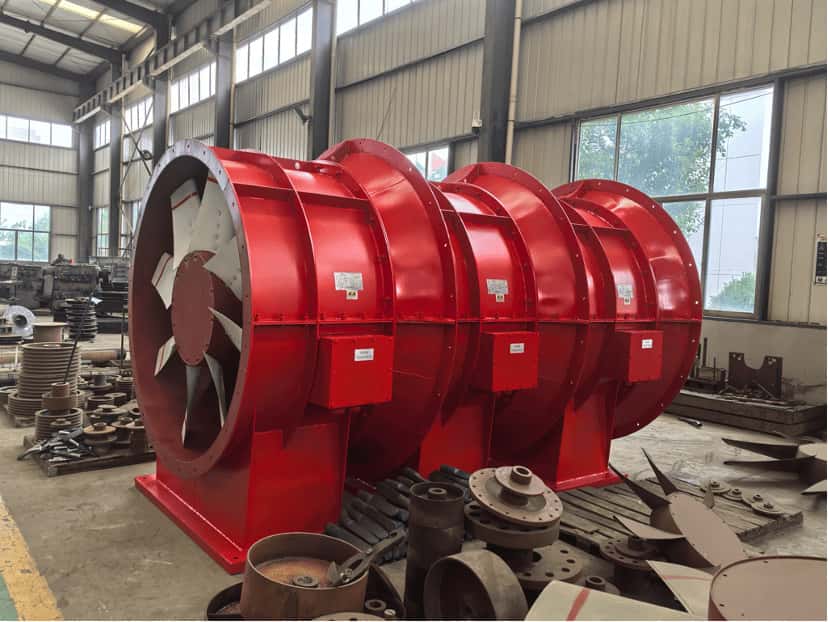
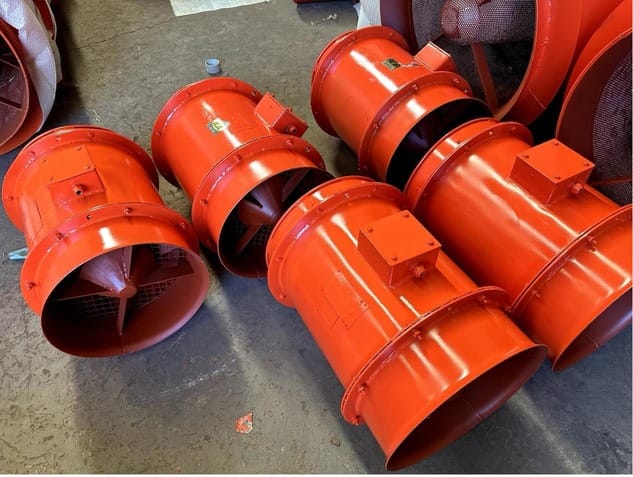
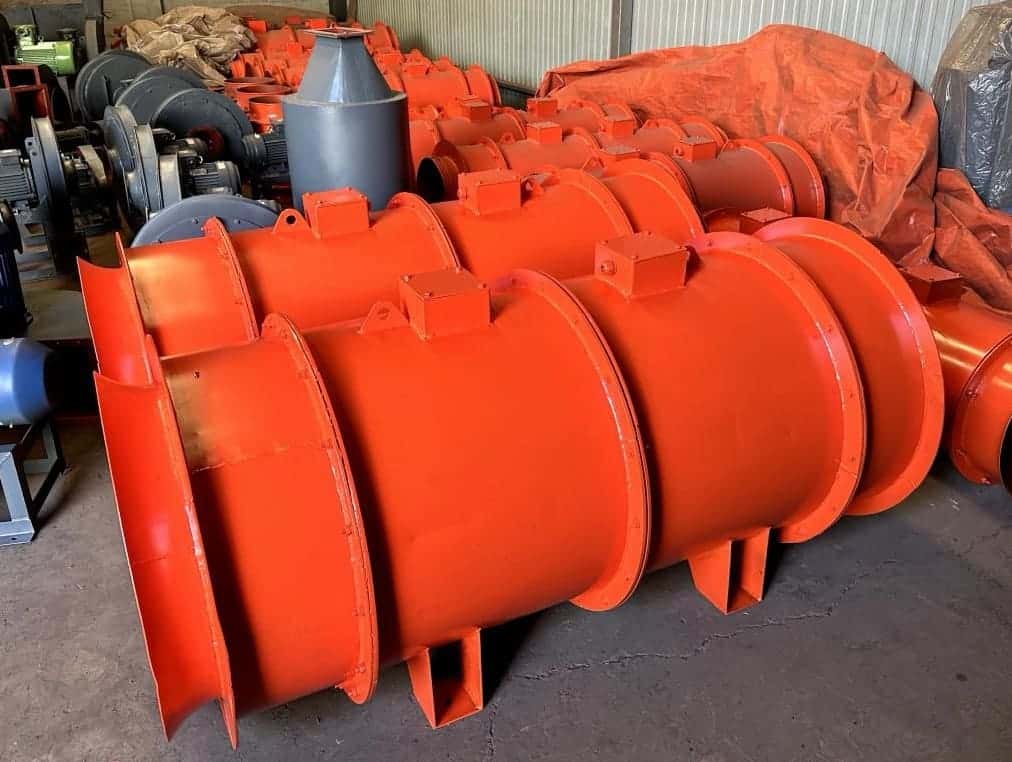
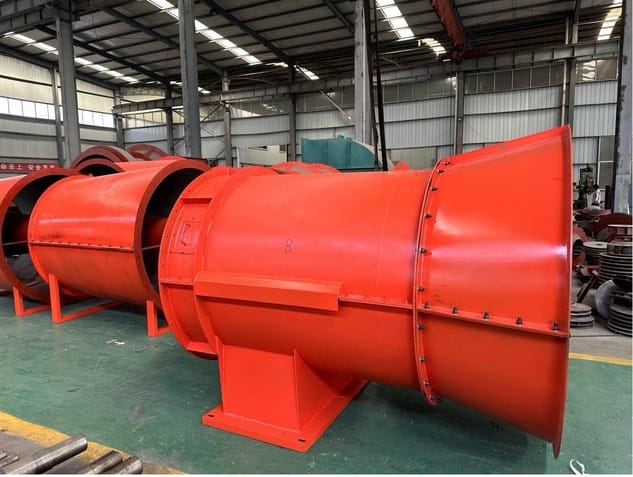
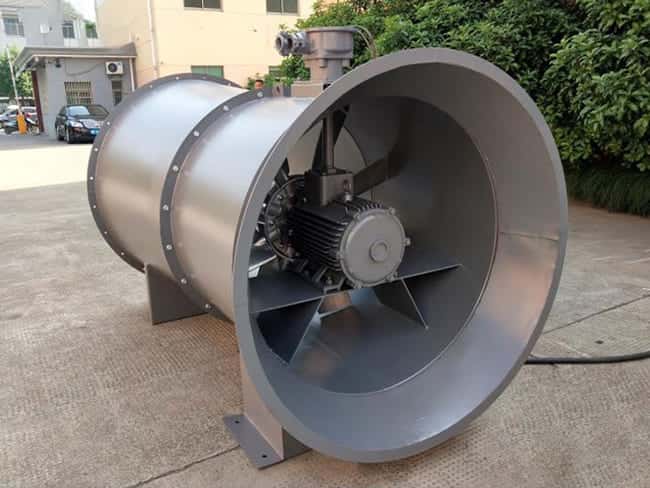
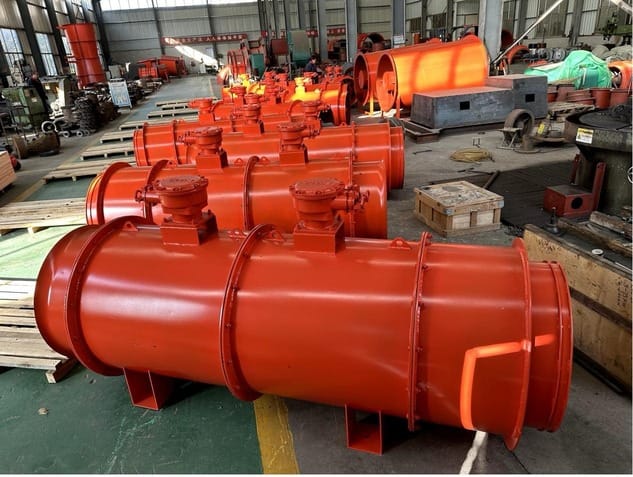
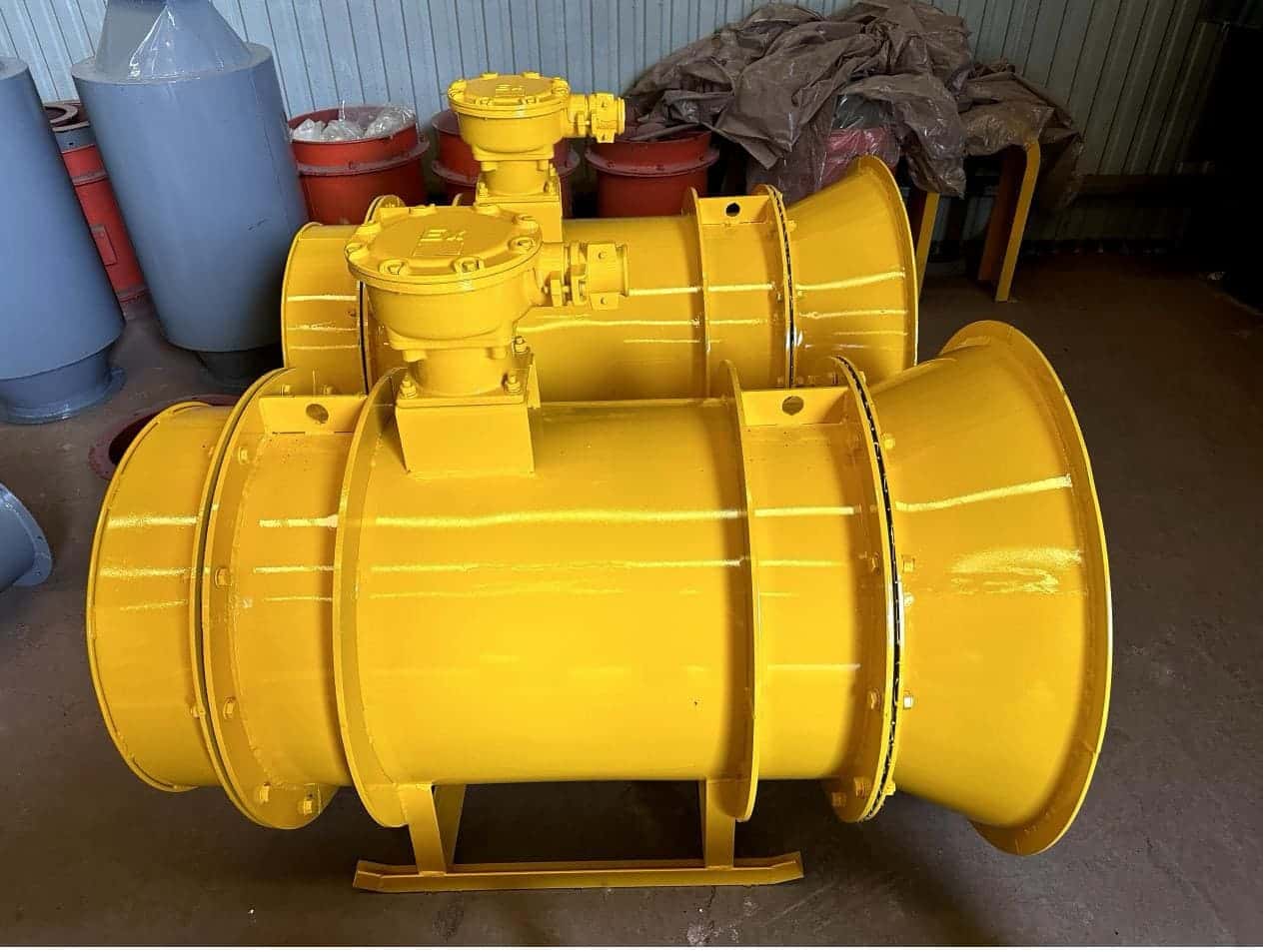
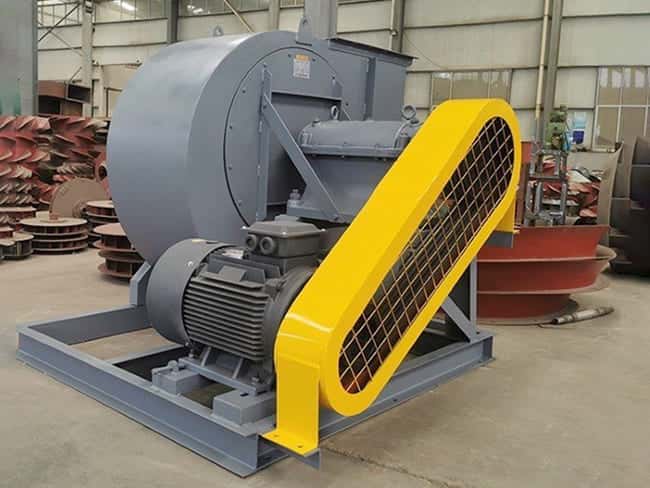
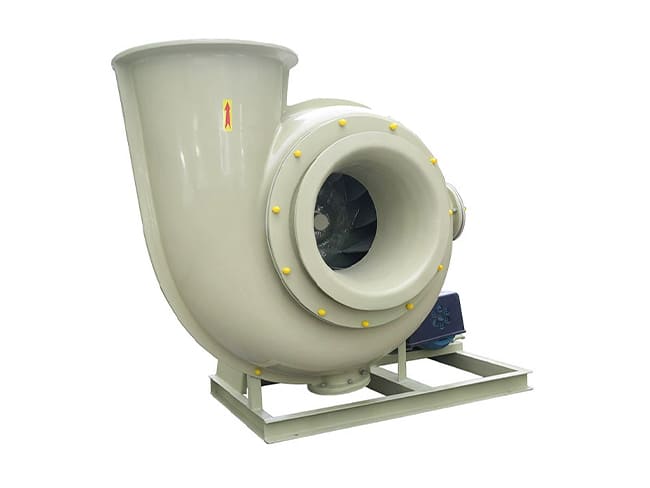
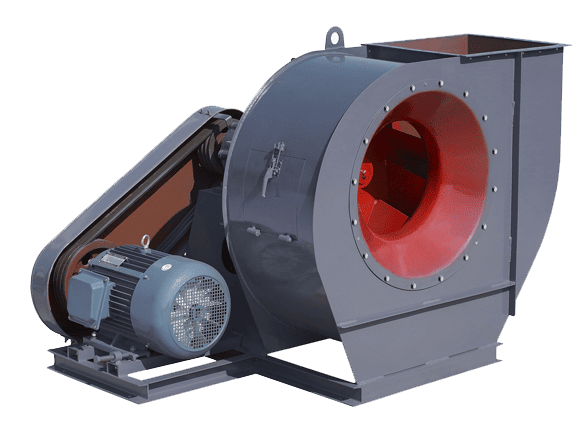
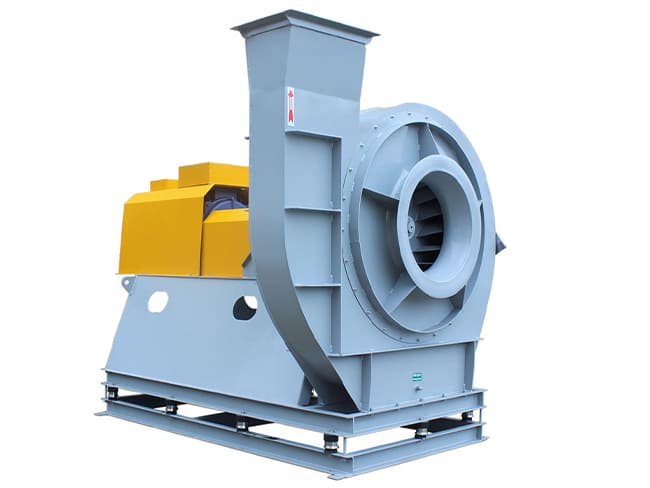
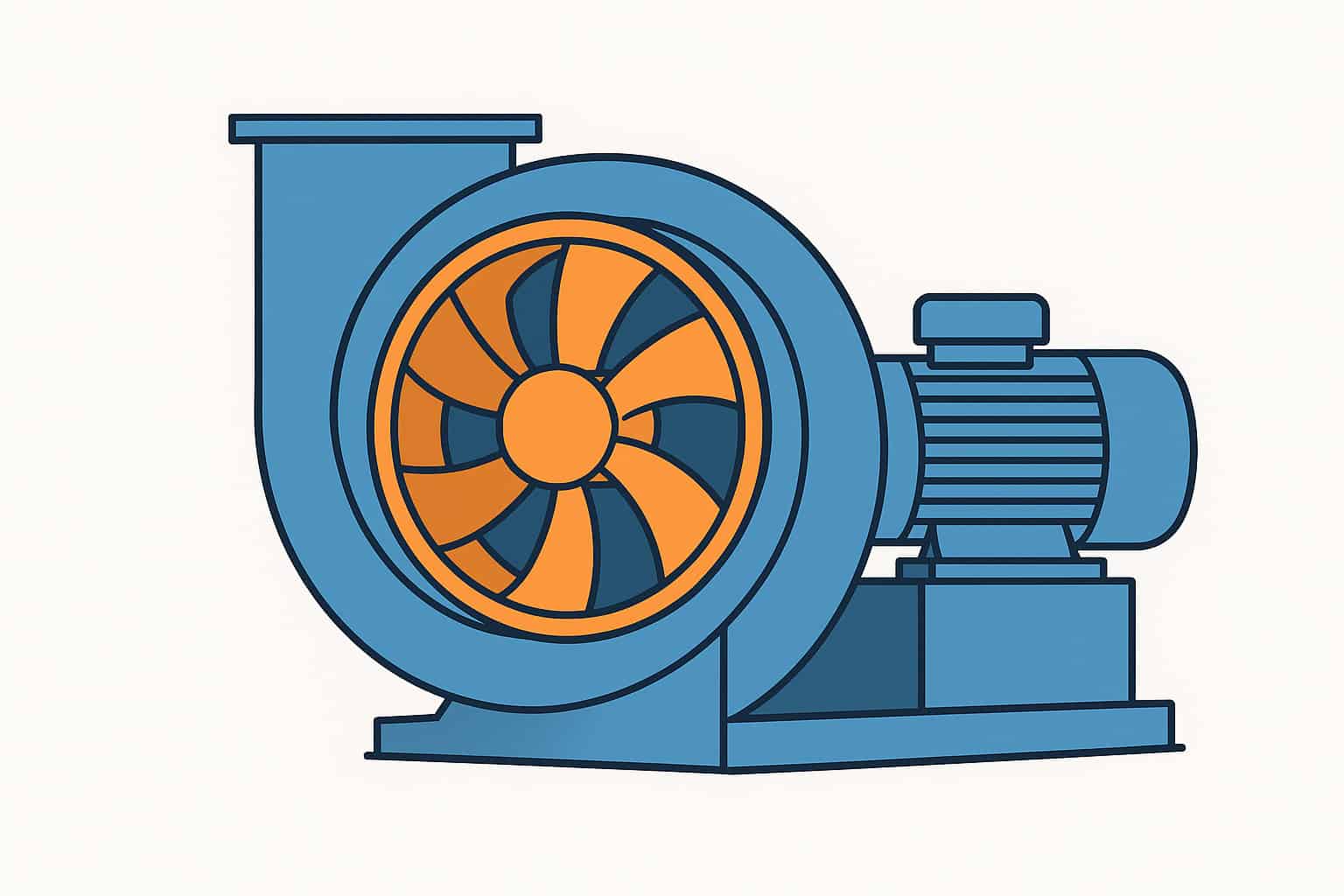
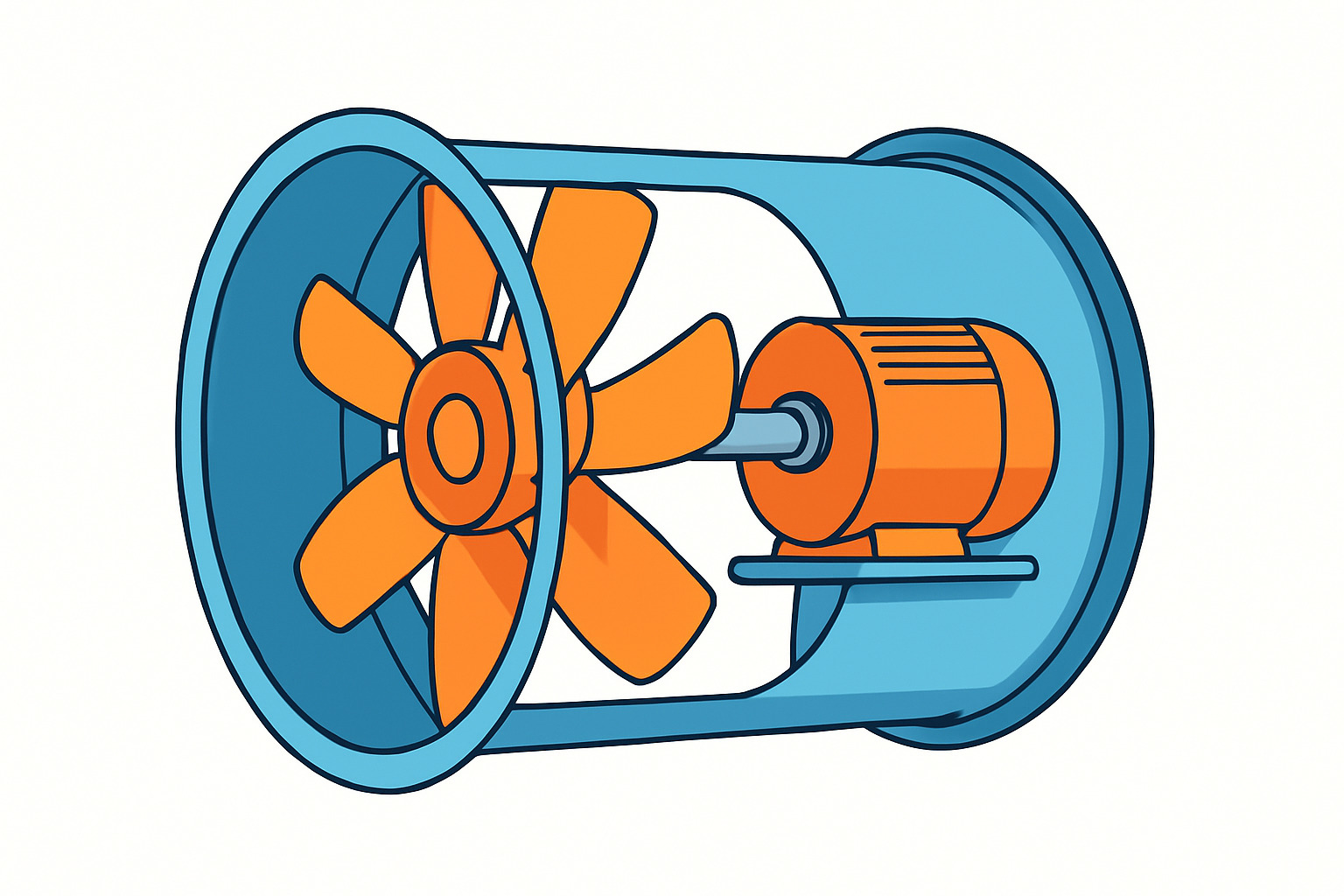
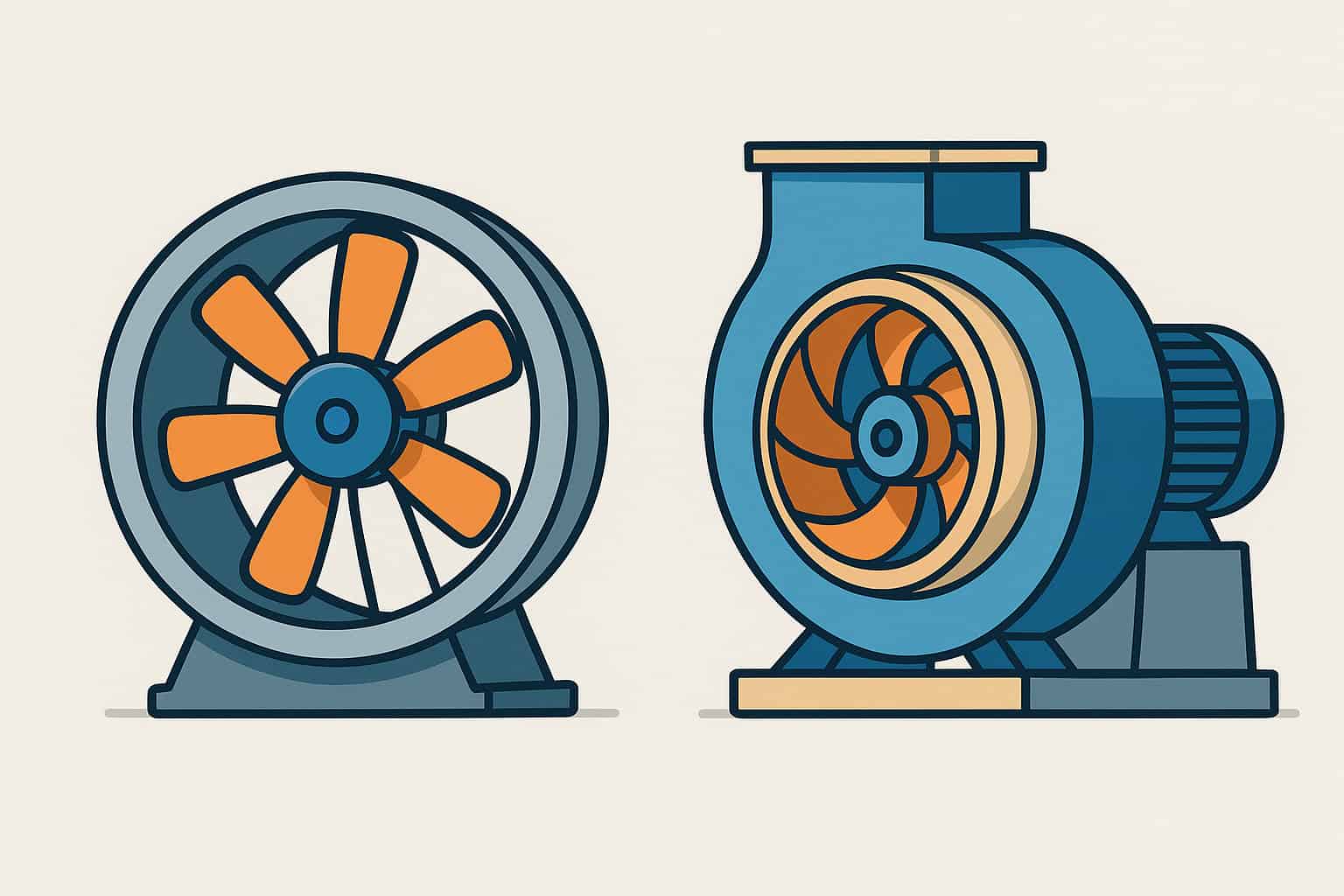
Fast fan speed is a relative term that depends on the size and design of the fan. A small computer fan running at 3,000 rpm is normal, while a large mine ventilation fan running at the same rpm would be extremely fast and mechanically impractical. What really matters is not only the rpm, but also the tip speed of the blades, the resulting noise and the mechanical stresses on the fan components.
Fan speed is usually specified in revolutions per minute (rpm). Small axial fans for electronics may run at 2,000–5,000 rpm or more. Domestic ceiling fans typically operate at a few hundred rpm. Industrial axial and centrifugal fans with large diameters often run between 600–1,800 rpm, depending on duty and design. For these larger fans, speeds in the upper part of that range are considered fast, because the tip speed becomes very high.
The blade tip speed is the linear speed of the blade at its outer radius and is calculated from diameter and rpm. Even at modest rpm, very large fans can have tip speeds approaching or exceeding 70–80 m/s. As tip speed increases, so do aerodynamic noise and mechanical stress. For safety, fan manufacturers set recommended maximum speeds for each impeller size and construction. Operating significantly above these limits is not acceptable, regardless of the motor’s capability.
From an application perspective, “fast” fan speed is the point where further increases in rpm bring diminishing returns or problems: noise becomes too high, vibration increases, energy use rises sharply and components are stressed. In industrial and mining ventilation, engineers prefer to select fans that deliver the required airflow and pressure at moderate speeds, using larger diameters or more efficient blade profiles instead of simply spinning a small fan faster.
Speed must also be considered together with system resistance. According to the fan laws, airflow is roughly proportional to speed, pressure is proportional to speed squared and power is proportional to speed cubed. This means that a relatively small increase in rpm can cause a large jump in power demand. A “fast” fan therefore needs adequately rated motor power, drive components and electrical supply to operate safely.
In summary, fast fan speed is not one fixed rpm value; it depends on the fan’s size, type and design limits. Higher rpm and tip speed increase airflow and pressure but also noise, power consumption and mechanical stress. Good ventilation design balances fan speed, diameter and efficiency so that the fan operates within safe and economical limits.