
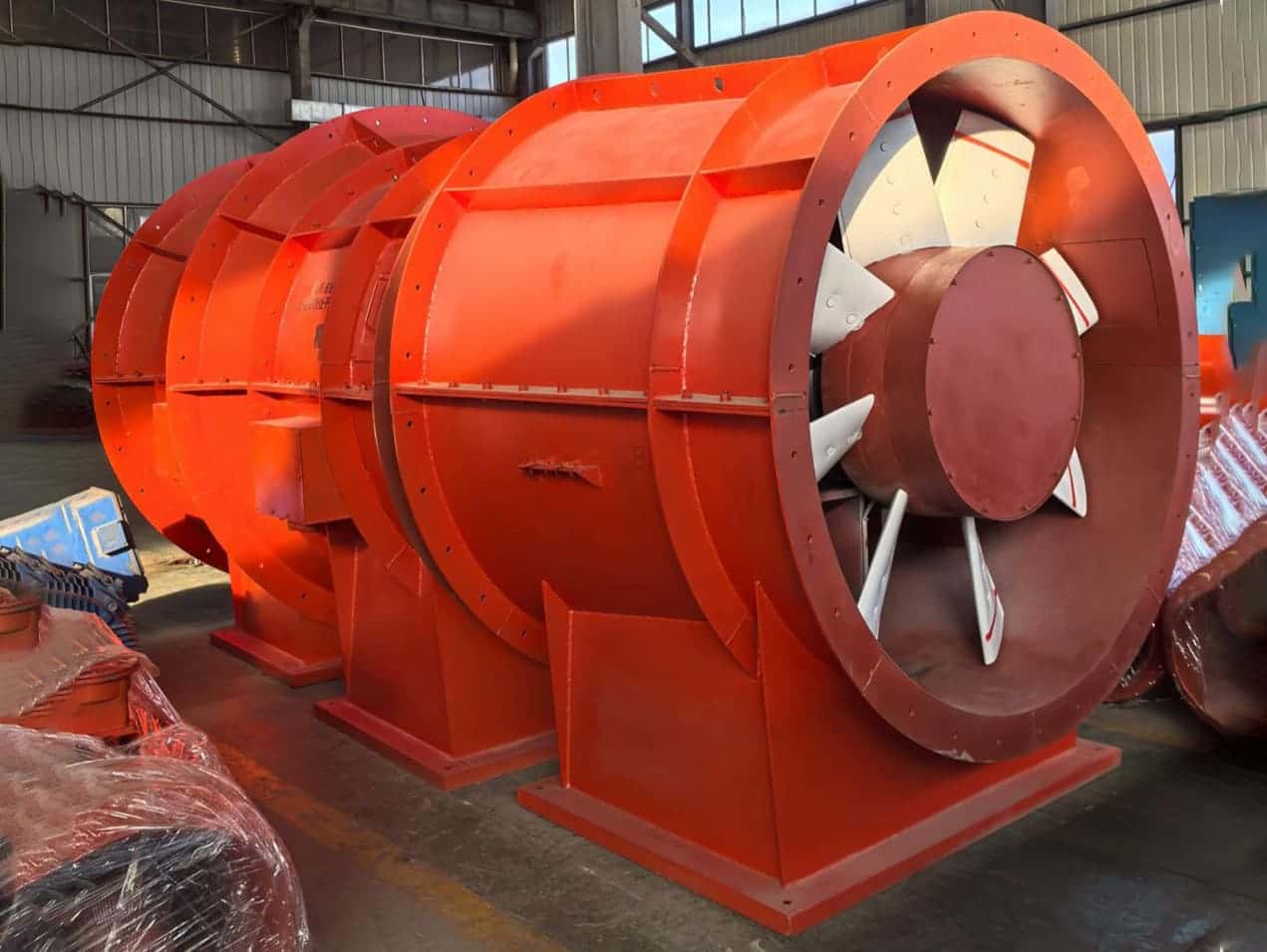
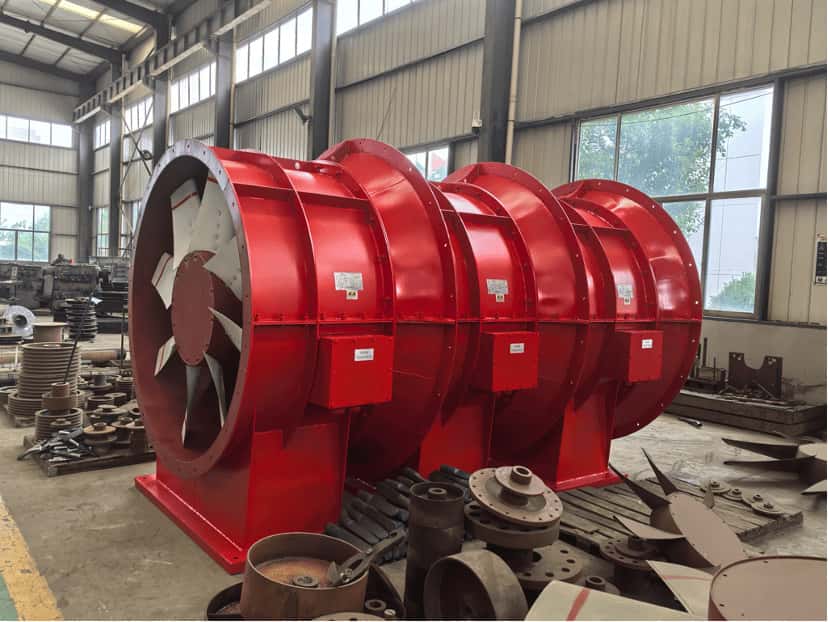
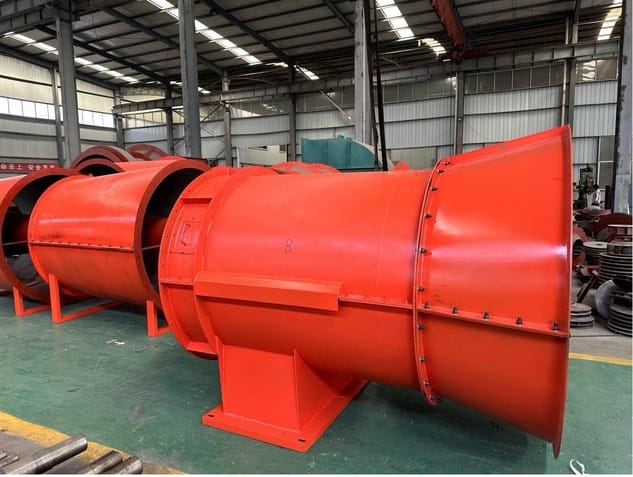
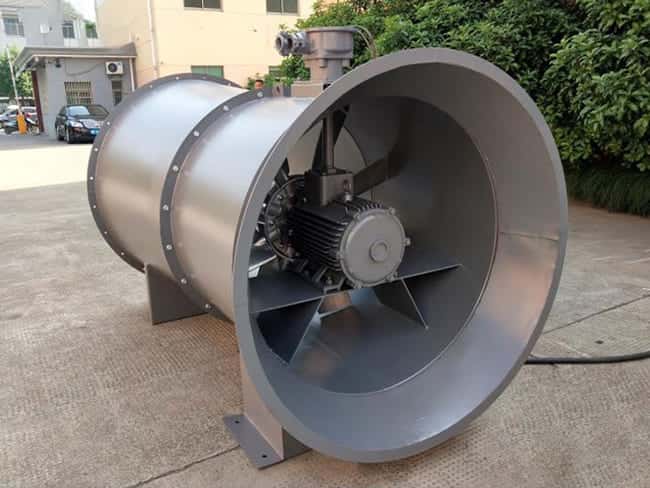
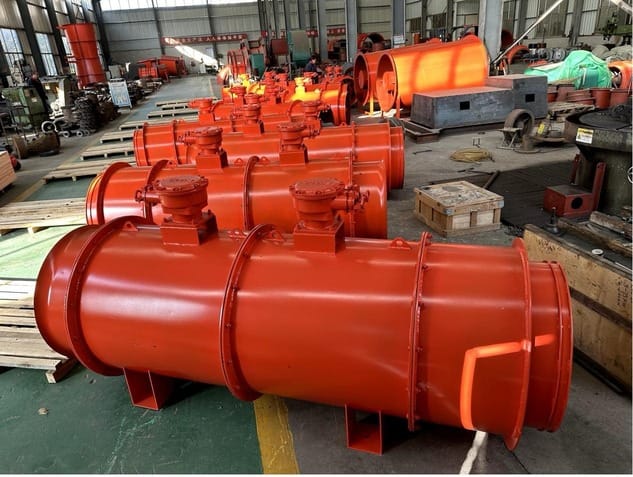
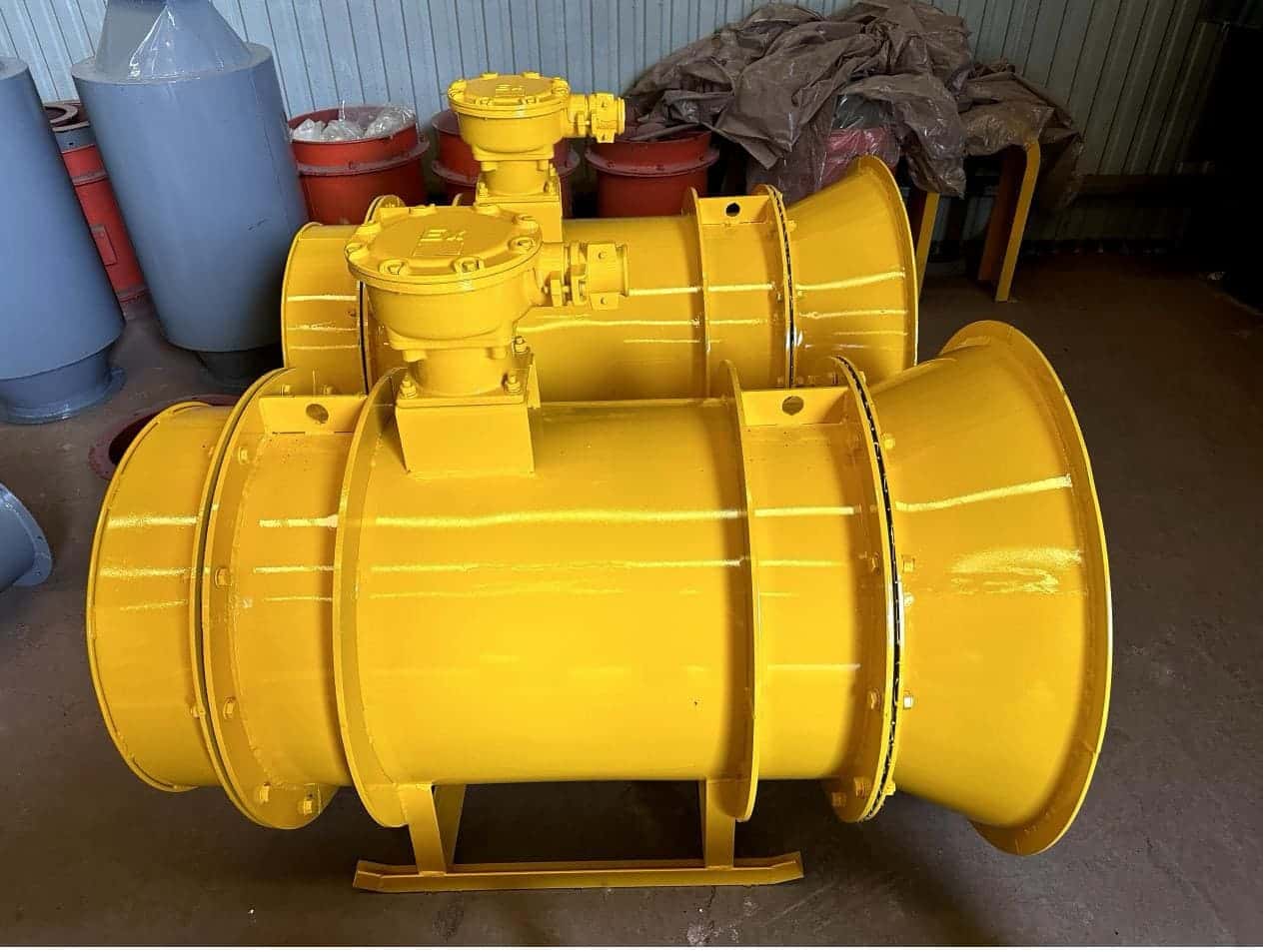
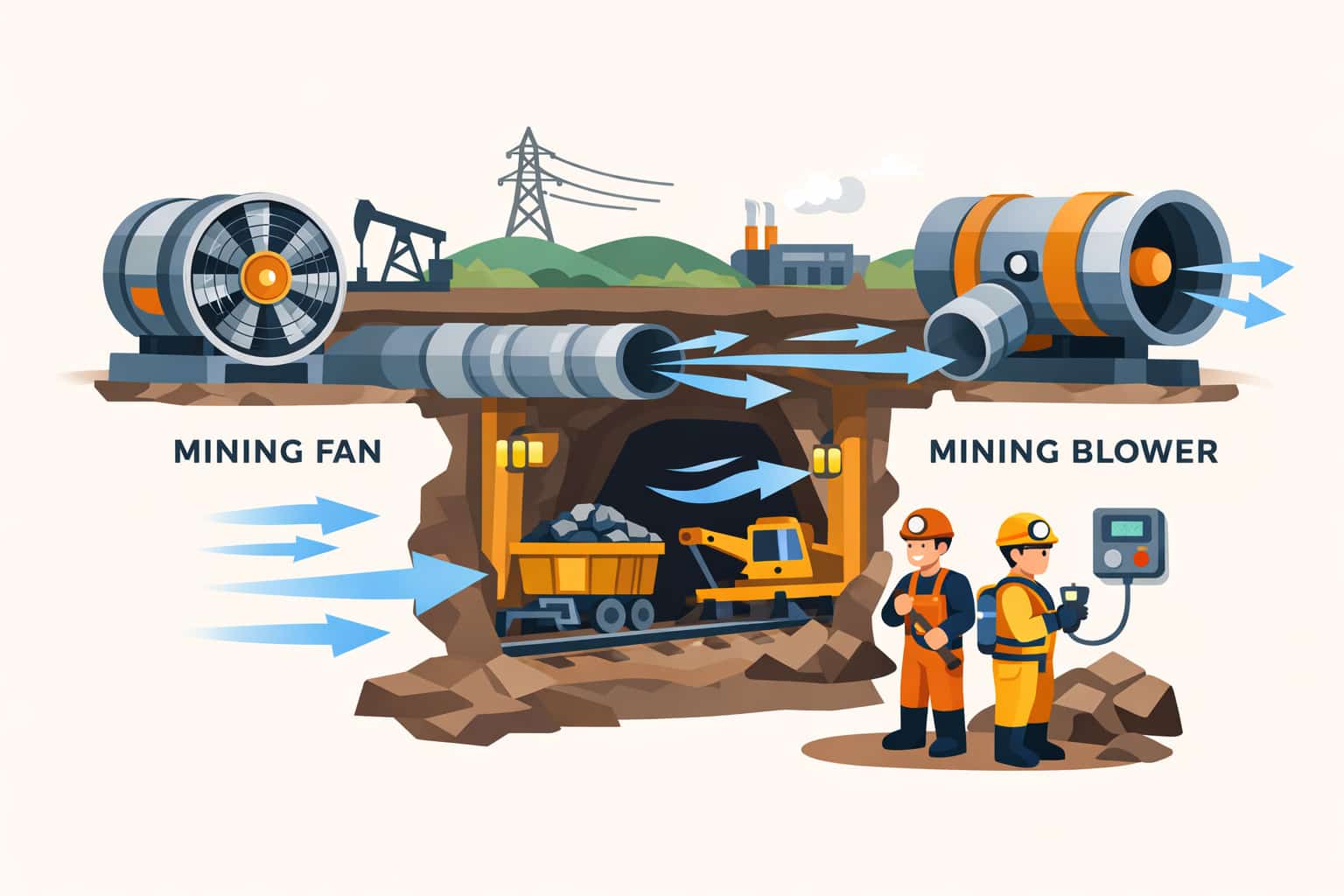
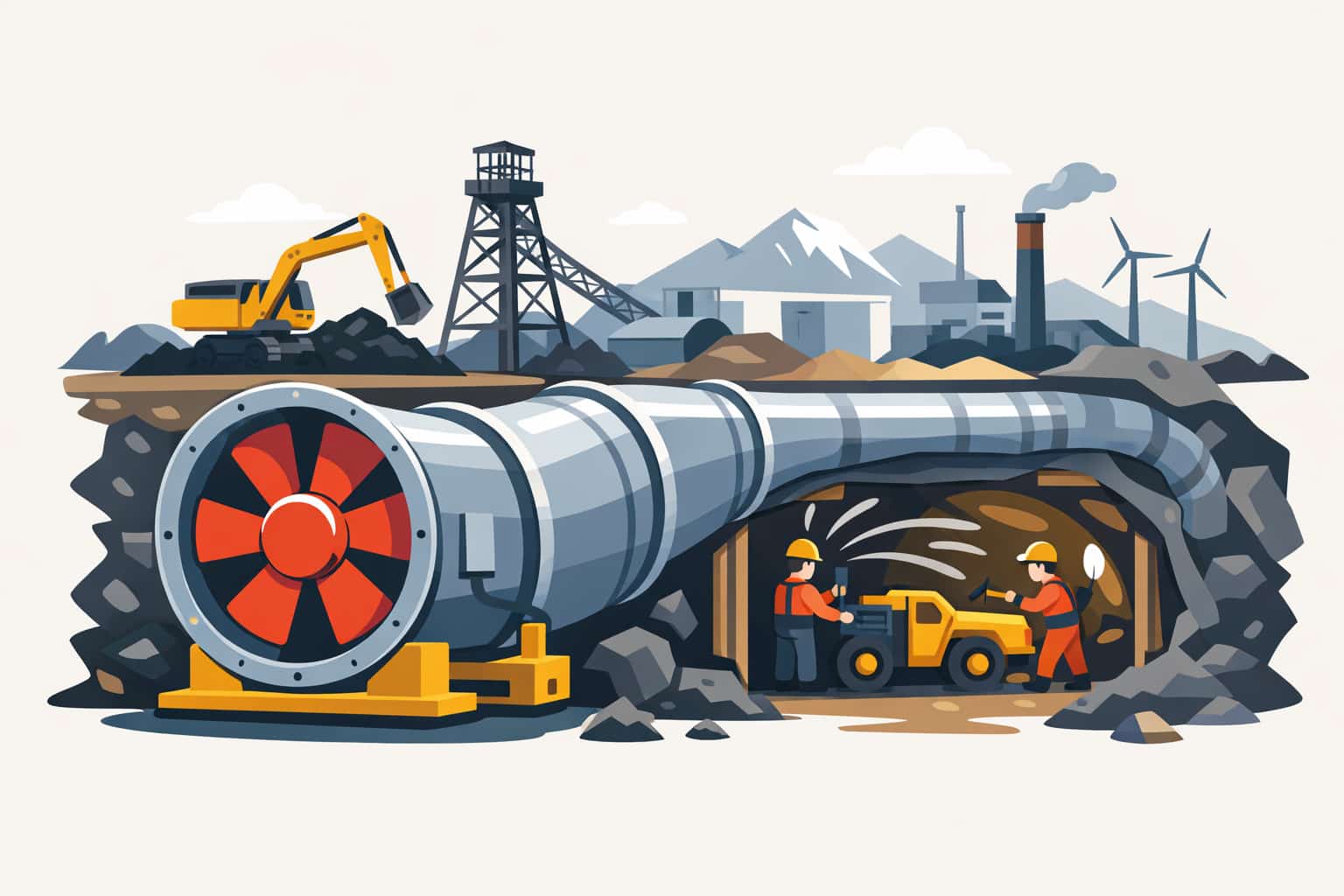
Mechanical ventilation in mining is the use of fans and engineered airways to move air through an underground mine in a controlled way. Instead of relying on natural pressure differences caused by wind or temperature, mechanical ventilation uses industrial ventilation fans—main, booster, and auxiliary—to create the pressure needed to deliver fresh air and remove contaminated air. It is the standard approach in modern mines because it provides predictable, measurable, and controllable airflow.
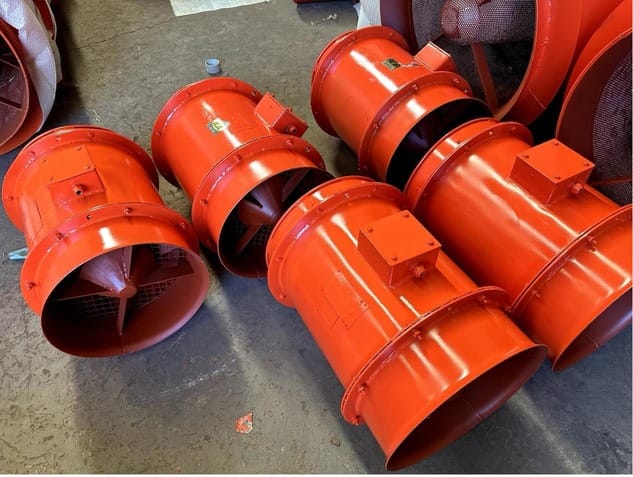
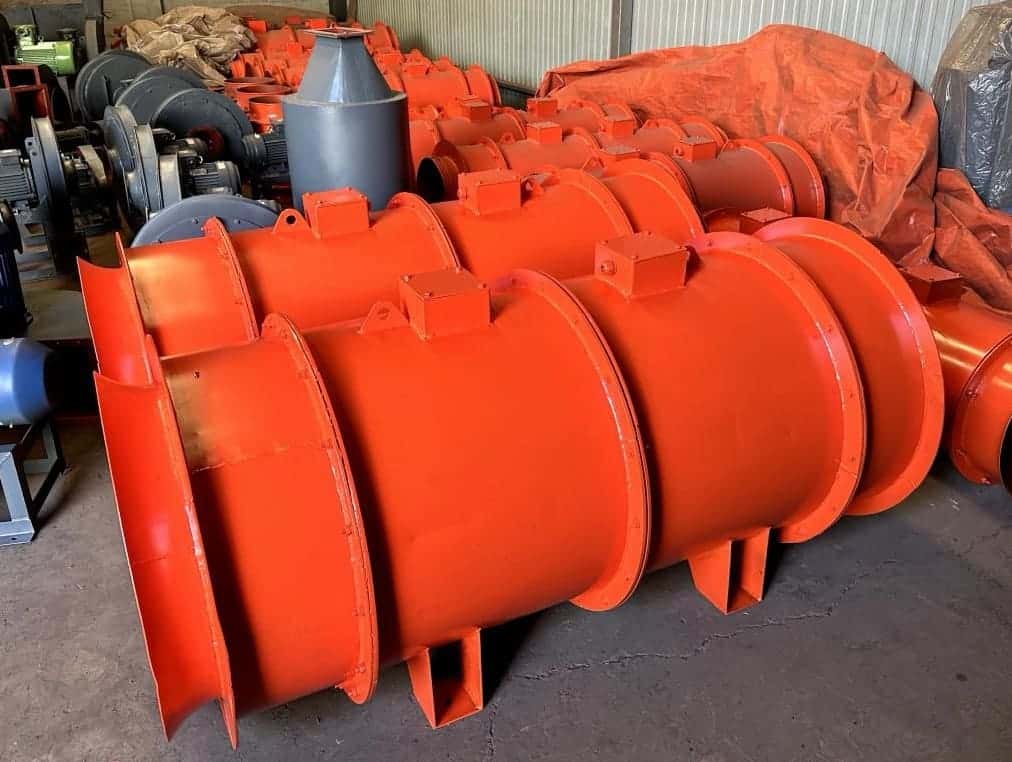
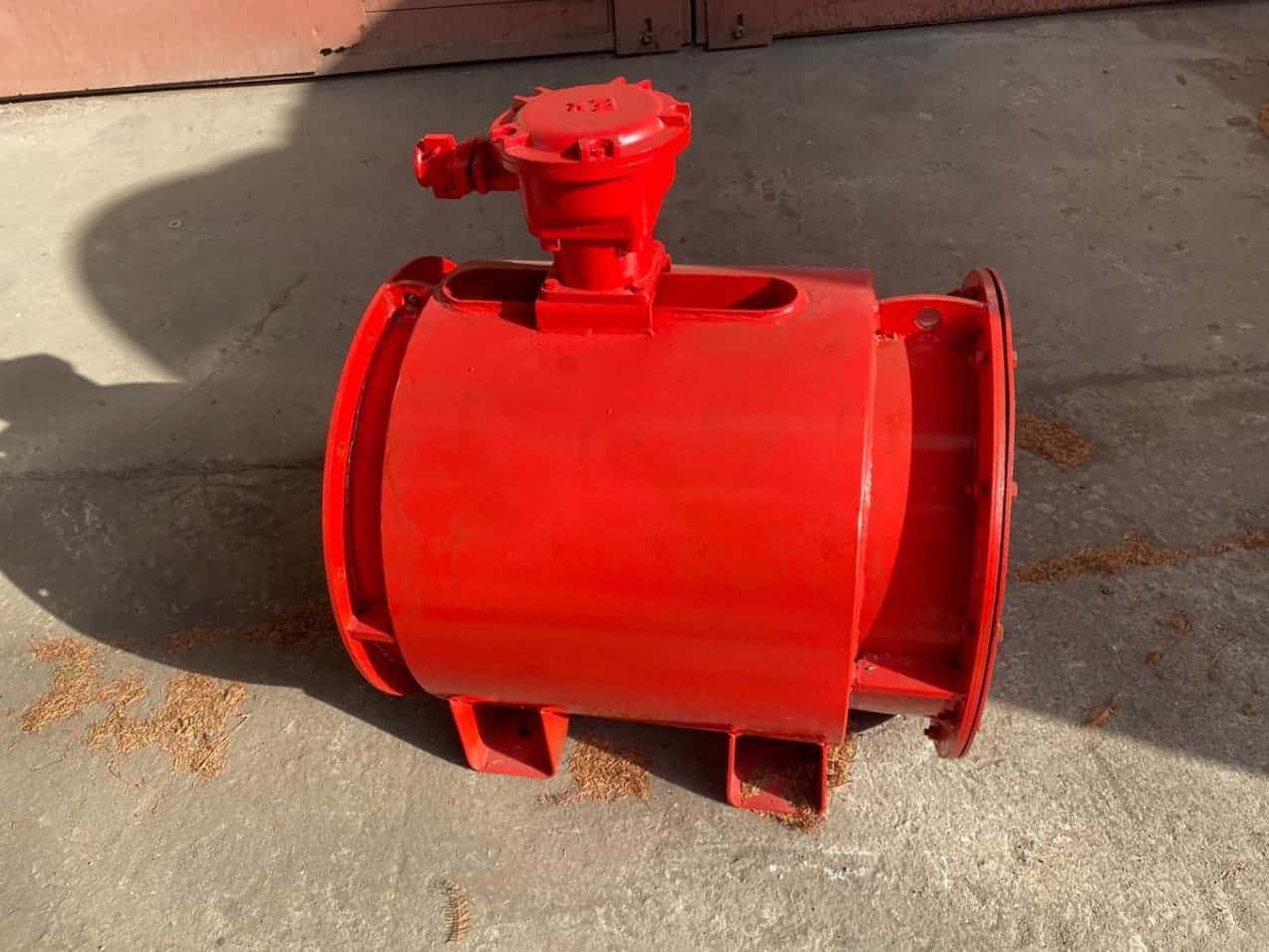
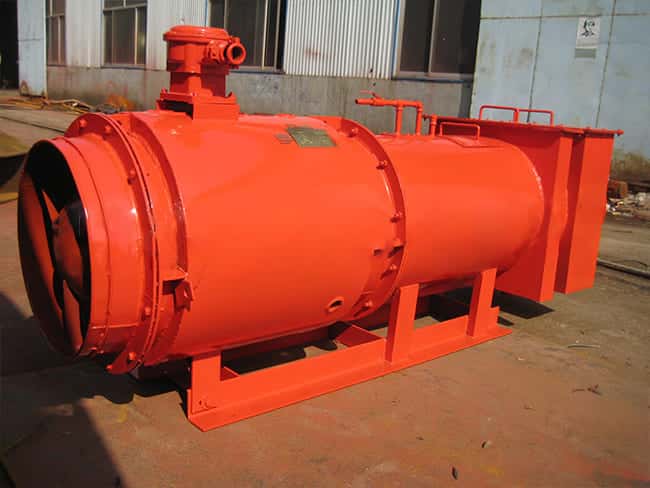
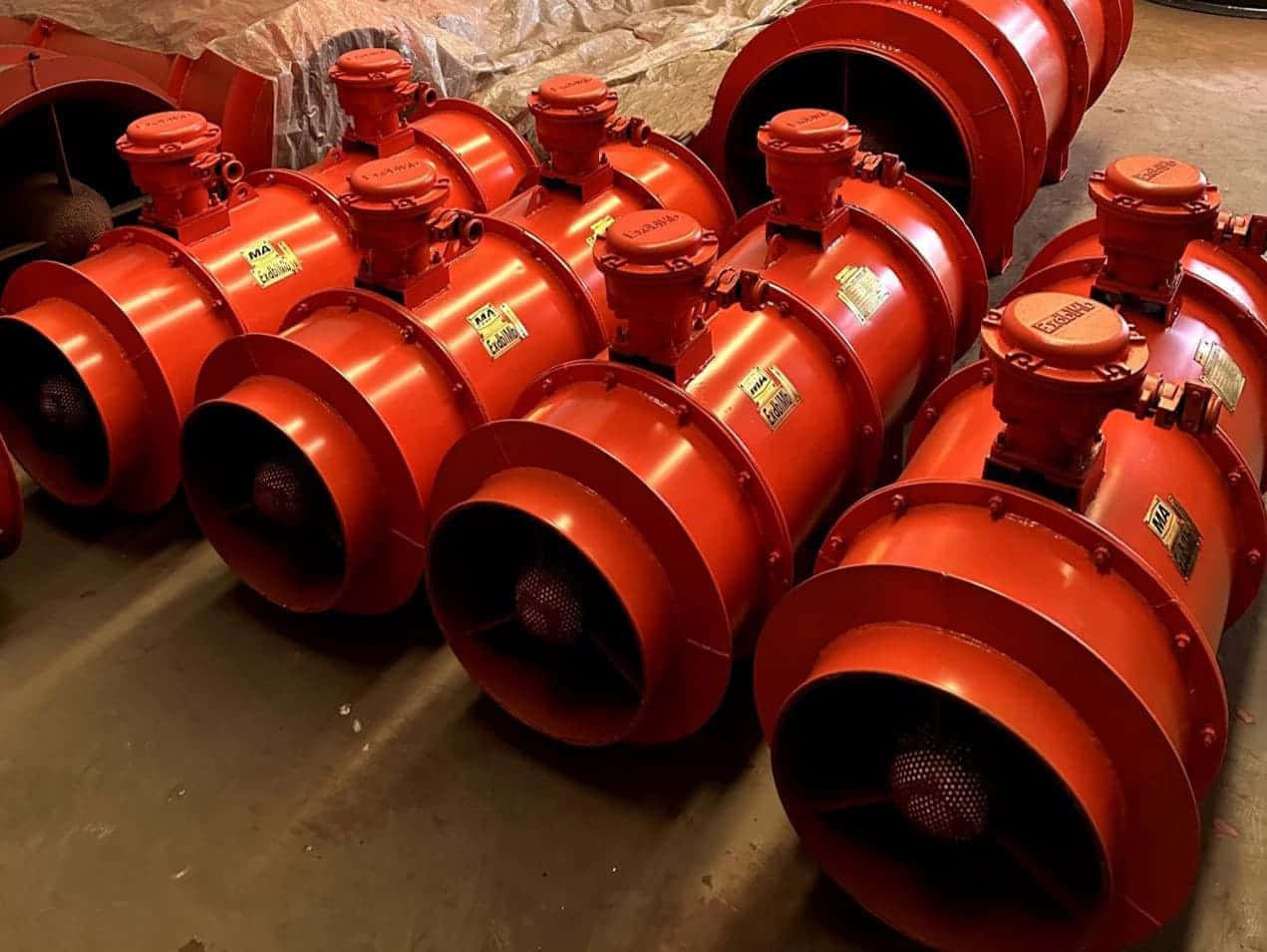
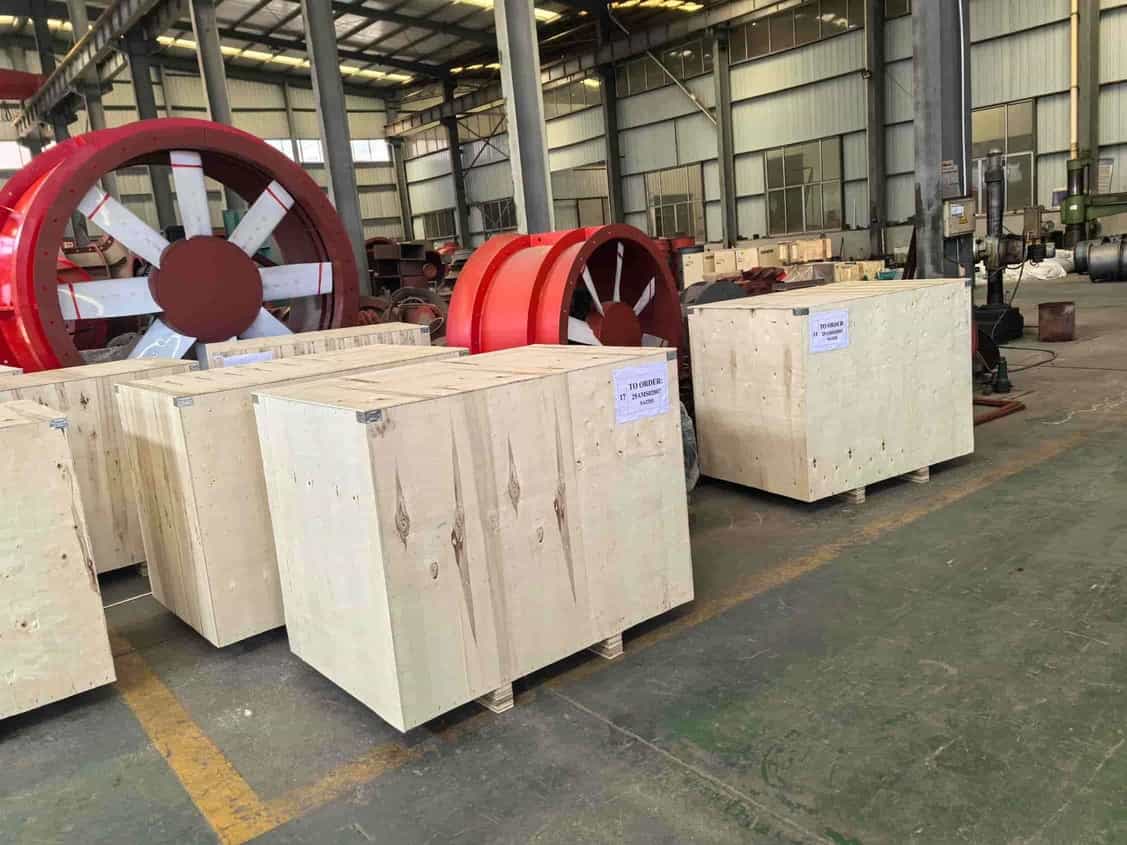
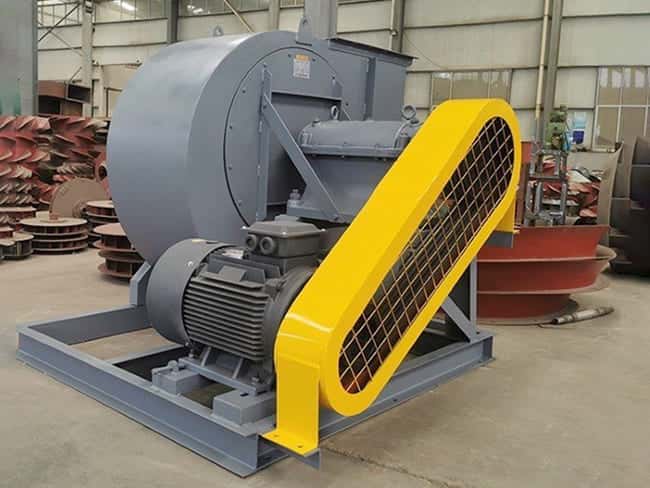
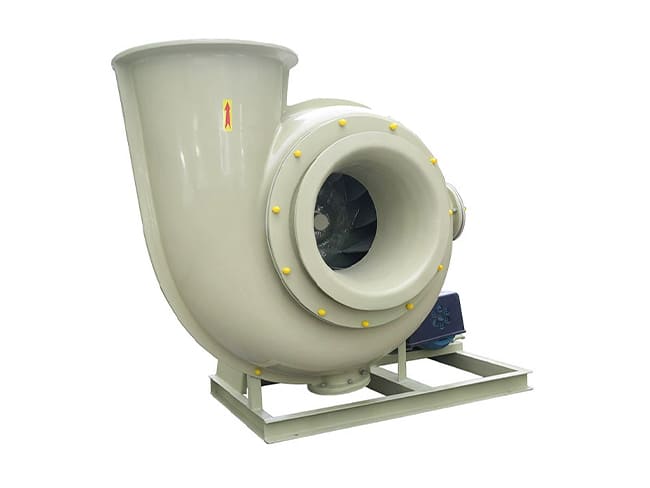
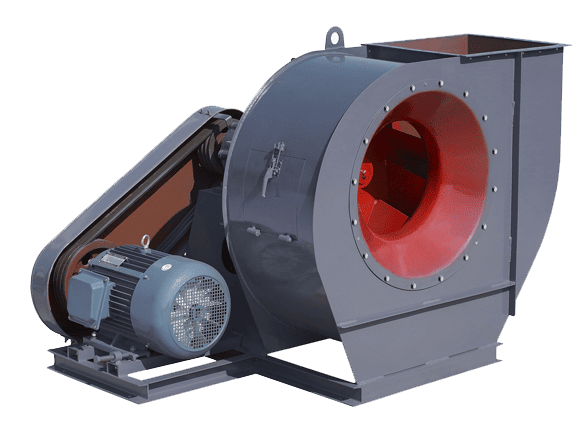
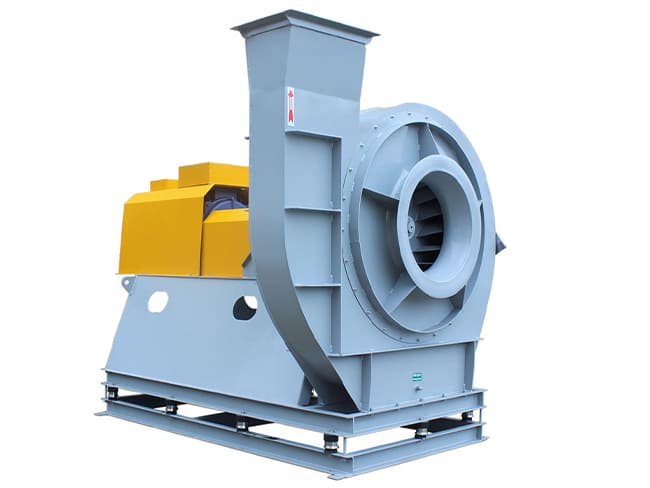
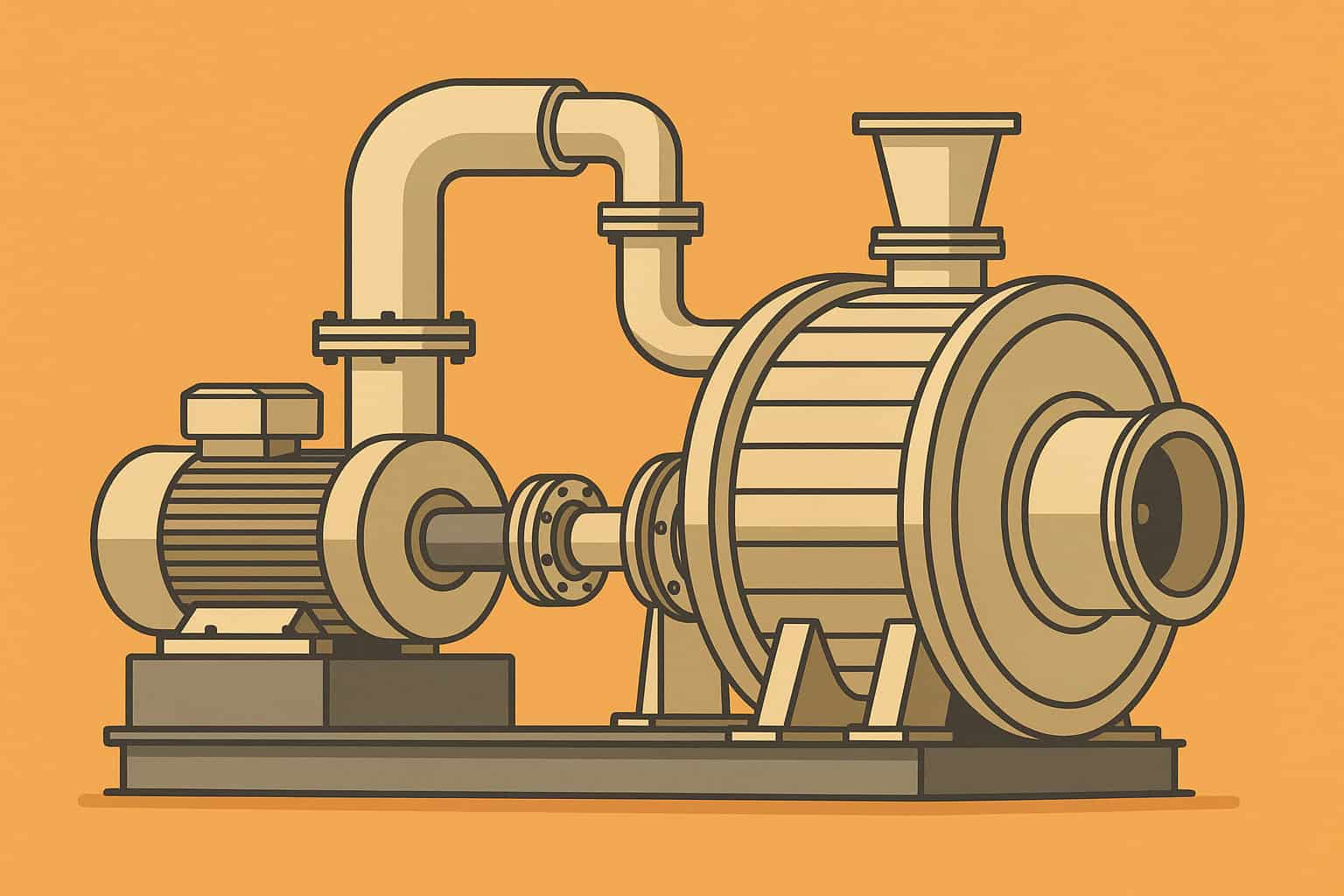
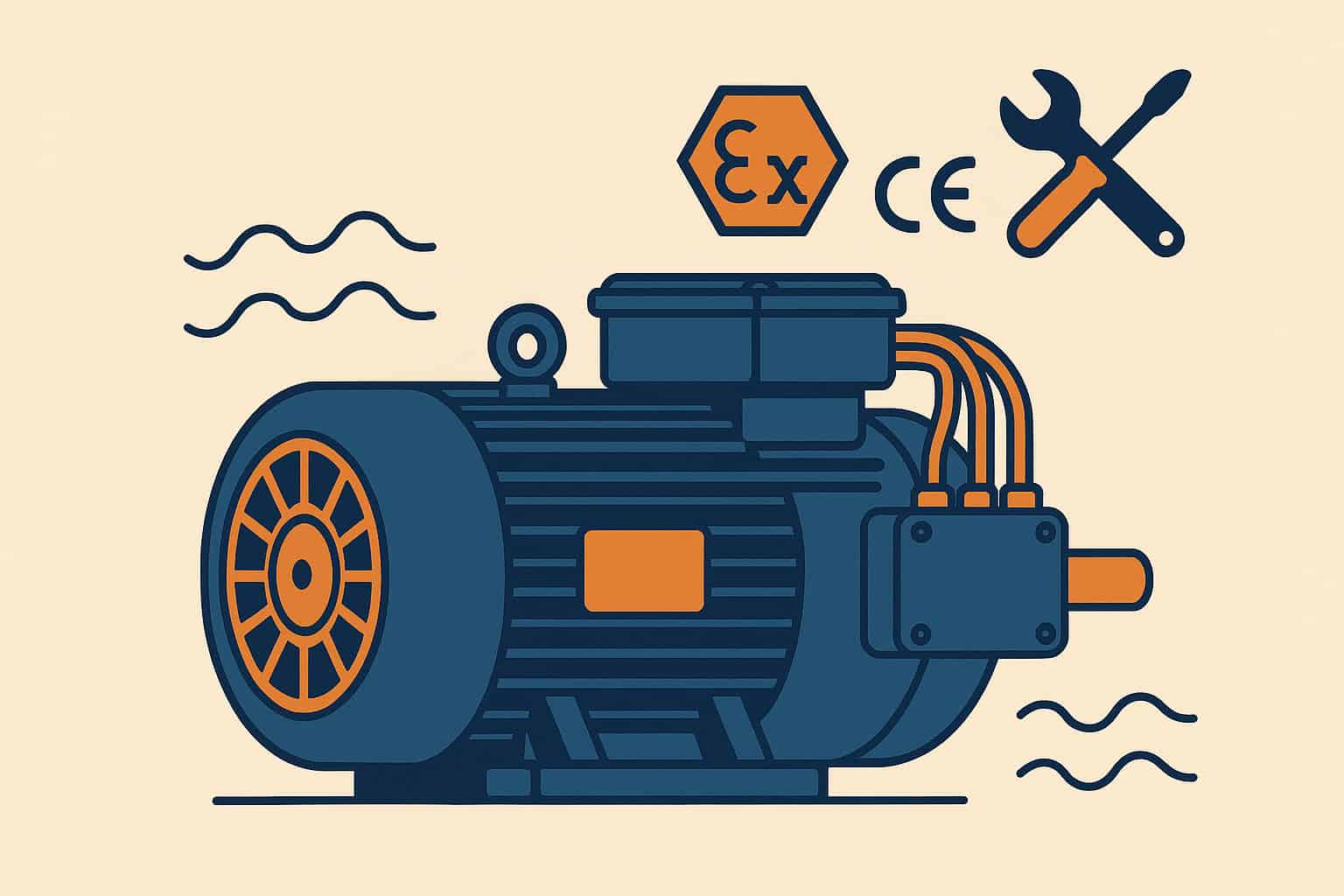
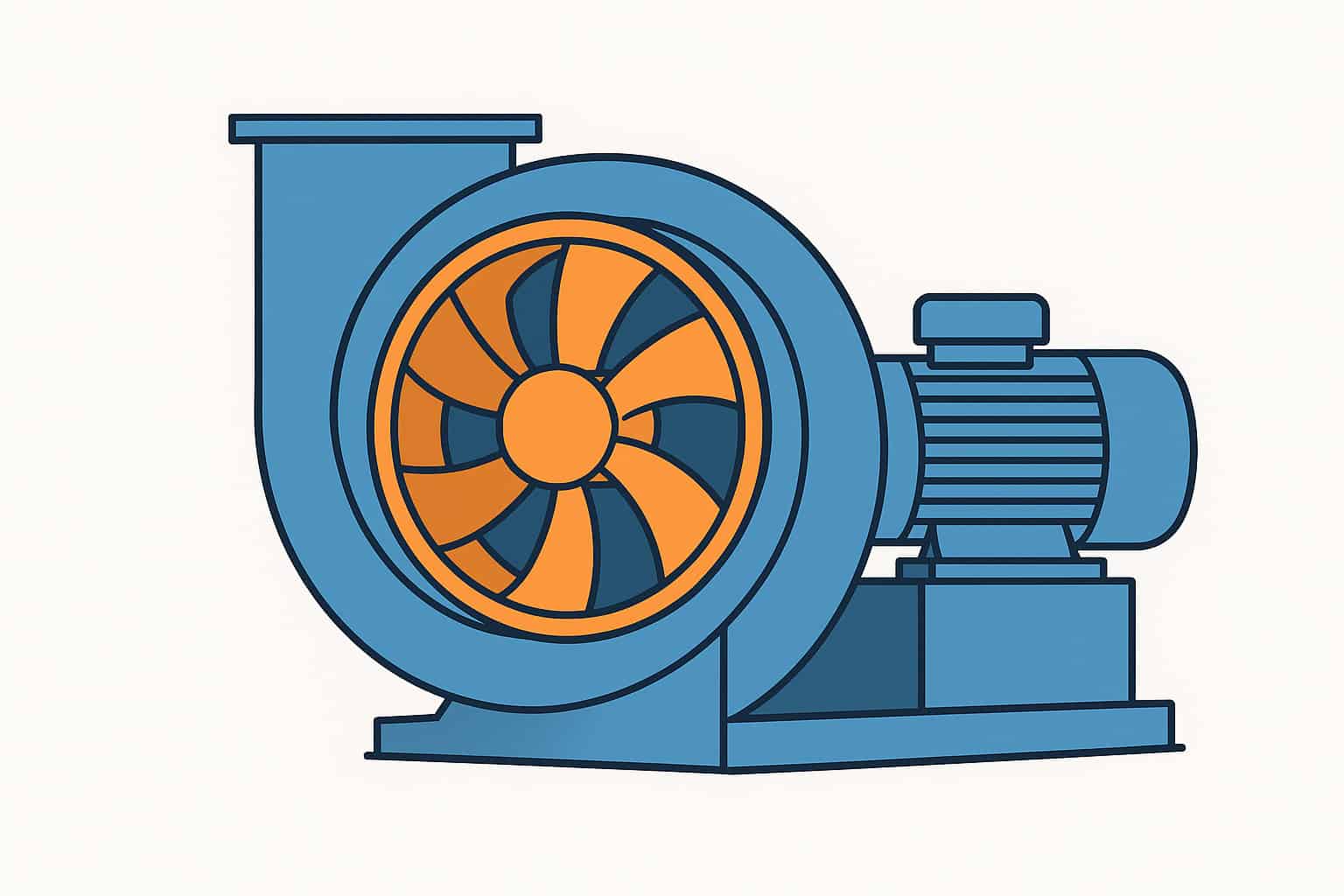
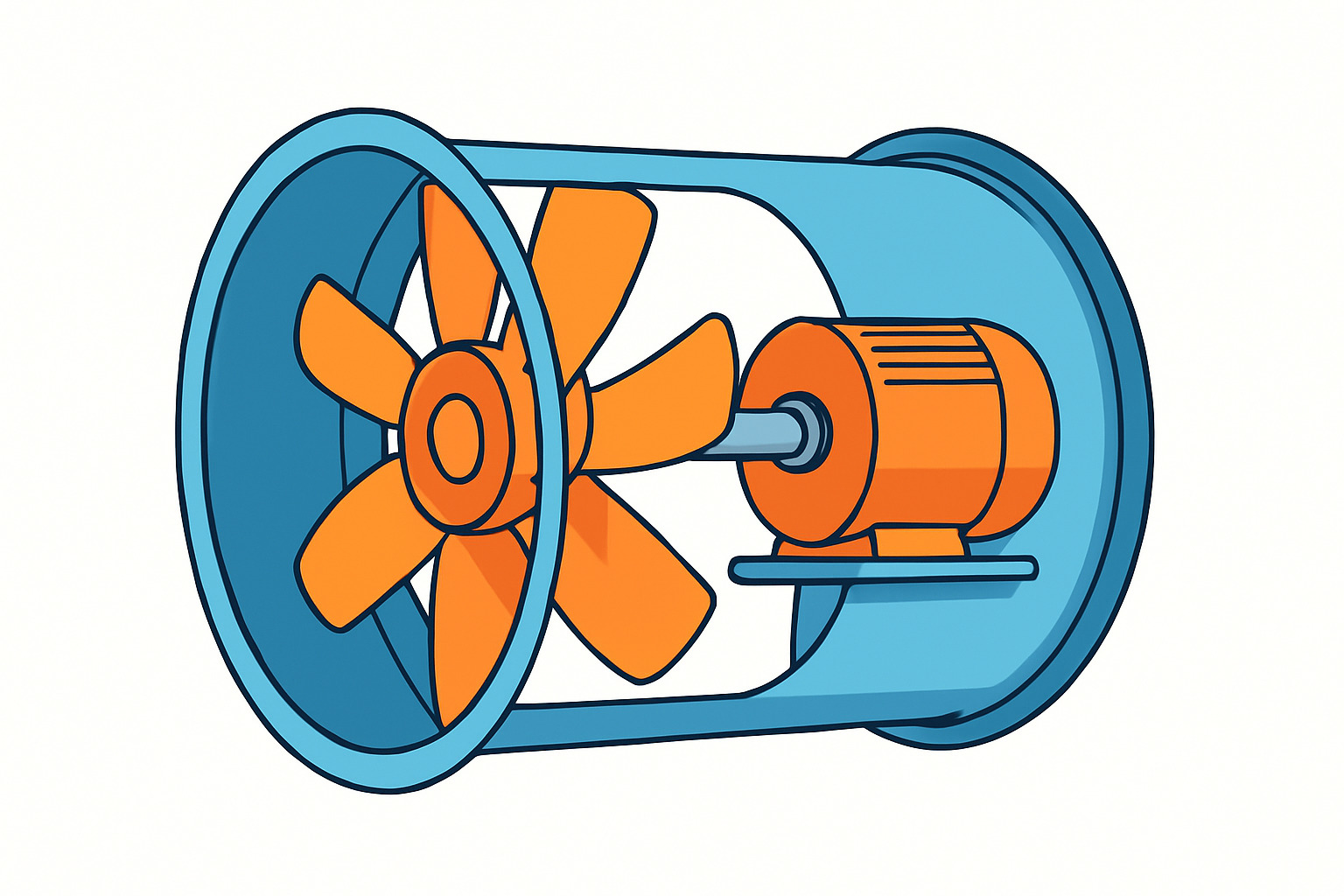
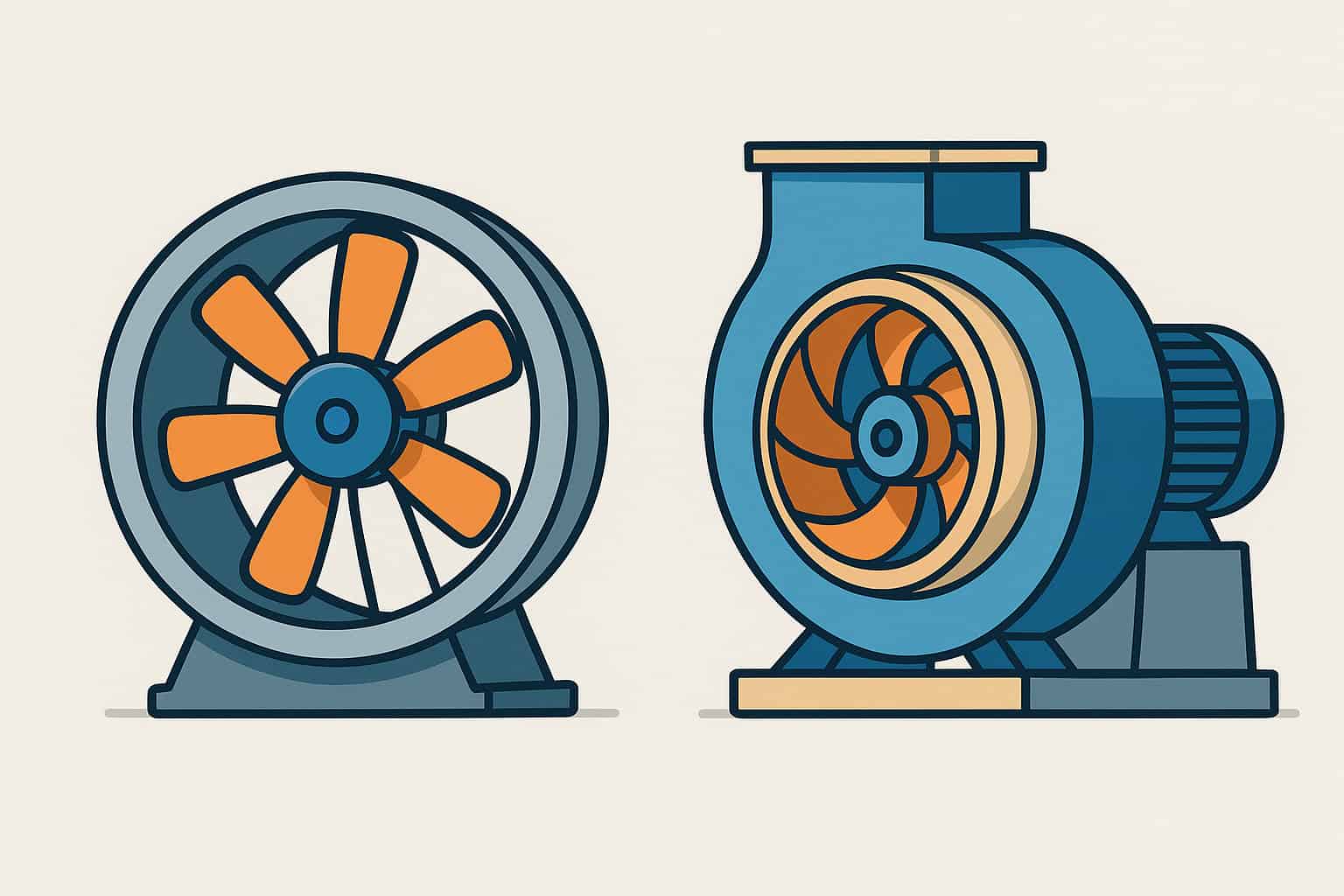
The core components of mechanical ventilation are mine ventilation fans. Large axial or centrifugal main fans are installed at shafts or portals to drive airflow through the primary ventilation network. In deep or complex mines, booster fans may be added in main airways to increase pressure in specific districts. Auxiliary fans are used with ducting to ventilate individual headings and blind ends. All of these fans are powered by electric motors and are designed for continuous or near-continuous operation under harsh underground conditions.
Mechanical ventilation requires a carefully designed system of airways and control devices. Intakes and returns are laid out so that air can reach every level and production area and then return to exhaust openings. Stoppings, regulators, doors, and overcasts are installed to direct airflow along desired paths and to balance air between branches. Because the fans create the pressure difference, engineers can predict and adjust how air will move through this network, rather than depending on the unpredictable effects of weather or barometric changes.
One of the key advantages of mechanical ventilation is its ability to meet strict regulatory requirements for airflow, gas control, dust, and heat. By selecting appropriate fan duties and monitoring airflow and gas levels, ventilation engineers can keep conditions within legal limits and adjust the system as the mine deepens or production increases. Variable speed drives and modern control systems allow fan output to be matched to actual needs, improving both safety and energy efficiency.
Mechanical ventilation also supports ventilation on demand, where fans and regulators are automatically adjusted based on where people and equipment are working. Sensors track air quality and equipment location, and software systems increase airflow in active areas while reducing it in idle zones. This advanced use of mechanical ventilation reduces energy costs while maintaining safety margins.
Compared to natural ventilation, mechanical systems offer much greater reliability and flexibility. Natural ventilation depends on temperature differences and wind patterns that can change direction and strength unpredictably. In contrast, mechanical ventilation can be maintained at a constant level or adjusted deliberately as needed, and backup fans or redundant configurations can be provided for critical operations.
In summary, mechanical ventilation in mining is the engineered use of mine ventilation fans, airways, and control devices to move air underground. It replaces unreliable natural airflow with a controlled, measurable system that supports safe, productive mining under modern regulatory and operational requirements.