

Mine air is the air that circulates through an underground mine, from fresh intake openings down to the working faces and back out through return airways. It is not just ordinary atmospheric air; it is air whose temperature, pressure, gas composition, dust content and humidity are strongly influenced by rock conditions, mining equipment and the design of the mine ventilation system. Managing mine air is one of the central tasks of mine ventilation engineers.
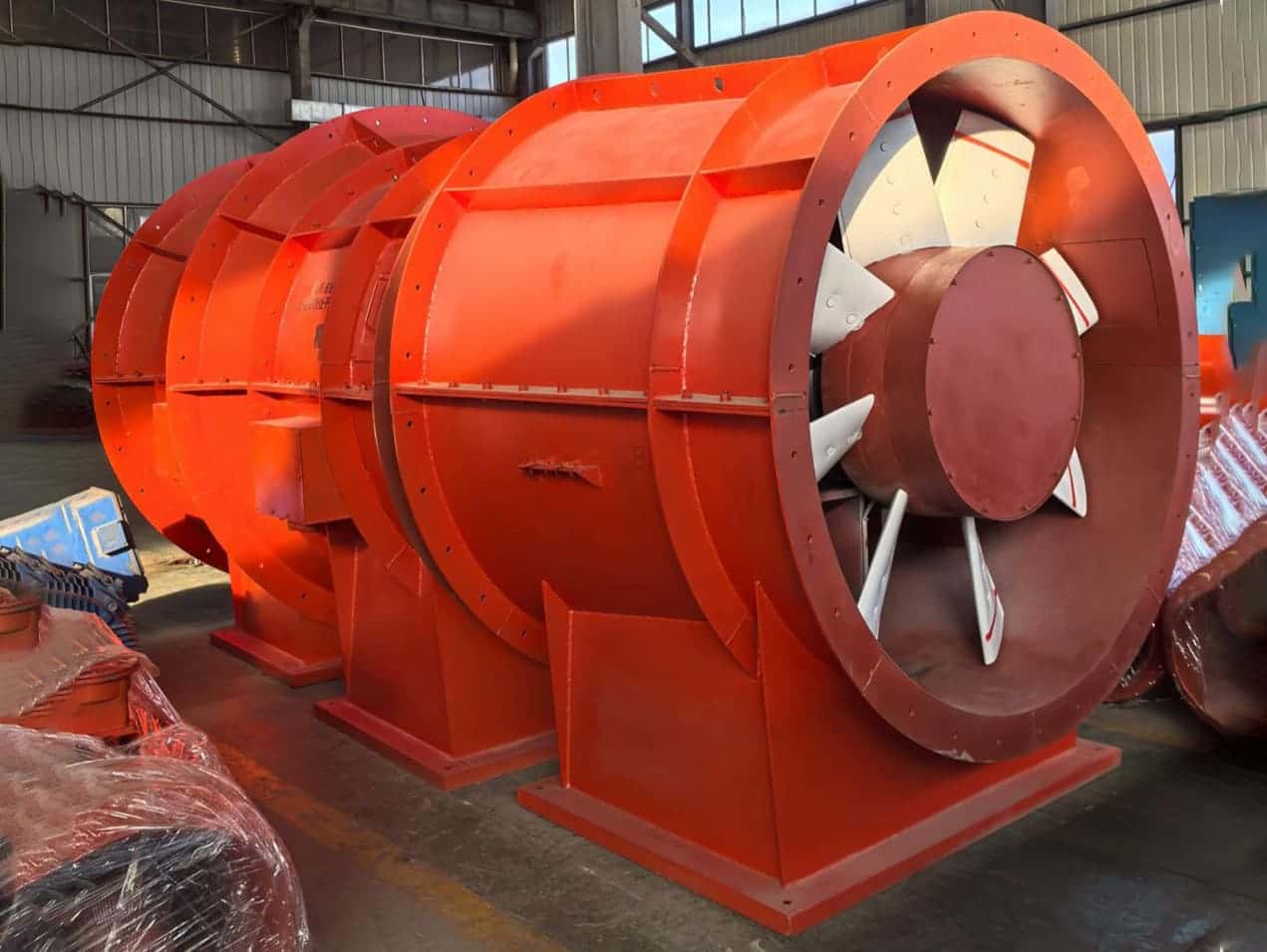
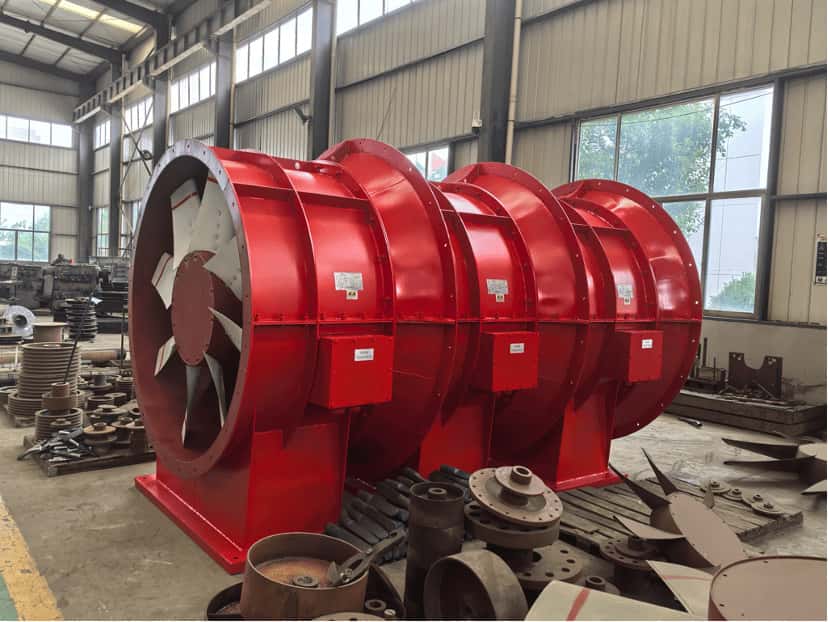
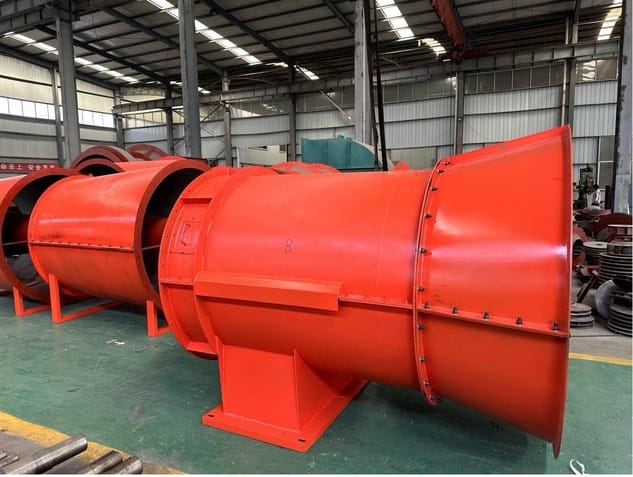
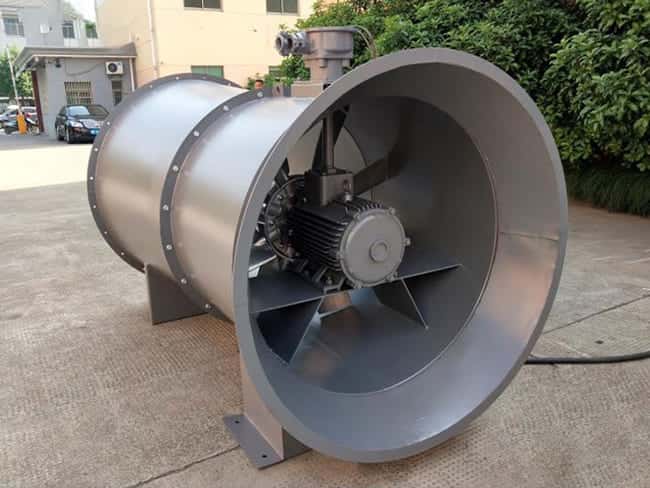
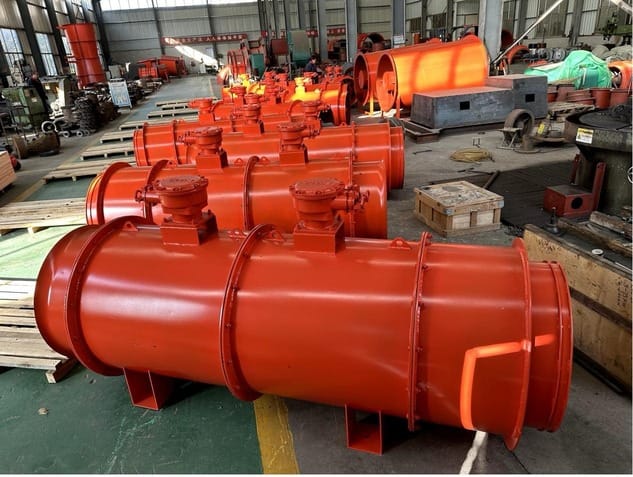
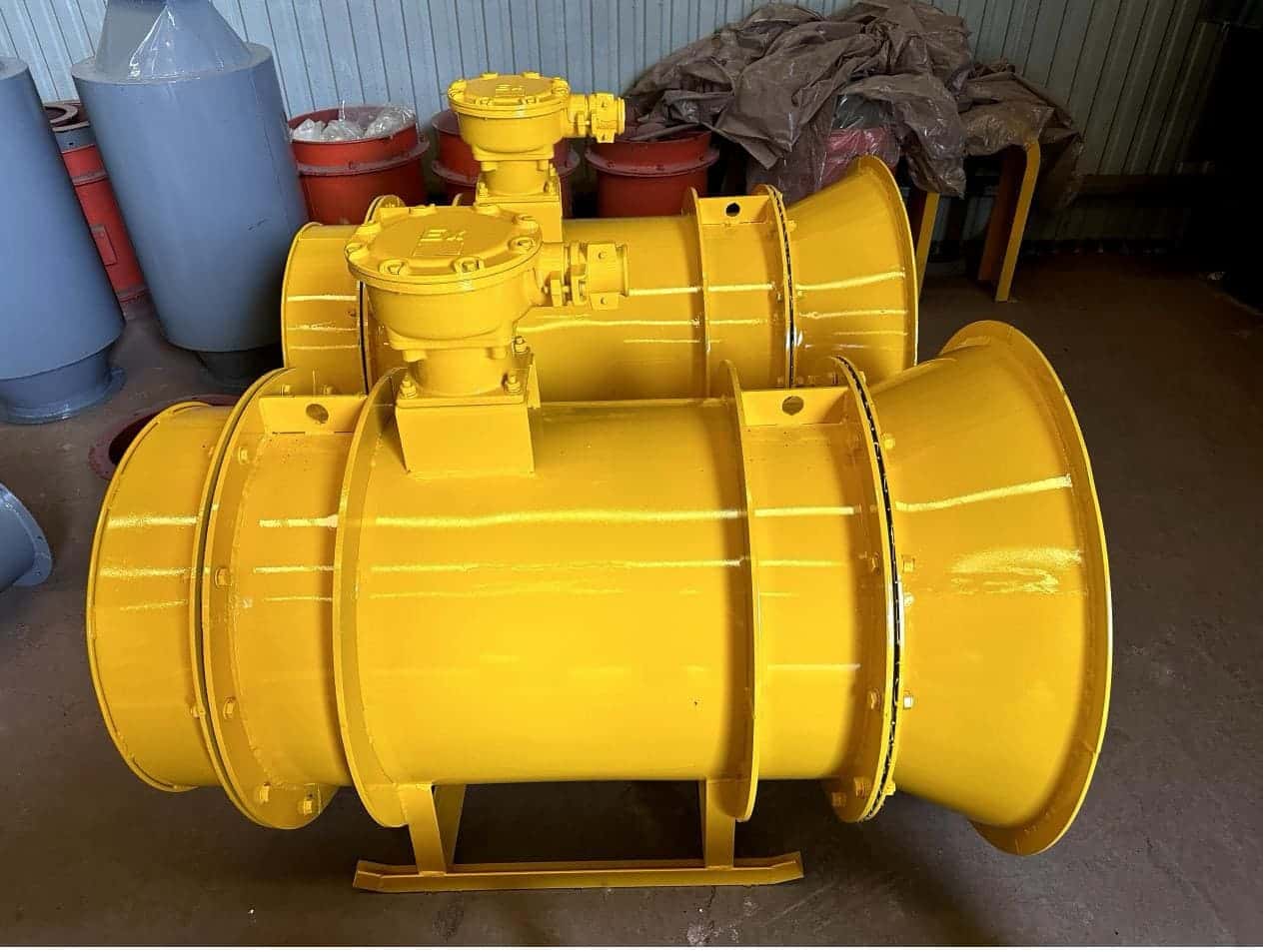
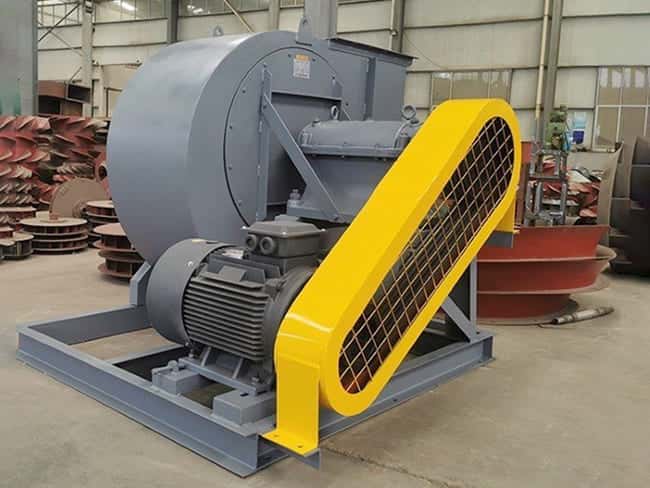
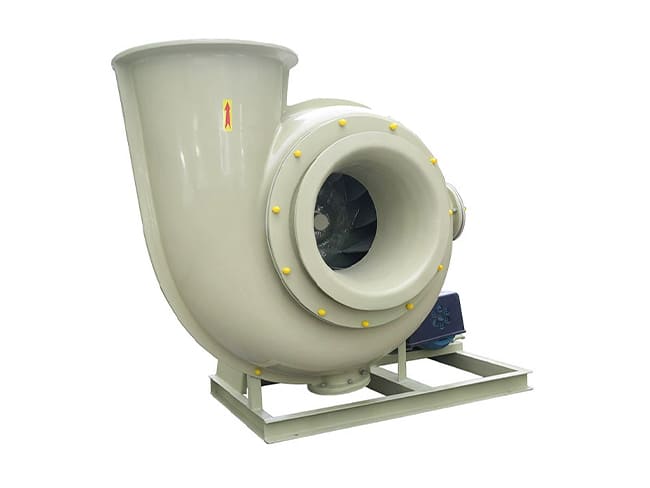
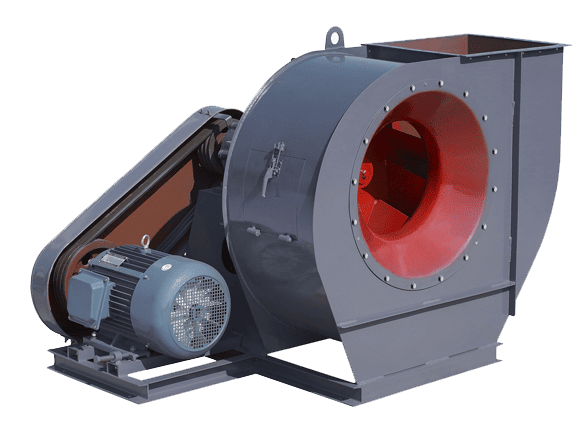
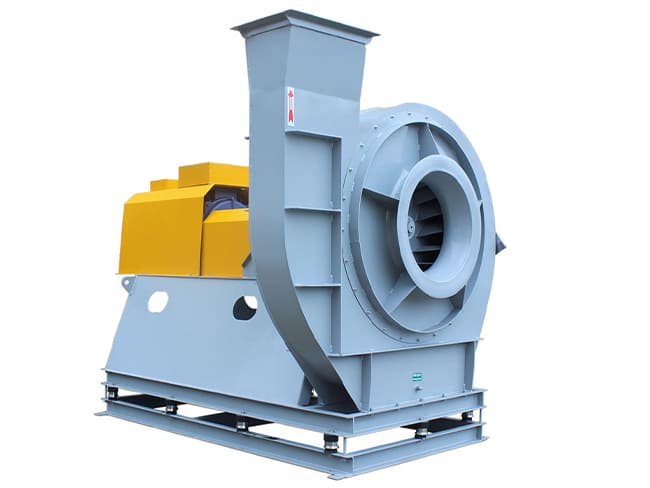
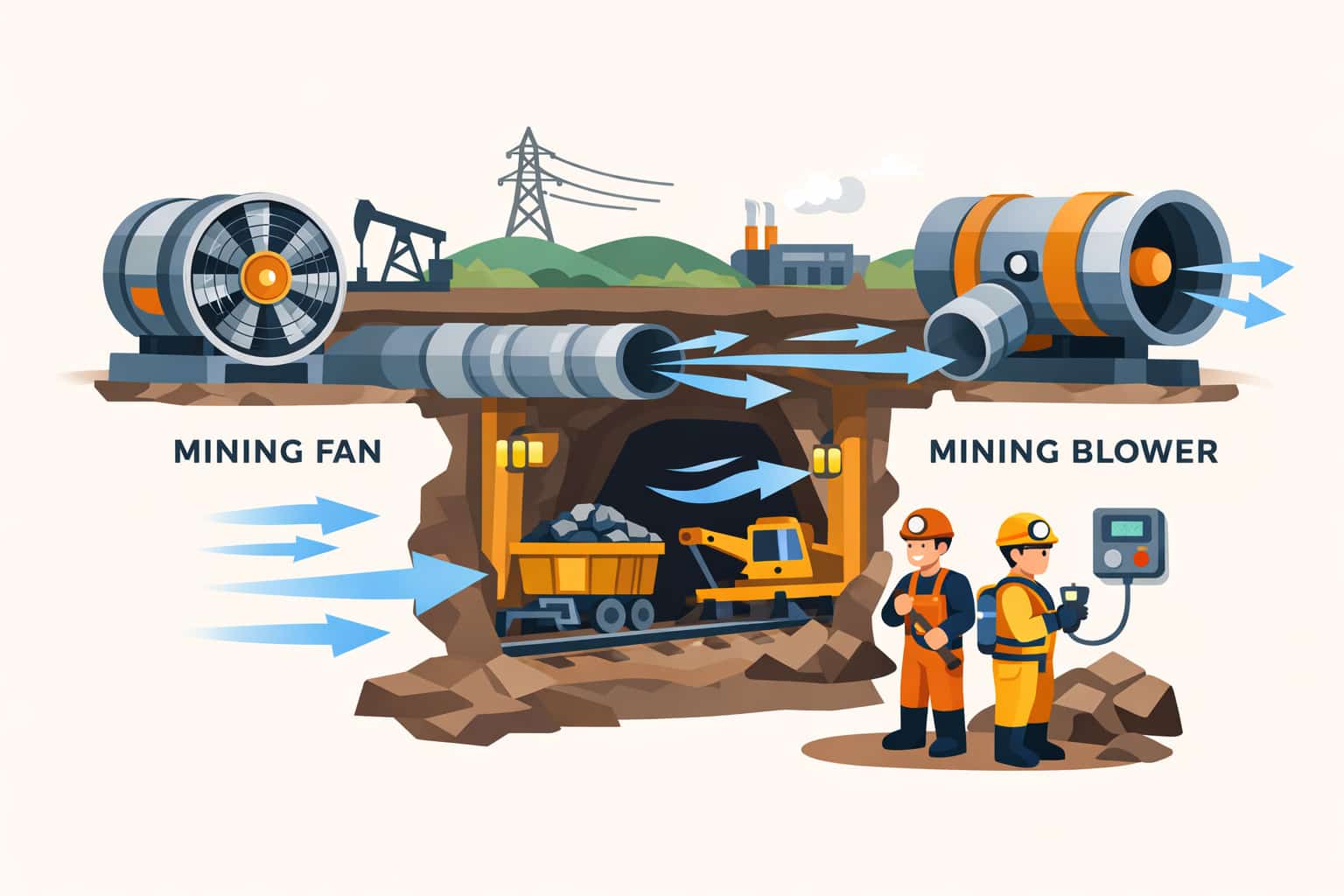
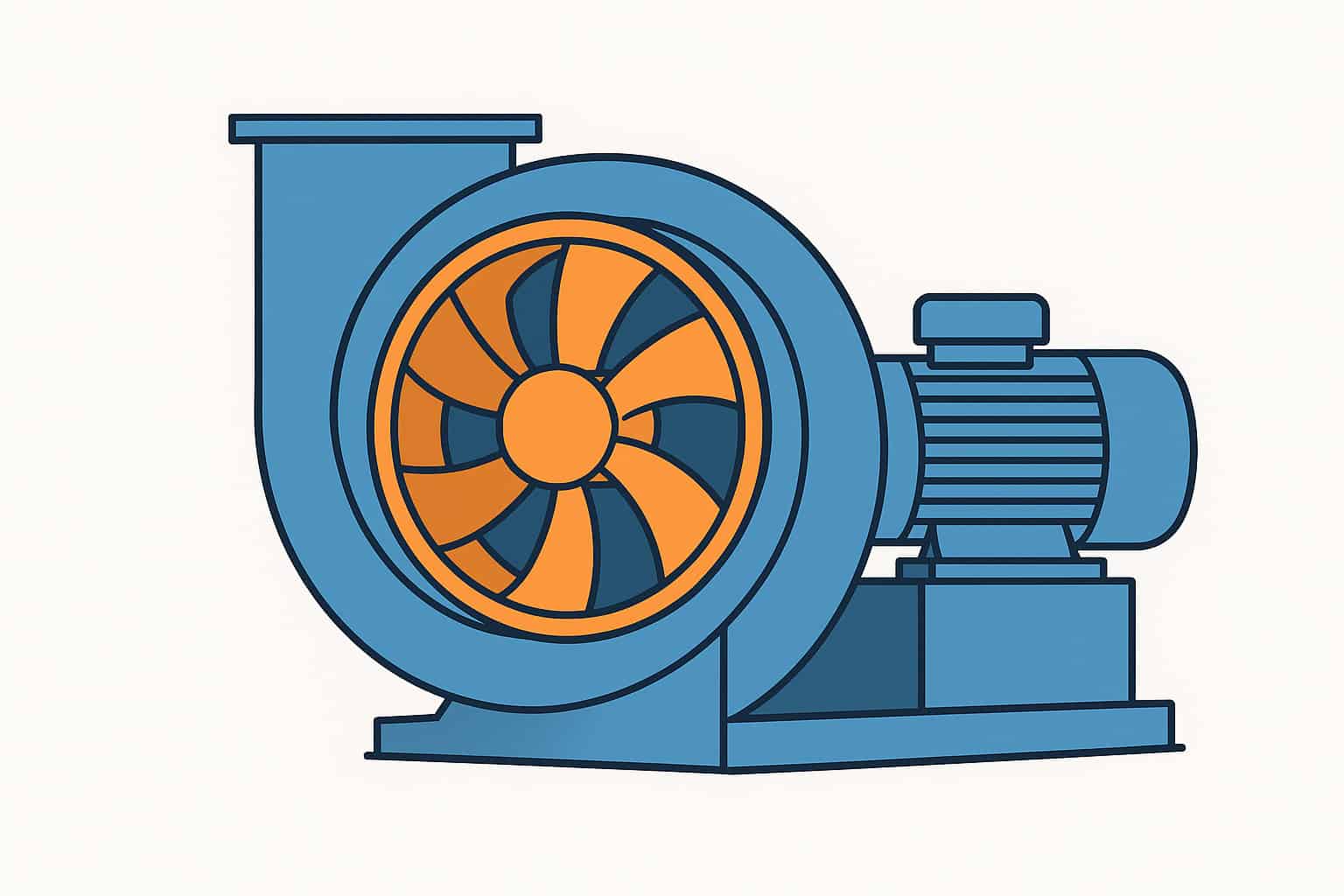
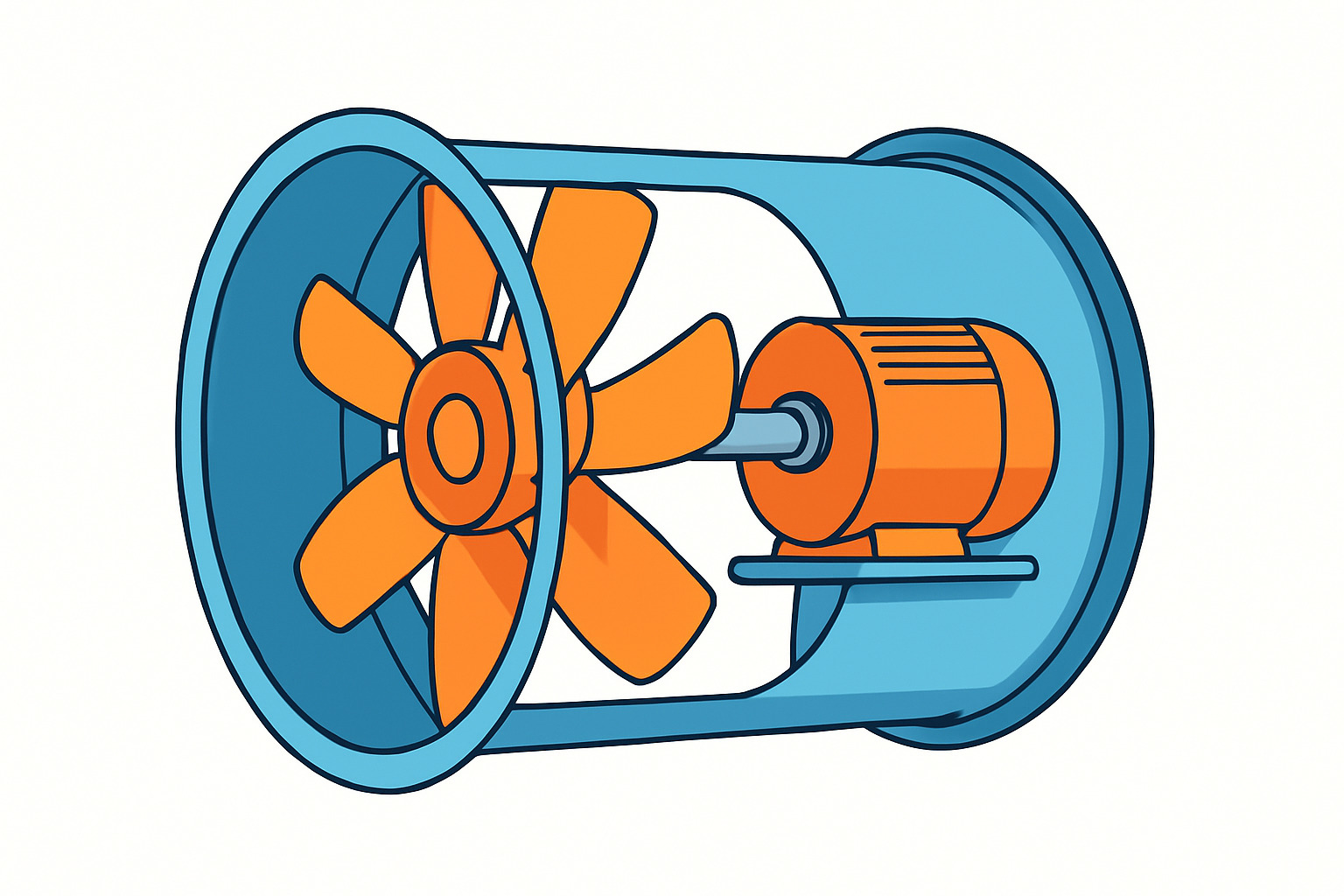
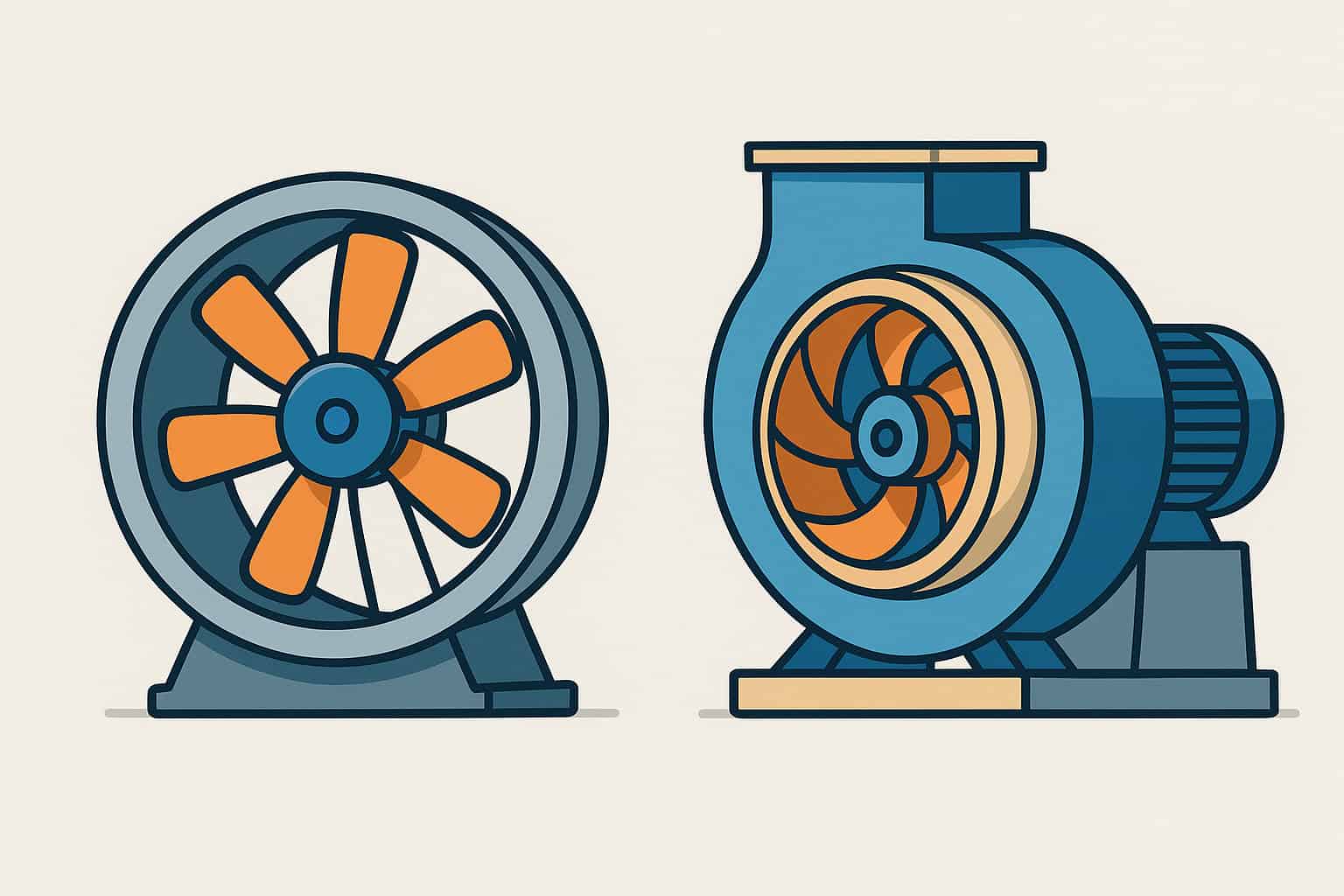
At the intake side, mine air is usually similar to outside atmospheric air. It enters through shafts, declines or adits and is driven underground by large axial or centrifugal mine ventilation fans. As this air flows through ramps, levels and headings, it mixes with gases emitted from the orebody and surrounding rock, combustion products from diesel engines and explosives, dust from drilling and blasting, and heat from machinery and rock. By the time air reaches return drifts, its composition and temperature can be very different from the original surface air.
Mine air quality is described in terms of gas concentrations, dust levels, temperature and humidity. Safe mine air must contain enough oxygen for workers and combustion, while keeping hazardous gases such as methane, carbon monoxide, nitrogen oxides and carbon dioxide below regulatory limits. Dust and diesel particulate levels must be controlled to reduce the risk of lung disease and to maintain visibility. Temperature and humidity must be kept within acceptable ranges so that working conditions remain tolerable and equipment is not damaged by overheating or condensation.
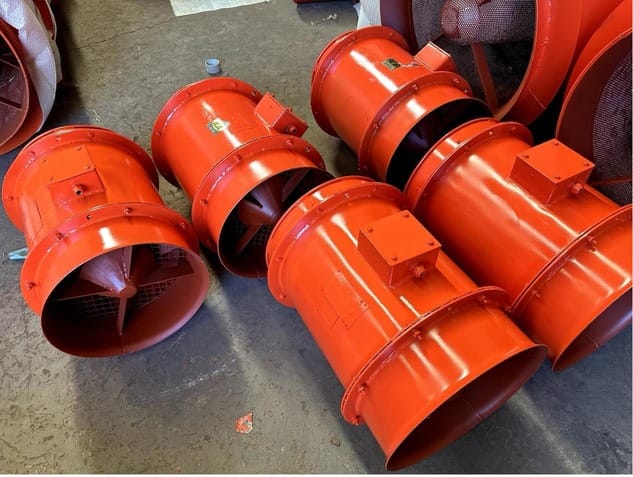
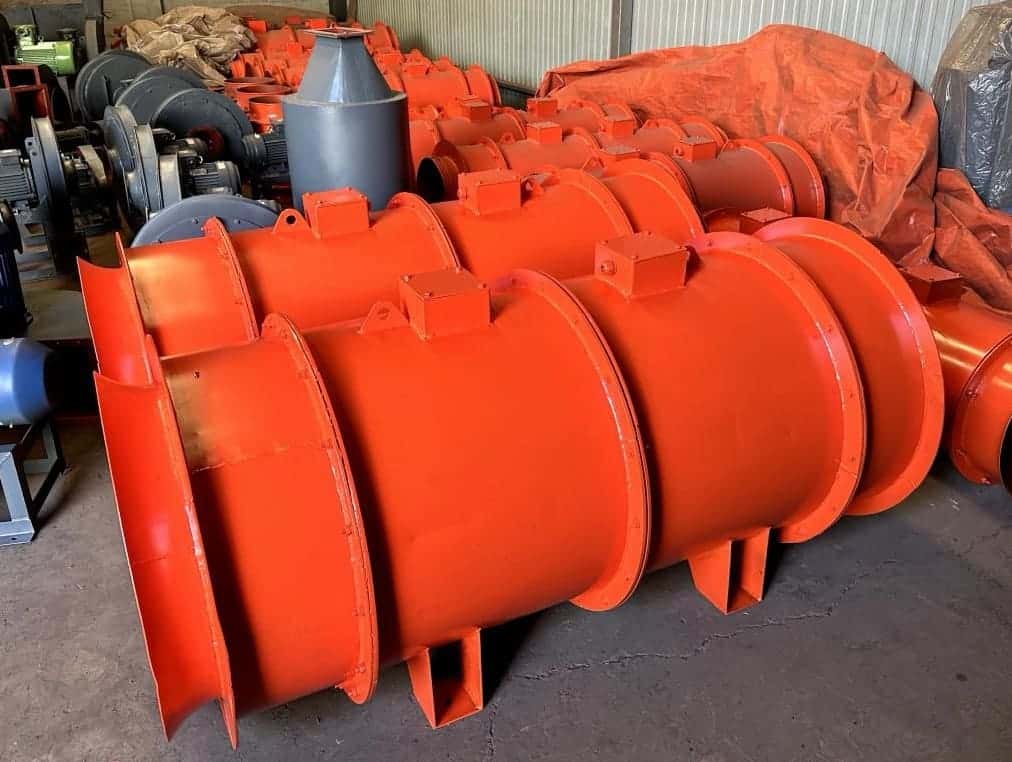
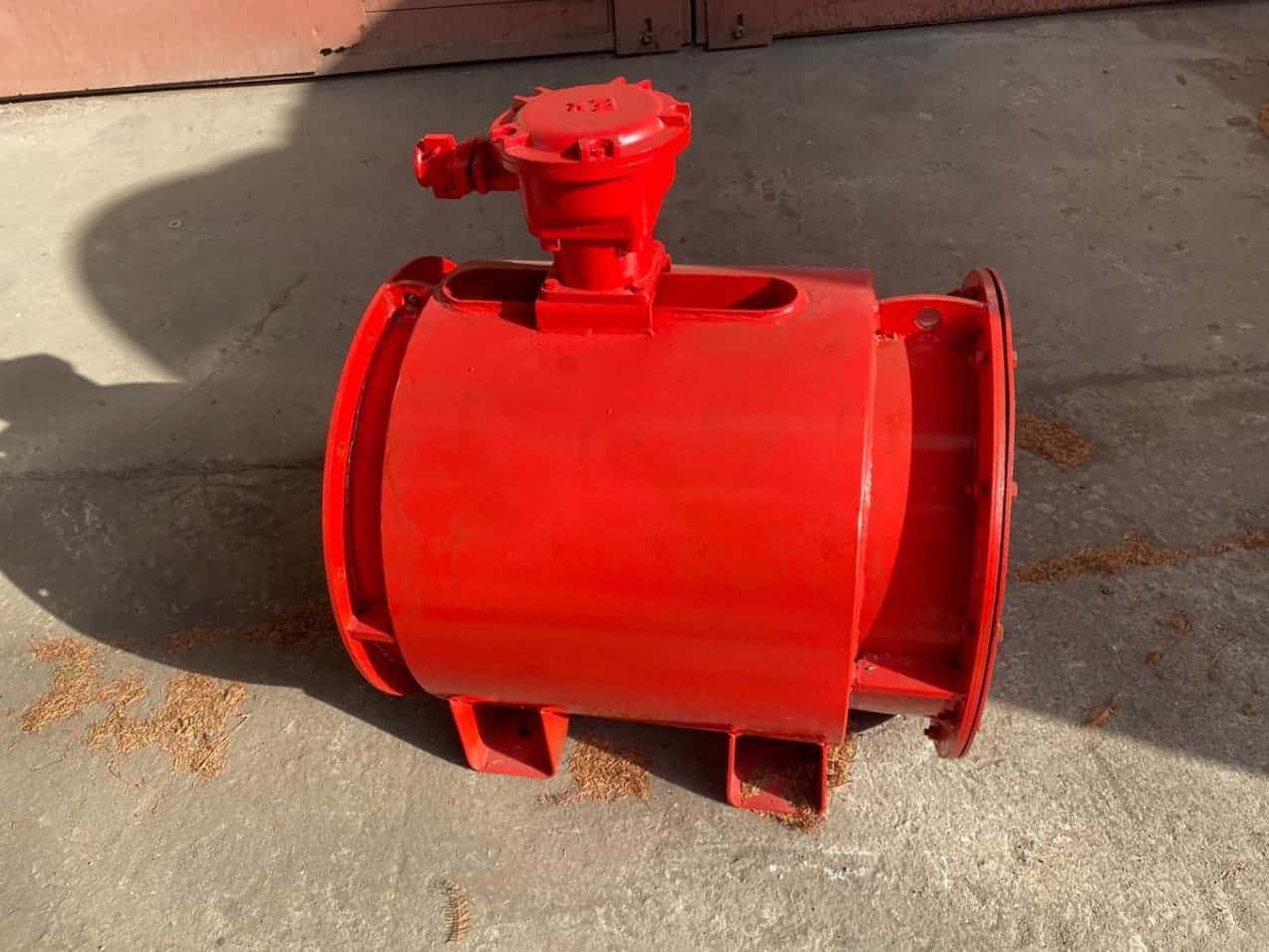
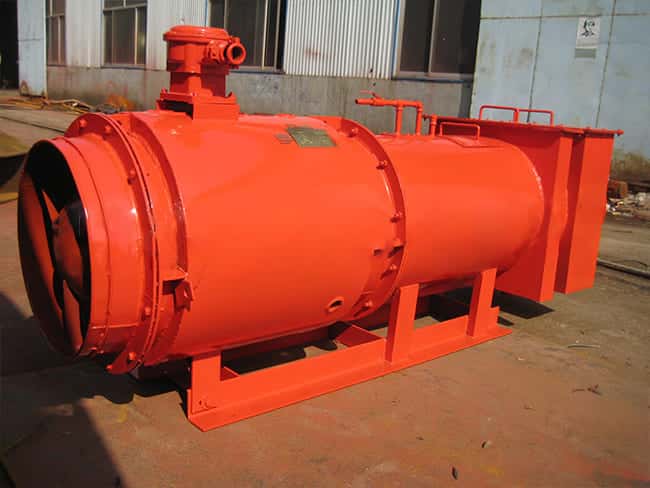
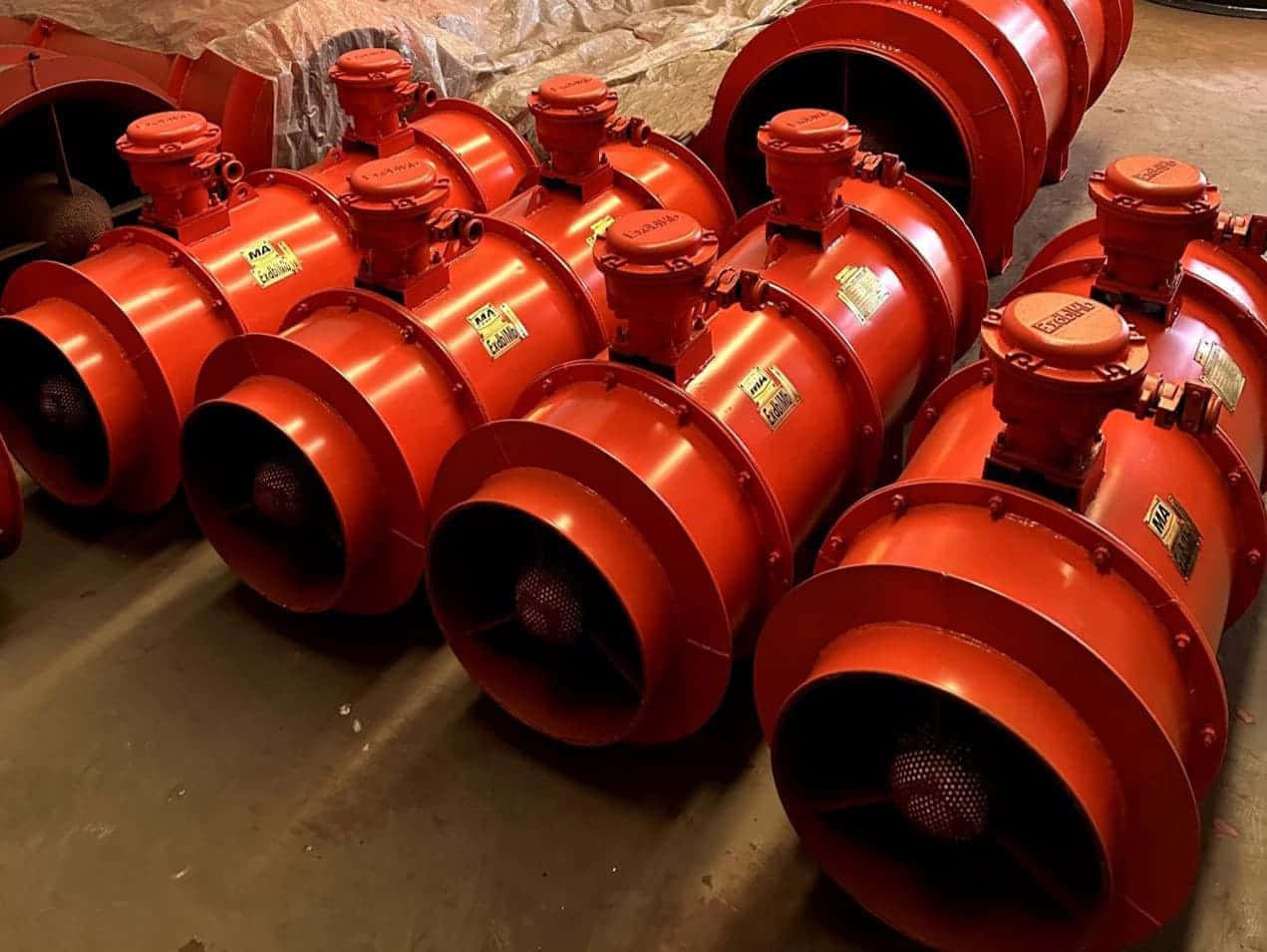
The mine ventilation system, built around main fans, booster fans and auxiliary fans with ducts, is designed to move and condition mine air so that these requirements are met. Primary airways carry fresh mine air to each district, and secondary systems deliver it to faces and stopes or extract contaminated air from blind headings. Regulators, stoppings and doors control how mine air is distributed, while monitoring instruments continuously measure key parameters.
In short, mine air is the atmosphere inside an underground mine, shaped by geology, equipment and ventilation. Good control of mine air through properly designed ventilation fans and airways is essential to maintain safe gas levels, low dust concentrations and acceptable thermal conditions for both workers and equipment.
