
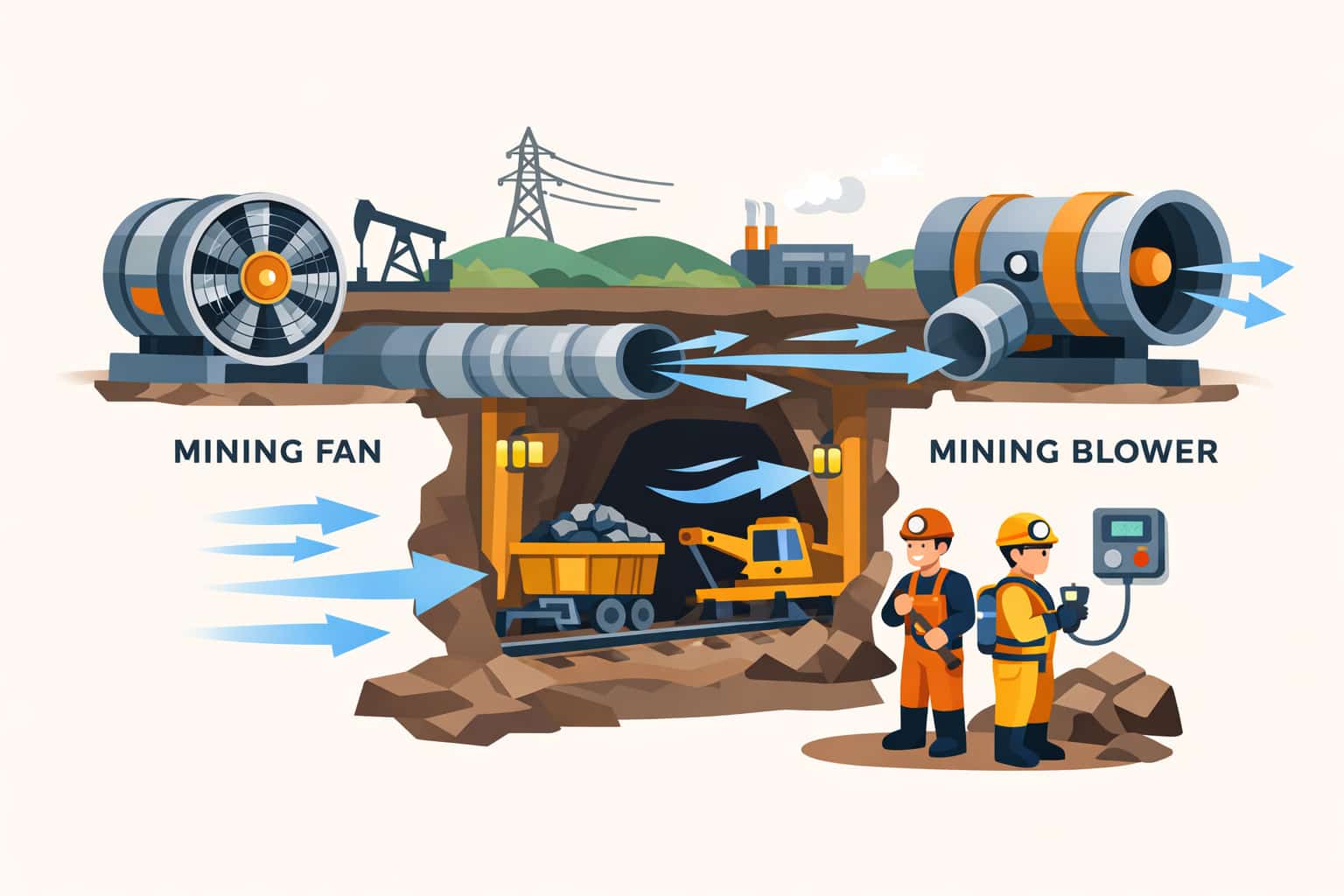
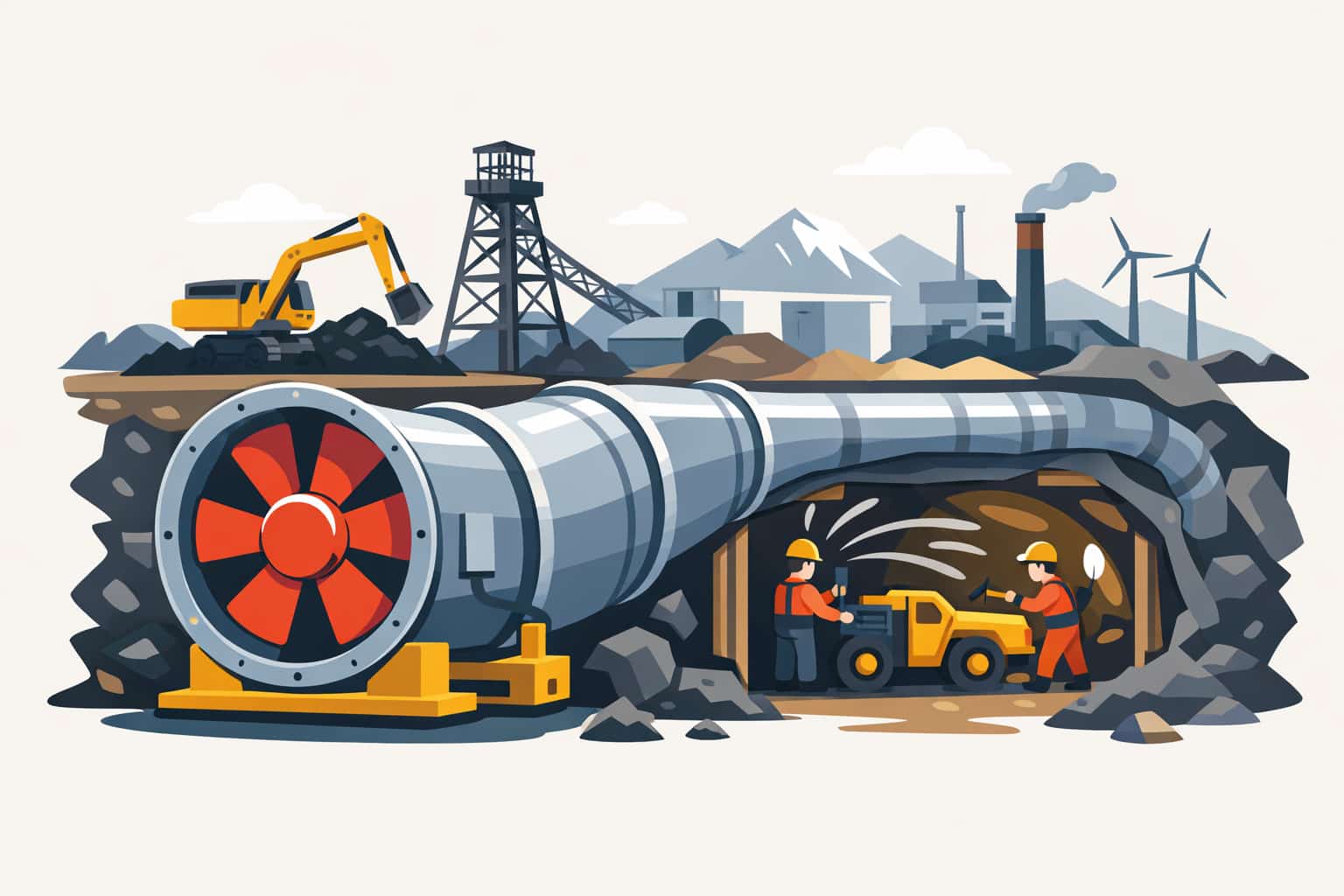
A mine ventilation system is the complete arrangement of fans, shafts, airways, ducts and control devices used to move air through an underground mine. It is one of the most important systems in any modern mining operation because it provides fresh air, removes harmful gases and dust, controls heat and humidity, and supports emergency response. Without a properly designed and operated mine ventilation system, underground mining would not be safe or economically viable.
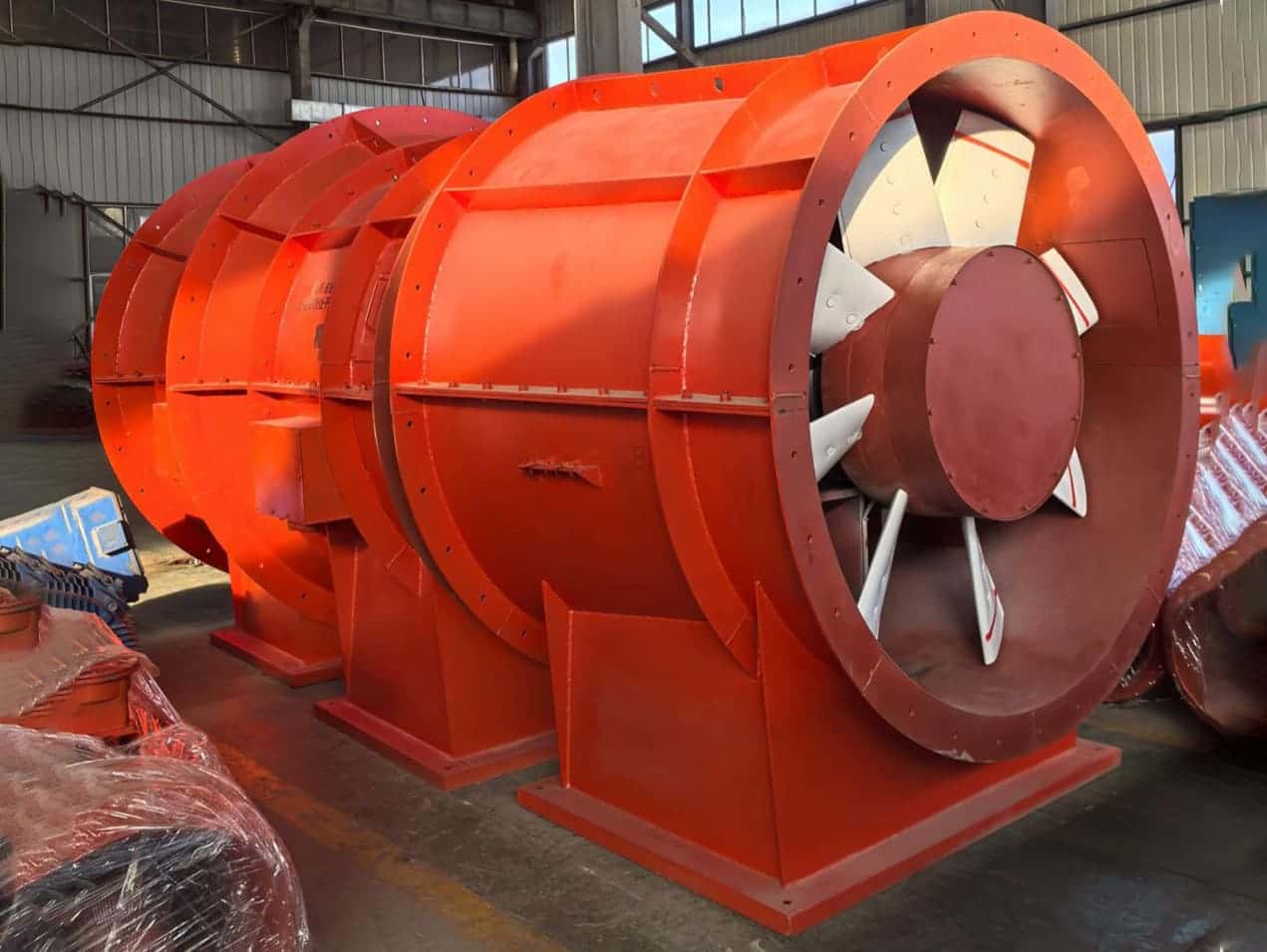
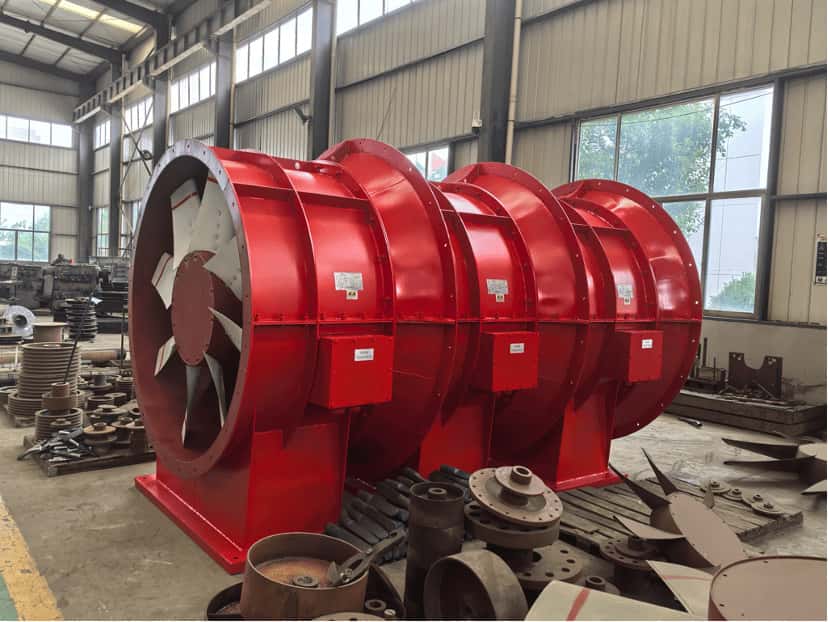
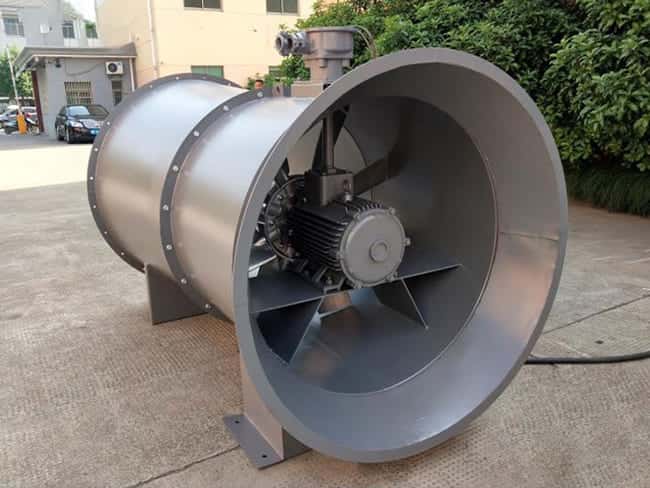
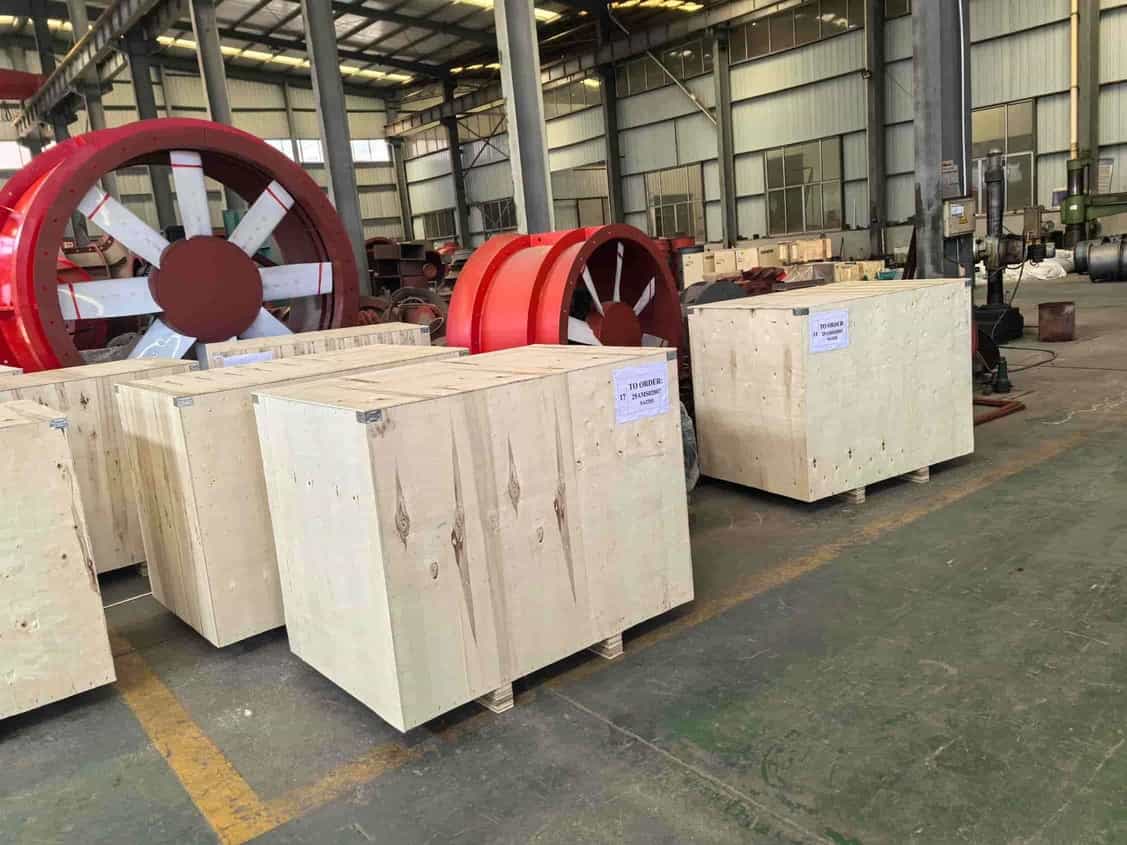
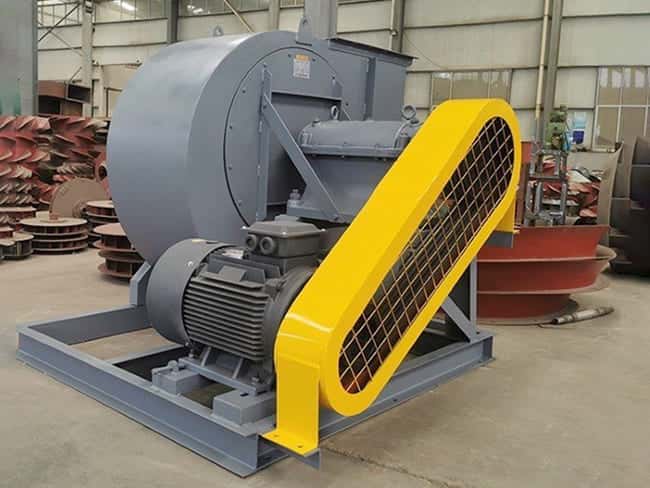
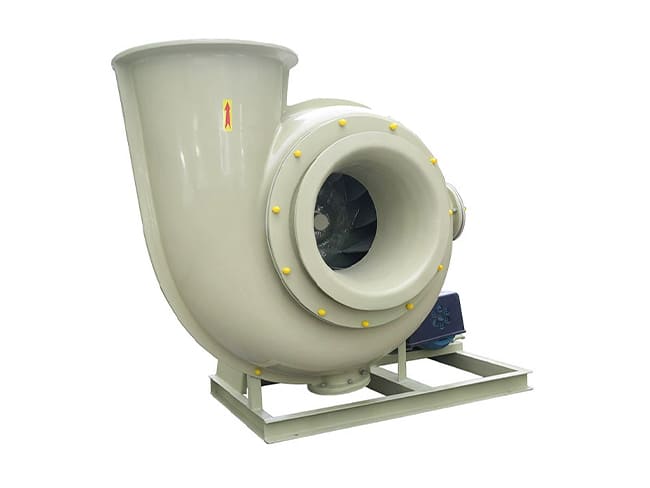
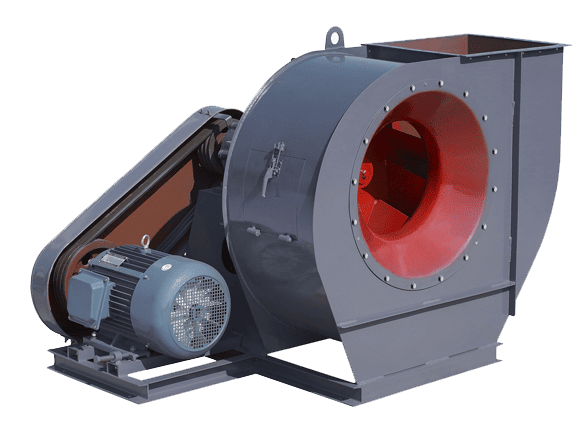
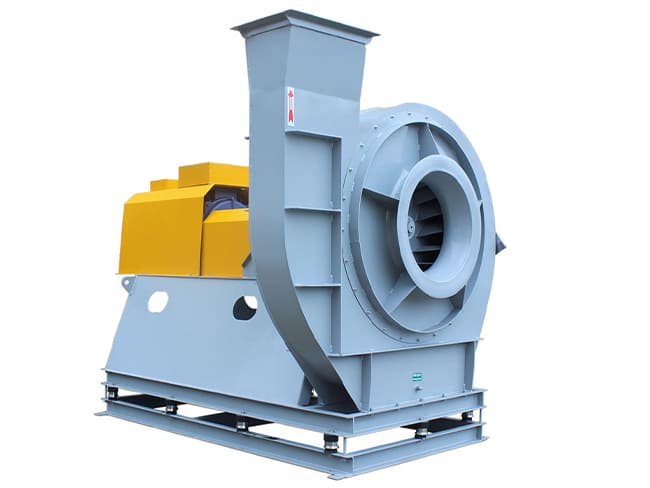
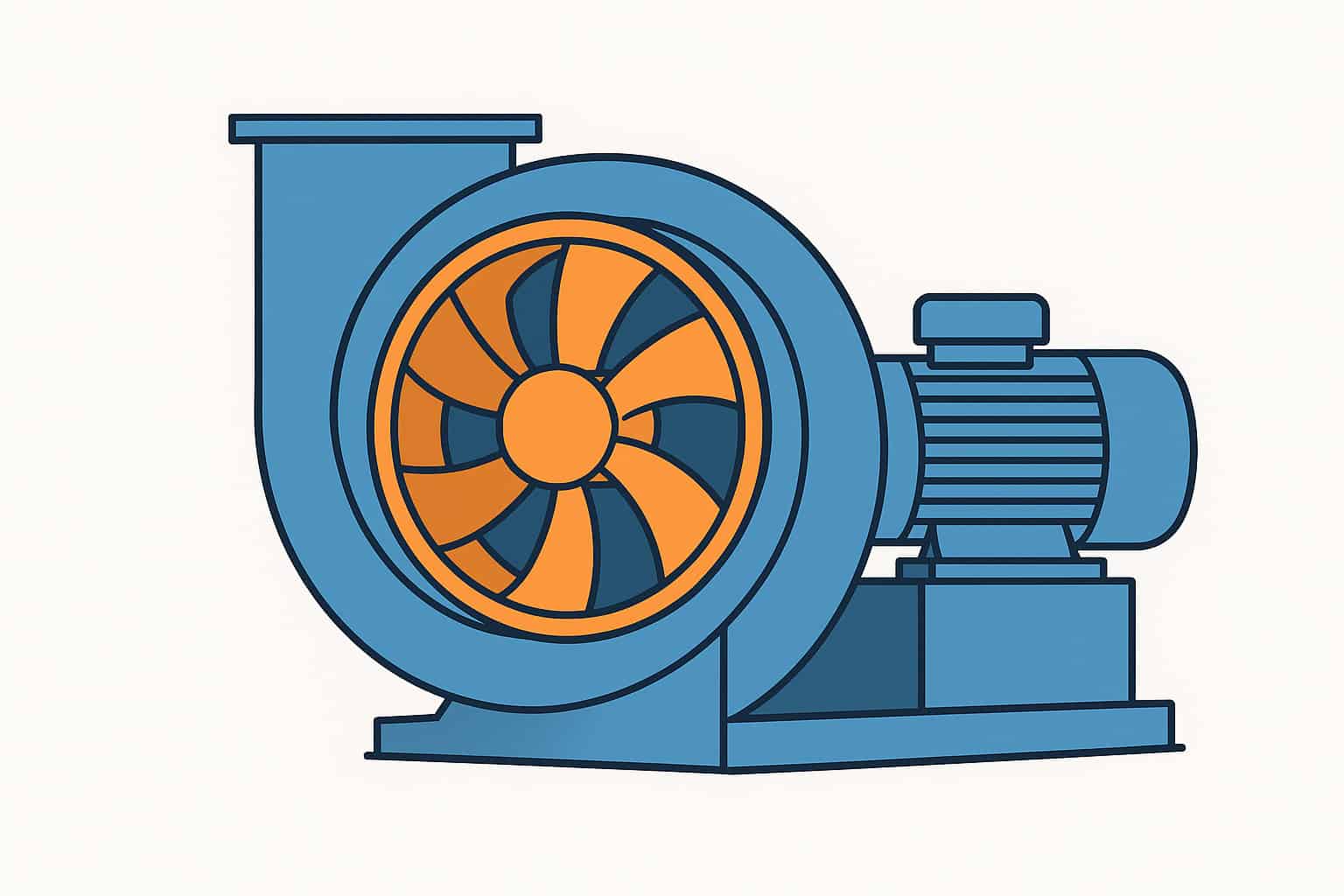
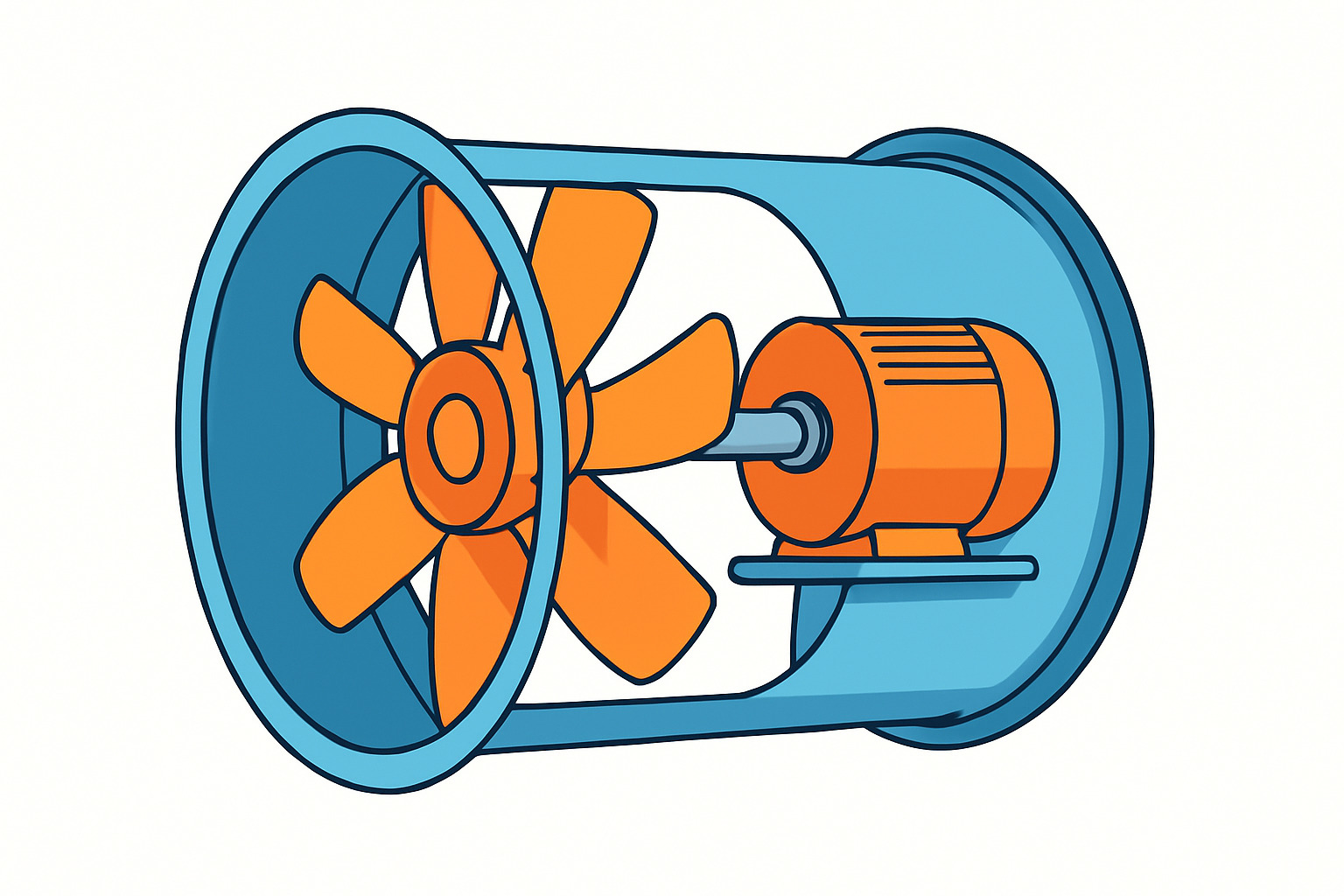
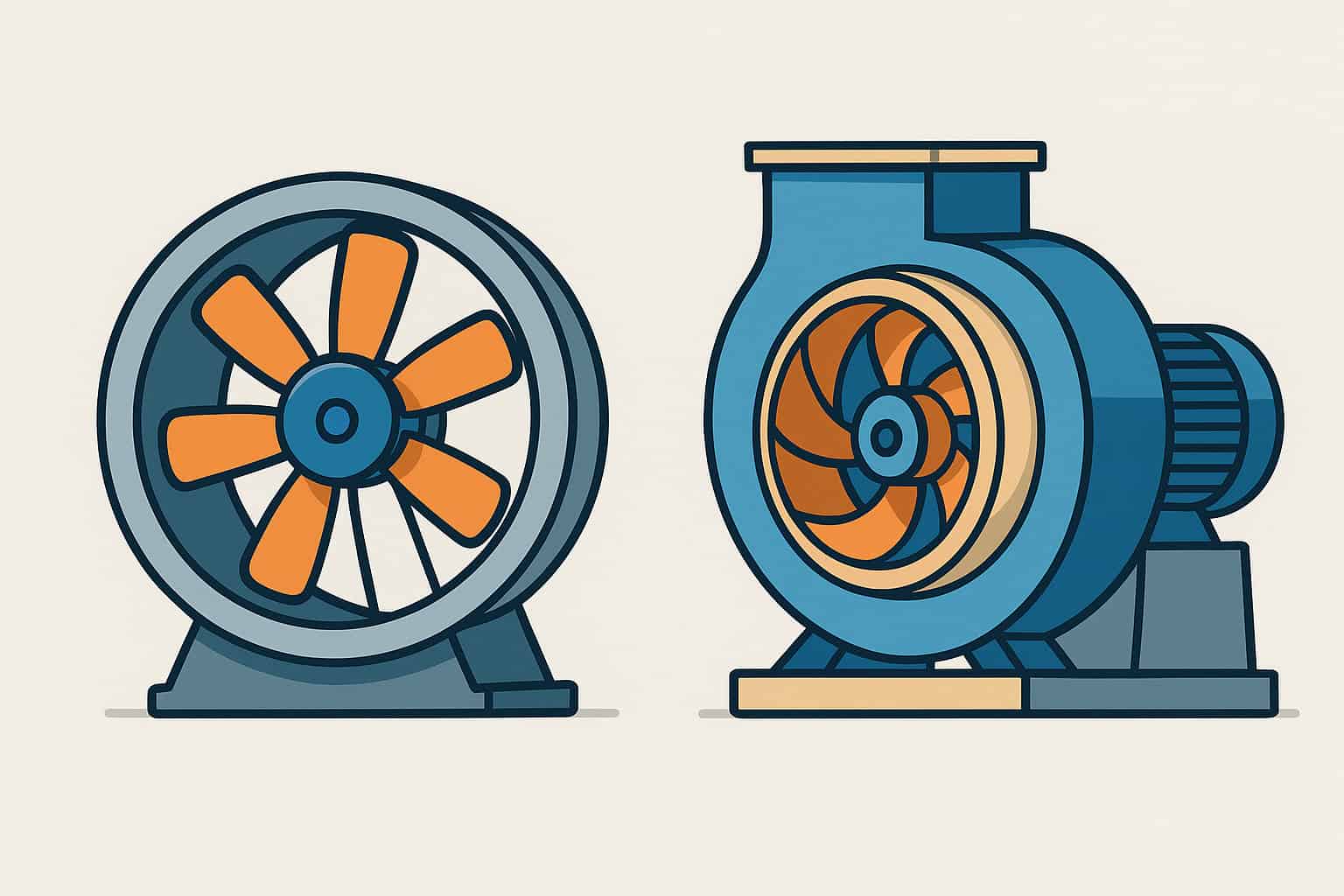
The core of the system consists of primary ventilation components. These include main mine ventilation fans, usually large axial or centrifugal units installed on surface shafts or declines, and the main intake and return airways that carry air into and out of the mine. Intakes deliver fresh air from the surface to levels, ramps and working districts, while returns collect contaminated air and deliver it back to exhaust shafts or portals where it is discharged to the atmosphere.
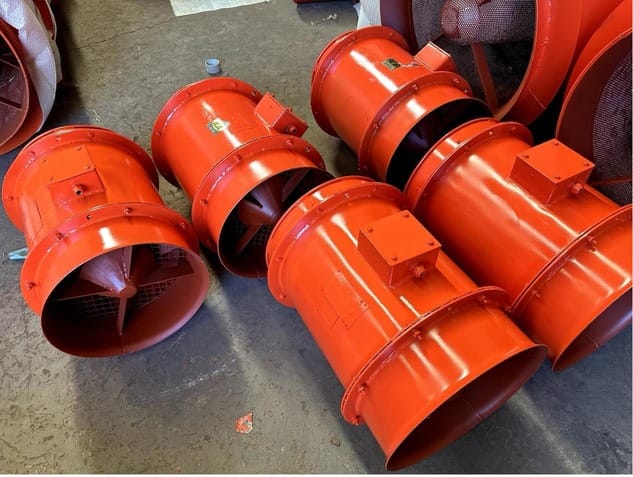
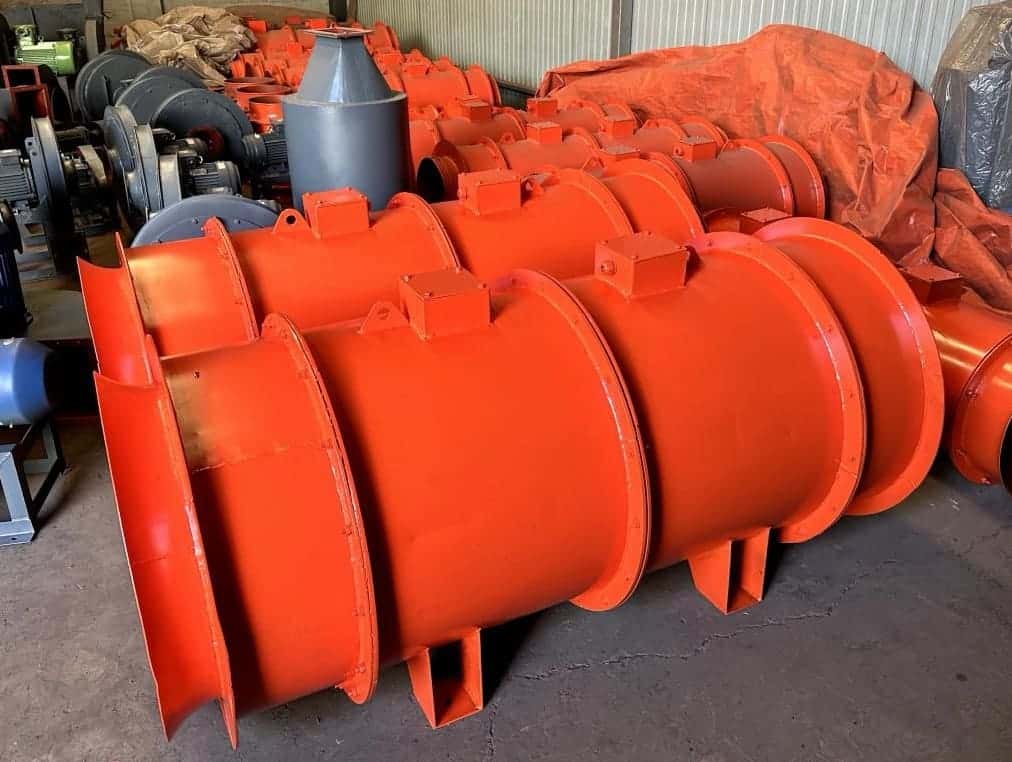
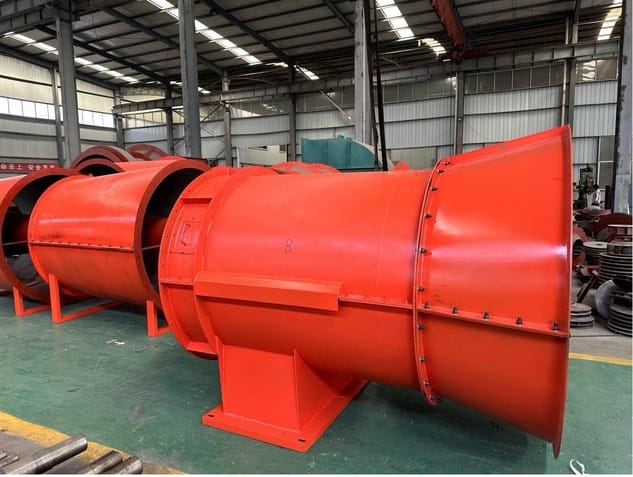
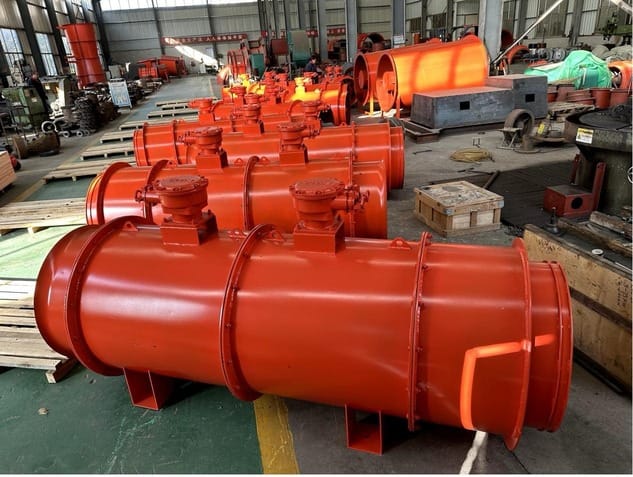
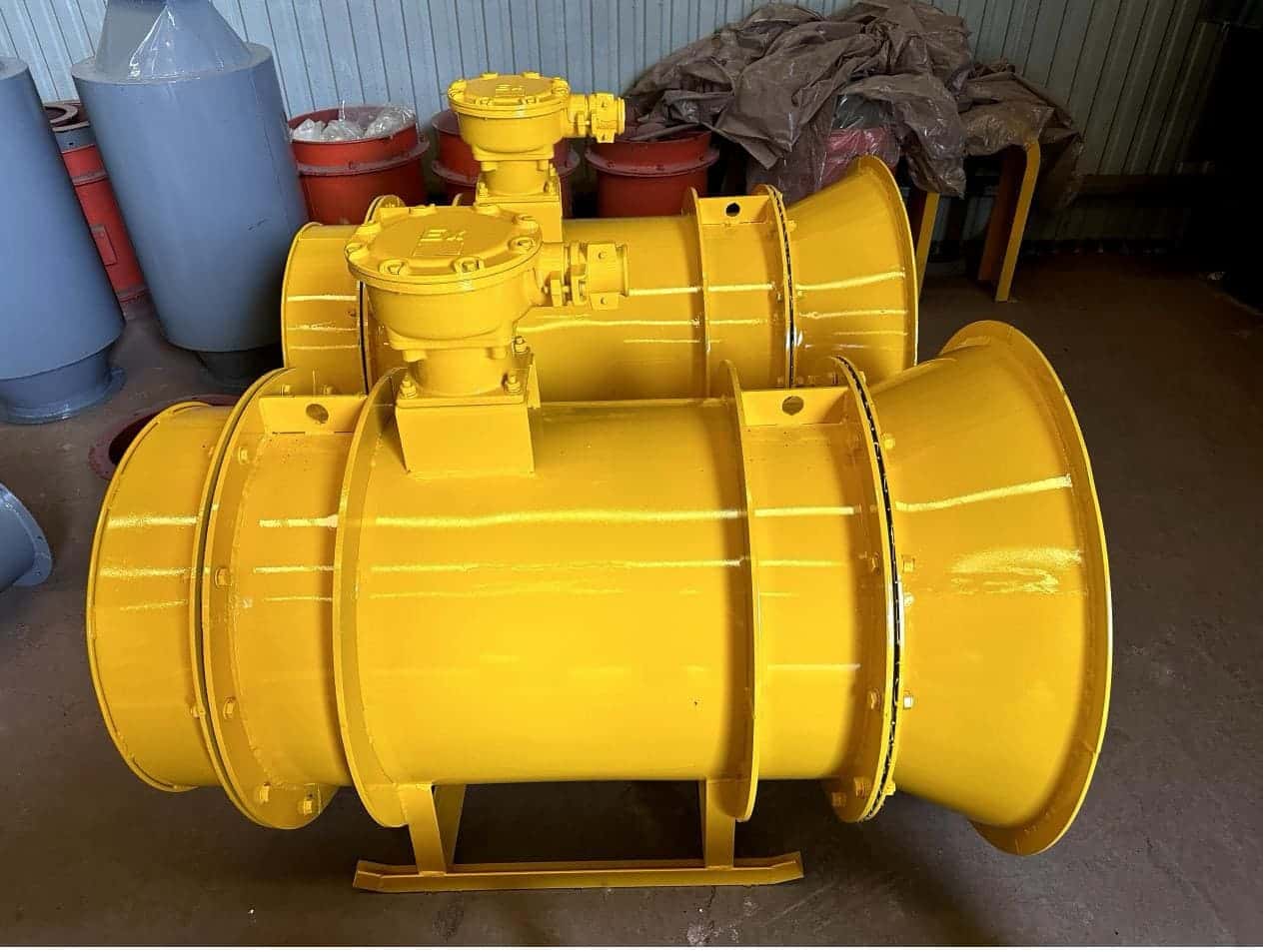
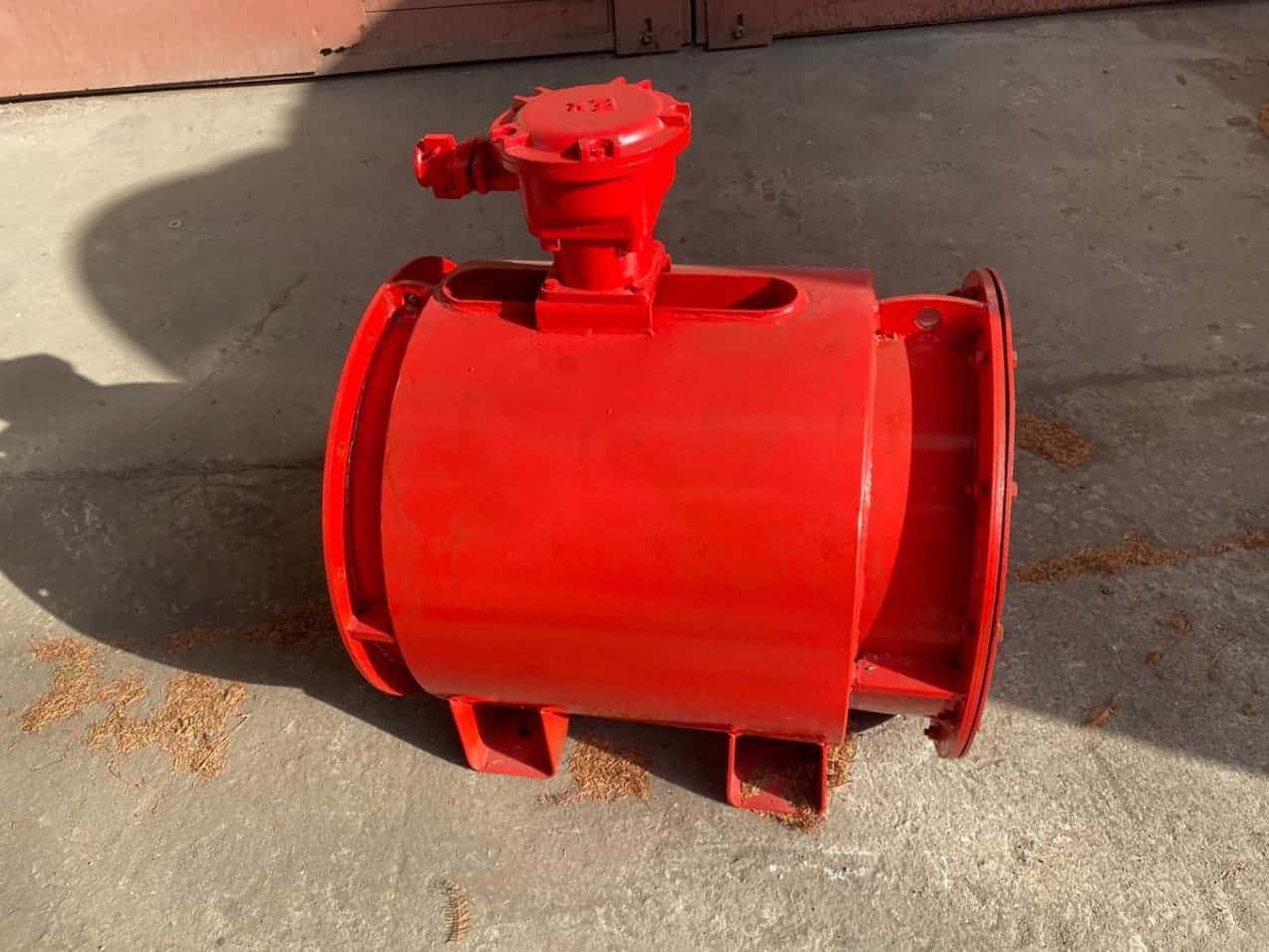
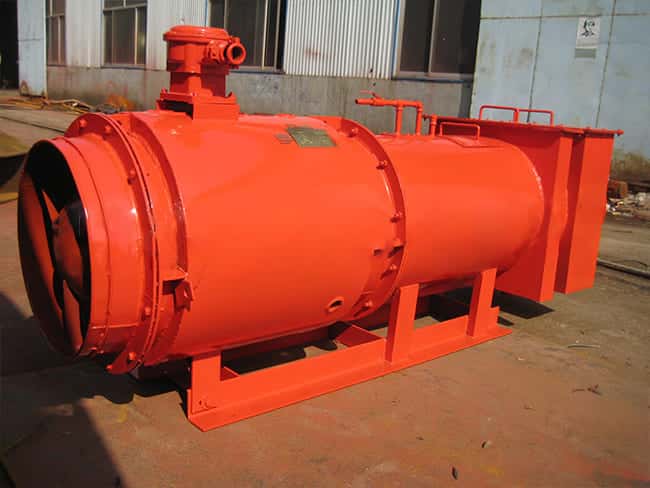
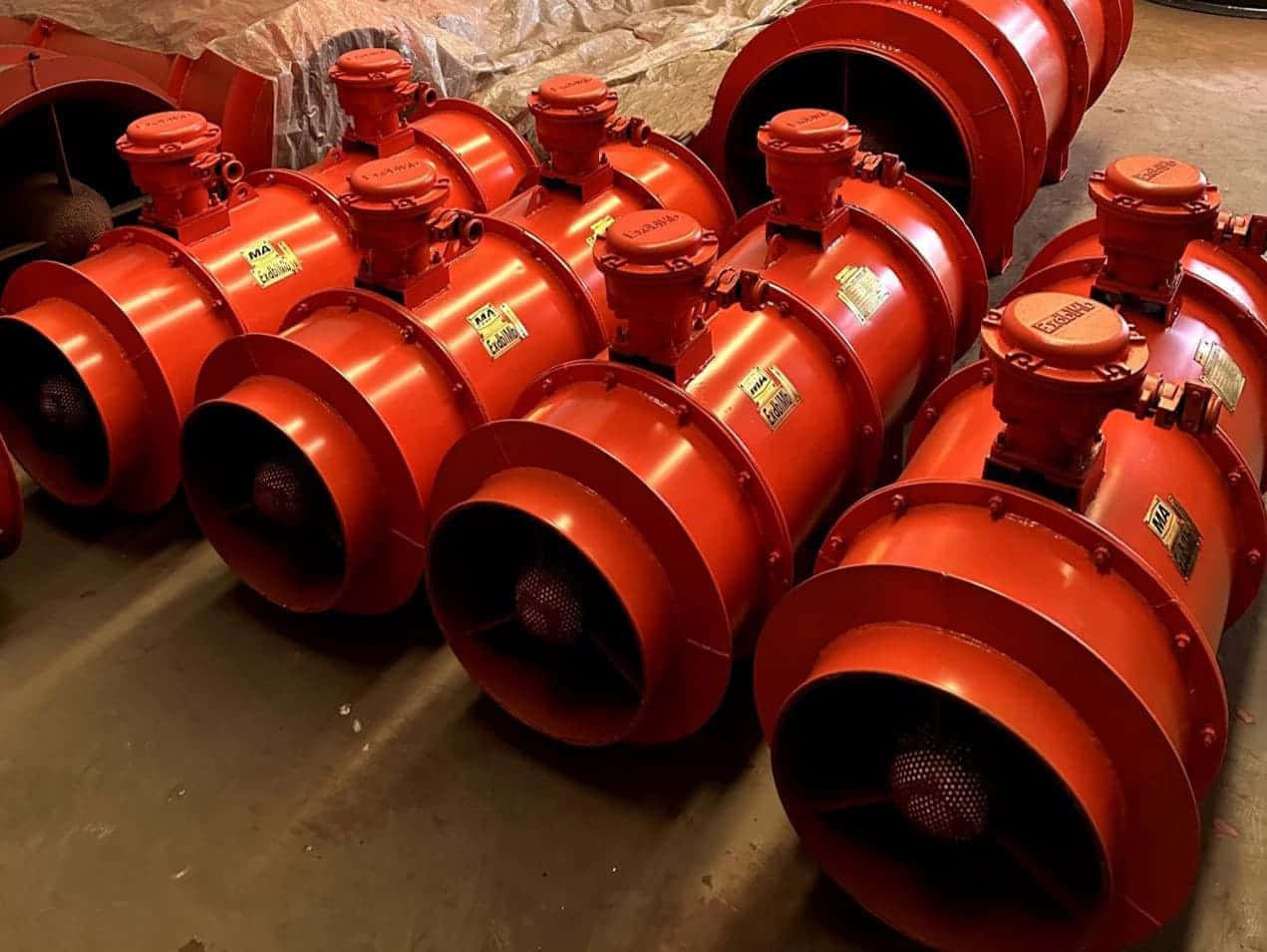
Beyond primary ventilation, the mine ventilation system also includes secondary or auxiliary ventilation. Auxiliary fans and ducts extend airflow to development headings, blind drives, stopes and localized work areas. These smaller systems are essential to ensure that adequate air quantity and quality is maintained at the face and in remote corners of the mine where workers and mobile equipment operate.
Control devices are another vital part of a mine ventilation system. Regulators, stoppings, bulkheads, air doors and overcasts are used to direct airflow along desired paths, balance quantities between parallel routes, and isolate sections when necessary. In some mines, booster fans are installed in specific branches to increase pressure and airflow to deep or high-resistance districts, forming part of the overall system strategy.
A modern mine ventilation system is supported by monitoring and automation. Gas sensors, airflow meters and temperature probes are installed at key locations to measure conditions in real time. Signals from these instruments are monitored in control rooms, where operators can adjust fan speeds, open or close regulators, and implement ventilation-on-demand logic to match airflow with production while maintaining safety margins and reducing energy consumption.
From a safety perspective, the ventilation system is central to emergency planning. The ventilation plan shows all airways, fans and control devices and documents normal airflow directions as well as emergency strategies for fires or explosions. Ventilation engineers must ensure that the system can maintain tenable escape routes, support refuge chambers and allow rescue teams to enter and operate under adverse conditions.
In summary, a mine ventilation system is the integrated network of main and auxiliary fans, shafts, airways, ducts, regulators, monitoring instruments and control systems that manage air movement in an underground mine. Its proper design, operation and maintenance are fundamental to safe, efficient mining and to the long-term health of workers and equipment.
