
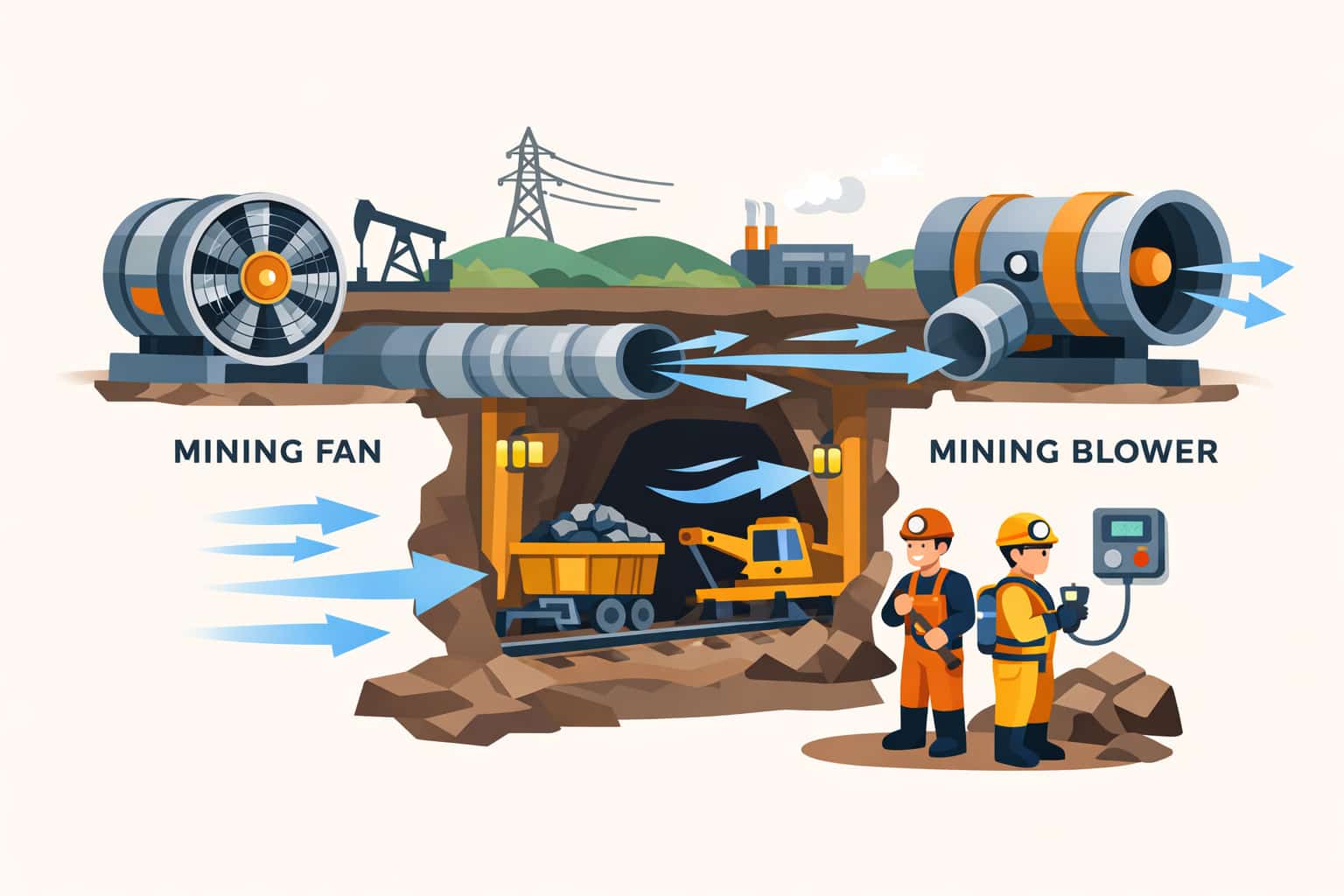
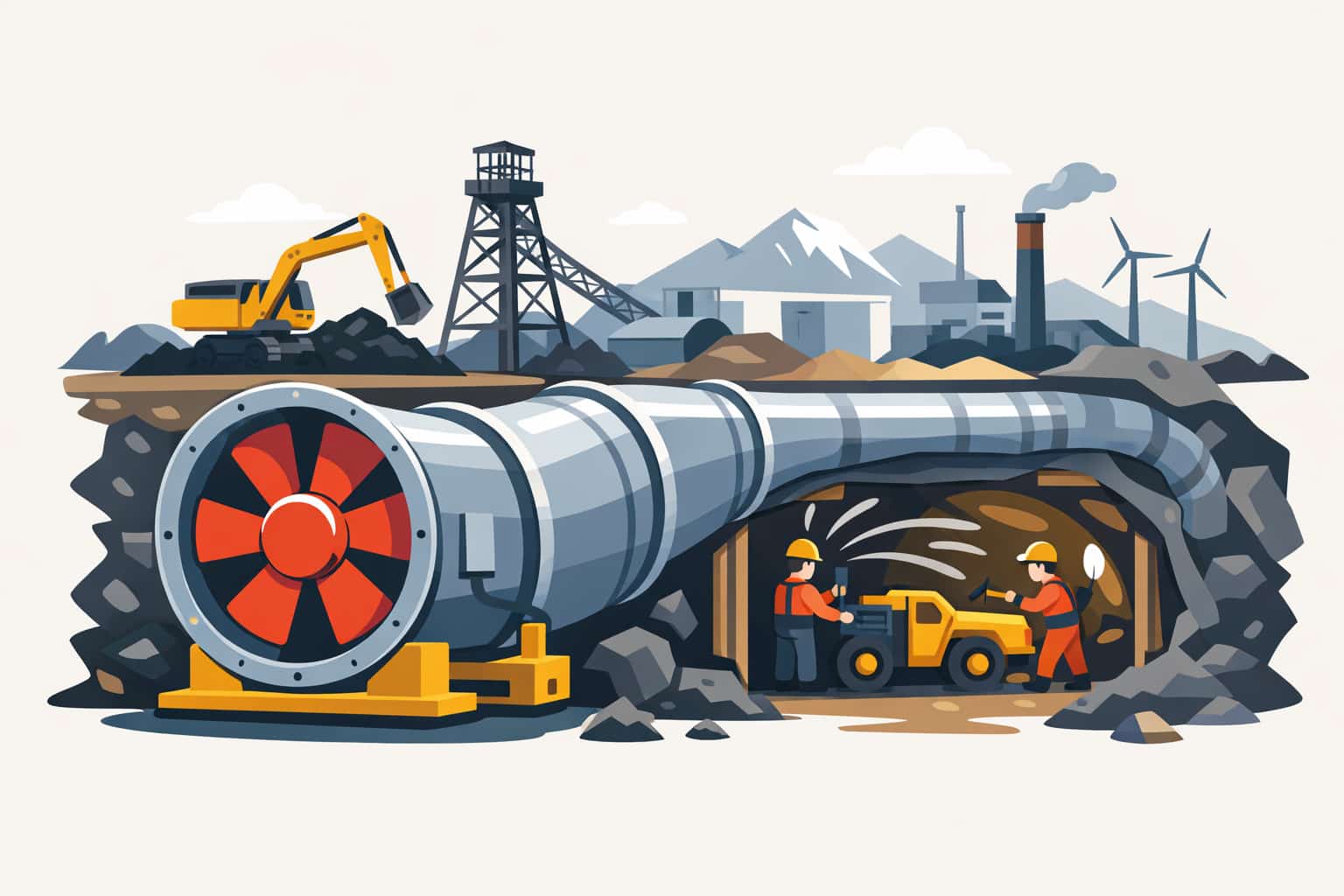

Natural ventilation for tunnels is the movement of air through a tunnel without the use of mechanical ventilation fans. Instead, airflow is driven by environmental factors such as wind at the portals, temperature differences between the tunnel and the outside air, and the piston effect created by moving vehicles or trains. While natural ventilation can contribute to air movement, it is usually not sufficient on its own for modern long or heavily trafficked tunnels.
One key mechanism of natural tunnel ventilation is the stack effect. If the air inside the tunnel is warmer than the outside air, it tends to rise and escape through higher portals or shafts, drawing cooler air in through lower openings. Seasonal and daily temperature changes can therefore influence the direction and magnitude of natural airflow. In some short tunnels, this effect can help clear exhaust gases even without fans, especially in cold climates with significant temperature differences.
Another important factor is the piston effect. As vehicles or trains pass through a tunnel, they push air ahead of them and pull air behind them, creating a moving pressure wave. In rail and metro tunnels, this piston effect can produce substantial airflow, especially when train frequency is high. Designers sometimes take advantage of this effect to reduce the amount of mechanical ventilation needed under normal service conditions.
Wind at portals and at ventilation shafts also contributes to natural ventilation. When wind blows into one end of a tunnel and out the other, it creates a pressure difference that drives airflow. However, wind direction and speed are highly variable, so relying solely on this effect is risky for safety-critical applications.
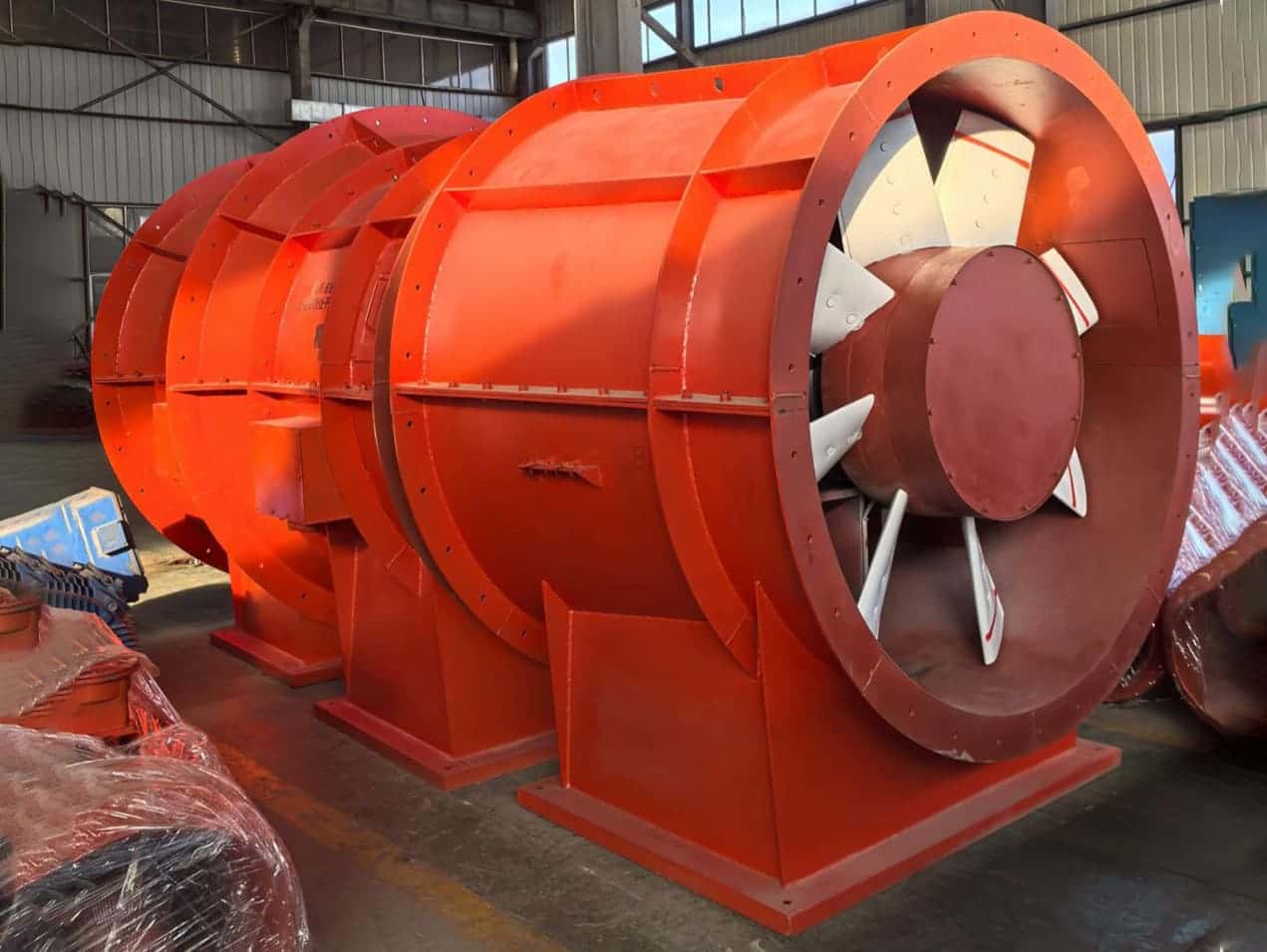
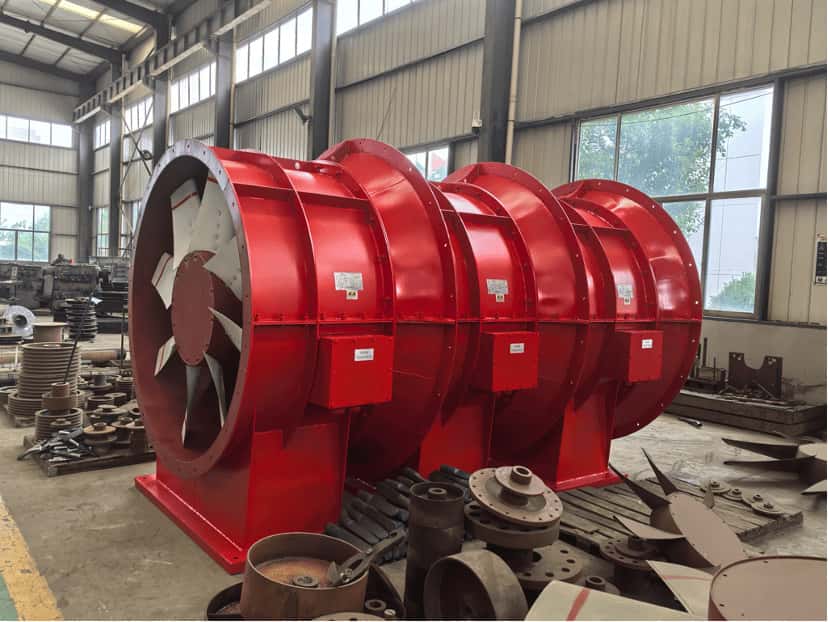
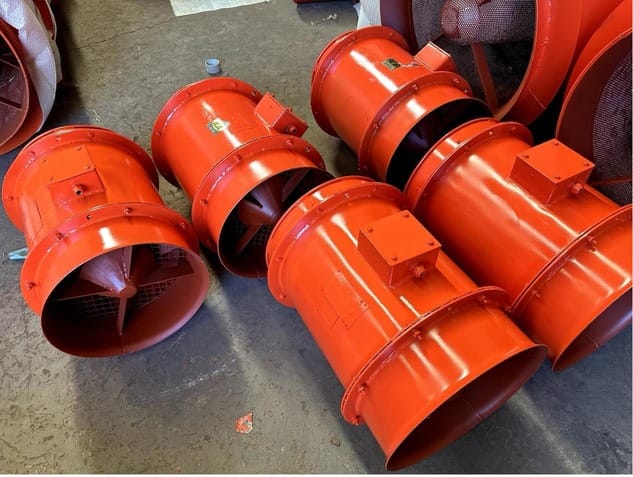
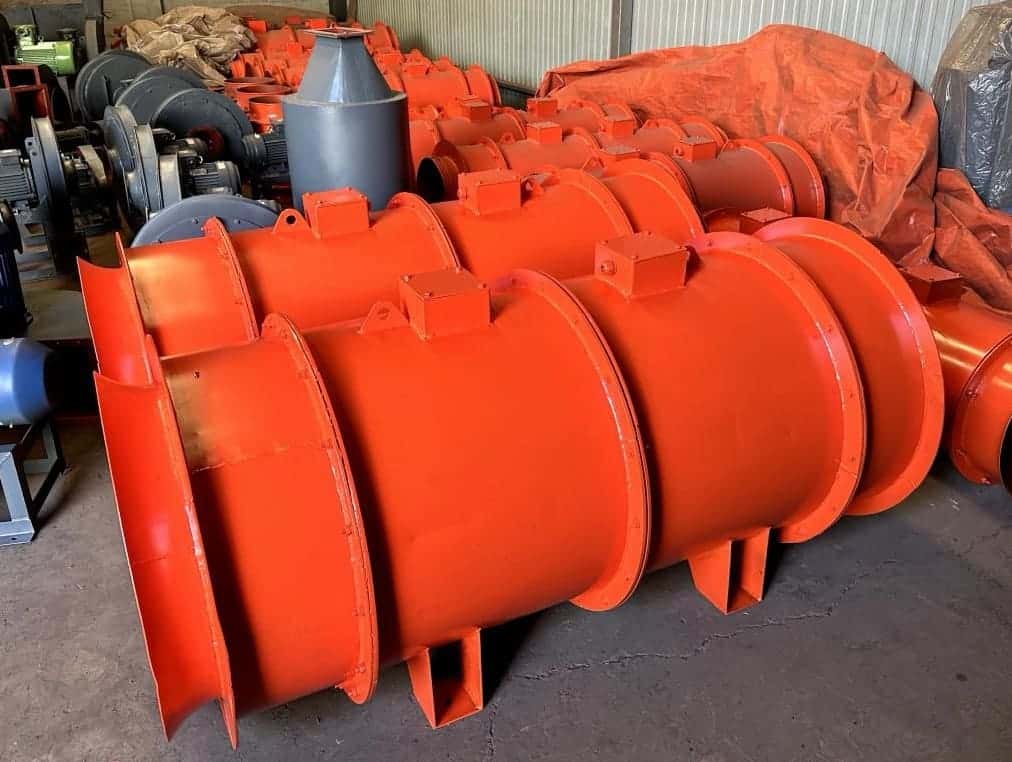
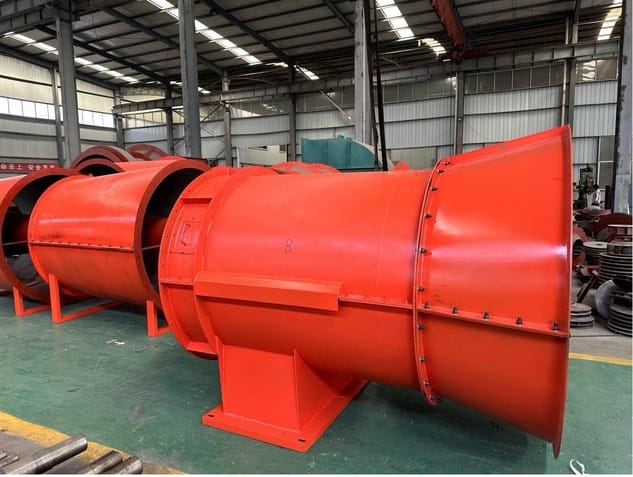
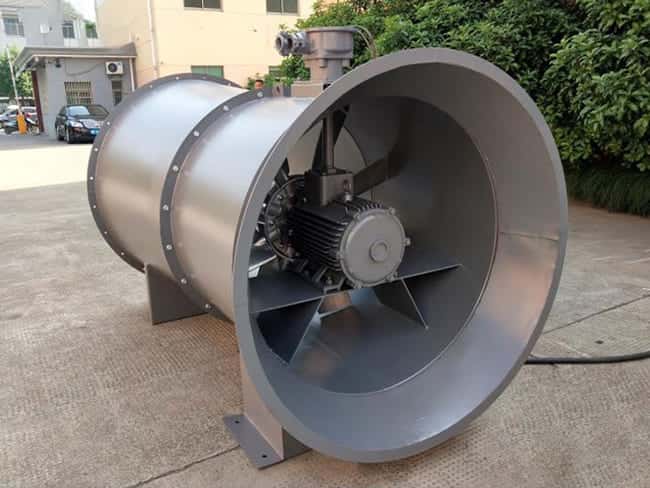
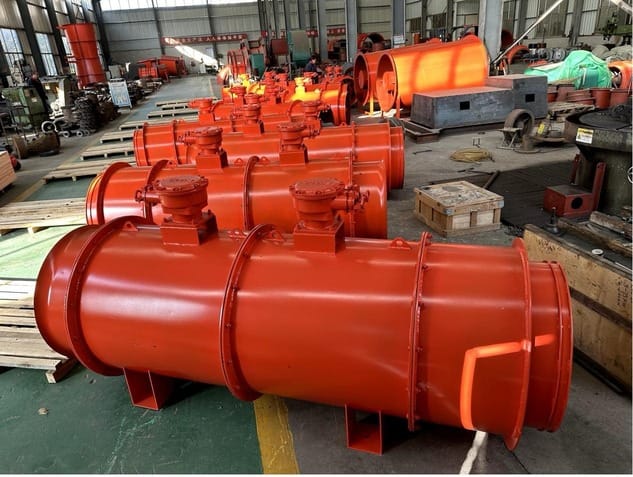
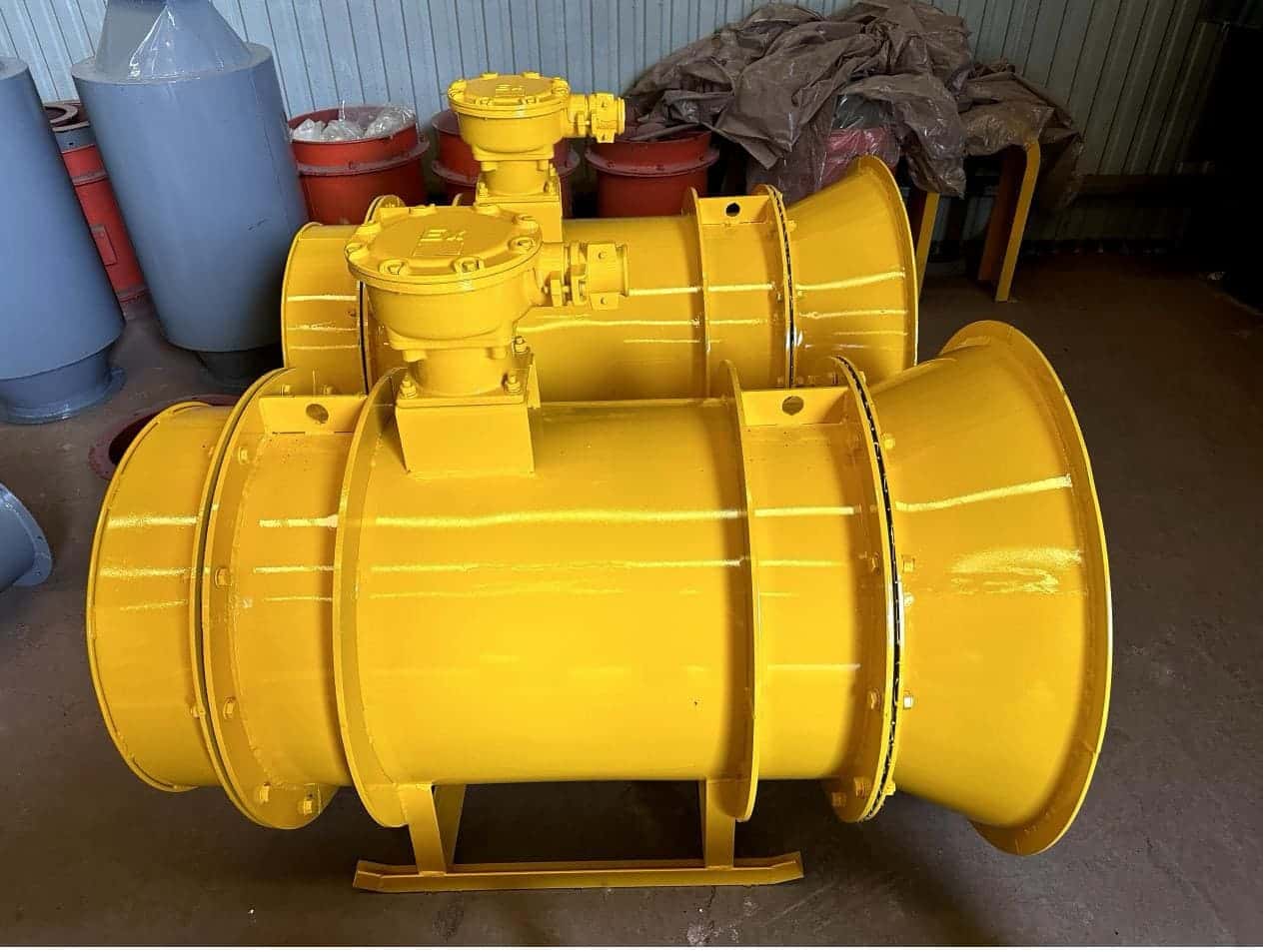
Because natural ventilation is unpredictable and difficult to control, most modern road, rail, and mining tunnels cannot depend on it alone to meet air quality and smoke control requirements. Regulations typically require designers to demonstrate that pollutant concentrations and visibility will remain within limits in worst-case traffic or incident scenarios. For anything beyond relatively short, lightly trafficked tunnels, mechanical ventilation with jet fans or axial exhaust fans is needed to provide reliable, controllable airflow.
That said, natural ventilation is still considered in tunnel design. Engineers analyze how temperature, wind, and piston effects will affect baseline airflow and how they might assist or oppose mechanical systems. For example, a favorable natural flow may reduce fan power consumption during cold seasons, while an unfavorable flow must be overcome by fan pressure to maintain the correct smoke control direction during a fire.
In summary, natural ventilation for tunnels is air movement caused by environmental conditions and traffic, without the use of mechanical fans. It can help improve air exchange in short or low-traffic tunnels, but for most modern tunnels, it is treated as a supplementary effect, with mechanical tunnel ventilation fans providing the primary and reliable means of controlling air quality and smoke.