
Natural ventilation in mining is the movement of air through a mine caused by natural pressure differences, without using mechanical fans. These pressure differences arise from variations in temperature, air density, and barometric pressure between the surface and underground, and between mine openings at different elevations. In simple terms, when there is a density difference between the air in the mine and the outside air, a natural pressure gradient forms and causes air to flow.
The main mechanism behind natural ventilation in mining is the stack effect. If the air inside the mine is warmer (and therefore lighter) than the outside air, it tends to rise through higher openings, such as an upcast shaft or adit at higher elevation. Cooler, denser air is then drawn in through lower openings to replace it. When conditions reverse and outside air is warmer, the direction and strength of natural airflow may also change. This makes natural ventilation highly variable over seasons, weather patterns, and barometric cycles.
In older or shallow mines with multiple connected openings, natural ventilation can sometimes provide a noticeable amount of airflow. Operators might use simple ventilation controls such as doors, stoppings, and canvas brattices to guide this natural flow along useful paths. However, natural airflow is usually weak and unpredictable compared with what is required for modern mechanized mining with diesel equipment, large production fleets, and strict dust and gas limits.
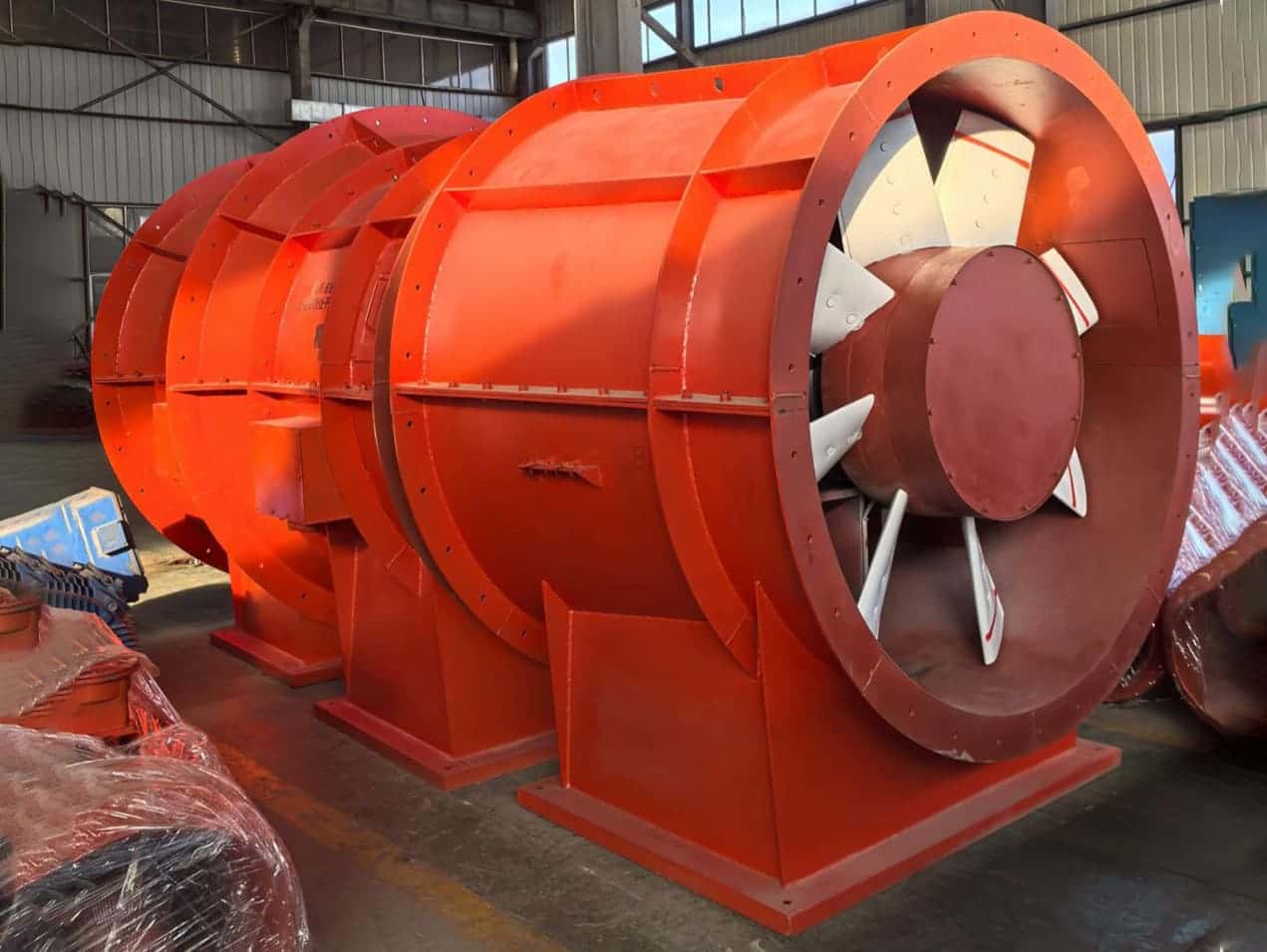
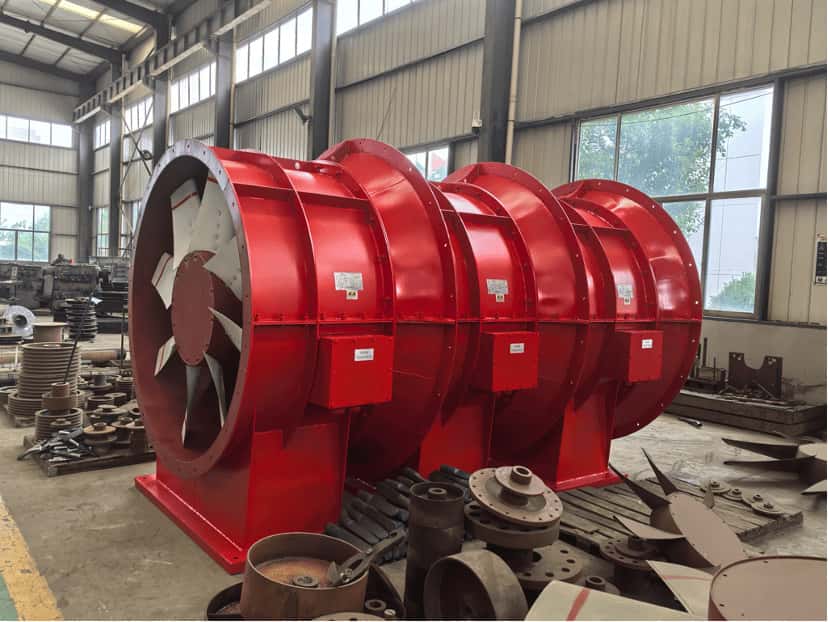
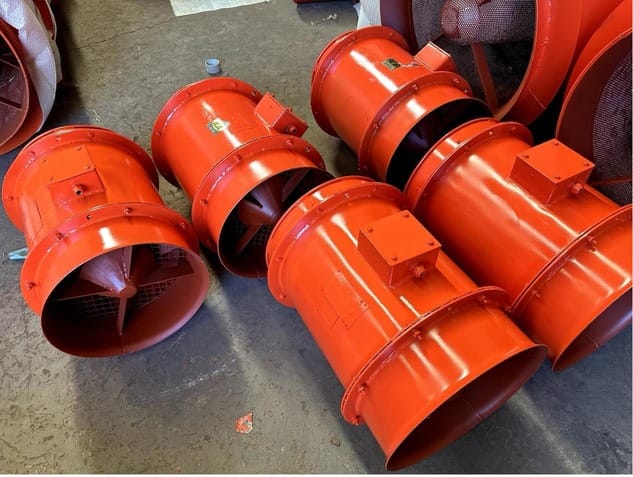
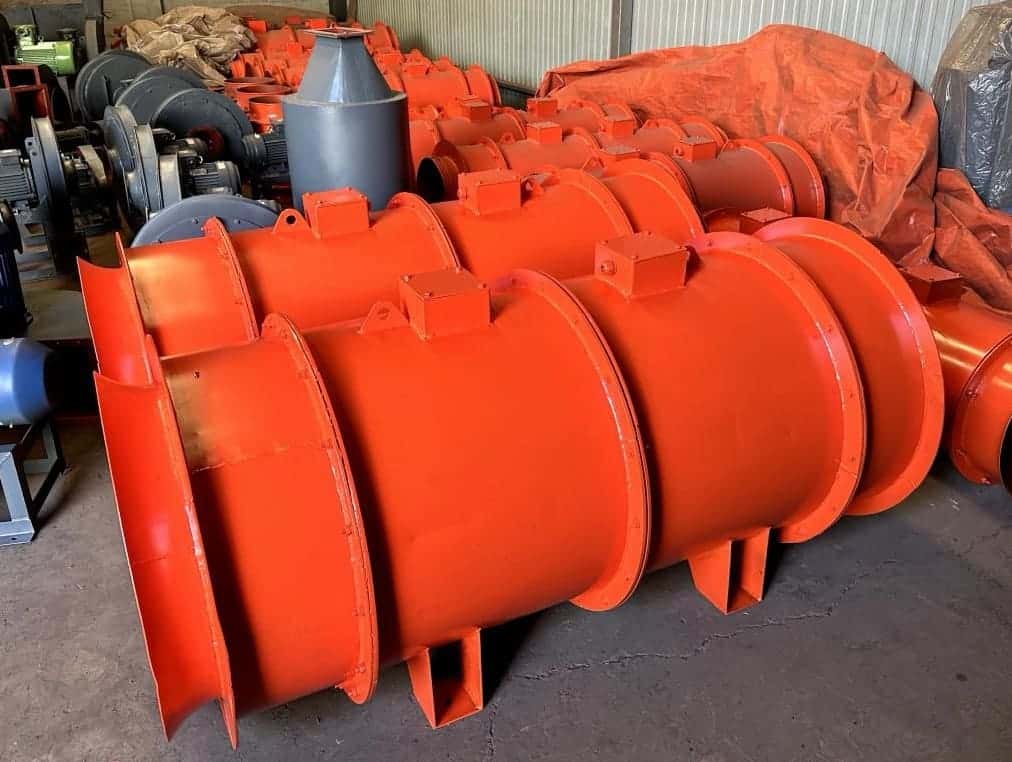
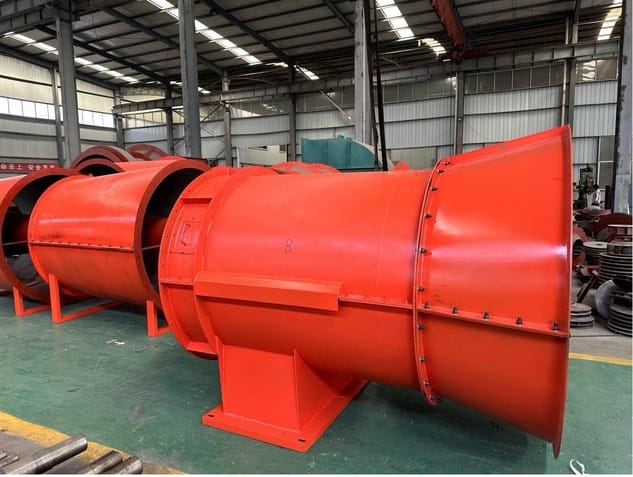
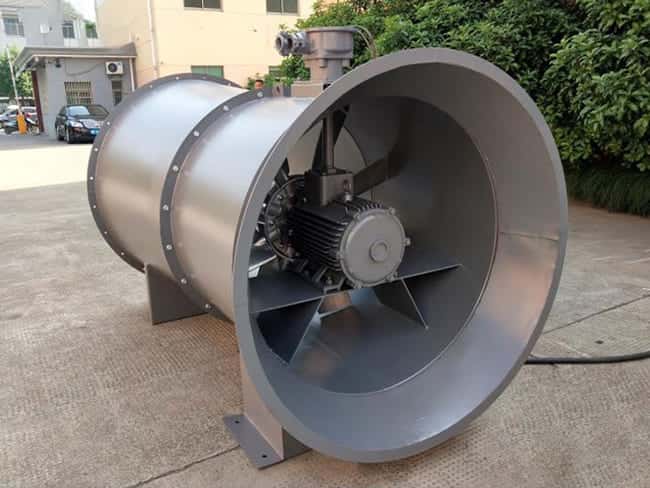
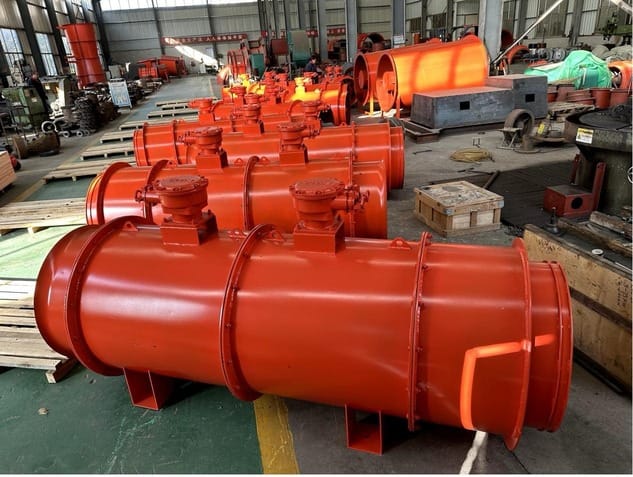
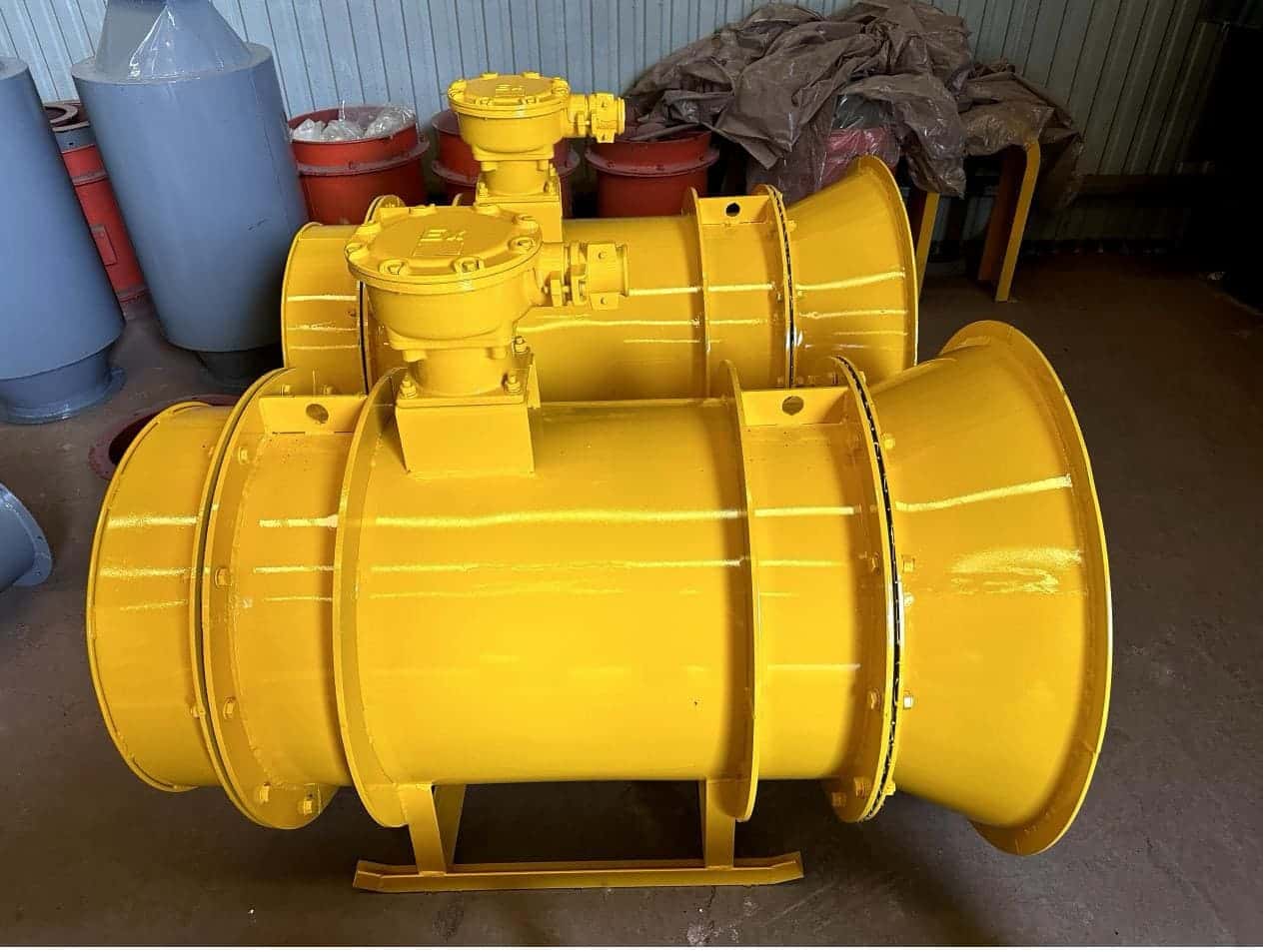
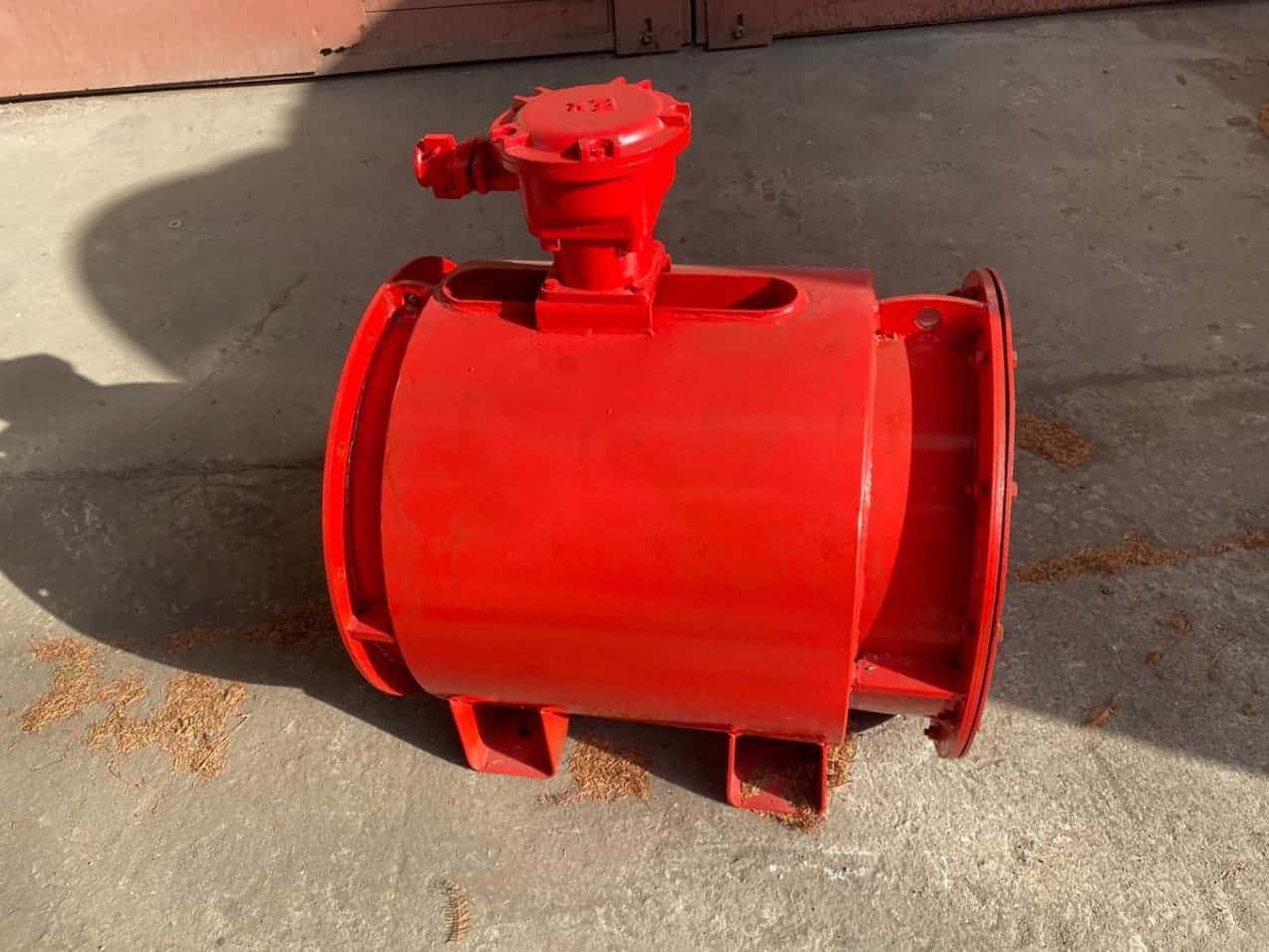
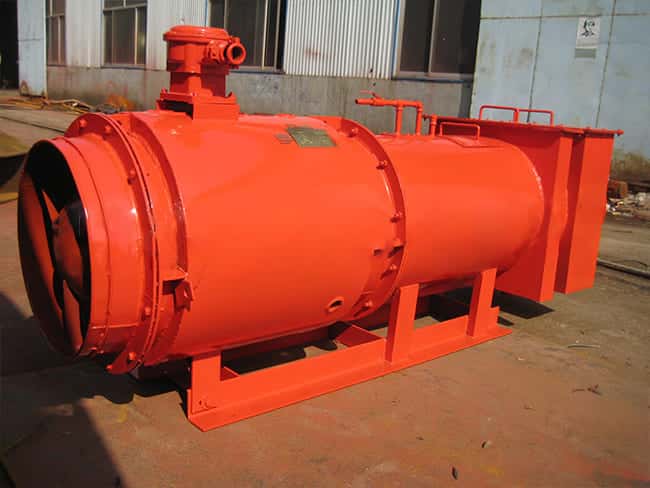
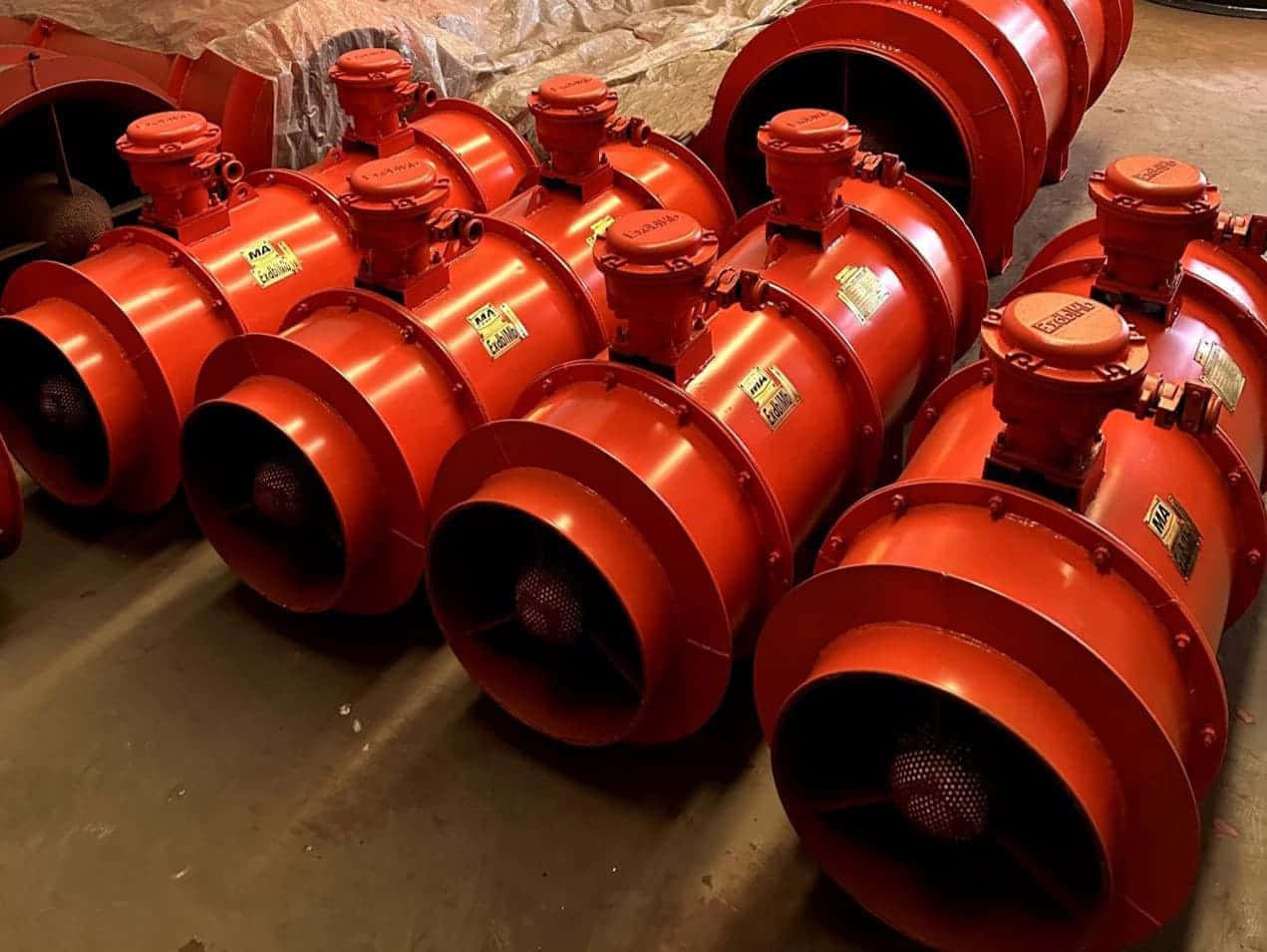
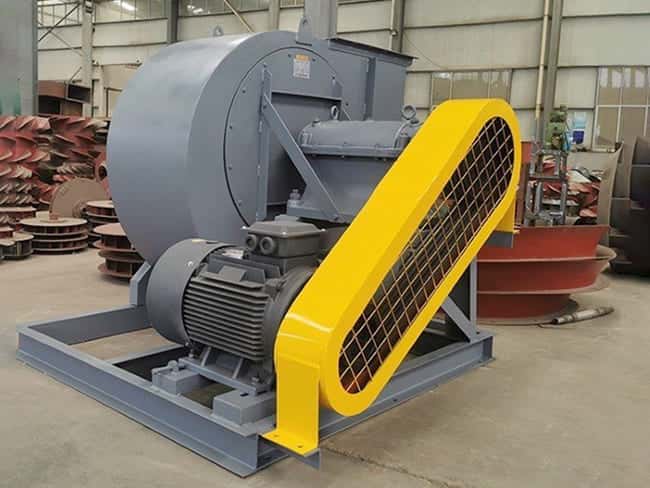
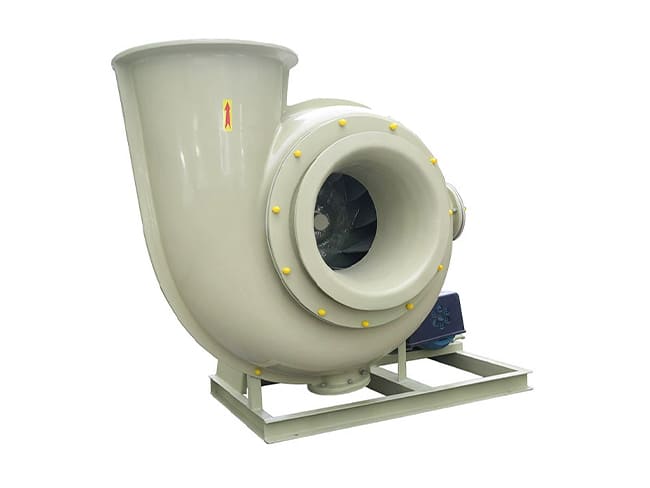
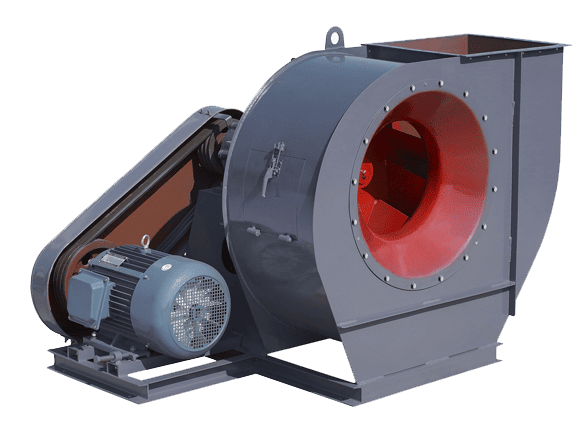
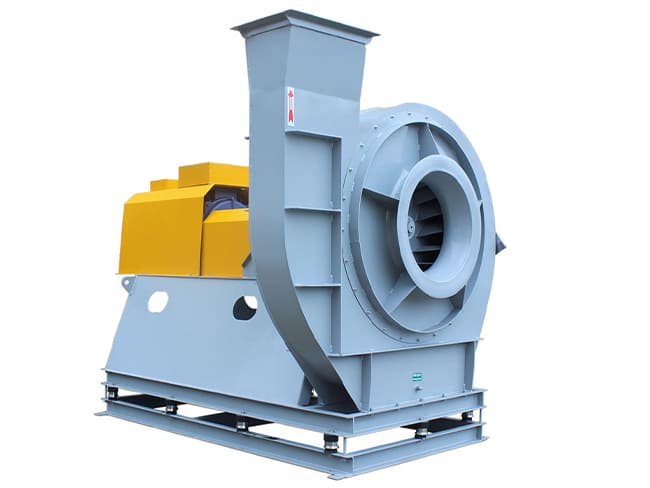
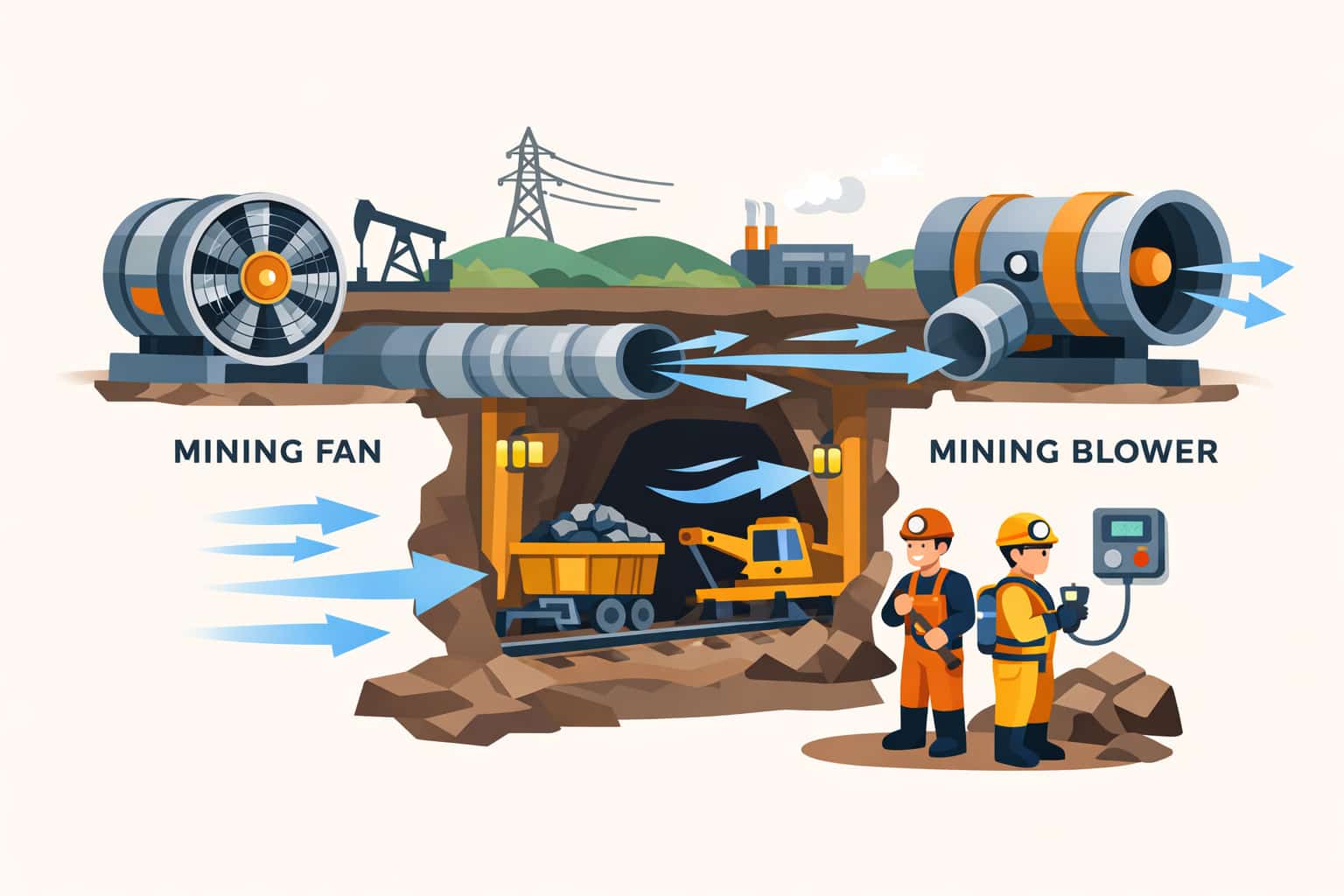
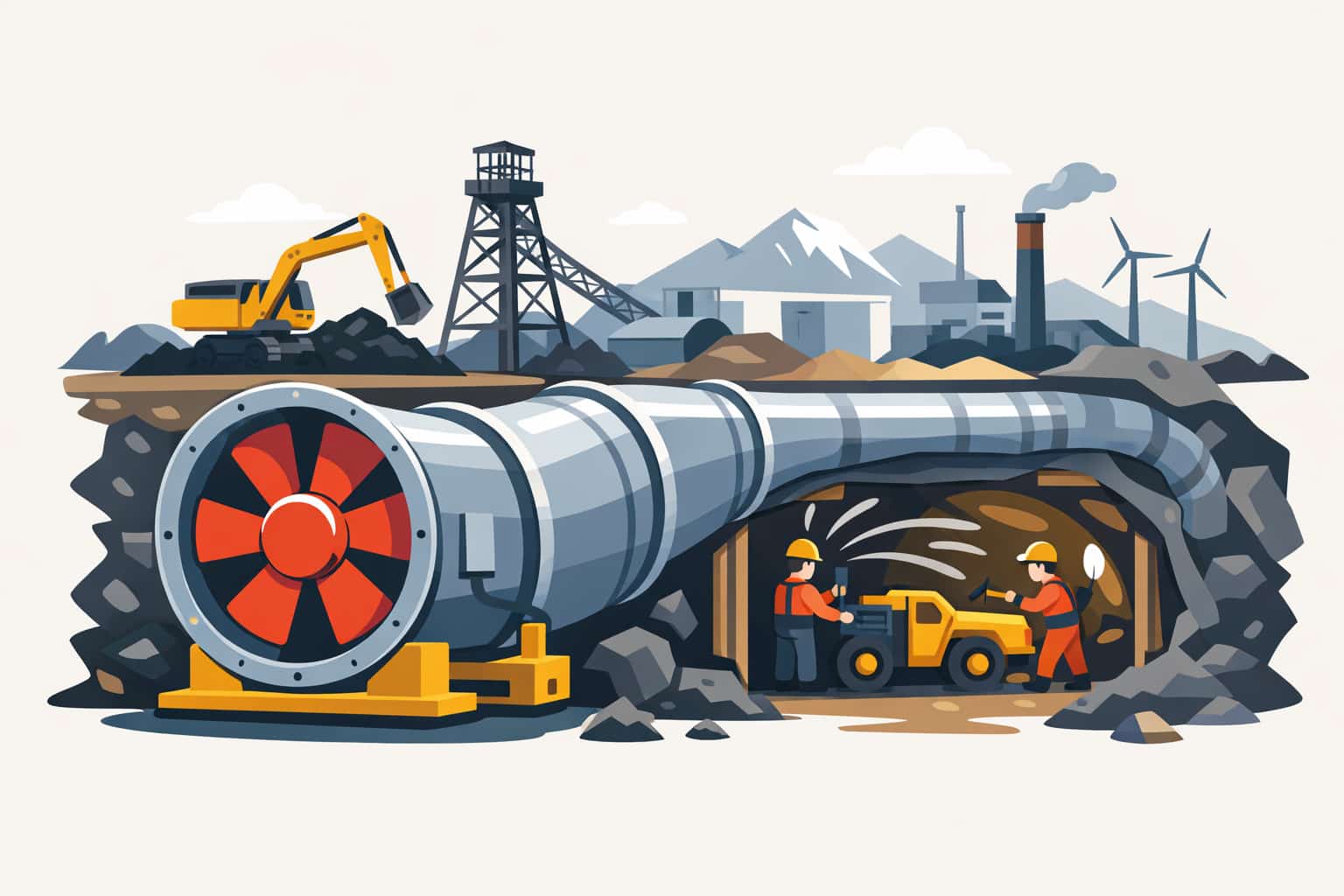
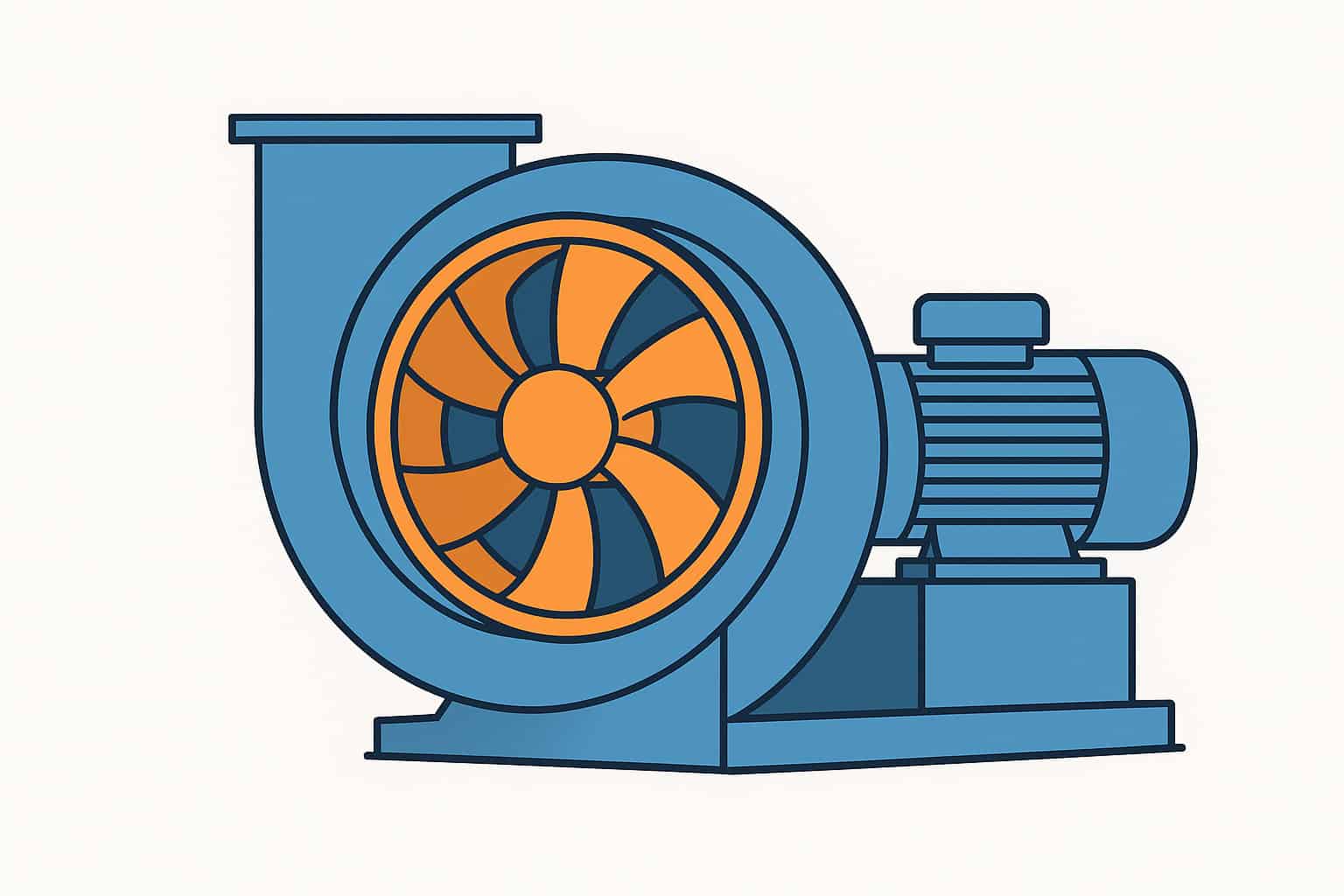
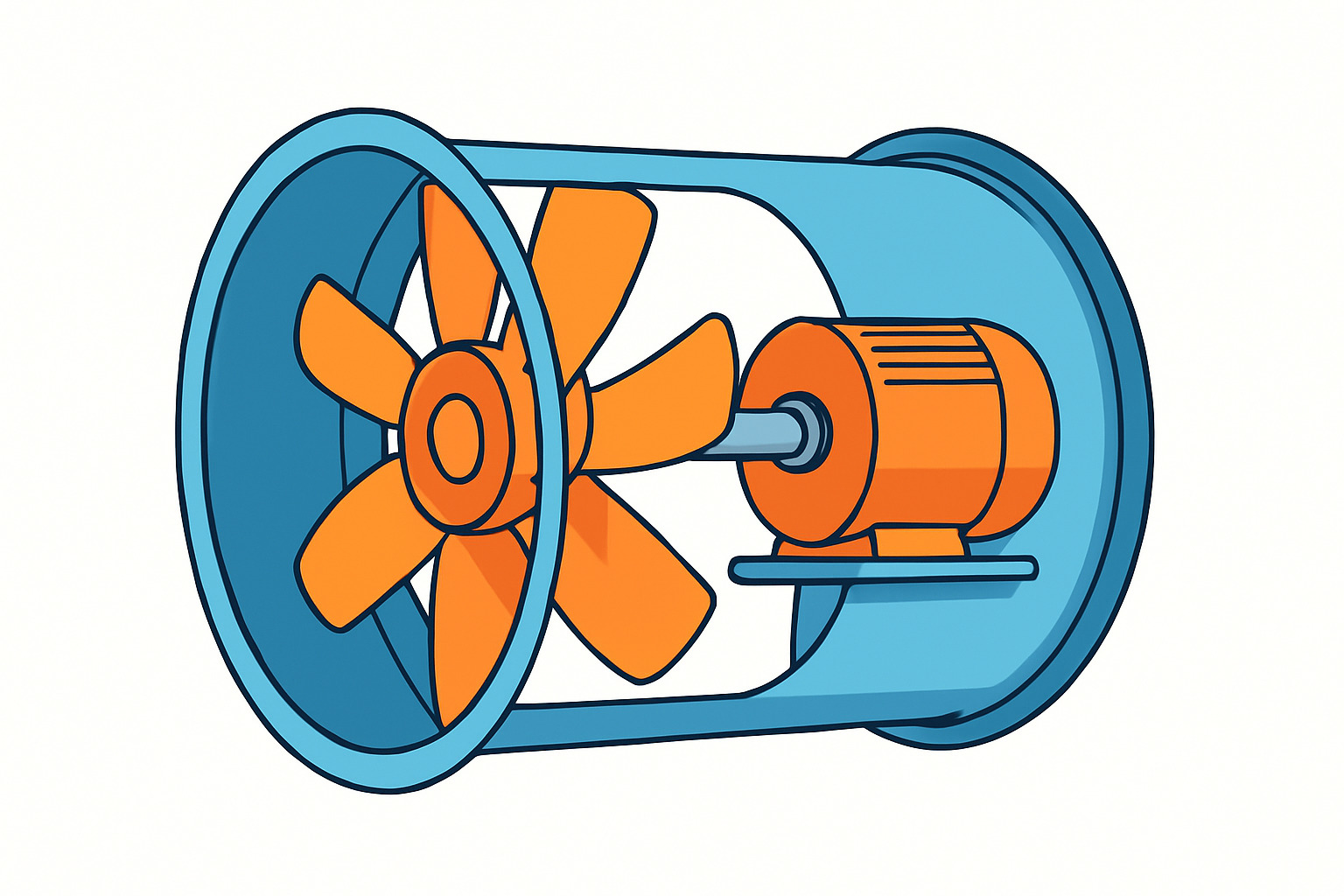
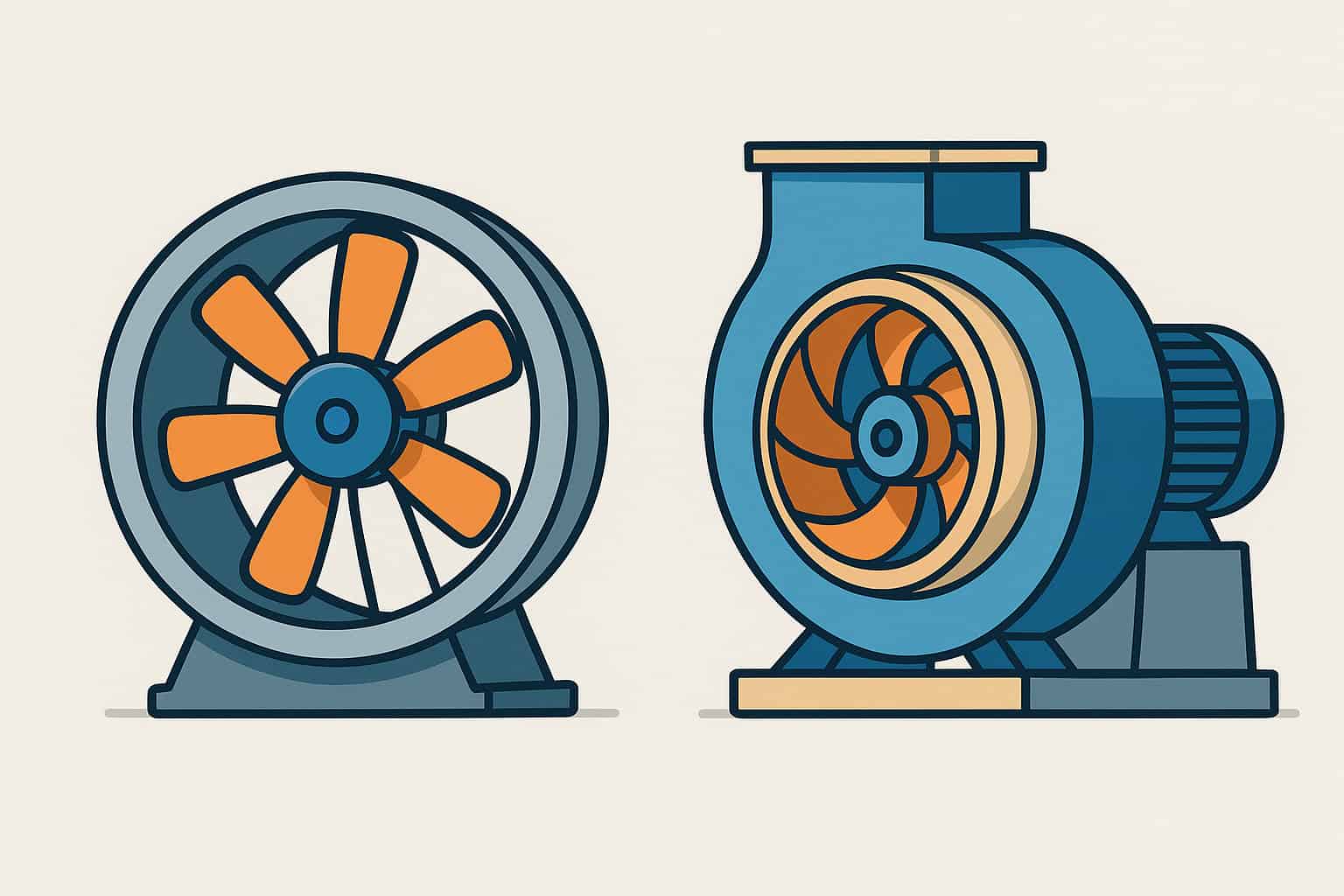
For that reason, most modern mines rely on mechanical mine ventilation fans and treat natural ventilation as a secondary effect. Large axial or centrifugal fans installed at shafts and portals generate the primary pressure difference needed to meet regulatory airflow requirements. Natural ventilation pressure may be considered during design because it can assist or oppose fan performance. For example, a favorable natural pressure can slightly reduce fan power consumption, while an unfavorable one must be overcome by fan pressure to maintain correct airflow direction.
Ventilation engineers take natural ventilation into account when planning intake and return openings. They may designate higher openings as exhaust routes and lower ones as intakes so that the usual temperature conditions support the desired airflow direction. They also study how extreme weather or barometric changes might temporarily reverse natural pressure and what impact that could have on gas migration or smoke movement during emergencies.
In summary, natural ventilation in mining is the uncontrolled airflow generated by temperature and pressure differences between mine openings. While it can influence the overall ventilation behavior, it is not reliable enough to meet modern safety and production requirements on its own. Mechanical ventilation systems with properly designed mining fans are therefore essential, and natural ventilation is treated as a factor to be managed rather than a primary ventilation solution.