
Natural ventilation in underground mines is the airflow that occurs without mechanical fans, driven only by differences in temperature, pressure and wind between surface openings. Before large electric mine ventilation fans were common, many shallow mines relied partly or entirely on natural ventilation. Even today, natural forces still influence airflow patterns, and ventilation engineers must understand them when they design, operate and troubleshoot underground ventilation systems.
The main natural driving force is the stack effect. Air at different temperatures has different density. If one shaft contains warmer air and another contains cooler air, a pressure difference develops between the bottom of the shafts. The denser, cooler air tends to flow downward, while the lighter, warmer air tends to rise. Connected by underground workings, this density difference creates a natural circulation of air through the mine, with one opening acting as an intake and the other as an exhaust.
Surface wind pressure can also contribute to natural ventilation. When wind blows across the top of a shaft or portal, it creates zones of higher and lower pressure that can either pull air out of the opening or push it in. If a mine has multiple openings at different elevations and orientations, the combination of wind and stack effect can generate complex natural airflow patterns that change with weather and seasons.
Natural ventilation has important limitations. The driving forces are relatively small and highly variable, so the resulting airflows are not reliable enough for modern, mechanised mines. When the temperature difference between surface and underground is small, or when wind is calm, natural airflow may be weak or even reverse direction. Deeper mines and those with long, high-resistance airways cannot rely on natural forces to move the large air quantities needed to dilute diesel fumes, dust and gases.
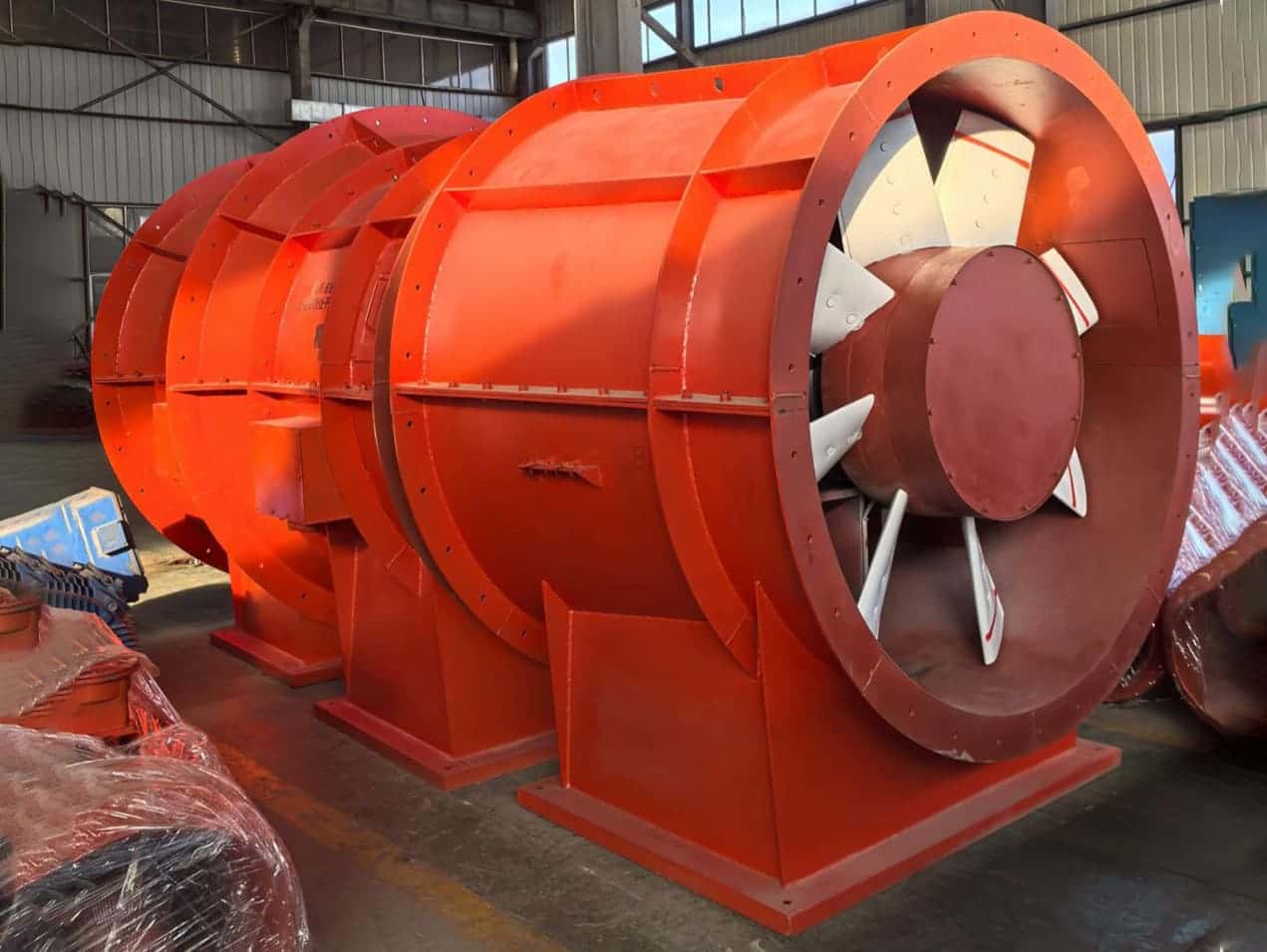
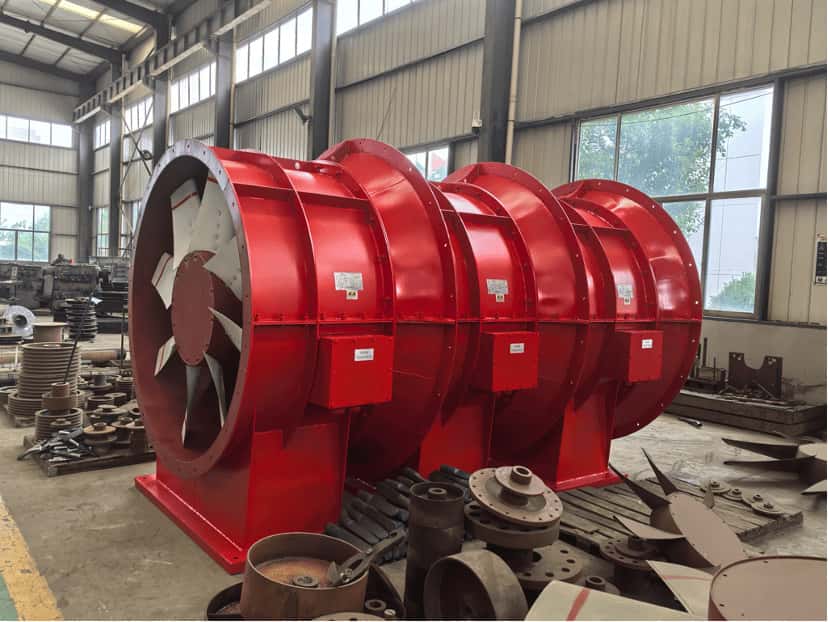
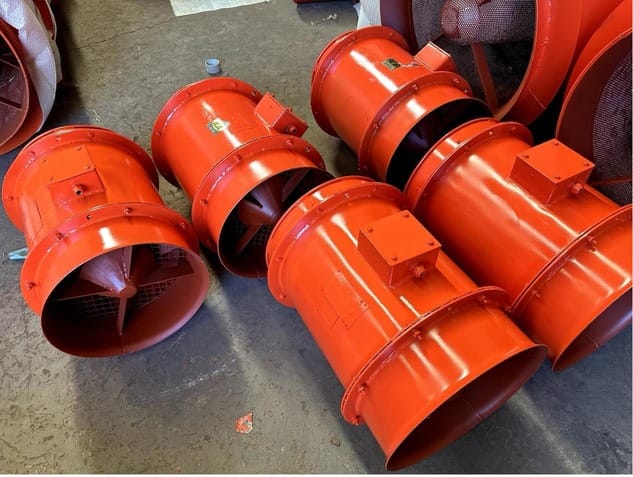
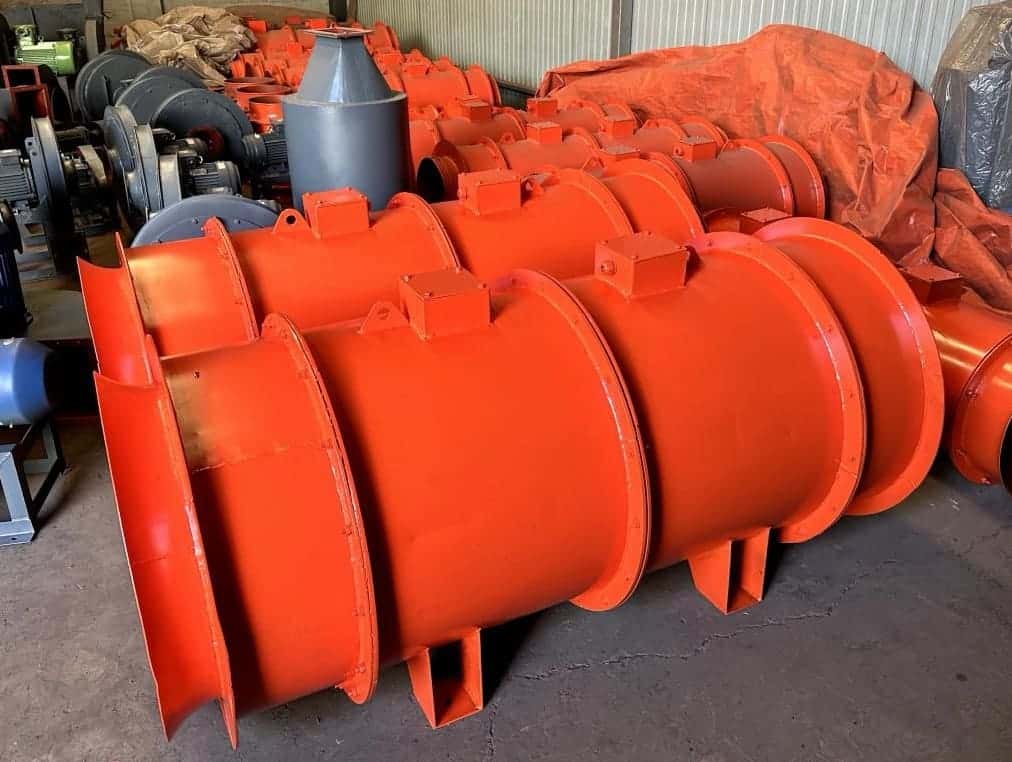
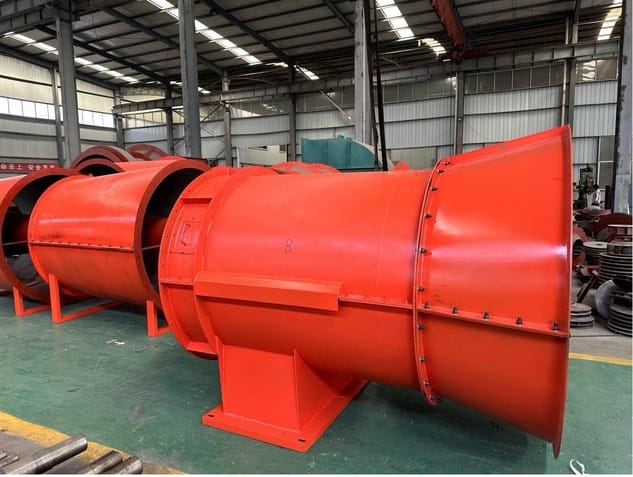
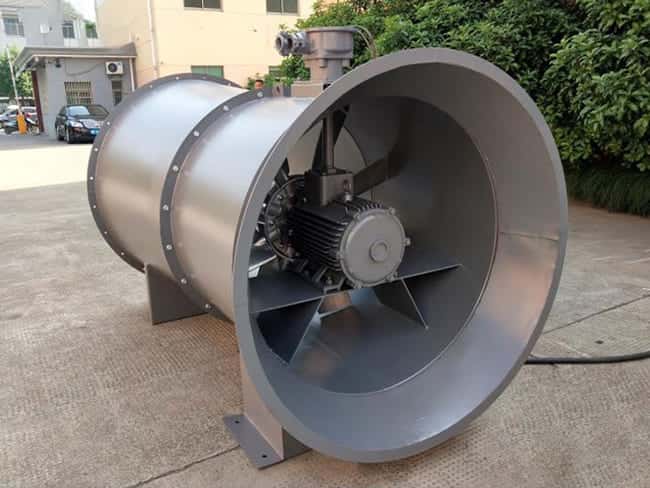
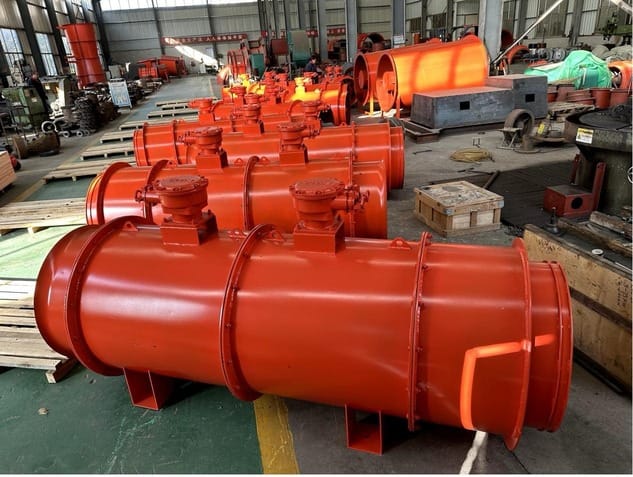
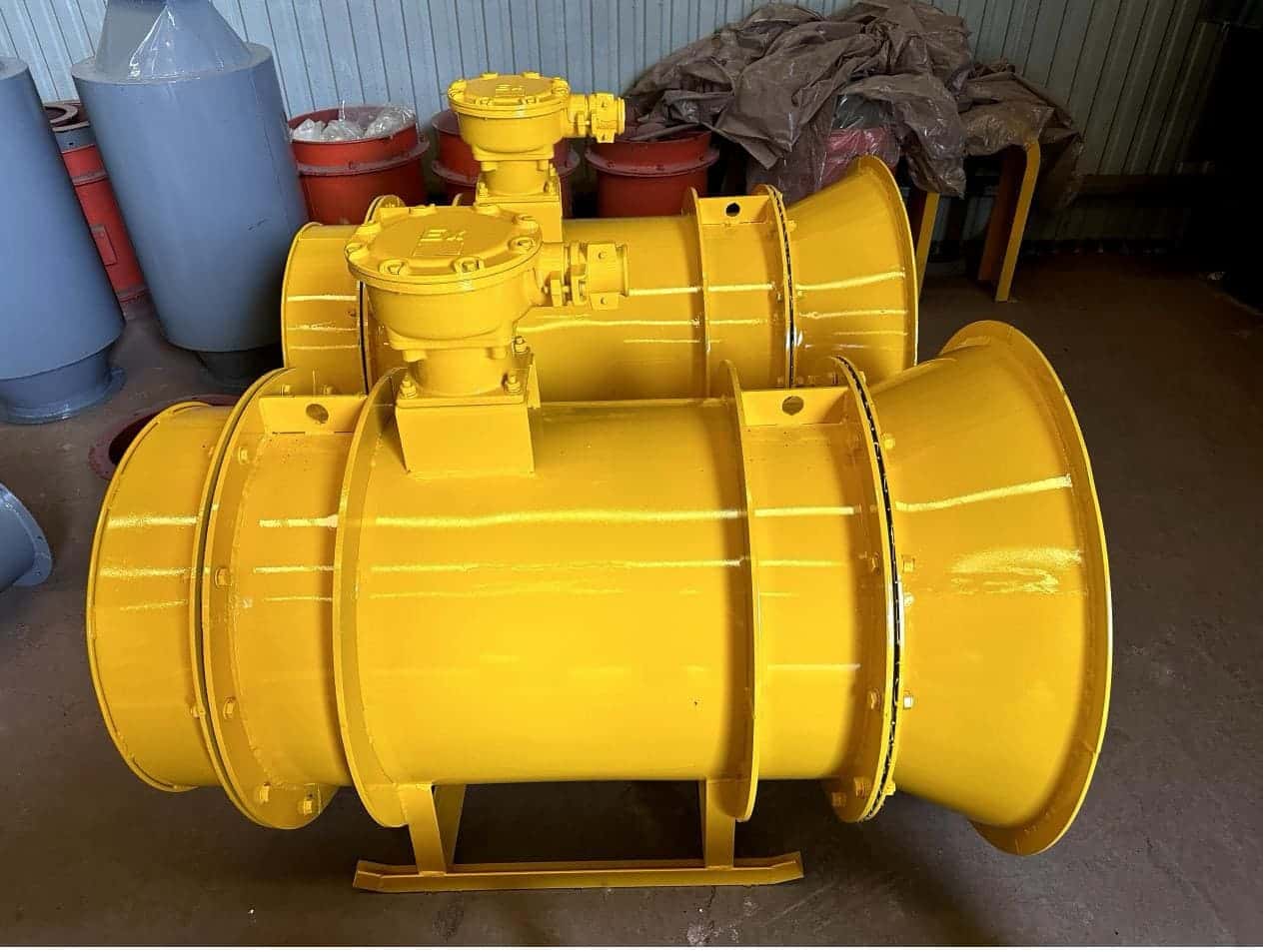
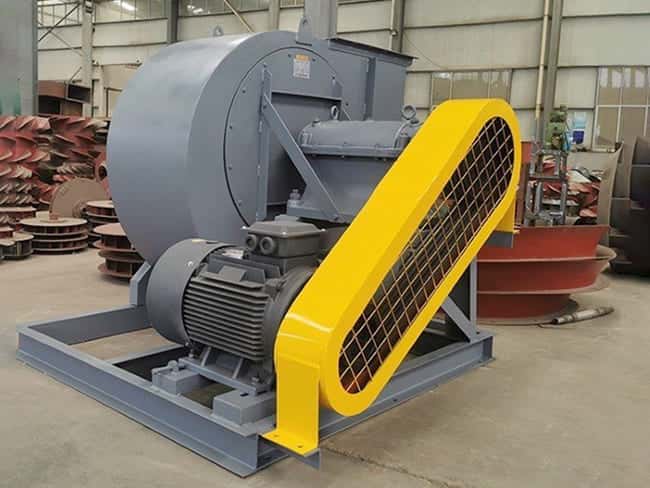
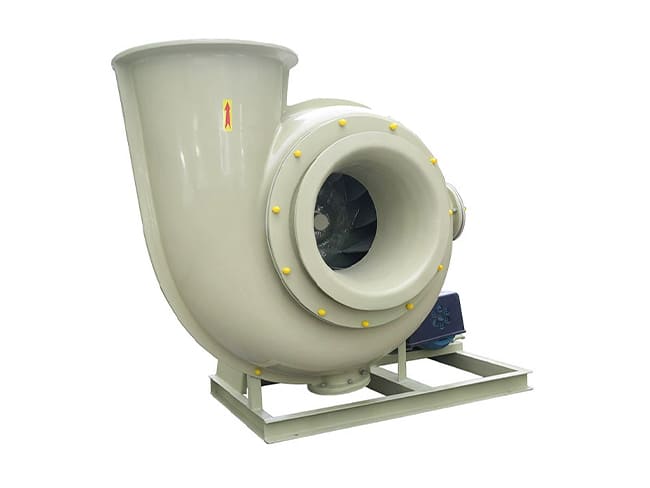
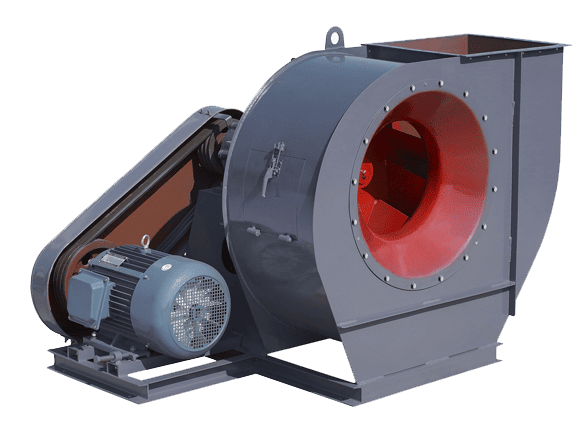
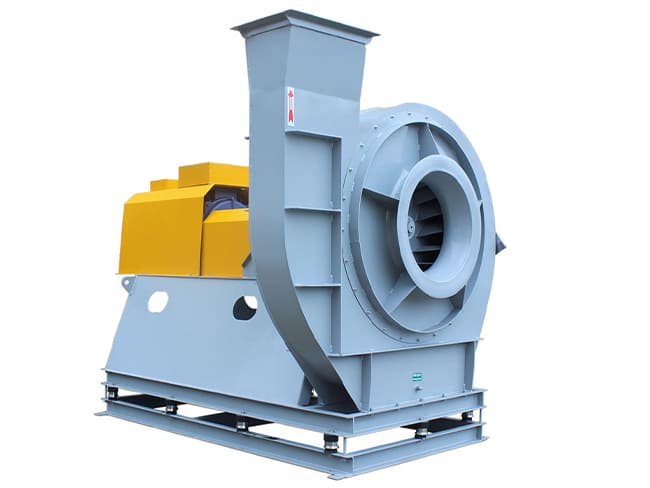
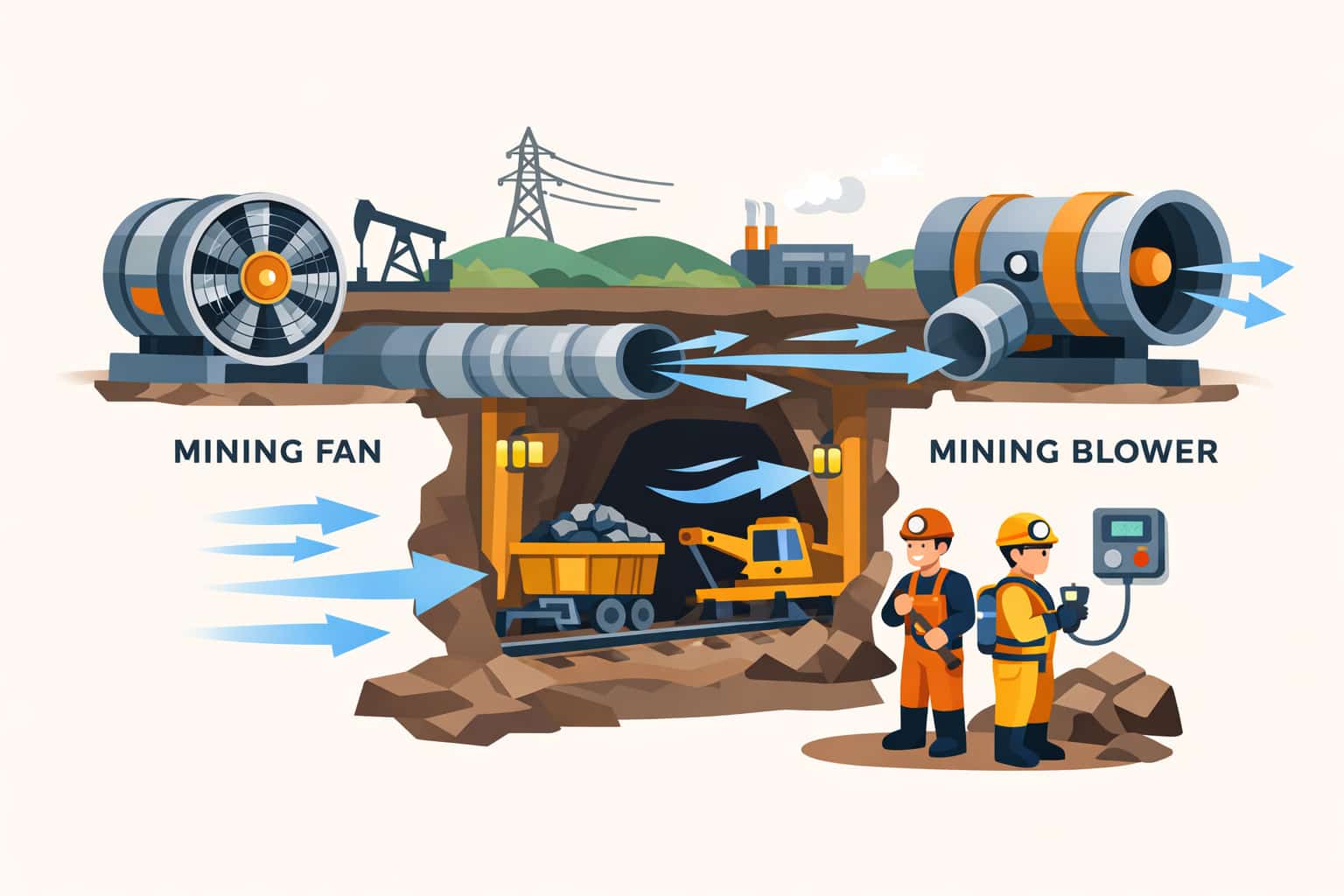
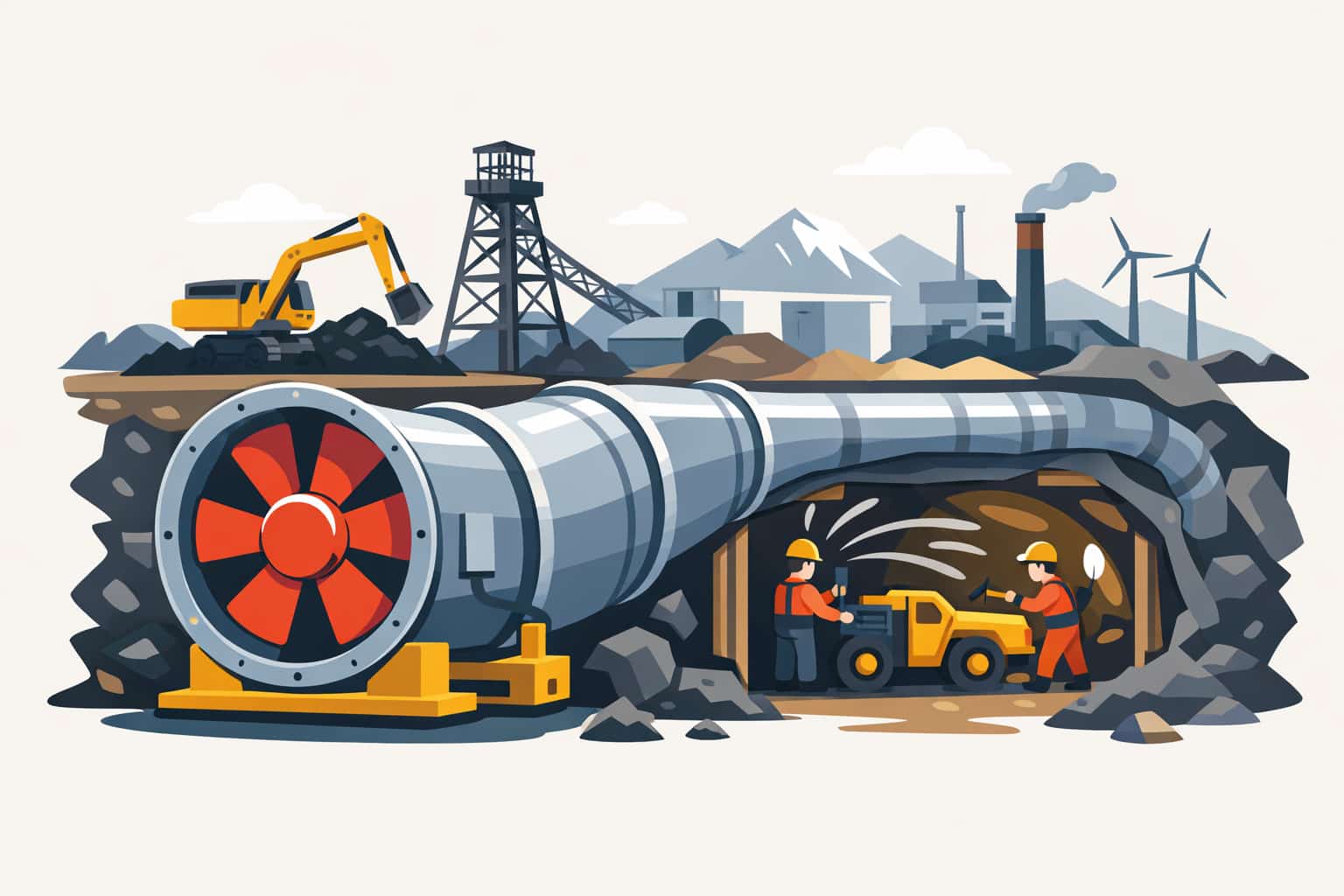
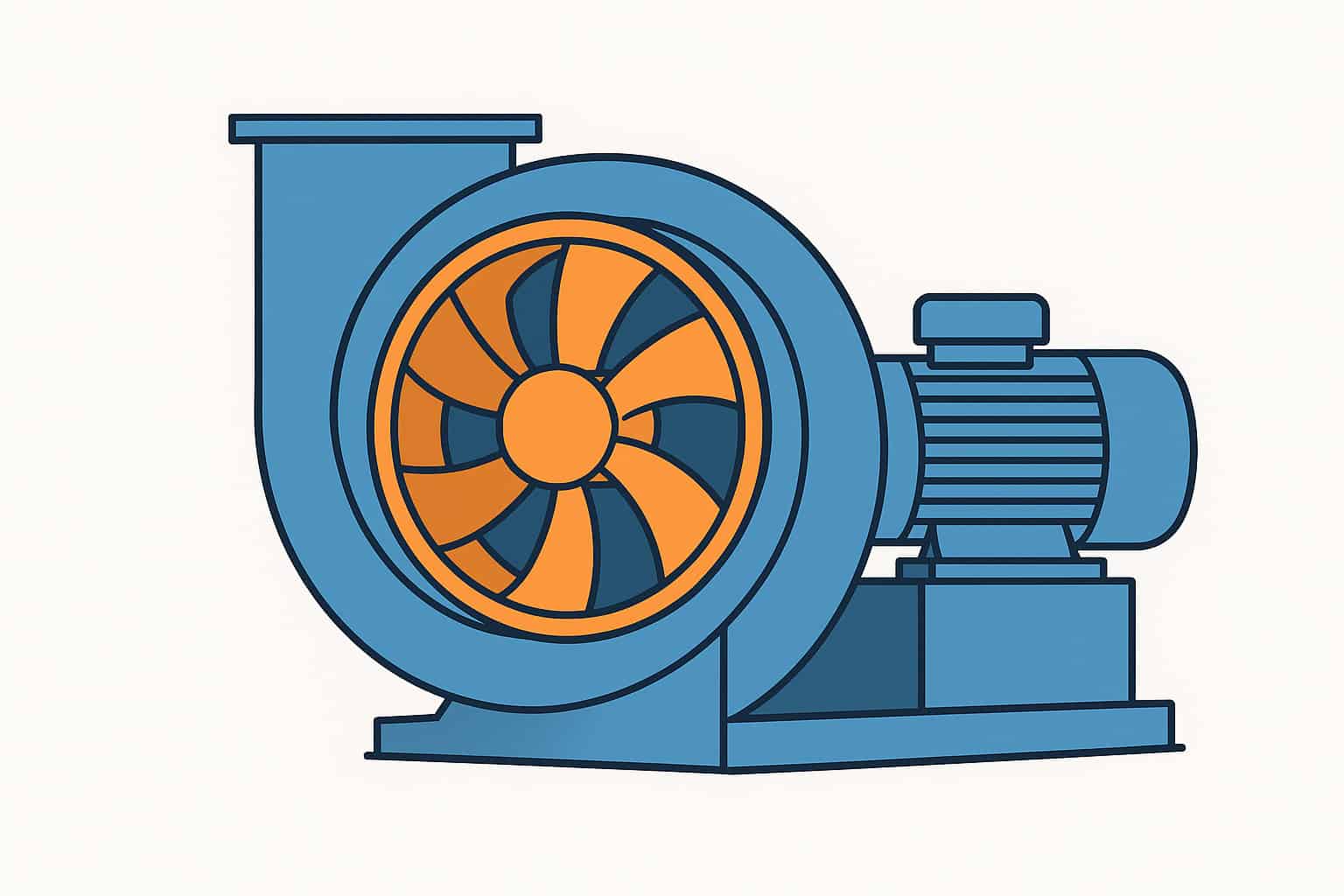
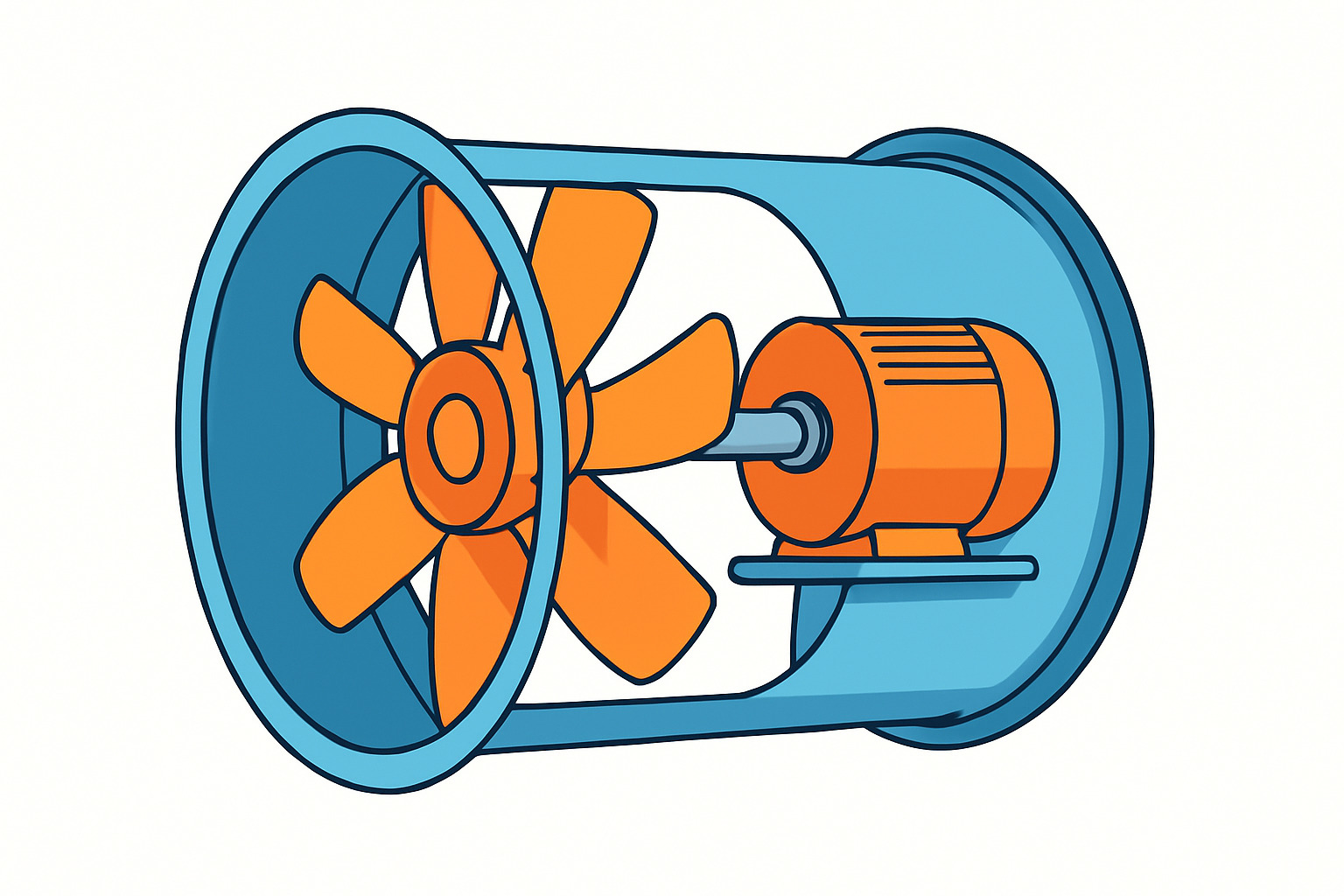
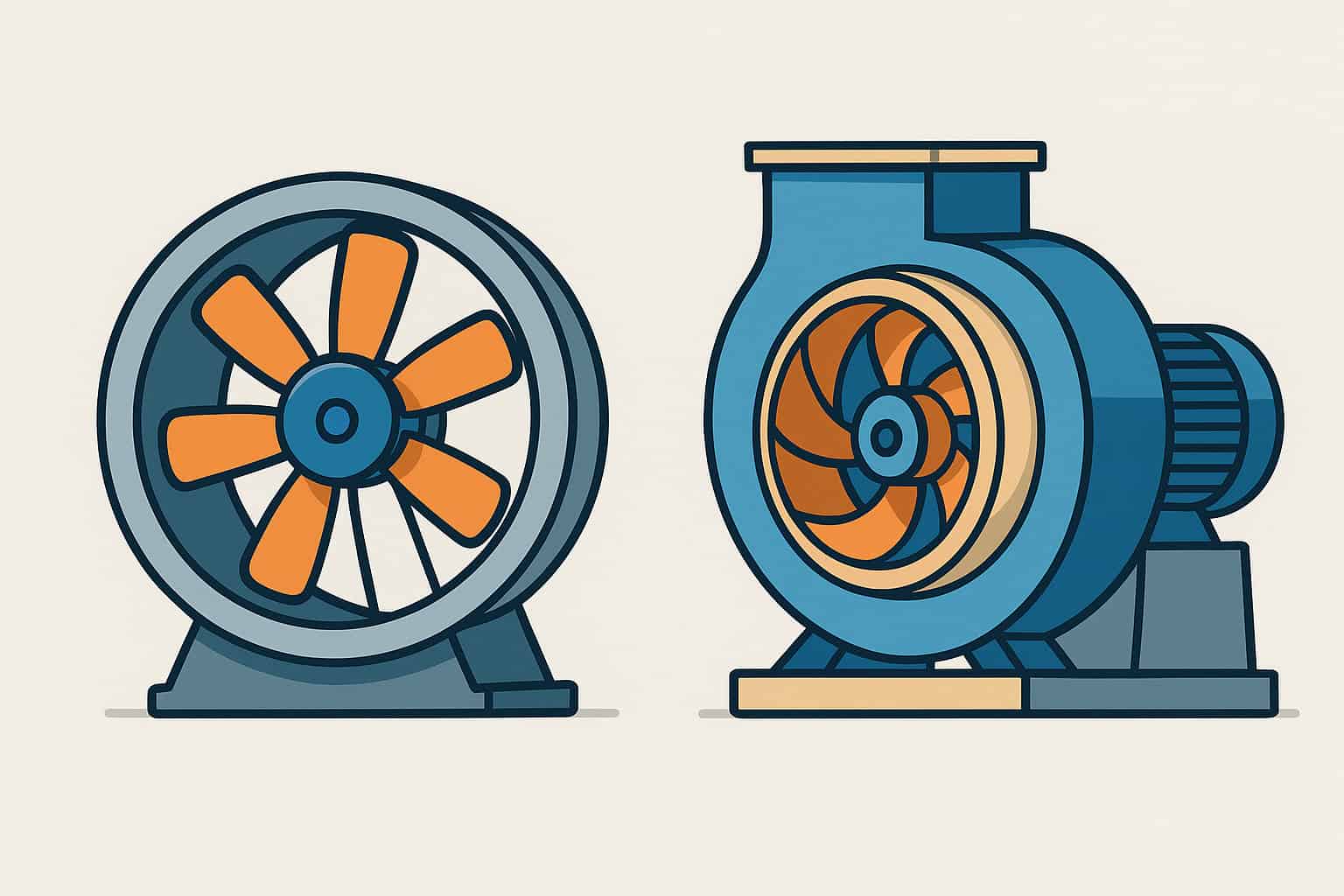
For these reasons, most contemporary mines use mechanical ventilation systems with main axial or centrifugal fans on the surface and auxiliary fans underground. Natural ventilation is still taken into account, because it can either assist or oppose the mechanical airflow. Ventilation engineers measure pressures and flows, then adjust doors, regulators and fan pressures so that the combined effect of natural and mechanical forces gives the desired airflow distribution throughout the mine.
In summary, natural ventilation in underground mines is the spontaneous airflow caused by temperature and pressure differences between surface openings, sometimes assisted by wind. It is an important physical phenomenon but, on its own, is not sufficient to meet modern safety and production requirements. Properly designed mechanical mine ventilation fans are therefore essential, with natural ventilation treated as a secondary influence rather than the primary source of airflow.