At an elevation of around 4000 m above sea level, the atmospheric pressure is much lower than at sea level. While exact values depend on temperature and local weather, a typical estimate is in the range of about 60–65 kPa, compared with approximately 101 kPa at sea level. In practical terms, this means the air pressure and air density at 4000 m are only about 60–65 % of sea-level values.
This decrease in pressure is a consequence of being higher in the atmosphere, with less air mass above the site. As altitude increases, atmospheric pressure drops in a roughly exponential way. Over the first few kilometres, a simple rule of thumb is that pressure decreases by a few percent for every few hundred metres of elevation gain. By the time you reach 4000 m, the cumulative effect is a substantial reduction in both pressure and density.
For everyday life, this lower pressure and density are noticed as thinner air. People who are not acclimatised may feel short of breath and tire more easily, because each breath contains less oxygen. Combustion processes can be affected as well, since engines and burners receive less oxygen per unit volume of air, which may require adjustments.
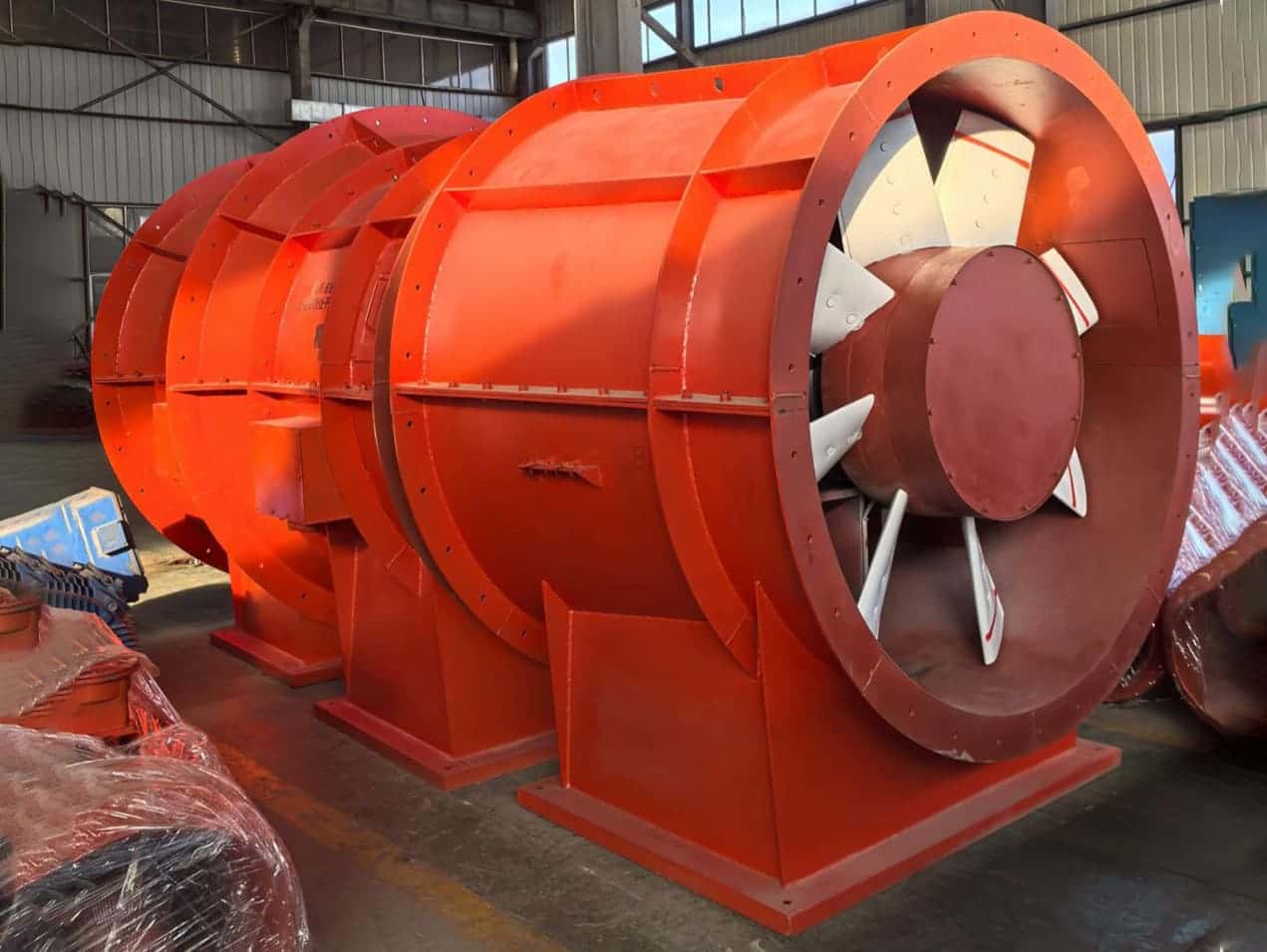
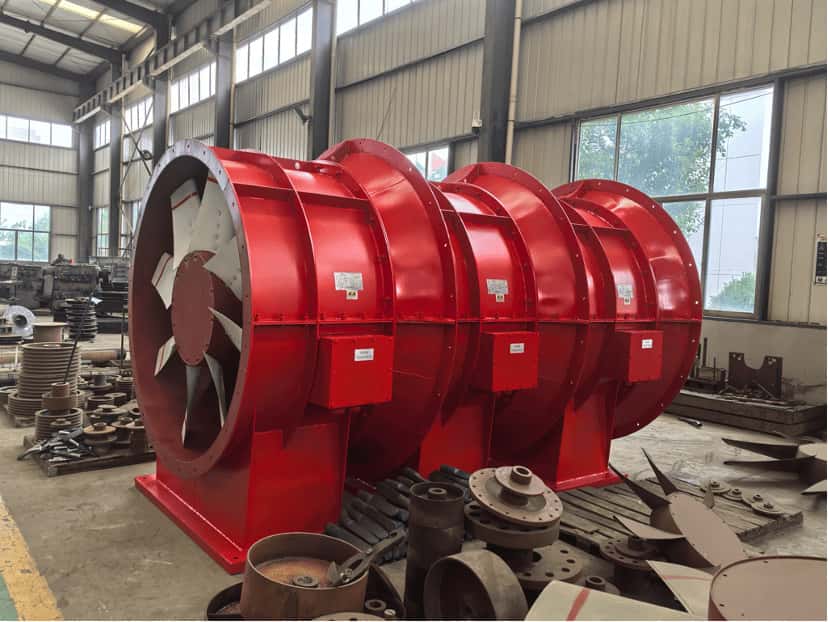
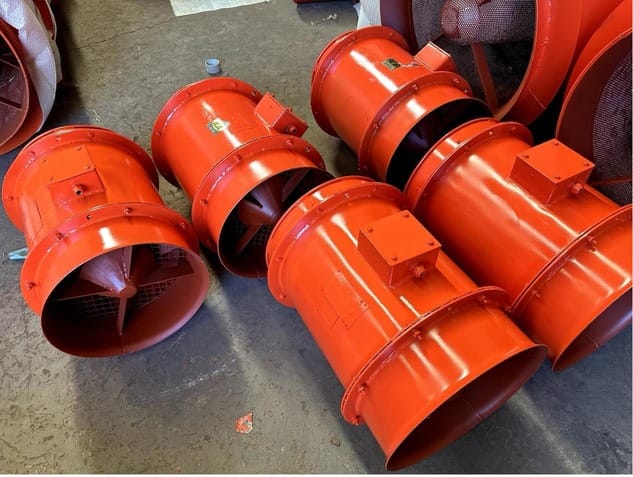
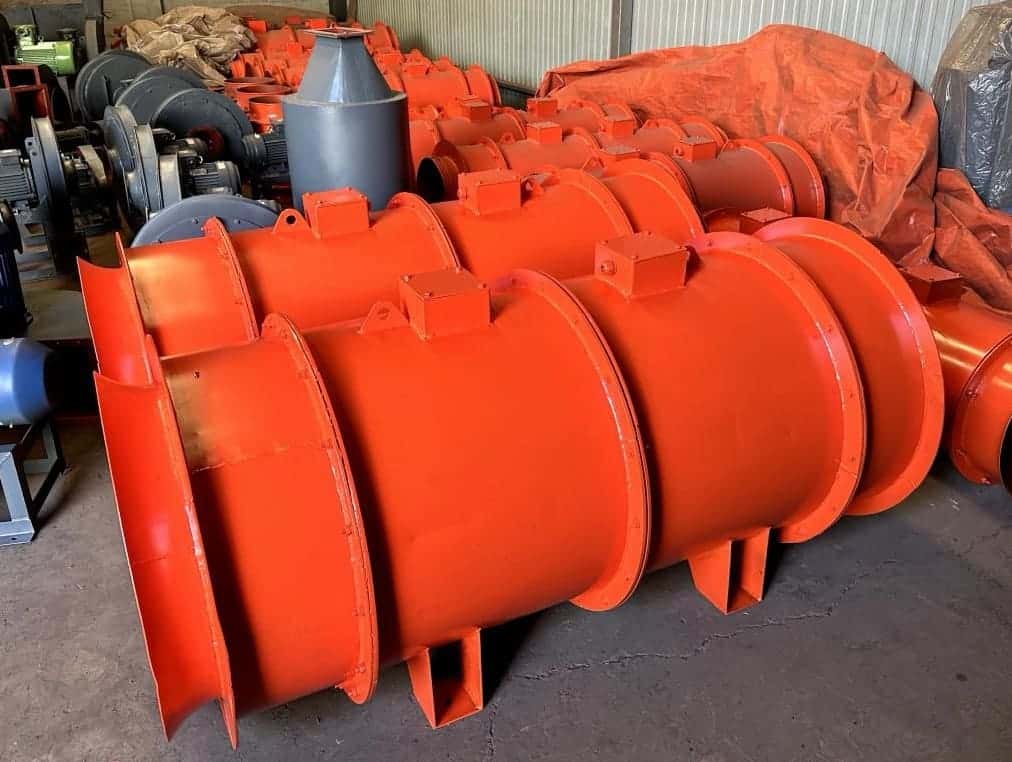
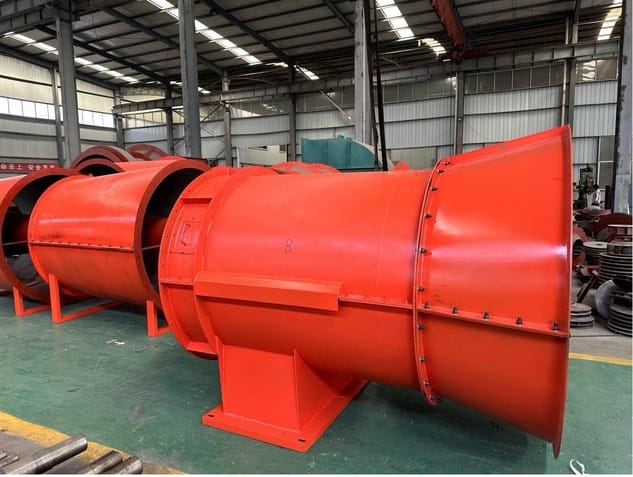
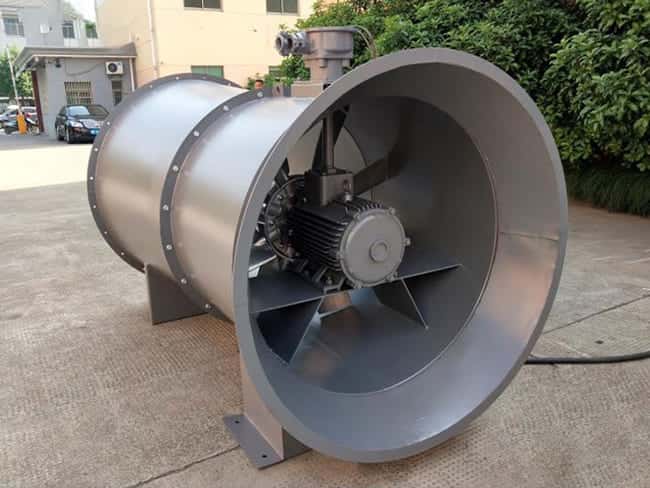
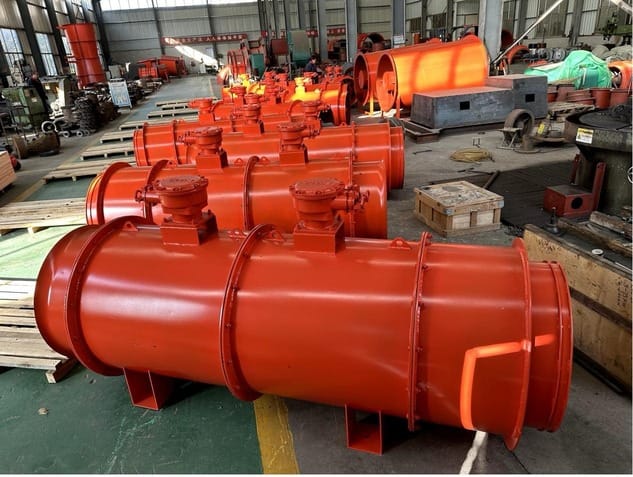
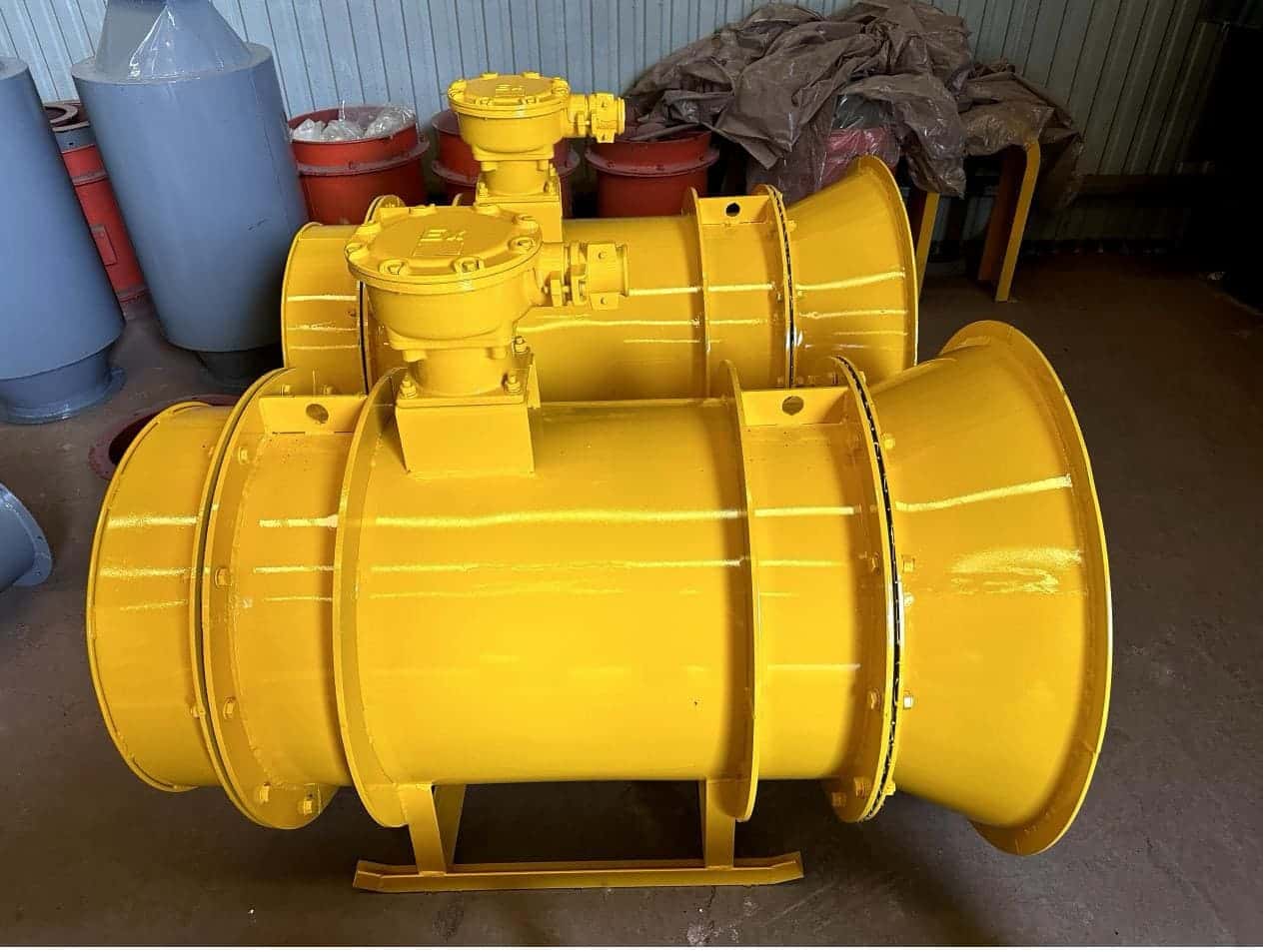
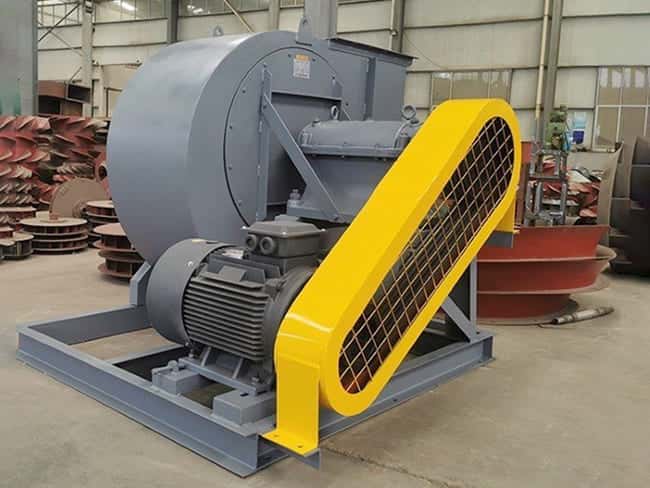
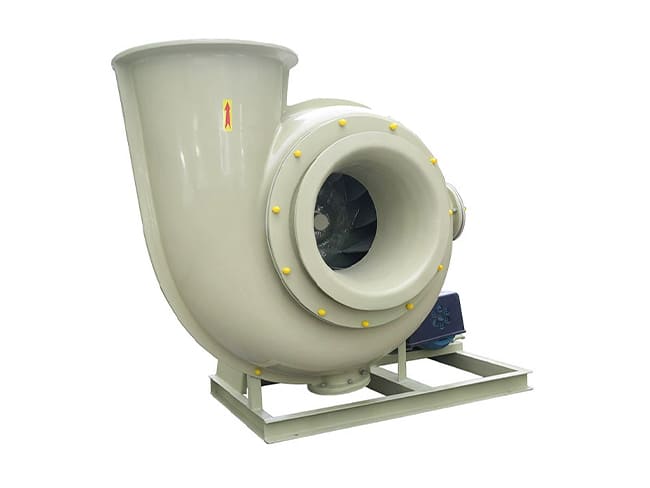
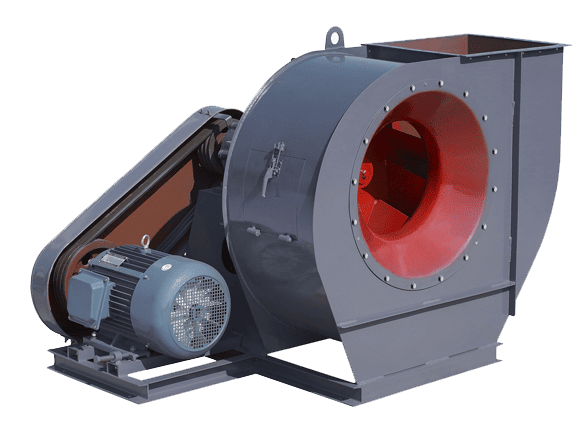
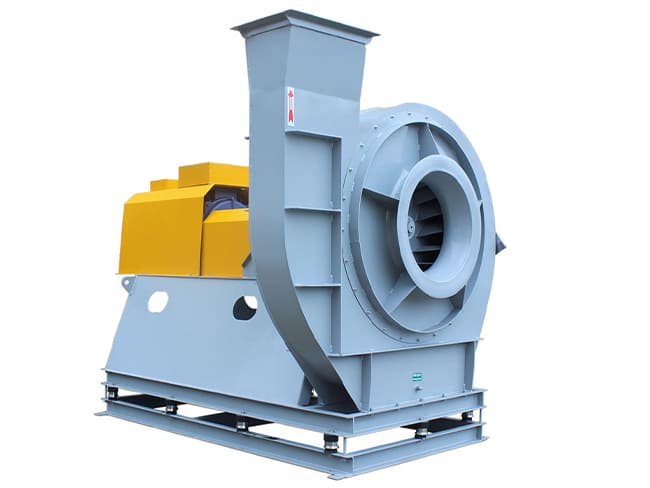
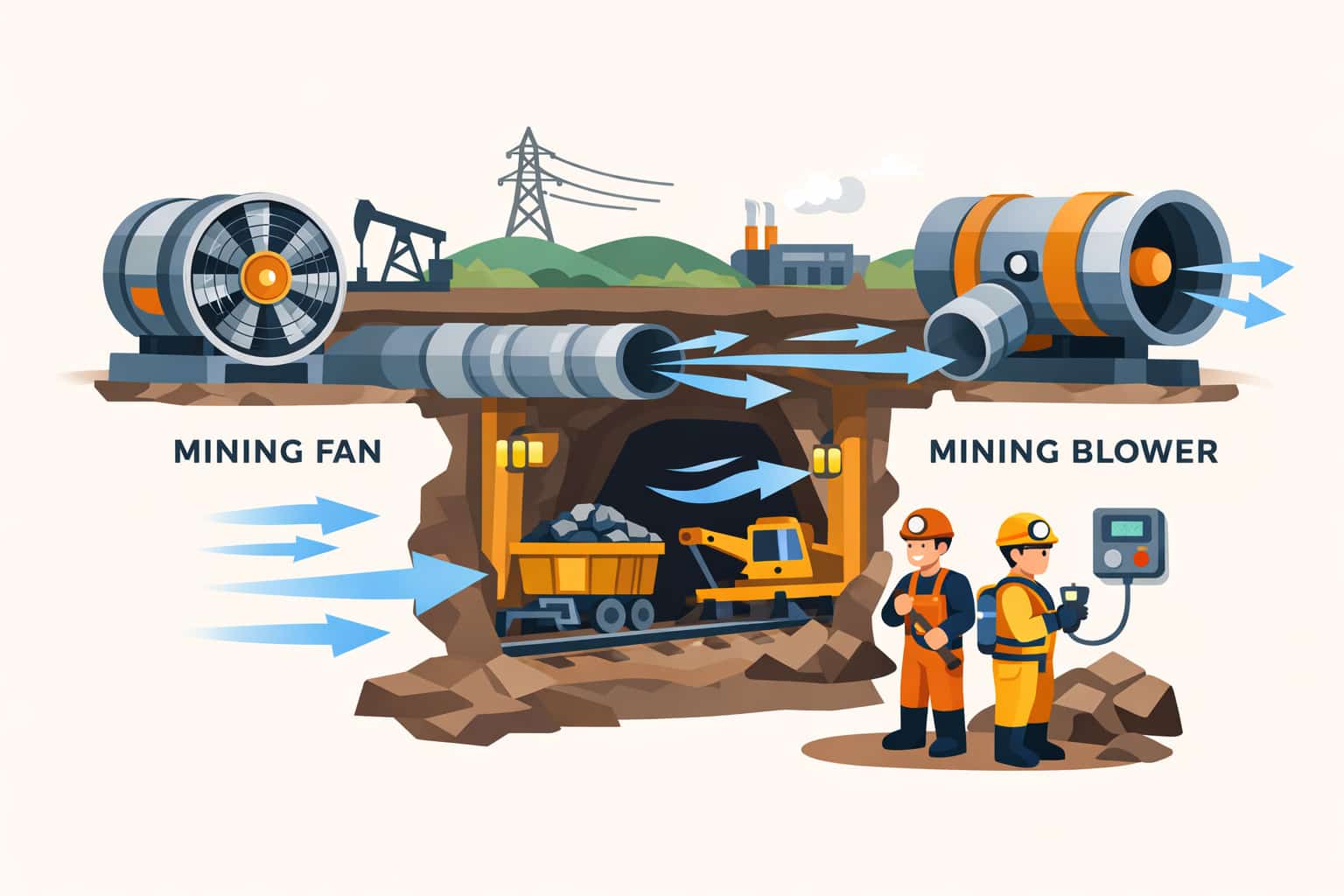
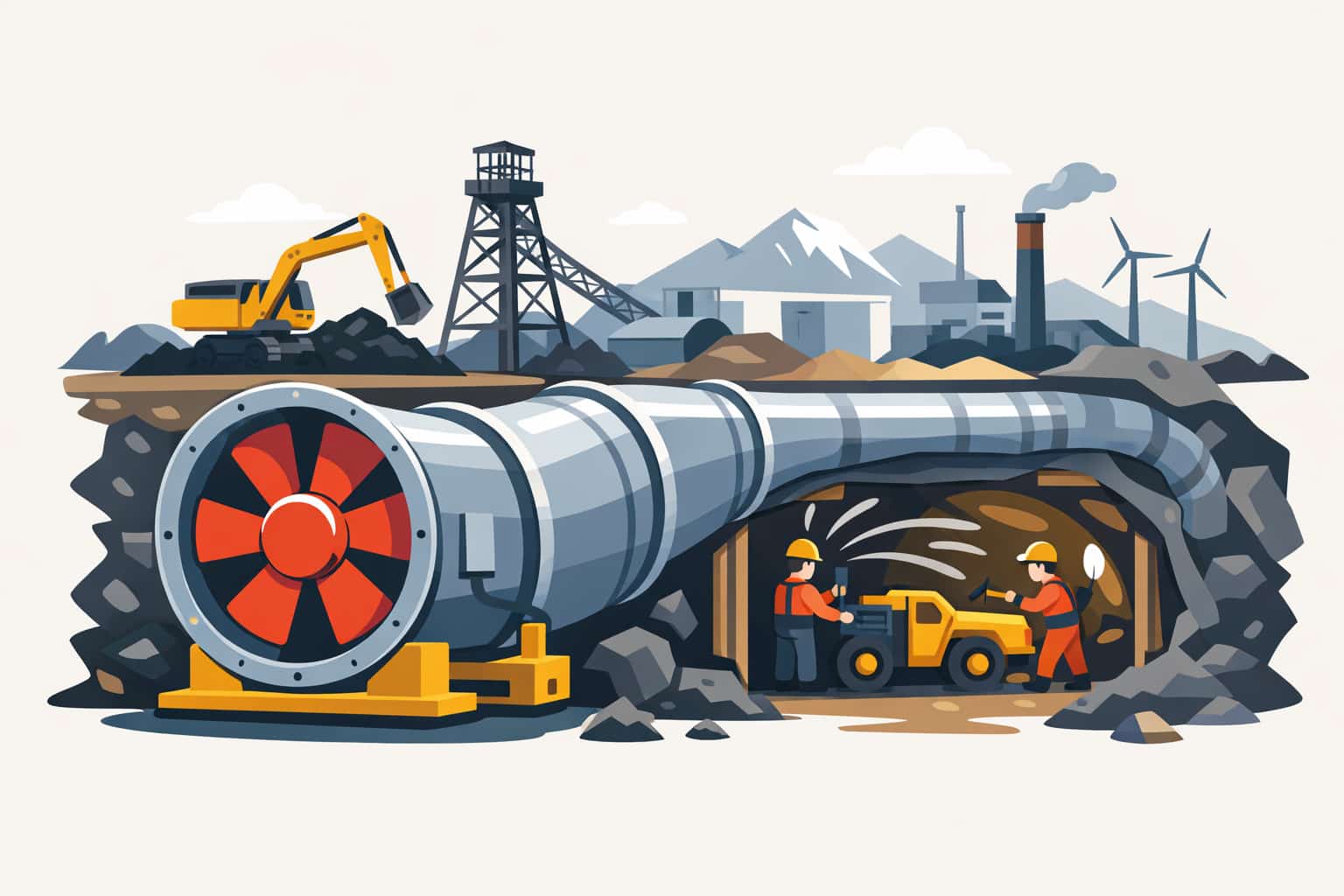
For ventilation engineering and fan selection in high-altitude mines or industrial plants, the reduced pressure at 4000 m has important consequences. Fan performance curves are usually based on standard conditions at or near sea level. At 4000 m, the air density is significantly lower, so a fan running at the same speed and volume flow will develop lower pressure and absorb less power than at standard conditions. If a design requires a specific mass flow and pressure for gas dilution or cooling, engineers must correct the duty point for the actual density at 4000 m.
This correction typically involves converting the required pressure and mass flow to equivalent standard-air values, selecting a suitable fan from manufacturer data, and then converting the selected performance back to the conditions at 4000 m. Ignoring the effect of altitude can result in undersized fans, inadequate airflow and potential safety issues, especially in deep or hot mines where ventilation demand is high.
In summary, the air pressure at around 4000 m is roughly 60–65 kPa, much lower than at sea level. This reduced pressure goes hand in hand with lower air density and must be carefully considered when designing and selecting fans and ventilation systems for high-altitude mining and industrial projects.