
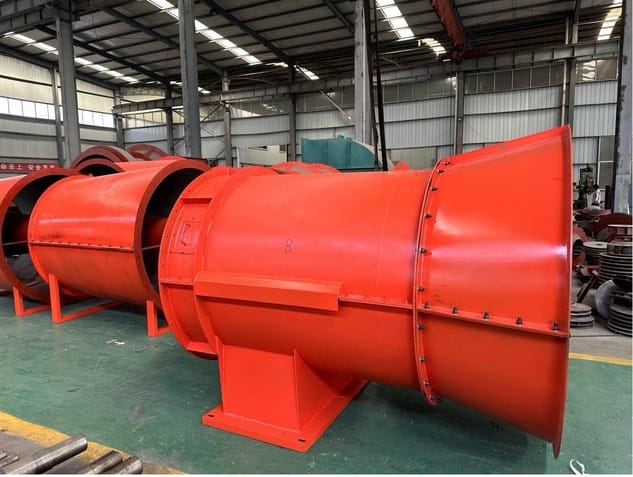
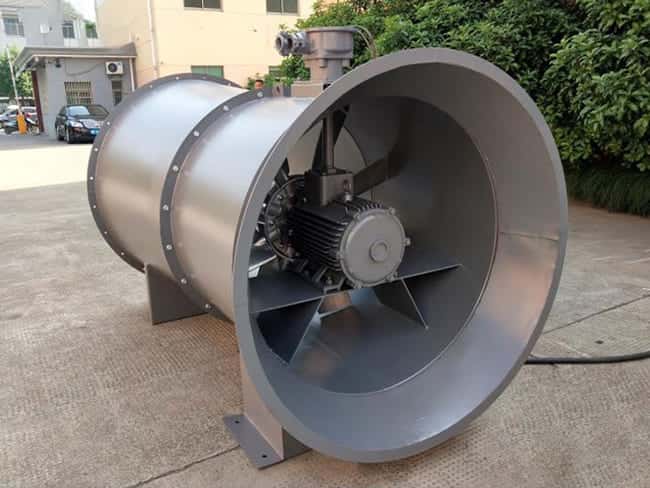
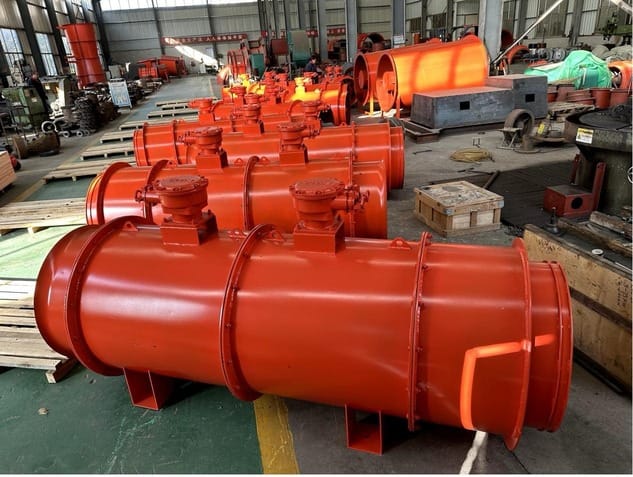
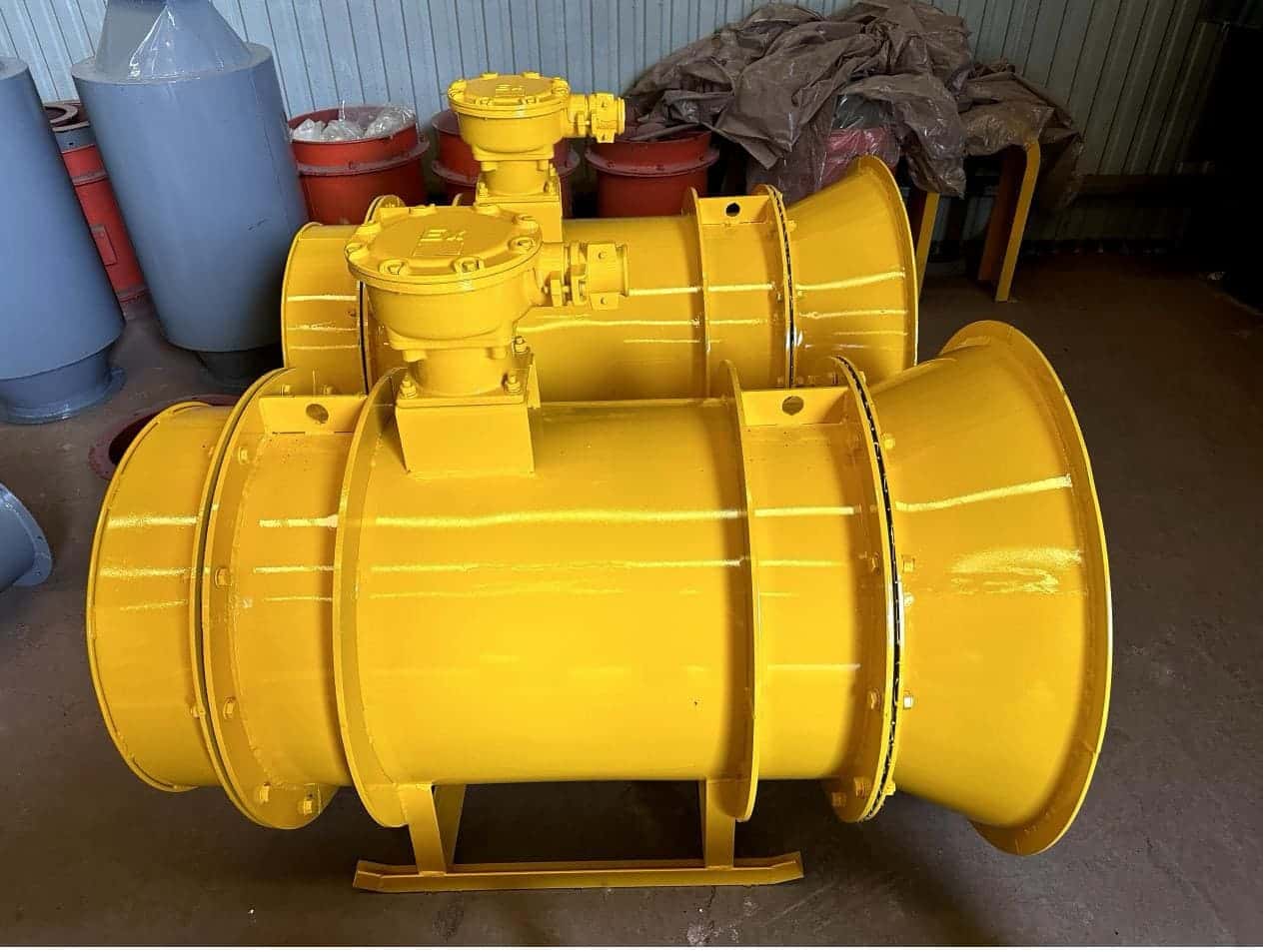



There is no universal “best” airflow for every fan. The best airflow is the volume that meets the ventilation, safety and comfort requirements of a particular space or process, while keeping energy use and noise at reasonable levels. This depends on room size, occupancy, heat load, contaminant generation and legal standards.
For general building ventilation, airflow is often expressed in air changes per hour (ACH) or litres per second per person. For example, a small office might need 4–6 ACH, while a workshop with moderate heat and fume loads might require 6–10 ACH. The best airflow for the fan serving that space is the calculated volume flow that delivers the target ACH or per-person airflow when distributed properly. Too little airflow leads to stuffy conditions and possible health complaints; too much airflow may cause draughts and wasted energy.
In industrial environments, the best airflow is based on process requirements. Welding shops, paint booths, chemical mixing stations and dust-generating equipment all have recommended capture velocities and exhaust rates. The main supply and exhaust fans must provide enough airflow to meet these rates at each hood or enclosure and still maintain acceptable background air quality. Here, the best airflow is the one that keeps contaminant concentrations below occupational limits, validated by measurements.
In underground mining, airflow requirements are defined by strict regulations. Criteria may include minimum quantity per worker, per kilowatt of diesel equipment and per working face. Ventilation engineers sum these requirements and determine the total airflow that main and auxiliary fans must deliver. In this context, the best airflow is the value that satisfies all statutory criteria with a reasonable safety margin, not simply the maximum the fan can produce.
Comfort and energy efficiency also influence what airflow is considered “best”. Oversizing a fan to deliver very high airflow may appear attractive, but it can create unnecessary noise, draughts and energy consumption. With variable-frequency drives, fans can be selected so that their best efficiency region matches the normal operating airflow range. This way, the fan works efficiently at the airflow that truly meets the space’s needs.
From a practical standpoint, determining the best airflow for a fan involves the following steps:
- Calculate or look up required airflow based on volume, occupancy, heat and contaminants.
- Check legal and industry standards for minimum ventilation rates.
- Select a fan whose performance curve provides that airflow at the system pressure, preferably near its best efficiency point.
- Use controls to fine-tune actual airflow after installation.
In summary, the best airflow for a fan is not a fixed number. It is the volume that meets the specific ventilation and safety requirements of the application—whether an office, factory or underground mine—while keeping energy use and noise within acceptable limits.