
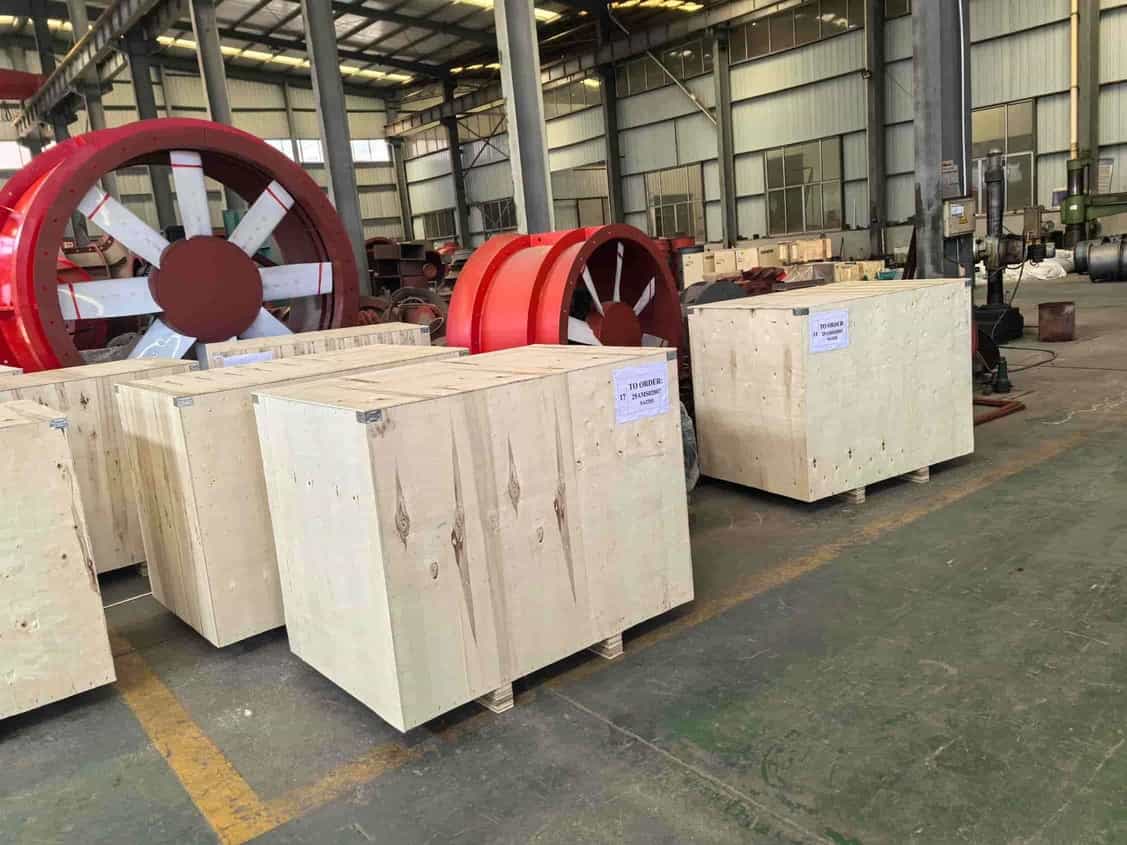
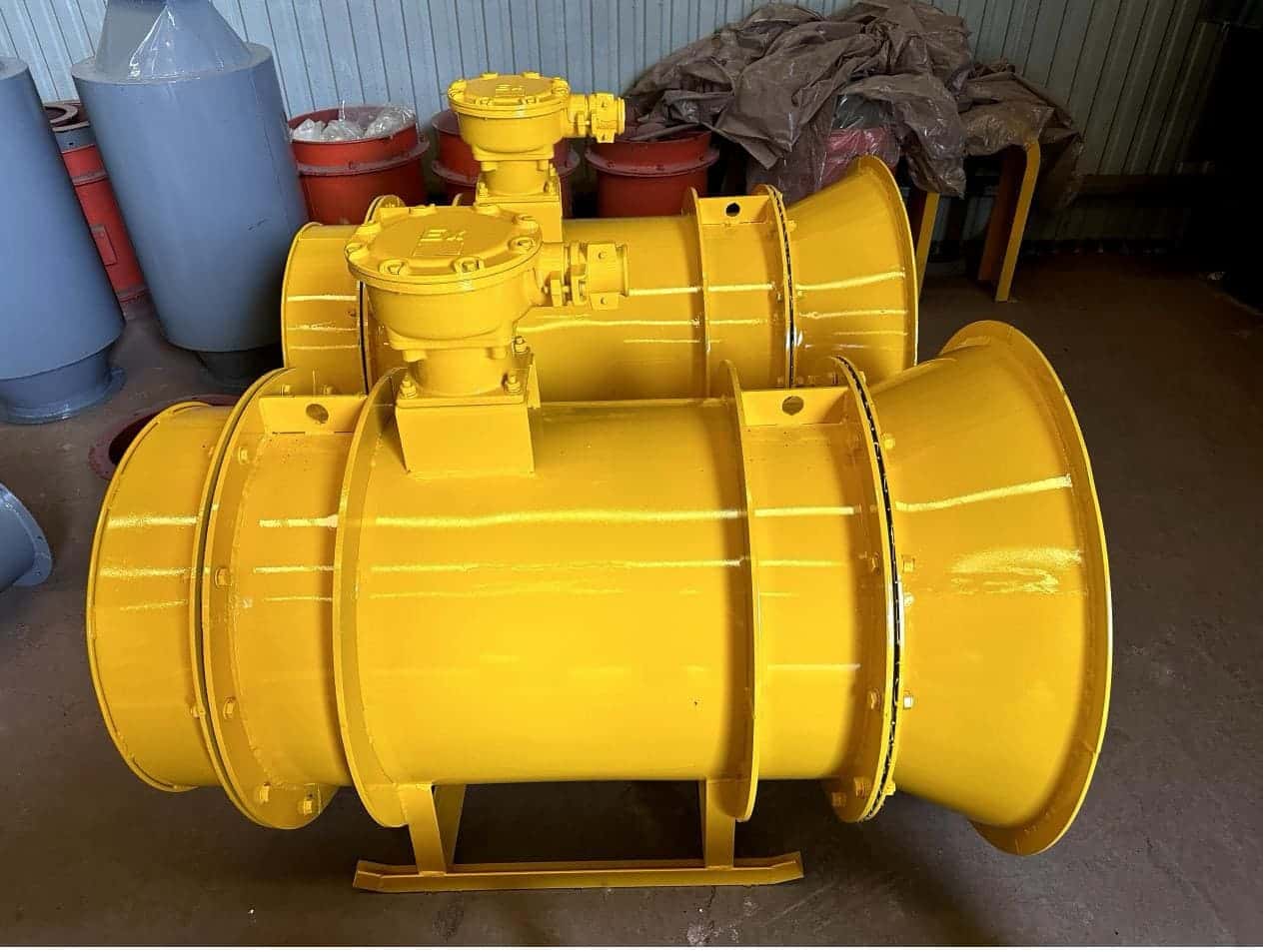
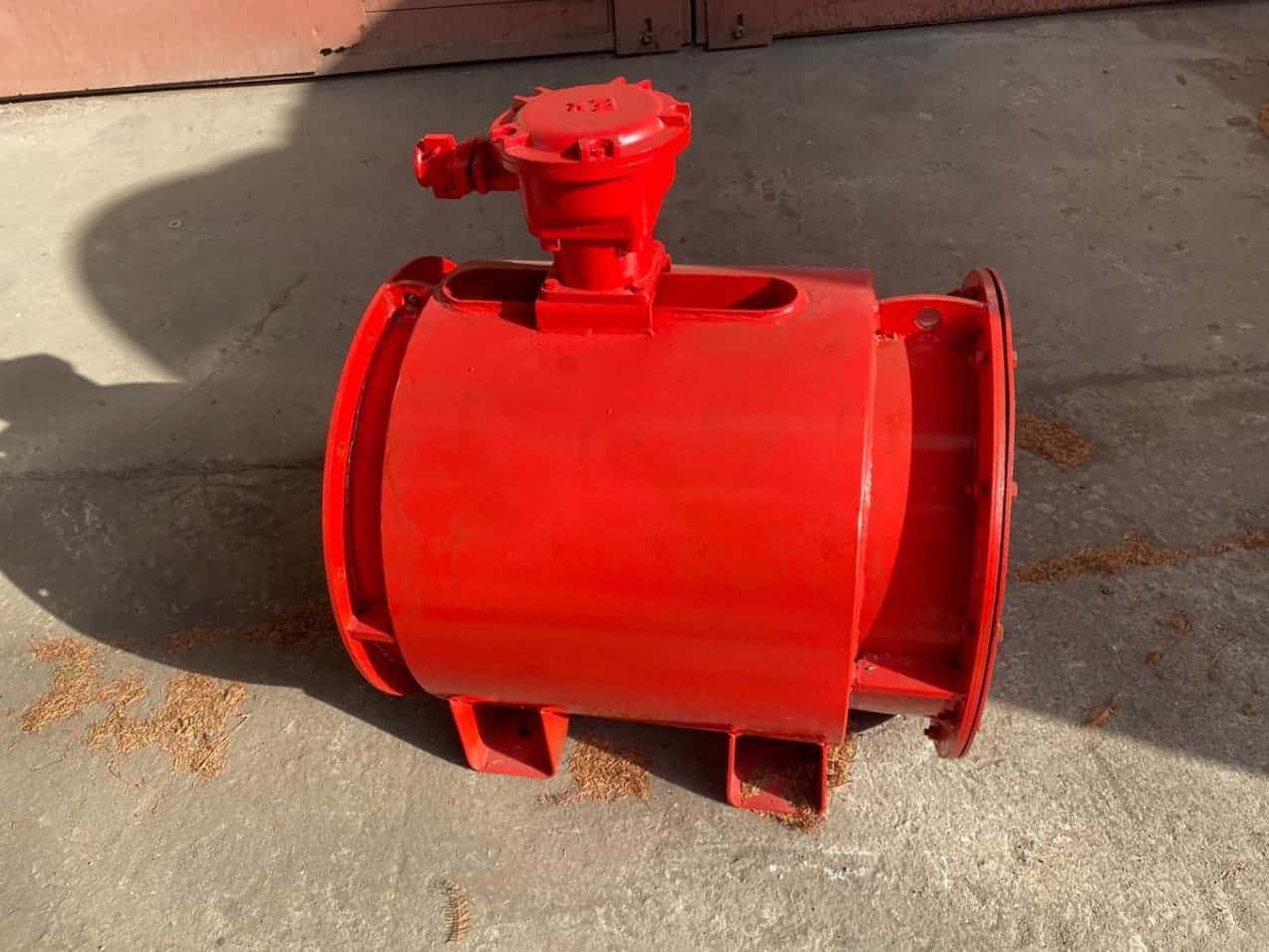
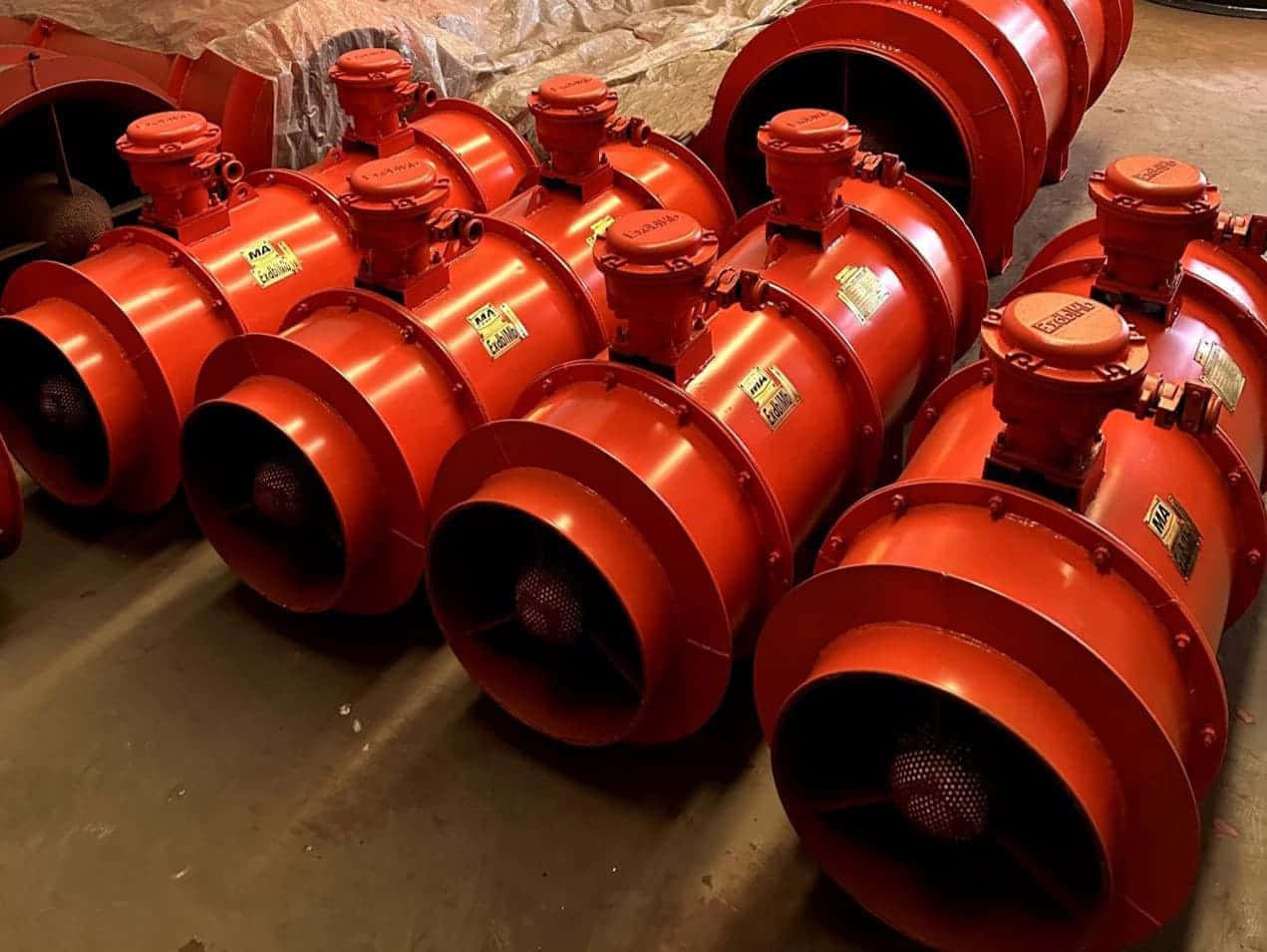
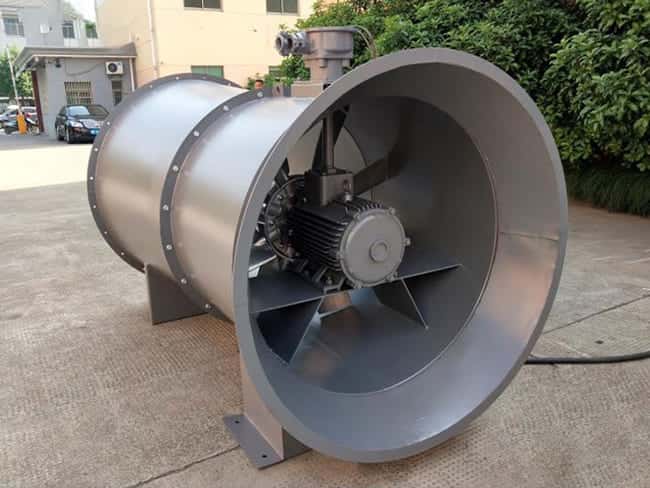
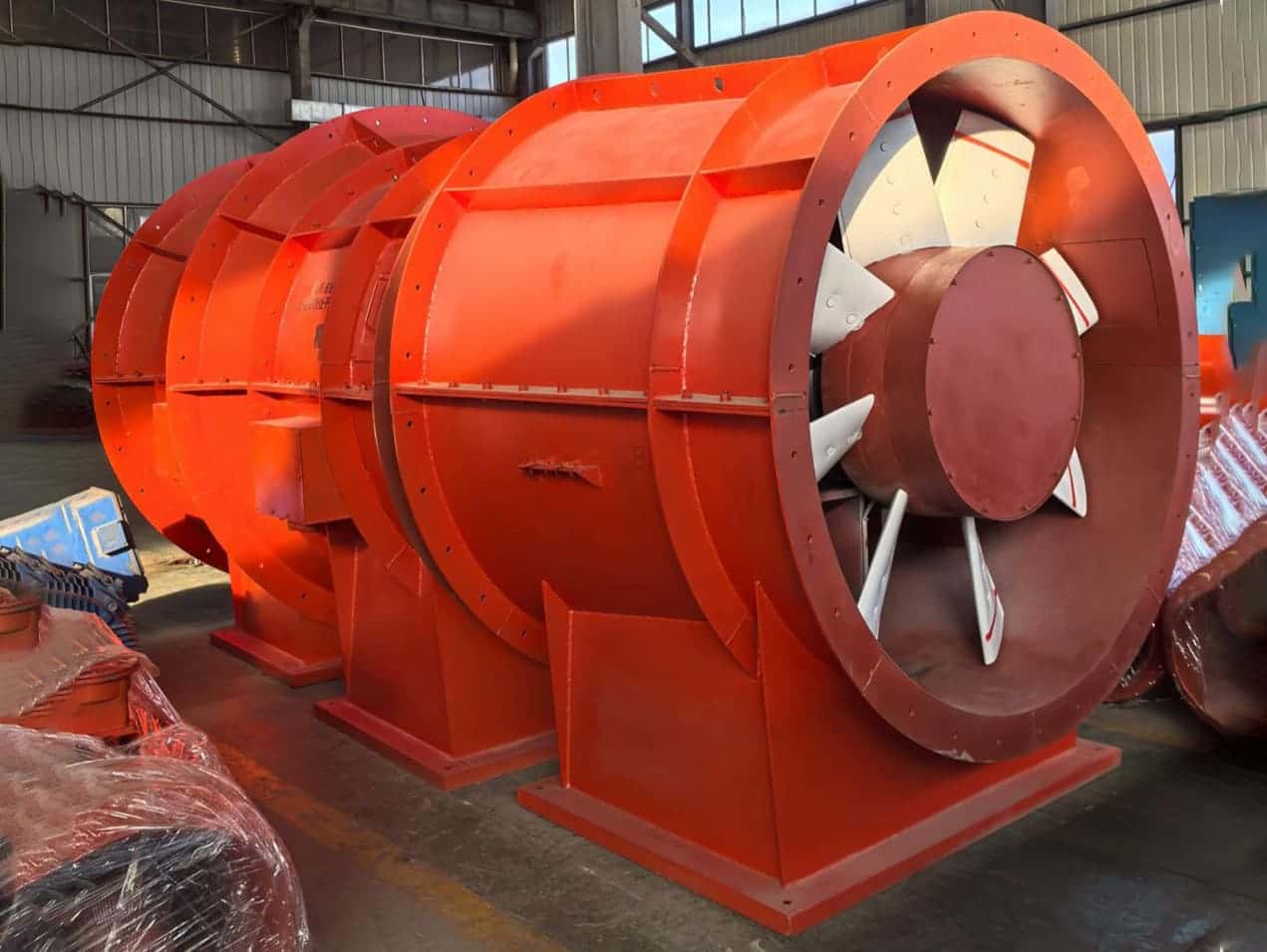
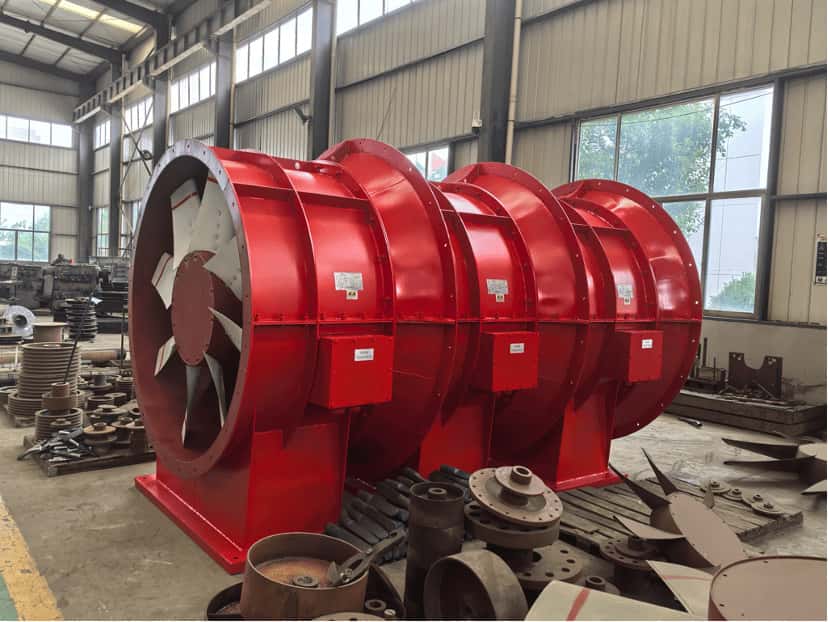
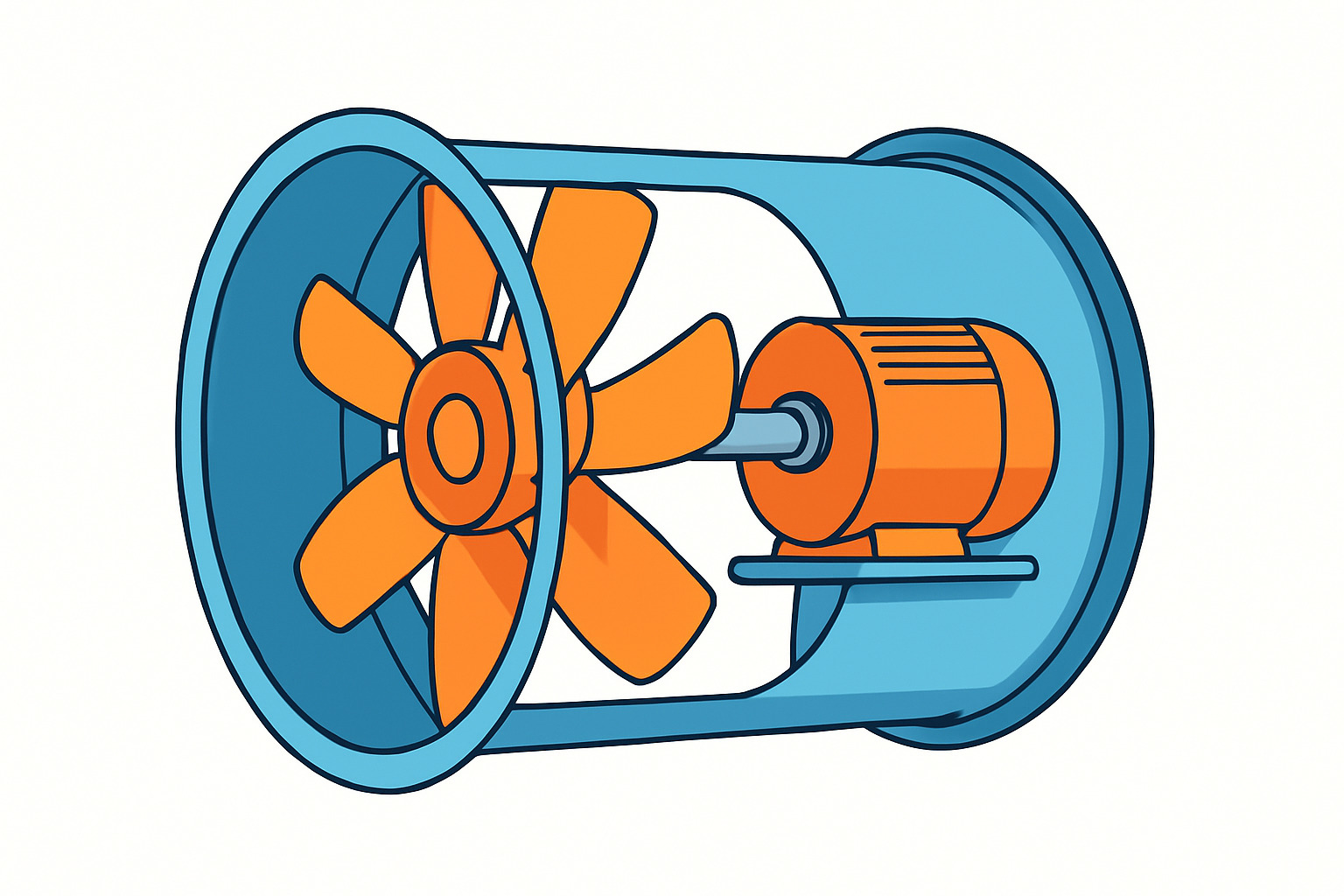
The center of an axial fan is usually called the hub, sometimes referred to as the boss or impeller hub. It is the central component that connects all the blades, transmits torque from the shaft and ensures the rotor runs as a single, balanced unit.
In an axial ventilation fan, the hub is mounted on the fan shaft either by a keyed connection, taper lock bush, interference fit or other mechanical joint. The blades are then attached to the outer surface of the hub. In simple fixed-pitch designs, each blade may be bolted directly to the hub in a fixed position. In more advanced variable-pitch axial fans, the hub contains mechanisms that allow each blade to rotate about its own axis to change pitch angle while the fan is running or when it is stopped.
The hub has several important functions. First, it transmits mechanical torque from the motor through the shaft to the blades. It must therefore be strong enough to handle the design torque plus additional loads from start-up, transient conditions and any imbalance. Second, it provides geometric positioning, fixing the radius, angle and spacing of the blades so that the fan develops the desired airflow and pressure. Third, the hub often serves as a convenient location for balancing weights during rotor balancing.
In large industrial and mining fans, the hub is typically made from cast or fabricated steel, sometimes with high-strength alloy components. It is designed to withstand centrifugal forces from the rotating blades, bending loads from pressure fluctuations and fatigue from cyclic operation. For reversible axial fans, the hub and blade root design must safely transmit loads in both directions of airflow and rotation.
Some hubs are enclosed or streamlined with a fairing to improve aerodynamics. A smooth, tapered hub nose can reduce separation and turbulence near the center of the fan, improving efficiency and reducing noise. In other designs, especially where variable pitch mechanisms are housed inside the hub, a larger diameter is needed to accommodate gear trains, linkages or hydraulic actuators.
Because the hub is a critical safety component, fan manufacturers apply strict design and inspection practices. Welds and castings are checked for defects, and stress calculations or finite element analysis may be used for large or high-speed fans. During maintenance, technicians inspect the hub for cracks, corrosion and looseness of blade attachments, as any failure in this area can have serious consequences.
In summary, the center of an axial fan is called the hub or boss. It connects the blades to the shaft, transmits torque, positions the blades and sometimes houses variable-pitch mechanisms. A well-designed hub is essential for safe, efficient operation of industrial and mining axial ventilation fans.