
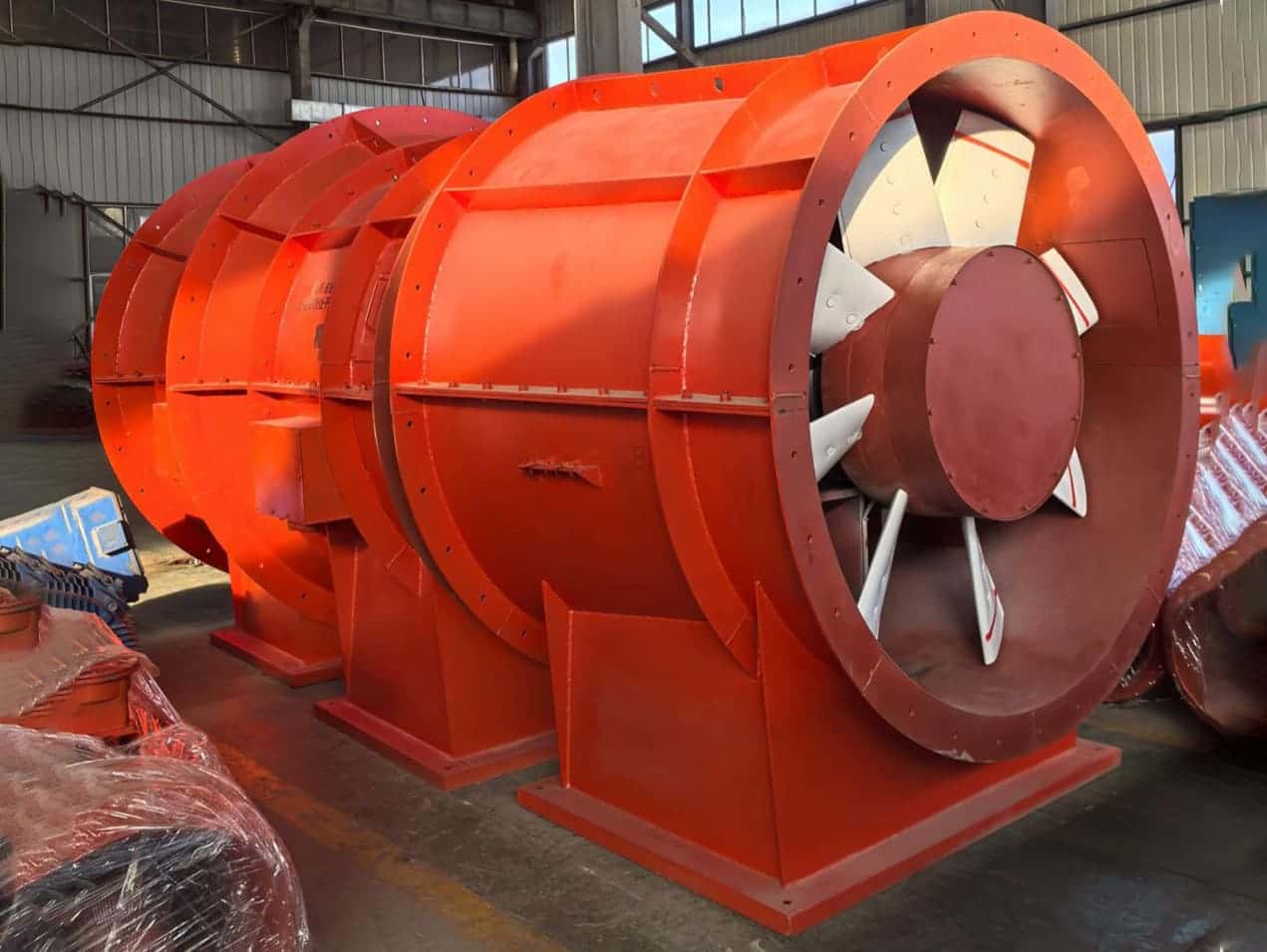
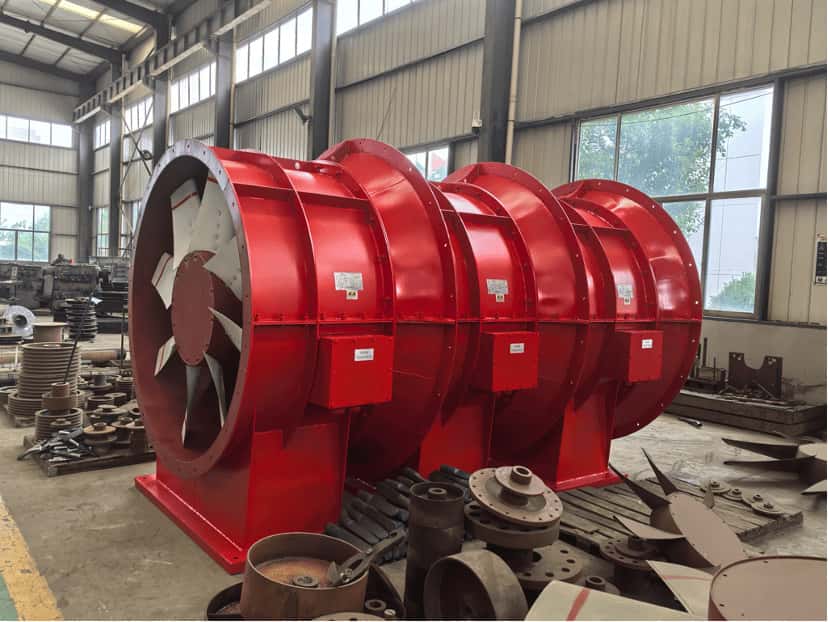
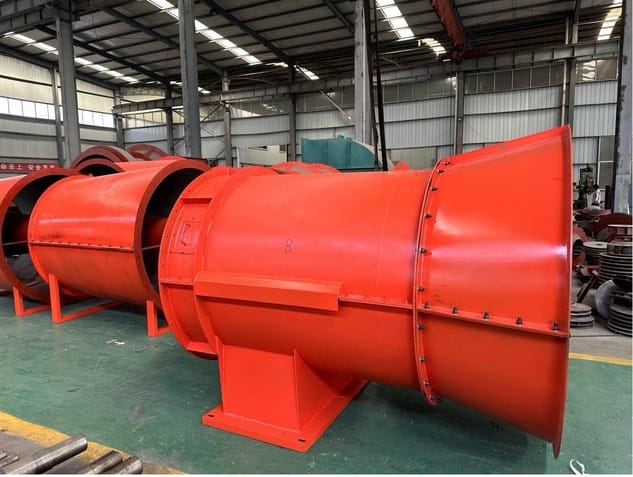
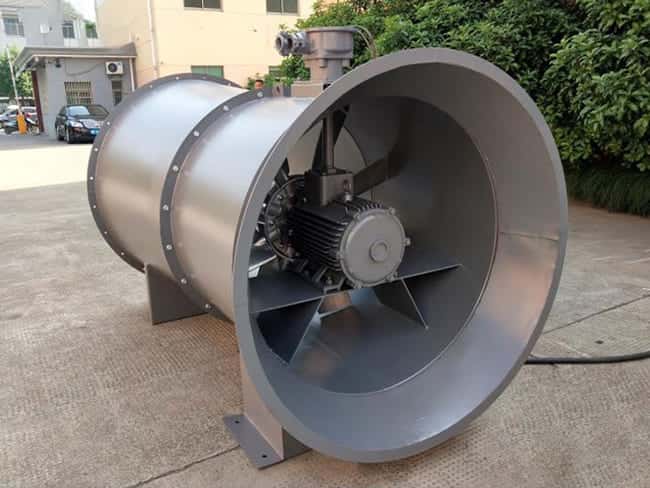
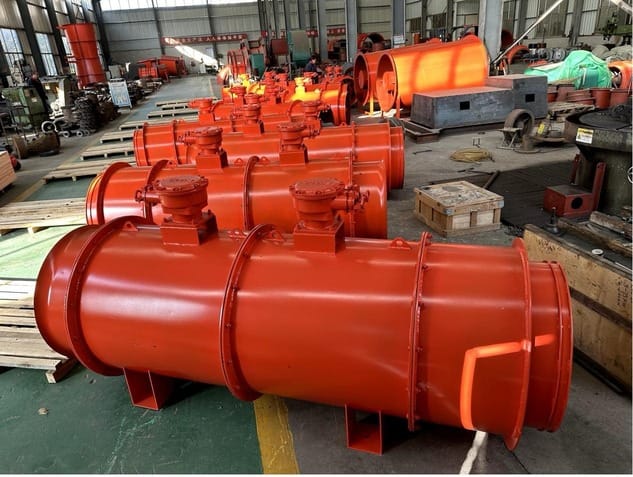
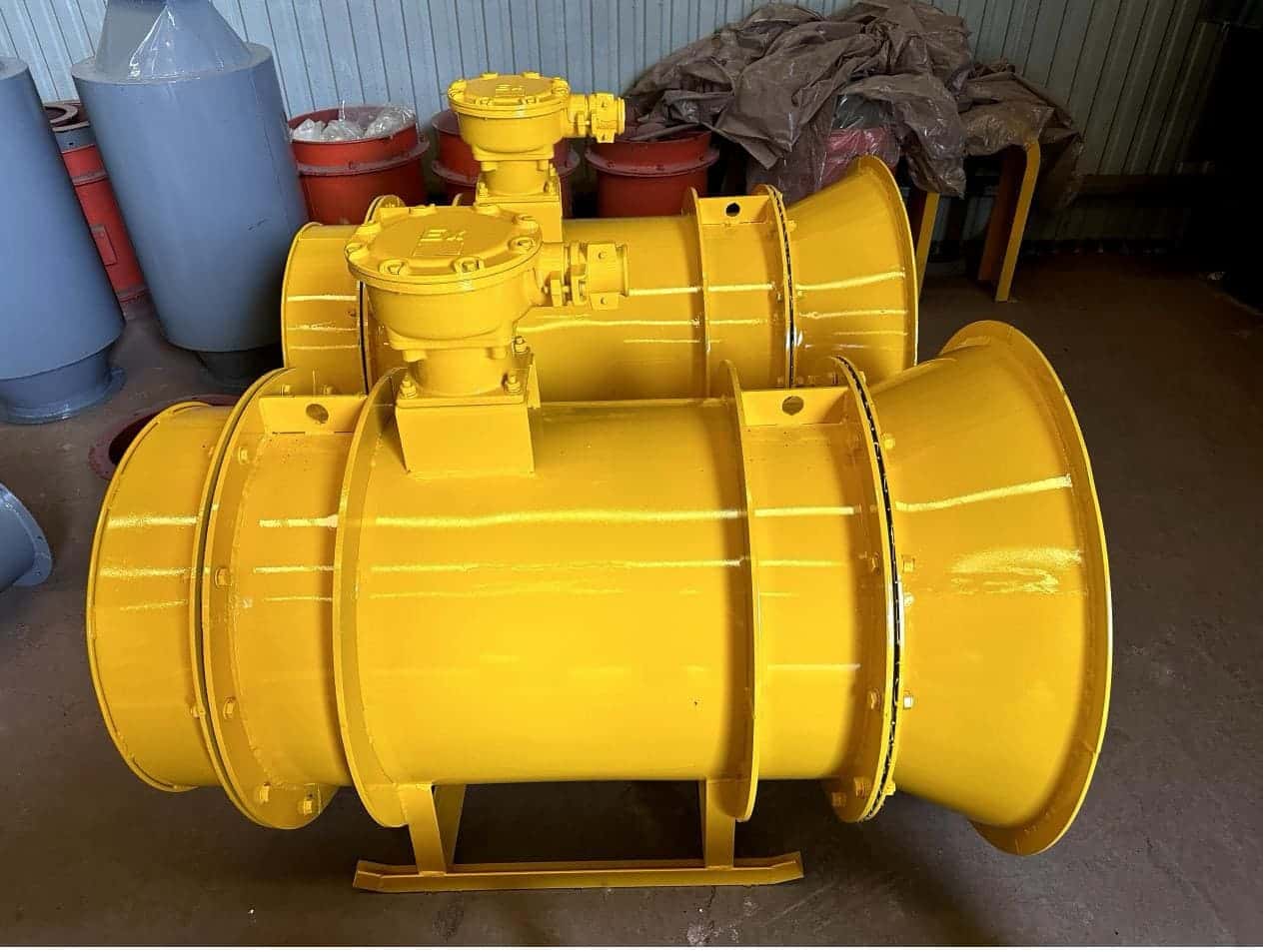
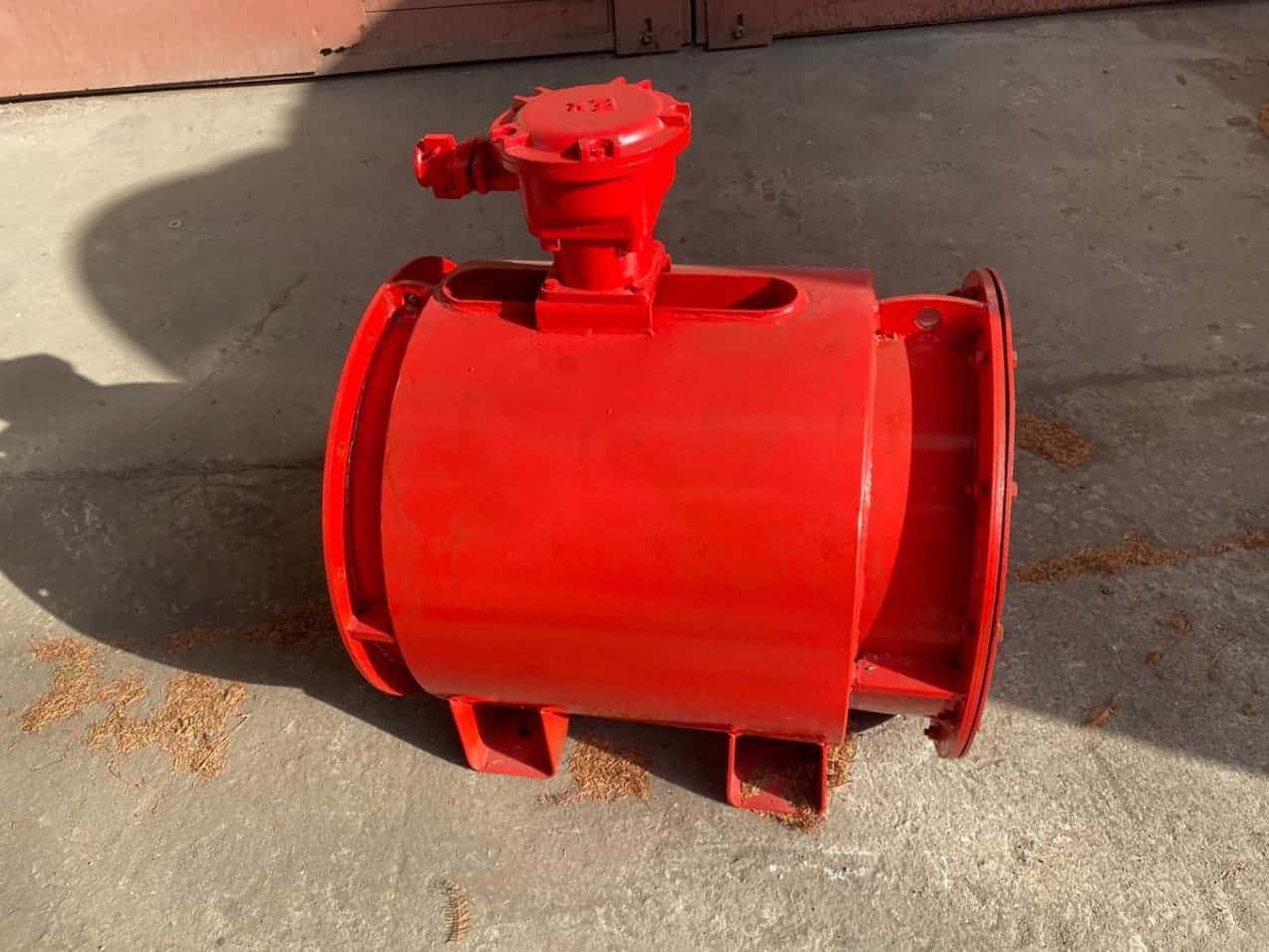
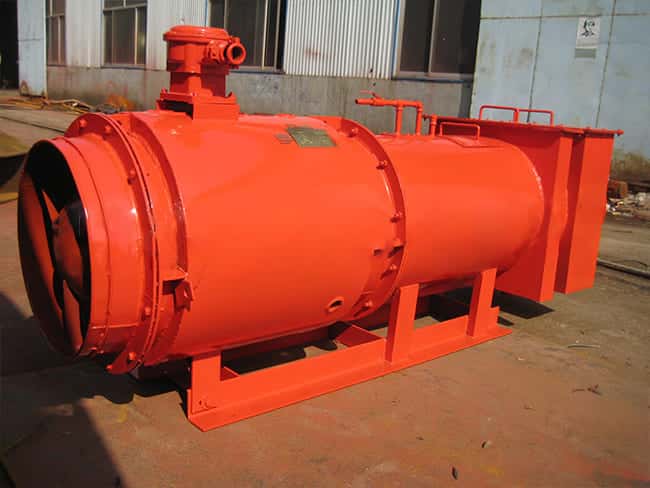
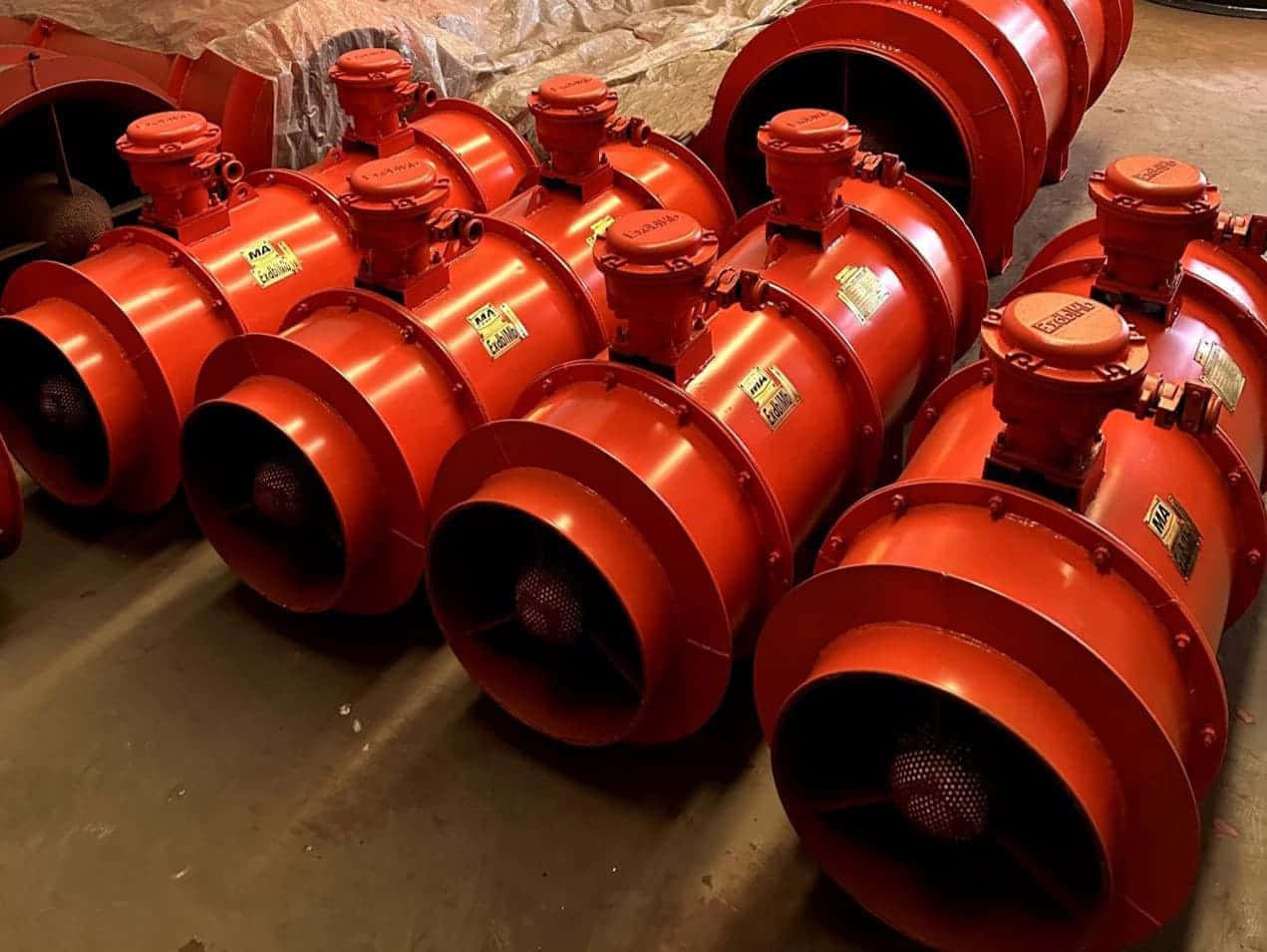
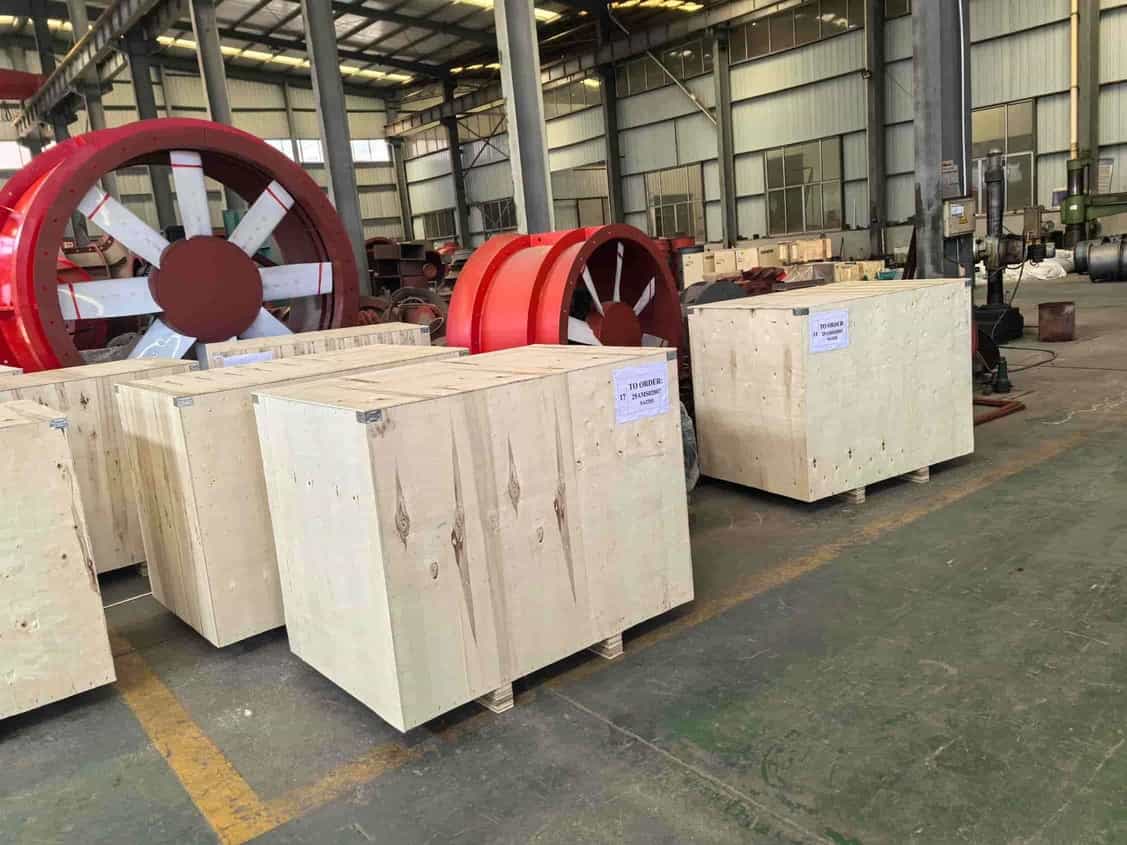
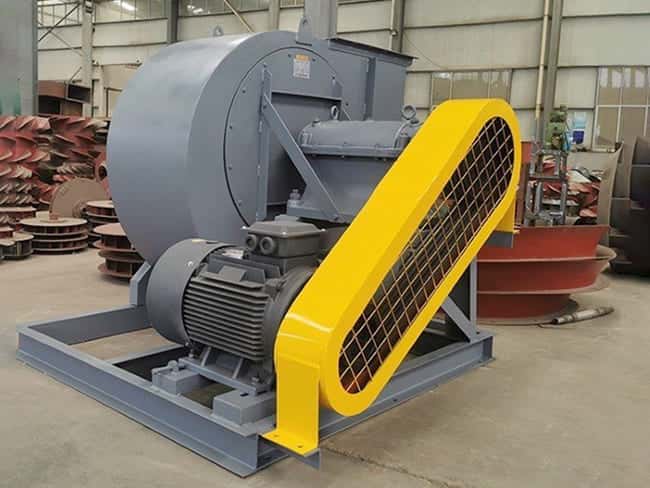
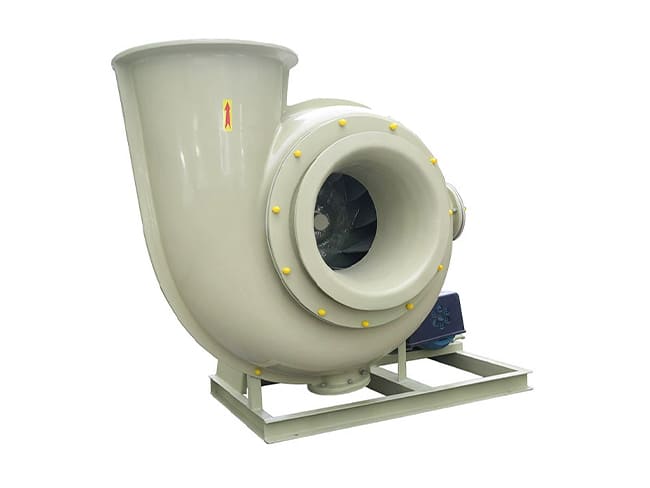
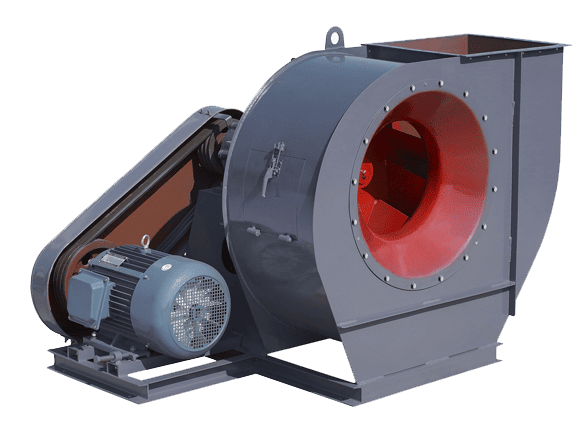
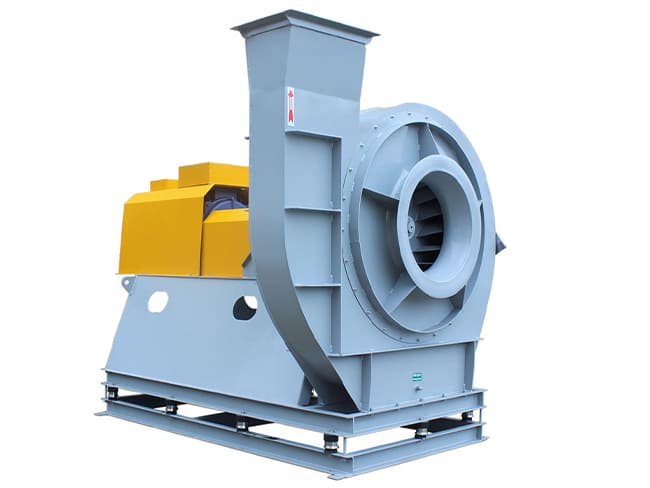
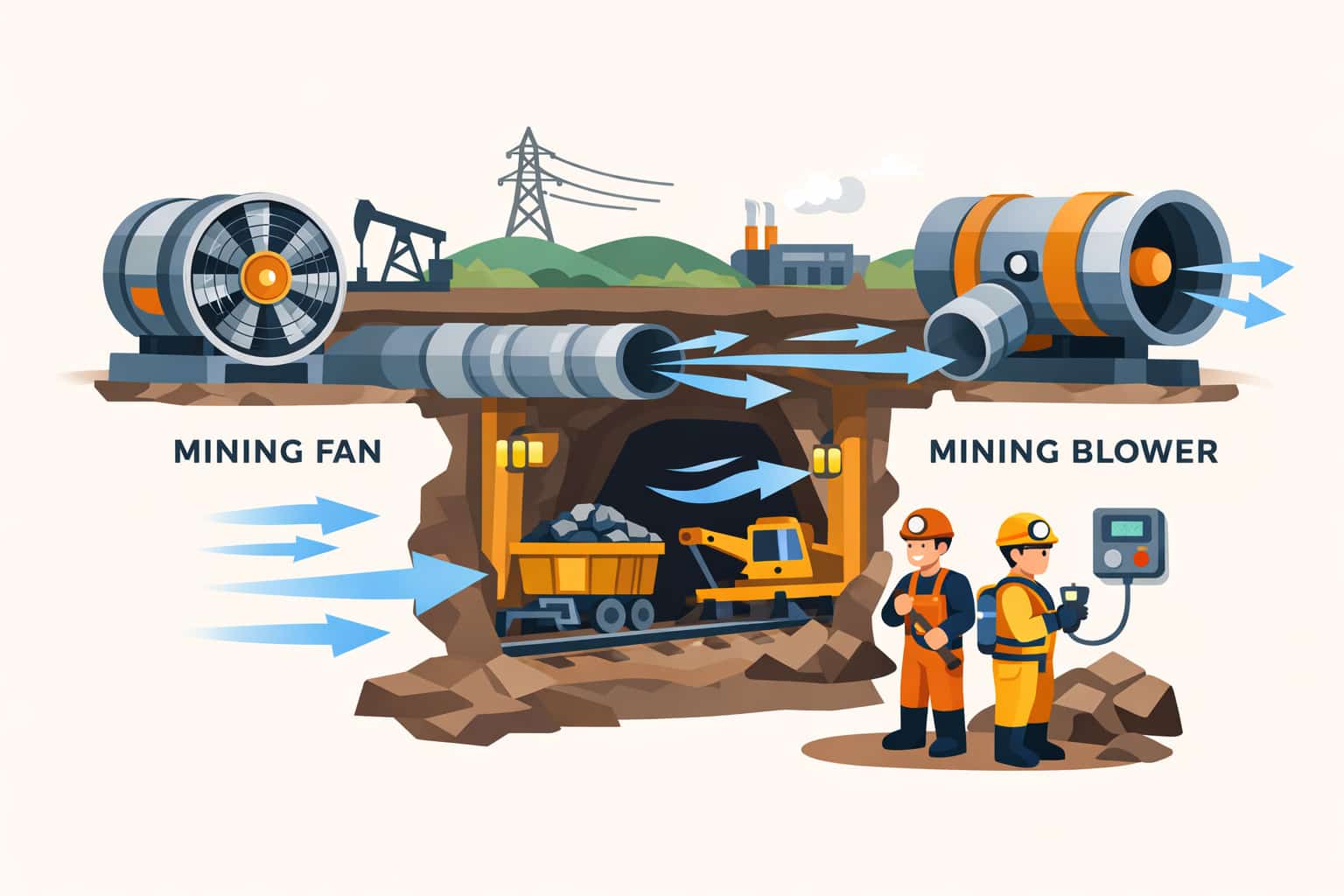
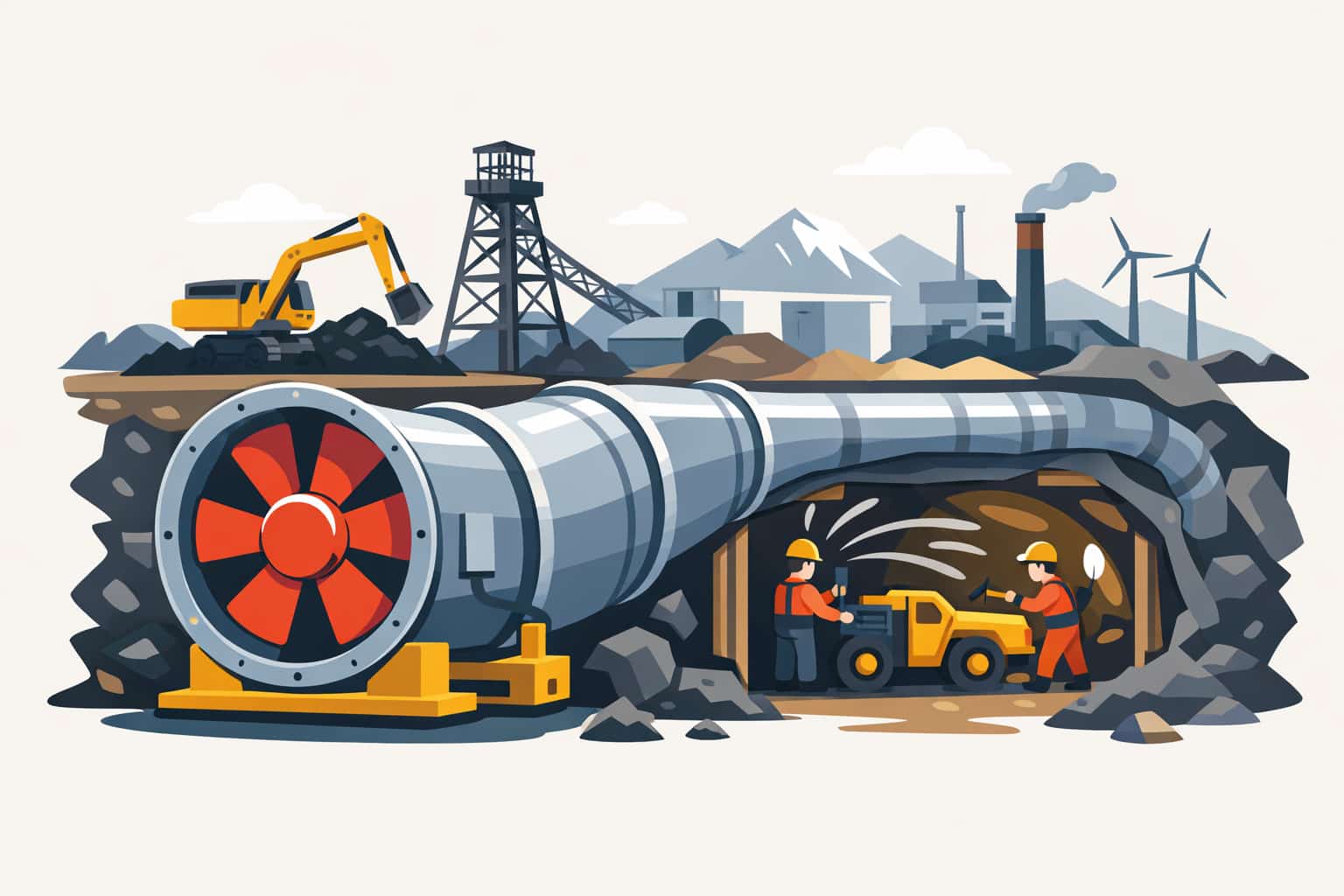
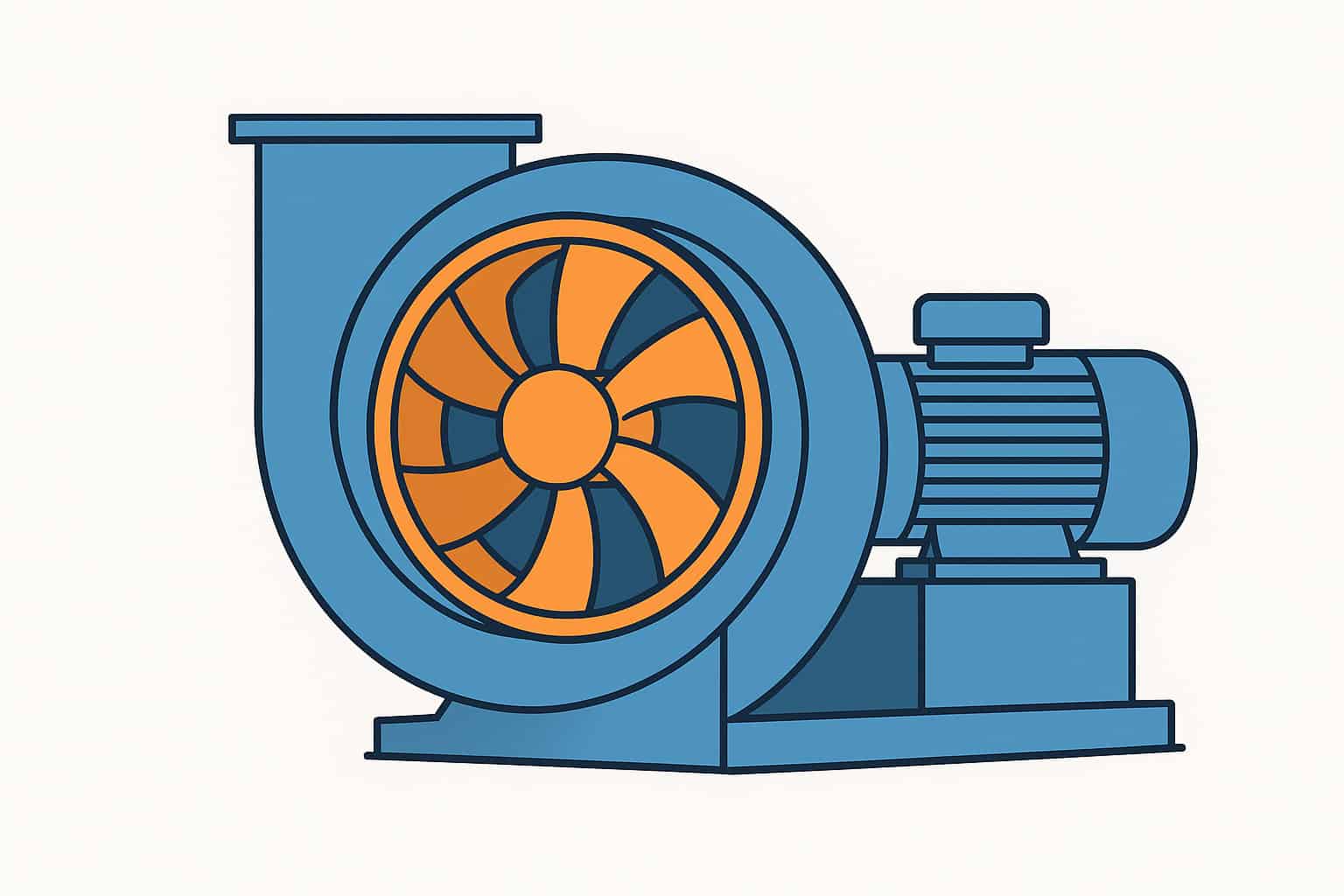
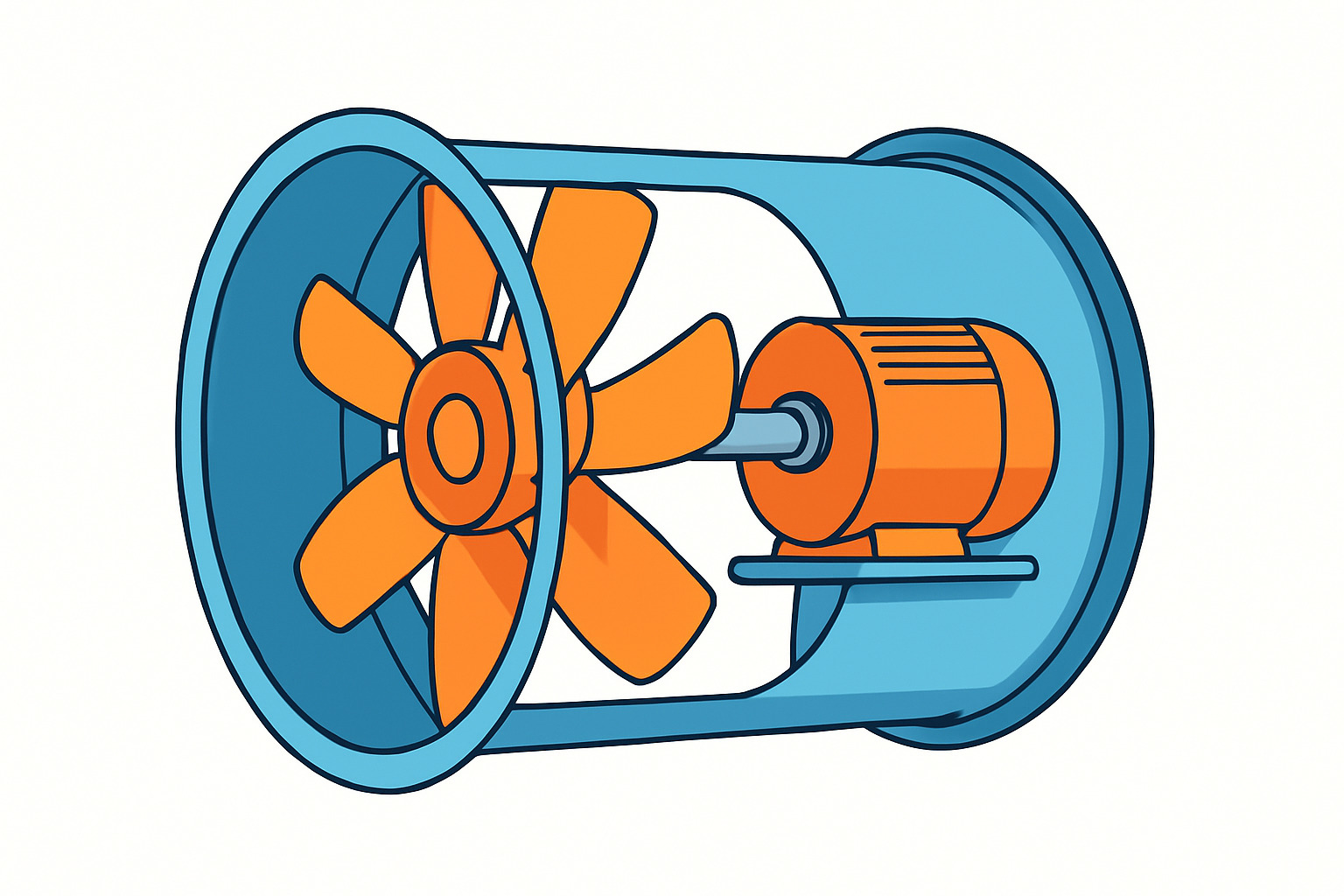
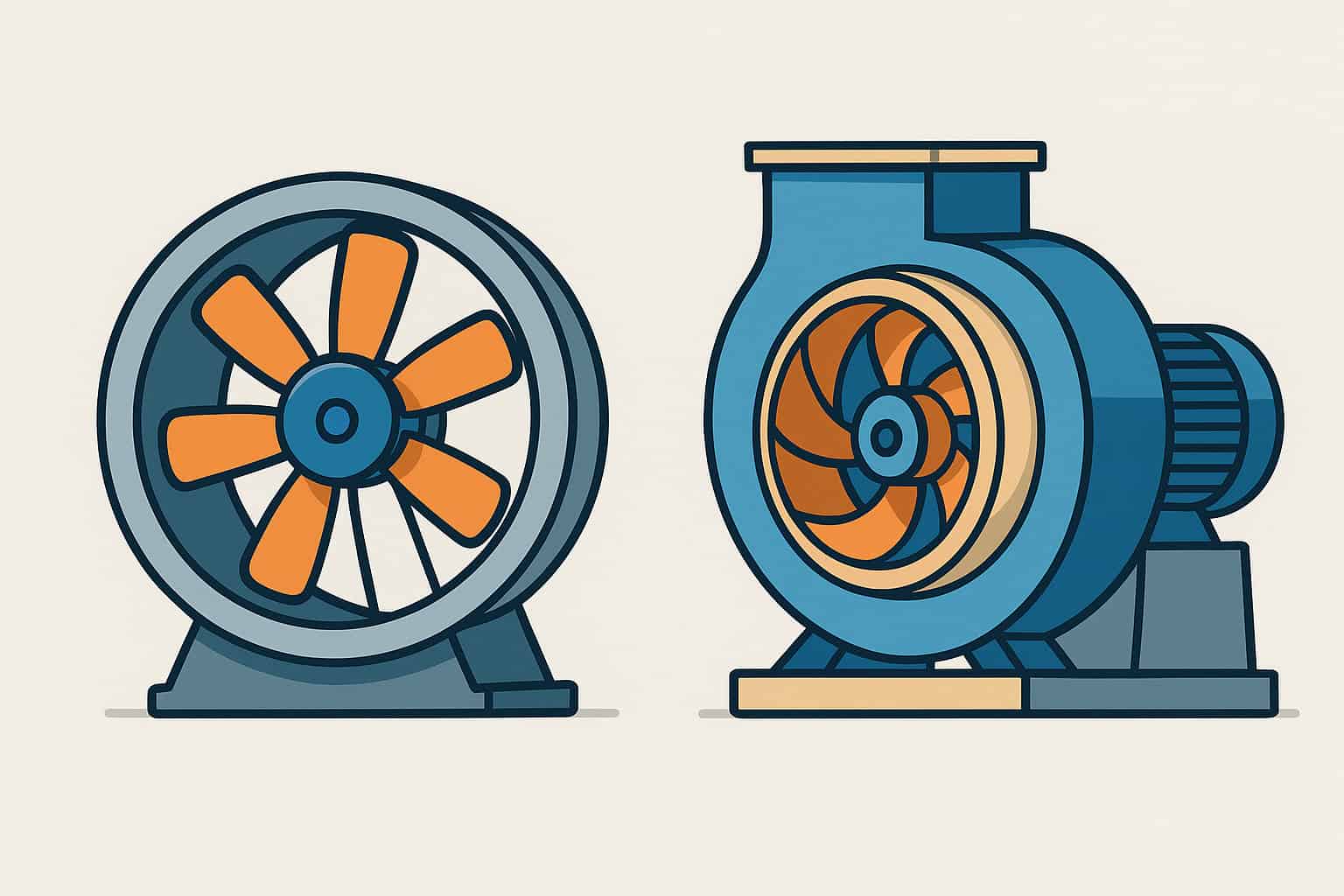
A central ventilation system in mining is a mine-wide arrangement in which most or all of the required airflow is generated and controlled from one or a few main fan stations, rather than relying on many independent local systems. The idea is to use large, centralized mine ventilation fans and a coordinated network of airways and controls to distribute air efficiently to every part of the underground operation.
In a central ventilation system, the main fans are typically installed at principal shafts, declines, or ventilation raises. These fan stations may be designed with multiple fans in duty/standby or duty/assist configurations, allowing flexibility in output and providing redundancy for maintenance or failures. The fans create the overall pressure difference that moves air from intake openings, through the mine, and out via return airways and exhaust openings.
The effectiveness of a central ventilation system depends on the design of the primary airways and distribution network. Intakes and returns are laid out so that air can be routed from the central fans to all levels, production districts, and infrastructure areas. Ventilation control devices such as stoppings, regulators, doors, and overcasts are used to manage how much air goes into each branch and to prevent short circuits between intake and return routes. Because the system is centralized, changes in fan pressure or regulator positions can influence airflow across large parts of the mine.
Central ventilation systems often make use of modelling and automation. Engineers build ventilation network models that include the central fan stations, airways, and control devices, then simulate different operating scenarios. Control systems can adjust fan speed, fan combinations, and regulator settings to balance airflow, manage energy use, and respond to changing production patterns. In some operations, central ventilation is integrated with ventilation-on-demand strategies, where airflow is dynamically adjusted to match actual working locations and equipment loads.
Compared with highly decentralized ventilation, a central system offers advantages in energy efficiency, maintenance, and regulatory compliance. Large main fans can be selected for high efficiency at their design duty points, reducing power consumption compared with many small, less efficient units. Maintenance and monitoring can be concentrated at a few fan stations instead of many scattered locations. From a regulatory point of view, a centralized system with good monitoring and control simplifies demonstrating compliance with airflow and gas limits across the mine.
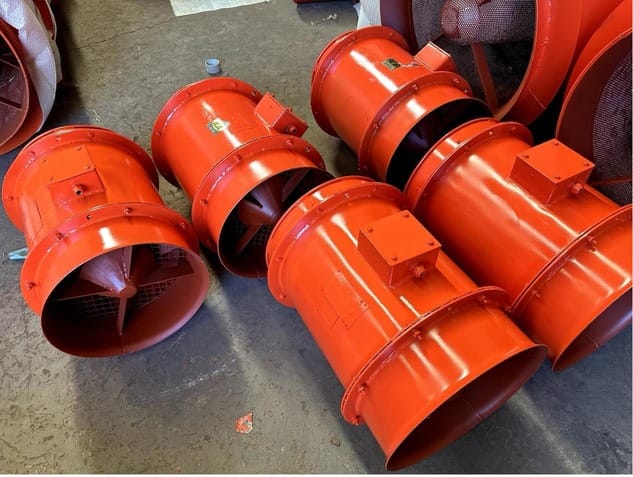
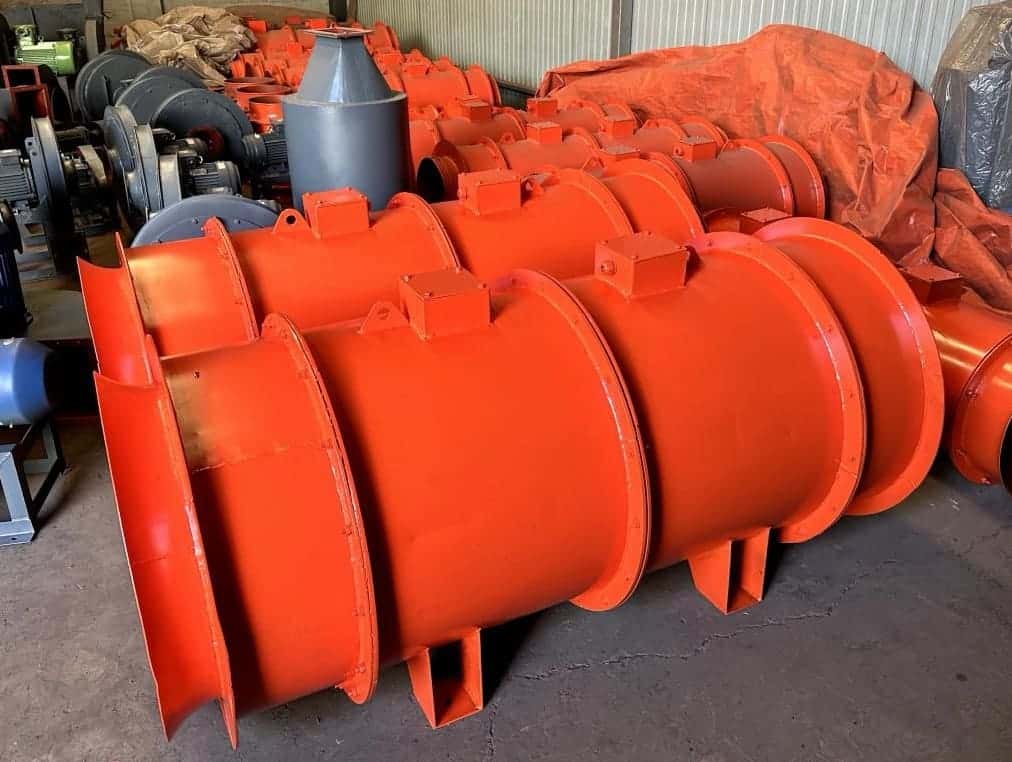
However, a central ventilation system still depends on auxiliary ventilation for headings and blind ends. Smaller fans and ducting are used to extend airflow from the central system into developing areas. The central fans supply the base flow and pressure, while auxiliary systems handle local distribution. The two levels of ventilation must be designed to work together so that changes in the central system do not compromise airflow in critical development or production headings.
In summary, the central ventilation system in mining is a coordinated, mine-wide airflow network driven by main fan stations. It centralizes control of air supply and exhaust, uses engineered airways and controls to distribute air throughout the mine, and forms the backbone on which local auxiliary ventilation systems depend.