
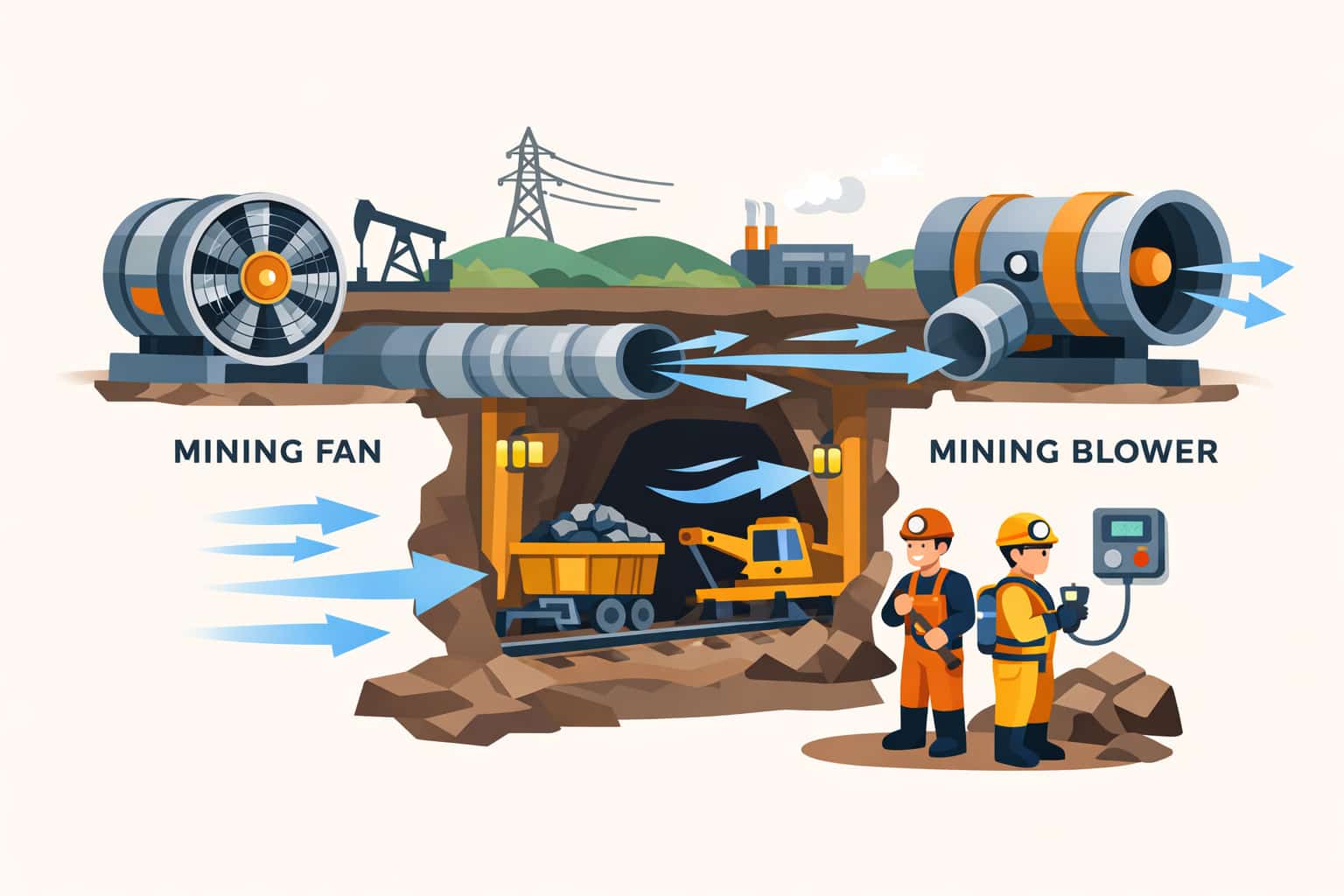
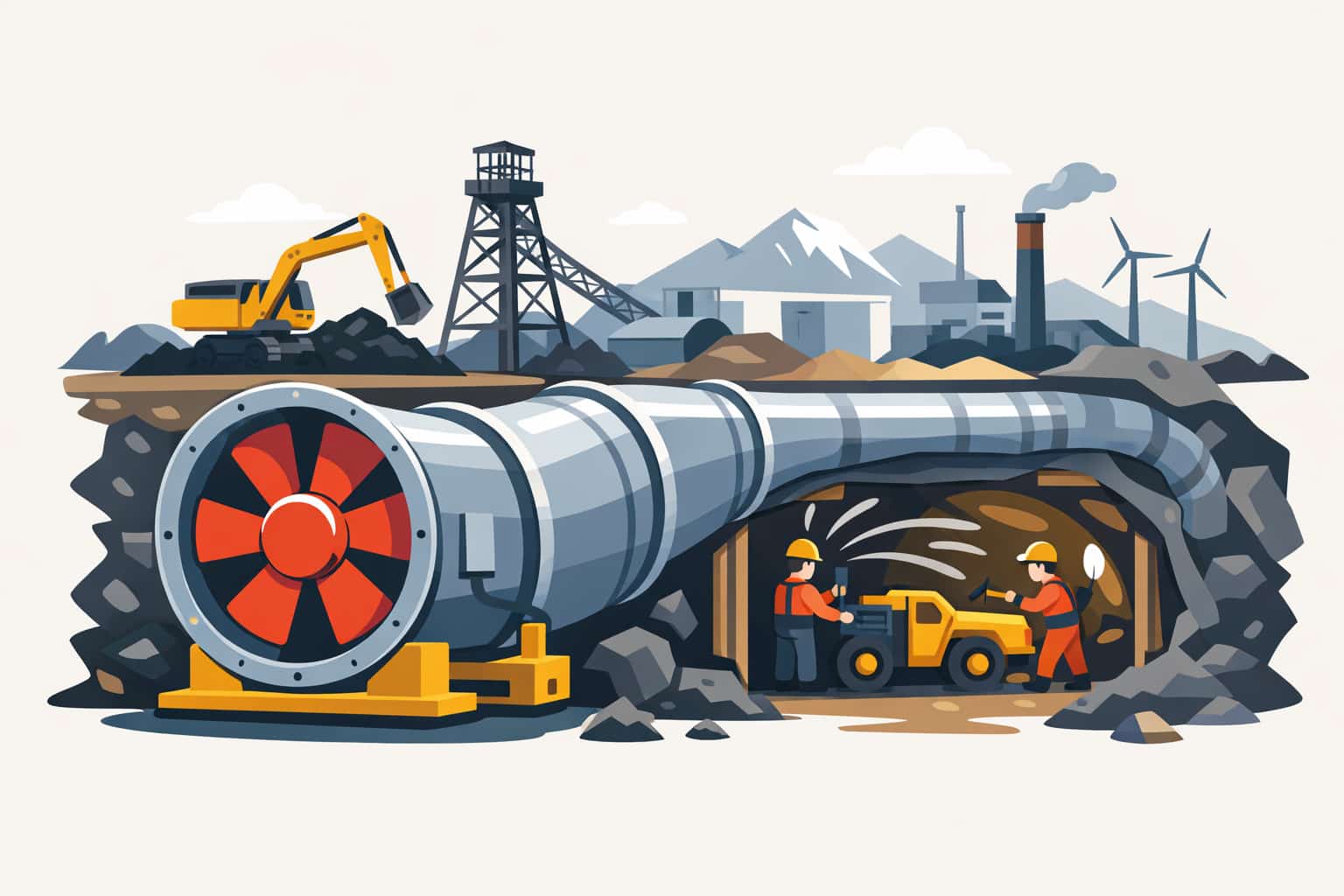
The cost of a ventilation system is more than just the price of a few fans. It is the total investment needed to move air safely and efficiently through a building, industrial plant, tunnel or mine. This includes the capital cost of fans, ducts, structures and control equipment, as well as long-term operating costs such as electricity and maintenance. Because every project has different airflow, pressure and safety requirements, ventilation system costs can vary from modest budgets for small workshops to major capital items in large industrial plants and underground mines.
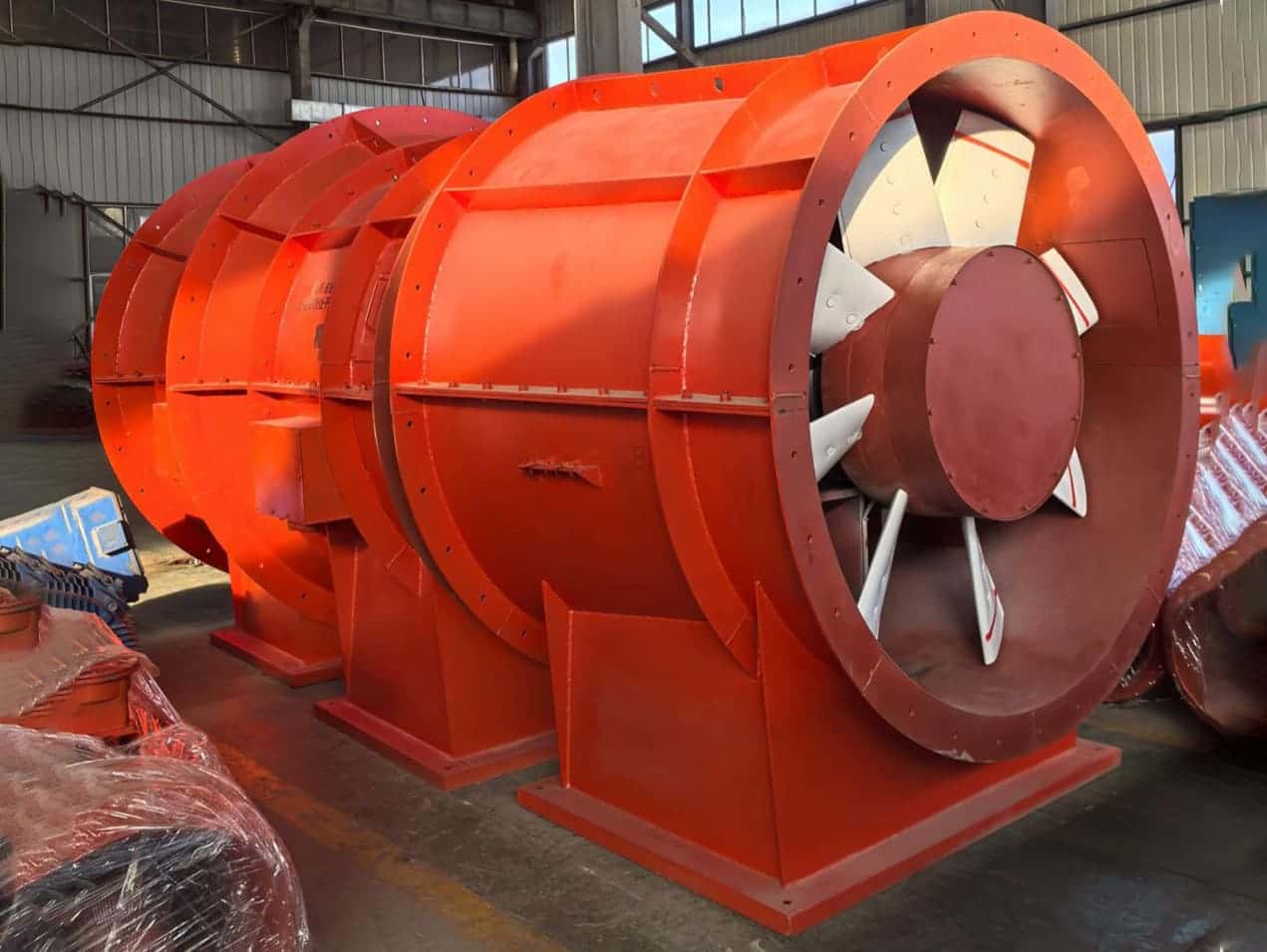
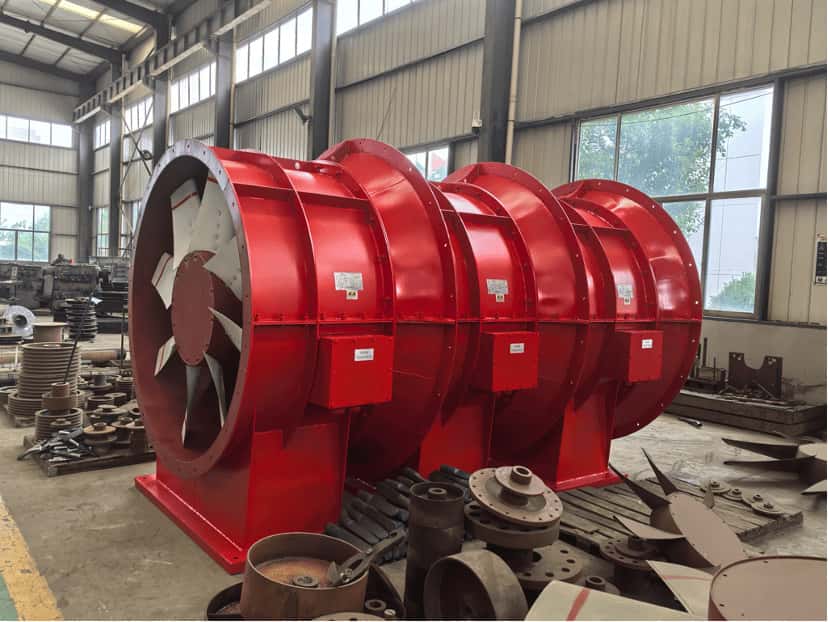
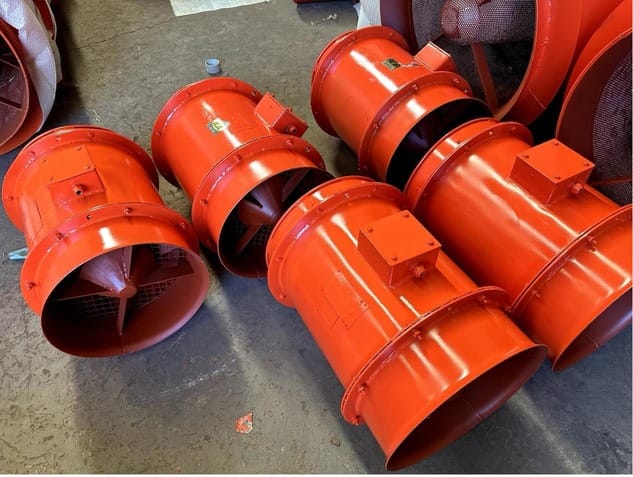
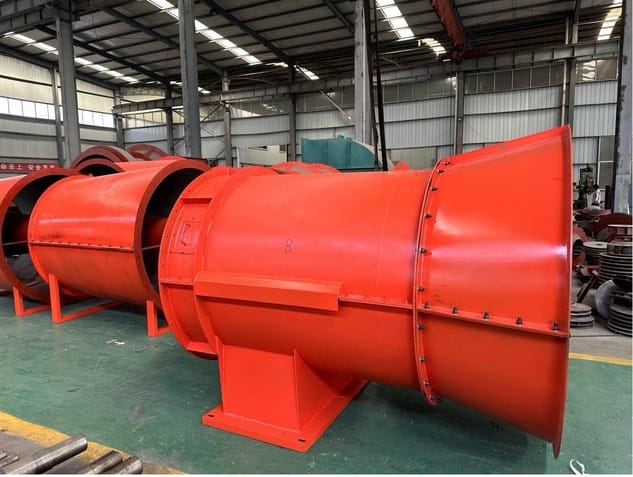
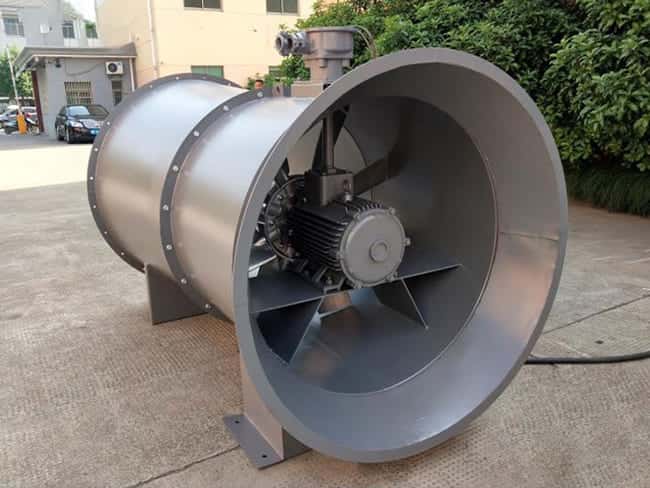
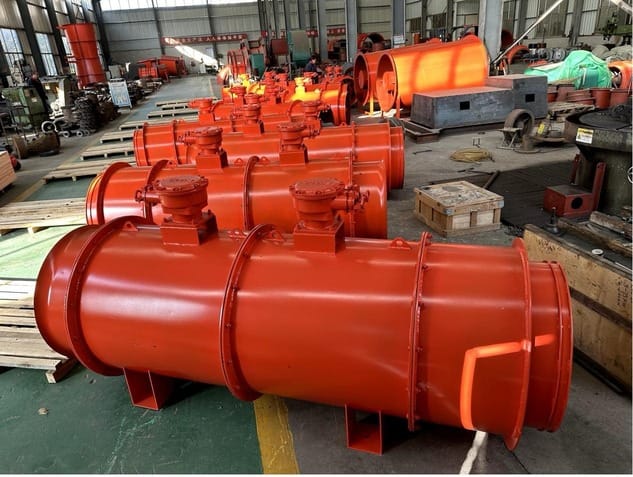
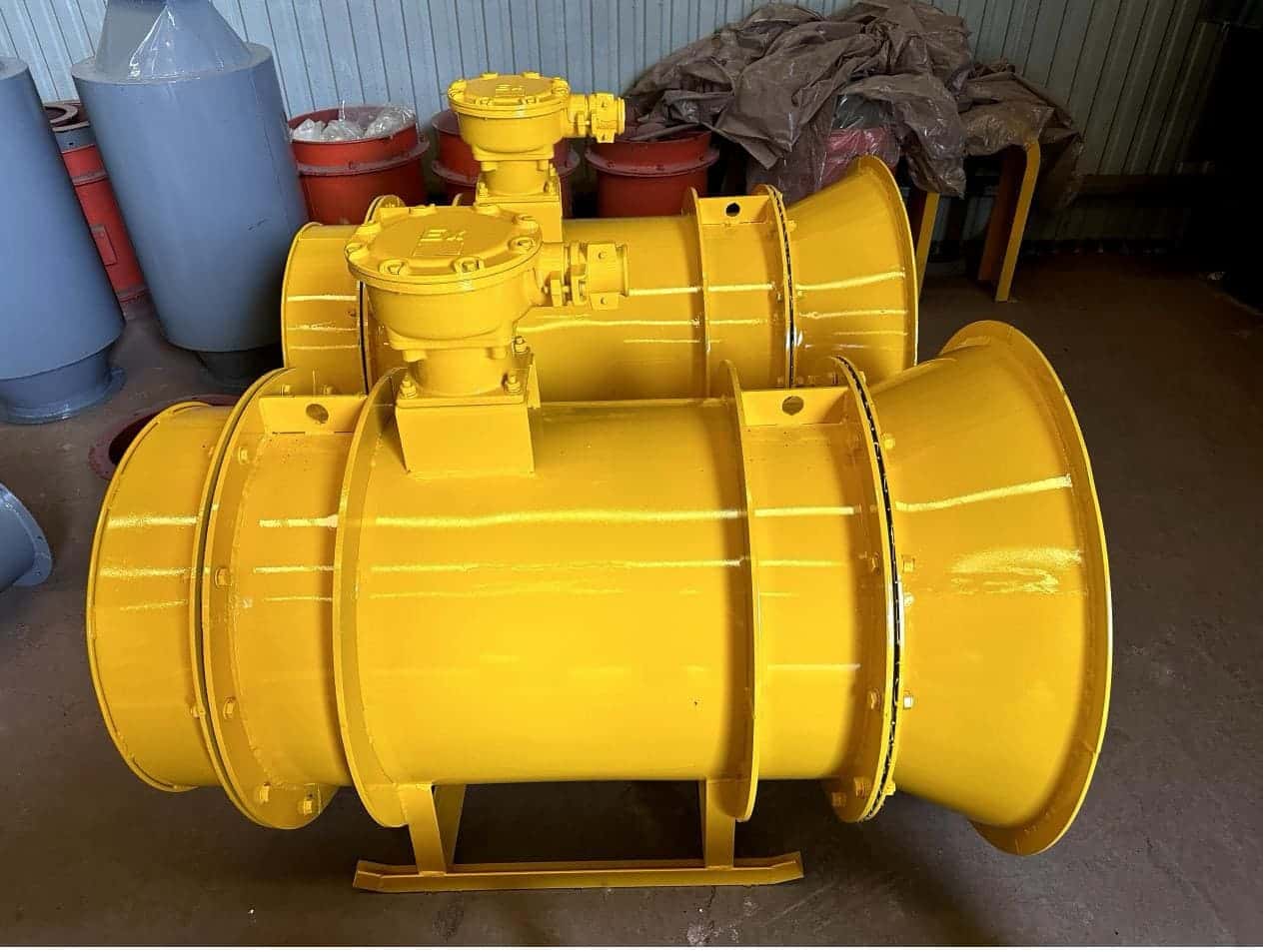
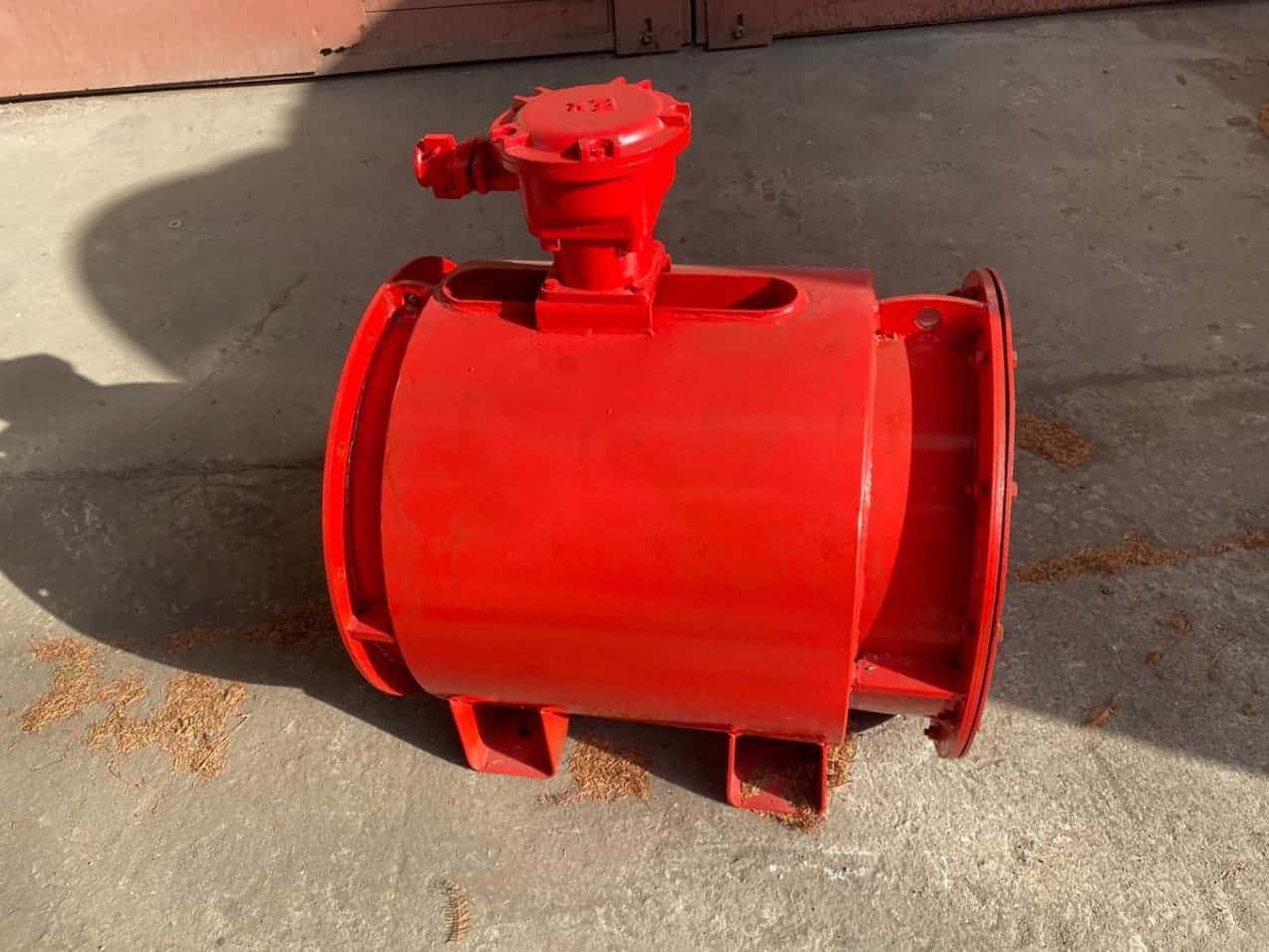
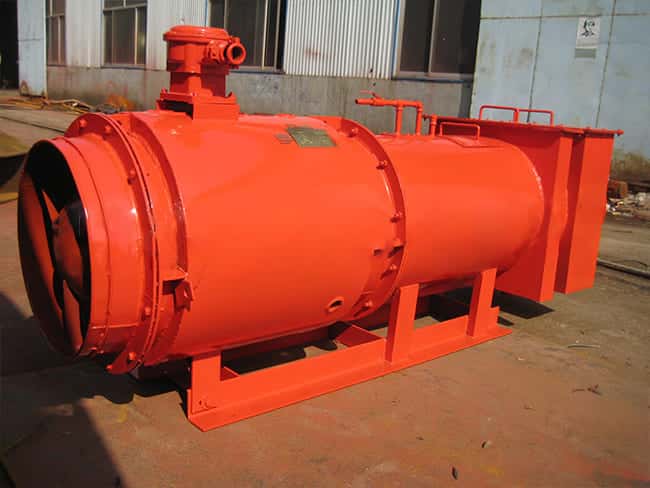
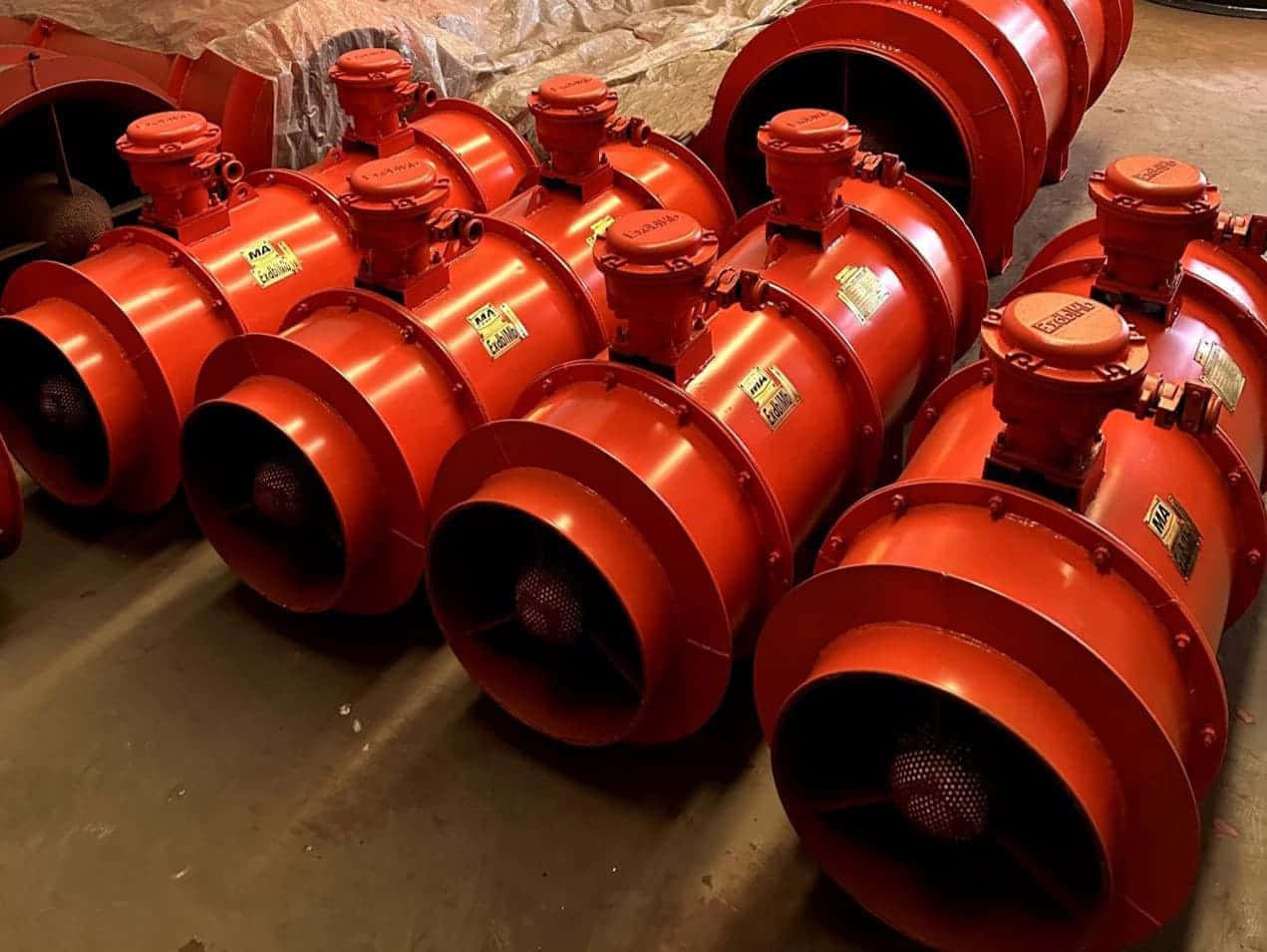
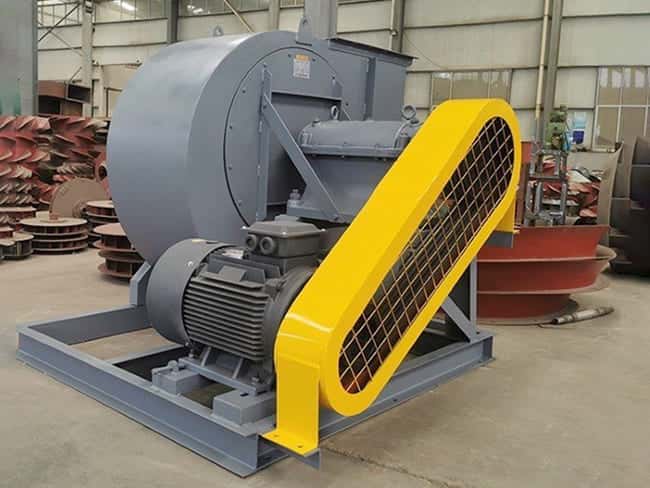
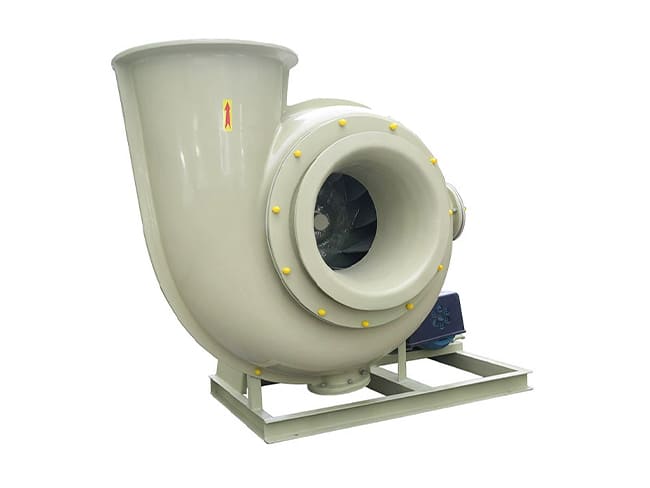
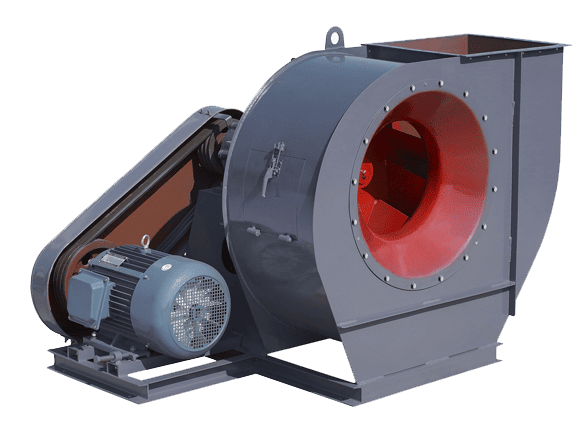
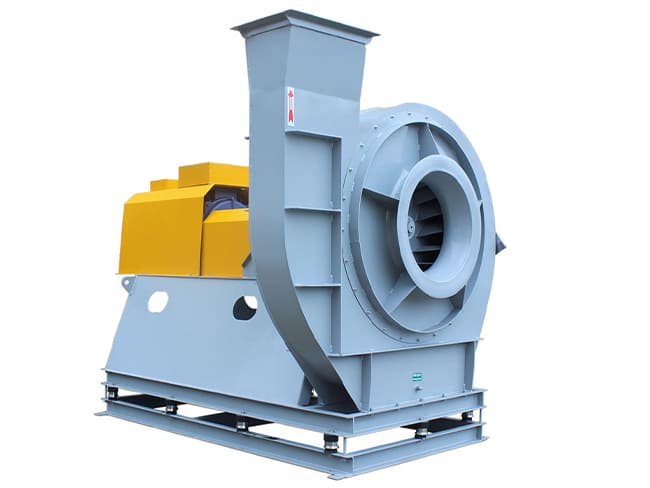
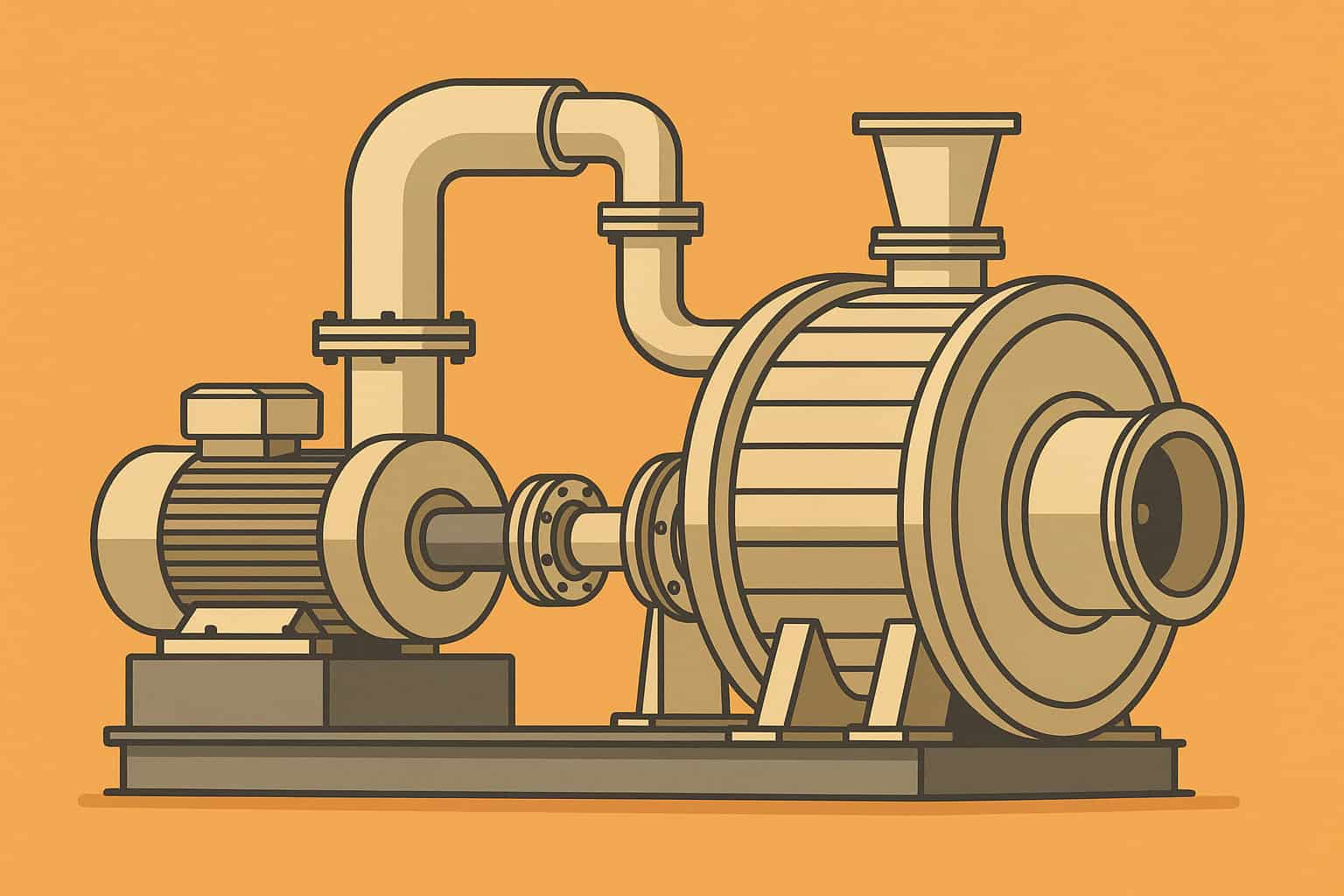
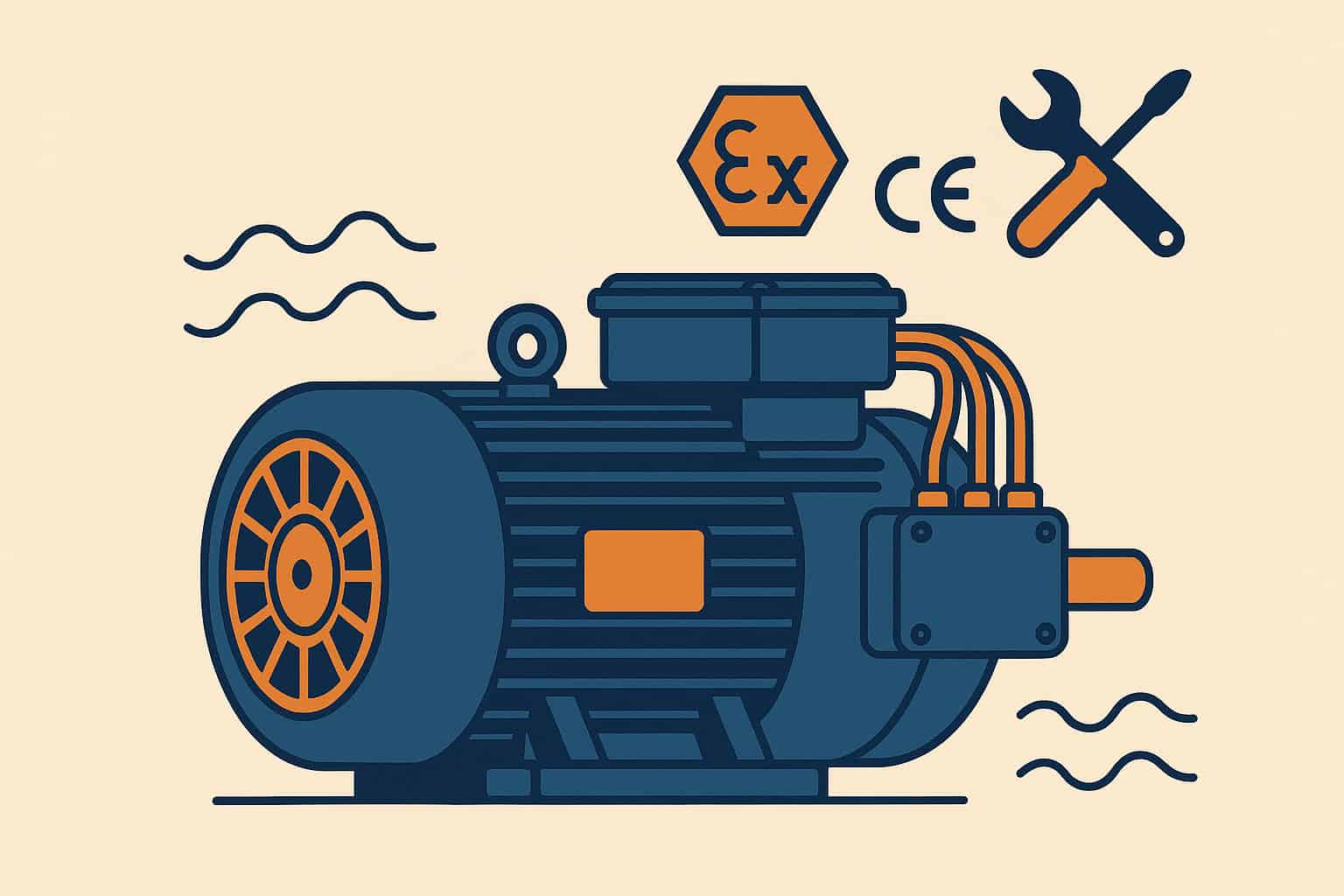
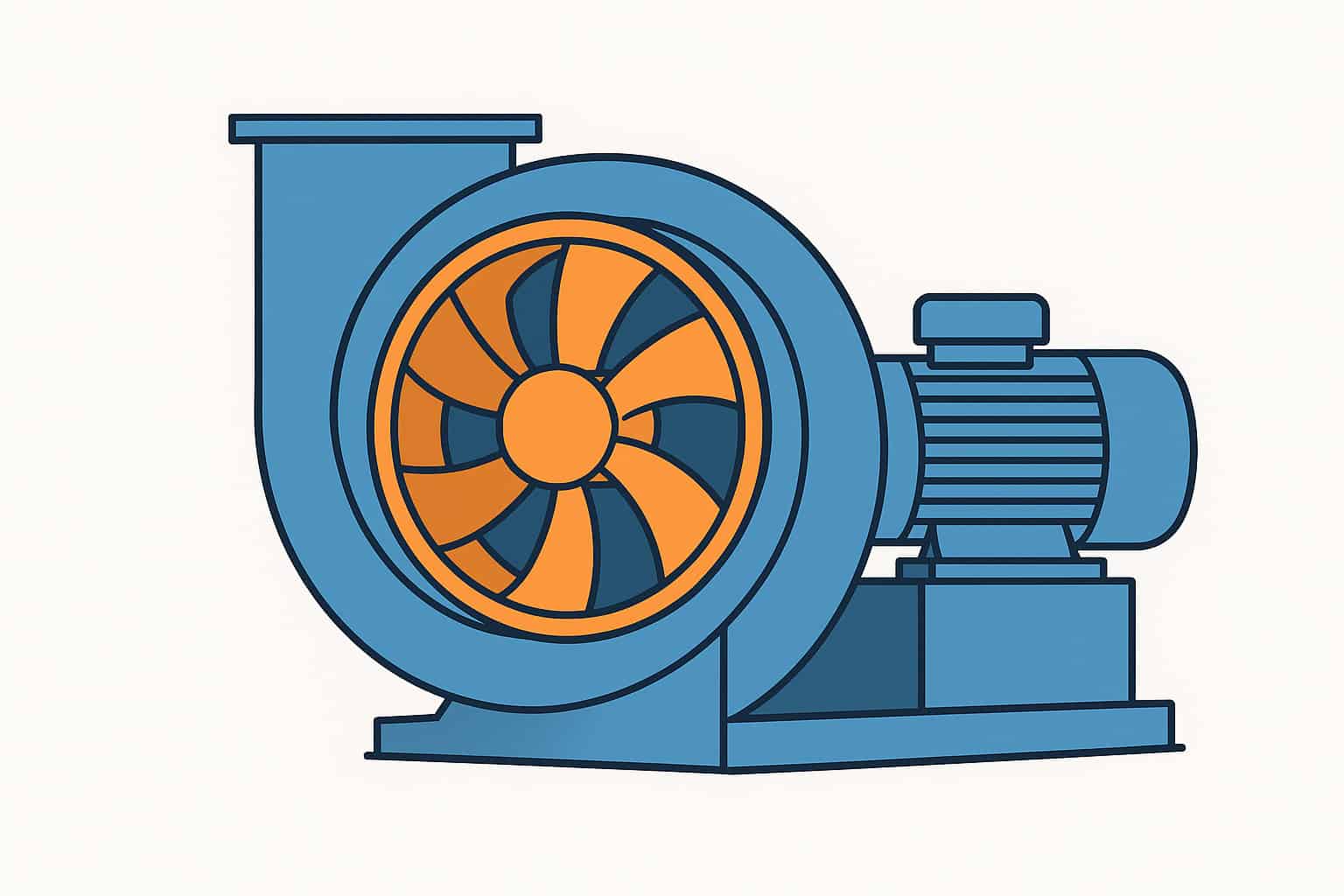
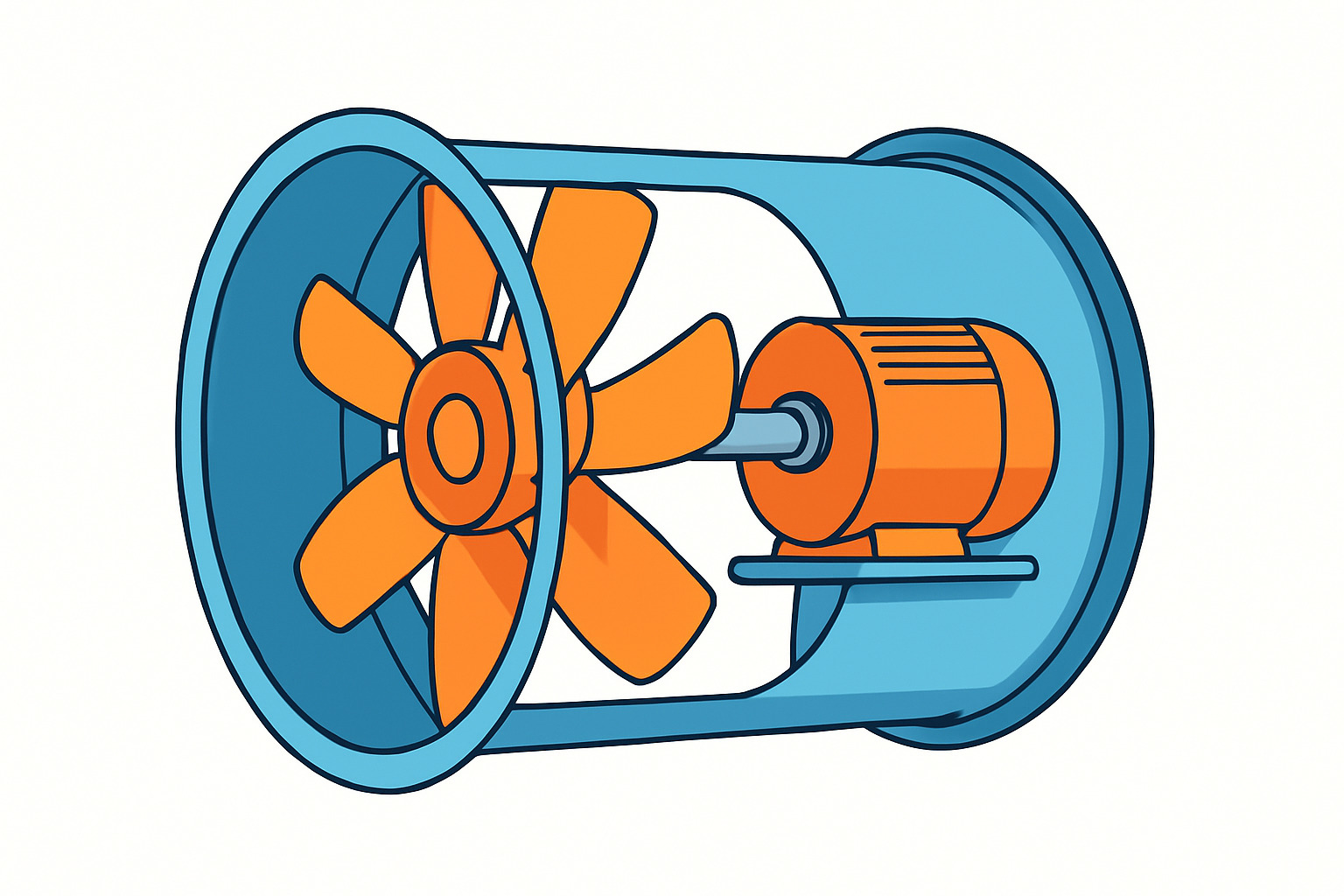
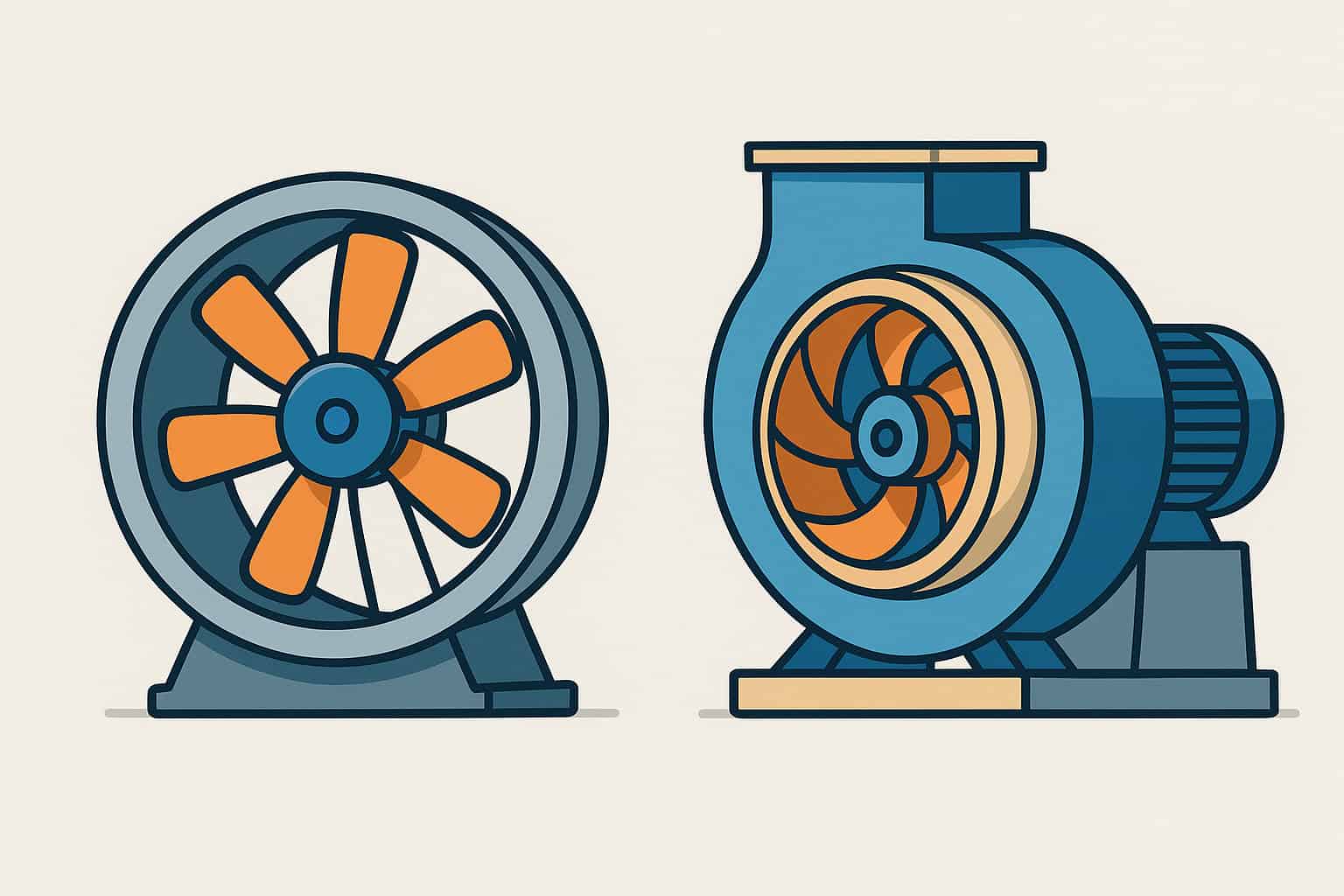
The first major cost component is the fan and motor equipment. Larger airflows and higher static pressures require larger axial or centrifugal fans and more powerful motors. Main mine fans, large tunnel fans and big industrial exhaust units can represent significant investments by themselves. High efficiency designs, noise control features and special materials for high temperature, corrosive or dusty environments also influence fan cost. When hazardous area classification applies, explosion-proof motors and certified flameproof fan designs further increase hardware prices.
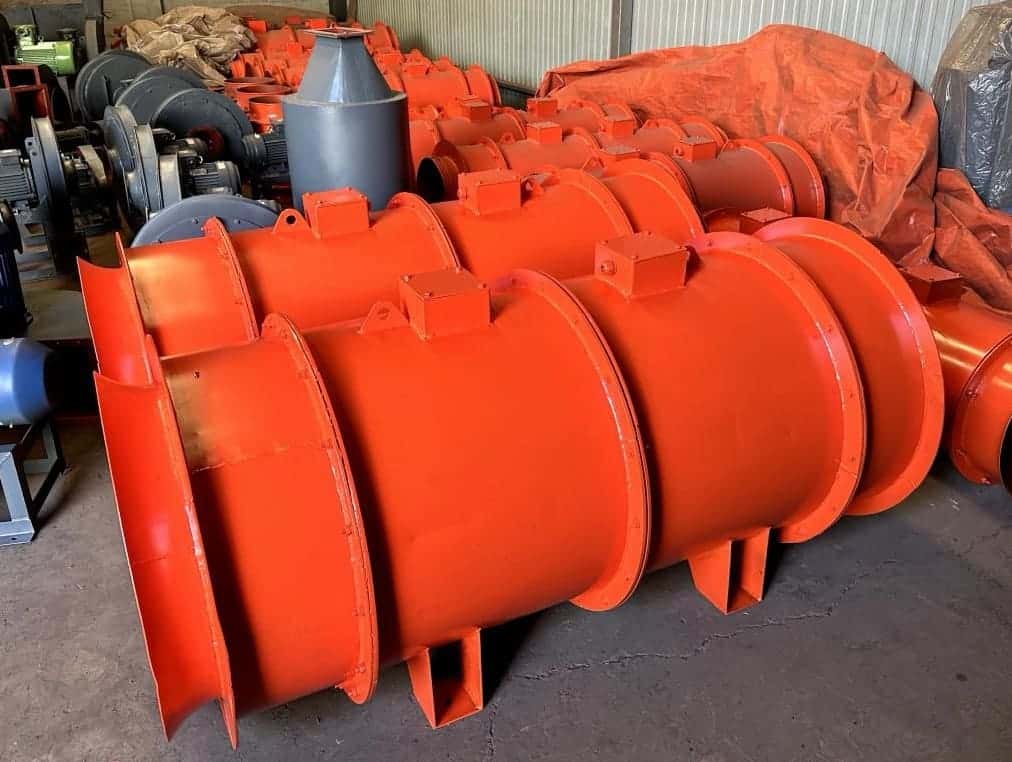
The second major element is the ducting and airway infrastructure. In industrial buildings, this means sheet metal ducts, plenums, hoods, diffusers, silencers and supports. In underground mines, costs include shafts, raises, airways, stoppings, regulators and auxiliary ducting to headings. Materials, diameters, lengths and installation methods affect both capital cost and pressure losses. A low-loss duct layout may cost more initially but allows smaller fans or lower operating pressures, reducing energy consumption over the life of the system.
Controls and monitoring also contribute to system cost. Simple systems may use basic starters and manual dampers, while advanced industrial and mining systems use variable speed drives, automatic dampers, gas and temperature sensors and central control software. These elements make it possible to implement ventilation on demand, adjusting fan speed and airflow based on occupancy, equipment use or gas readings. Although this adds to initial cost, it can cut operating cost significantly, especially where ventilation is a major energy consumer.
Installation, commissioning and engineering should not be overlooked. Structural foundations and supports for large fans, electrical cabling, integration with fire or gas alarm systems, and commissioning tests to verify airflow all add to the budget. Professional design and verification ensure that the system meets legal requirements and performs as expected, reducing the risk of costly modifications later.
Finally, a realistic view of ventilation cost must consider lifecycle operating cost, particularly energy. Fans are often among the largest single electrical loads in mines and heavy industry. Selecting high efficiency fans, optimizing duct layouts and using control strategies that reduce unnecessary airflow can have a strong impact on overall cost of ownership. Over a 10 to 20 year period, energy and maintenance may cost much more than the initial hardware.
In summary, the cost of a ventilation system depends on airflow and pressure requirements, fan and motor sizes, duct and airway construction, control and monitoring systems, safety standards and energy strategy. A complete budget must include both capital and operating costs, and careful engineering can reduce total cost while still delivering safe, reliable ventilation for industrial and mining operations.