
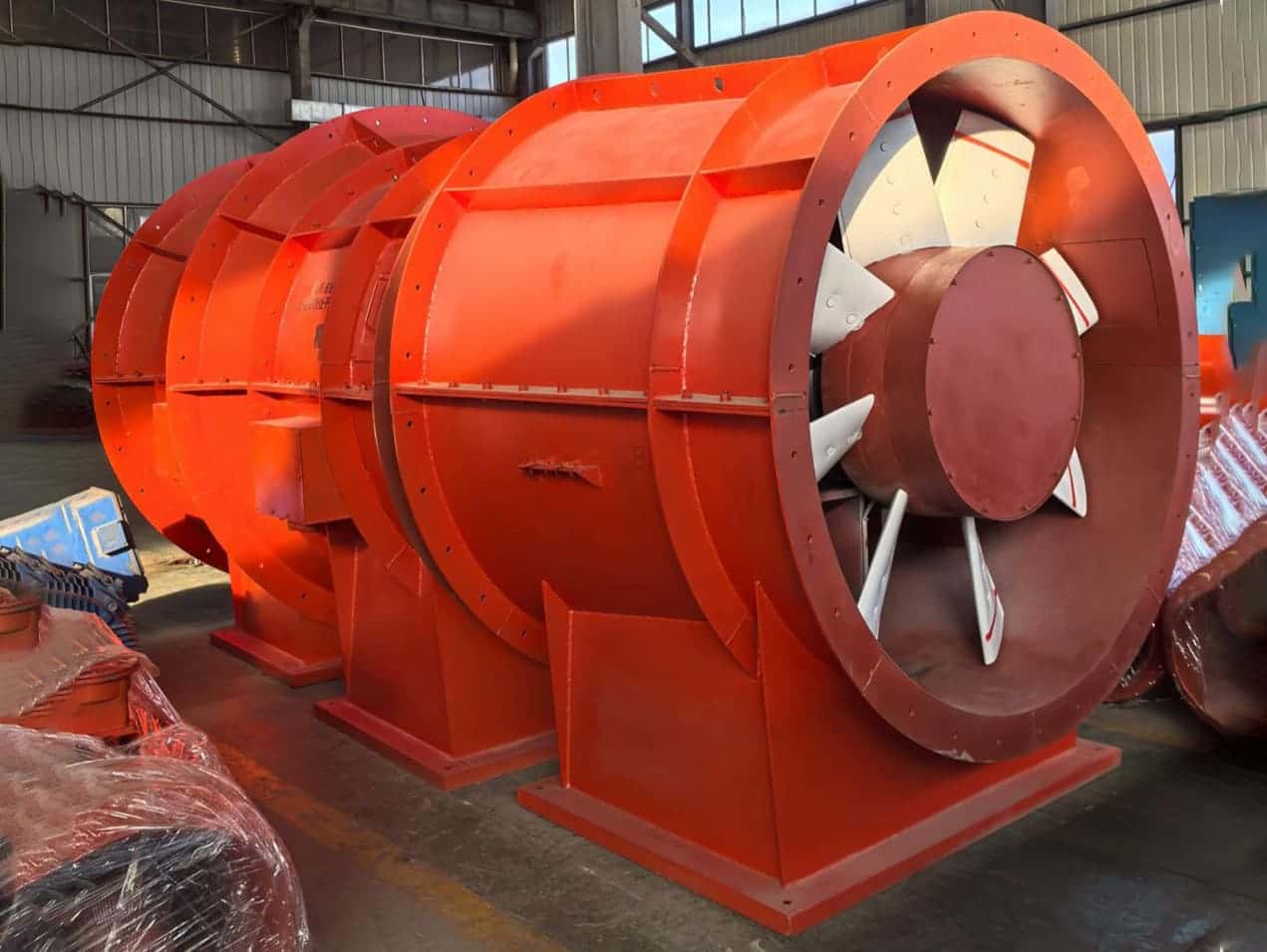
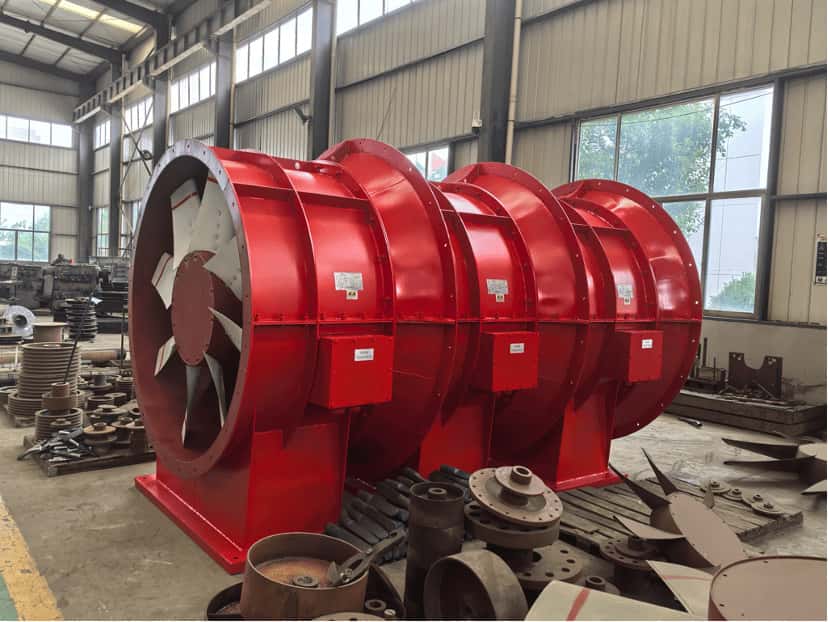
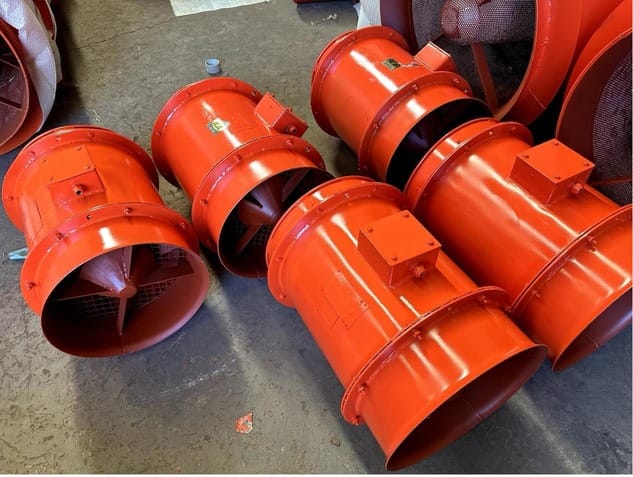
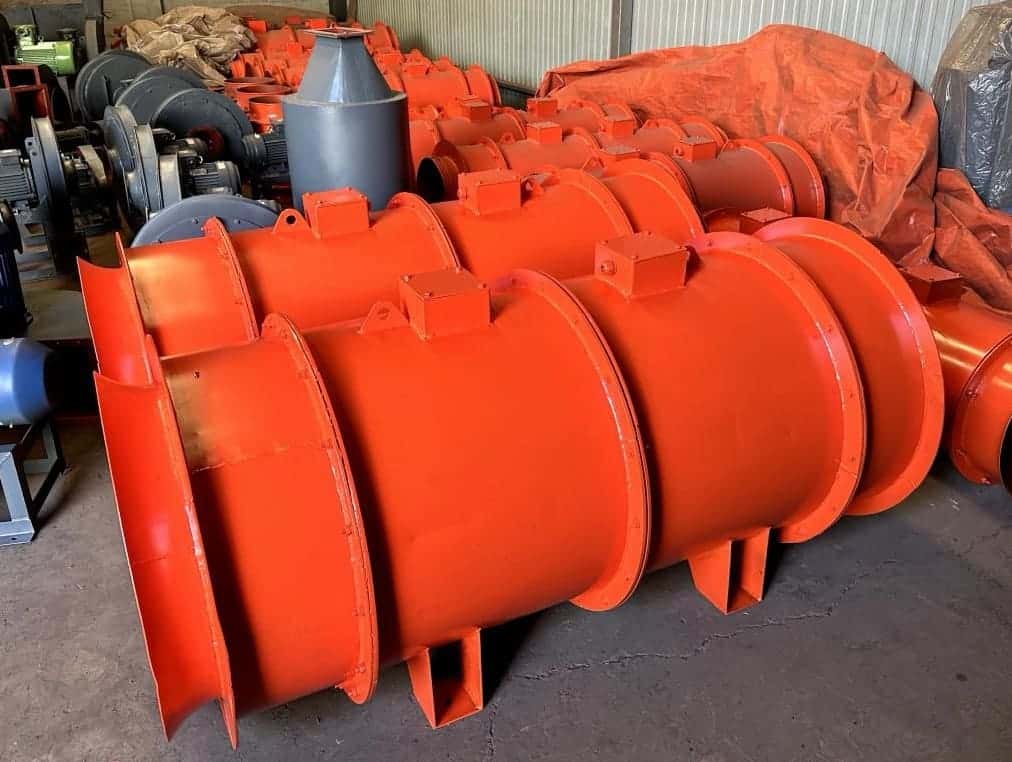
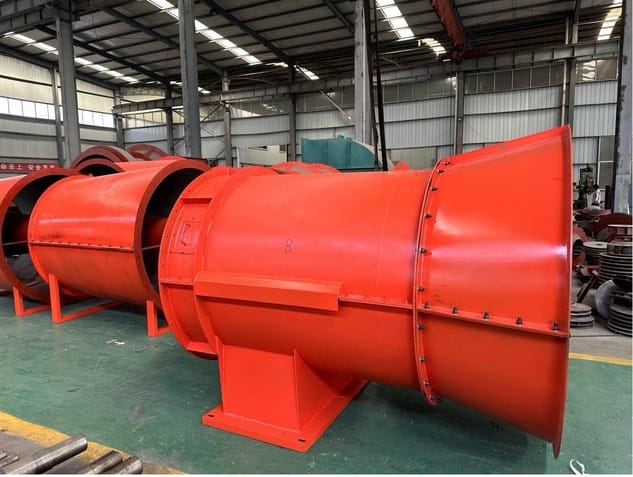
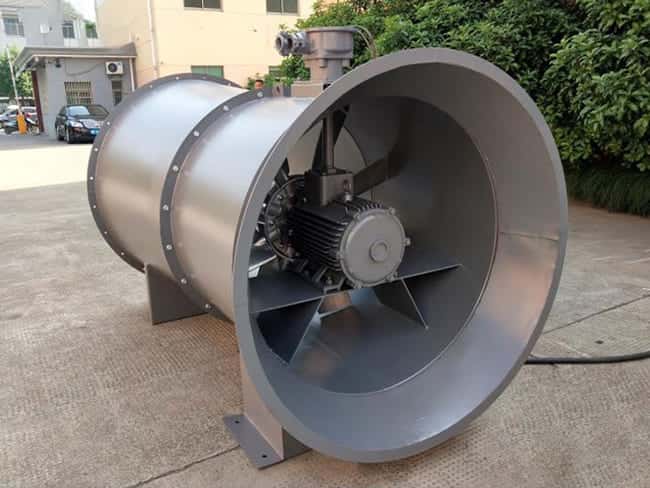
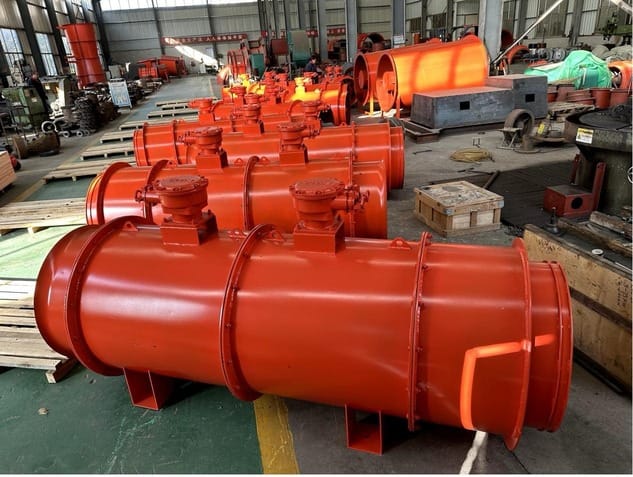
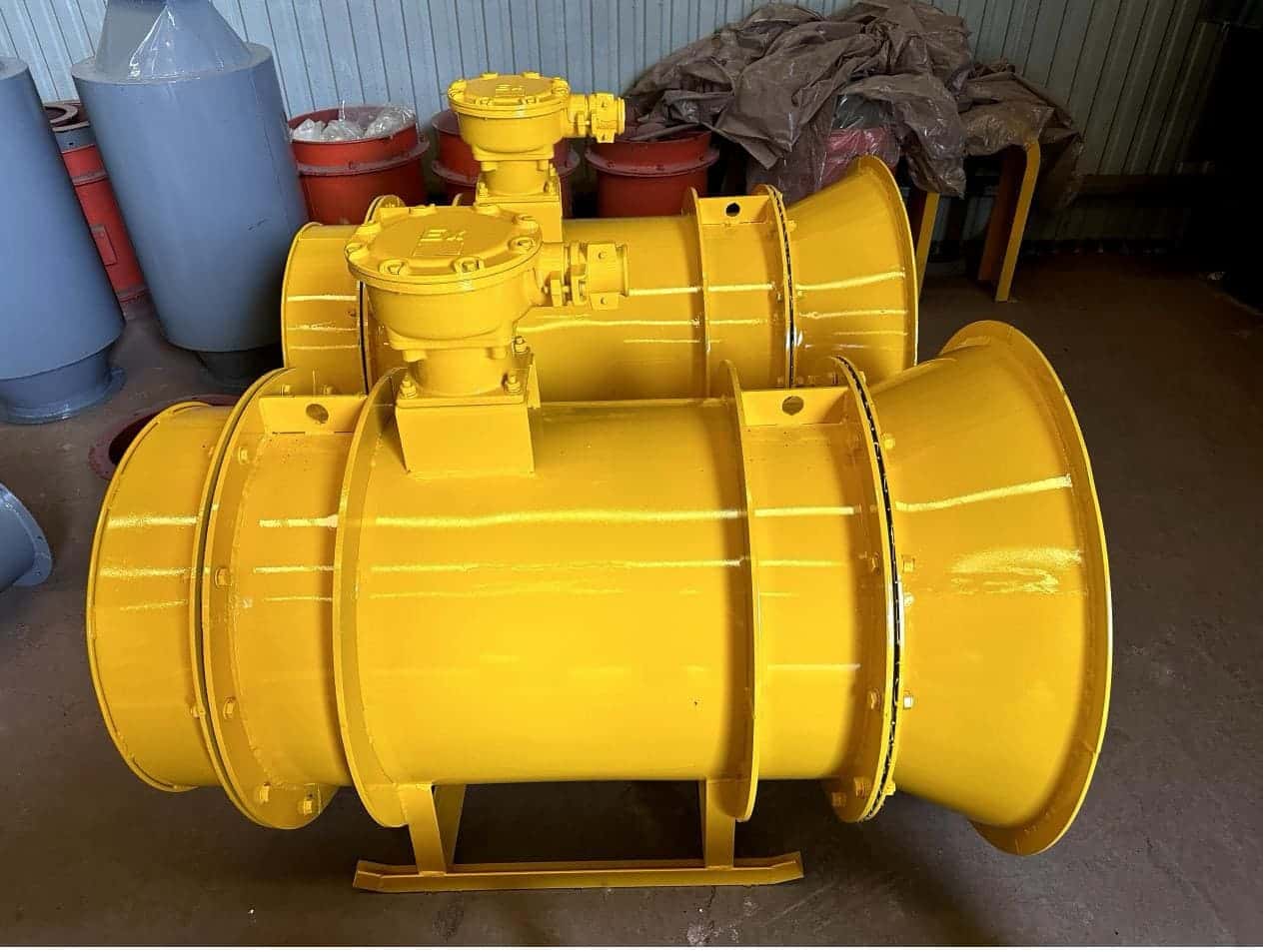
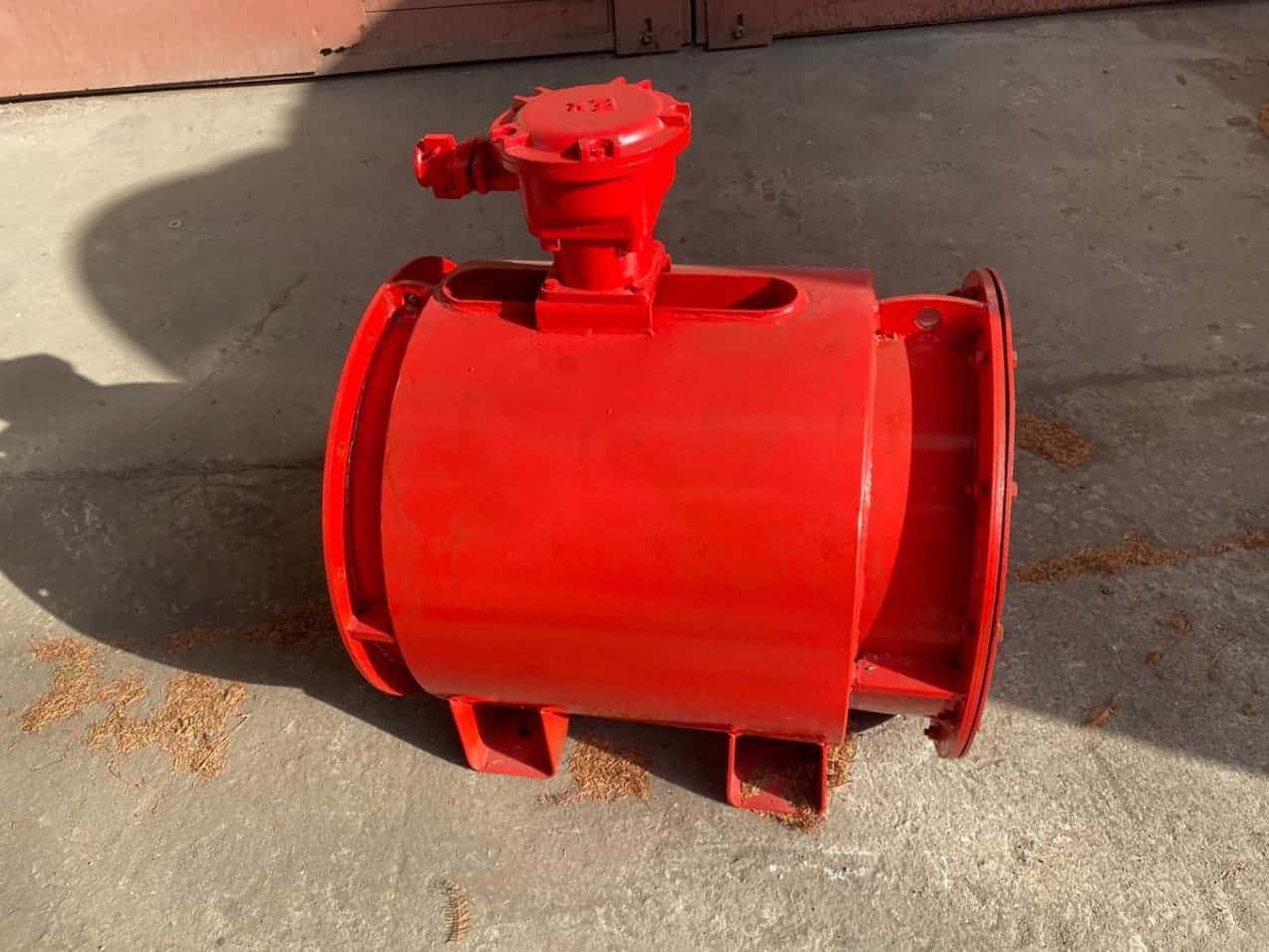
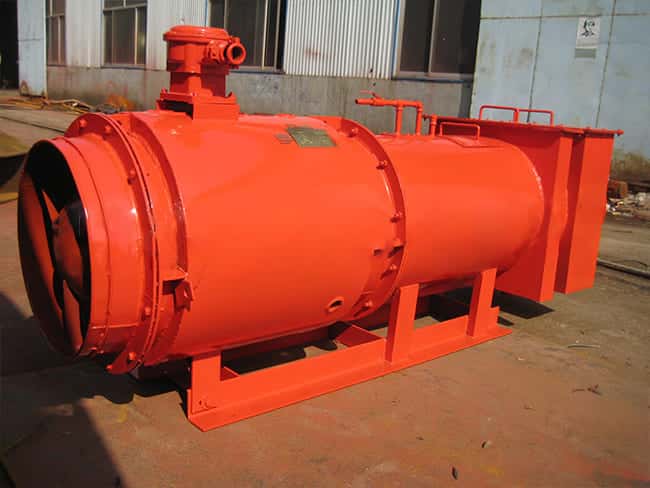
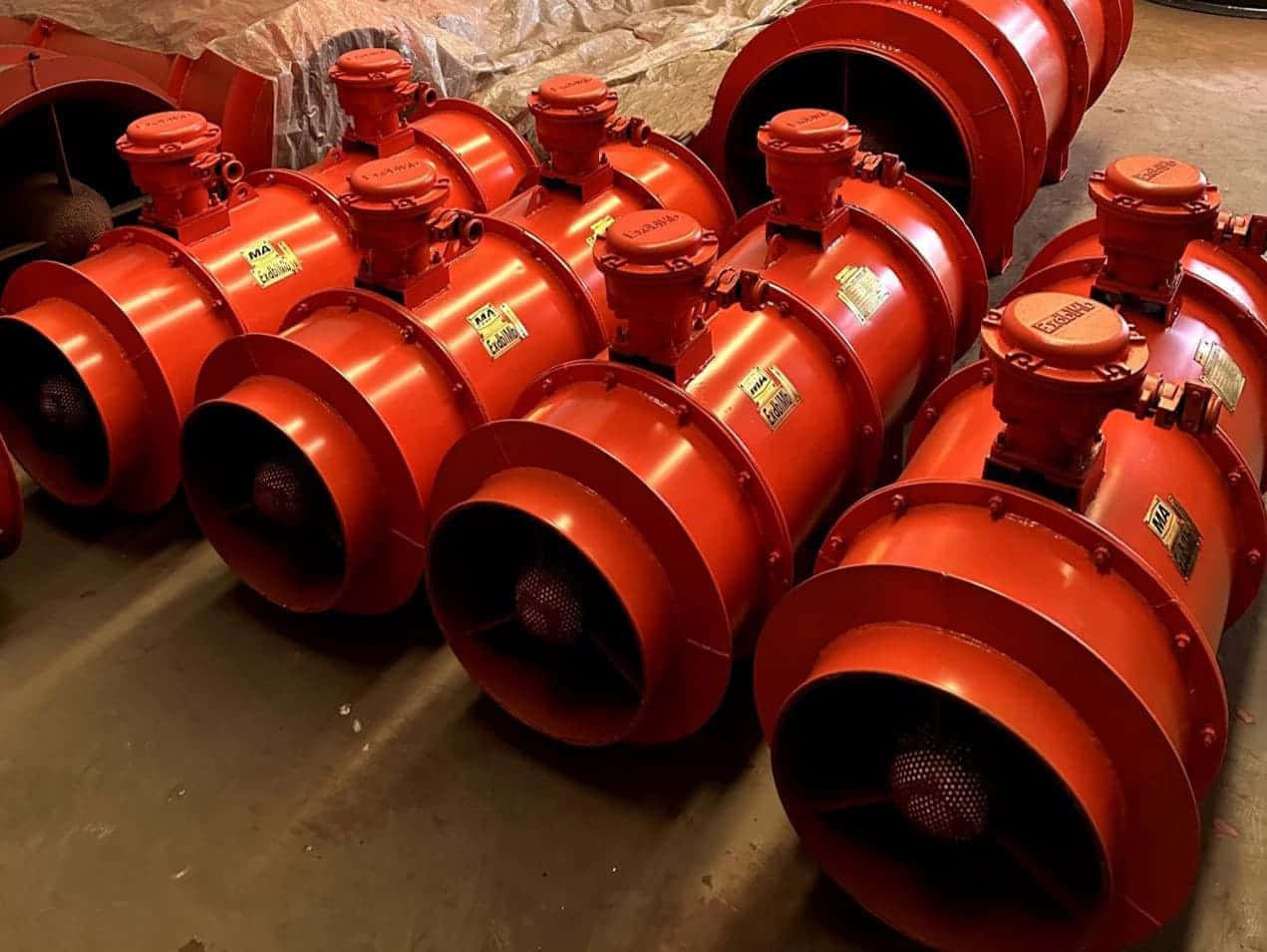

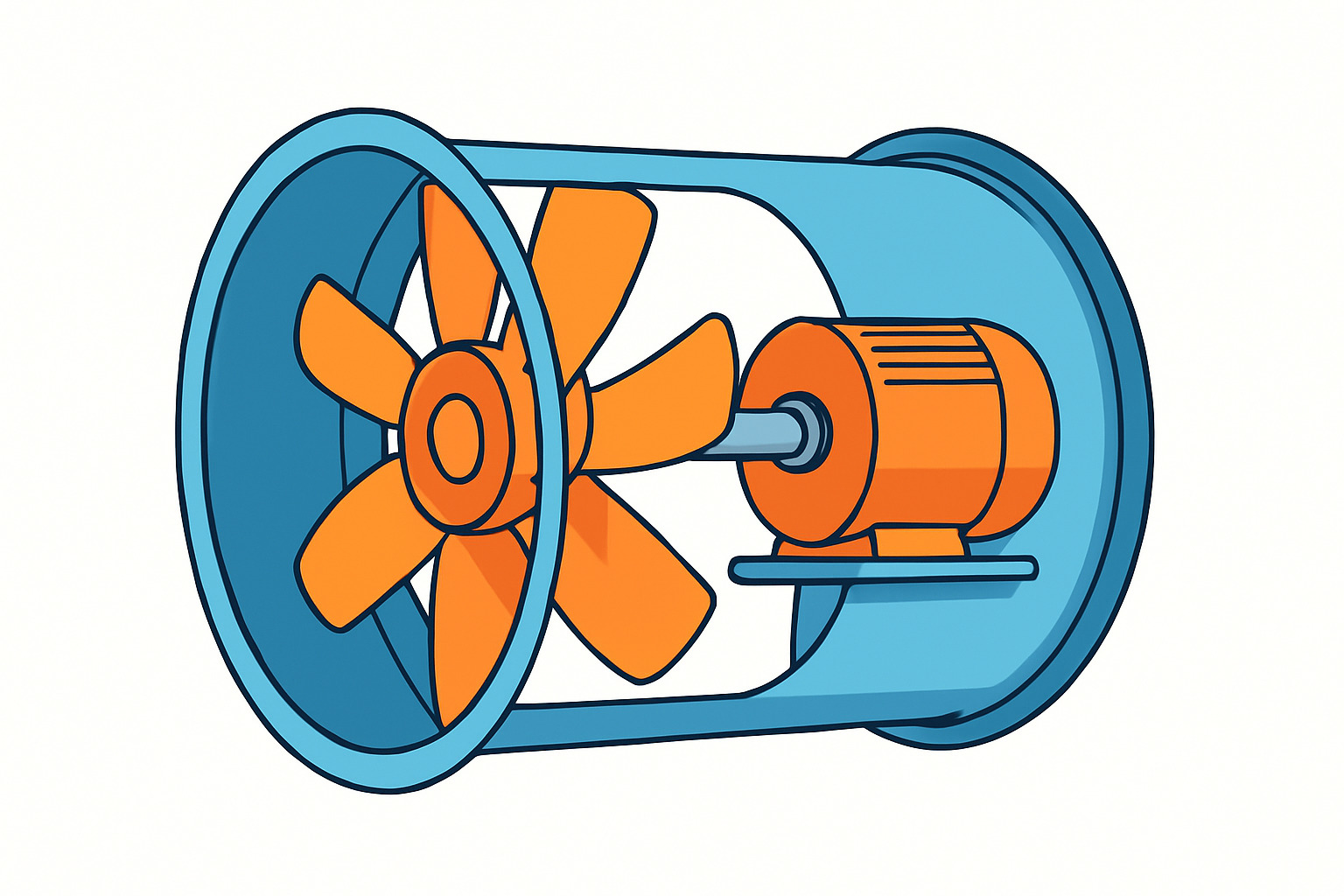
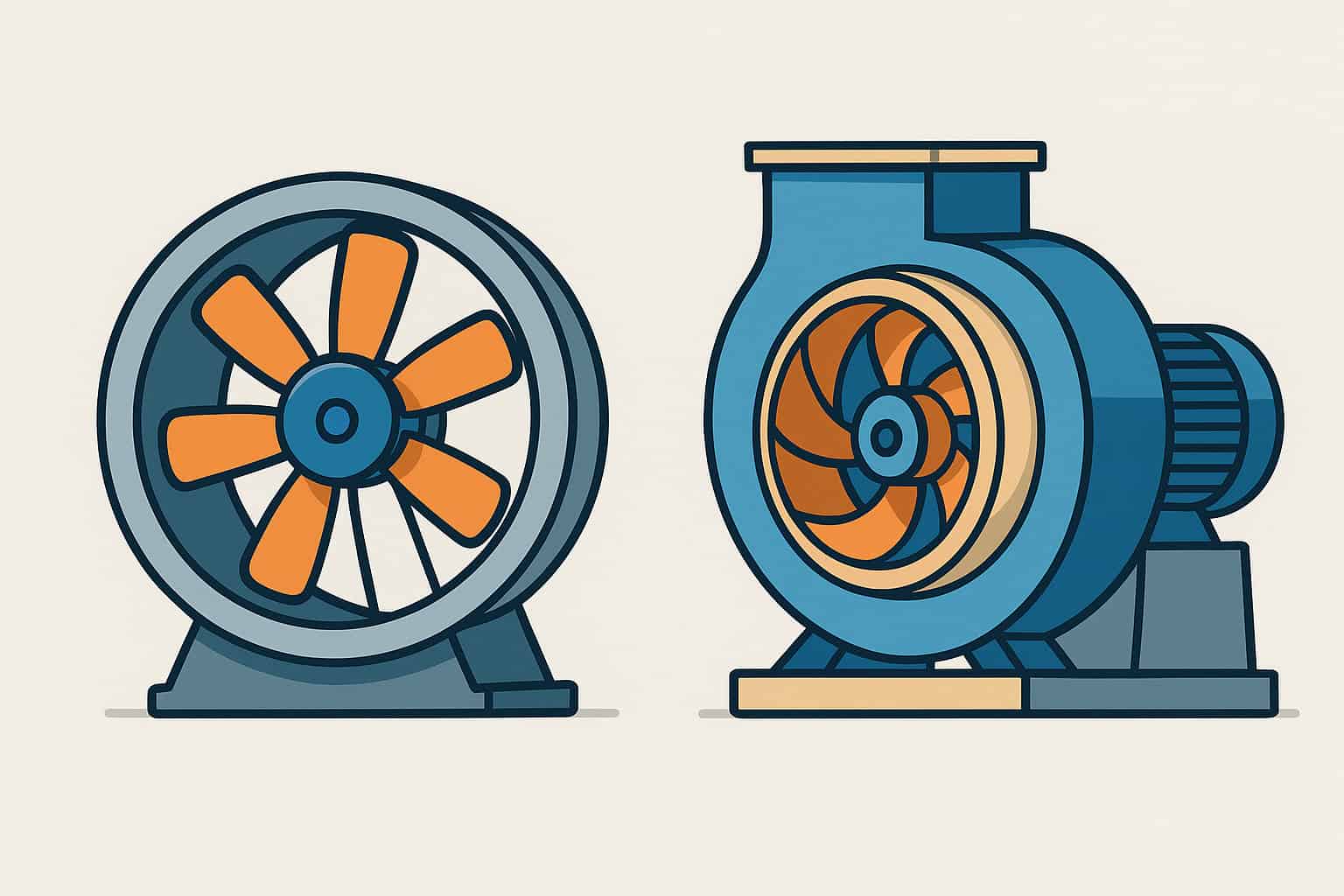
Axial flow is defined as fluid flow that moves predominantly parallel to the axis of rotation or the main axis of a machine. In ventilation and turbomachinery, this means that air enters and leaves the device in nearly the same direction, along the shaft line, rather than being turned sharply sideways as in centrifugal or radial designs.
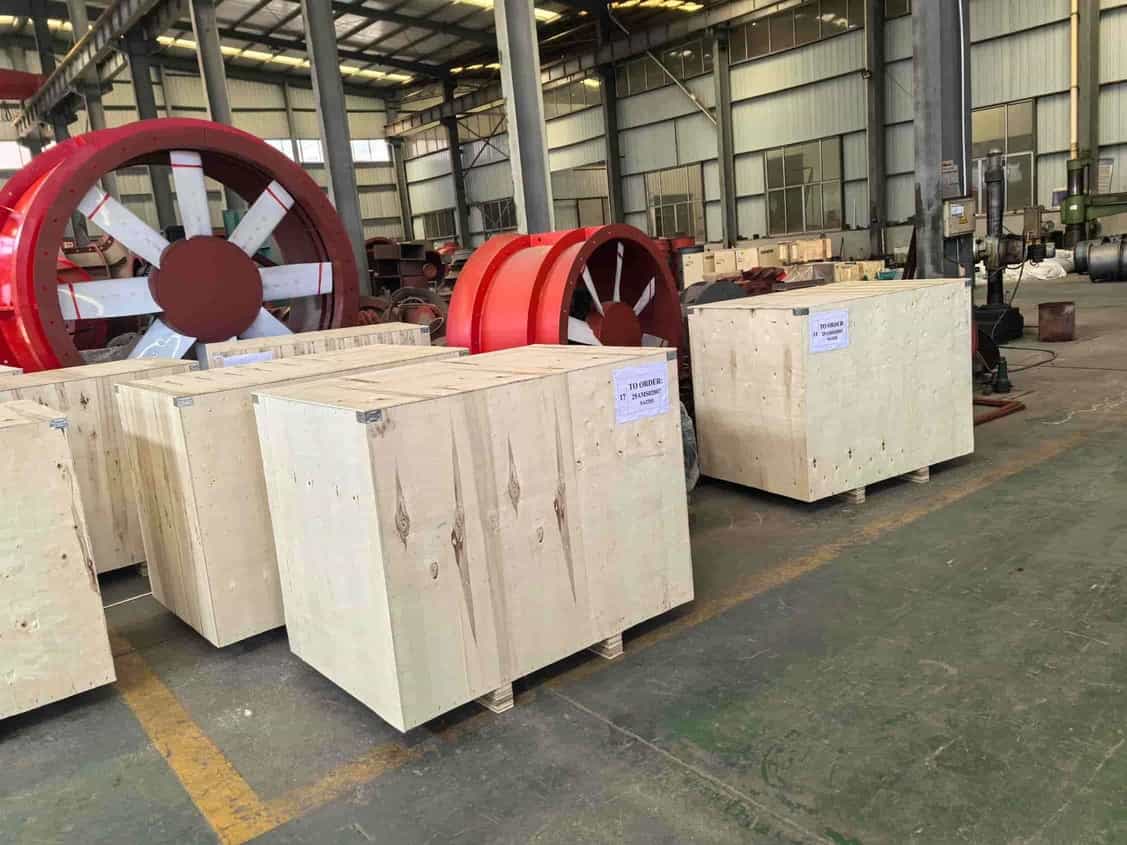
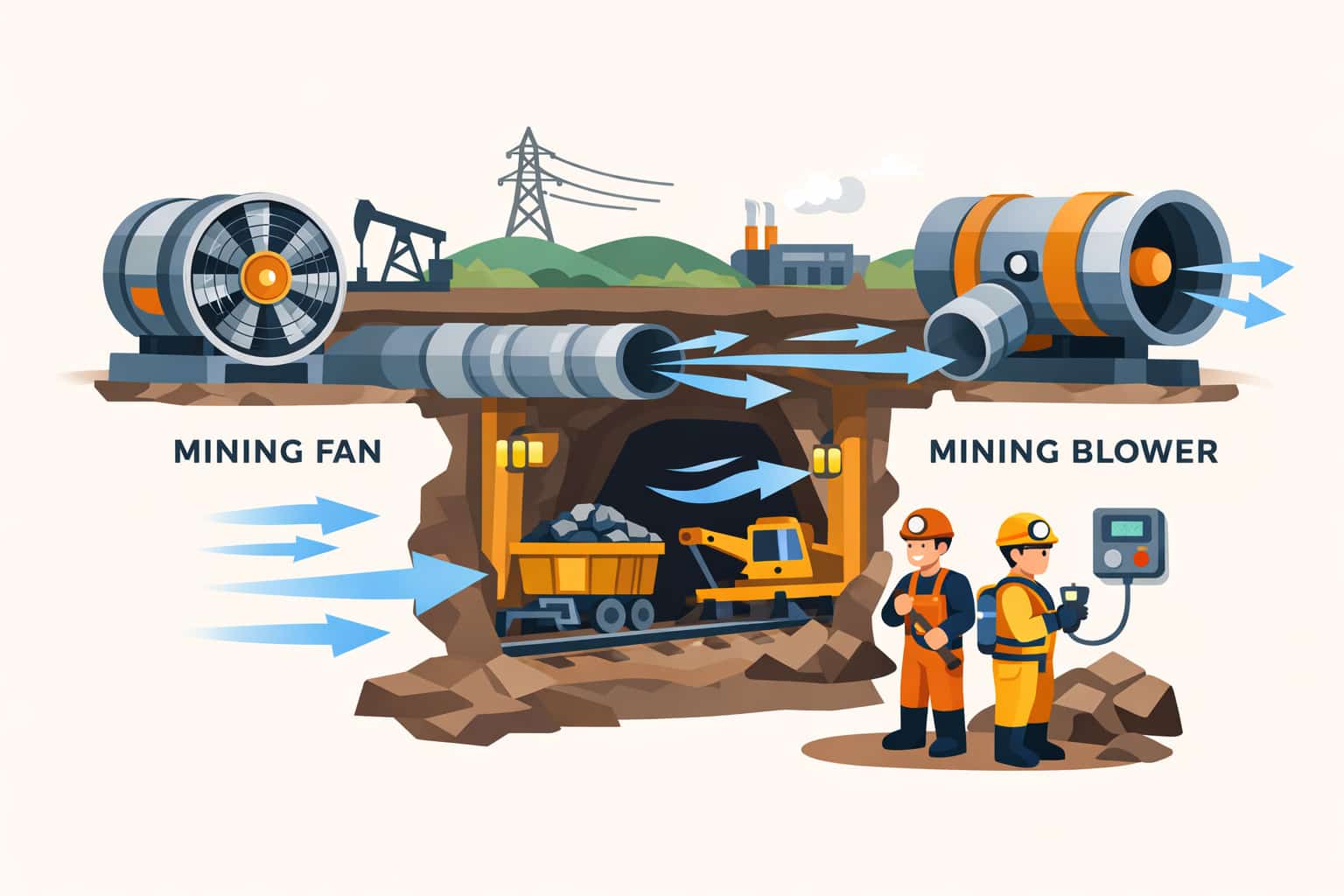
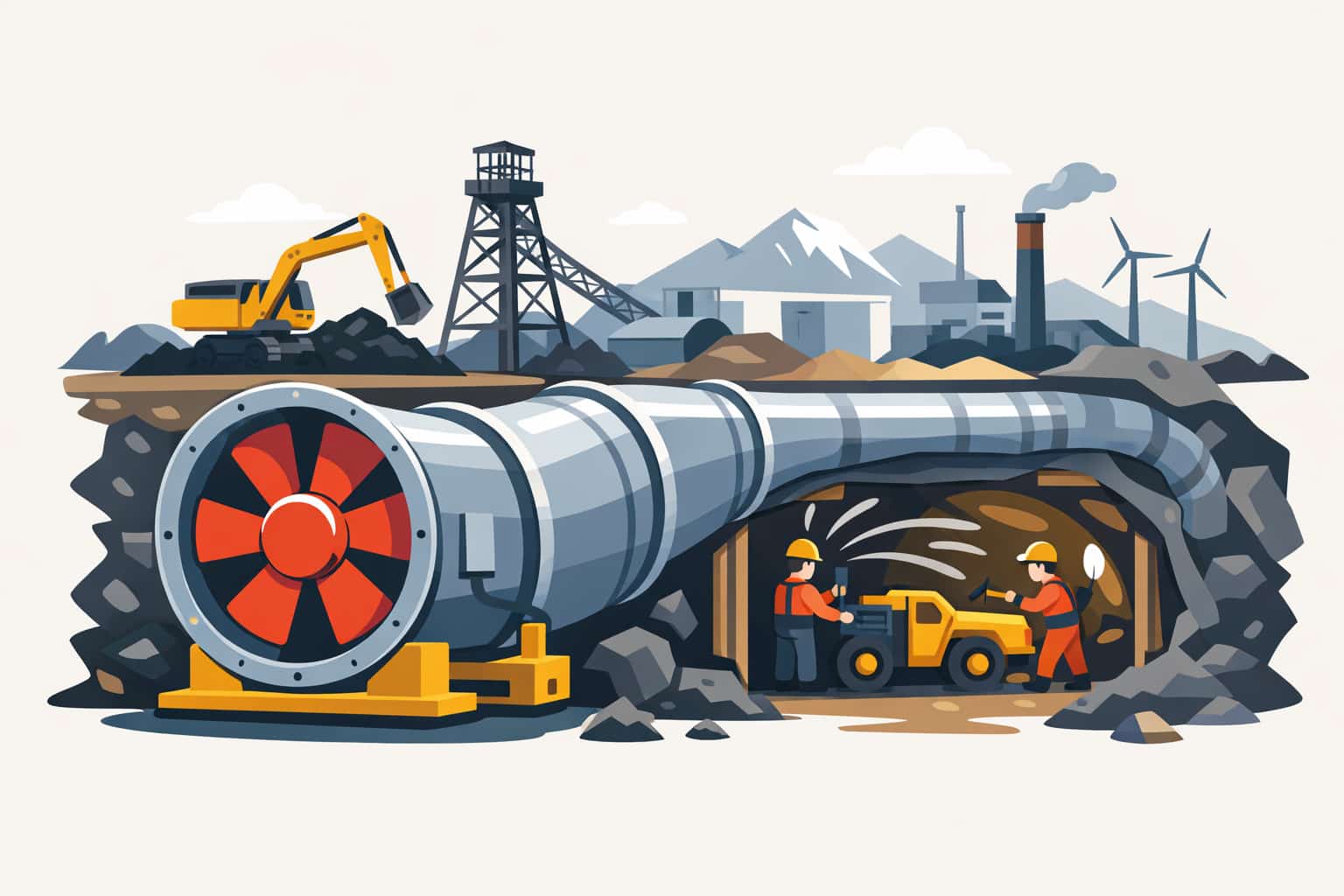
In an axial flow fan, for example, air moves through the impeller blades in a direction roughly aligned with the shaft. The blades act like small wings or airfoils, generating lift that draws air through the fan. Because the flow path is straight, axial fans are very effective at delivering high volumes of air with relatively modest pressure rise. This is why axial flow is commonly used in tunnel ventilation, main mine ventilation with low-resistance shafts, cooling towers and condenser fans.
The concept of axial flow also appears in pumps, compressors and turbines. Axial flow pumps move liquid along the shaft direction, providing high flow rates at low to moderate heads. Axial compressors and turbines in gas turbines process air and combustion gases with flow paths aligned to the machine axis. In all these cases, the defining characteristic is that the main component of velocity is parallel, not radial, to the axis.
From a system design point of view, using axial flow devices allows compact, in-line layouts. Ducts or pipes can be connected directly in line with the machine, reducing the number of bends and transitions. This helps lower system pressure losses and simplifies installation in tunnels, shafts and long duct runs where space may be restricted.
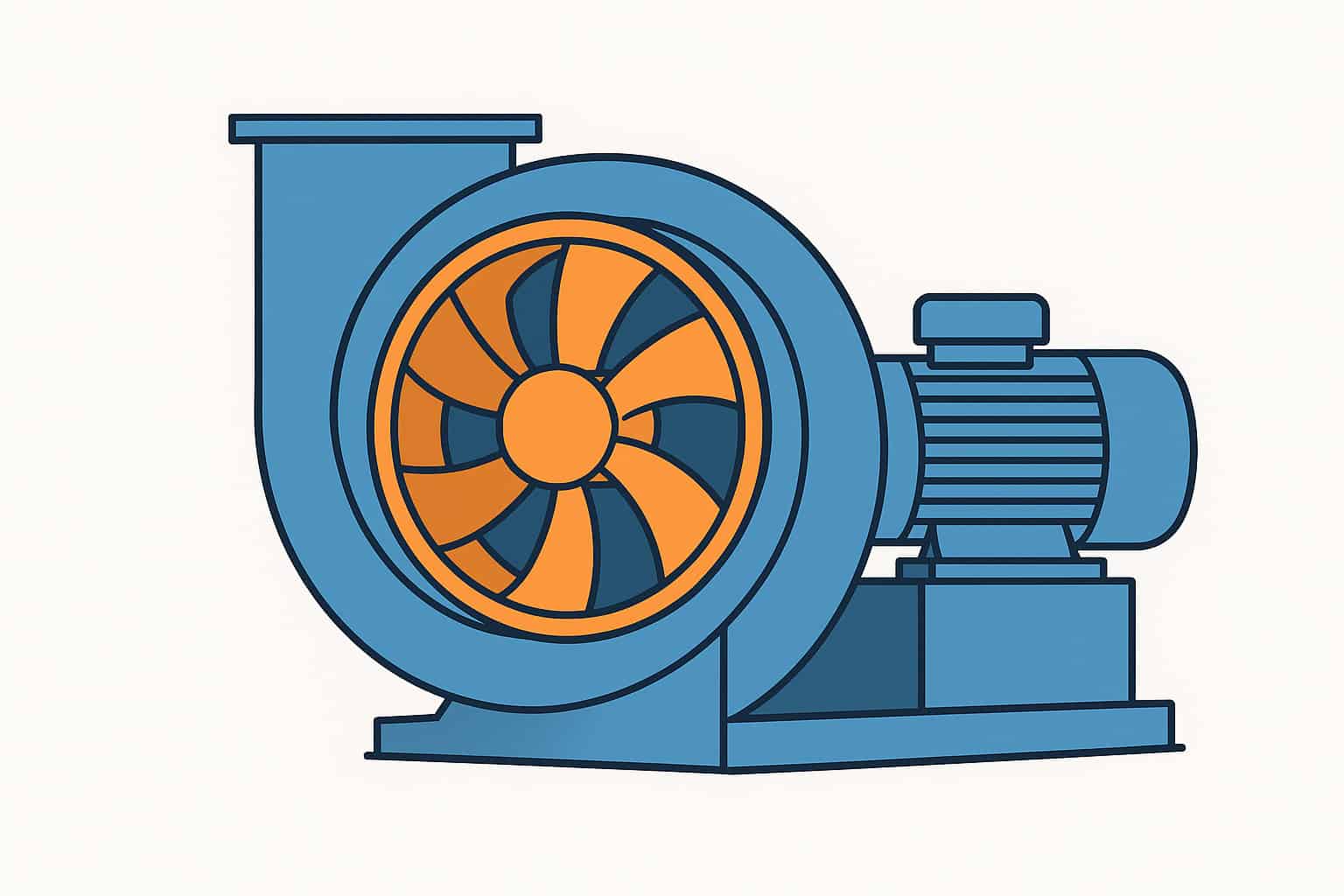
Axial flow has limitations. Because the fluid is not turned sharply, axial flow devices typically produce lower static pressure than centrifugal devices of similar size. Where system resistance is high, engineers often prefer radial or mixed-flow designs that combine axial and radial components of velocity to generate more pressure. Nevertheless, for high-volume, low-pressure duties, axial flow remains the preferred and most efficient option.
In summary, axial flow means fluid moving mainly parallel to the axis of rotation or the main axis of a machine. In fans, pumps and compressors, axial flow devices provide high flow rates with straight-through paths, making them ideal for many ventilation and cooling applications in industry and mining.