
In everyday language, people often say "fan" when they mean a small unit used for personal cooling, and "ventilation fan" when they talk about larger industrial equipment on walls, roofs or mine shafts. Technically, both devices use rotating blades to move air, but there are important differences between a basic fan and a purpose-built ventilation fan in terms of design, performance and application.
A typical household fan is designed mainly for comfort in clean, low-risk environments. It usually circulates air within a room without creating much static pressure. It is not intended to push air through long ducts, filters or underground tunnels, and it is not certified for explosive atmospheres or heavy dust. Its output is not normally documented as a precise combination of airflow, pressure, efficiency and noise, and it is not designed to run continuously for years.
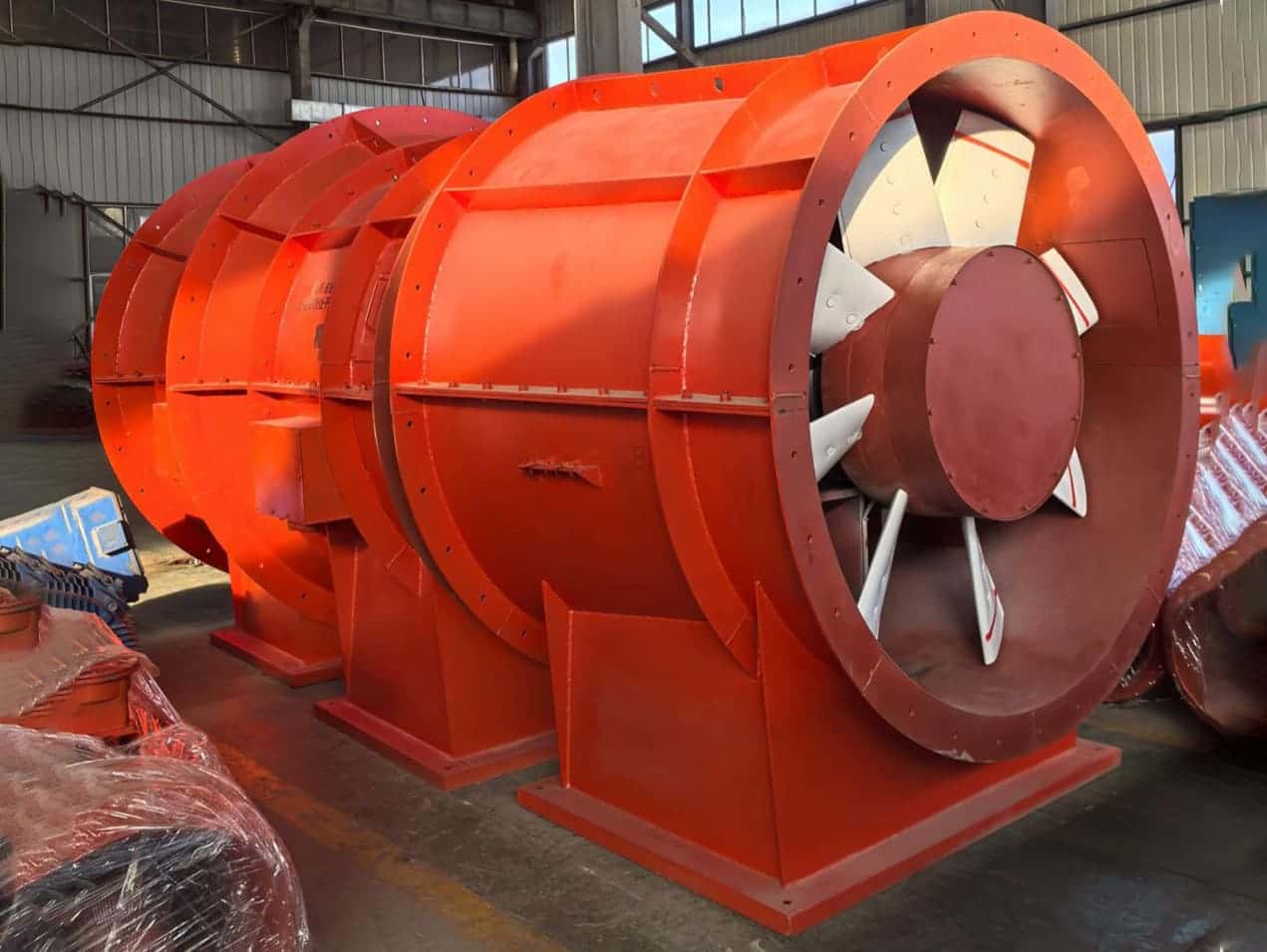
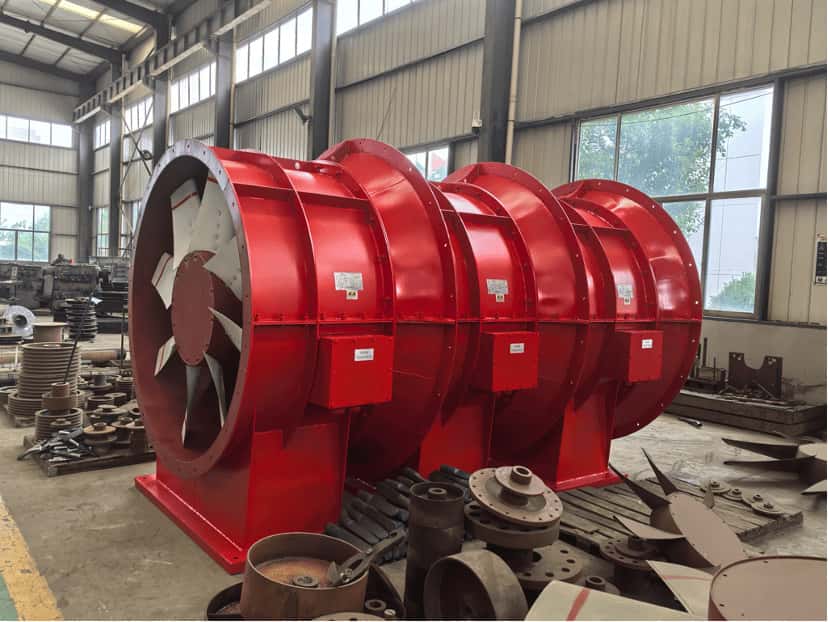
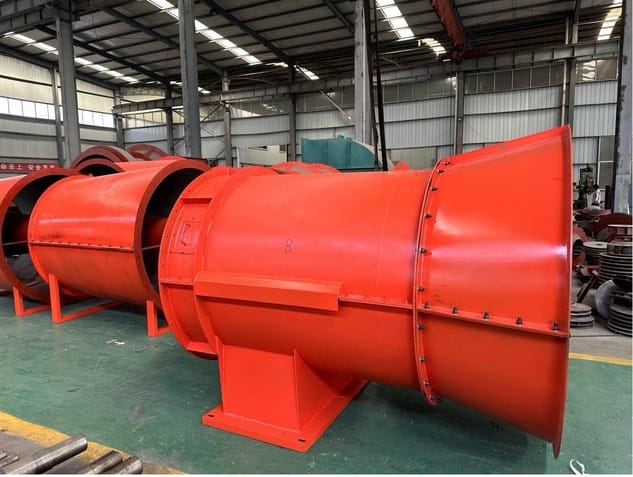
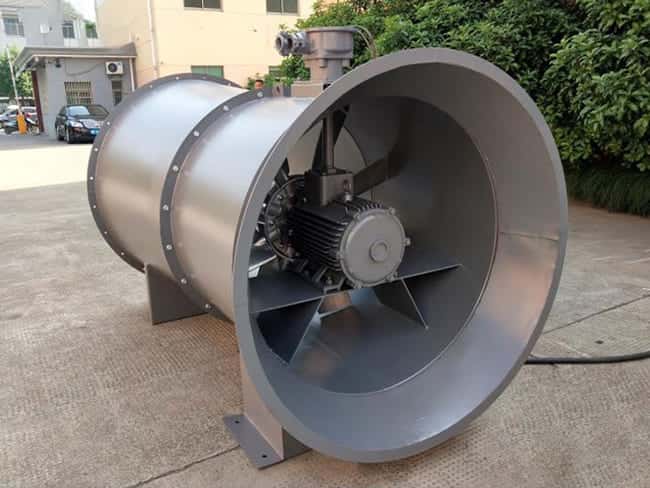
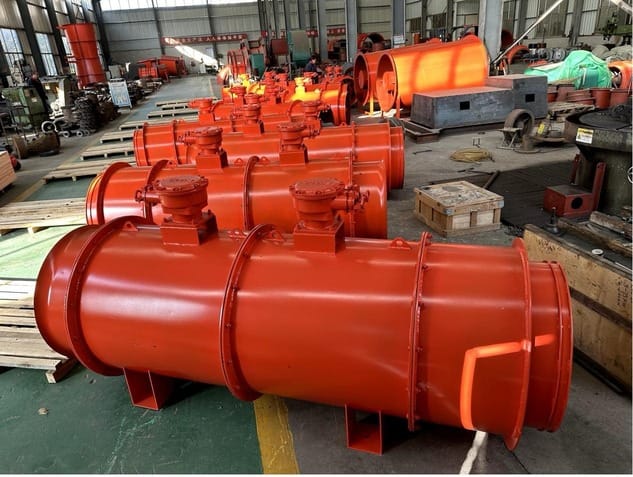
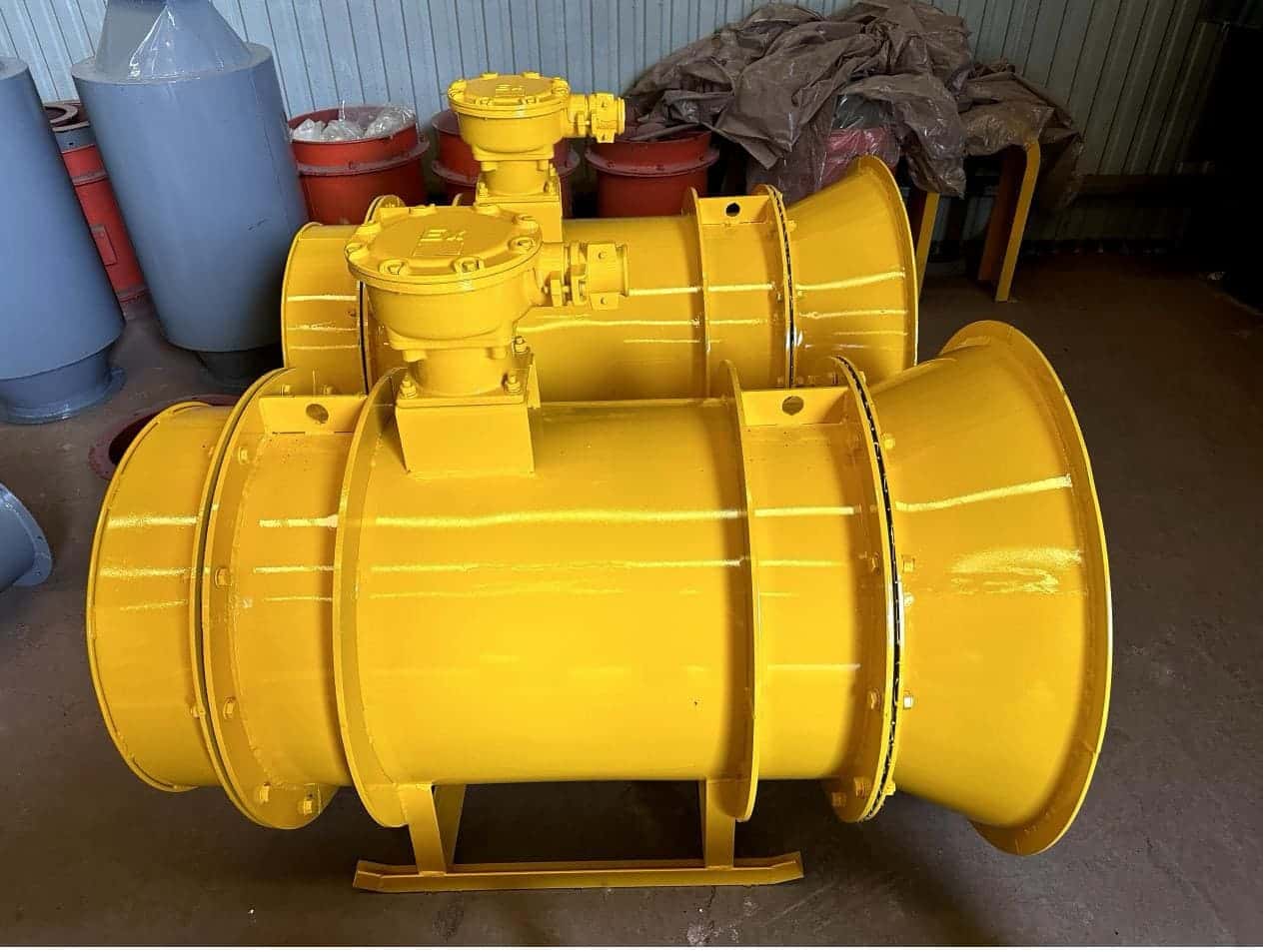
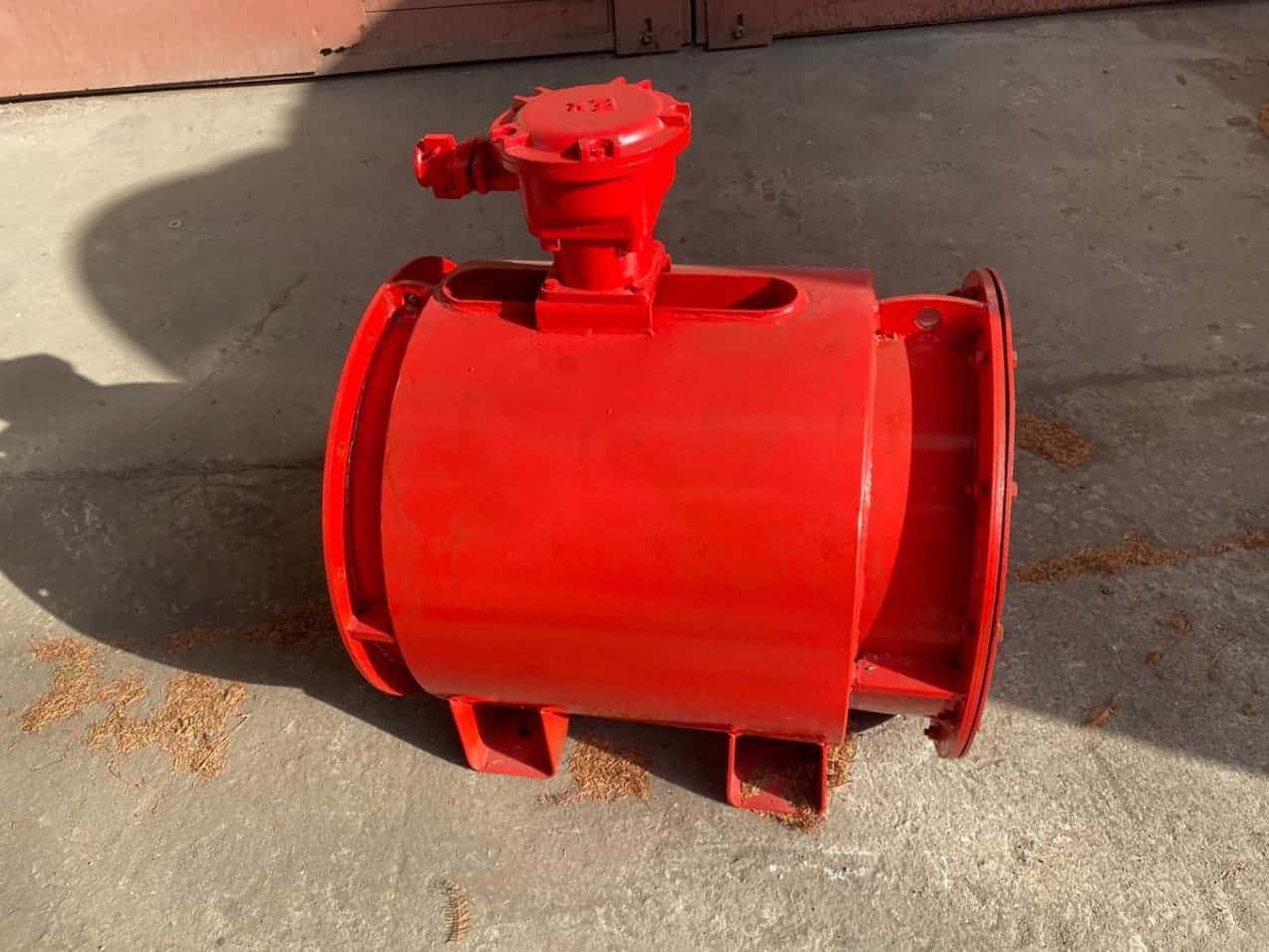
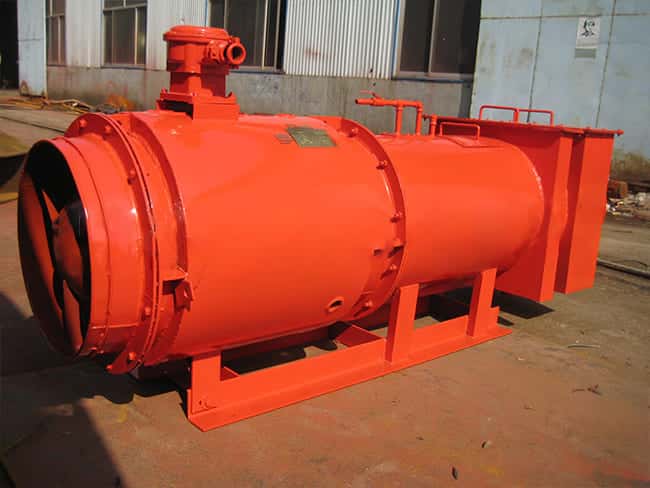
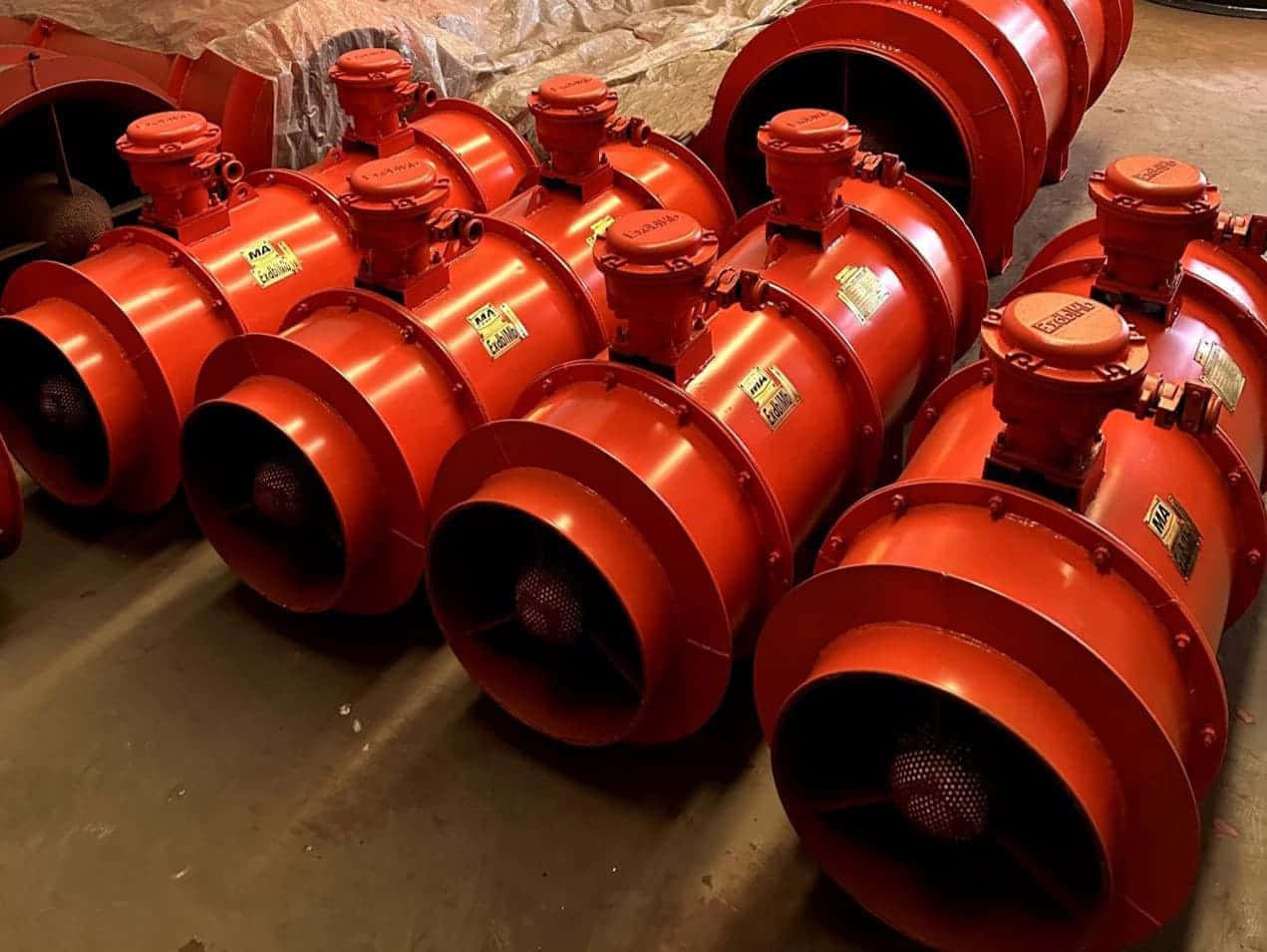
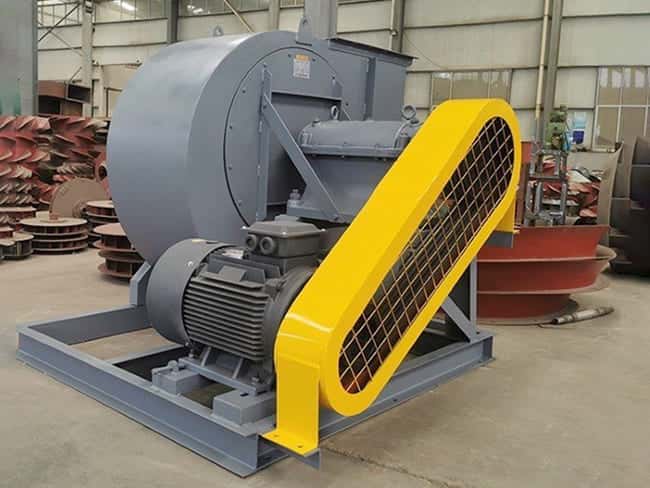
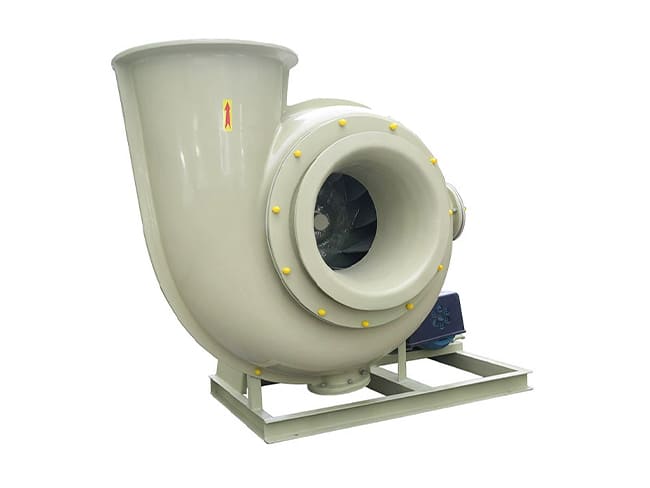
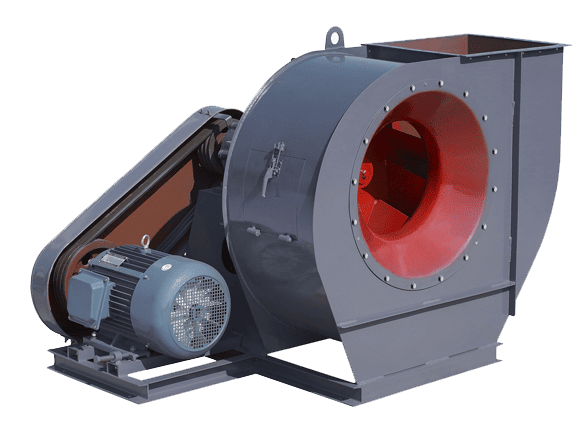
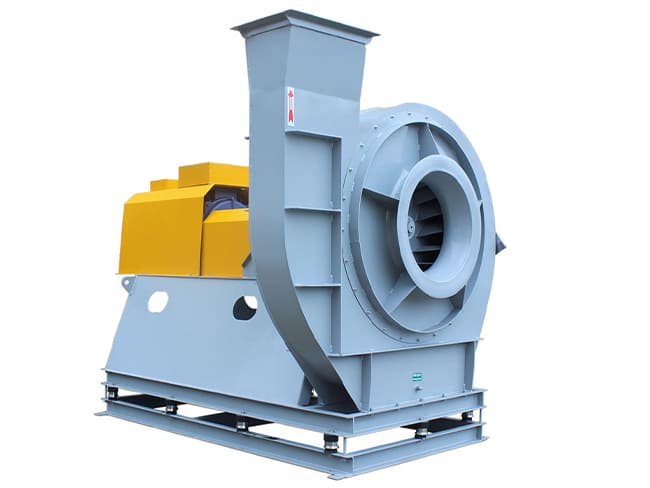
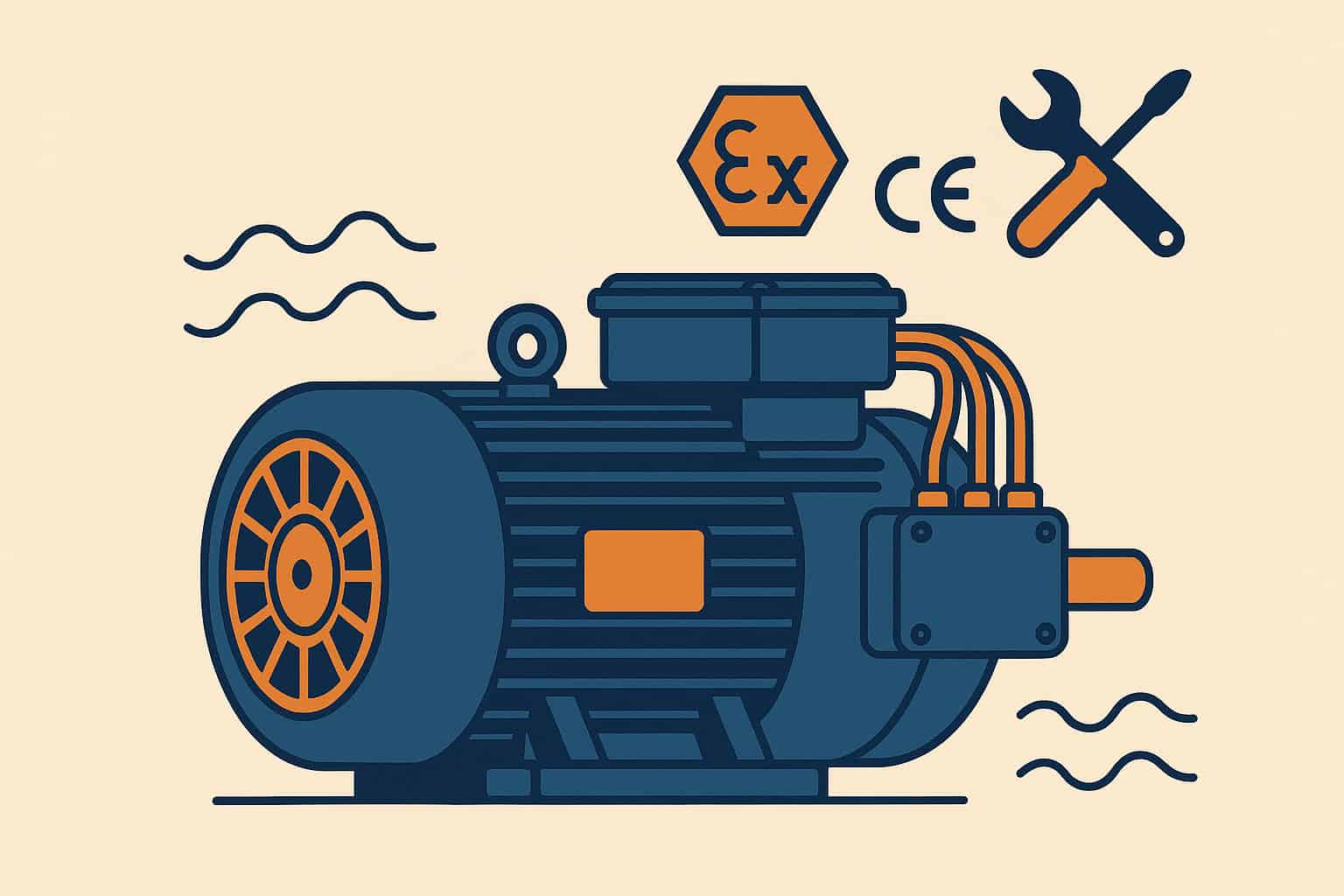
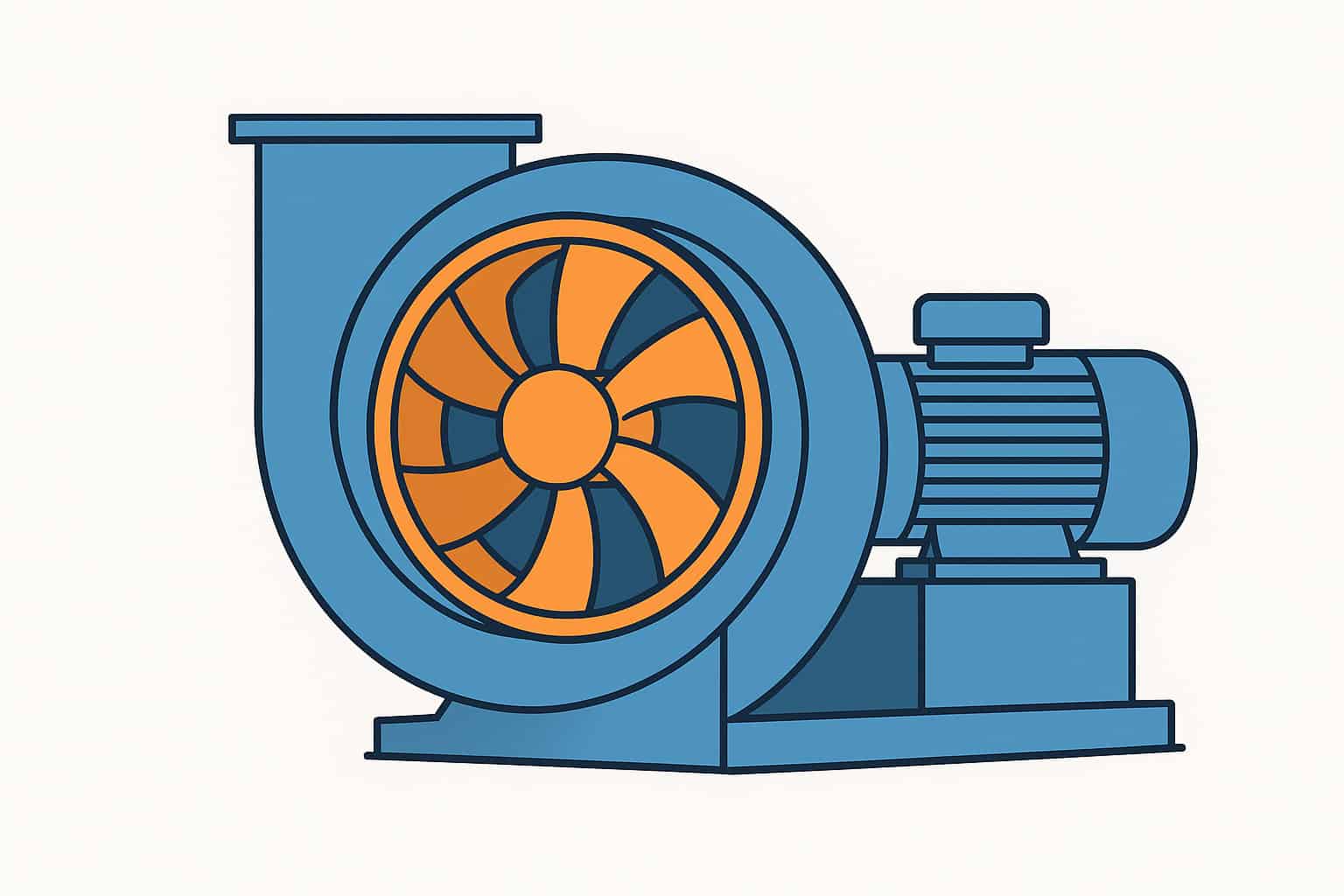
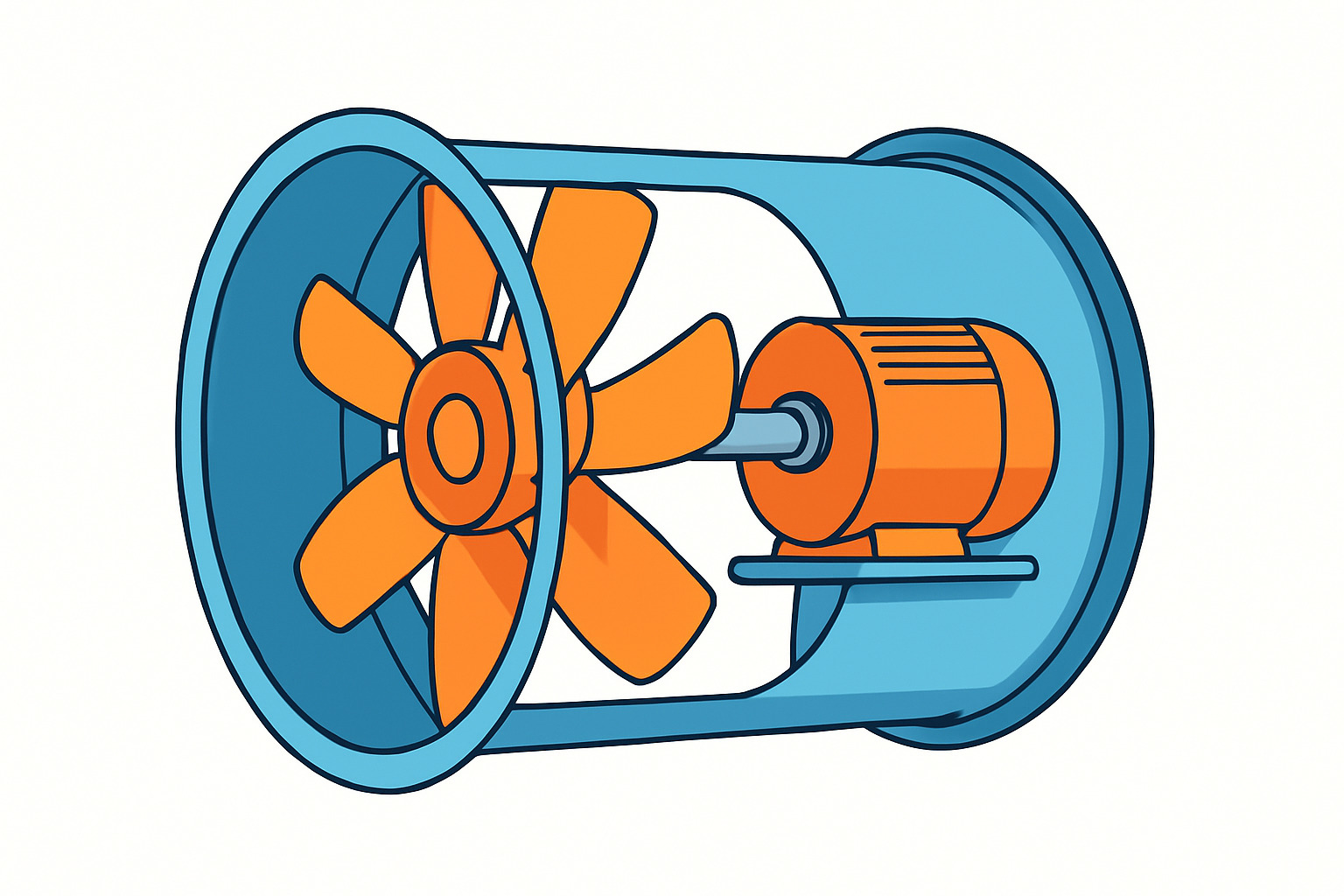
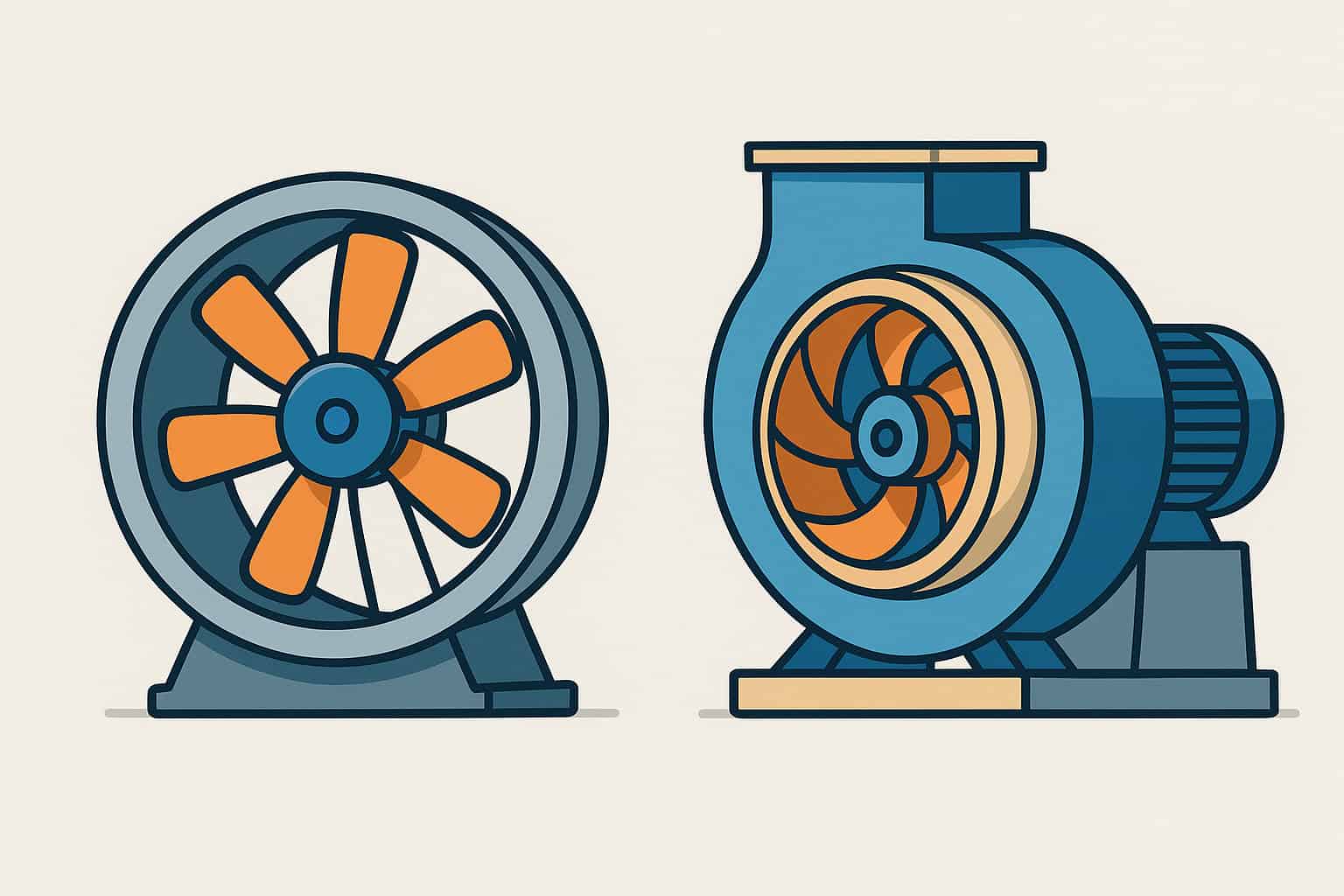
A ventilation fan, especially in industrial and mining applications, is an engineered piece of equipment. It may be axial, centrifugal or mixed-flow, and it is selected to deliver a specified airflow at a specified pressure against a known system resistance. The fan is designed to connect to ducts, shafts and airways; to handle dust, fumes and sometimes explosive gases; and to operate safely and efficiently for long periods. Performance curves, efficiency data, noise ratings and certification (for example explosion-proof or ATEX) are all part of the product.
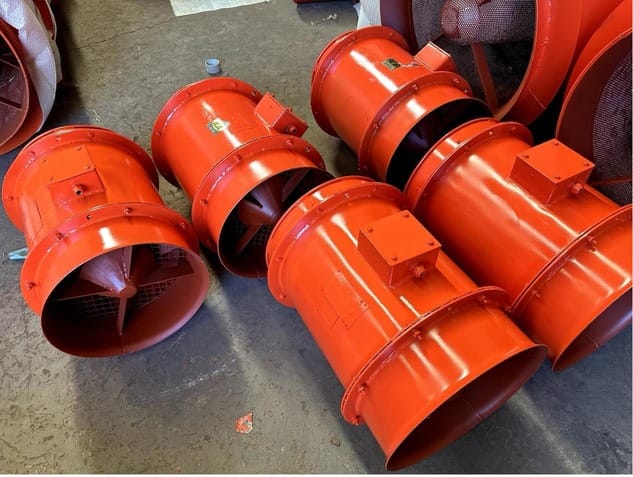
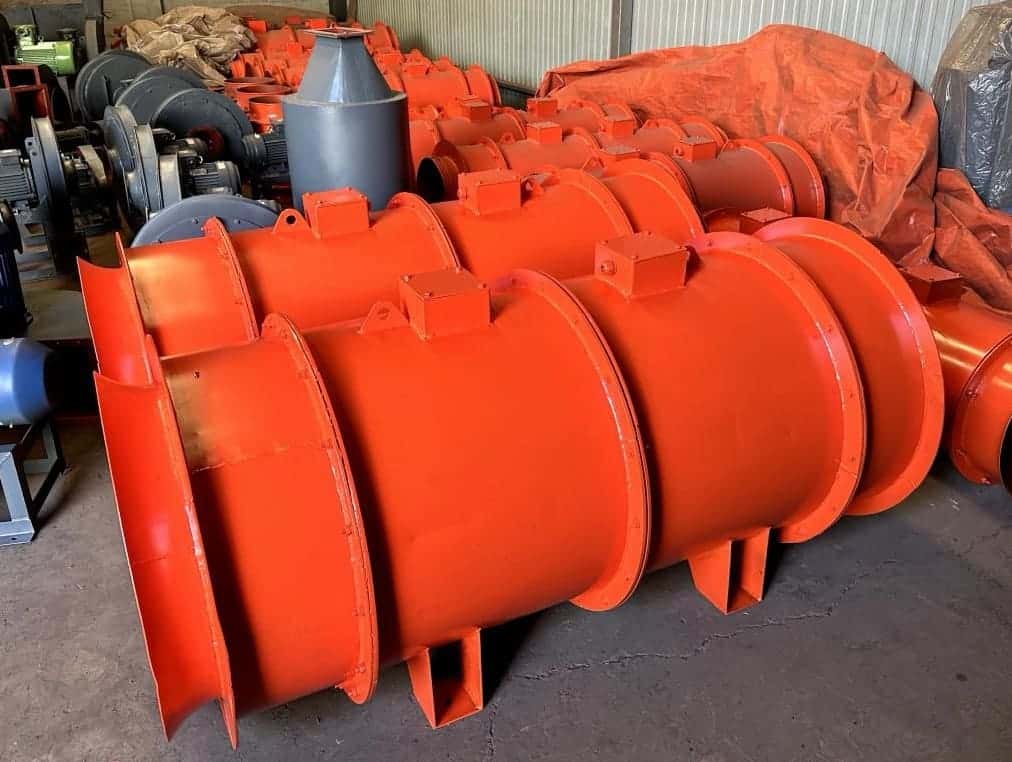
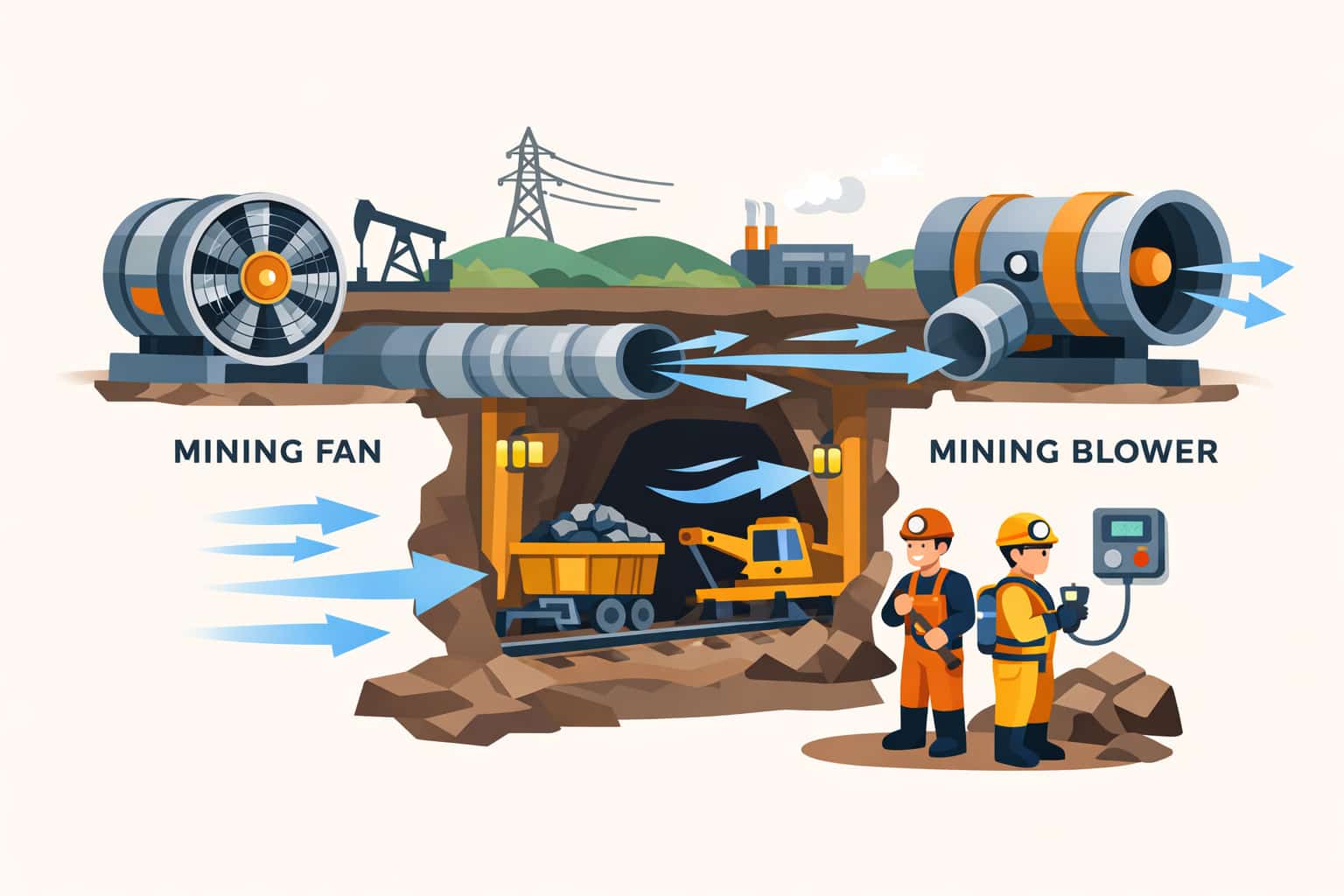
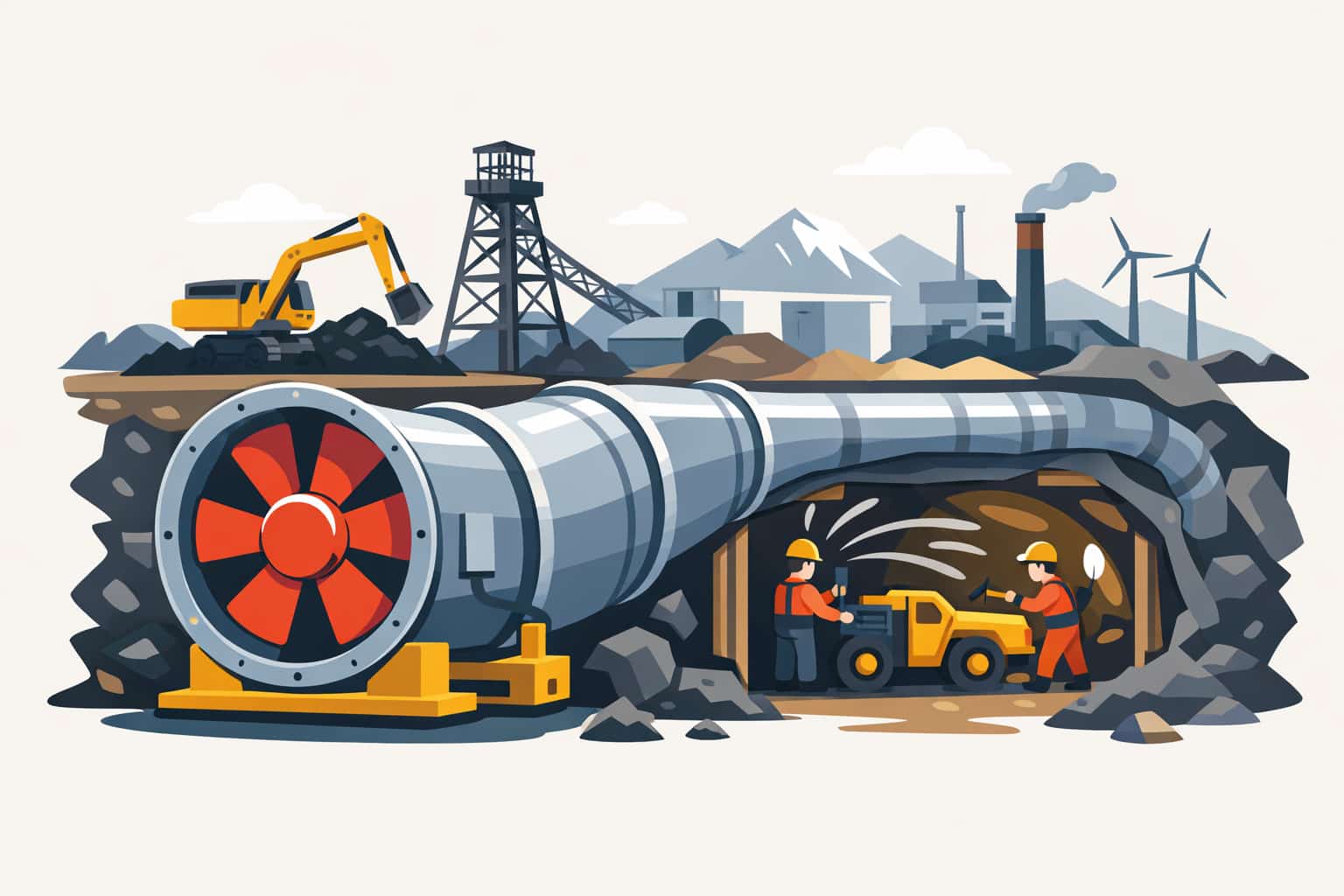
In mining ventilation, the difference is even clearer. Main mine fans, booster fans and auxiliary duct fans are not simple comfort devices. They are critical safety systems that must keep methane, diesel exhaust and blasting fumes under control and supply enough oxygen to every workplace. They are sized using ventilation calculations and network simulations, not just chosen by room size. They are usually equipped with monitoring, alarms and controls so that airflow can be adjusted and failures detected quickly.
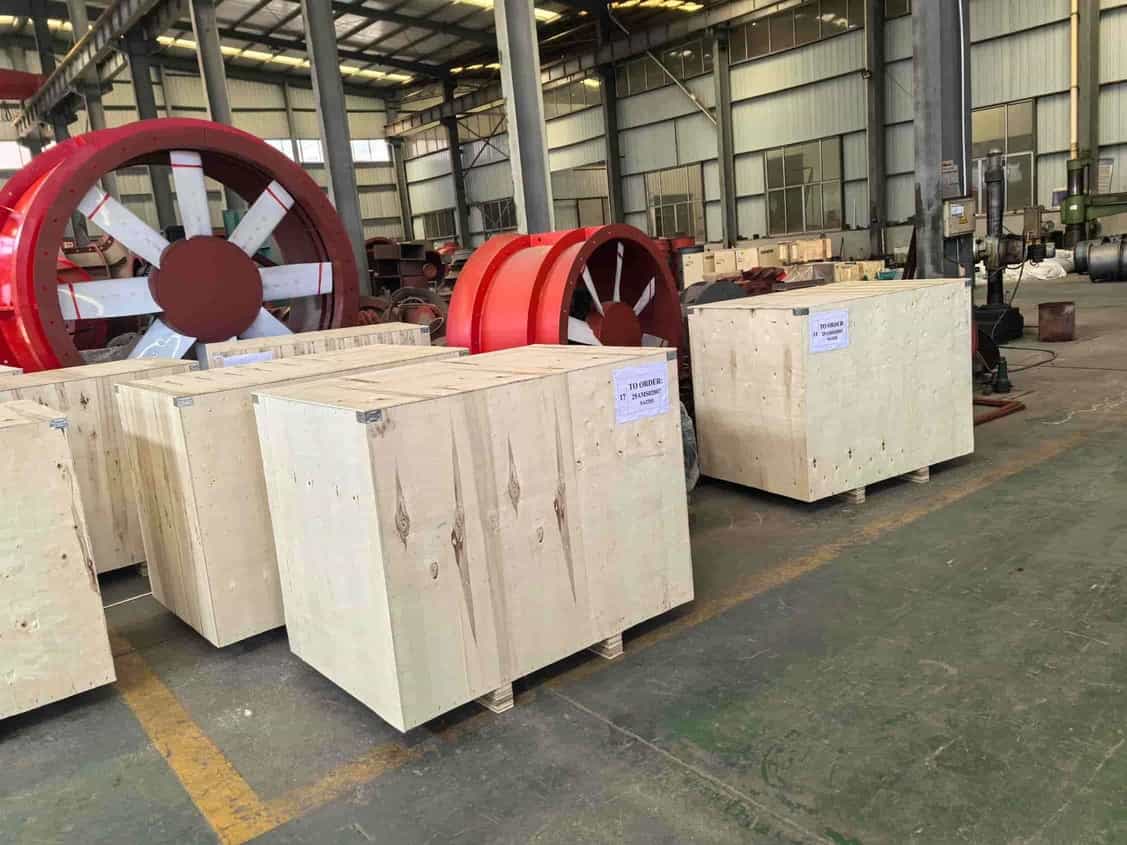
Even in factories or warehouses, a ventilation fan is expected to control air quality, not just temperature. Roof exhaust fans, wall-mounted axial fans and centrifugal exhaust fans remove welding smoke, chemical vapours and hot air, often as part of a system that includes local exhaust hoods and filters. Their job is to protect workers and equipment while meeting ventilation standards and emission regulations.
In summary, a simple fan is a comfort appliance for moving air in clean spaces, while a ventilation fan is a dedicated piece of industrial or mining equipment designed to control airflow, pressure and air quality through ducts, tunnels and process systems.