
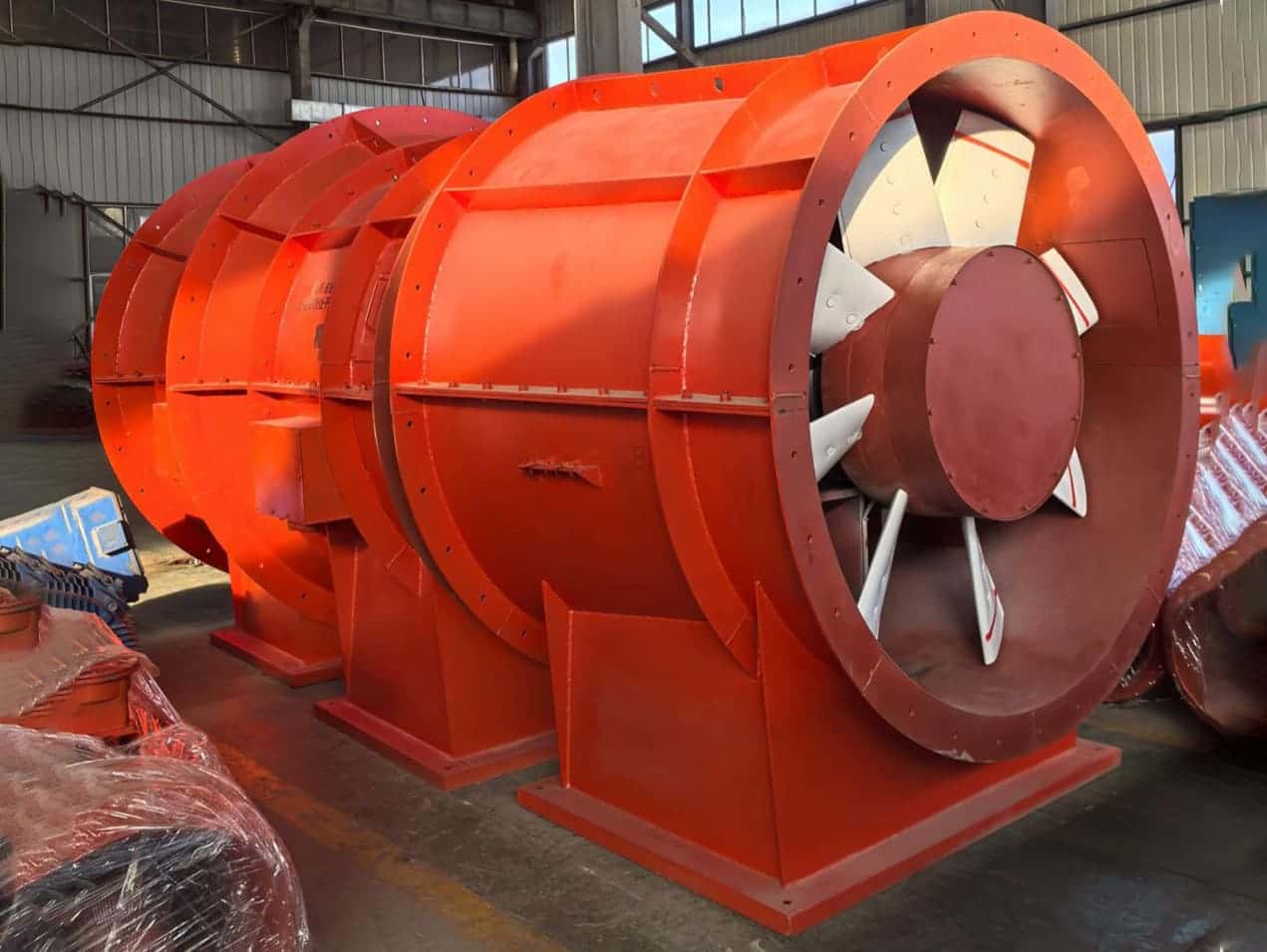
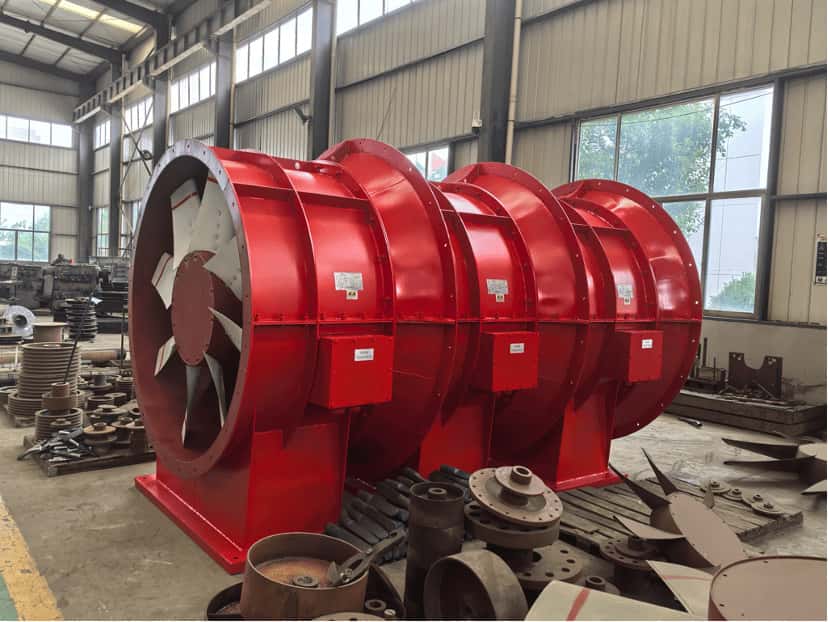
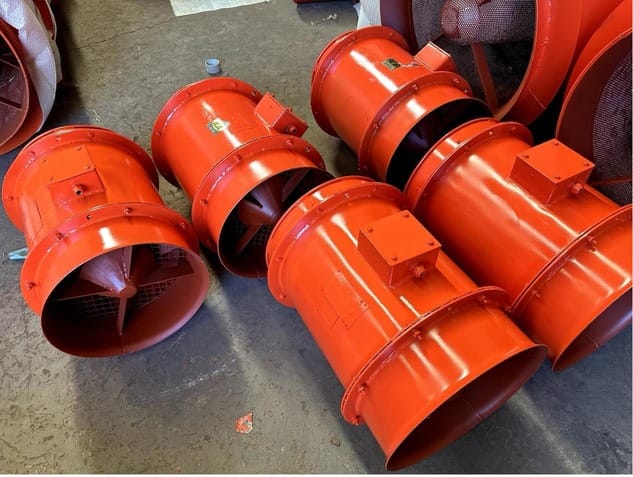
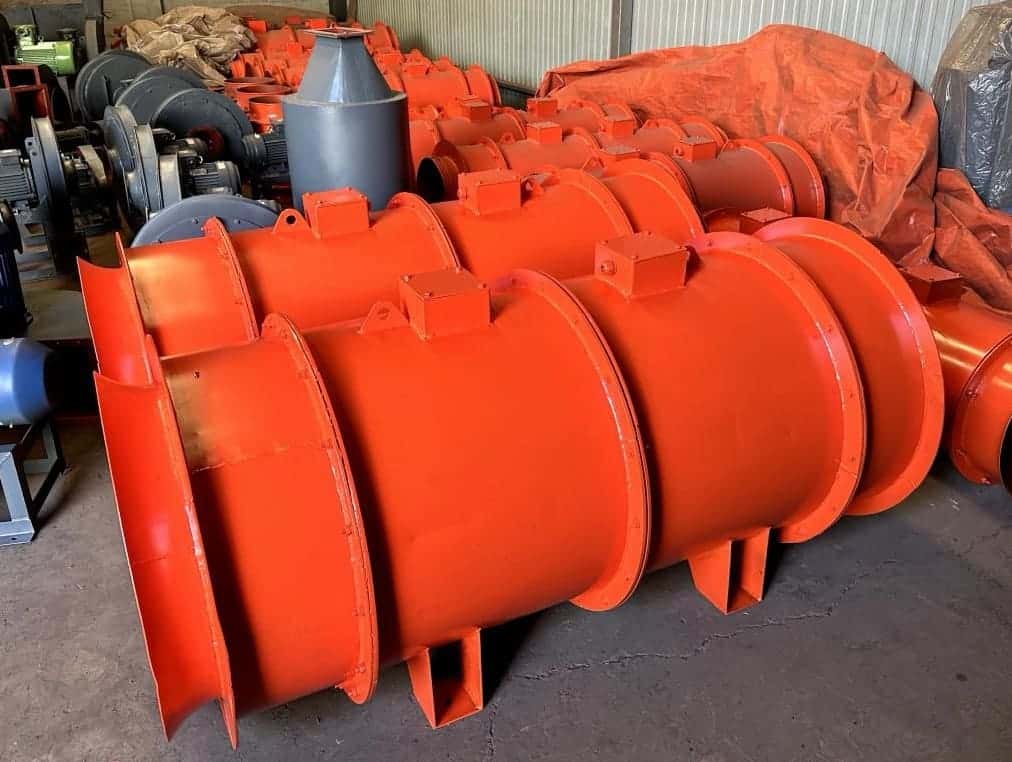
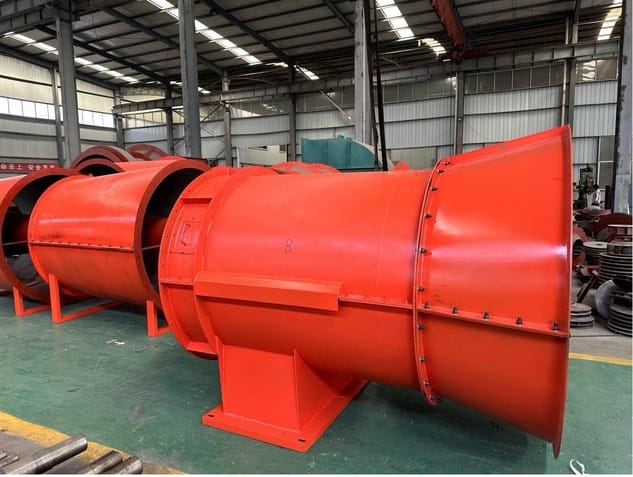
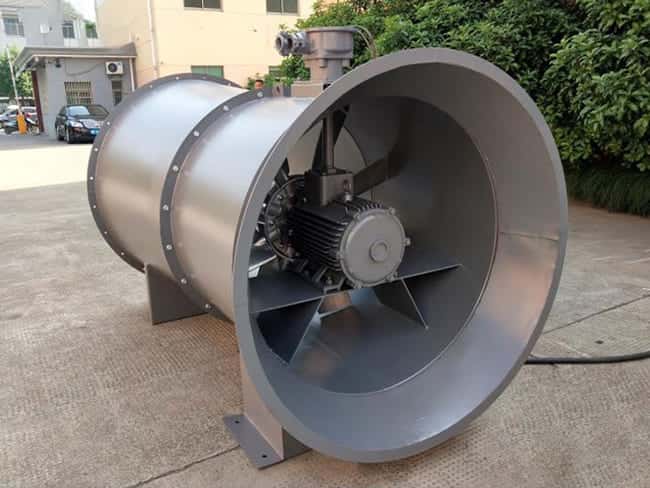
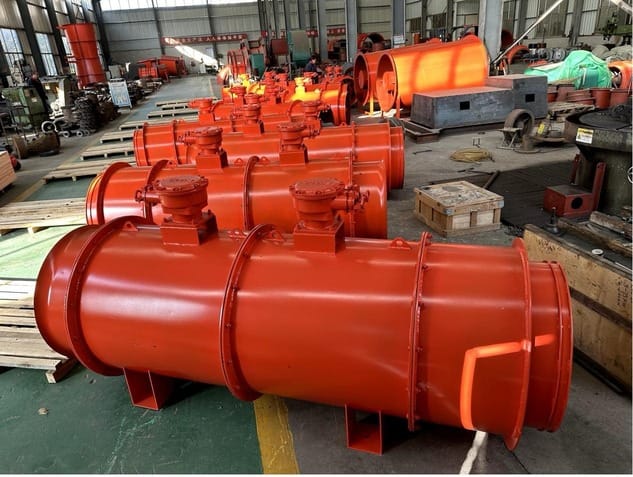
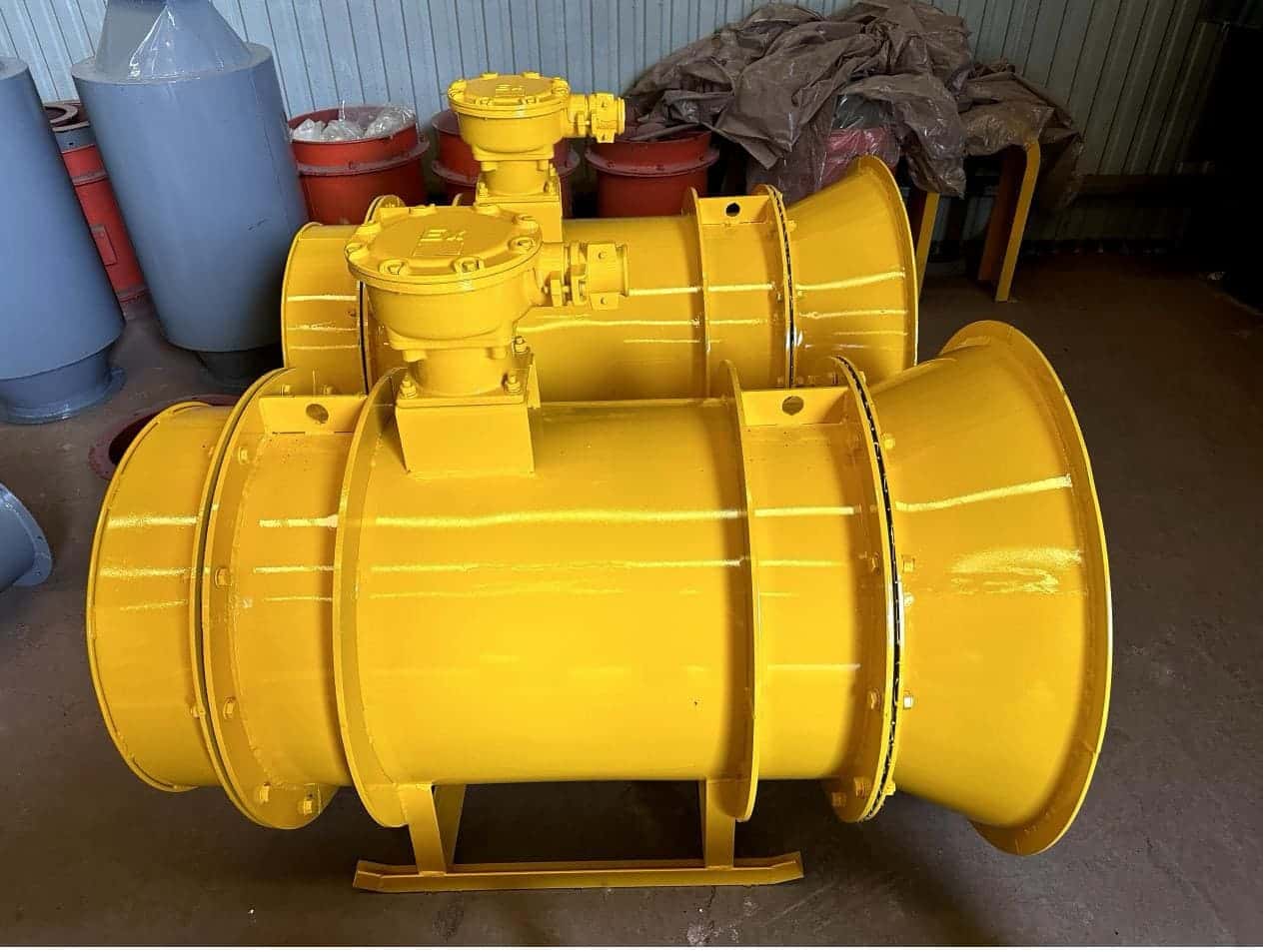
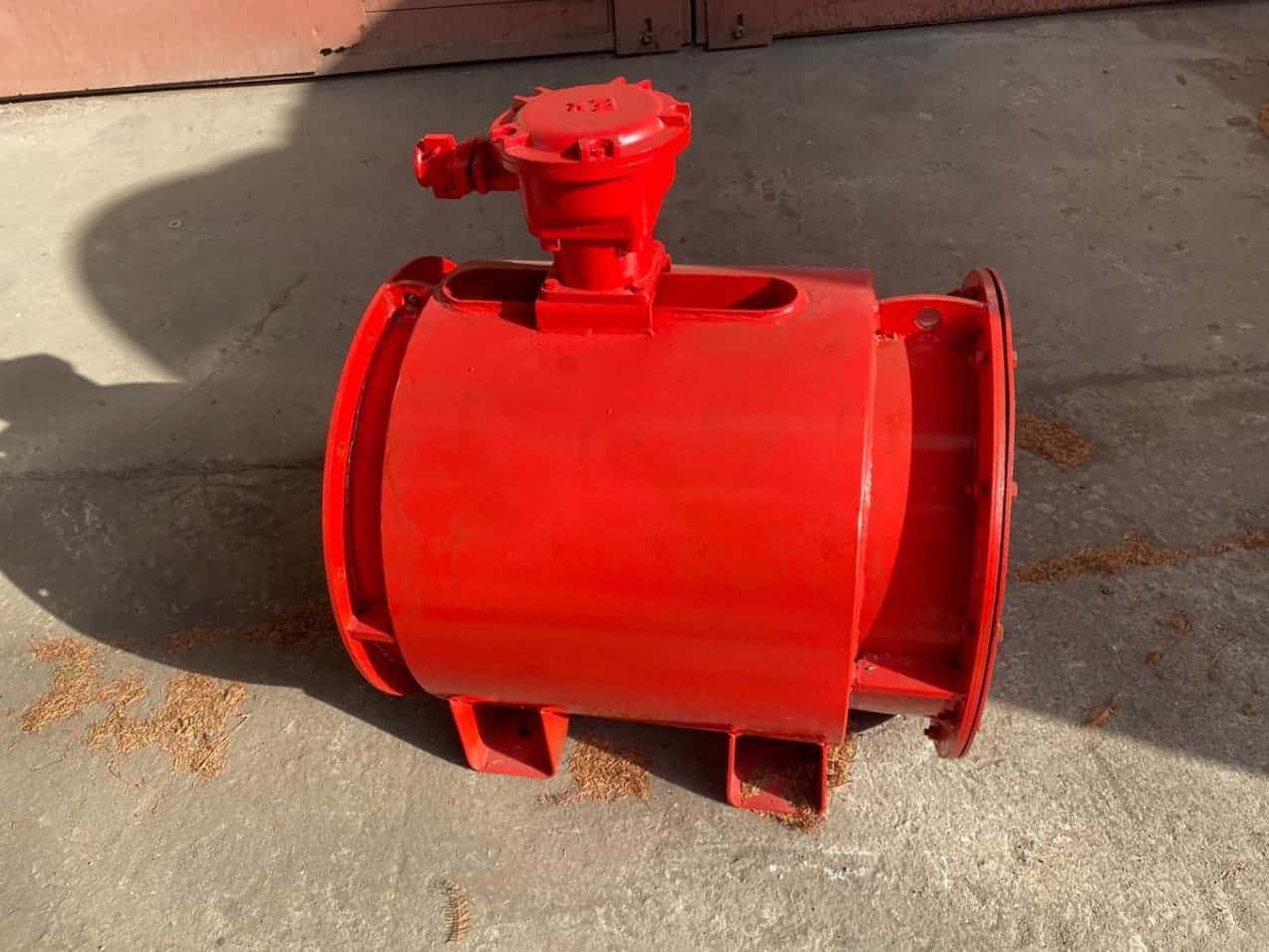
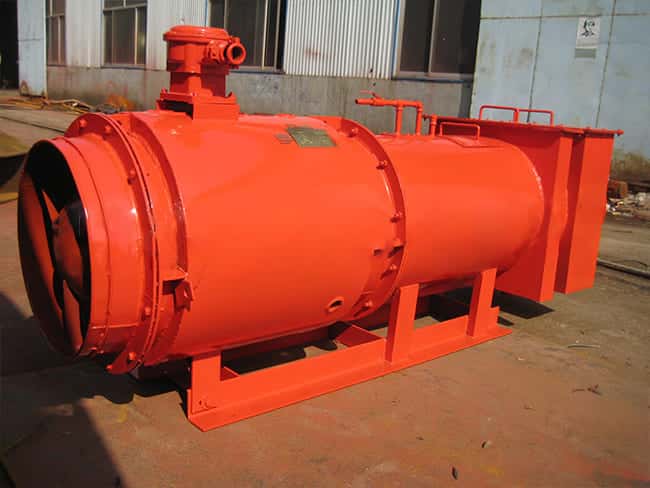
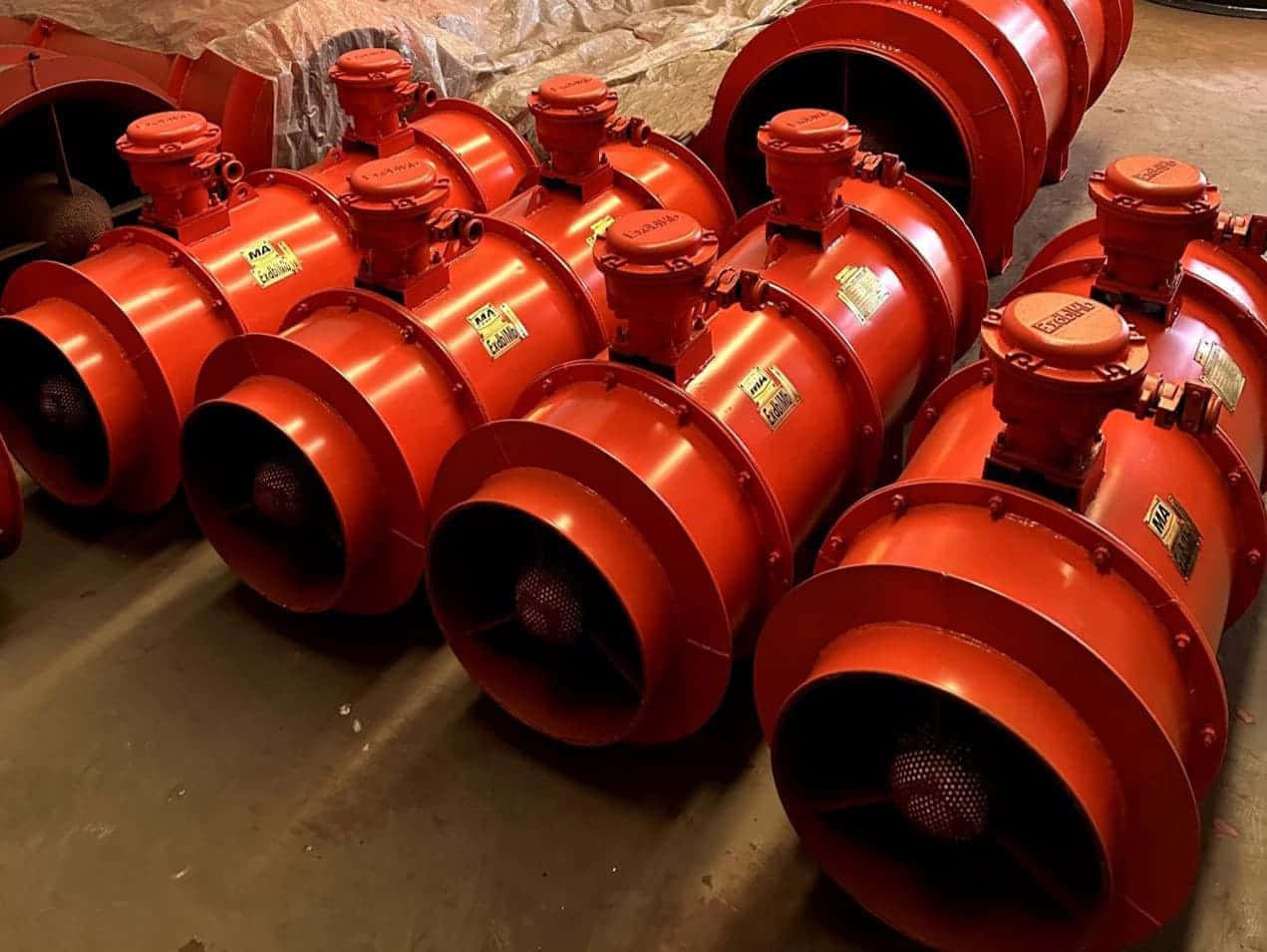
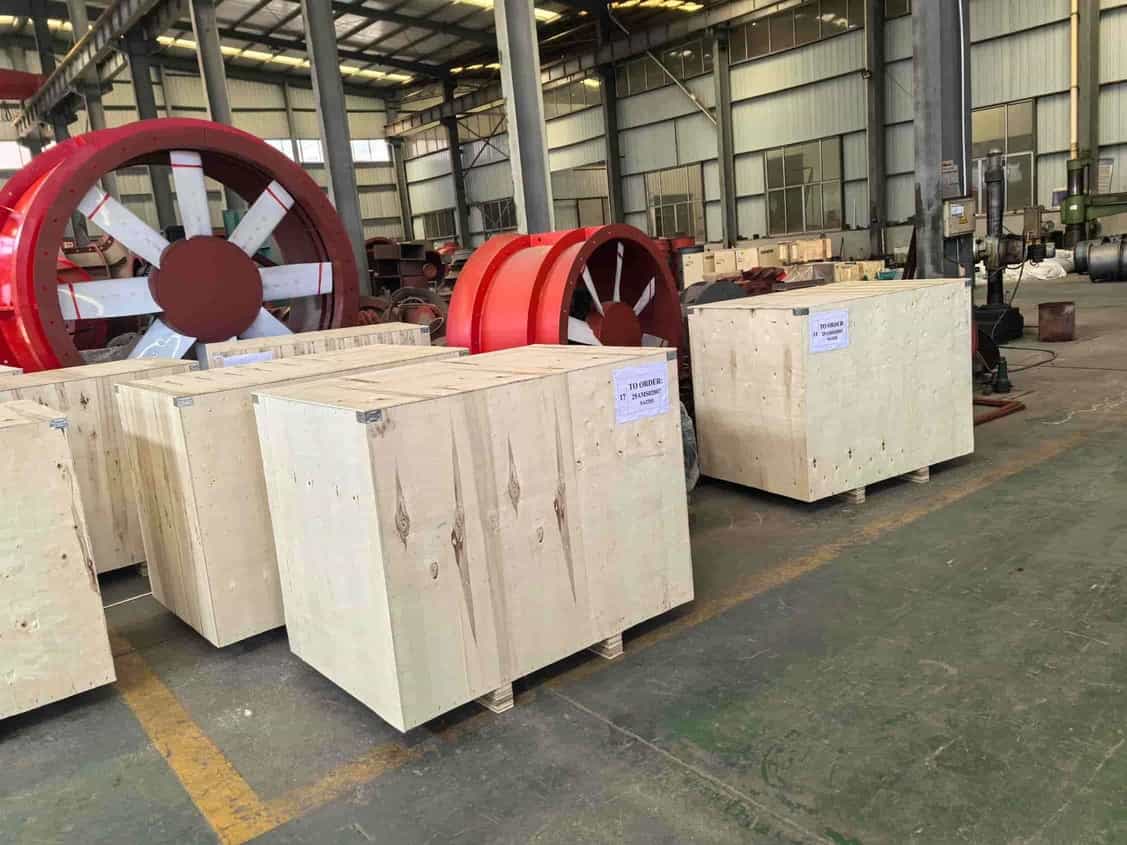
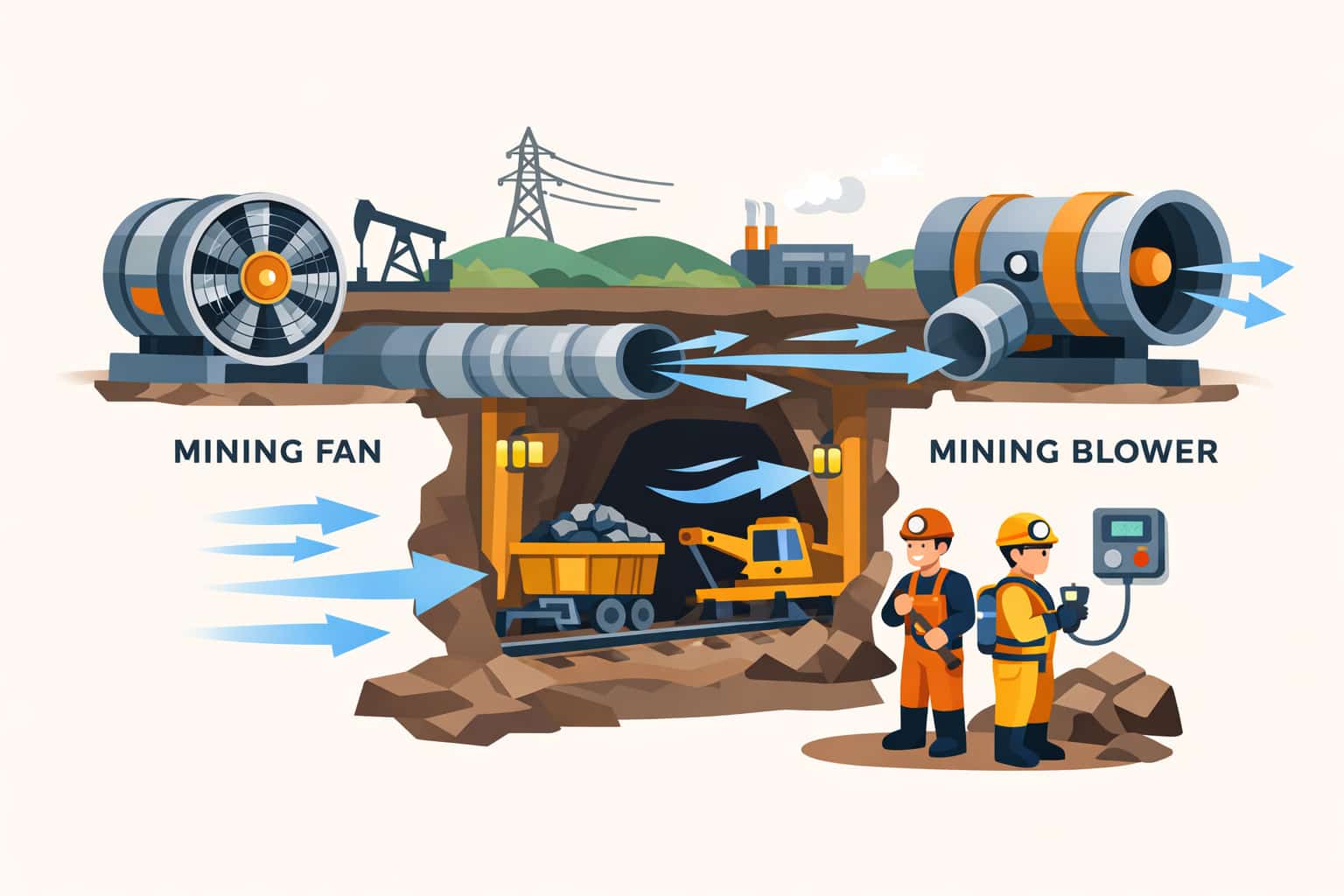
The main difference between a fresh air fan and an exhaust fan is the direction and purpose of the airflow. A fresh air fan (supply fan) brings outdoor air into a building, room or mine, while an exhaust fan removes stale, hot or contaminated air from the space to the outside. Both are essential parts of a complete ventilation system.
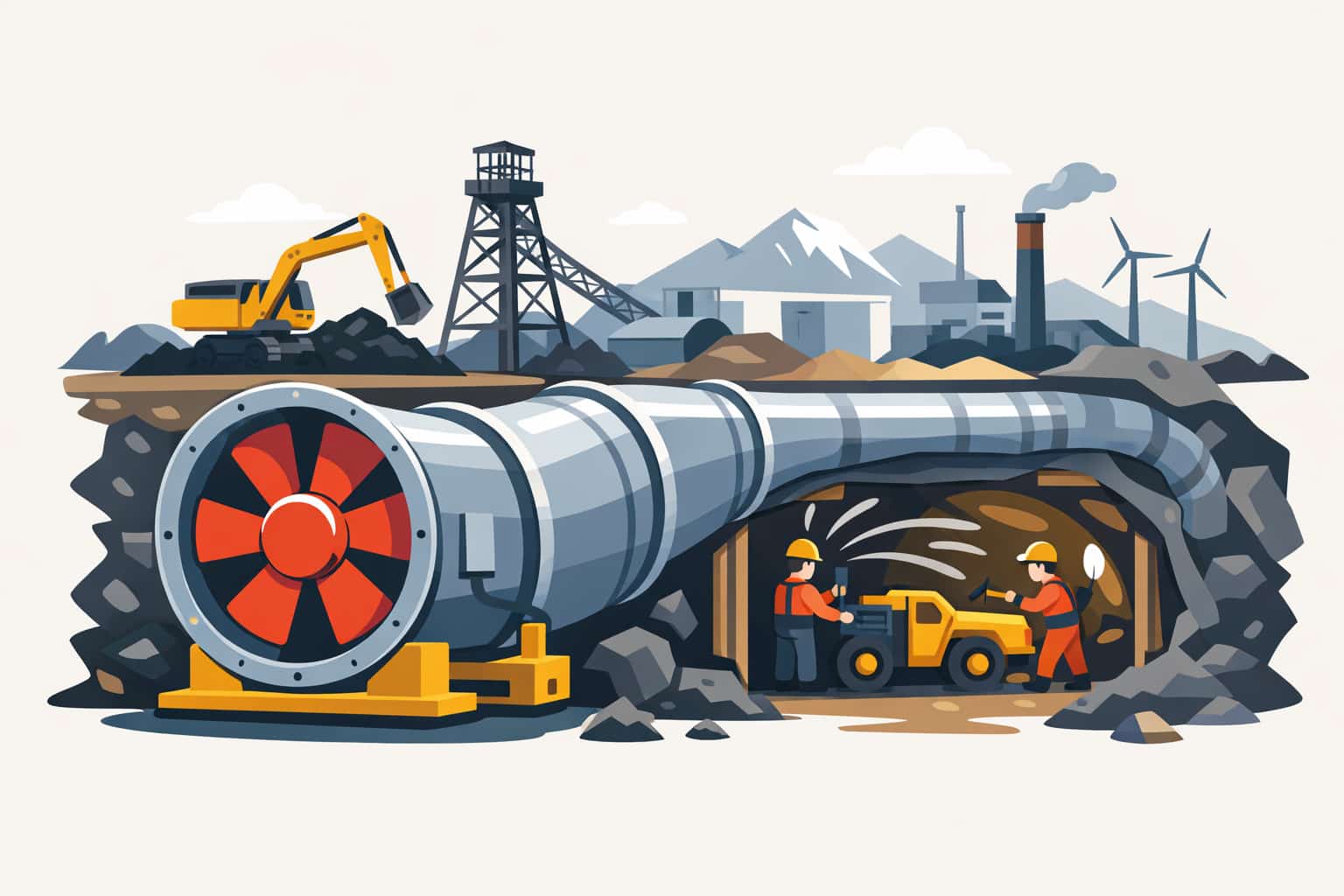
A fresh air fan, often called a supply fan or make-up air fan, is designed to pull in clean air from outside and deliver it to occupied or process areas. In buildings and factories, it may be part of an air handling unit that filters, heats, cools or dehumidifies the air before supplying it through ducts and diffusers. In mines, intake or supply fans push or pull fresh air down shafts and drifts to working areas, diluting dust and gases and providing oxygen for workers and equipment.
An exhaust fan does the opposite. Its job is to remove air from the space and discharge it outdoors. Exhaust fans are used above furnaces, ovens, paint booths, welding areas, chemical mixing stations and restrooms to carry away heat, fumes, vapours and odours. In underground mining, return airways and exhaust fans draw contaminated air out of the mine, ensuring that fresh air supplied by intake systems flows through all necessary areas before leaving.
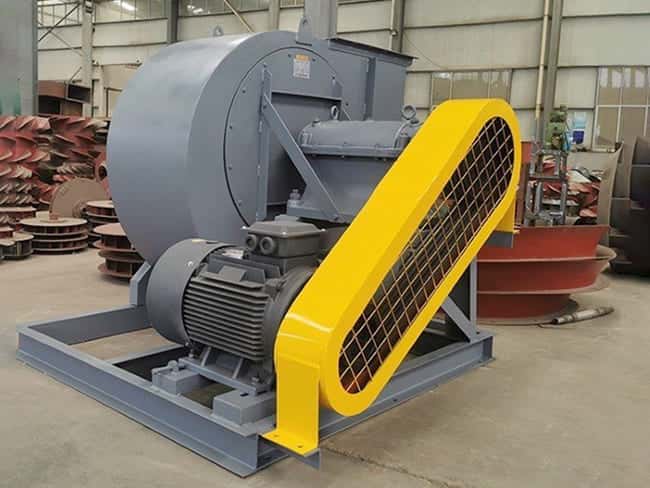
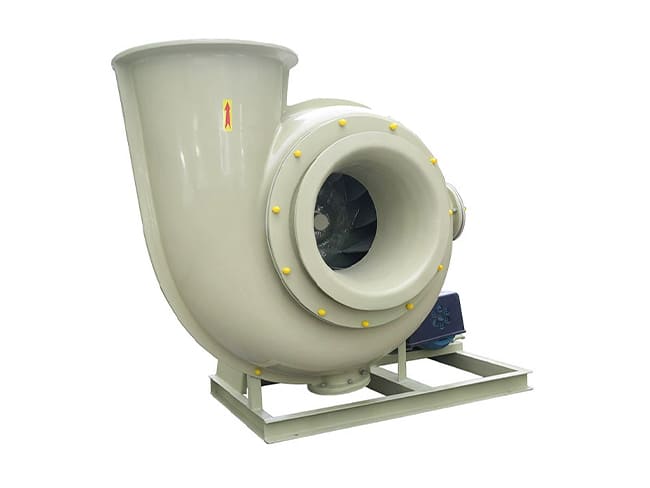
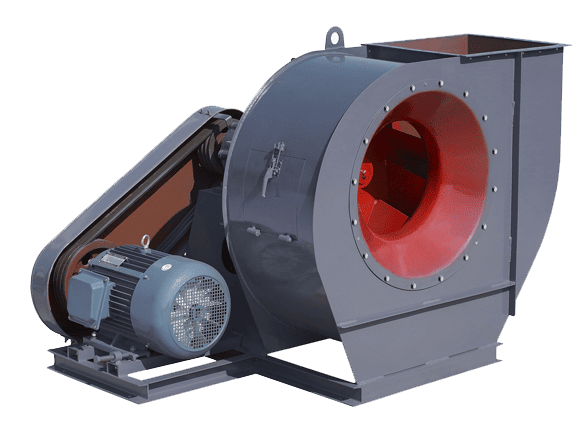
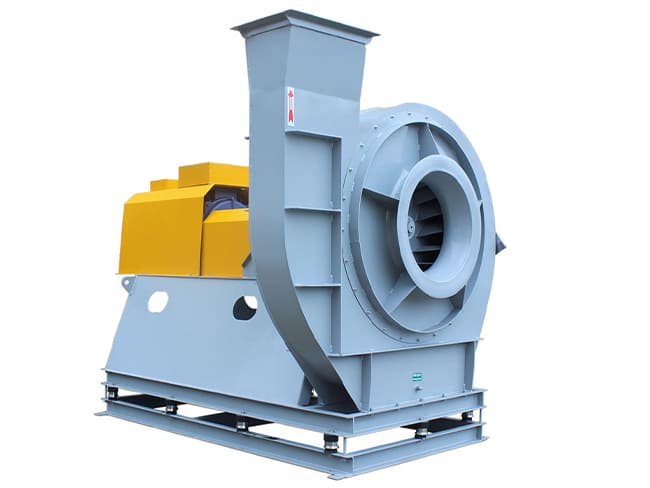
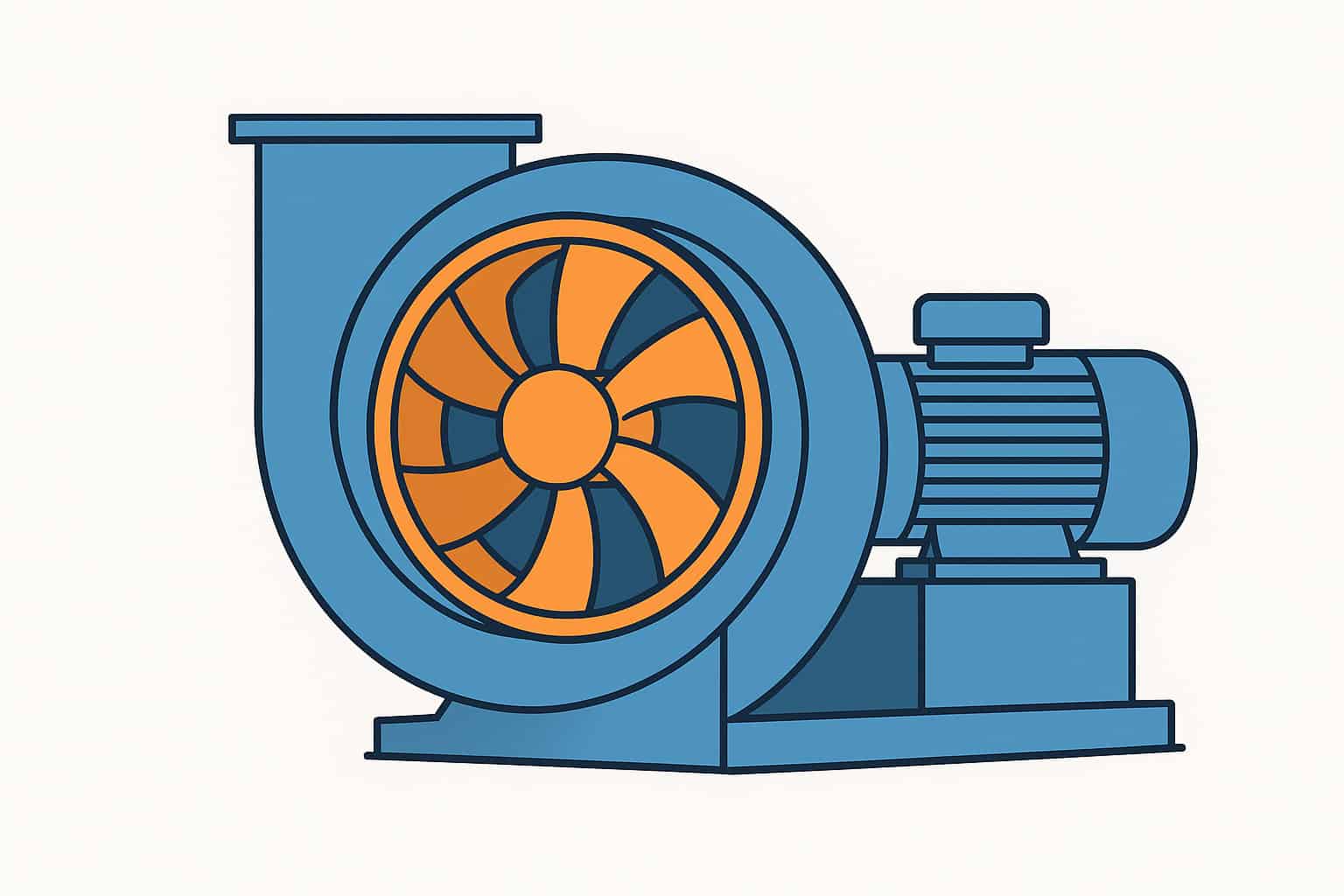
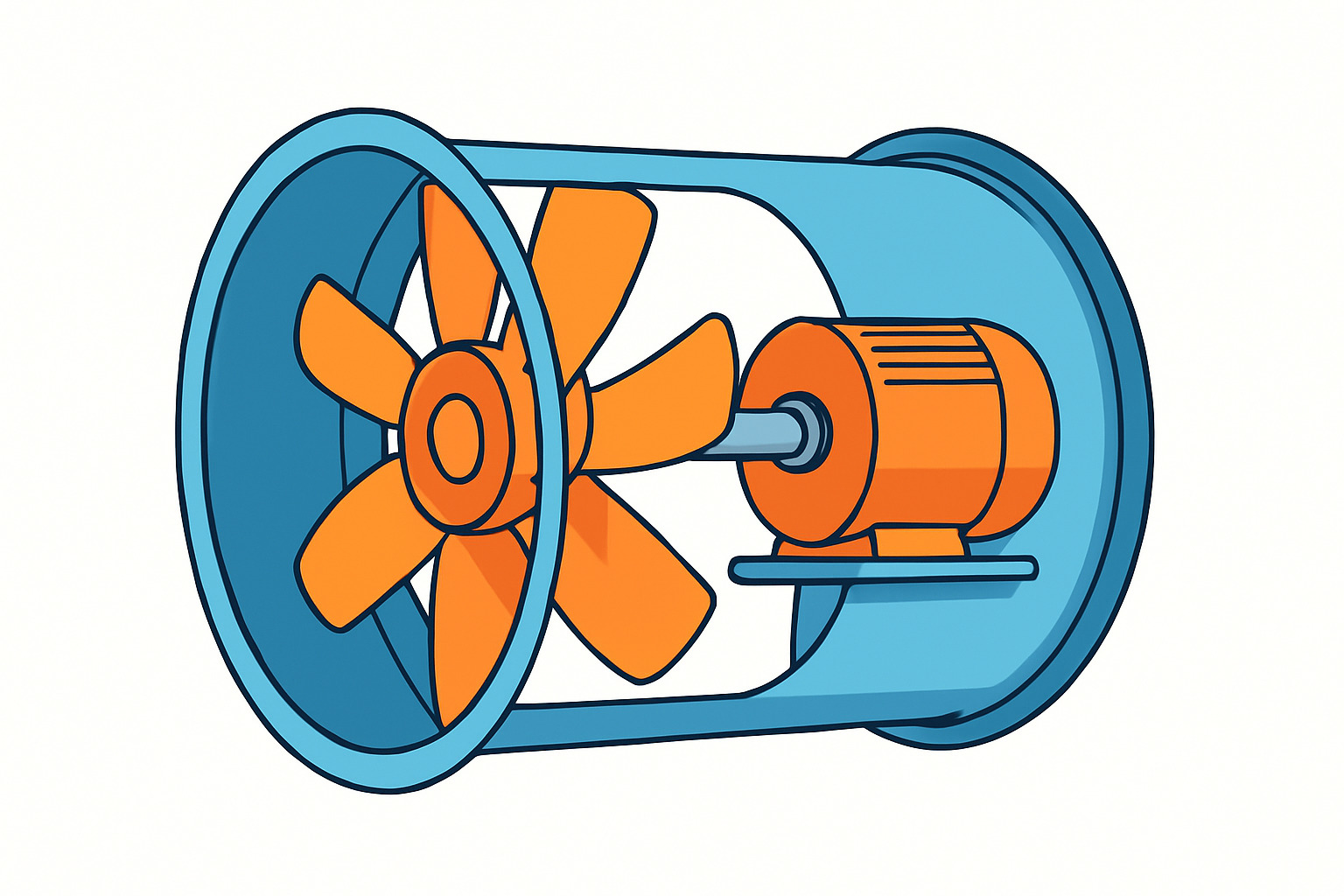
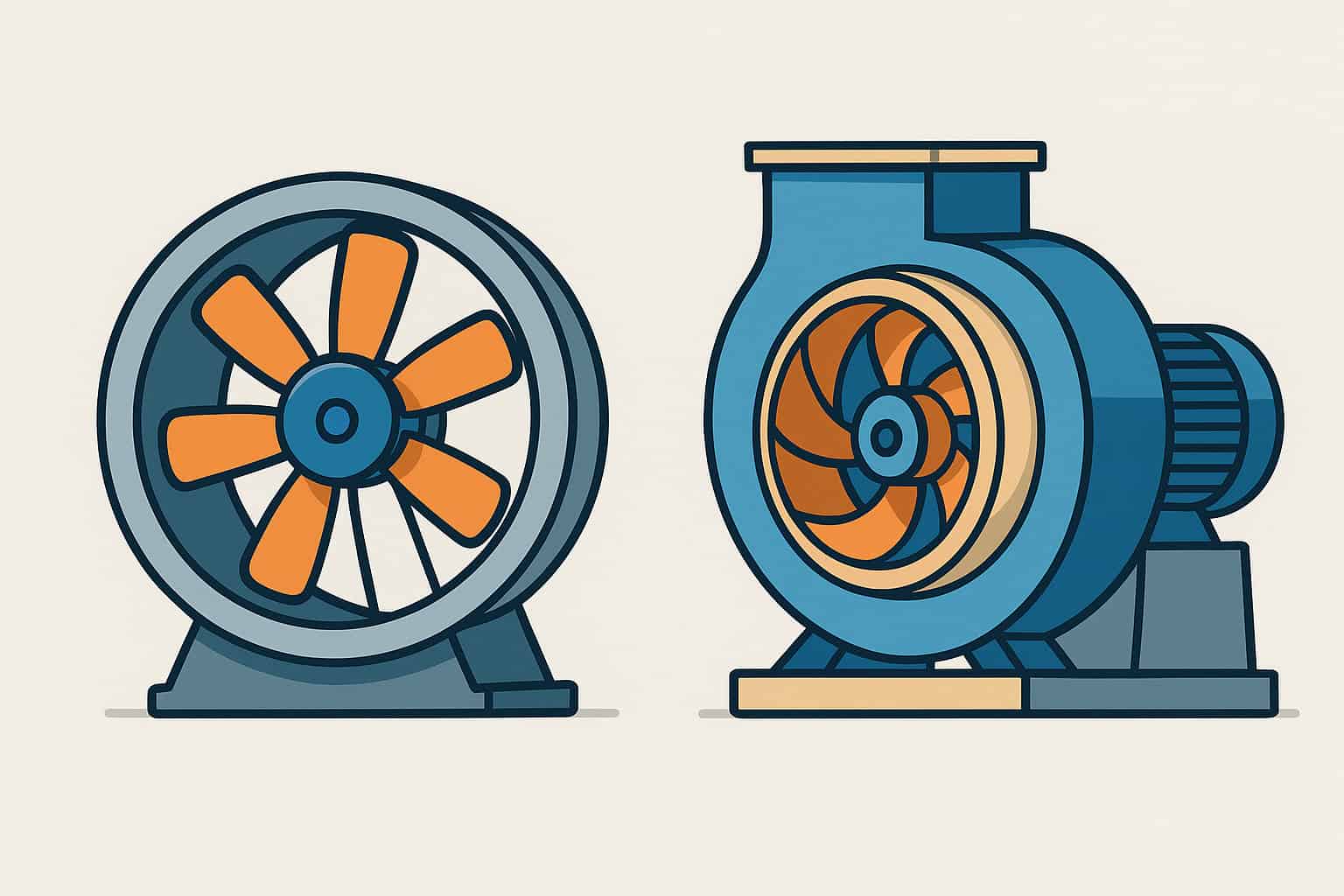
Fresh air fans and exhaust fans are often similar in construction the same axial or centrifugal designs can be used for either duty. What changes is their location, orientation and the way they are controlled. A supply fan is installed so that its discharge points into the space or supply duct. An exhaust fan is installed so that its inlet faces the space and its discharge points outside or into an exhaust duct. Controls may coordinate the two so that the overall building or mine remains at the correct pressure, preventing unwanted drafts or infiltration.
In many systems, designers aim for balanced ventilation, where the fresh air fan and exhaust fan flows are matched so that indoor pressure is slightly positive or slightly negative, depending on requirements. In clean rooms or positive-pressure control rooms, more supply than exhaust is used to keep contaminants out. In fume hoods or battery rooms, slightly negative pressure ensures hazardous substances do not escape into adjacent areas.
In summary, a fresh air fan supplies outside air into a space, while an exhaust fan removes air from the space to the outside. Together, they form the core of controlled ventilation for buildings, industrial plants and mines.