



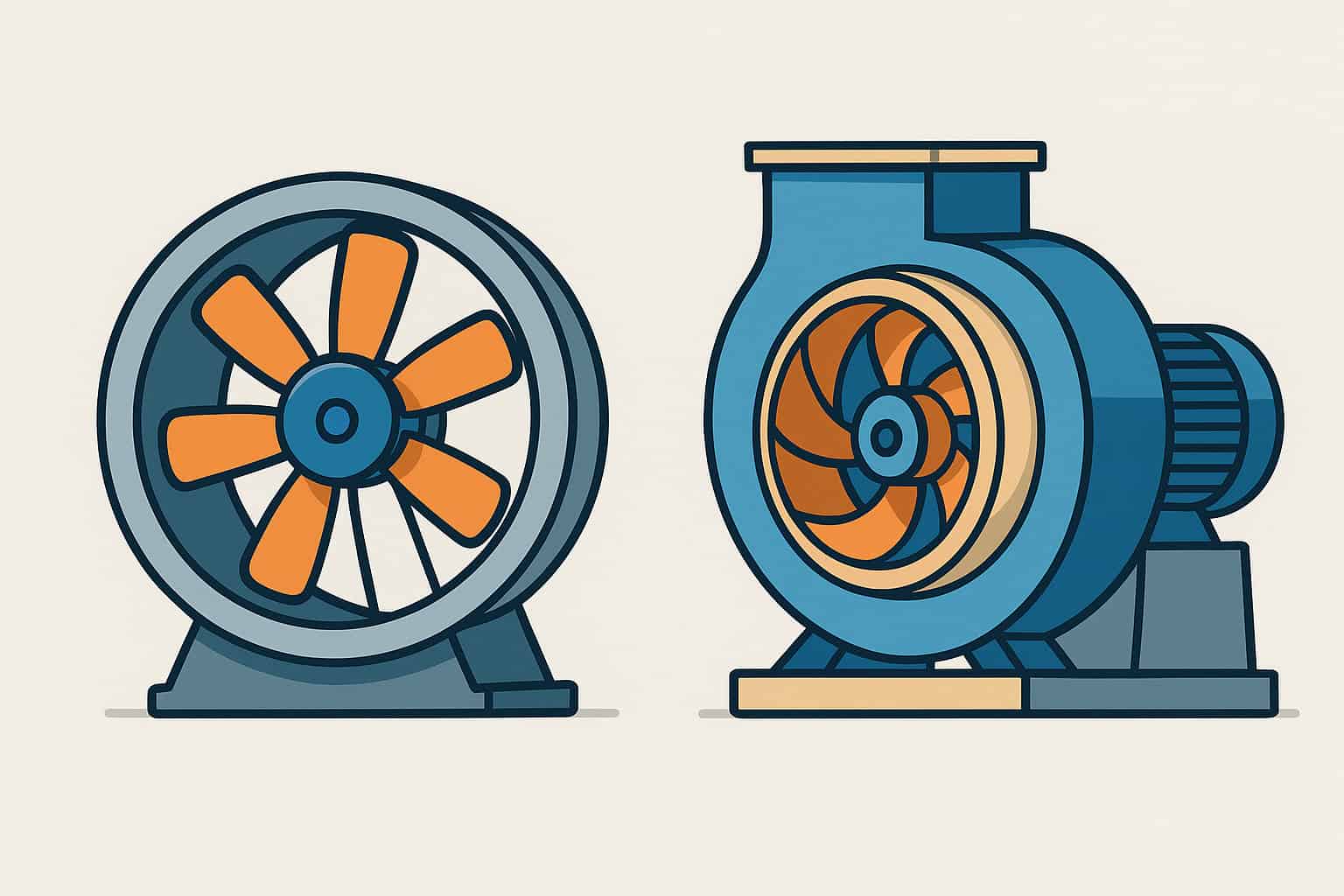
The difference between axial and inline fans is that “axial” describes how the air moves through the impeller, while “inline” describes how the fan is installed in the duct system. In other words, an inline fan can be axial, mixed-flow or even centrifugal inside a special housing that fits into a duct run.
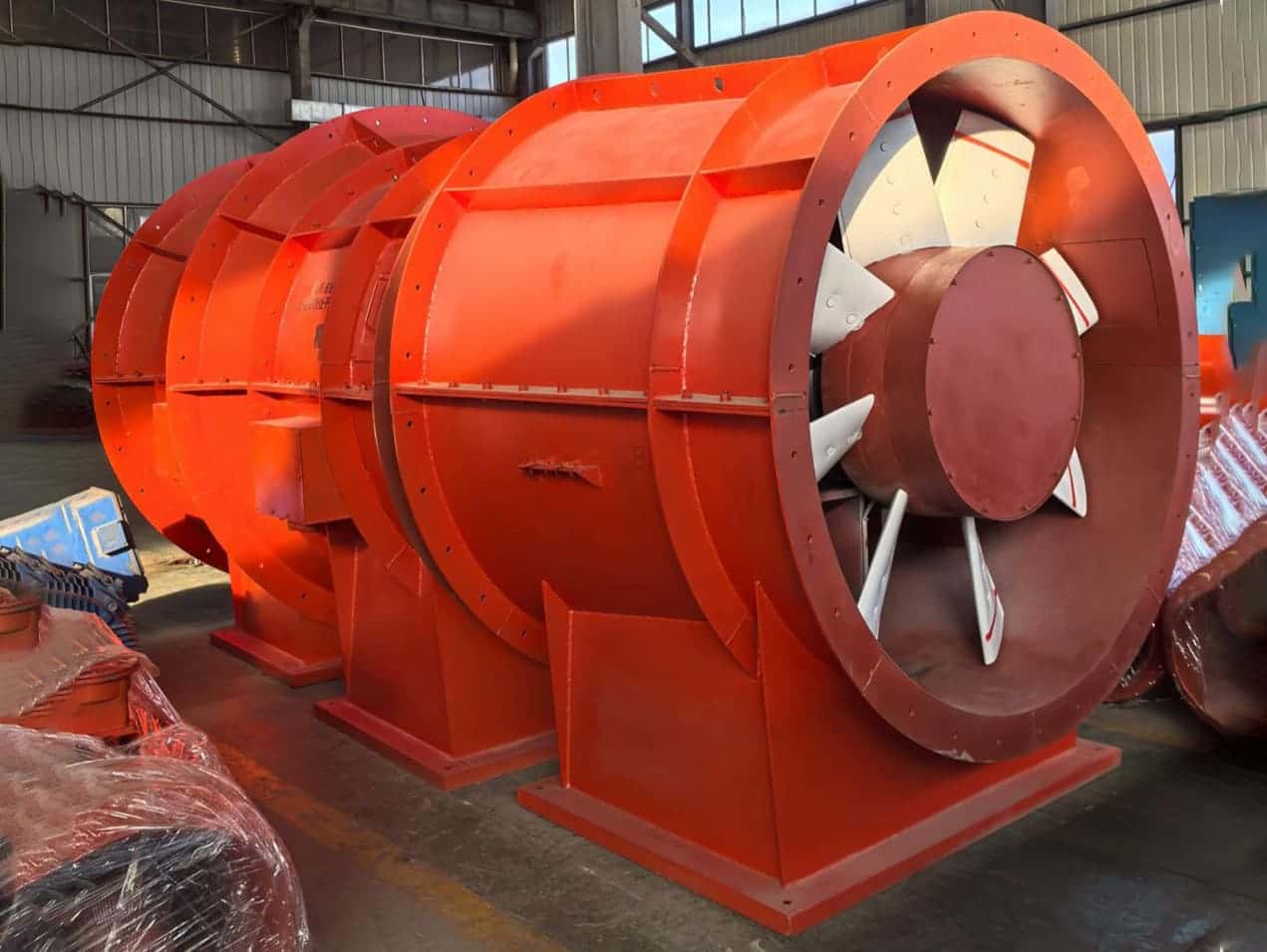
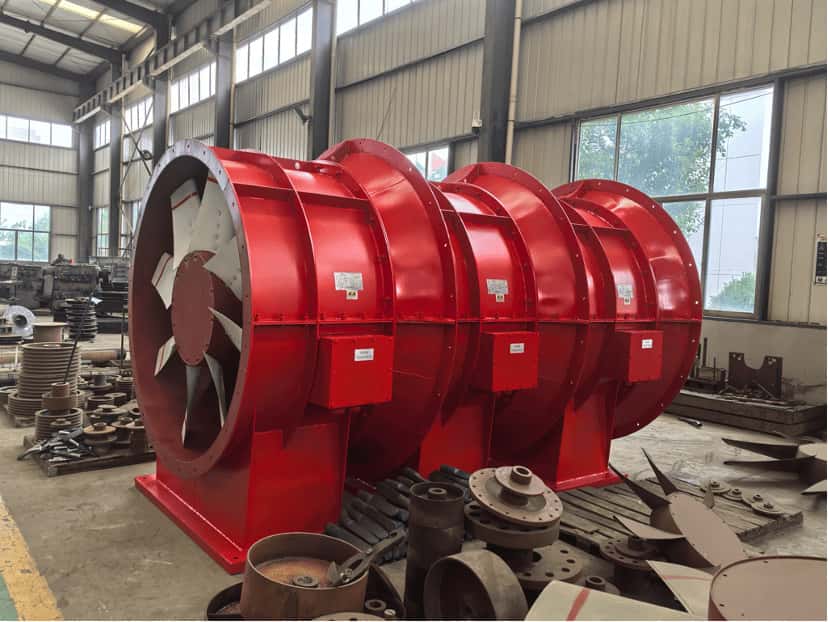
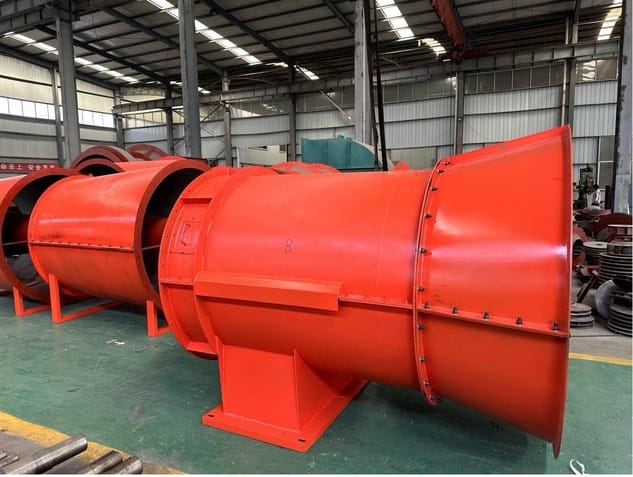
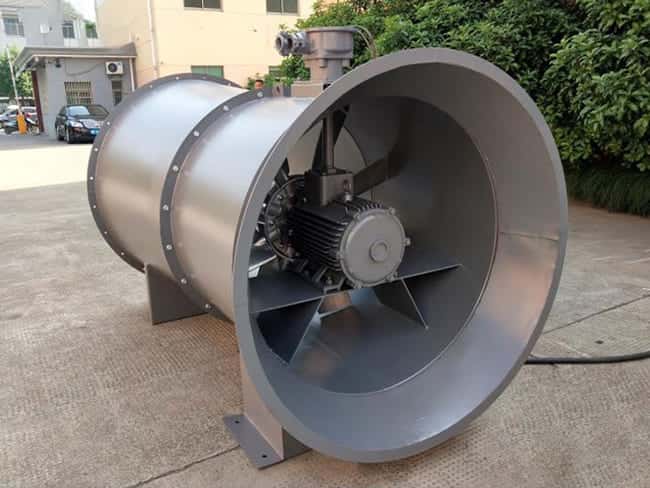
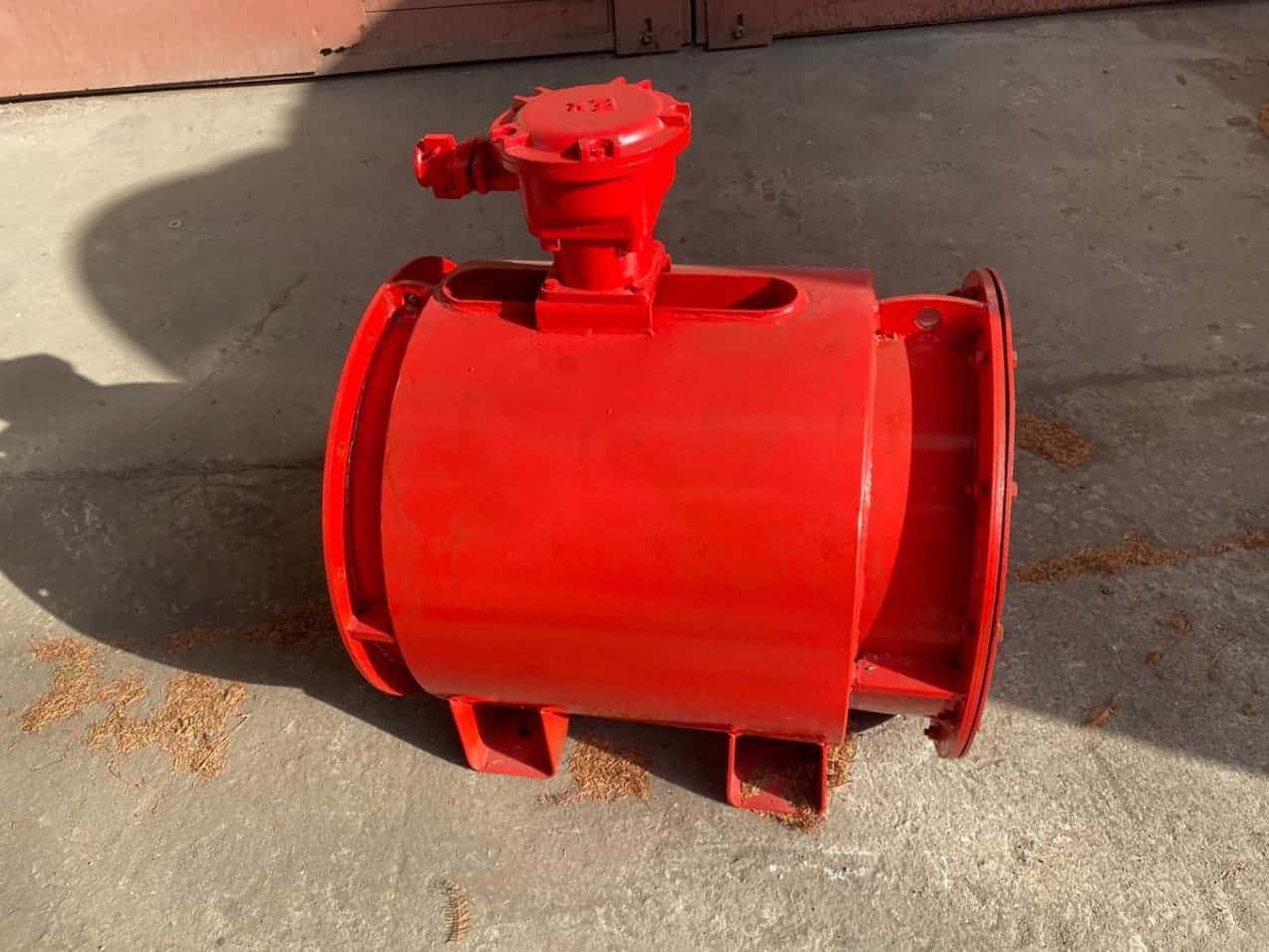
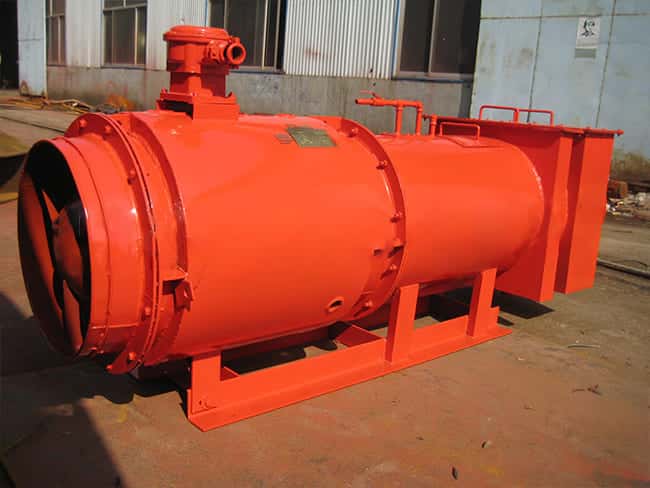
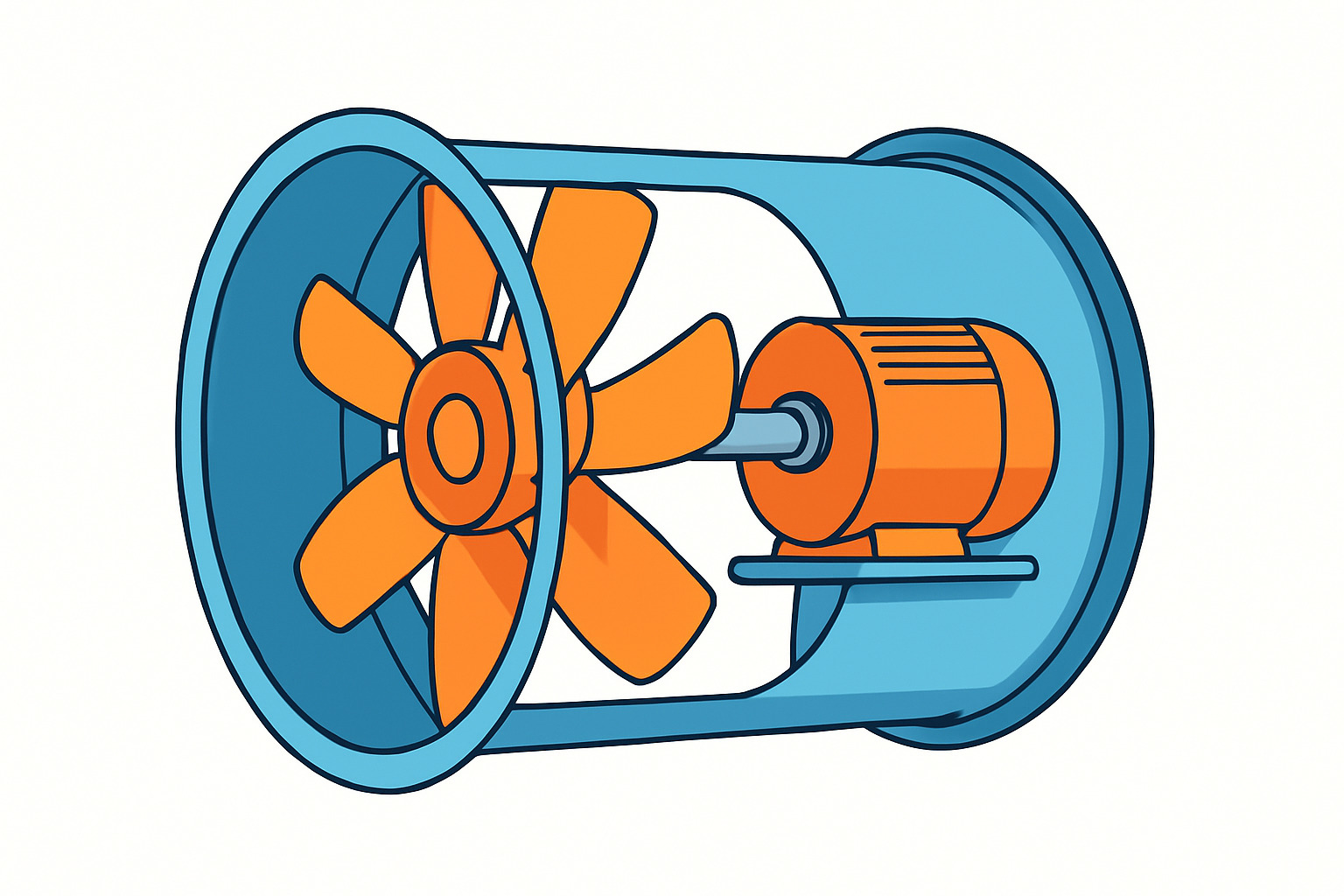
An axial fan moves air parallel to the shaft, like a propeller. The blades act as airfoils, drawing air in and pushing it straight through. Axial fans can be installed as free-standing units, wall-mounted fans, tunnel fans or duct-mounted fans. When an axial fan is installed directly in a duct so that the duct connects to both sides of the fan, it is effectively an inline axial fan.
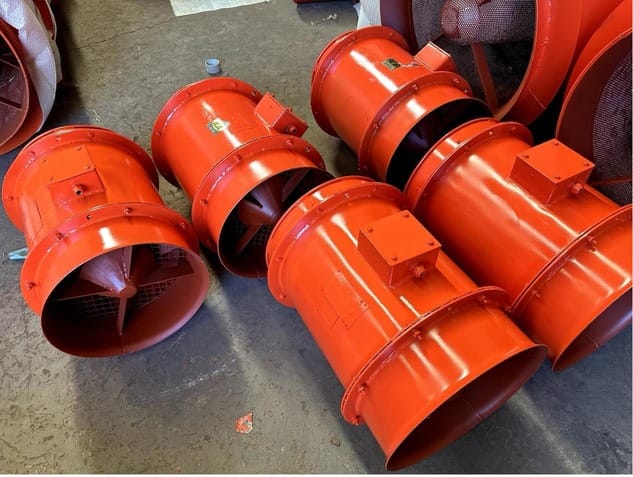
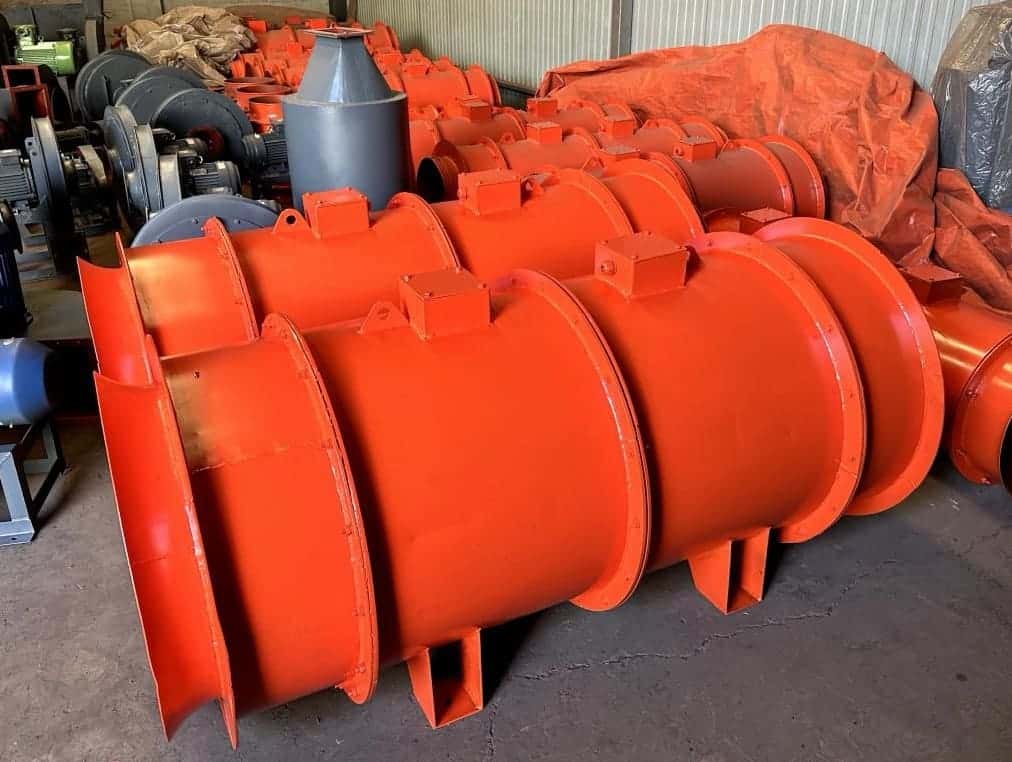
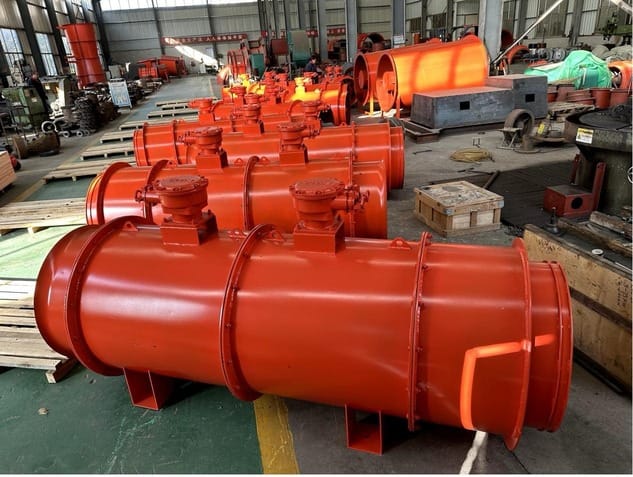
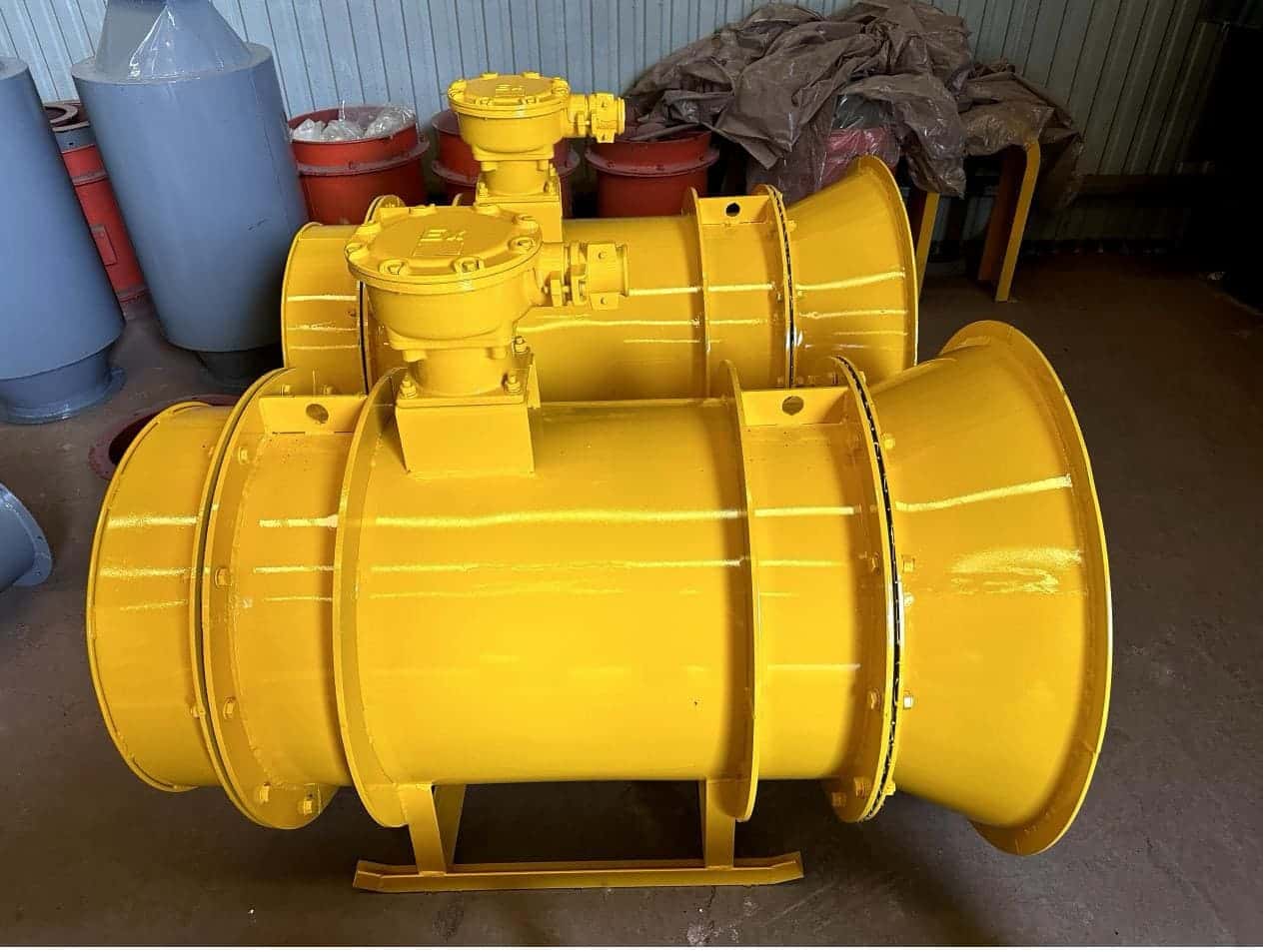
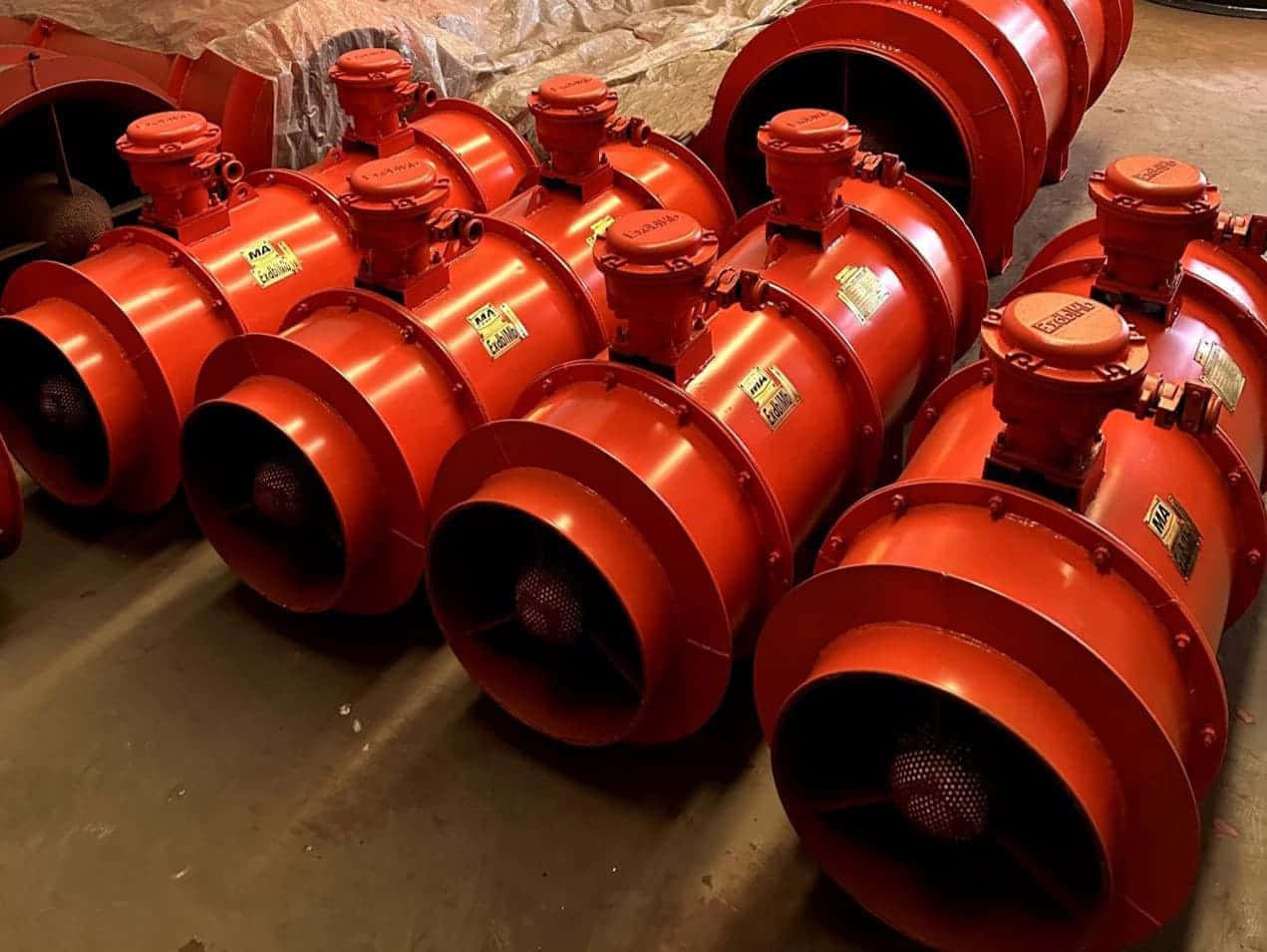
An inline fan is defined by its form factor and installation. It is a fan enclosed in a cylindrical or rectangular housing designed to fit in the middle of a duct run. Inline fans are commonly used in HVAC systems, industrial exhaust lines and some mining ventilation ducts to boost airflow. Inside the housing, the impeller may be:
- An axial impeller (inline axial fan) for high volume, low pressure.
- A mixed-flow impeller that combines axial and centrifugal characteristics to provide higher pressure with compact size.
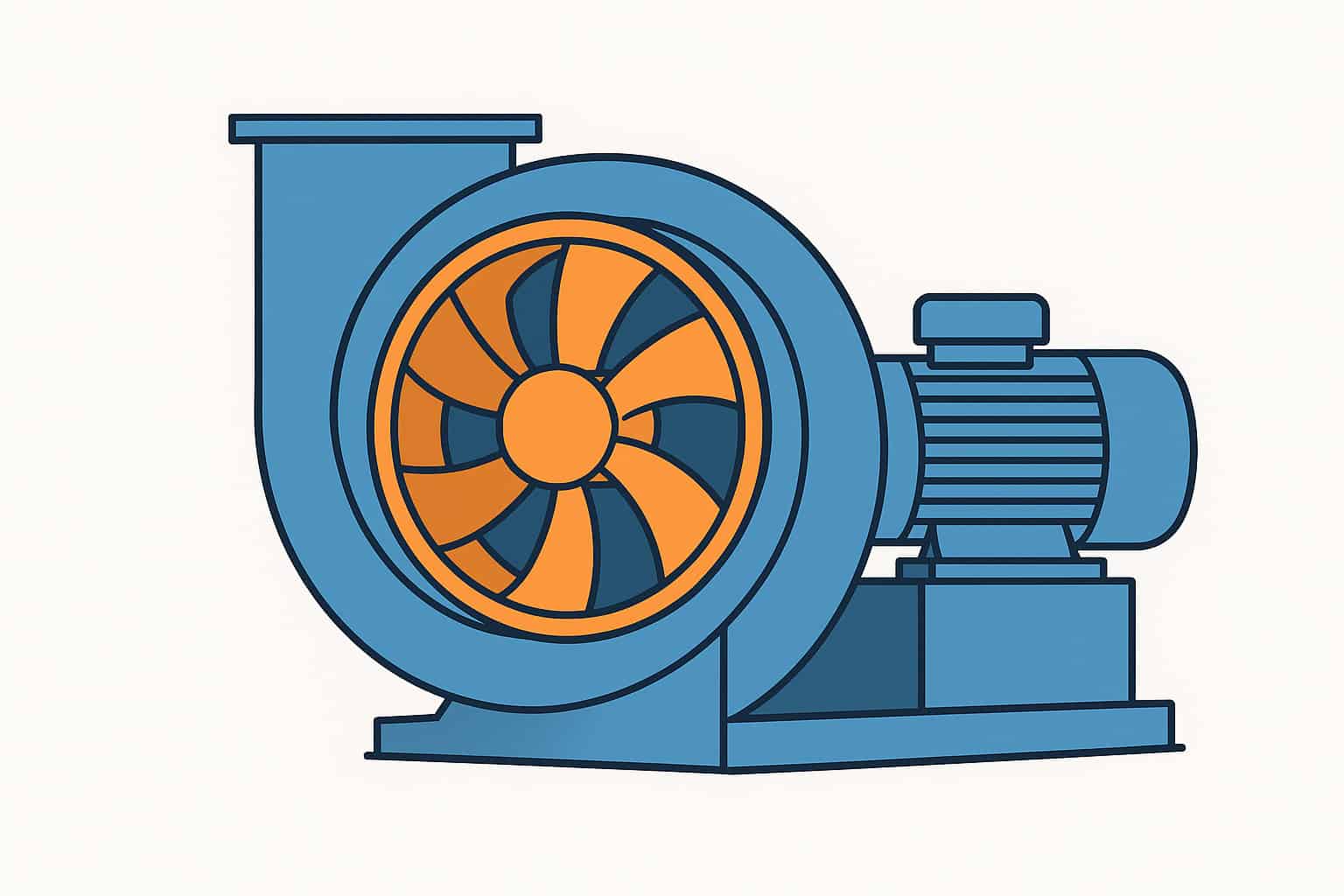
- A small centrifugal wheel arranged so that the air path still connects inline with ducting.
From a performance perspective, axial fans (including inline axial fans) are best for high-volume, low-pressure duties with relatively simple ducting. Inline mixed-flow fans offer higher pressure capability in a similar inline form factor, useful when duct runs are longer or include filters and bends. Inline centrifugal designs provide even higher pressure but may be larger or more complex.
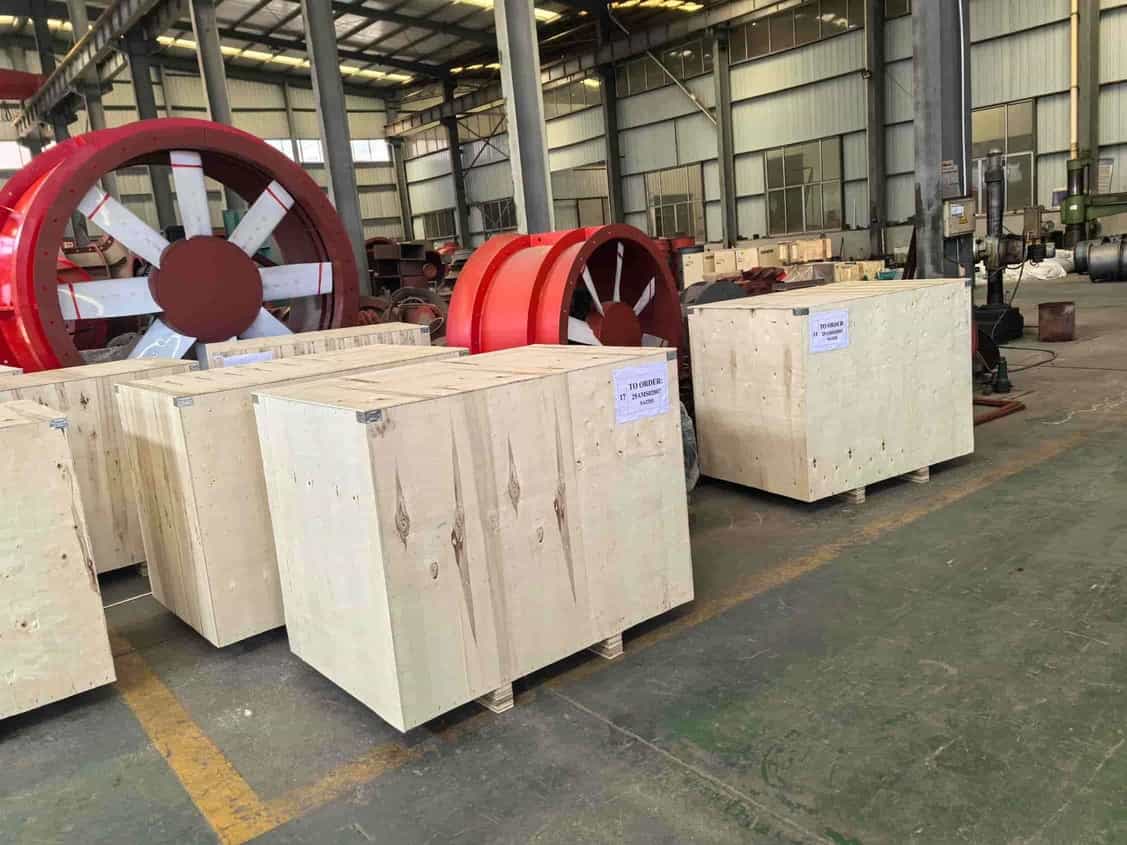
In industrial and mining ventilation, you may see large axial fans mounted directly in tunnels or shafts (not always called inline) as well as compact inline duct fans used to boost flow in specific branches. The choice between a simple axial fan and an inline fan depends on space, duct layout, pressure requirements and noise control. Inline housings often include features for easier connection to ducts and may incorporate sound-absorbing materials for quieter operation.
In summary, axial refers to the airflow direction through the blades, while inline refers to the way the fan is packaged and installed in a duct. Many inline fans are axial, but inline fans can also be mixed-flow or centrifugal. Understanding this distinction helps you select the right fan configuration for your ventilation system.