
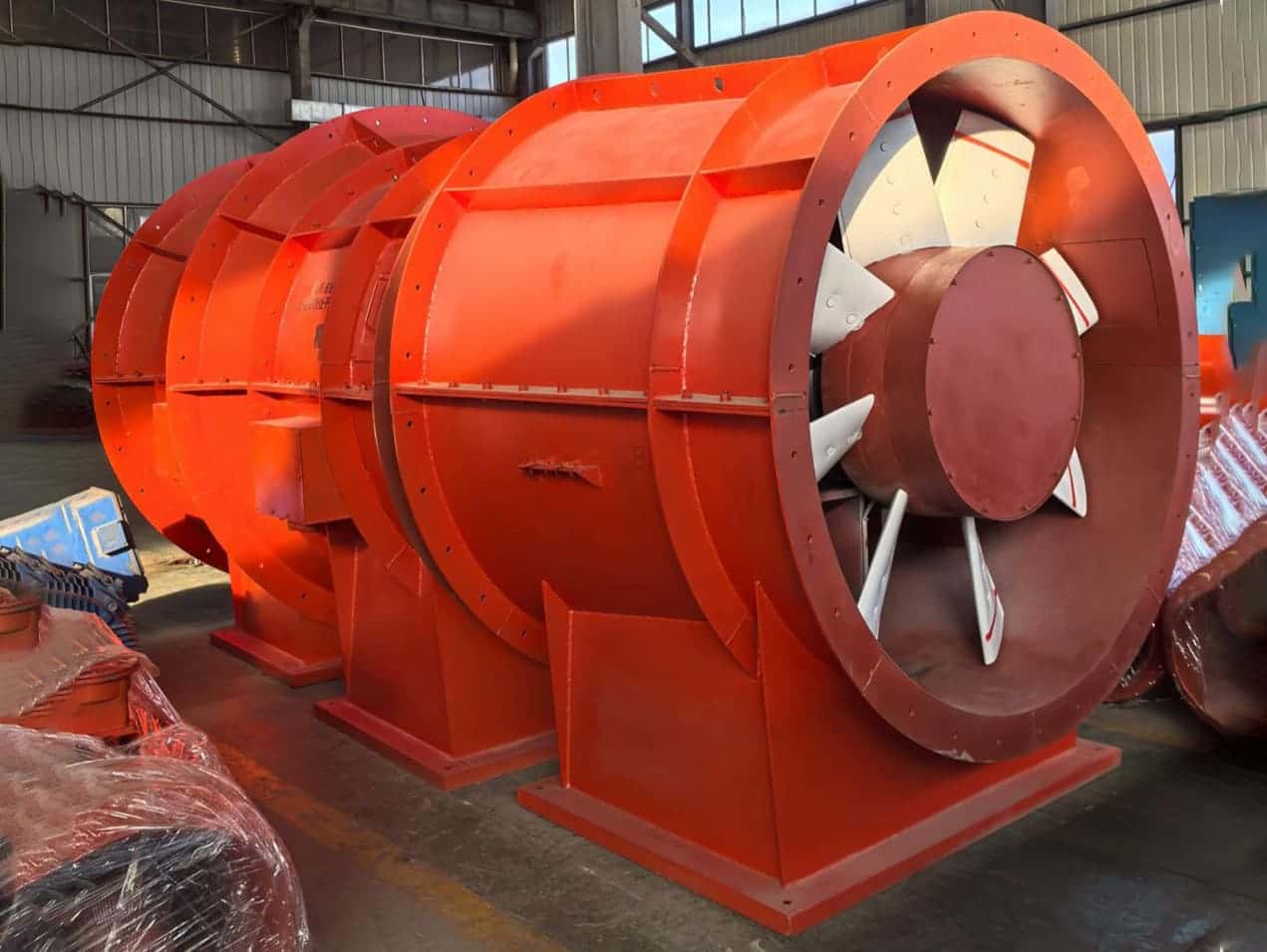
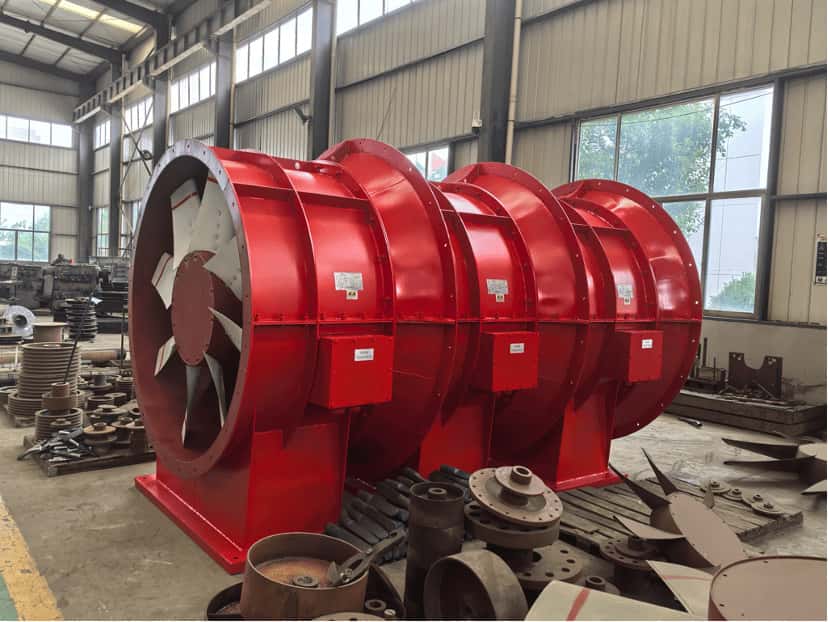
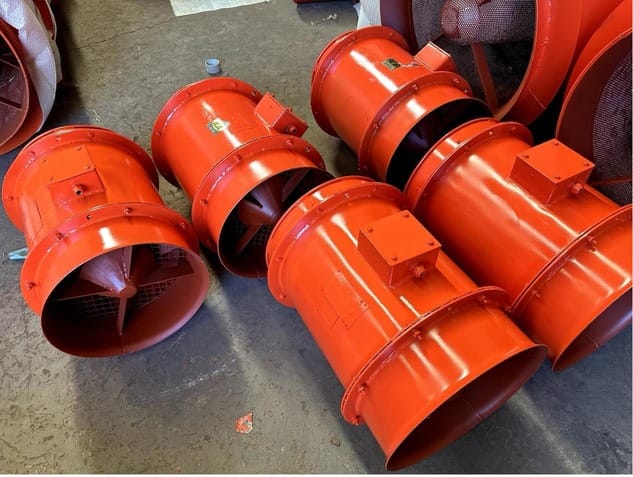
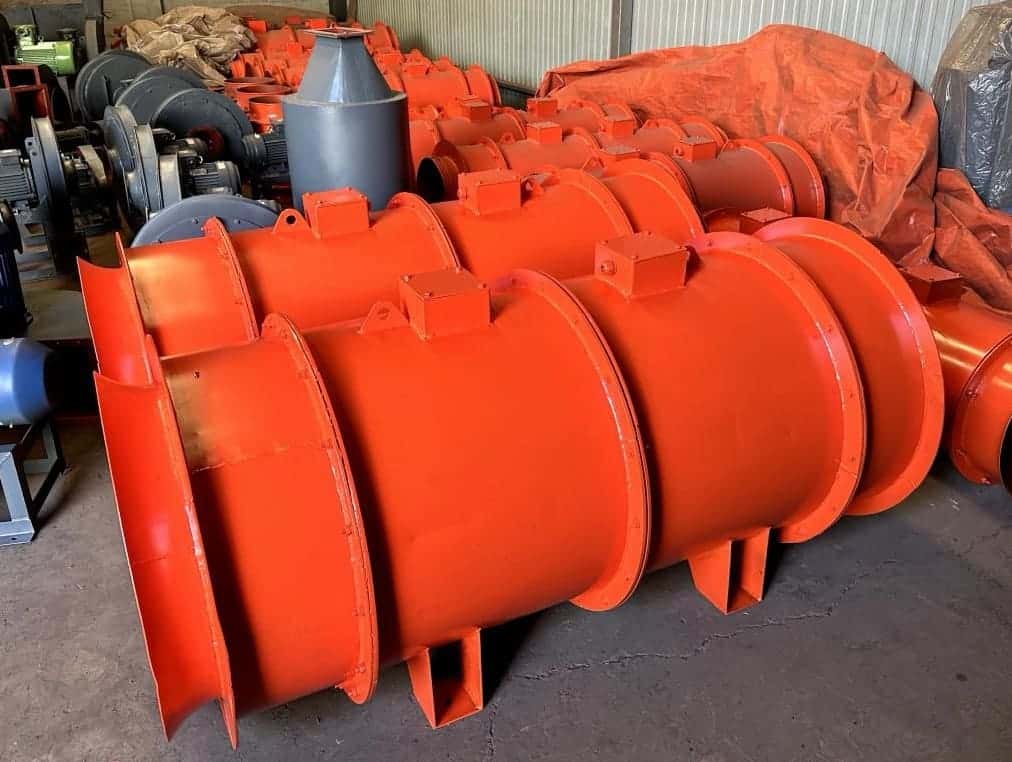
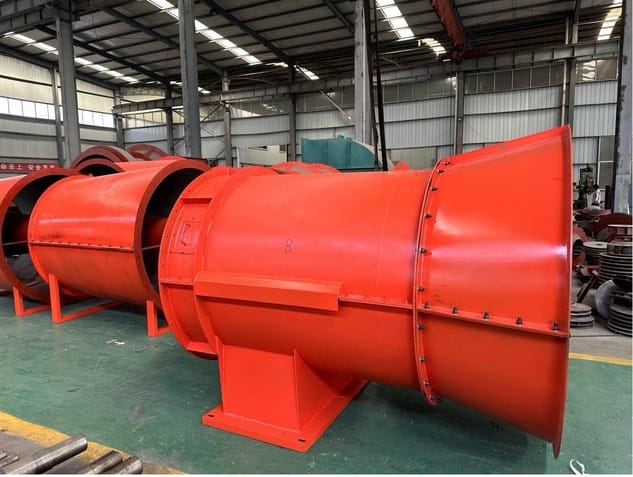
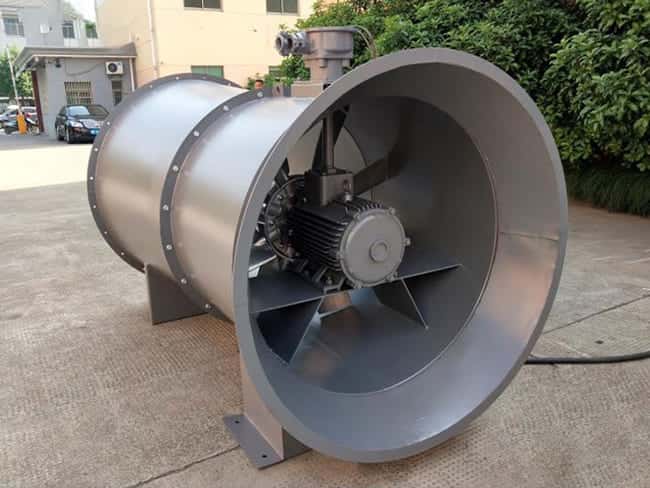
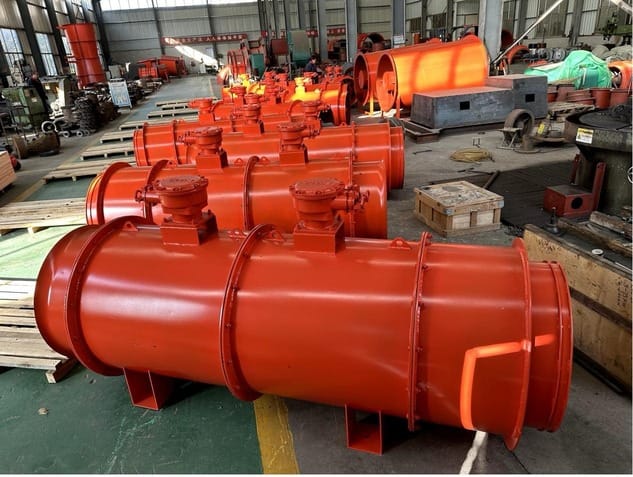
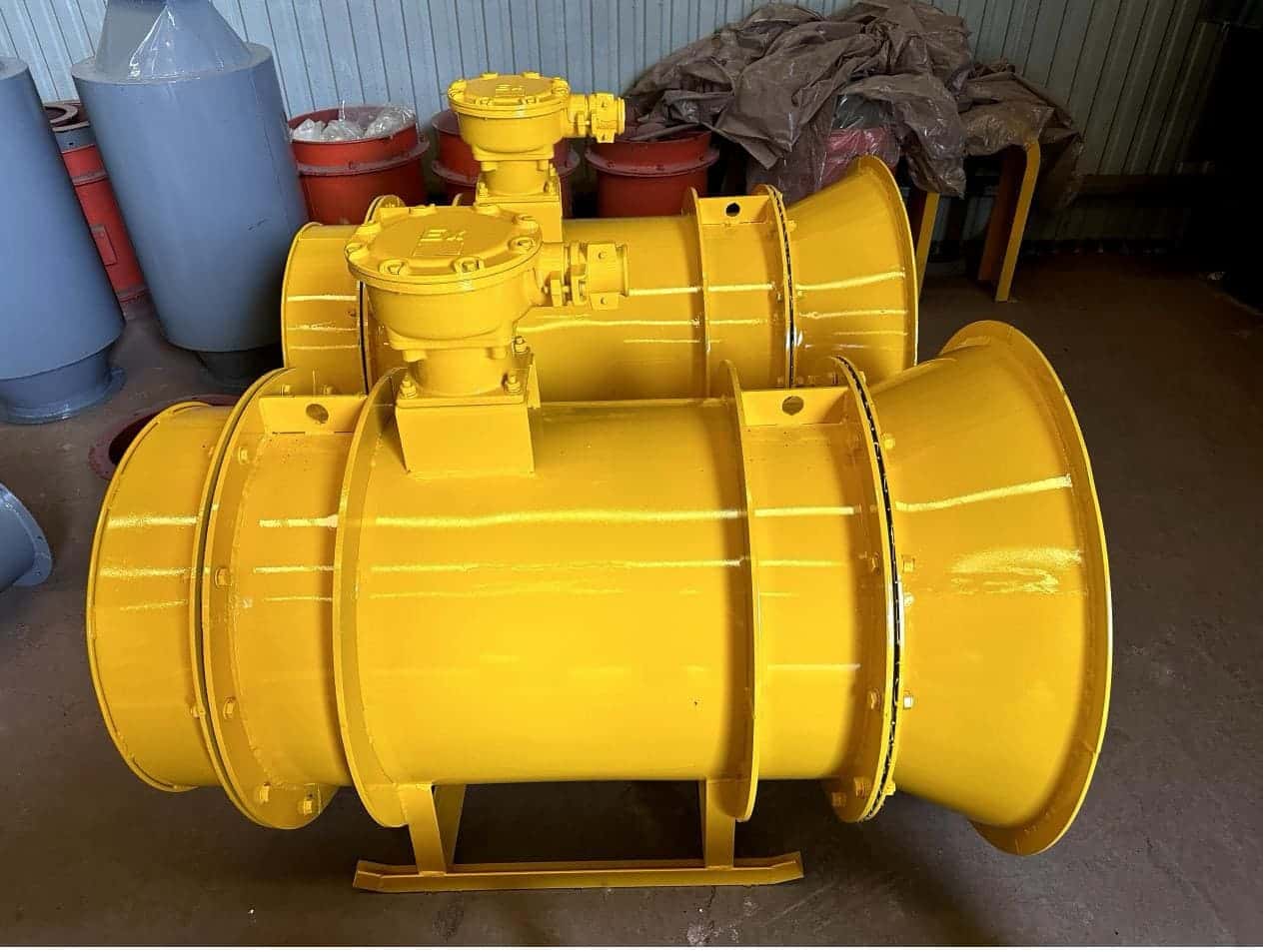
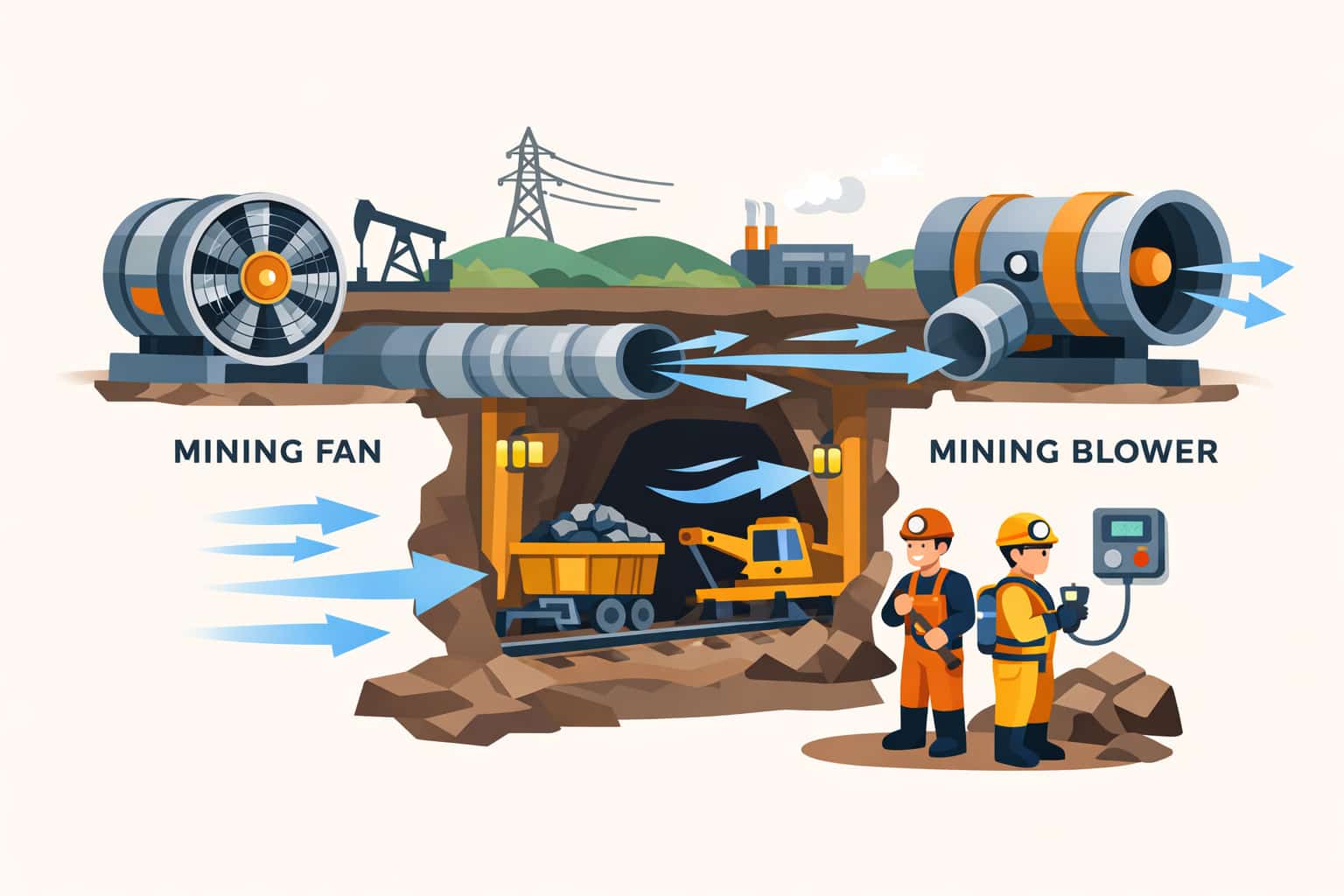
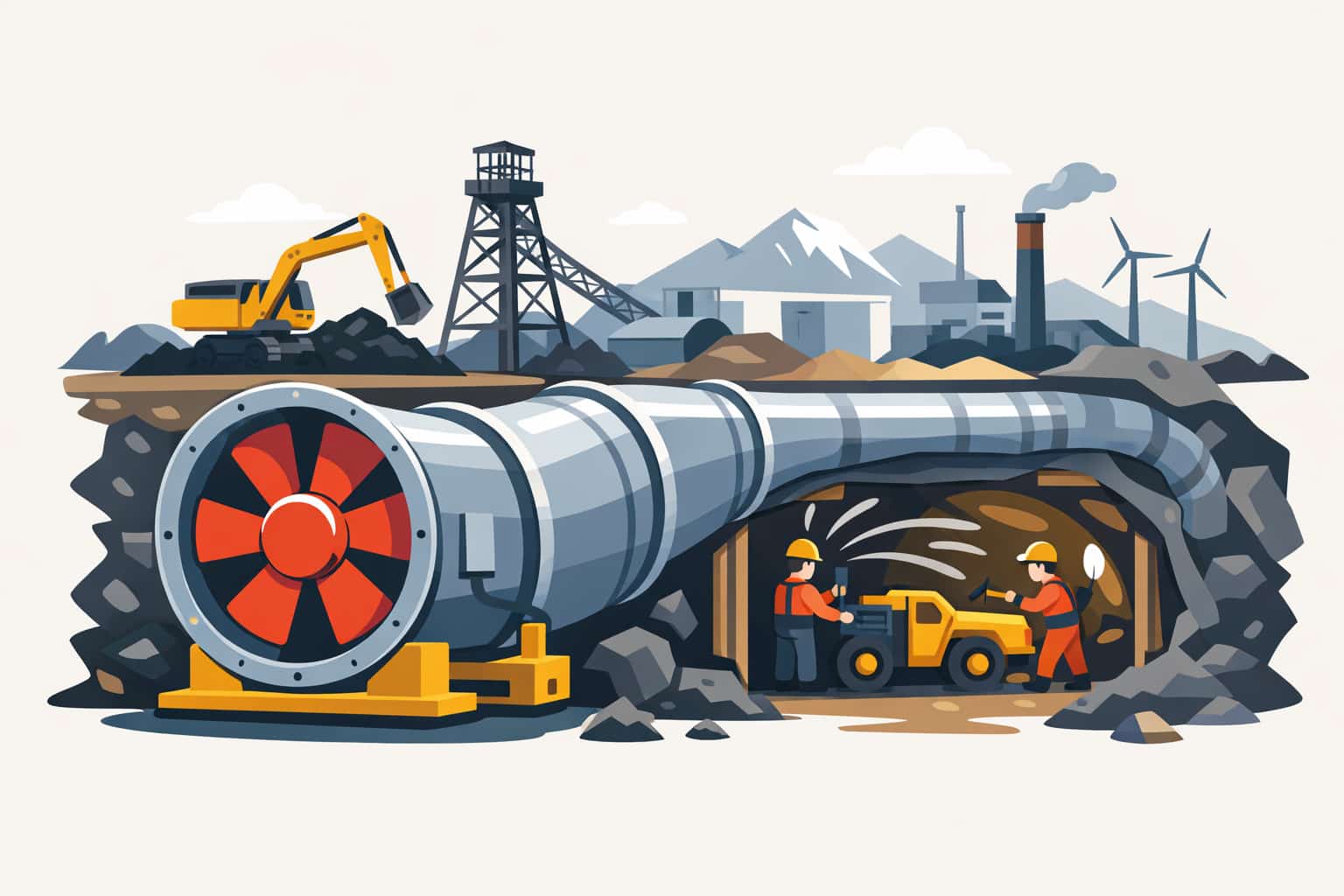
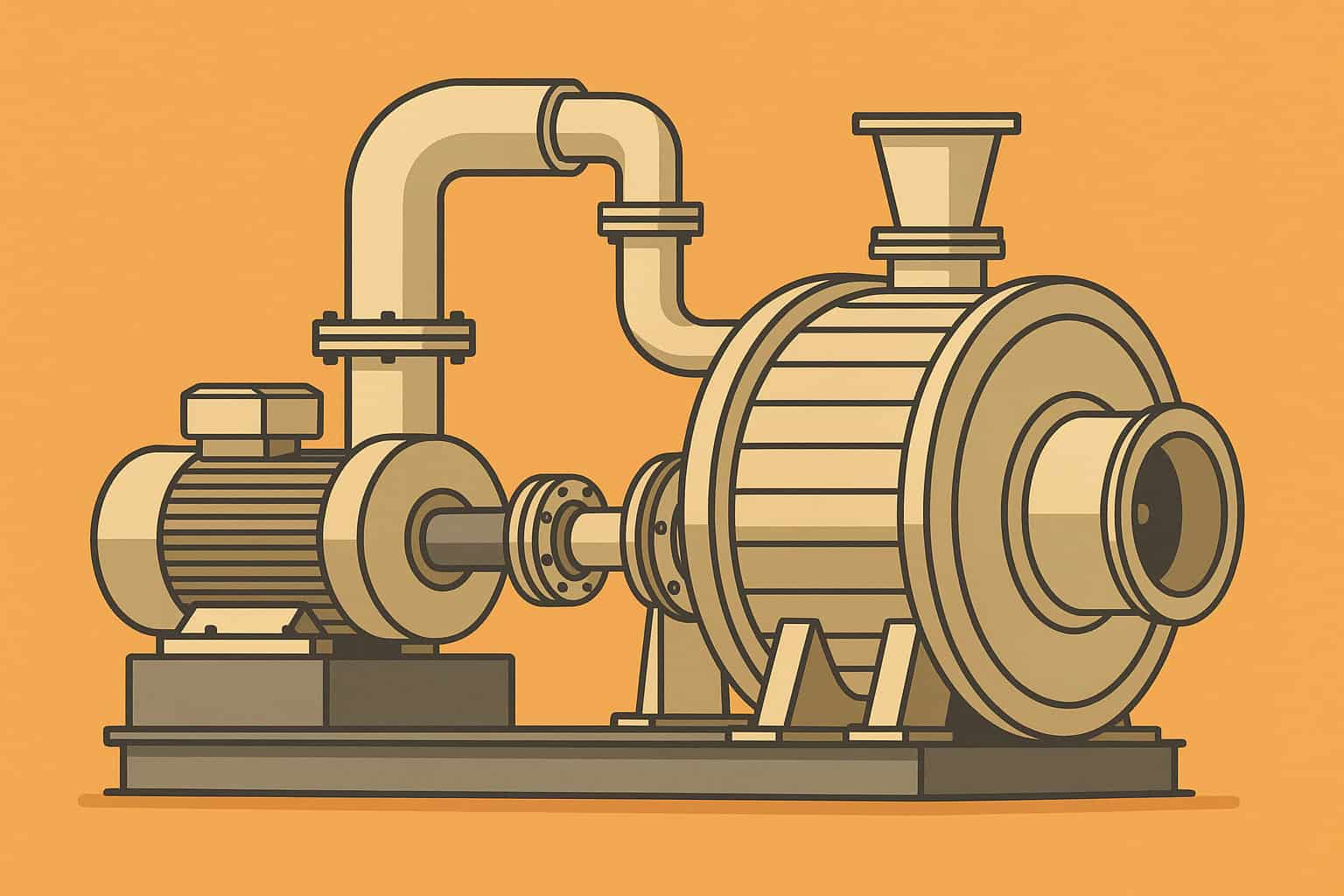

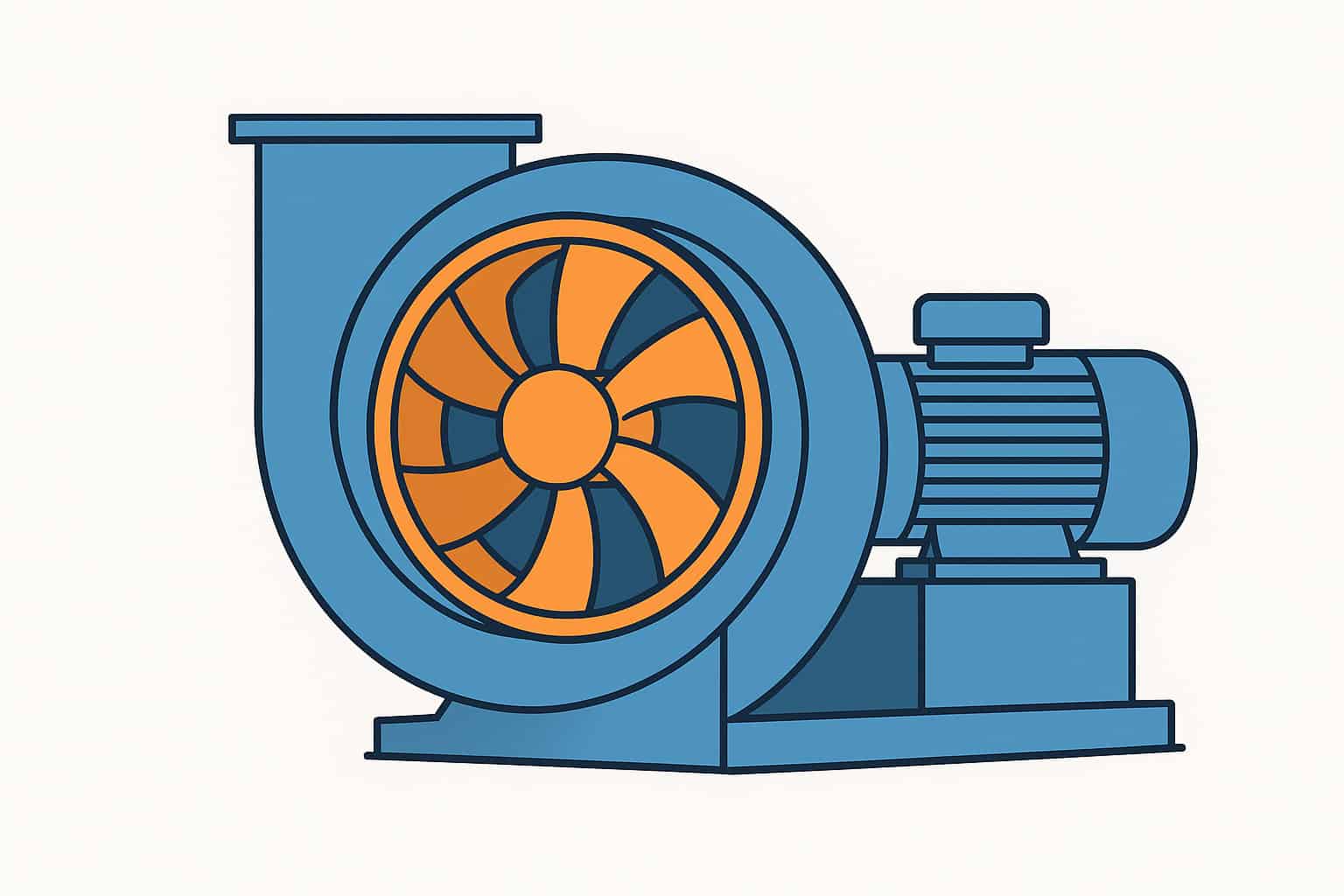
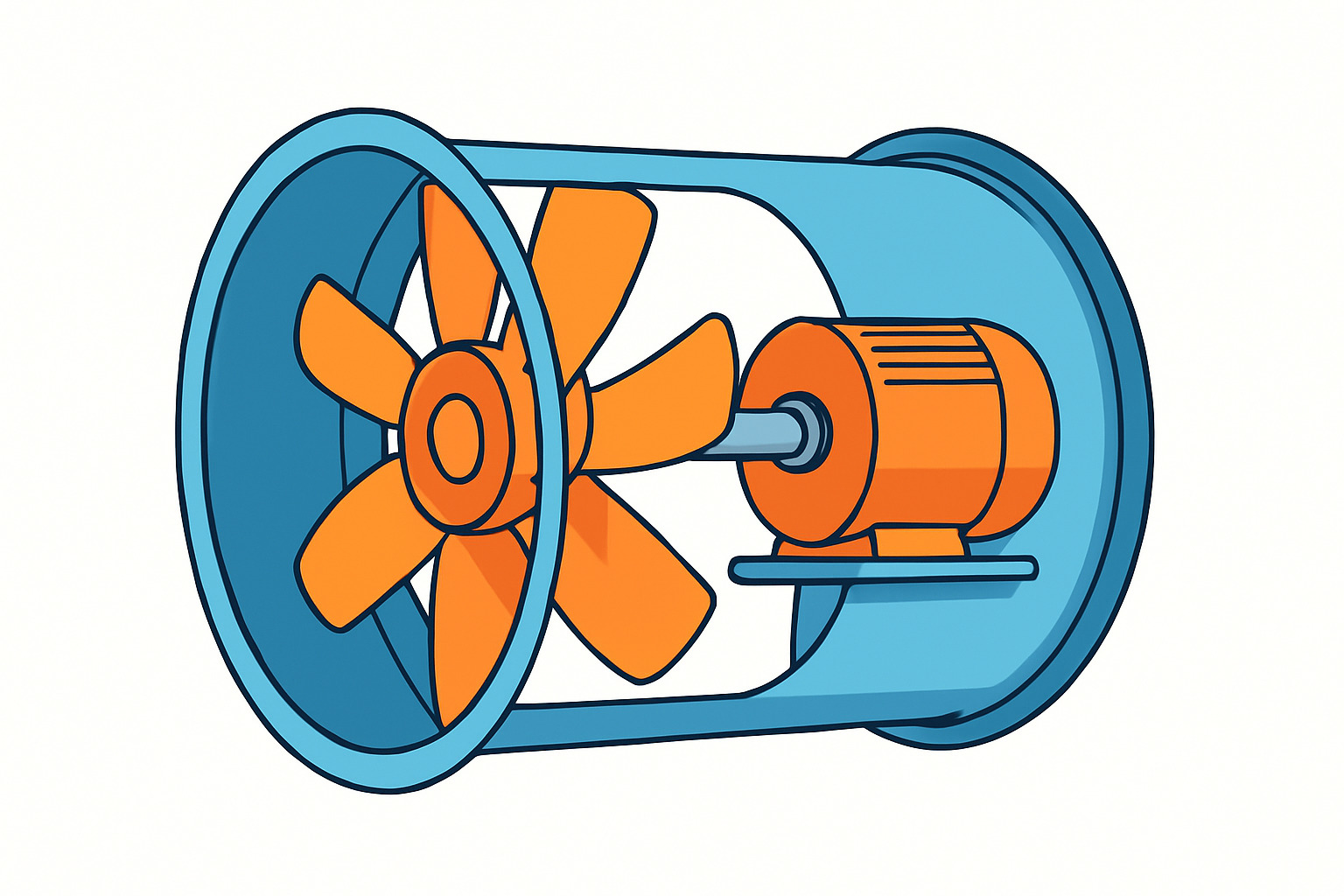
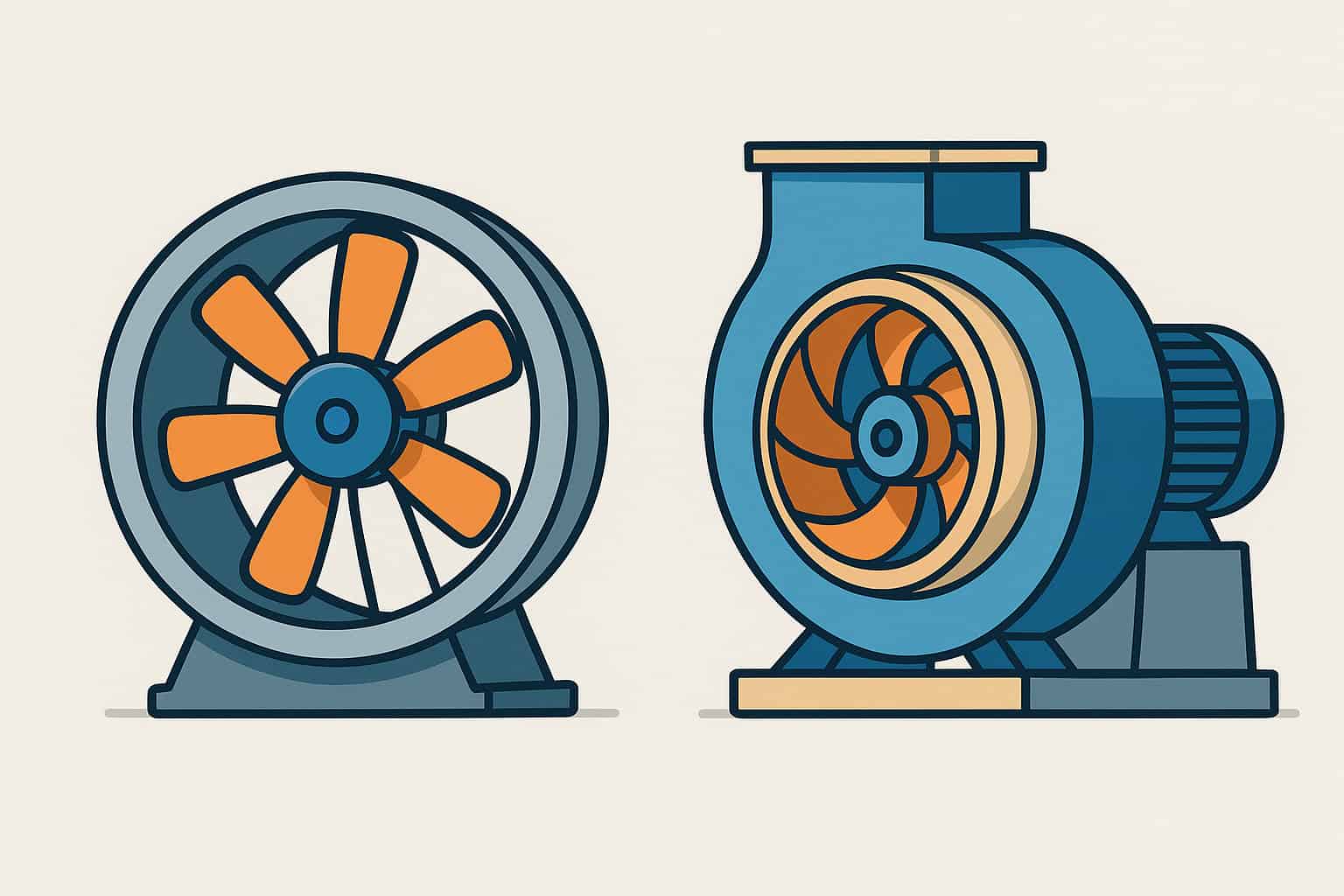
The difference between axial and radial blowers is mainly the direction of airflow and the type of duty they are designed for. Axial blowers move air parallel to the shaft like a fan, while radial blowers (a form of centrifugal blower) move air outwards from the centre and discharge it radially into a scroll housing. This leads to different pressure capabilities and applications.
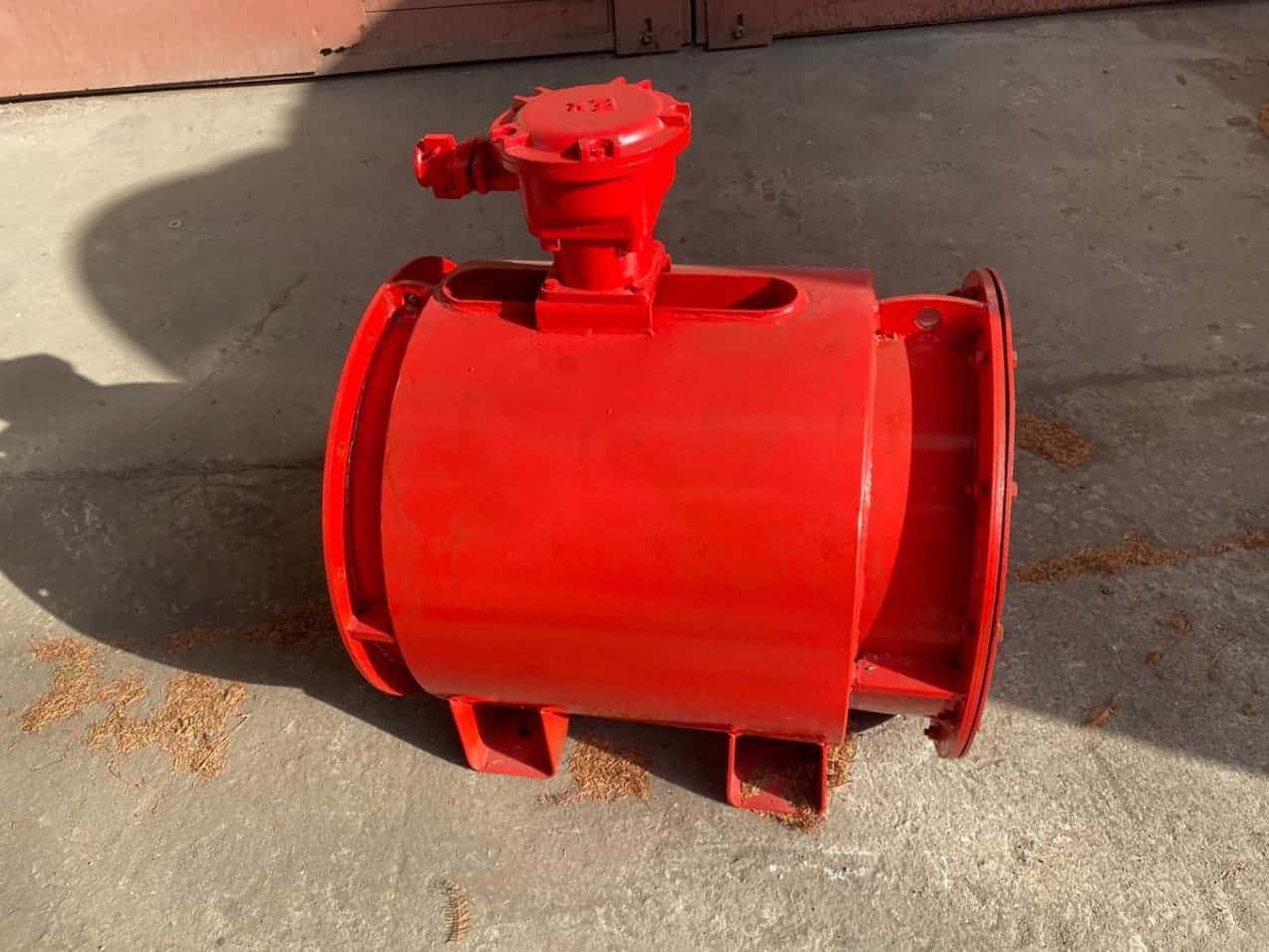
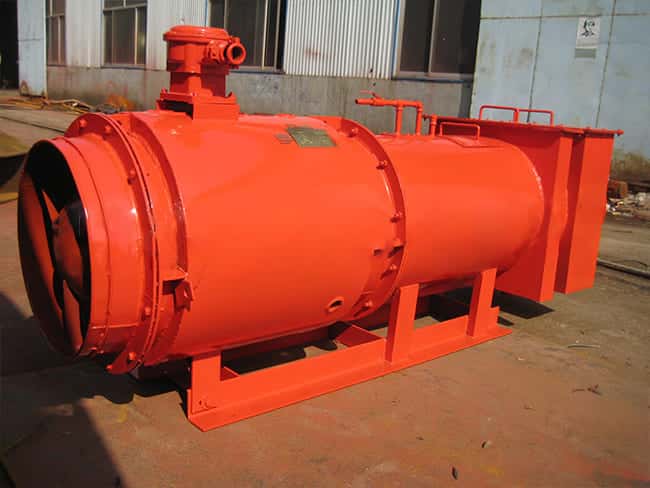
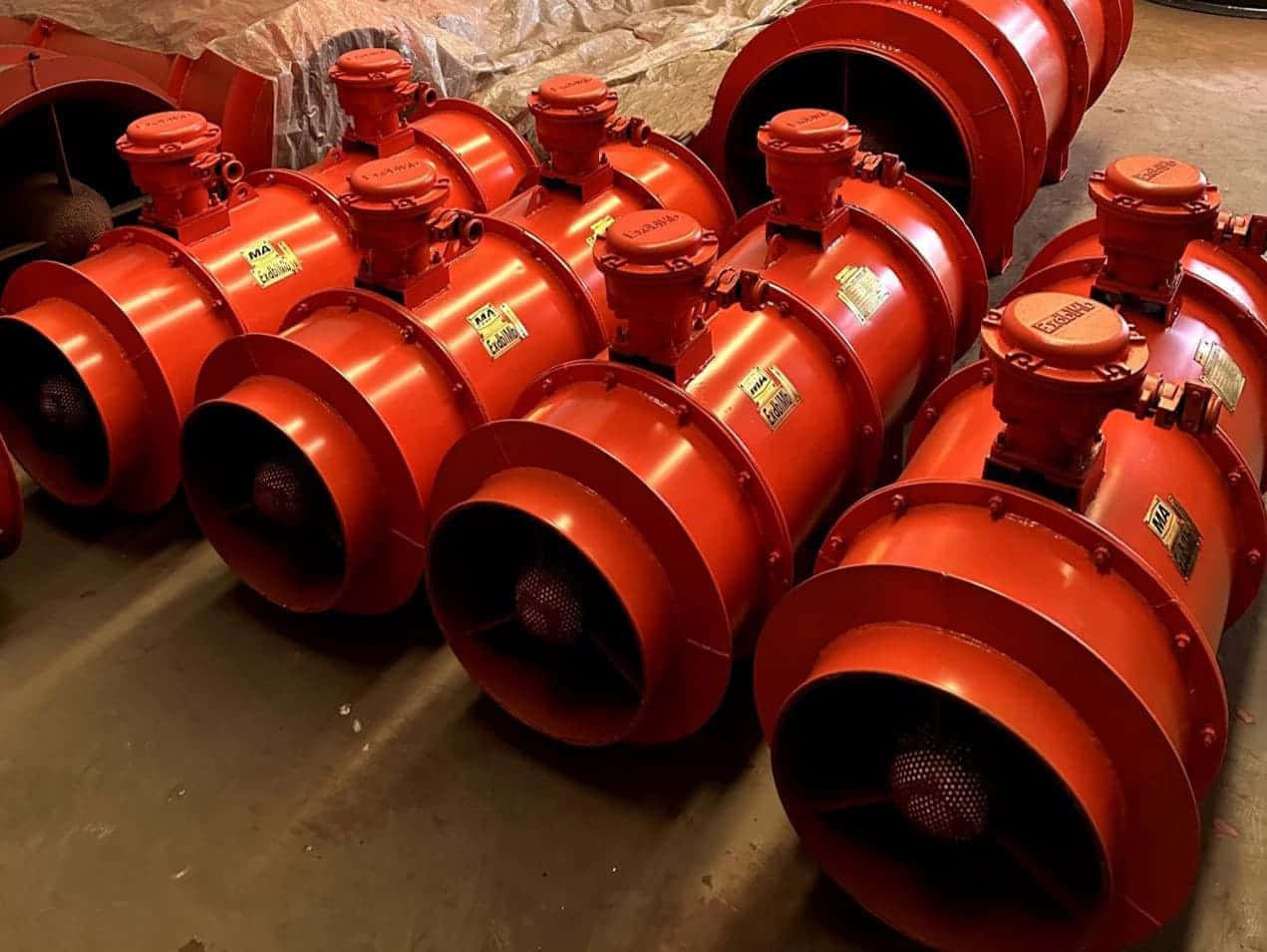
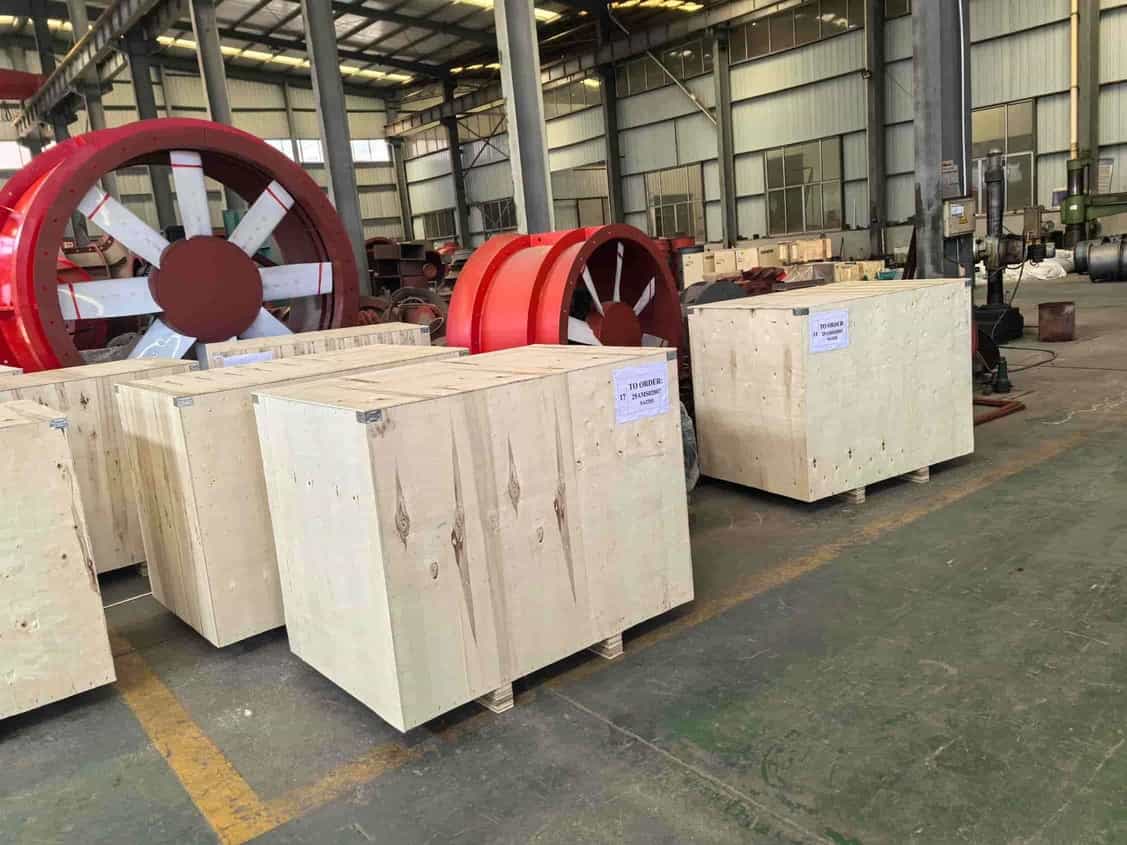
Axial blowers are essentially axial fans used in blower-style housings. Air enters along the axis of rotation and leaves in the same direction. They are best at providing high airflow at relatively low static pressure. Typical uses include ventilation of tunnels and shafts, general building supply and exhaust, spot cooling of machinery, and temporary ventilation on construction or mining sites where resistance is modest and long duct runs are limited.
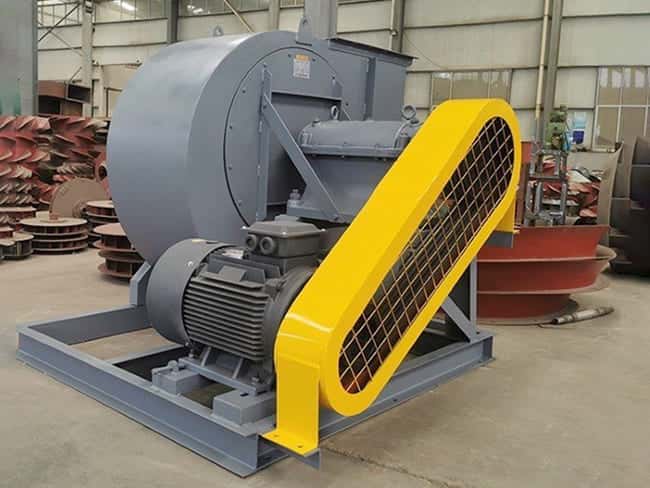
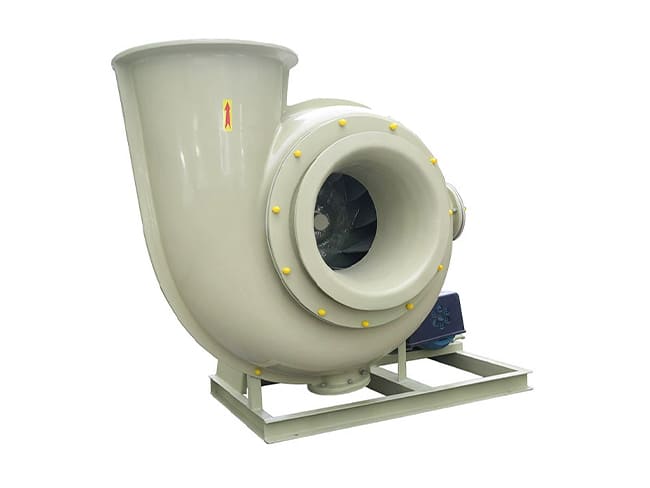
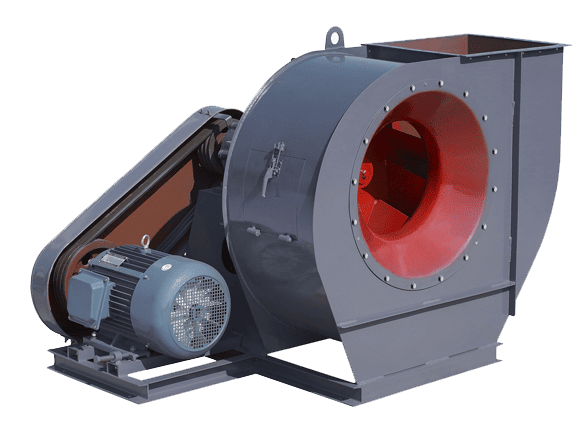
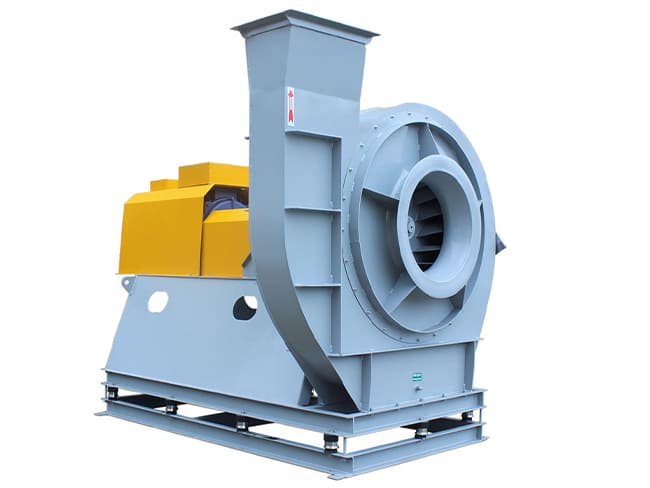
Radial blowers are centrifugal devices with radial blades. Air enters the centre of the rotating impeller and is thrown outward by centrifugal force. The air is then collected and directed through the outlet by a scroll-shaped housing. This arrangement allows radial blowers to produce higher static pressure and handle more resistance from ductwork, filters, heat exchangers and process equipment. They are widely used in dust collection systems, fume extraction, high-resistance industrial ventilation and local exhaust around crushers and conveyors in mines.
When it comes to handling dust and harsh gases, radial blowers usually have the advantage. Their straight, robust blades and larger clearances make them suitable for dirty, abrasive or particle-laden air streams. Axial blowers can be damaged more easily by heavy dust or debris and may require more frequent cleaning and balancing if used in such environments without proper filtration.
From an efficiency and noise point of view, axial blowers can be very efficient and relatively quiet for high-volume, low-pressure applications. Radial blowers can also be efficient when operating near their best efficiency point, but the higher internal velocities required for high pressure can create more aerodynamic noise. In practice, engineers select the blower type and size, then apply silencers and acoustic treatment to meet noise requirements.
In summary, axial blowers move air straight through and are best for high-flow, low-pressure duties with relatively clean air and simple ducting. Radial blowers discharge air radially and are built for higher static pressure and dusty or harsh conditions in industrial plants and mines. The correct choice depends on system resistance, air quality and layout.
