
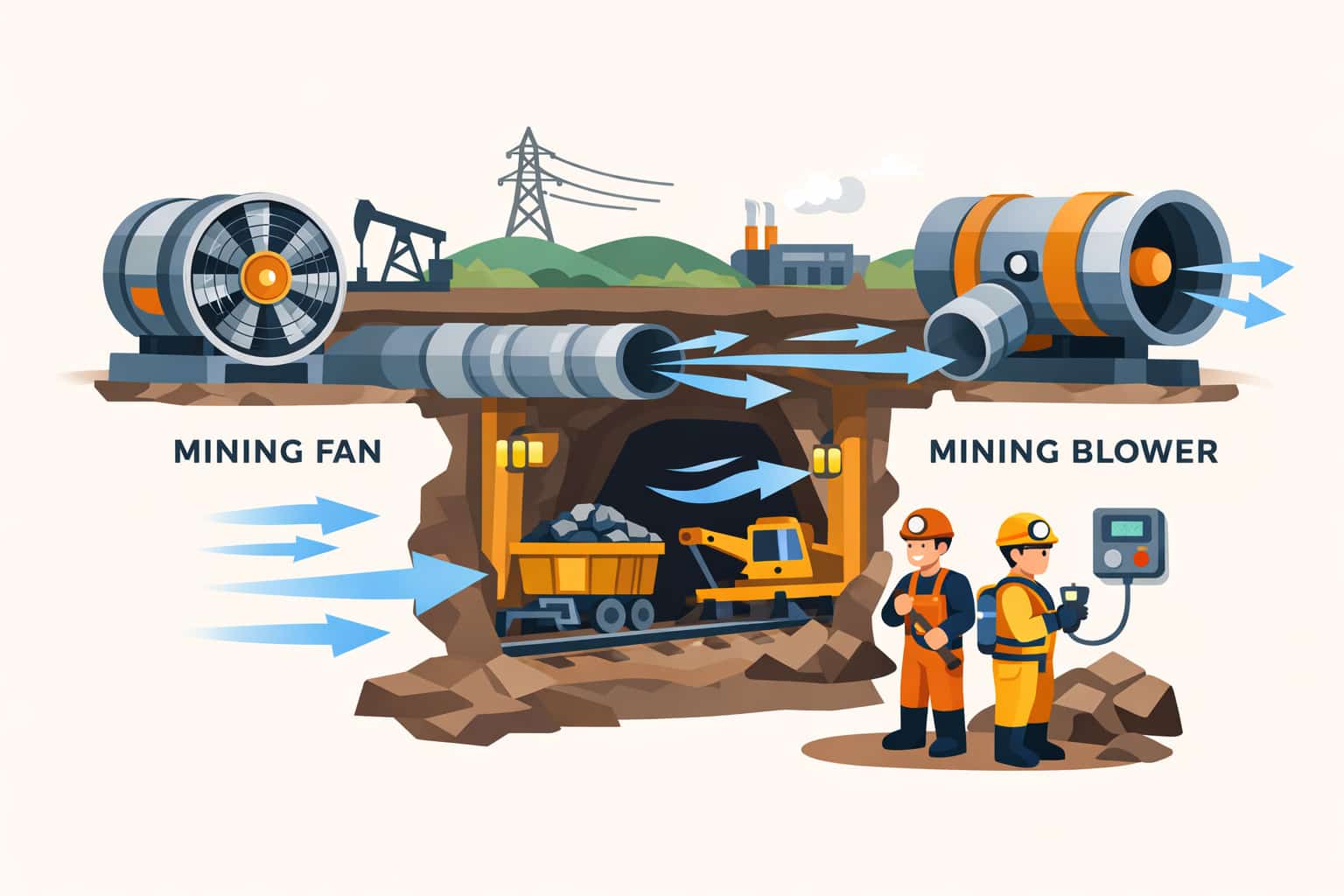
When people ask about the difference between an axial fan and a regular fan, they usually mix two ideas: the aerodynamic type of the fan and the application it is designed for. Strictly speaking, many so-called "regular" fans in homes and offices are also axial fans, but industrial axial fans used in mining and plant ventilation are very different in design, performance and robustness from simple domestic fans.
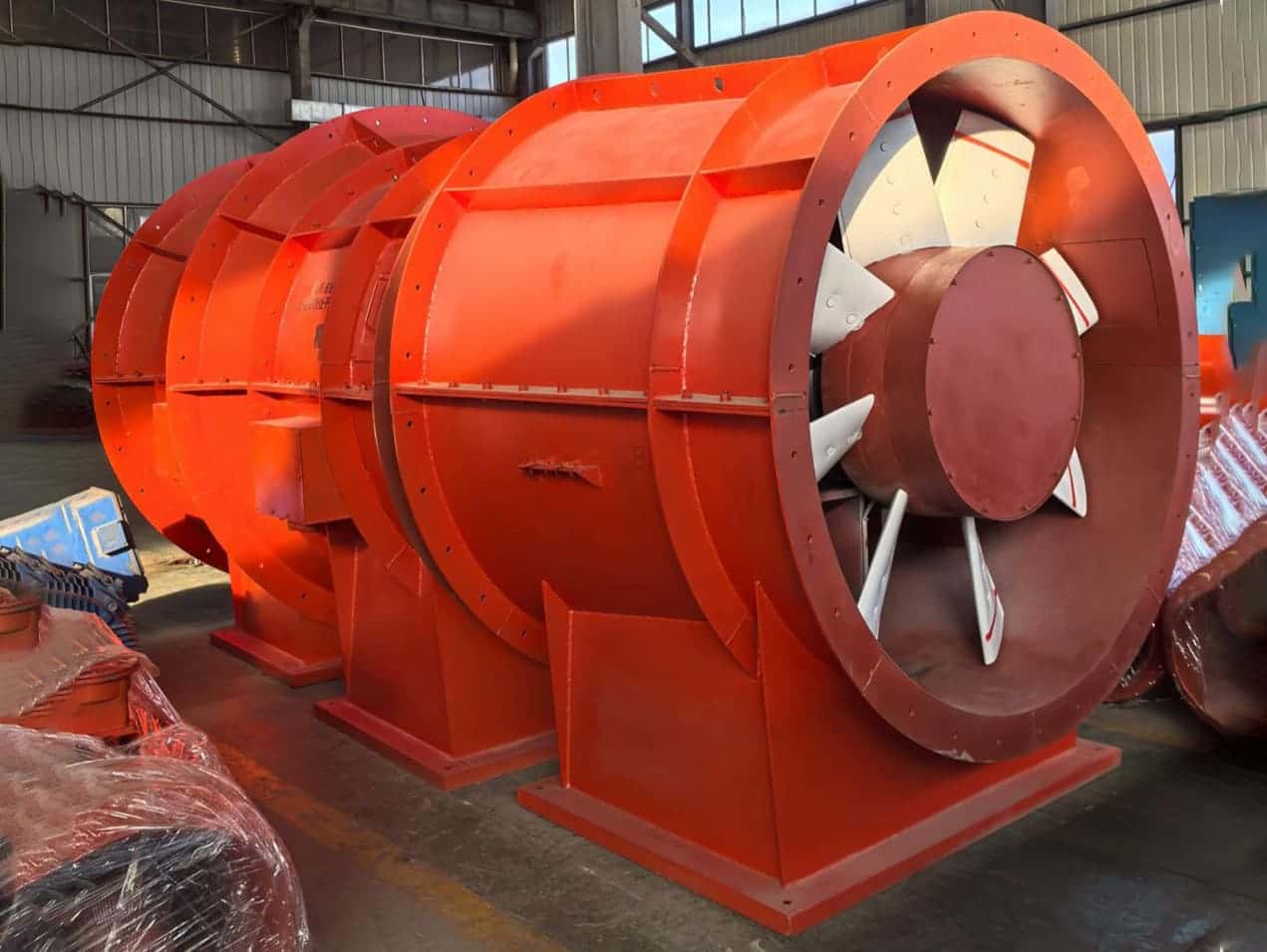
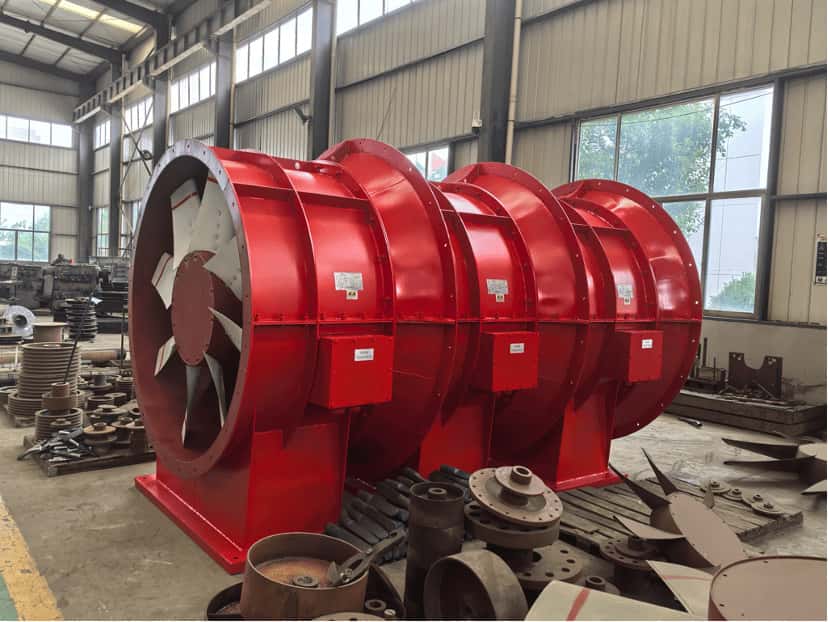
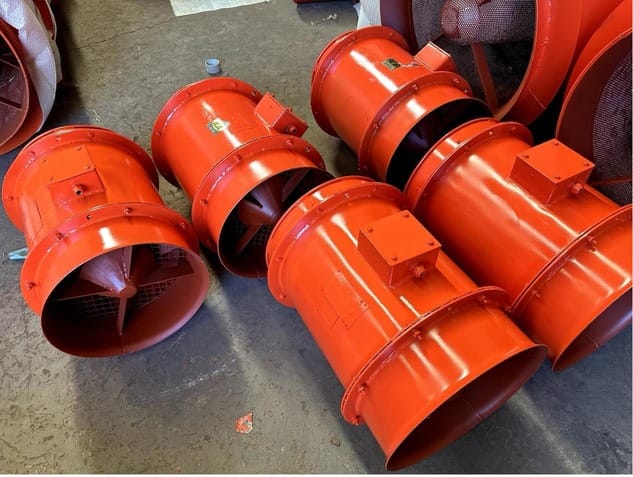
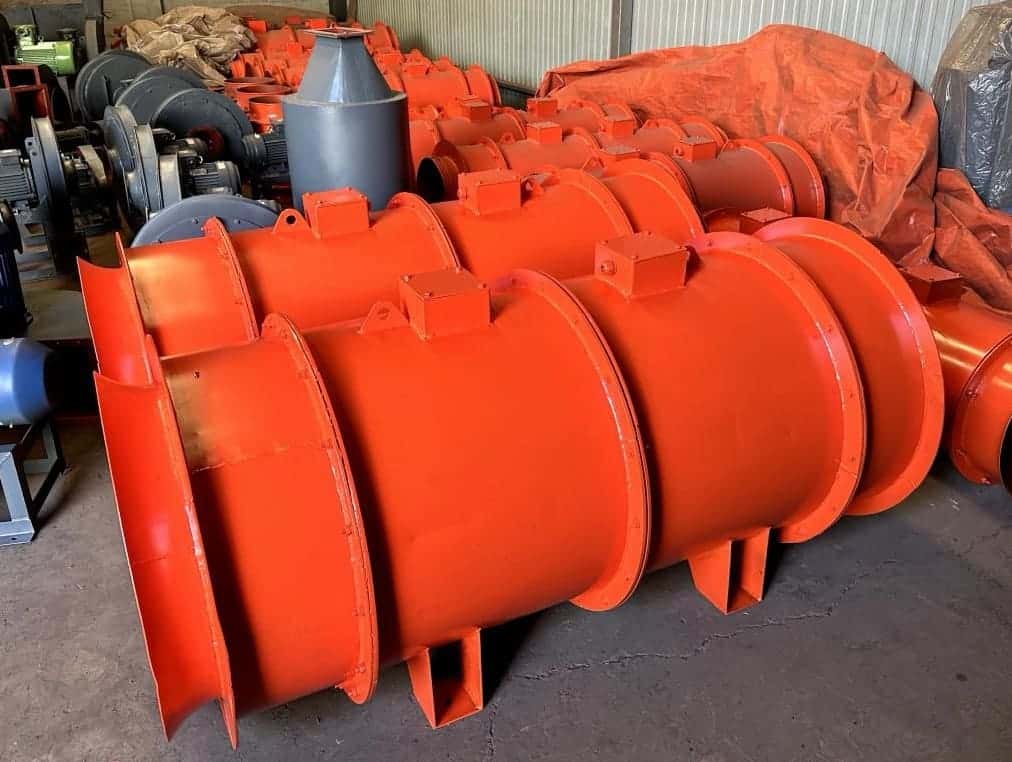
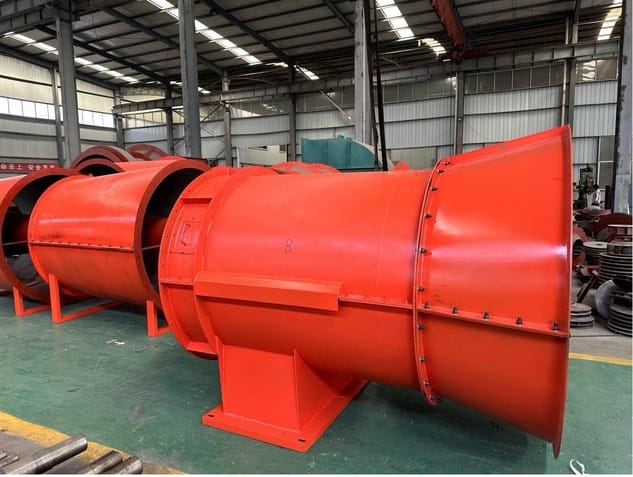
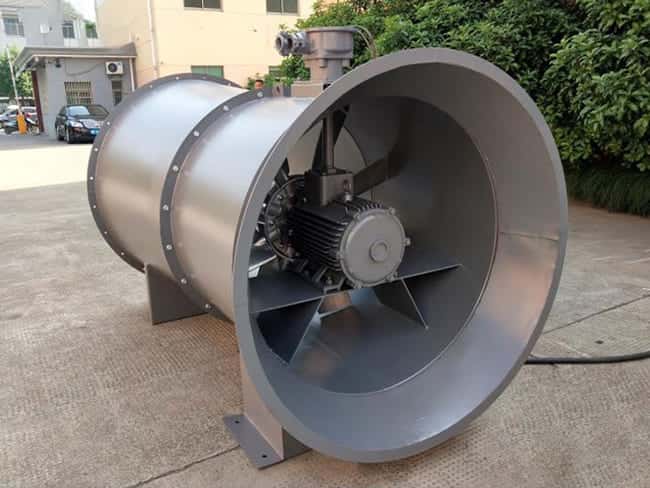
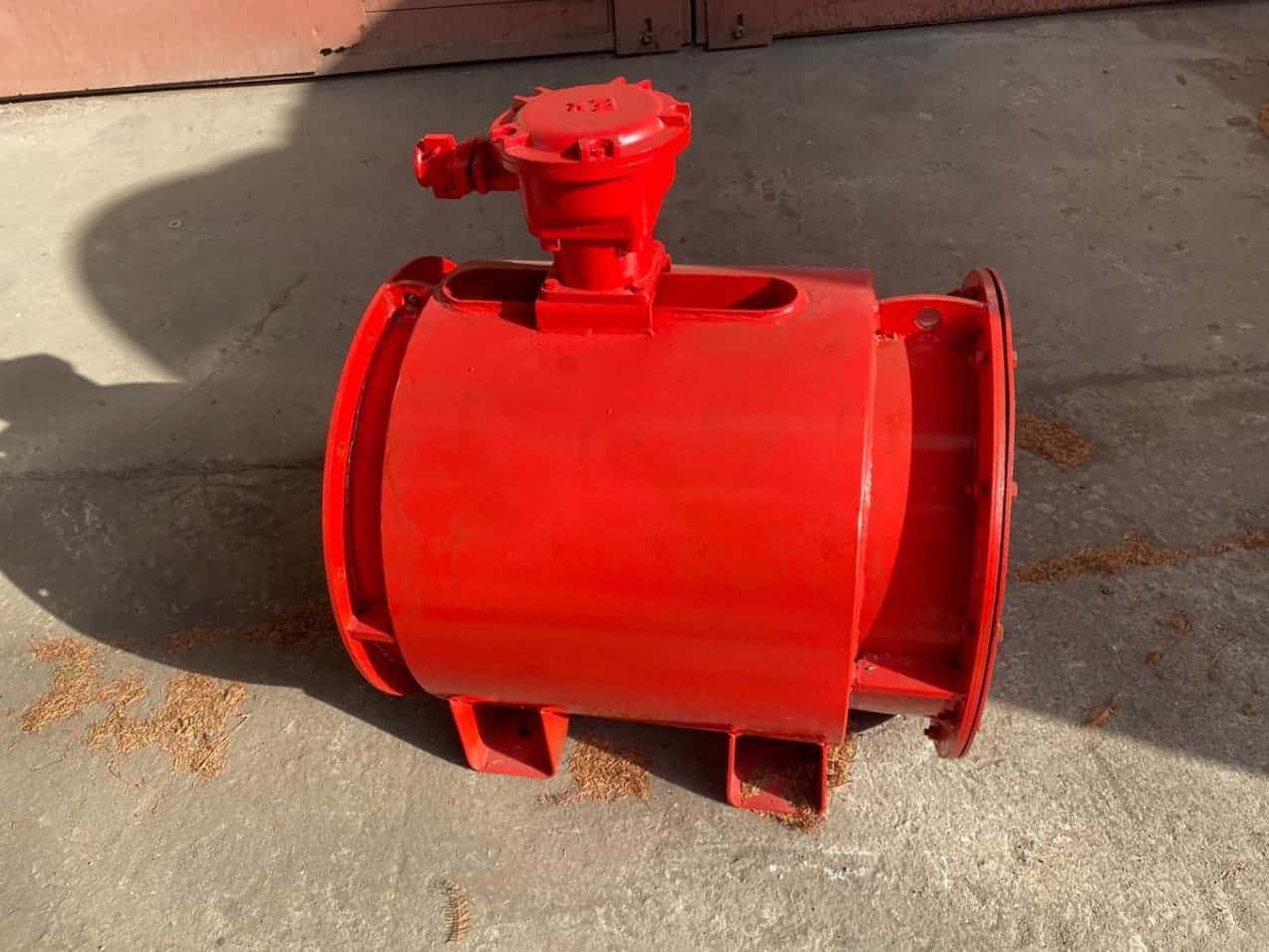
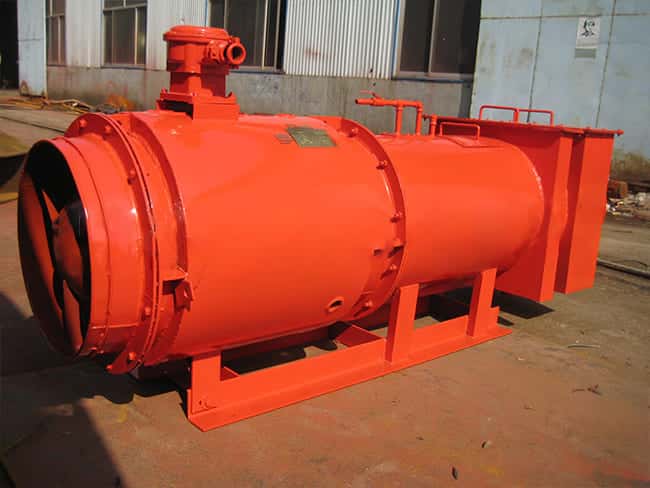
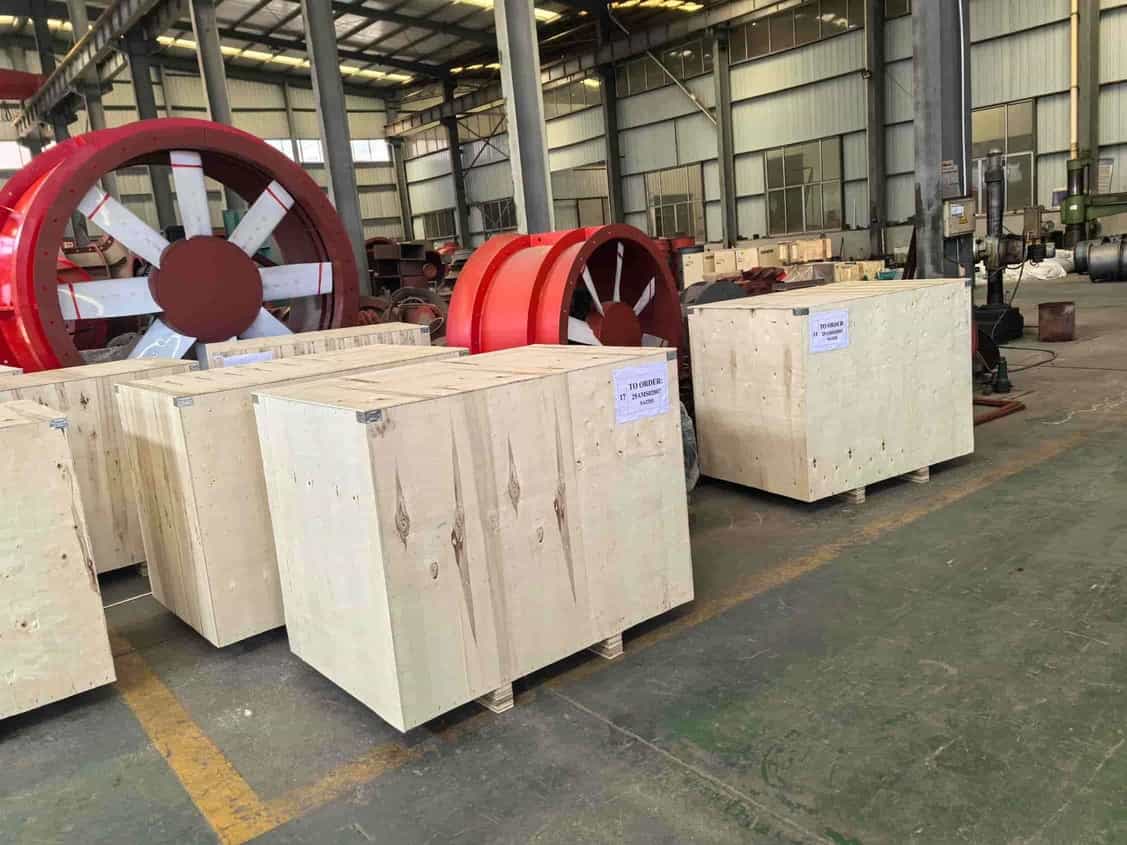
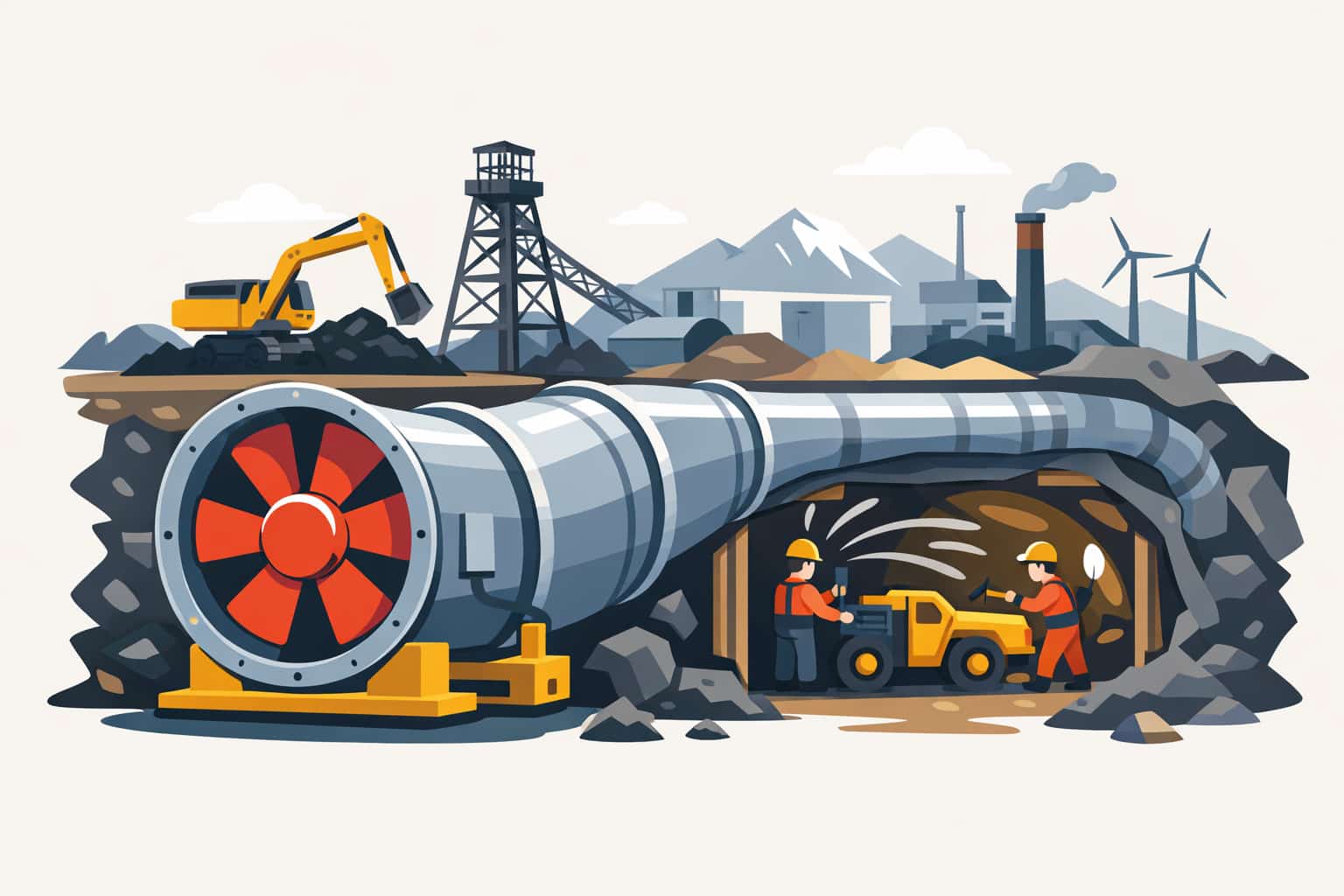
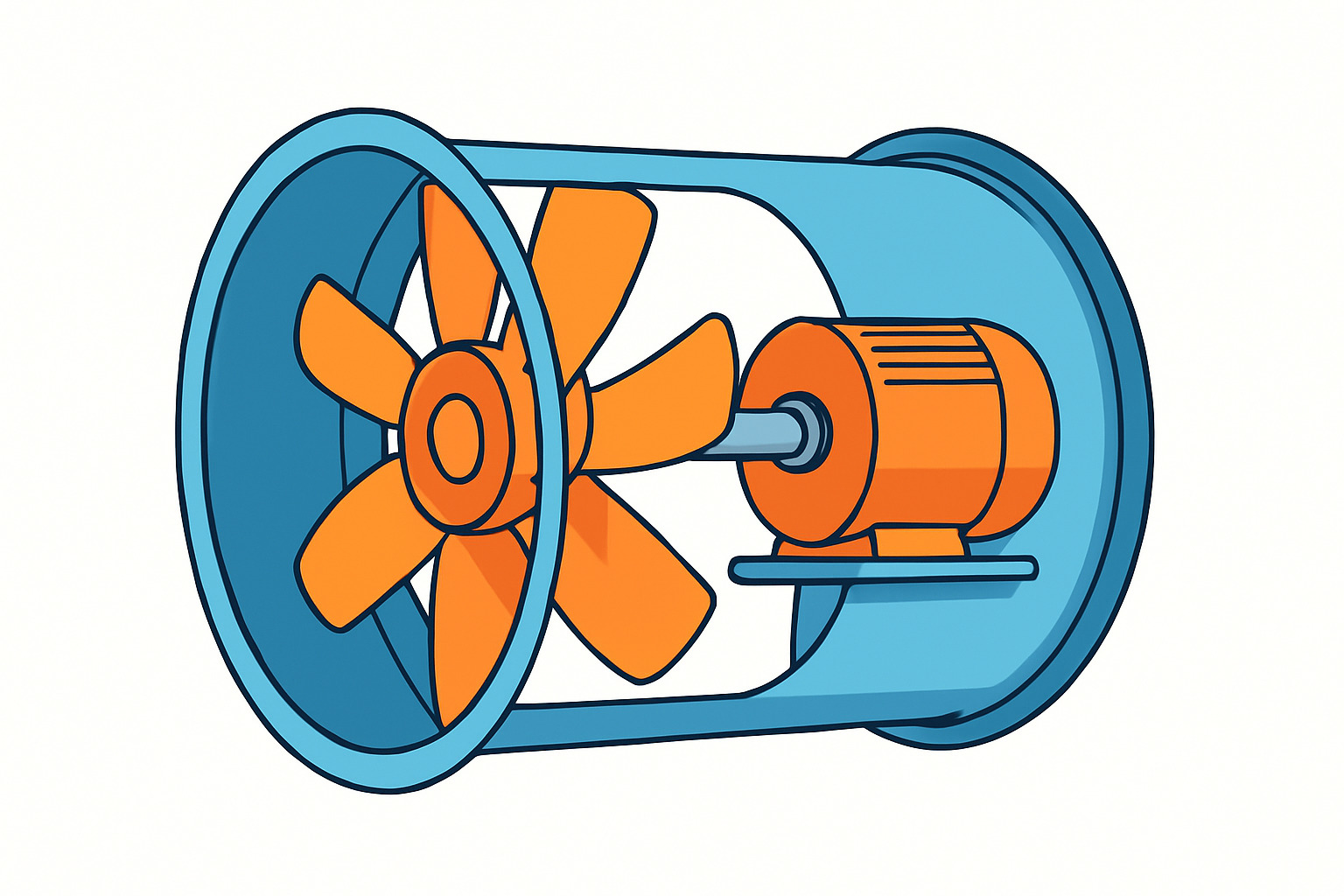
From an aerodynamic point of view, an axial fan is any fan that moves air parallel to the shaft. The blades act like a propeller, generating lift that pushes or pulls air along the axis. Industrial axial fans for mining and heavy industry are engineered to deliver specific airflow and pressure at high efficiency and are built in versions such as propeller, tube-axial and vane-axial fans. They can be large, powerful machines with adjustable-pitch blades, heavy-duty bearings and purpose-built casings.
In everyday language, a "regular fan" often means a small, low-cost fan used for household cooling, such as a pedestal fan, table fan or ceiling fan. Most of these are also axial fans, but they are designed for very different conditions: low pressure, clean air, low operating hours and no exposure to explosive gases or abrasive dust. They are not suitable for mining or industrial ventilation duties where reliability, safety certification and specific performance are critical.
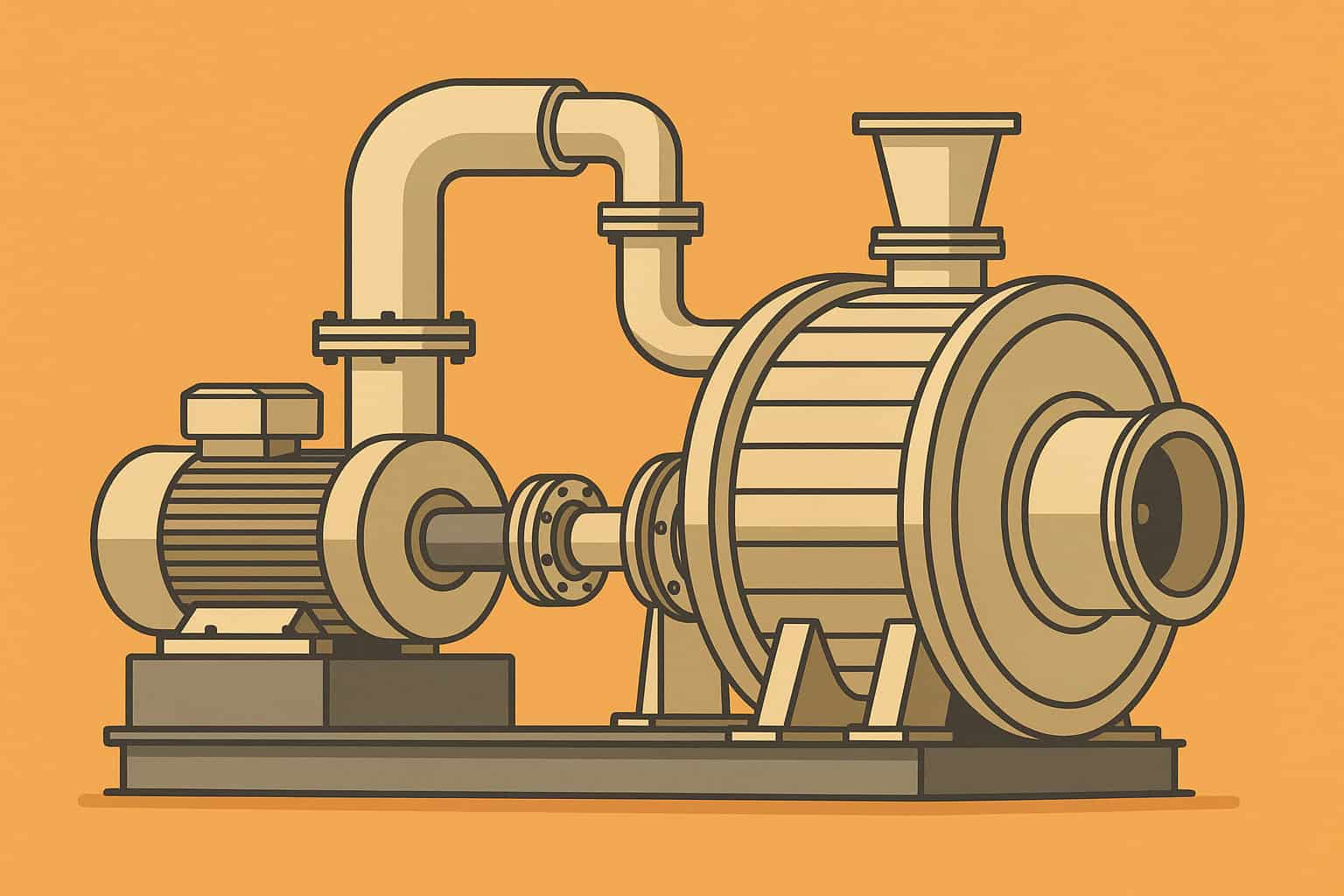
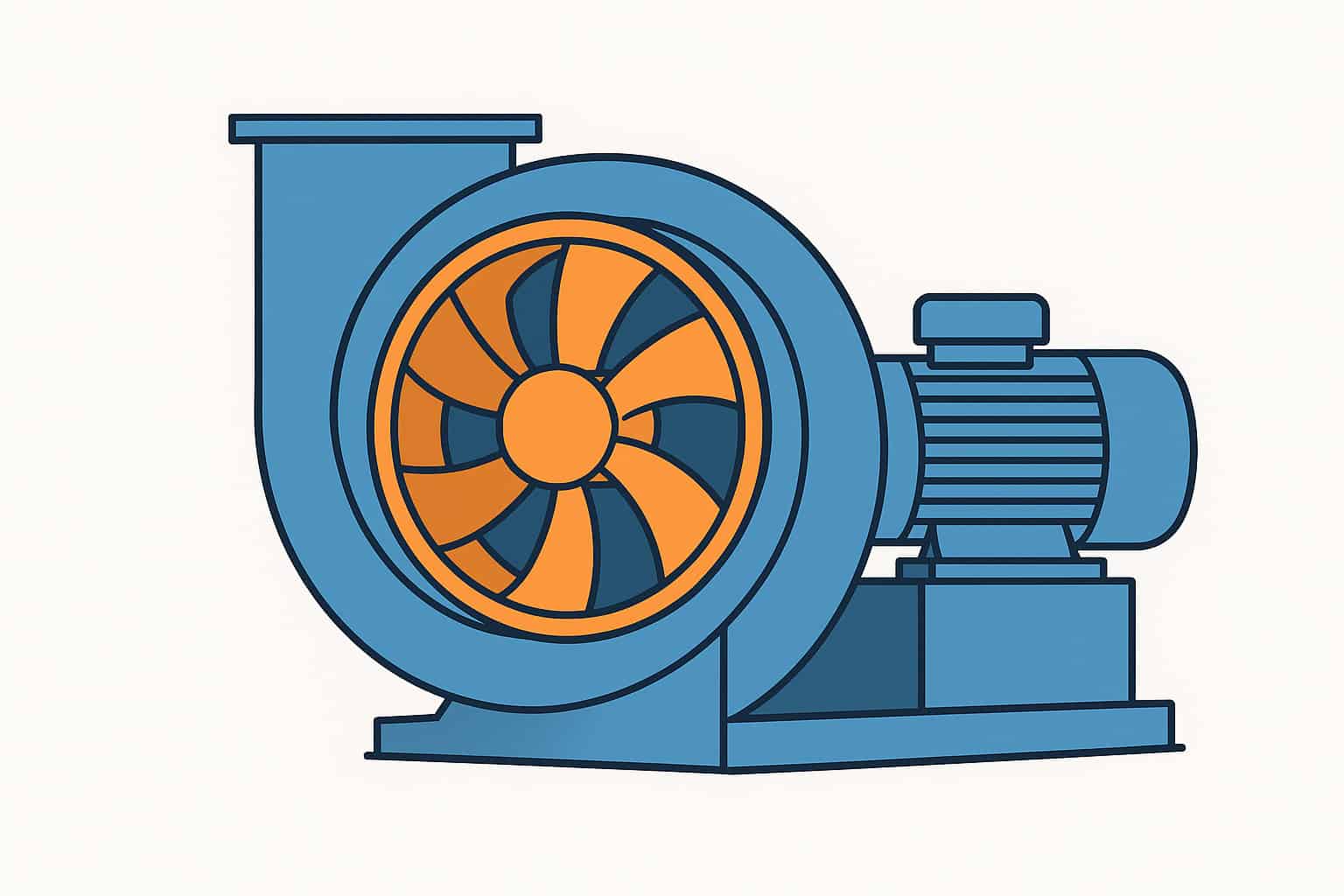
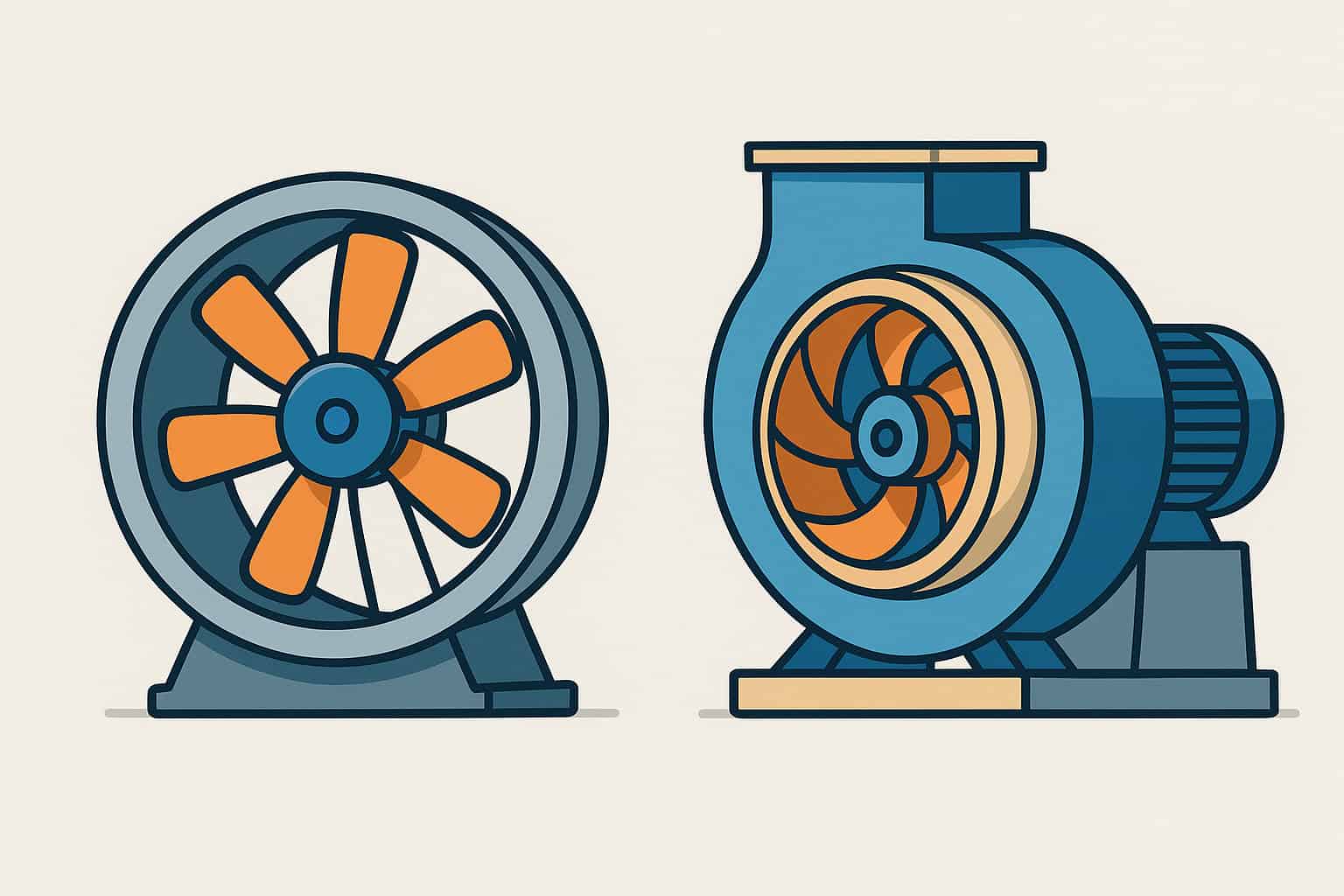
In industrial and mining practice, when people contrast an axial fan with a "regular" fan, they may actually be comparing industrial axial fans with centrifugal fans. A centrifugal fan draws air in axially and discharges it radially, generating higher pressure and often being used in dust collection, high-resistance ventilation circuits or process systems. In this context, the difference is that axial fans are usually chosen for high-volume, low-to-medium pressure duties, while centrifugal fans are preferred for higher-pressure systems.
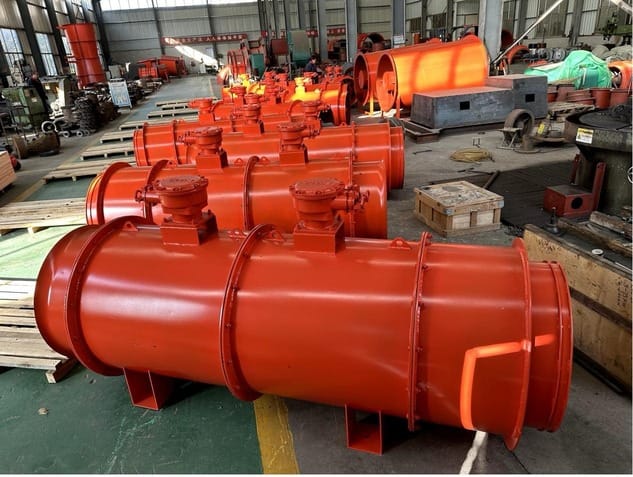
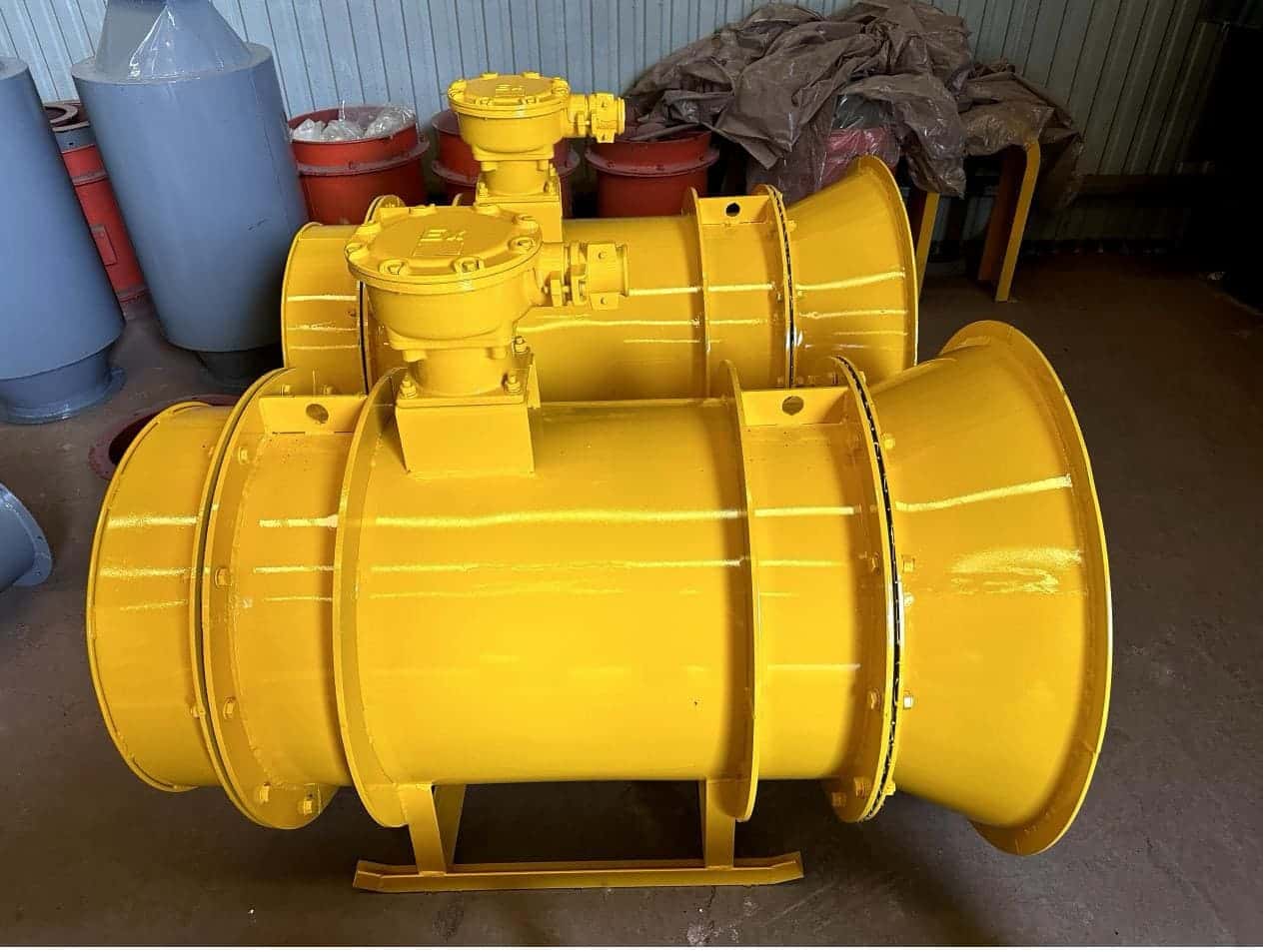
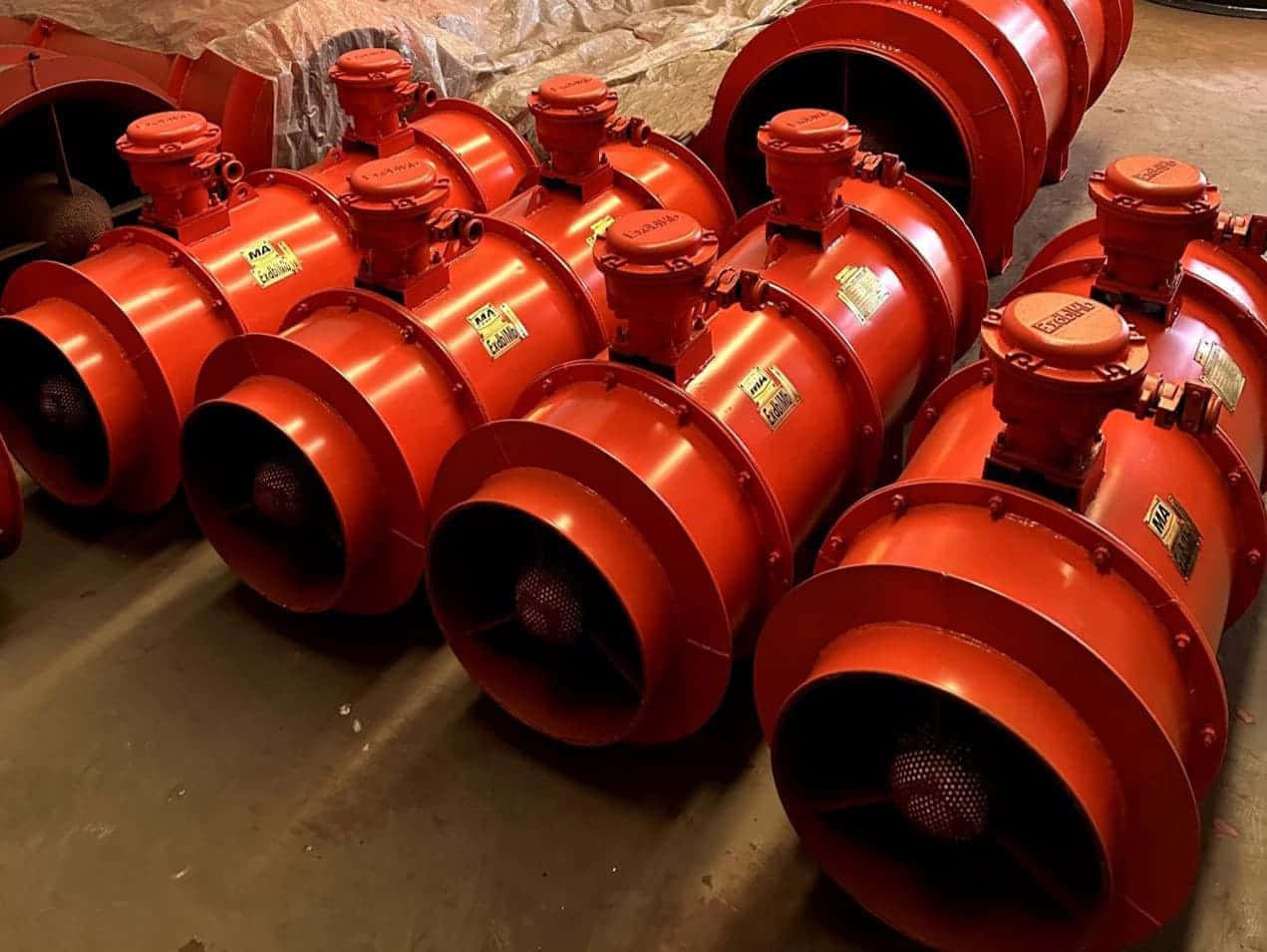
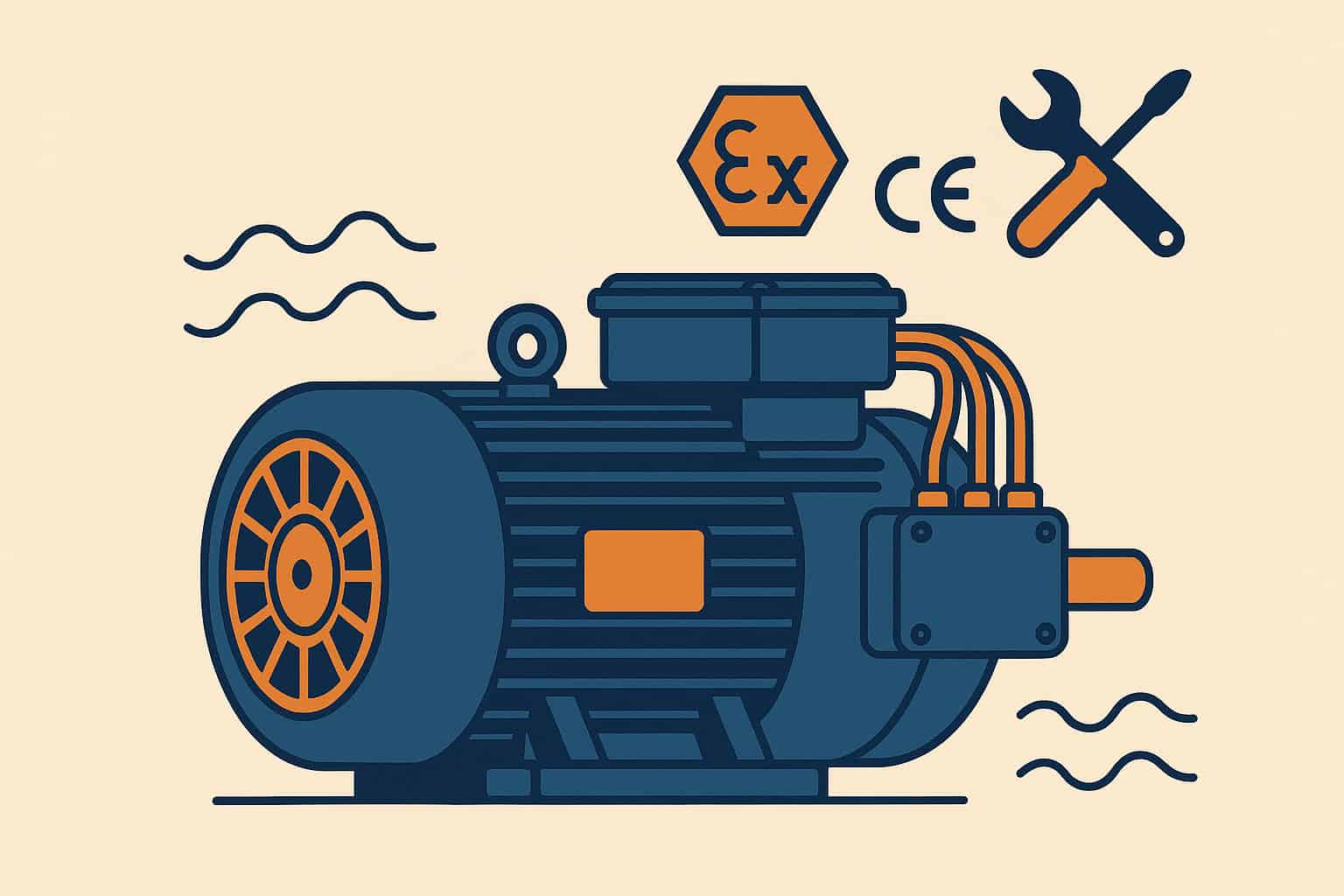
The key practical difference for mine and plant ventilation is that industrial axial fans are engineered for specific duties: they have defined performance curves, can be certified for explosion protection, and are designed for continuous operation in harsh environments. A regular domestic fan is simply not designed or certified for such use and would fail quickly, potentially creating safety hazards.
In summary, an axial fan is a technical term describing the airflow direction (parallel to the shaft) and is the dominant type used for high-volume ventilation in mining and industry. A "regular fan" usually refers to a simple household cooling fan that may also be axial in principle but is not built for the demanding airflow, pressure, safety and durability requirements of mining and industrial ventilation.