
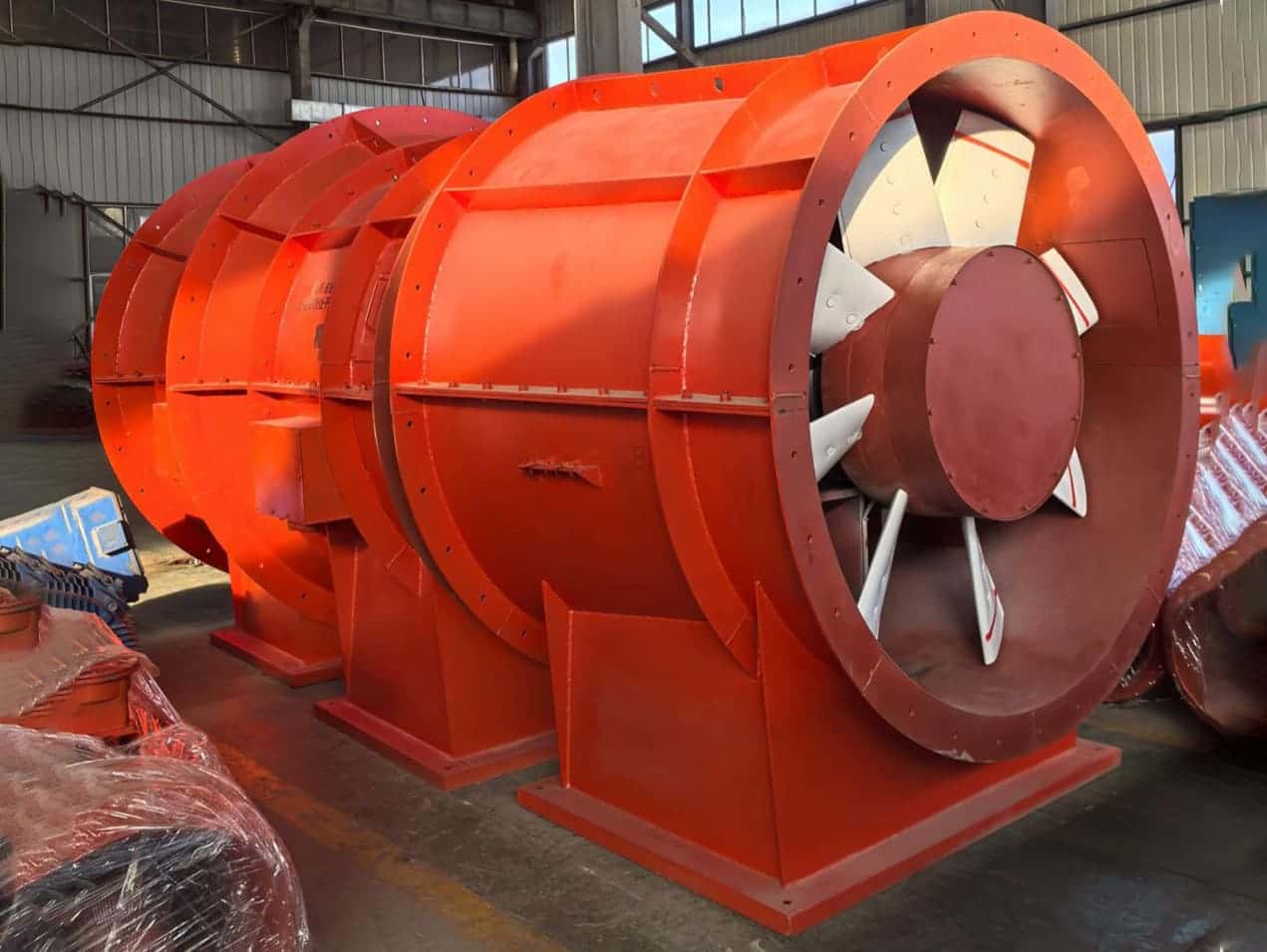
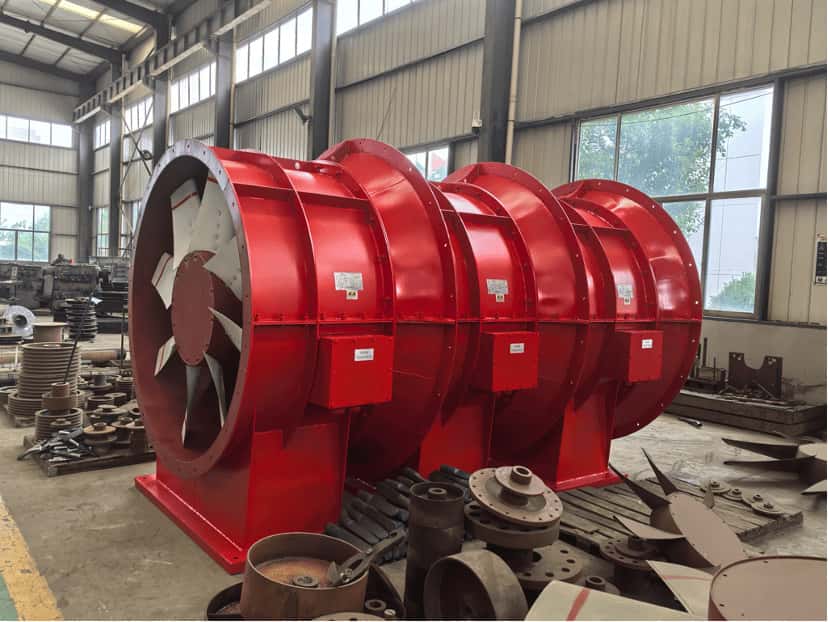
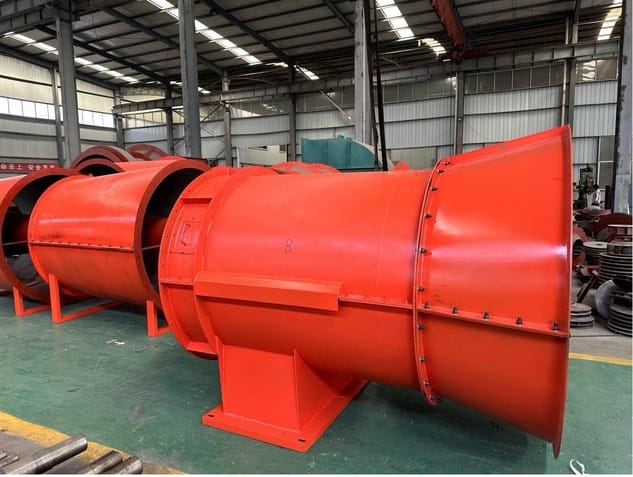
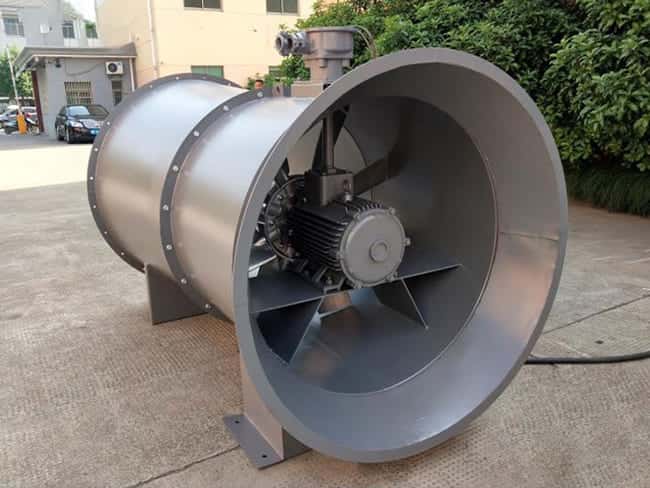
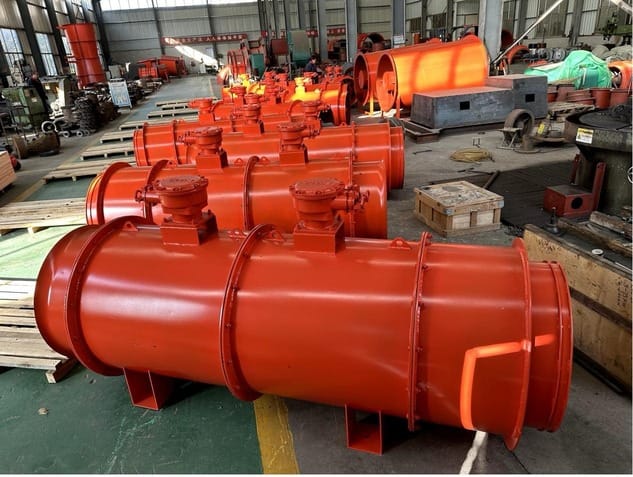
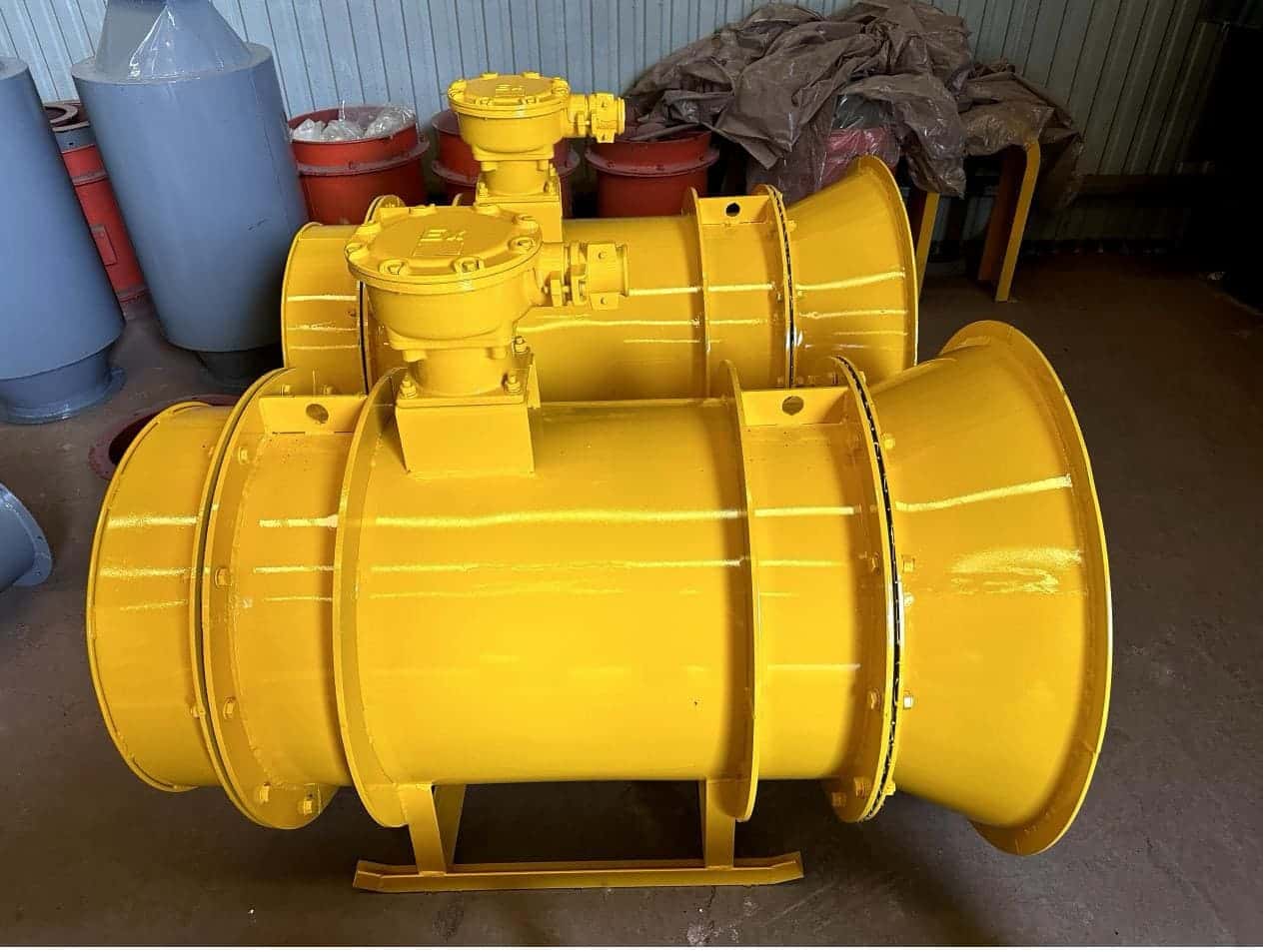
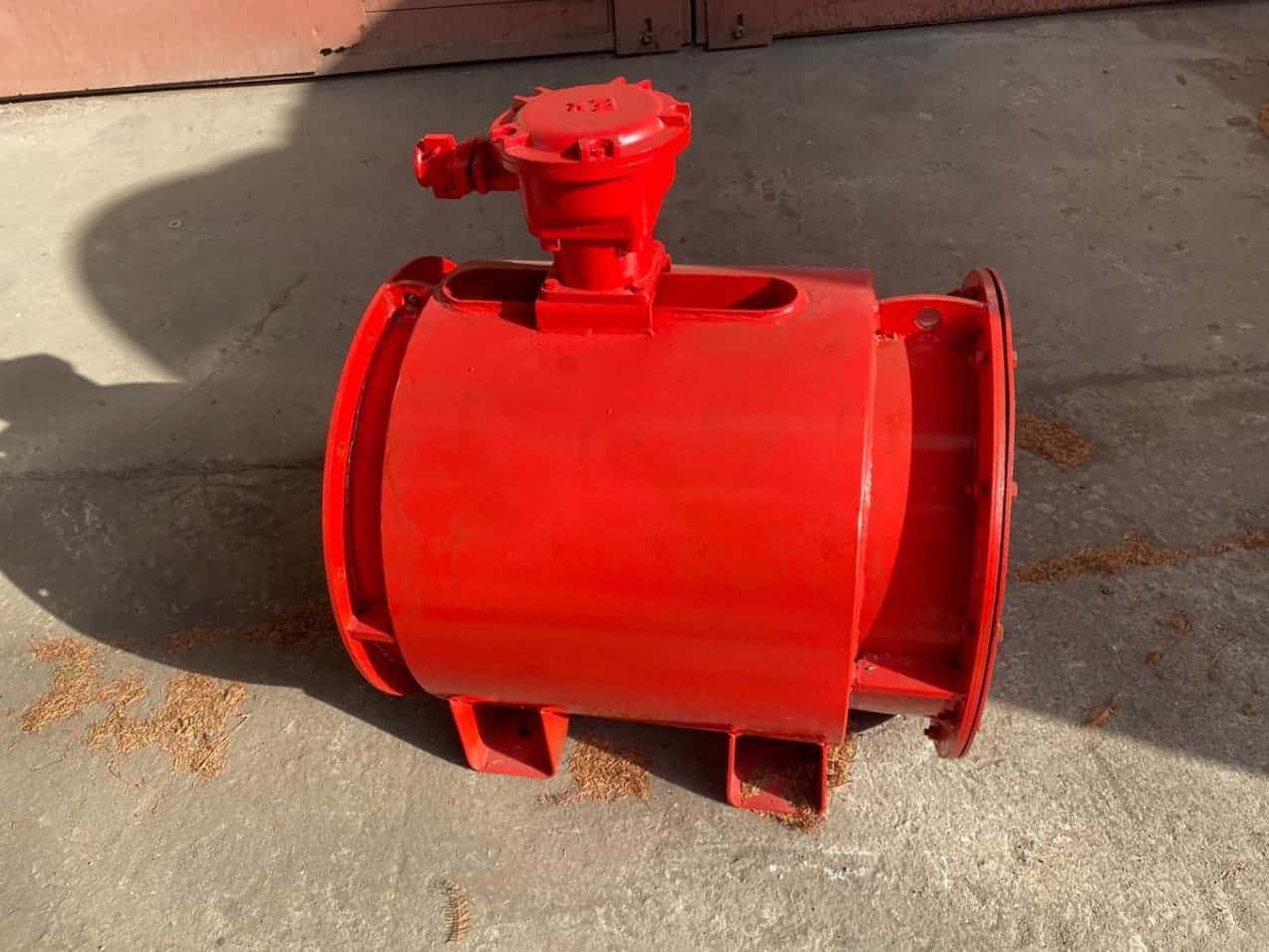
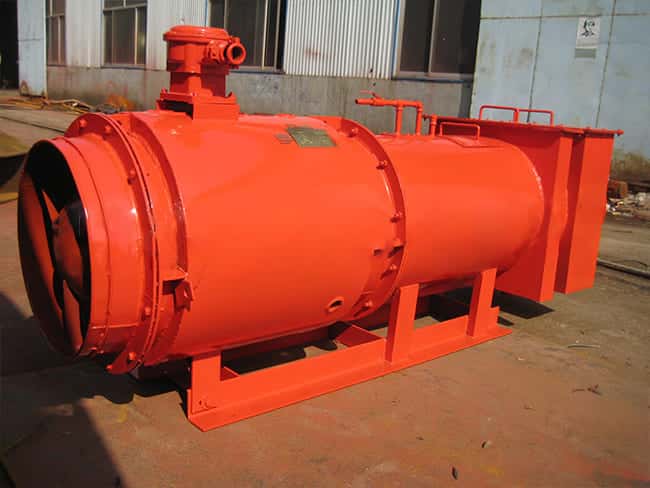
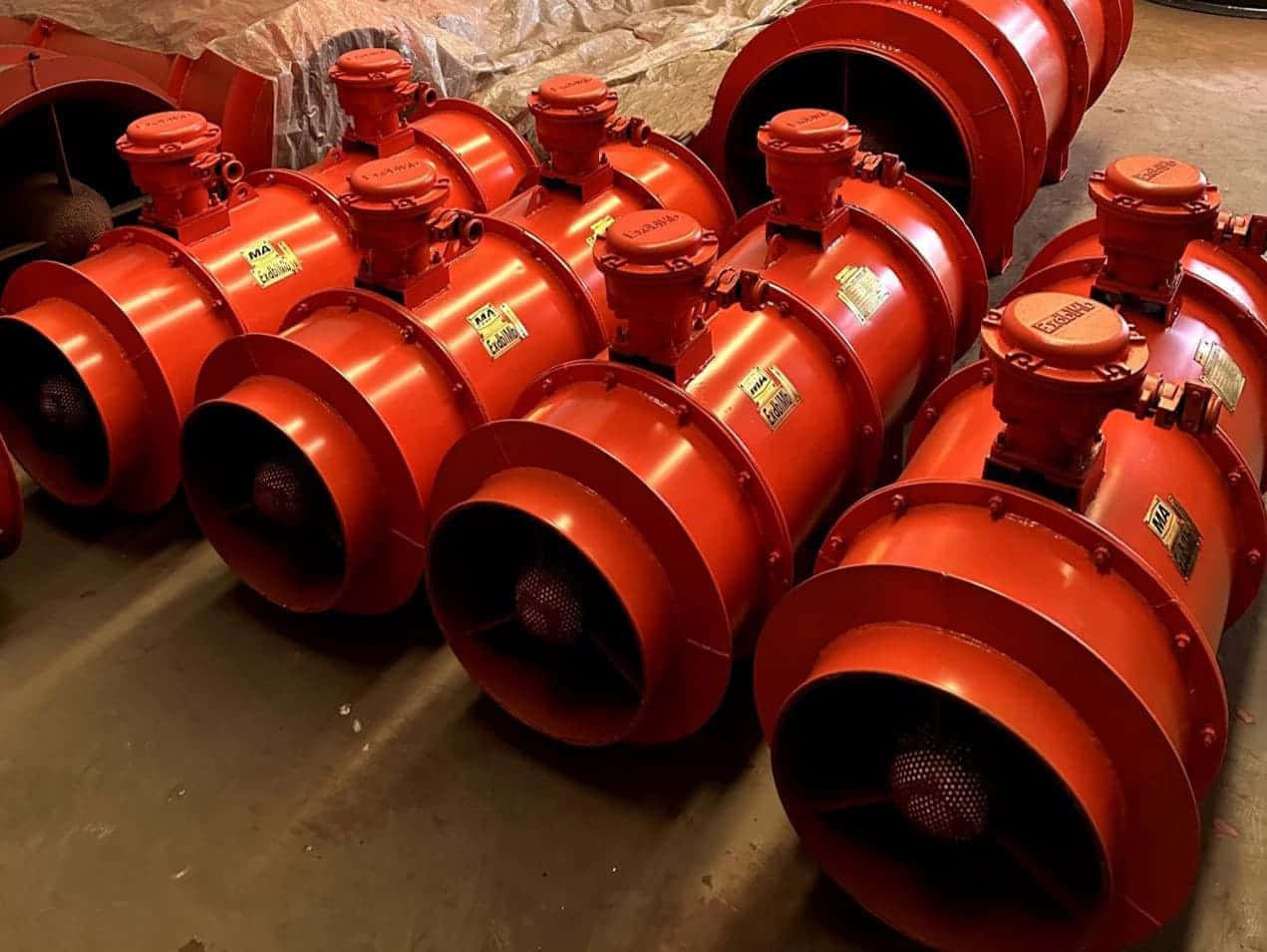
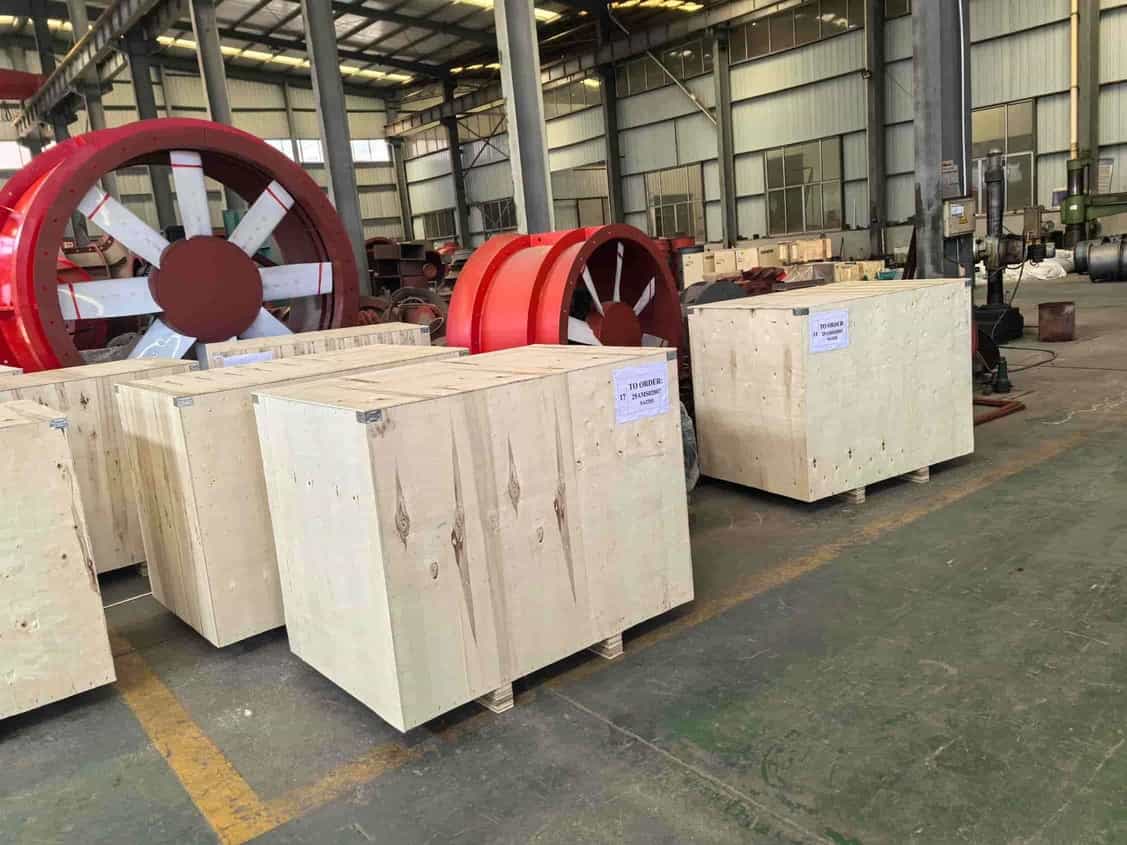
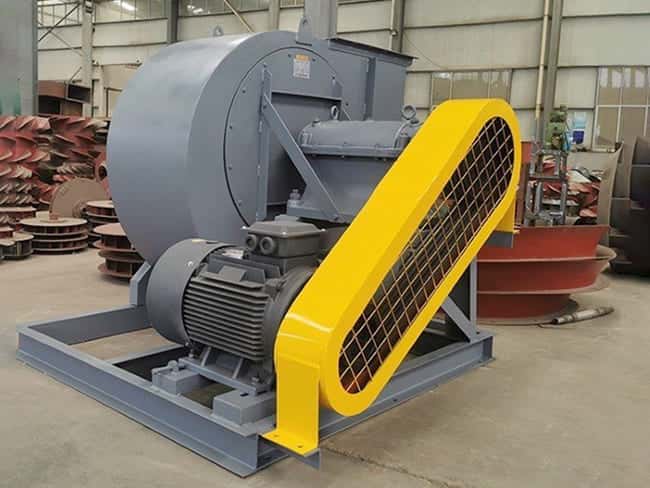
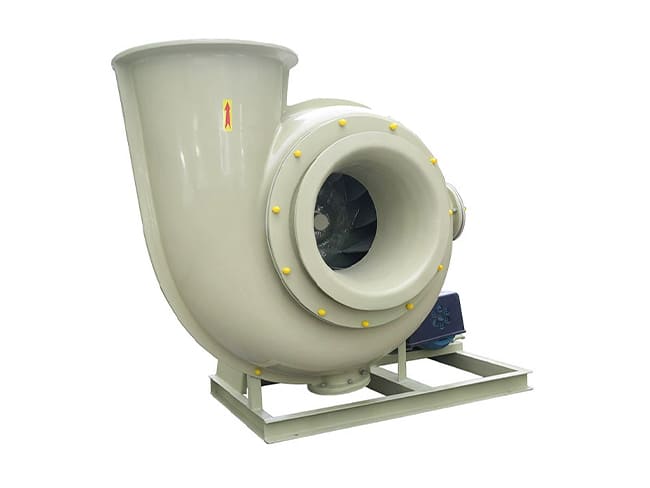
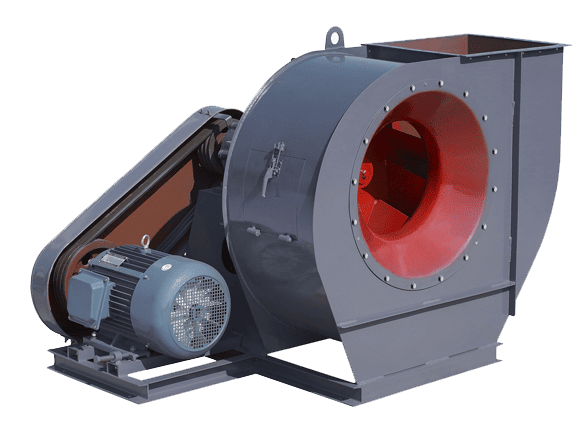
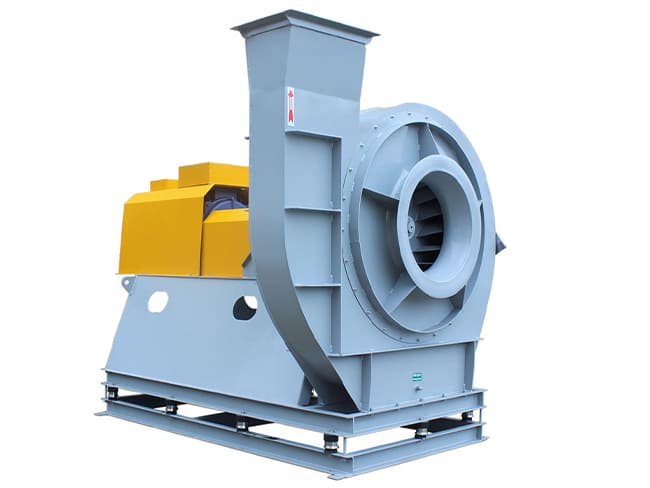


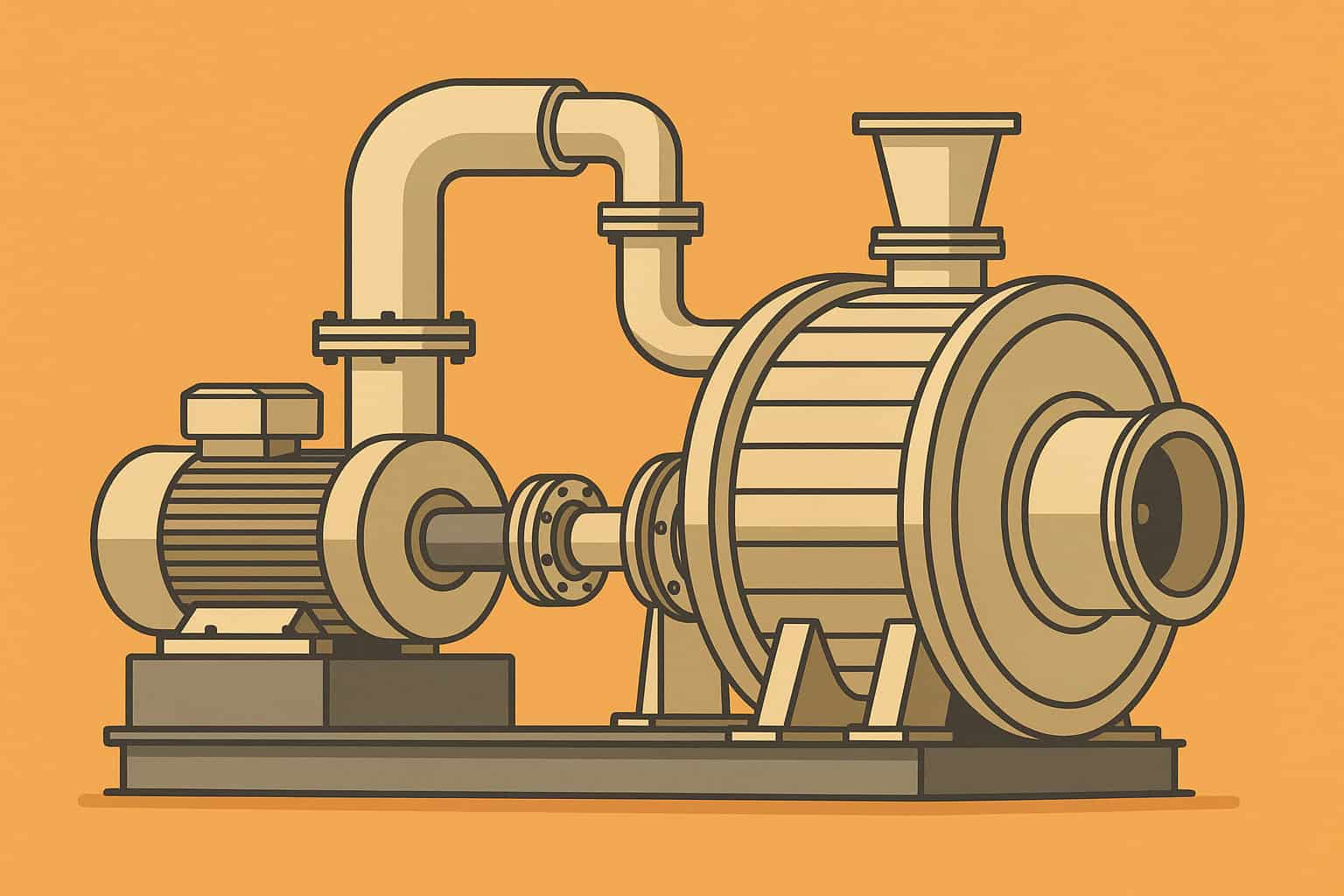

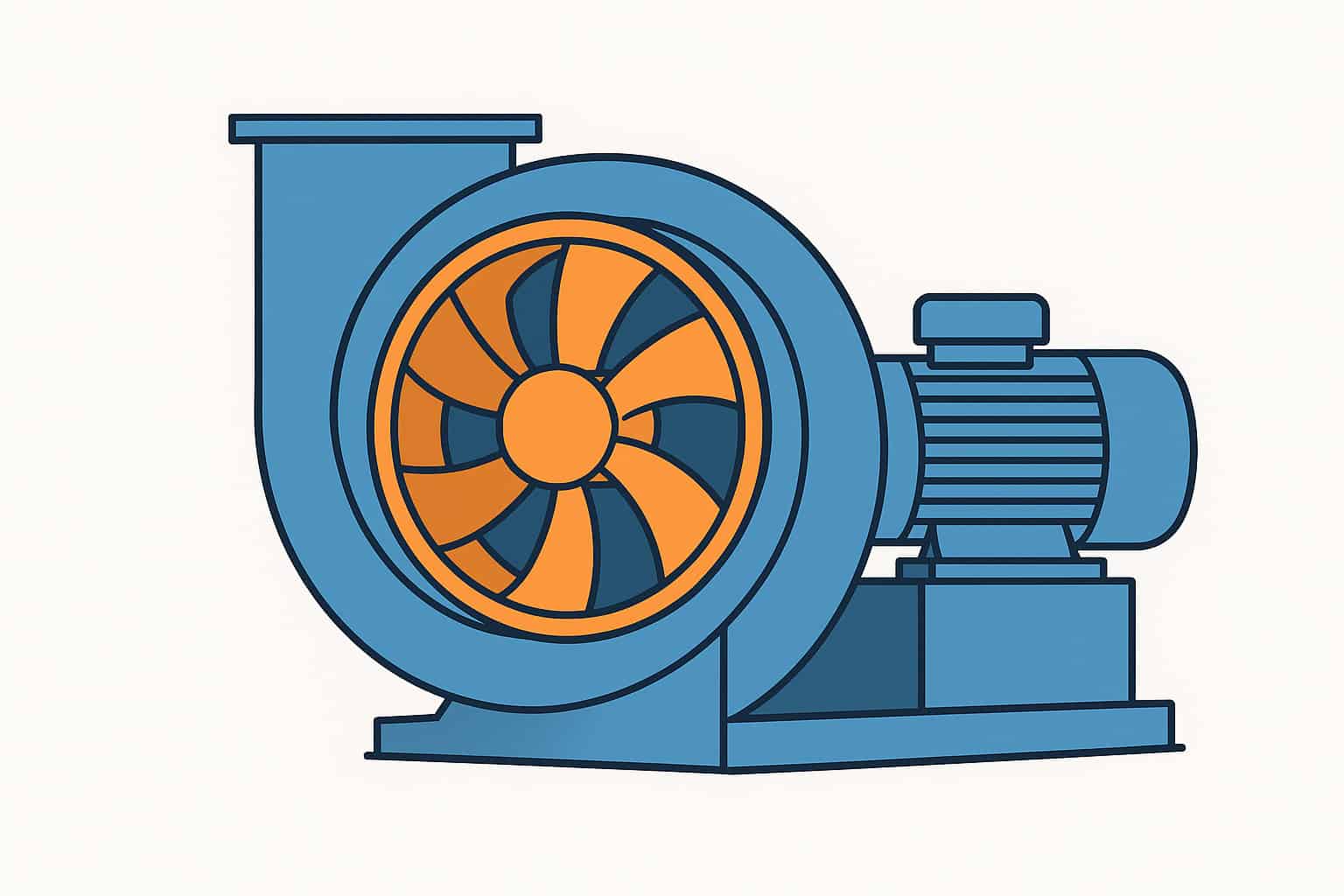
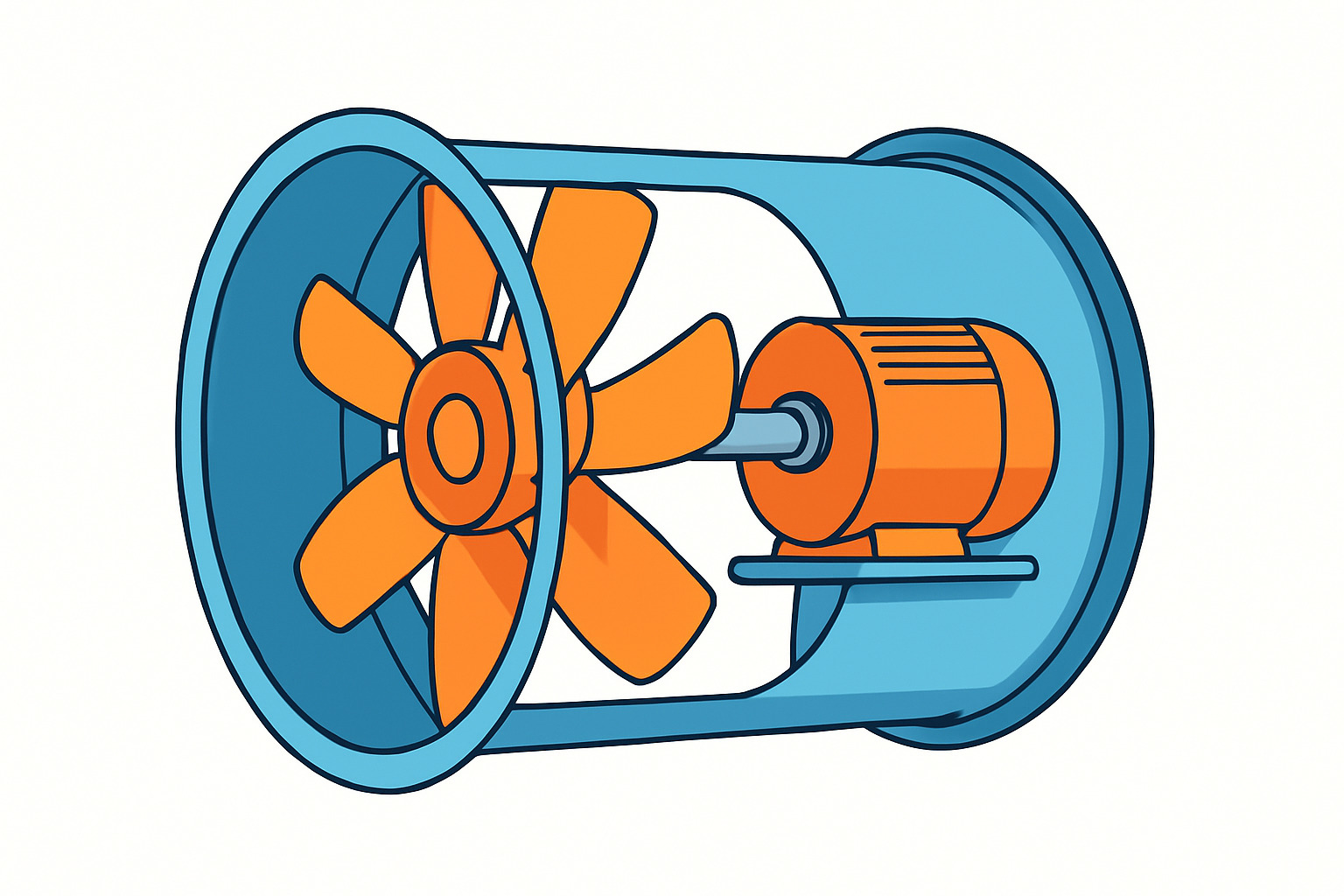
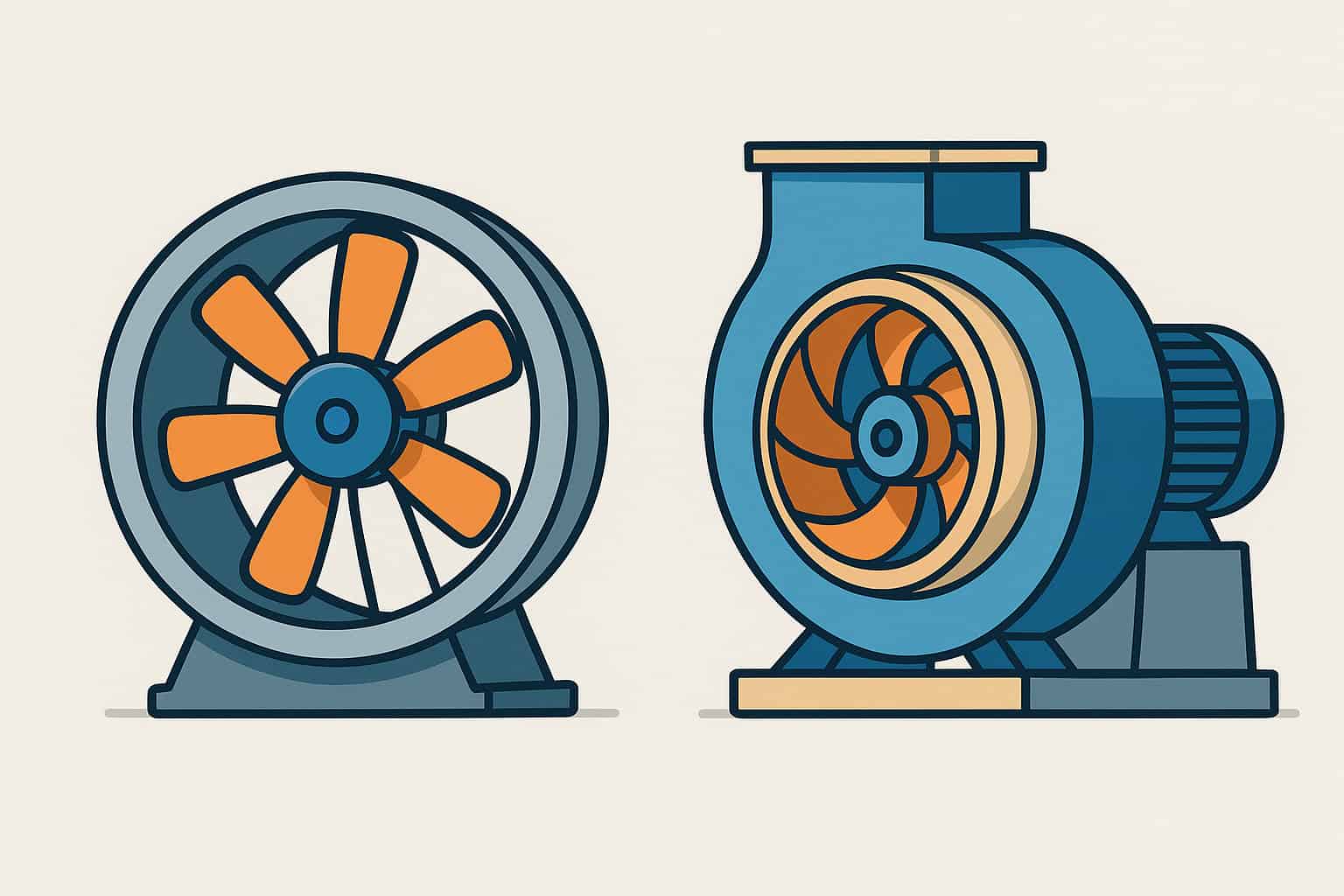
The main difference between an axial flow fan and a centrifugal fan is the direction of airflow and the amount of static pressure each can generate. Axial flow fans move air parallel to the shaft, like a propeller, while centrifugal fans draw air in axially and discharge it radially into a scroll housing. This difference in geometry leads to different performance and typical applications.
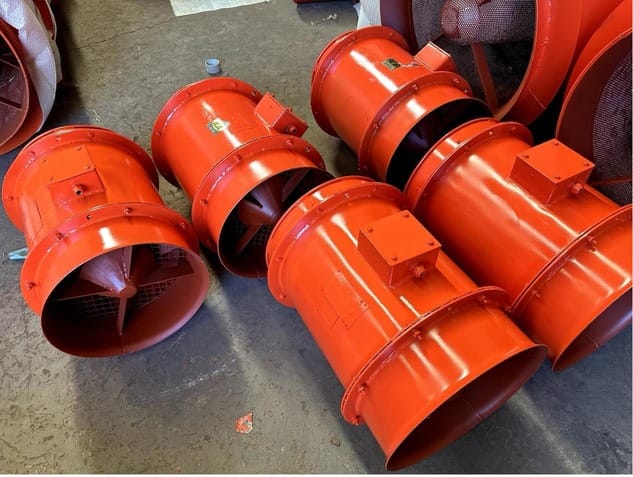
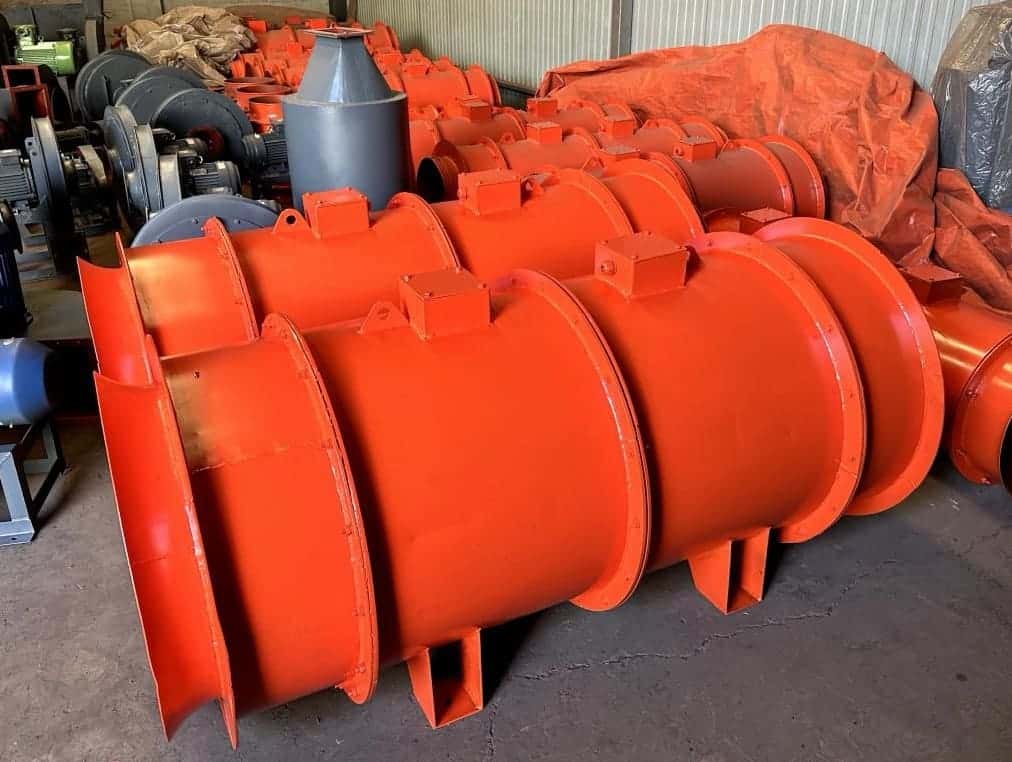
An axial flow fan pulls air in from the front and pushes it out the back in a straight line. It is very efficient at moving large volumes of air with relatively small pressure increases. This makes axial fans ideal for high-volume, low to moderate pressure duties: tunnel and shaft ventilation, cooling towers, condenser fans, large building exhaust systems and general supply air fans. They are usually compact in the direction of airflow and can be installed in-line with ducts or tunnels.
A centrifugal fan, sometimes called a radial fan or blower, draws air into the centre of a rotating impeller and throws it outward by centrifugal force. The air is collected in a scroll housing that converts velocity into static pressure. Centrifugal fans can generate much higher static pressure than axial fans of similar size, which makes them suitable for systems with significant resistance: dust collectors, scrubbers, long duct runs, high-resistance mine branches and complex industrial exhaust systems.
In terms of air quality and robustness, radial-blade centrifugal fans are usually better at handling dust and particles than standard axial fans. They have open blade passages and rugged construction, allowing them to cope with abrasive or dirty air in mining, cement and metallurgy. Axial fans can also be built for harsh environments, but they are generally more sensitive to erosion and imbalance from dust deposits.
When selecting between the two, engineers look at flow, pressure and system layout. If the system requires high airflow with low resistance and relatively straight air paths, an axial flow fan is often the most efficient choice. If the system has high resistance due to filters, bends, dampers and long ducts, or if local dust extraction is needed, a centrifugal fan is usually preferred. Using an axial fan where a centrifugal fan is required can result in poor airflow, unstable operation and wasted energy.
In summary, an axial flow fan moves air straight through and is best for high-volume, low to moderate pressure ventilation, while a centrifugal fan discharges air radially and is designed for higher static pressure in ducted industrial and mining systems. The right choice depends on your specific ventilation duty.