
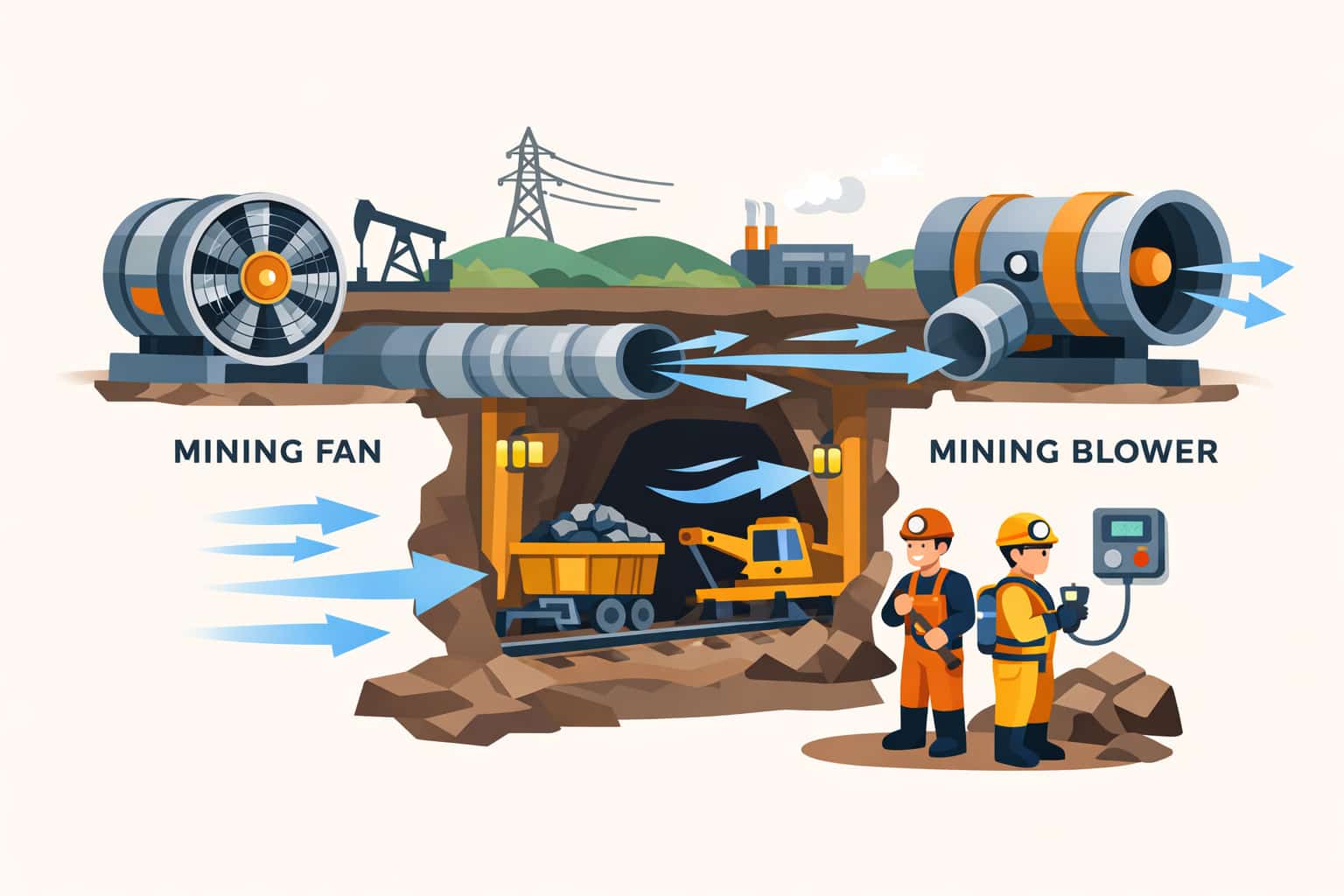
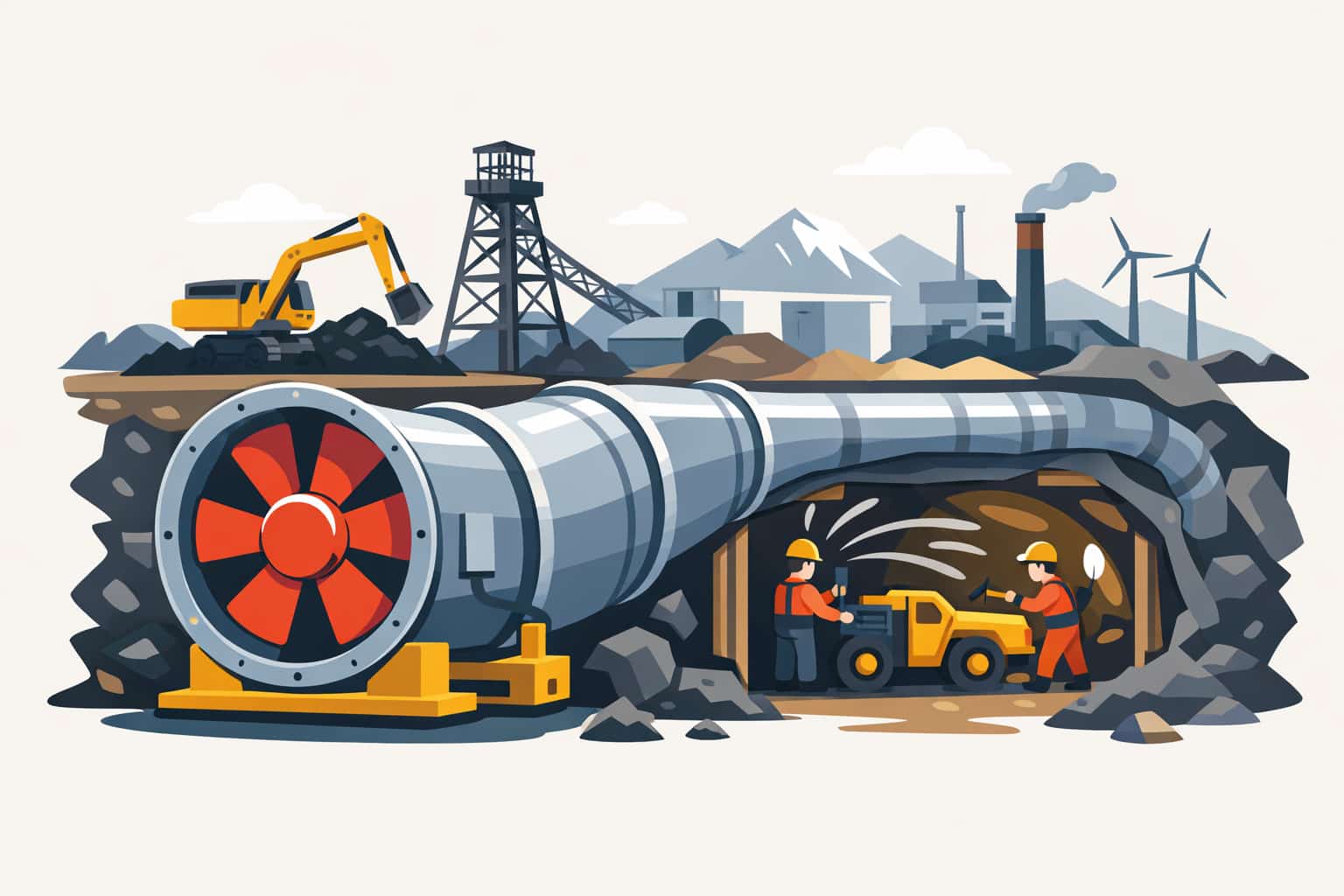

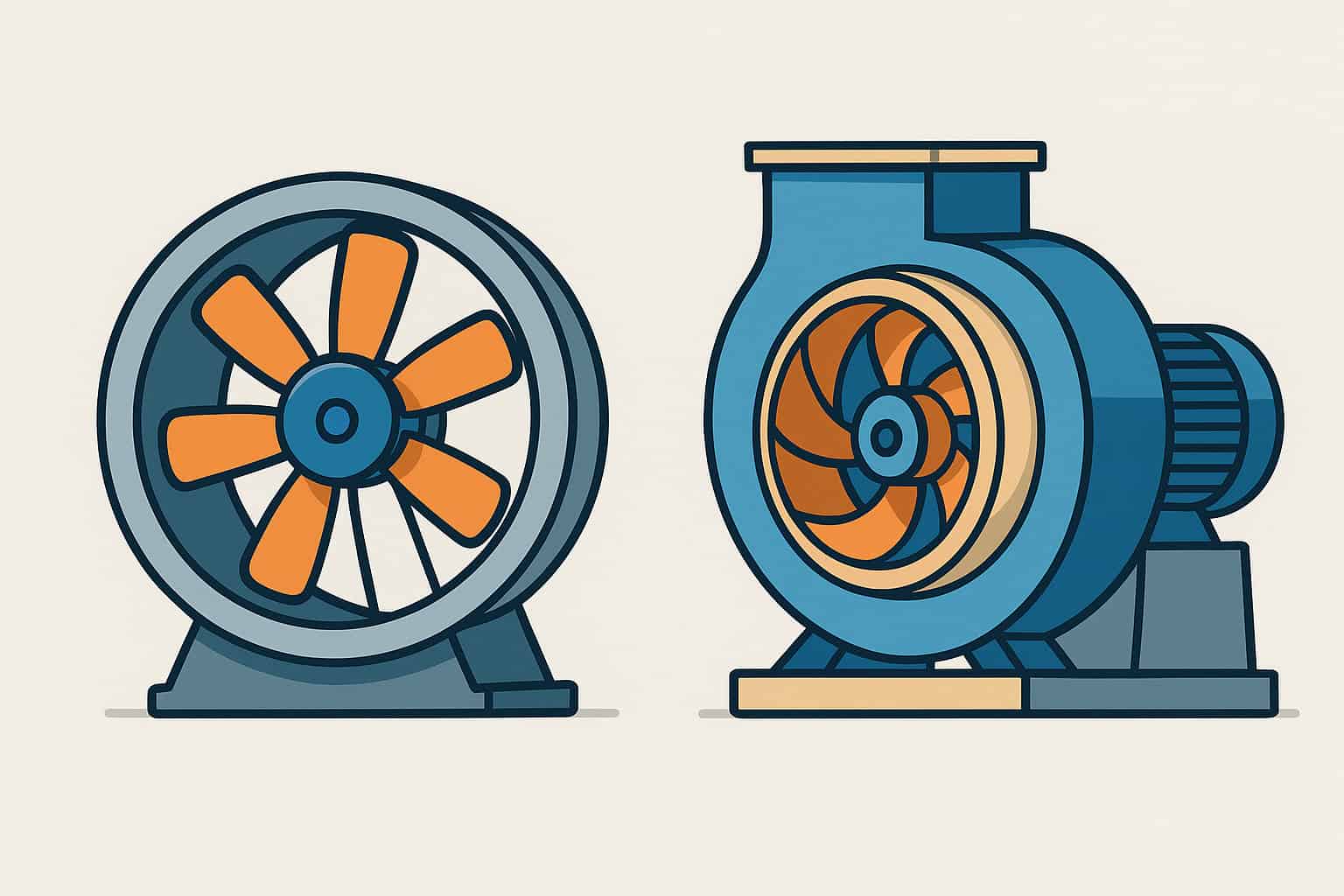
The difference between a centrifugal blower and an axial blower lies in how they move air, the pressure they can generate and where they are used. Both are types of fans, but their internal geometry is very different and this leads to distinct performance in industrial and mining ventilation systems.
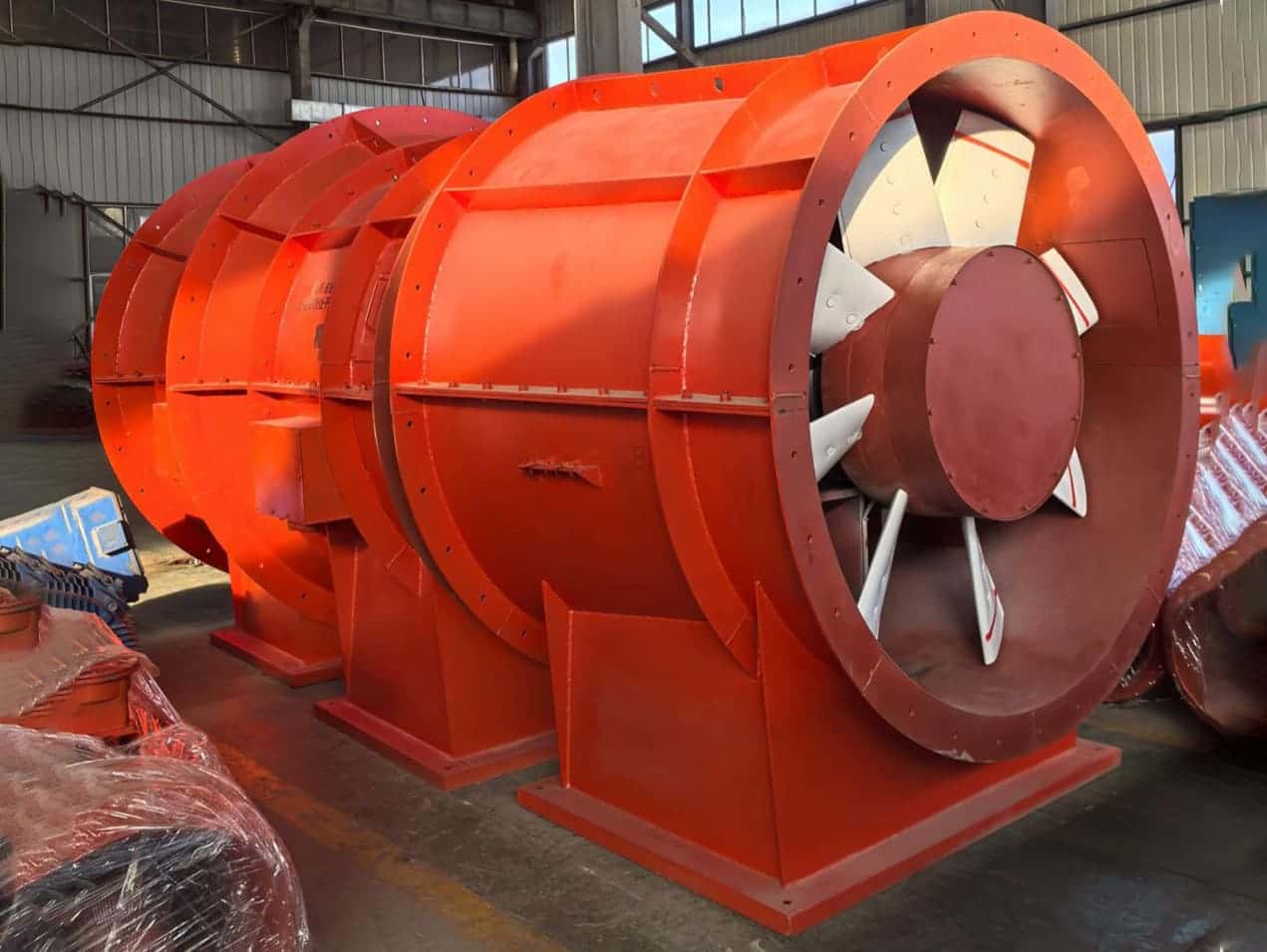
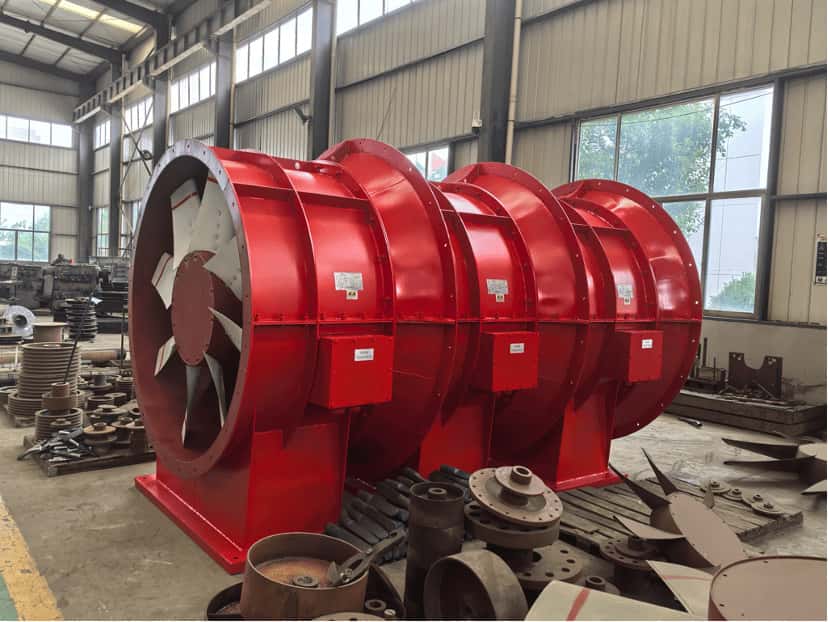
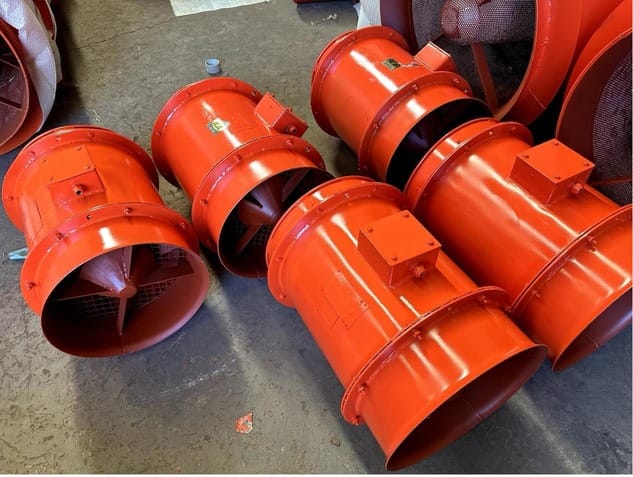
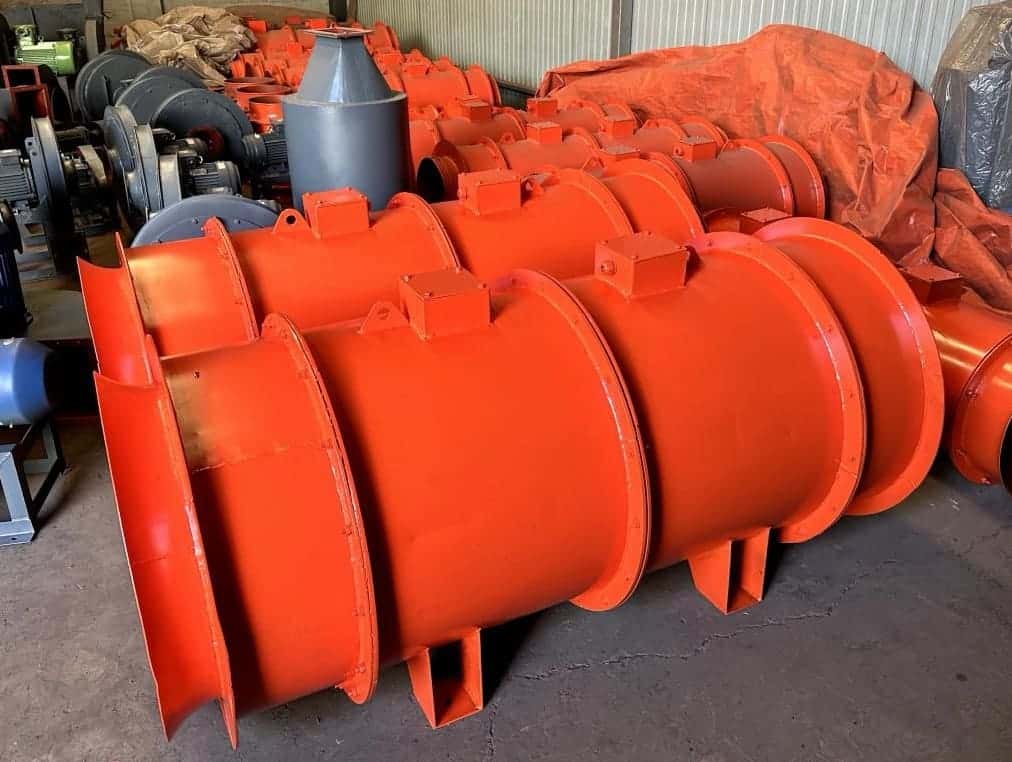
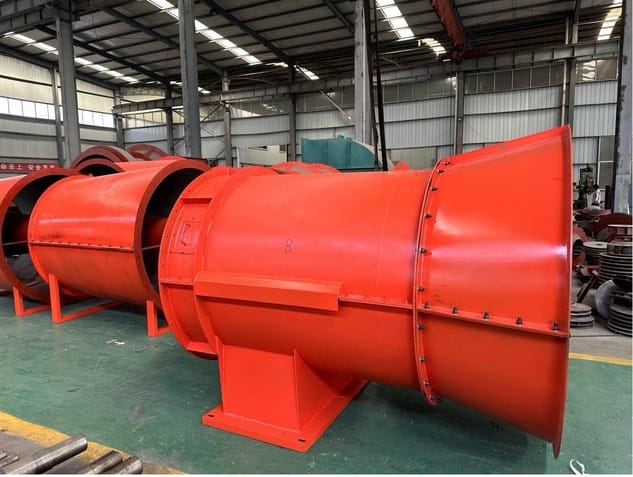
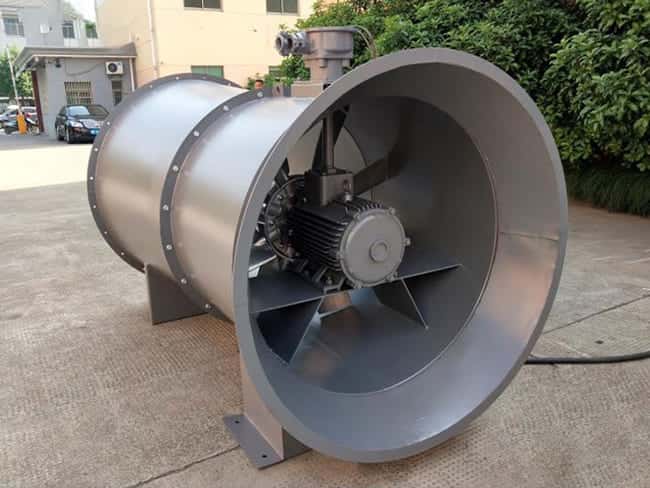
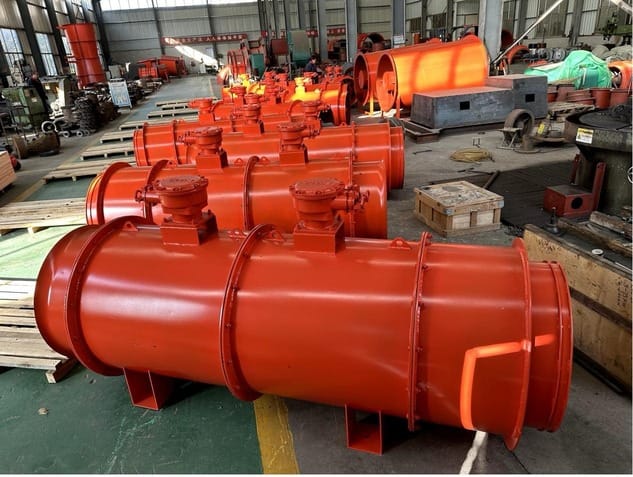
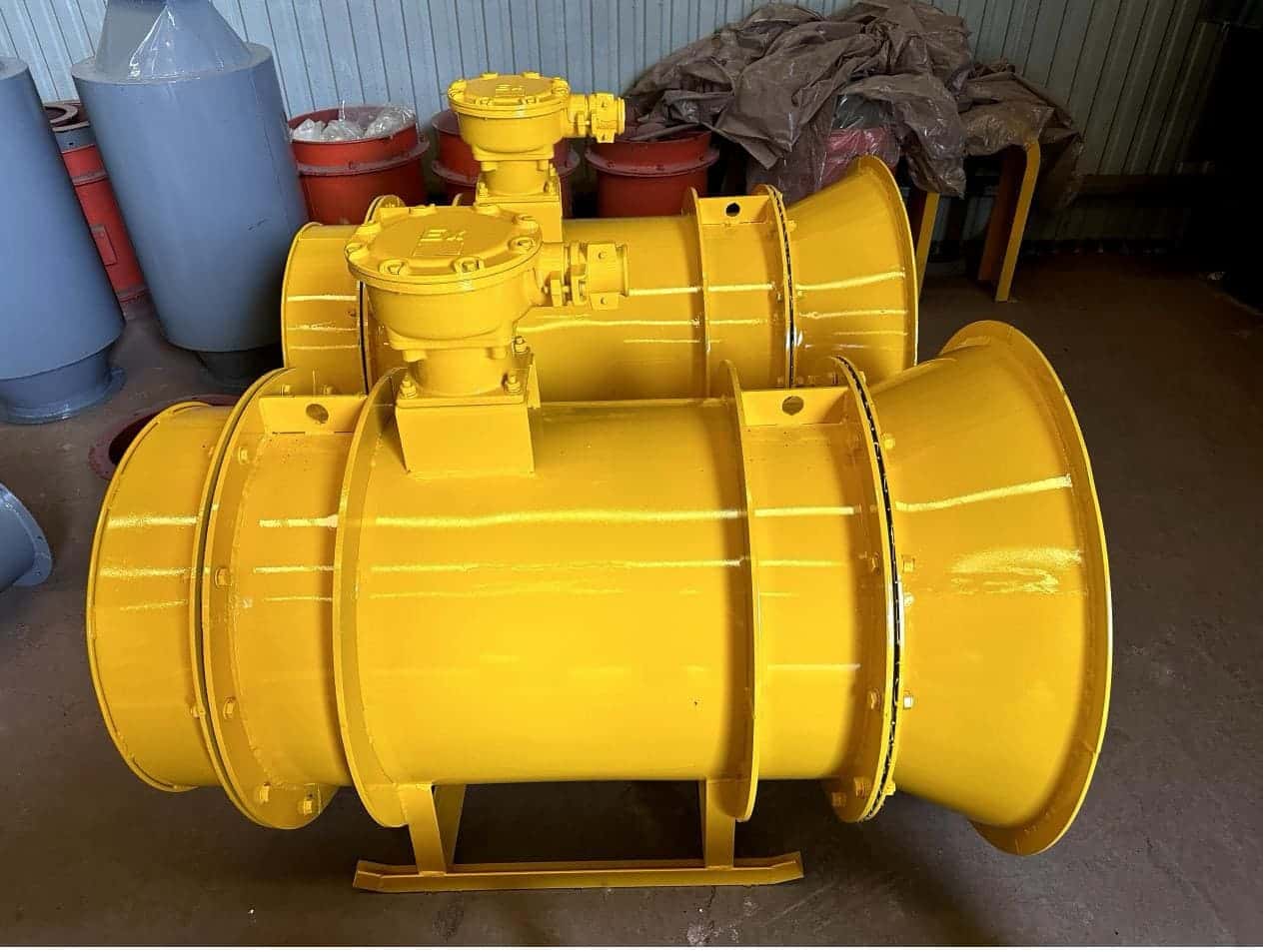
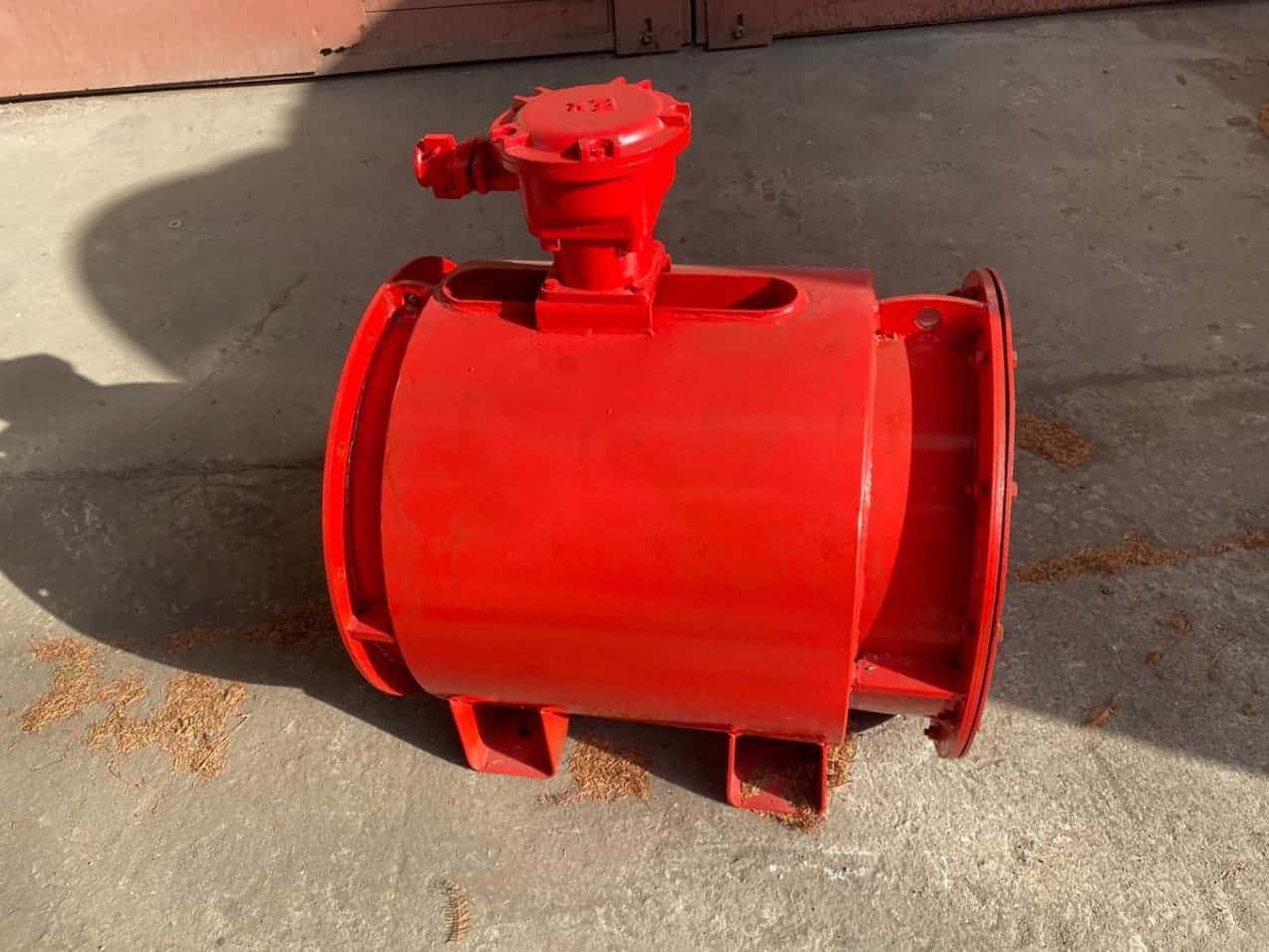
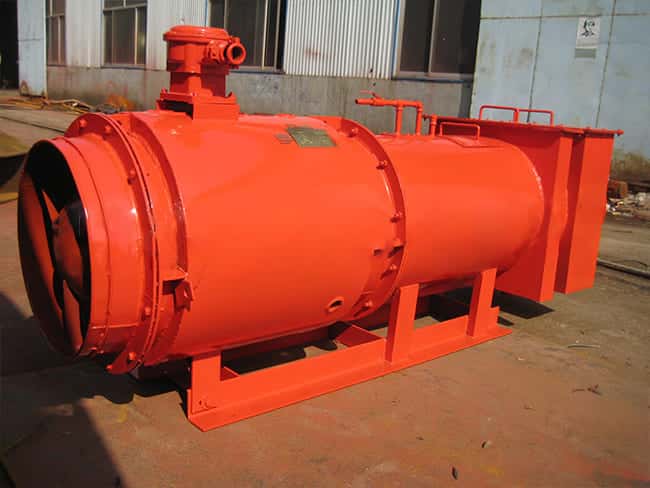
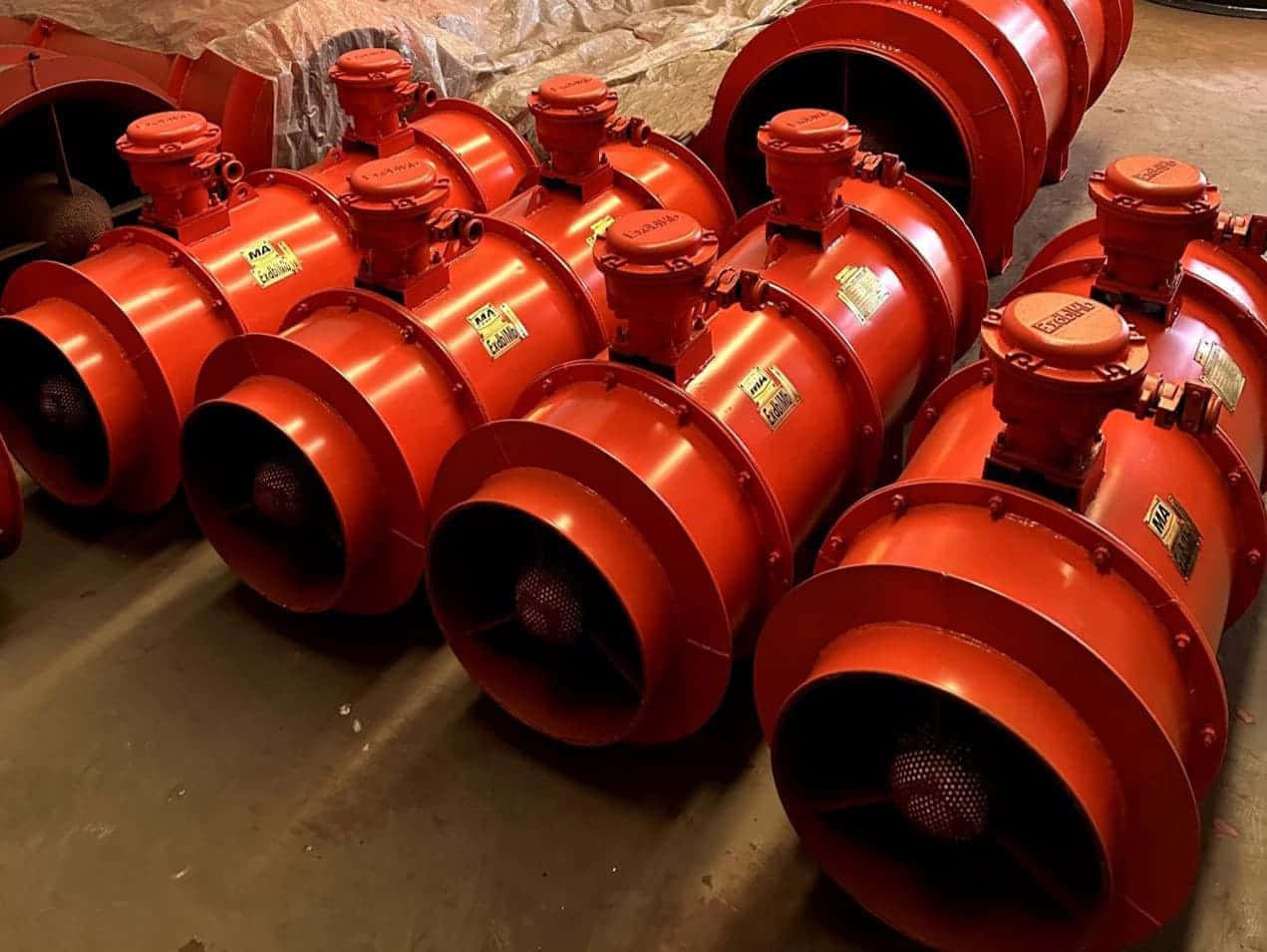
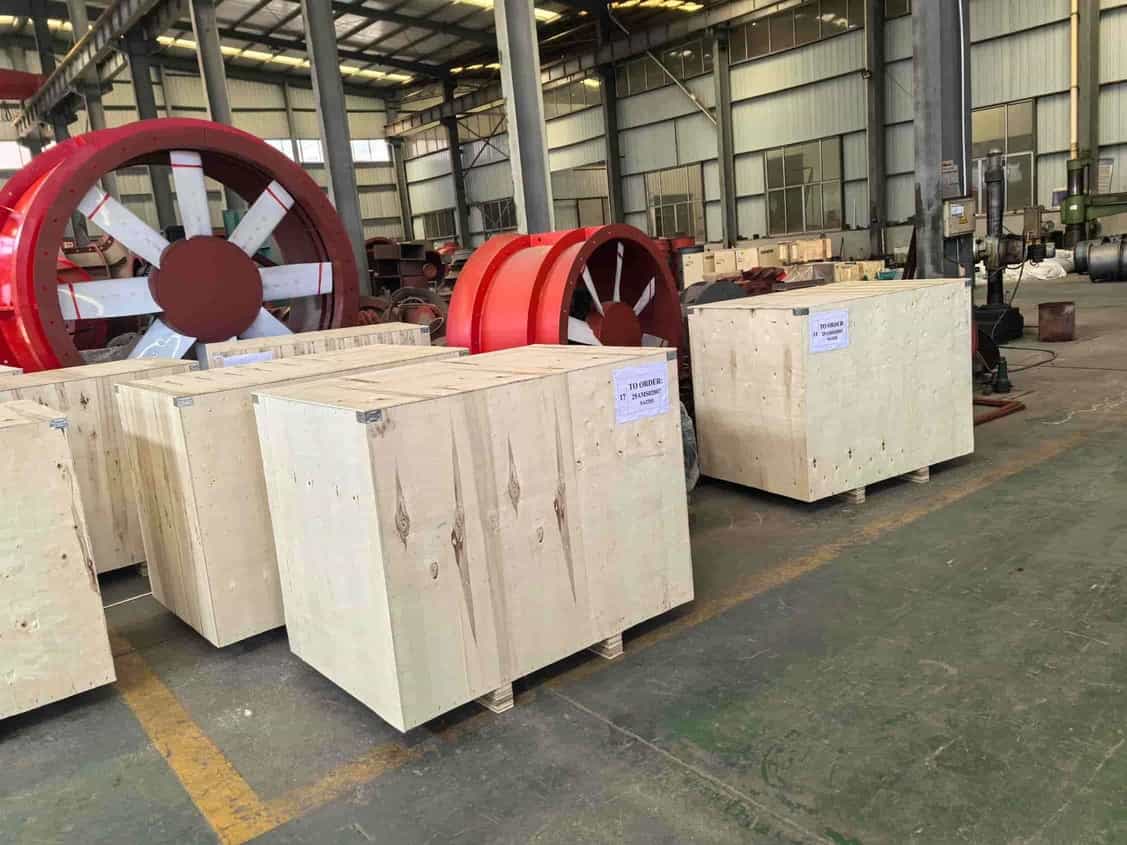
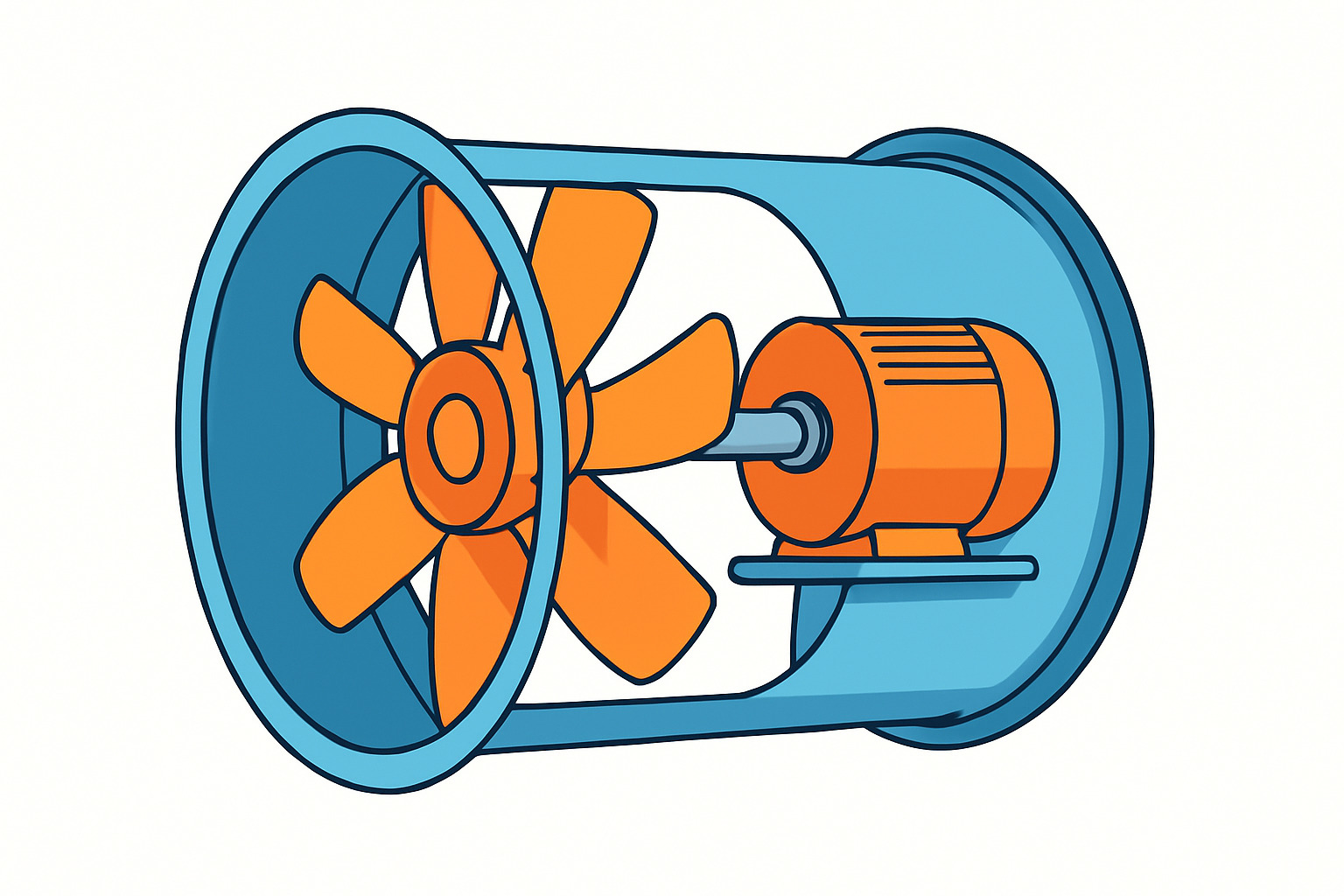
An axial blower moves air parallel to the shaft, similar to a propeller. Air enters and leaves in nearly the same direction, and the blades act like small wings that pull air through the fan. Axial blowers are best suited to high-flow, low to moderate pressure applications. In practice, they are used for general ventilation, tunnel and shaft ventilation with modest resistance, large building exhaust and temporary ventilation on construction and mining sites where duct runs are relatively short and straight.
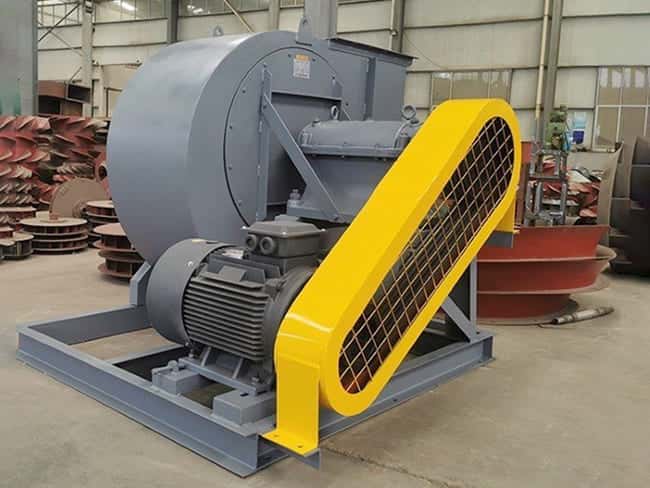
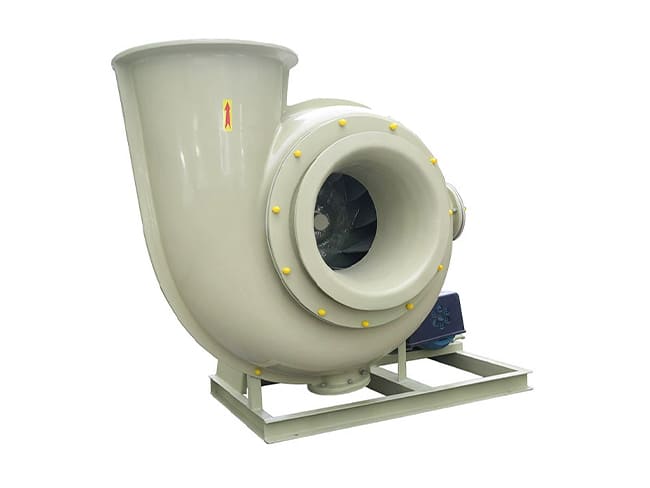
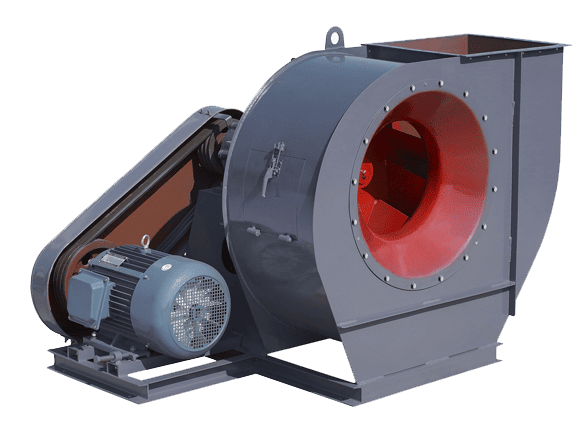
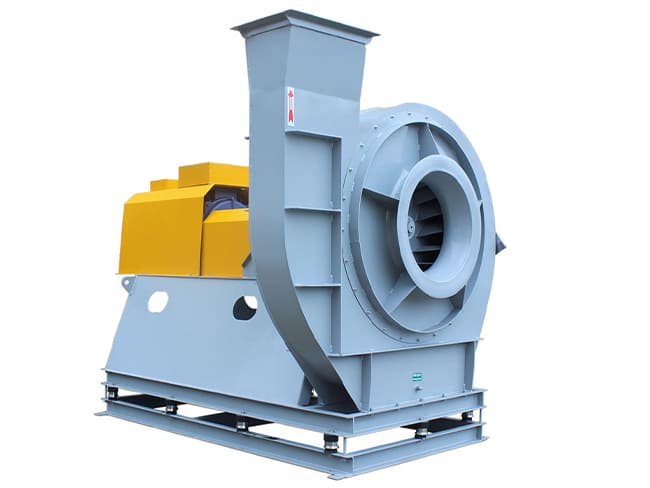
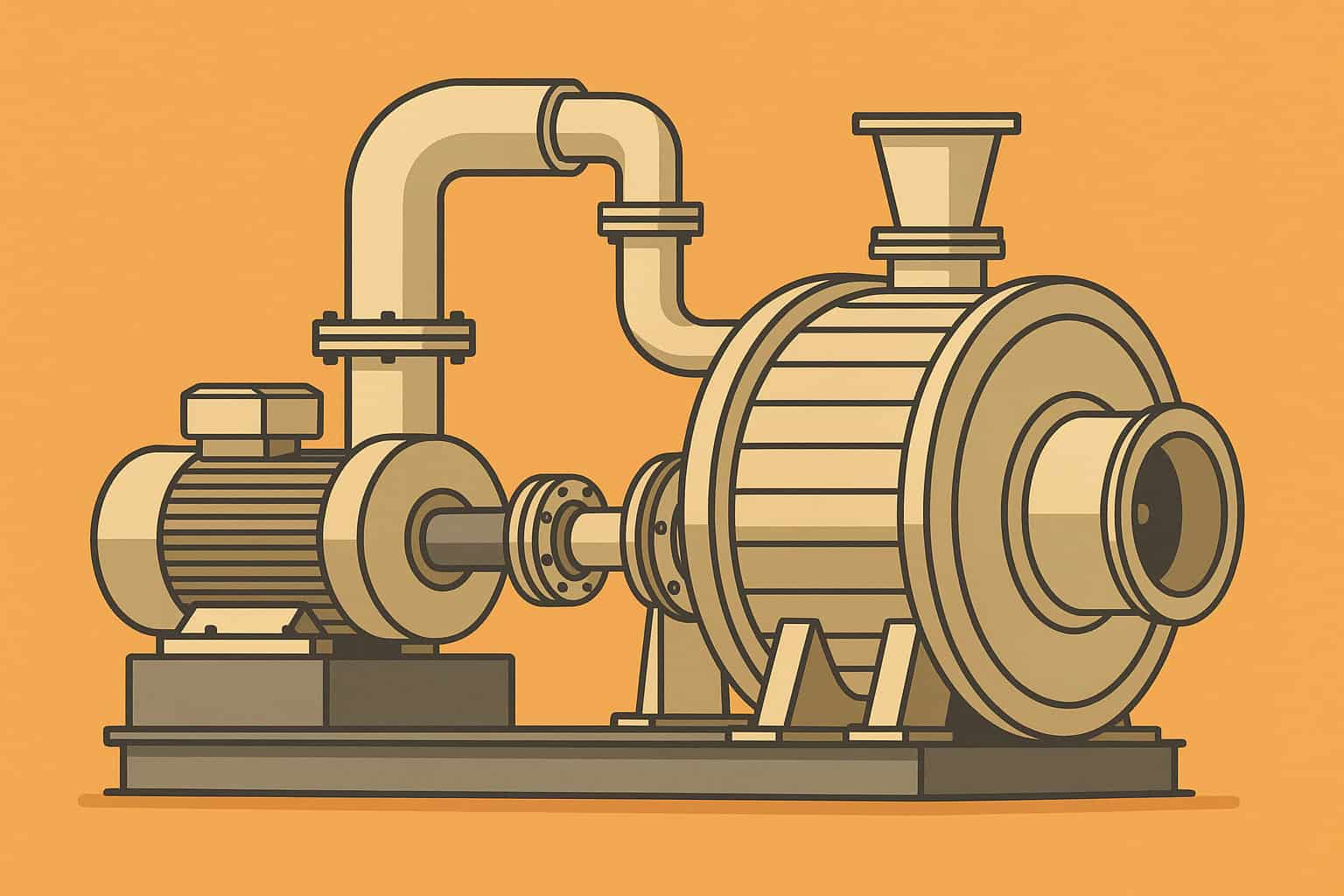
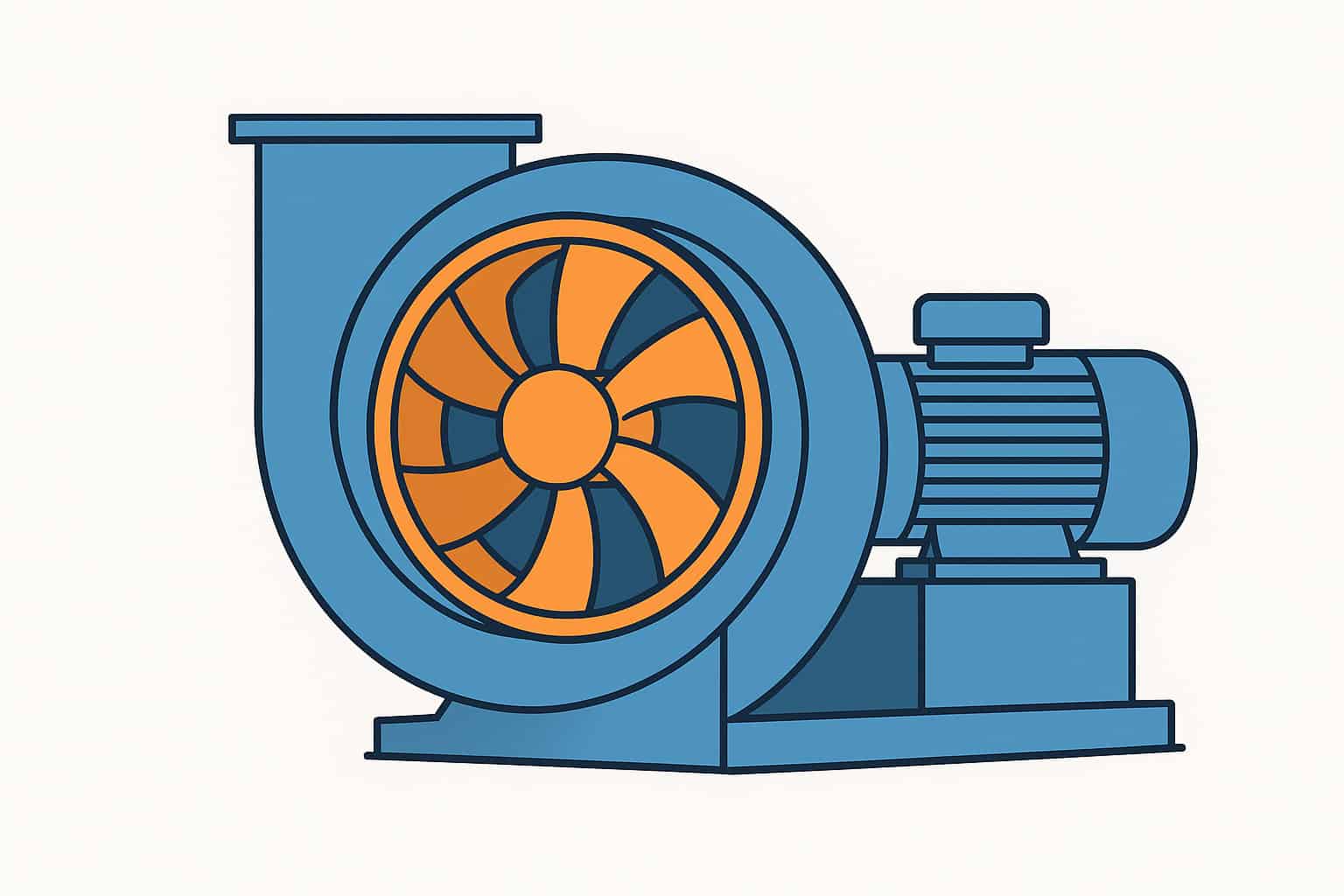
A centrifugal blower draws air into the centre of a rotating impeller and throws it outward radially into a scroll housing. This arrangement allows the blower to produce higher static pressure and handle more resistance from ducts, filters, dampers and process equipment. Centrifugal blowers are widely used in dust collection systems, high-resistance mine branches, furnace and kiln exhaust, fume extraction and many industrial process ventilation duties.
Another key difference concerns air quality and robustness. Centrifugal blowers, especially those with radial blades, are designed to cope with dust, fibres and abrasive particles. They have heavy-duty construction and clear flow paths that reduce the risk of clogging. Axial blowers can be used with dusty air if proper filtration is provided, but they are generally more sensitive to erosion and imbalance caused by deposits on the blades.
From a system design perspective, axial blowers are attractive when there is plenty of space for straight airflow and the main requirement is volume. They are compact in the direction of flow and can be installed in-line with ducts or tunnel crowns. Centrifugal blowers, in contrast, require more space perpendicular to the shaft because the housing wraps around the impeller, but they offer greater flexibility in discharge orientation and duct connections.
In terms of efficiency and noise, both types can perform well when properly selected. Axial blowers tend to be efficient and relatively quiet for low-pressure duties, while centrifugal blowers can be highly efficient for higher-pressure systems. Noise levels depend on speed, tip velocity, housing design and any silencers used. Large, slow-running centrifugal blowers with acoustic treatment can meet strict noise limits, even in demanding industrial environments.
In summary, an axial blower moves air straight through and is ideal for high-flow, low-pressure ventilation, while a centrifugal blower discharges air radially and is chosen for higher-pressure, dusty or high-resistance duct systems. Understanding these differences helps you select the right blower type for safe, efficient ventilation in industrial plants and mines.