
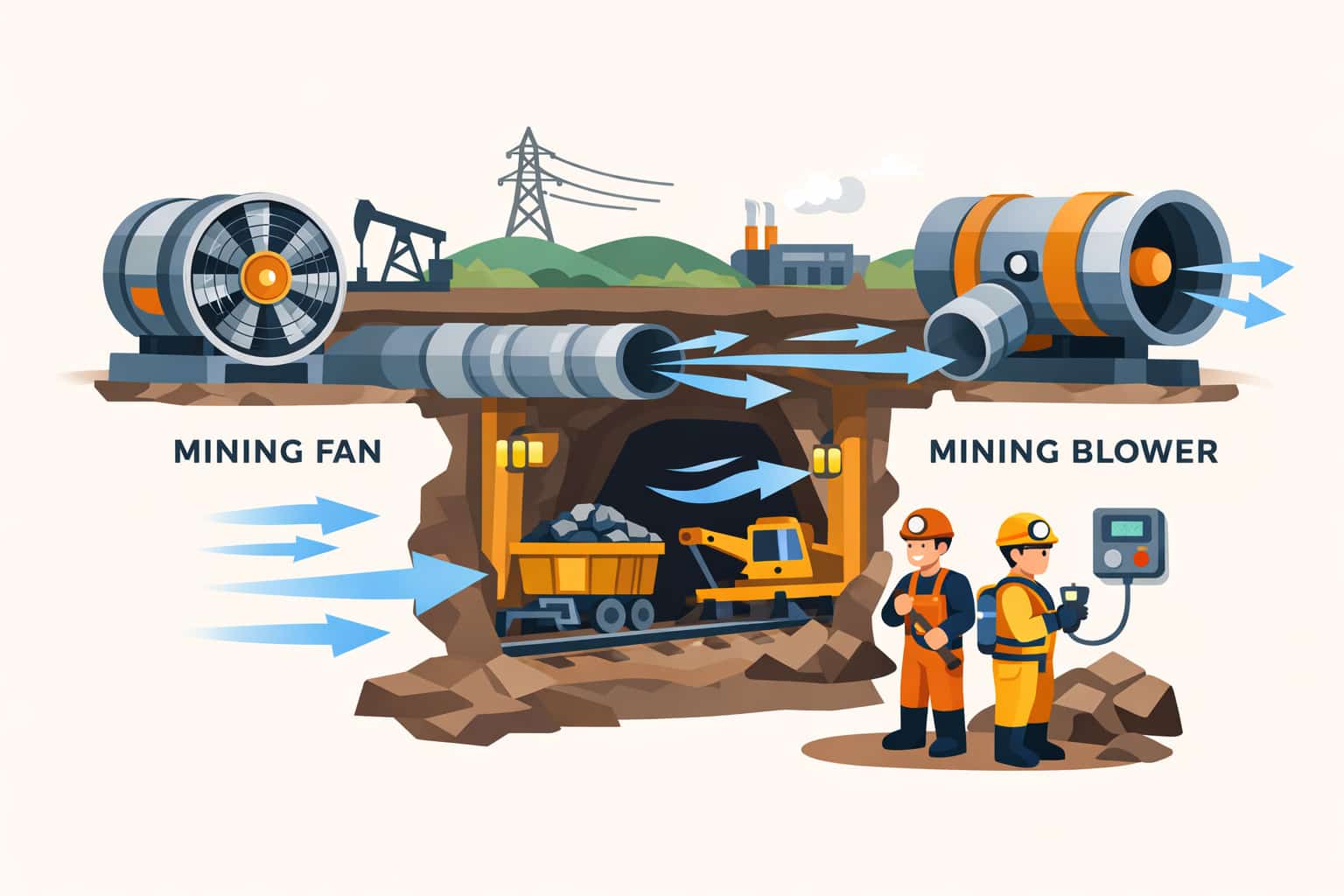
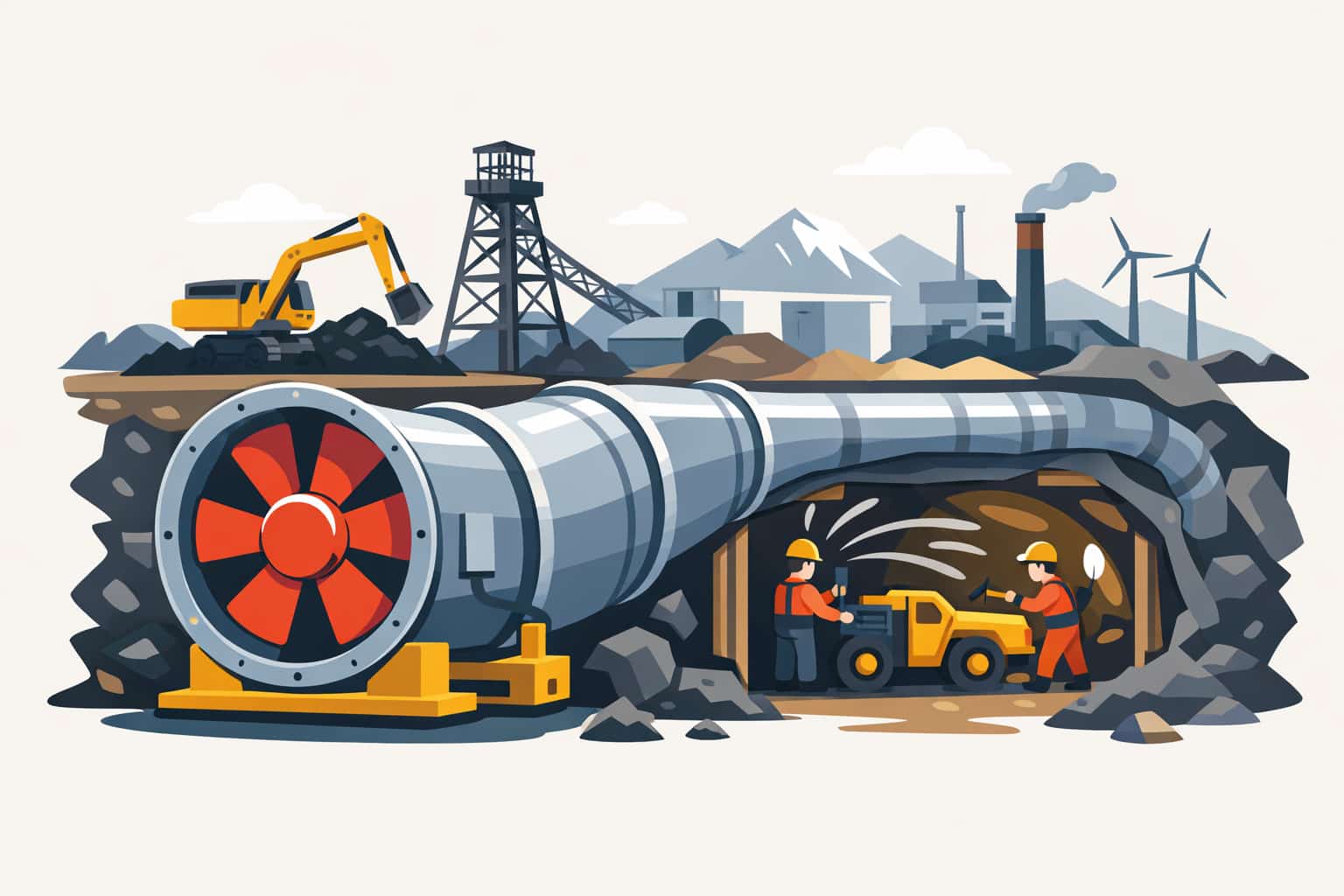
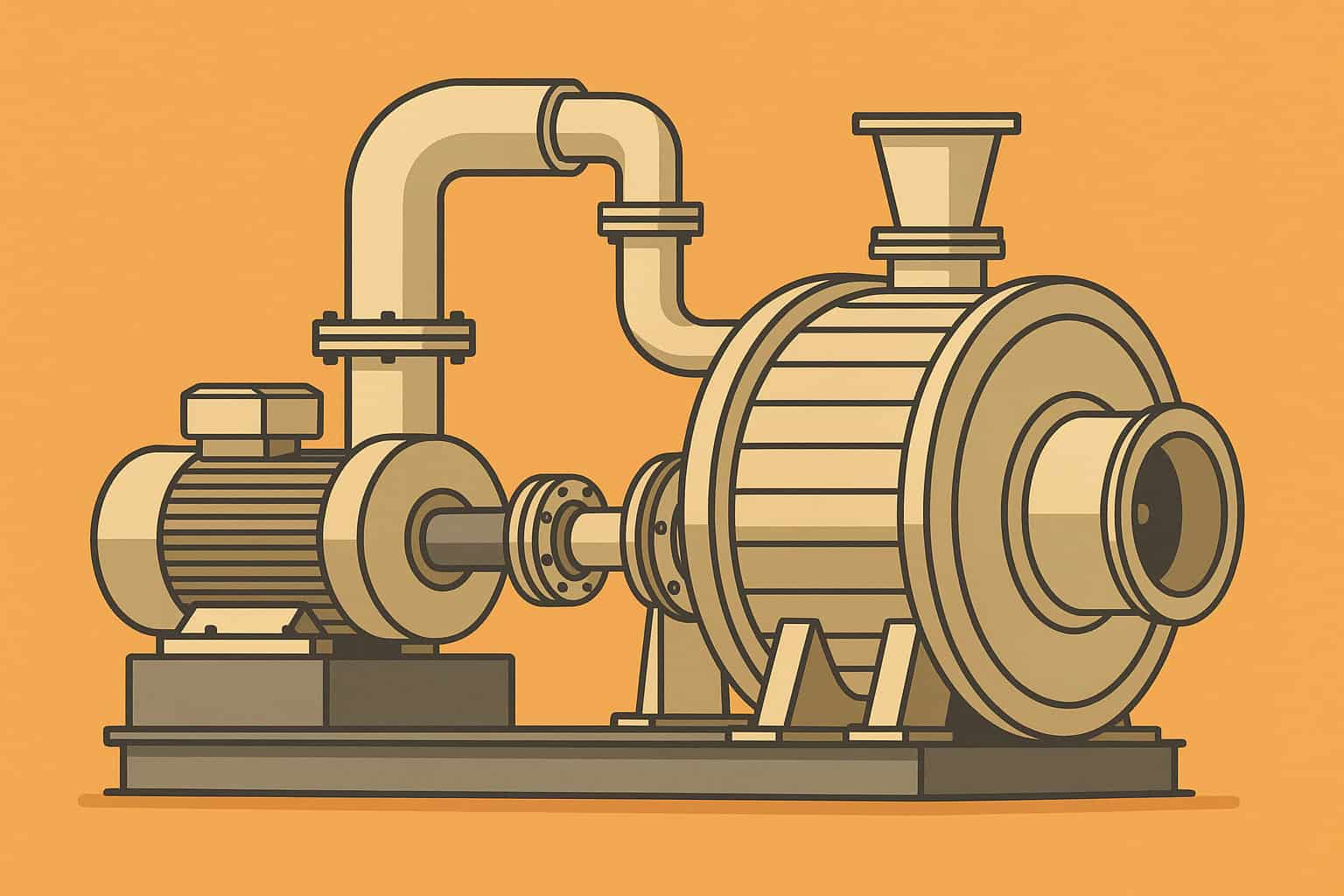

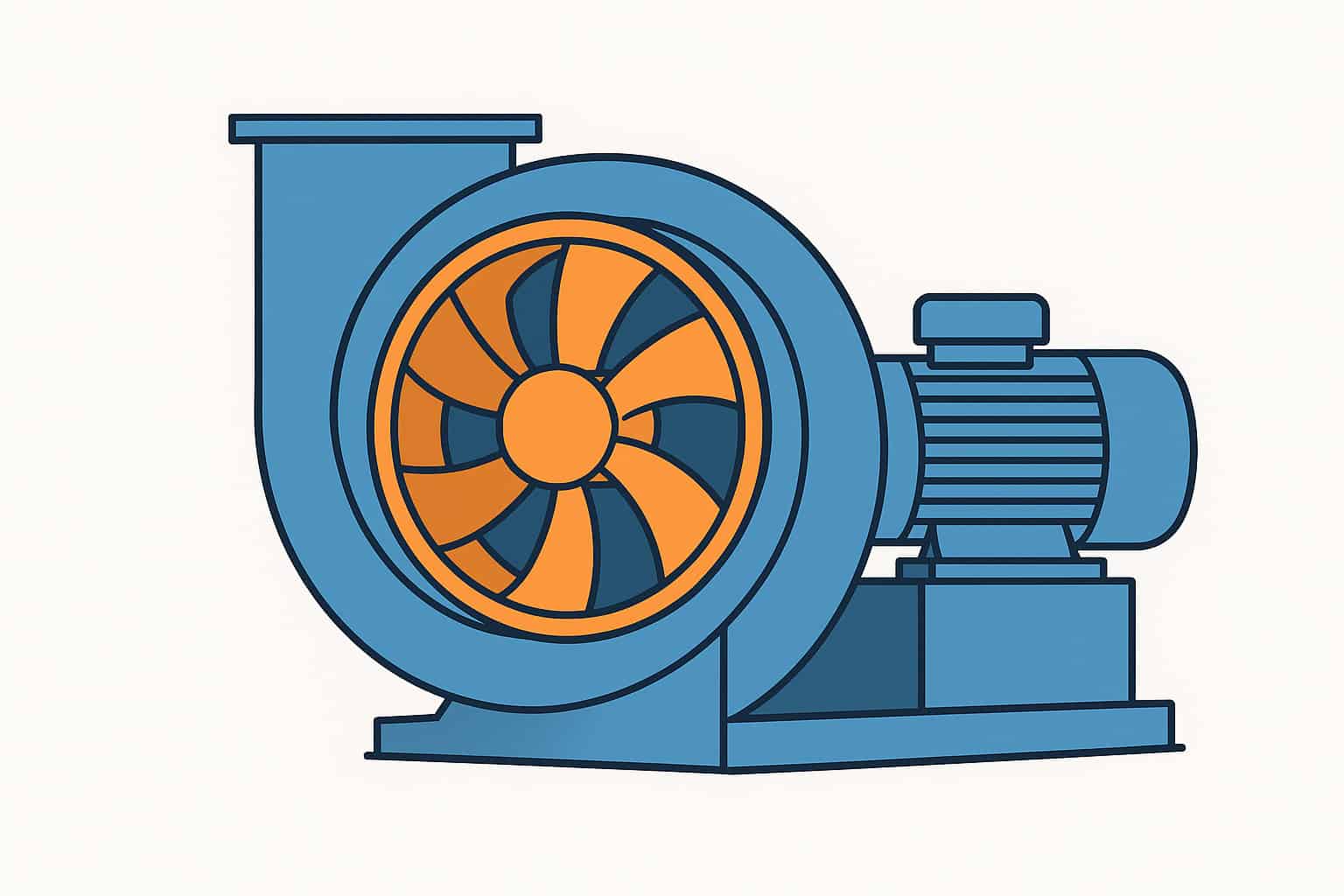
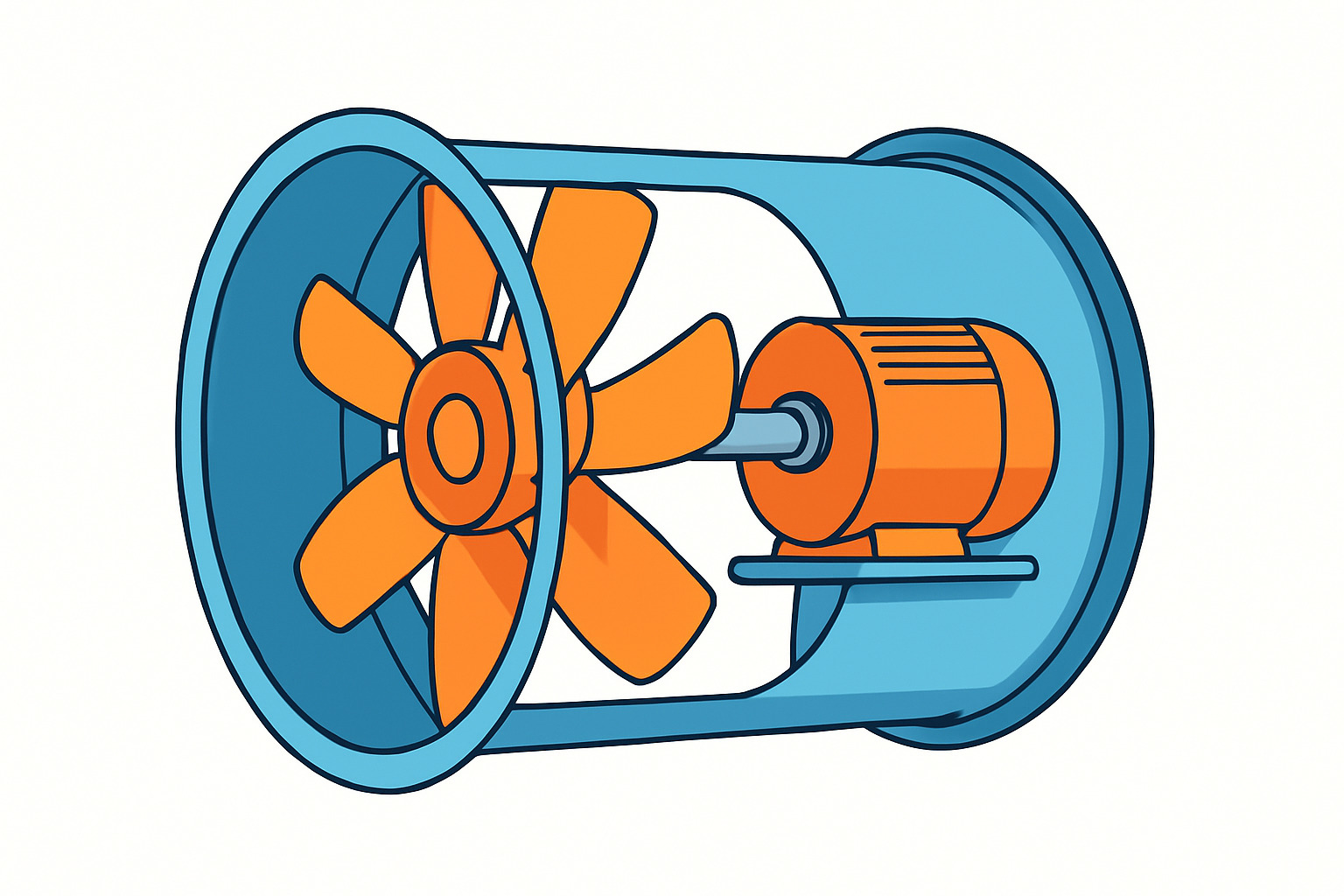
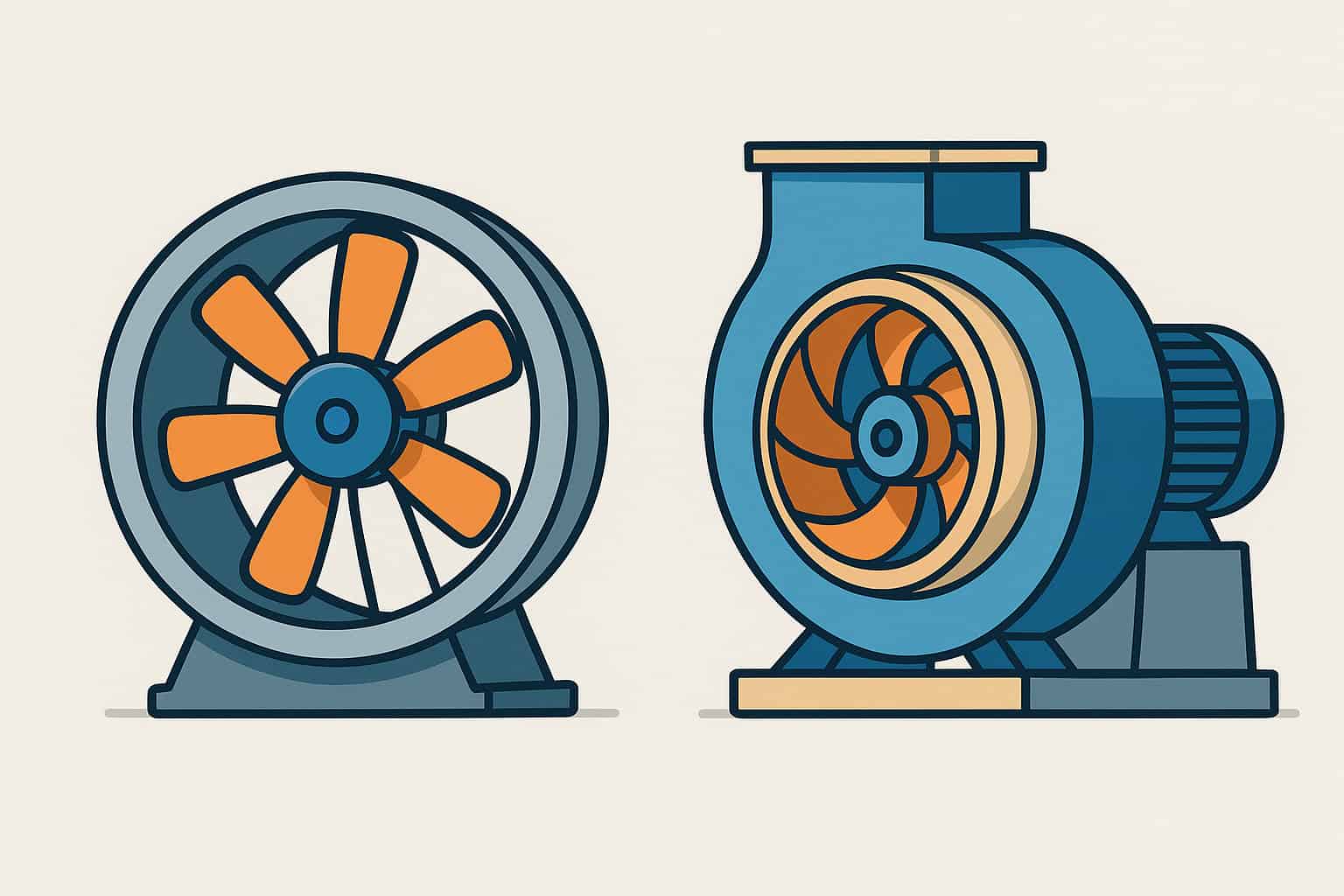
The essential difference between centrifugal flow and axial flow is the direction in which air moves through the fan and how that affects pressure, efficiency and typical applications. Axial flow means the air moves mainly parallel to the fan shaft, while centrifugal flow means the air is turned outward from the centre of the impeller and leaves the fan roughly perpendicular to the shaft.
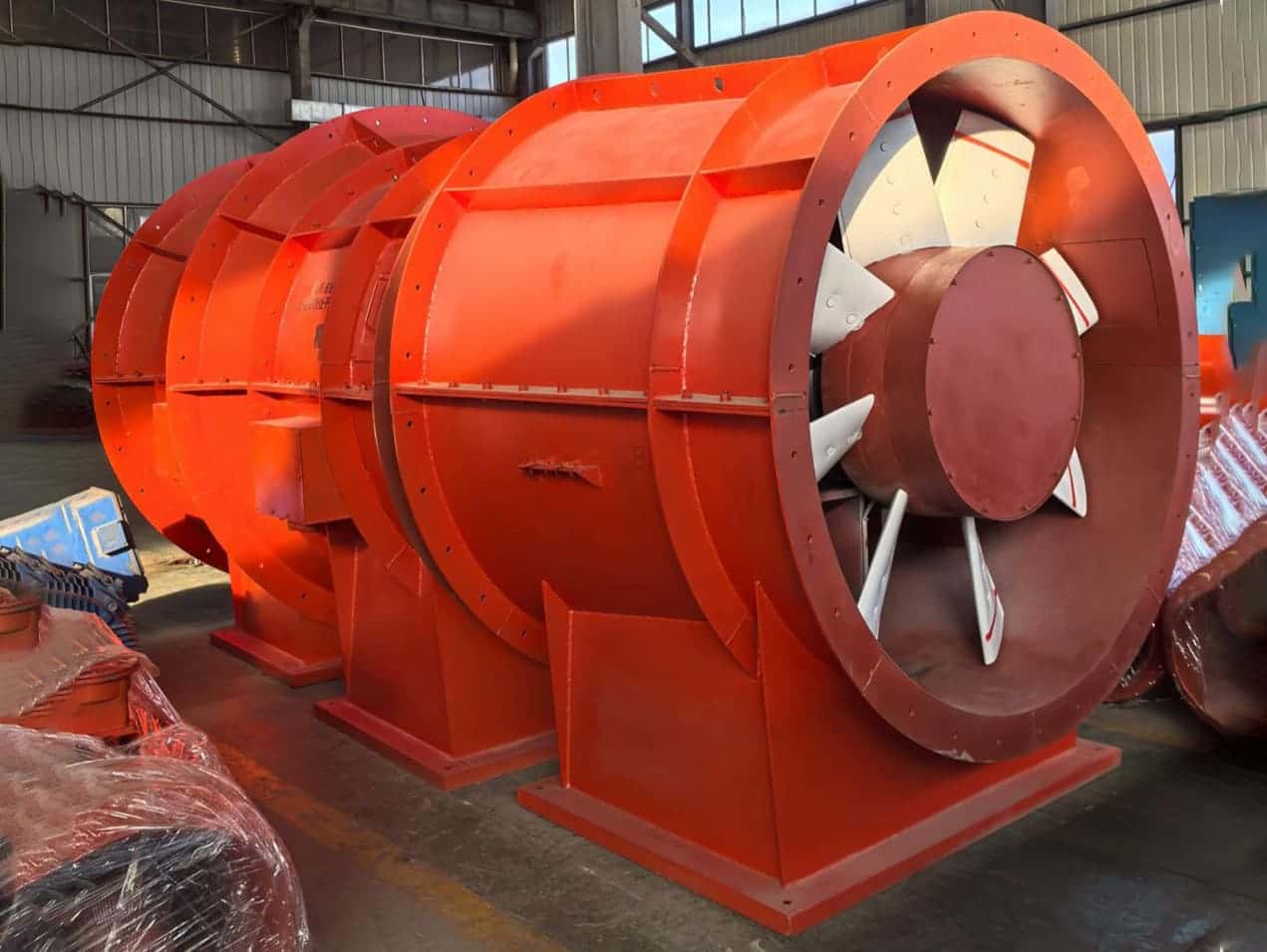
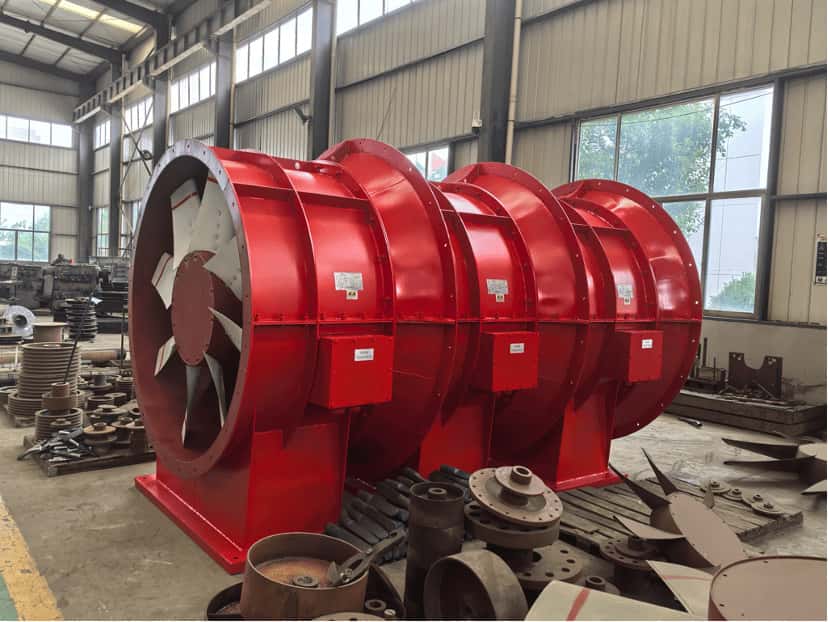
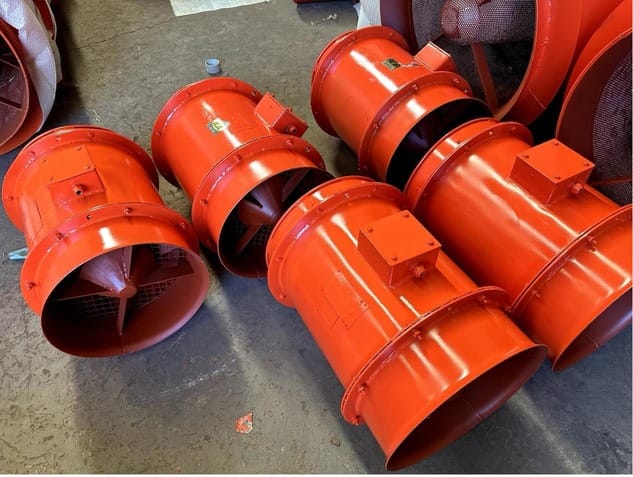
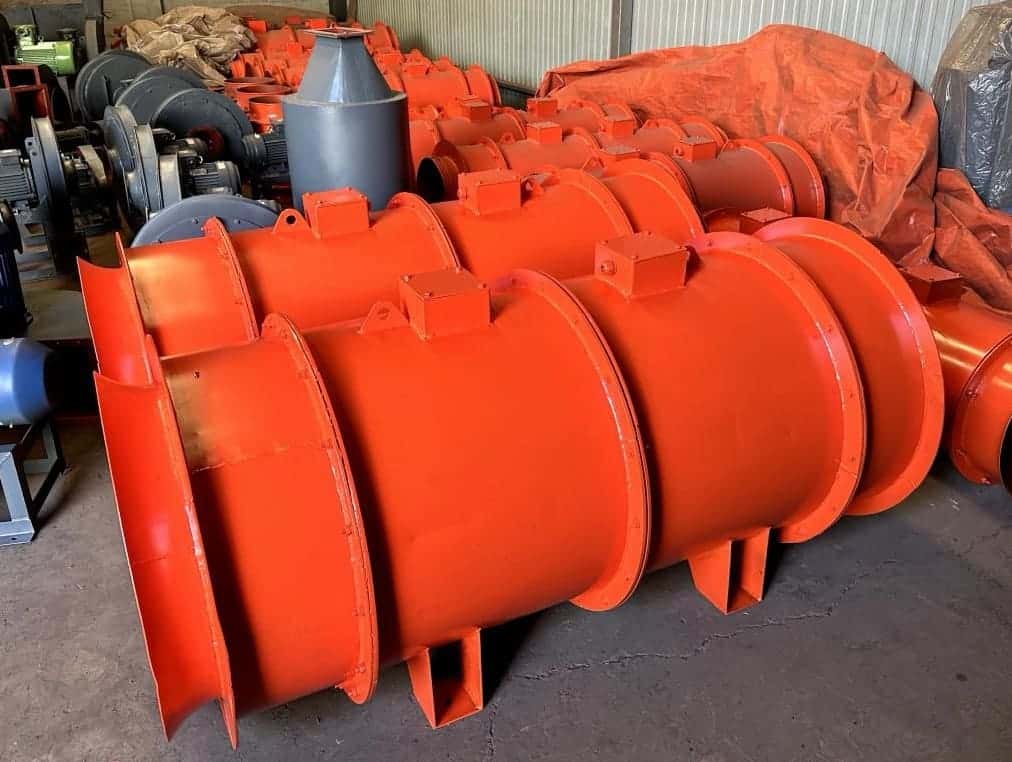
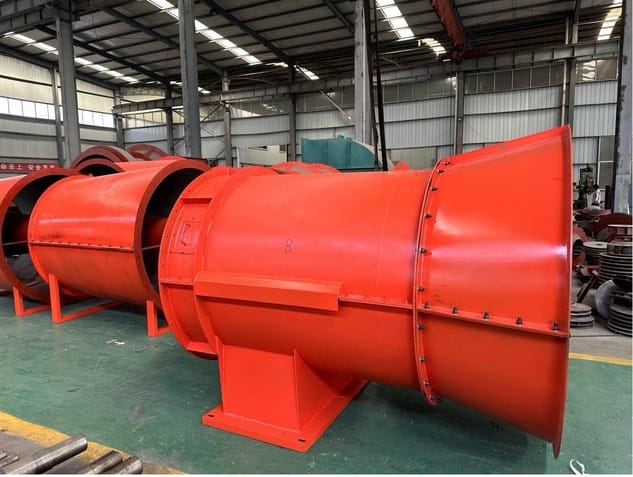
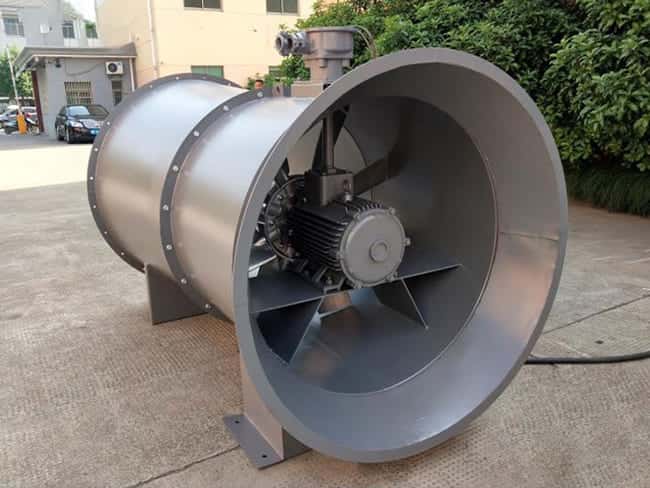
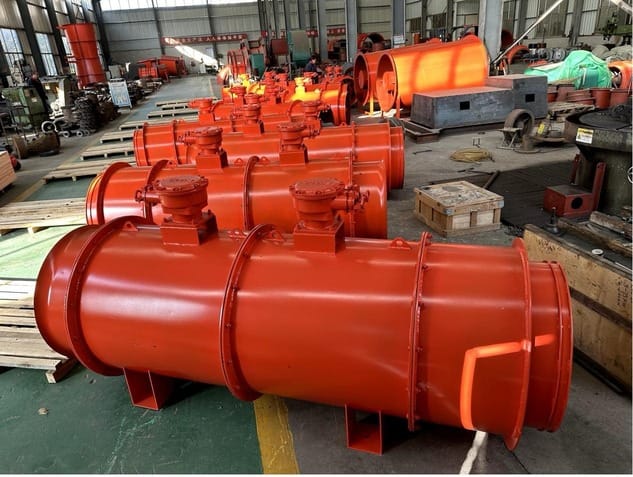
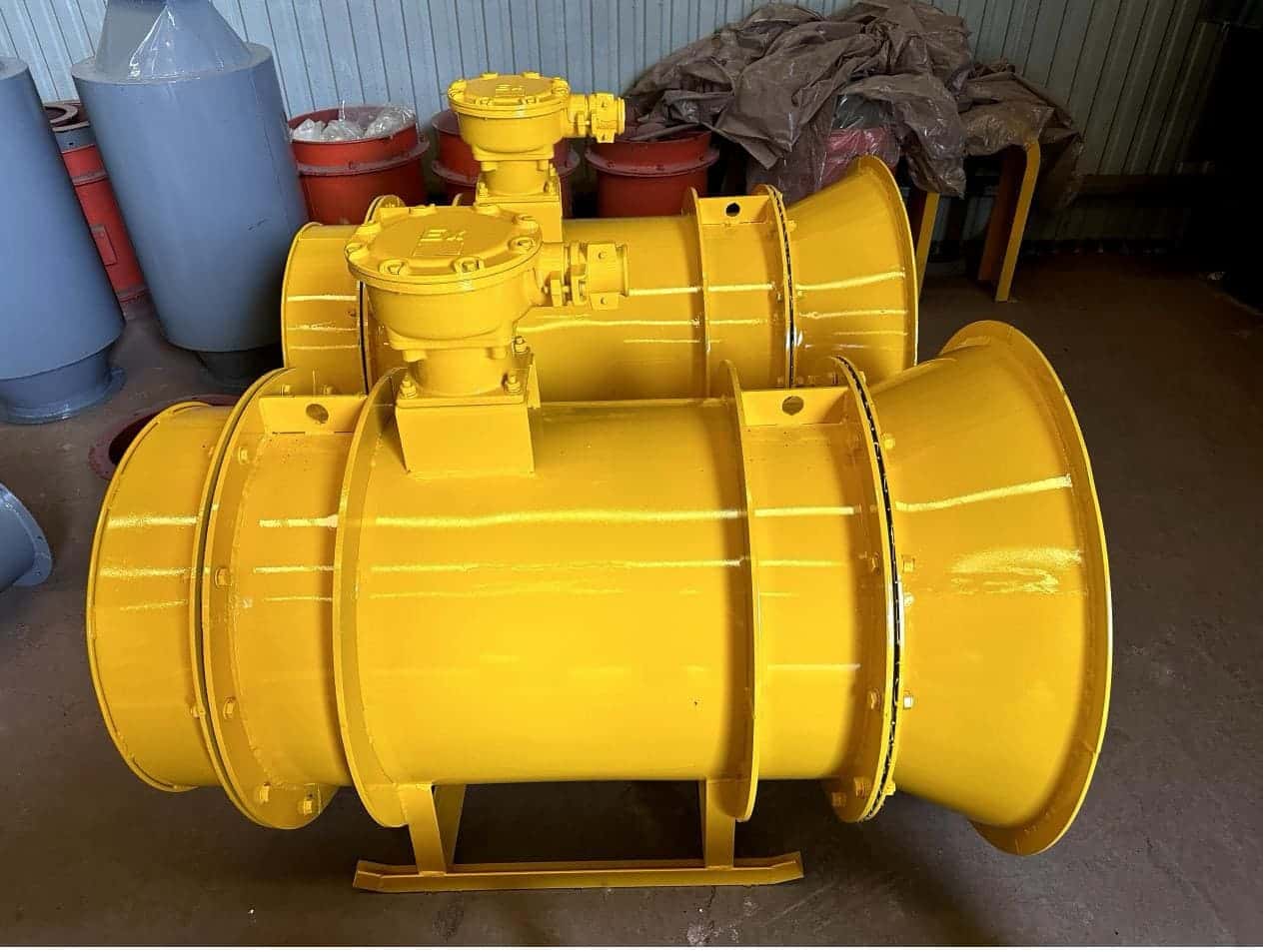
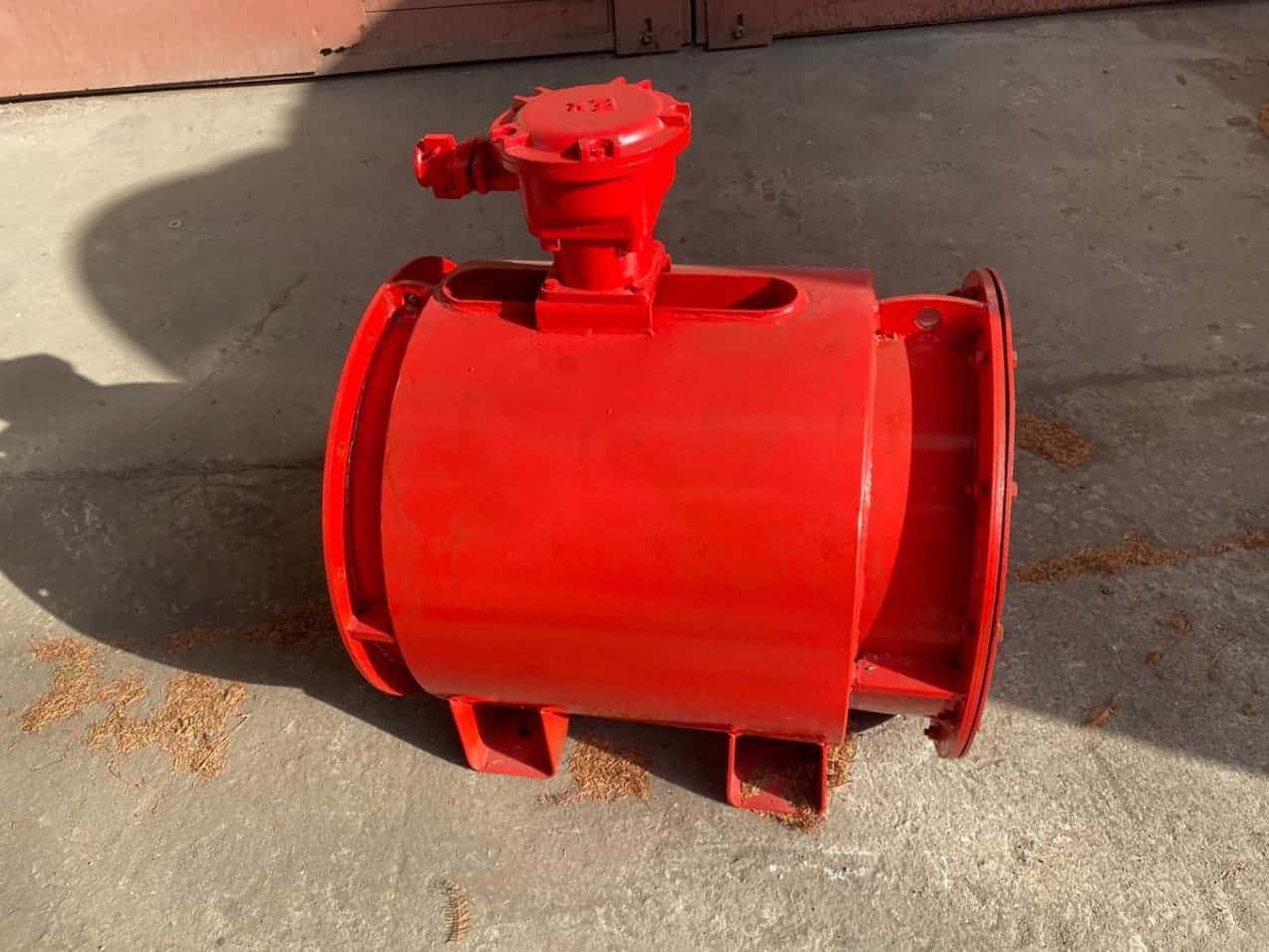
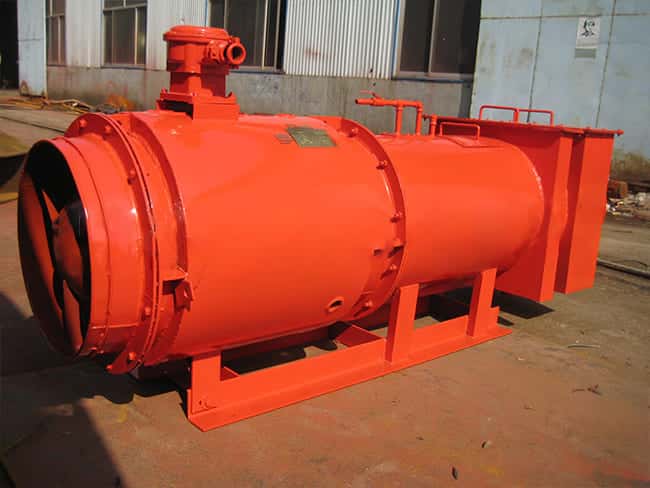
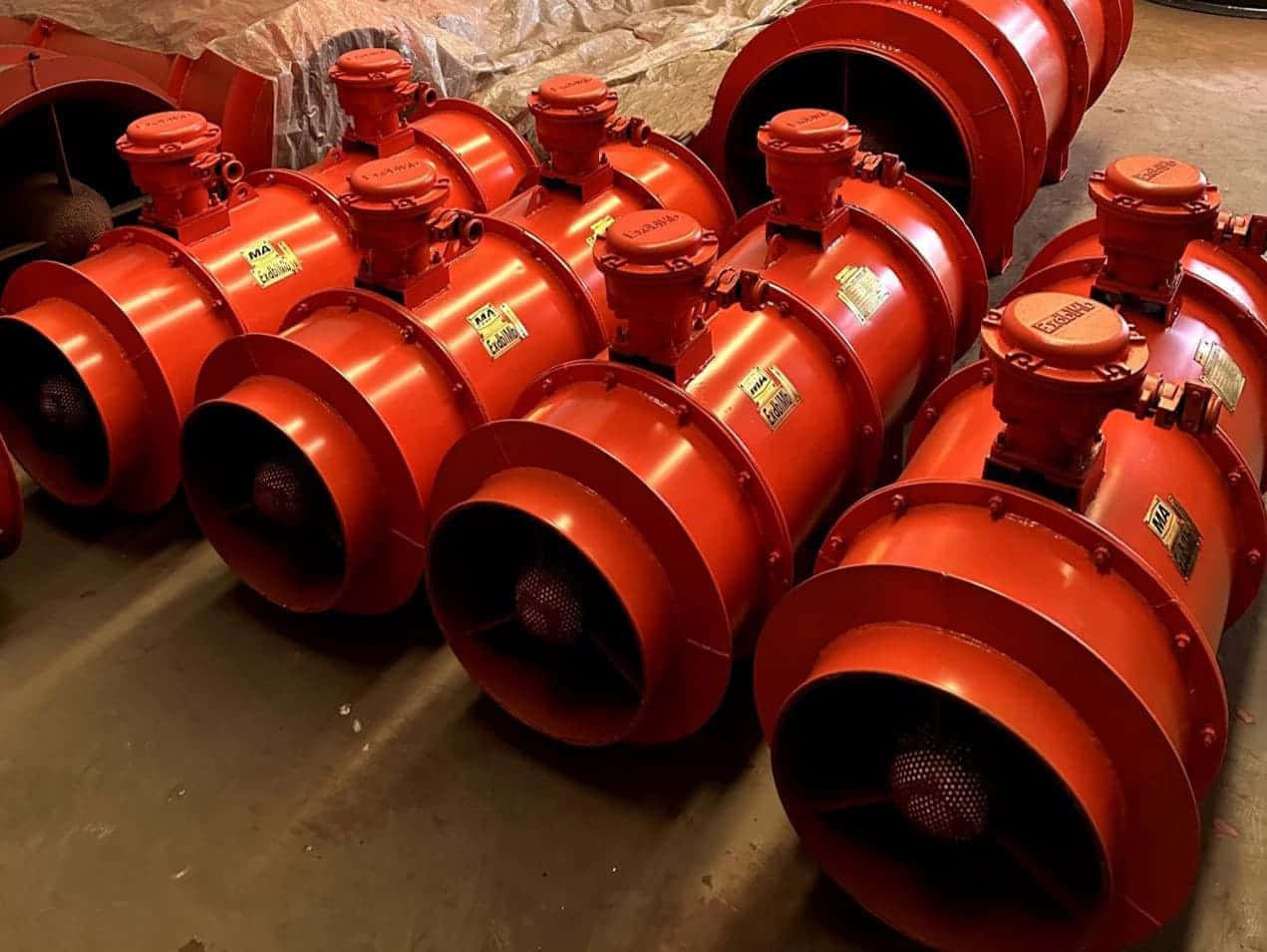
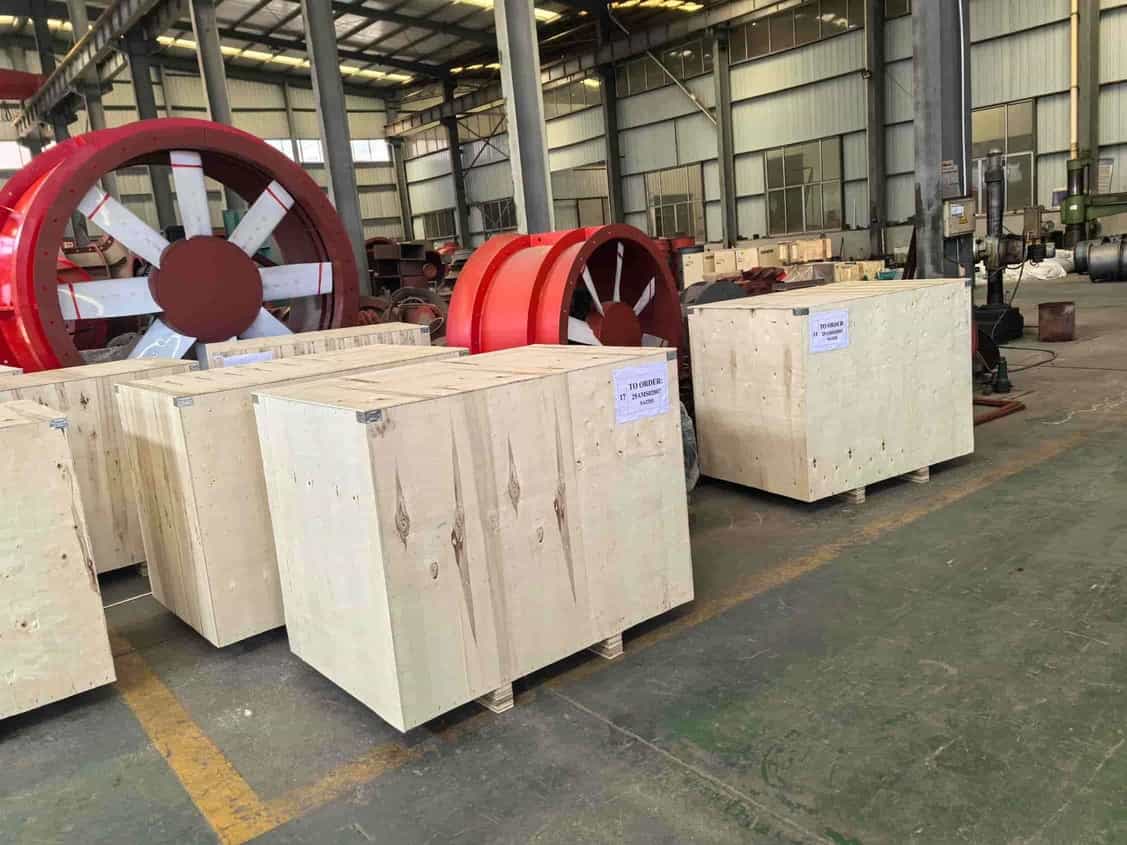
In an axial flow fan, air enters along the axis, passes through the rotating blades and exits in the same general direction, much like a propeller. This straight-through pattern allows axial fans to handle very high air volumes at low to medium static pressure. They are widely used as mine main fans, booster fans and auxiliary fans, as well as for tunnel and large building ventilation. Because the casing is usually cylindrical and in line with the airflow, duct layouts can be simple and pressure losses relatively low.
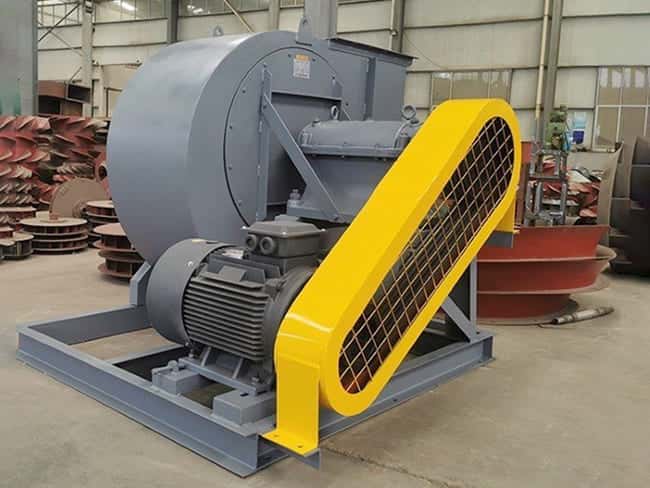
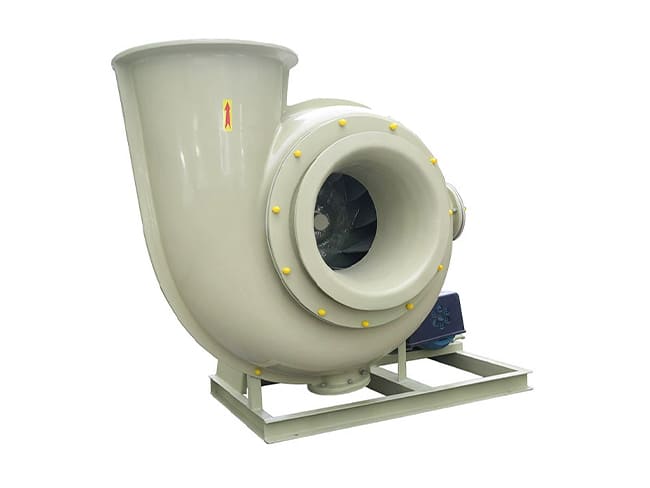
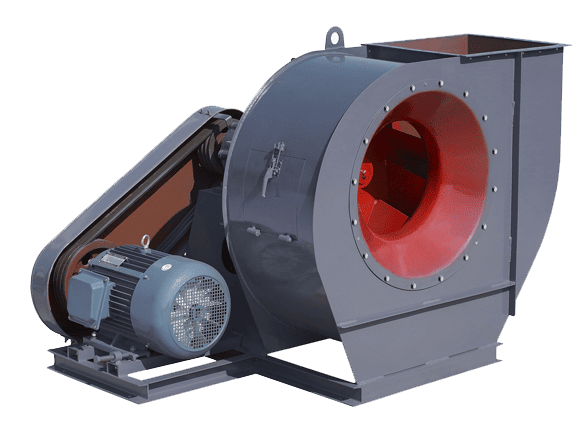
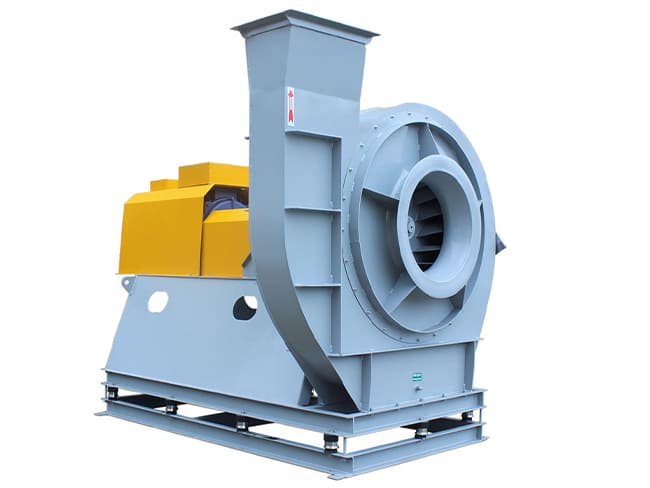
In a centrifugal flow fan (commonly called a centrifugal fan or blower), air enters near the centre of the impeller and is thrown outward by centrifugal force as the impeller rotates. The air then collects in a spiral-shaped volute casing and is discharged through an outlet that is typically at a right angle to the inlet. This radial turning of the flow allows centrifugal fans to generate higher static pressures than axial fans of similar size, making them suitable for systems with long ducts, many bends, filters, cyclones or scrubbers.
These differences in flow direction lead to different applications in mining and industrial ventilation. Axial flow fans dominate where large volumes of air must be moved through relatively open airways, such as main mine intakes and returns, tunnels and general building spaces. Centrifugal flow fans are often chosen for local exhaust, dust collection, boiler draft and process ventilation where resistance is high and the gas may be dusty, hot or corrosive. In some mines and plants, the overall ventilation system combines axial main fans with centrifugal process or exhaust fans.
Flow direction also influences installation and system design. Axial flow fans are ideal for inline installation and can be fitted directly into shafts and ducts, reducing the need for sudden turns that increase losses. Centrifugal fans, with their 90-degree outlet, can help when ductwork must turn sharply or when a compact arrangement is needed in plant rooms. However, they require carefully designed inlet boxes and scroll casings to minimise turbulence and noise.
In summary, axial flow keeps air moving parallel to the shaft and is best for high-volume, low to medium pressure ventilation of mines, tunnels and large industrial spaces. Centrifugal flow turns air outward from the impeller into a scroll casing, producing higher pressures for more restrictive systems such as dust collection and process exhaust. Both flow types are important tools for engineers designing mining and industrial ventilation networks.