
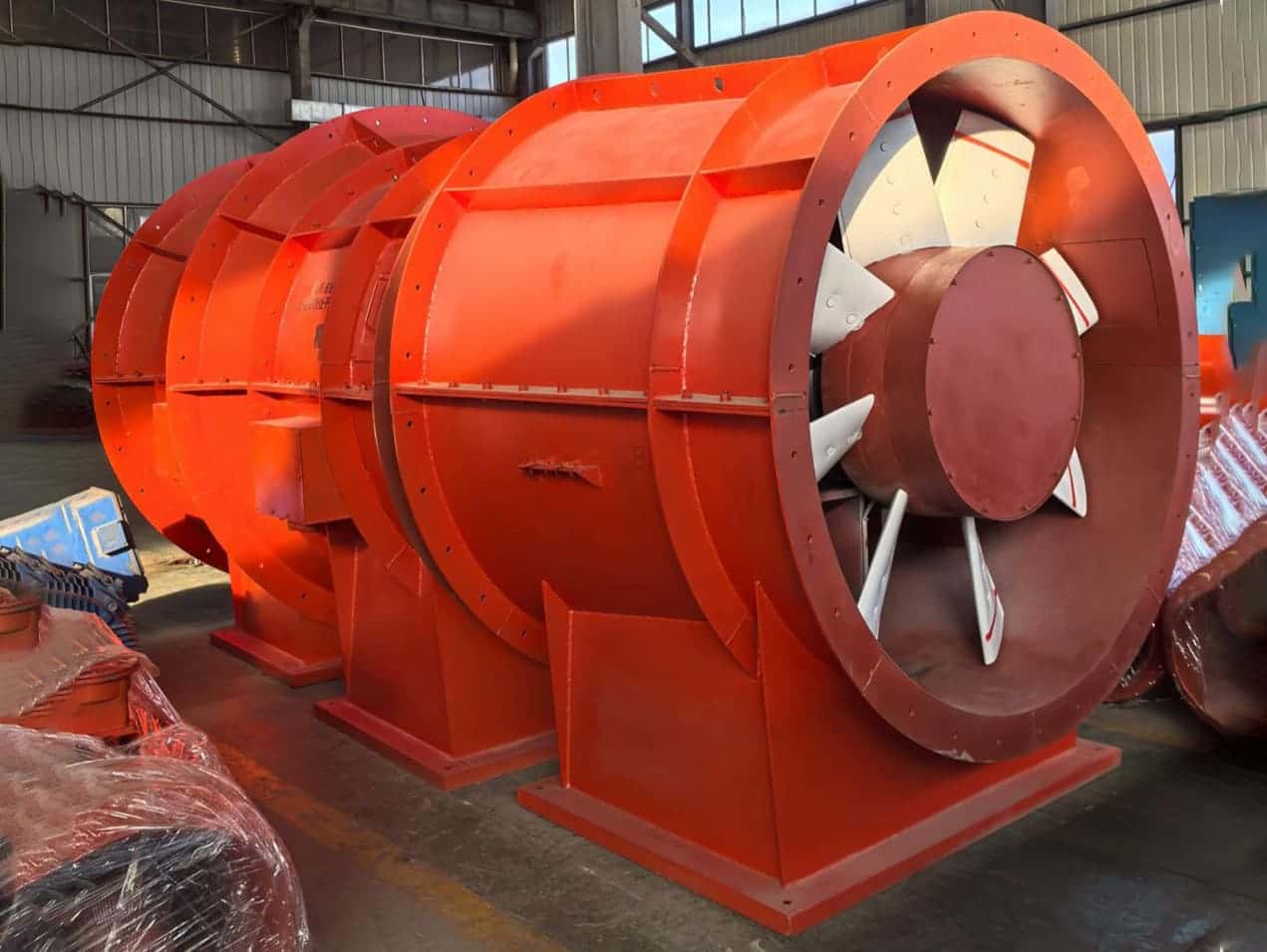
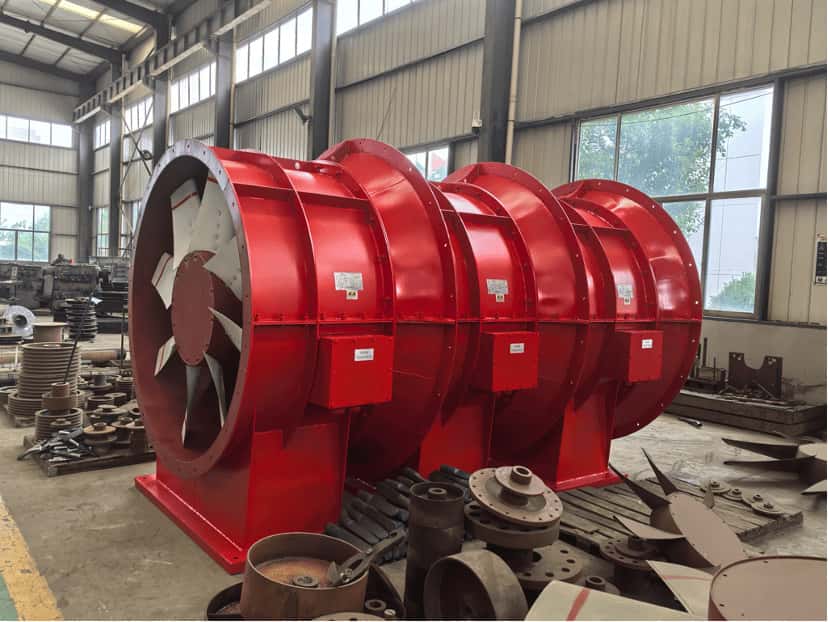
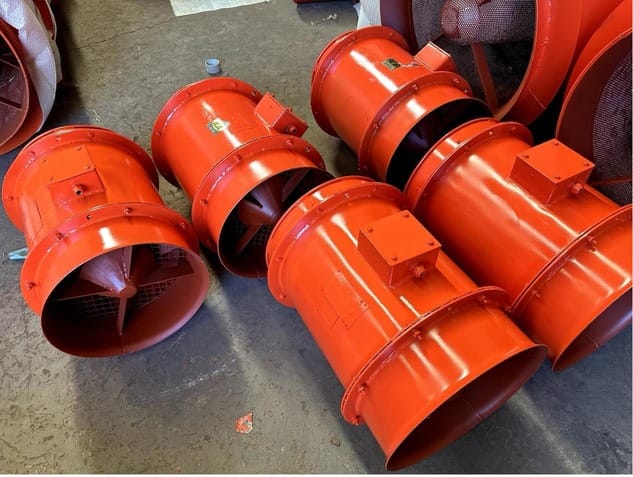
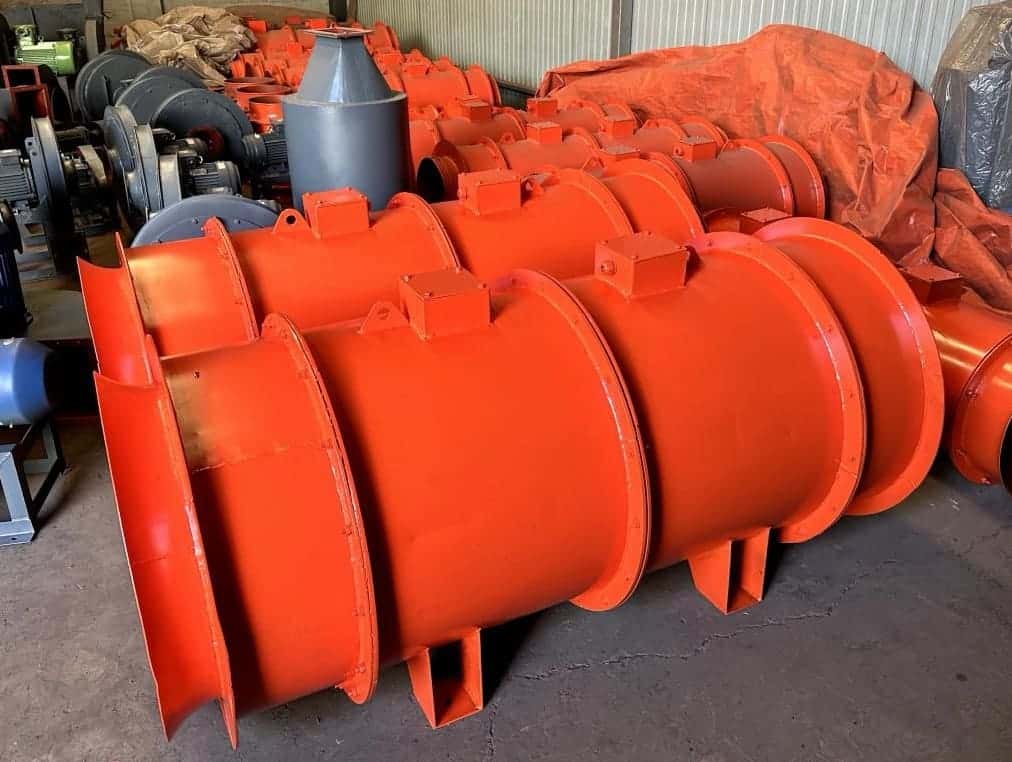
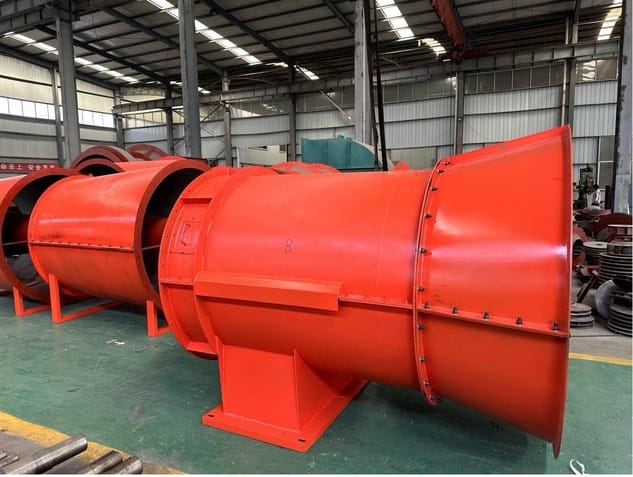
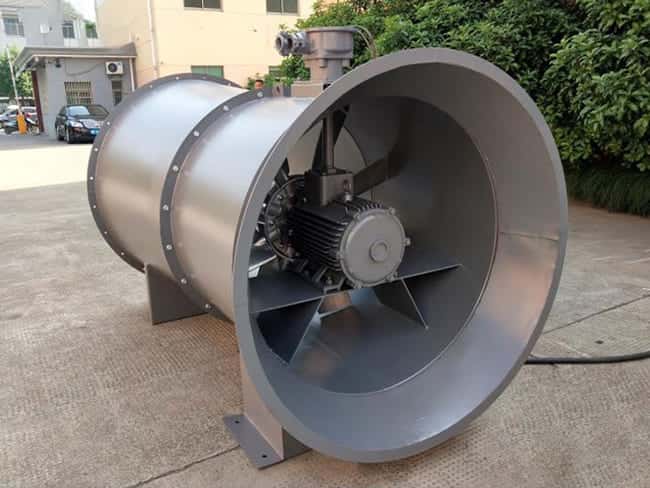
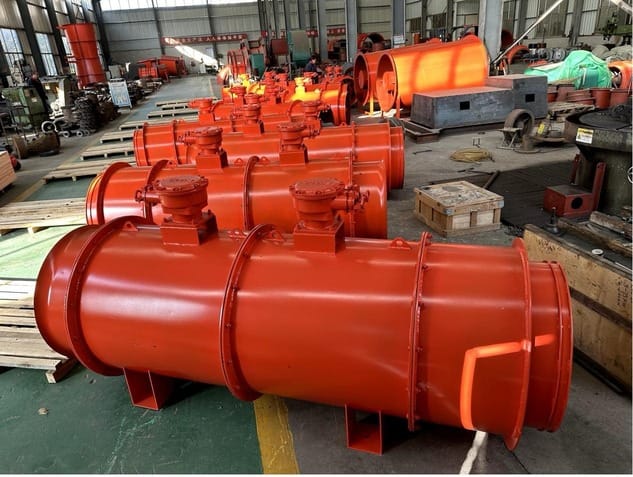
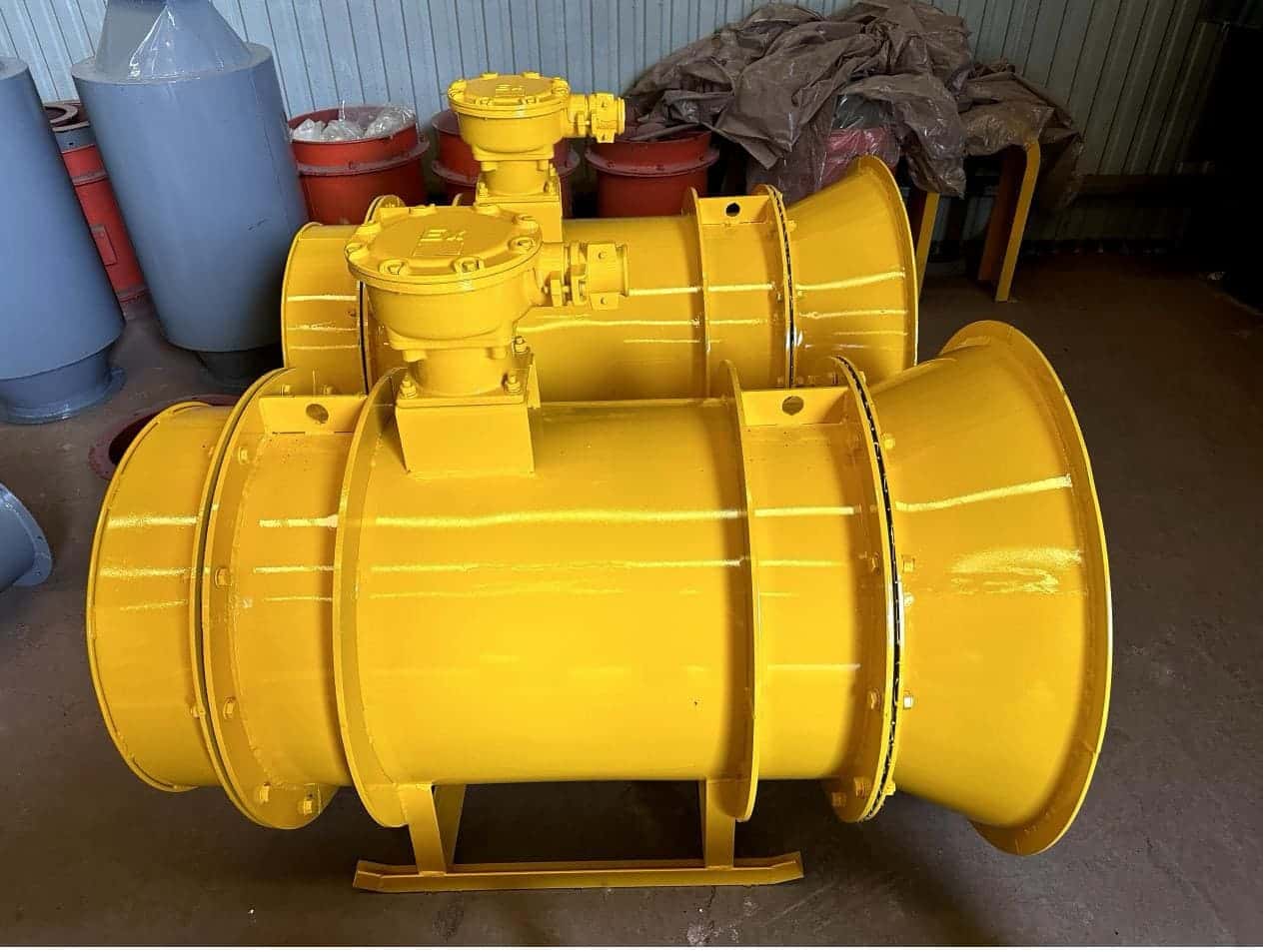
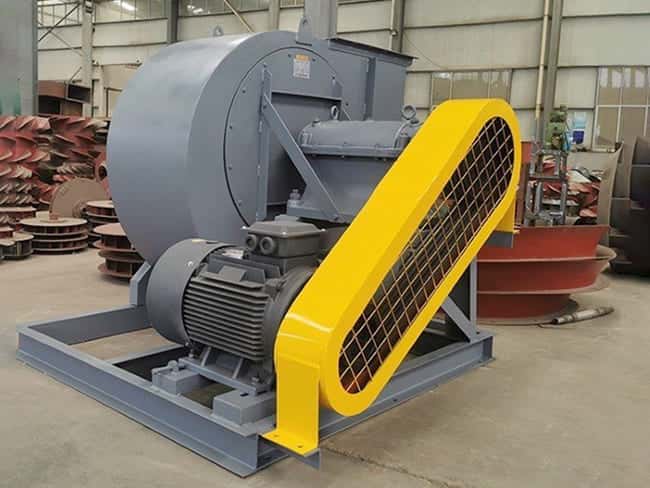
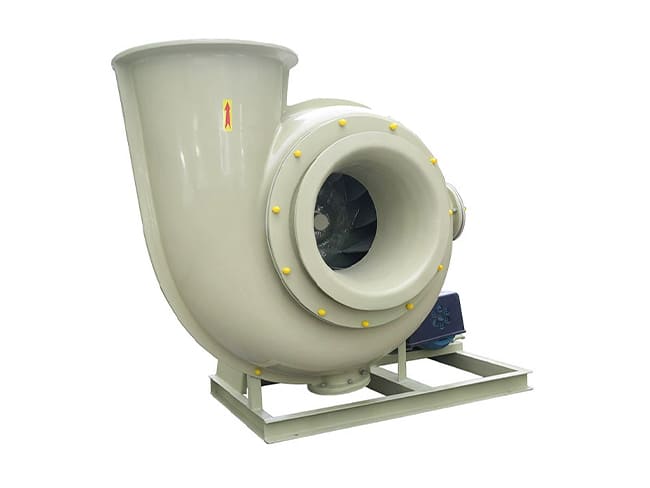
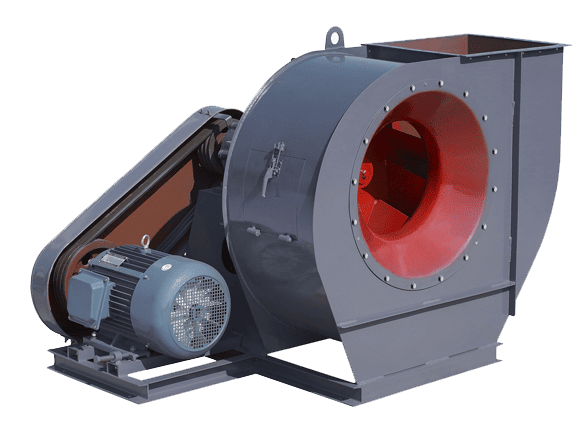
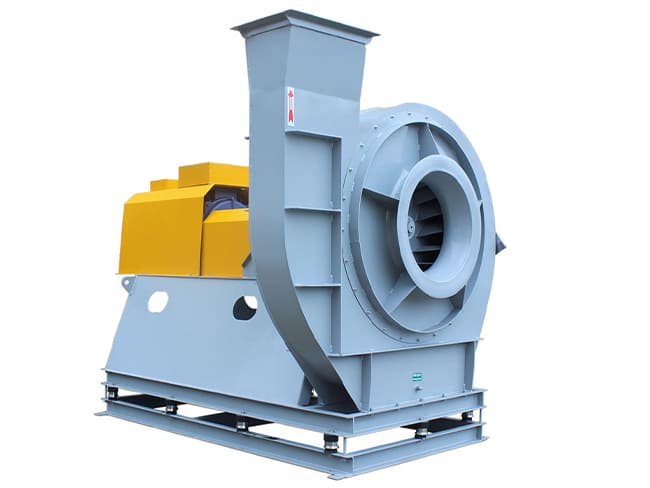
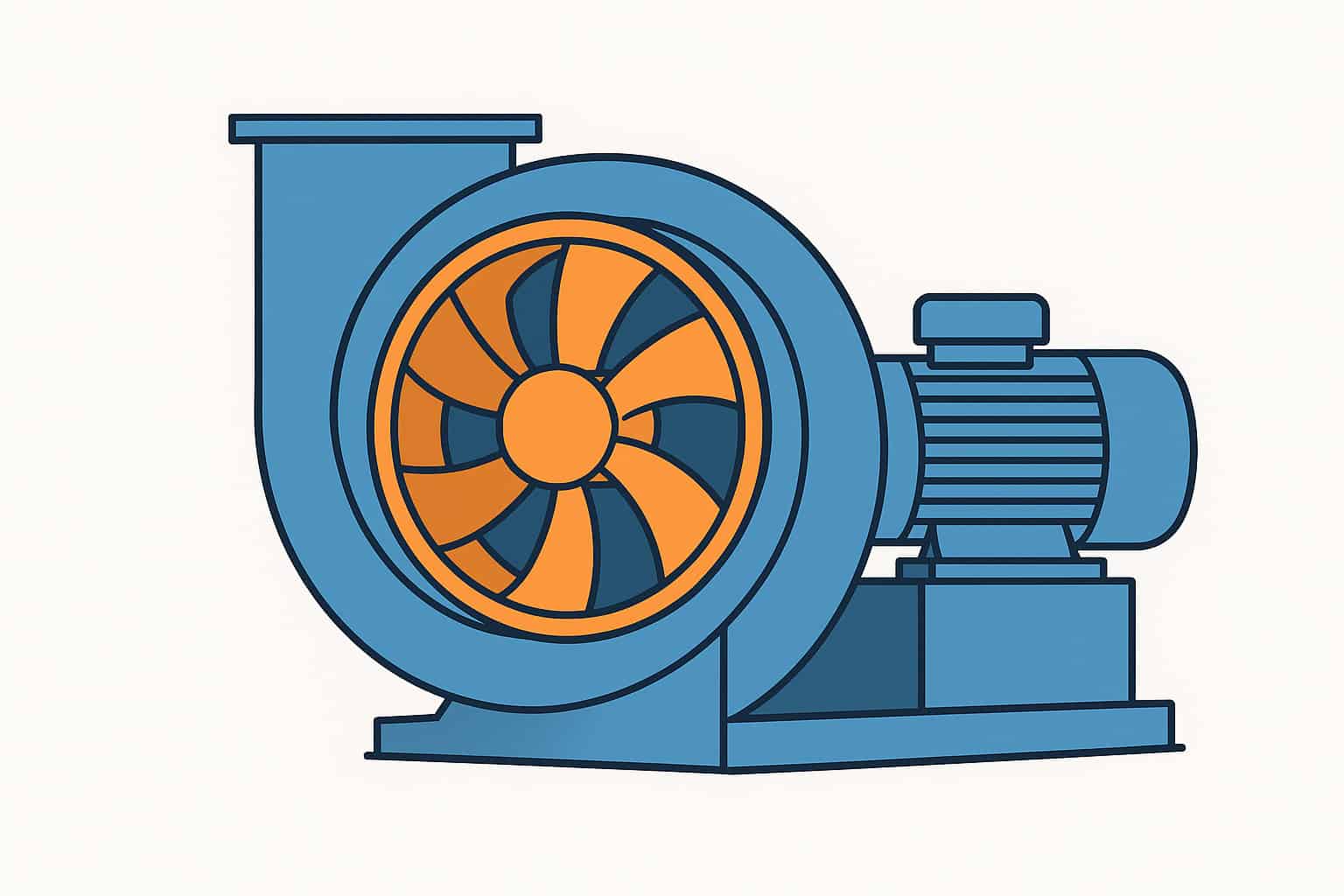
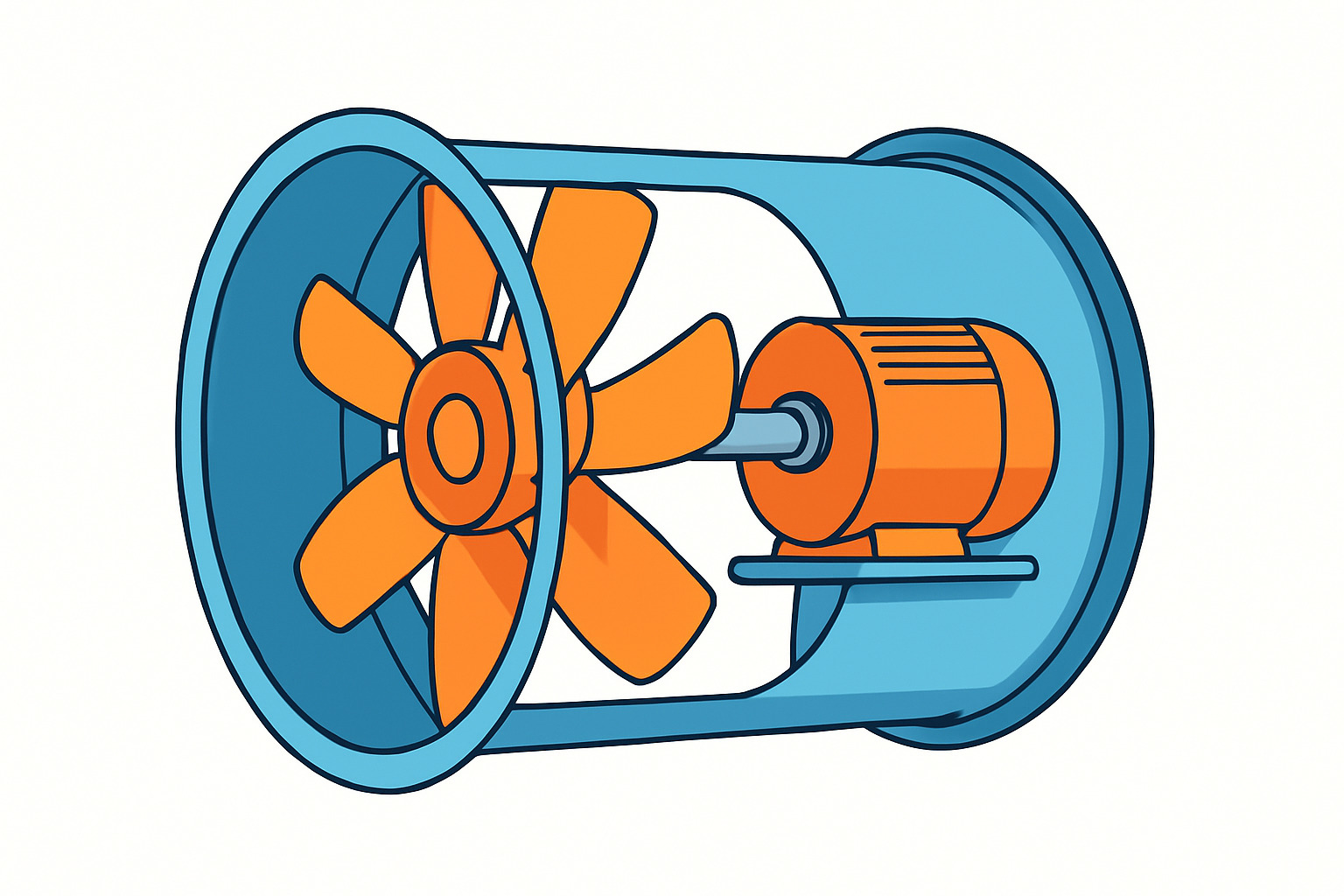
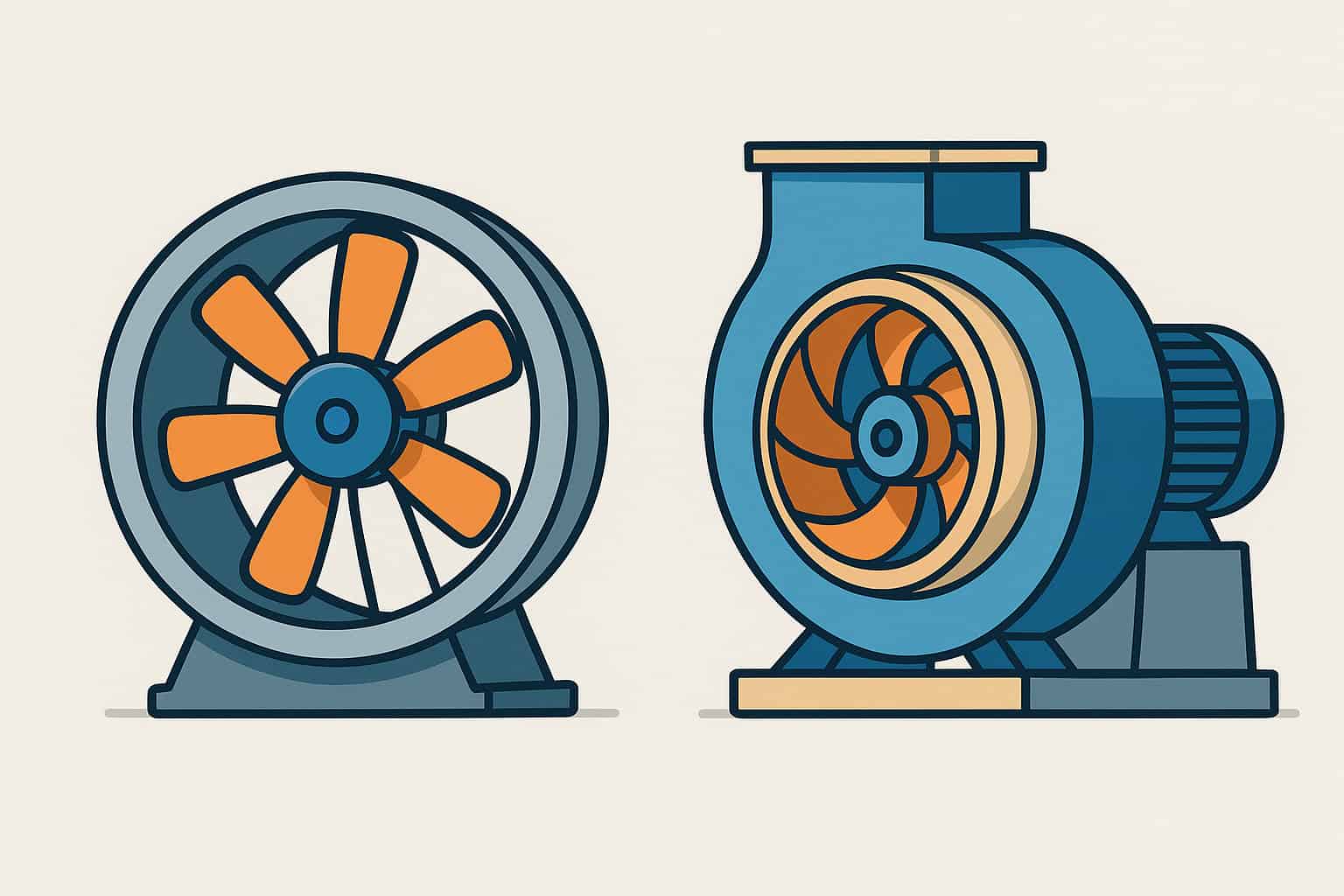
The main difference between industrial and commercial fans lies in their construction, performance and intended duty. Industrial fans are designed for heavy, continuous service in harsh environments, while commercial fans are aimed at lighter-duty comfort and general building ventilation.
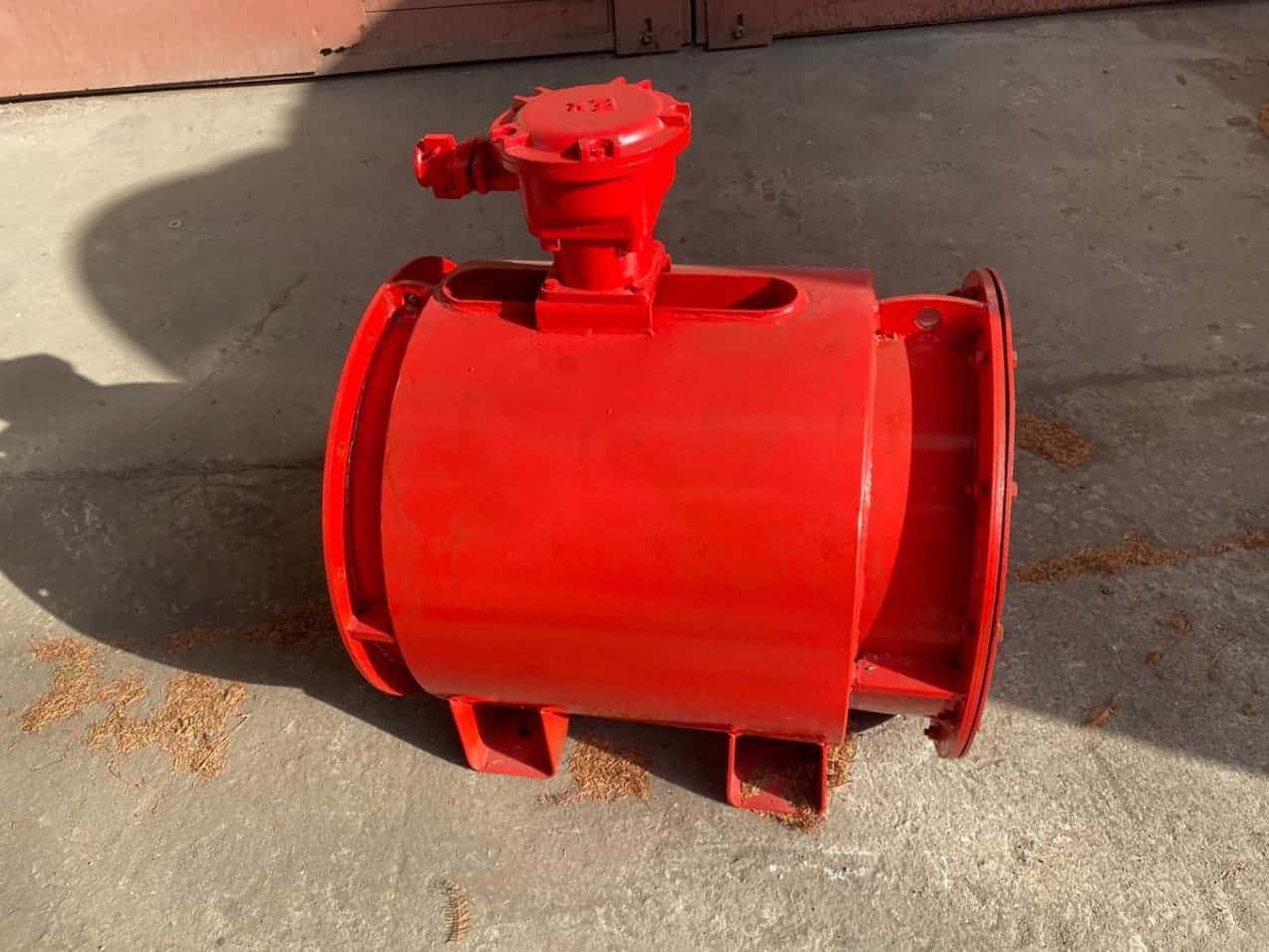
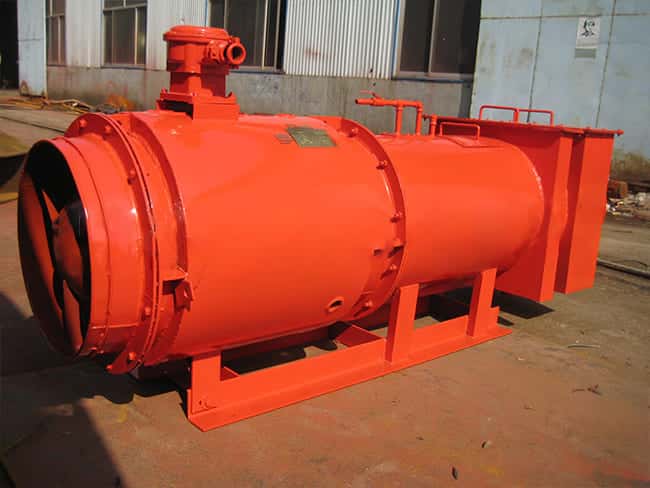
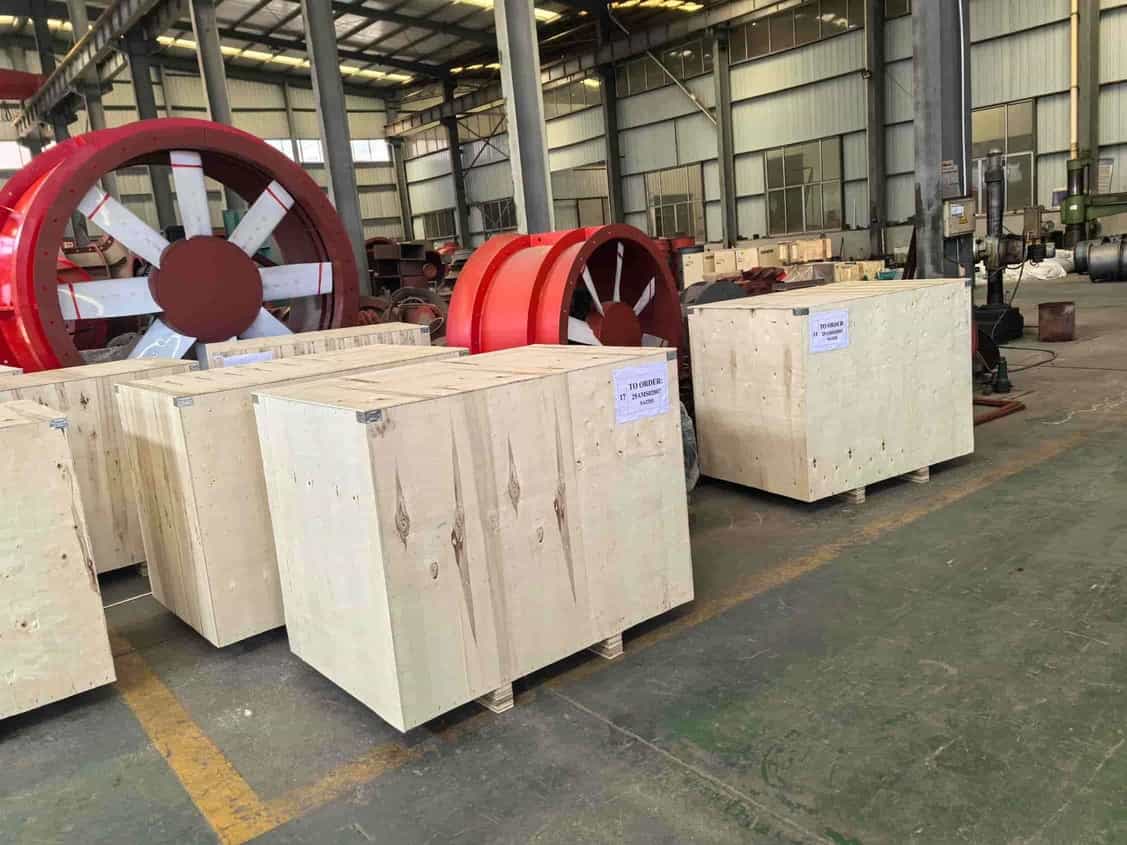
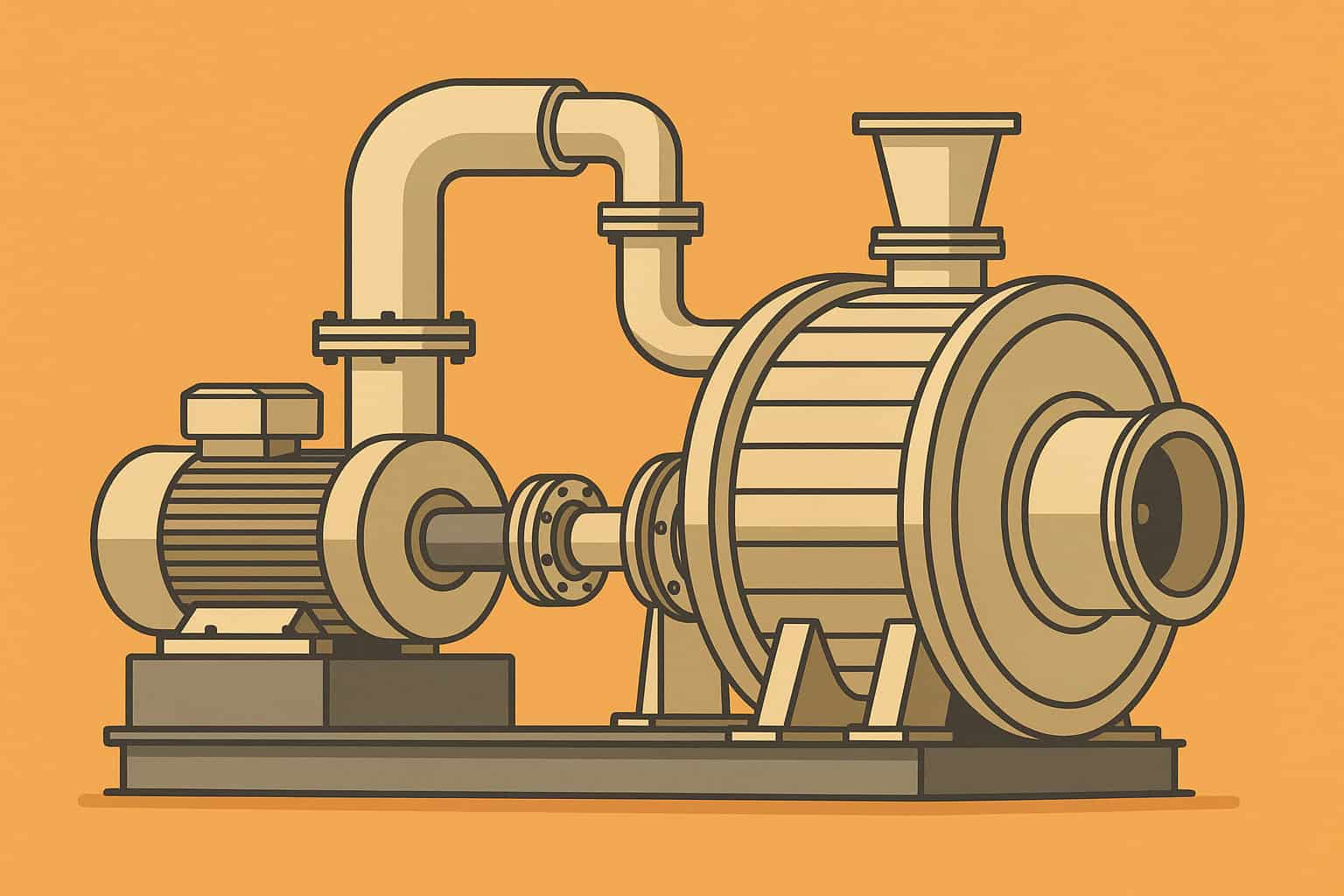
Industrial fans are built to handle higher pressures, larger air volumes and more demanding conditions. They use heavy-gauge steel housings, robust impellers, oversized bearings and industrial-grade motors. These fans may be centrifugal or axial, and they often run 24 hours a day in factories, power plants, steel mills, cement plants and mines. They are sized using detailed engineering calculations, fan curves and system resistance data to meet specific process or safety requirements.
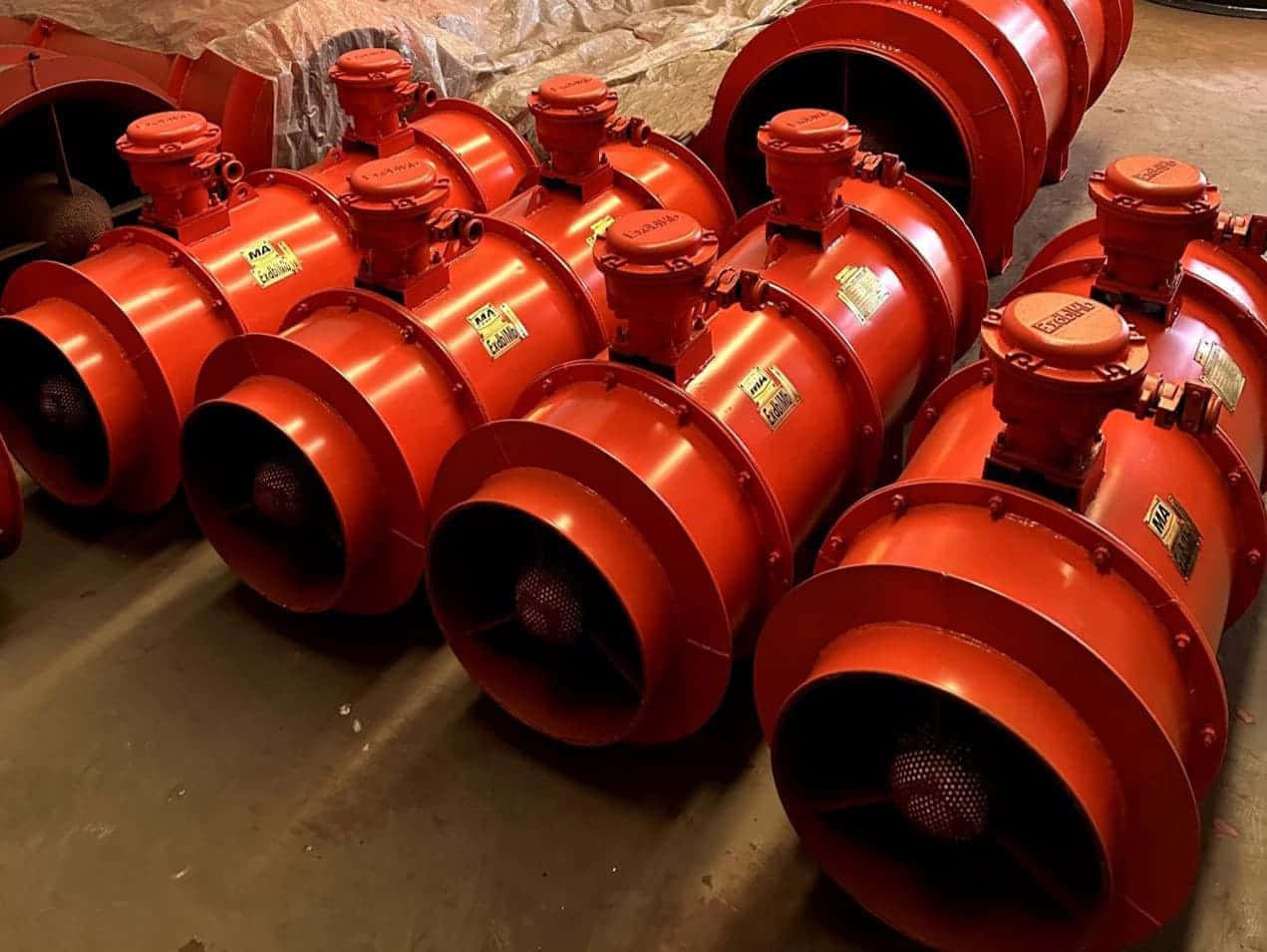
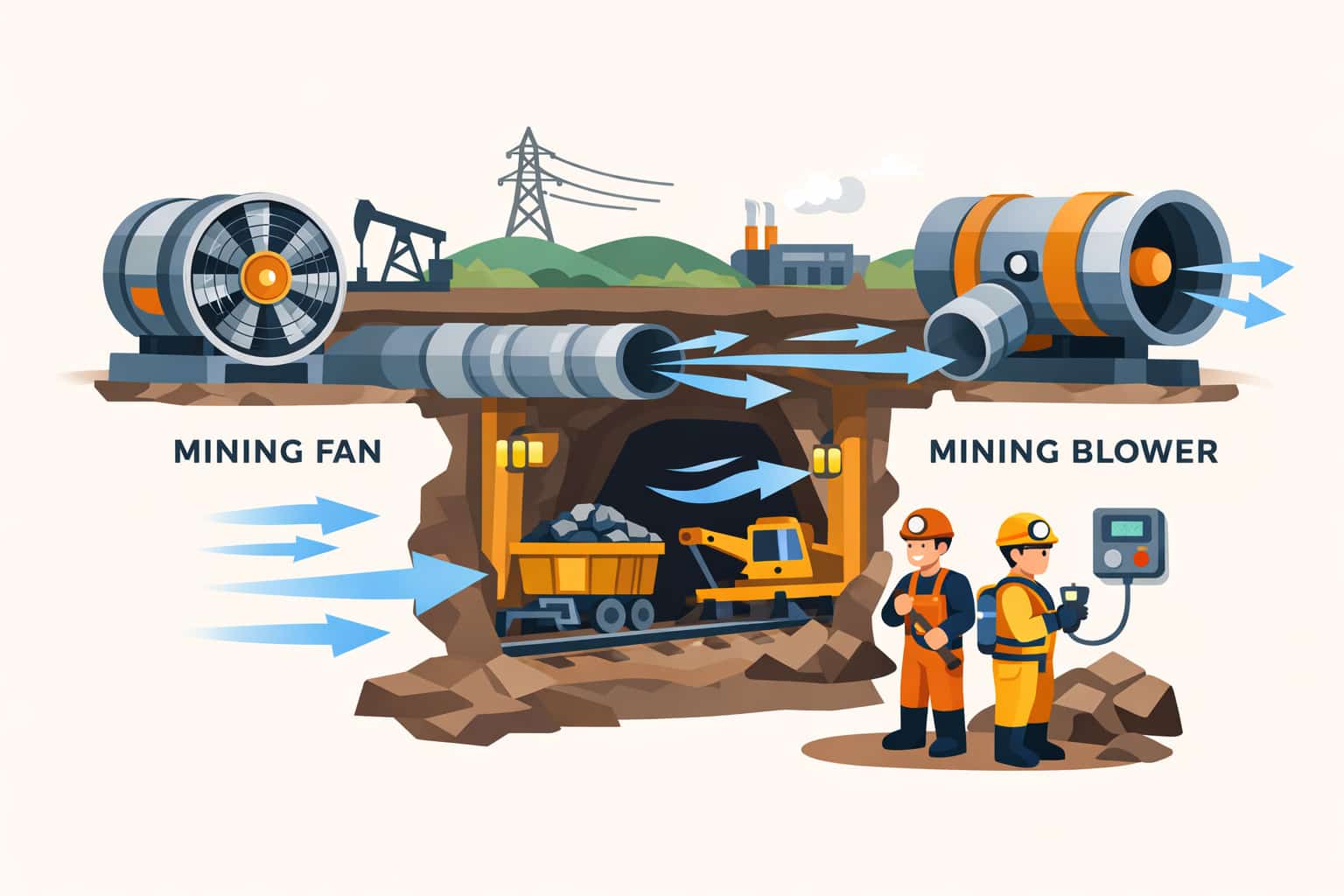
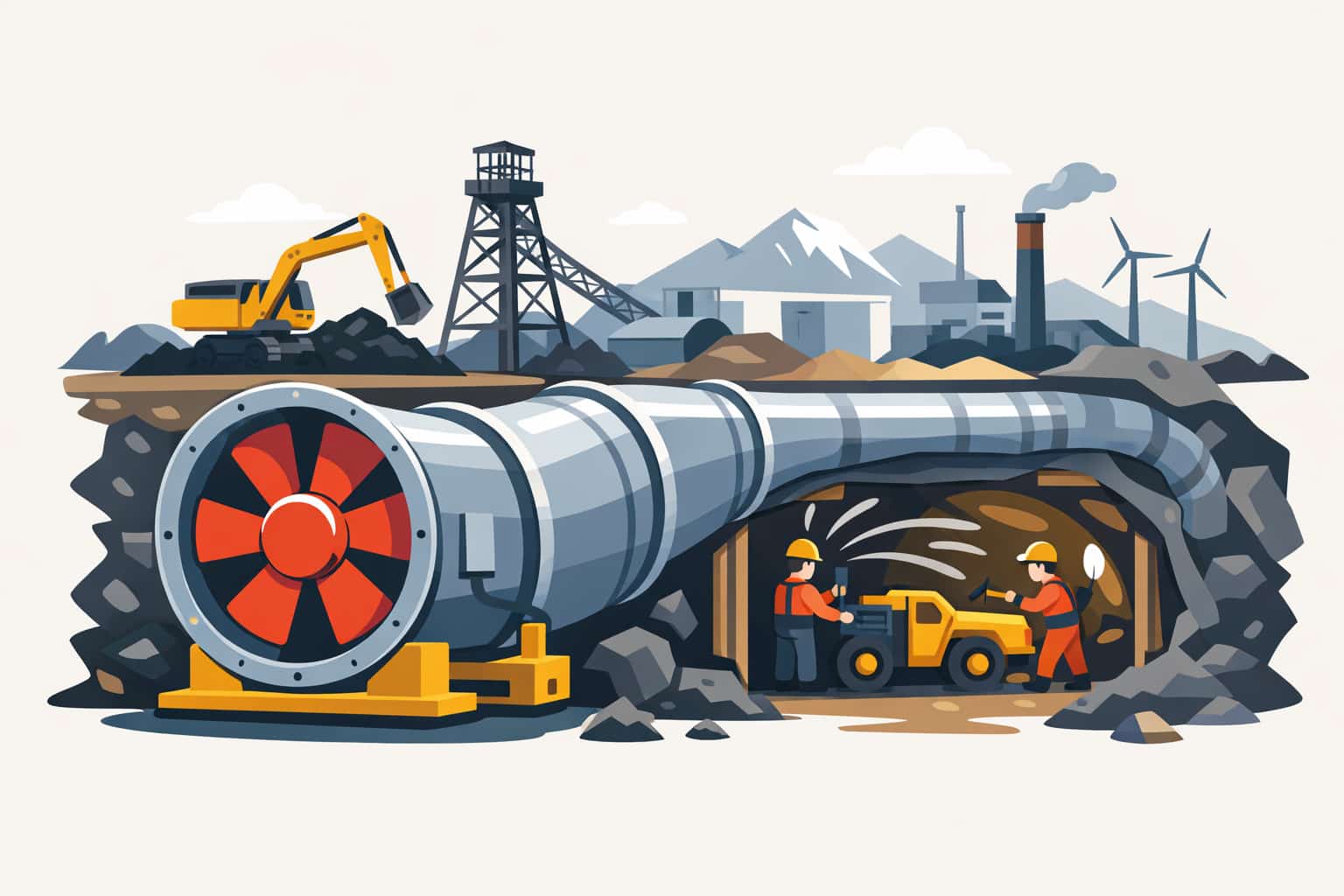
In mining, industrial fans include main ventilation fans, booster fans, auxiliary fans and dust-collection fans. These must withstand dust, moisture, vibration and sometimes explosive atmospheres, and they are critical to worker safety. In other industries, industrial fans support furnaces, kilns, chemical reactors, baghouses, scrubbers and large HVAC air handling units.
Commercial fans are designed primarily for comfort cooling and general building ventilation in offices, shops, restaurants, schools and light commercial premises. They include ceiling fans, wall-mounted exhaust fans, packaged rooftop units and light-duty duct fans. While commercial fans can be reliable and efficient, they are generally not intended to handle high dust loadings, corrosive gases, very high temperatures or continuous heavy-duty operation in the way industrial fans are.
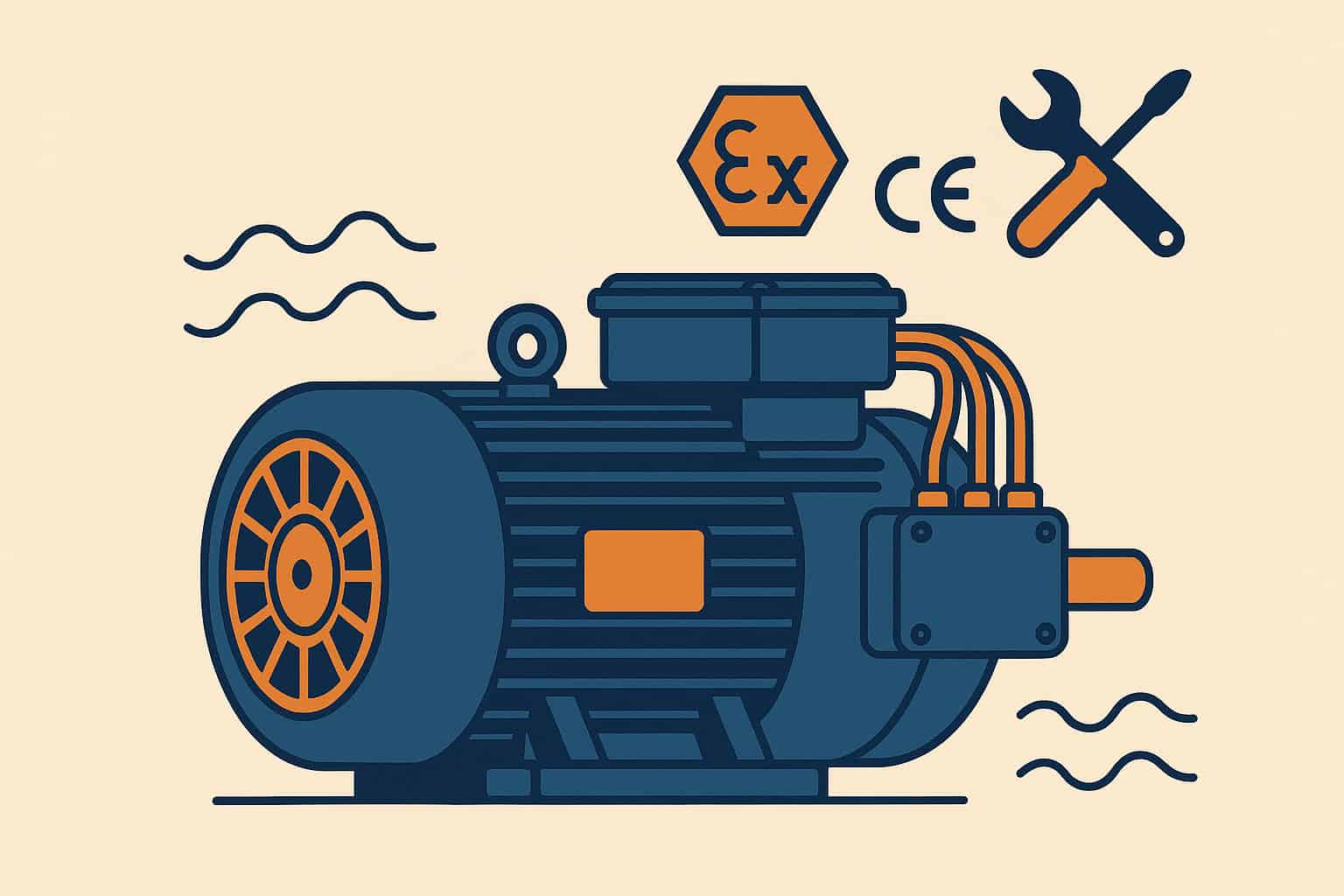
Construction differences are significant. Industrial fans often have reinforced impellers, high-temperature materials, special coatings, explosion-proof motors and engineered supports. Commercial fans typically use lighter materials, smaller motors and simpler mounting arrangements. Maintenance intervals and spare parts strategies are also different; industrial fans are maintained under planned preventive programs with vibration monitoring, while commercial fans are serviced more like other building equipment.
Performance requirements also diverge. Industrial fans must often meet precise performance guarantees for airflow, pressure, efficiency and noise, with documented test results. Commercial fans are usually selected from catalogue ratings to meet approximate air change or comfort requirements. A commercial fan that fails may inconvenience occupants, but an industrial or mining fan failure can halt production or create serious safety risks.
In summary, industrial fans are heavy-duty, engineered machines designed for continuous high-stress service in industrial and mining environments, while commercial fans are lighter-duty devices for comfort and general building ventilation. Choosing the correct category is essential for safe, reliable and efficient ventilation.