
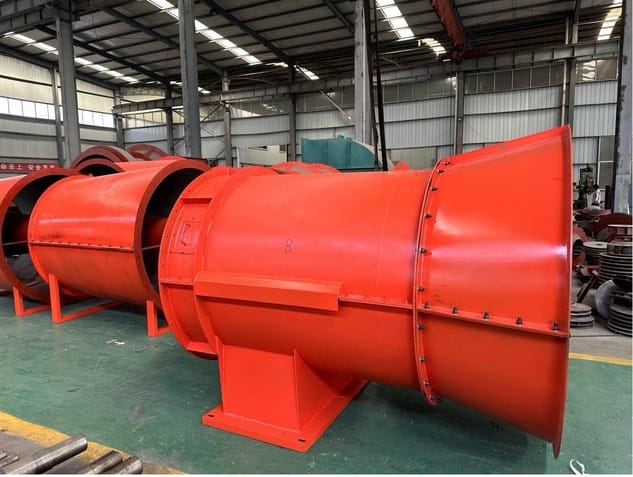
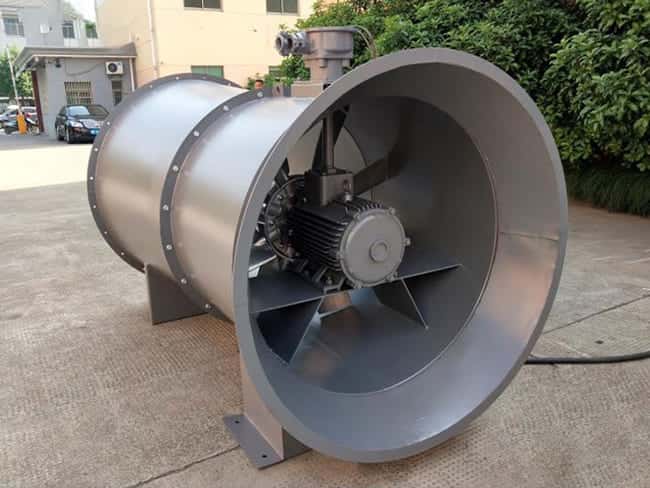
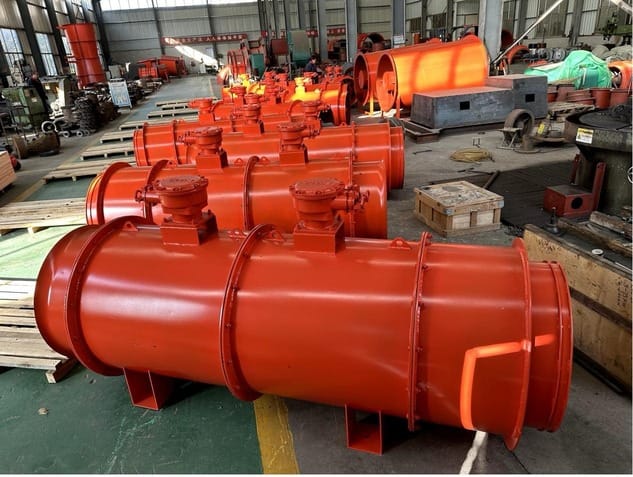
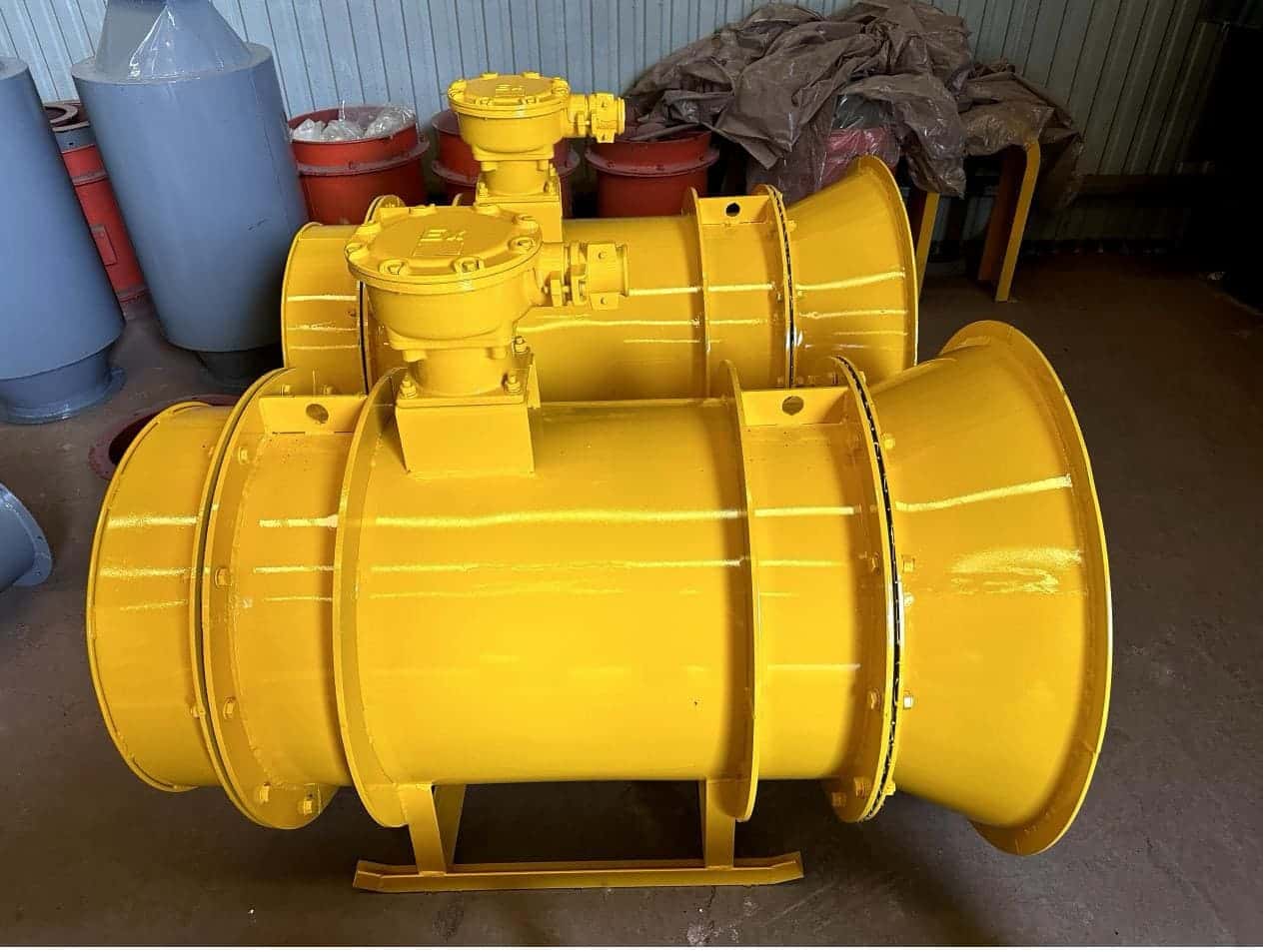
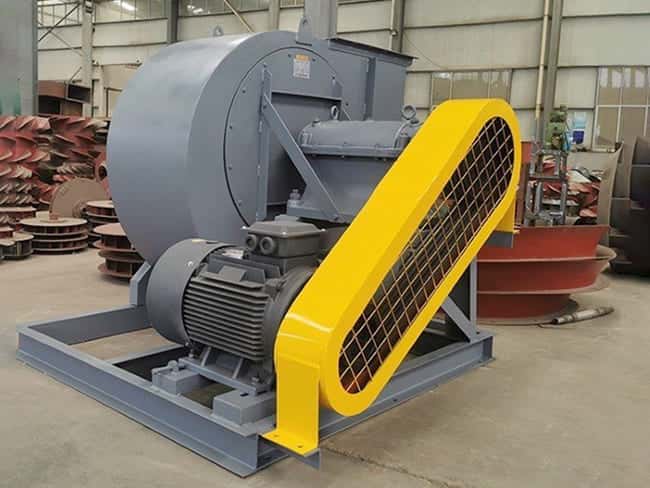
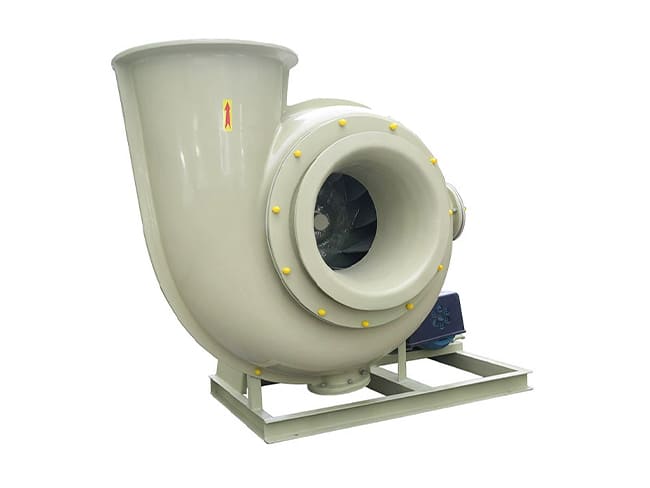
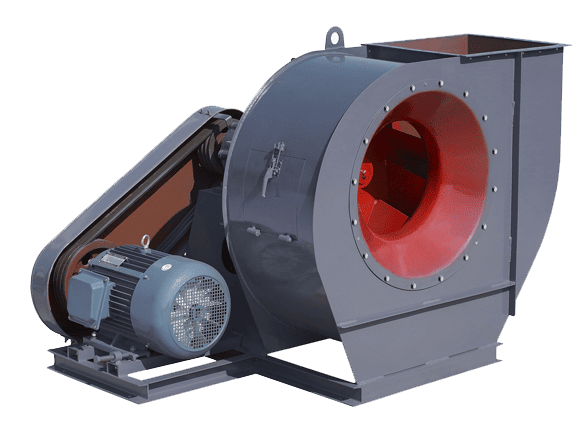
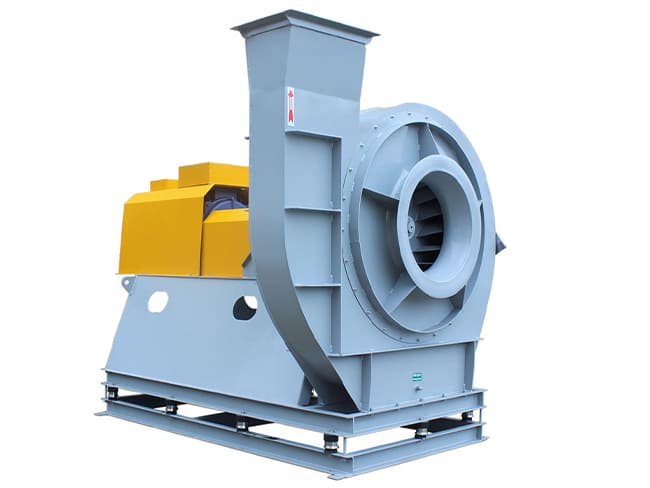
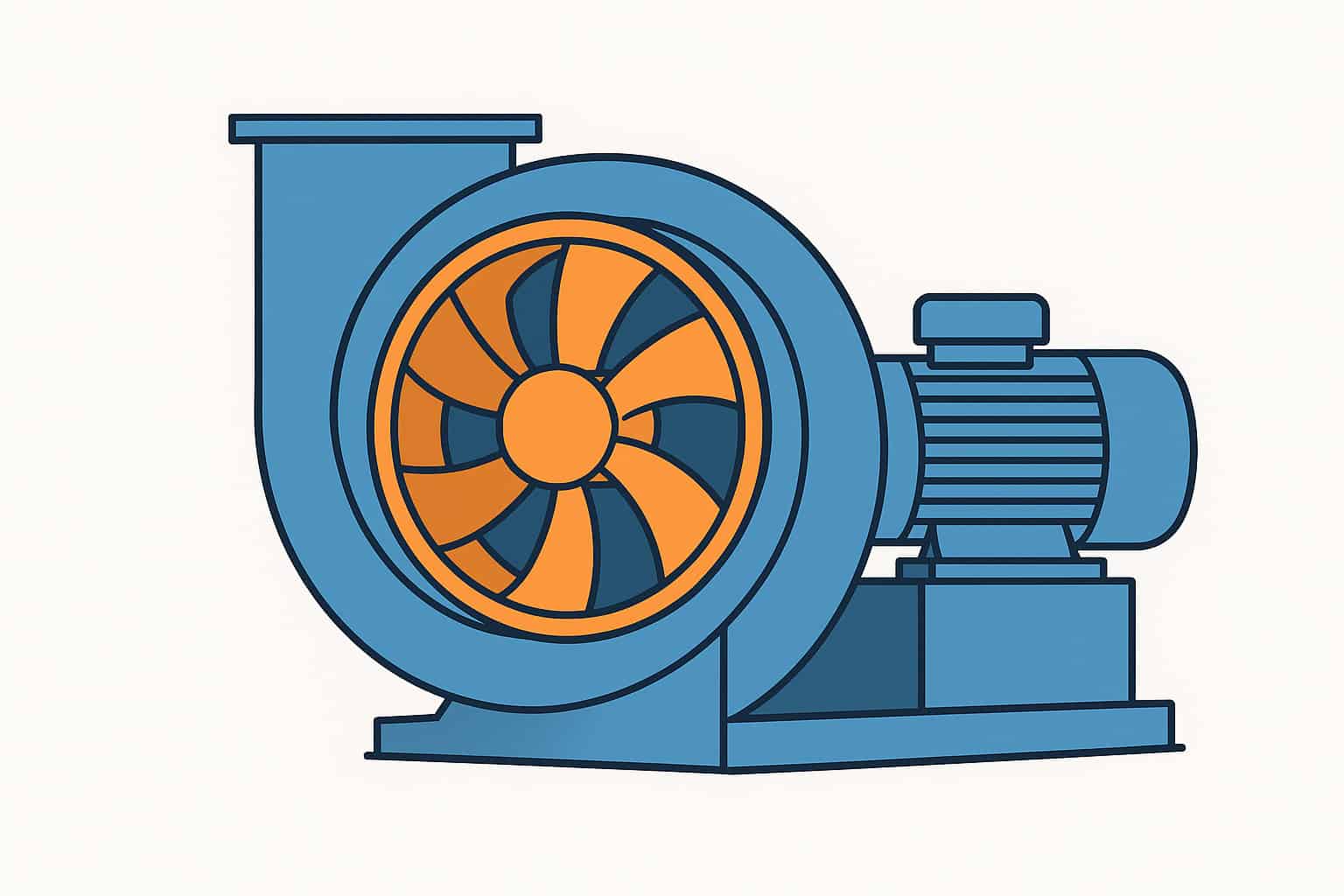
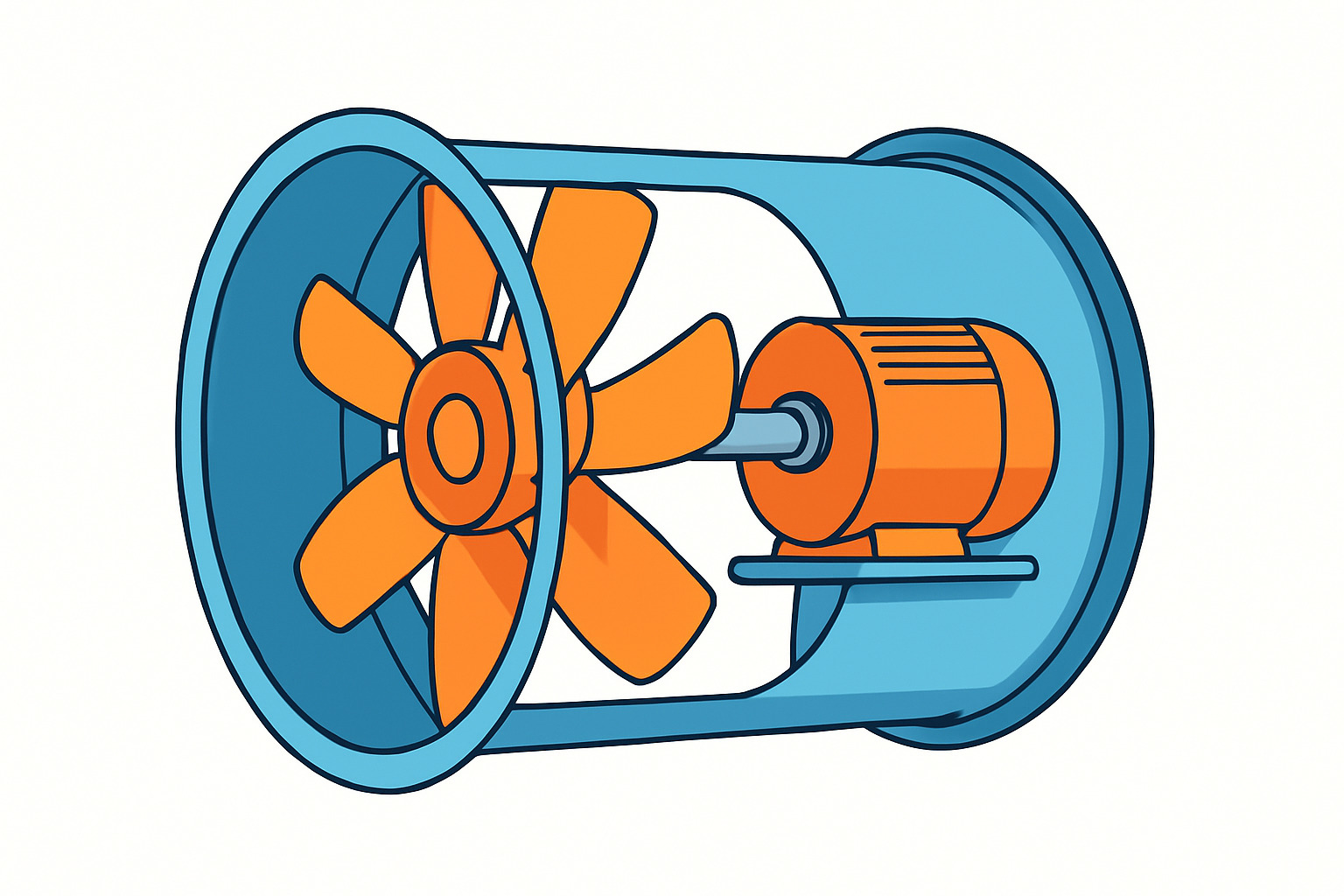
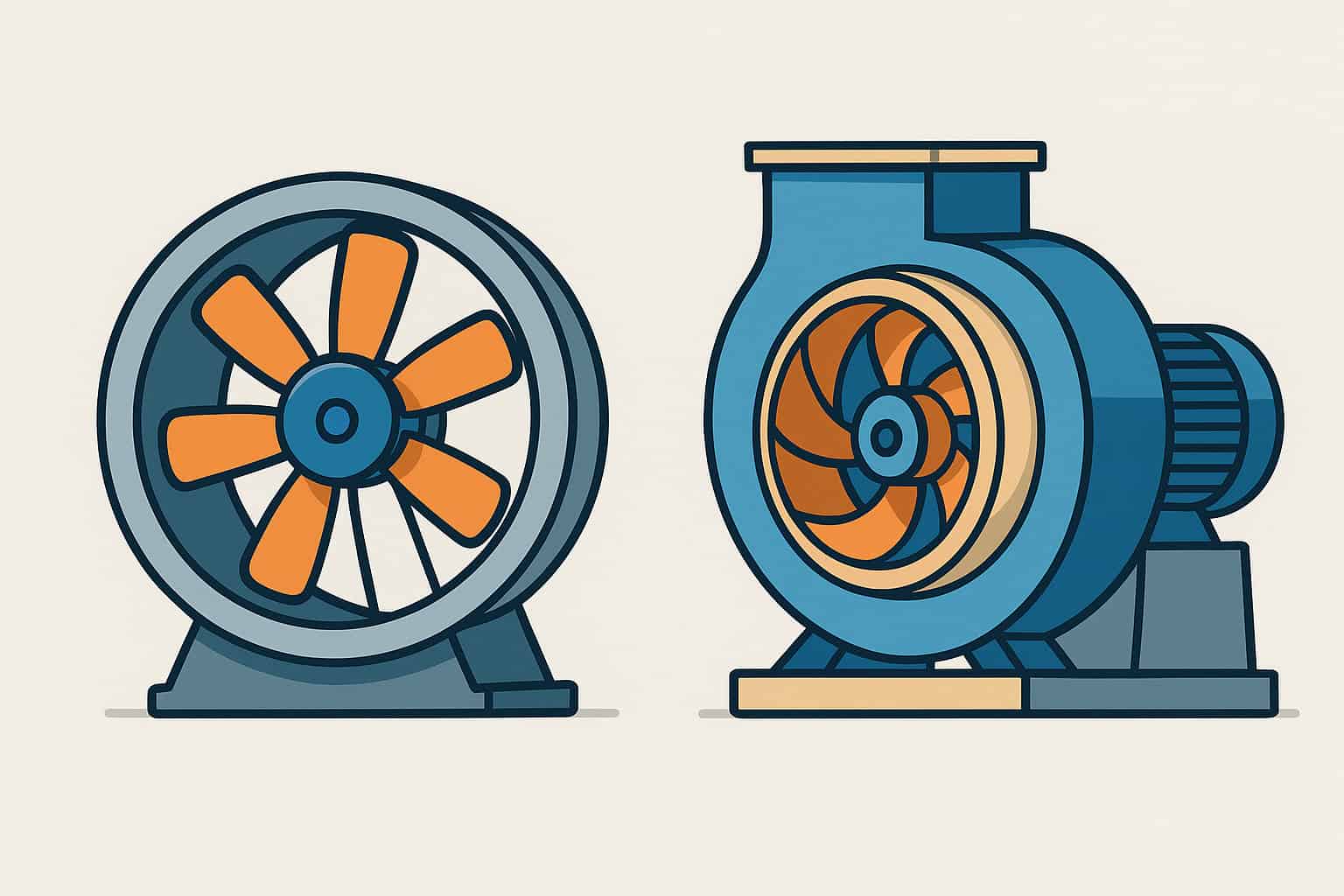
The difference between industrial fans and standard fans is similar to the difference between heavy-duty machinery and everyday equipment. Industrial fans are engineered for continuous operation, higher pressure and harsh environments, whereas standard fans are intended for normal comfort or light ventilation duties.
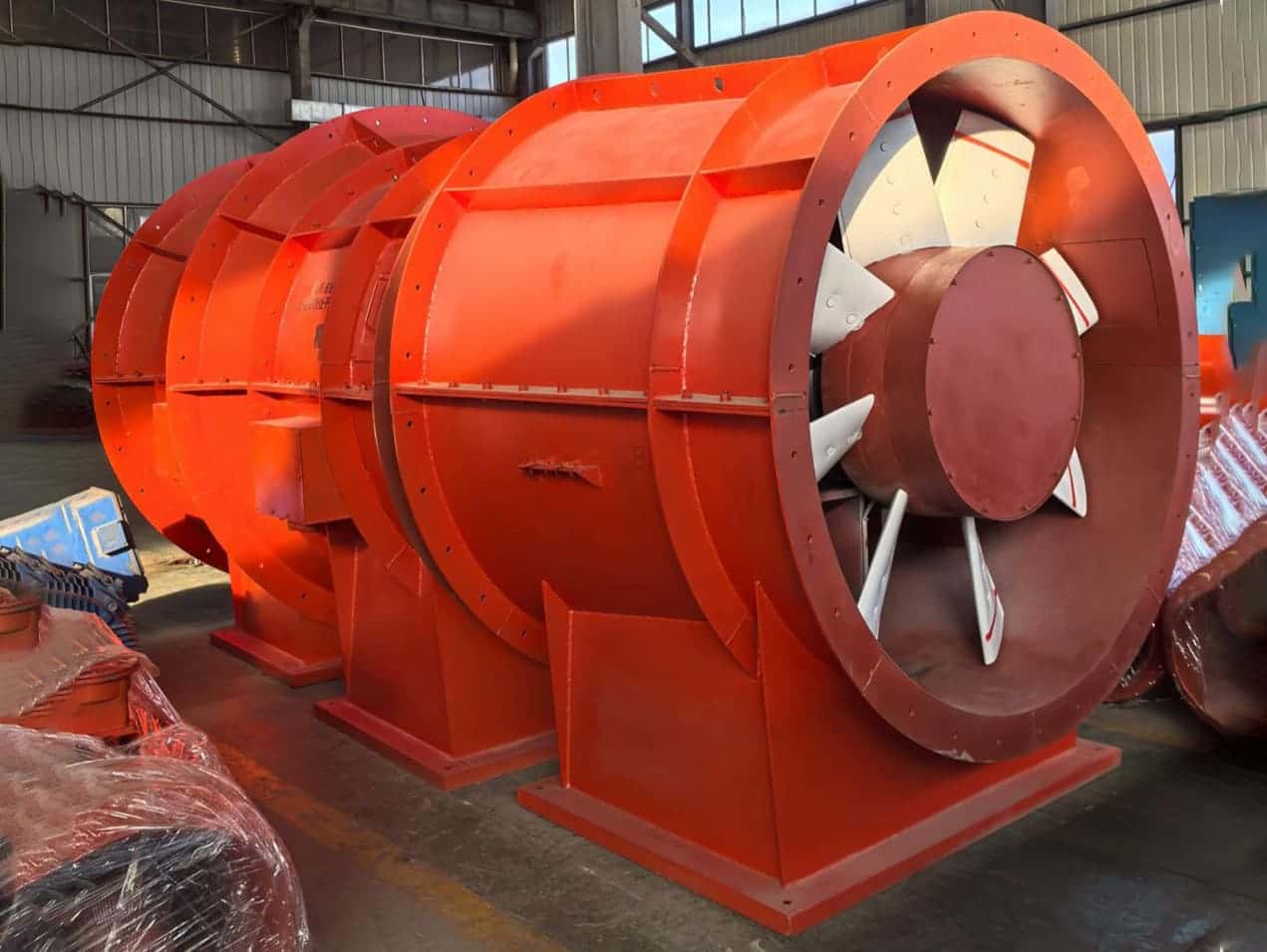
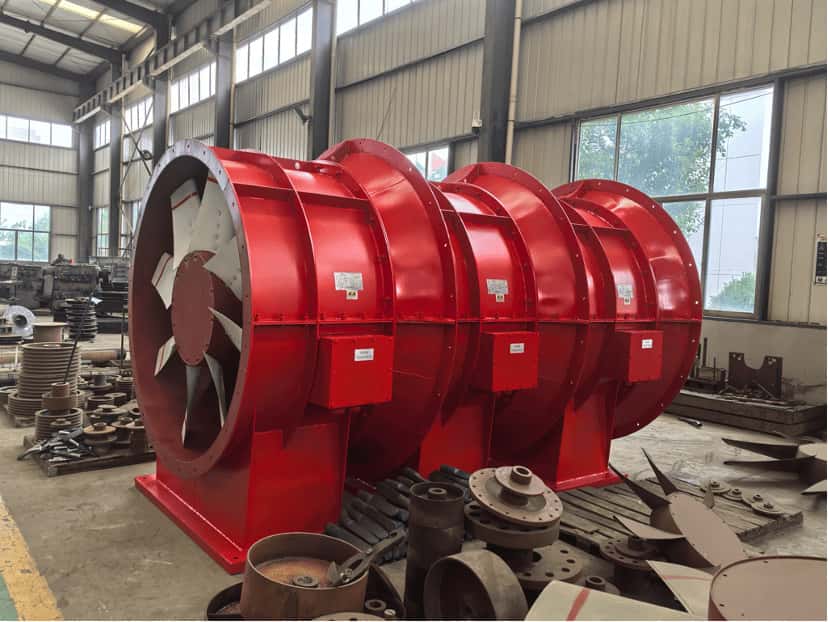
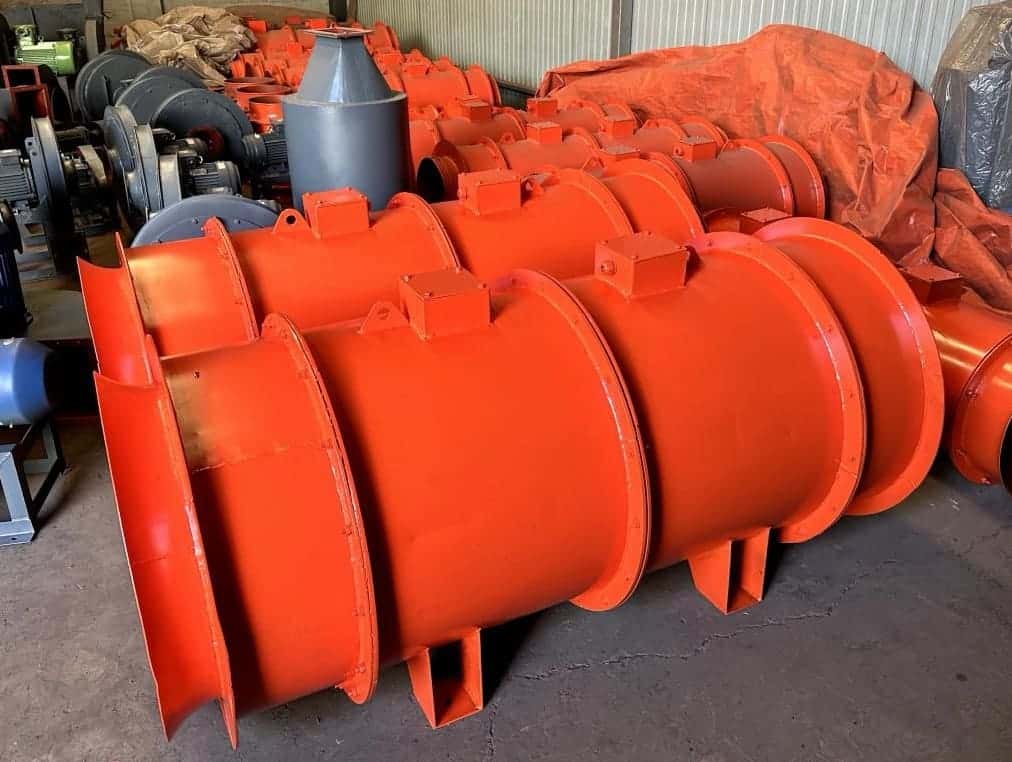
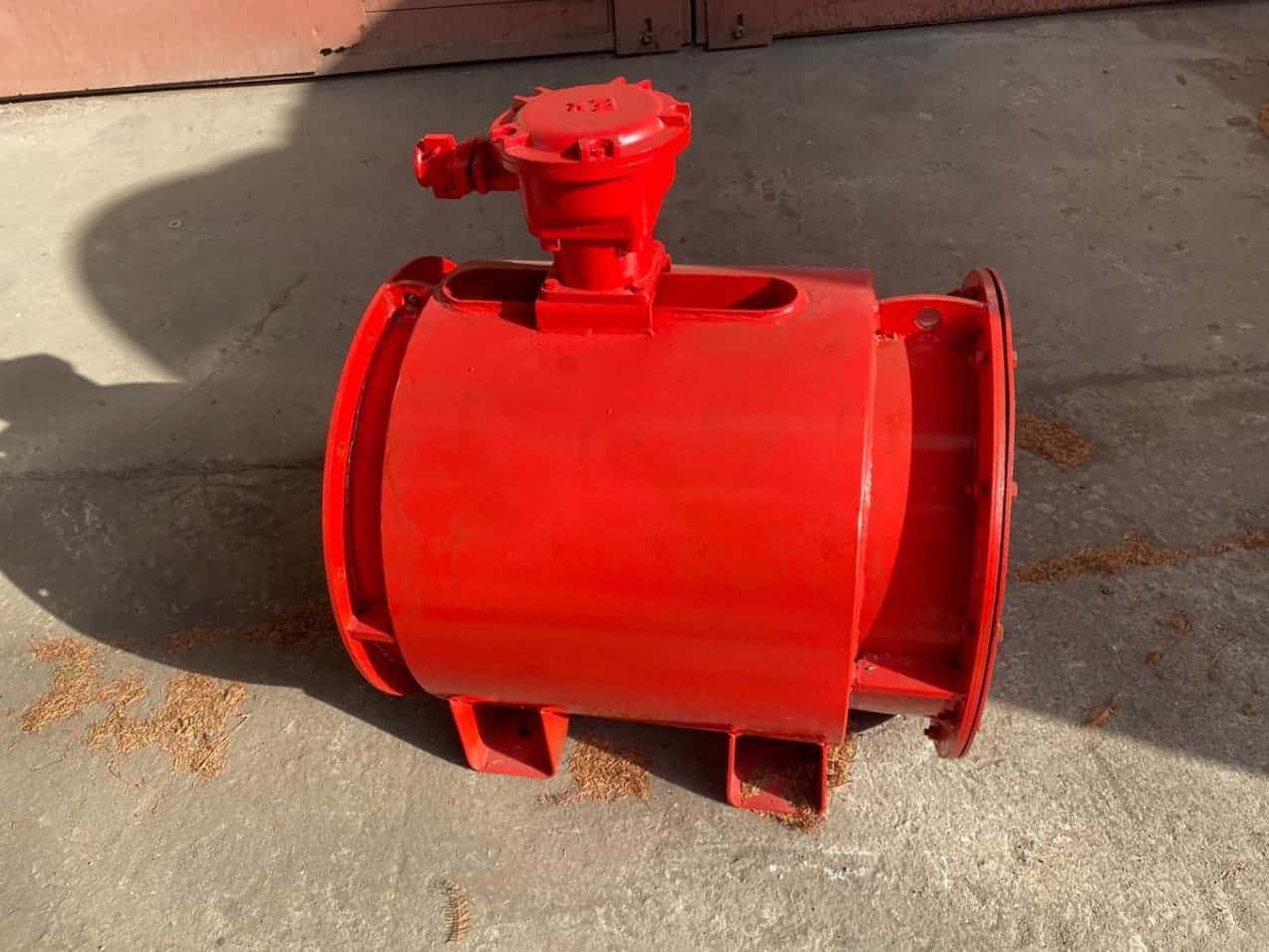
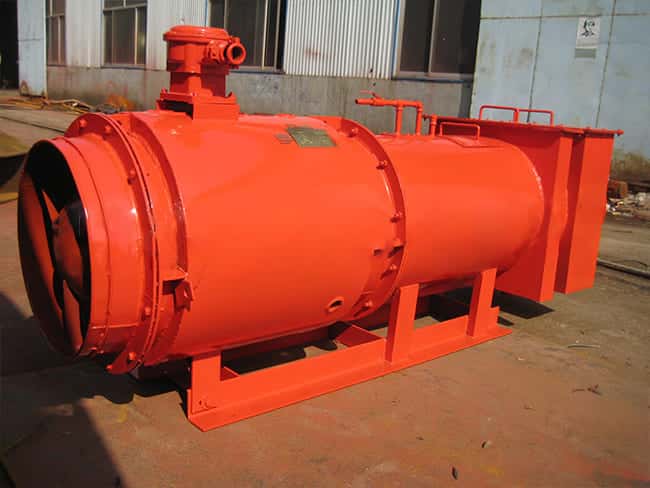
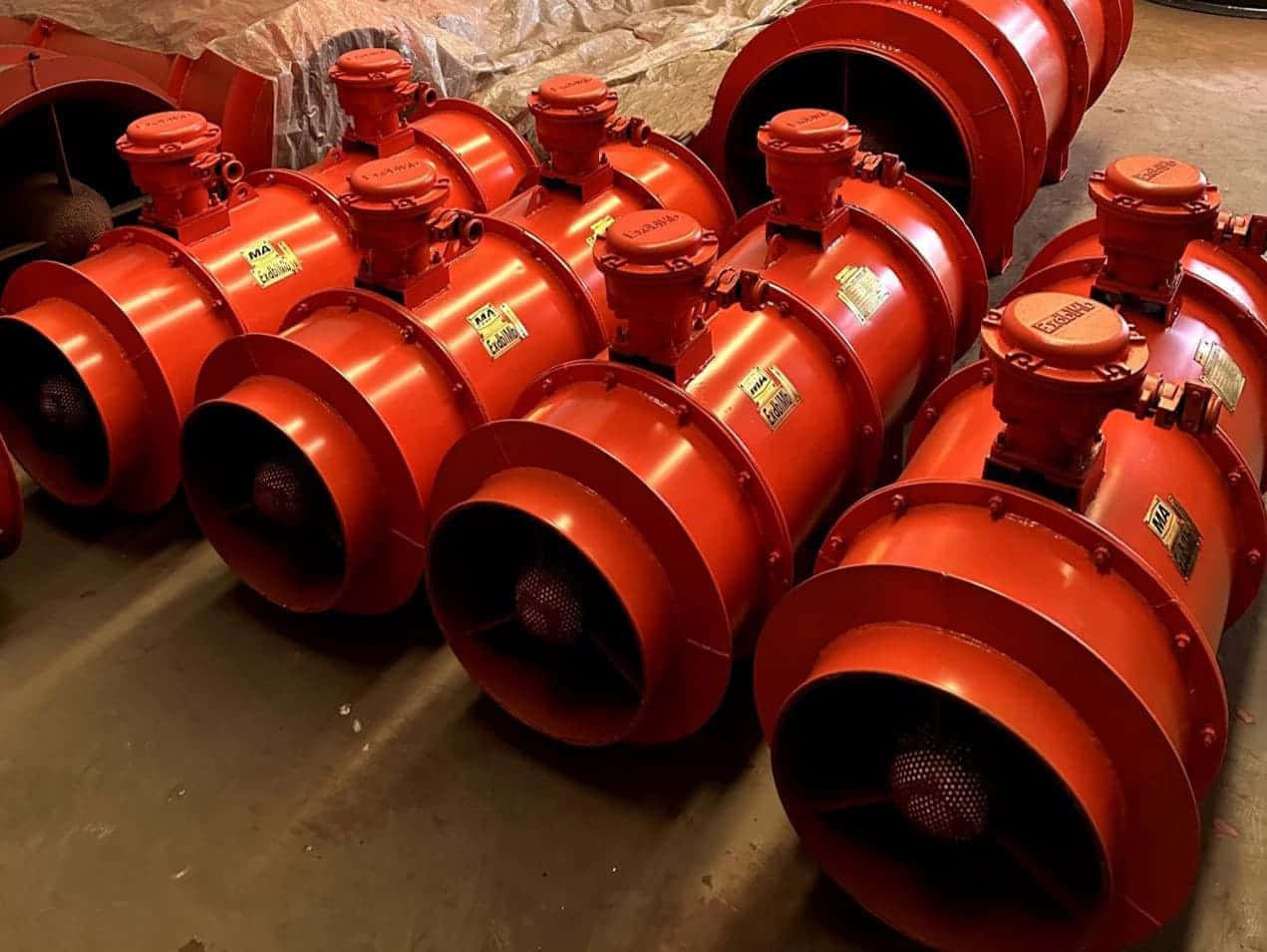
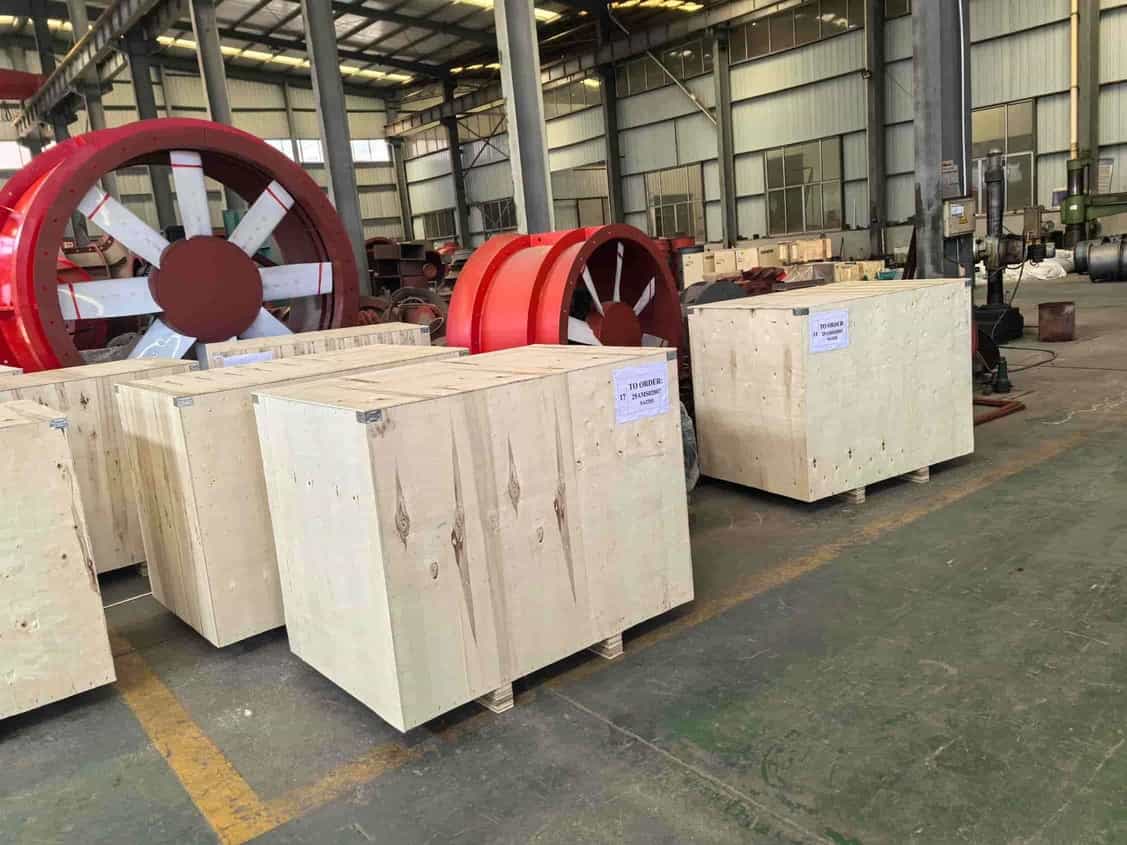
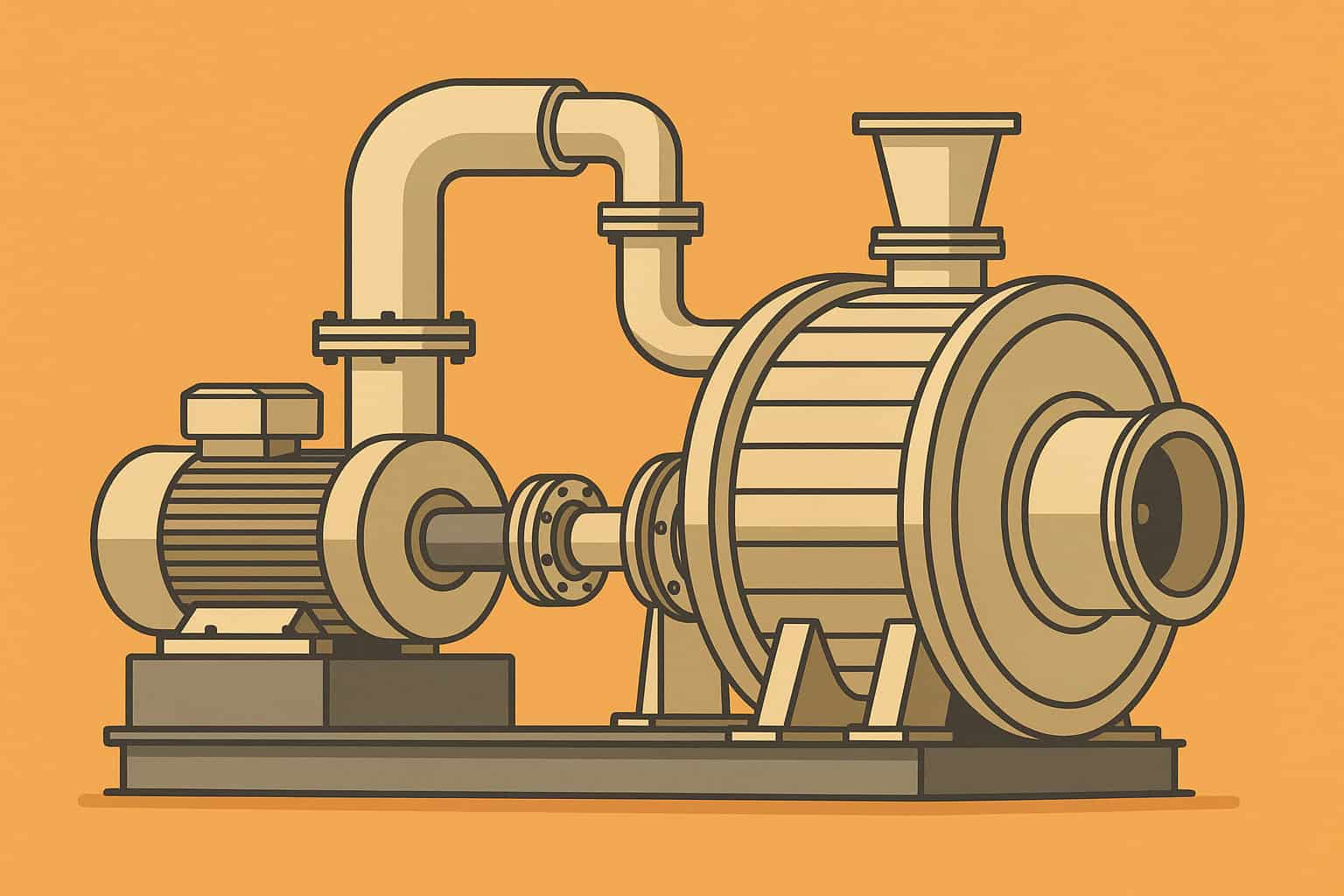
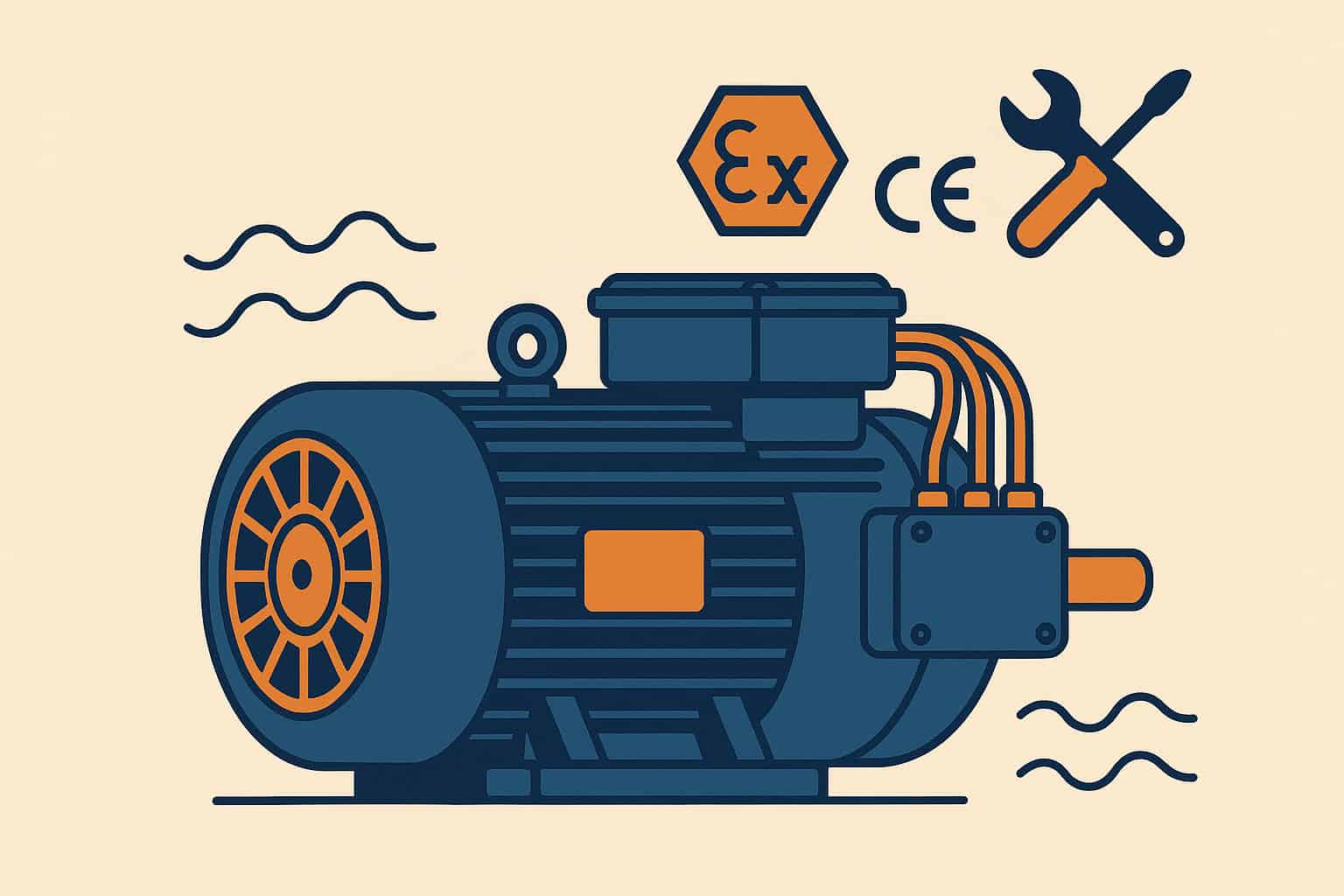
Industrial fans are built to deliver specific airflow and pressure under demanding conditions. They may be large axial or centrifugal units, with thick steel housings, welded impellers, high-capacity bearings and industrial-grade motors. They are used in mines, steel mills, cement plants, power stations, chemical plants and large manufacturing facilities. These fans are expected to run for thousands of hours per year, often 24/7, while handling dust, heat, moisture or corrosive gases.
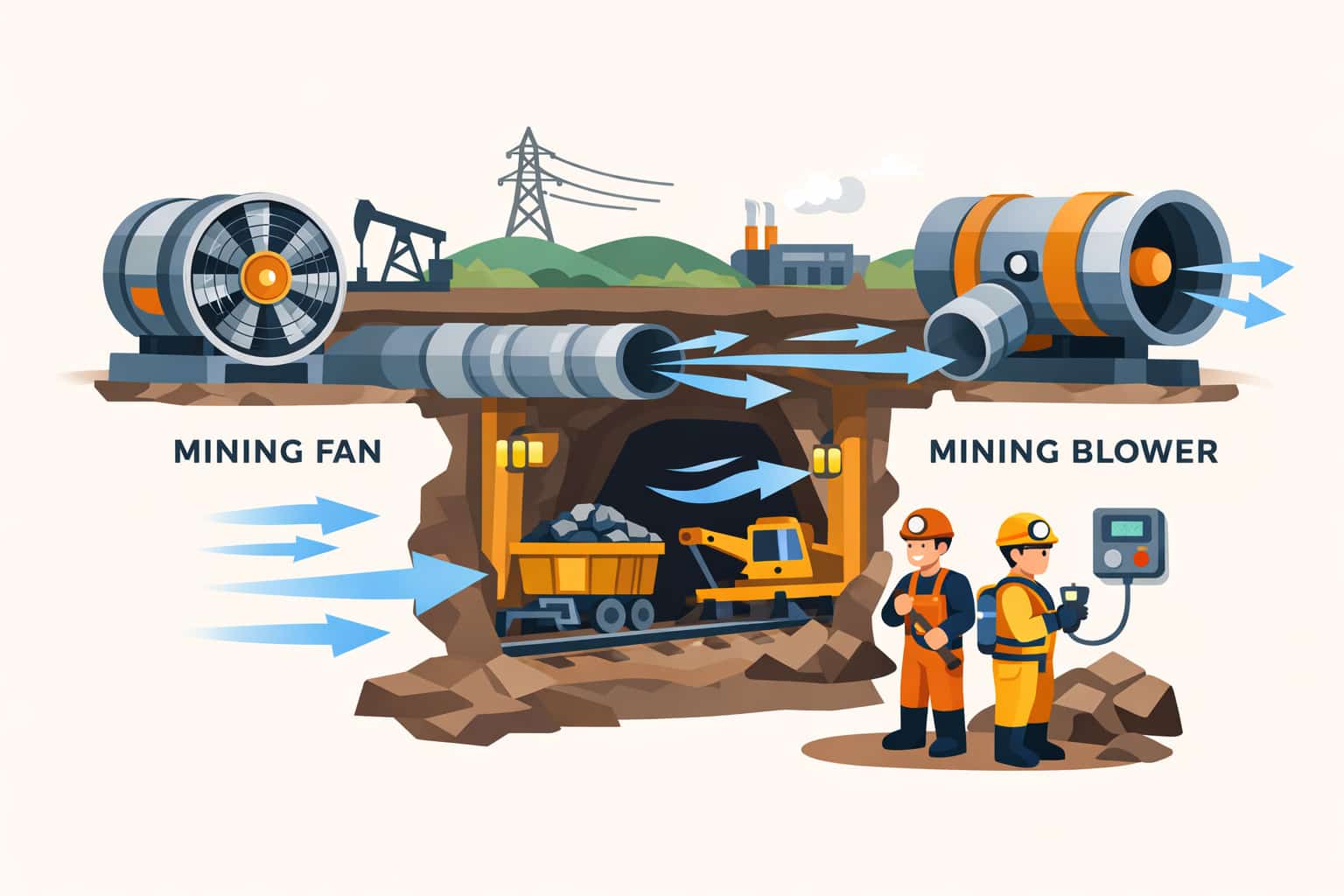
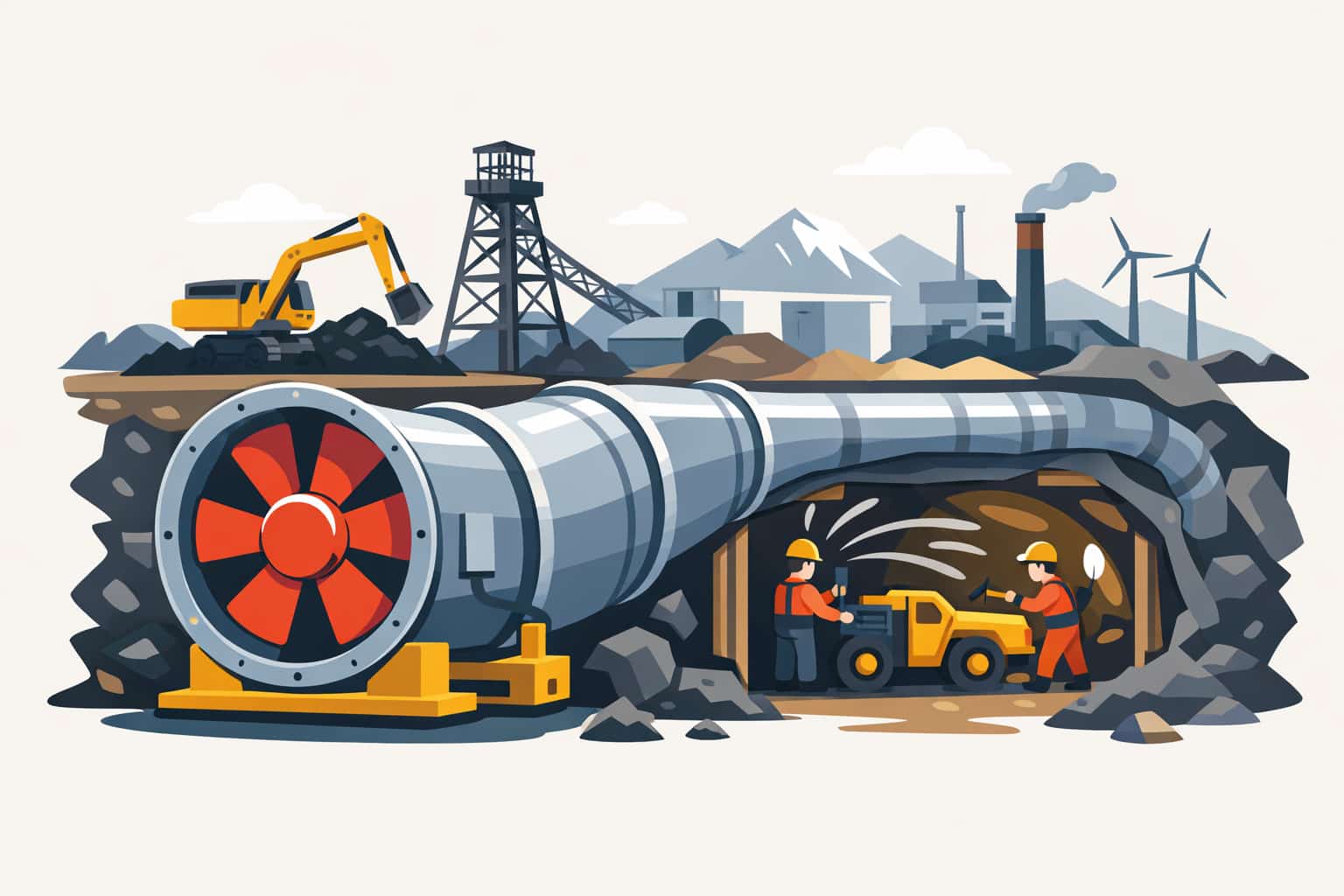
In mining ventilation, industrial fans provide main airflow through shafts and roadways, supply air to working faces and remove dust and gases via local exhaust and dust-collection systems. Failure of these fans can have serious safety consequences, so redundancy, monitoring and strict maintenance regimes are common.
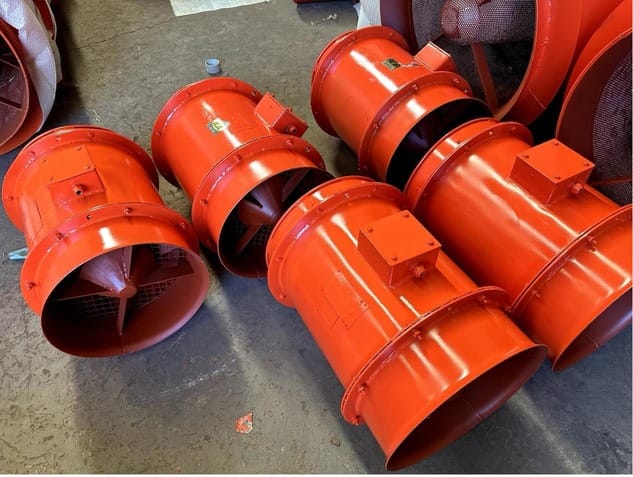
Standard fans usually refers to light-duty axial or mixed-flow fans used for domestic or light commercial purposes: desk fans, pedestal fans, simple wall exhaust fans, small duct fans and basic roof ventilators. They are designed primarily for comfort and general fresh-air exchange at comparatively low pressure. Their materials and components are lighter, and they are not meant to operate continuously under heavy loads or in severe conditions.
The construction differences affect reliability and lifespan. Industrial fans are designed with higher safety margins, better sealing, reinforced structures and maintainable components. They can be disassembled for bearing replacement, impeller inspection and balancing. Standard fans often have sealed, non-serviceable motors and housings that are not intended for rebuilding; when they fail, they are frequently replaced rather than repaired.
Performance and documentation also differ. Industrial fans come with detailed performance curves, test certificates and engineering data so that engineers can match them precisely to system requirements. Standard fans are typically specified by a rated airflow and a few operating points, sufficient for simple applications but not for complex industrial or mining systems.
Cost reflects these differences. Industrial fans are more expensive initially but provide long-term durability and the ability to meet strict ventilation requirements. Standard fans are cheaper and adequate for their intended use, but they are not suitable for heavy-duty industrial or mining ventilation.
In summary, industrial fans are heavy-duty, engineered products for demanding, continuous service at higher pressure and in harsher environments. Standard fans are lighter, simpler devices for everyday comfort and light ventilation. Using a standard fan in an industrial or mining role is risky; using an industrial fan in place of a standard fan is often overkill in cost and complexity.