
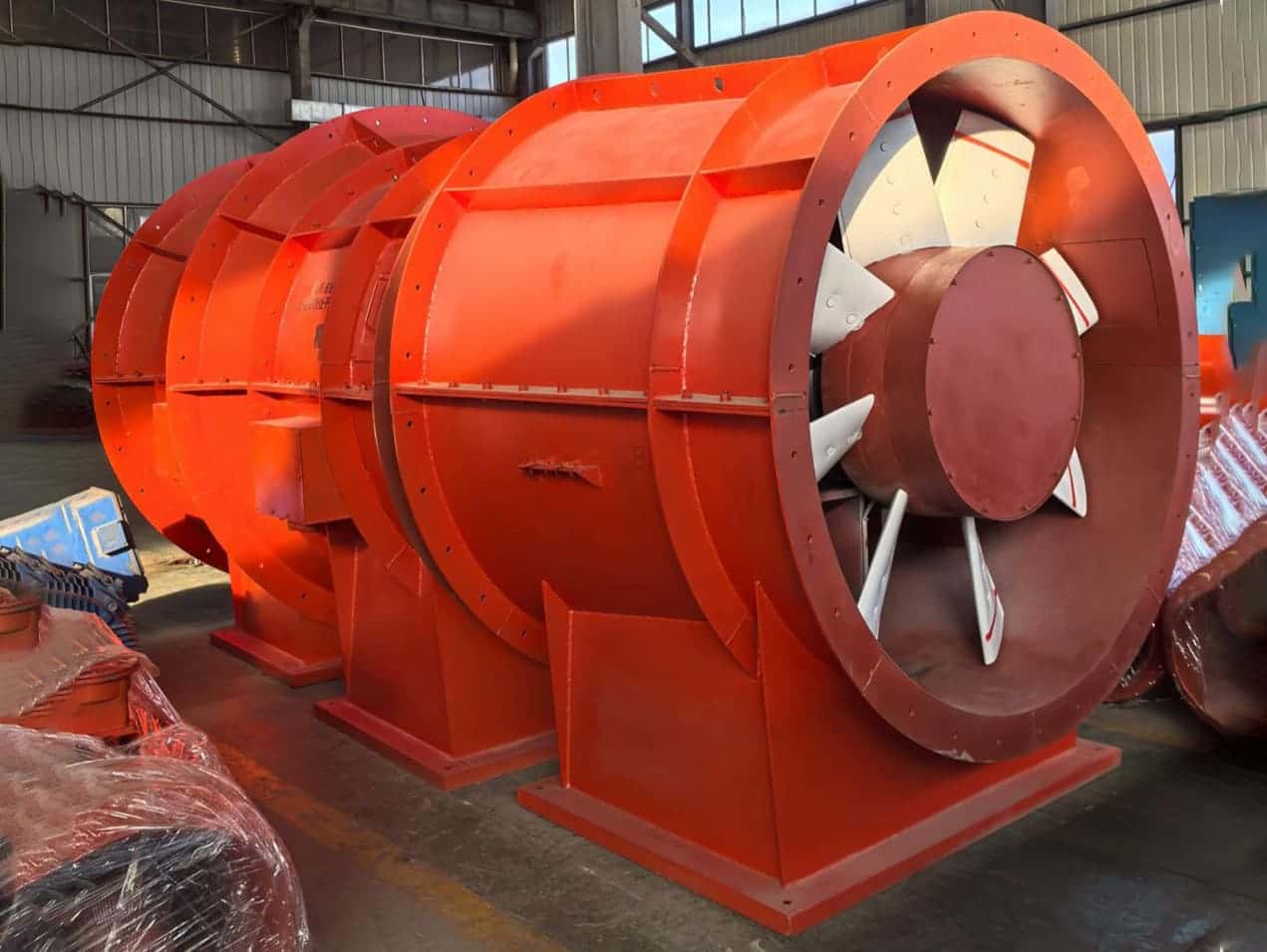
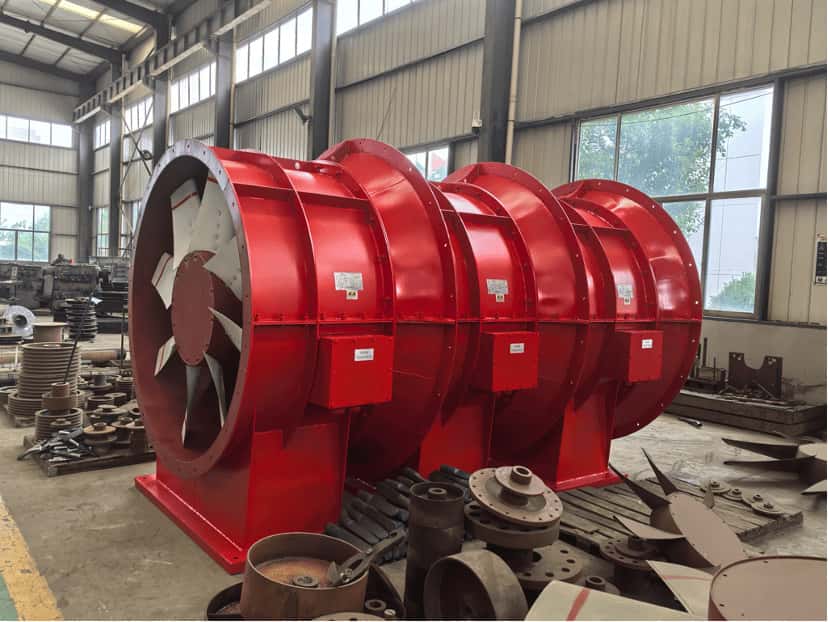
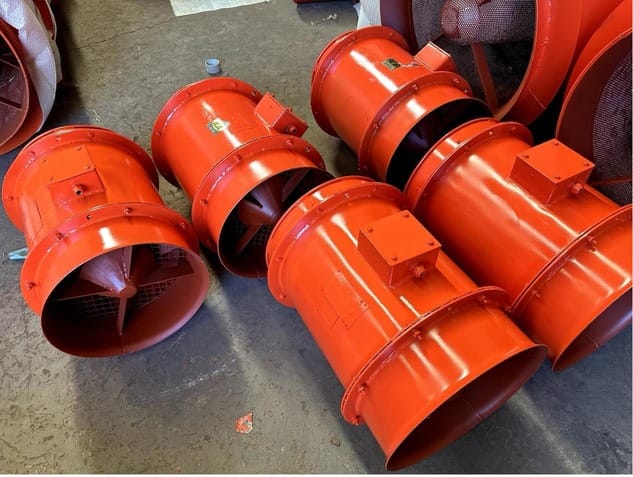
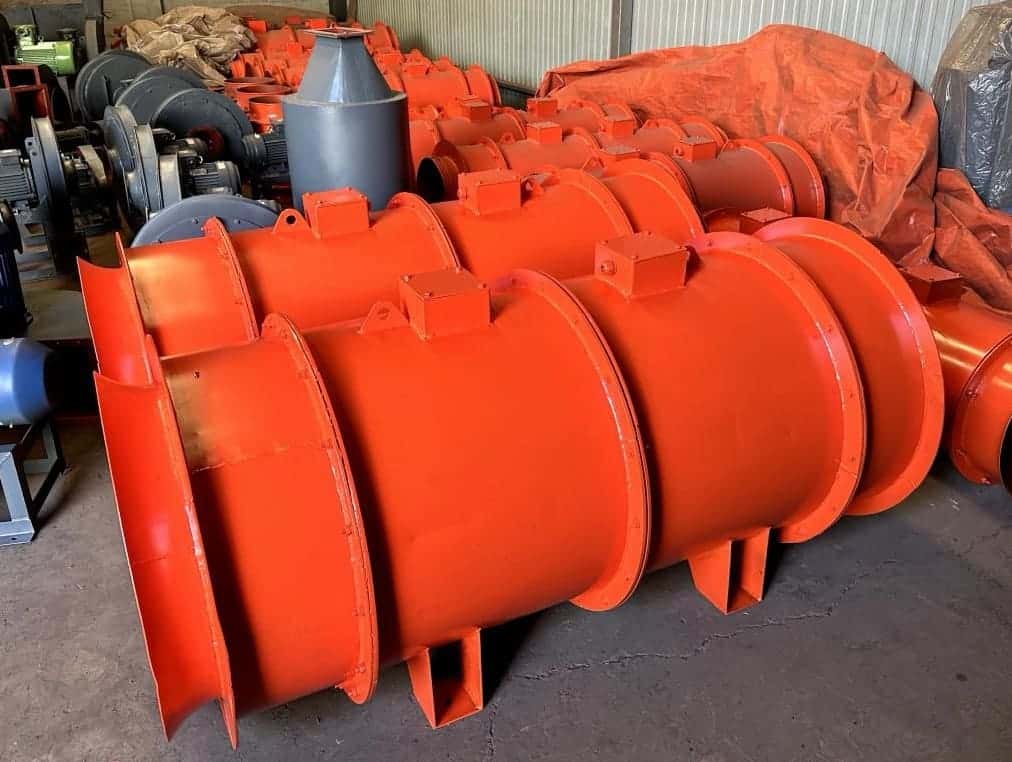
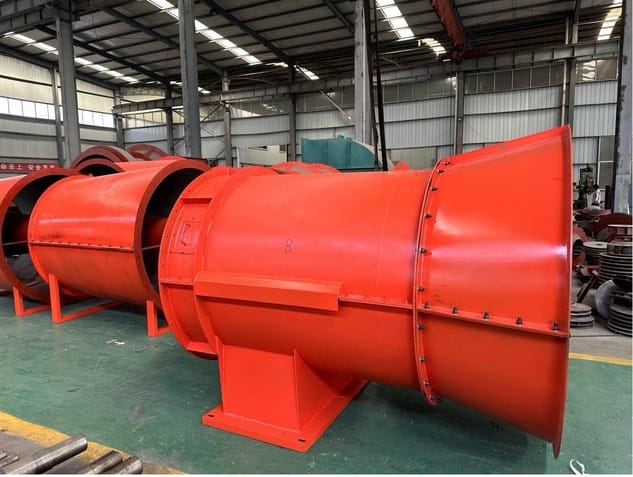
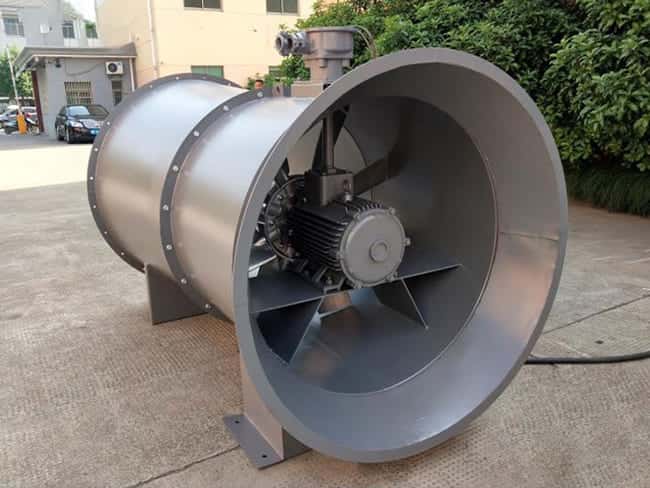
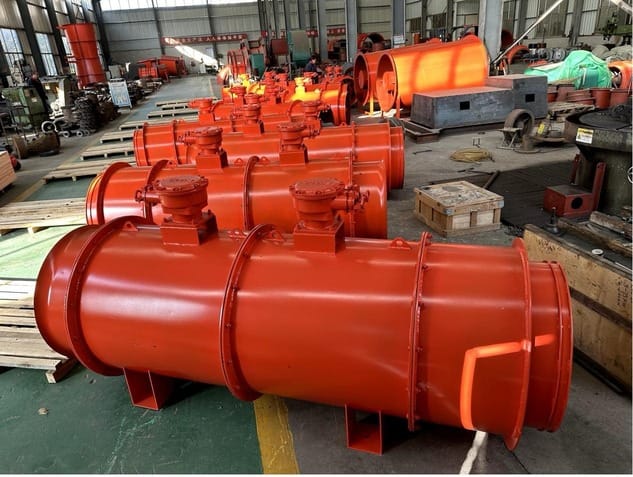
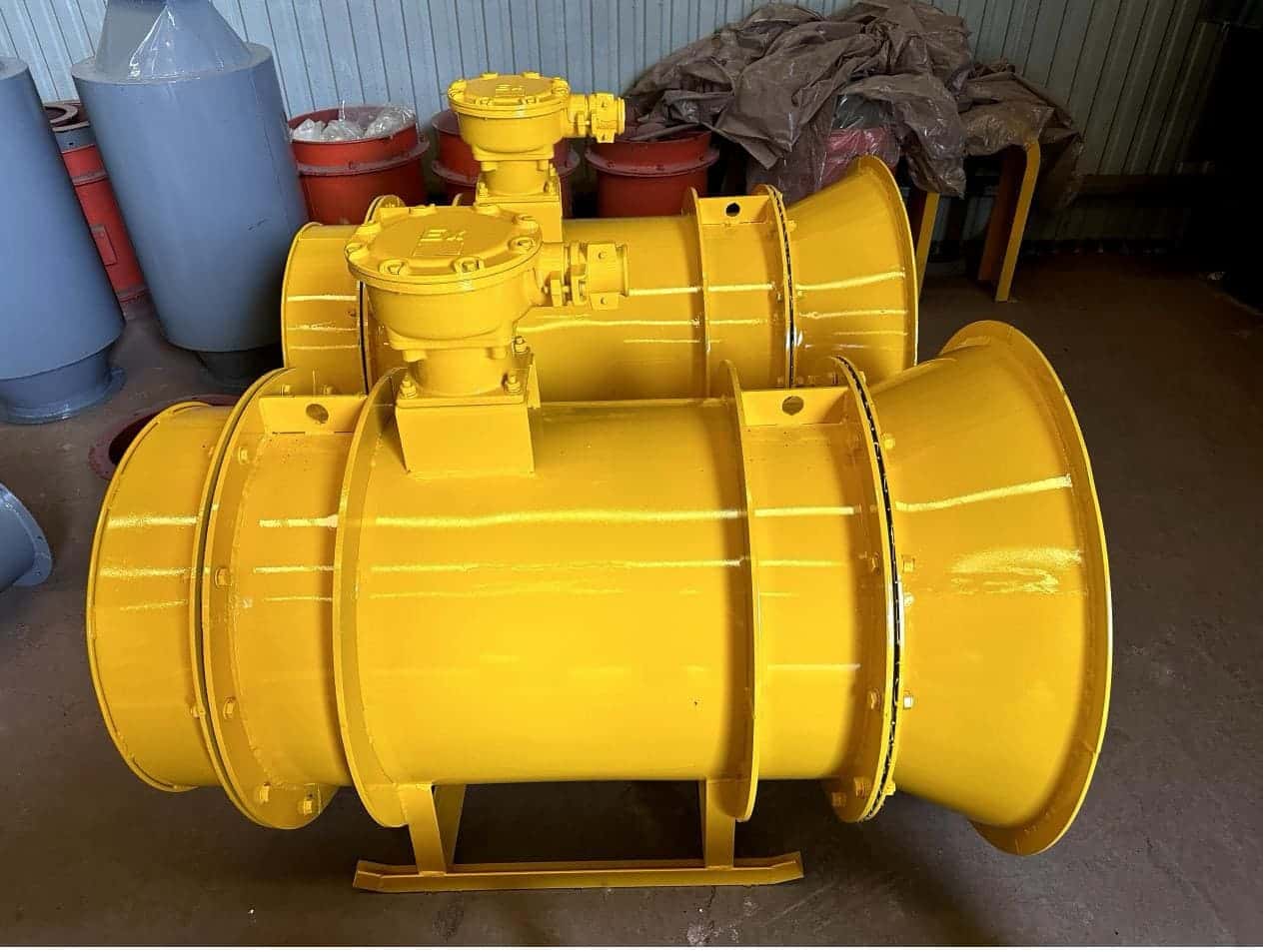
The difference between parallel and series fans is about how they are arranged in the airflow and what you want them to achieve. When engineers talk about parallel fans or series fans, they are not talking about electrical wiring; they are describing how multiple fans are installed in a ventilation system to increase either airflow or pressure.
Fans in parallel are installed side by side so that they share a common inlet and a common outlet. In this arrangement, each fan handles part of the total airflow at nearly the same pressure. The system pressure is roughly the same as that produced by one fan, but the total flow is the sum of the flows from each unit. Parallel fans are used when you need more airflow than a single fan can supply at the required pressure, and there is room to install multiple units on the same manifold or duct.
Fans in series are installed one after another along the same airflow path. The outlet of the first fan feeds the inlet of the second, so the pressure rises in steps. In this arrangement, the airflow is similar through each fan, but the pressures add together. As a result, series fans are used when you need higher pressure than one fan can provide alone, for example to overcome very long mine airways, tall shafts or highly restrictive duct systems with filters and scrubbers.
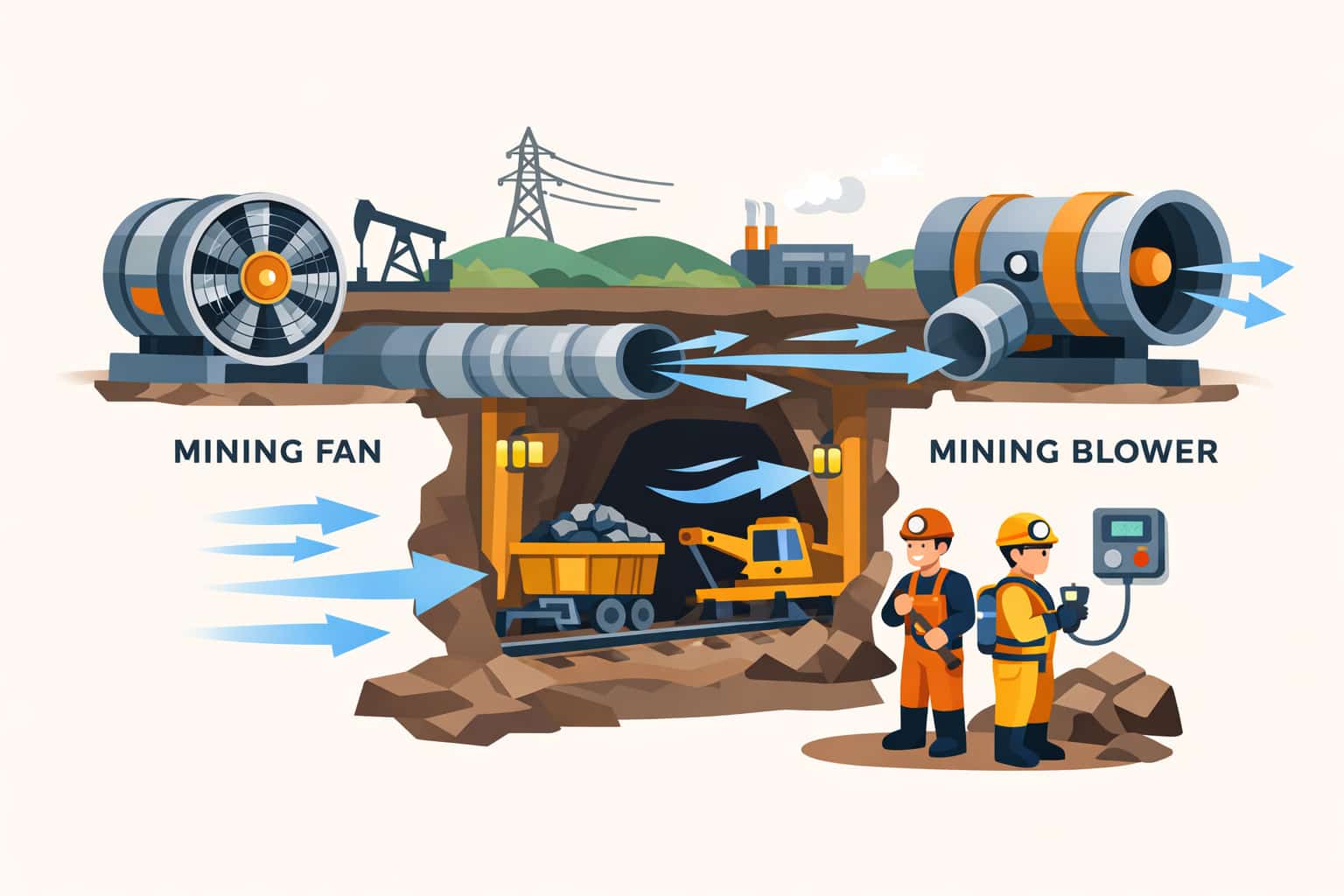
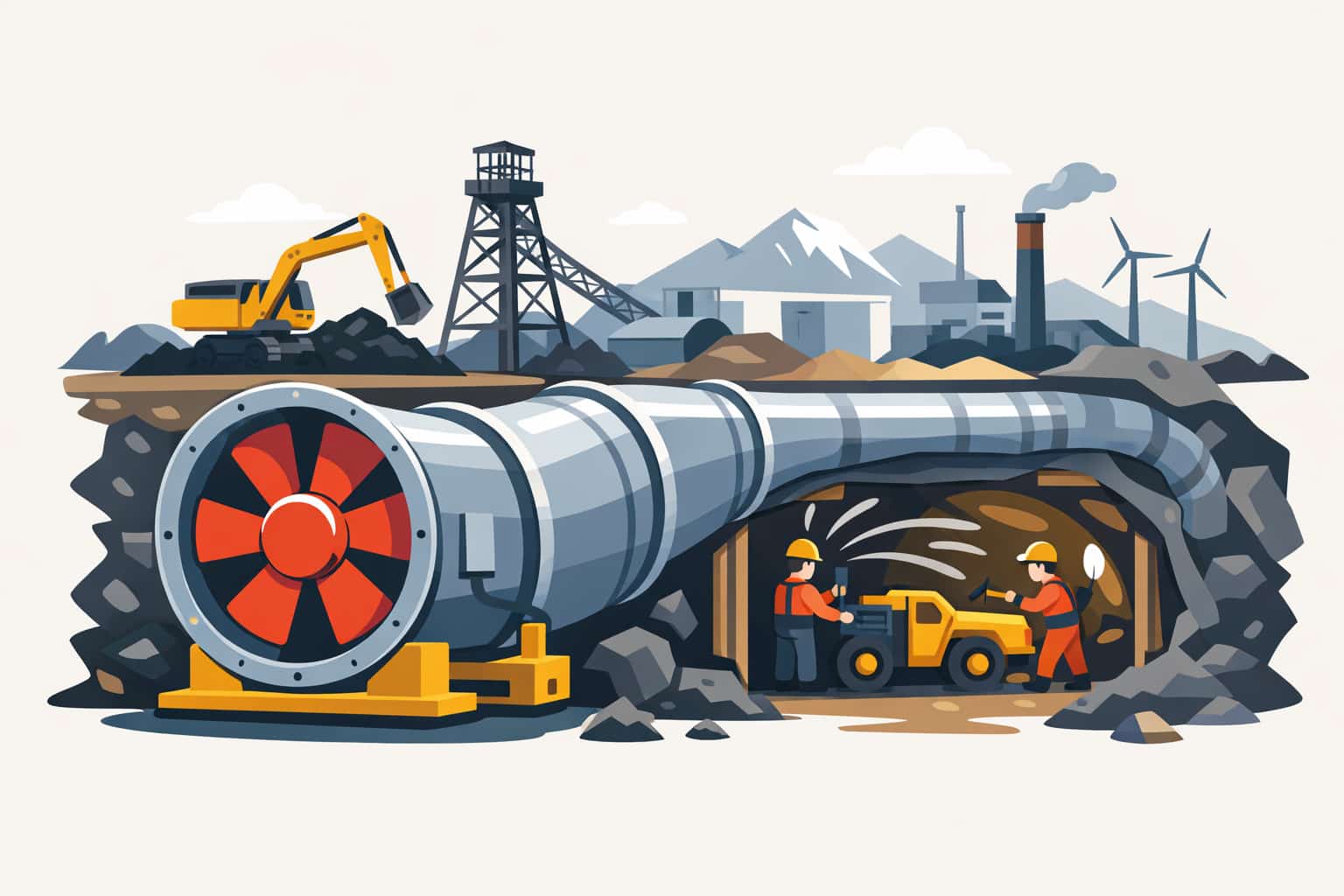
In mining and industrial ventilation, parallel and series arrangements are sometimes combined. A pair of large axial fans on the surface may be run in parallel to increase the total airflow into the mine, while auxiliary fans underground may be placed in series with booster fans to raise pressure in a long development heading. Careful engineering is required to ensure that each fan operates in a stable region of its performance curve and that interactions between fans do not cause pulsations or stall.
Another important difference is redundancy and control. With parallel fans, you can run one, two or more units as needed, providing flexibility and backup in case one fan is out of service. With series fans, if one fan stops, the total pressure drop can be large, and the system may not function properly. This is why safety-critical ventilation systems must be analysed carefully before using series or parallel arrangements.
In summary, parallel fans increase total airflow at roughly constant pressure by operating side by side, while series fans increase total pressure at roughly constant airflow by operating one after another. The right configuration depends on whether your ventilation problem is limited by flow or by pressure.
