

The difference between ventilation and cross ventilation is that ventilation is the general process of supplying fresh air and removing stale or contaminated air, whereas cross ventilation is a specific method of ventilation that uses openings on opposite sides of a space to create airflow. In other words, all cross ventilation is ventilation, but not all ventilation is cross ventilation.
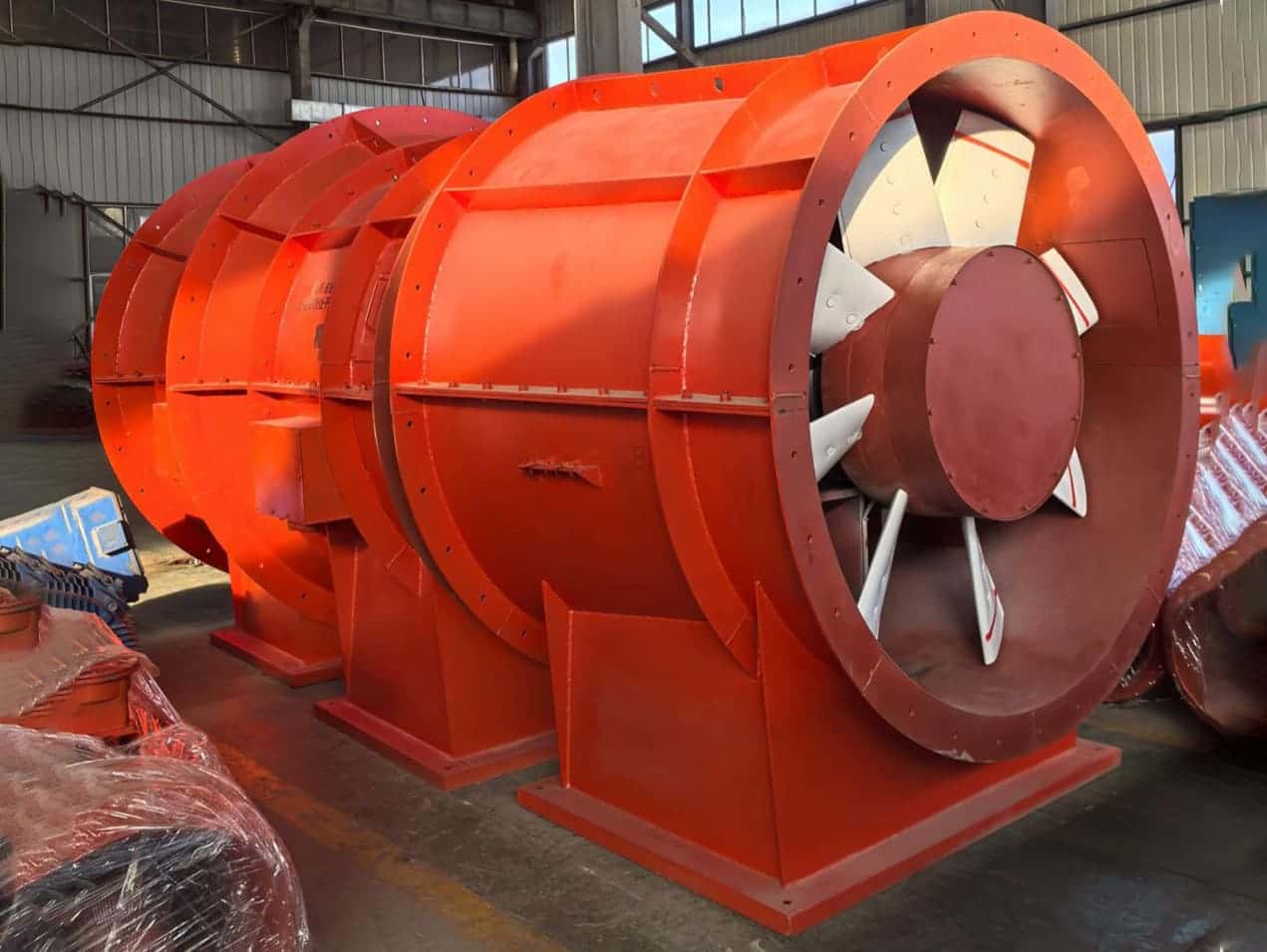
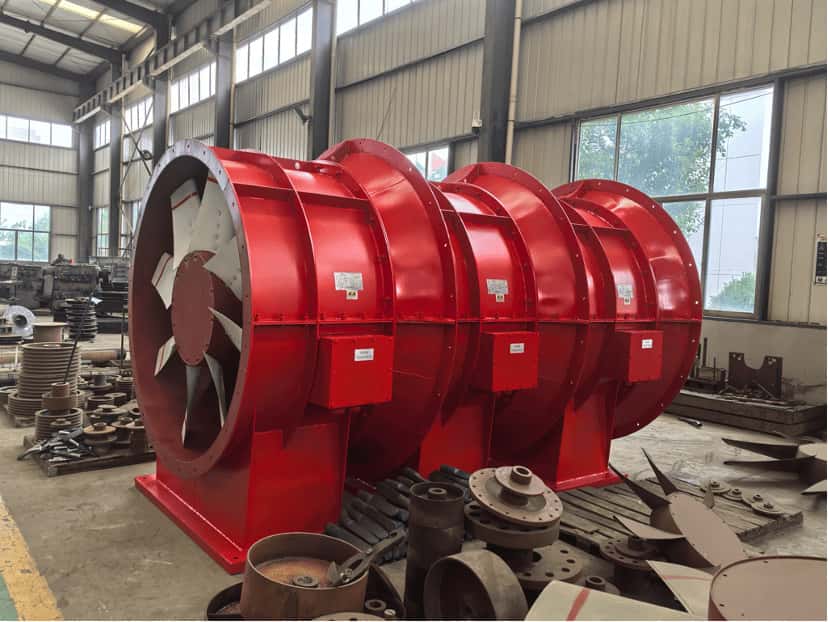
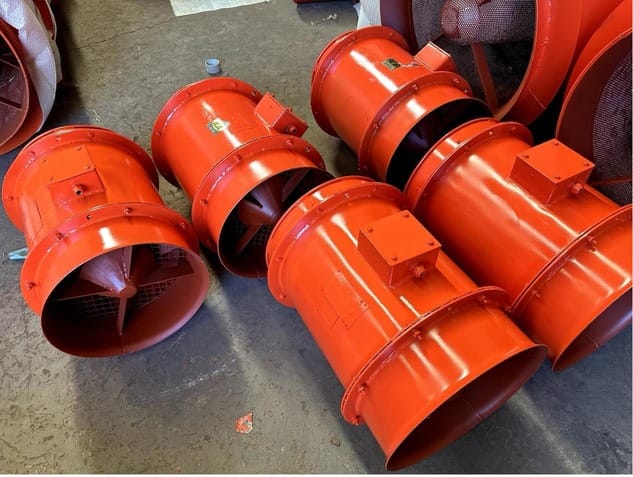
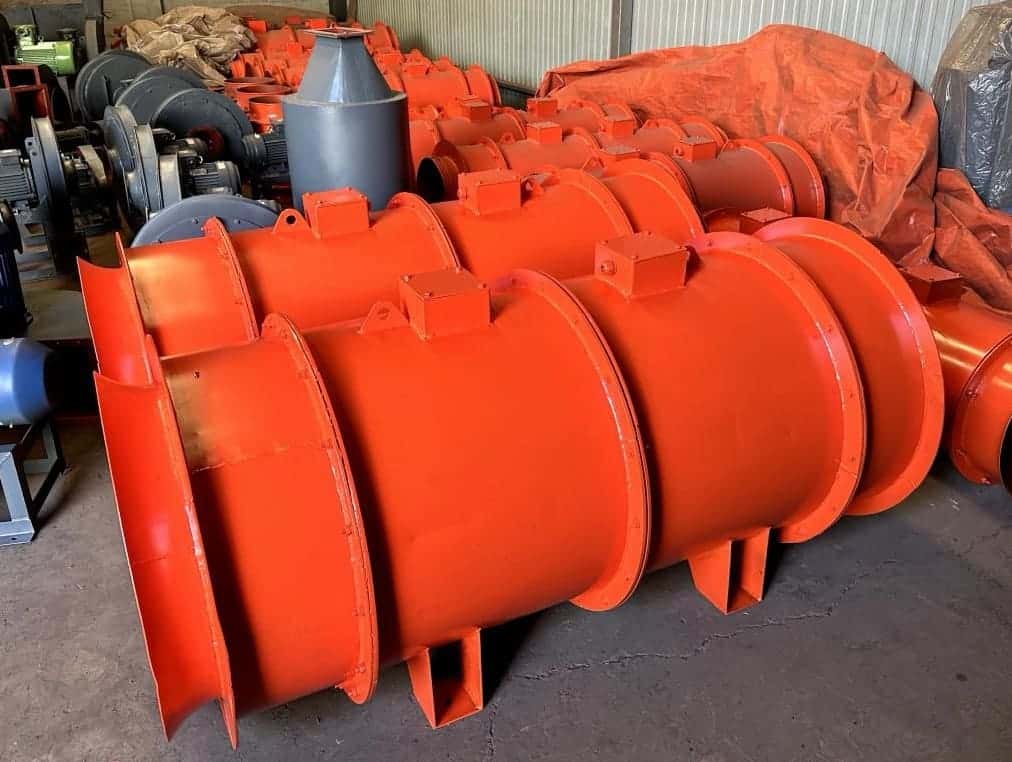
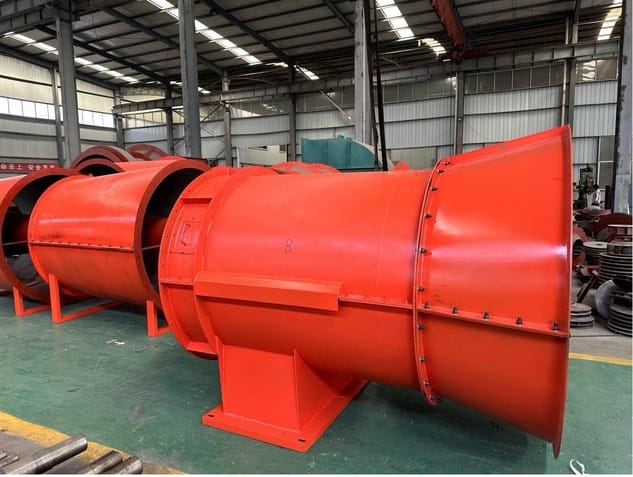
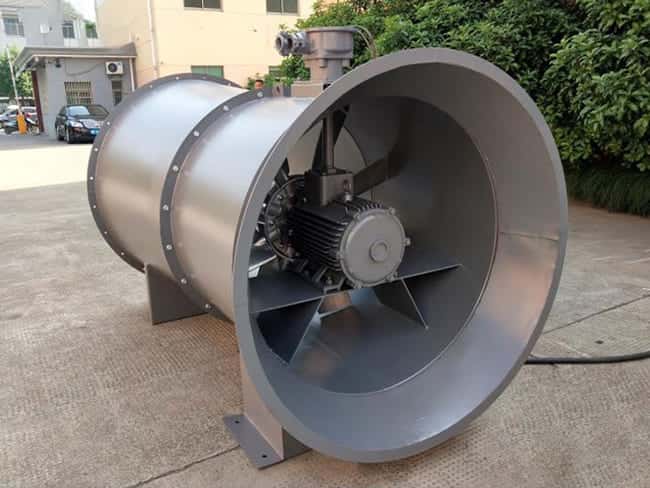
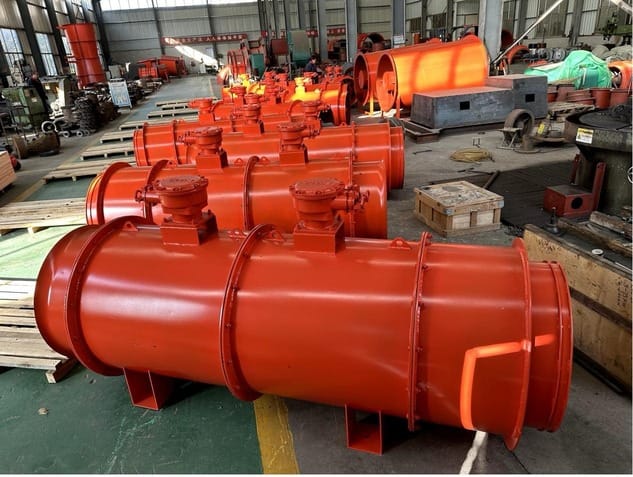
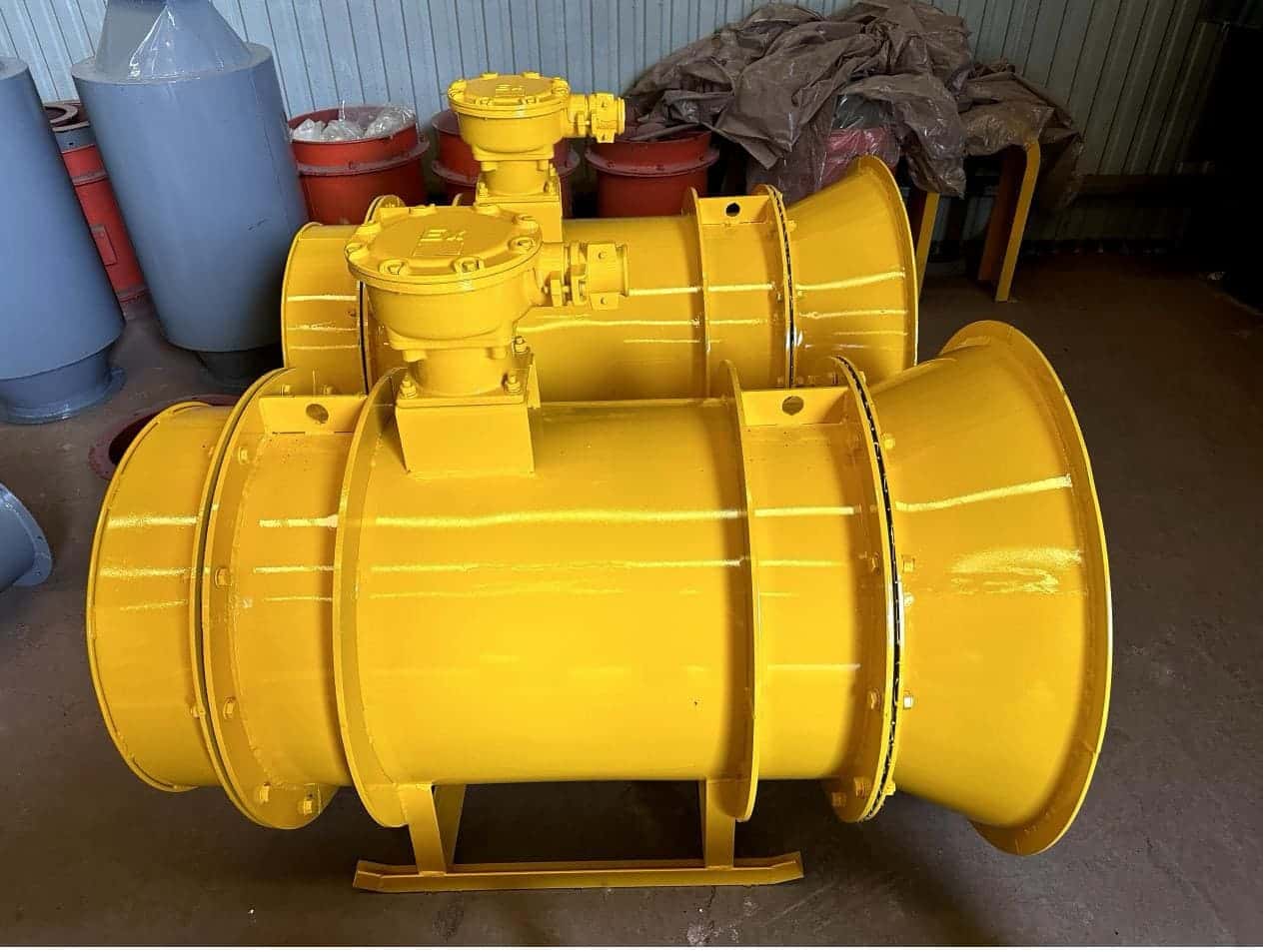
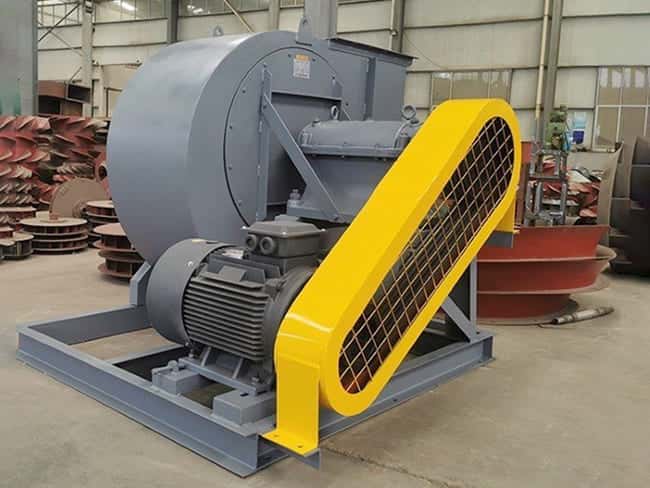
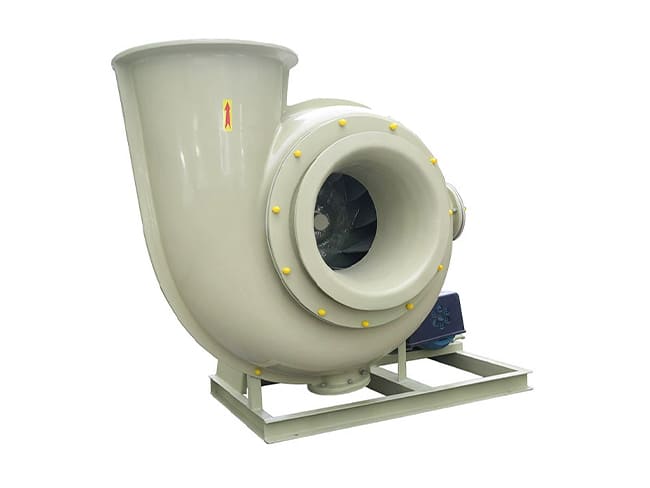
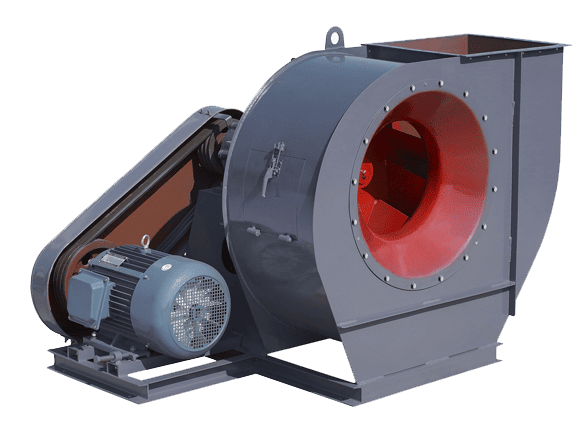
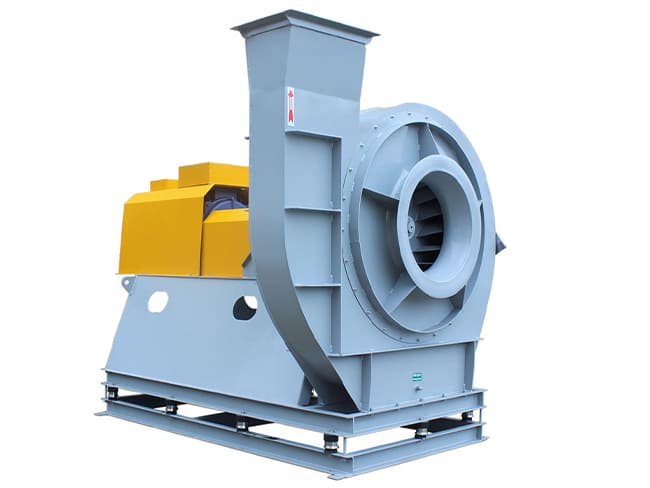
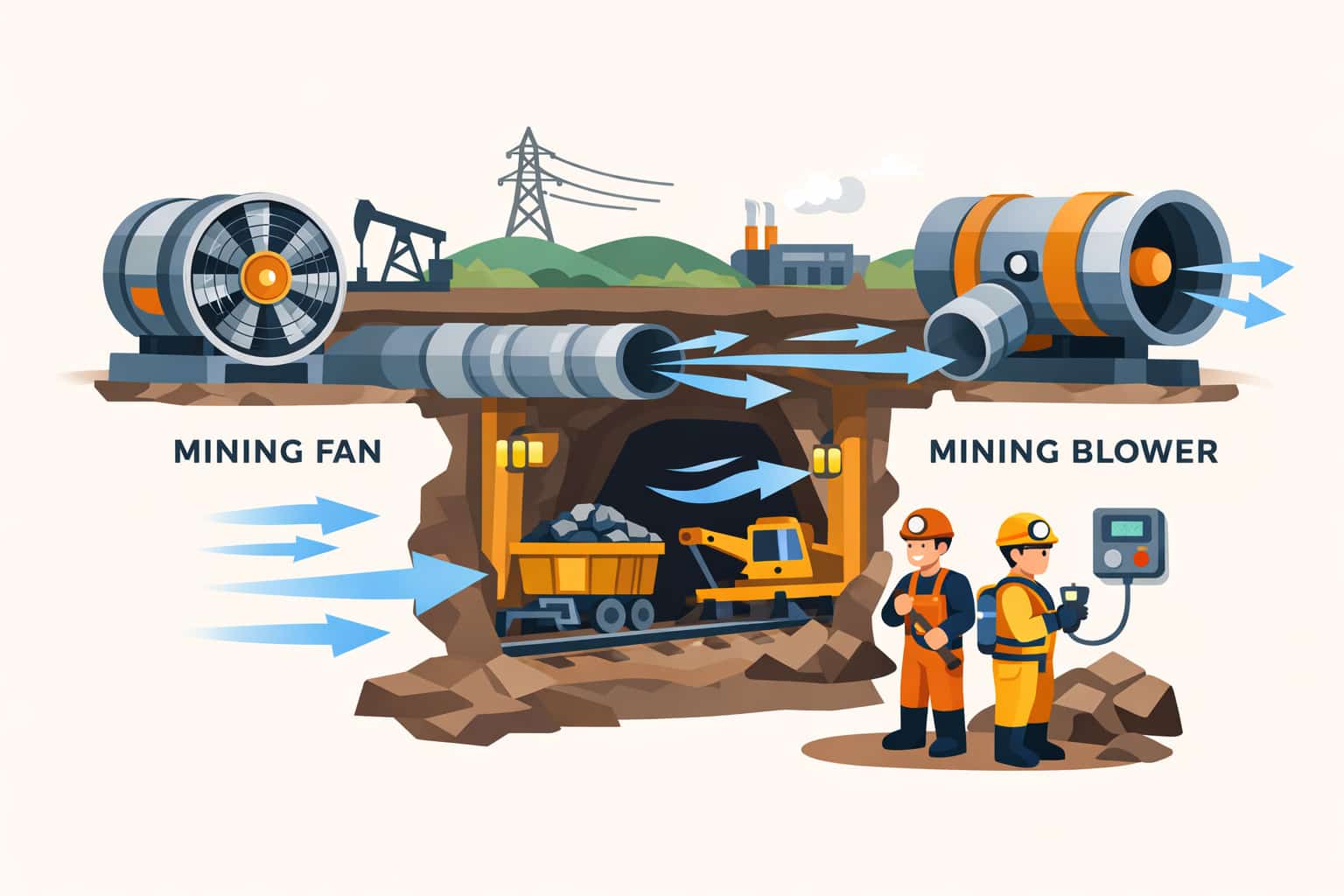
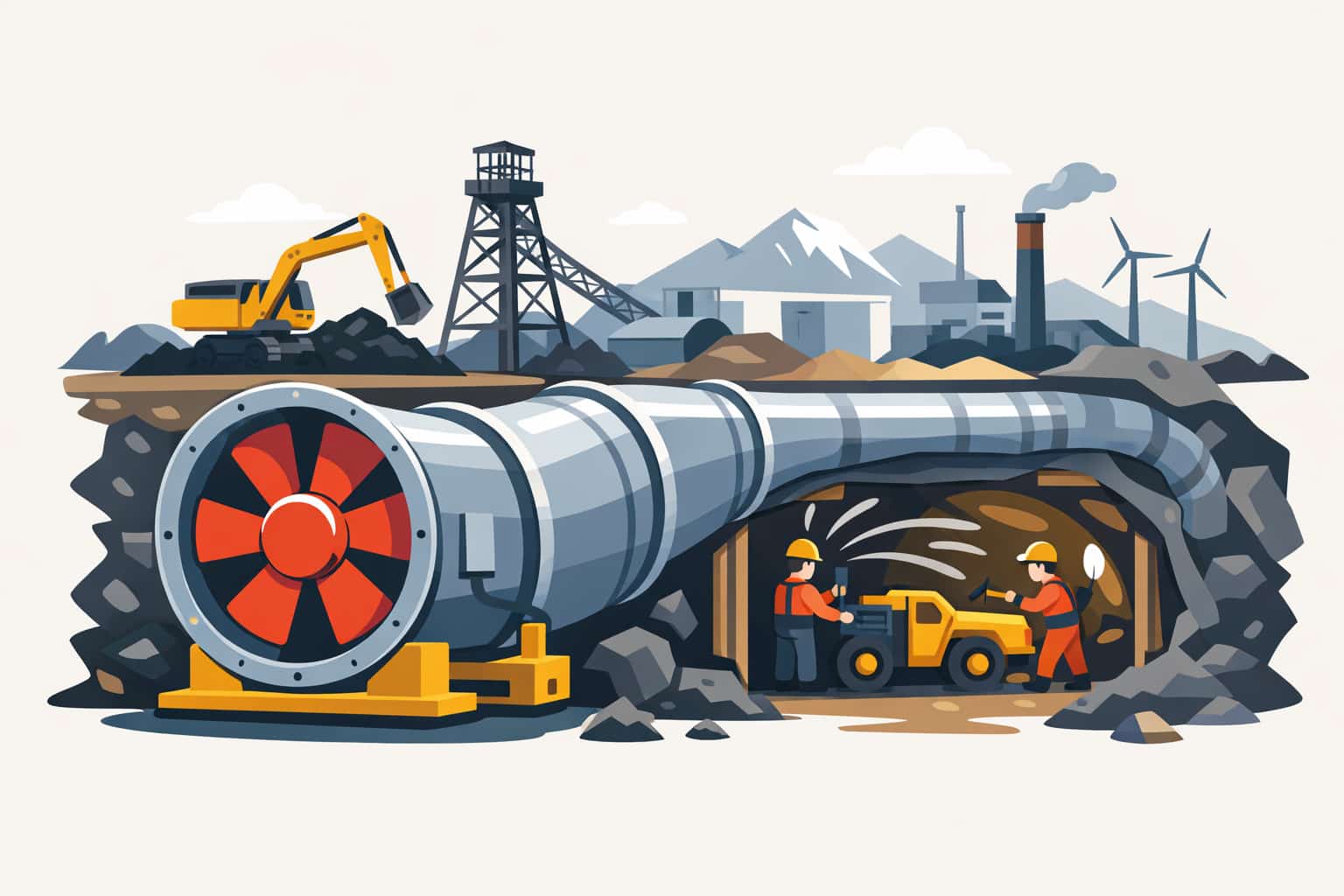
Ventilation is a broad term that covers both natural and mechanical methods. It includes simple actions such as opening windows, as well as complex industrial systems with fans, ducts, filters and controls. The goal of ventilation is to bring in fresh air, remove heat, moisture, fumes and dust, and maintain acceptable air quality and comfort. In underground mines, ventilation is a critical safety function, achieved almost entirely by mechanical means using large fans, airways and auxiliary ducts.
Cross ventilation is a particular type of natural ventilation that relies on wind pressure and temperature differences. It occurs when there are openings, such as windows, doors or vents, on opposite or adjacent sides of a room or building. Wind or pressure differences drive air in through one opening and out through another, sweeping across the occupied space. Effective cross ventilation can significantly reduce temperatures and improve comfort in homes, offices and some industrial buildings without using much mechanical energy.
In industrial and mining settings, cross ventilation is limited by safety and geometry. Large plants may use a combination of cross ventilation through walls and roofs plus mechanical fans to ensure adequate air exchange. Underground mines, however, cannot rely on natural cross ventilation through exposed openings because the workings are deep and complex. Instead, they use mechanical ventilation to create controlled airflow along roadways, with intake and return airways performing a role similar to cross ventilation on a much larger scale.
Another key difference is controllability and reliability. Ventilation provided by mechanical fans can be measured, adjusted and guaranteed regardless of outdoor weather. Cross ventilation depends on wind direction, wind speed and temperature differences, so it can be highly effective on some days and weak on others. For safety-critical areas or for controlling hazardous fumes and dust, mechanical ventilation is usually required, sometimes supplemented by natural cross ventilation when conditions are favourable.
In summary, ventilation is the overall concept of exchanging air to maintain good conditions, while cross ventilation is one natural method that uses openings on opposite sides of a space to create flow. Both can be useful, but mechanical ventilation is often necessary in industrial plants and mines where reliable, controlled airflow is essential.