
Venting and ventilation are related concepts, but they are not the same thing. Venting usually refers to providing a direct outlet for gases, fumes or pressure from a specific piece of equipment, while ventilation refers to a complete system that supplies and exhausts air throughout a space to control overall conditions.
Venting is often local and equipment focused. Examples include flue vents on boilers, relief vents on tanks, safety valves on compressed air receivers and gas vents on battery rooms. The purpose of venting is to give gases, vapours or excess pressure a safe path to escape to the atmosphere or to a treatment system. Vent lines may be small and dedicated, and they do not necessarily provide enough airflow to dilute contaminants in the surrounding room.
In industrial and mining contexts, venting can also refer to pressure relief and explosion venting. Dust collectors, silos and process vessels may be fitted with explosion panels that open in the event of a deflagration, venting pressure and flame to a safe area. This function is critical for equipment protection but does not replace the need for a designed ventilation system.
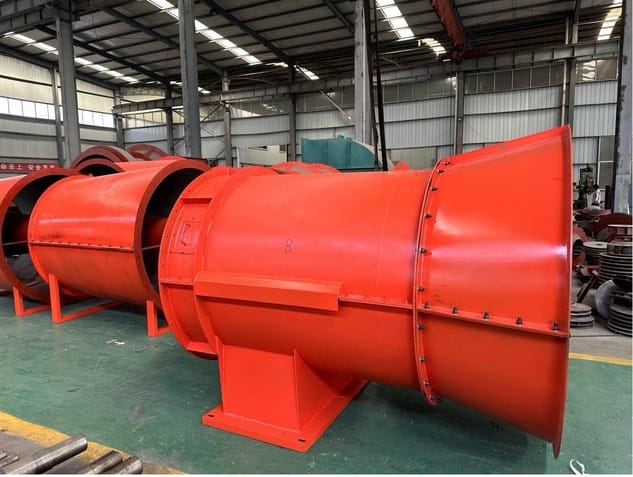
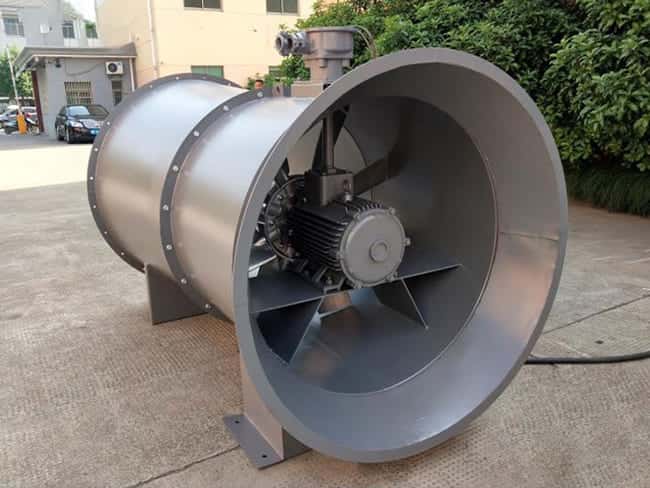
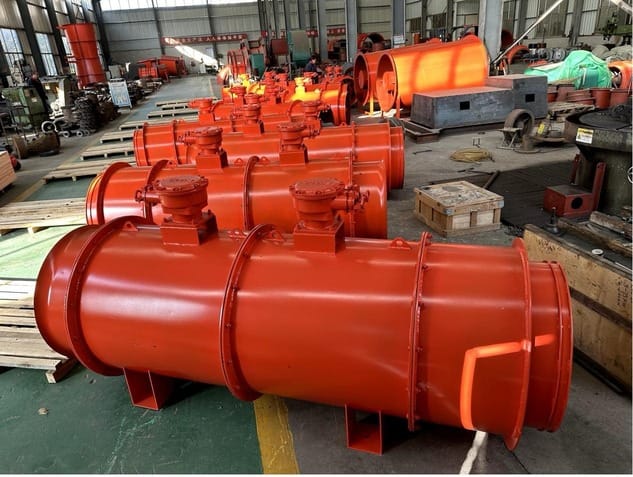
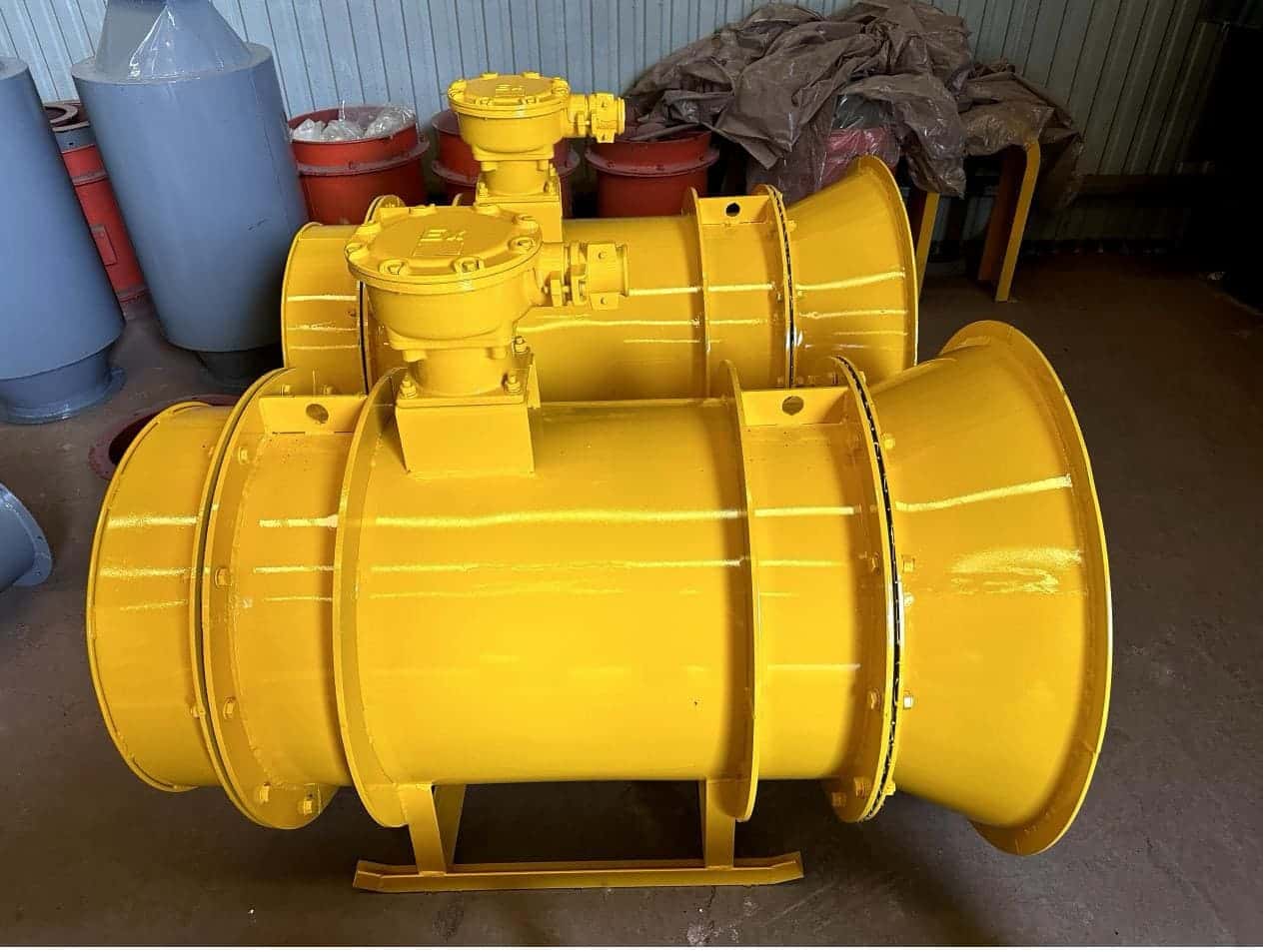
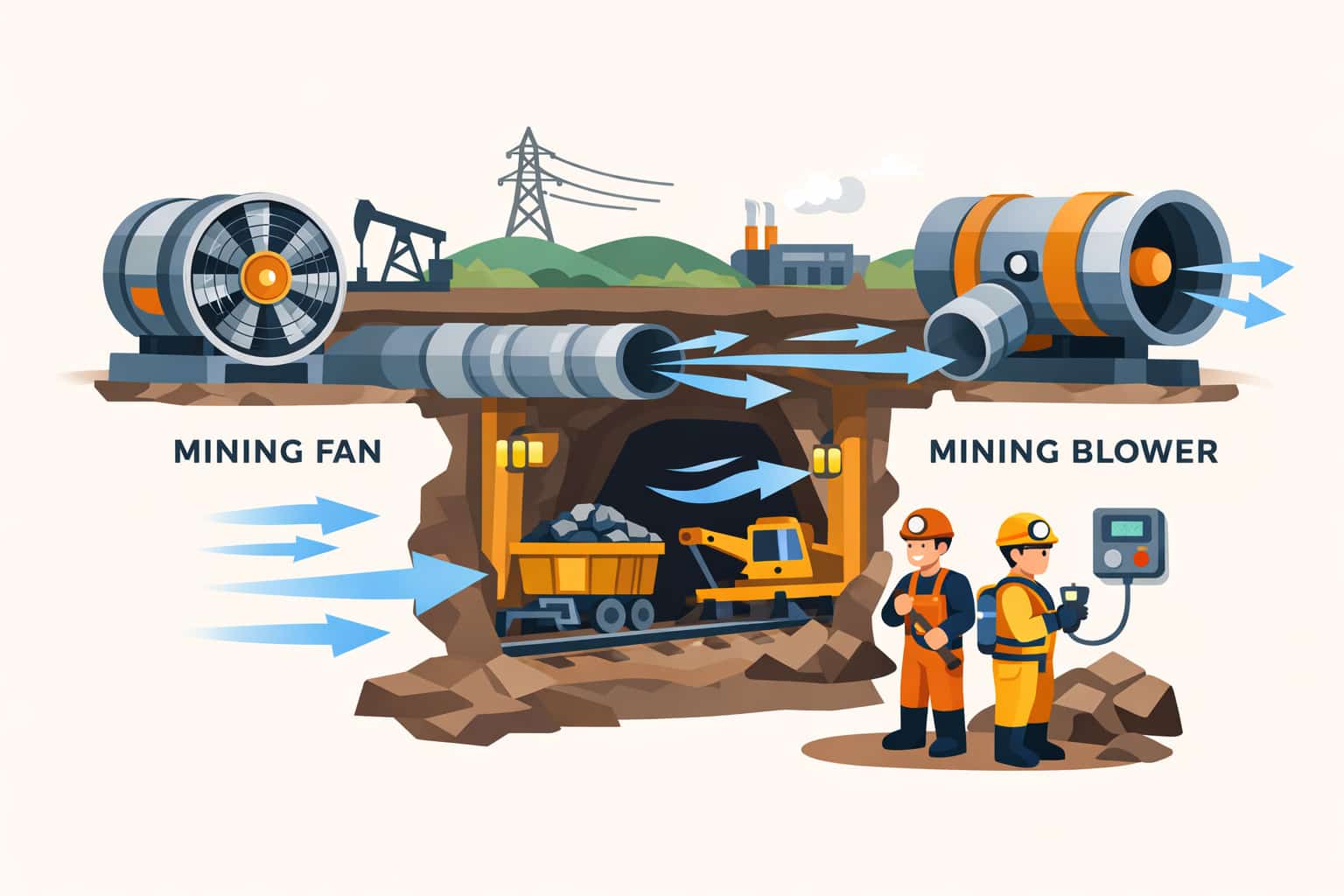
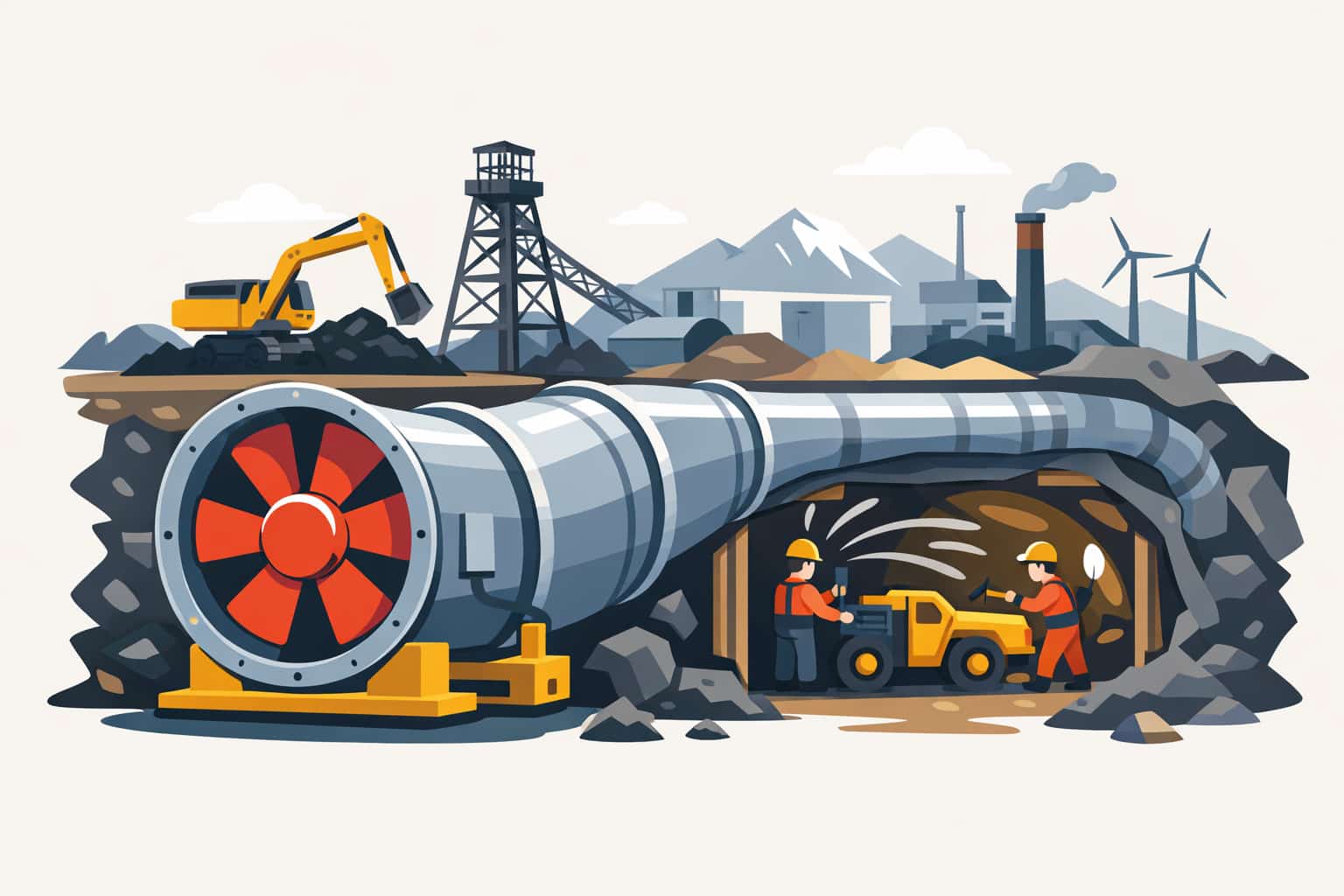
Ventilation, by contrast, is a broader building or mine level function. A ventilation system consists of fans, ducts, shafts, openings and controls designed to supply fresh air and remove contaminated air. Its objectives include oxygen supply, contaminant dilution, heat removal and humidity control. Ventilation deals with the overall environment in a workshop, factory hall, tunnel or mine, rather than only with specific items of equipment.
For example, a gas-fired furnace may be vented via a flue stack that carries combustion products outdoors. At the same time, the workshop that houses the furnace is ventilated by supply and exhaust fans to maintain acceptable temperature and air quality for workers. In an underground mine, local vent pipes may vent gases from certain equipment or storage areas, but mine ventilation fans and airways provide general airflow for the entire network.
From a design perspective, venting is usually sized based on peak gas flow or pressure scenarios for specific equipment, whereas ventilation is sized based on continuous air quality requirements, such as air changes per hour, airflow per person and contaminant generation rates. Both are important and often work together, but they serve different functions.
In summary, venting is about giving gases or pressure a safe path out of equipment, while ventilation is about managing the overall air environment in a space. Effective industrial and mining air management relies on correct application of both concepts: proper venting of equipment and robust ventilation for people and processes.