







The Hardy Cross method in mine ventilation is an iterative calculation technique used to balance airflows in complex mine networks. Underground mines contain many interconnected airways, raises and crosscuts, forming loops similar to piping networks. The Hardy Cross method provides a systematic way to adjust airflow estimates in each loop until pressure drops and continuity conditions are satisfied throughout the entire ventilation system.
The method starts with a simplified representation of the mine ventilation network. Each airway is treated as a branch with a known resistance, often expressed using Atkinson resistance or a similar coefficient. Initial guesses are made for airflow in each branch, usually based on design targets or previous survey measurements. These initial flows seldom satisfy all the physical constraints, so corrections are needed.
Using the Hardy Cross method, the ventilation engineer selects a closed loop of airways in the network. For that loop, they calculate the algebraic sum of pressure drops around the loop, using a relationship such as Δp = RQ² where Δp is pressure drop, R is resistance and Q is flow. If the sum of pressure drops is not zero, the loop is out of balance. The method then computes a correction to the loop flows based on the ratio of the imbalance to the derivative of pressure with respect to flow.
This correction is added or subtracted from the airflow in each branch of the loop, depending on flow direction. The process is repeated for each independent loop in the network, updating flow values step by step. After several iterations, the pressure imbalances in all loops become very small, meaning that continuity and energy conservation constraints are satisfied. The resulting airflow distribution is a realistic approximation of how air will actually flow when driven by mine ventilation fans.
In mine ventilation practice, the Hardy Cross method is valuable because it can handle non-linear resistance relationships where pressure drop is proportional to the square of airflow. It is well-suited to manual or spreadsheet calculations for smaller networks and forms the conceptual basis of many computer programs used today for mine ventilation simulation. These programs automate the looping and correction steps but still rely on the same underlying principles.
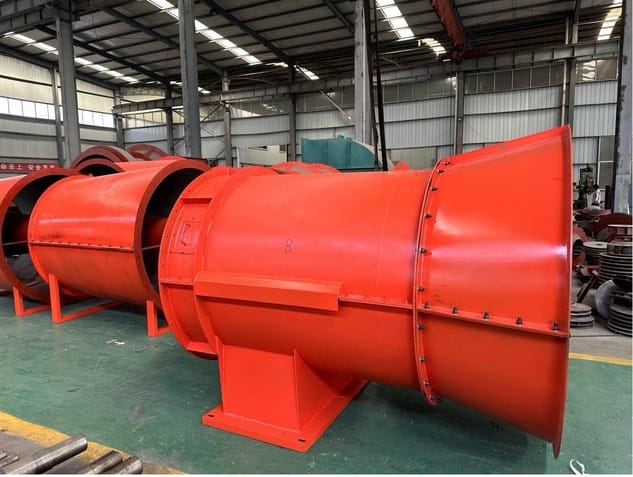
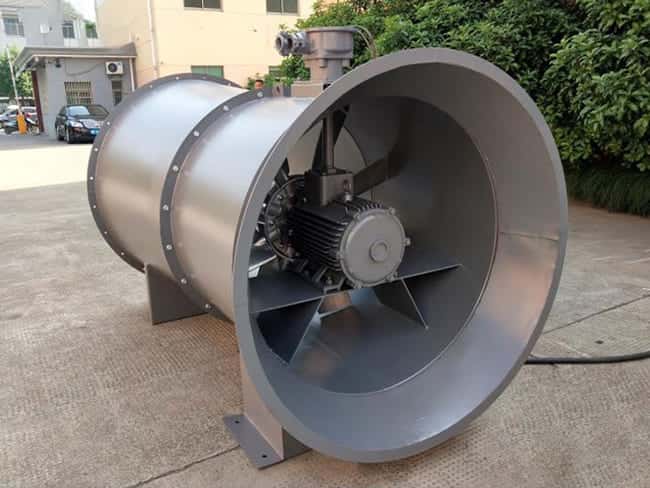
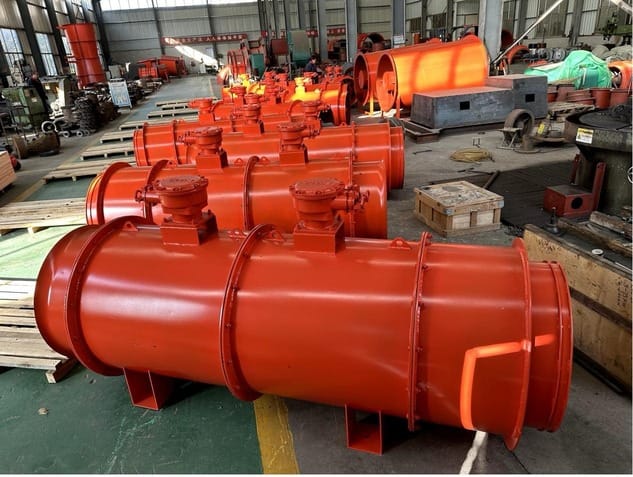
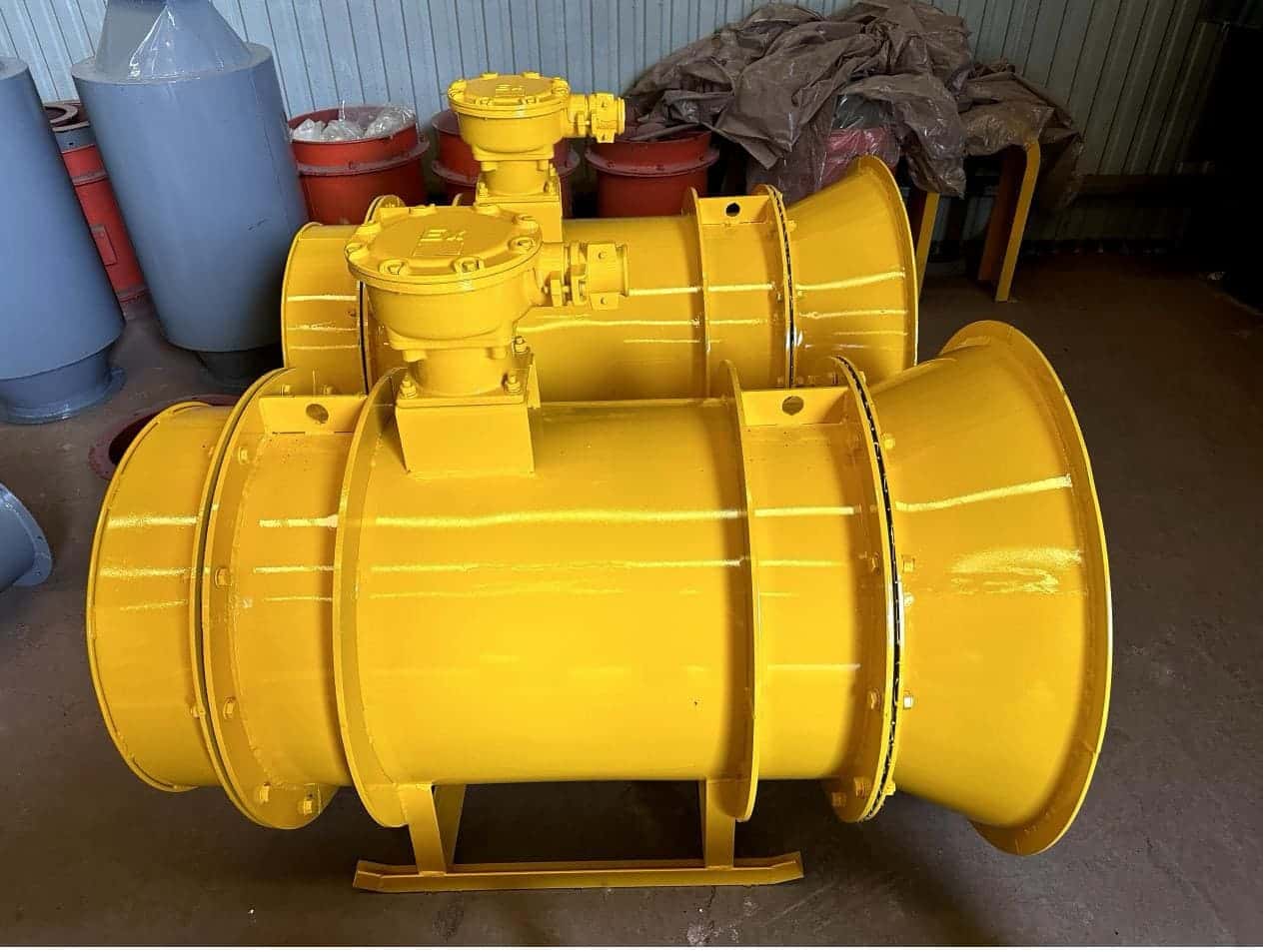
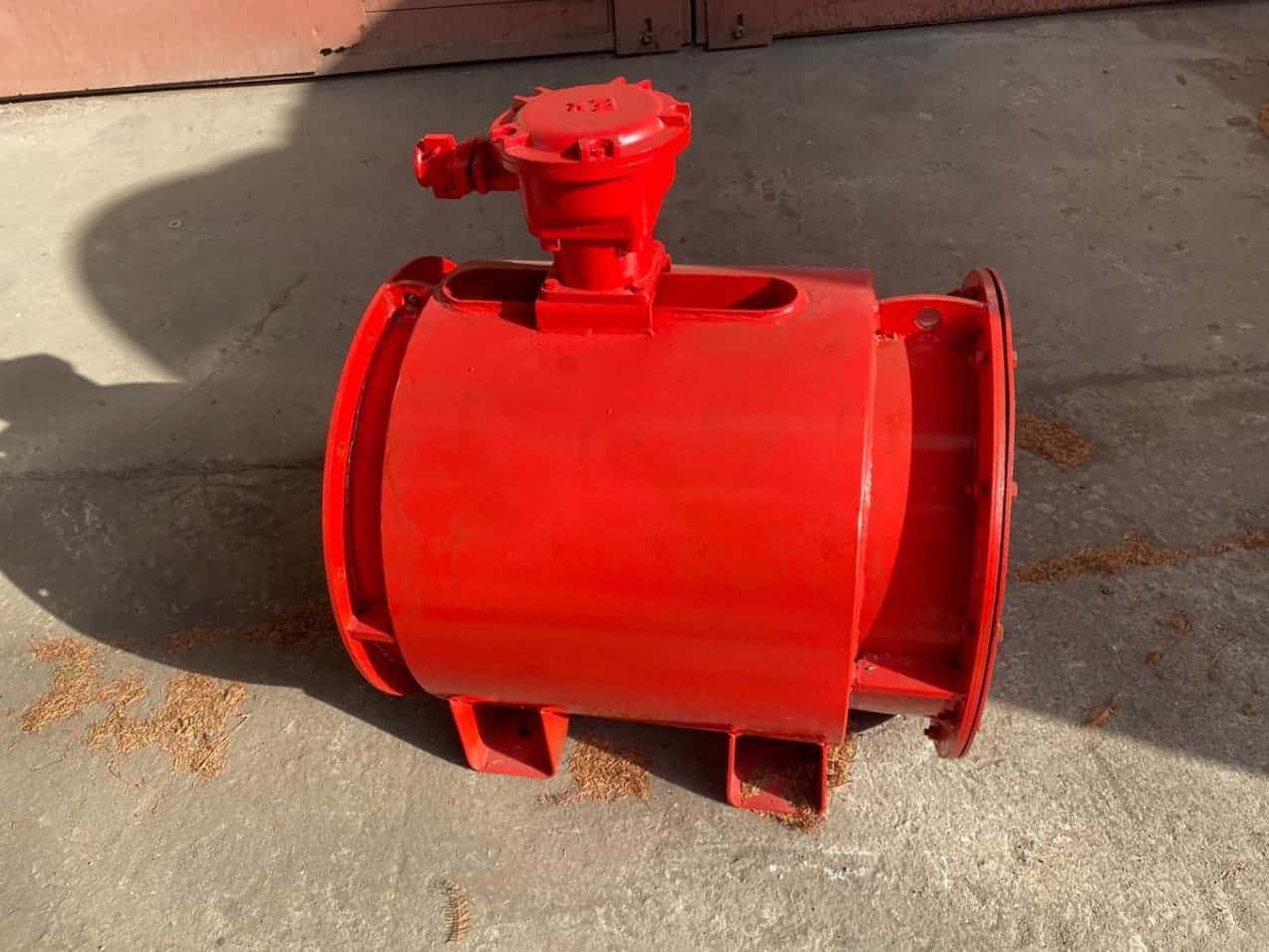
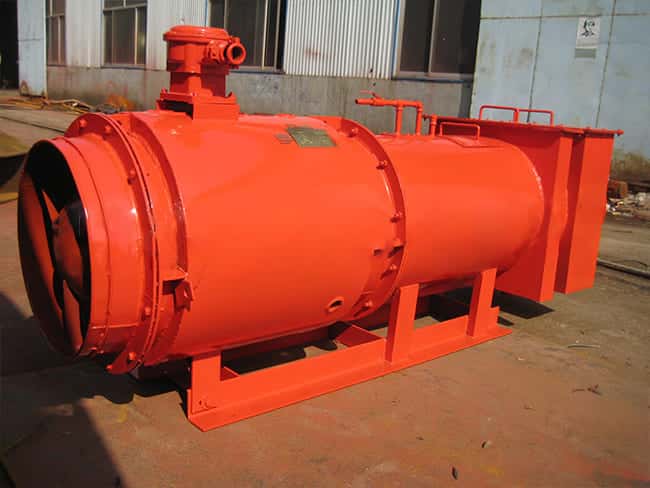
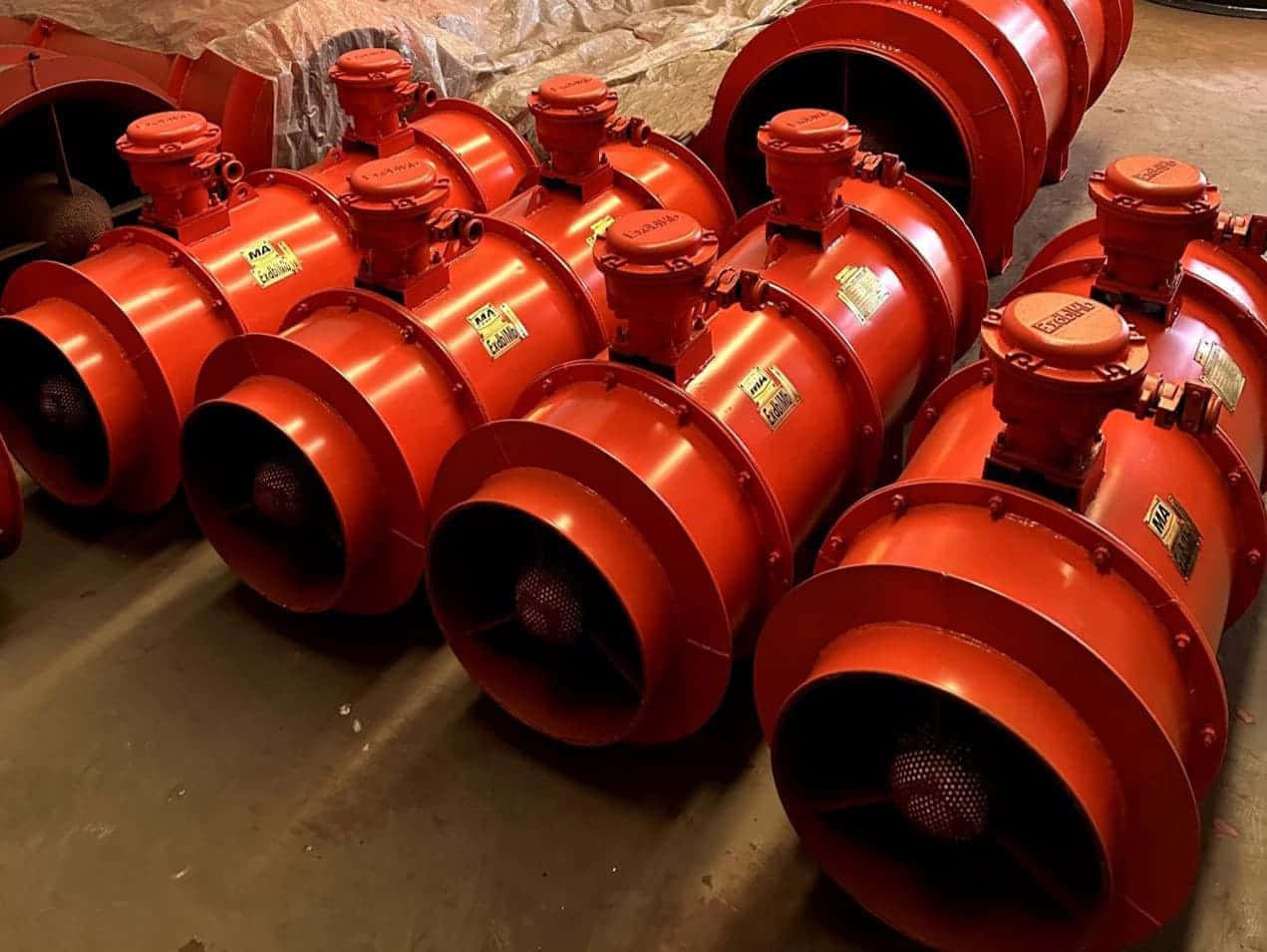
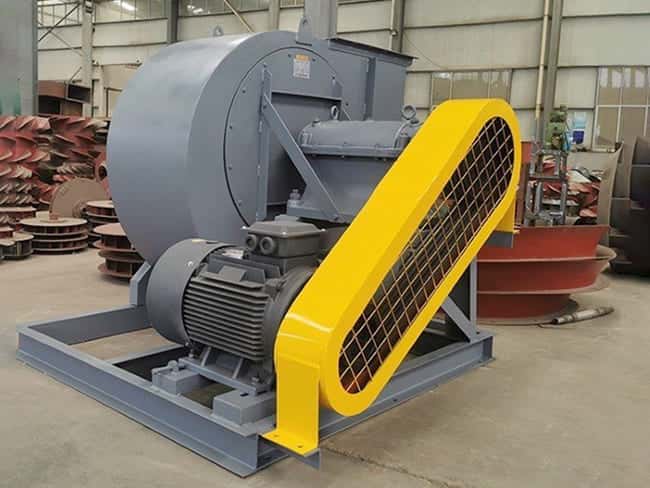
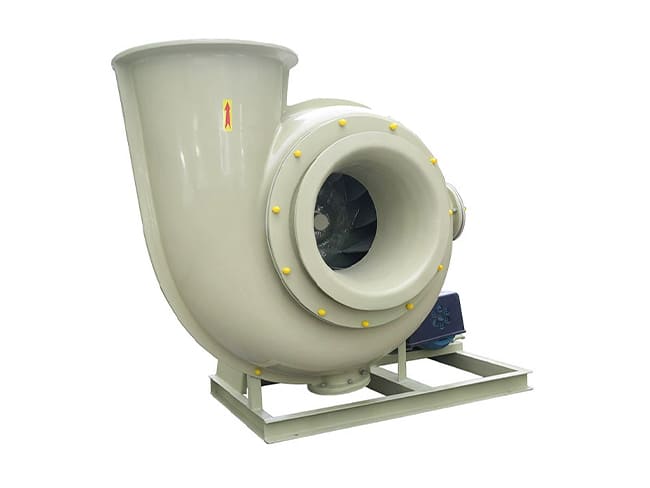
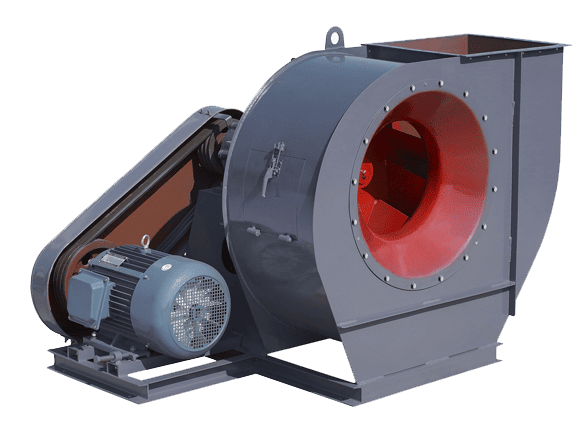
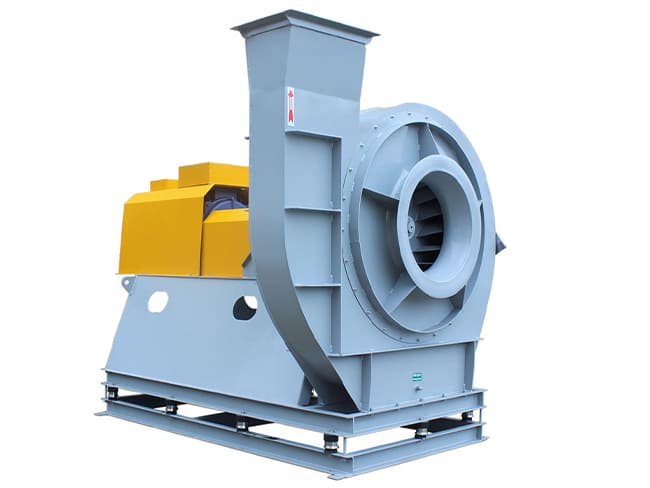
Understanding the Hardy Cross method helps engineers check the outputs of ventilation software, design new ventilation circuits, and estimate the effects of changes such as adding a booster fan, closing an airway or altering regulator settings. By balancing flows and pressure drops, the method ensures that mine ventilation fans are correctly sized and that air is delivered where it is needed in the quantities required by safety standards.
In summary, the Hardy Cross method in mine ventilation is an iterative loop-balancing technique that adjusts branch airflows until the network satisfies both pressure and continuity conditions, providing a reliable picture of how air will move through an underground mine.