
The history of mine ventilation is closely tied to the history of underground mining itself. As soon as people began working below the surface, they faced problems with foul air, smoke, and heat. Early miners quickly learned that managing airflow was critical, but their tools and understanding were limited. Over centuries, mine ventilation evolved from basic natural airflow methods to highly engineered systems using powerful industrial fans, sophisticated controls, and strict safety regulations.
In ancient and medieval times, ventilation relied mainly on natural ventilation. Mines were often driven from outcrops or valley sides so that multiple openings at different elevations could create a natural pressure difference. Simple shafts, adits, and wind catchers were used to encourage airflow. Workers sometimes used canvas partitions or wooden doors to guide air toward faces. However, ventilation was highly unreliable, and many early miners suffered from suffocation, toxic gases, and poor working conditions.
During the eighteenth and nineteenth centuries, especially in coal mining regions, new methods appeared. One widely used technique was the ventilation furnace placed at the bottom of an upcast shaft. A fire in the furnace heated the air, causing it to rise and inducing a stronger draft through the mine. Although more powerful than purely natural ventilation, furnace systems posed their own hazards, especially in gassy coal mines where the furnace could ignite methane.
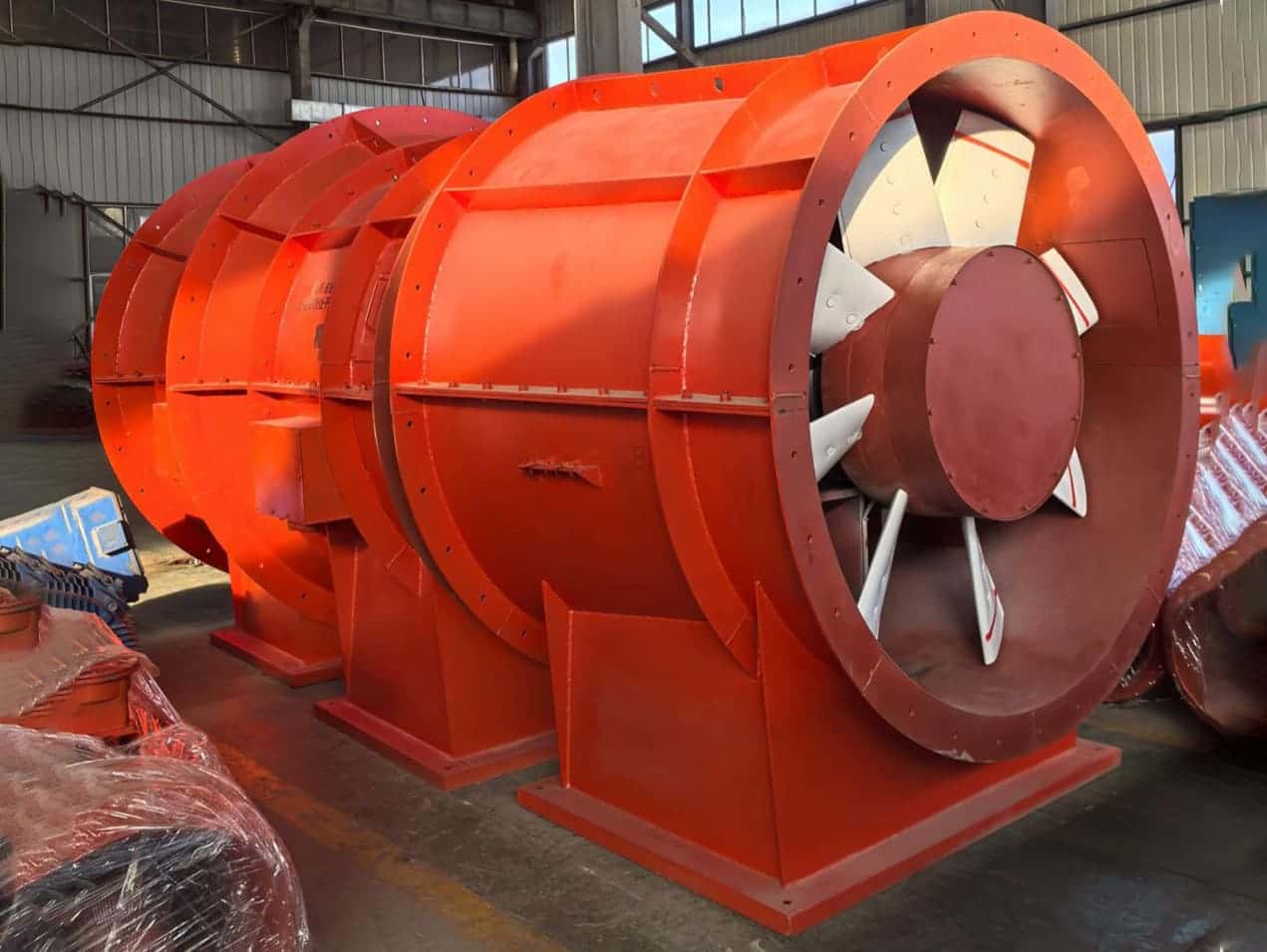
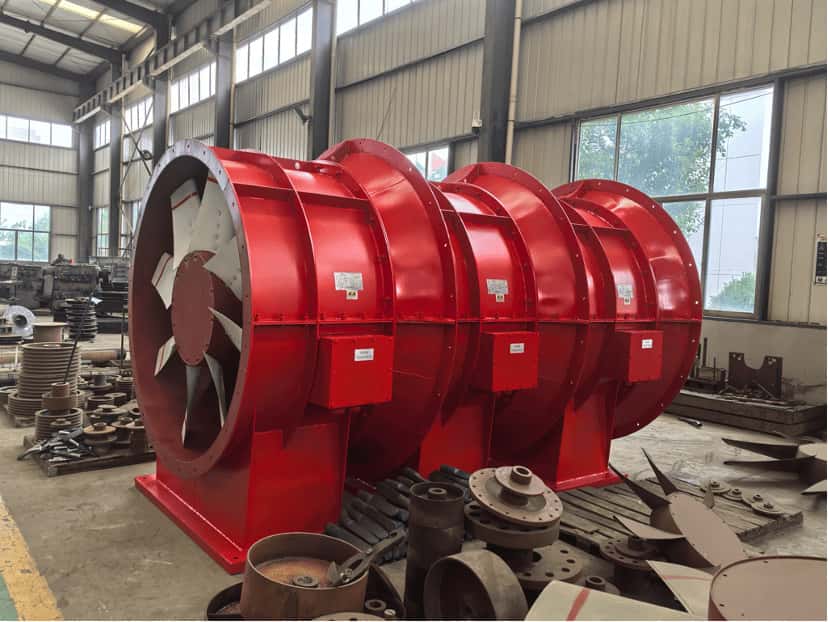
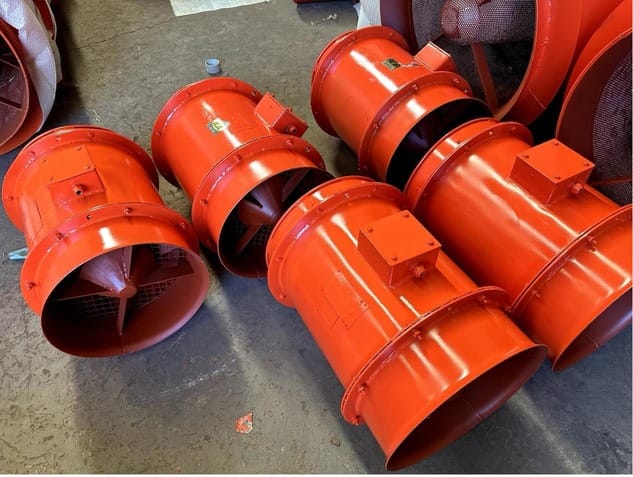
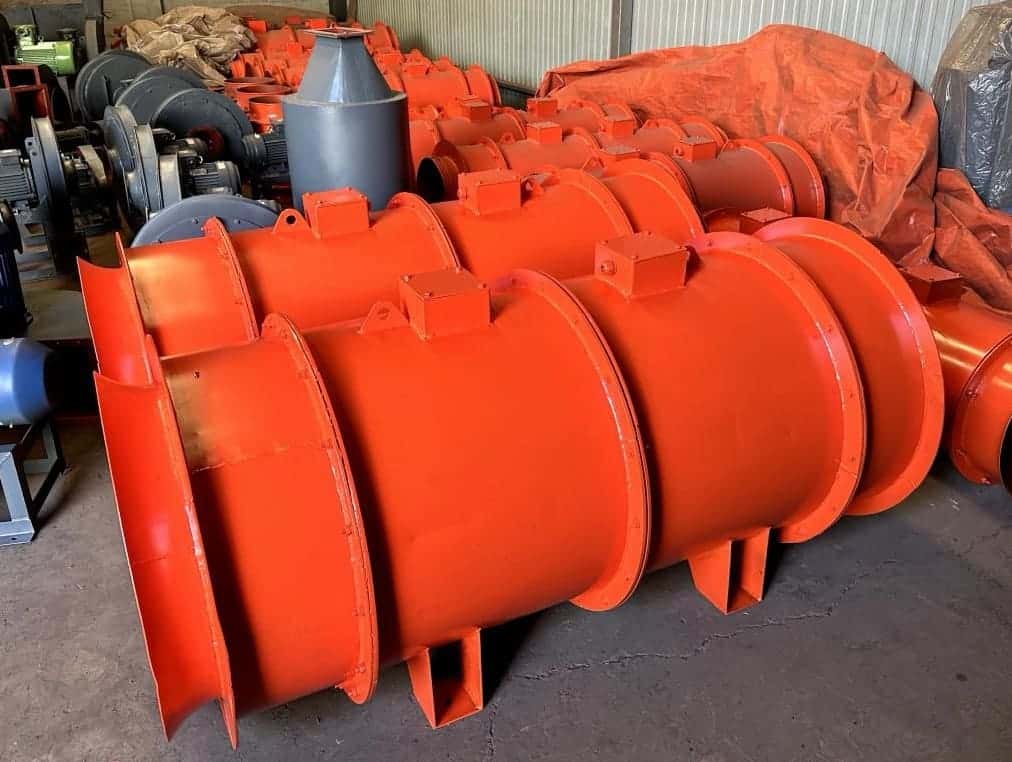
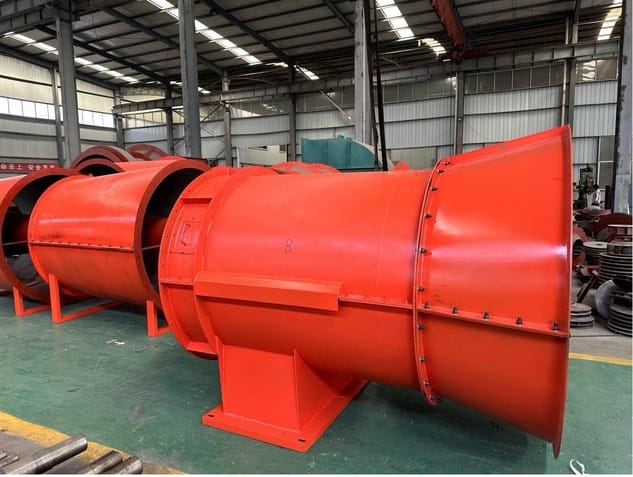
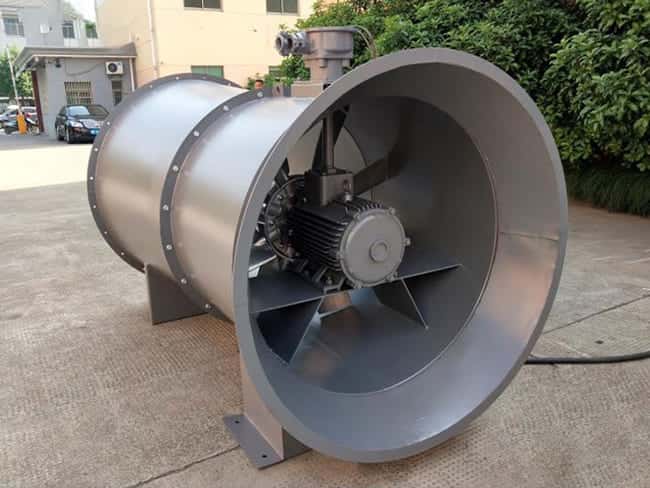
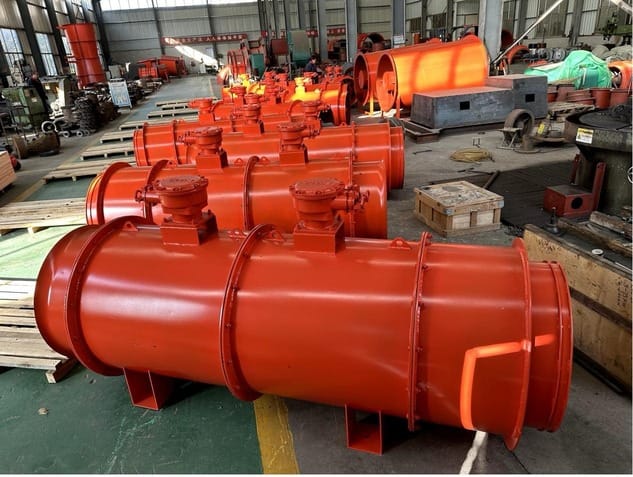
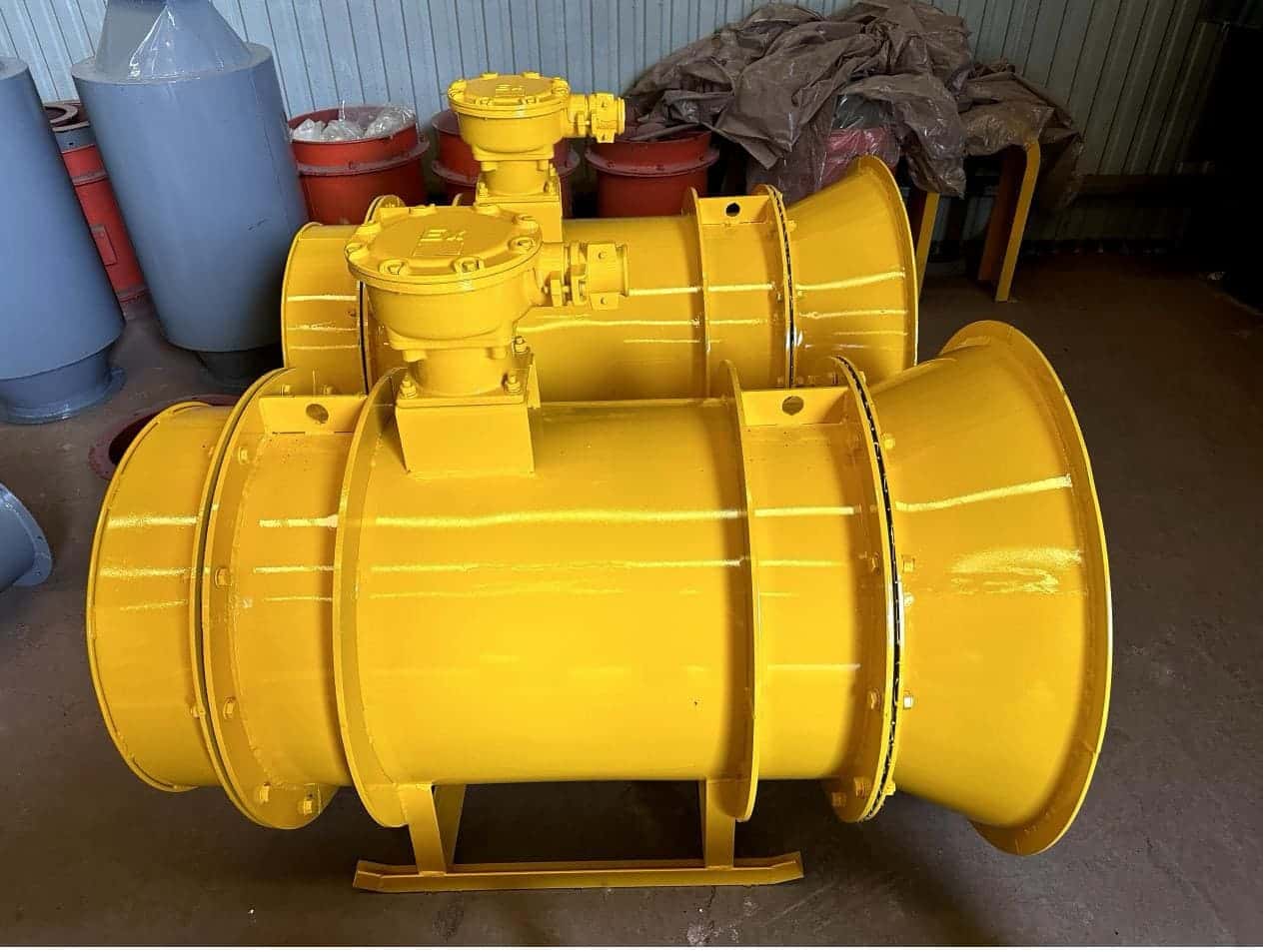
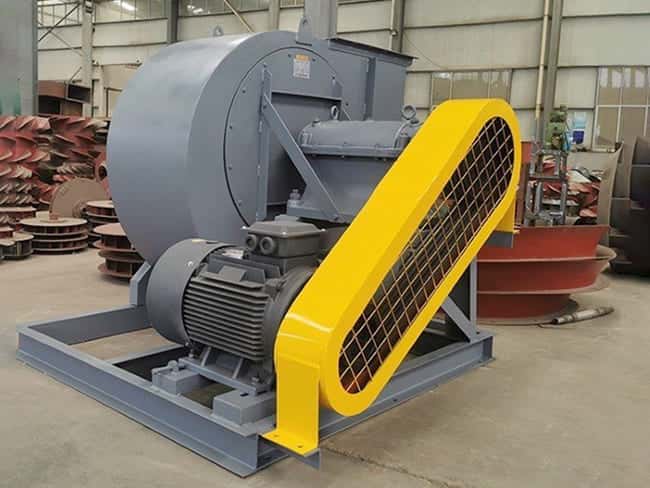
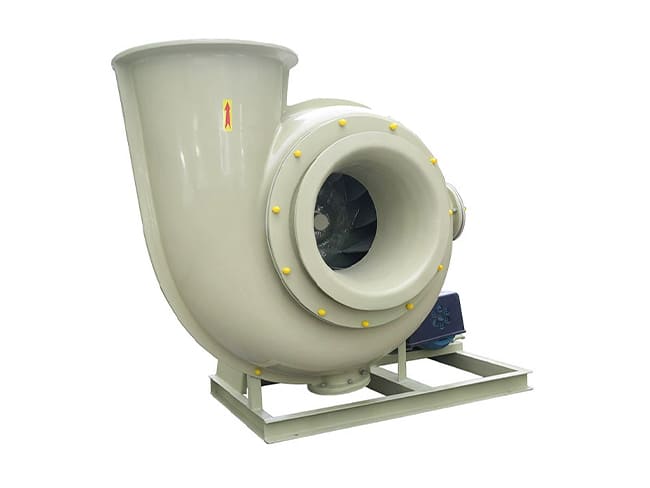
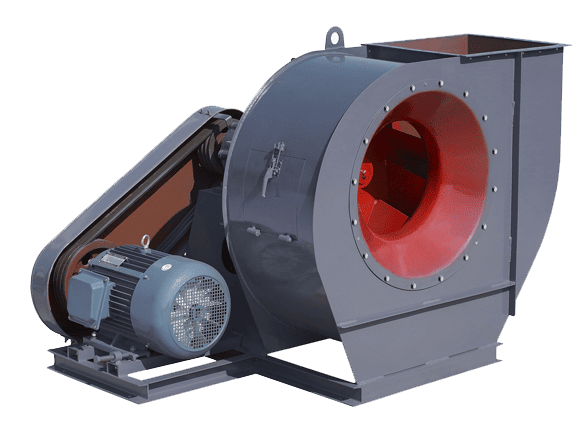
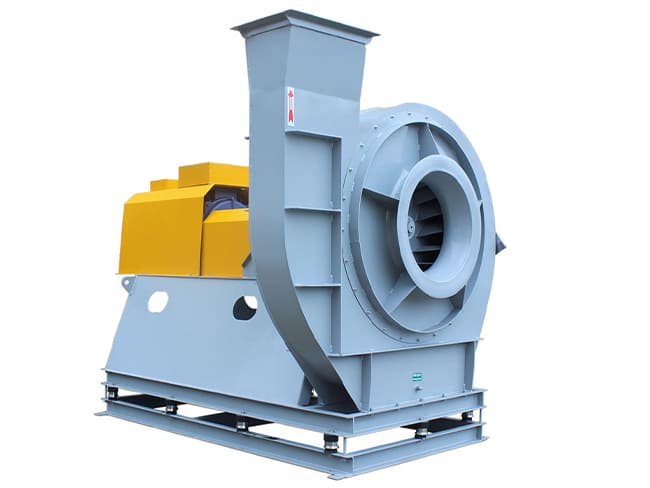
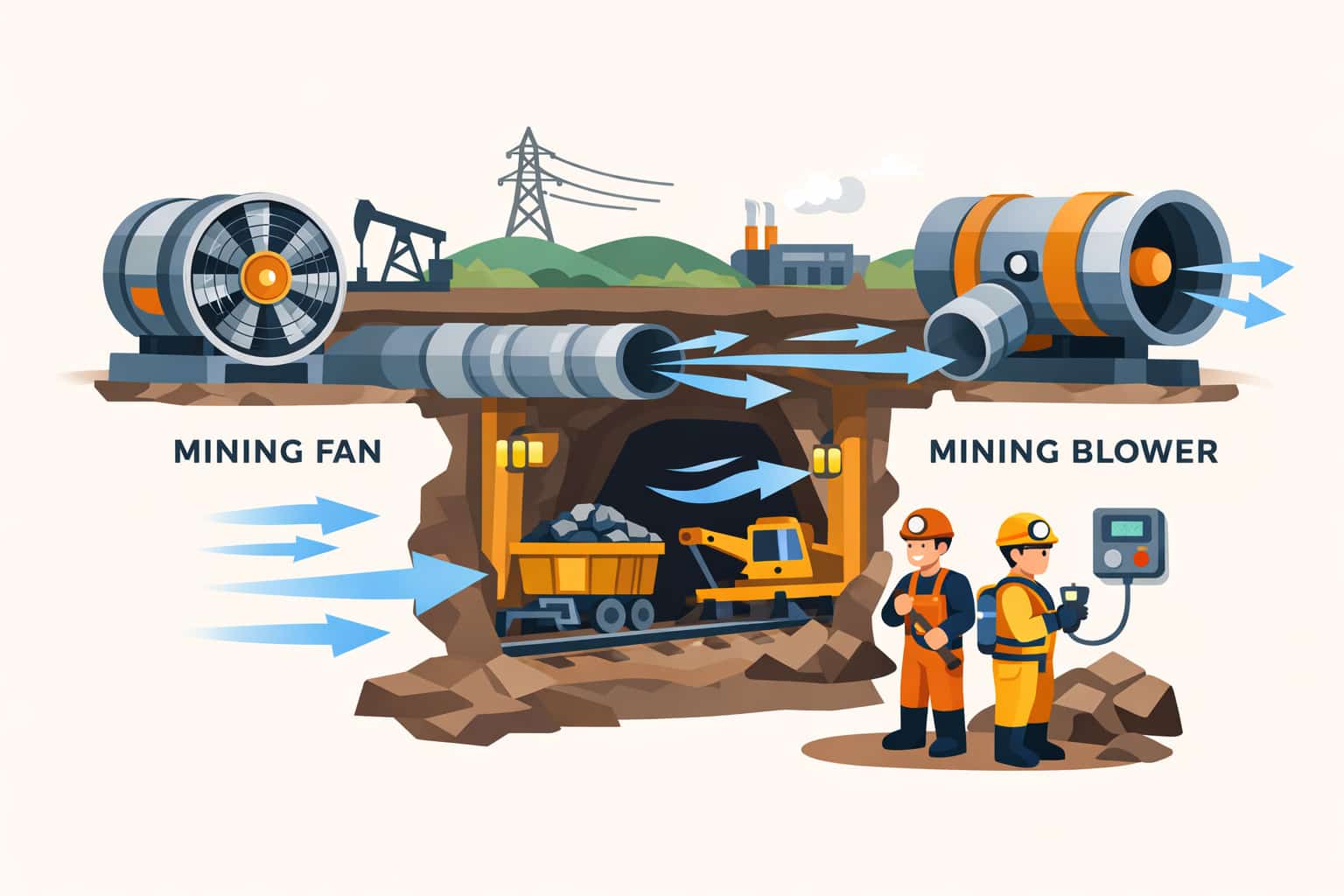
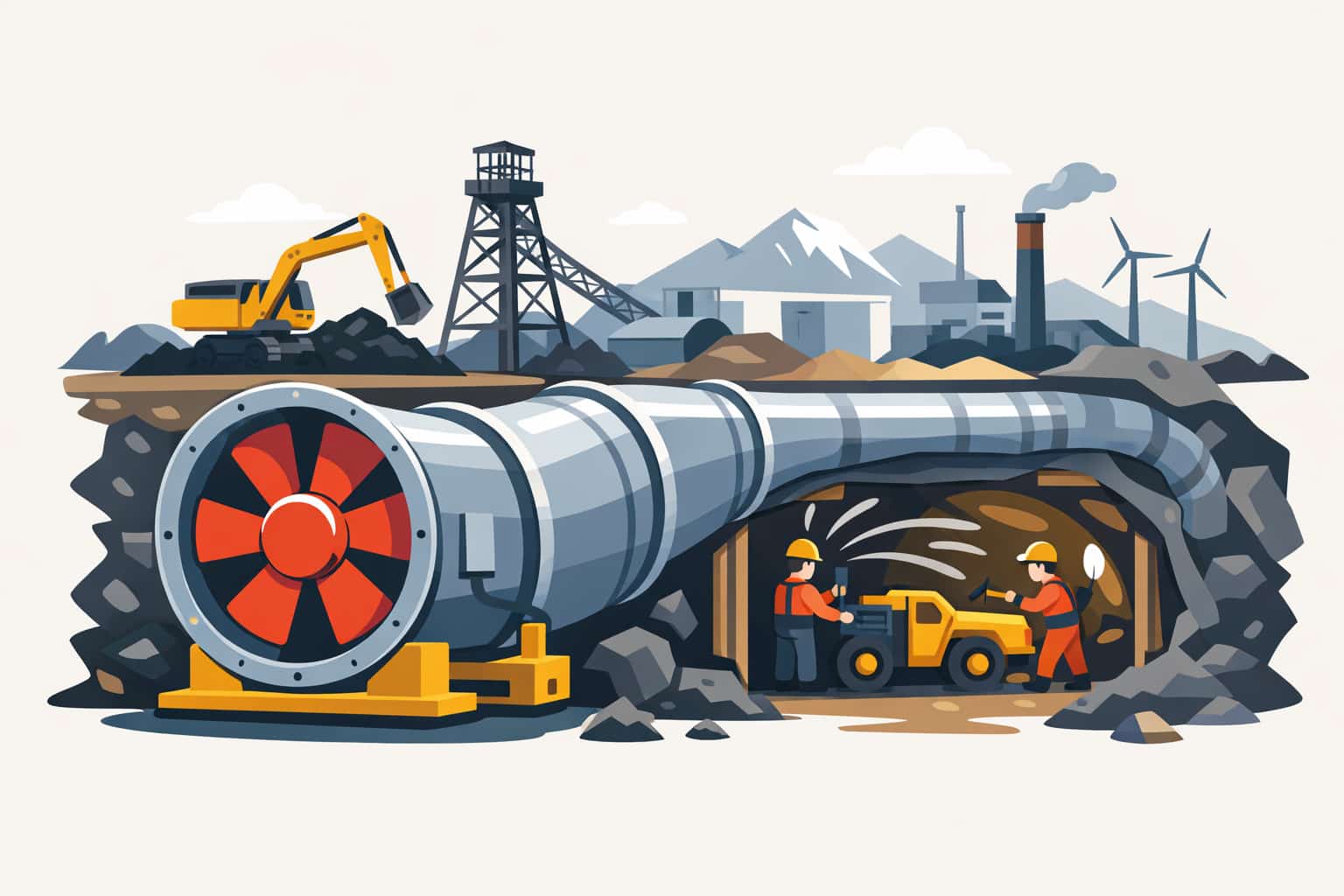
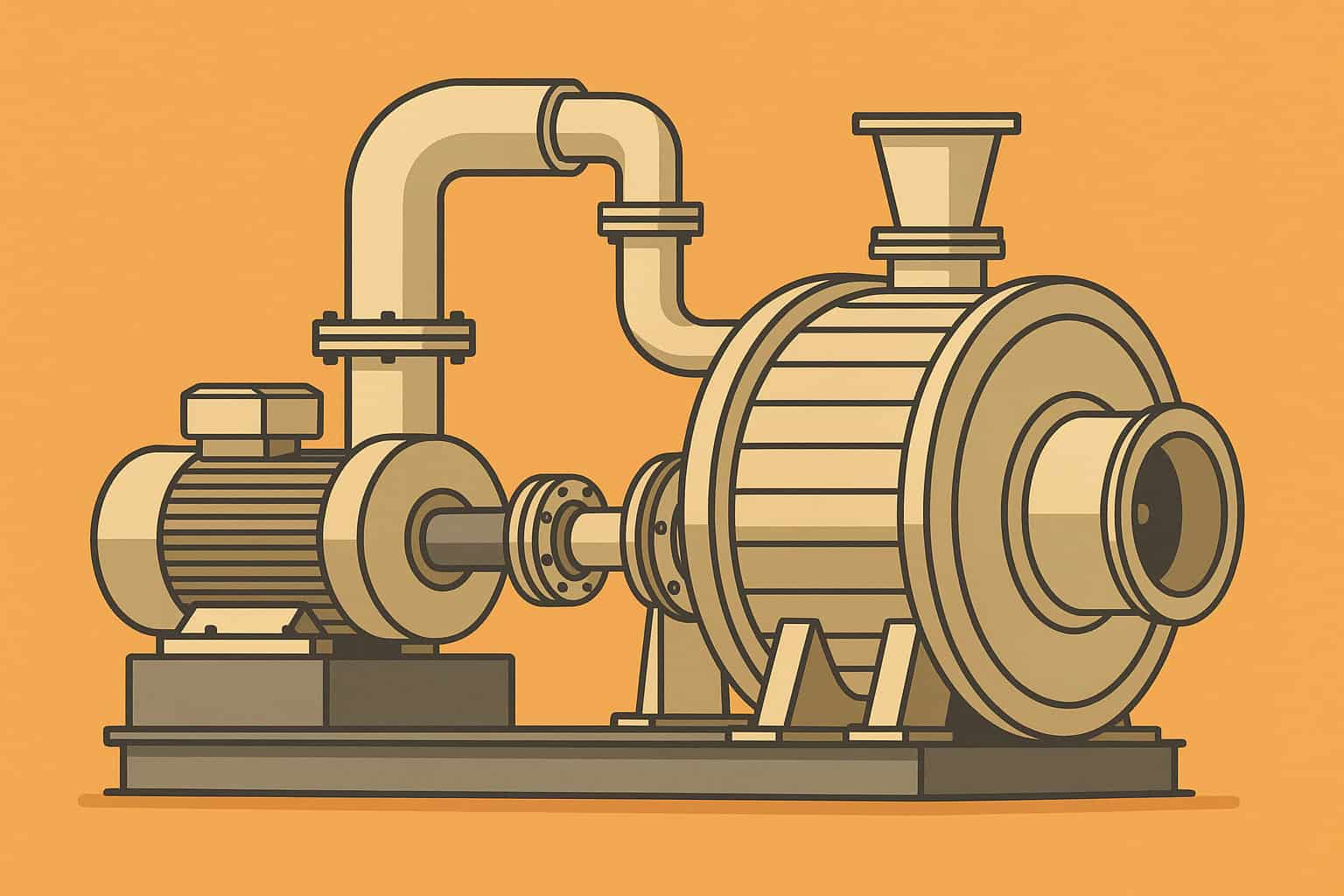
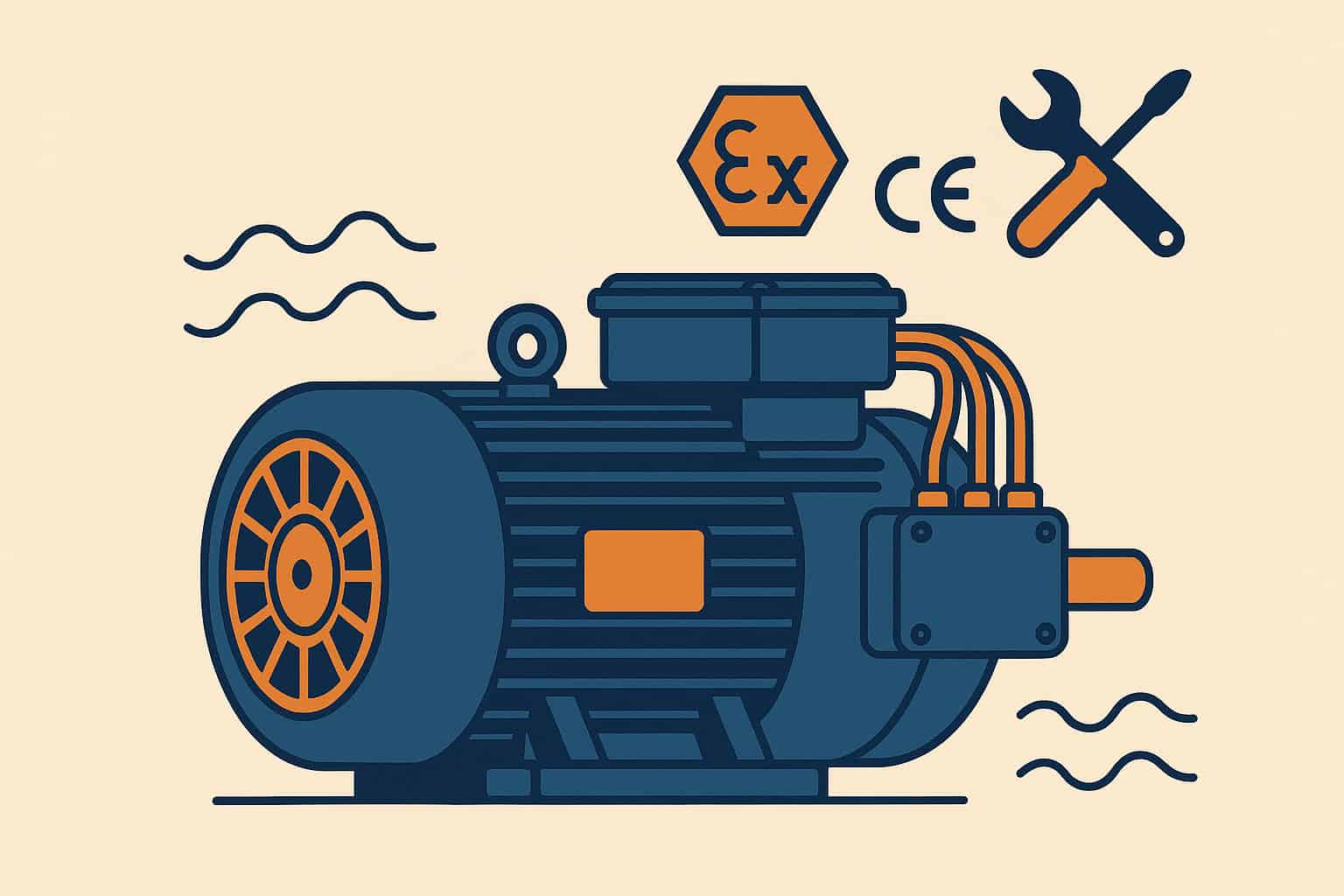
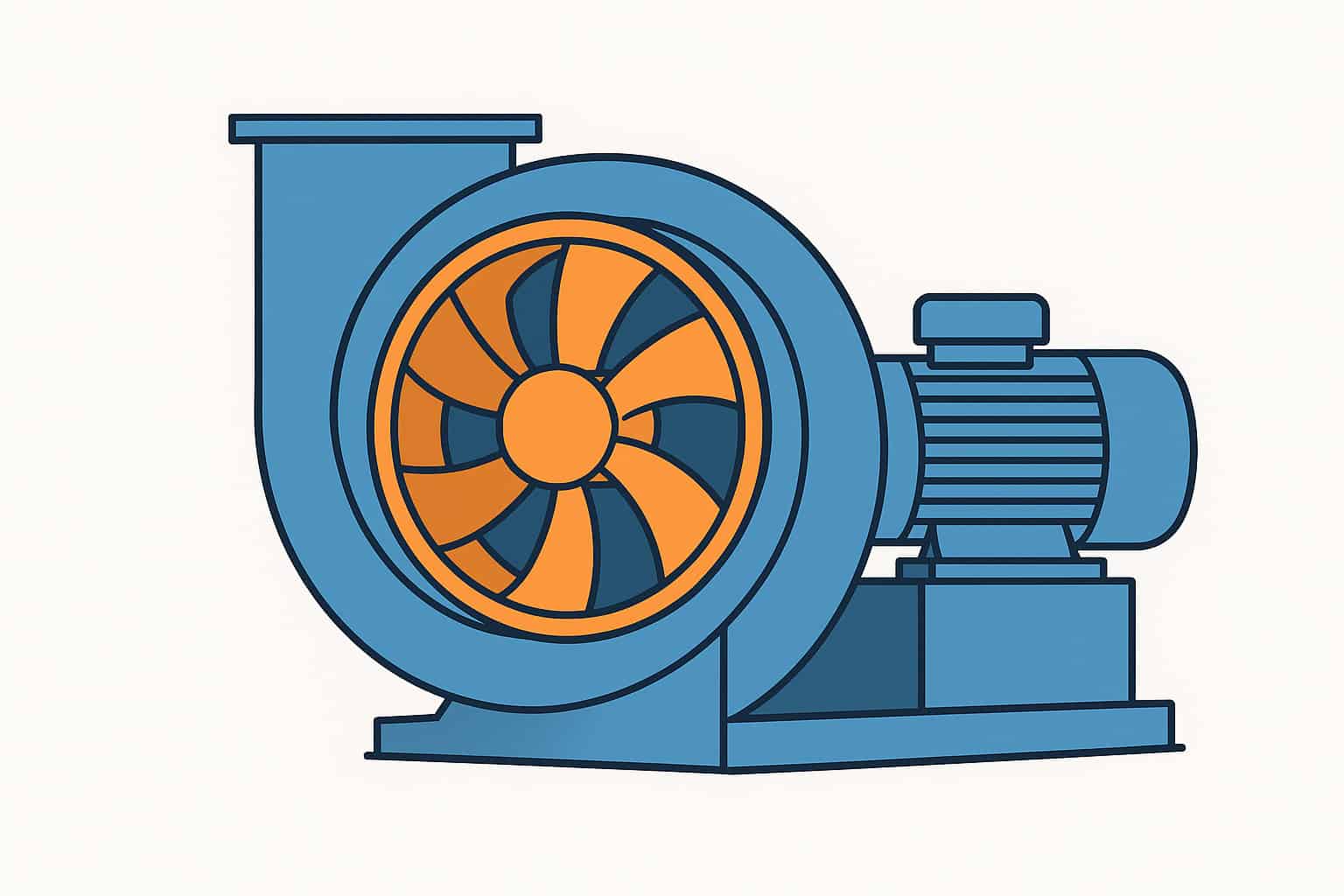
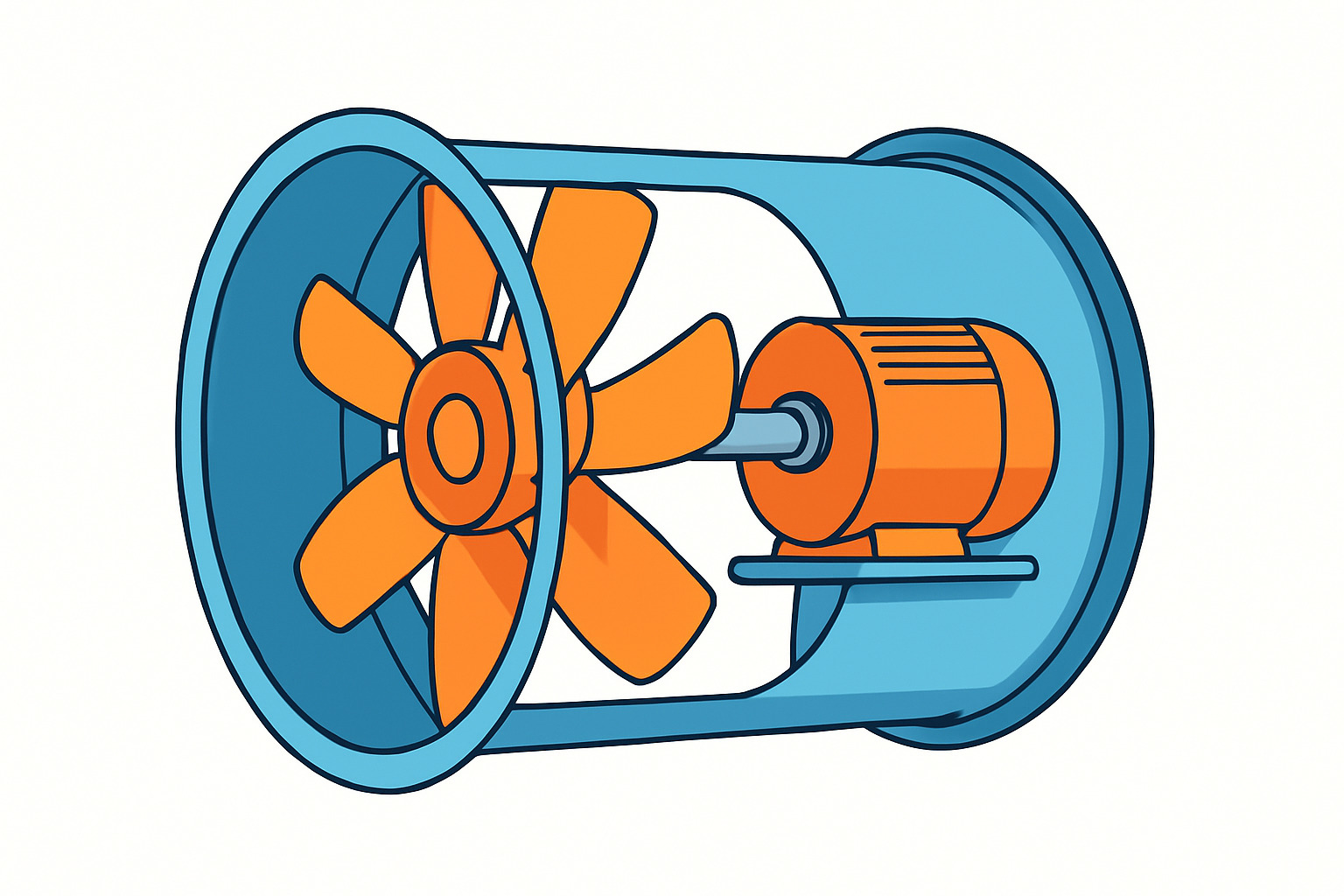
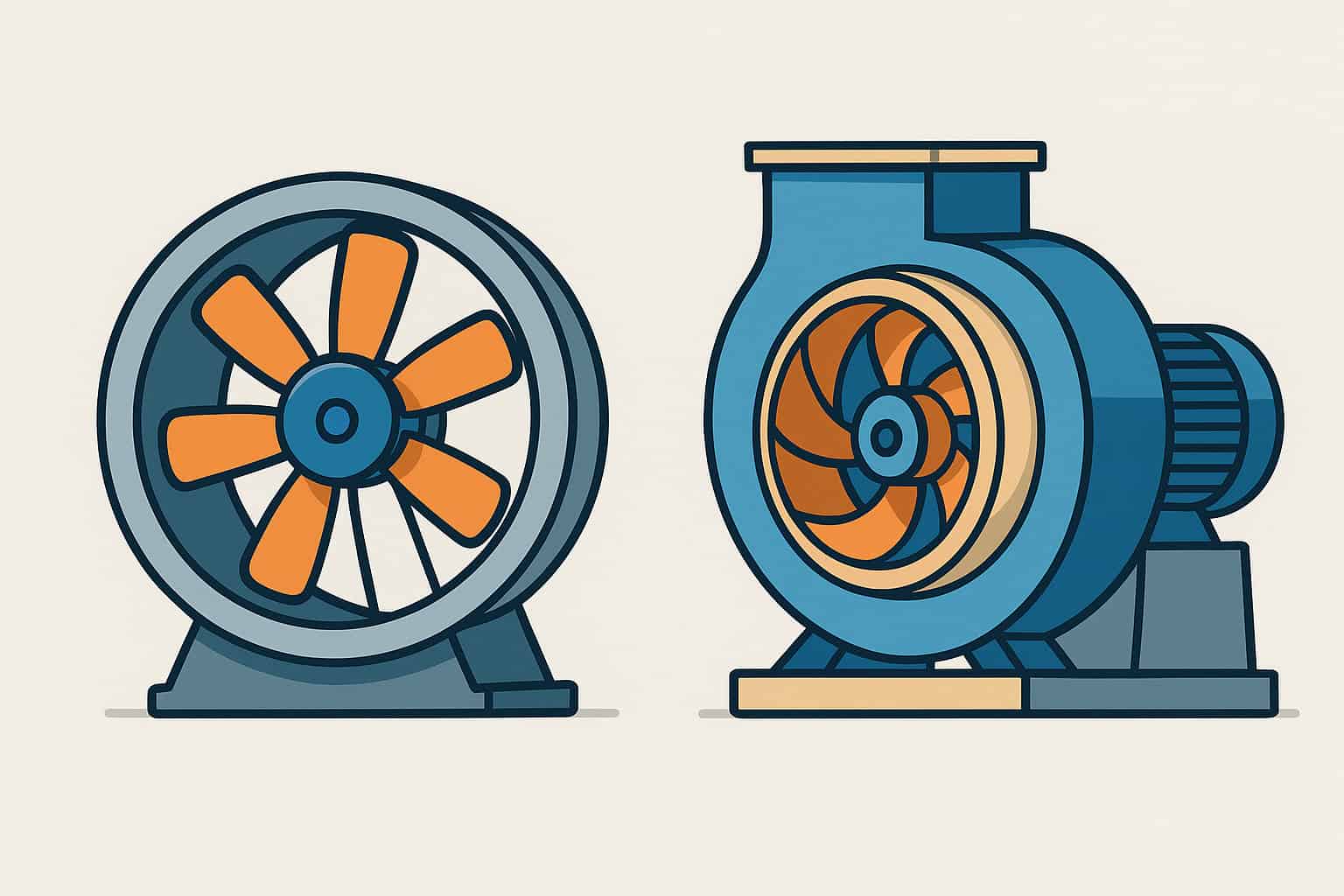
The industrial revolution brought the first mechanical mine fans. Early designs used waterwheels or steam engines to drive large wooden or metal fans that pushed or pulled air through the workings. Over time, fan technology improved, with the development of centrifugal fans and, later, axial flow fans capable of moving larger volumes of air at higher pressures. The invention of electric motors allowed mine fans to become more compact, reliable, and controllable, and mechanical ventilation gradually replaced furnace systems.
As mining became deeper and more mechanized, particularly in the twentieth century, the need for systematic ventilation design grew. Engineers began to use airflow measurements, resistance calculations, and network analysis to plan airways, select fan duties, and size regulators and stoppings. Governments introduced regulations specifying minimum airflow, gas limits, and dust exposure standards. This pushed mines to invest in better ventilation fans, ducting, and monitoring equipment.
In recent decades, mine ventilation has entered the era of computer modelling and ventilation on demand. Software tools allow engineers to build detailed network models, simulate fan performance, and optimize airflow distribution. Sensors measure air quality, airflow, and temperature in real time, and data are used to adjust main and auxiliary fans, sometimes automatically, to match actual needs and reduce energy consumption. At the same time, the basic principles remain the same: provide enough fresh air, remove contaminants, and maintain safe conditions for workers and equipment.
In summary, the history of mine ventilation has progressed from crude natural airflow and furnace drafts to advanced mechanical fan systems and computer-optimized networks. Each step forward has been driven by the twin needs of productivity and safety, making ventilation fans and systems central to modern underground mining.