
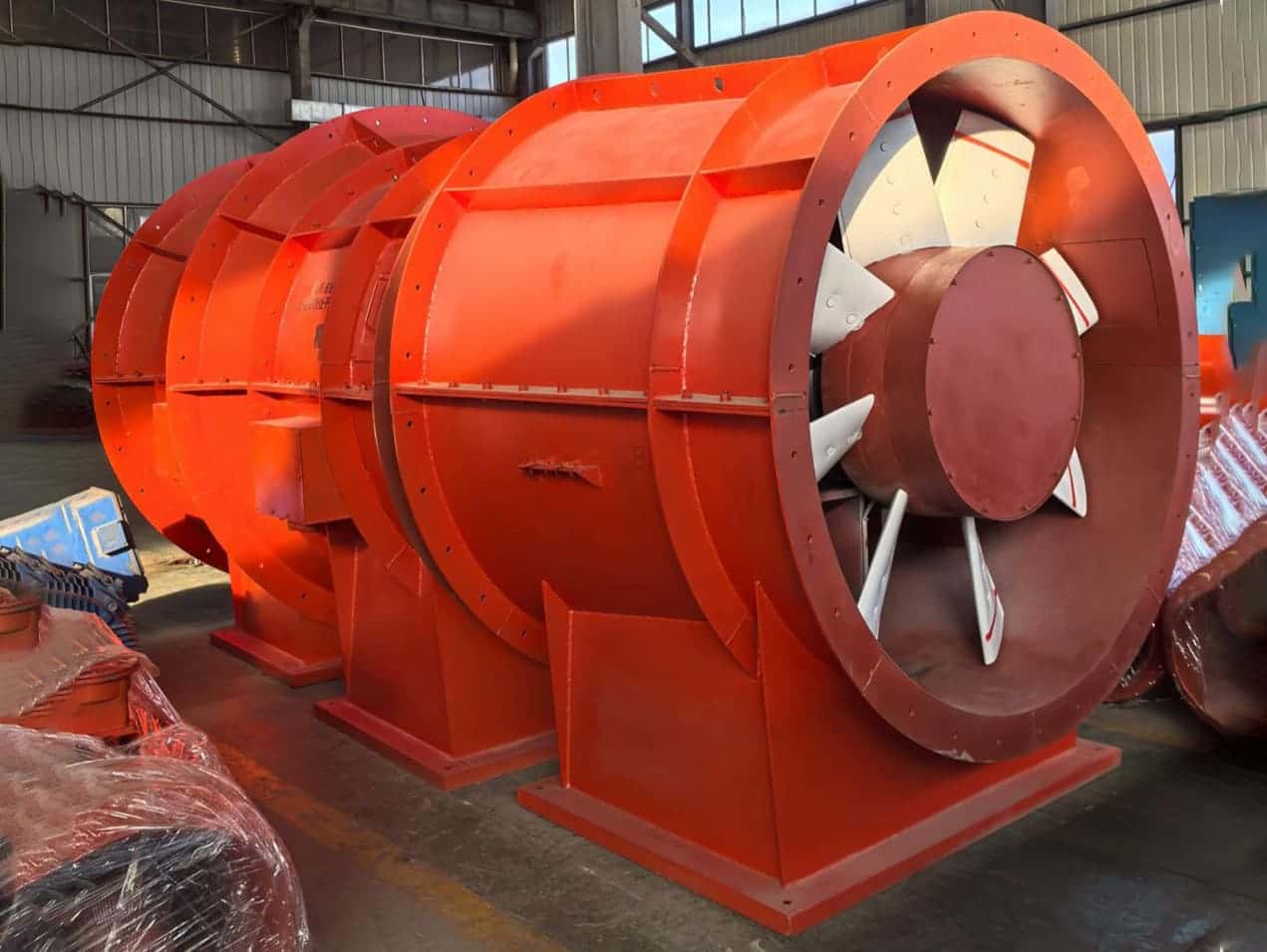
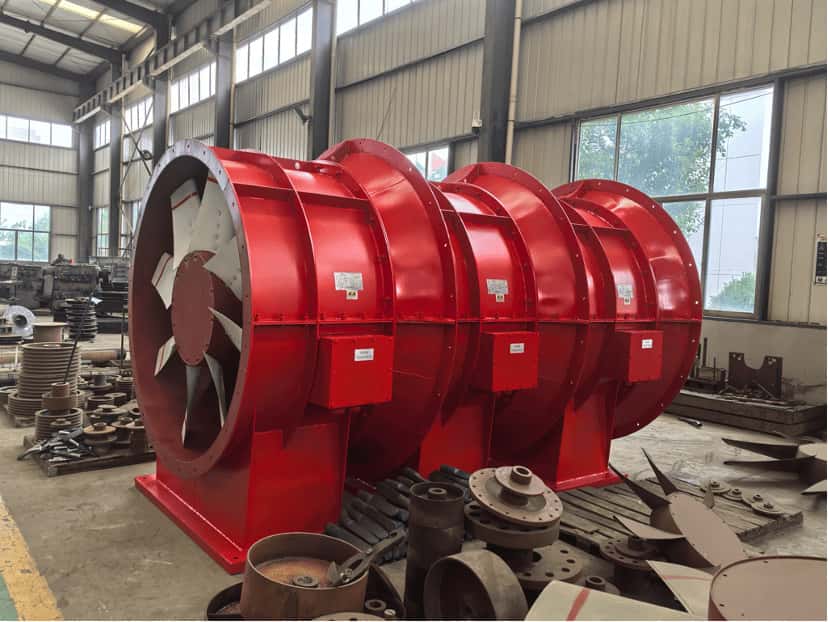
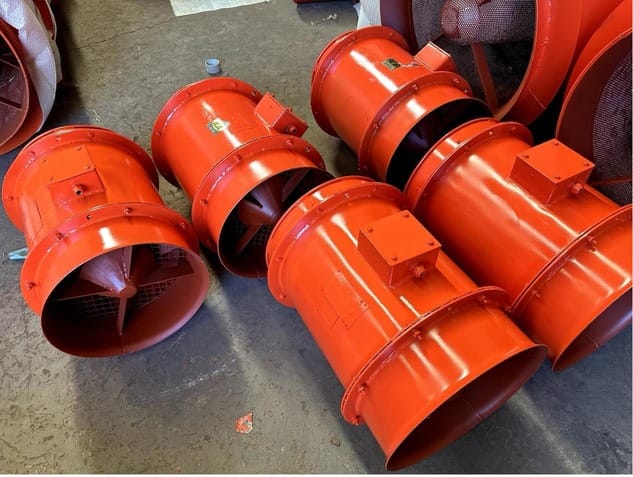
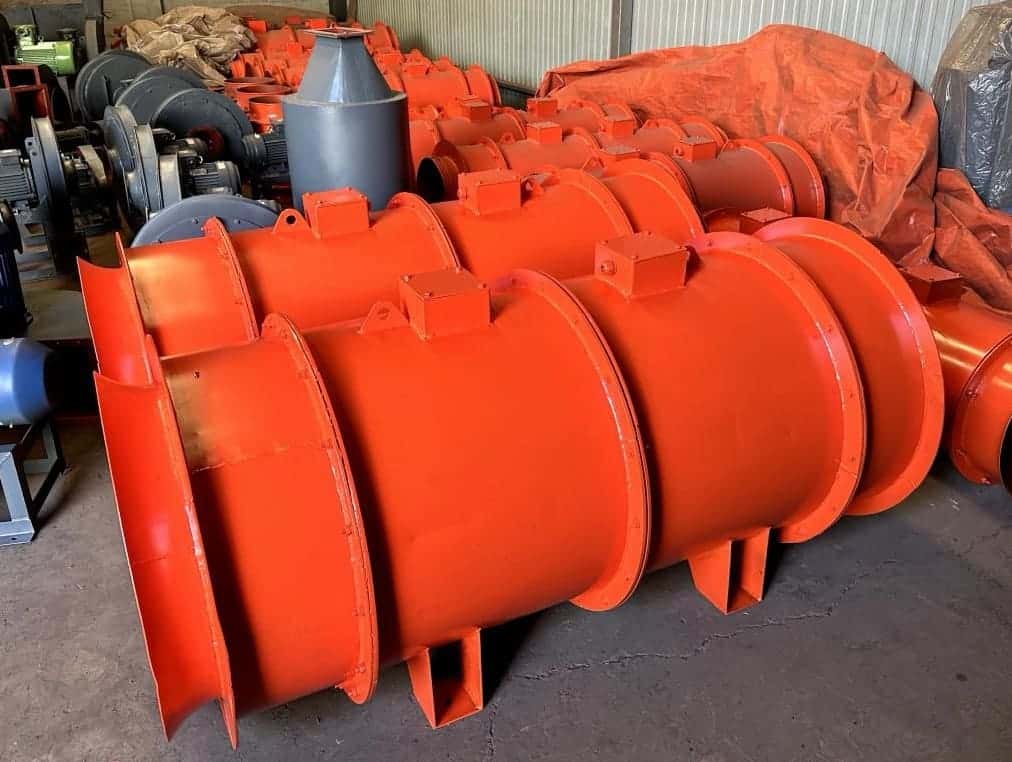
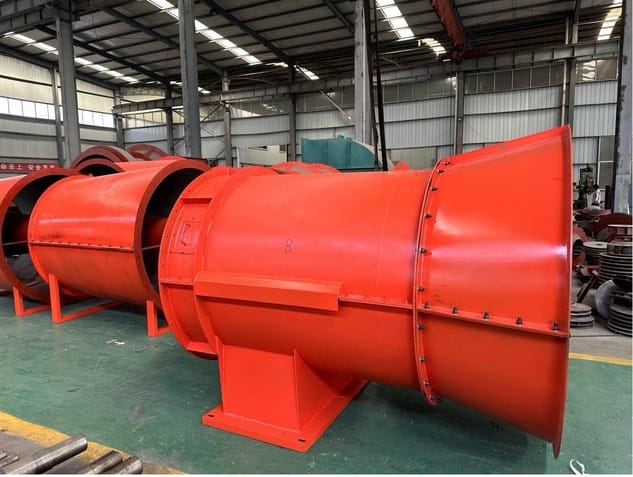
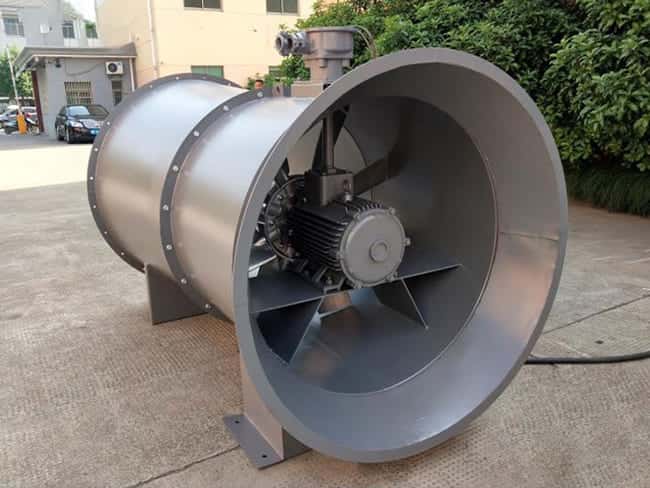
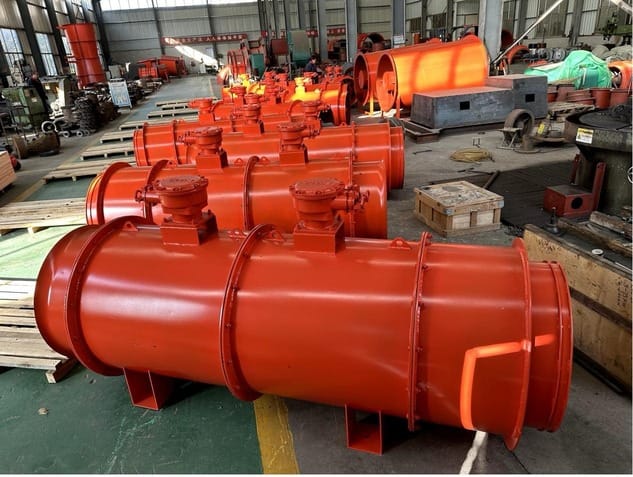
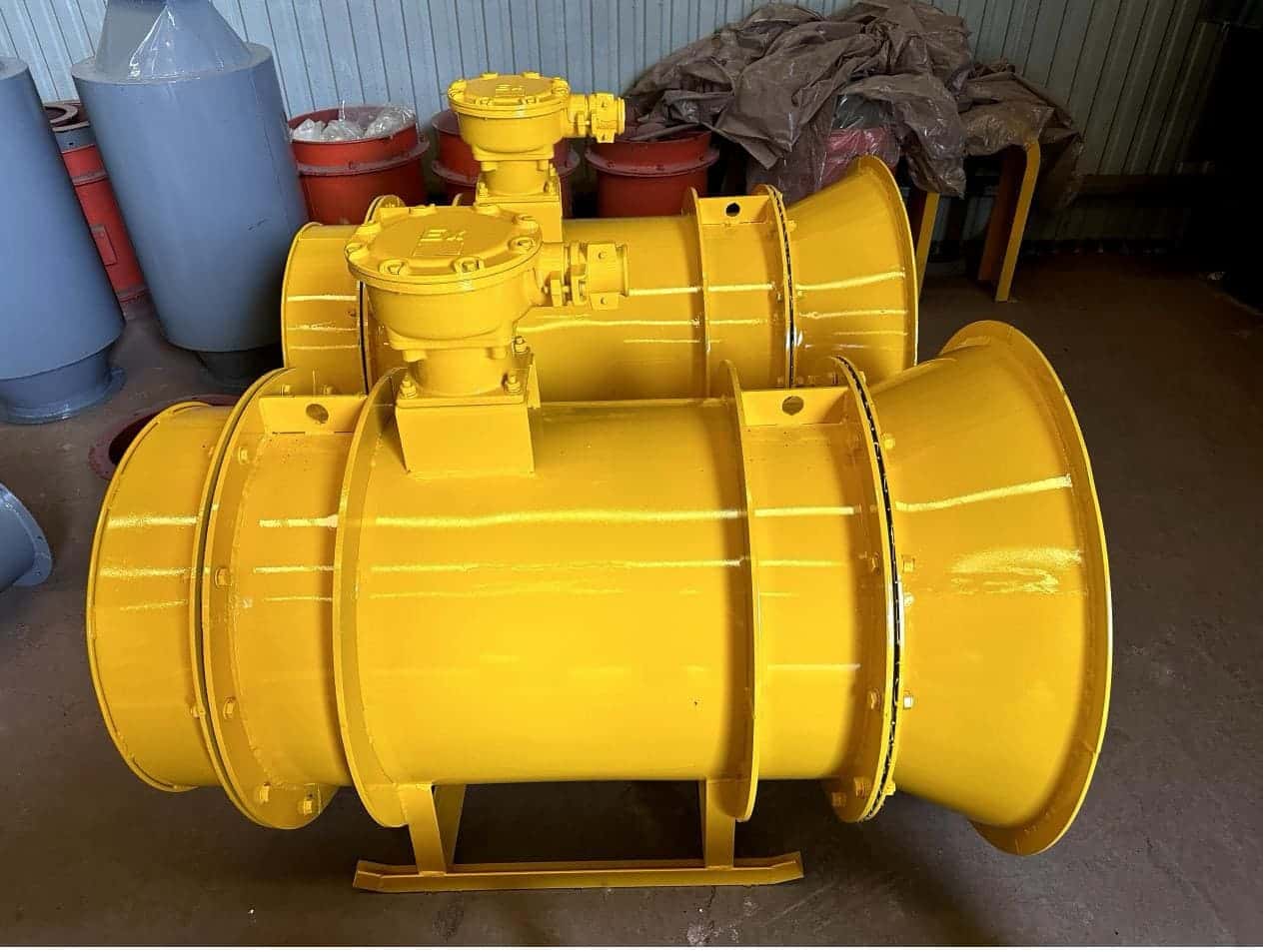
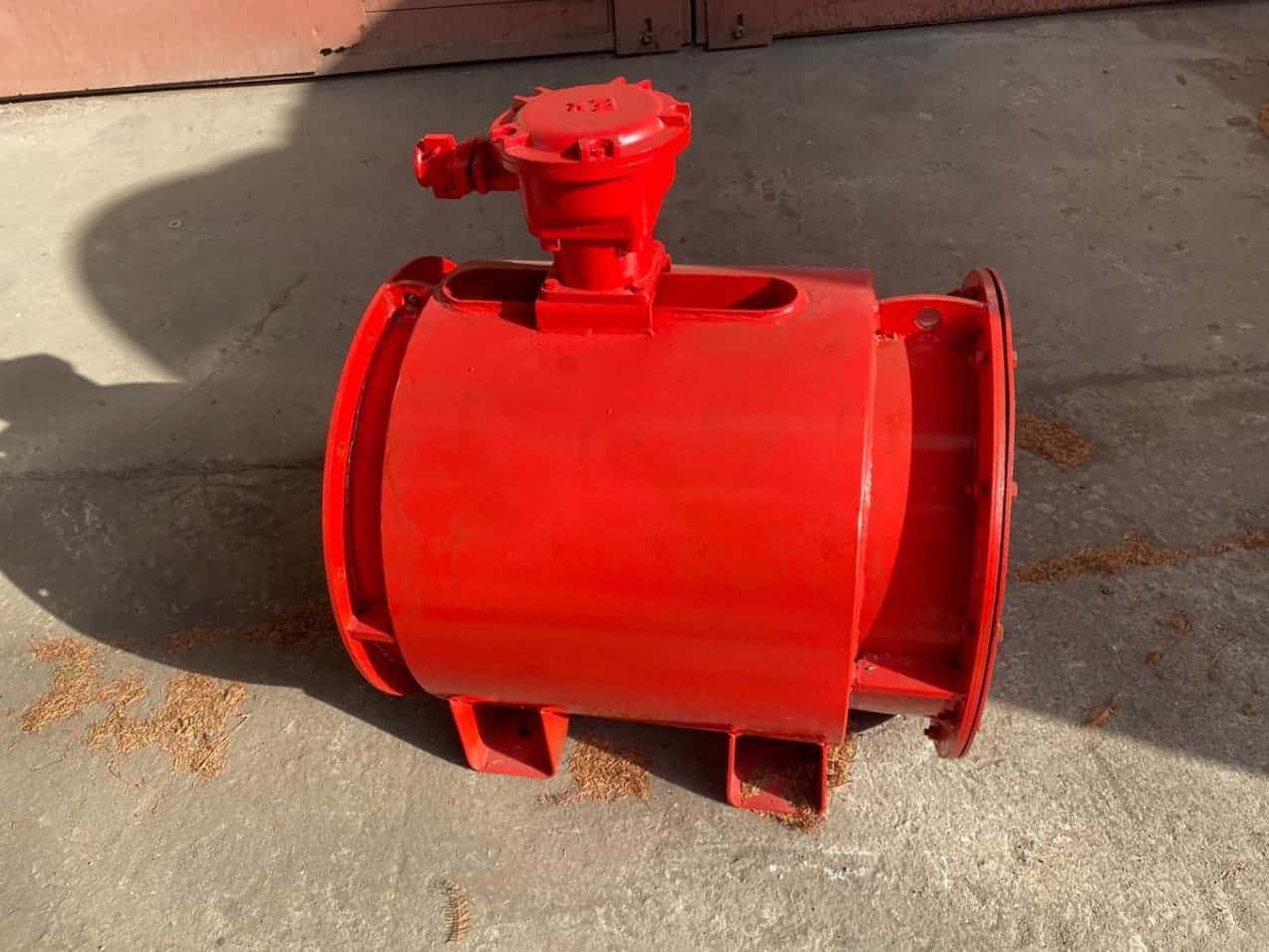
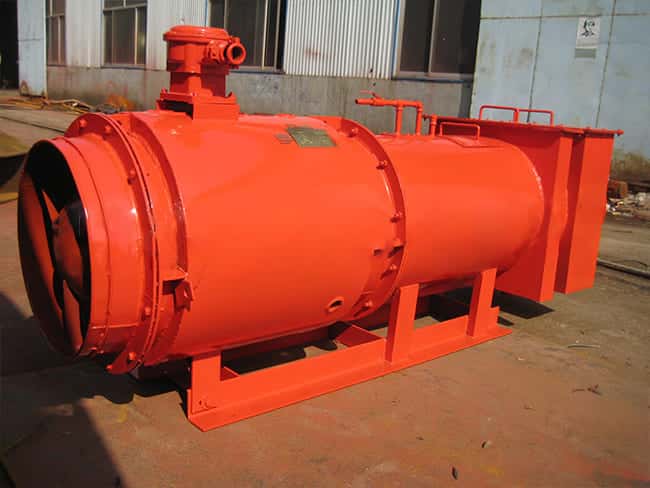
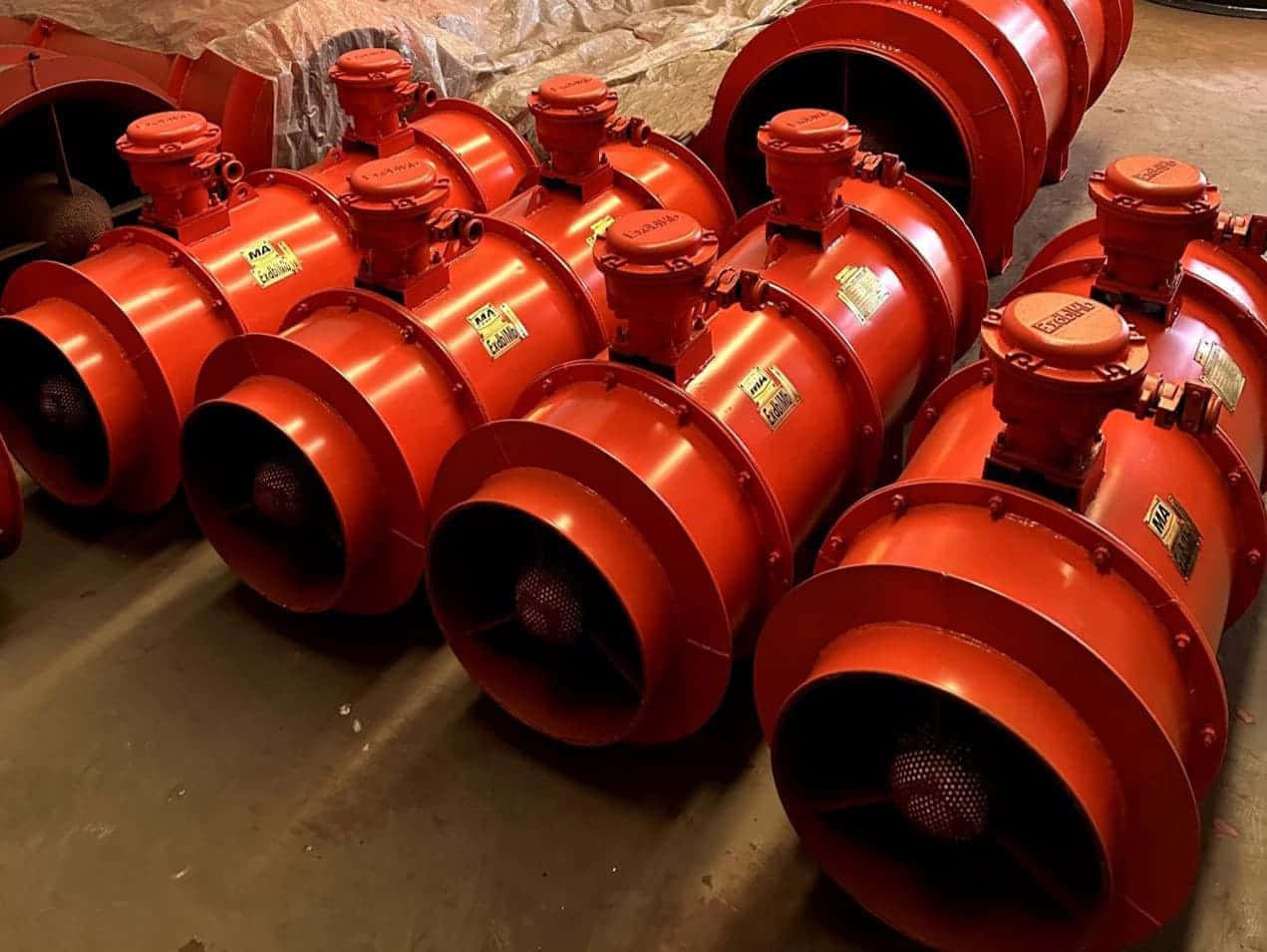
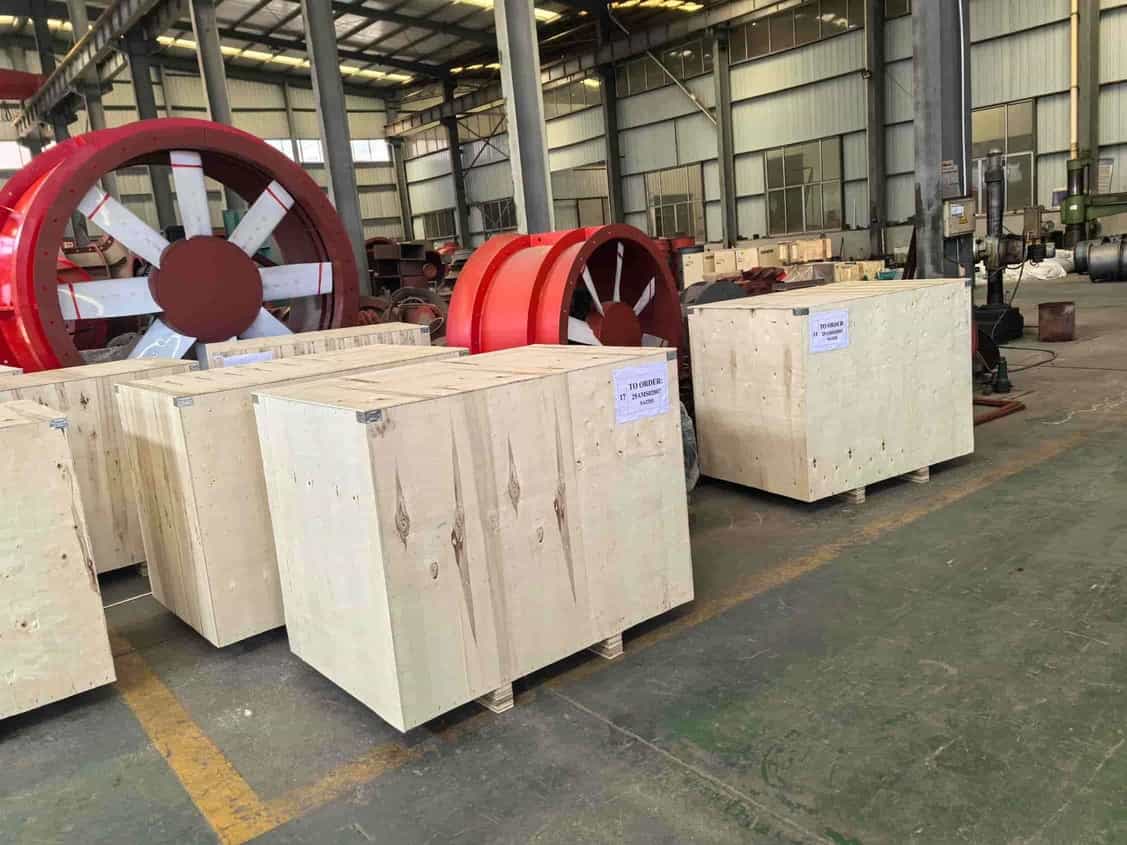
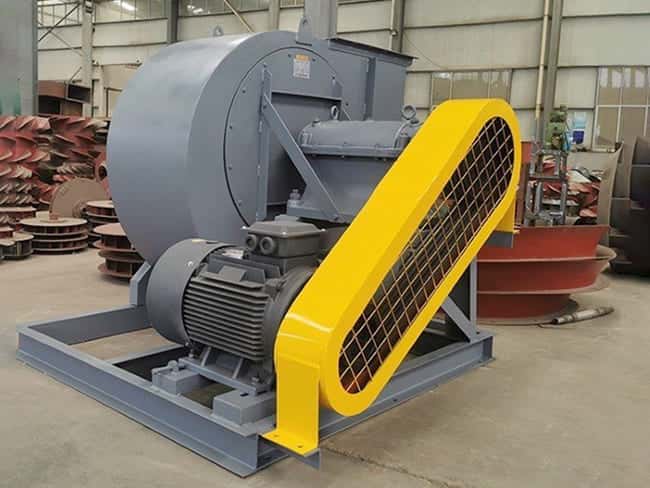
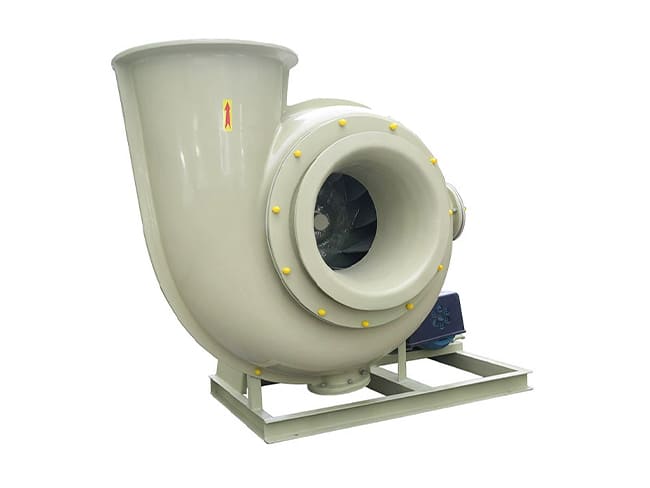
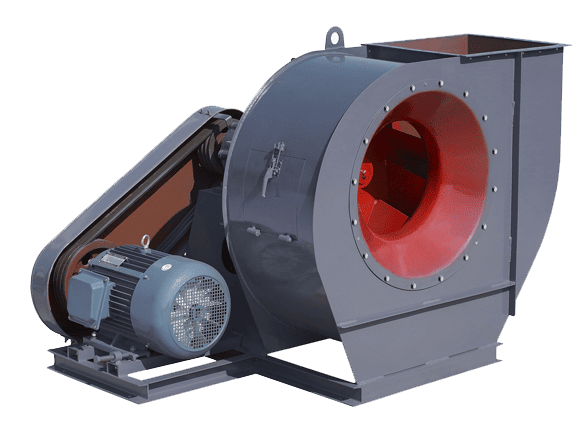
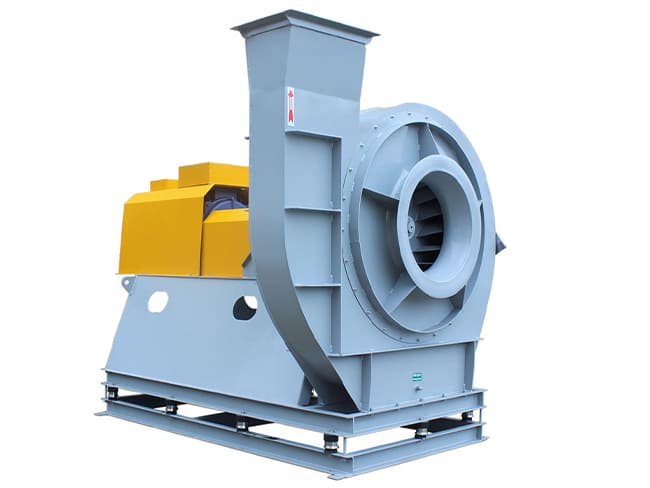
The life expectancy of an industrial exhaust fan depends on design quality, operating environment, duty and maintenance, but a common planning figure is 10–15 years of service. Many high-quality fans in favourable conditions last significantly longer, especially when they are maintained well and periodically overhauled. In harsh, corrosive or dusty environments, life may be shorter unless special materials and protection measures are used.
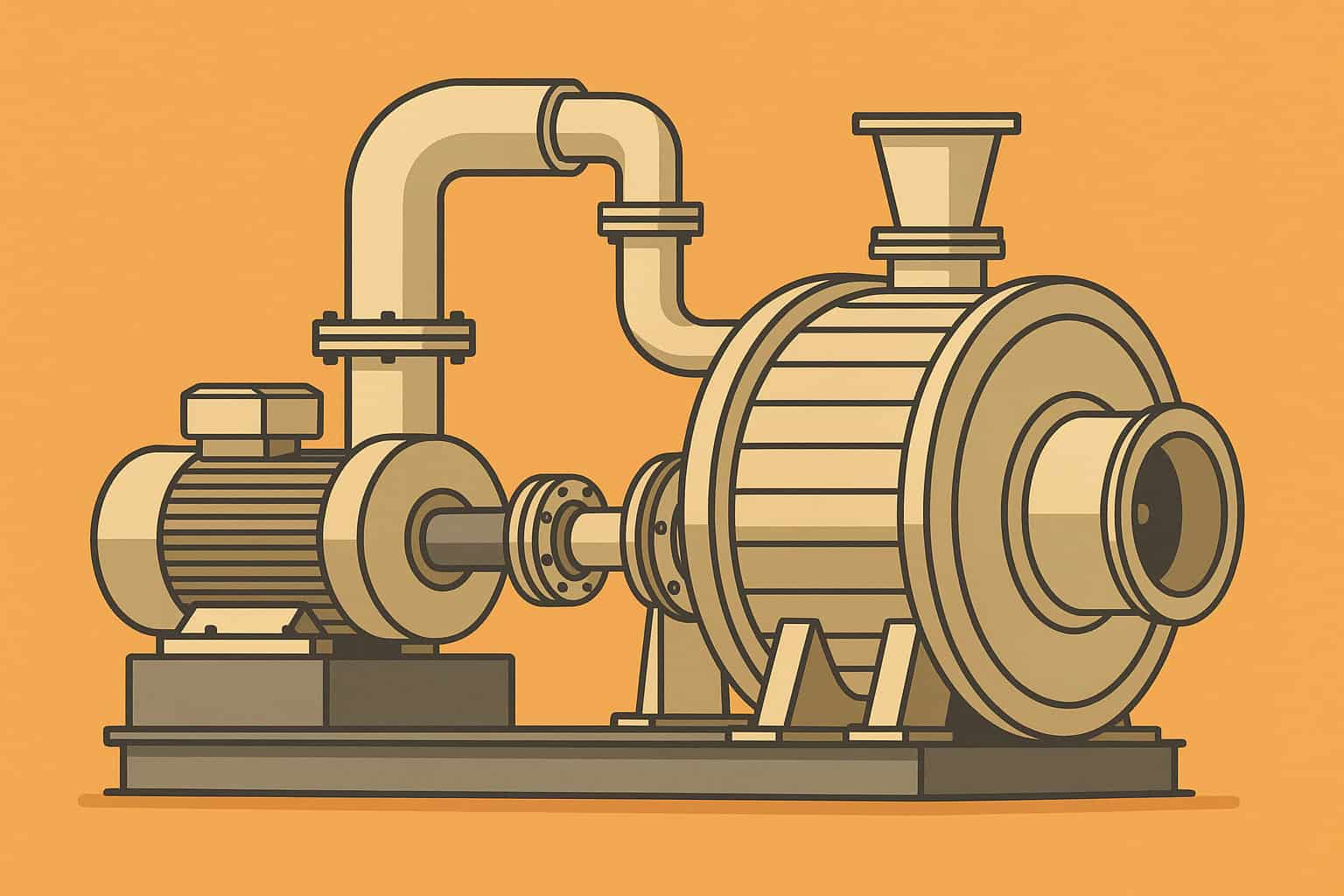
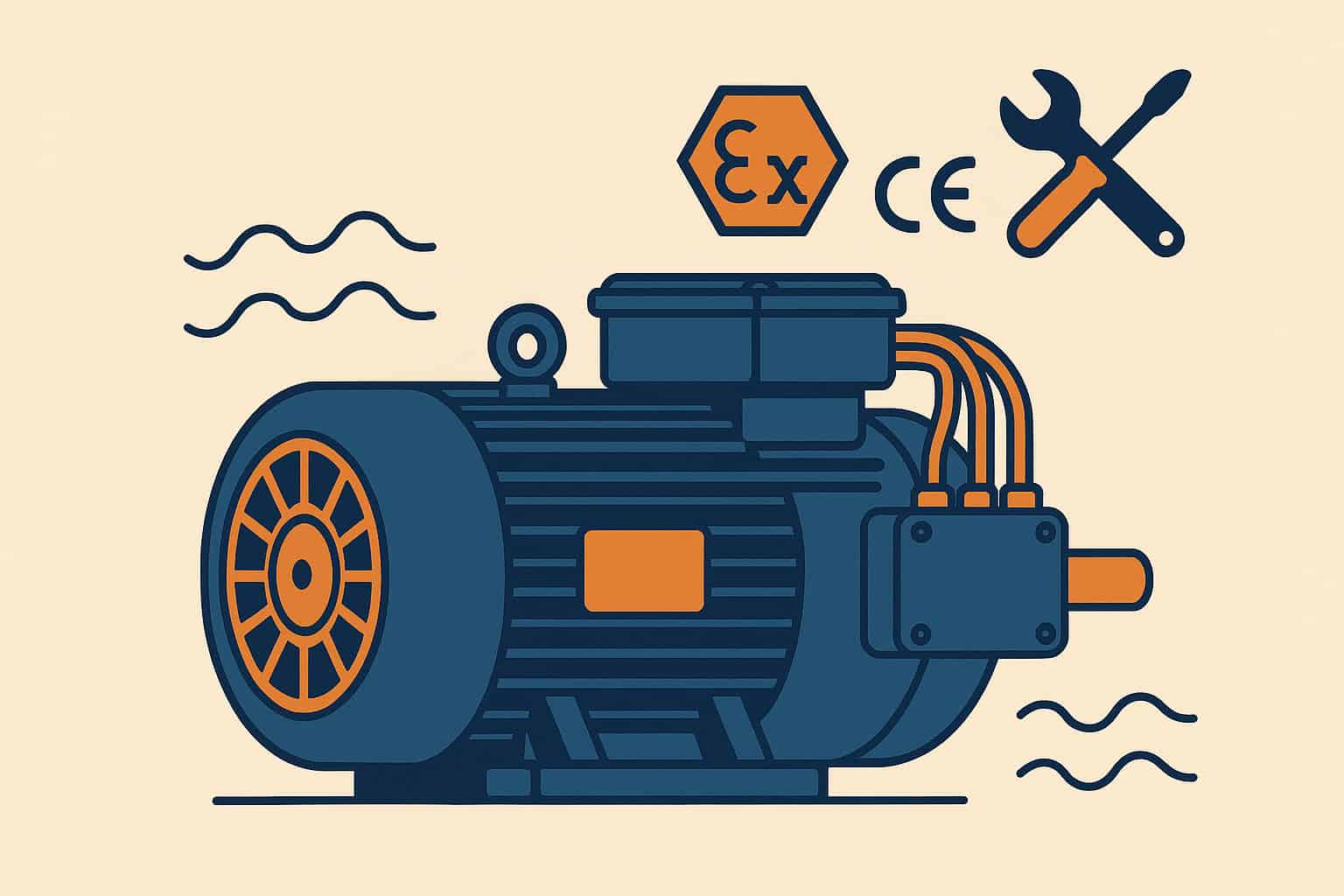
Industrial exhaust fans are built to run for many hours per day, often continuously. Their casings, impellers, shafts and bearings are made from heavier materials and higher-grade components than domestic fans. When correctly selected for the pressure, temperature and gas composition of the exhaust, such fans can operate reliably for years without major issues. Manufacturers often design critical components on the basis of fatigue life and bearing life calculations that support long-term operation.
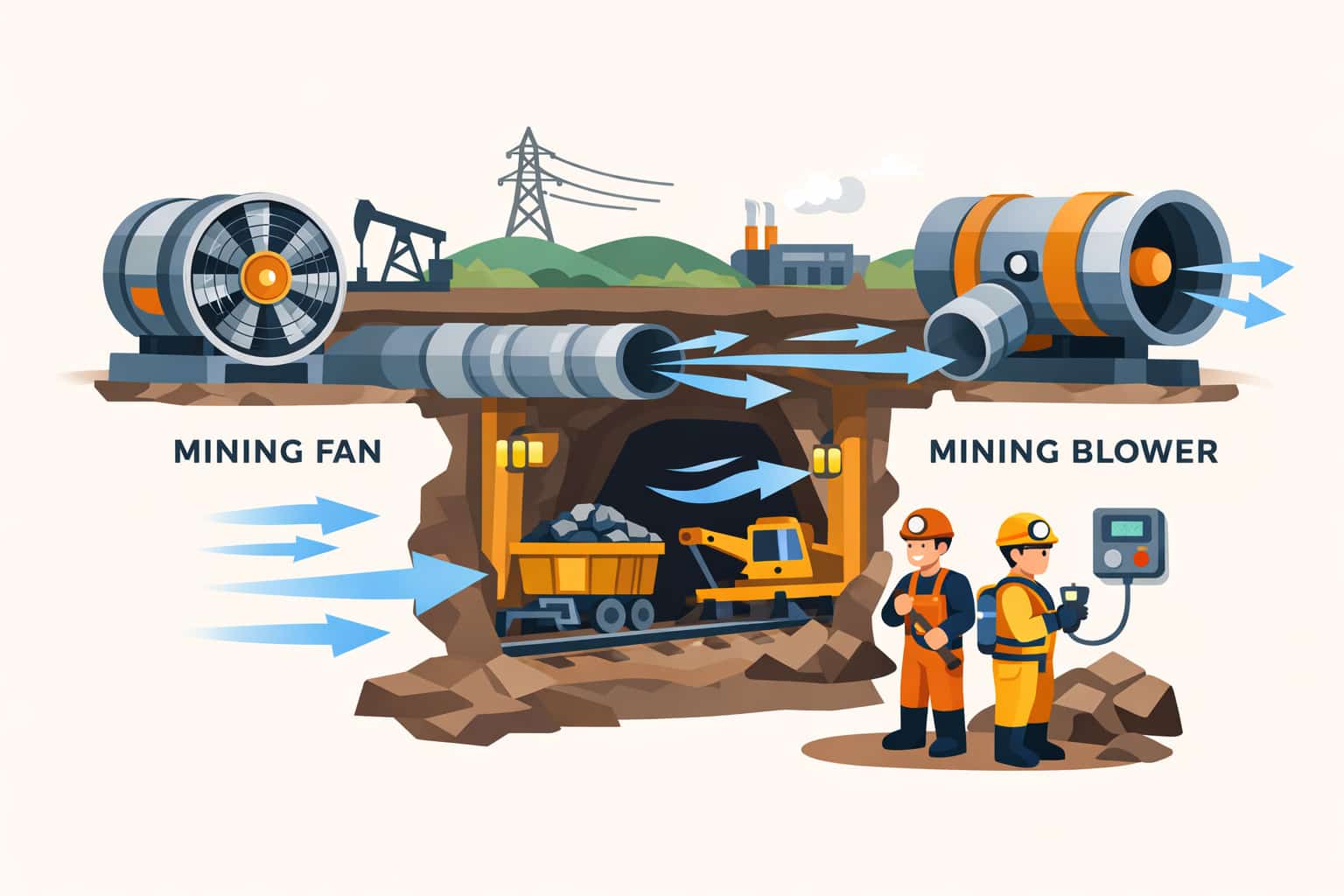
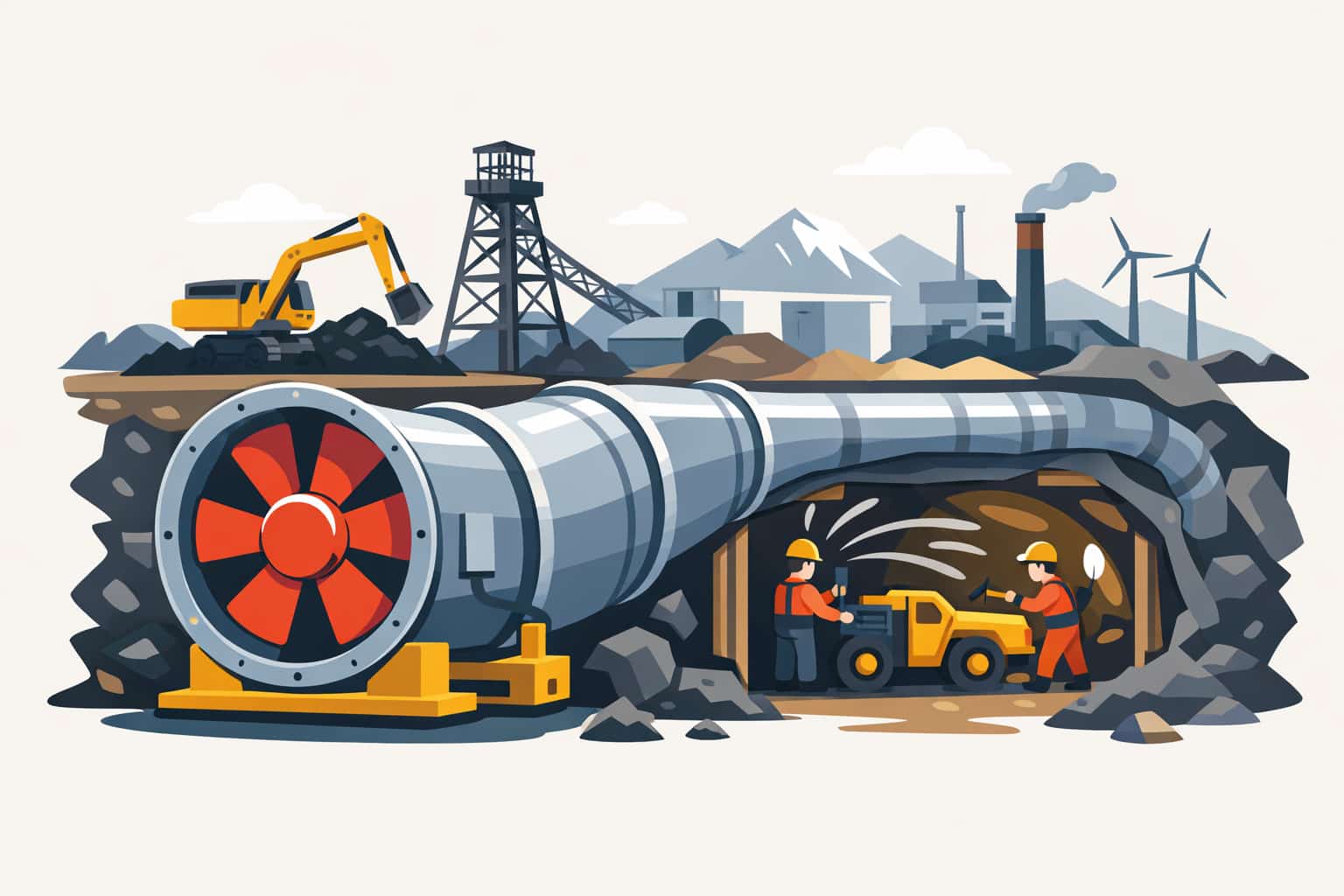
The environment plays a huge role in real-world life expectancy. Exhaust fans handling clean, moderate-temperature air from general building ventilation usually last longer than those dealing with hot, abrasive or chemically aggressive fumes. In paint booths, chemical plants, cement mills or underground mines, exhaust fans may be exposed to solvents, acids, alkalis, dust and moisture. These conditions accelerate corrosion and erosion of blades and casings, and can contaminate bearings. Choosing stainless steel, special coatings, wear liners and sealed bearings can significantly extend fan life in such applications.
The operating duty also matters. Fans that run within their best efficiency region, at stable conditions and without frequent on–off cycling, tend to last longer. Fans that are oversized, undersized or frequently operated in stall, at extreme temperatures or at higher speeds than rated, will experience more stress and wear. In exhaust applications with fluctuating loads or high particulate content, careful control and good system design help protect the fan.
Finally, maintenance practices often determine whether an industrial exhaust fan reaches its potential life expectancy. Regular cleaning of impellers, inspection for cracks and corrosion, lubrication and replacement of bearings, vibration monitoring and timely balancing all contribute to long life. Many plants include major exhaust fans in predictive maintenance programmes, using vibration and temperature trends to plan overhauls before failures occur.
In summary, while a typical design expectation may be 10–15 years, a high-quality industrial exhaust fan in a well-managed system can continue operating for much longer. Conversely, poor selection, harsh conditions and neglected maintenance can shorten the fan’s useful life dramatically. Planning for replacement based on both age and condition is the best way to manage these critical ventilation assets.