
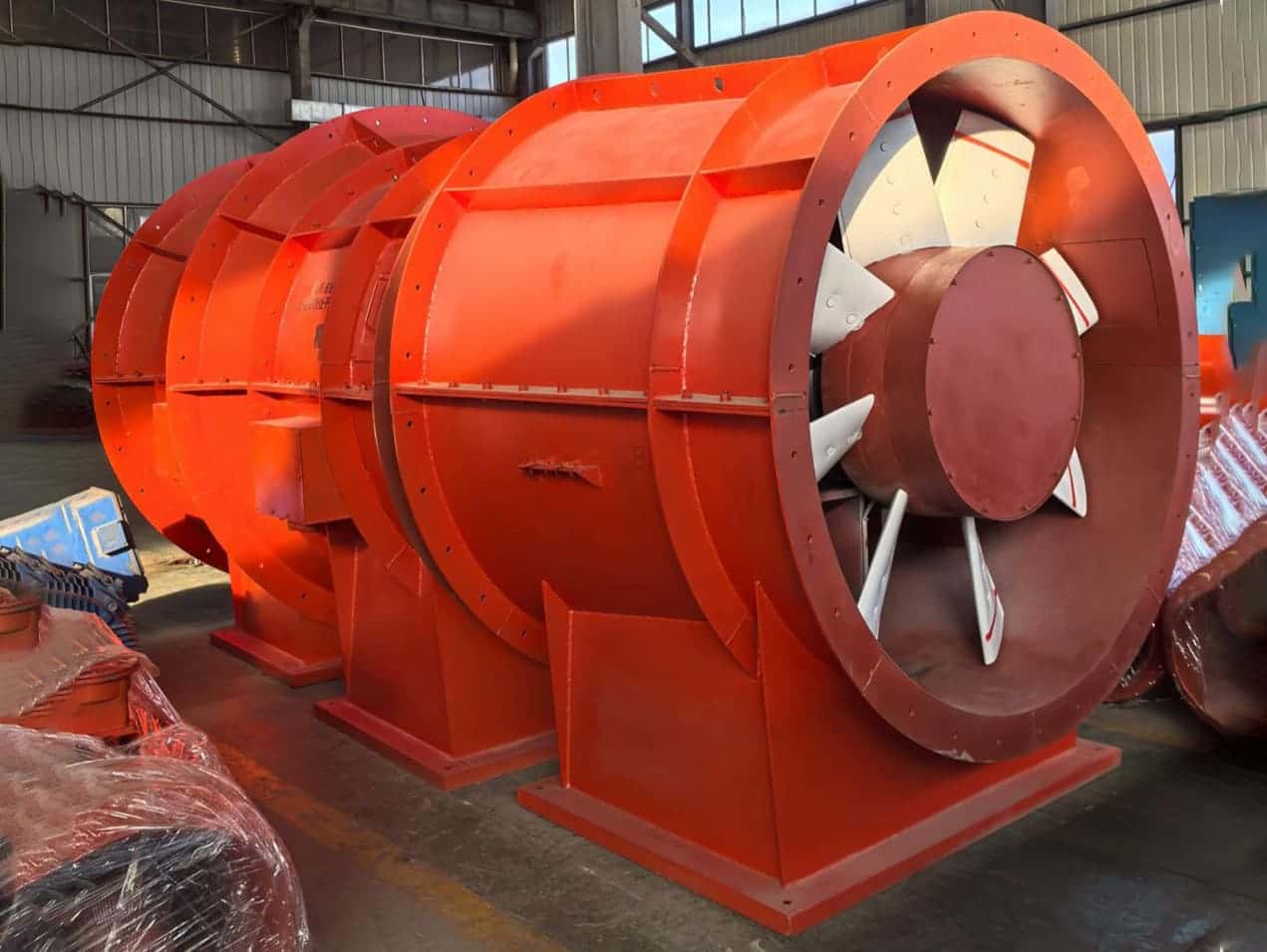
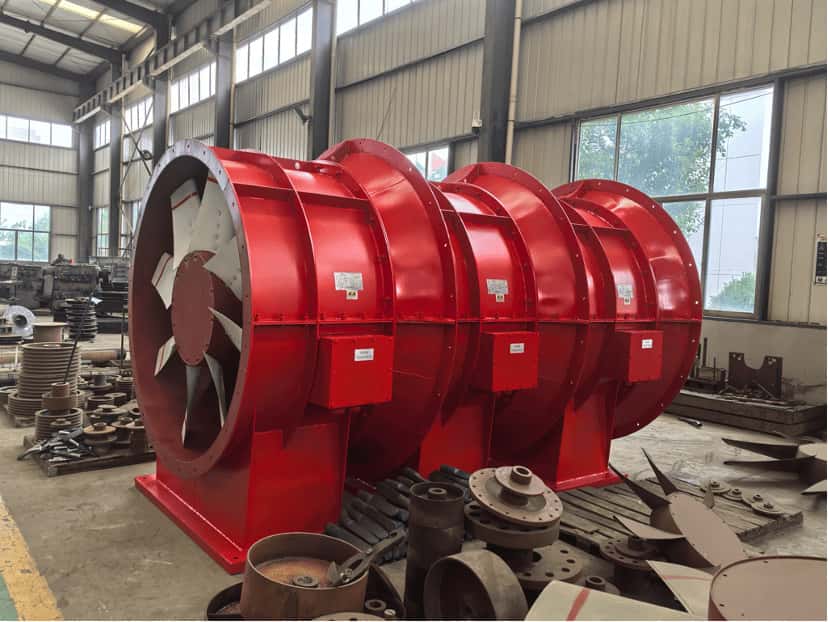
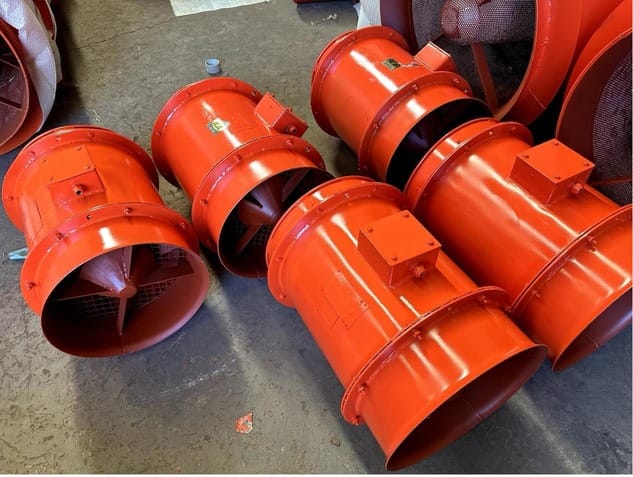
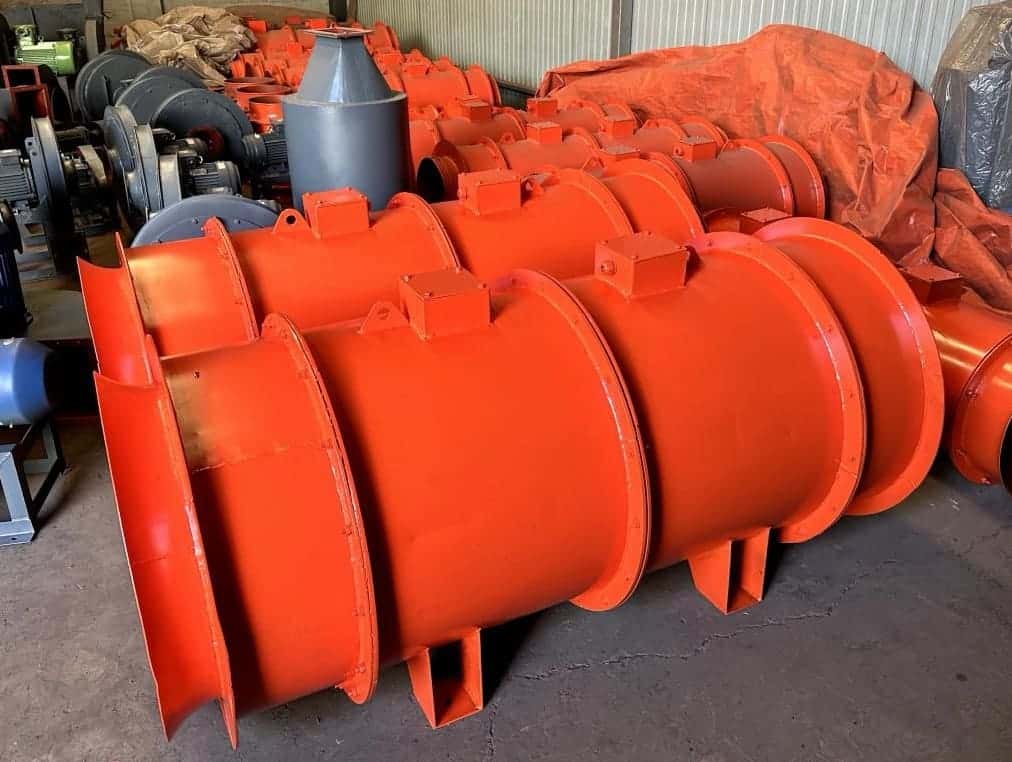
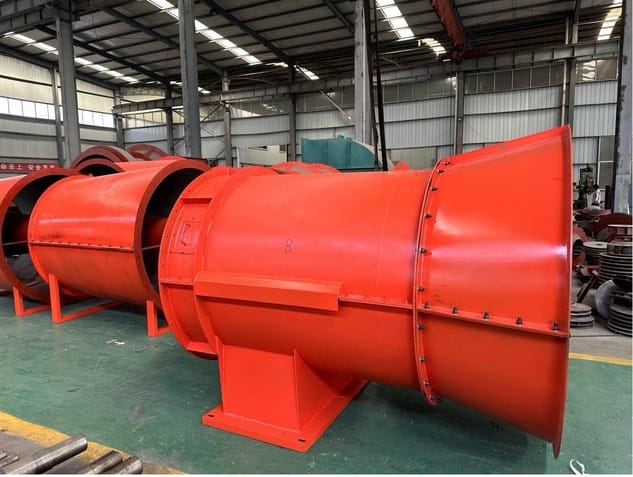
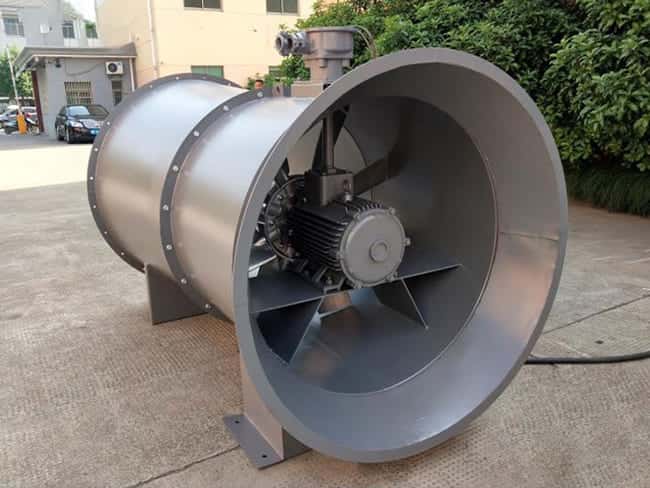
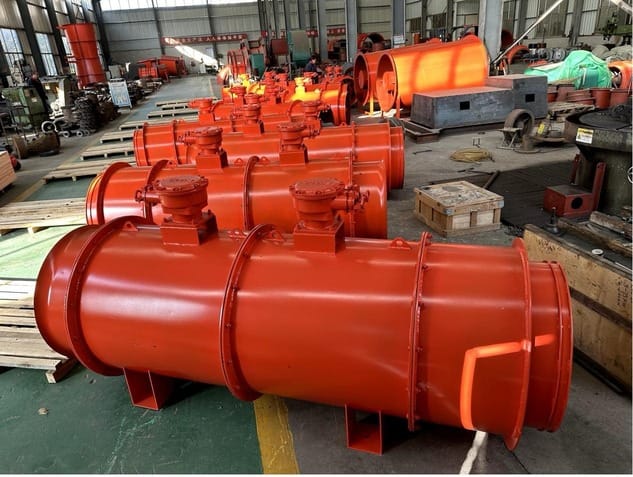
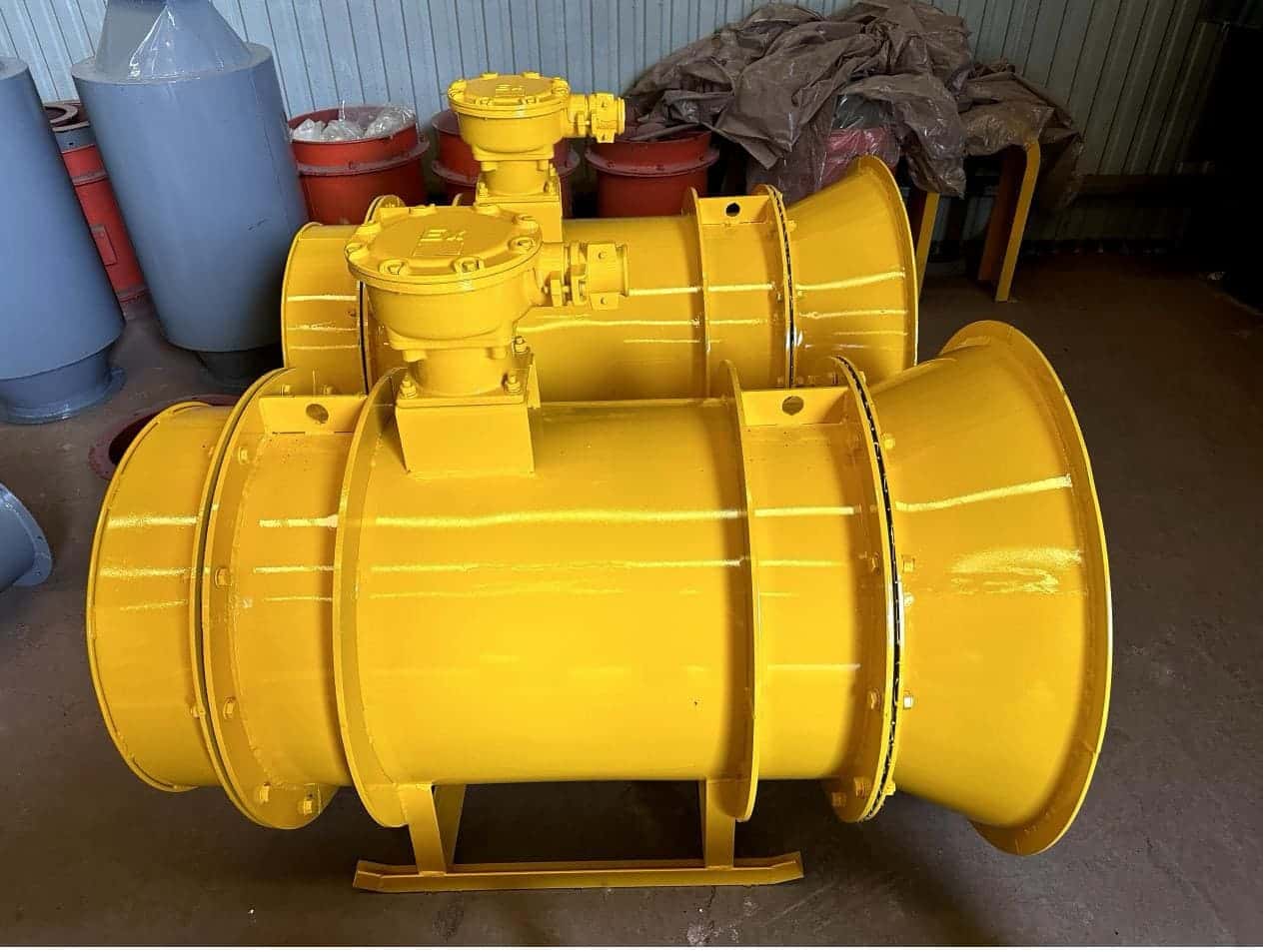
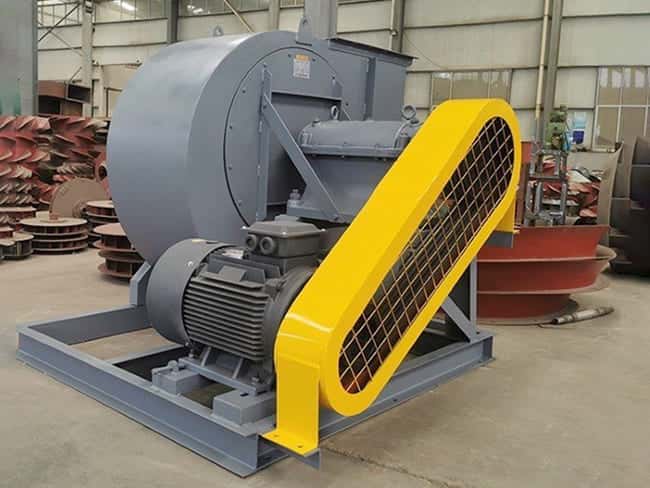
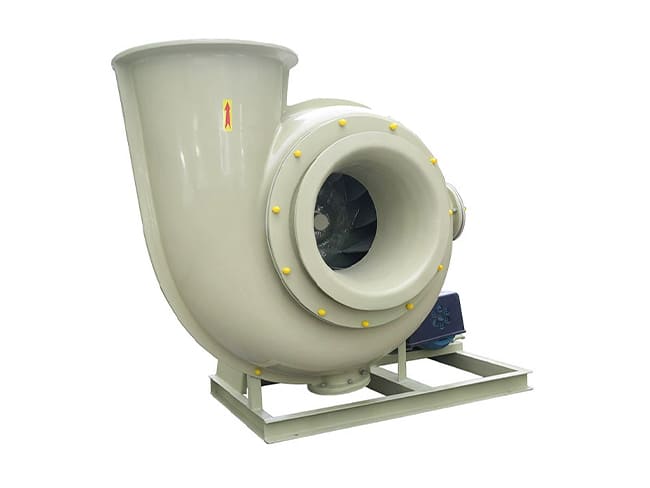
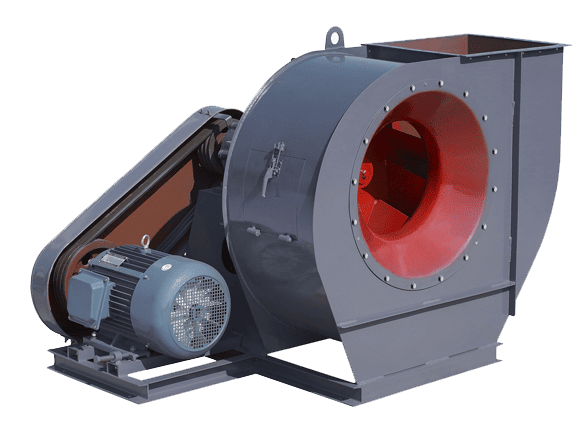
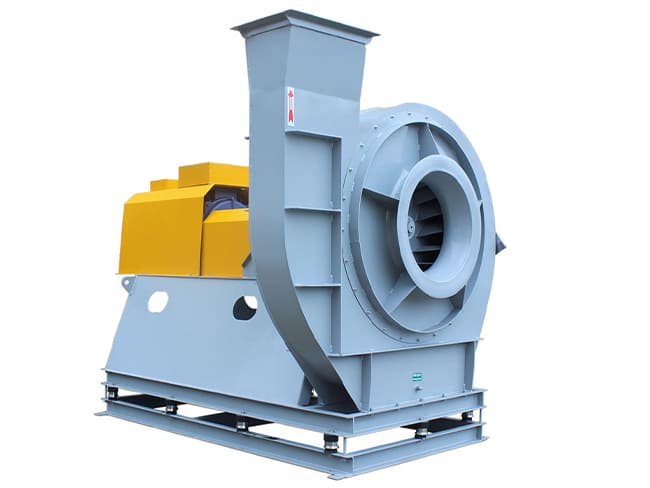
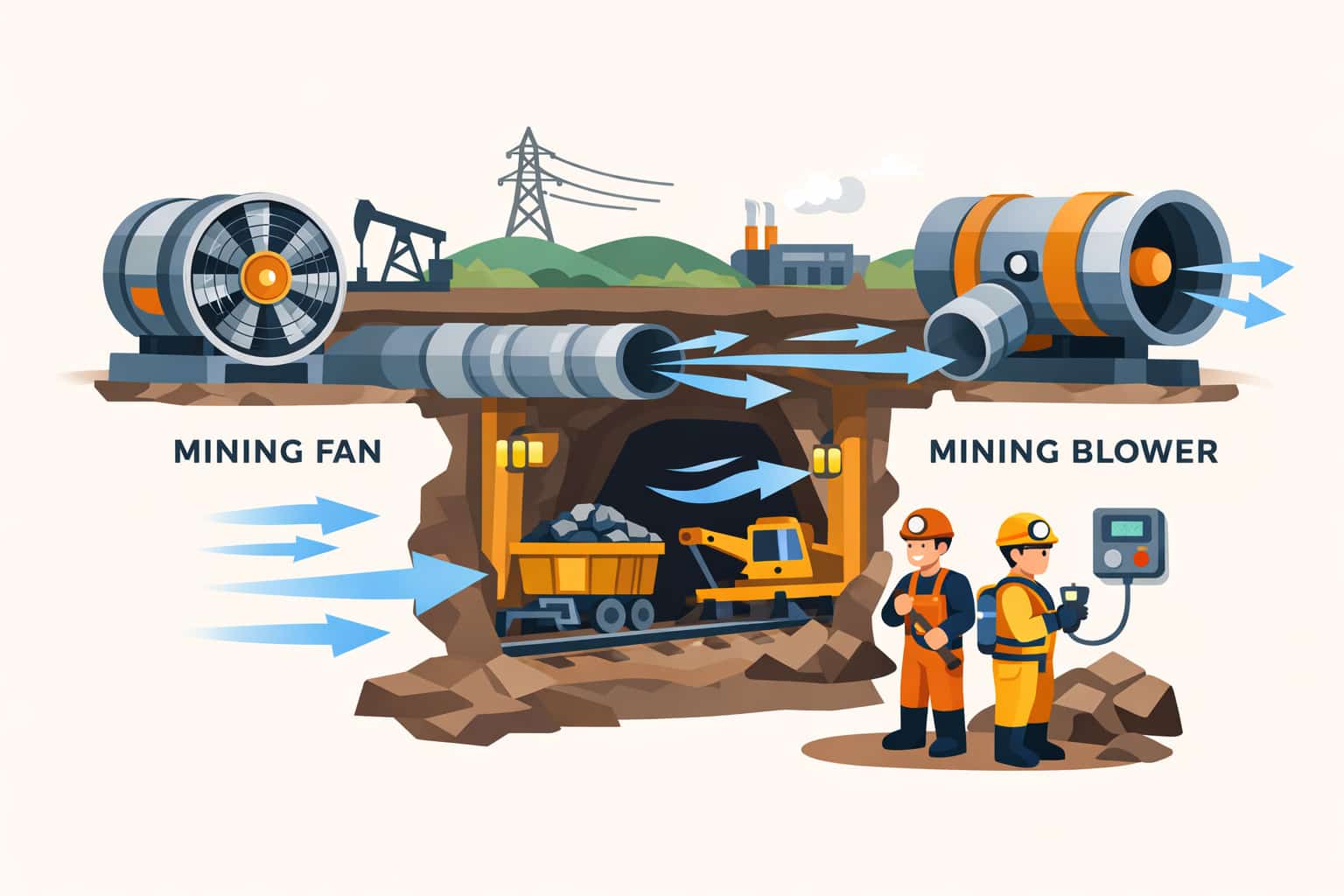
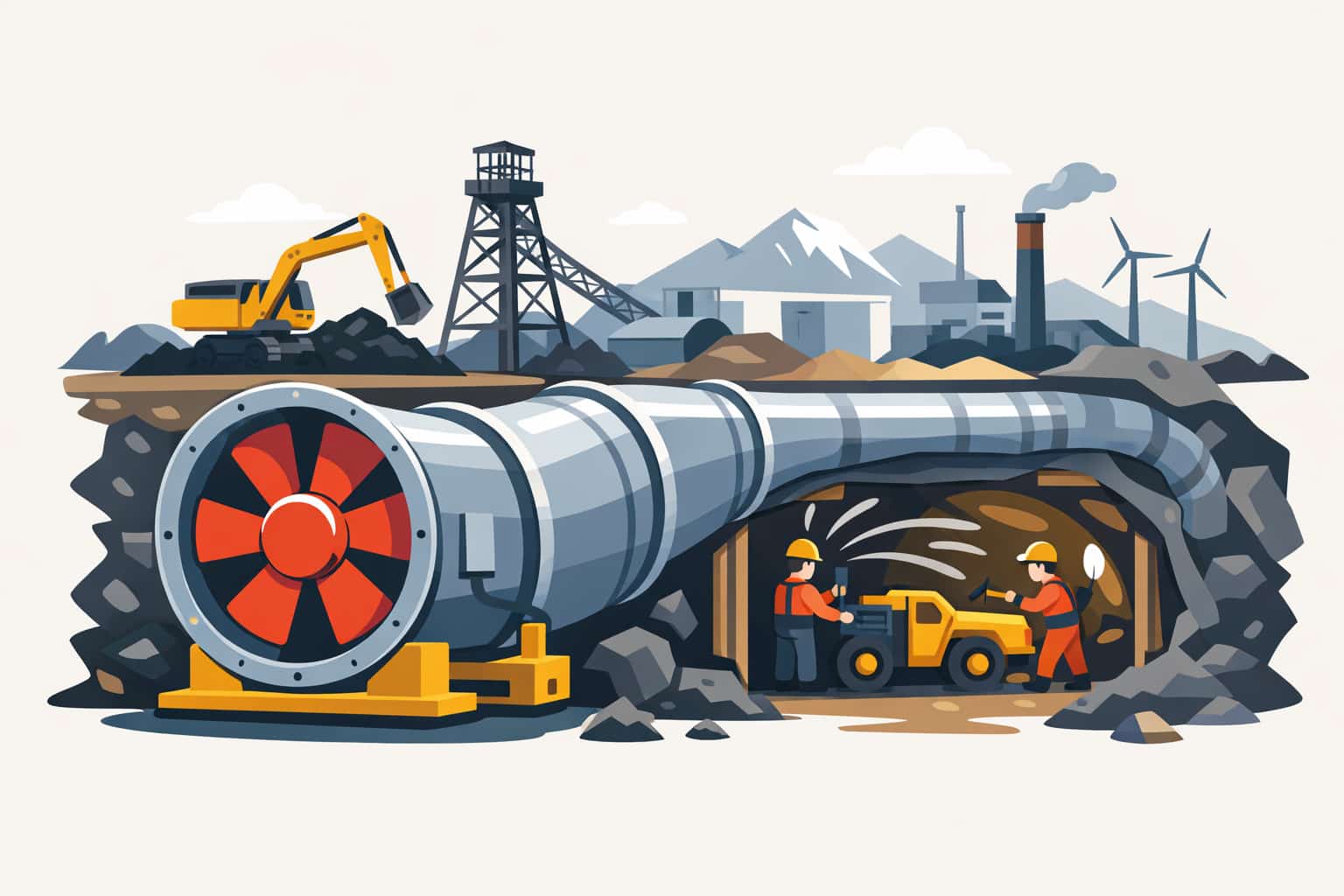
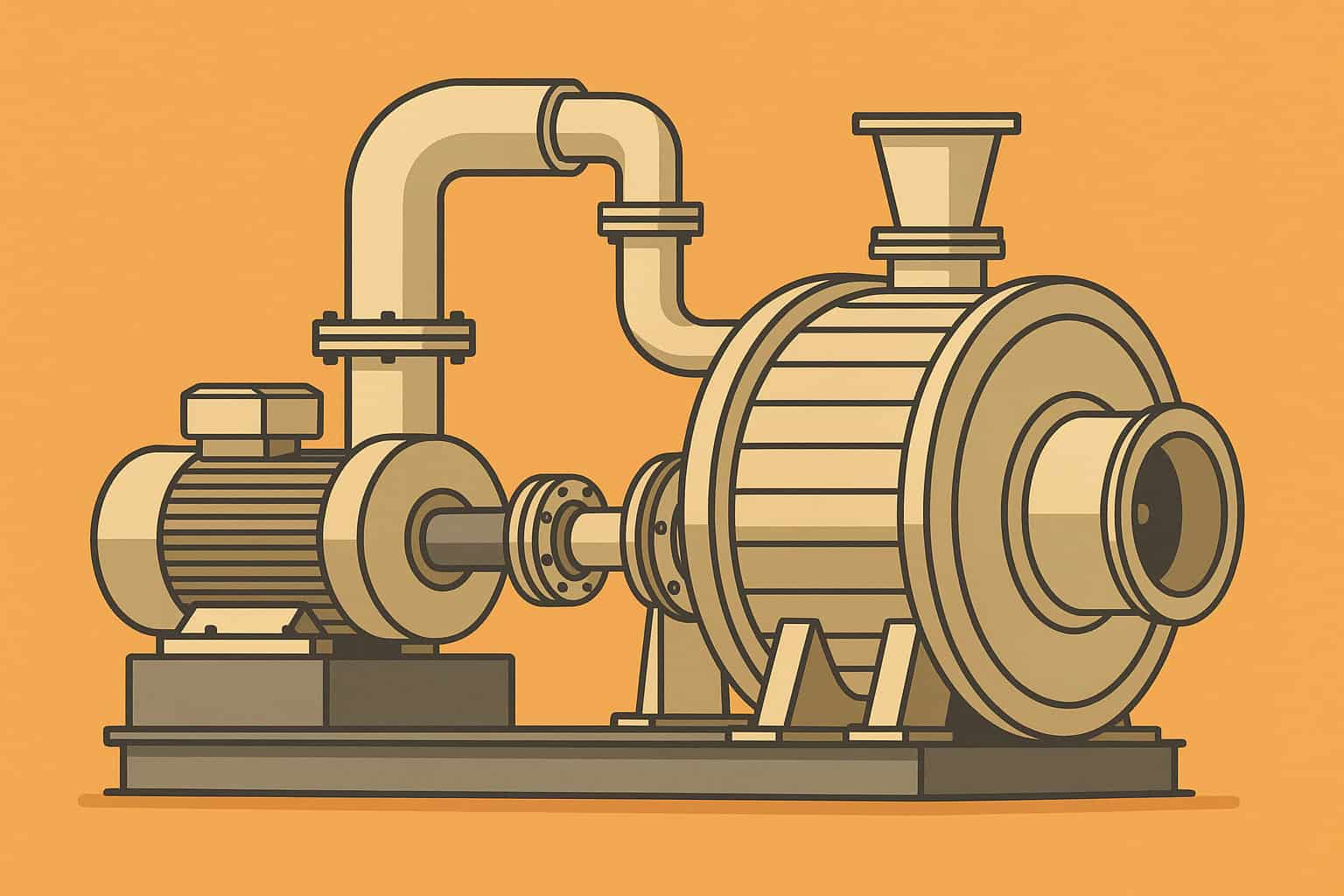
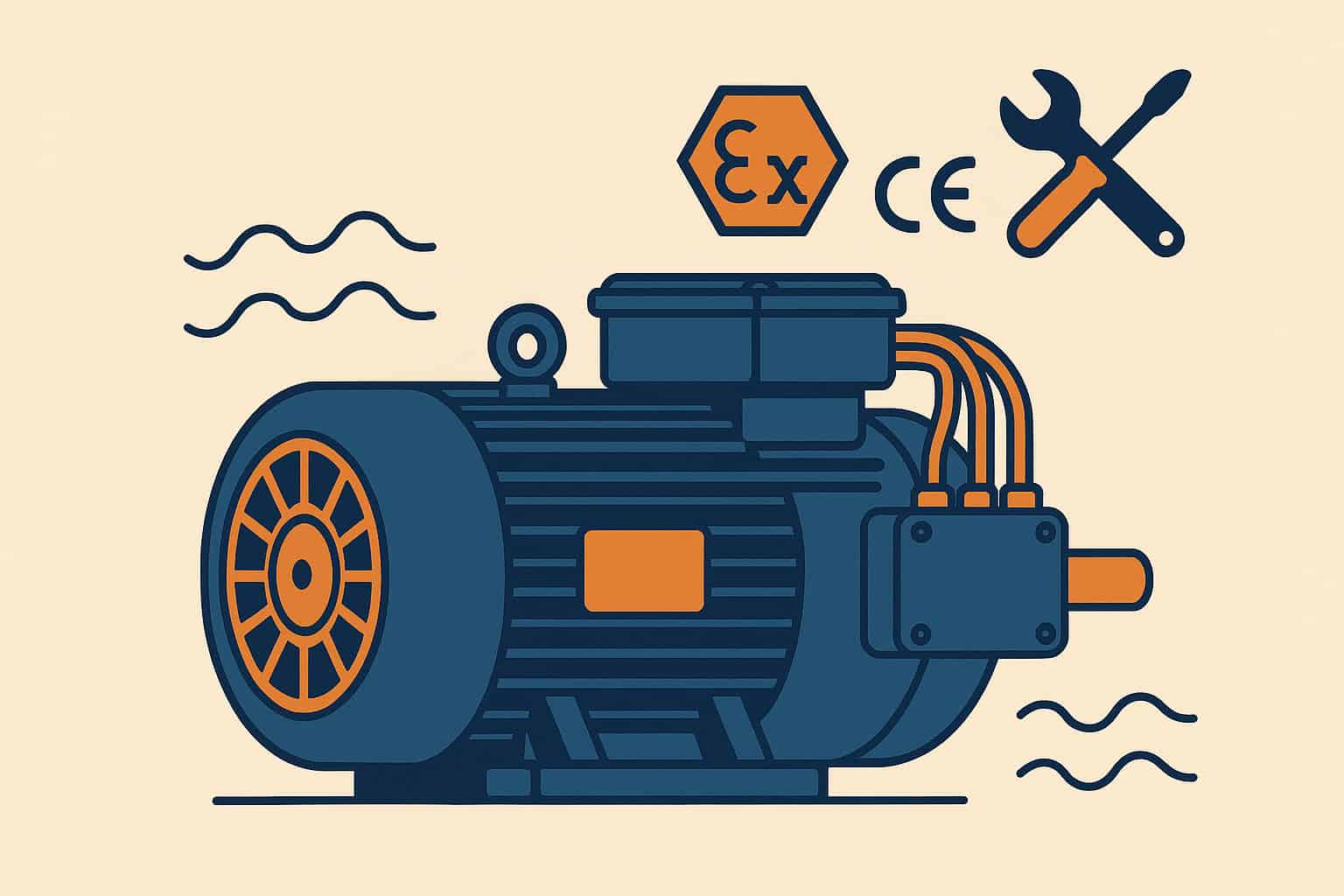
The lifespan of a good fan depends heavily on its design quality, operating environment and maintenance, but in industrial and mining ventilation it is common for a well-selected fan to last 10–20 years or more. Some main mine fans and large process fans have operated reliably for several decades with periodic overhauls. The key is that the fan must be properly engineered for its duty rather than treated as a disposable item.
A good fan starts with robust construction. Thick, well-designed impeller blades, strong welds, corrosion-resistant materials, correctly sized shafts and high-quality bearings all contribute to long life. Cheap, lightly built fans may perform acceptably at first, but fatigue, distortion and wear can appear quickly when they are exposed to continuous operation, elevated temperatures, high pressures or dusty air. In contrast, a heavy-duty fan built for industrial or mining service is designed specifically to withstand these stresses for many years.
The operating environment has a major impact on lifespan. Fans running in clean, moderate-temperature air with low dust levels and no corrosive gases tend to last longer. Underground mines, cement plants and chemical facilities expose fans to humidity, dust and sometimes aggressive chemicals. In these conditions, protective coatings, stainless steel, wear liners and well-sealed bearings are essential if you want the fan to remain “good” for a long time.
How the fan is used also matters. A fan that operates close to its design duty, without frequent overloading, overspeed, stall or extreme temperature swings, will generally last longer than a fan that is constantly pushed beyond its limits. Proper system design, correct fan curve selection and sensible speed control (for example with variable-frequency drives) help ensure that the fan works in its most efficient and least stressful range.
Finally, maintenance practices often determine whether a fan reaches its potential lifespan. Regular inspection, cleaning of impellers, checking and correcting balance, proper lubrication of bearings, timely replacement of worn seals and continuous vibration monitoring all help prevent small issues from growing into major failures. A good fan that is neglected can fail early; the same fan in a well-managed maintenance program can provide reliable service for decades.
In summary, the lifespan of a good fan is not fixed at a single number of years, but with quality design, appropriate materials, correct application and consistent maintenance, industrial and mining fans commonly deliver 10–20 years of service, and often longer, before major refurbishment or replacement is required.