
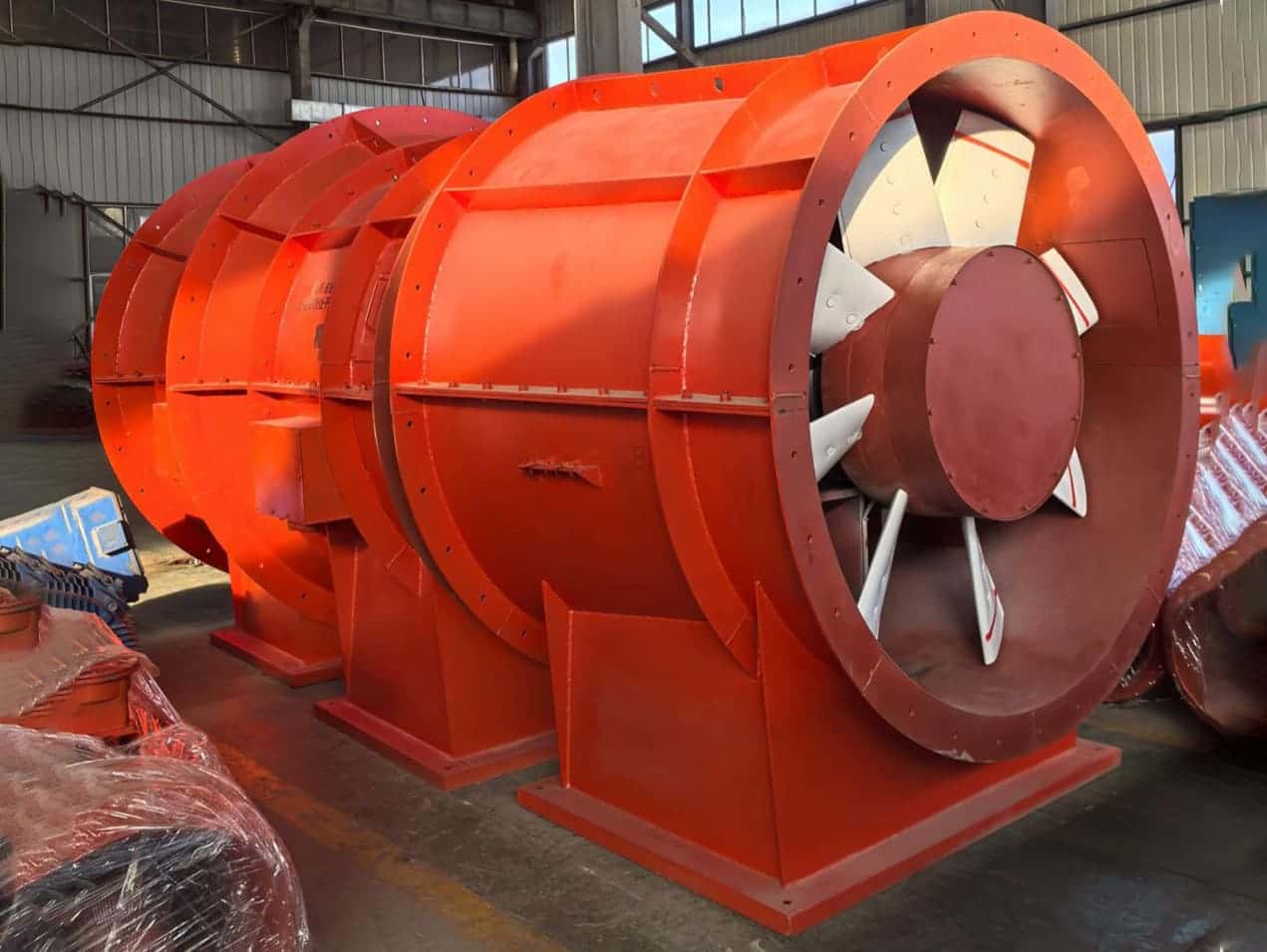
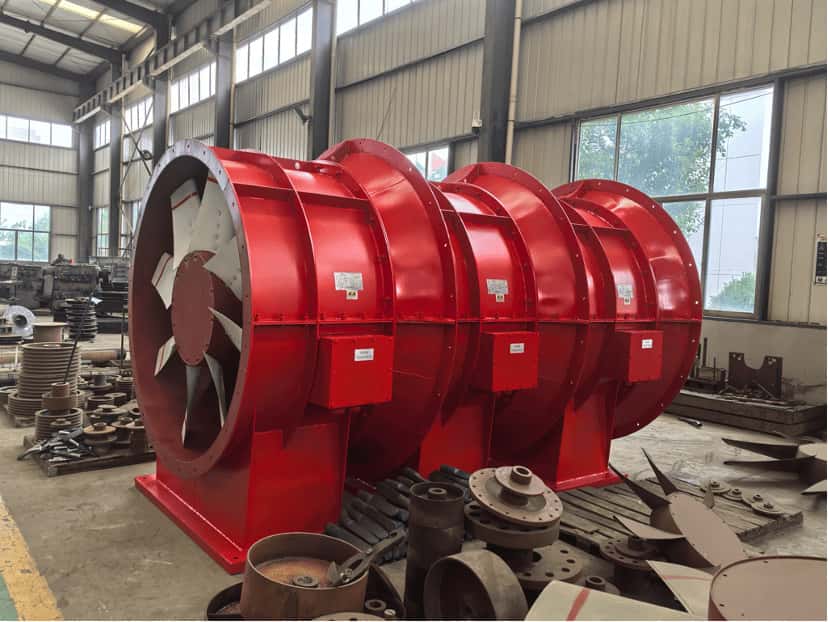
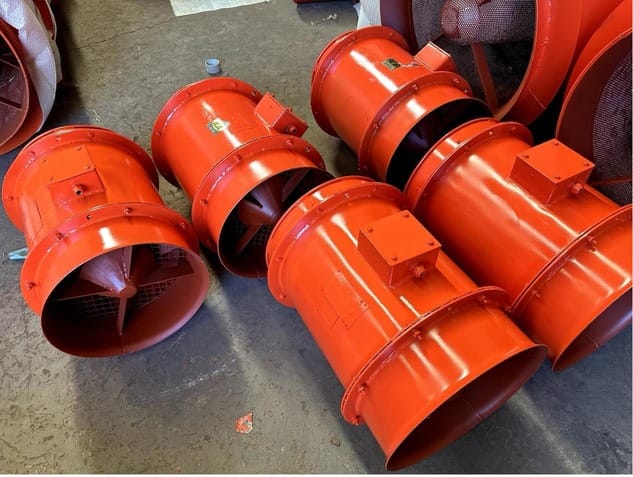
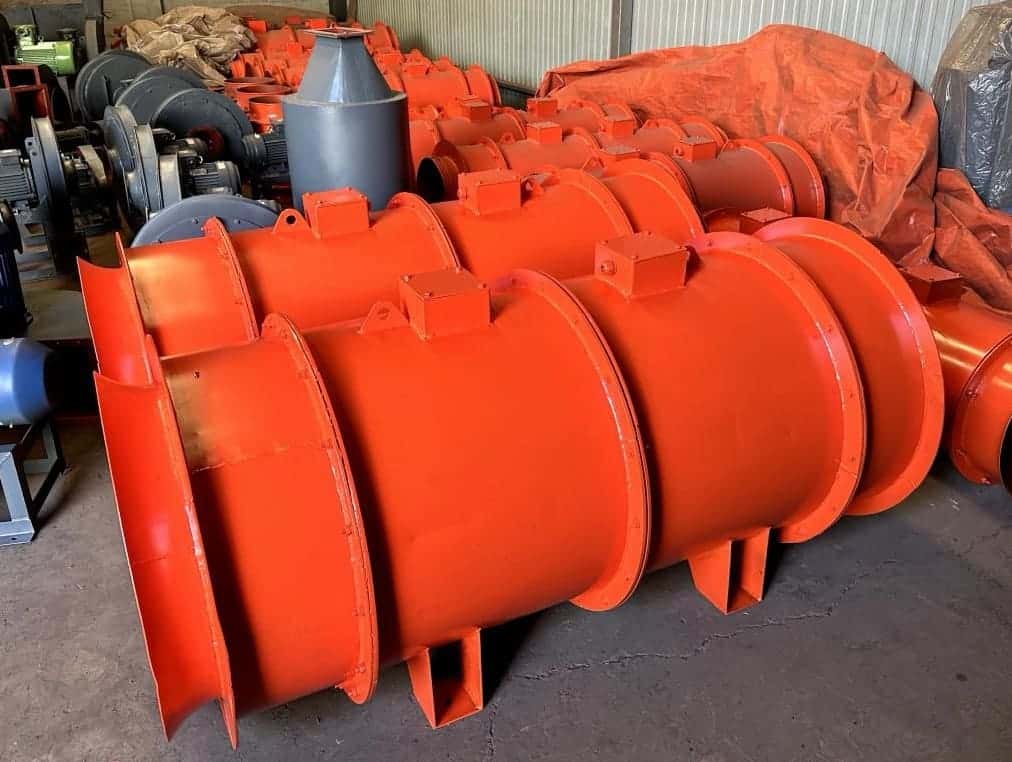
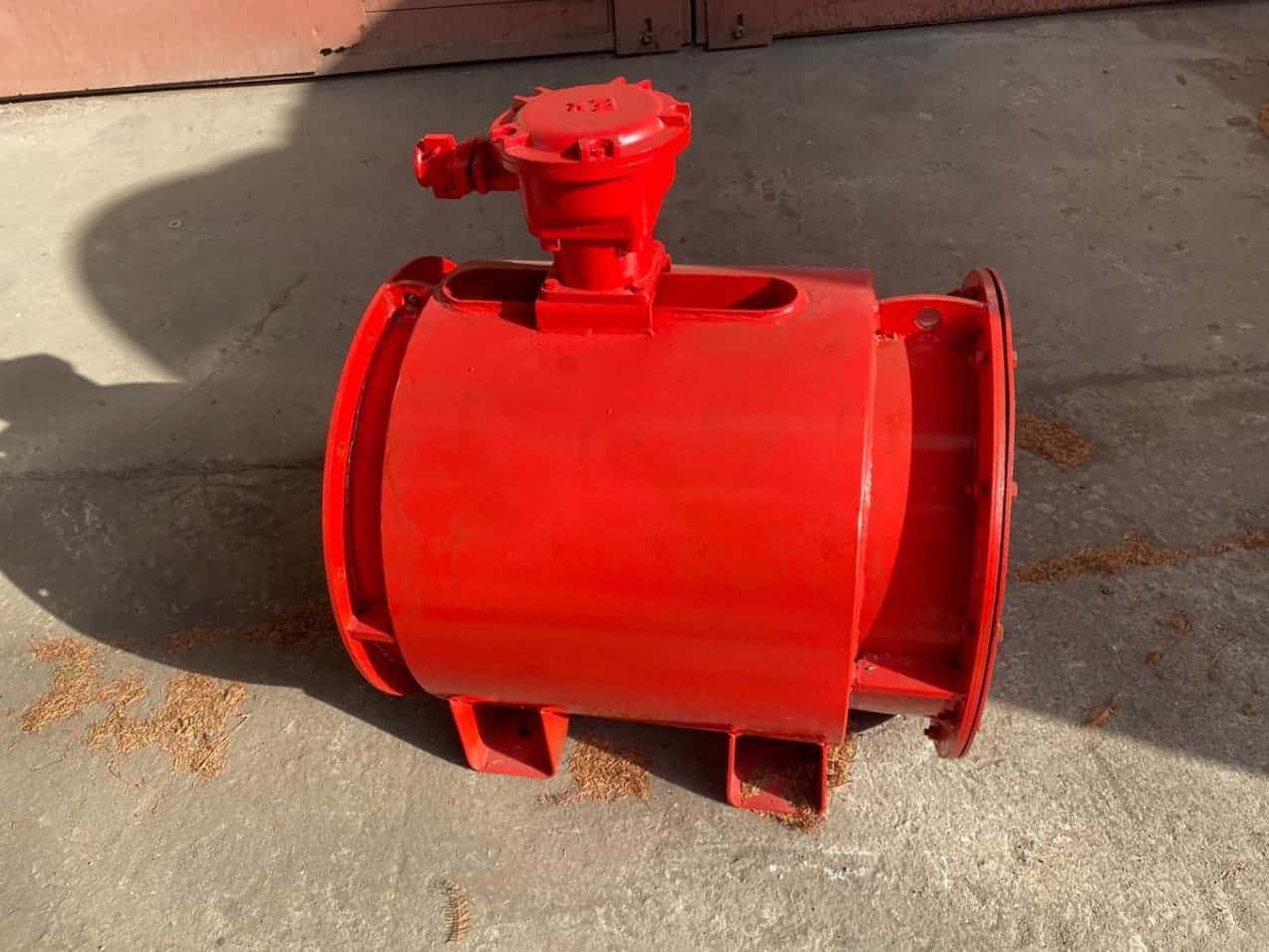
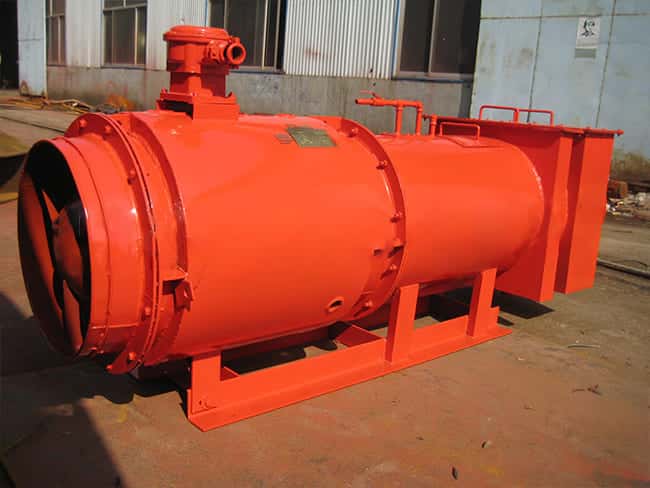
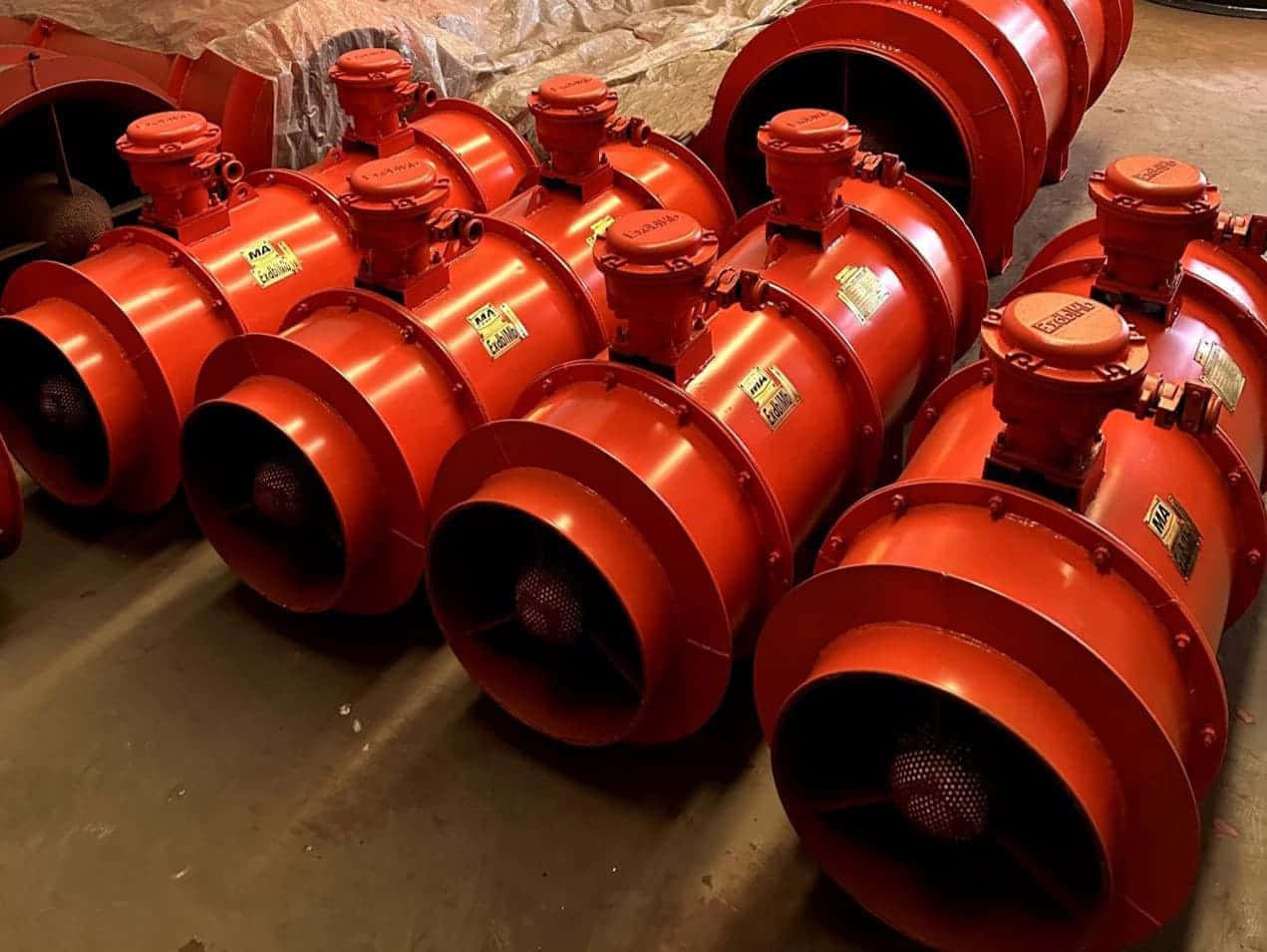
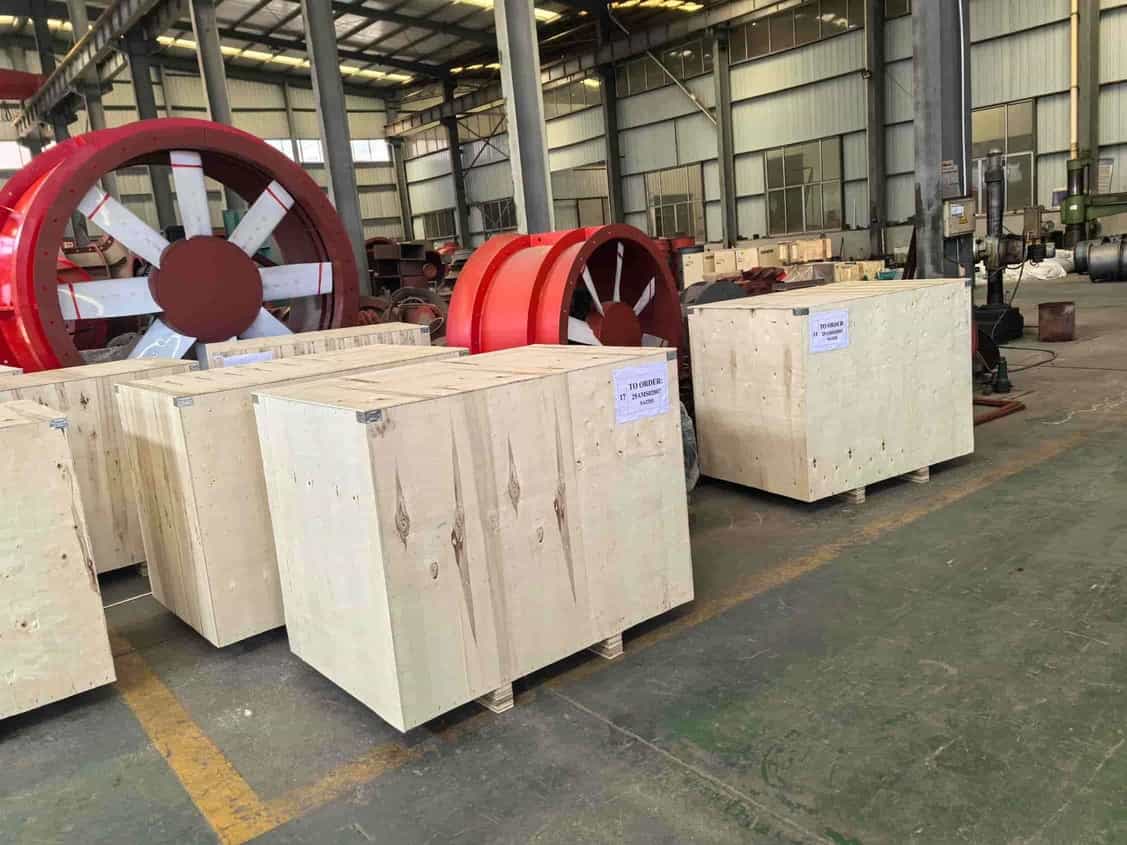
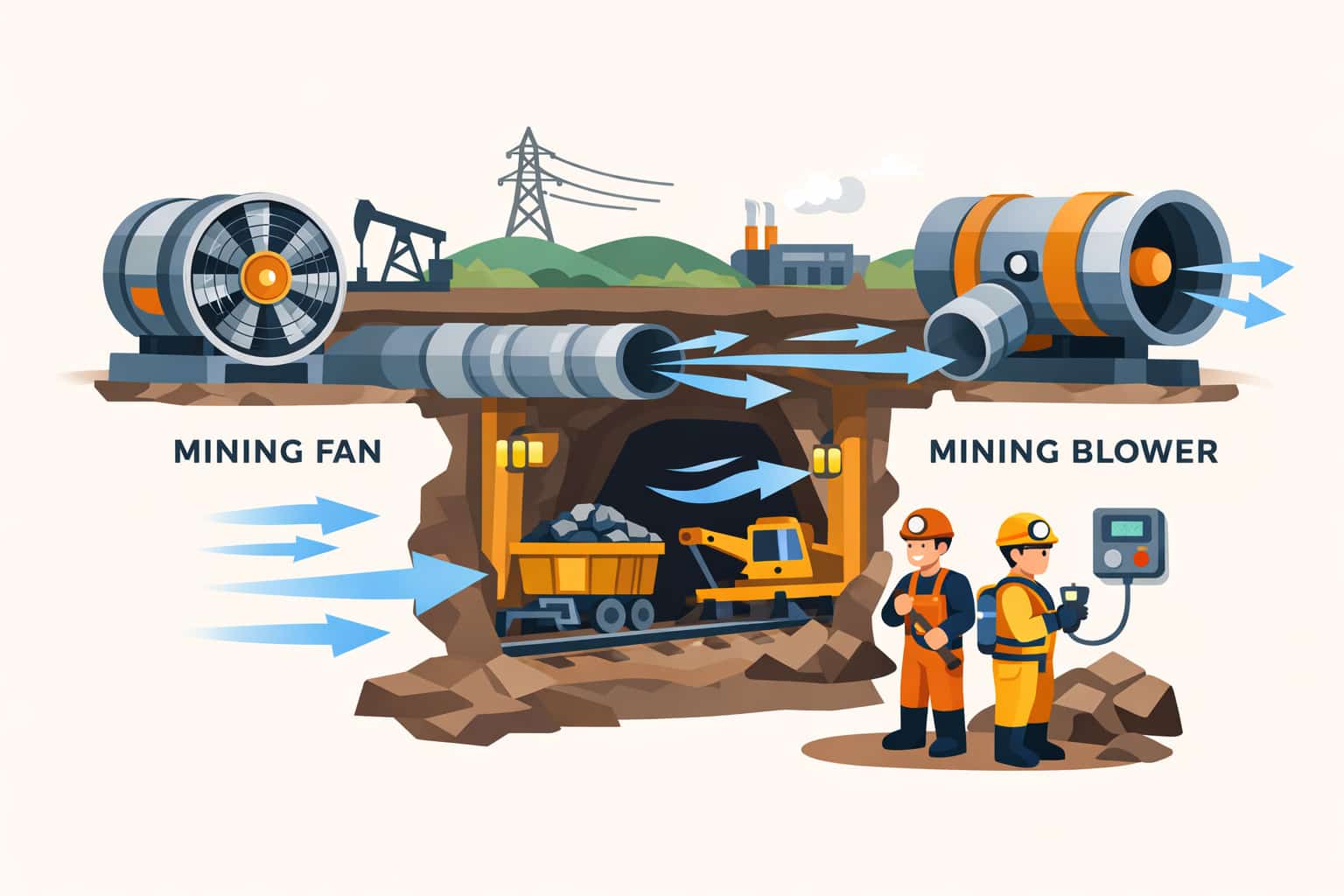
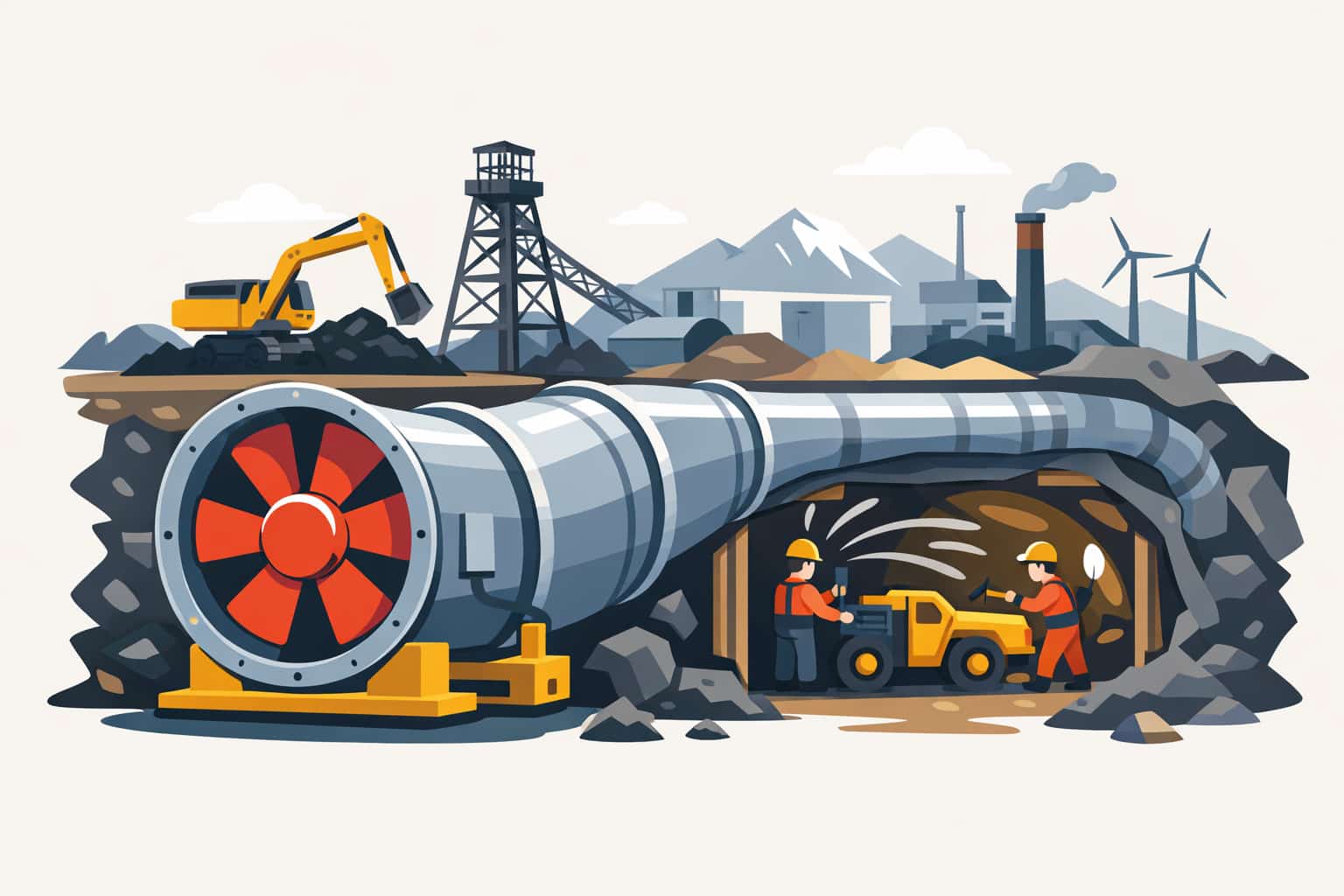

The basic mechanism of a fan is to convert mechanical energy from a motor into airflow and pressure. Although fans come in many shapes and sizes, from small electronics cooling units to huge mining ventilation machines, the underlying principle is the same: rotating blades accelerate air and change its momentum, creating a pressure difference that drives air through ducts, rooms or underground workings.
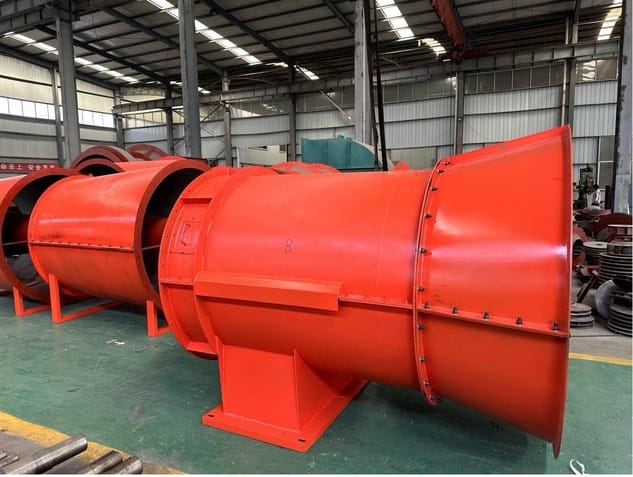
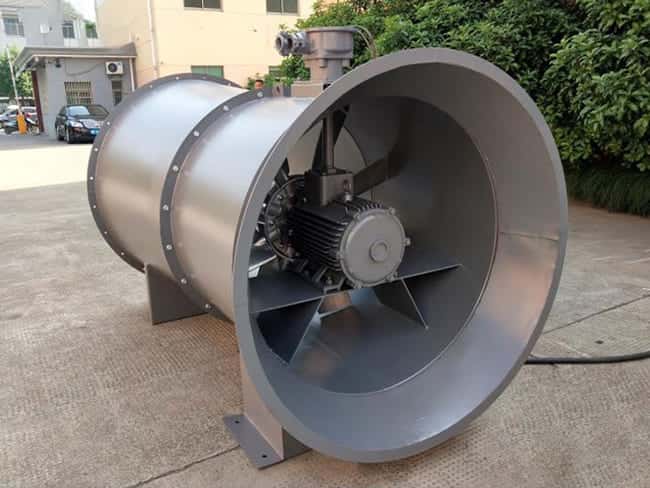
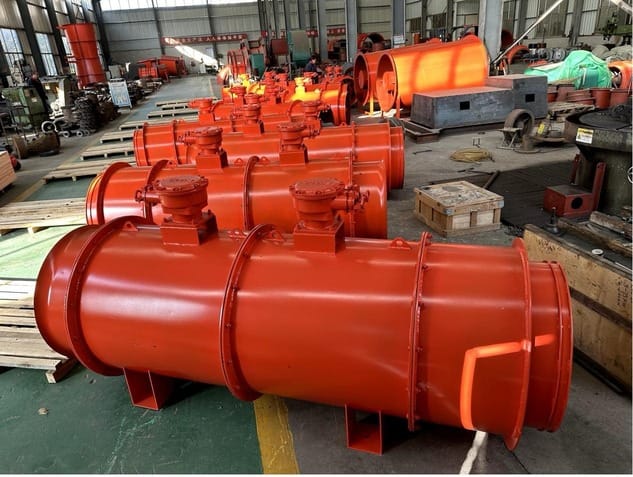
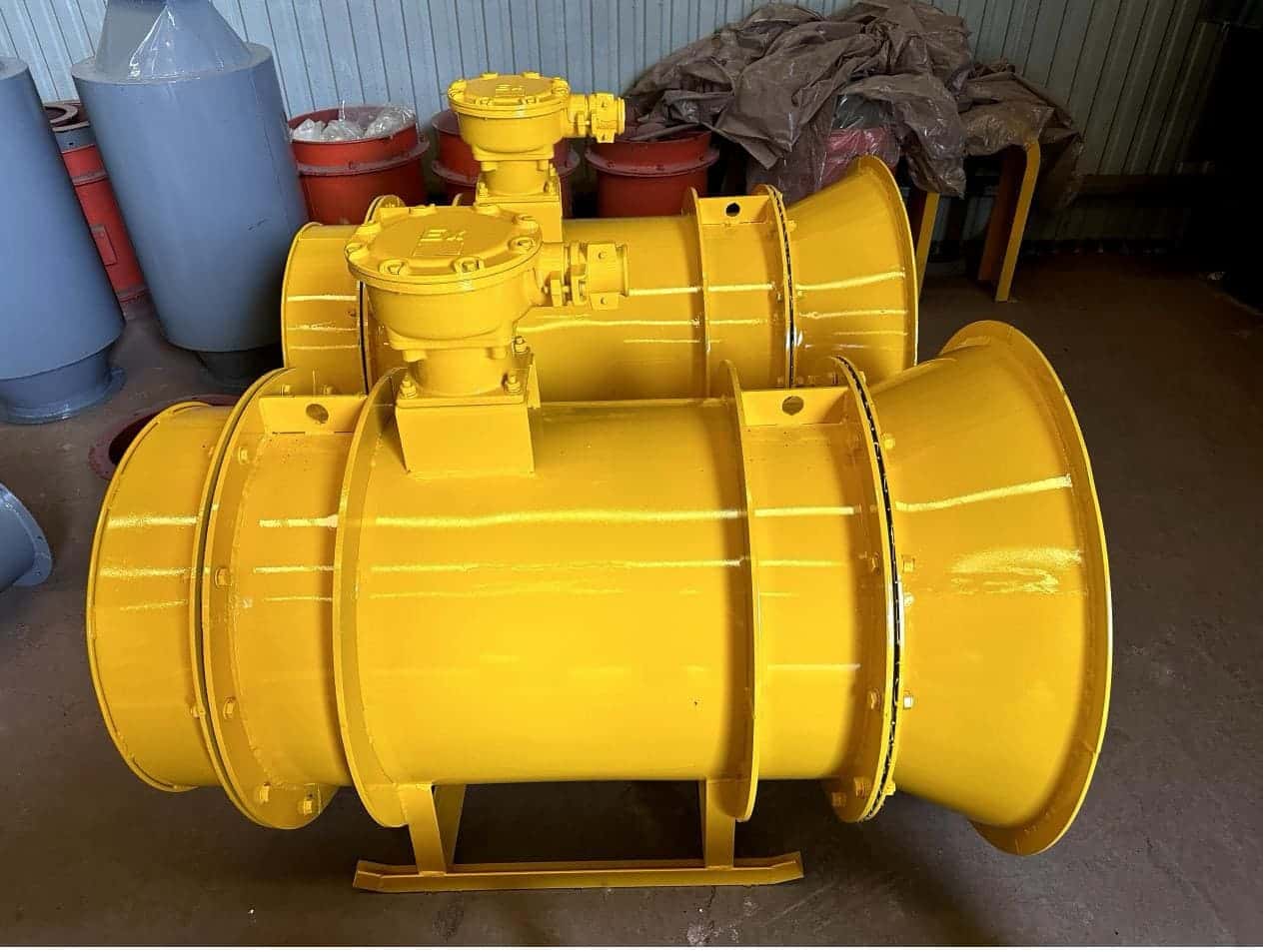
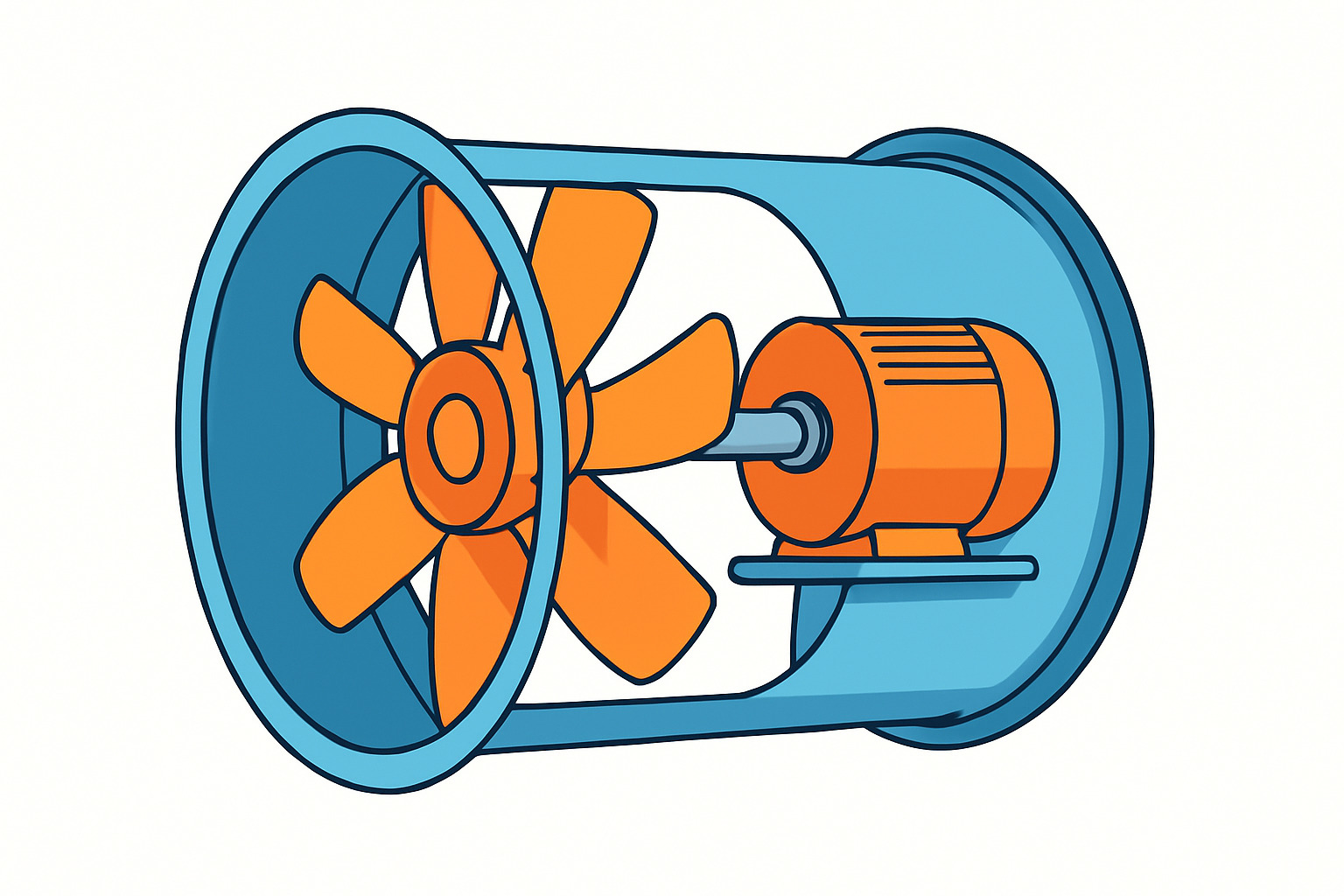
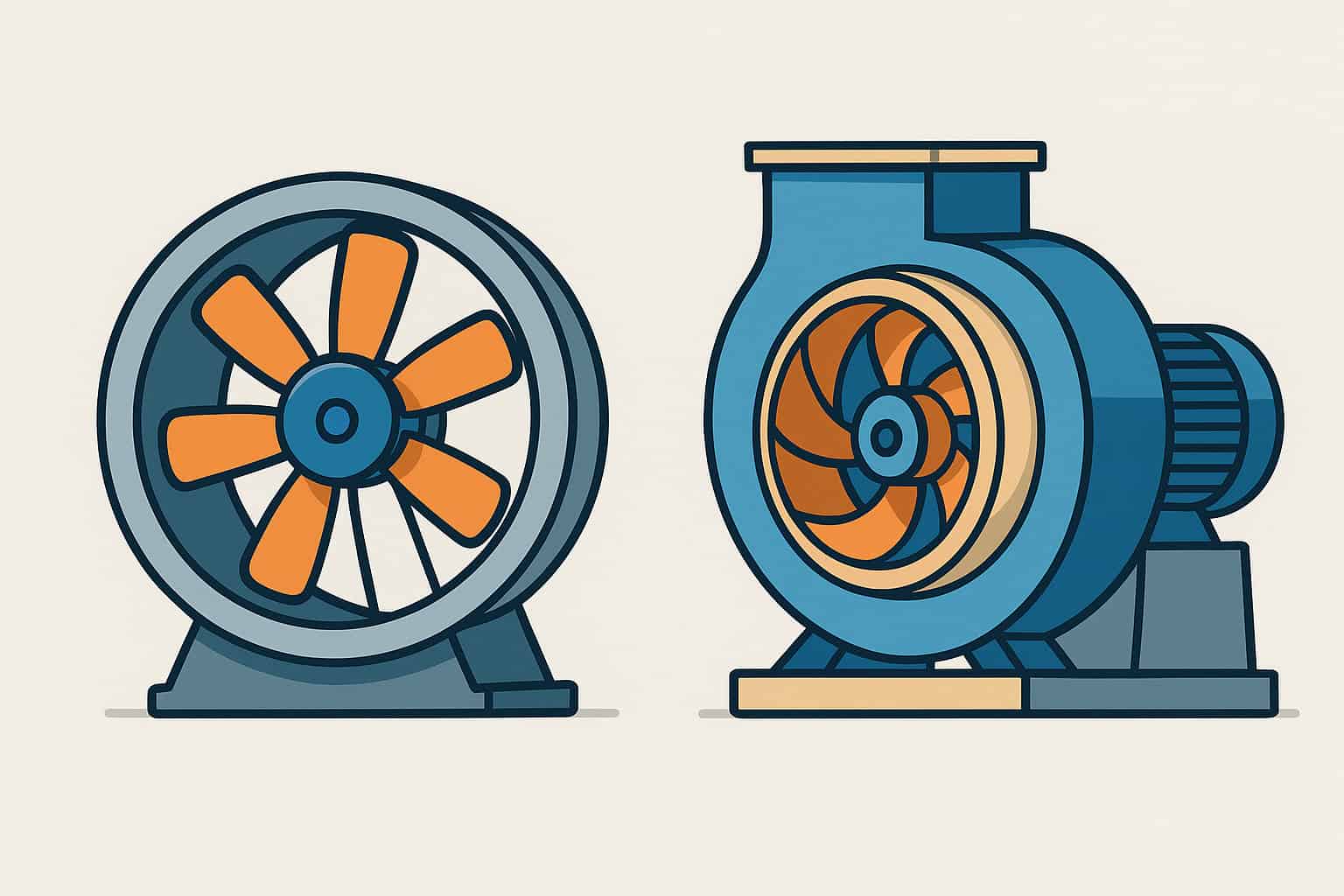
In an axial flow fan, the mechanism is similar to a propeller. Air enters the fan along the axis, passes through the rotating blades and exits in roughly the same direction. The blades are shaped like small airfoils and set at a specific angle to the direction of flow. As they rotate, they impart energy to the air, increasing its velocity and slightly increasing its static pressure. Downstream, part of this velocity is converted into additional static pressure as the flow slows in ducts or diffusers. This mechanism is well-suited to high-volume, low to medium pressure ventilation duties, such as main mine fans or tunnel fans.
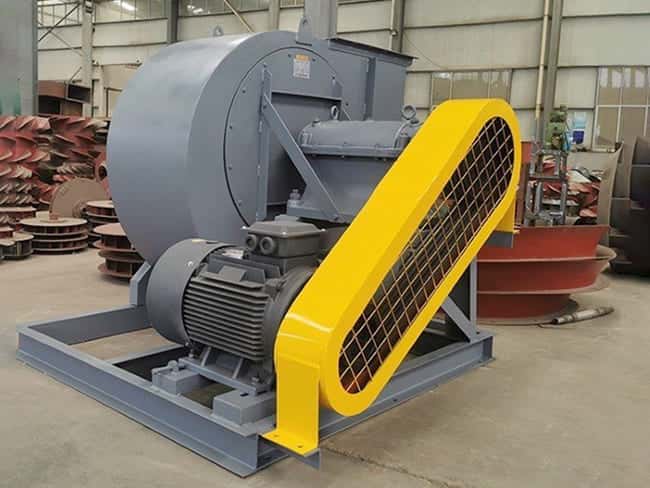
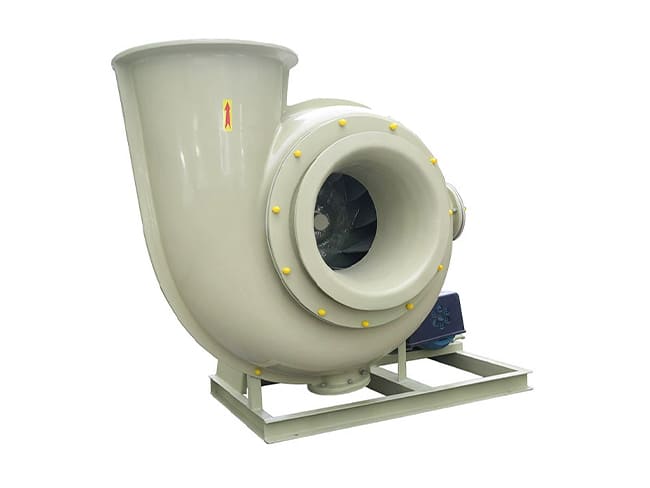
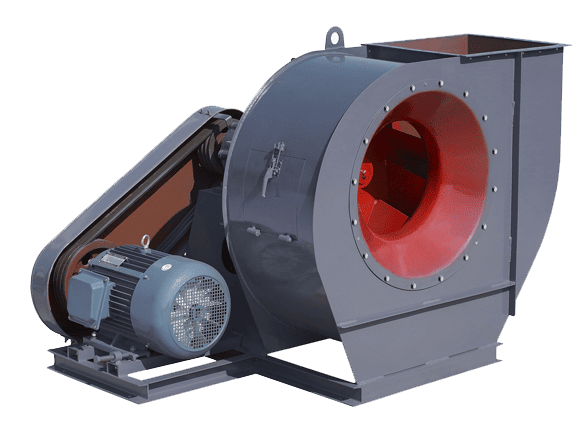
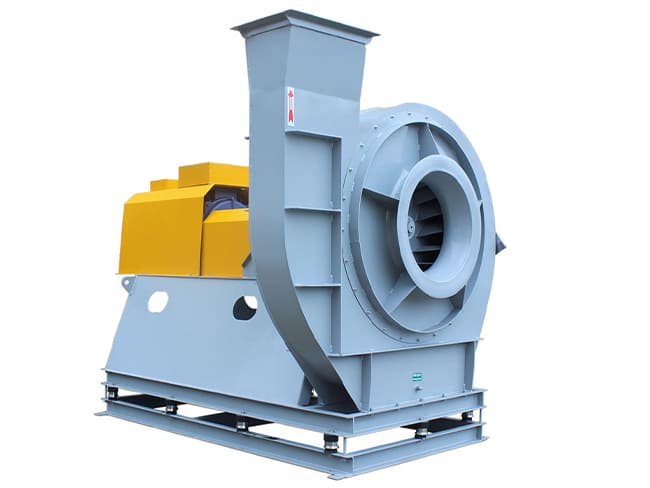
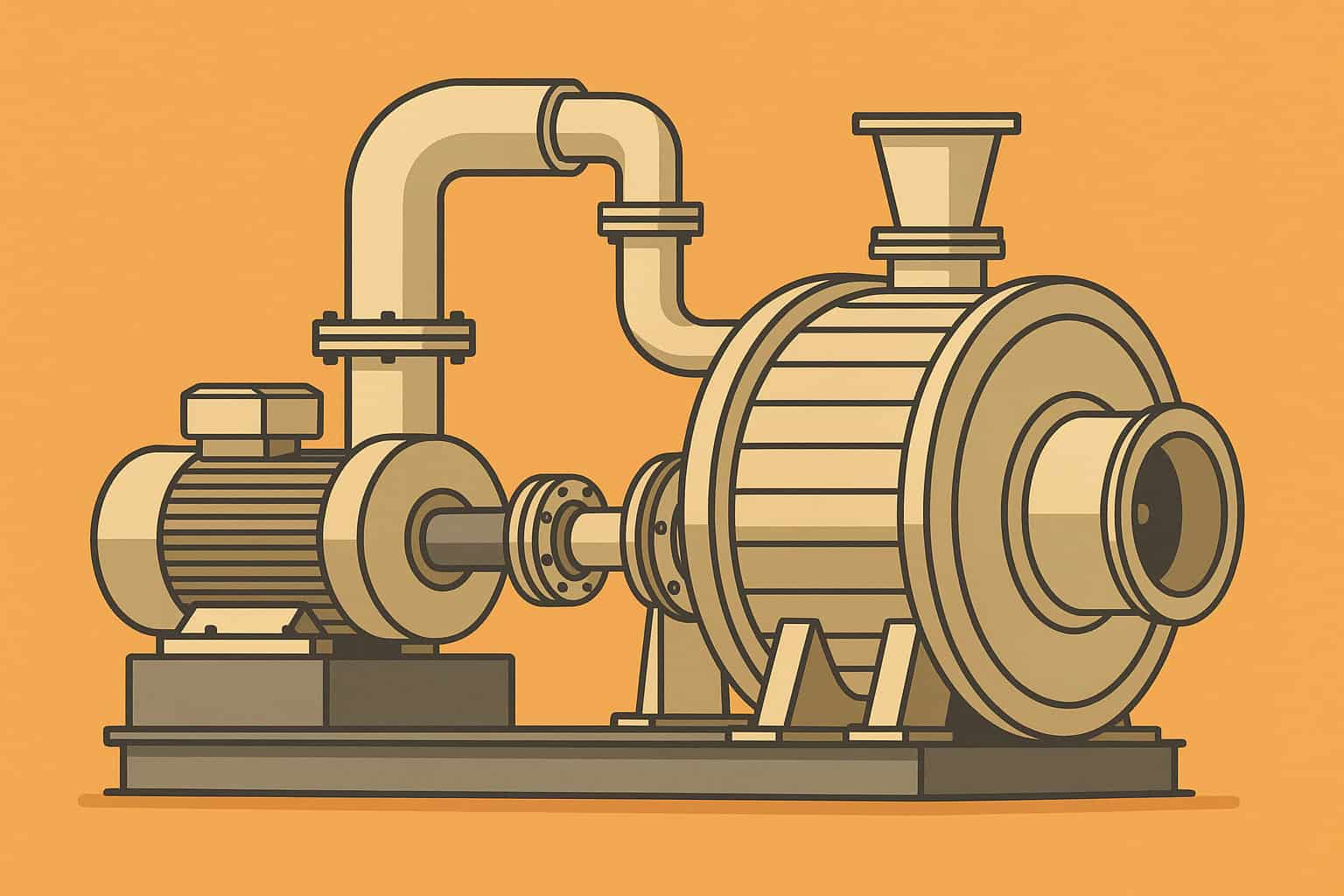
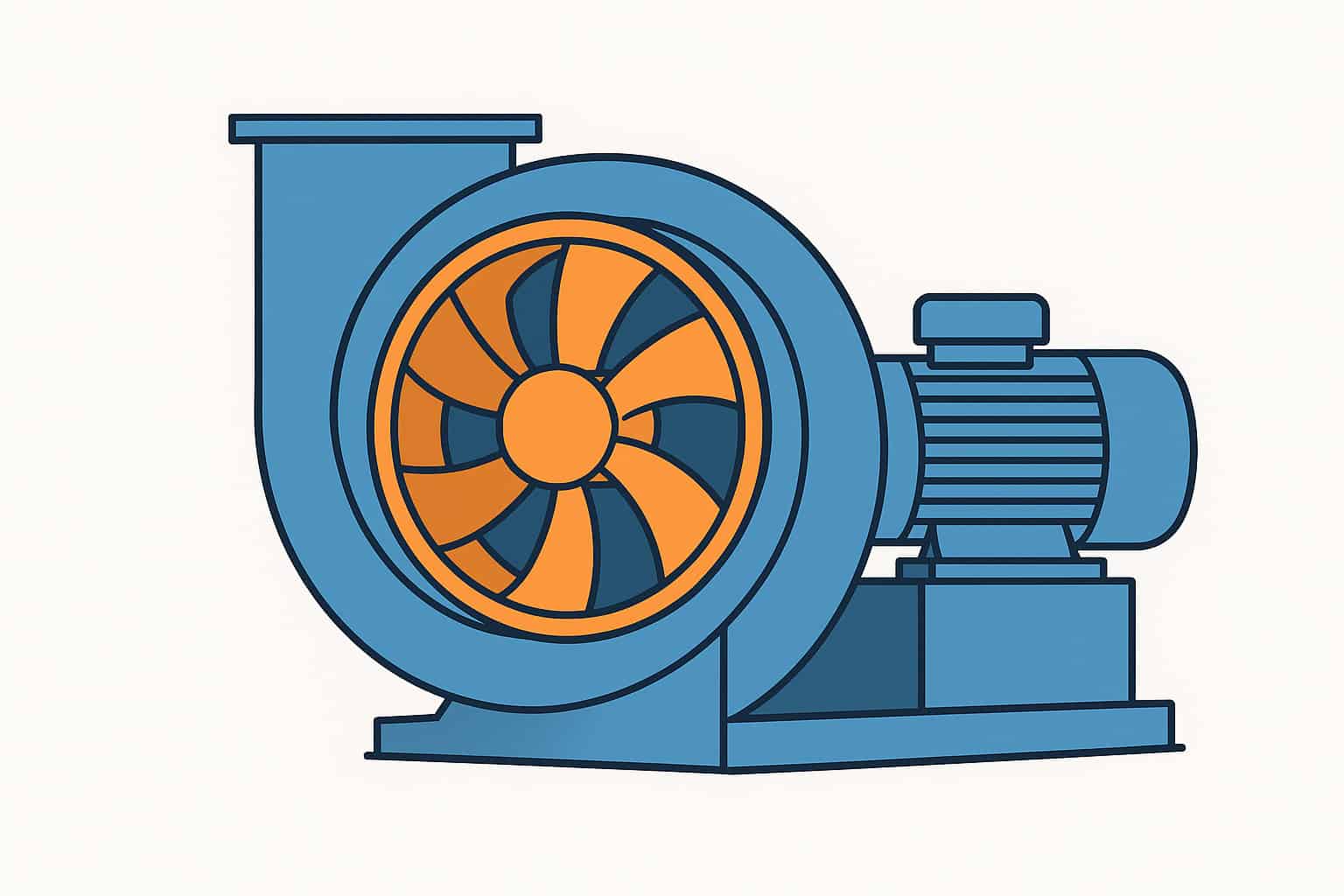
In a centrifugal fan (or blower), the mechanism is different. Air enters near the centre of the impeller and is then thrown outward by centrifugal force as the impeller rotates. The blades accelerate the air radially, and the air’s kinetic energy is then partially converted into static pressure as it moves through the scroll-shaped casing and out of the discharge. Because of this radial acceleration and diffusion process, centrifugal fans are able to generate higher pressures than axial fans of similar size, making them useful for dust collection, process exhaust and other high-resistance systems.
In both axial and centrifugal fans, the driving motor provides the mechanical power. This may be an electric motor, an engine or, in some cases, a hydraulic or pneumatic drive. The motor is connected to the impeller via a direct-coupled shaft, belts or gearboxes. As the motor turns the shaft, torque is transmitted to the impeller, which in turn transfers energy to the air. The amount of energy transferred—and therefore the airflow and pressure produced—depends on the impeller diameter, speed, blade geometry and air density.
The fan mechanism is governed by the fan laws, which explain how airflow, pressure and power change with speed and size. For example, for a given fan geometry, airflow is roughly proportional to rotational speed, pressure is proportional to the square of speed and power is proportional to the cube of speed. These relationships describe how the fan mechanism responds when operators adjust speed with a variable-frequency drive or select a larger or smaller fan for a given duty.
In practical mining and industrial ventilation, this mechanism is embedded in a wider system: air is drawn from fresh air intakes, driven by fans through shafts, roadways and ducts, and discharged at returns or exhaust stacks. The fan mechanism provides the driving pressure, while system resistance and layout determine how that pressure is converted into useful airflow through working areas, equipment rooms and process zones.
In summary, the mechanism of a fan is the controlled transfer of energy from a rotating impeller to the surrounding air, achieved through blade aerodynamics that accelerate and redirect the flow to create the pressure and airflow needed for ventilation.