
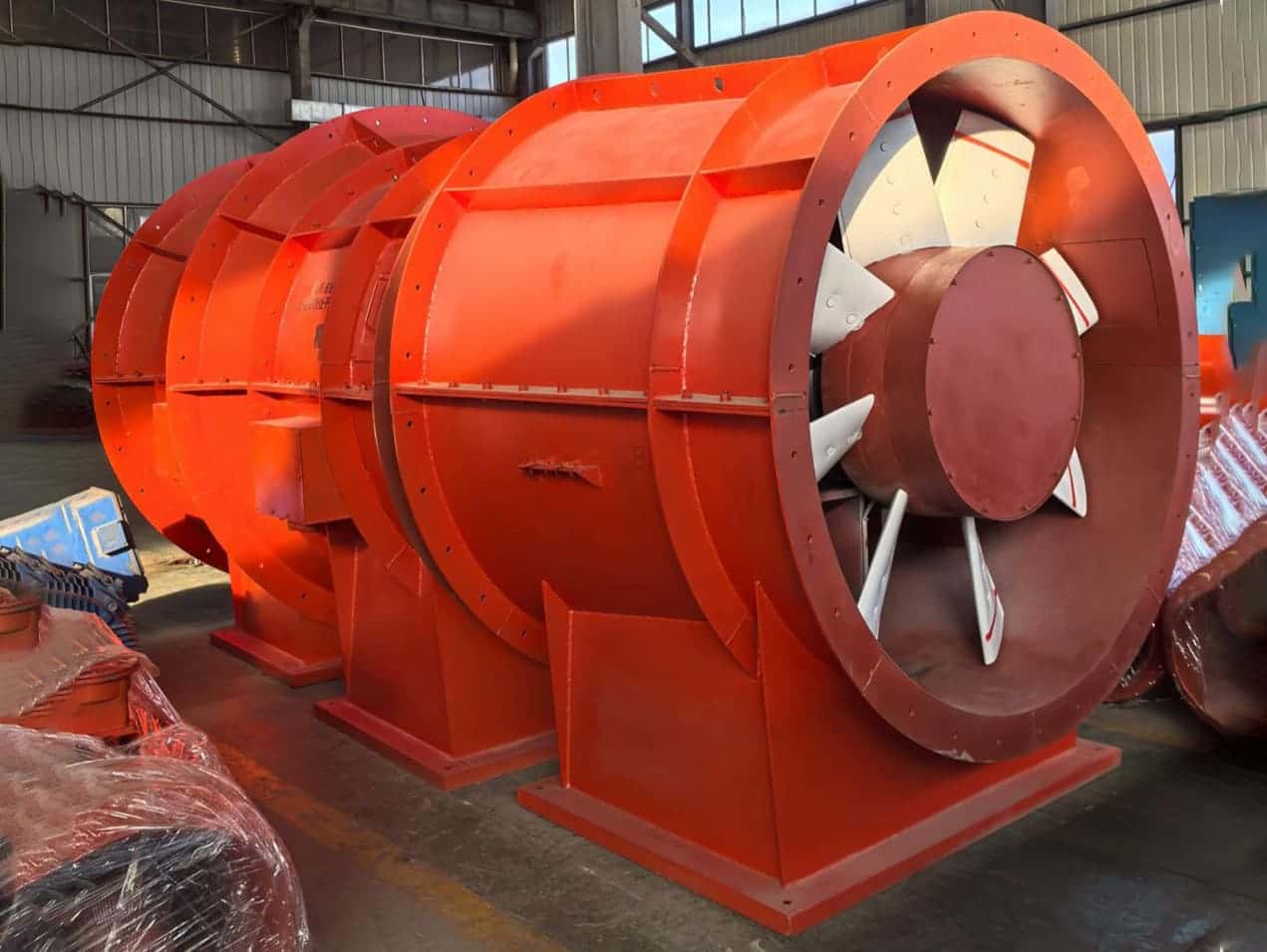
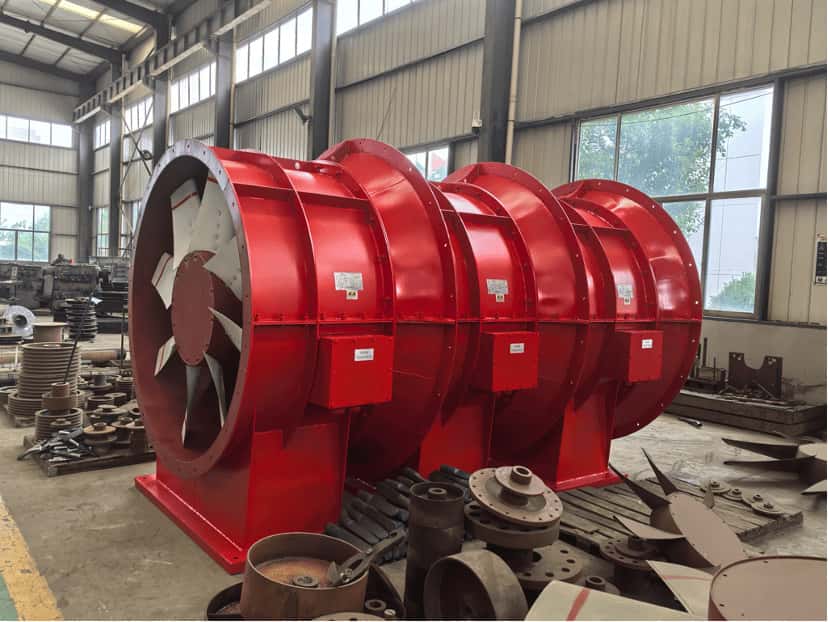
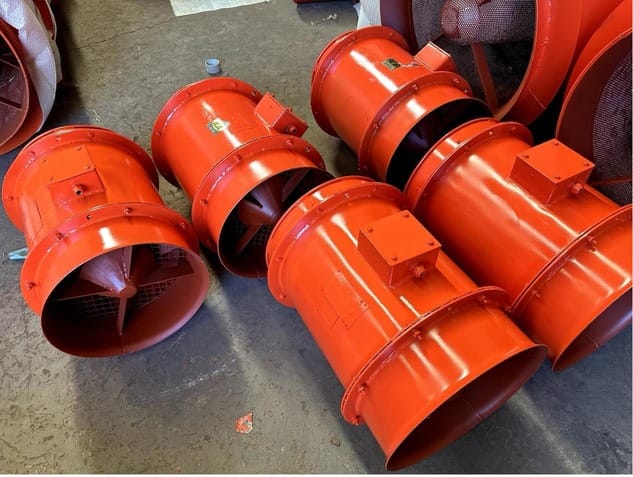
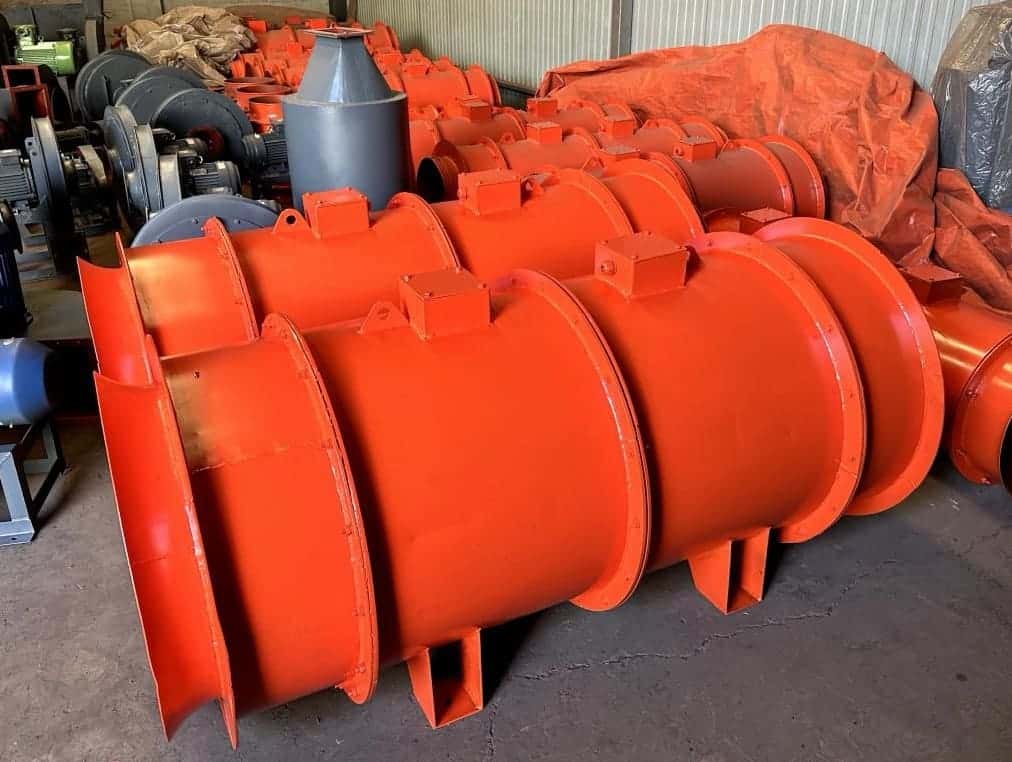
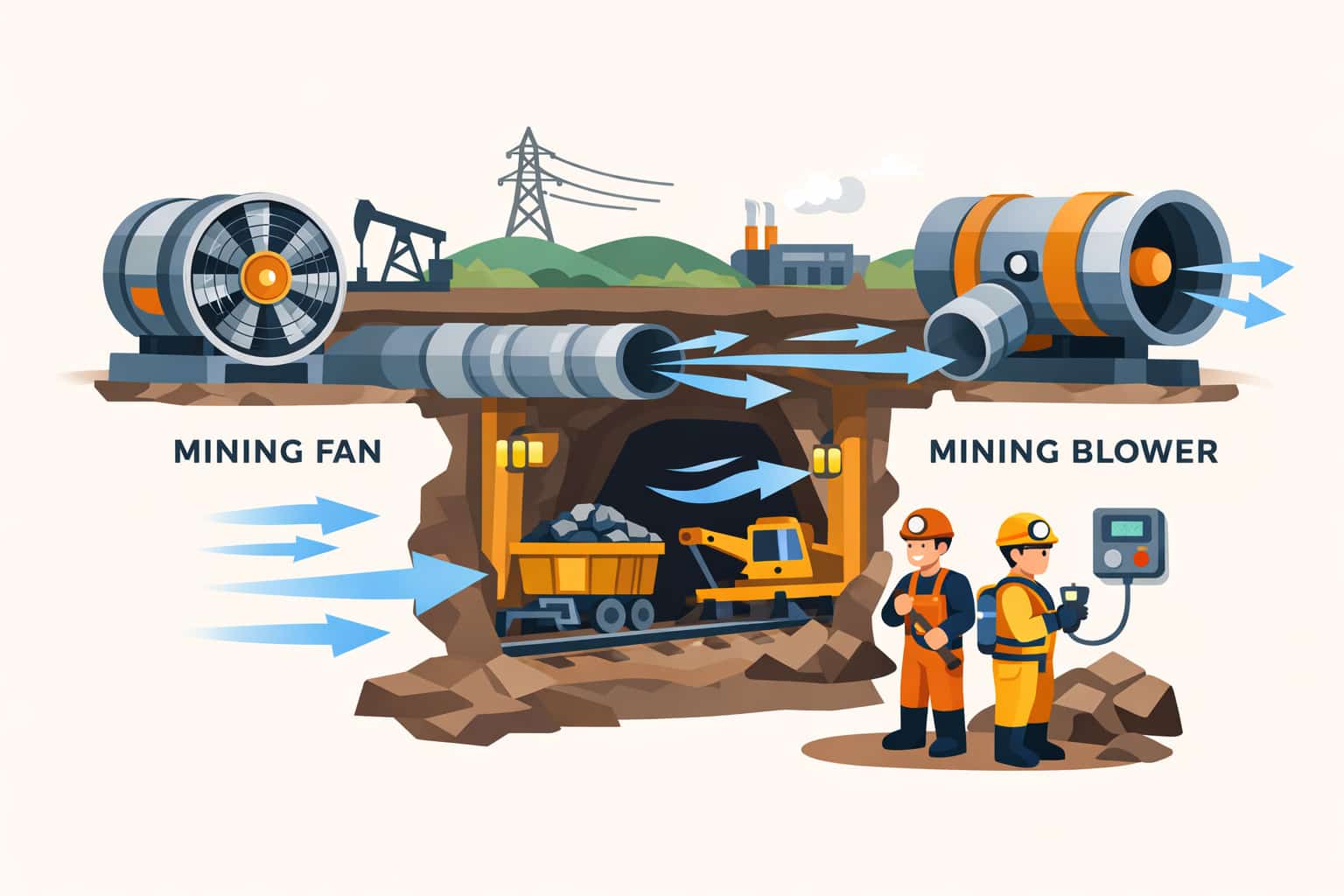
The basic mechanism of an exhaust fan is to remove air from a space by creating a pressure difference. The fan blades rotate, lowering the pressure on the inlet side and raising it on the outlet side, so air is pulled out of the room, process or tunnel and pushed towards the outside or into a duct system.
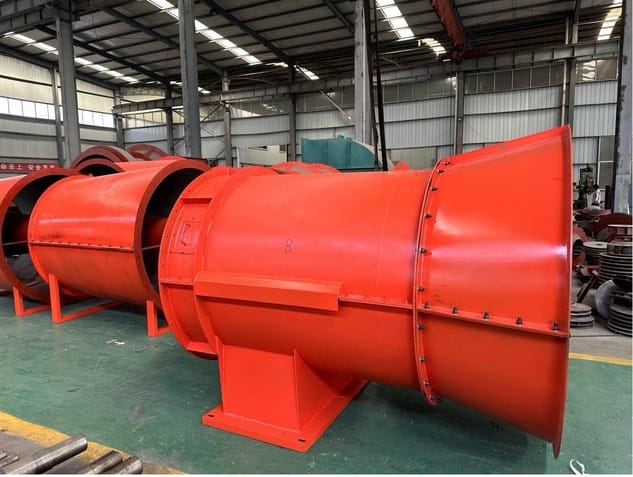
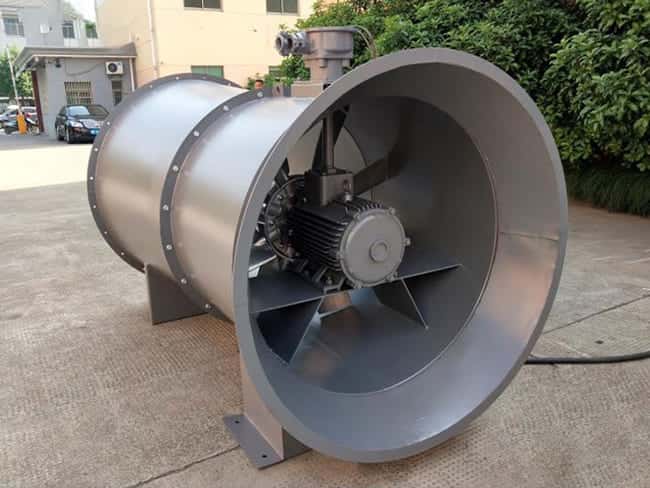
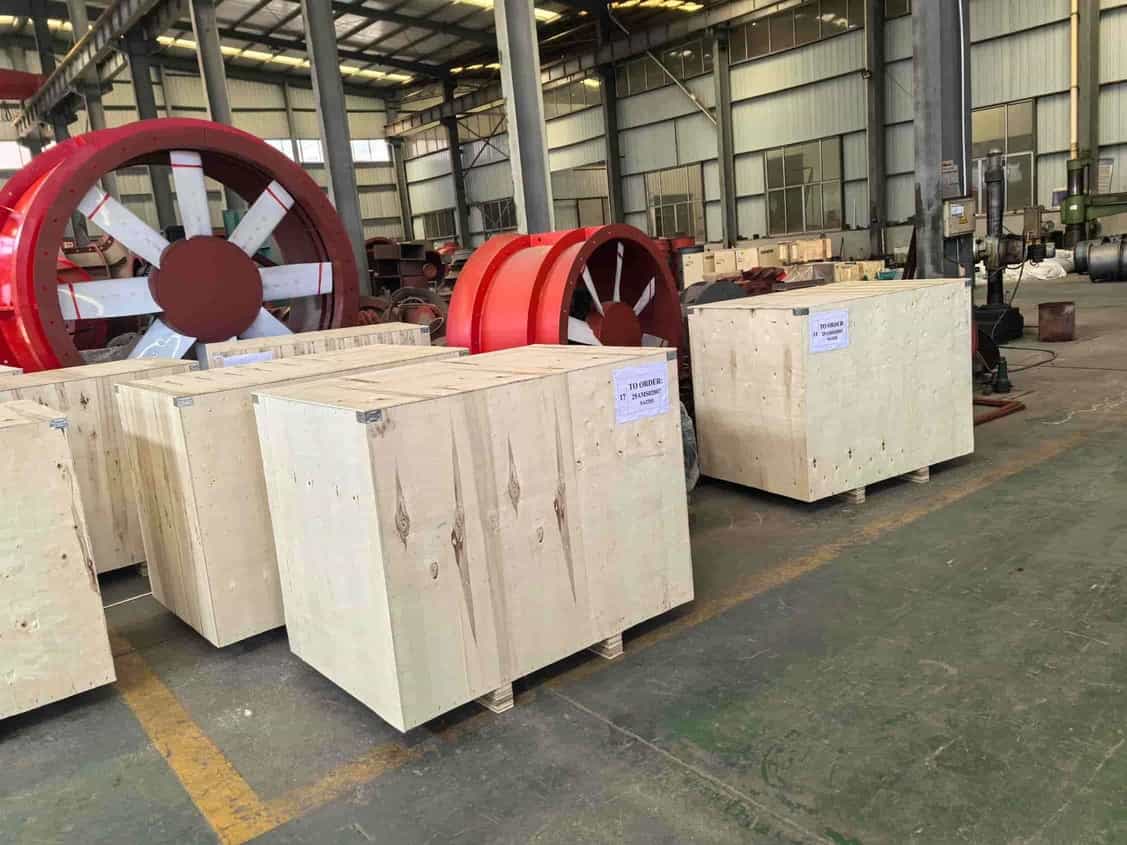
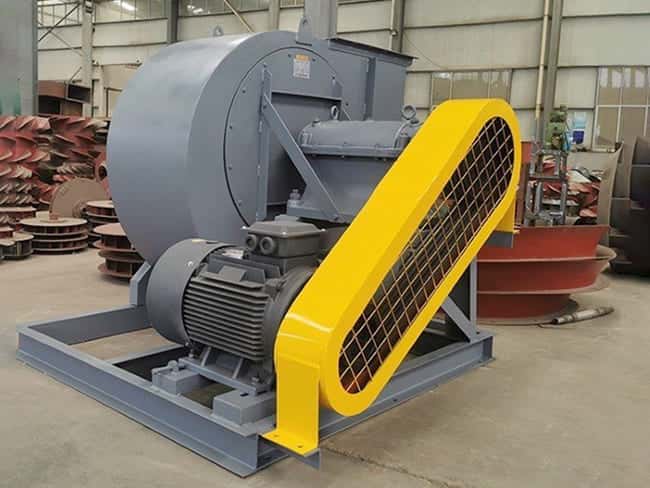
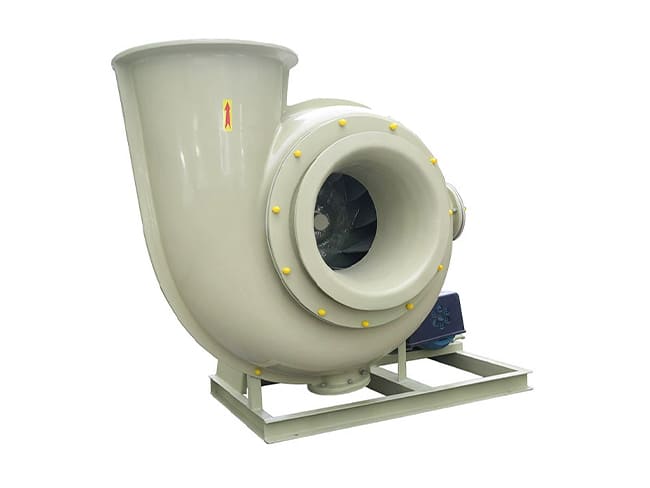
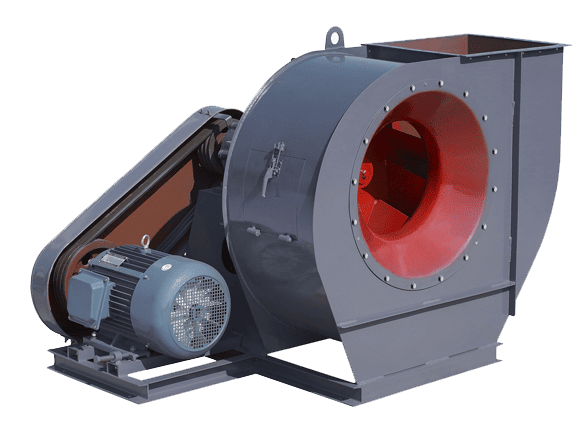
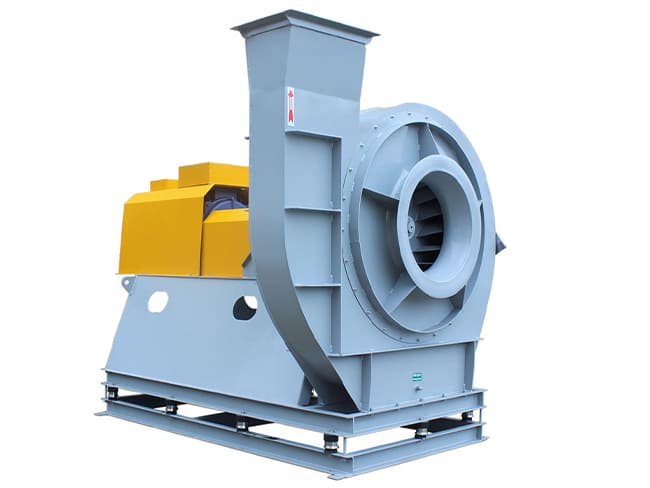
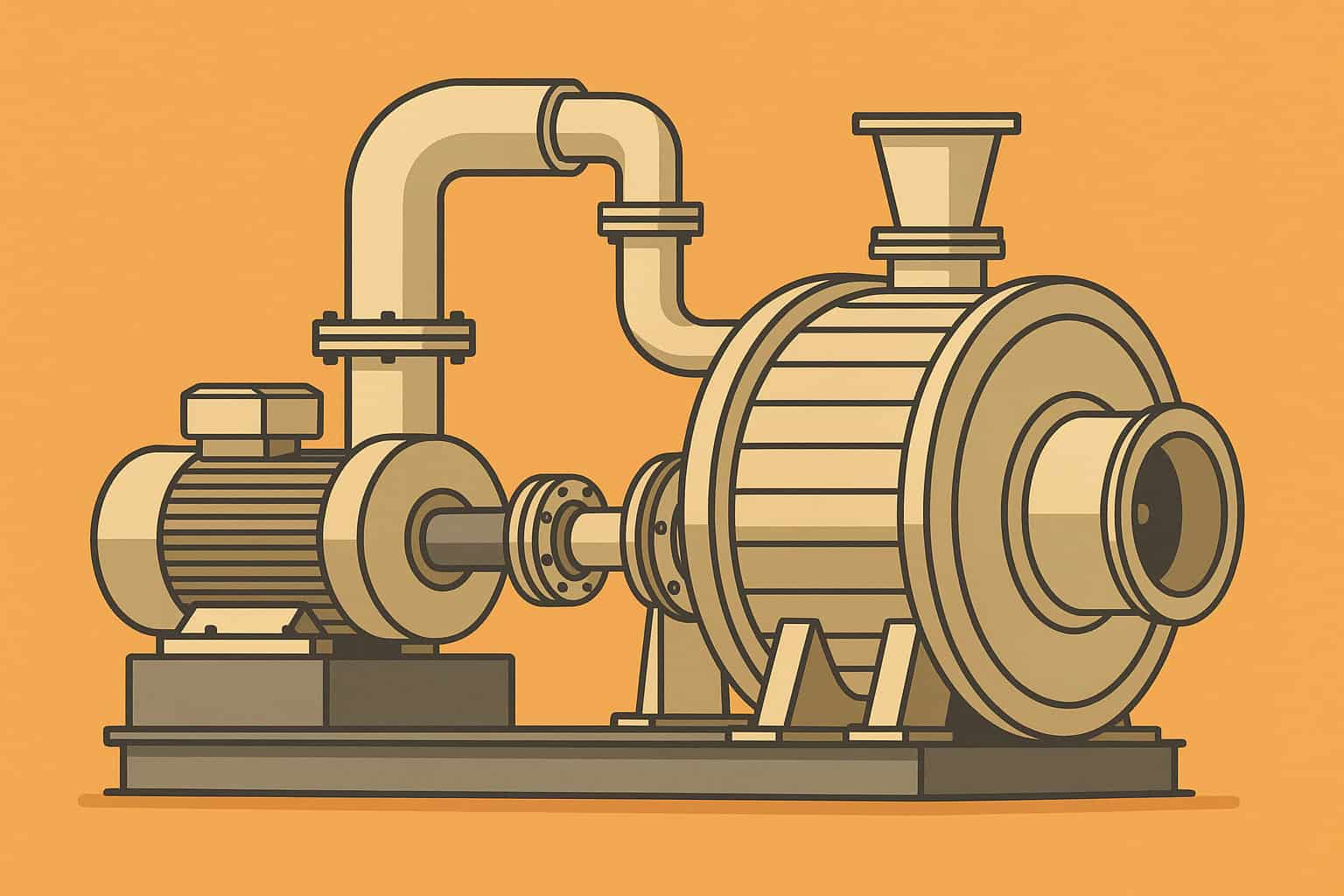
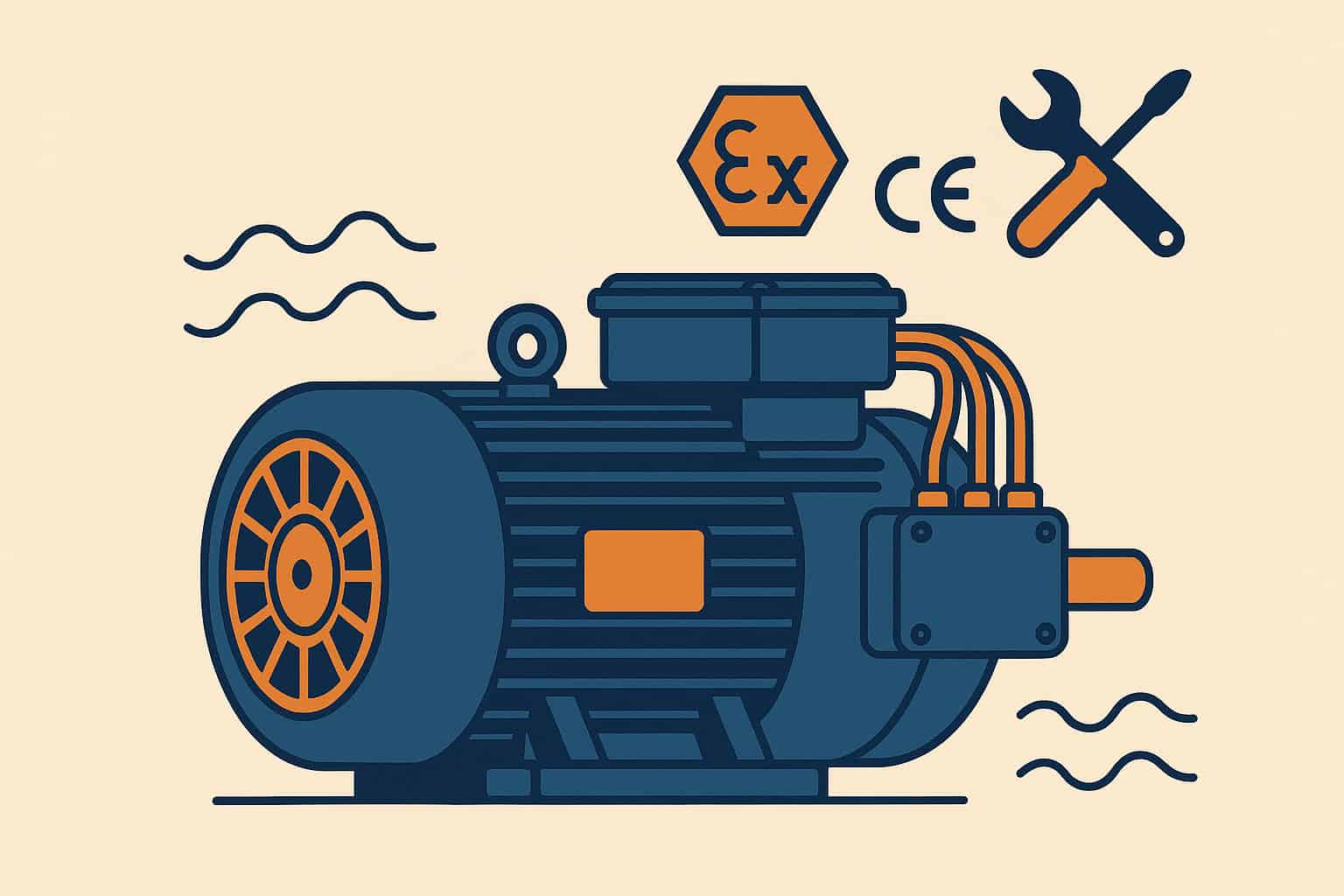
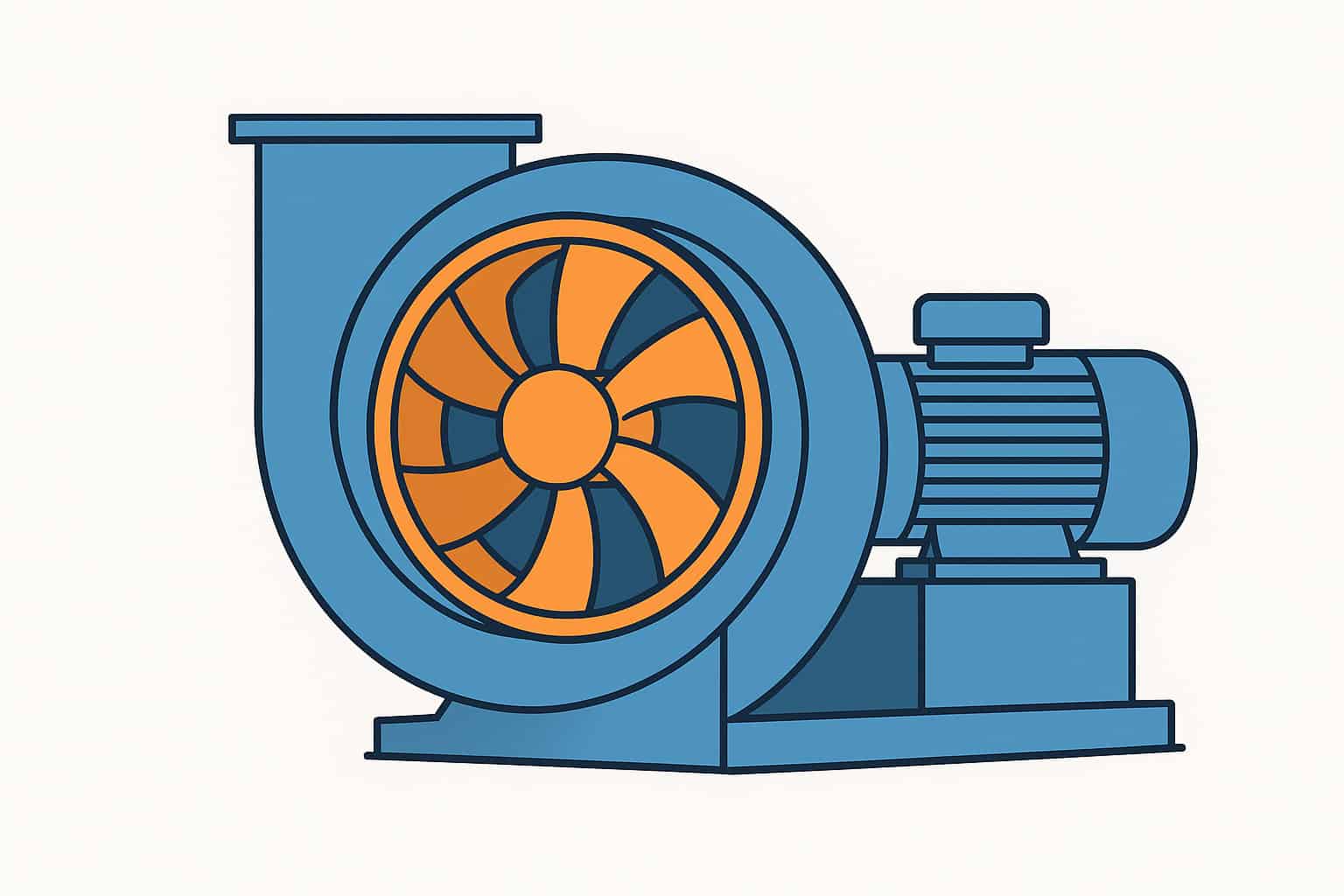
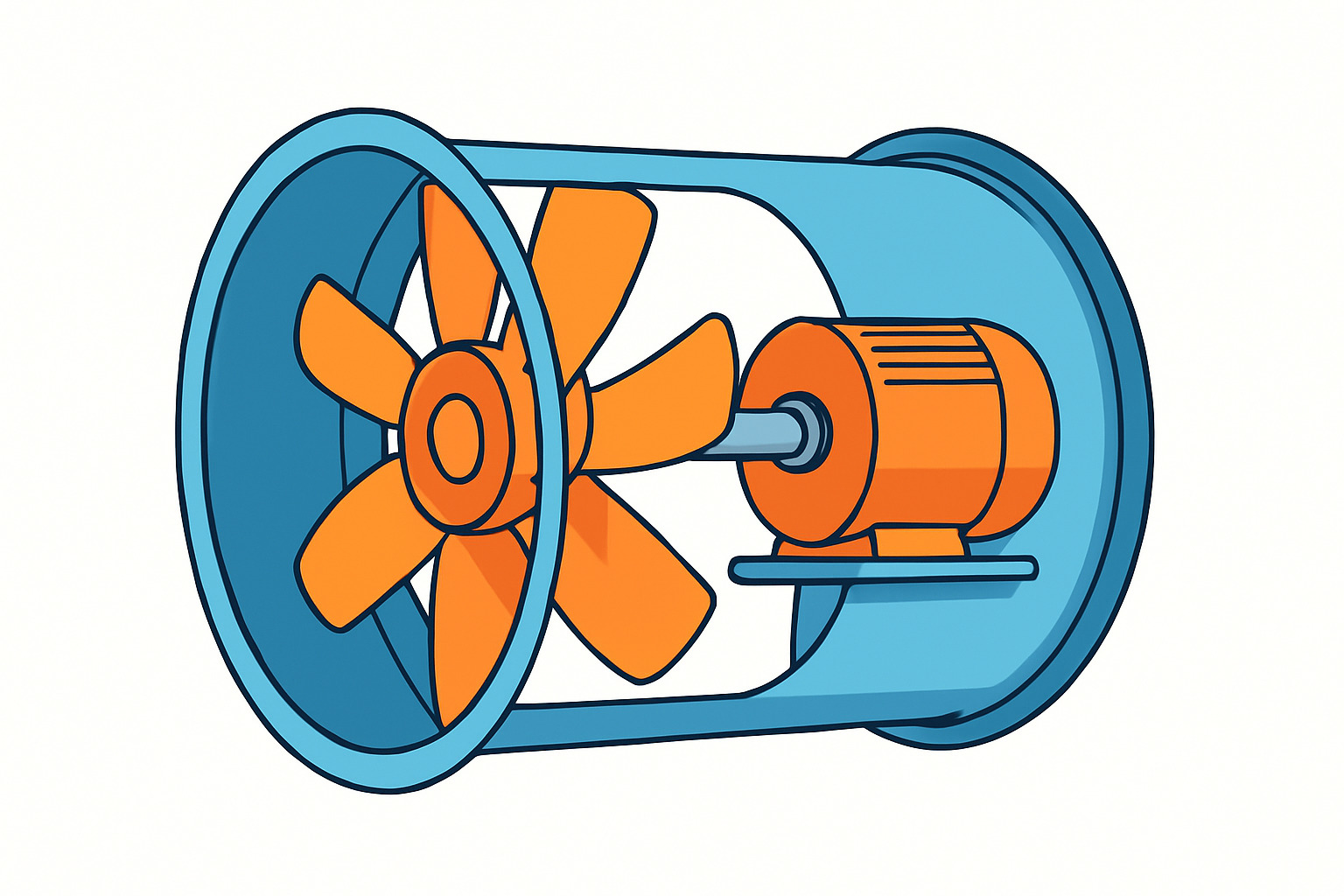
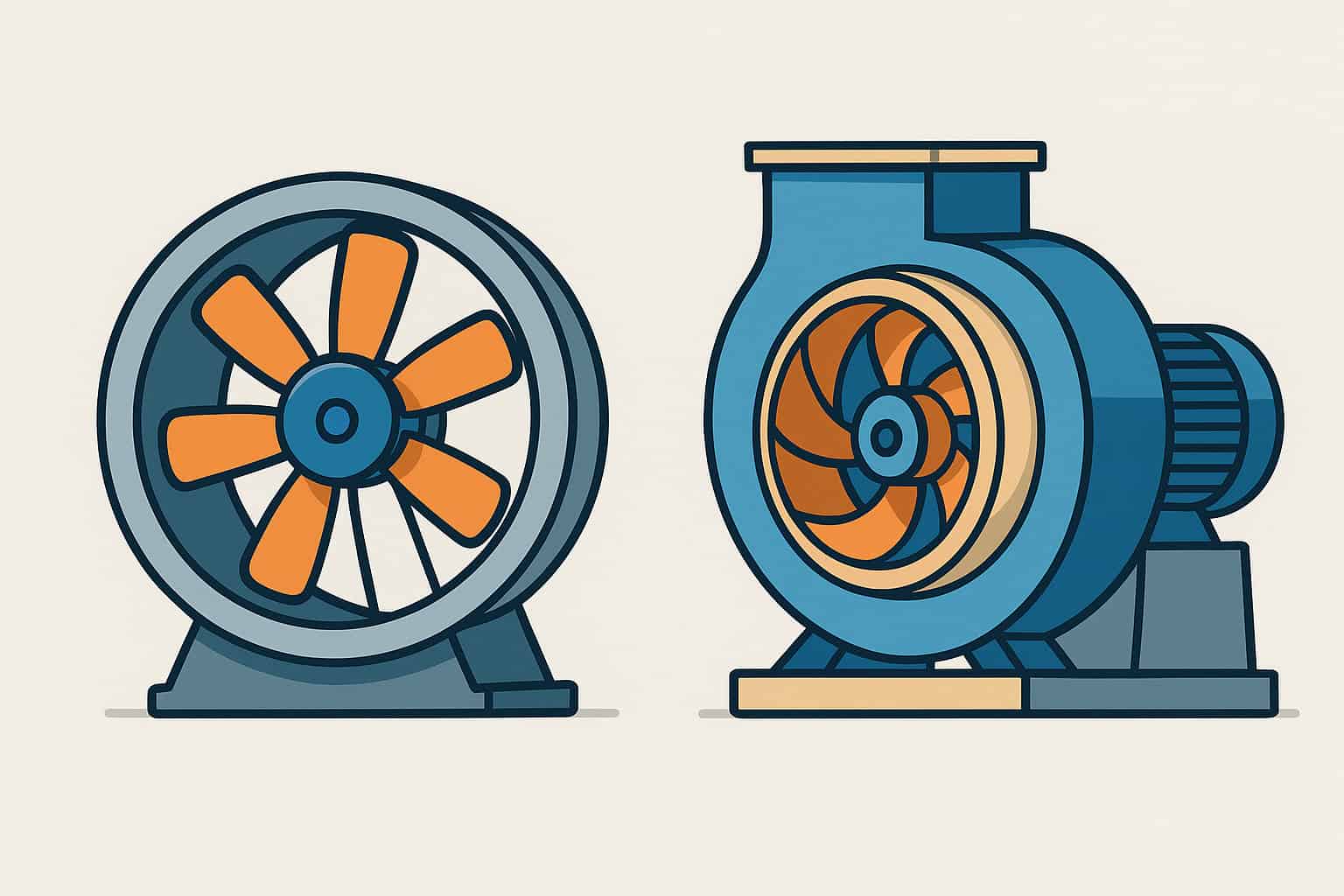
Inside a typical exhaust fan there are three main elements: the motor, the impeller or blades and the housing. The electric motor turns the shaft, which is connected to the impeller. In an axial exhaust fan, the blades act like a propeller and move air parallel to the shaft. In a centrifugal exhaust fan, air enters near the centre of a wheel and is thrown outward into a scroll-shaped housing, changing direction and gaining pressure.
As the impeller spins, it accelerates the air and creates a region of slightly lower pressure at the fan inlet. Room air or process air naturally flows towards this low-pressure zone, entering the fan. On the discharge side, the housing guides the air and converts some of its velocity into static pressure. This higher outlet pressure pushes the air into ducts, stacks or directly to the outside atmosphere.
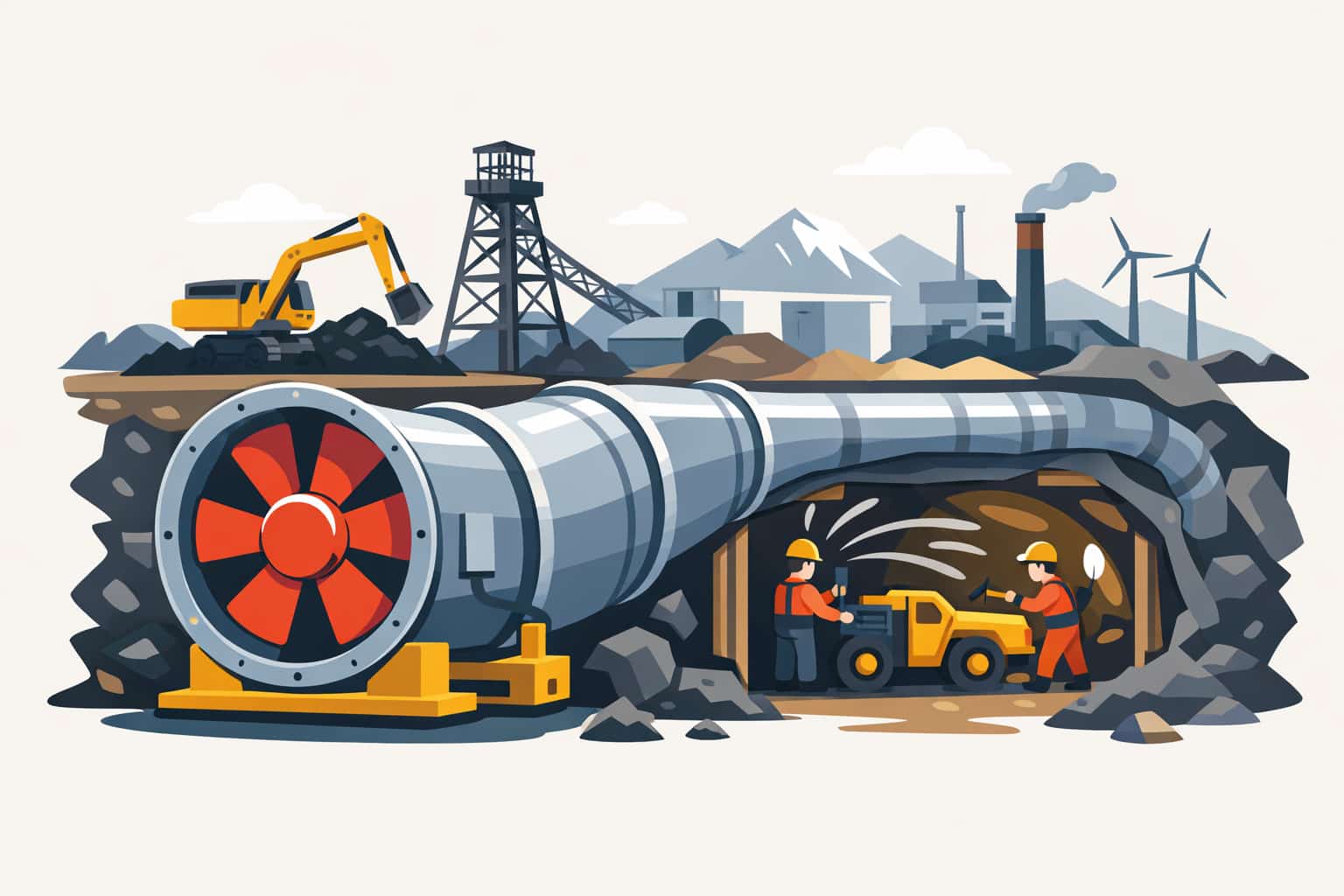
In industrial plants and mines, exhaust fans are often part of a larger ventilation system. Local exhaust hoods or grilles near sources of heat, dust, fumes or gases are connected by ducts to the fan. The mechanism is the same, but the system is designed so that the fan creates enough negative pressure at each hood to capture contaminants effectively. The performance of the exhaust fan is strongly influenced by duct size, bends, filters and dampers, which all add resistance and affect how much air can be moved.
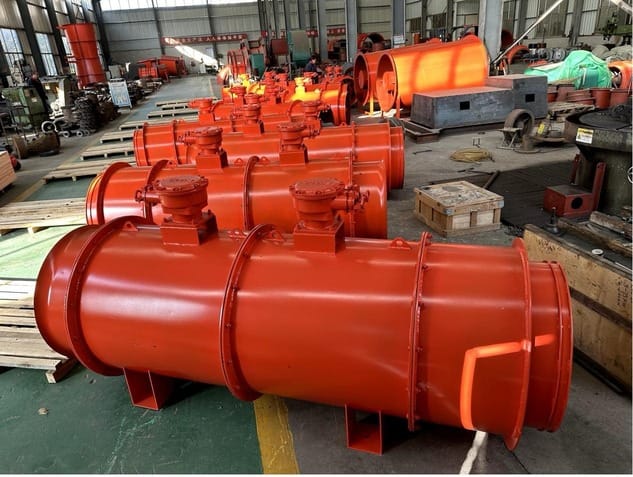
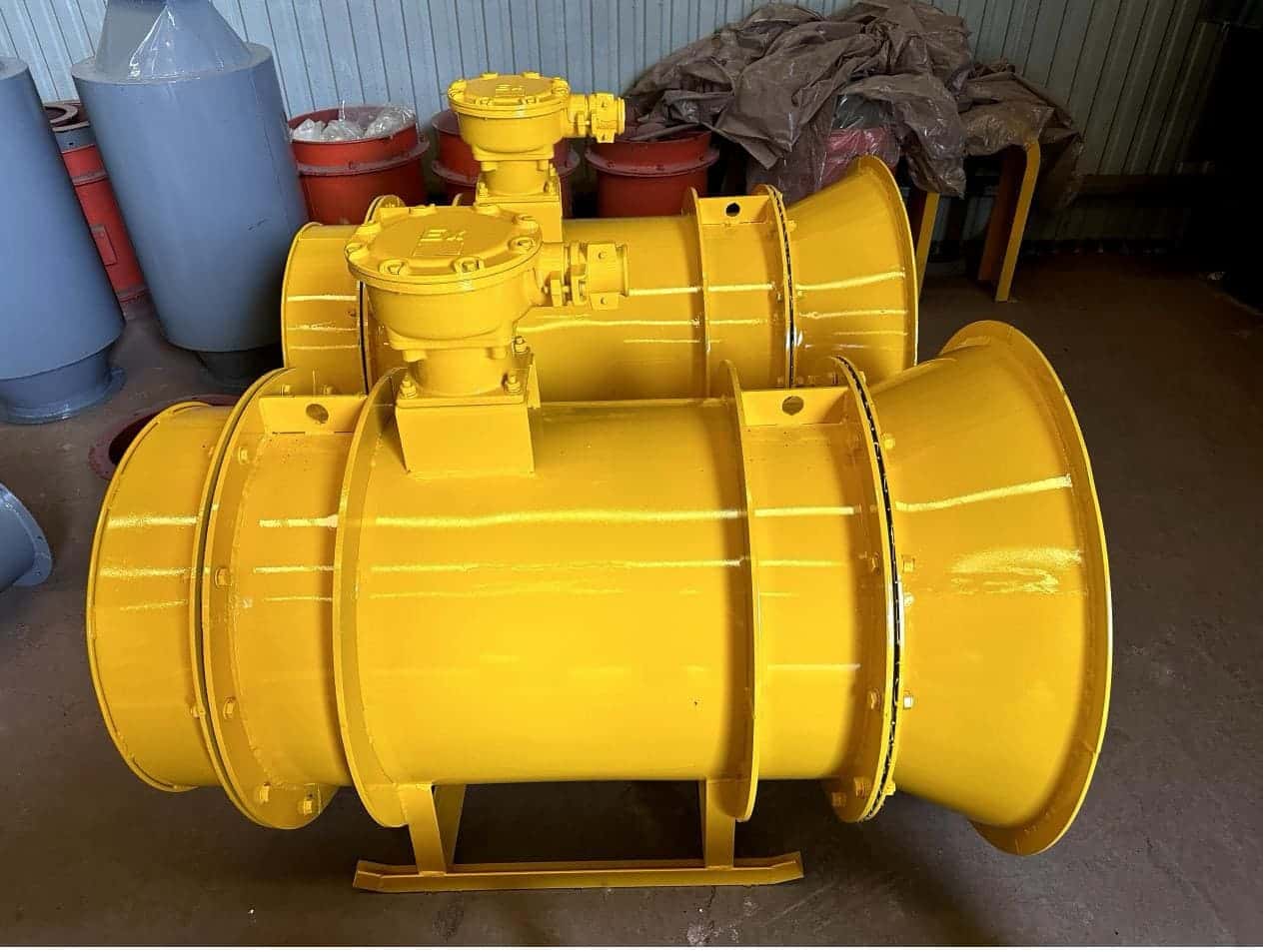
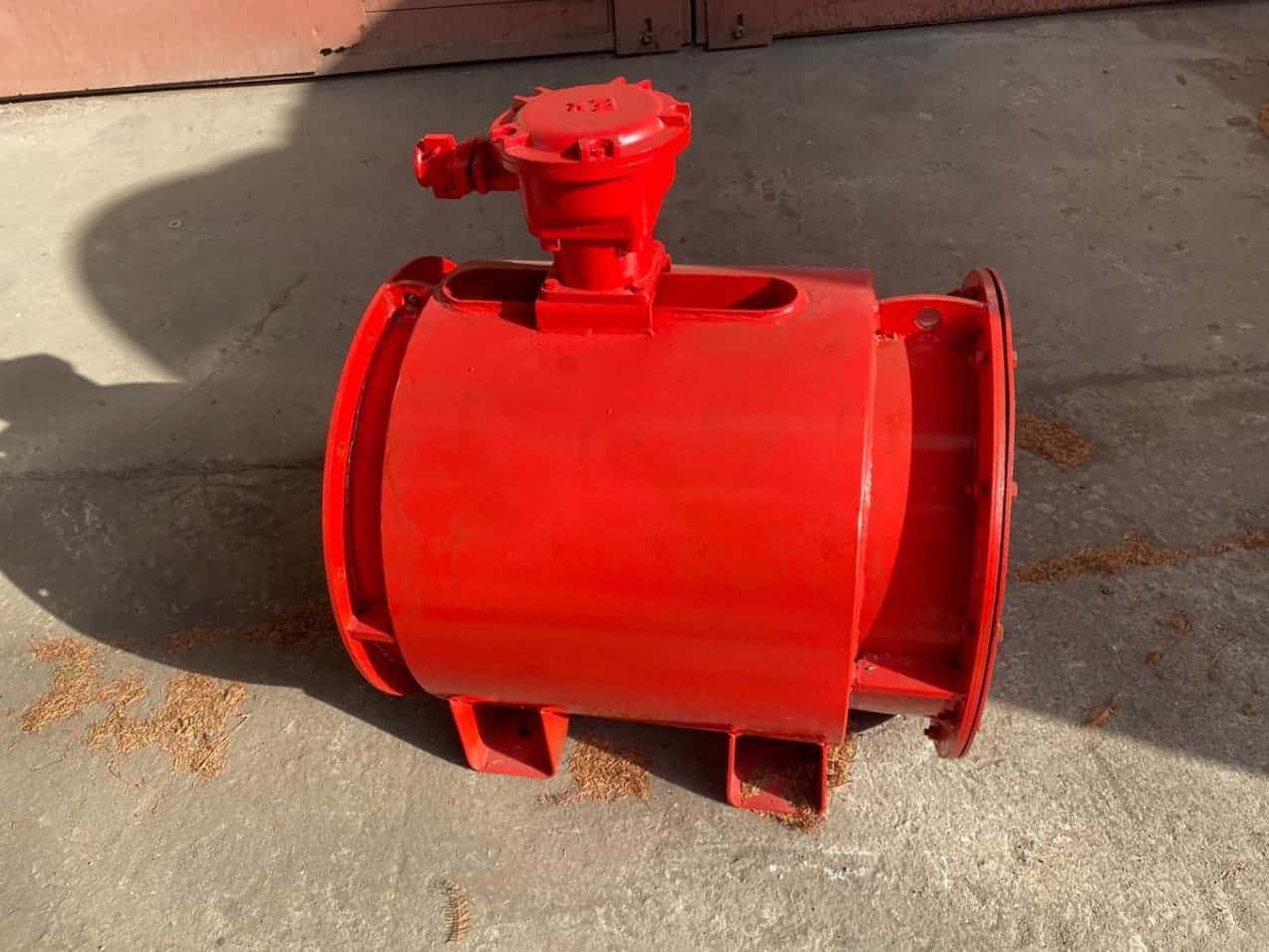
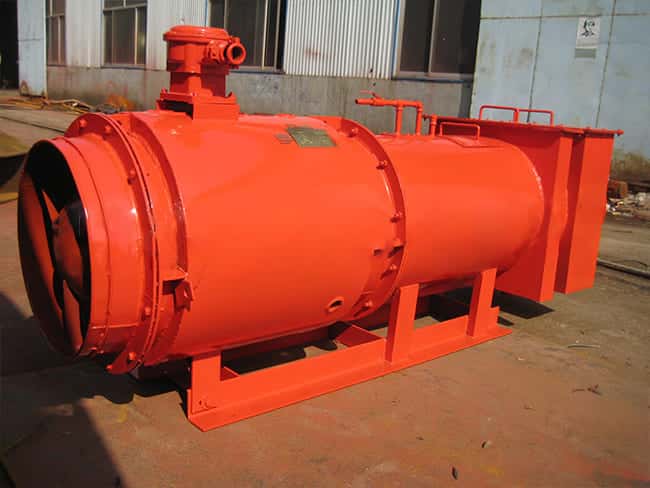
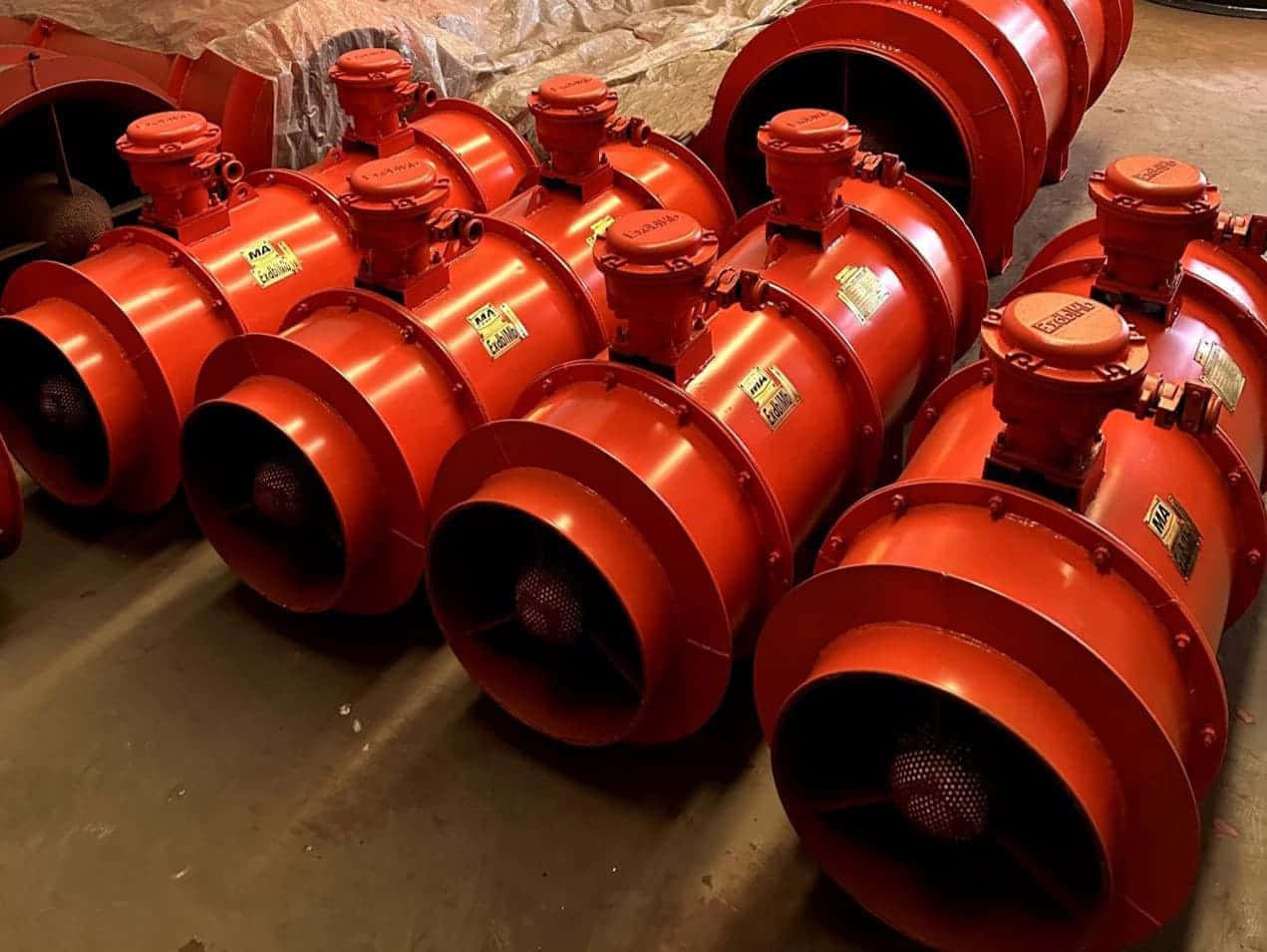
Many exhaust fans are designed for continuous duty. Motors and bearings are sized to run for long periods, and the impeller is shaped to deliver the required airflow at a stable operating point on the fan curve. In mining ventilation, exhaust fans for returns and auxiliary headings must be robust, sometimes explosion-proof, and their mechanism includes not only the rotating parts but also backdraft dampers and silencers to prevent reverse flow and reduce noise.
In summary, the mechanism of an exhaust fan is straightforward: a motor turns an impeller inside a housing, creating a pressure difference that draws air out of a space and discharges it to a safe location. The details of blade shape, housing design and ductwork determine how efficiently and reliably that mechanism works in real industrial and mining applications.