
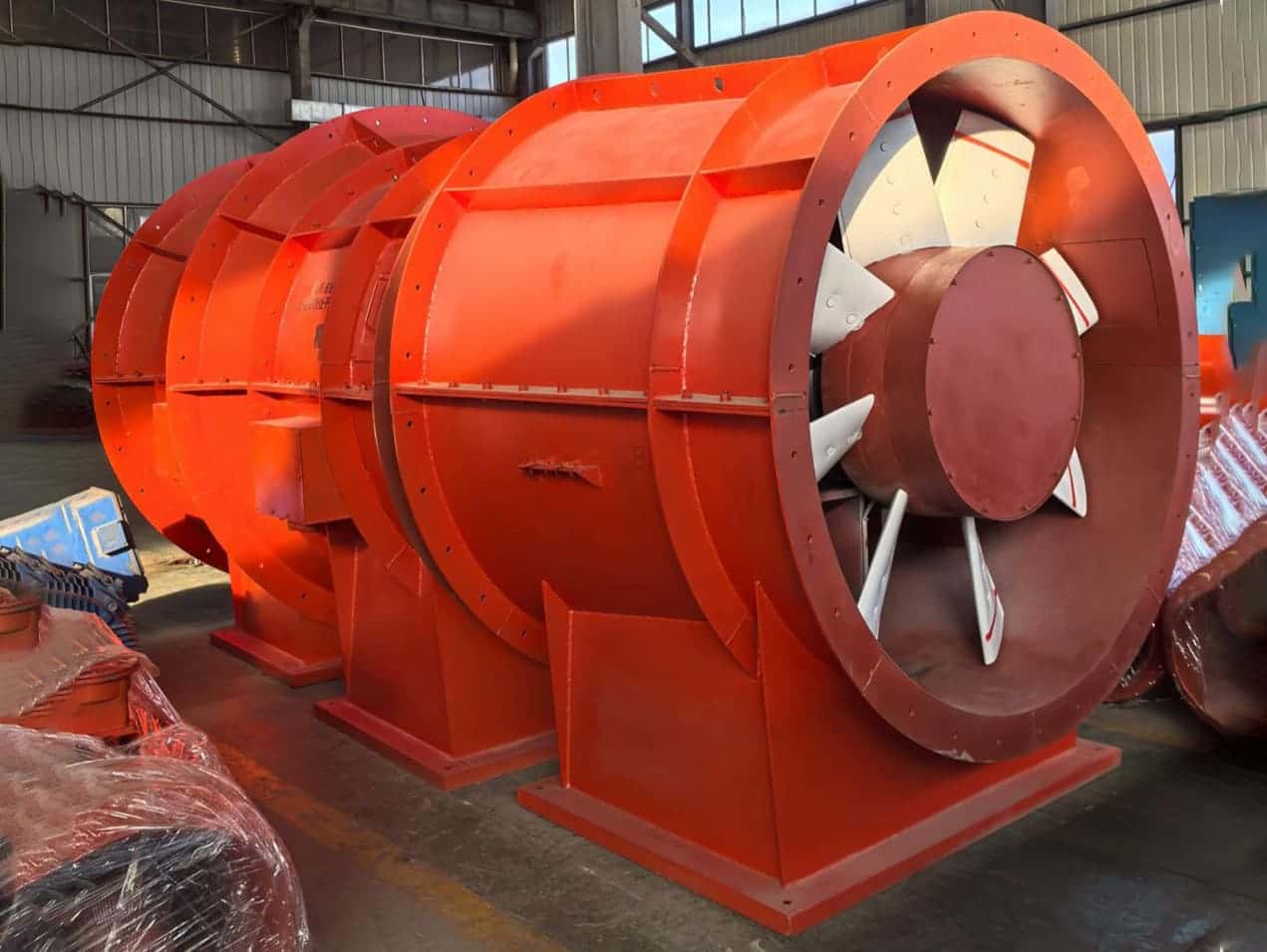
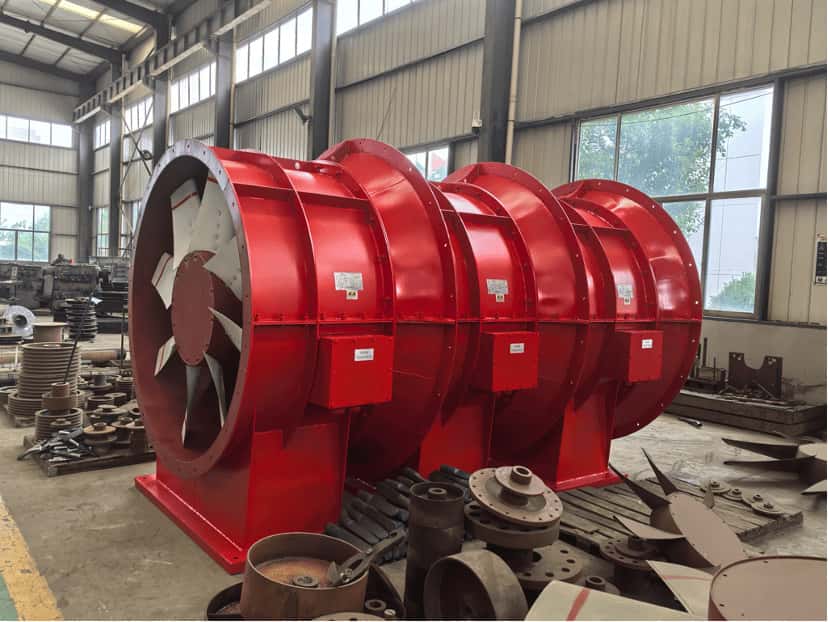
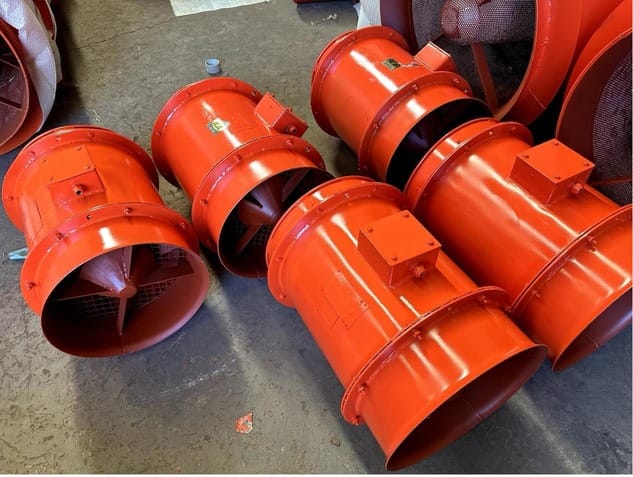
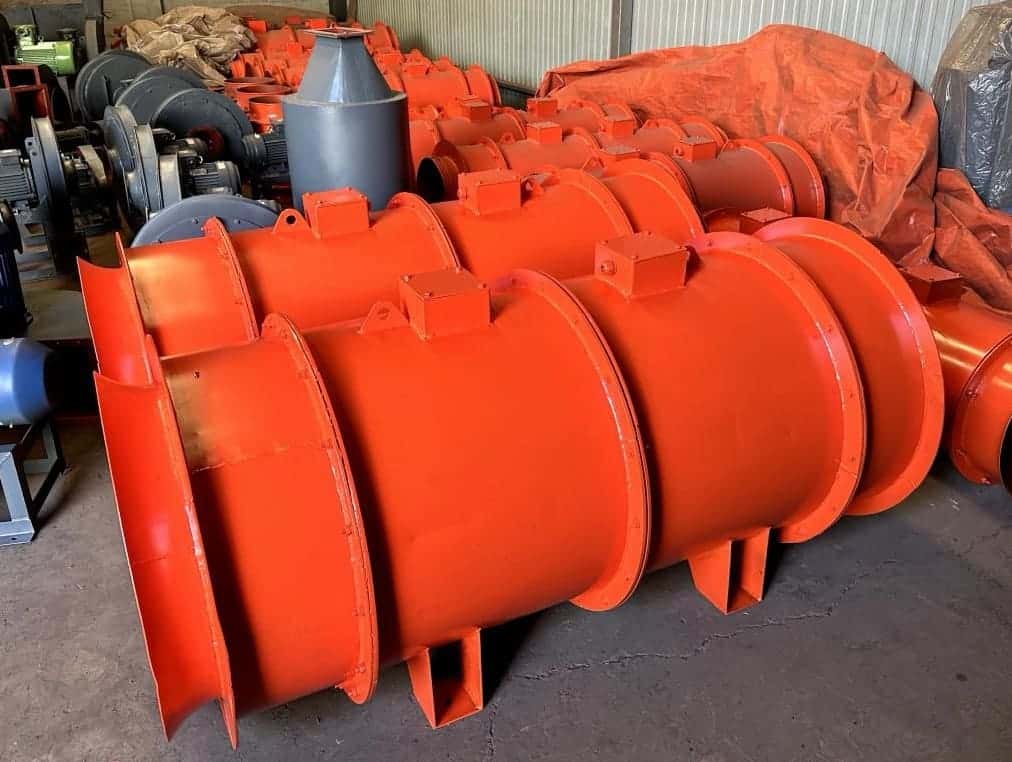

The minimum requirement for ventilation is not a single universal number. Instead, it is defined by local regulations, standards and risk assessments for each type of workplace. In offices, the requirement may be expressed as a minimum number of litres per second of fresh air per person. In factories, tunnels and mines, the requirement is often stated in terms of airflow per kilowatt of diesel power, air changes per hour, or minimum air quantity to keep dust, gases and heat below specified limits. Whatever the formula, the underlying goal is the same: provide enough ventilation to protect health and safety.
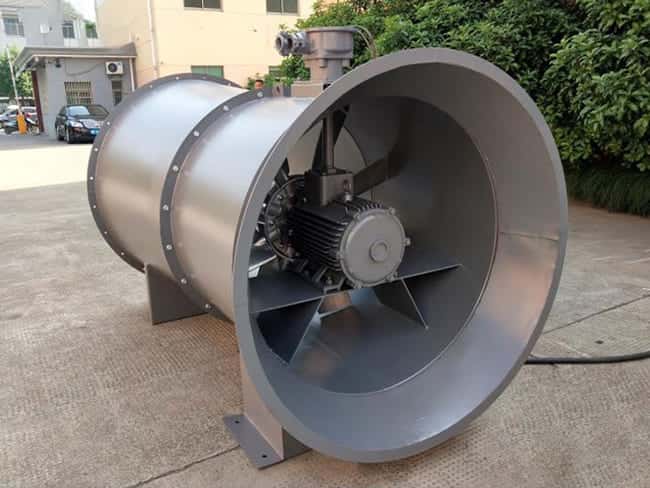
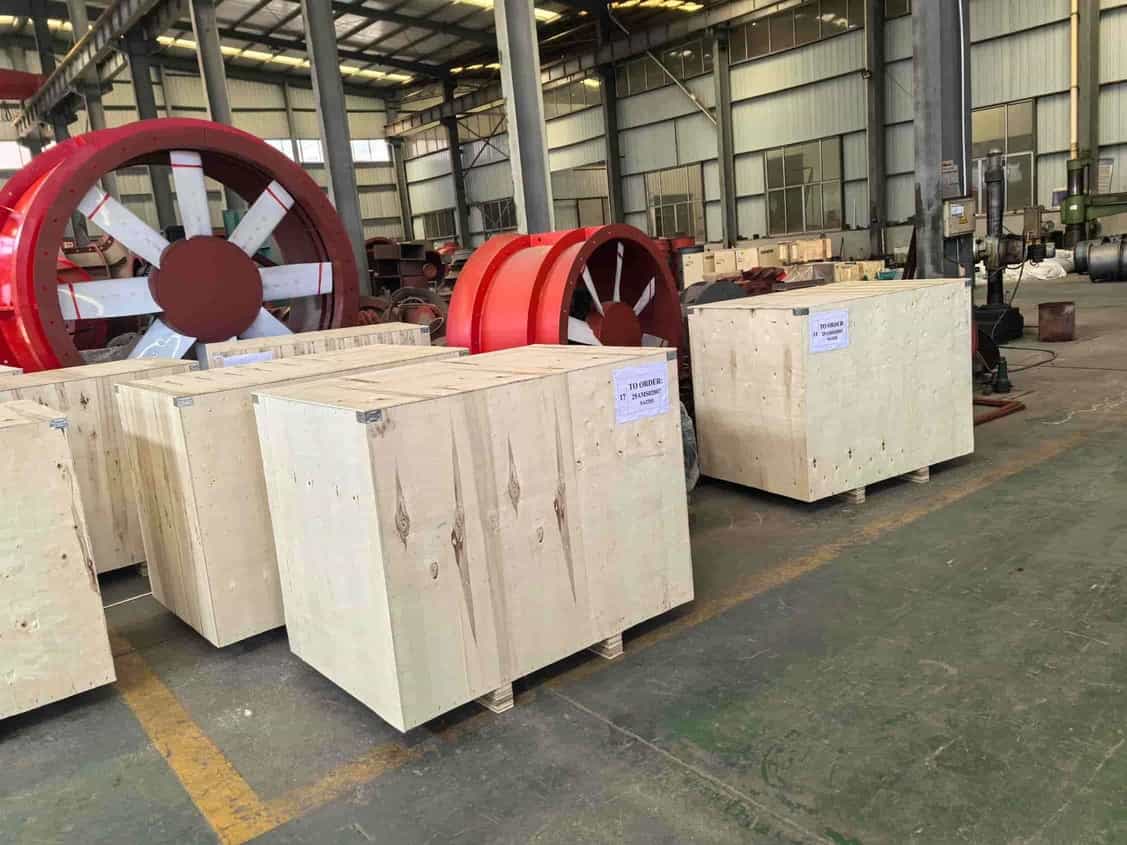
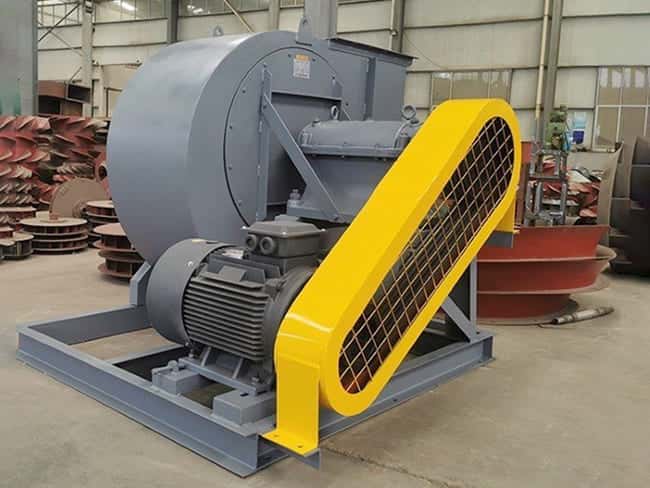
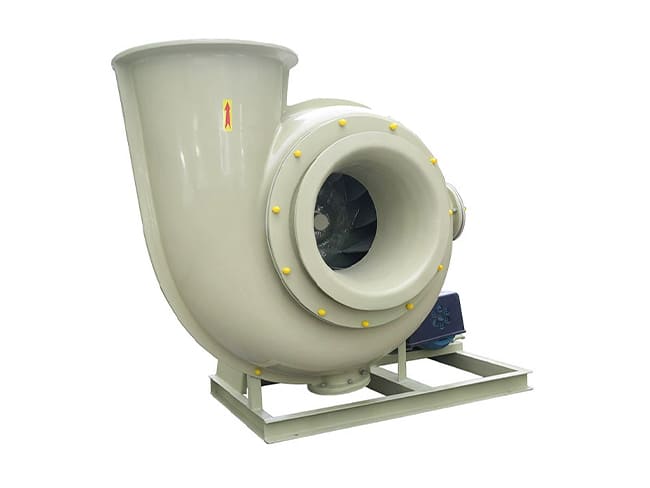
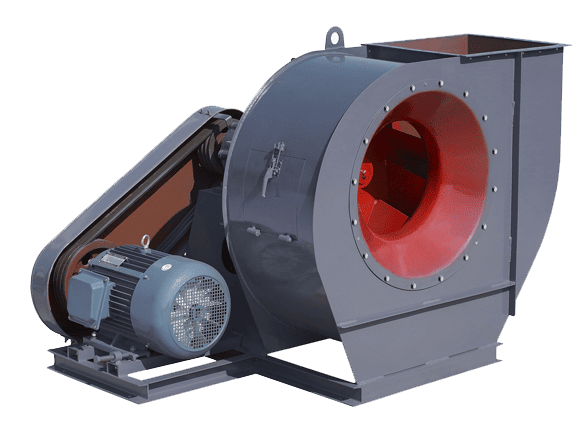
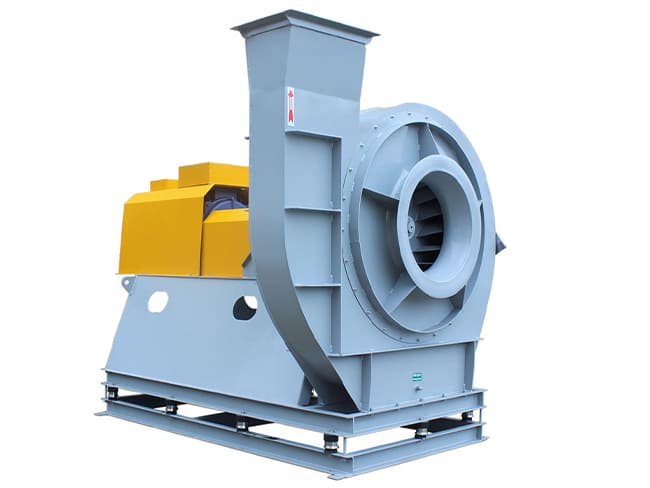
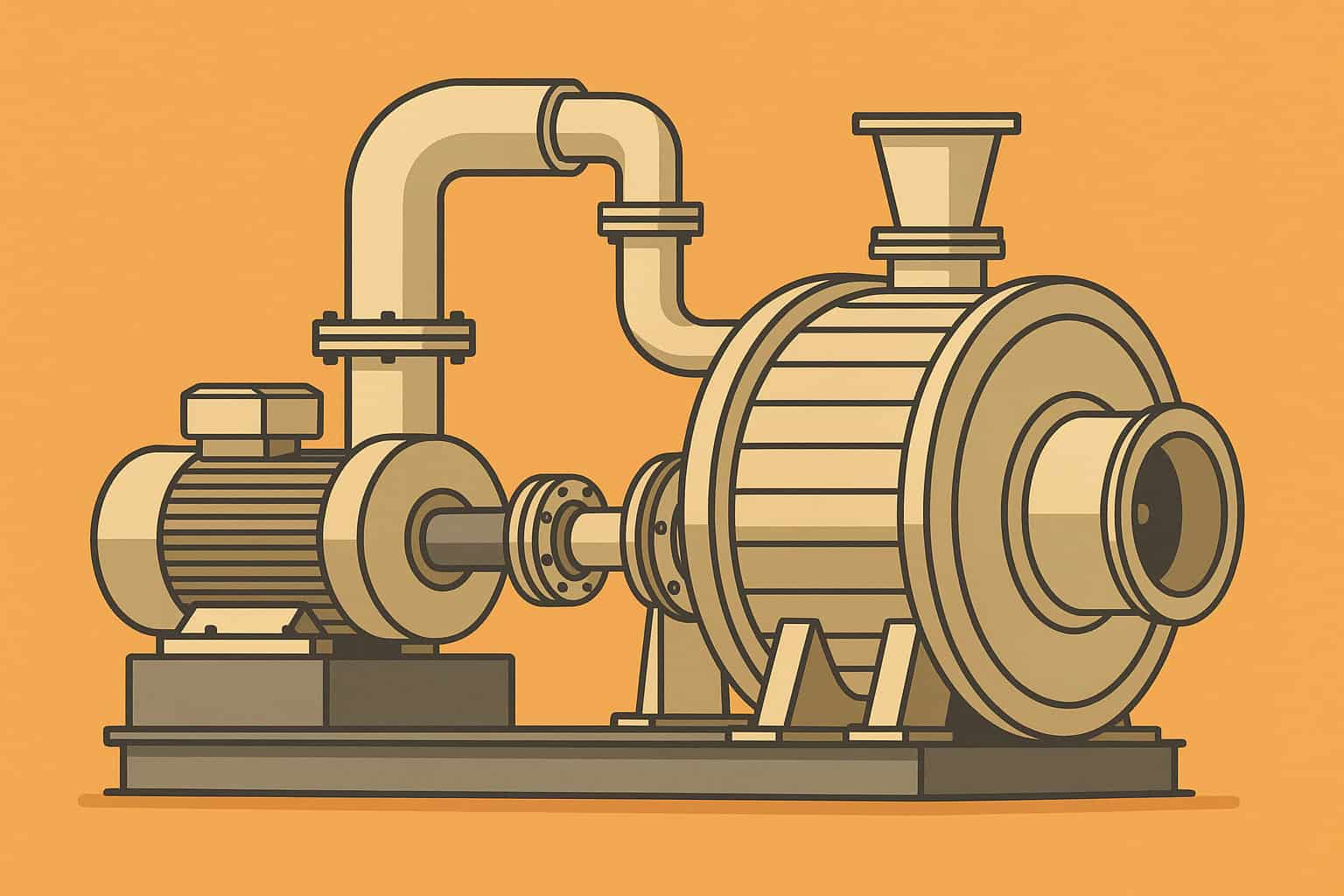
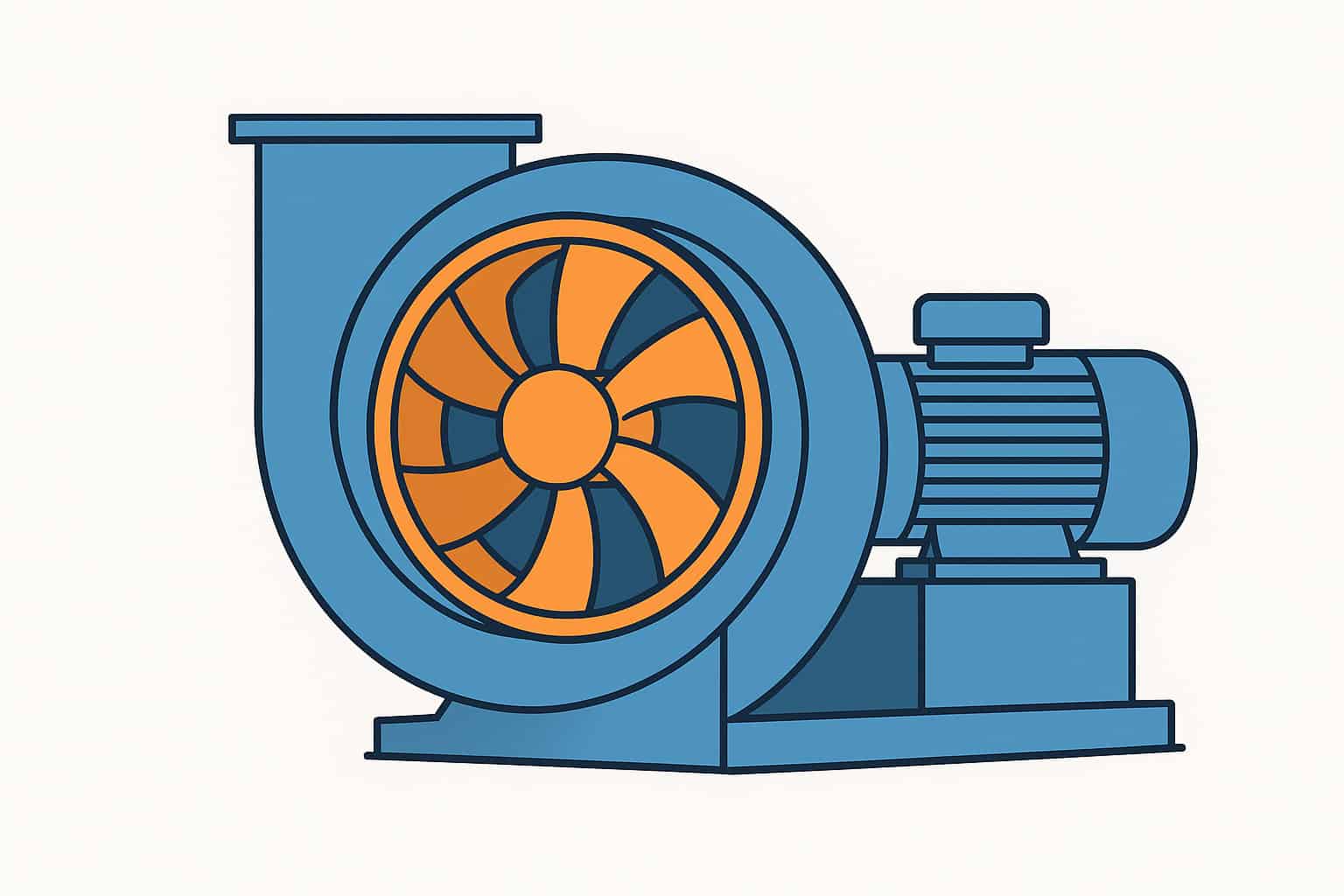
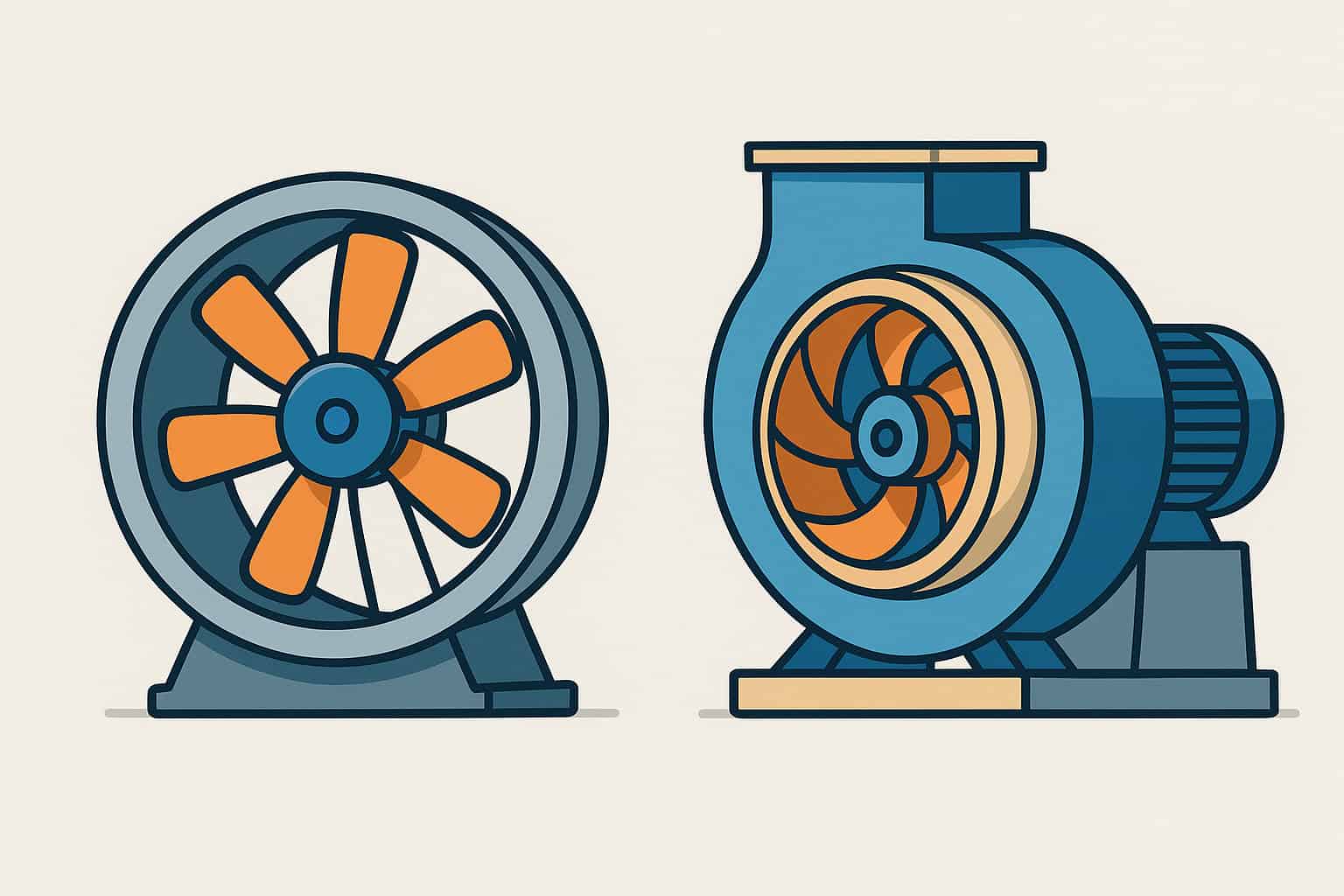
In industrial environments, minimum ventilation rates are influenced by the nature and intensity of the processes. Operations such as welding, smelting, chemical handling, abrasive blasting and bulk material handling generate significant amounts of fumes or dust. Ventilation designers must consider emission rates, applicable exposure limits and the efficiency of local exhaust systems to determine how much general ventilation air is needed. Industrial axial or centrifugal fans are then selected to meet or exceed those minimum volumes at the required pressure.
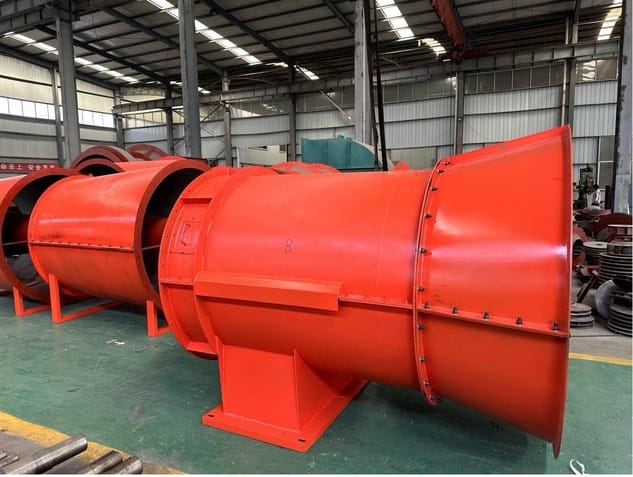
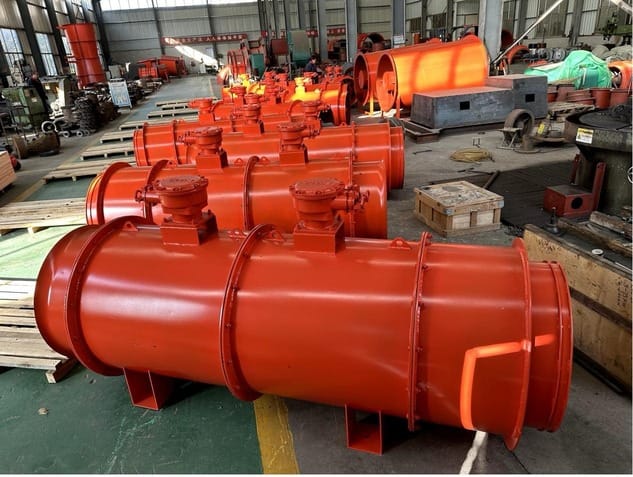
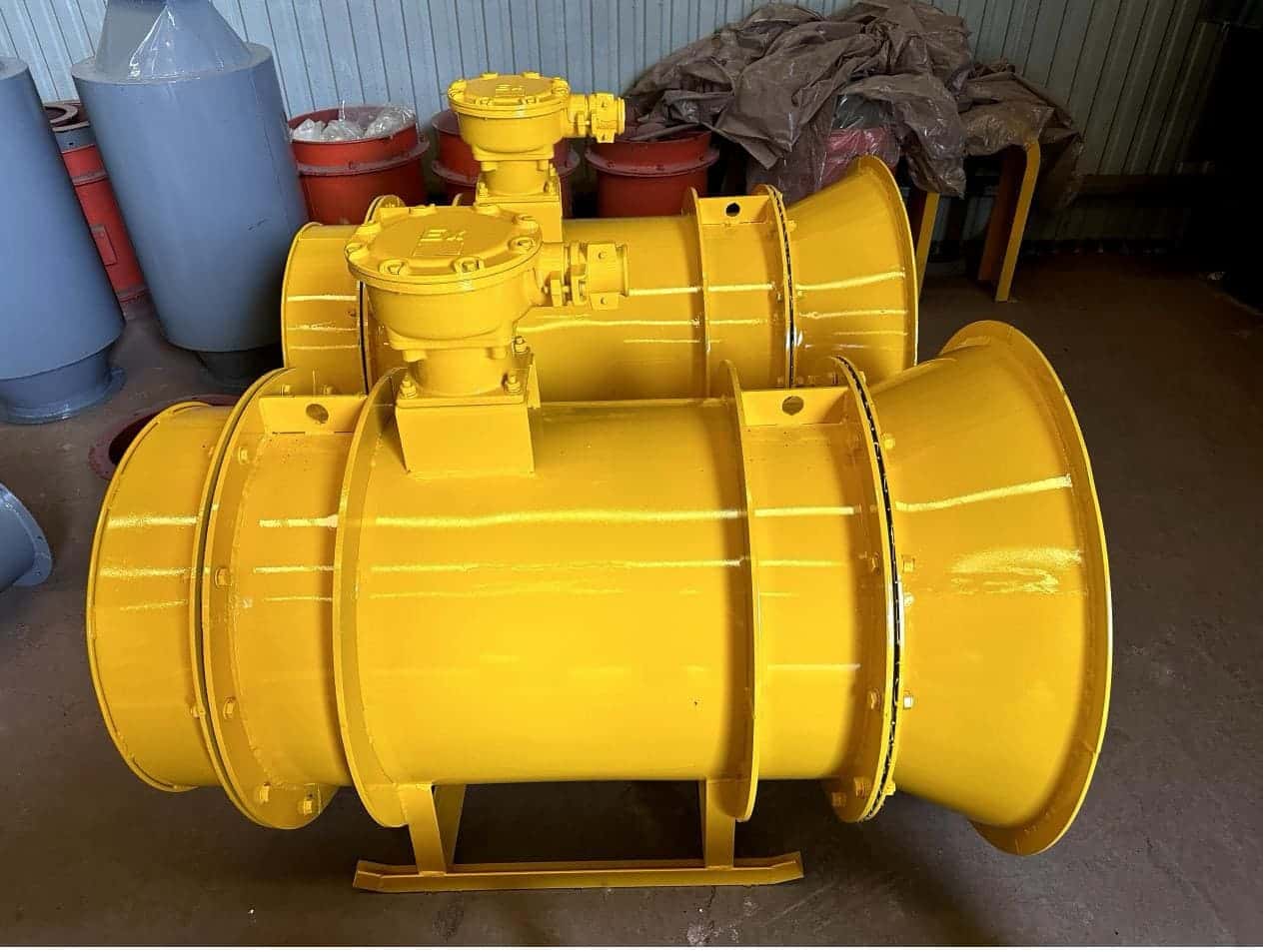
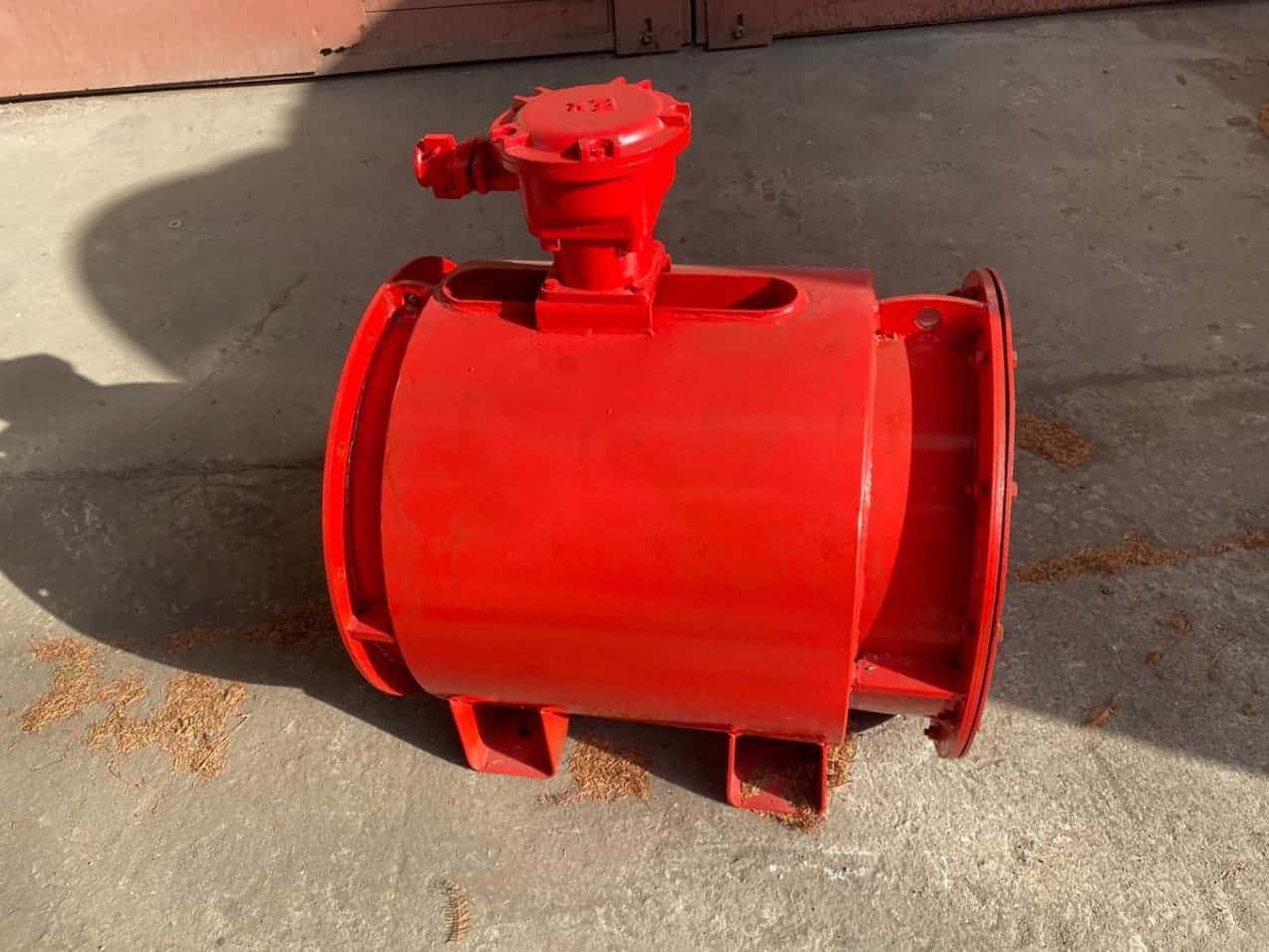
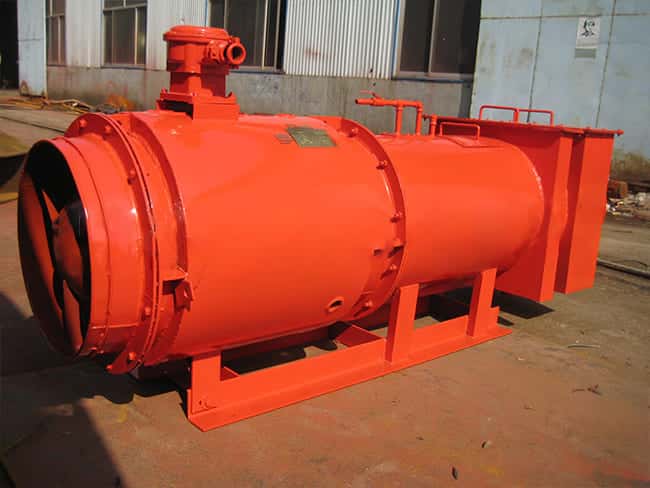
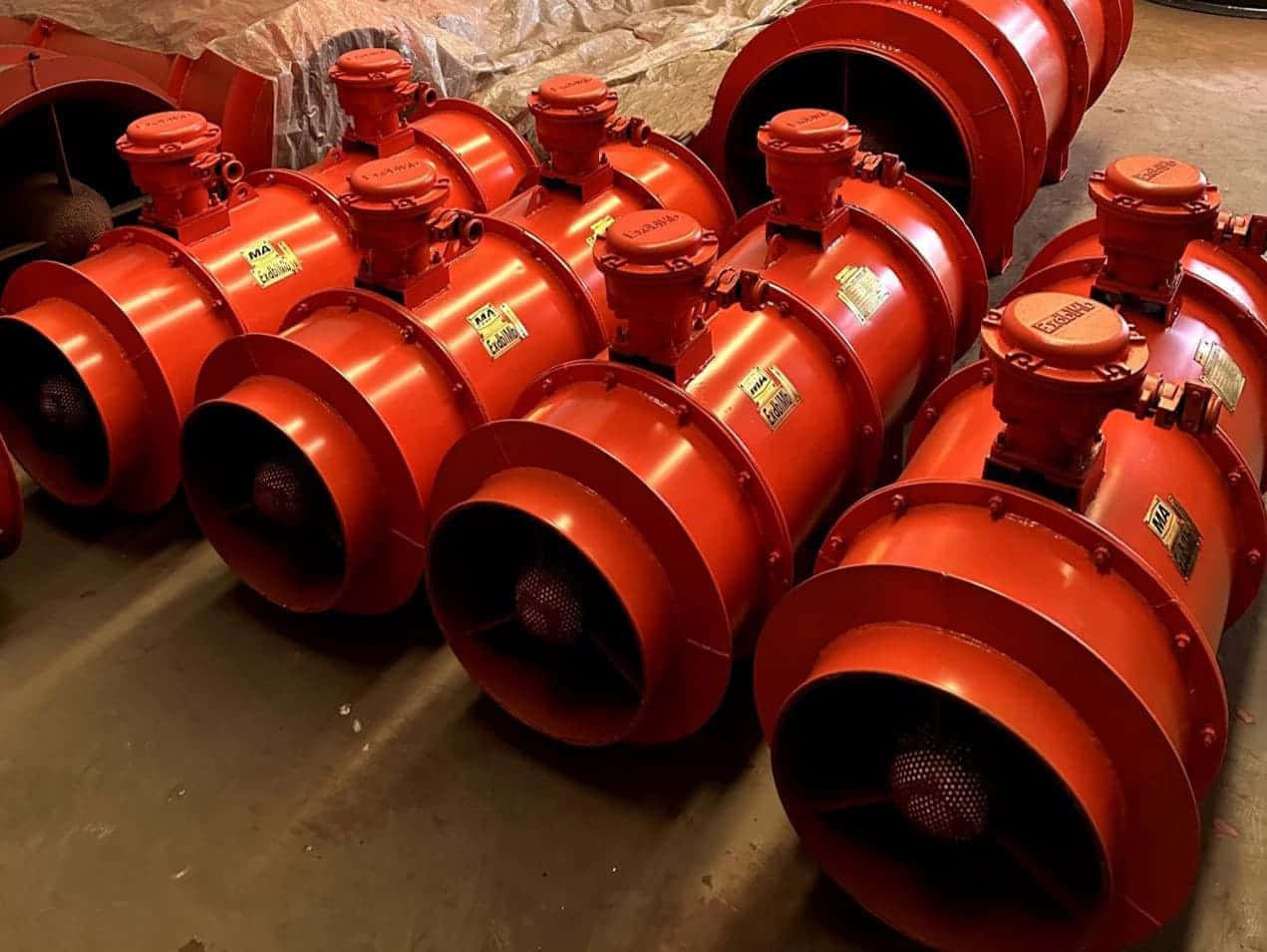
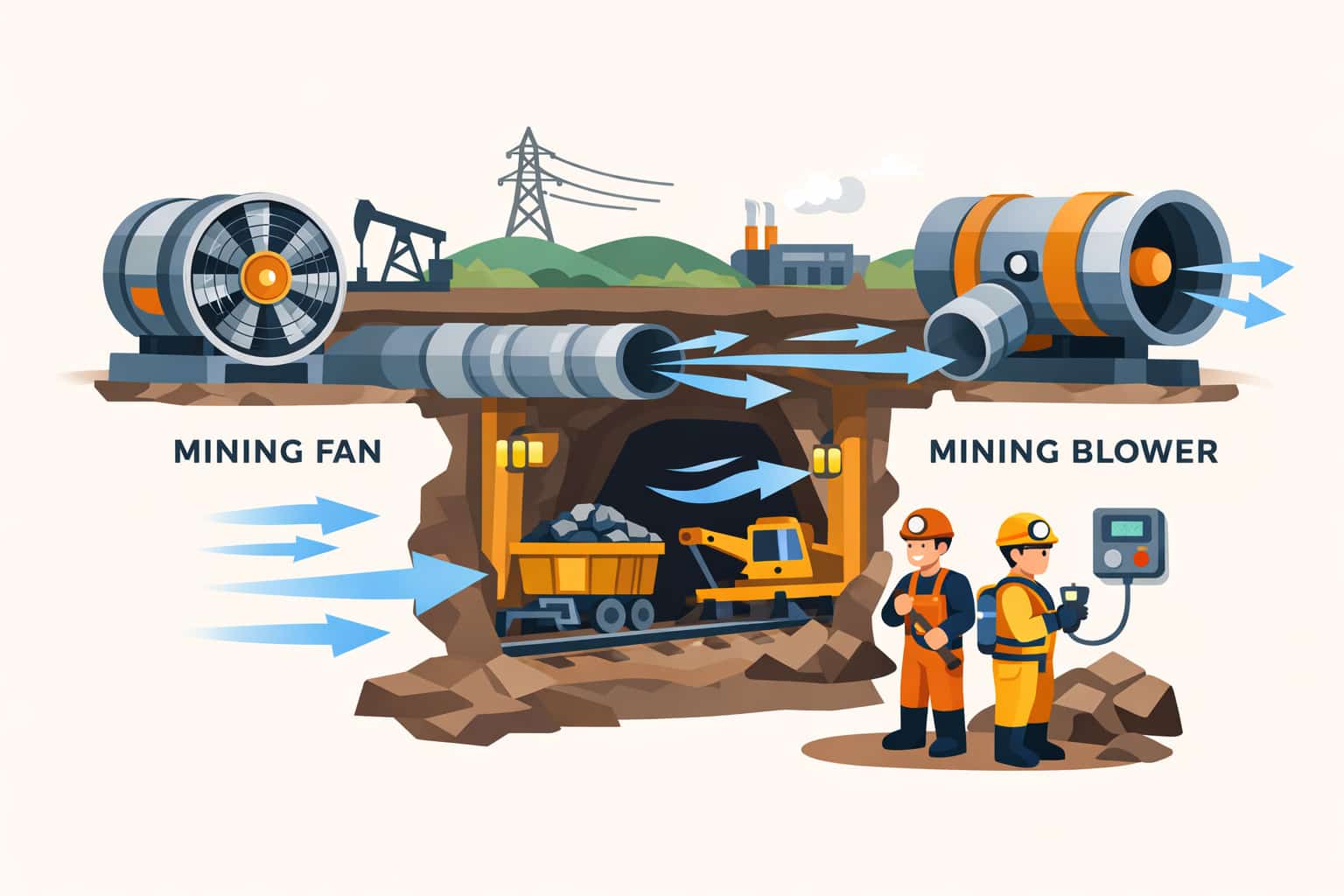
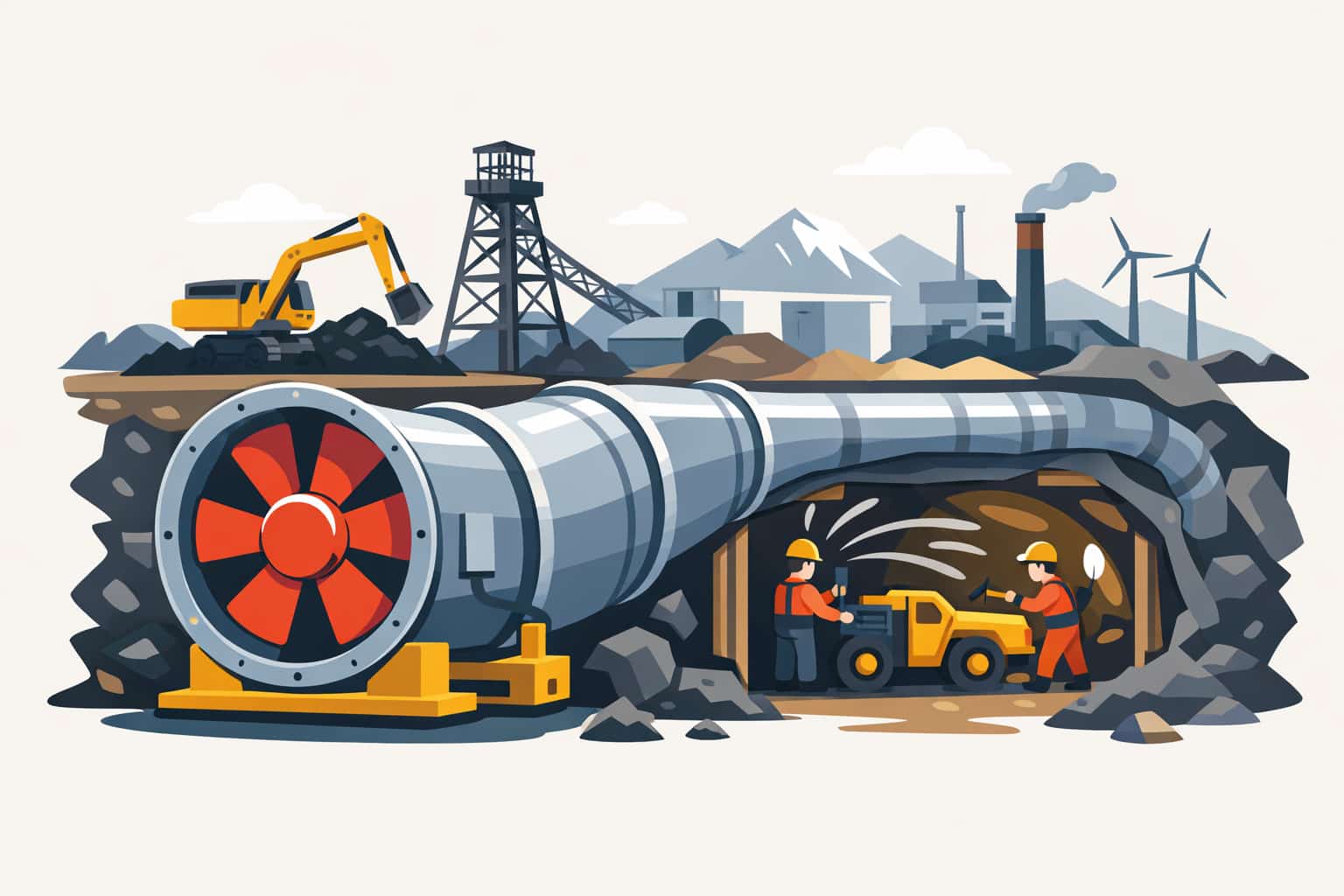
In underground mining, minimum ventilation requirements are usually set out in mining legislation and codes of practice. They may include minimum airflow per person underground, minimum airflow per unit of diesel engine power, and minimum air quantities for each district or working face. Additional requirements apply in gassy mines to ensure that methane or other explosive gases cannot build up. Mine ventilation systems using main fans, booster fans and auxiliary fans must be designed and maintained so that measured airflows always meet or exceed these legal minimums.
It is important to remember that minimum values are baseline safety levels, not design targets for comfort and efficiency. Designing a system to operate exactly at the minimum requirement leaves little margin for changes in production, clogged filters, damaged ducting or variations in natural ventilation pressure. In practice, engineers usually design for a higher airflow, then use dampers, regulators and variable-speed drives to adjust distribution and reduce energy use while maintaining a safe margin above the minimum.
Another aspect of minimum ventilation requirements is air distribution and quality. It is not enough to deliver a certain volume of air to the building or mine; the air must reach each working area, be reasonably free of contaminants and maintain acceptable temperatures. Poorly distributed airflow can leave dead zones where contaminants accumulate even if the total volume meets a numerical minimum. Correct placement of supply and exhaust fans, ducts, doors and stoppings is therefore as important as the calculated air quantity.
In summary, the minimum requirement for ventilation is set by regulations and risk assessments specific to each industry and process. Designers meet these requirements by providing enough airflow with appropriately selected fans and by ensuring that air is distributed effectively to all workplaces, with a sensible safety margin above strict minimum values.