

Providing ventilation in tunnels is necessary because tunnels are long, enclosed spaces where pollutants and heat can easily accumulate. Unlike open roads or surface railways, tunnels do not have natural cross-winds and open skies to disperse exhaust gases and smoke. Without a planned ventilation system, the concentration of carbon monoxide, nitrogen oxides, particulates and heat would quickly exceed safe levels, putting drivers, passengers and workers at serious risk.
The most basic necessity for ventilation in tunnels is to ensure safe breathing air. Vehicles and locomotives consume oxygen and emit exhaust gases. In the confined tunnel environment, these gases build up unless air is continuously renewed. Ventilation systems supply fresh air and remove used air so that oxygen levels remain sufficient and harmful gases stay below regulatory limits. This is especially critical in long tunnels where travel time is significant and in tunnels with heavy traffic or diesel-powered trains.
Ventilation in tunnels is also necessary for dust and particulate control. Road dust, brake dust, tyre wear and exhaust particulates can all affect visibility and respiratory health. In construction or mining tunnels, drilling and blasting add additional dust loads. Ventilation moves these particles away from breathing zones and towards exhaust routes, often in combination with filters or scrubbers, helping to protect both users and infrastructure from the effects of dust.
A third reason is heat removal and thermal comfort. Engines, braking systems, electrical installations and lighting generate heat, and surrounding rock can be warm, especially in deep tunnels. Without ventilation, air temperature and humidity can rise to uncomfortable or dangerous levels. Proper airflow carries heat out of the tunnel and can be combined with cooling systems to keep conditions within acceptable limits for people and equipment.
Ventilation is particularly necessary for fire and smoke safety. In a tunnel fire, smoke and hot gases spread rapidly along the confined space. The ventilation system must be able to create controlled airflow patterns that direct smoke away from evacuation routes and towards exhaust shafts or portals. This provides clearer paths for people to escape and better conditions for firefighters. Regulations in most countries require that tunnel ventilation systems be designed and tested specifically for these emergency functions.
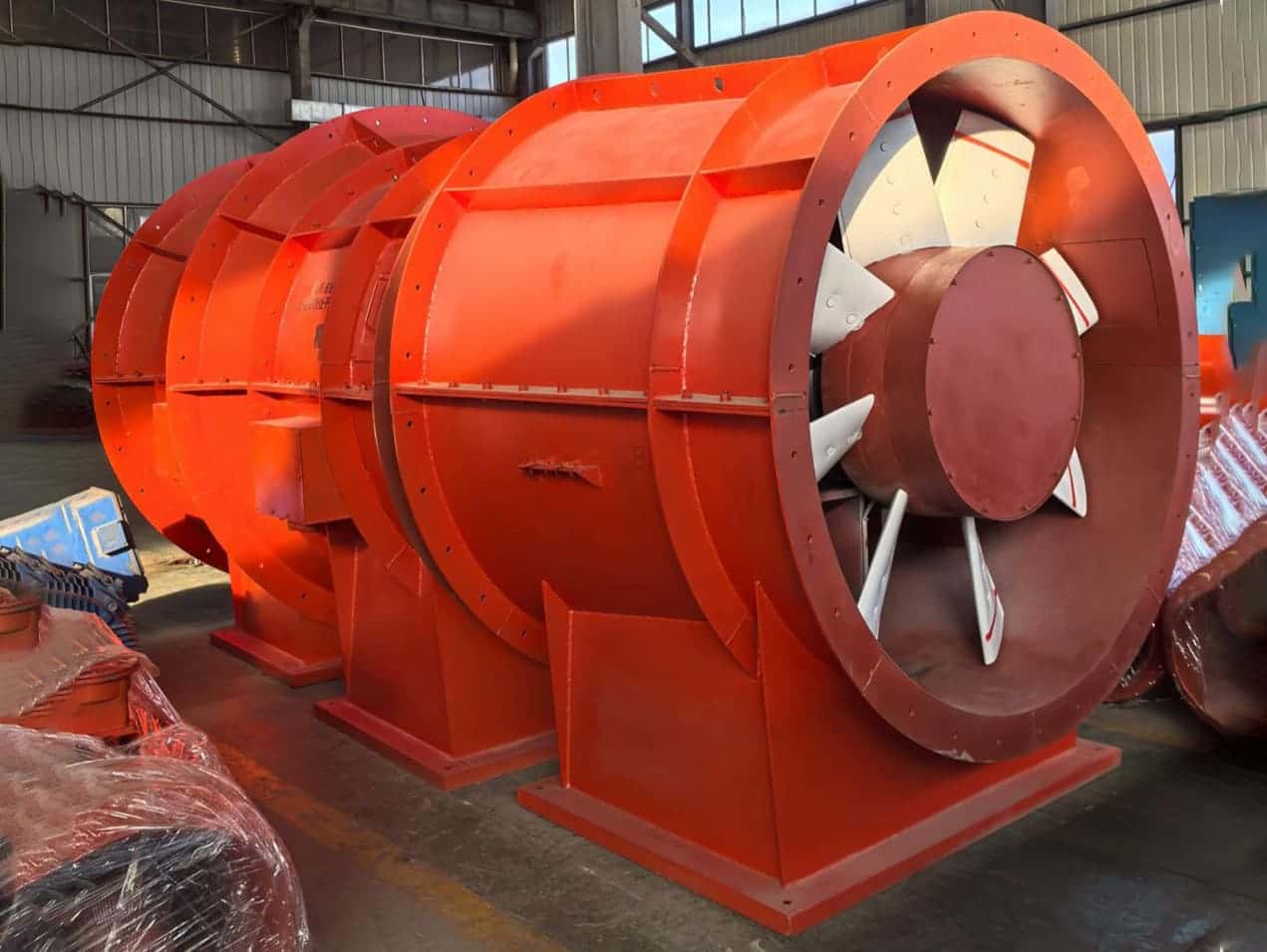
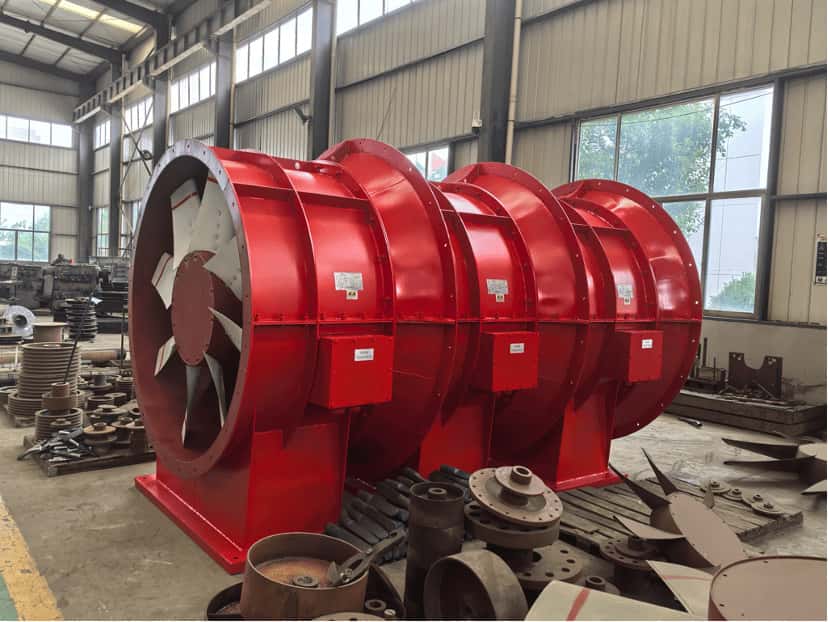
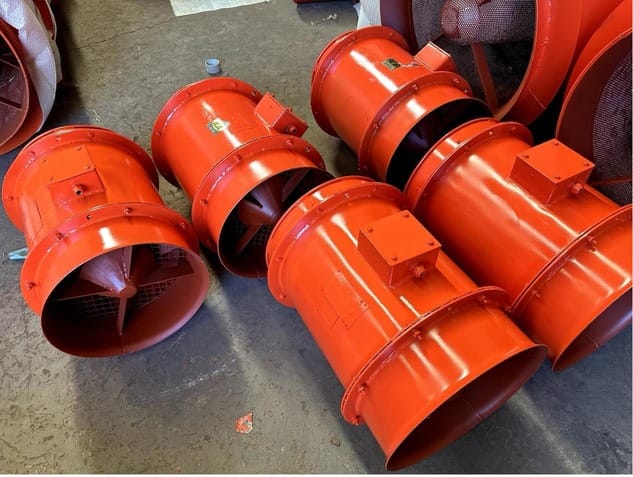
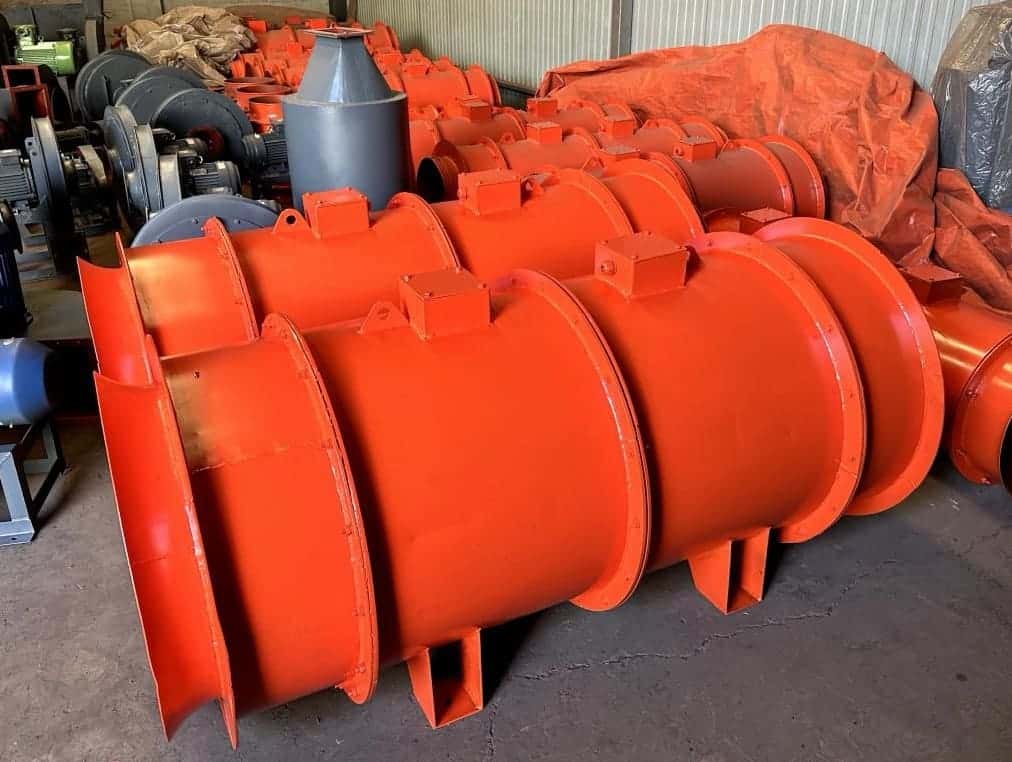
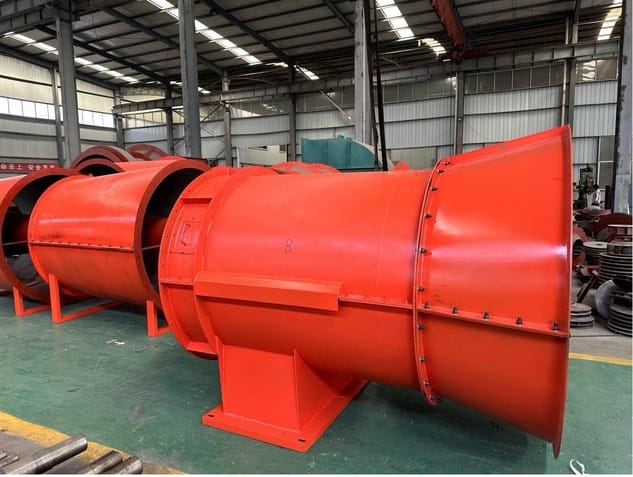
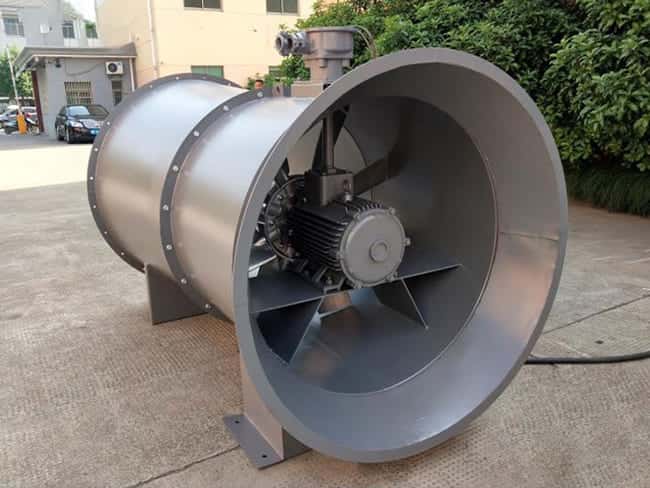
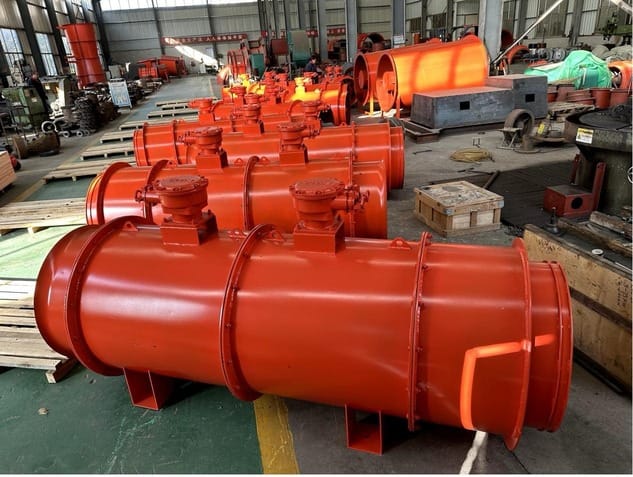
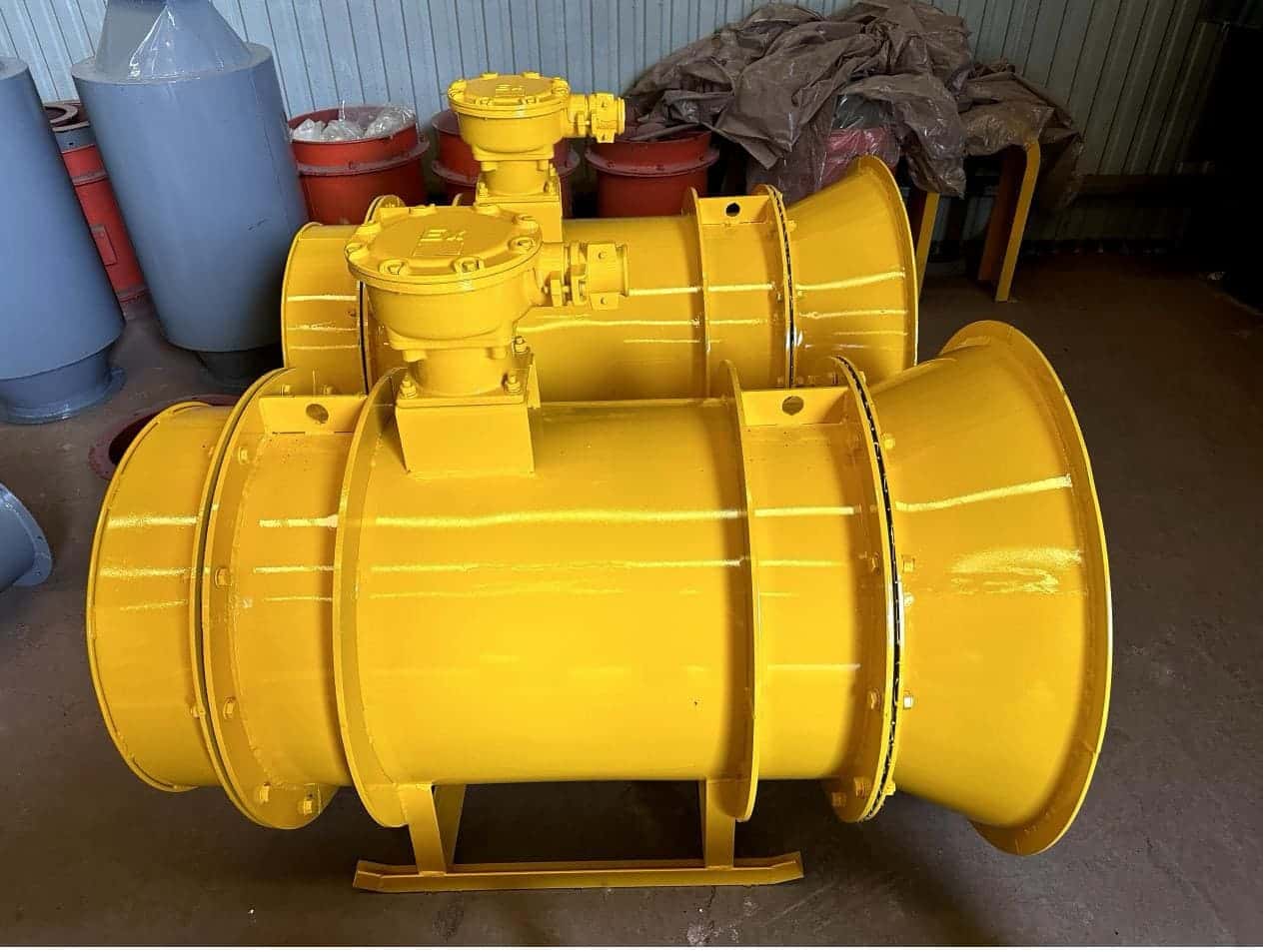
From a regulatory and design standpoint, providing tunnel ventilation is necessary to comply with safety standards. Authorities set limits for gas concentrations, visibility, temperature and evacuation times in tunnels. Meeting these standards requires engineered ventilation solutions using tunnel fans, shafts, ducts and dampers. Designers must demonstrate, often through modelling and performance testing, that the ventilation system can maintain safe conditions under both normal and worst-case scenarios.
In summary, ventilation in tunnels is necessary to provide breathable air, control dust and heat, and manage smoke in emergencies. It is a core safety requirement that turns a potentially dangerous confined space into a safe and reliable route for traffic and tunnel workers.