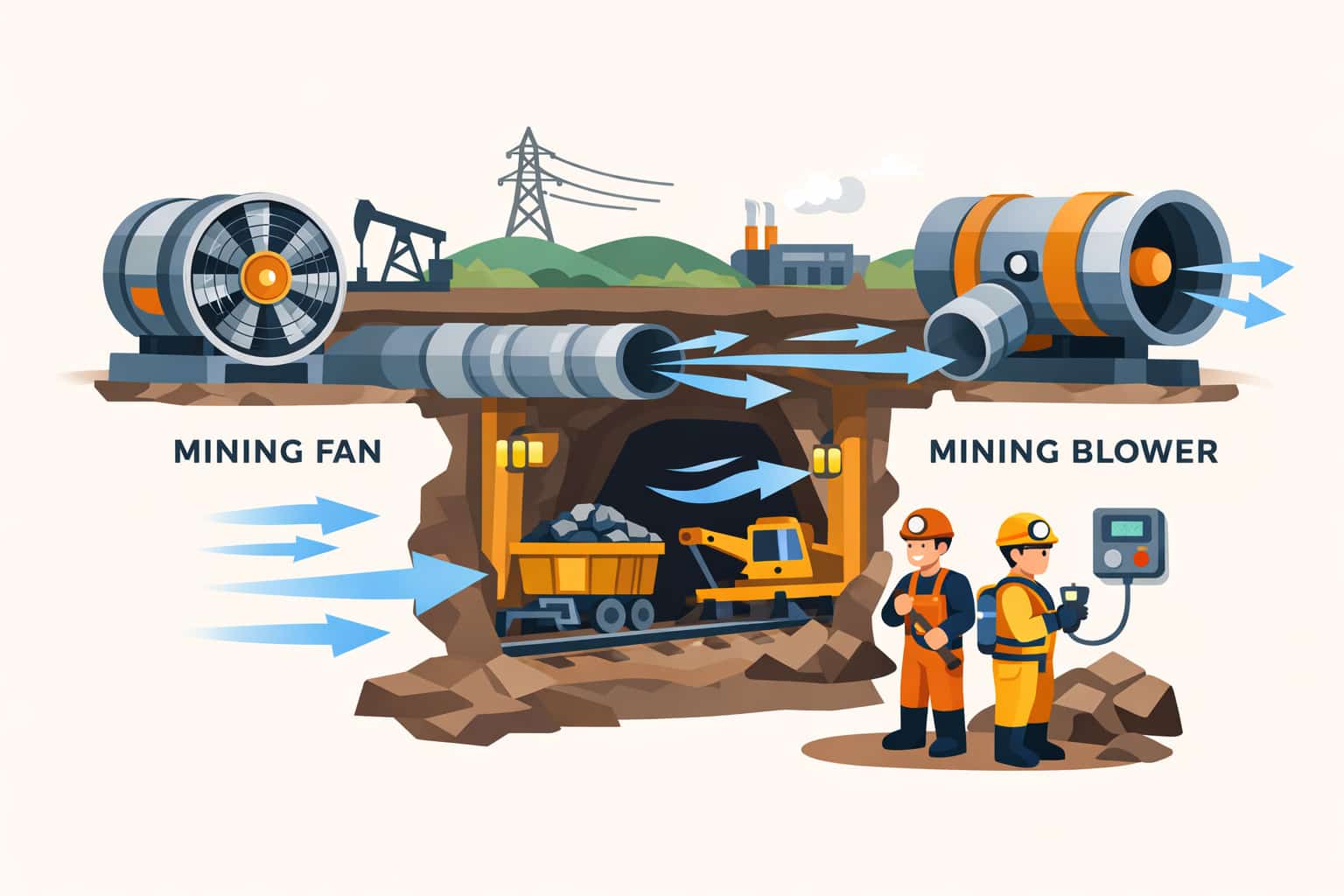
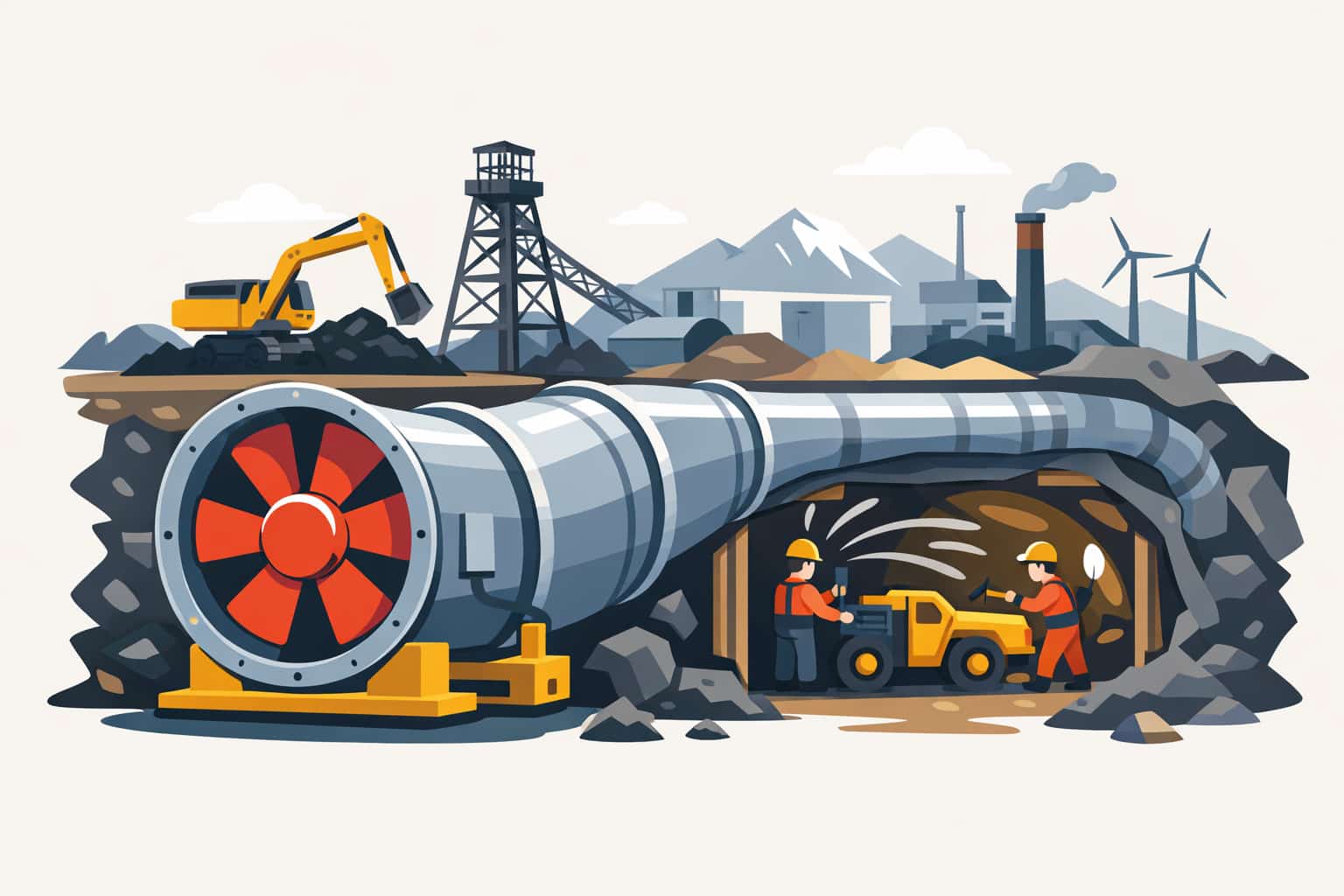
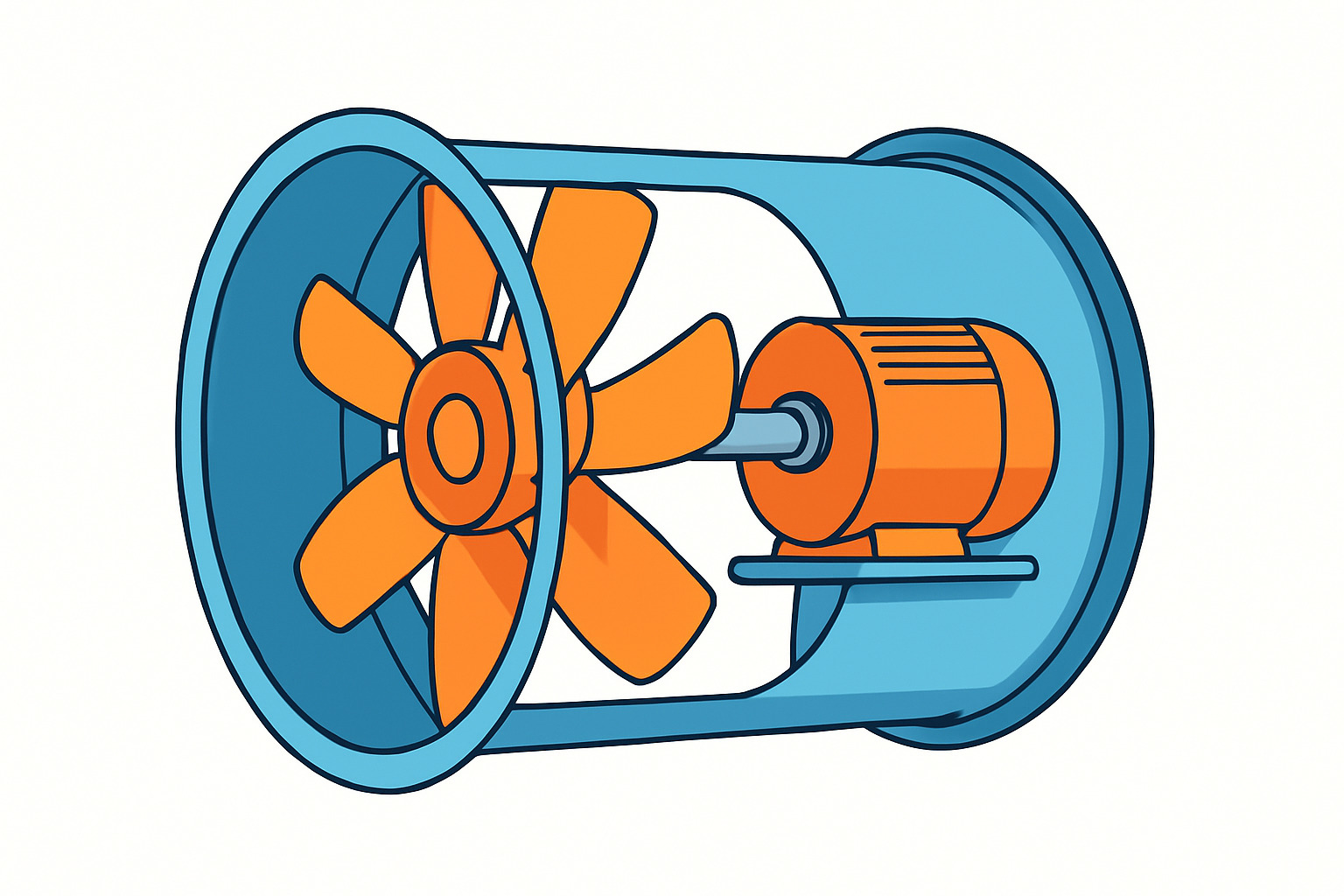
The price of a 10000 CFM tube axial fan can span a wide range, because 10000 CFM only defines the airflow, not the pressure, materials or safety features. A light-duty fan moving 10000 CFM at very low static pressure in a clean warehouse is much cheaper than a heavy-duty tube axial fan designed for underground mining or hazardous industrial exhaust at higher pressure. To understand pricing, it is useful to look at the main technical and commercial factors that influence cost.
First, the required static pressure has a major impact. A fan designed to deliver 10000 CFM against only a few millimetres of water column can use a smaller motor and simpler blade profiles than a fan that must overcome long ducts, bends and filters. Tube axial fans for short, low-resistance duct runs are relatively economical. When the same airflow is needed at higher pressures, designers may require a larger diameter, higher speed, special blade design or even a different fan type, all of which increase cost.
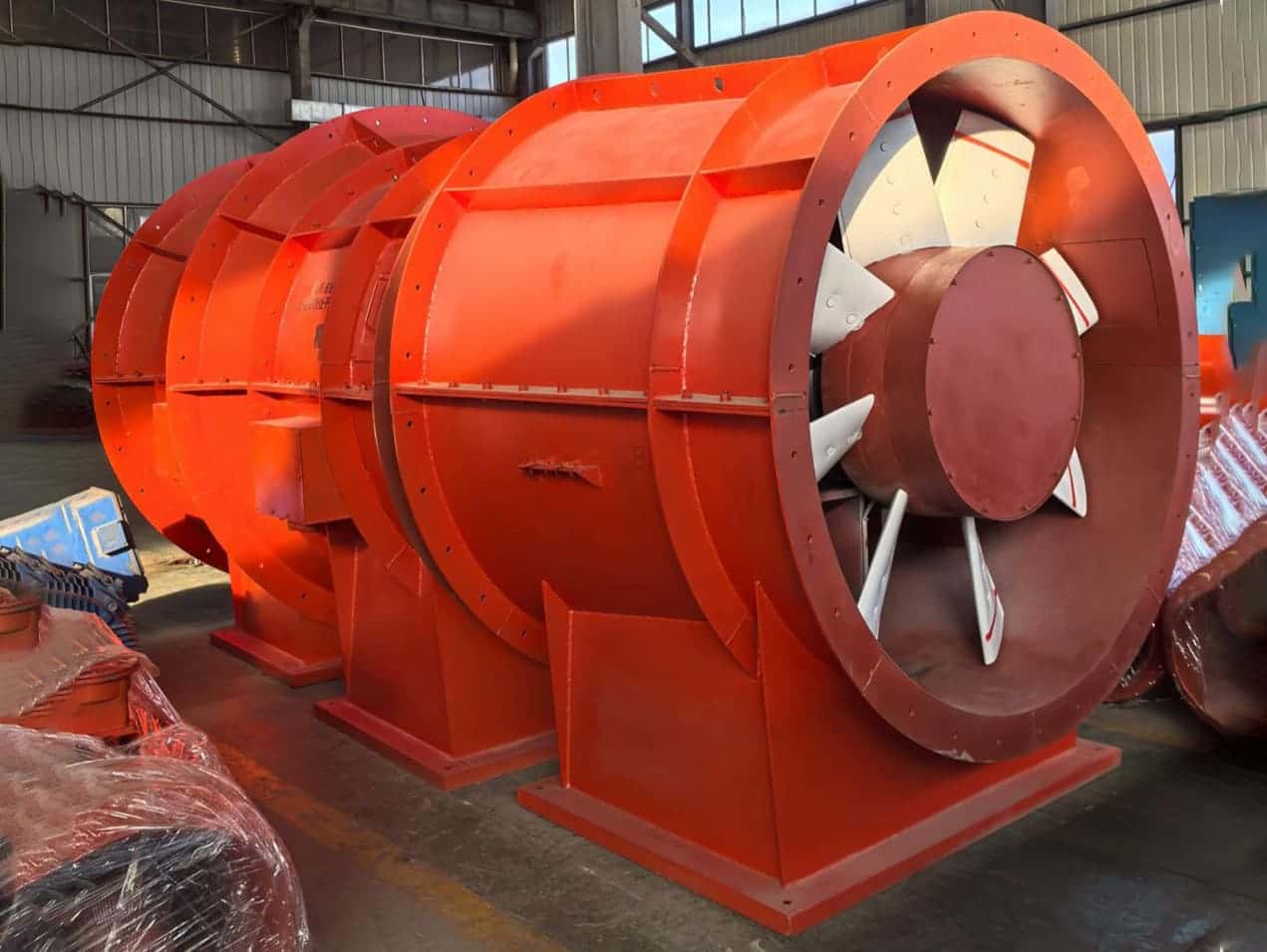
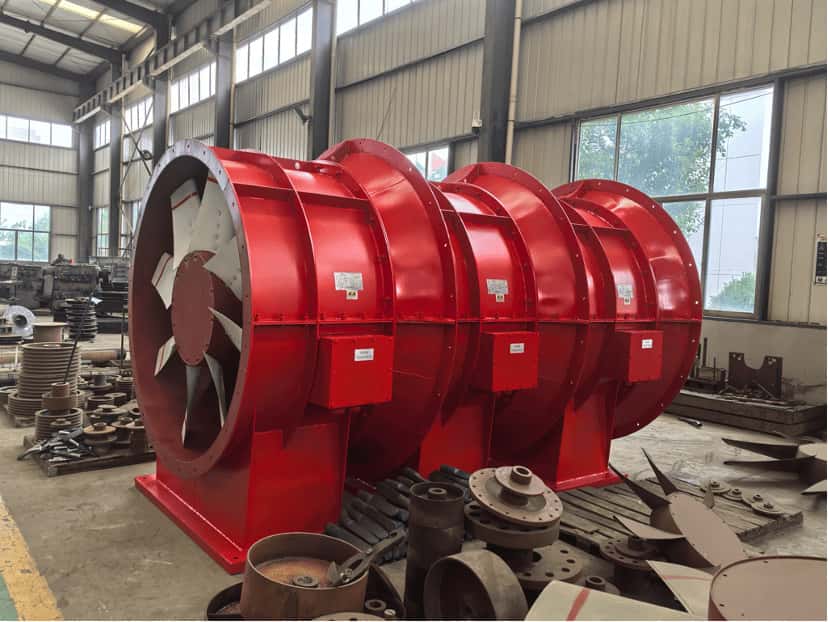
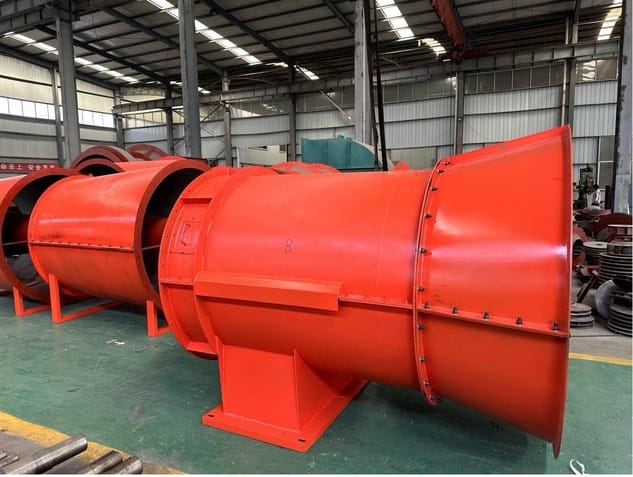
Second, construction quality and materials affect the price. Fans used in light-duty HVAC or warehouse ventilation often use thinner steel or aluminium housings and standard coatings. Industrial and mining fans are built from heavier-gauge steel with reinforced flanges, robust hubs and thicker blades to withstand vibration, dust and rough handling. If the fan will handle corrosive or coastal environments, stainless steel or high-grade protective coatings may be specified, further increasing the price.
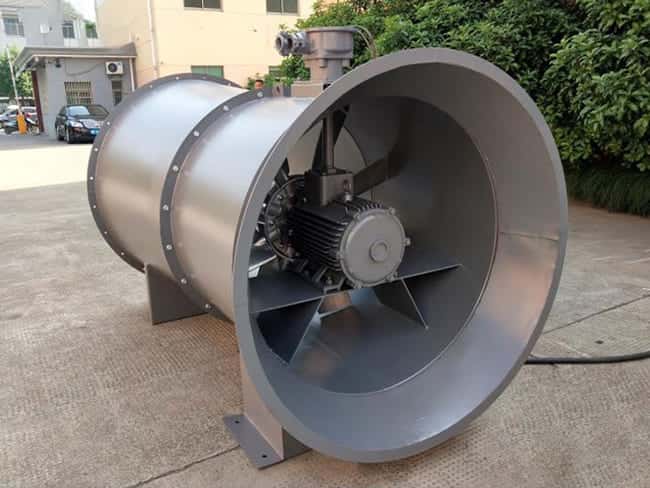
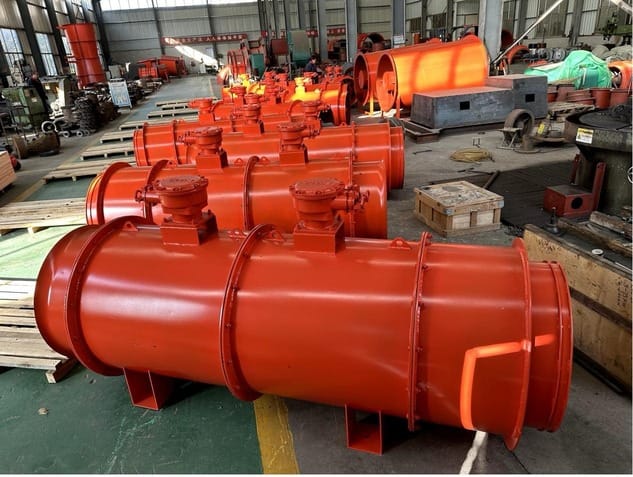
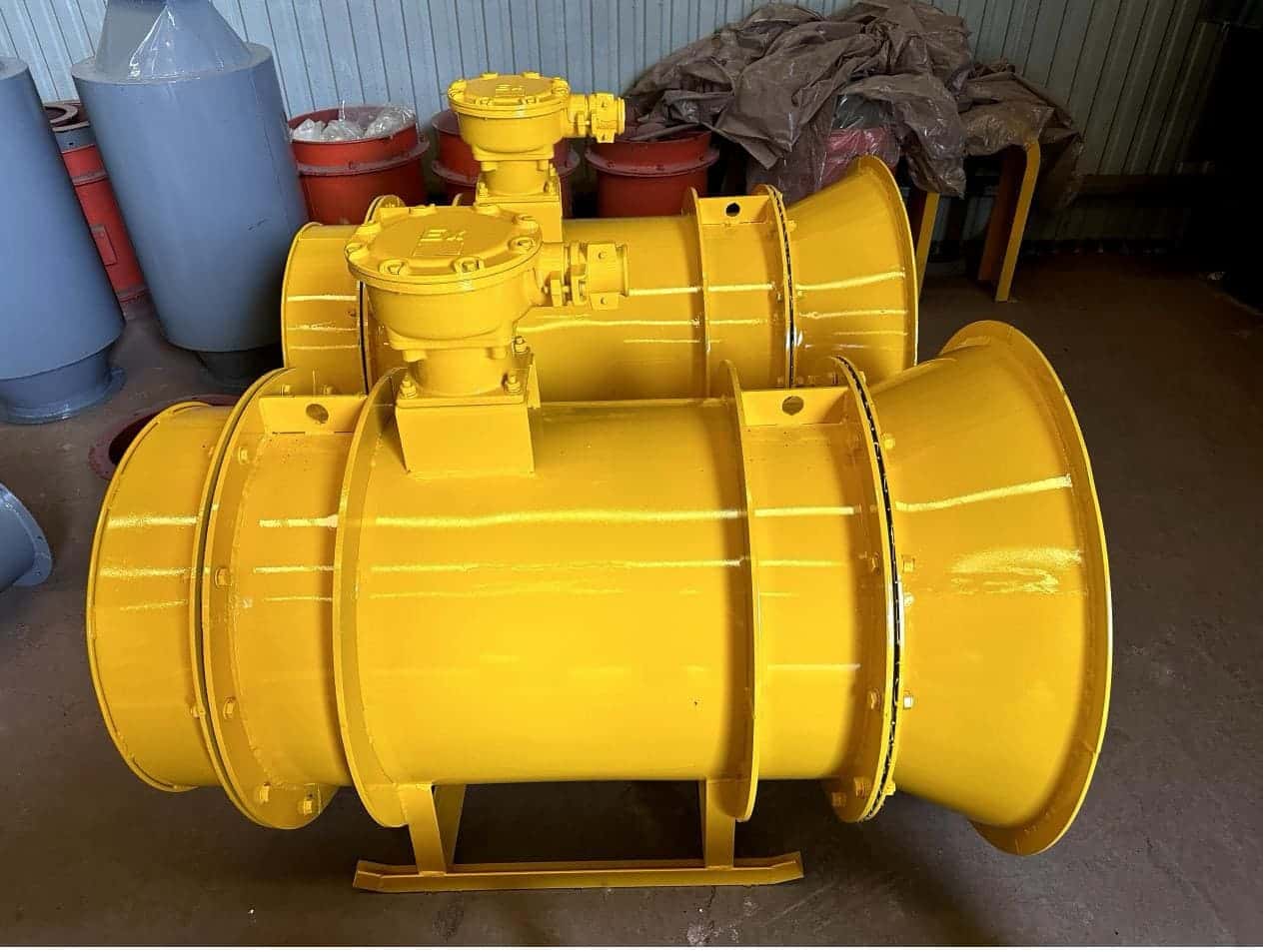
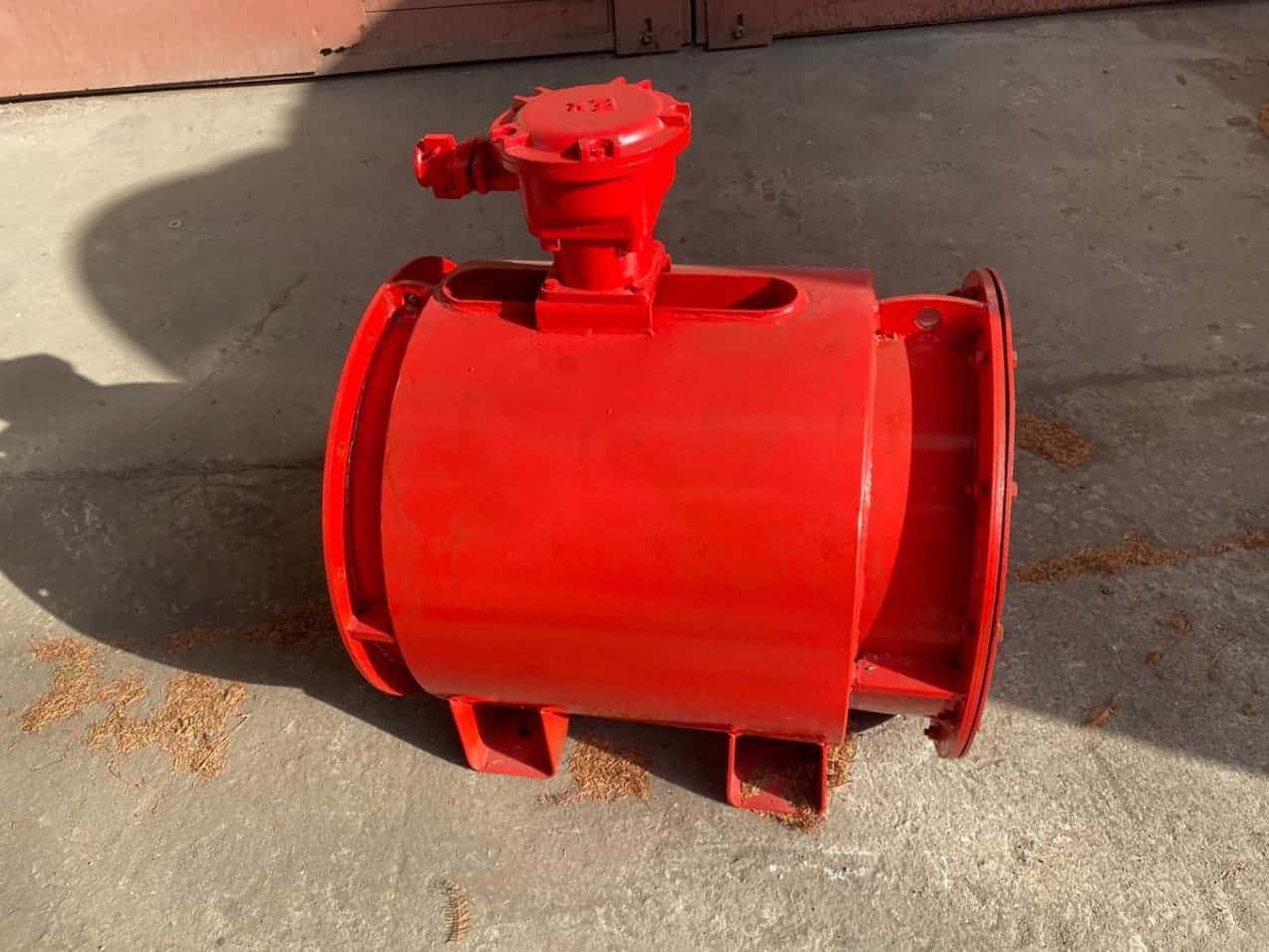
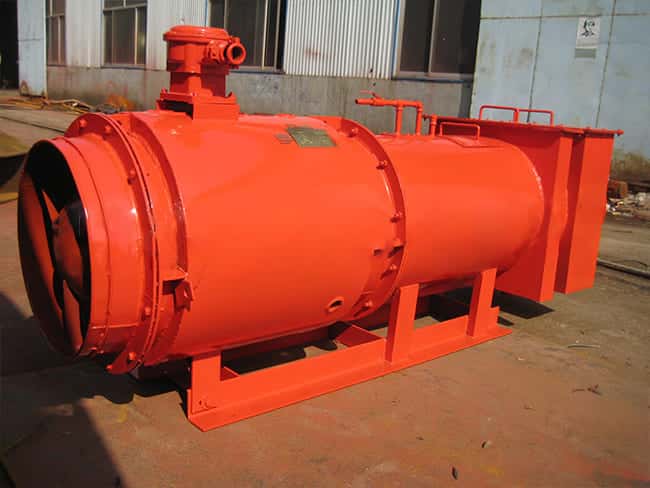
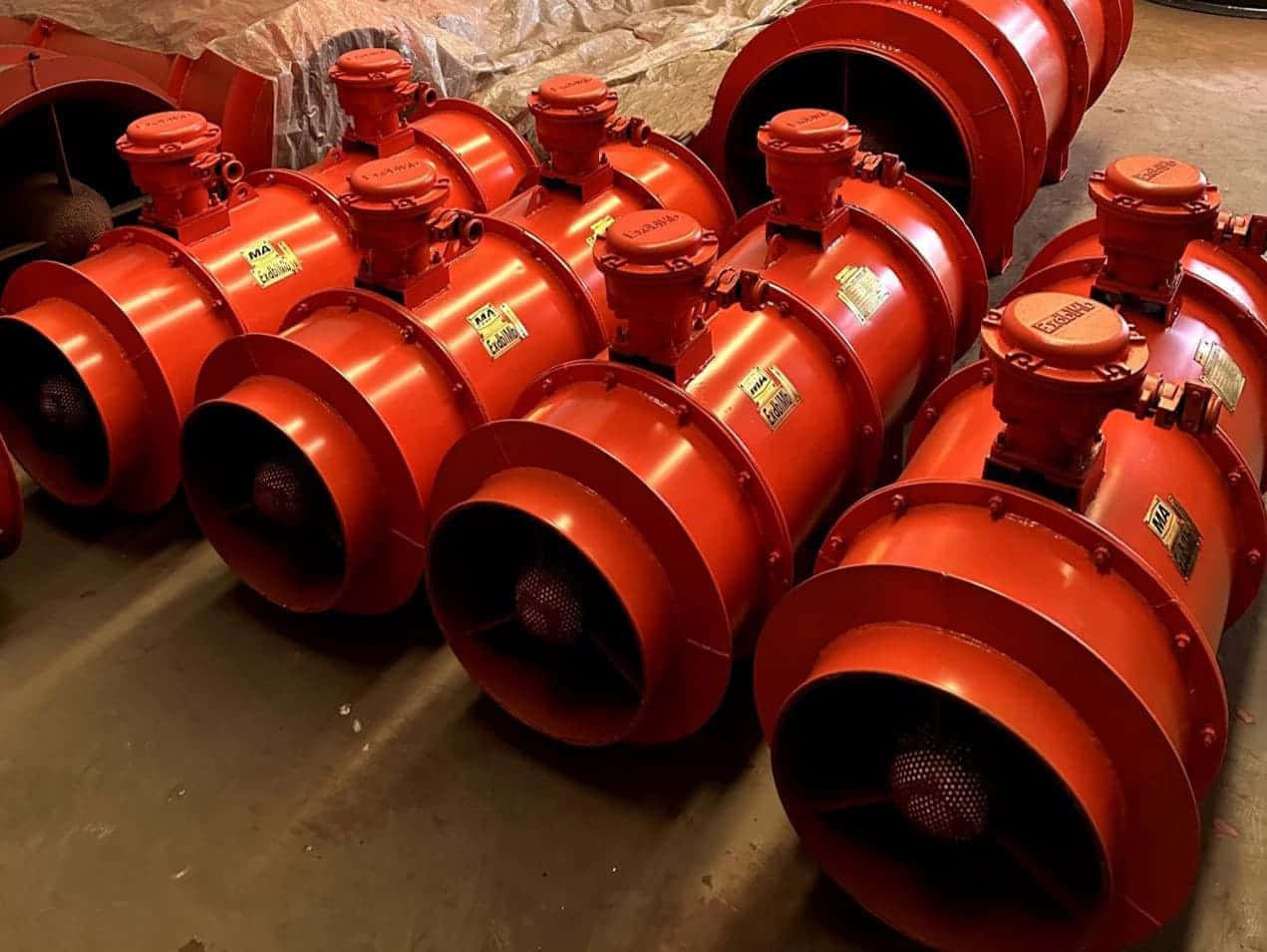
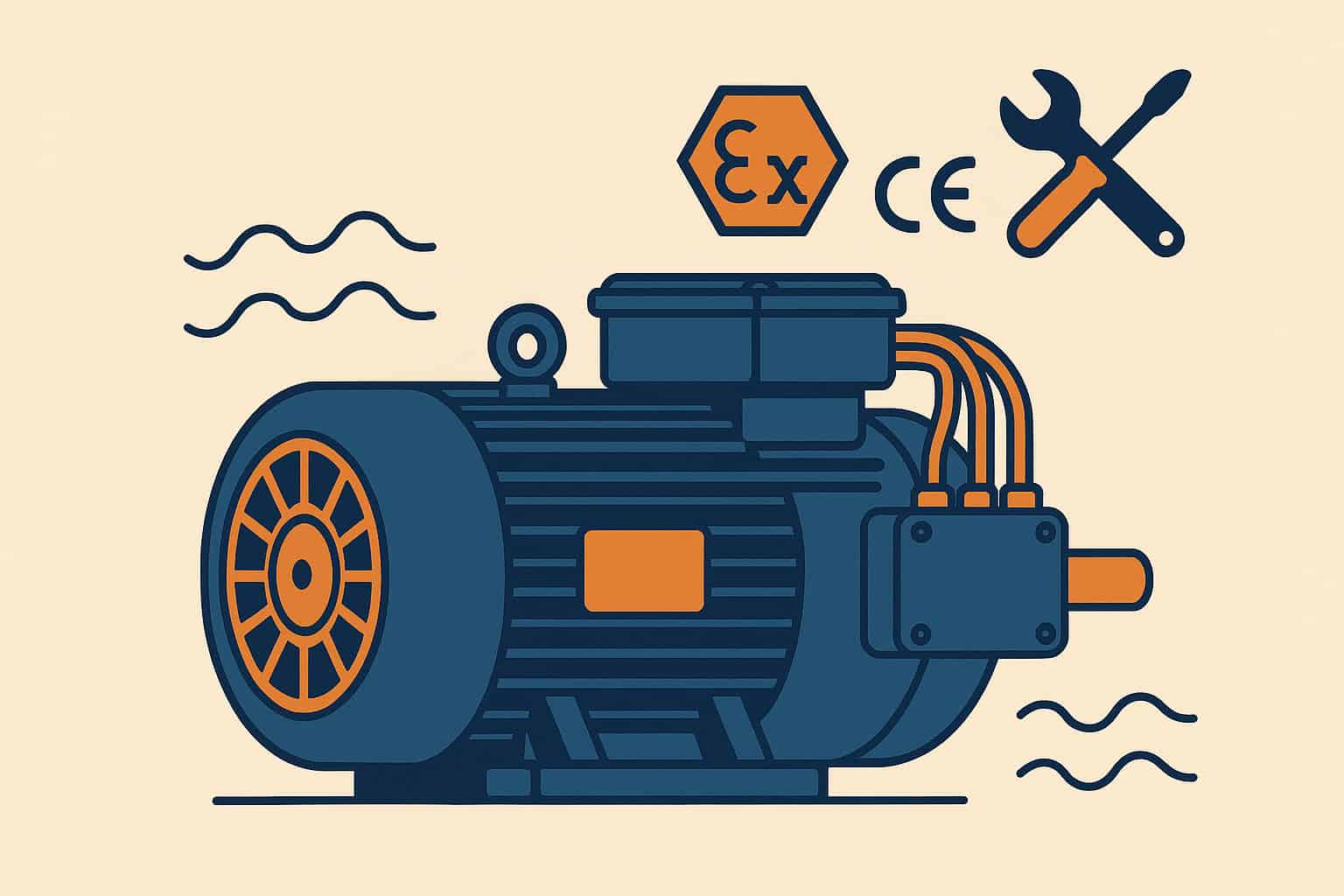
Third, the motor and safety classification matter. A standard efficiency motor in a non-hazardous area is cheaper than a high-efficiency or explosion-proof motor. In underground coal mines, chemical plants or refineries, equipment must often meet specific explosion protection standards. Tube axial fans certified for these environments require special designs, testing and documentation, which raises their cost compared with general-purpose models.
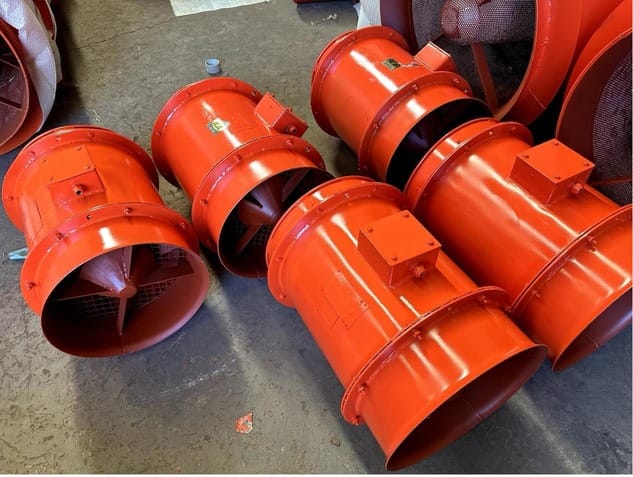
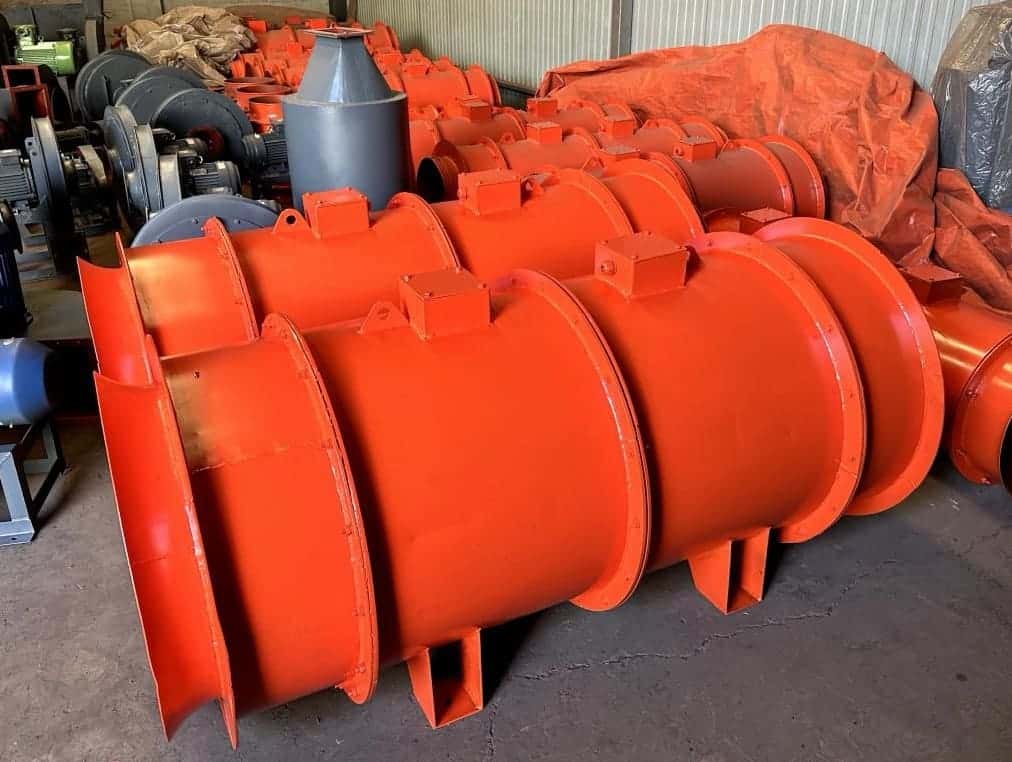
Other factors include noise requirements, accessories and controls. If the 10000 CFM fan must meet strict noise limits, it may require aerodynamic blade optimisation, thicker casings or silencers, all of which add cost. Accessories such as inlet cones, guards, mounting brackets, backdraft dampers, flexible connections and variable speed drives also contribute to the final price. A fan supplied as part of a turnkey ventilation package, including controls and installation support, will be priced differently from a bare fan only.
In summary, there is no single standard price for a 10000 CFM tube axial fan. The final cost depends on pressure rating, construction quality, materials, motor power and safety classification, as well as any noise, accessory or control requirements. Providing a clear technical specification to the fan supplier is essential to obtain realistic quotes and choose the right fan for your ventilation system.