













The price of a 5000 CFM exhaust fan can vary significantly, even though the airflow rating is the same. This is because an exhaust fan’s cost is driven not only by how much air it moves, but also by the pressure it must overcome, the environment it operates in, the construction standard and the motor and safety requirements. Light-duty commercial fans, standard industrial fans and heavy-duty mining or hazardous-area fans all occupy different price levels.
At the lower end, a commercial-grade wall or roof exhaust fan designed for warehouses, shops or small factories may move around 5000 CFM at low static pressure. These fans typically have lightweight housings, standard-efficiency motors and basic weather protection. They are suitable for exhausting warm air and light fumes where duct runs are short and the air is relatively clean. Their price is usually modest and competitive, making them a common choice for simple building ventilation.
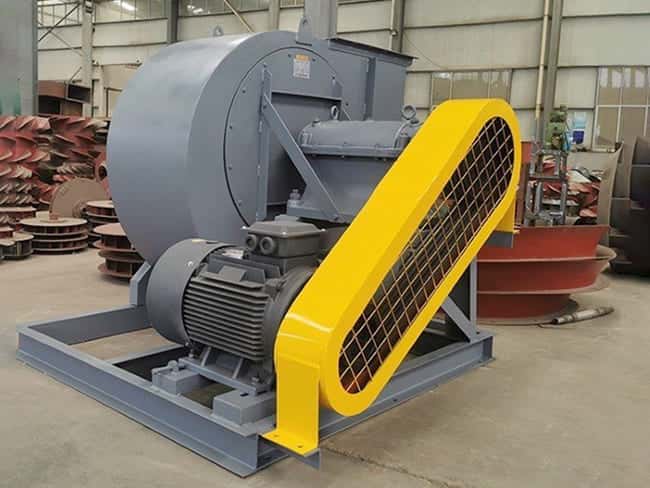
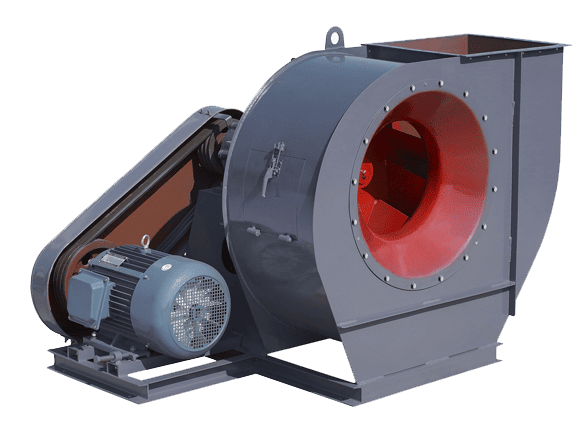
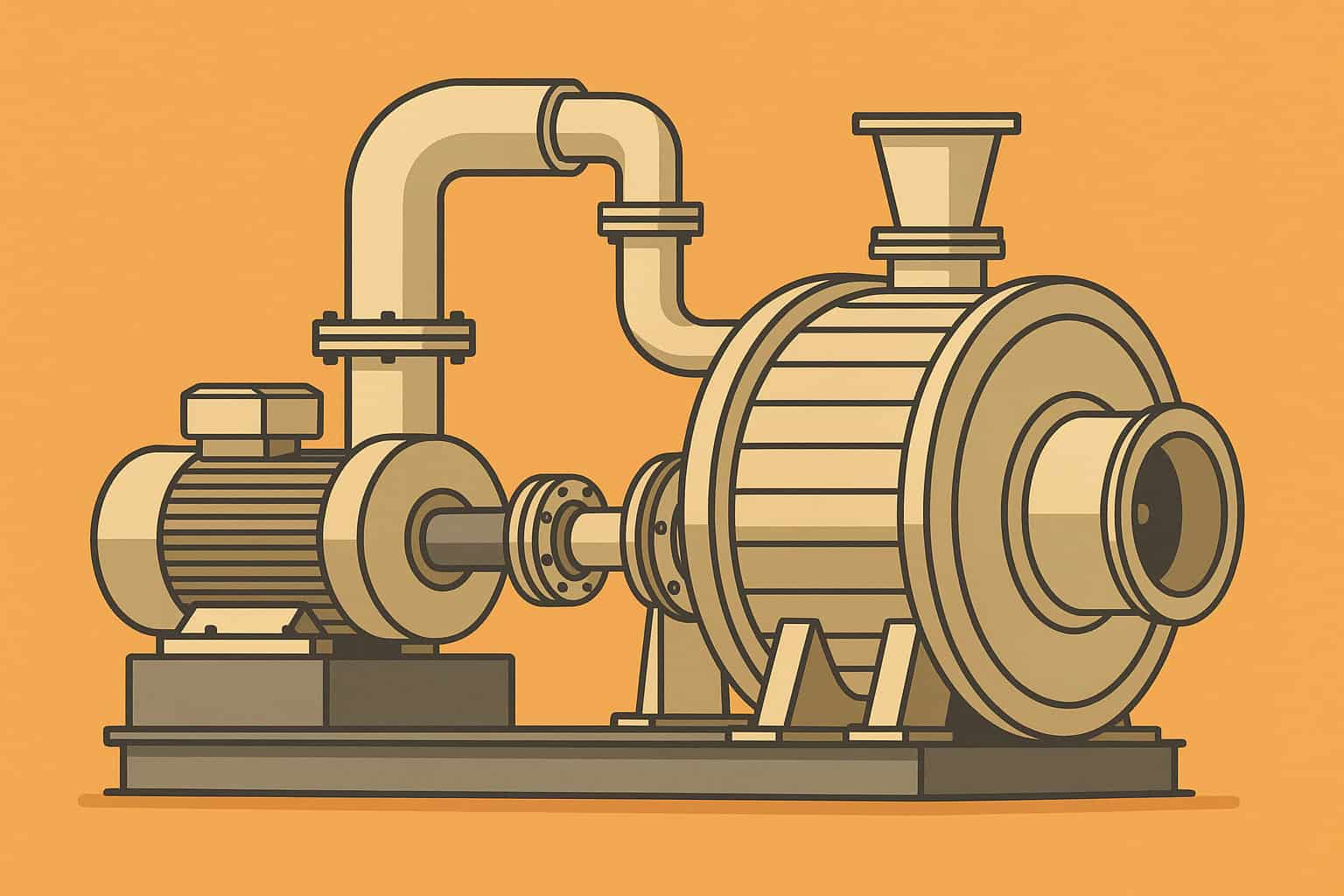
Industrial-grade exhaust fans handling 5000 CFM are usually built stronger and may be required to operate against higher static pressures, for example when connected to longer ducts, filters or local exhaust hoods. They use heavier-gauge materials, more robust hubs and bearings, and may incorporate performance features such as aerofoil blades or improved housings. These design upgrades increase reliability and efficiency, but also raise the price compared to basic commercial fans.
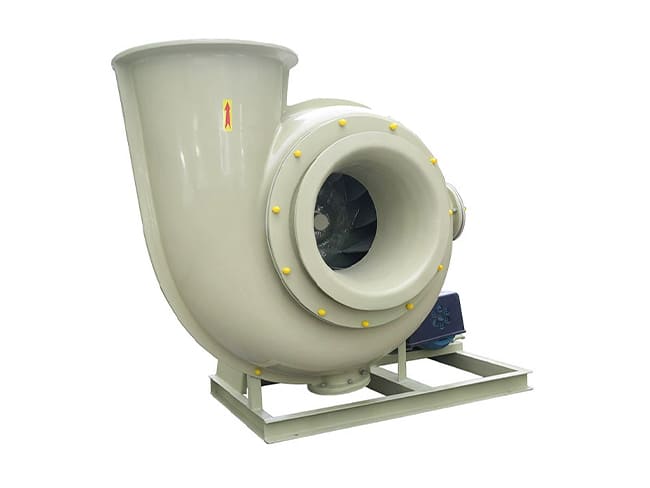
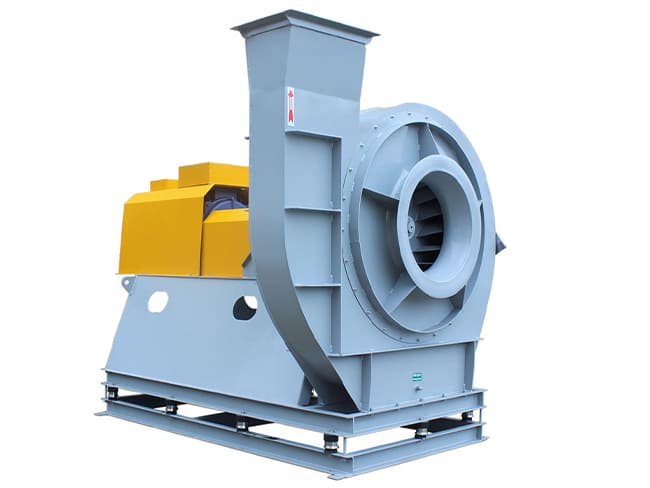
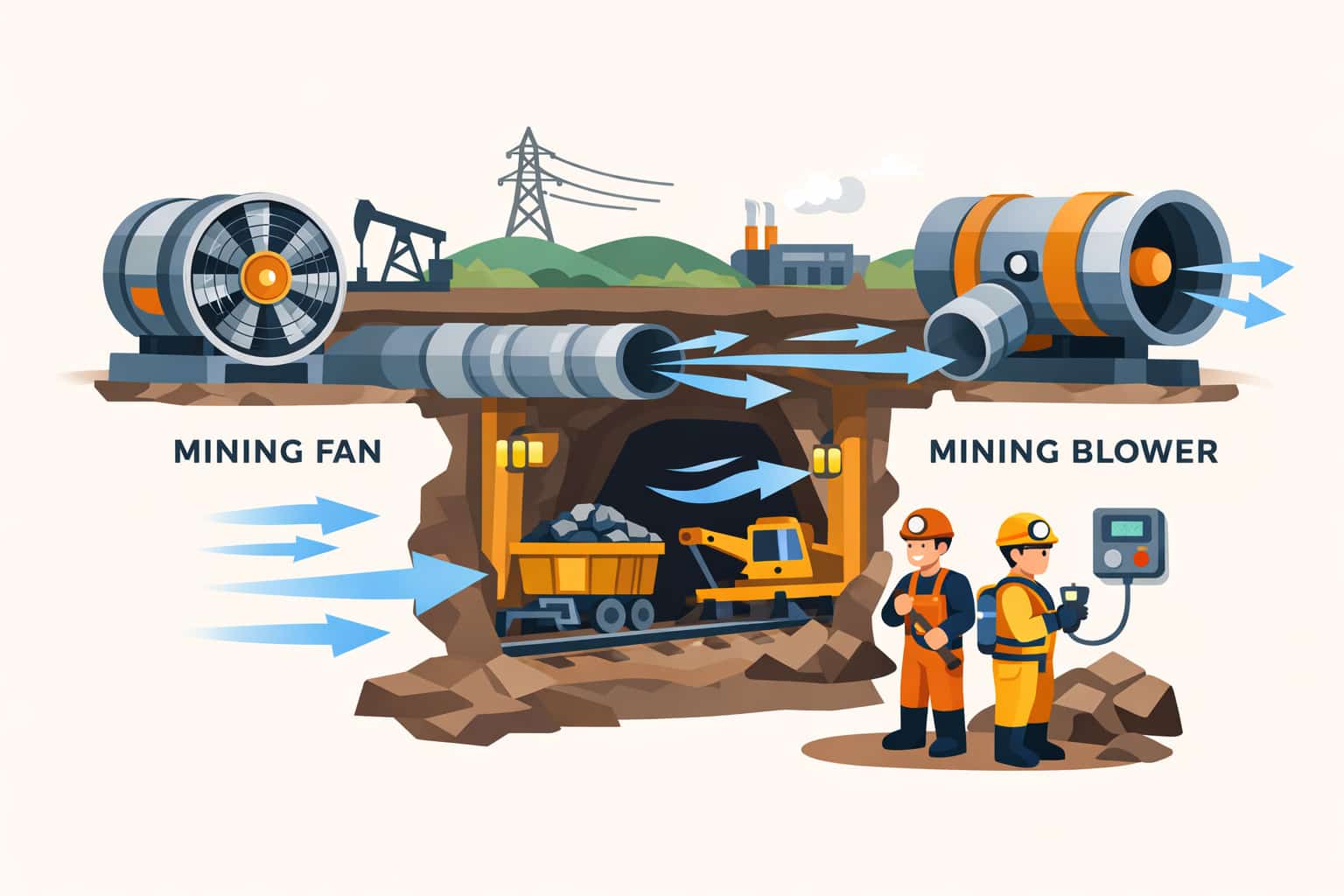
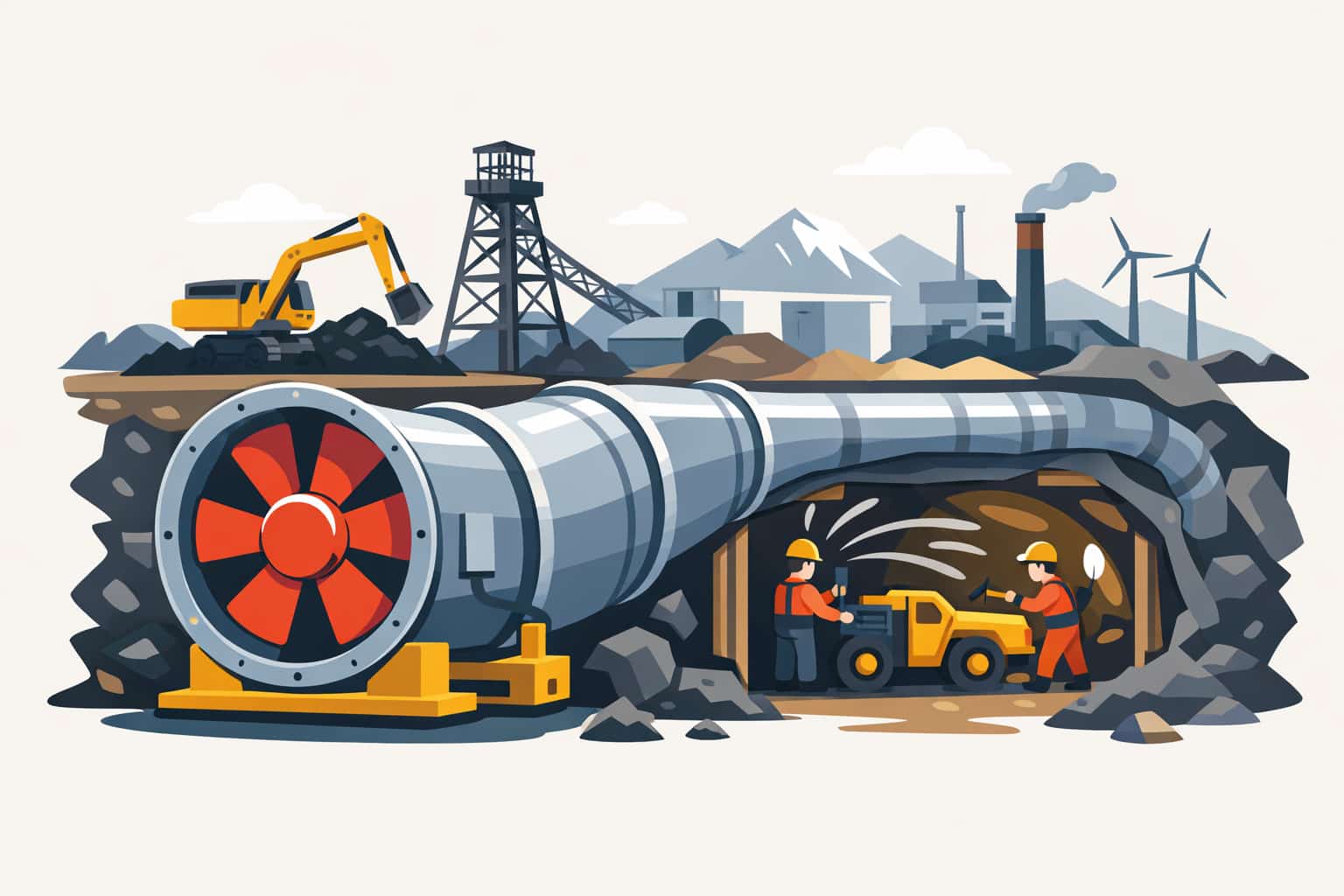
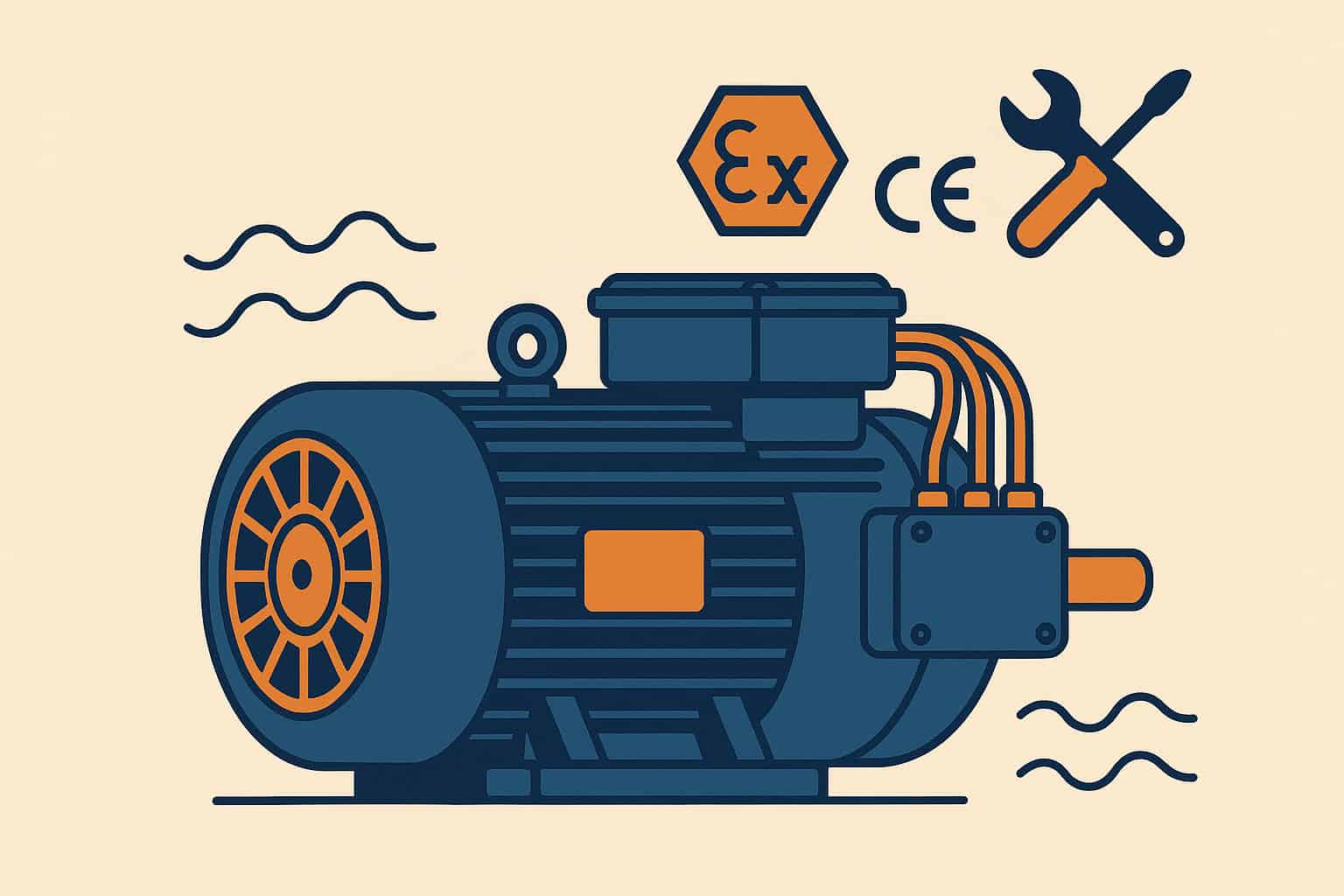
At the top end, heavy-duty or hazardous-area exhaust fans rated around 5000 CFM are intended for demanding environments such as chemical plants, refineries or underground mines. They may require explosion-proof motors, flameproof casings, special coatings, stainless steel construction or certification to specific mining and industry standards. Each of these requirements adds cost, but they are essential where flammable gases, combustible dust or strict safety regulations apply.
In addition to the fan itself, pricing is influenced by accessories and controls. Backdraft dampers, inlet or outlet guards, silencers, mounting frames, variable speed drives and smart control panels all add to the overall cost. Some suppliers quote only a bare fan, while others include these extras in packaged offers, so it is important to compare proposals on a like-for-like basis.
In summary, a 5000 CFM exhaust fan can be relatively inexpensive in a basic commercial configuration, but the price rises as you move toward more robust industrial designs and fully certified mining or hazardous-area fans. To obtain accurate pricing, define the required pressure, environment, duty cycle, safety classification and accessories so that suppliers can recommend the appropriate fan and provide realistic quotations.
